Concentric Cable: Design, Applications, and Key Benefits in Power Systems
2025-12-22
1. What is a Concentric Cable?
Concentric cables are specialized cables widely used in power distribution systems. They have a unique structure with a central main conductor surrounded by one or more concentric conductors. These outer conductors, typically used as neutral or grounding wires, are evenly wound in a spiral around the central conductor. This design not only ensures excellent electrical continuity and a safe current loop but also enhances the cable's mechanical strength and interference resistance. Concentric cables are commonly used in urban power distribution, industrial power supply, and underground power grids, offering high reliability and convenient installation and maintenance.
In practical applications, concentric cables are widely used in low- and medium-voltage networks, underground distribution systems, and service entrances. The design enhances electrical performance and allows for simplified grounding, which is essential for safety in modern installations.
2. Structural Design and Components
The typical structure of a concentric cable includes:
- Central Conductor: Made of copper or aluminum, serving as the main current-carrying core.
- Insulation Layer: High-grade polyethylene (XLPE or PVC) that provides electrical insulation and thermal protection.
- Concentric Neutral Layer: Multiple strands of smaller conductors wrapped around the insulation, functioning as both neutral and grounding path.
- Outer Sheath: A protective jacket designed to resist moisture, abrasion, and UV radiation.
This layered configuration provides not only electrical reliability but also mechanical durability, making the cable ideal for both indoor and outdoor use.
3. Types of Concentric Cables
Concentric cables come in several variations based on system requirements:
- Concentric Neutral Cable: Common in distribution networks, where the outer neutral conductors maintain consistent electrical potential, ensuring balanced current flow.
- Split Concentric Cable: Features separate neutral and earth conductors in the outer layer, offering better fault detection and improved grounding in domestic or commercial installations.
- Armored Concentric Cable: Includes an additional steel tape or wire armor layer for protection against physical damage in industrial or buried environments.
Each type is designed to meet specific IEC and UL standards, ensuring compliance and safety in various regions.
4. Working Principle and Electrical Performance
In operation, the central conductor carries the load current, while the outer concentric neutral conductors act as the return path for current flow. This design minimizes electromagnetic interference (EMI), reduces voltage drop, and enhances system efficiency.
From a practical engineering perspective, the concentric configuration ensures:
- Equal potential distribution around the cable.
- Enhanced fault current return in case of insulation failure.
- Improved shielding against external electrical noise.
This makes concentric cables particularly valuable in smart grid systems, urban distribution networks, and renewable energy projects.
5. Applications in Power Systems
Concentric cables are used across a wide range of power applications:
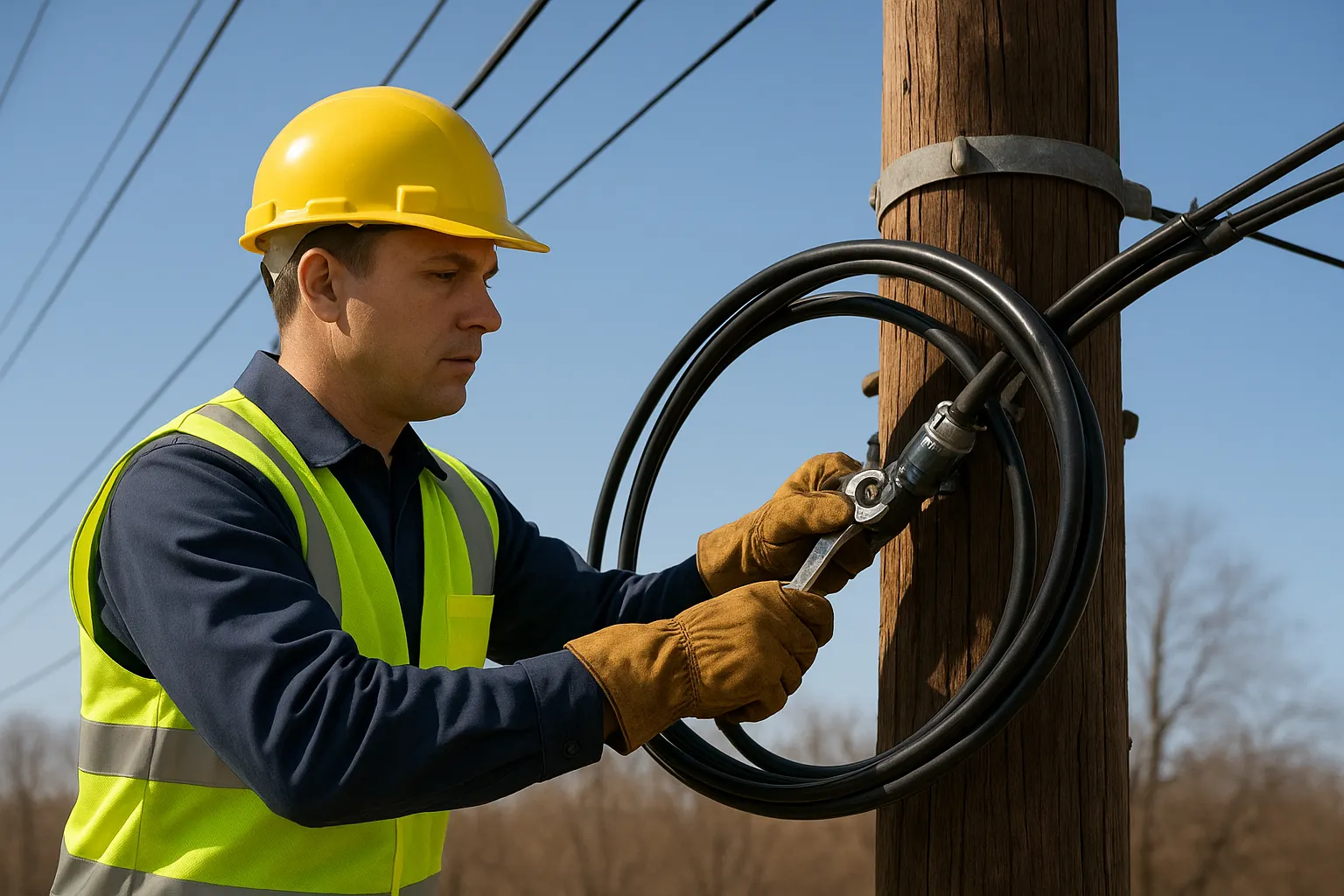
- Utility Service Drops: For connecting power from overhead lines to residential or commercial premises.
- Underground Distribution Networks: Their robust insulation and grounding system make them suitable for buried installations.
- Renewable Energy Systems: In solar and wind installations, concentric cables ensure stable current return paths and safety under variable load conditions.
- Industrial Power Distribution: Providing reliable grounding and reduced electromagnetic interference in control and automation systems.
In many cases, aluminum concentric neutral cables are chosen for their lightweight and cost-effective properties, while copper concentric cables are preferred for high-conductivity applications.
6. Key Benefits of Concentric Cables
|
Feature |
Technical Benefit |
Practical Advantage |
|
Integrated Neutral Path |
Simplifies circuit design |
Reduces installation time |
|
Enhanced Safety |
Improved grounding and fault management |
Prevents electric shock and fire |
|
Durability |
Resistant to corrosion, moisture, and mechanical damage |
Long service life |
|
Low Electromagnetic Interference |
Balanced current return path |
Stable signal quality |
|
Versatility |
Suitable for indoor, outdoor, and underground use |
Broad application range |
These benefits explain why we use concentric cable in modern electrical networks — reliability, safety, and reduced operational cost make them a standard choice for utilities and contractors alike.
7. Future Trends and Technological Advancements
With the growth of smart grids and distributed energy systems, the role of concentric cables is expanding. Future innovations focus on:
- Improved insulation materials (e.g., cross-linked polymers for higher temperature resistance).
- Enhanced corrosion-resistant sheathing for marine and offshore use.
- Integration with smart monitoring systems that can detect temperature and load variations in real time.
As the demand for renewable and decentralized power grows, concentric cables will continue to evolve, supporting a more efficient and sustainable energy infrastructure.
In conclusion, concentric cables play an essential role in ensuring safe, reliable, and efficient power transmission. Their unique design, combining conductor, insulation, and grounding in a single structure, makes them indispensable in both traditional and modern electrical systems.
Whether it’s for urban power distribution, renewable energy integration, or utility service connections, the concentric cable offers a balanced solution that meets the technical, economic, and safety demands of today’s power networks.

Related Articles
Related Products
NSSHOU O/J, NSSHOU 3E, NSSHOU 3E + ST 0.6/1 kV Cable
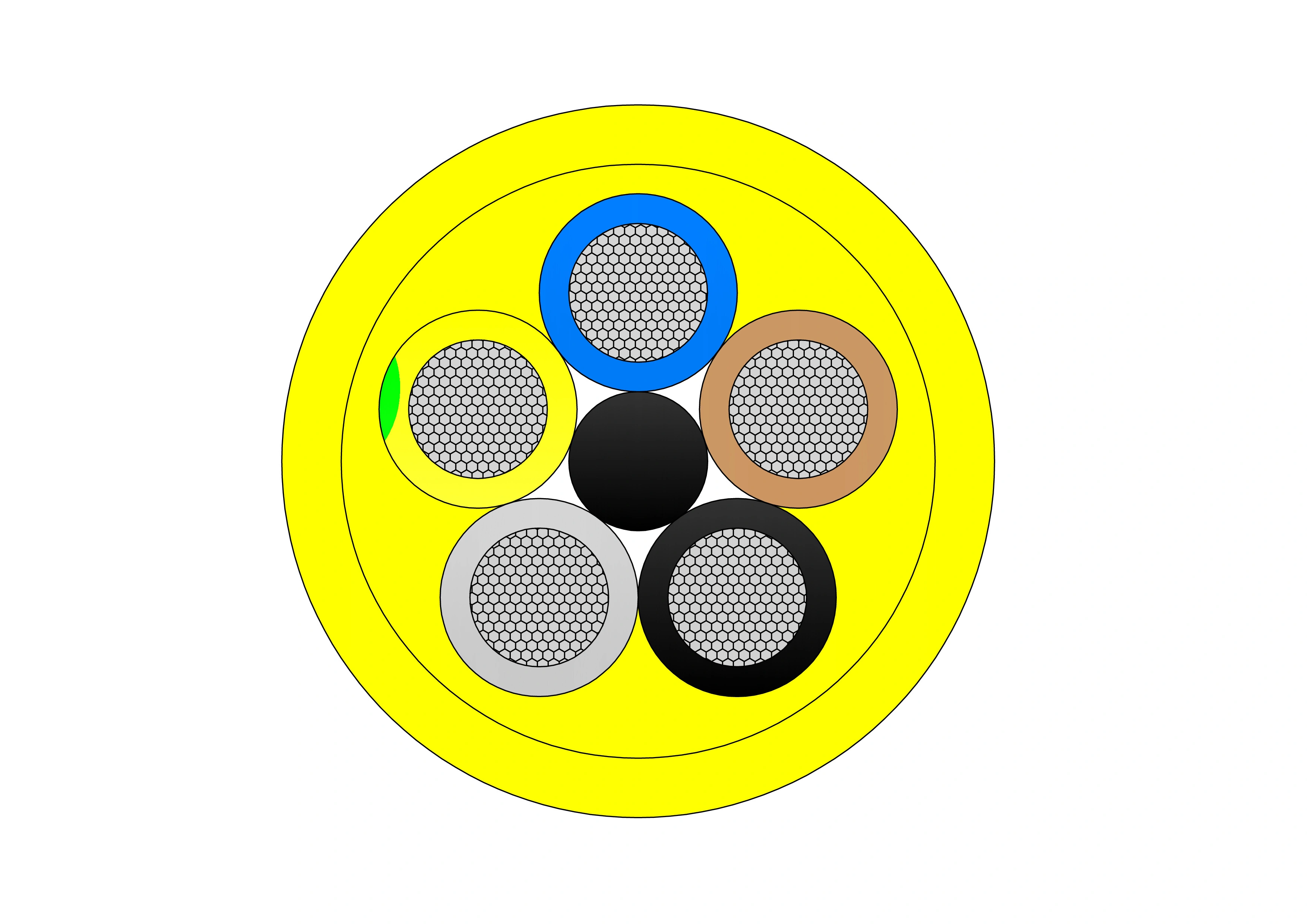
The NSSHOU O/J, NSSHOU 3E, and NSSHOU 3E + ST 0.6/1 kV Cables are heavy-duty, flexible rubber-insulated mining cables designed for safe and reliable power transmission in harsh mining and industrial environments. These cables are commonly used for mobile and fixed mining equipment, including conveyors, cutting machines, drilling systems, and underground power distribution. NSSHOU O/J cables provide excellent flexibility and mechanical strength, while NSSHOU 3E cables incorporate a protective earth conductor for enhanced safety. The NSSHOU 3E + ST version includes additional steel tape (ST) reinforcement, offering improved resistance to crushing, impact, and mechanical stress. All cable types feature finely stranded copper conductors, high-performance rubber insulation, and durable outer sheaths resistant to abrasion, oil, moisture, and environmental aging. Manufactured under strict quality control procedures, each NSSHOU cable undergoes raw material testing, process inspection, and finished product testing to ensure compliance with mining standards and long-term operational reliability.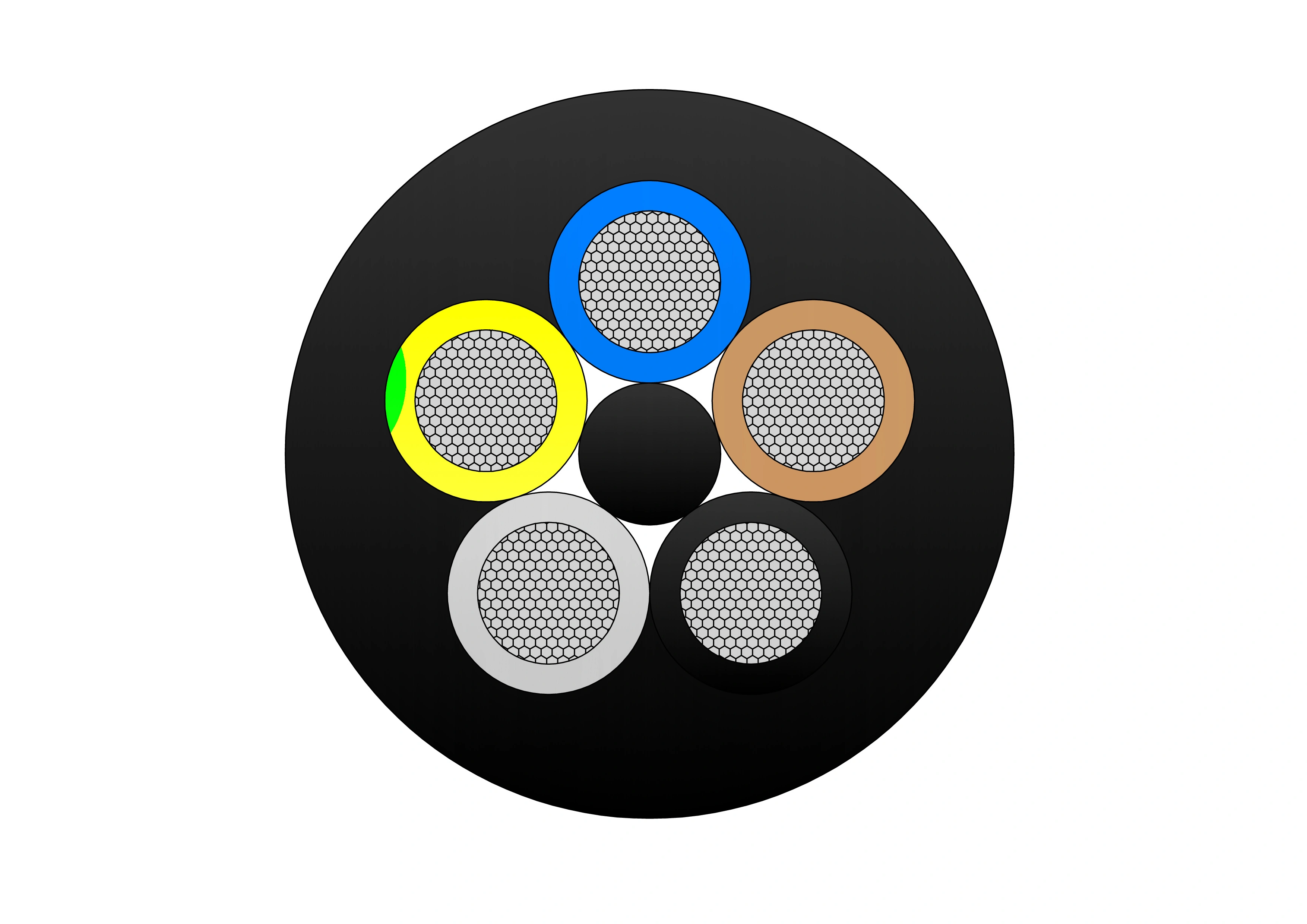
Type 450 Flexible Copper Screened Mining Cable With Two Earth And One Pilot Core
The Type 450 Flexible Copper Screened Mining Cable is a medium-voltage, heavy-duty mining cable designed for power supply in draglines, slow reeling, and industrial applications requiring two earth cores and one pilot core. It features tinned annealed copper conductors, EPR (XR-EP-90) insulation, and a tinned copper/polyamide braid screen for electrical shielding. The double-layer HD-PCP sheath provides extra heavy-duty protection, including oil resistance, flame retardancy, and chemical durability. Available in voltage ratings from 3.3kV to 33kV, the cable meets AS/NZS 2802 and related standards, ensuring high performance and reliability in harsh mining environments.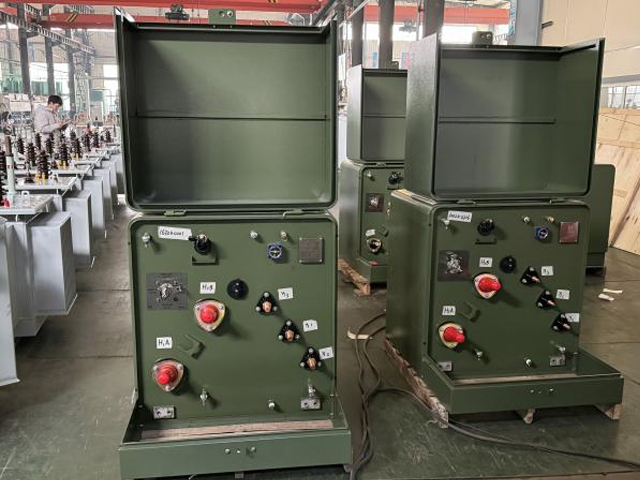
333kVA Single Phase Pole Mounted Transformer
NPC ELECTRIC'S 333kVA single phase pole mounted transformer stands as a powerhouse solution for intensive overhead distribution requirements, effectively reducing primary voltages such as 12.47kV, 24.94kV, or 34.5kV to secondary voltages including 120/240V, 277V, or 347V. Crafted with premium grain-oriented silicon steel cores and durable windings, it delivers outstanding energy efficiency, low losses, and compliance with modern DOE efficiency regulations alongside IEEE C57 and ANSI standards. The tank incorporates corrugated fins for optimal natural oil circulation (ONAN), supporting a 65°C temperature rise and robust overload handling. Equipped with essential protections like pressure relief valves, high-voltage bushings, and surge arresters, this transformer ensures dependable operation in exposed conditions. Its design prioritizes quiet performance, minimal maintenance, and extended service life, making it highly suitable for utilities managing substantial single-phase loads in evolving power networks.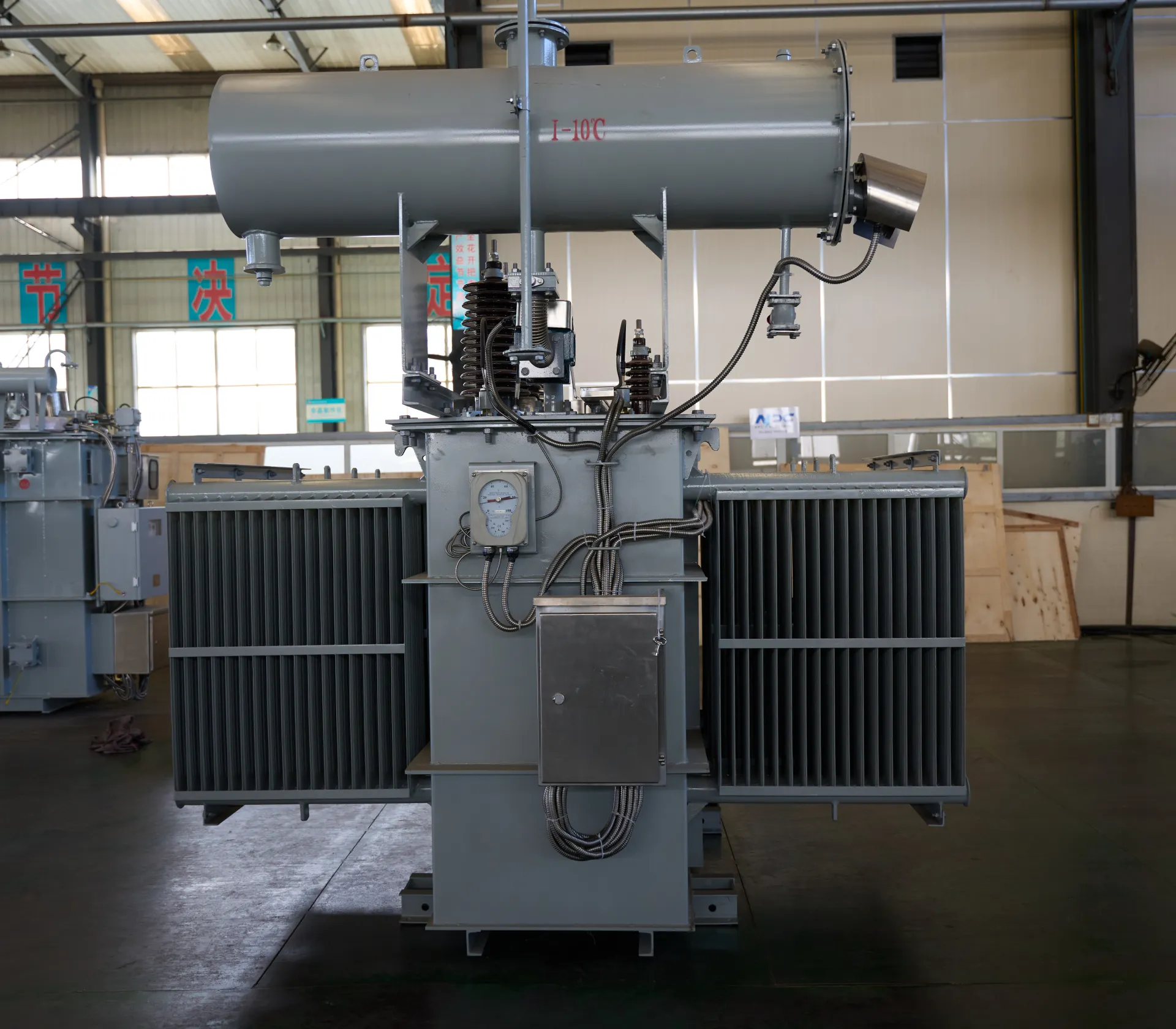
33/0.4kv 2000kVA Power Distribution Transformer
Experience superior power reliability with our 33/0.4kV 2000kVA Power Distribution Transformer, a cutting-edge solution designed for efficient medium-to-low voltage conversion in extensive electrical networks. This oil-immersed transformer incorporates high-permeability grain-oriented steel cores and optimized copper windings to deliver exceptional efficiency, low noise operation, and minimal energy losses even under full load conditions. The robust conservator-type tank filled with premium inhibited mineral oil ensures excellent cooling, high breakdown voltage, and protection against environmental factors. Engineered for long-term performance in challenging climates, it features anti-corrosion coatings, sealed bushings, and overload tolerance up to 150% for short durations. Fully compliant with IEC 60076, GB/T 1094, and other global standards, this 2000kVA distribution transformer supports sustainable energy infrastructure by reducing carbon footprint through enhanced efficiency and reliable power delivery to end users.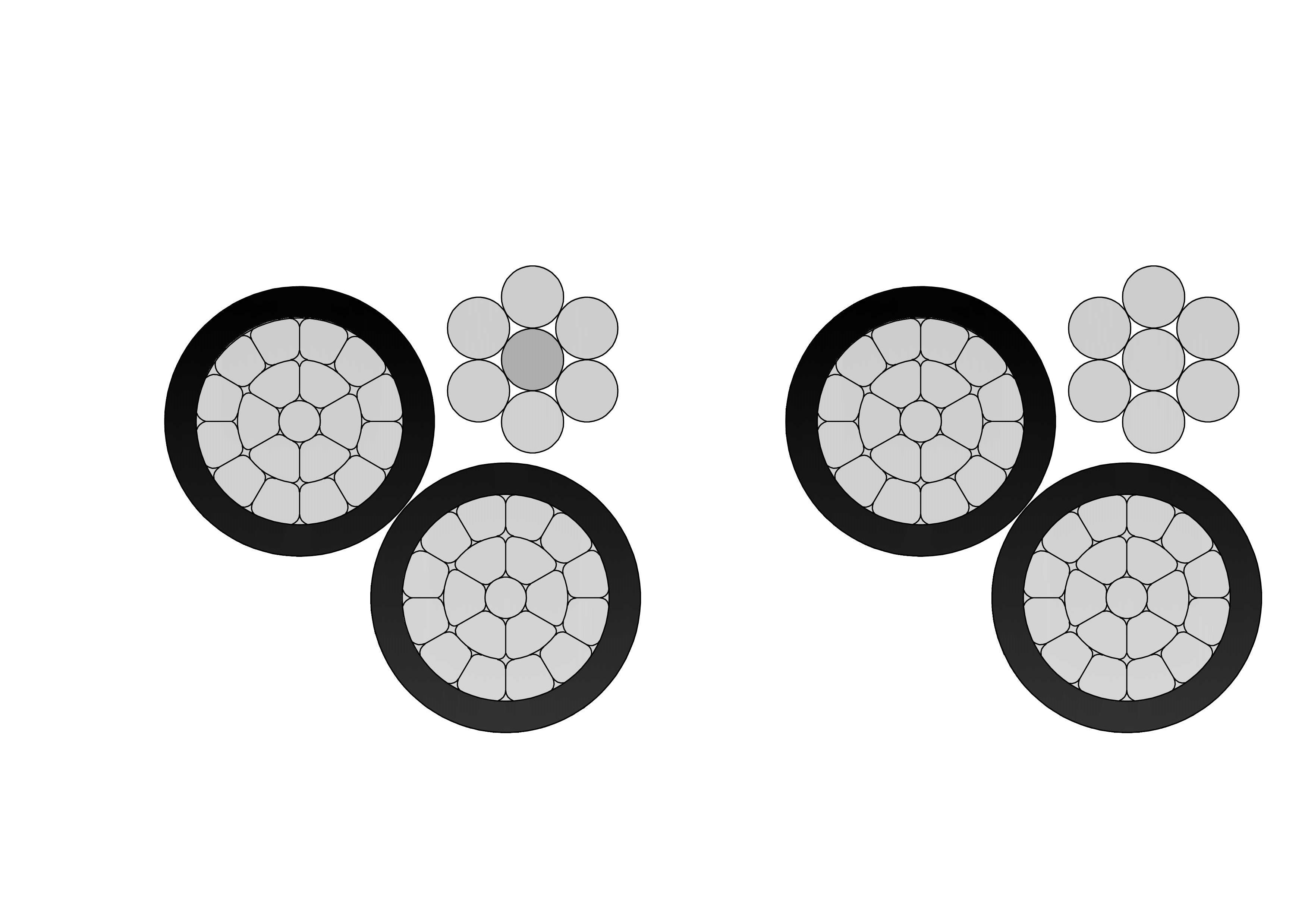
4 Crab Aluminum Conductor Triplex Overhead Service Drop Cable Wire
4 Crab Triplex Aluminum Overhead Service Drop Cable is designed for reliable utility power delivery from pole-mounted transformers to the service entrance at residential, commercial, or light industrial sites. It consists of two insulated phase conductors and a bare AAC (All-Aluminum Conductor) messenger serving as both a neutral and mechanical support. Built for overhead single-phase service drops, it operates at voltages up to 600V and is insulated with black cross-linked polyethylene (XLP) for enhanced durability against UV, abrasion, and moisture. The 4 Crab's robust yet flexible structure prevents sagging and ensures stable performance over time. Utilities and contractors appreciate its cost-effectiveness and low-maintenance profile. Elevate your electrical infrastructure with this reliable cable that combines innovation and durability for uninterrupted power supply.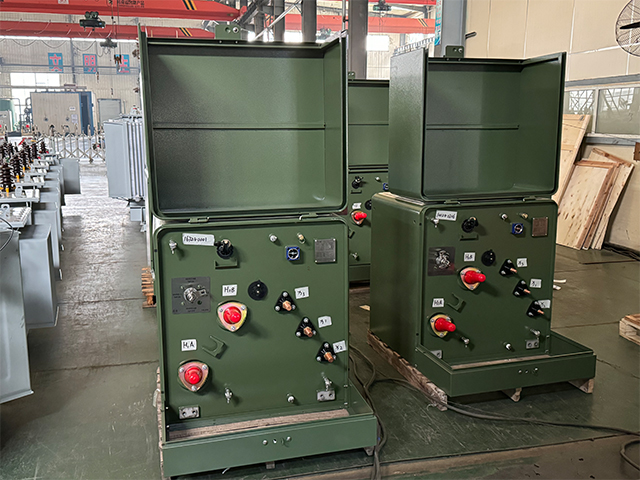
10kVA Single Phase Pad Mounted Transformer
The 10 kVA pad-mounted transformer meets ANSI, CSA, NEMA, IEEE, and DOE standards. NPC Electric's 10 kVA pad-mounted transformers comply with DOE efficiency values and are UL listed. Based on specific technical requirements, the incoming line can be designed as either a loop feed or radial feed, and it also supports customized dual voltage.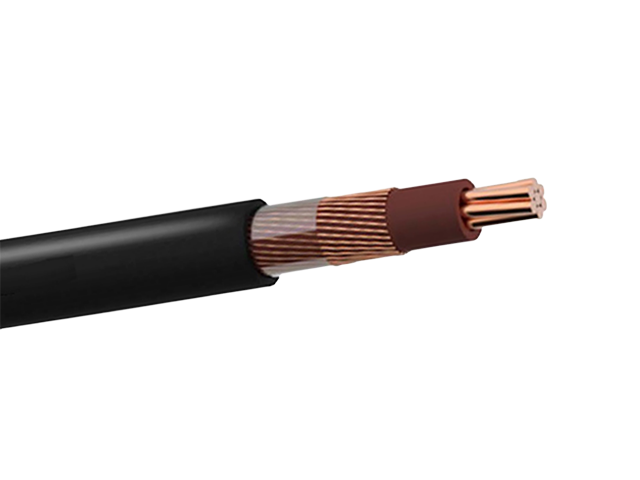
Aluminum Concentric Service Cable - 600/1000V AA8000 XLPE LV Cable
The Aluminum Concentric Service Cable is a reliable low-voltage cable designed for efficient house service connections and secondary distribution. It features compact stranded AA8000 series aluminum alloy phase conductors, XLPE insulation, and a concentrically stranded aluminum alloy neutral layer, all protected by a durable black polyethylene sheath. The concentric design provides balanced electrical performance and mechanical strength while maintaining excellent flexibility for easy installation. With superior corrosion resistance and cost-effectiveness compared to copper cables, this cable is perfect for both aerial and underground applications. Rated 600/1000V, the Aluminum Concentric Service Cable meets international standards and undergoes rigorous quality testing from raw materials to finished product, ensuring consistent conductivity, long service life, and reliable performance in residential and light commercial networks.2Y-high-voltage-power-cable-2.webp)
A2XS(FL)2Y MDPE High Voltage 36/60 (72.5)kV Power Cable
The A2XS(FL)2Y MDPE High Voltage Power Cable is a single-core aluminum conductor cable with XLPE insulation and an MDPE sheath, rated 36/60 (72.5) kV. Designed for high-voltage power transmission, it meets IEC 60840 standards, offering excellent electrical performance, mechanical protection, and water resistance. Its construction features an aluminum conductor, semi-conductive conductor screen, XLPE insulation, semi-conductive insulation screen, semi-conductive water swelling tape, copper wire metallic screen, longitudinal aluminum tape with PE copolymer coating, and an MDPE sheath. Water-blocking tape prevents water propagation, ensuring reliable operation in power stations, industrial plants, and distribution networks. Suitable for underground, underwater, indoor, outdoor, and duct installations, this cable is ideal for distribution networks, connections to generation units, and industrial processes.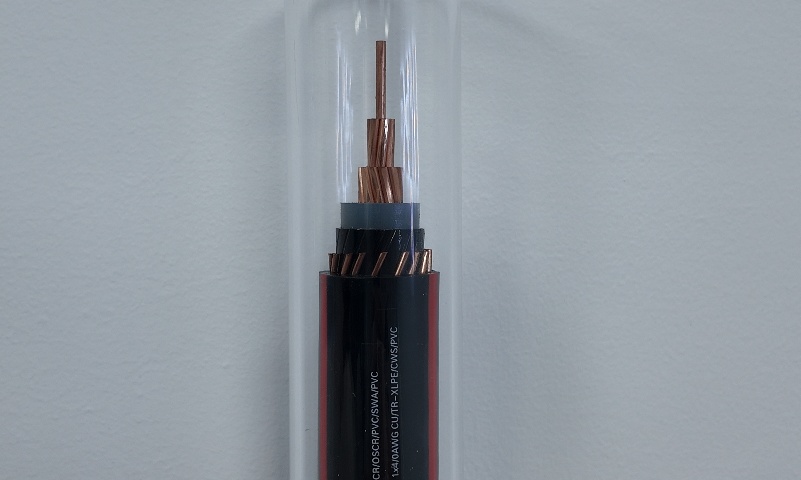
Single Conductor URD Cable
The Single Conductor URD Cable is a reliable and economical 600V underground residential distribution cable engineered for service entrance and secondary power delivery. It features a stranded AA8000 aluminum alloy conductor with XLPE insulation and a concentrically stranded aluminum alloy neutral, all protected by a durable black polyethylene sheath. This single conductor design provides excellent flexibility, high conductivity, and superior moisture resistance, making it suitable for direct burial or conduit installations. Lightweight and corrosion-resistant, the Single Conductor URD Cable is a practical alternative to copper cables while maintaining strong mechanical performance. Manufactured to UL 854 and ICEA standards, it undergoes extensive quality testing to ensure consistent performance and long service life in underground environments.
4 Prawn Aluminum Conductor Triplex Overhead Service Drop Cable
The 4-4-4 Prawn Aluminum Conductor Triplex Overhead Service Drop Cable is a versatile solution for overhead power delivery from utility poles to residential or light commercial weatherheads. It features solid 1350-H19 aluminum phase conductors (#4 AWG), black cross-linked polyethylene (XLPE) insulation for excellent weather, UV, and thermal resistance, and a bare ACSR neutral messenger (#4 AWG, 6/1) providing mechanical strength and conductivity. Rated for 600 volts phase-to-phase at conductor temperatures up to 90°C (XLPE) or 75°C (Poly), it offers an allowable ampacity of approximately 115 amps (XLP). Compliant with ASTM B-230, B-231, B-232, B-399, and ICEA S-76-474 standards, this lightweight, flexible cable ensures easy installation and long-term reliability in outdoor conditions, including wind, ice loading, moisture, and temperature fluctuations.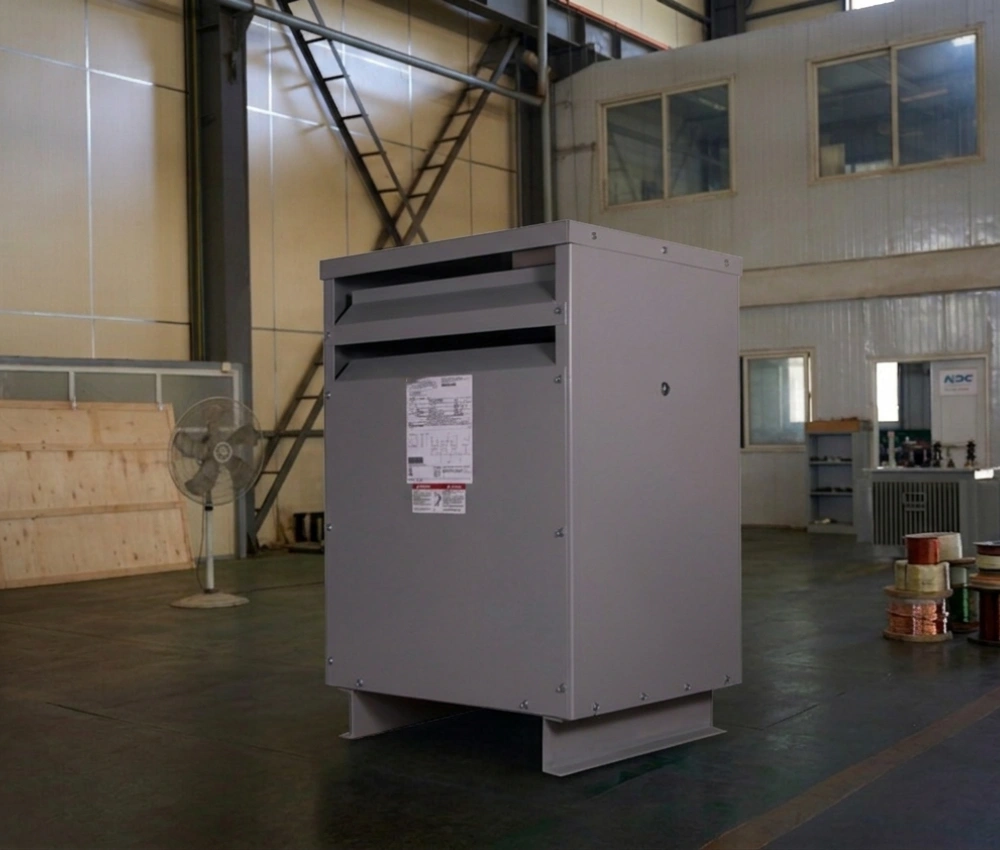
Drive Isolation Transformer
The Drive Isolation Transformer is a specialized transformer engineered to provide electrical isolation, voltage transformation, harmonic mitigation, and enhanced power quality for variable frequency drives (VFDs), motor control systems, and industrial automation applications. Installed between the utility power source and drive equipment, the transformer protects sensitive drive electronics from electrical disturbances while reducing the impact of harmonics generated by inverter-based systems. This improves system reliability, extends equipment lifespan, and enhances operational stability in demanding industrial environments. Manufactured using premium-grade silicon steel cores, high-conductivity windings, and advanced insulation systems, the drive isolation transformer delivers exceptional efficiency, thermal performance, and voltage regulation. The transformer effectively isolates common-mode noise, suppresses transient voltage spikes, reduces grounding issues, and minimizes electromagnetic interference within industrial electrical networks. The Drive Isolation Transformer supports both low-voltage and medium-voltage drive systems and can be customized for harmonic reduction, phase shifting, multi-pulse drive configurations, and renewable energy applications. Its rugged construction and intelligent monitoring capabilities make it an ideal solution for modern industrial power systems requiring reliable motor control and superior electrical protection.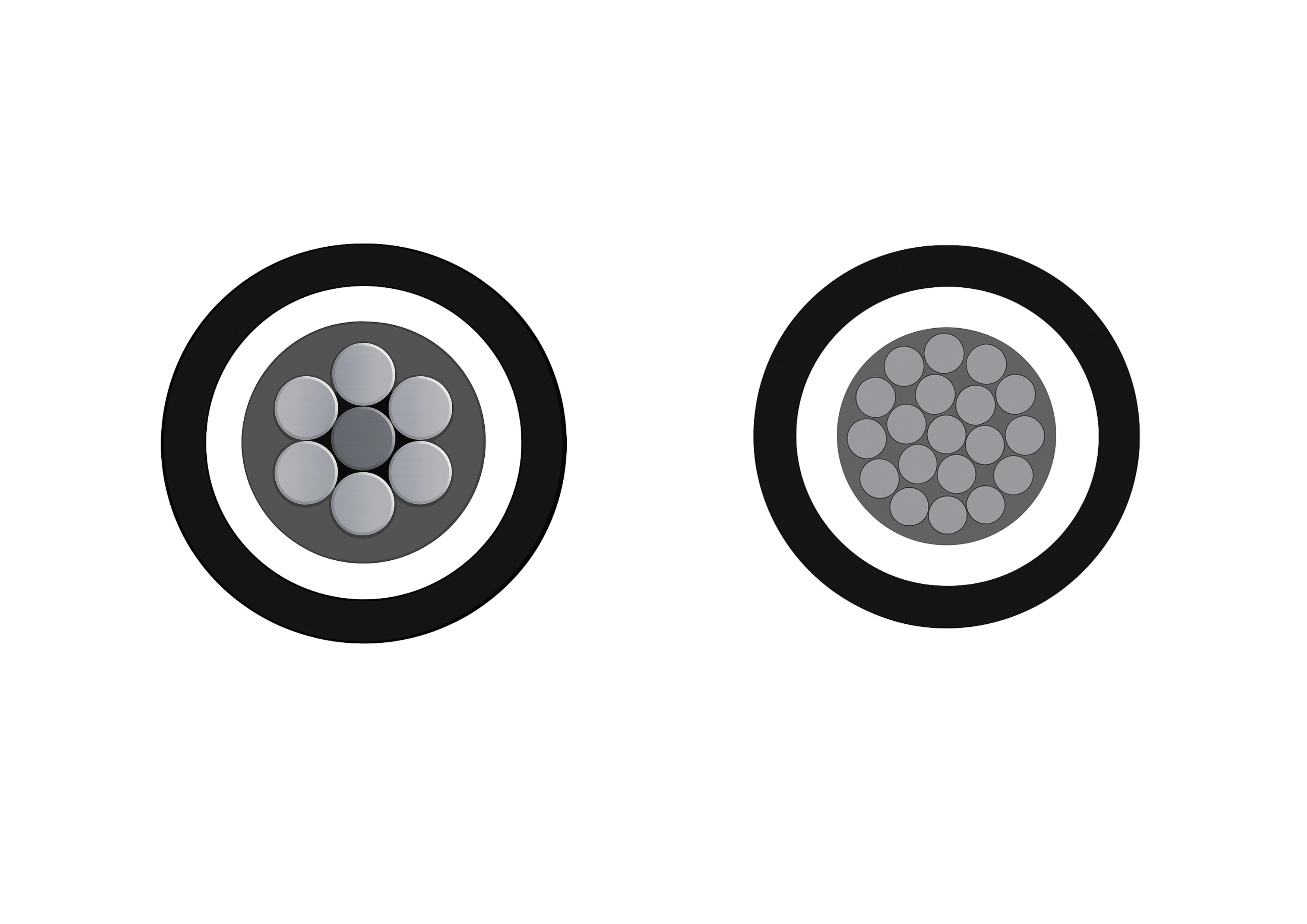
3-Layer 46kV Tree Wire - Covered Overhead MV Cable
The 3-Layer 46kV AAAC/ACSR/AAC Tree Wire is a premium covered medium-voltage overhead conductor designed for reliable performance in heavily vegetated environments. It features a concentrically stranded AAAC, ACSR, or AAC conductor protected by a robust triple-layer system of track-resistant high-density polyethylene (HDPE) or cross-linked polyethylene (XLPE). The multi-layer covering delivers exceptional tracking resistance, abrasion protection, and weatherability while significantly reducing the risk of electrical faults from tree limb contact and minimizing wildfire ignition potential. This advanced design allows closer spacing to vegetation and lowers vegetation management costs. Suitable for both conventional overhead lines and spacer cable systems, the 3-Layer 46kV AAAC/ACSR/AAC Tree Wire meets ICEA S-121-733 and related ASTM standards. It undergoes rigorous quality testing from raw materials to finished product, ensuring excellent dielectric strength, mechanical robustness, and long-term durability in demanding high-voltage applications.
2/0 Cyclops Aluminum Conductor Triplex Overhead Service Drop Cable
The 2/0 Cyclops Aluminum Conductor Triplex Overhead Service Drop Cable is engineered for reliable overhead electrical service from utility lines to residential and commercial buildings. This cable consists of two insulated phase conductors helically wrapped around a bare aluminum neutral messenger, ensuring mechanical strength and electrical stability. Manufactured using high-purity aluminum and weather-resistant insulation, the 2/0 Cyclops Aluminum Conductor Triplex Overhead Service Drop Cable delivers excellent conductivity, corrosion resistance, and long service life. Its lightweight construction simplifies installation while maintaining strong tensile performance for aerial applications. The cable is designed to meet utility standards and perform consistently under varying environmental conditions such as UV exposure, wind, and temperature fluctuations. Each production batch undergoes comprehensive testing to guarantee compliance, safety, and performance, making this cable a dependable solution for modern power distribution systems.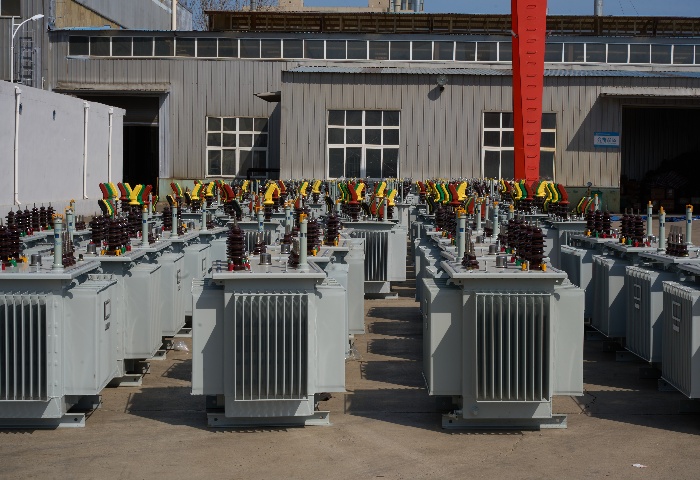
700kVA Oil Immersed Transformer
The 700kVA Oil Immersed Transformer is a high-performance three-phase distribution transformer optimized for dependable medium-voltage power conversion in 50/60Hz AC grids, featuring primary ratings of 11kV or 33kV and secondary at 0.4kV/0.415kV/0.433kV. It adopts a fully hermetically sealed corrugated tank construction for automatic volume compensation, delivering outstanding resistance to humidity ingress, corrosion. Incorporating low-loss grain-oriented silicon steel core (S11/S13 series compliant) for minimized no-load losses (typically 950-1300W), high-conductivity copper windings, and premium-grade mineral insulating oil (IEC 60296 certified, dielectric >55kV/2.5mm).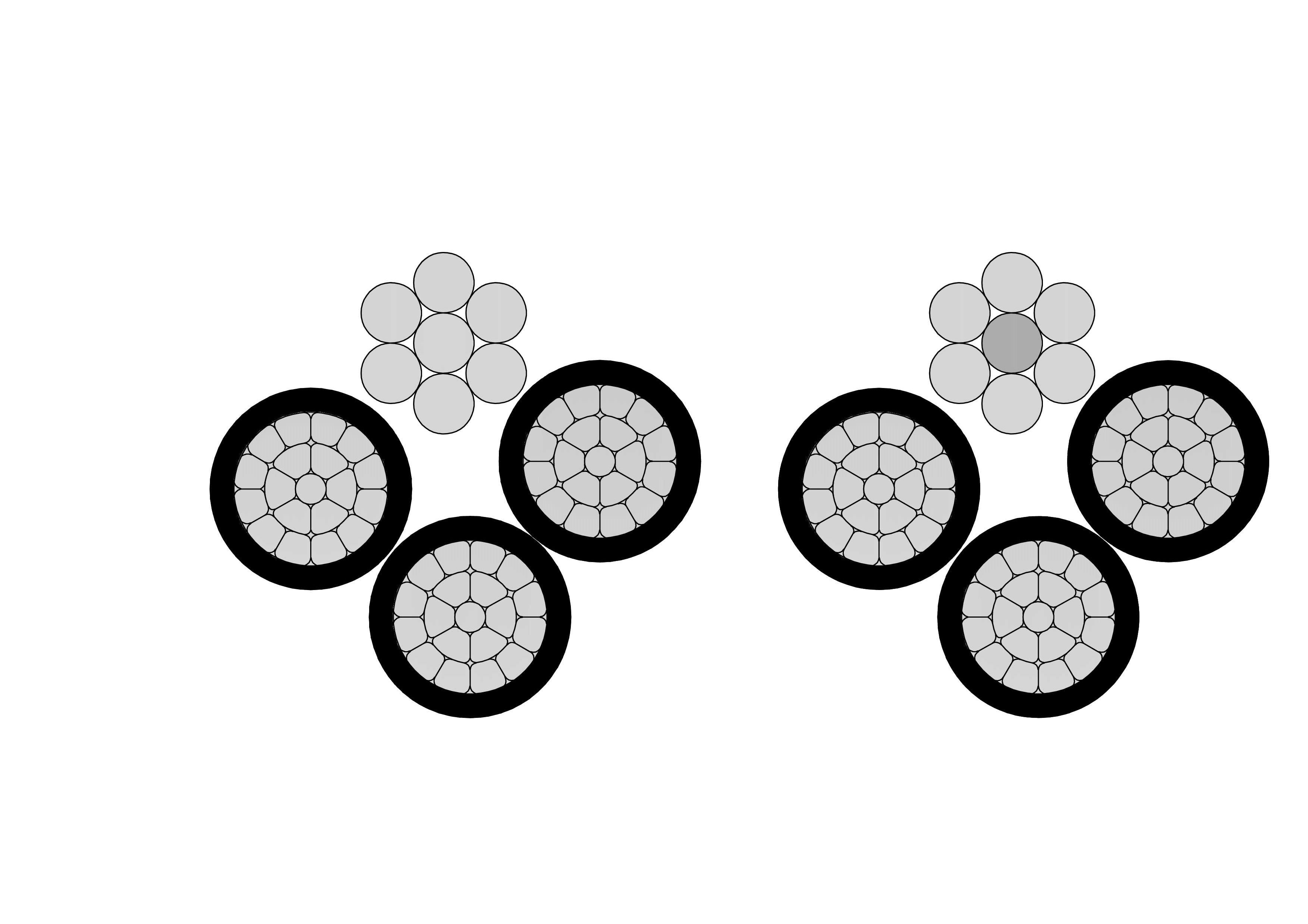
1/0 Shetland Aluminum Conductor Quadruplex Overhead Service Drop Cable
1/0 Shetland Aluminum Conductor Quadruplex Overhead Service Drop Cable is engineered to deliver three-phase electrical power from pole-mounted transformers to service entrances in residential, agricultural, and light commercial settings. Designed for overhead installation, this cable is rated for 600 volts phase-to-phase and can operate at temperatures up to 90°C with cross-linked polyethylene (XLP) insulation, or 75°C with polyethylene (PE) insulation. The cable includes three phase conductors constructed from 1350-H19 series aluminum, either stranded or compressed, and a neutral messenger made of bare AAAC (All Aluminum Alloy Conductor). Optional constructions are available with AAC or ACSR messengers, allowing adaptability for varying mechanical or electrical needs. XLP insulation offers superior durability, weather resistance, and thermal stability, making this cable ideal for challenging outdoor environments.Welcome your inquiry
Honesty, Integrity, Frugality, Activeness and Passion