
Modern Power Transformers: Efficiency, Design, and Smart Grids
2025-12-24
In today's rapidly evolving energy landscape, power transformers play a central role in ensuring efficient and reliable power transmission and distribution. With the continued growth of global electricity demand, power systems are accelerating their transition to smart grids and large-scale integration of renewable energy sources such as wind and solar power. This makes the design, performance, and efficiency of modern power transformers more critical than ever before.
These devices are no longer simply tools for stepping up or stepping down voltage; they are essential components of the digital energy ecosystem. To meet the requirements of smart grids, next-generation transformers must minimize energy losses, achieve precise and stable operational control, and seamlessly integrate with advanced sensor, monitoring, and diagnostic technologies. This means they need to be highly resilient to voltage fluctuations and transient impacts from renewable energy sources, while supporting predictive maintenance and fault diagnosis through real-time data analysis, thereby significantly improving the grid's resilience, reliability, and operational efficiency. Therefore, continuous innovation in transformers is the fundamental guarantee for building a sustainable and efficient future power system.
1. Understanding Modern Power Transformers
A power transformer is an electrical transformer designed to transfer electrical energy between two or more circuits through electromagnetic induction. Unlike smaller distribution transformers used for end-user supply, power transformers handle high-voltage transmission in large-scale networks.
Modern designs focus on:
-
Enhanced magnetic core materials (using grain-oriented silicon steel or amorphous metal) to reduce core losses.
-
High-efficiency winding structures that minimize leakage reactance and improve thermal performance.
-
Digital monitoring systems for real-time performance diagnostics and predictive maintenance.
These advancements make modern power line transformers more efficient, compact, and environmentally friendly compared to traditional units.
2. Design Evolution and Technological Advancements
Traditional transformers were primarily mechanical and passive components. Today’s power transformers integrate advanced materials and digital technologies to meet the demands of smart grids.
Key design improvements include:
-
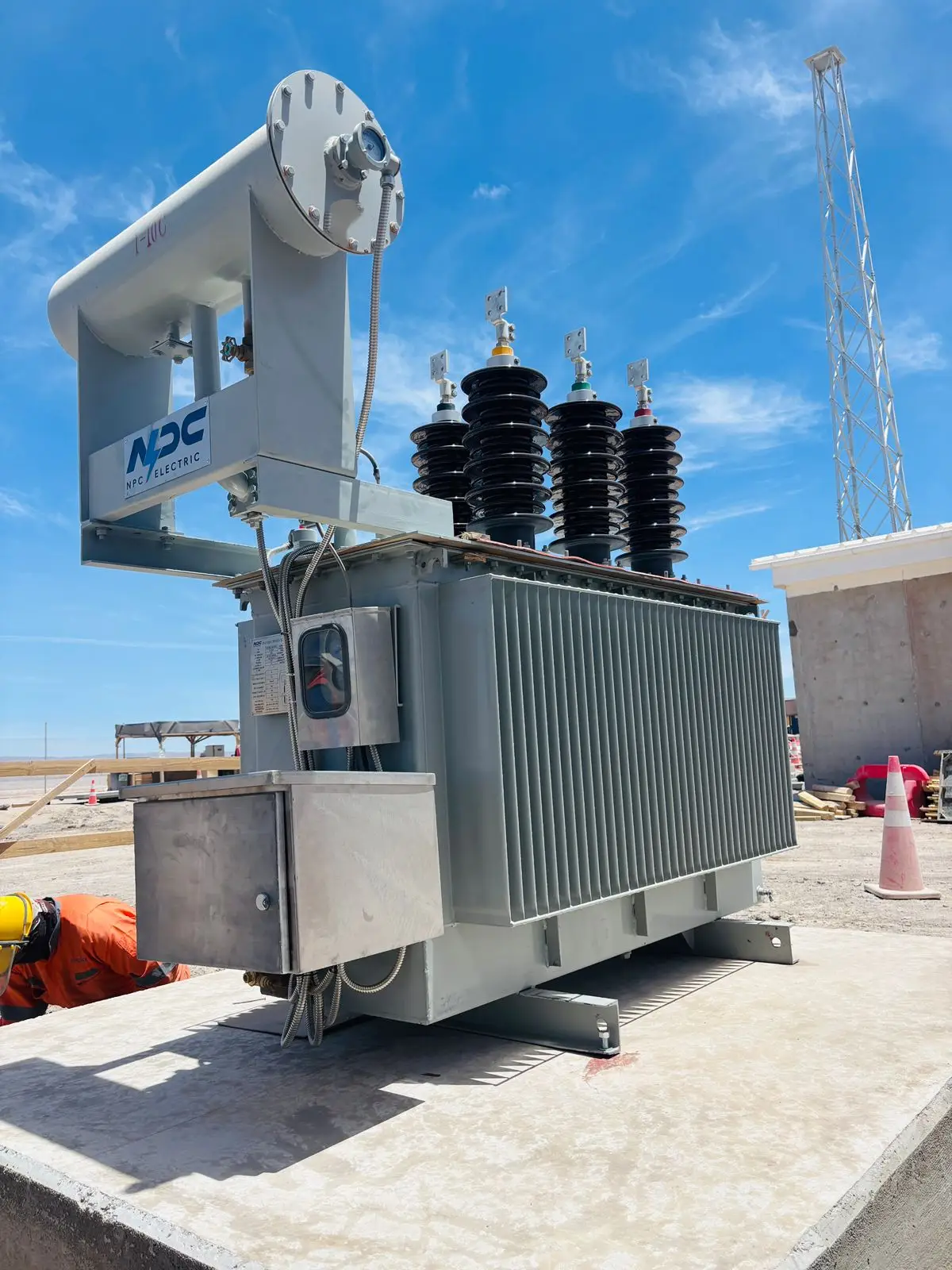
High-efficiency cooling systems: Forced-air and oil-immersed cooling methods enhance heat dissipation, while dry-type designs improve fire safety.
-
Low-loss core design: Modern laminations and optimized flux paths minimize eddy current losses.
-
Smart sensors and IoT integration: Continuous data collection enables grid operators to monitor temperature, vibration, and load conditions remotely.
These technologies help extend transformer lifespan, reduce operational costs, and improve network reliability.
3. Power Transformers in Smart Grid Systems
In smart grids, transformers act as the bridge between generation, transmission, and consumption. They regulate voltage levels, balance load distribution, and enable dynamic power flow management.
Modern power distribution systems utilize digital power transformers equipped with communication modules that connect to SCADA and IoT platforms. This allows utilities to:
-
Perform remote monitoring and fault detection
-
Implement predictive maintenance strategies
-
Optimize load balancing and energy dispatch
Furthermore, single-phase power transformers are widely used in distributed renewable systems—such as solar and wind farms—where modularity and flexibility are required for grid integration.
4. Efficiency and Environmental Impact
Efficiency is a core concern in transformer design. Even a 1% efficiency gain can save millions of kilowatt-hours annually in a large utility network.
Modern electrical transformers achieve up to 99.7% efficiency through:
-
Improved insulation materials and optimized winding geometries
-
Reduced core losses via amorphous steel cores
-
Advanced cooling and oil filtration technologies
In addition, eco-friendly transformer oils, biodegradable materials, and low-noise operation make modern transformers compliant with environmental and regulatory standards.
The move toward sustainable materials and energy-efficient power systems aligns with global initiatives to reduce greenhouse gas emissions.
5. Real-World Applications
Modern power transformers are deployed across multiple sectors:
-
Utility power grids: For high-voltage transmission and regional distribution.
-
Industrial facilities: Supplying consistent voltage to heavy machinery and process plants.
-
Renewable energy plants: Connecting solar farms and wind turbines to the main grids.
-
Urban distribution networks: Using compact transformers to minimize space while maintaining reliability.
In renewable energy systems, power transformers enable bidirectional power flow—crucial for integrating distributed generation and energy storage systems.
6. Maintenance and Operational Best Practices
Regular monitoring and maintenance ensure long transformer lifespans and optimal performance. Key maintenance activities include:
-
Oil analysis to detect dissolved gases or moisture
-
Thermal imaging to identify overheating zones
-
Partial discharge testing to assess insulation integrity
-
Digital diagnostics using online monitoring tools
Implementing these practices reduces unexpected downtime, enhances safety, and lowers lifecycle costs.
7. The Future of Power Transformers
The future of power transformers is defined by smart, sustainable, and self-optimizing technologies.
Emerging trends include:
-
Solid-state transformers (SSTs) for real-time power conversion and bidirectional flow.
-
Integration with renewable sources and energy storage systems.
-
Artificial intelligence (AI) for predictive maintenance and autonomous control.
As smart grids expand globally, modern transformers will become even more intelligent, efficient, and environmentally compatible—serving as the backbone of the next-generation power distribution system.
Modern power transformers are far more than voltage regulators—they are intelligent components essential for the stability and efficiency of future energy systems. Through advanced design, smart technologies, and sustainable materials, they ensure that the world’s power infrastructure remains reliable, safe, and ready for the challenges of tomorrow’s electrical transformation.

Related Articles
Related Products
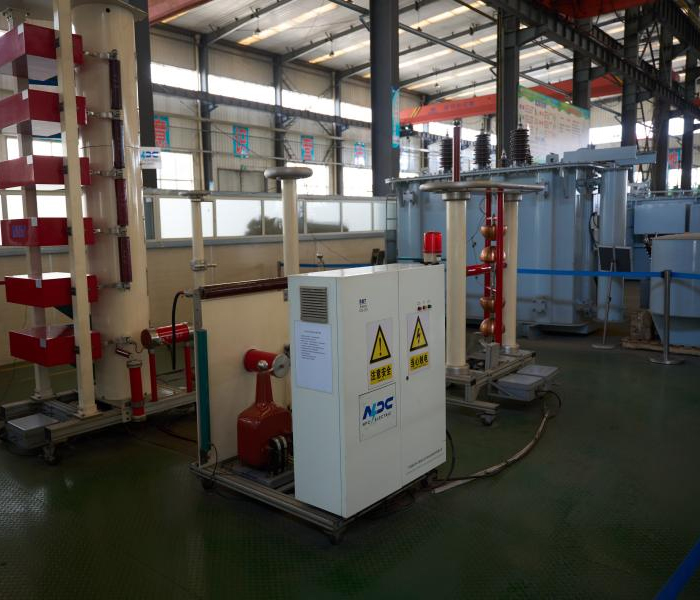
315kVA Dry Type Transformer
The 315 kVA Cast Resin Dry Type Distribution Transformer 480V-208Y/120V, a robust, maintenance-free solution optimized for safe indoor power conversion in North American electrical systems. This three-phase dry-type transformer features premium copper windings fully encapsulated in high-grade epoxy resin under vacuum pressure, delivering exceptional moisture resistance, fire self-extinguishing performance (F1 class), and minimal partial discharge for long-term reliability. With premium low-loss grain-oriented silicon steel cores and natural air (AN) cooling, it achieves superior energy efficiency exceeding DOE 2016 minimums, often reaching 98%+ under typical loads, while maintaining low noise levels and Class F/H insulation for demanding environments. Compliant with IEC 60076-11, ANSI/IEEE C57.12.01, UL, and DOE standards, this compact unit steps down 480V Delta primary (with ±2×2.5% off-circuit taps) to 208Y/120V secondary, providing stable power for commercial, industrial, and institutional applications with zero oil hazards and eco-friendly operation.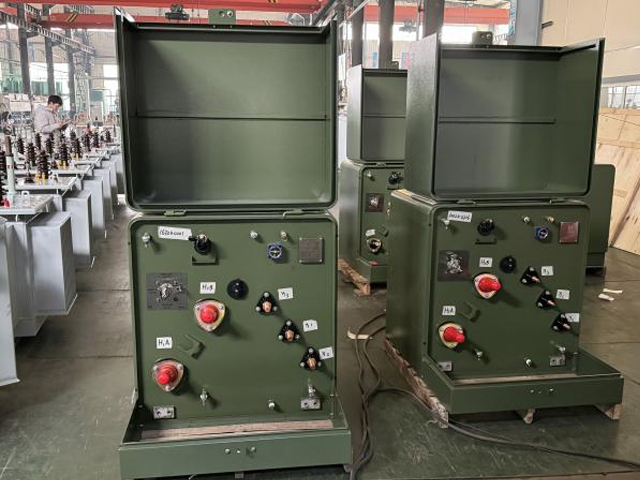
333kVA Single Phase Pole Mounted Transformer
NPC ELECTRIC'S 333kVA single phase pole mounted transformer stands as a powerhouse solution for intensive overhead distribution requirements, effectively reducing primary voltages such as 12.47kV, 24.94kV, or 34.5kV to secondary voltages including 120/240V, 277V, or 347V. Crafted with premium grain-oriented silicon steel cores and durable windings, it delivers outstanding energy efficiency, low losses, and compliance with modern DOE efficiency regulations alongside IEEE C57 and ANSI standards. The tank incorporates corrugated fins for optimal natural oil circulation (ONAN), supporting a 65°C temperature rise and robust overload handling. Equipped with essential protections like pressure relief valves, high-voltage bushings, and surge arresters, this transformer ensures dependable operation in exposed conditions. Its design prioritizes quiet performance, minimal maintenance, and extended service life, making it highly suitable for utilities managing substantial single-phase loads in evolving power networks.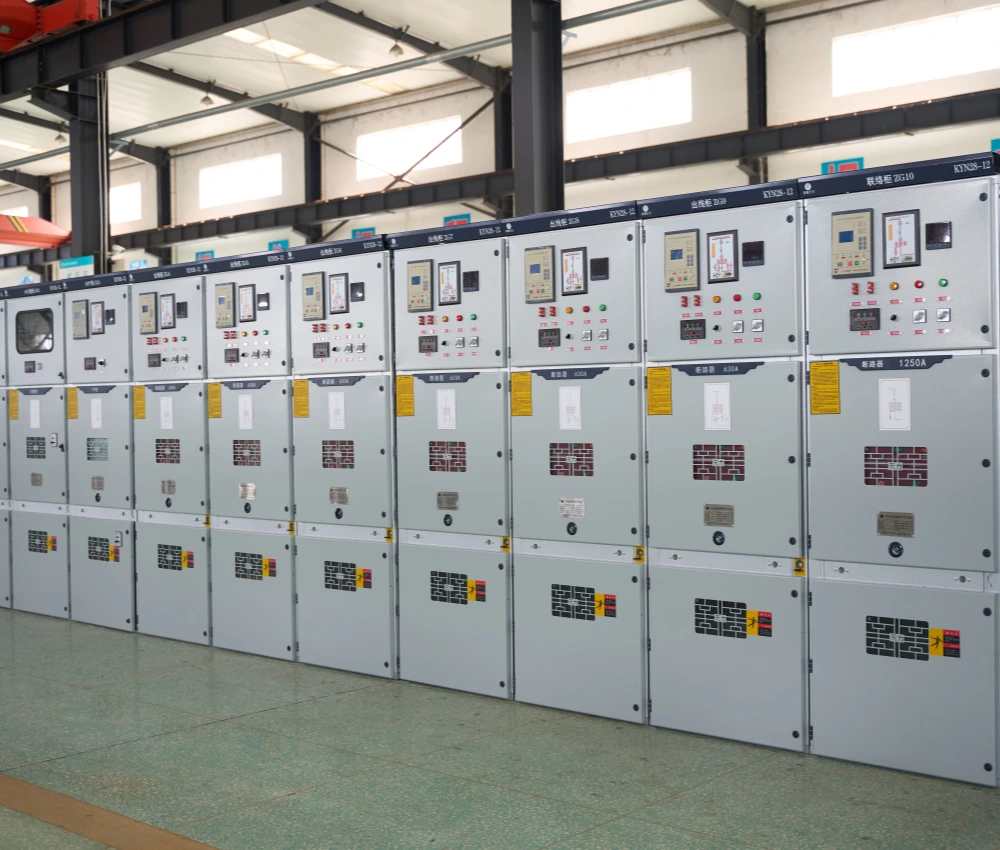
Armored Metal Enclosed Switchgear
The Armored Metal Enclosed Switchgear is a high-performance medium-voltage electrical distribution and protection system designed for industrial power networks, utility substations, renewable energy facilities, transportation infrastructure, and smart-grid applications. The switchgear adopts a fully compartmentalized armored metal enclosure structure integrating vacuum circuit breakers, disconnect switches, protection relays, current transformers, voltage transformers, and intelligent control systems into a compact modular cabinet assembly. This design significantly improves operational safety, electrical reliability, and maintenance efficiency for modern medium-voltage power distribution systems. Manufactured using precision-engineered insulated structures and reinforced metal-clad compartments, the armored metal enclosed switchgear provides outstanding dielectric strength, internal arc resistance, and mechanical durability under demanding operating conditions. Independent compartments for busbars, breaker units, cable chambers, and low-voltage control sections effectively isolate electrical faults and minimize fault propagation risks while improving maintenance accessibility and operational security. The Armored Metal Enclosed Switchgear supports intelligent automation systems, remote monitoring interfaces, and advanced communication protocols for digital substations and smart-grid infrastructure. With scalable configuration capabilities and flexible protection architectures, the switchgear delivers stable medium-voltage switching, fault isolation, and electrical distribution performance for industrial automation systems, utility networks, renewable energy integration projects, and mission-critical electrical facilities.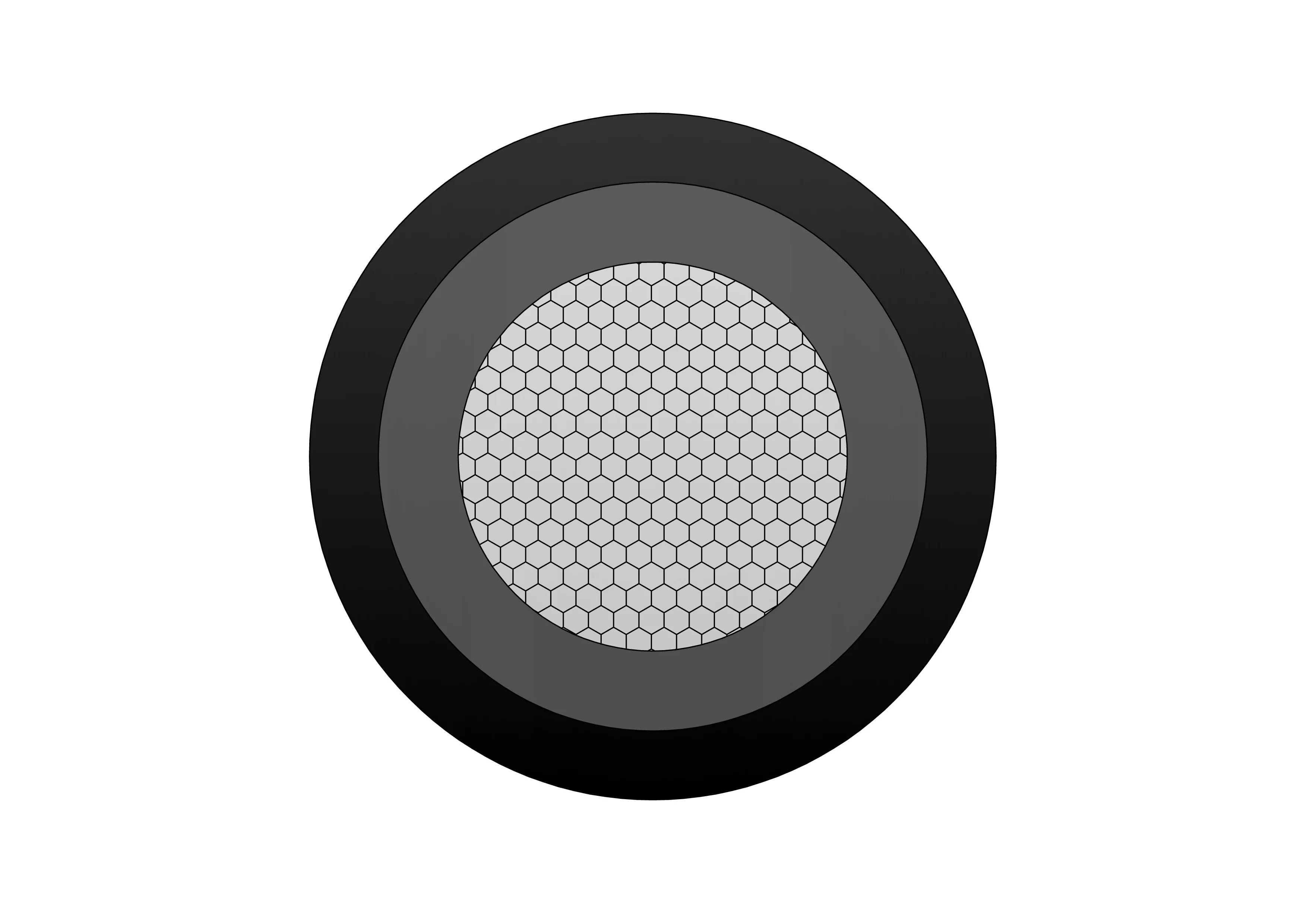
NSGAFÖU 1.8/3kV Rubber Cable
NSGAFÖU 1.8/3kV Rubber Cable is a robust, single-core flexible power cable engineered for extreme mechanical and environmental stresses in mining, tunneling, cranes, and mobile machinery. It features finely stranded tinned copper conductors (class 5) for superior flexibility and corrosion resistance, EPR (ethylene propylene rubber) insulation for excellent dielectric strength and 90°C continuous rating (250°C short-circuit), and a tough CPE (chlorinated polyethylene) or neoprene outer sheath providing outstanding oil resistance, flame retardancy (IEC 60332-1), abrasion/tear resistance, and weatherproofing. Compliant with DIN VDE 0250-813 / HD 22.16 S2 standards, it offers high mechanical strength, tight bending radii, and reliable performance in wet, oily, or abrasive conditions. The NSGAFÖU 1.8/3kV is ideal for trailing cables, reeling systems, and power connections where flexibility, durability, and safety are essential.
Low Voltage Switchgear
The Low Voltage Switchgear is a high-performance electrical distribution and protection system designed for safe, reliable, and efficient low-voltage power management in industrial facilities, commercial buildings, utility substations, renewable energy systems, and infrastructure projects. The switchgear integrates circuit breakers, protection relays, busbar systems, metering devices, and intelligent control components into a modular enclosure structure to provide stable electrical distribution and advanced operational safety. Manufactured using precision-engineered components and high-quality insulation materials, the low voltage switchgear ensures excellent electrical performance, thermal stability, and mechanical durability under demanding operating conditions. The modular cabinet design improves installation flexibility, simplifies maintenance procedures, and supports future expansion requirements while minimizing operational downtime. The Low Voltage Switchgear supports multiple distribution architectures, intelligent monitoring systems, and smart-grid communication protocols for modern energy management applications. With customizable configurations and scalable electrical protection functions, the system delivers dependable power distribution performance for industrial automation systems, commercial electrical networks, data centers, transportation infrastructure, and utility power systems.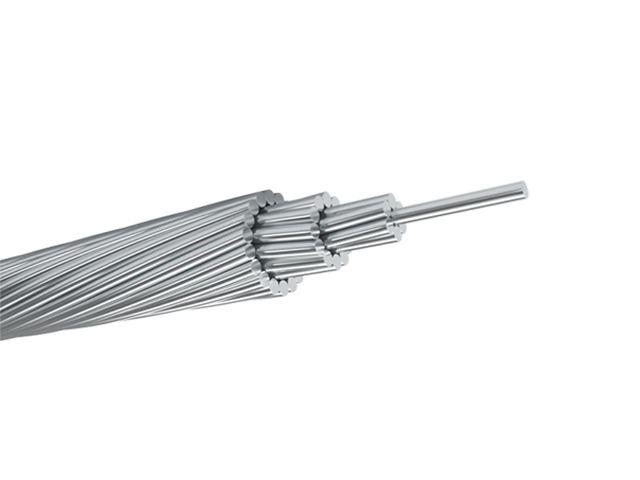
AAAC Rabbit Conductor Cable
AAAC RABBIT conductor is a compact, high-performance All Aluminum Alloy Conductor manufactured using 6201-T81 aluminum alloy, in compliance with ASTM B399, IEC 61089, and BS EN 50182 standards. Named "Rabbit" for its 50 mm² nominal area with 7-strand configuration, it offers superior conductivity (61% IACS) and tensile strength (295 MPa min) compared to ACSR. Made from heat-treated aluminum-magnesium-silicon alloy (6201-T81), this cable provides excellent corrosion resistance, low weight, and reduced sag for longer spans. Compliant with ASTM B398, B399, IEC 61089, and BS EN 50182 standards, it supports voltages up to 33kV with ampacity up to 250A at 75°C. The homogeneous alloy construction eliminates bimetallic corrosion and ensures uniform mechanical properties. The AAAC Rabbit Conductor Cable minimizes line losses, withstands harsh weather, and requires minimal maintenance. Ideal for rural electrification, urban upgrades, and renewable energy integrations, it delivers reliable, cost-effective power delivery in overhead lines worldwide, outperforming traditional conductors in corrosive or coastal environments.
250kVA Dry Type Cast Resin Transformer 10kV/0.4kV Copper Core | CE/IEC/UL
Introducing the premium 250kVA Dry Type Cast Resin Transformer 10kV/0.4kV Copper Core, a high-performance, maintenance-free solution engineered for safe and efficient indoor power distribution. Featuring fully vacuum-cast epoxy resin windings with premium copper conductors, this three-phase transformer delivers exceptional low-loss performance, reduced no-load and load losses, and outstanding energy efficiency often surpassing 98%. The cast resin encapsulation provides superior moisture resistance, fire self-extinguishing properties, and high partial discharge immunity, eliminating risks associated with oil-filled units. With natural air (AN) cooling, low noise levels, Class F/H insulation, and robust short-circuit withstand capability, it ensures reliable operation in demanding environments. Certified to CE, IEC 60076-11, and UL equivalents where applicable, this compact dry-type transformer supports primary 10kV (with ±2×2.5% off-circuit taps) to secondary 0.4kV transformation, ideal for modern sustainable electrical infrastructures prioritizing safety, energy savings, and environmental compliance.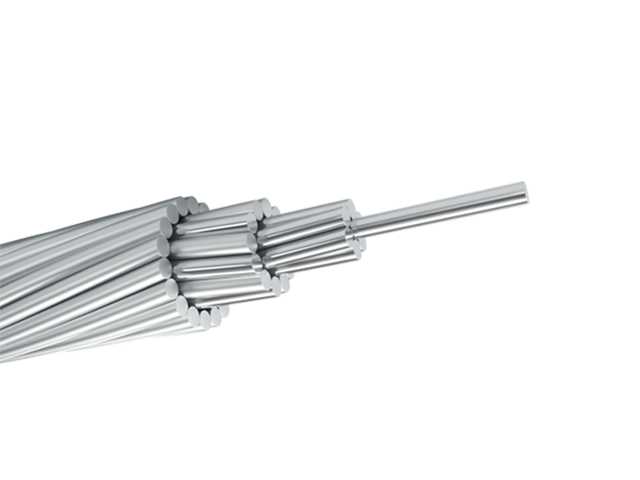
ACAR Conductor IEC 61089 Standard (A1/A3 & A1/A2) - Aluminum Alloy Reinforced
The ACAR Conductor IEC 61089 Standard (A1/A3, A1/A2) is a premium Aluminum Conductor Alloy Reinforced designed for efficient overhead power transmission and distribution. It consists of concentrically stranded 1350-H19 aluminum wires around a high-strength 6201-T81 aluminum-magnesium-silicon alloy core, offering an excellent balance of electrical conductivity and mechanical strength. Compared to equivalent ACSR conductors, this IEC 61089 ACAR provides higher ampacity at the same weight, lower sag, and superior corrosion resistance without steel core issues. Available in A1/A3 and A1/A2 configurations, it meets stringent IEC 61089 requirements for long-span lines. The ACAR Conductor IEC 61089 undergoes rigorous quality testing from raw materials to finished product, ensuring low DC resistance, high breaking strength, and reliable performance in various climates. Ideal for new installations or reconductoring projects where optimized strength-to-weight ratio and cost-effectiveness are critical.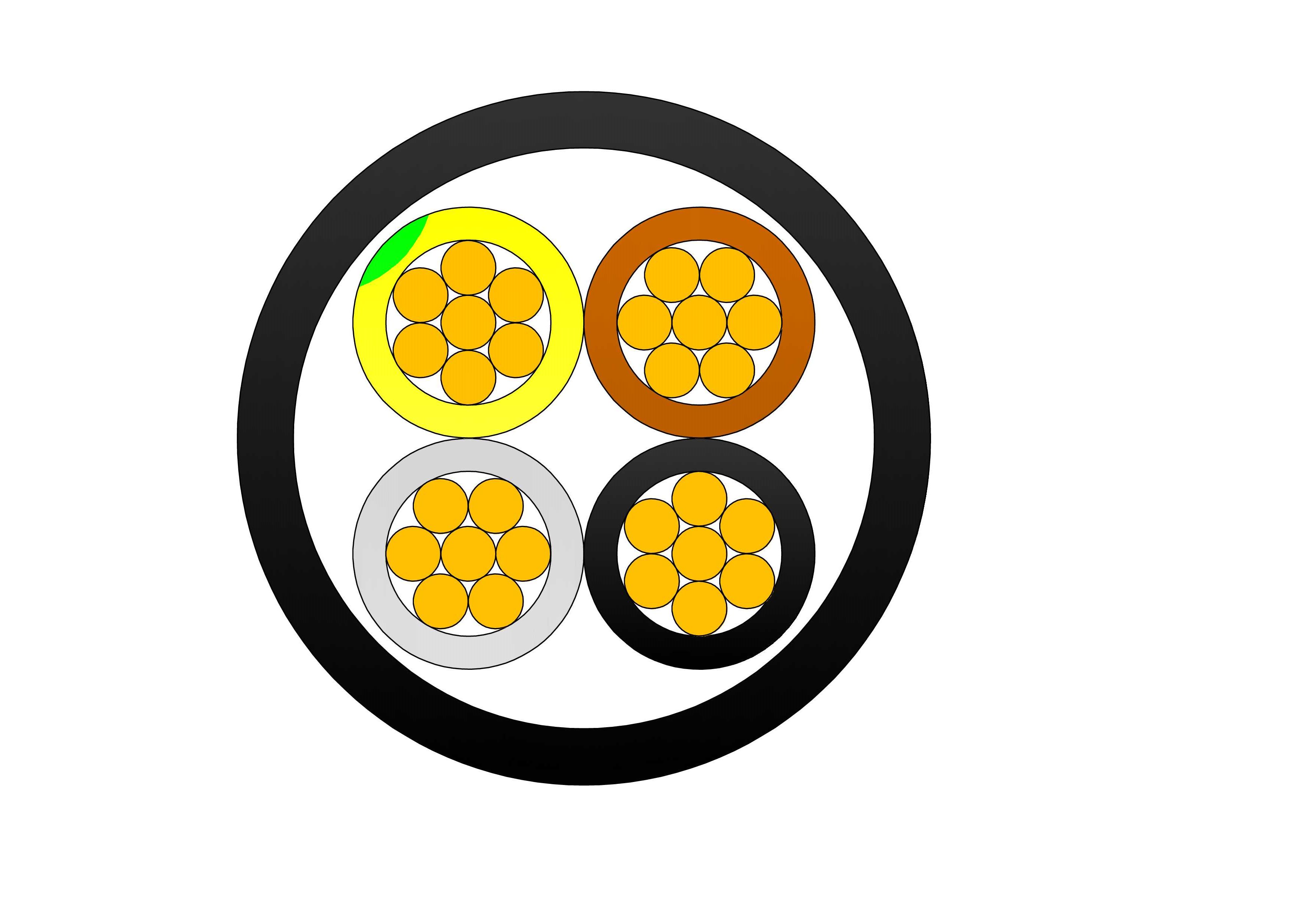
PV SOLAR Aluminum 8000 XLPE Insulated
The PV Solar Aluminum 8000 XLPE Insulated Cable is a lightweight, high-efficiency solar cable designed for photovoltaic power generation systems. It features 8000 series aluminum alloy conductors for excellent conductivity and flexibility, cross-linked polyethylene (XLPE) insulation for superior thermal, UV, and weather resistance, and is suitable for both DC and AC applications. Compliant with TÜV 2PfG 1169 / EN 50618 and UL 4703 standards, this cable offers low voltage drop, high current-carrying capacity, and long service life in harsh outdoor environments. The PV Solar Aluminum 8000 XLPE Insulated Cable significantly reduces weight and installation costs compared to copper cables while maintaining reliable performance. It is widely used in solar farms, rooftop PV systems, and ground-mounted installations requiring cost-effective, durable, and high-performance cabling solutions.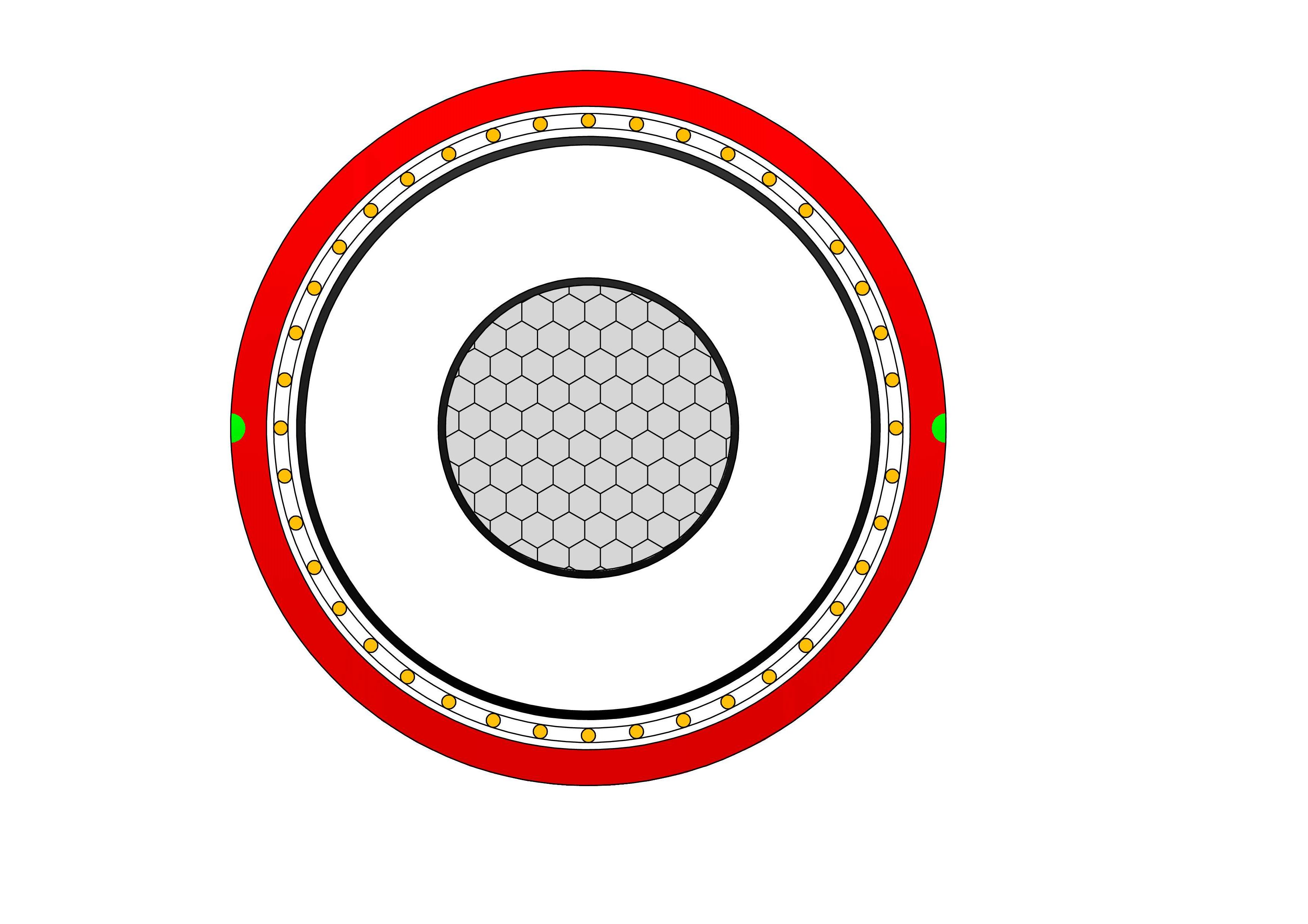
RHZ1-2OL-AL Medium Voltage Power Cable(8.7/15kV, 12/20kV, 18/30kV)
RHZ1-2OL-AL Medium Voltage Power Cable (8.7/15kV, 12/20kV, 18/30kV) is an economical, fire-safe cable for medium voltage distribution. Featuring stranded aluminium conductors, cross-linked polyethylene (XLPE) insulation, metallic screen, and low smoke zero halogen (LSZH) outer sheath, it complies with UNE 21123-4 and CPR standards. In fire conditions, the LSZH sheath emits minimal smoke and no toxic halogen gases, ensuring safety in populated areas. Lightweight aluminium reduces costs and handling effort while providing reliable current capacity. Superior partial discharge resistance, low dielectric losses, and high thermal stability guarantee efficient, long-lasting performance. Suitable for direct burial, ducts, or indoor installations. The RHZ1-2OL-AL Medium Voltage Power Cable is widely used in utilities, hospitals, schools, tunnels, and infrastructure projects requiring cost-effective, environmentally friendly medium voltage cabling with enhanced fire safety and durability worldwide.
FLINT AAAC Conductor Cable
FLINT AAAC (All Aluminum Alloy Conductor) cables are manufactured in accordance with ASTM B399 and IEC 61089 standards, offering excellent strength, conductivity, and corrosion resistance. With 750 mm² nominal area and 37-strand design, it uses heat-treated aluminum-magnesium-silicon alloy (6201-T81) for enhanced strength (295 MPa min) and conductivity (53% IACS min). Meeting ASTM B398, B399, IEC 61089, and BS EN 50182 standards, this cable handles ampacity up to 1150A at 75°C and voltages up to 33kV. The all-alloy construction avoids bimetallic corrosion, providing better resistance in harsh conditions than ACSR. Reduced weight minimizes sag and installation expenses, supporting longer spans. The Flint AAAC Conductor Cable delivers low electrical losses, high mechanical endurance, and excellent weather tolerance. Flame-retardant variants available. Perfect for urban grids, renewable projects, and coastal setups, it provides cost-effective, low-maintenance power delivery in overhead applications globally, excelling in reliability and lifespan over conventional conductors.
3000kVA Dry Type Transformer
3000kVA Dry Type Transformer is a high-performance, reliable power solution designed to meet the needs of large industrial and commercial facilities. With a 3000kVA capacity, it utilizes advanced dry-type insulation, ensuring exceptional safety, minimal maintenance, and extended durability. Built for demanding environments, this transformer provides stable, efficient, and low-noise operation while minimizing environmental impact. The NPC ELECTRIC 3000kVA Dry Type Transformer is the ideal choice for ensuring reliable and efficient power distribution in large-scale applications. Core features include three-phase design, primary voltages 208V–600V (e.g., 480V Delta, 600V Delta), secondary voltages such as 208Y/120V, 480Y/277V, or custom, aluminum or copper windings, 150°C rise (standard) or 115°C/80°C with 220°C insulation class, ±2×2.5% primary taps, NEMA 1 ventilated enclosure (NEMA 3R/encapsulated options), natural convection cooling (AN), electrostatic shielding, and low sound levels per NEMA.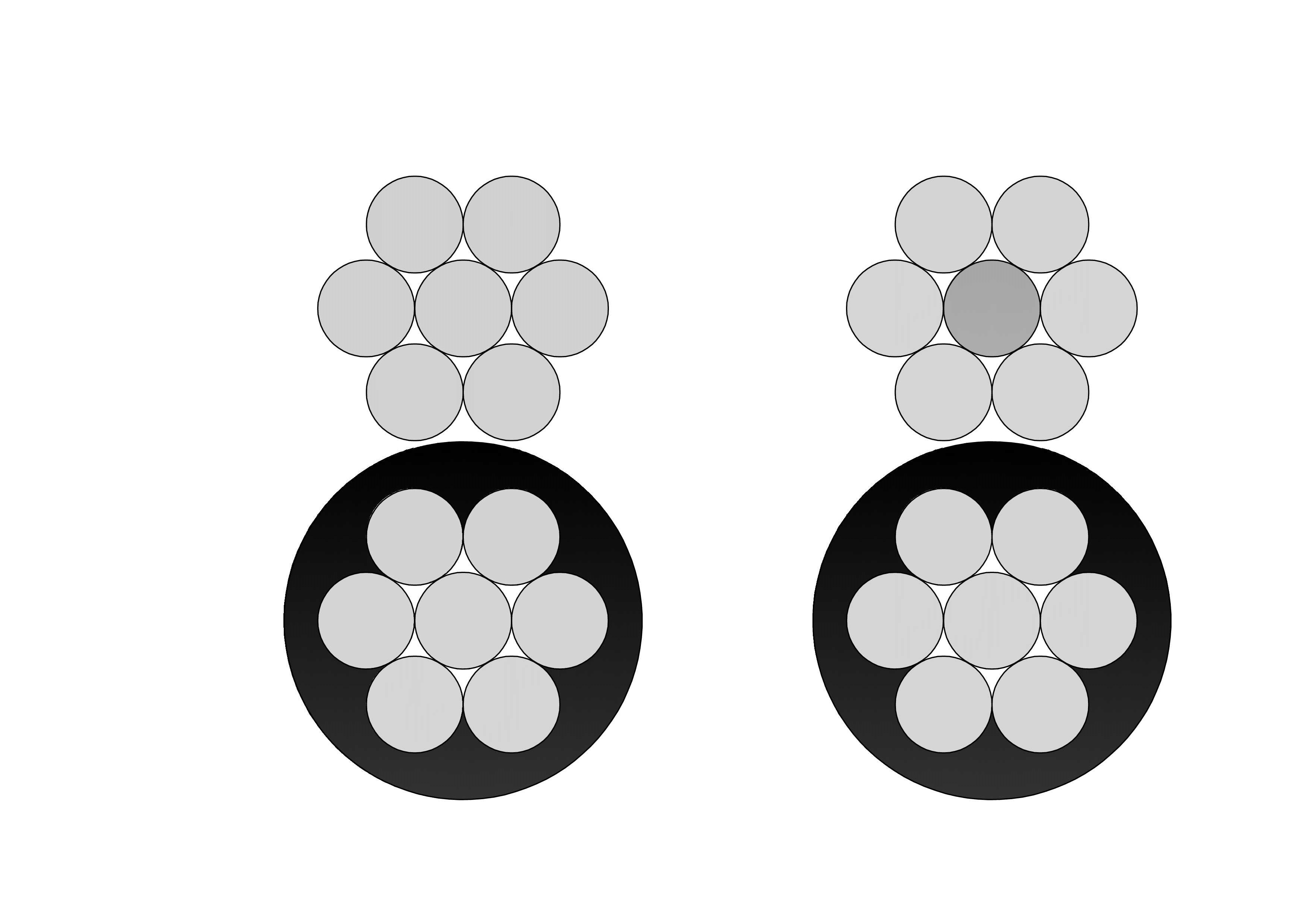
4 Whippet Aluminum Conductor Duplex Overhead Service Drop Cable
The 4 Whippet Duplex Service Drop Cable is a durable overhead cable for secondary power distribution to residential service entrances. Featuring two 4 AWG aluminum conductors (phase and neutral, 7-strand) insulated with XLPE or PE and assembled in duplex configuration, it provides excellent weather resistance and mechanical strength. Compliant with ASTM B-230, B-231, ICEA S-76-474, and ANSI/ICEA standards, this cable supports 600V applications with high UV, moisture, and abrasion protection. The self-supporting design simplifies installation with reduced sag over spans up to 100 feet. The 4 Whippet Duplex Service Drop Cable ensures low power losses, reliable performance in harsh outdoor conditions, and long service life. Lightweight and flexible, it is widely used for single-phase service drops in urban, suburban, and rural areas requiring safe, cost-effective aerial connections from utility poles to homes.
30kVA Dry Type Transformer
The 30kVA Dry type transformer complies with ANSI, CSA, NEMA, IEEE, IEC, GB, and DOE standards. NPC ELECTRIC manufactures dry-type transformers in strict accordance with the highest industry and international standards. The 30kVA dry-type transformer provides dependable, oil-free power transformation for indoor environments, stepping down primary voltages such as 480V Delta, 600V, 11kV, or 10kV to secondary outputs like 208Y/120V, 480Y/277V, or 400Y/230V in three-phase configurations.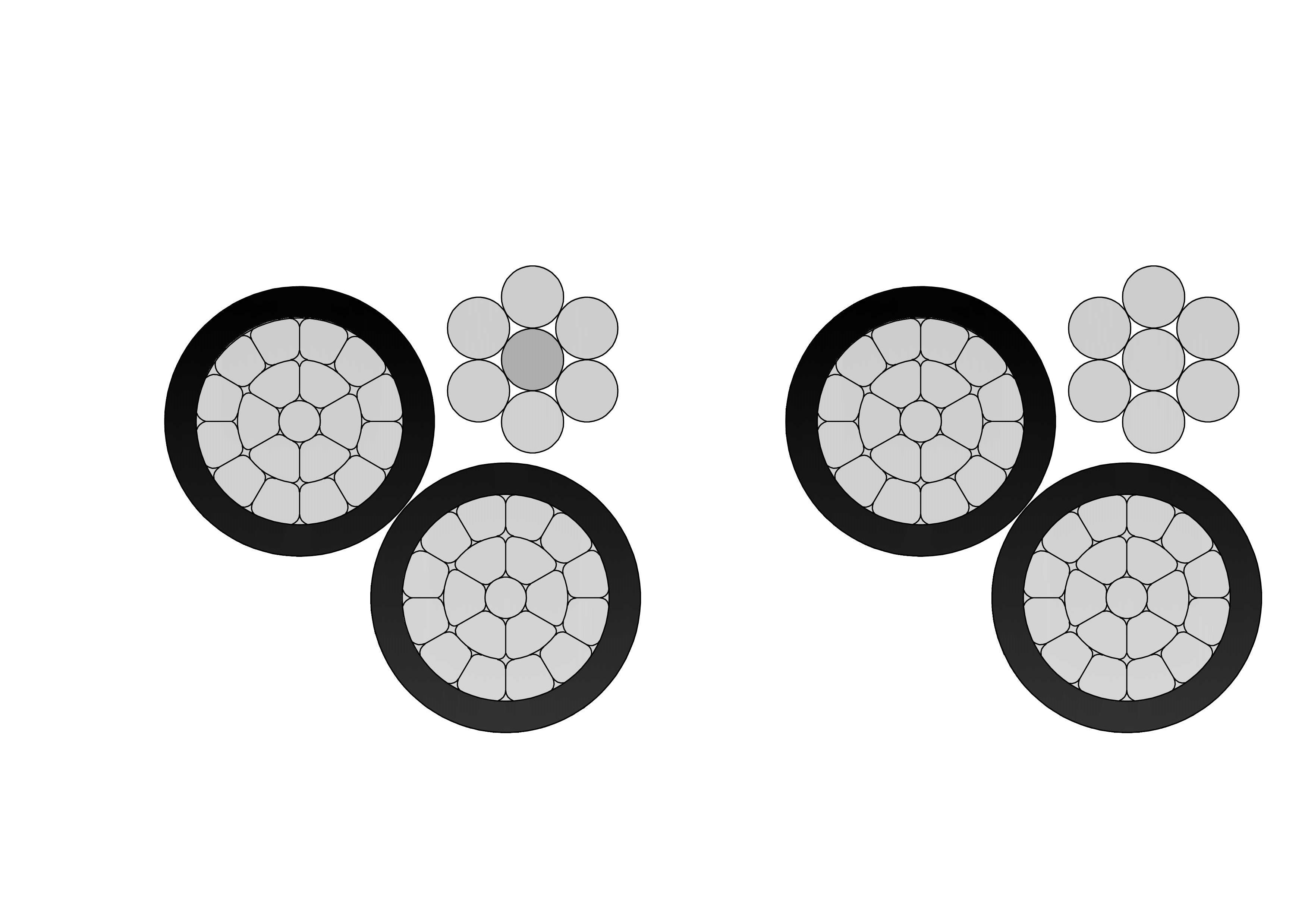
6 Voluta Aluminum Conductor Triplex Overhead Service Drop Cable
The 6 Voluta Aluminum Conductor Triplex Overhead Service Drop Cable is a high-quality, cost-effective solution for overhead power delivery from utility lines to residential or commercial weatherheads. It features three 6 AWG conductors: two insulated phase conductors of concentric or 7-strand 1350-H19 aluminum, covered in black cross-linked polyethylene (XLPE) or polyethylene (PE) insulation, twisted around a bare 6 AWG ACSR (6/1 strand) full-size neutral messenger for superior mechanical support and reduced sag. Rated 600V (phase-to-phase), with ampacity up to 85A (XLPE at 90°C) or 70A (PE at 75°C), this cable offers excellent weather resistance, corrosion protection, and lightweight design. Compliant with ASTM B-230, B-231, B-232, and ICEA S-76-474 standards, the 6 Voluta ensures safe, reliable performance in aerial service drop installations.Welcome your inquiry
Honesty, Integrity, Frugality, Activeness and Passion