


44kV Oil Immersed Transformer
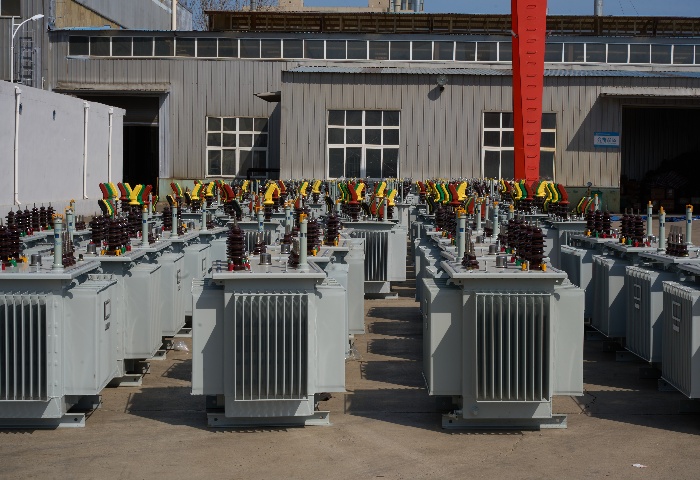
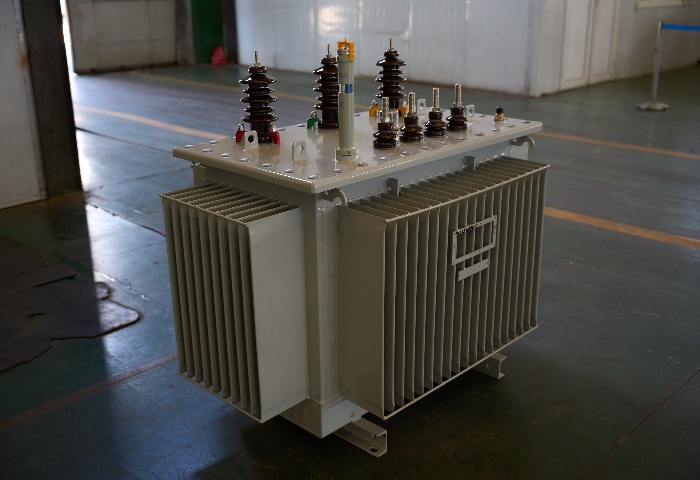
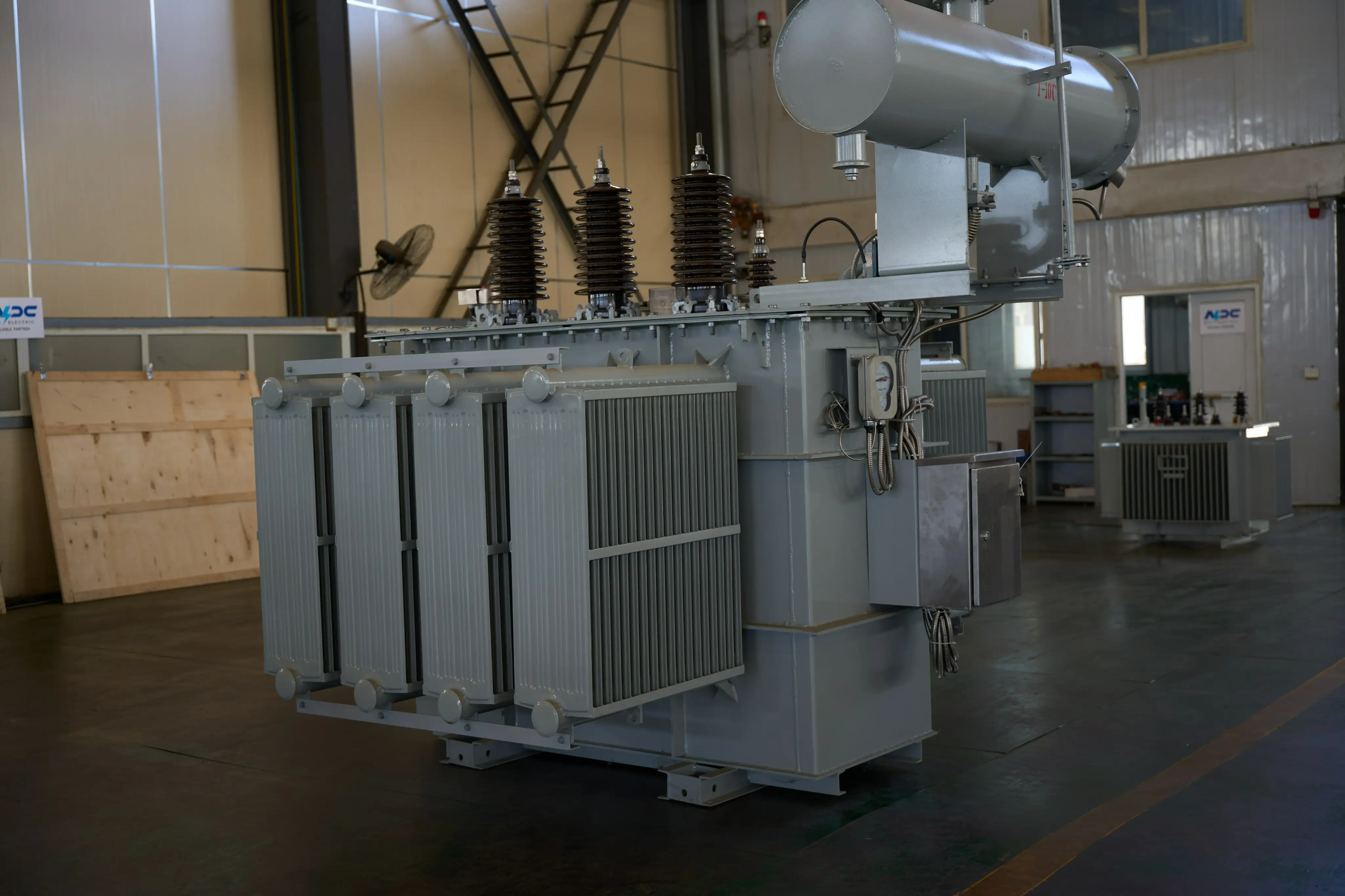
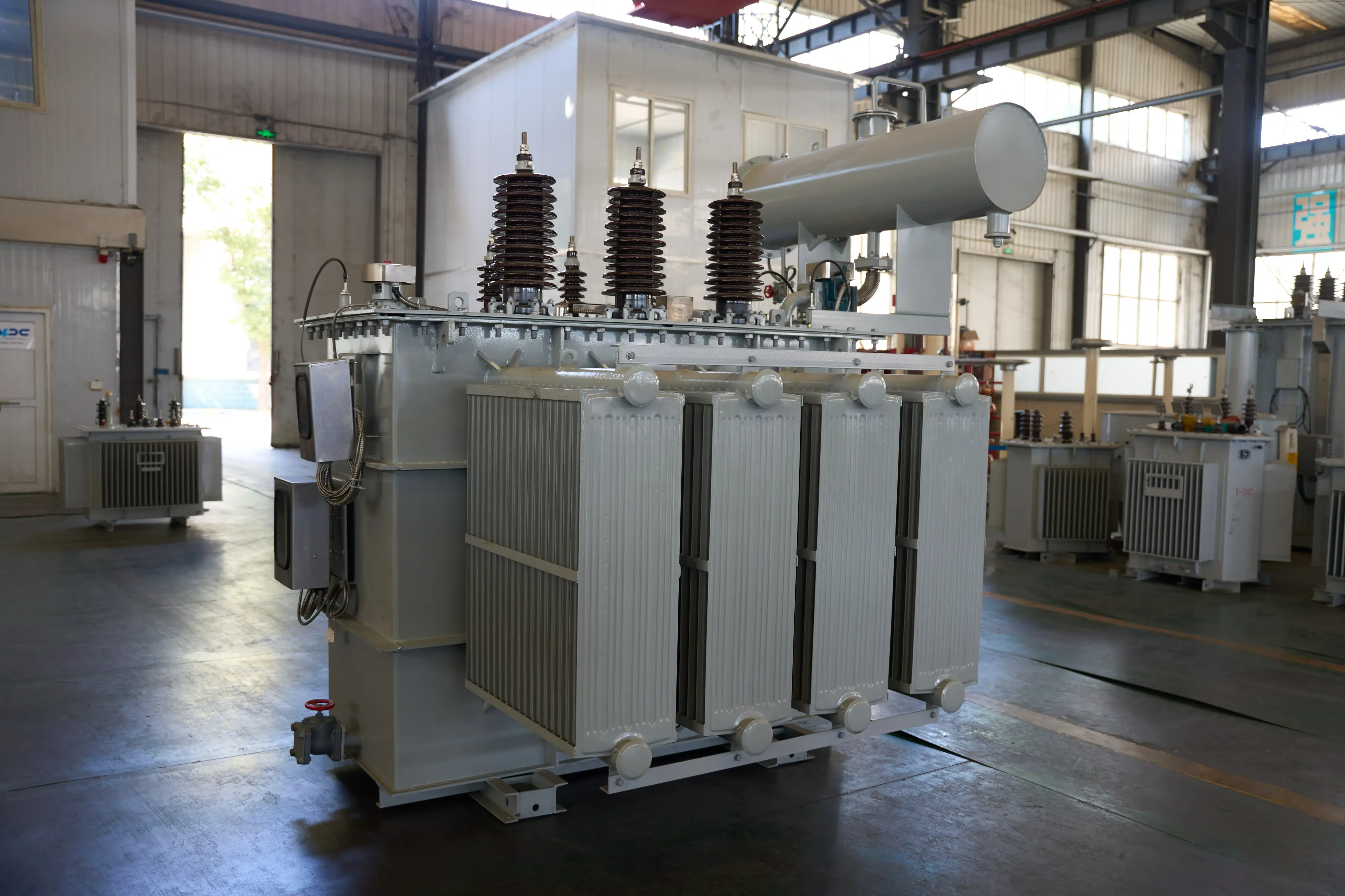
NPC ELECTRIC's 44kV Oil Immersed Transformer is a heavy-duty three-phase power unit tailored for efficient high-voltage to medium-voltage step-down in 50/60Hz AC grids, handling primary inputs up to 44kV (or 40-46kV variants). Built with a durable conservator-equipped tank and high-efficiency radiator system for optimal oil circulation and heat dissipation. Suitable for pole or pad-mounted installations with YNd11/Dyn1 vector groups and high BIL (200-250kV), it delivers precise 44kV to secondary levels (e.g., 11kV/13.8kV/0.69kV), optimizing power quality, reducing harmonic distortions, and facilitating seamless integration in expansive utility infrastructures.
- Primary Voltage Ratings 34.5-19.92/13.8-7.957, 24.94, 26.25, 44 or others
- Secondary Voltage Ratings 480/277V, 400/230V, 380/220V or customized
- H.V. Tap Range ± 2×2.5% HV taps or others
- Type Oil immersed distribution transformer
- BIL 44kV
- Standards IEEE, ANSI, NEMA, IEC, CE
- Application power grids, large-scale agricultural power systems
- Power Rating 30kVA - 5000kVA
- Certificate UL, CESI, IEEE
- Cooling Method ONAN, ONAN/ONAF, KNAN, KNAN/KNAF
- Oil Mineral Oil or FR3
- Opeartion Step Down & Step Up
Technical Specifications
Customization Optional
Packing and Shipping
Manufacturer Test
Routine Testing
Application
Technical Specifications
44kV Oil Immersed Transformer
Technical Specifications
Accessories
| Rated Power | 30kVA - 5000kVA | |
| Rating Primary Voltage | 2.4 - 44kV | |
| Secondary Voltage | 480/277V 400/230V 380/220V Customized |
|
| Frequency | 50/60Hz | |
| Vector Group | Dyn11, Yyn0, Dyn5 | |
| Winding Material | Aluminum/Copper | |
| Efficiency | As IEEE, Doe 2016, CAS Std or Customized | |
| Impedance Voltage | Nominal 2% or Customized 1.1 - 5.75% | |
| Altitude | ≤1,000m or Customized | |
| Color | ANSI 70 Light gray/Munsell 7GY3.29/1.5 or customized, etc | |
| Tank material | Mild Steel, 304 Stainless Steel | |
| Insulating Oil Weight | 850 kg | |
| Total Weight | 5000 kg | |
| Outline Dimensions(L×W×H)in. | 2650 × 1650 × 2450(mm) | |
| HV Bushing |
| LV Bushing |
| Tap changer |
| Oil level gauge |
| Oil temperature indicator |
| Pressure relief device |
| Pressure vacuum gauge |
| Lifting hook for complete transformer |
| Name plate |
| Radiators |
| Oil upper filtering valve |
| Oil drain valve with 3/8" sampler |
Customization Optional
44kV Oil Immersed Transformer
NPC ELECTRIC's 44kV oil immersed transformers deliver versatile customization to align with complex grid architectures, operational demands, and site-specific challenges. Capacities extend from 1MVA to 30MVA (scalable for mega-substation roles), featuring primary voltages at 44kV (options for 40kV/42kV/46kV) and secondary voltages tailored to 11kV, 13.8kV, 10kV, 0.69kV, or unique multi-winding configurations for dual-output systems. Regulation capabilities include robust off-circuit tap changers (±2×2.5% or expanded ±8%) for steady-state control or sophisticated on-load tap changers (OLTC, 21-33 positions) with automatic voltage regulators for handling variable renewable inputs or peak loads. Core technologies offer amorphous metal for extreme no-load efficiency (up to 75% reduction) or silicon steel with enhanced flux paths; windings can utilize aluminum for lightweight, high-volume applications or copper for maximum thermal and electrical endurance.
Beyond basics, customizations incorporate cooling advancements (ONAN to ONAF/ODAF with auxiliary pumps/fans for extreme climates -45°C to +55°C), insulating mediums (mineral oil, synthetic esters for enhanced fire safety and biodegradability under IEC 61099), and tank modifications like full conservator with silica gel breathers, hermetic alternatives, marine-grade anti-corrosion finishes, vibration-dampening mounts for seismic areas, or integrated grounding switches. Advanced add-ons include real-time DGA monitors, infrared winding thermography, IoT-enabled predictive analytics, pressure/vacuum gauges with digital outputs, and harmonic filters. Impedance ranges (10-14%), vector groups (YNd11, Dyn1, etc.), BIL insulation classes (200-250kV), frequency tuning (50/60Hz), noise mitigation enclosures, and certifications to IEC 60076, GB1094, ANSI/IEEE, or custom efficiency benchmarks are all adaptable. Our collaborative design process ensures solutions for primary transmission lines, solar/wind aggregation, petrochemical complexes, or urban high-rises, prioritizing peak efficiency, fault tolerance, and cost-effective ownership.
Packing and Shipping
44kV Oil Immersed Transformer
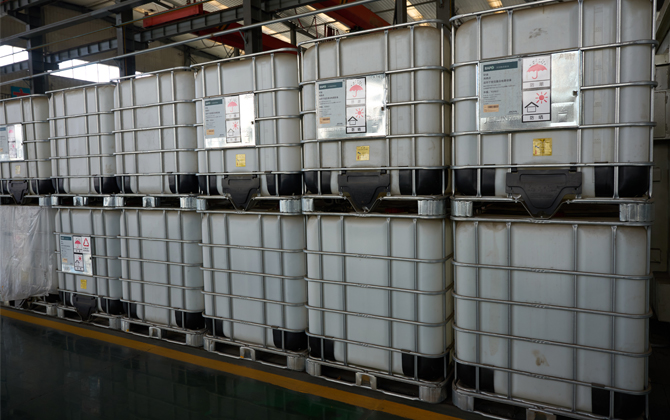
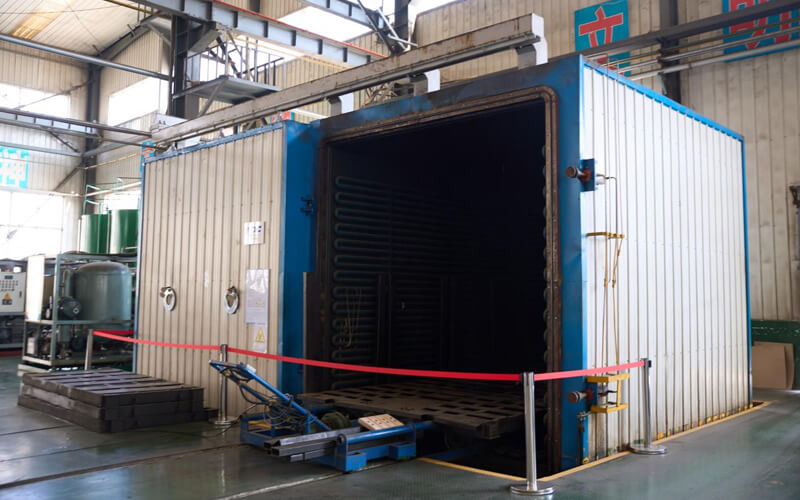
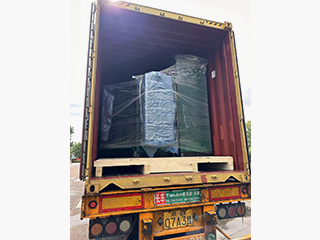
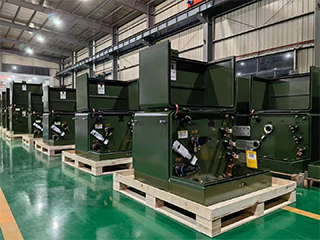
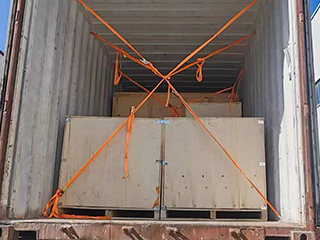
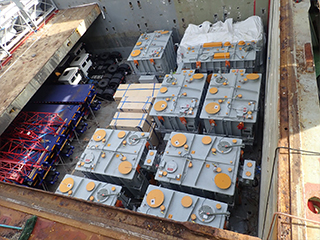
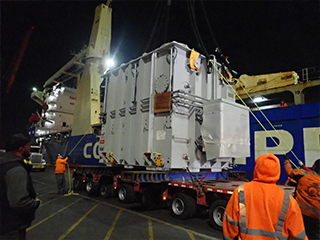
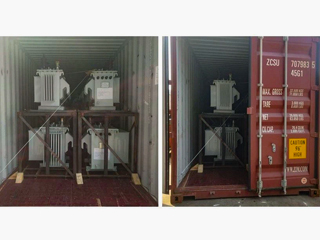
Securing 44kV oil immersed transformers for international transit demands precision engineering to shield against mechanical shocks, climatic variations, and handling rigors, preserving core alignment and oil purity. Initial preparations involve exhaustive pre-pack checks: tank integrity via ultrasonic weld scans, bushing torque validations, oil analysis for dielectric stability (>65kV/2.5mm, acidity <0.01mgKOH/g), and relay calibrations. Compact units (under 10MVA) ship fully oil-immersed with nitrogen overpressure (0.03-0.06MPa) to inhibit corrosion; oversized models drain ester fluids into compliant ISO containers or barrels, including on-site refill kits with filtration units adhering to IEC protocols.
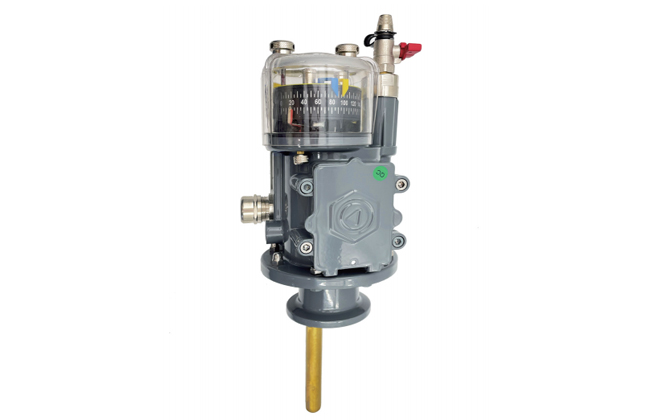
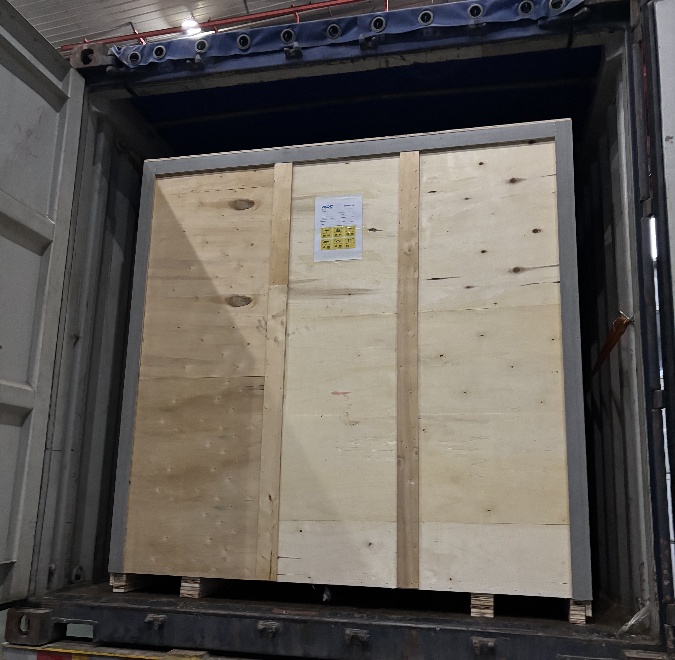
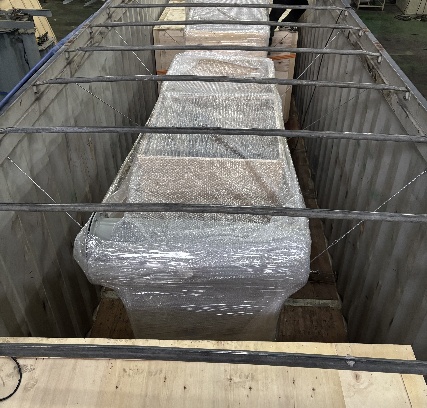
Modular disassembly enhances protection: radiators/pumps detached and foam-cradled in separate crates, high-BIL bushings (resin-impregnated) housed in vibration-proof enclosures, OLTC assemblies immobilized with custom locks, and monitoring panels sealed in moisture-barrier bags with desiccants. The primary structure affixes to reinforced steel platforms or ISPM-15 wooden bases with engineered tie-downs, foam interleaves, and g-force rated cushions (up to 6g), incorporating electronic monitors for humidity, temperature, shock, and orientation logging.
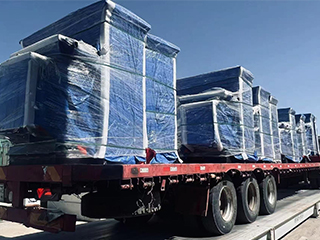
For overseas shipments—dominant in global supply chains—cargo loads onto specialized flat-rack or heavy-lift vessels with IMO-certified strapping, UV/salt-resistant shrouds, and fumigation-free treatments; rail/road legs use articulated heavy-haulers with hydraulic suspensions for even weight spread and crane-accessible lugs. Documentation suite features multilingual invoices, conformity declarations, type/routine test dossiers, engineering schematics (assembly/lifting), fluid MSDS, export licenses, and HS codes (8504.23 for high-voltage units >650kVA).
End-to-end logistics management includes tailored routing (e.g., via Rotterdam for EU deliveries), real-time GPS tracking, insurance against all perils, and supplementary offerings like independent surveyor verifications, destination port handling, professional crane offloading, fluid reclamation/degassing, alignment inspections, and startup commissioning. This holistic methodology averts damage, upholds performance specs, satisfies trade compliances, and facilitates swift deployment for clients in transmission, renewable, and industrial sectors.
Modular disassembly enhances protection: radiators/pumps detached and foam-cradled in separate crates, high-BIL bushings (resin-impregnated) housed in vibration-proof enclosures, OLTC assemblies immobilized with custom locks, and monitoring panels sealed in moisture-barrier bags with desiccants. The primary structure affixes to reinforced steel platforms or ISPM-15 wooden bases with engineered tie-downs, foam interleaves, and g-force rated cushions (up to 6g), incorporating electronic monitors for humidity, temperature, shock, and orientation logging.
For overseas shipments—dominant in global supply chains—cargo loads onto specialized flat-rack or heavy-lift vessels with IMO-certified strapping, UV/salt-resistant shrouds, and fumigation-free treatments; rail/road legs use articulated heavy-haulers with hydraulic suspensions for even weight spread and crane-accessible lugs. Documentation suite features multilingual invoices, conformity declarations, type/routine test dossiers, engineering schematics (assembly/lifting), fluid MSDS, export licenses, and HS codes (8504.23 for high-voltage units >650kVA).
End-to-end logistics management includes tailored routing (e.g., via Rotterdam for EU deliveries), real-time GPS tracking, insurance against all perils, and supplementary offerings like independent surveyor verifications, destination port handling, professional crane offloading, fluid reclamation/degassing, alignment inspections, and startup commissioning. This holistic methodology averts damage, upholds performance specs, satisfies trade compliances, and facilitates swift deployment for clients in transmission, renewable, and industrial sectors.
32
32 years of industry experience
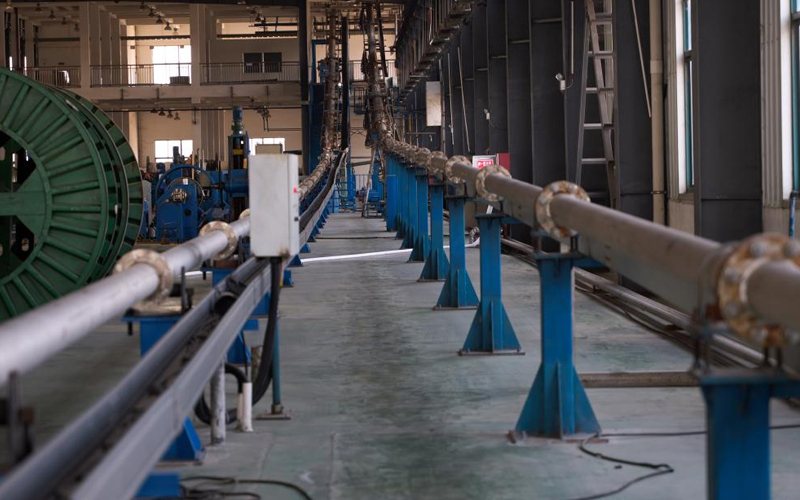
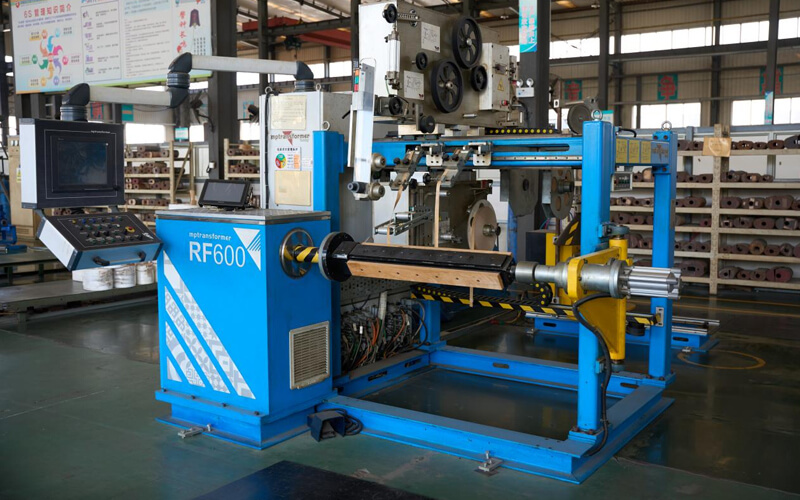
Manufacturer Test
44kV Oil Immersed Transformer
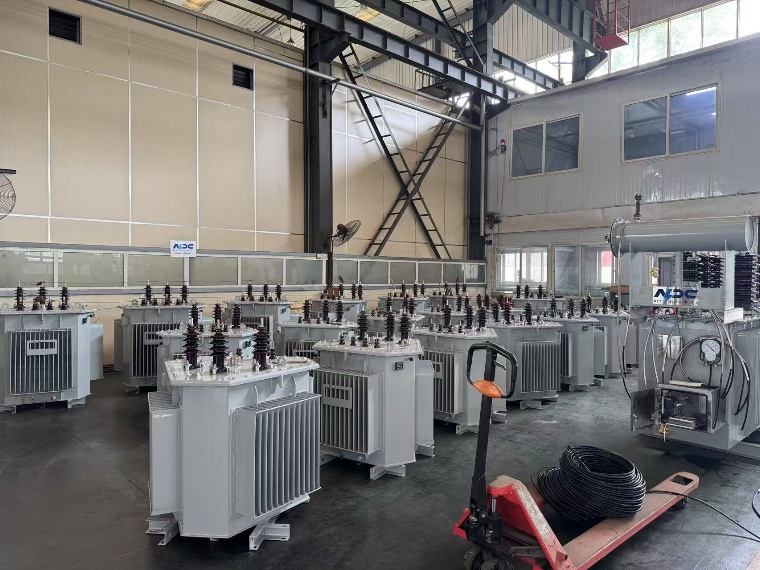
Progress Test
Ester fluid progress testing scrutinizes synthetic batches for flash point, viscosity, oxidation stability, dissolved metals and eco-compliance per IEC 61099 with purification circuits yielding <5ppm impurities. Core-coil dehydration progress charts high-vacuum chamber dynamics, thermal ramps, and endpoint moisture extraction below -55°C for premium insulation class. Sealing and filling progress supervises ester impregnatio,n circulation de-aeration, overpressure nitrogen integration, and sustained vacuum decay assessments. Safeguard component progress calibrates sudden pressure relays, gas detectors, thermographic probes relief mechanisms, and OLTC positional accuracy. Pre-export progress compiles mass/volume metrics, aesthetic conformity identification tagging crate durability simulations and exhaustive visual/electronic dossiers affirming total adherence and defect-free status for consignment.
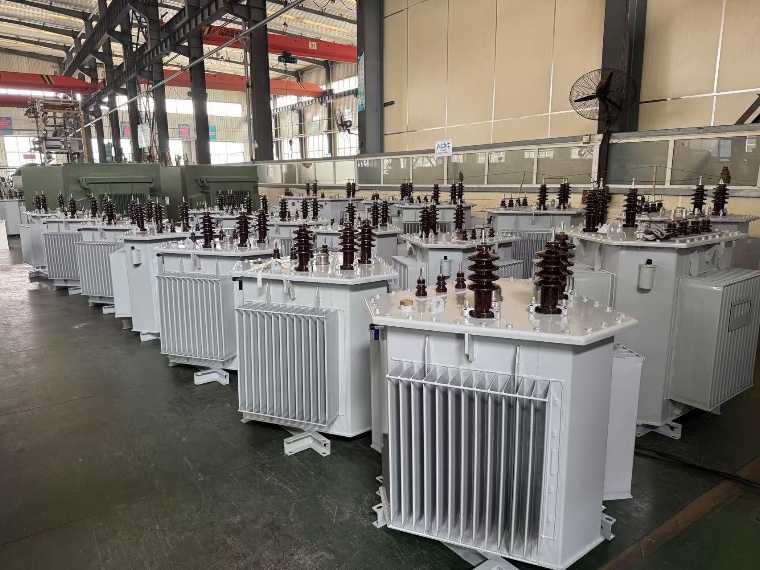
Design Tests
All transformers will be tested after finishing the production, test items as follows:
♦ Insulation Power Factor
♦ Ratio, Polarity, and Phase Relation
♦ Winding Resistance
♦ Impulse Tests
♦ On load Loss Test
♦ No Load Loss Test
♦ Leak Test
♦ DC Insulation Resistance Test
♦ Transformer Turns Ratio/TTR (All Tap Voltages)
♦ Applied Voltage
♦ Induced Voltage
♦ Lightning Impulse
♦ Insulation Resistance (Rated Voltage)
♦ Temperature Rise
♦ Dielectric Withstand (Hipot)
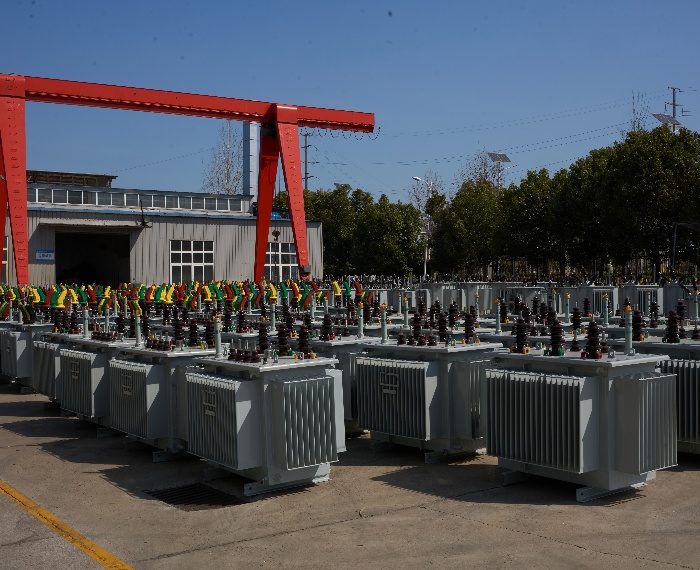
Transformer Factory Acceptance Test
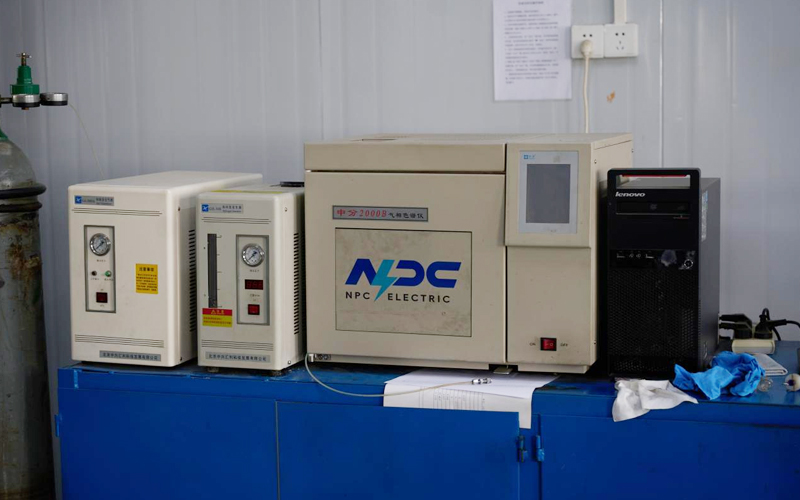
Load characterization shorts outputs imposes fractional inputs derives loss impedance (10-14%) efficiency contours and regulation profiles at ref temps for overload forecasting. Fluid assays verify dielectric (>65kV/2.5mm) contaminants acidity DGA pre-fault baselines absent hydrocarbons. Thermal emulation confirms oil/winding deltas (<55K/<70K) via abbreviated runs. Operational trials activate relief valves pressure sensors relay interlocks OLTC transitions and acoustic emissions (<65dB). Structural proofs include enclosure pressurization seal verifications bushing arcs and circuitry continuity. Exhaustive FAT compilations with metrology-traceable certs, elective observer endorsements validate IEC 60076 GB1094 IEEE conformance routine/special test endorsements before clearance.
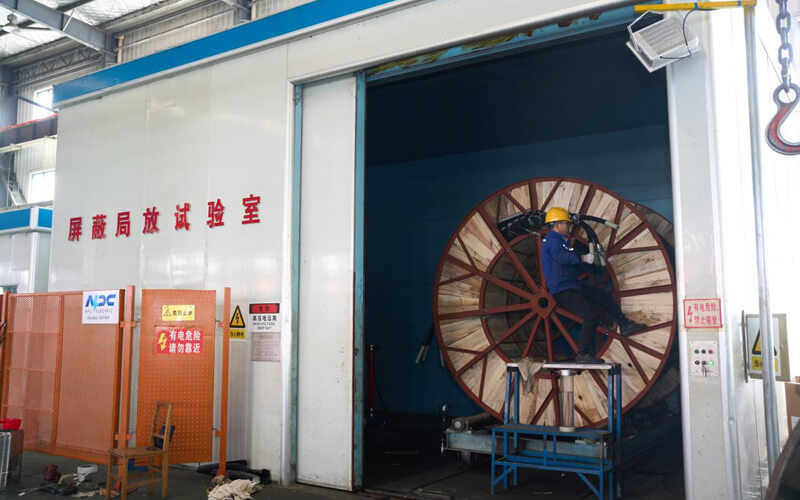
Routine Test - Impulse Tests
Purpose of Testing
The purpose of Impulse Tests is to verify the insulation strength of electrical equipment when it is subjected to lightning strikes or switching overvoltages. By applying high-energy impulse voltages, it is possible to detect potential defects in the insulation system.
Testing Equipment
Impulse voltage generator (e.g. Haefely, Hipotronics, Tettex, etc.)
Voltage divider (used to measure impulse voltage waveform, resistor divider or capacitor divider)
Oscilloscope (used to record impulse waveform, common brands such as Tektronix, Keysight)
Voltage divider (used to measure impulse voltage waveform, resistor divider or capacitor divider)
Oscilloscope (used to record impulse waveform, common brands such as Tektronix, Keysight)
Pre-Test Preparation
Please test under suitable environmental conditions: relative humidity less than 65%, no rain or condensation (recommended temperature: 15-30°C).
Calibrate and check the impulse voltage generator, measurement system, and control system to ensure that the instruments and equipment are in good condition and meet the test standards.
Calibrate and check the impulse voltage generator, measurement system, and control system to ensure that the instruments and equipment are in good condition and meet the test standards.
Test Progress
Connect the Test Instrument:
Connect the impulse voltage generator correctly to each winding terminal (high voltage terminal, ground terminal) of the device under test, and ensure that all test instruments are well grounded.
Apply Test Voltage:
Select the appropriate impulse voltage waveform and amplitude according to the rated voltage of the equipment
Connect the impulse voltage generator correctly to each winding terminal (high voltage terminal, ground terminal) of the device under test, and ensure that all test instruments are well grounded.
Apply Test Voltage:
Select the appropriate impulse voltage waveform and amplitude according to the rated voltage of the equipment
Measure and Record
Collect and record the impact waveform, including:
Front Time
Time to Half-Value
Peak Voltage
Distortion
Ambient temperature and humidity (especially when the test environment needs to be corrected)
Front Time
Time to Half-Value
Peak Voltage
Distortion
Ambient temperature and humidity (especially when the test environment needs to be corrected)
Waveform Correction
Check whether the impulse voltage waveform meets the specification requirements (wave head time 1.2μs ±30%, half-peak time 50μs ±20%).
If the waveform deviation is too large, adjust the impulse generator parameters and reapply the test.
If the waveform deviation is too large, adjust the impulse generator parameters and reapply the test.
Repeat Testing (if necessary)
Impact tests are performed for different phases and windings (HV/MV/LV).
In special cases, inter-winding impact, voltage-to-ground impact or coil corner impact are performed (according to the test plan).
In special cases, inter-winding impact, voltage-to-ground impact or coil corner impact are performed (according to the test plan).
Evaluation Criteria (Reference)
No internal insulation breakdown or flashover (detected by observing waveform continuity and audibly).
Waveforms are stable and meet standard specifications.
Waveform variations between repeated tests are minimal (usually good waveform overlap with no noticeable abnormal excursions).
Waveforms are stable and meet standard specifications.
Waveform variations between repeated tests are minimal (usually good waveform overlap with no noticeable abnormal excursions).
*These comprehensive tests ensure that each transformer meets performance standards and operates
reliably under various conditions.
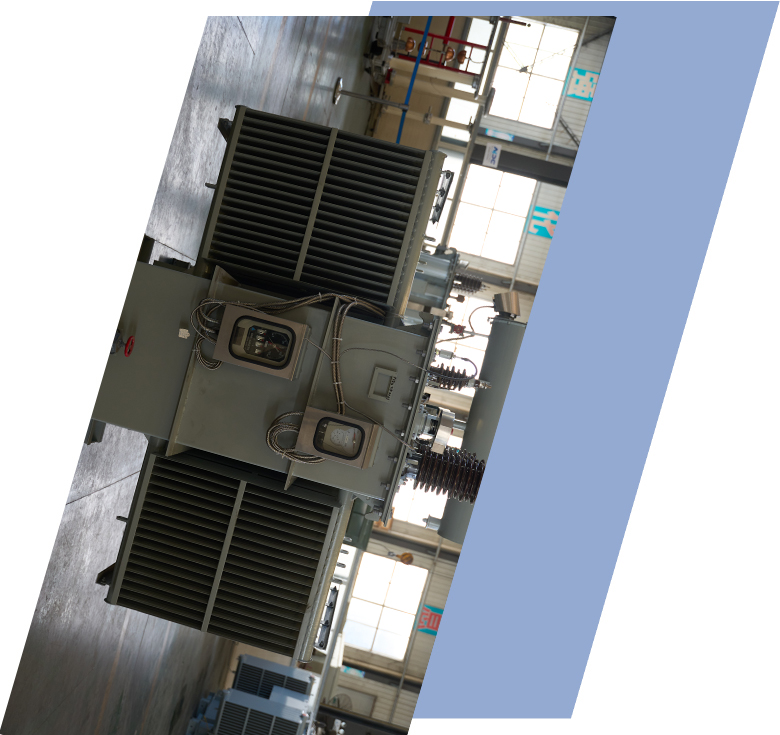
Application
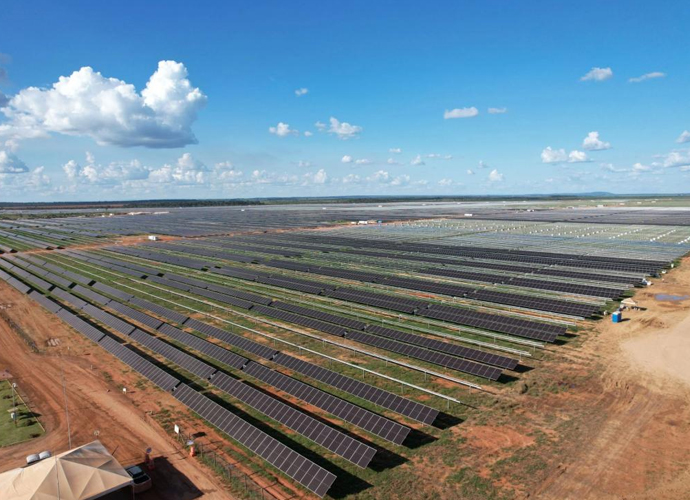
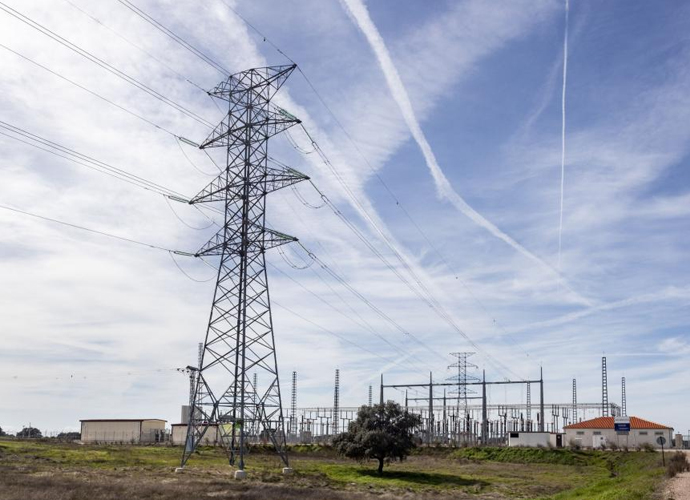
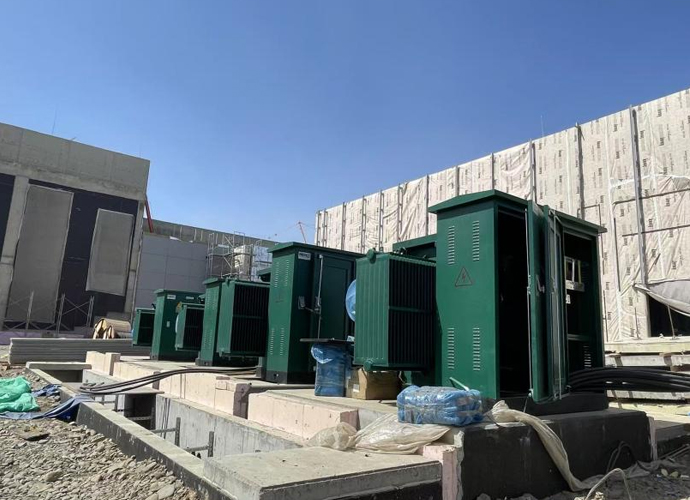
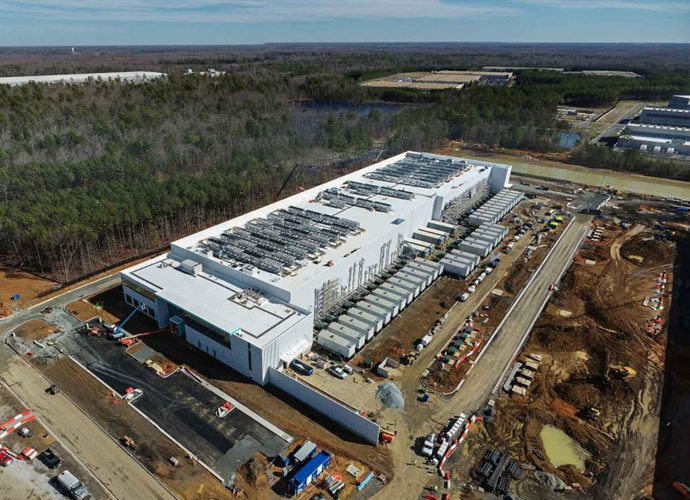
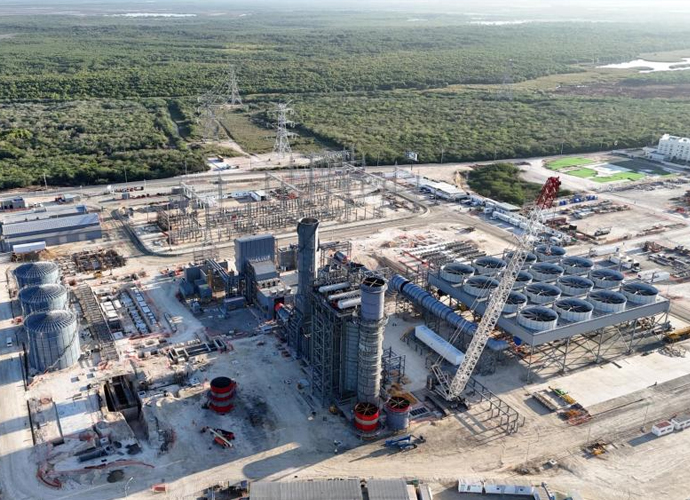
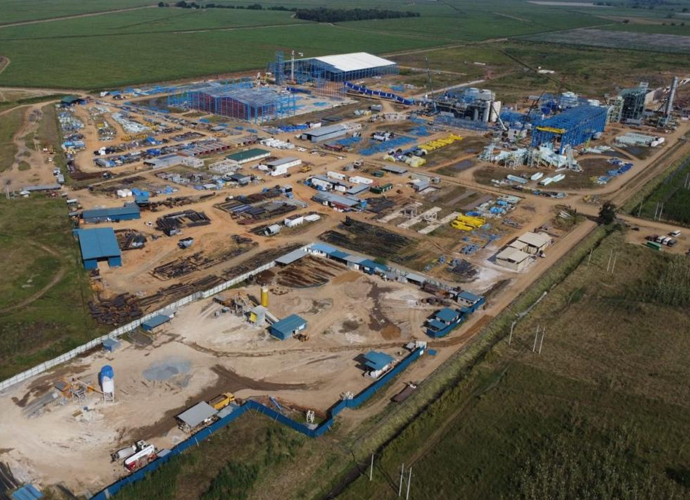
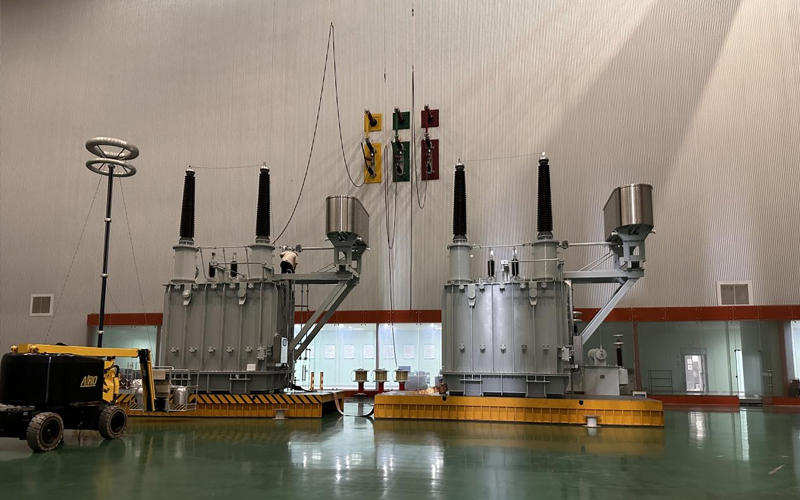
It is widely used in regional high-voltage substations in 44kV power grids, large-scale agricultural power systems, new energy aggregation and energy storage access, high-load power supply for commercial data centers, critical backup for hospitals and transportation, chemical enterprises, and other combined applications, ensuring high tolerance to overload and intelligent fault monitoring optimization.


Technical Advantages
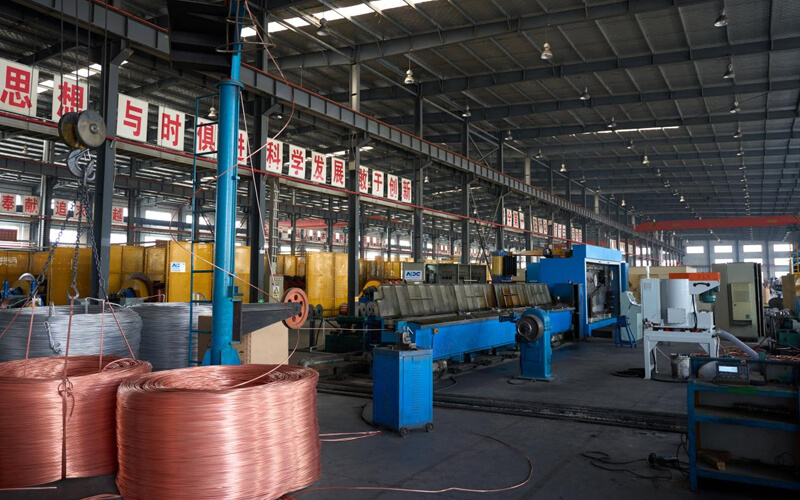
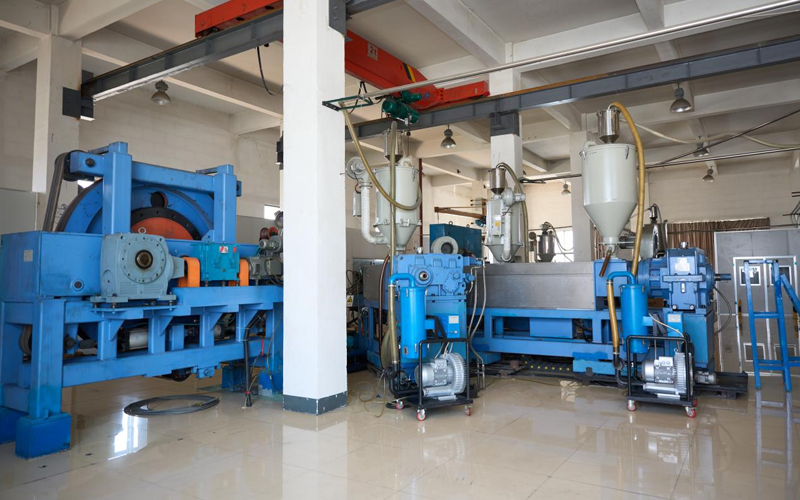
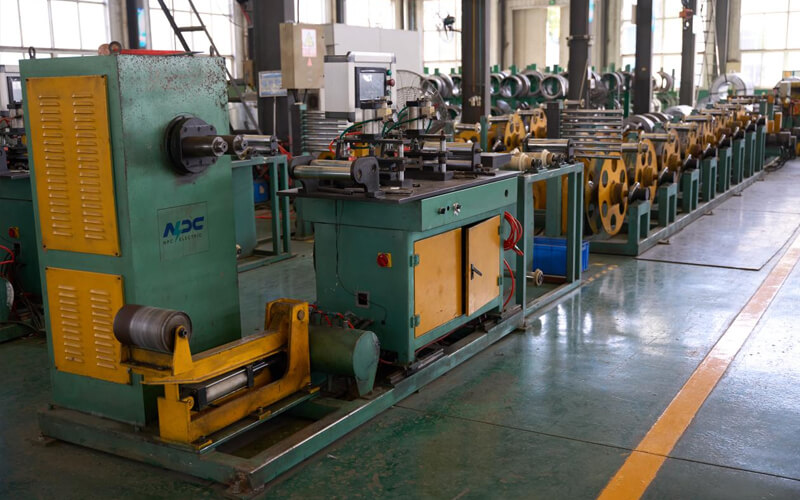
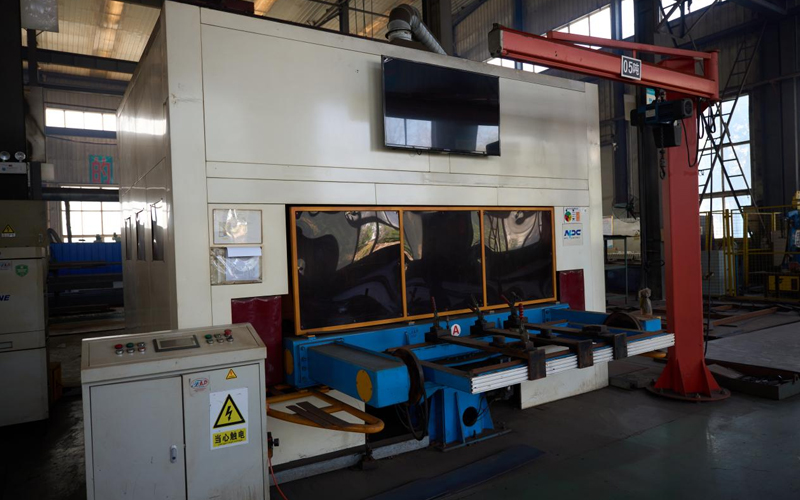
● 30+ years of manufacturing experience
● ISO and UL certified production
● Customized cable and transformer solutions
Product Packaging
Transformers Packaging (1)
Transformers Packaging (2)
Transformers Packaging (3)
Transformers Packaging (4)
Transformers Packaging (5)
Transformers Packaging (6)
Transformers Packaging (7)
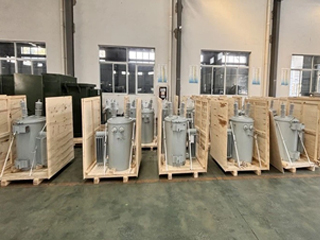
Transformers Packaging (8)
Related Products
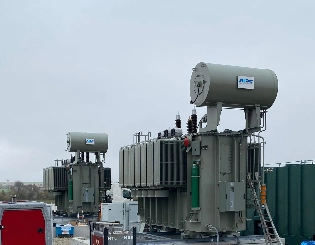
220kV 230kV Power Transformer
The 220kV / 230kV Power Transformer is an extra-high-voltage, oil-immersed, three-phase power transformer engineered for backbone transmission networks, major utility substations, large-scale renewable energy integration, heavy industrial corridors, and cross-border grid interconnections. Typical specifications include mineral oil or FR3 natural ester insulation (ONAN/ONAF/ODAF/OFWF cooling configurations), high-conductivity copper windings (aluminum optional), primary voltages 220kV or 230kV (grounded wye/delta, dual-voltage or multi-tap options), secondary voltages 35kV, 66kV, 110kV, 132kV, 138kV or custom (e.g., 230kV/115kV, 220kV/35kV, 230kV/13.8kV step-down), BIL ratings 950–1050kV (up to 1175kV for ultra-high lightning areas), impedance 10–18% (tolerances ±7.5%), ±8×1.25% or ±10×1.25% off-load tap changer (OLTC ±16–25% range common), conservator with bladder or sealed tank, Buchholz relay, sudden pressure relay, oil/winding temperature indicators (OTI/WTI), fiber-optic hot-spot sensors, partial discharge monitoring, pressure relief device, and ANSI 61 gray or custom tank finish.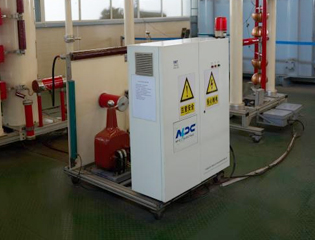
315kVA Dry Type Transformer
The 315 kVA Cast Resin Dry Type Distribution Transformer 480V-208Y/120V, a robust, maintenance-free solution optimized for safe indoor power conversion in North American electrical systems. This three-phase dry-type transformer features premium copper windings fully encapsulated in high-grade epoxy resin under vacuum pressure, delivering exceptional moisture resistance, fire self-extinguishing performance (F1 class), and minimal partial discharge for long-term reliability. With premium low-loss grain-oriented silicon steel cores and natural air (AN) cooling, it achieves superior energy efficiency exceeding DOE 2016 minimums, often reaching 98%+ under typical loads, while maintaining low noise levels and Class F/H insulation for demanding environments. Compliant with IEC 60076-11, ANSI/IEEE C57.12.01, UL, and DOE standards, this compact unit steps down 480V Delta primary (with ±2×2.5% off-circuit taps) to 208Y/120V secondary, providing stable power for commercial, industrial, and institutional applications with zero oil hazards and eco-friendly operation.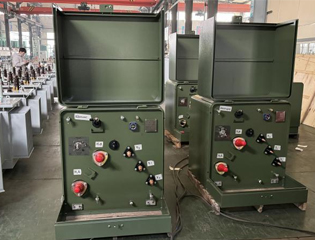
333kVA Single Phase Pole Mounted Transformer
NPC ELECTRIC'S 333kVA single phase pole mounted transformer stands as a powerhouse solution for intensive overhead distribution requirements, effectively reducing primary voltages such as 12.47kV, 24.94kV, or 34.5kV to secondary voltages including 120/240V, 277V, or 347V. Crafted with premium grain-oriented silicon steel cores and durable windings, it delivers outstanding energy efficiency, low losses, and compliance with modern DOE efficiency regulations alongside IEEE C57 and ANSI standards. The tank incorporates corrugated fins for optimal natural oil circulation (ONAN), supporting a 65°C temperature rise and robust overload handling. Equipped with essential protections like pressure relief valves, high-voltage bushings, and surge arresters, this transformer ensures dependable operation in exposed conditions. Its design prioritizes quiet performance, minimal maintenance, and extended service life, making it highly suitable for utilities managing substantial single-phase loads in evolving power networks.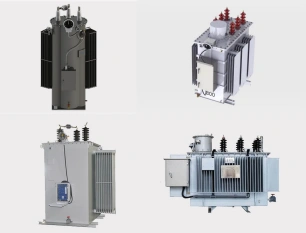
SVR-3 Type Feeder Automatic Step Voltage Regulator
The SVR-3 Type Feeder Automatic Step Voltage Regulator is an advanced, three-phase on-load automatic voltage regulation system designed specifically for distribution feeders. Equipped with a high-speed motorized on-load tap changer, premium copper windings, and low-loss silicon steel core, it delivers precise and rapid voltage stabilization with minimal waveform distortion. The intelligent microprocessor controller continuously monitors line voltage and automatically adjusts taps to maintain stable output voltage, even under rapidly changing load conditions. Built for harsh outdoor environments, the SVR-3 features a fully sealed oil-immersed tank with excellent corrosion protection, advanced cooling system, and comprehensive protection functions including over-voltage, under-voltage, overload, short-circuit, and reverse power protection. With remote monitoring capability and high overload capacity, the SVR-3 significantly improves power quality, reduces energy losses, and enhances reliability across distribution networks.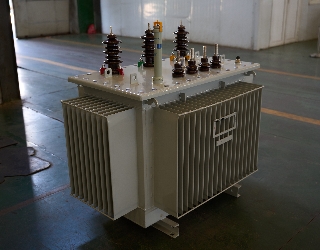
50kVA Oil Immersed Transformer
50kVA Oil Immersed Transformer is usually pole mounted or installed in a distribution station for daily lighting and factory power, whose an LV output up to 0.4kV. The corrugated tank has thermal expansion and contraction components that enable the transformer oil to be completely isolated from the atmosphere. A distribution transformer can be manufactured according to the requirements of the client. This transformer is optimally designed by patented technology and software.
30kVA Oil Immersed Transformer
30kVA Oil Immersed Transformer, produced by a reputable manufacturer and supplier in China, represents the pinnacle of electrical engineering excellence. These transformers are engineered with precision and cutting-edge technology to provide robust, efficient, and long-lasting power solutions.FAQ From Customers
-
What is a Transformer?A transformer is an electrical device used to change the voltage of alternating current (AC). It works on the principle of electromagnetic induction, converting high-voltage current into low-voltage current or low-voltage current into high-voltage current. Transformers are widely used in power transmission, distribution systems, and various electronic devices.
-
What are the main uses of a transformer?The main use of a transformer is voltage conversion. Transformers are used in power transmission systems to help transfer electricity from power plants to consumers. In addition, transformers are also used in electronic devices such as chargers, televisions, power adapters, etc., to adjust the voltage to meet the requirements of different devices.
-
Do you have UL listed?Yes, our transformer has UL listed. We have exported to America many pad mounted transformer,substation transformer and HV.
Welcome your inquiry
Honesty, Integrity, Frugality, Activeness and Passion