What is Concentric Cable? Understanding its Structure and Applications
2026-01-02
In today's modern power infrastructure, the need for reliable and efficient power distribution systems is more urgent than ever. With accelerated urbanization and industrial development, electricity demand is constantly increasing, making the stable operation of the power system a top priority. Against this backdrop, concentric cables, as a highly efficient power transmission method, are increasingly being used in various power projects. Whether in residential communities, industrial parks, or commercial facilities, concentric cables effectively guarantee reliable power transmission. Their unique design not only improves power transmission efficiency but also reduces electromagnetic interference, providing higher security and lower maintenance costs for power facilities. In modern power grids, concentric cables play a crucial role and are one of the core technologies for achieving a stable power supply.
What is Concentric Cable?
A concentric cable is an electrical power cable that consists of an inner conductor, an insulating layer, a neutral conductor, and an outer metallic sheath. The outer conductor is generally composed of a series of wires that are spiraled around the insulation, with the purpose of forming a complete return path for the current. The neutral conductor is usually made from copper or aluminum, providing a continuous loop for the current to travel back to its source.
Concentric cables are widely used in power distribution systems due to their reliability and ability to transmit electricity efficiently over long distances. The structure of the cable helps to reduce electromagnetic interference (EMI) and ensures the safe transmission of power, making it a crucial part of both urban and rural electrical networks.
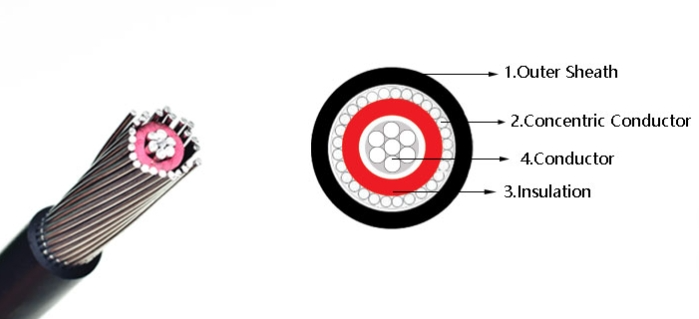
Concentric Cable Construction and Components
A typical concentric cable is composed of the following key components:
-
Inner Conductor: The central conductor, usually made of copper or aluminum, carries the electrical current from the source to the load. It’s often a solid or stranded wire, depending on the application.
-
Insulation Layer: Surrounding the inner conductor is an insulating material, typically made from cross-linked polyethylene (XLPE) or polyvinyl chloride (PVC), which prevents short circuits and protects the wire from external elements.
-
Concentric Neutral Conductor: This is the crucial feature that distinguishes concentric cables. A series of small wires is wound around the insulation layer in a concentric manner to form the neutral conductor. This neutral wire helps to complete the electrical circuit and provides a return path for the current.
-
Outer Sheath: The final layer is a protective outer sheath, often made from materials such as PVC or low-density polyethylene (LDPE), which shields the cable from physical damage, moisture, and environmental factors.
What is Split Concentric Cable?
A split concentric cable is a variant of the standard concentric cable. In this type of cable, the neutral conductor is split into two halves to form a more efficient and balanced return path for the current. The split design increases the current-carrying capacity and improves the cable’s performance in high-power applications.
Split concentric cables are commonly used in high-voltage power systems, particularly for the distribution of electricity in urban areas where high capacity and reliability are essential. The design allows for better control of the flow of electricity and ensures minimal losses during transmission, making it ideal for modern power networks.
Applications of Concentric Cables
Concentric cables are used in a wide range of applications, with their most common use being in electrical power distribution systems. Here are some of the primary applications:
-
Power Distribution Networks: Concentric cables are the backbone of many electrical grids, delivering power from substations to consumers. They are especially suitable for underground installations in residential, commercial, and industrial areas due to their robust construction and space-saving features.
-
Residential and Commercial Installations: Many residential and commercial buildings use concentric neutral cables to connect to the main power supply. Their compact design makes them ideal for confined spaces and minimizes the risk of electrical faults, especially when installed underground.
-
Industrial Facilities: In industrial applications, split concentric cables are often used to distribute high amounts of power efficiently. The additional neutral conductor helps manage the power load, ensuring the safety and reliability of electrical systems in factories, processing plants, and large facilities.
-
Renewable Energy Integration: Concentric cables are also used in renewable energy applications, such as connecting solar panels and wind turbines to the main electrical grid. Their ability to handle varying load conditions makes them a practical choice for clean energy systems.
-
Transportation and Rail Systems: Concentric cables are frequently used in railway electrification systems, where the need for efficient and safe transmission of power is paramount. The robust construction of concentric cables ensures that they can withstand the high mechanical stresses typically found in transportation infrastructure.
Benefits of Concentric Cables
-
Space Efficiency: The compact design of concentric cables makes them ideal for installations where space is limited. For example, in underground or confined environments, concentric cables reduce the amount of space needed for wiring and improve overall efficiency.
-
Safety: The concentric neutral conductor ensures a continuous return path for current, reducing the risk of electric shock or fault in case of damage to the cable. Additionally, the protective outer sheath adds another layer of safety by preventing physical damage to the wire.
-
Reduced Electromagnetic Interference (EMI): The design of concentric cables helps minimize electromagnetic interference, which is critical in sensitive industrial and commercial applications where electronic equipment needs to function without disruption.
-
Durability and Longevity: The outer sheath and insulation material of concentric cables are designed to withstand harsh environmental conditions. Whether exposed to moisture, heat, or physical stress, these cables maintain their performance over long periods, offering superior durability compared to traditional cables.
-
Flexibility and Reliability: Concentric cables are particularly effective in situations where high reliability is required, such as in power distribution networks. The additional neutral conductor in split concentric cables provides an enhanced level of flexibility and ensures reliable power distribution even under fluctuating loads.
In conclusion, concentric cables are an essential component of modern electrical power distribution systems. Their unique construction, which includes a concentric neutral conductor and protective outer sheath, ensures that they can handle high power loads while minimizing the risk of electrical faults. Whether used in residential, commercial, or industrial applications, concentric cables provide safe, efficient, and reliable power delivery.
With increasing demand for high-efficiency and sustainable power systems, split concentric cables are becoming an increasingly popular choice in areas with high power requirements, such as urban environments and industrial facilities. Understanding the structure, benefits, and applications of concentric cables helps engineers, contractors, and utilities make informed decisions about their use in both new and retrofit installations.

Related Articles
Related Products
5000kVA Dry Type Transformer
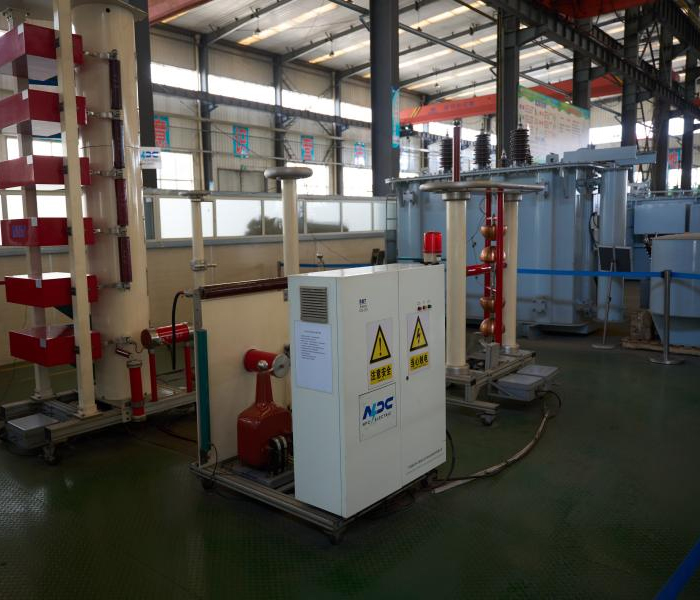
The NPC ELECTRIC 5000kVA Dry Type Transformer is a high-capacity, reliable power solution designed for large-scale industrial and commercial operations. With a robust 5000kVA rating, it features advanced dry-type insulation technology for enhanced safety, low maintenance, and long-lasting performance. Engineered for demanding environments, this transformer ensures stable, efficient, and quiet operation while minimizing environmental impact. It achieves efficiencies around 99.48% at 35% load per DOE 2029 levels for three-phase low-voltage dry-type at 5000 kVA (aligned/interpolated from published tables showing progressive gains and 20% loss reduction from prior baselines), accommodates high harmonics, overloads, and ensures long-term reliability with reduced environmental footprint and operational expenses.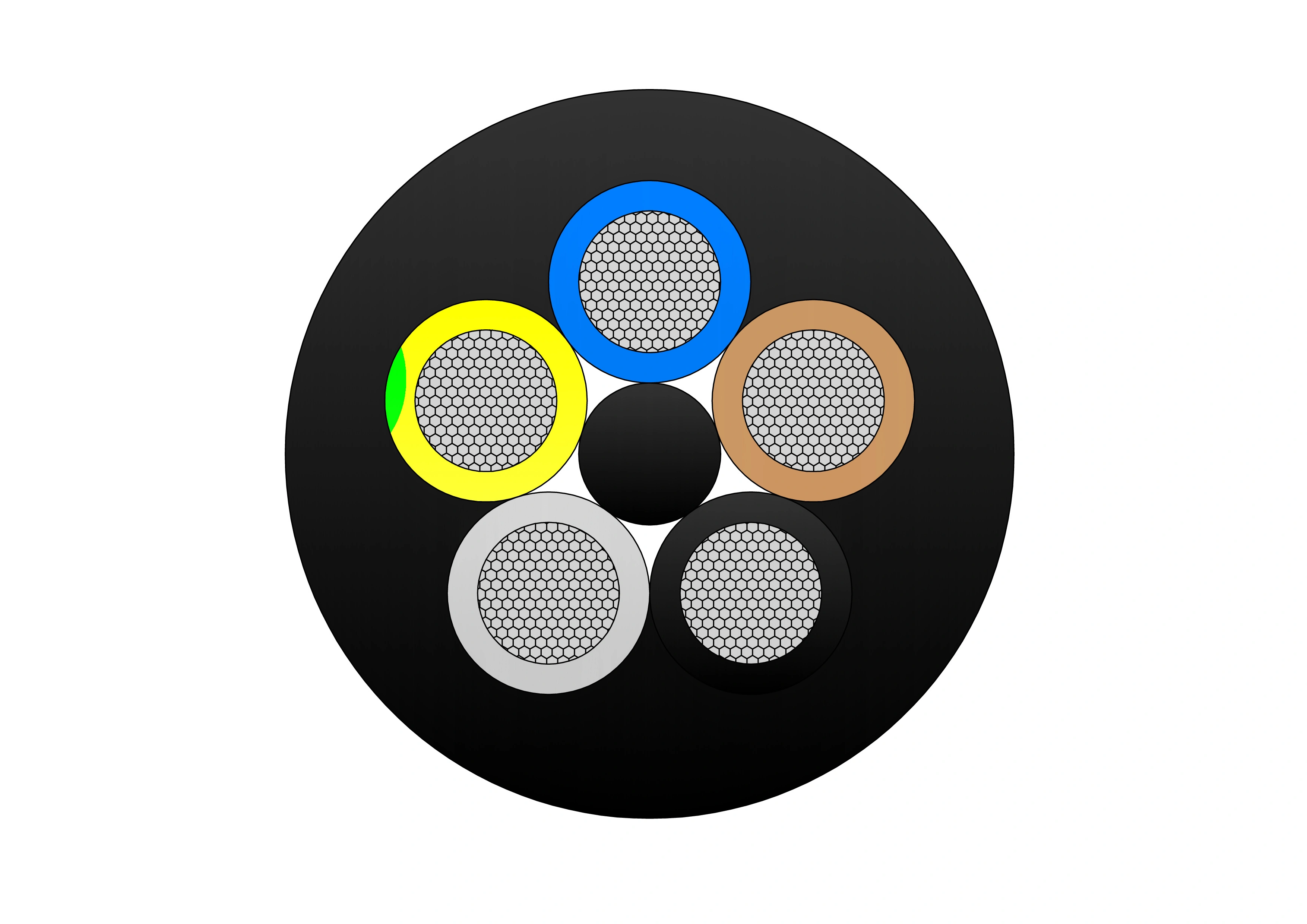
YSLTOE-J 300/500V Cable
The YSLTOE-J 300/500V Cable is a flexible low-voltage control cable featuring tinned copper conductors and a halogen-free, oil-resistant PUR outer sheath. It is engineered for gravity-feed collector baskets in modern high-speed container cranes, ensuring reliable performance under moderate mechanical stress and in oily industrial environments. Manufactured to DIN VDE 0281 and related standards, it offers excellent tensile strength, abrasion resistance, and flexibility. For proper installation, the cable must be mounted torsion-free in a counter-clockwise direction, with a basket diameter exceeding 30× the cable’s outer diameter to prevent damage.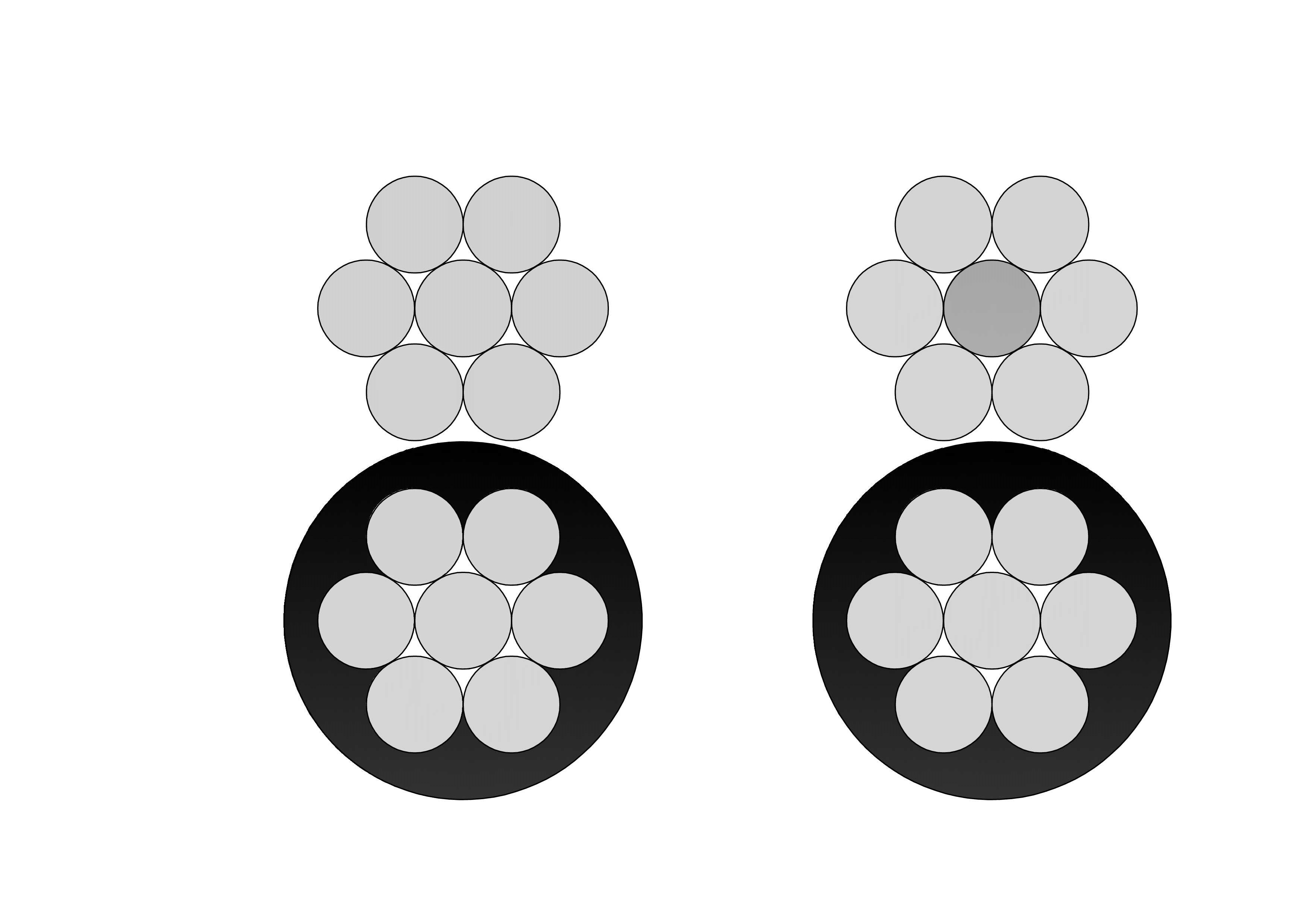
4 Eskimo Aluminum Conductor Duplex Overhead Service Drop Cable
Our 4 Eskimo Duplex Service Drop Cable provides reliable overhead secondary distribution for residential applications. Consisting of two 4 AWG aluminum conductors (one phase, one neutral, 7-strand) insulated with cross-linked polyethylene (XLPE) and twisted in duplex form, it meets ASTM, ICEA, and international standards. The robust insulation resists sunlight, moisture, and mechanical damage for decades of outdoor service. Lightweight design simplifies installation with low sag and easy handling. The 4 Eskimo Duplex Service Drop Cable ensures minimal losses, high current capacity, and excellent weather performance up to 600V. Self-supporting configuration reduces pole loading. Flame-retardant options enhance safety. Commonly chosen for single-phase power delivery in subdivisions, rural homes, and temporary connections requiring safe, economical aerial bundled solutions with proven durability.
Copper Conductor Duplex Service Drop Cable 600V
The Copper Conductor Duplex Service Drop Cable 600V is a high-performance overhead cable for secondary power distribution from utility poles to service entrances. Featuring two insulated copper conductors (phase and neutral) twisted around a bare or insulated neutral messenger, it offers superior conductivity and mechanical strength. Insulation options include XLPE or PE for excellent UV, moisture, and abrasion resistance. Compliant with ASTM B-1, B-2, B-3, B-8, ICEA S-76-474, and ANSI/ICEA standards, this cable supports 600V applications with low voltage drop and high current capacity. The robust design ensures reduced sag, easy installation, and long service life in harsh weather conditions. The Copper Conductor Duplex Service Drop Cable 600V delivers minimal power losses and reliable performance for single-phase service drops. Widely used in urban, suburban, and rural electrification projects requiring premium copper overhead connections with enhanced durability and safety.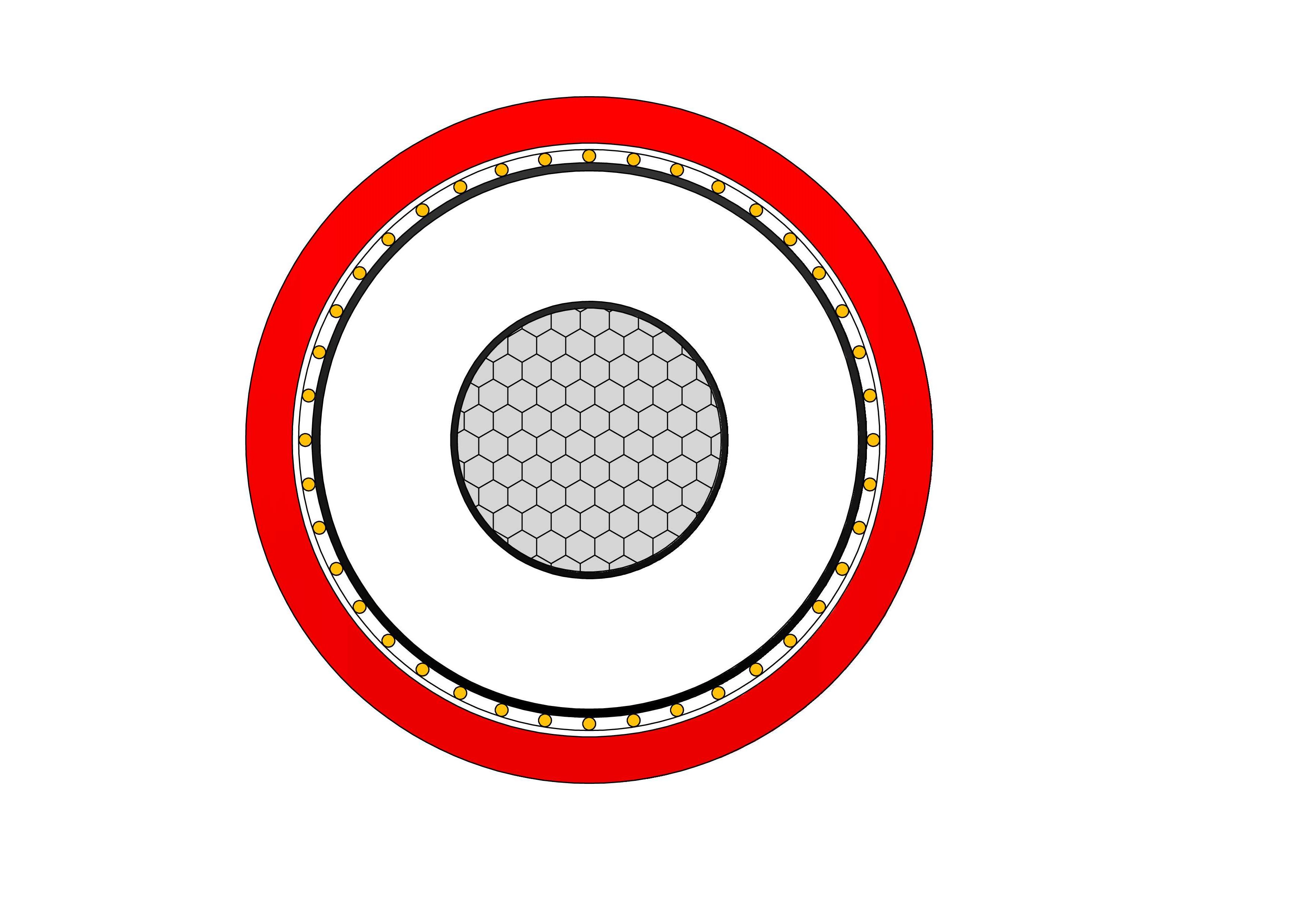
RHZ1-OL-AL Medium Voltage Power Cable(8.7/15kV, 12/20kV, 18/30kV)
Our RHZ1-OL-AL Medium Voltage Power Cable (8.7/15kV, 12/20kV, 18/30kV) provides economical fire safety for medium voltage networks. Built with aluminium conductors, thermosetting XLPE insulation, metallic screen, and advanced low smoke zero halogen (LSZH) sheath, it meets UNE 21123-4 and CPR requirements. During fires, it emits very low smoke and no corrosive gases, facilitating evacuation. Lightweight aluminium reduces costs and installation effort while delivering reliable current capacity. Superior partial discharge resistance, low tan delta, and thermal endurance ensure efficiency and longevity. Suitable for direct burial, ducts, or indoor use in sensitive areas, the RHZ1-OL-AL Medium Voltage Power Cable is widely used in transportation hubs, data centers, public facilities, and infrastructure demanding reliable medium voltage cabling with enhanced fire protection, environmental compliance, and life-safety features in populated or confined spaces.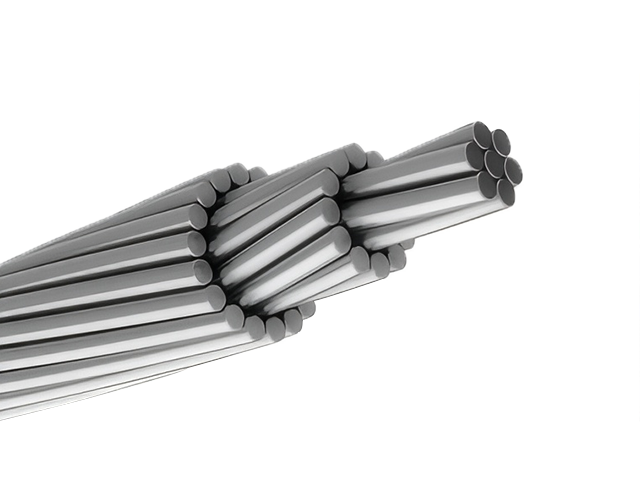
336.4 MCM MERLIN ACSR Conductor Cable
The ACSR CAA 336.4 KCM 18/1F MERLIN is a robust and efficient aluminium conductor steel reinforced cable, designed for high-performance in overhead power transmission and distribution lines. This conductor consists of 18 strands of hard-drawn 1350-H19 aluminium helically stranded around a single galvanized steel core wire, delivering an ideal combination of electrical conductivity and mechanical strength. Compliant with ASTM B232, this ACSR configuration is widely adopted in South American and international power systems. The steel core, galvanized to Class A or B, offers protection against corrosion, ensuring long service life in harsh environmental conditions. Meanwhile, the aluminium strands provide excellent current-carrying capacity and conductivity. The MERLIN design is particularly suitable for medium-voltage transmission lines and long-span installations where mechanical tension and conductor sag need to be controlled without compromising electrical performance.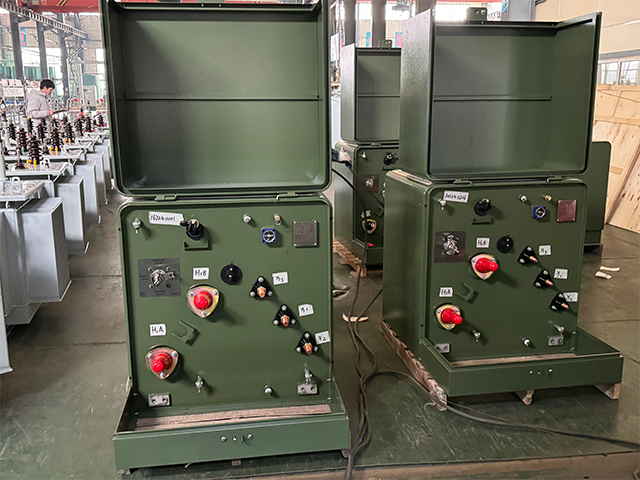
300kVA Single Phase Pad Mounted Transformer
300kVA Single Phase Pad Mounted Transformer is a compact and efficient solution tailored for underground residential distribution (URD) systems and loop-feed applications. This fully sealed, oil-immersed transformer features high-efficiency electrical steel cores and robust aluminum or copper windings to deliver minimal losses and superior voltage regulation from high-voltage inputs like 13.8kV or 34.5kV down to 120/240V or 277/480V secondary. The environmentally friendly PCB-free dielectric fluid ensures excellent cooling and insulation while meeting ANSI/IEEE standards for loop or radial feed configurations. Ideal for urban and suburban settings, this pad-mounted transformer provides quiet operation, high overload capacity.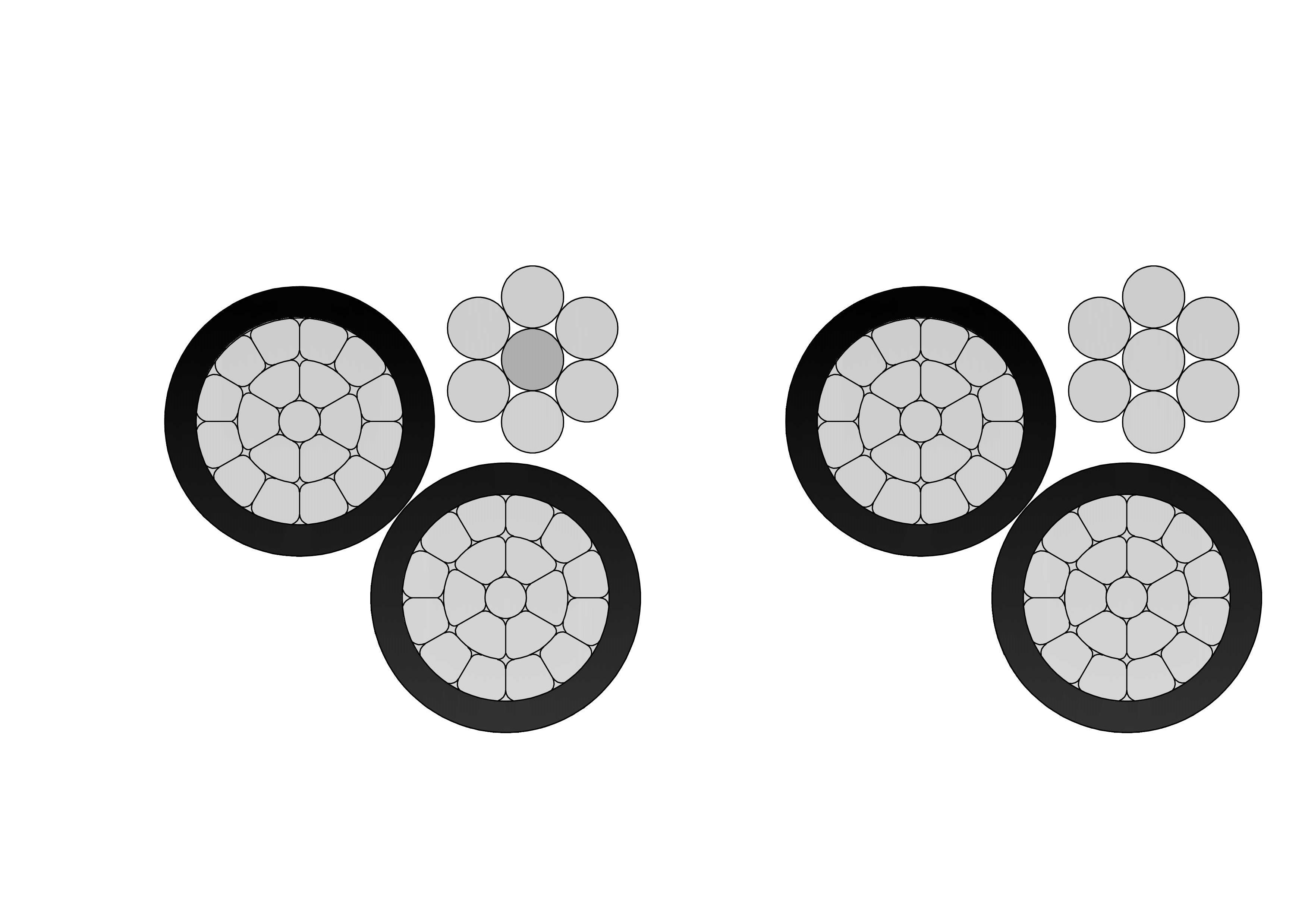
4 Prawn Aluminum Conductor Triplex Overhead Service Drop Cable
The 4-4-4 Prawn Aluminum Conductor Triplex Overhead Service Drop Cable is a versatile solution for overhead power delivery from utility poles to residential or light commercial weatherheads. It features solid 1350-H19 aluminum phase conductors (#4 AWG), black cross-linked polyethylene (XLPE) insulation for excellent weather, UV, and thermal resistance, and a bare ACSR neutral messenger (#4 AWG, 6/1) providing mechanical strength and conductivity. Rated for 600 volts phase-to-phase at conductor temperatures up to 90°C (XLPE) or 75°C (Poly), it offers an allowable ampacity of approximately 115 amps (XLP). Compliant with ASTM B-230, B-231, B-232, B-399, and ICEA S-76-474 standards, this lightweight, flexible cable ensures easy installation and long-term reliability in outdoor conditions, including wind, ice loading, moisture, and temperature fluctuations.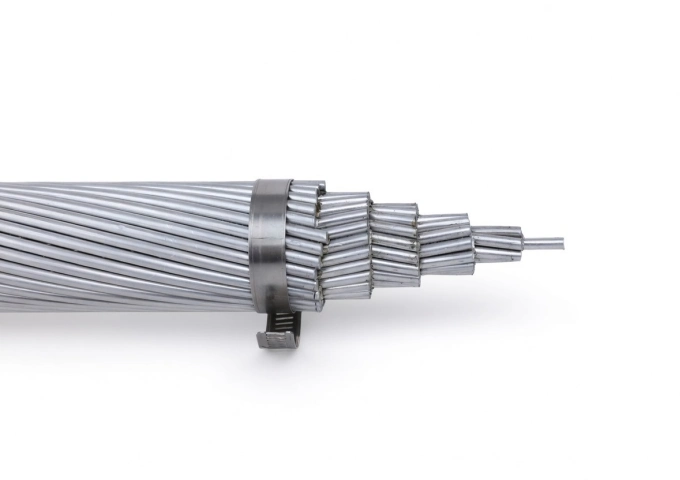
2000 MCM Cowslip AAC All Aluminum Bare Conductor Cable
The 2000 MCM Cowslip AAC Cable represents premium All Aluminum Conductor technology for overhead power applications. Built with 91 strands of high-conductivity 1350-H19 aluminum, this bare conductor delivers an optimal balance of electrical efficiency and mechanical robustness. With a 1.631-inch diameter, 32,200 lbs breaking strength, and 1518 amps ampacity, the Cowslip AAC offers low DC resistance of 0.00864 ohms per 1000 ft at 20°C and a weight of 1877 lbs per 1000 ft. This design minimizes sag while providing excellent corrosion resistance for extended outdoor service. Manufactured to meet ASTM B-230 and B-231 standards, the 2000 MCM Cowslip AAC Cable undergoes extensive quality testing from raw materials through finished product. It is the ideal solution for new installations and upgrades in transmission and distribution systems that demand lightweight, high-conductivity bare aluminum conductors.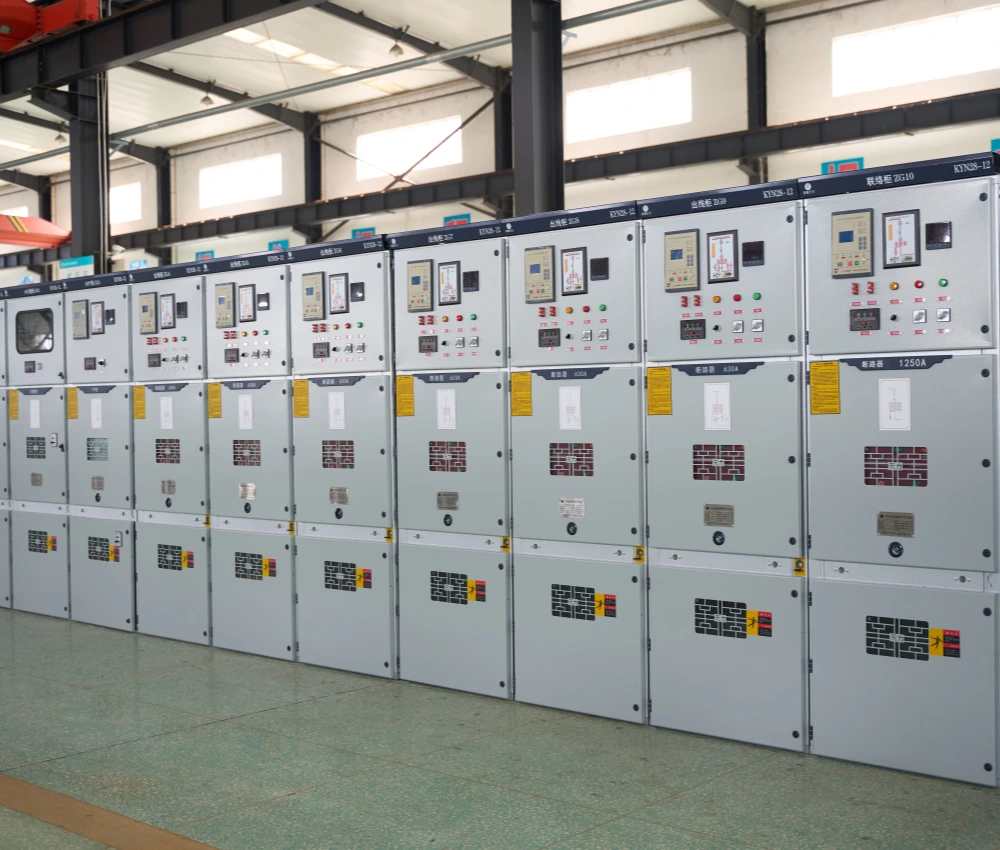
Low Voltage Switchgear
The Low Voltage Switchgear is a high-performance electrical distribution and protection system designed for safe, reliable, and efficient low-voltage power management in industrial facilities, commercial buildings, utility substations, renewable energy systems, and infrastructure projects. The switchgear integrates circuit breakers, protection relays, busbar systems, metering devices, and intelligent control components into a modular enclosure structure to provide stable electrical distribution and advanced operational safety. Manufactured using precision-engineered components and high-quality insulation materials, the low voltage switchgear ensures excellent electrical performance, thermal stability, and mechanical durability under demanding operating conditions. The modular cabinet design improves installation flexibility, simplifies maintenance procedures, and supports future expansion requirements while minimizing operational downtime. The Low Voltage Switchgear supports multiple distribution architectures, intelligent monitoring systems, and smart-grid communication protocols for modern energy management applications. With customizable configurations and scalable electrical protection functions, the system delivers dependable power distribution performance for industrial automation systems, commercial electrical networks, data centers, transportation infrastructure, and utility power systems.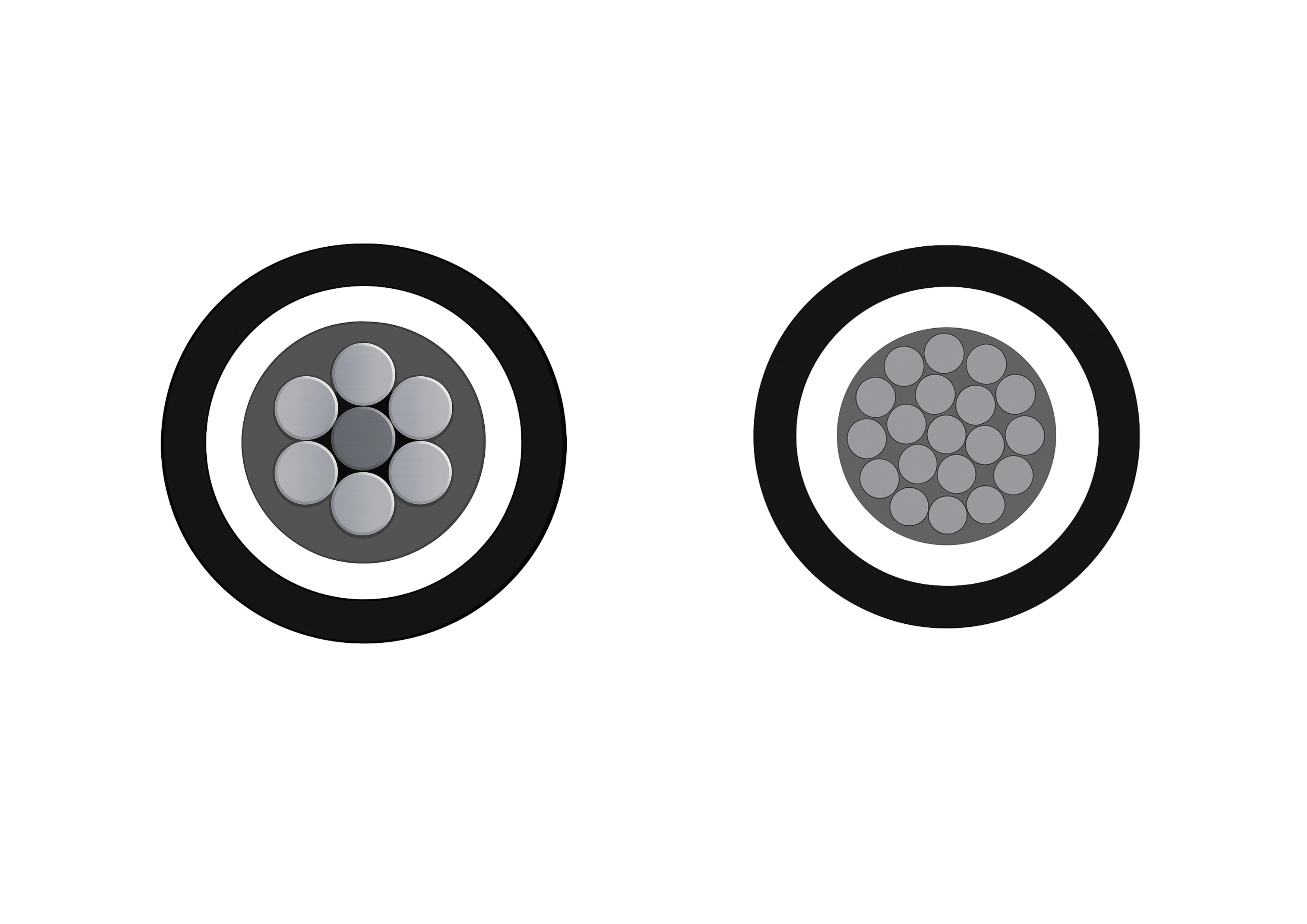
2-Layer 15kV ACSR/AAC Tree Wire - Covered Overhead Distribution Cable
The 2-Layer 15kV ACSR/AAC Tree Wire is a covered overhead conductor designed for reliable medium-voltage distribution in areas with heavy tree contact. It features concentrically stranded ACSR or AAC conductors with a dual-layer covering of track-resistant high-density polyethylene (HDPE) or cross-linked polyethylene (XLPE). The inner layer provides insulation while the outer layer offers superior tracking and weathering resistance. This construction significantly reduces the risk of faults caused by tree limbs, minimizes wildfire ignition potential, and allows closer spacing to vegetation. Suitable for both spacer cable systems and conventional overhead lines, the 2-Layer 15kV ACSR/AAC Tree Wire meets ICEA S-121-733 and related ASTM standards. It undergoes rigorous quality testing from raw materials to finished product, ensuring excellent dielectric strength, mechanical robustness, and long-term performance in challenging environments.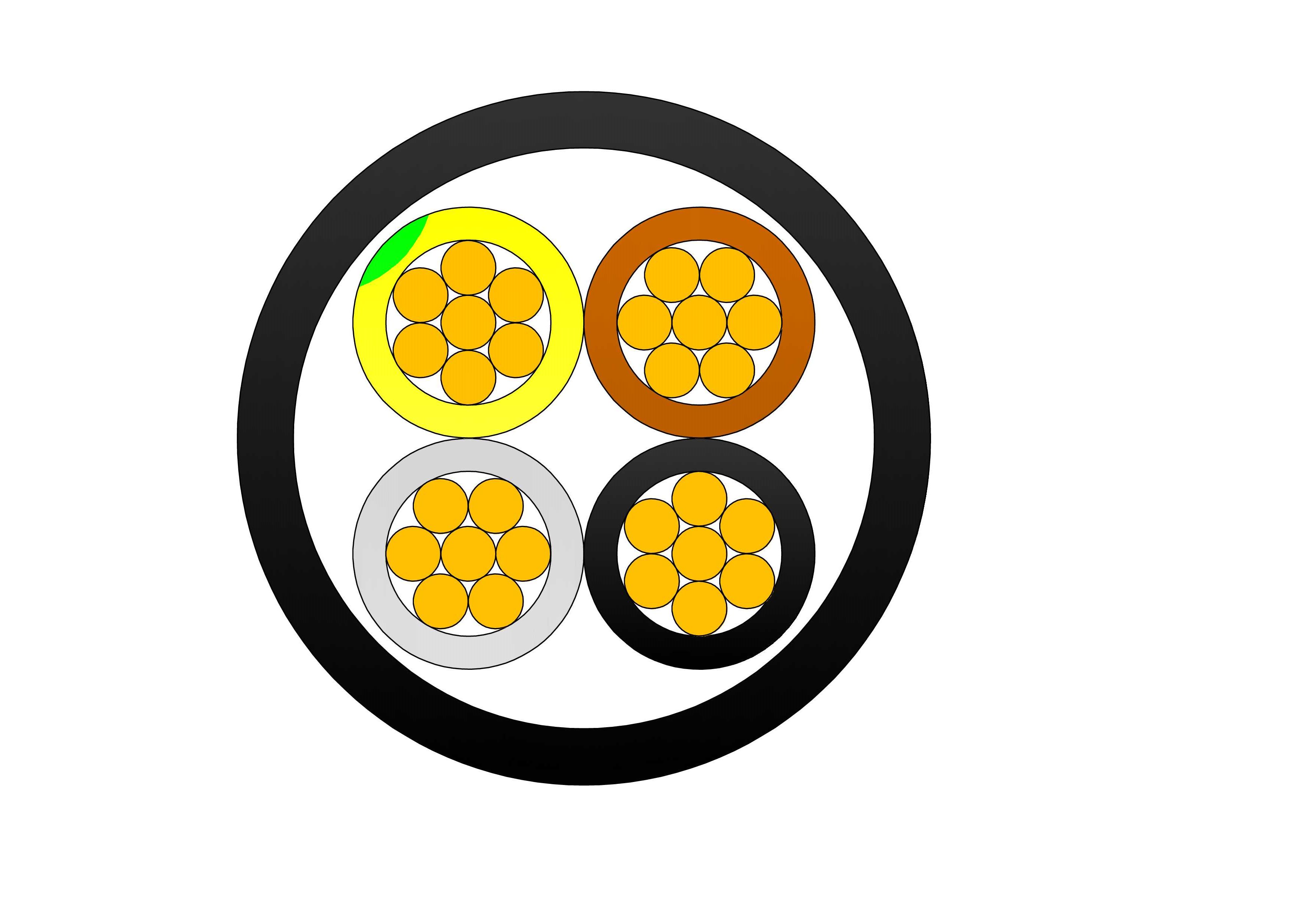
2/3 Cores SWA Armoured Cable
The 2/3 Cores SWA Armoured Cable 0.6/1kV CU/XLPE/SWA/PVC is a heavy-duty low voltage power cable designed for installations requiring superior mechanical protection. It features 2 or 3 stranded copper conductors, cross-linked polyethylene (XLPE) insulation for excellent thermal and electrical performance, galvanized steel wire armour (SWA) for high crush, impact, and tensile strength, and a durable PVC outer sheath. Rated for 0.6/1kV, this cable provides high current-carrying capacity, low voltage drop, and long-term reliability in harsh environments. Manufactured according to IEC 60502-1, the 2/3 Cores SWA Armoured Cable 0.6/1kV is ideal for direct burial, underground ducts, cable trays, and exposed installations. Its strong steel wire armour offers outstanding protection against external mechanical stresses, rodents, and impacts. It is widely used in industrial plants, substations, commercial buildings, and infrastructure projects where safety and durability are critical.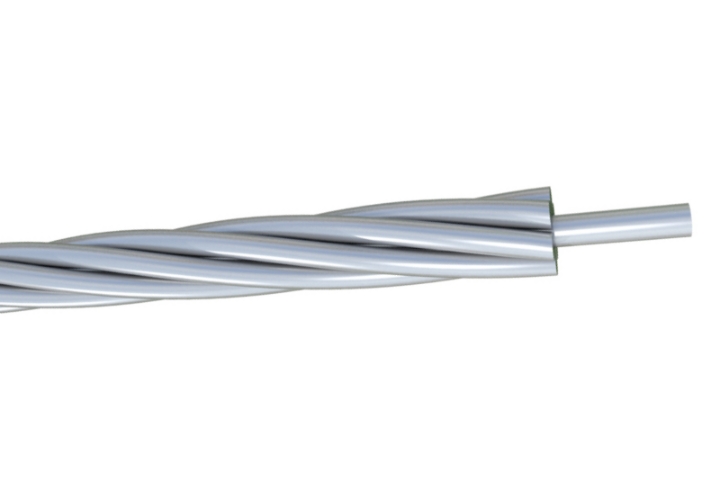
High Quality 16 Gauge Galvanized Steel Conductor Wire Supplier
The 16 Gauge Galvanized Steel Conductor Wire is a versatile and durable solution for electrical and construction applications. Made from premium steel and coated with a high-quality zinc layer through hot-dip galvanization, it provides superior resistance to corrosion and environmental wear. This wire is engineered to deliver consistent tensile strength while maintaining flexibility, making it suitable for grounding systems, fencing, and binding applications. The 16-gauge size ensures easy handling and adaptability for various installation requirements. Its uniform zinc coating enhances longevity and reduces maintenance costs, especially in outdoor environments exposed to moisture and chemicals. Manufactured under strict quality control systems, the wire meets international standards for performance and reliability. With customizable specifications such as coating thickness and tensile strength, the 16 Gauge Galvanized Steel Conductor Wire is widely trusted by contractors and industrial users for its durability and cost-effectiveness.
750kVA Oil Immersed Transformer
NPC ELECTRIC's 750kVA oil-immersed transformer uses advanced oil-immersed cooling technology to provide efficient and stable power conversion. The transformer complies with international standards such as the International Electrotechnical Commission (IEC) and ISO 9001, ensuring the high quality and safety of the product. Its sturdy structure and excellent overload resistance are widely used in industrial, commercial, and power network fields.
High Quality 20 Gauge Galvanized Steel Conductor Wire Supplier
The 20 Gauge Galvanized Steel Conductor Wire is designed for applications requiring flexibility, precision, and corrosion resistance. Manufactured from premium steel and coated with a durable zinc layer through hot-dip galvanization, it provides long-lasting protection against environmental damage. Its thin 20 gauge diameter allows for easy bending and shaping, making it ideal for crafts, packaging, binding, and light industrial applications. The wire offers sufficient tensile strength while maintaining excellent flexibility. The consistent zinc coating enhances durability and minimizes maintenance, especially in outdoor environments. The smooth surface ensures safe handling and efficient installation. Produced under strict quality control standards, the 20 Gauge Galvanized Steel Conductor Wire ensures uniform diameter and coating thickness. It meets international standards and can be customized to suit different application needs, making it a reliable and economical choice.Welcome your inquiry
Honesty, Integrity, Frugality, Activeness and Passion