
Residential Transformer Guide: Sizing, kVA & Installation
2026-04-08
In today's world of rapidly increasing household electricity demands, the residential transformer stands as the unsung hero of your home's power supply. Tucked away on utility poles or discreetly mounted on concrete pads, these compact yet powerful devices quietly convert high-voltage electricity from the grid into the safe, usable 120/240V (or 230V in Europe) that powers your lights, air conditioners, EV chargers, heat pumps, and smart home systems.
Whether you're building a new home, upgrading an older property, or planning to add high-load appliances like whole-home electric heating, multiple EVs, or a home office with heavy equipment, choosing the right transformer size is critical. An undersized unit can lead to frequent overloads, voltage drops, tripped breakers, reduced equipment lifespan, and even safety risks. An oversized transformer, on the other hand, means unnecessary upfront costs and higher no-load energy losses.
Common residential transformer capacities range from 15 kVA to 167 kVA, with 25 kVA, 50 kVA, and 75 kVA being the most popular choices for single-family homes and small multi-family developments. For example, a typical 25 kVA single-phase transformer can comfortably support 3–6 average homes (without heavy electric heating), while a 50 kVA unit is better suited for modern homes with multiple air conditioners, EV charging stations, or electric water heaters.
This comprehensive Residential Transformer Guide: Sizing, kVA & Installation will walk you through everything you need to know: how to accurately calculate your required kVA based on actual household load, a handy sizing comparison chart, the pros and cons of pole-mounted vs. pad-mounted transformers, key installation guidelines and safety clearances (referencing NEC, IEEE, and European standards), plus the latest 2025–2026 trends such as more efficient amorphous core designs and prefabricated substation solutions.
Whether you're a homeowner, electrical contractor, builder, or developer, you'll find practical, money-saving advice here to ensure a reliable, future-proof power supply for your home.
1. What Is a Residential Transformer?
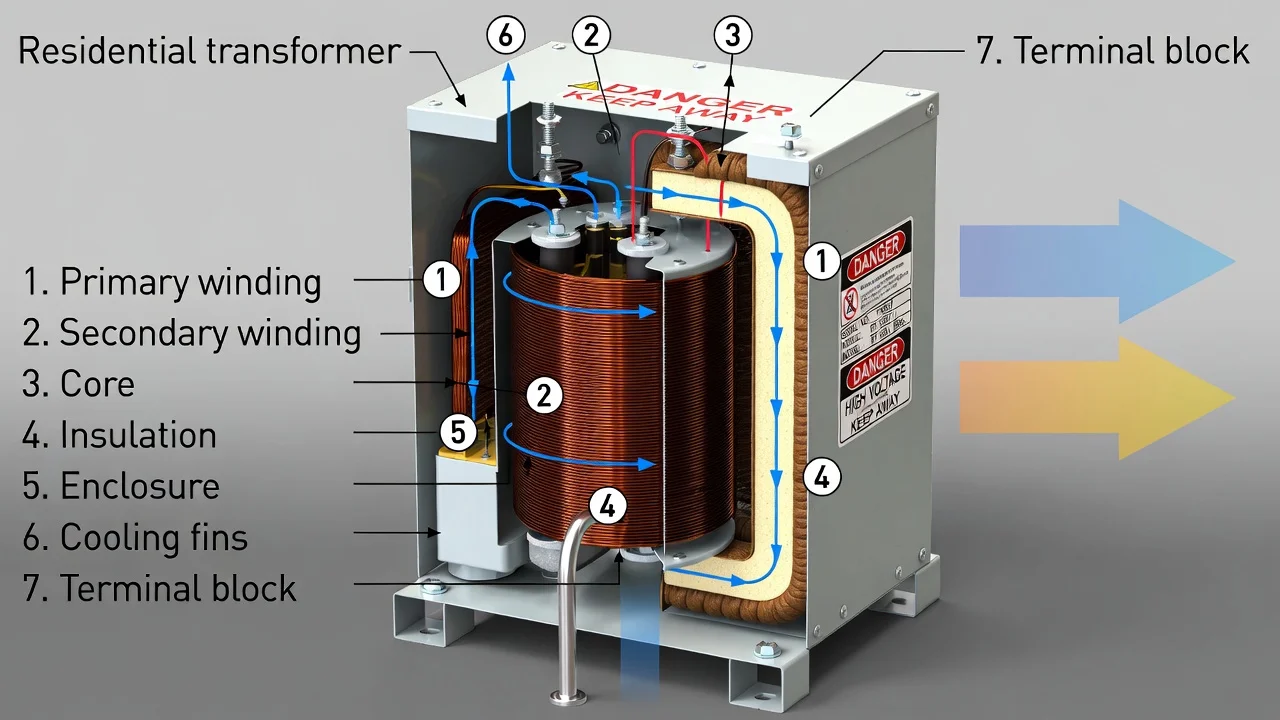
A residential transformer is a critical component in electrical power systems that steps down medium-voltage electricity from utility distribution lines to low-voltage levels suitable for homes. Typical output voltages include 120/240V AC power, enabling safe operation of household appliances and lighting.
Unlike industrial transformers, a residential electrical transformer is optimized for moderate electrical load profiles, high reliability, low noise, and compliance with residential safety standards.
2. Common Types of Residential Transformers
2.1 Single Phase Transformer (Most Common)
Most residential power transformer installations use single-phase transformers, as residential loads are usually unbalanced and relatively low compared to commercial or industrial facilities.
2.2 Pad-Mounted Residential Transformers
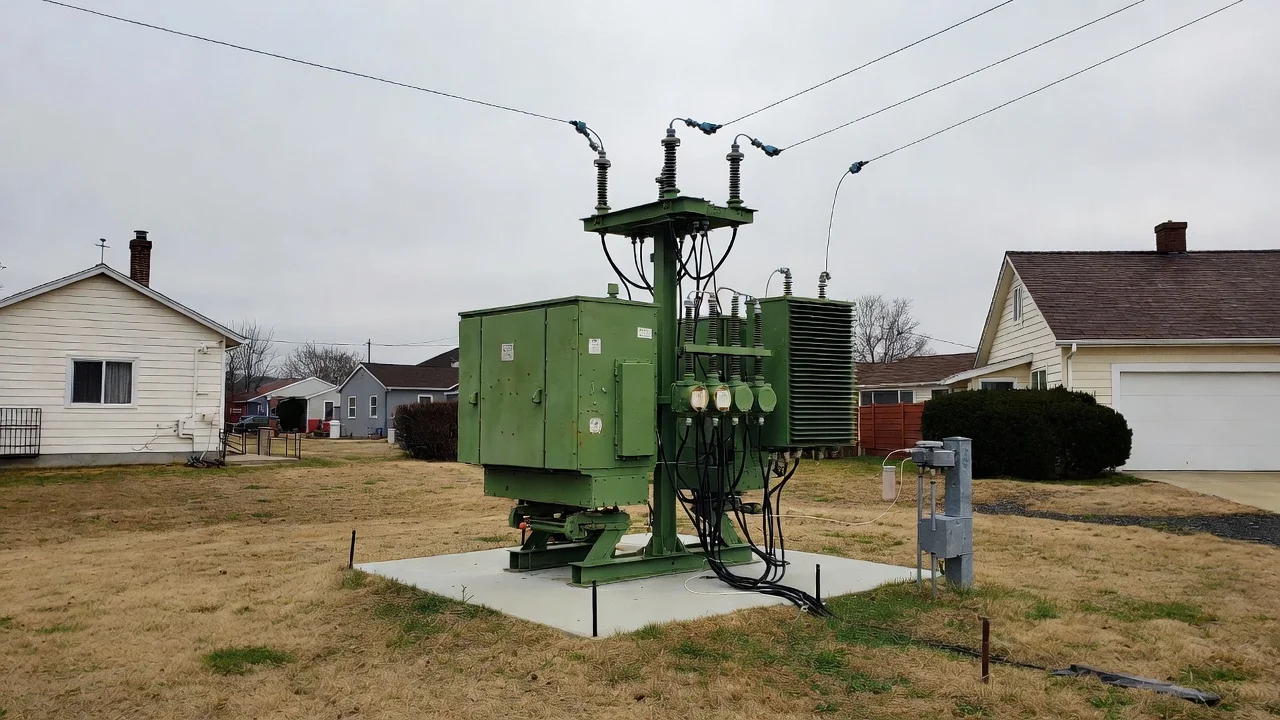
A residential pad mounted transformer is installed at ground level inside a locked steel enclosure (often called a residential transformer box). These are widely used in modern underground distribution systems.
Advantages:
- Improved aesthetics
- Reduced exposure to the weather
- Safer for densely populated areas
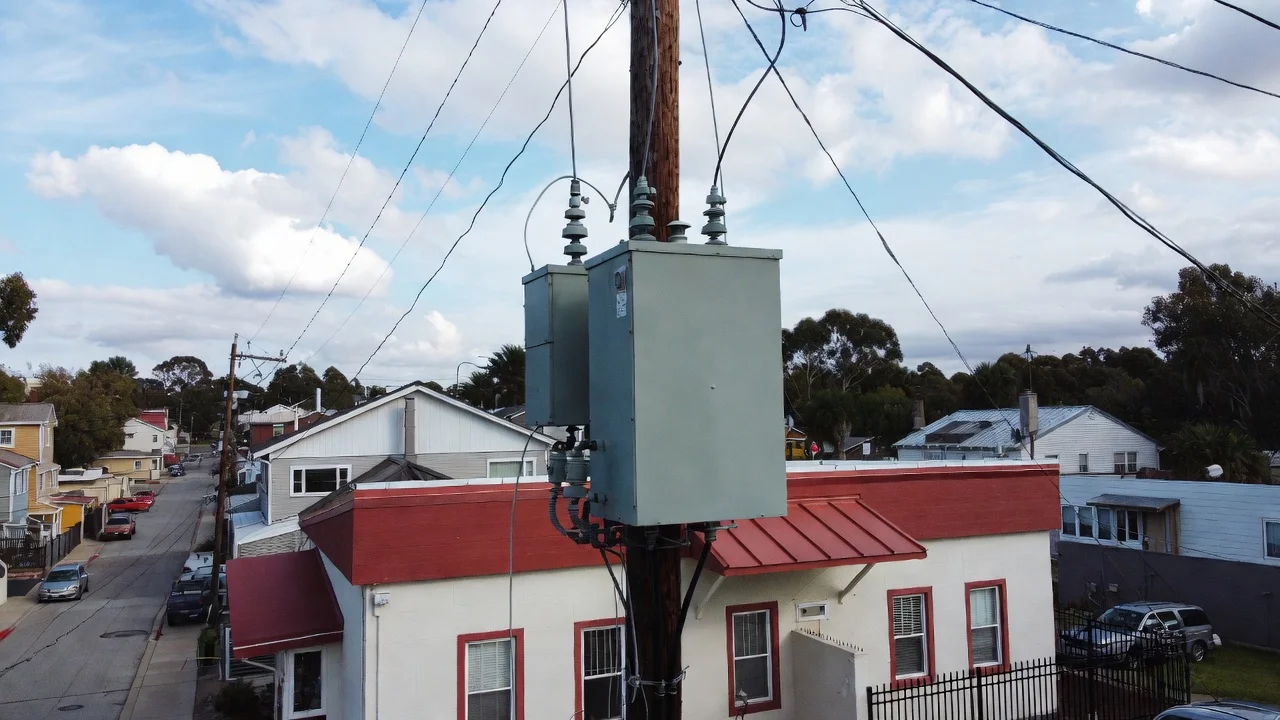
2.3 Pole-Mounted Residential Transformers
Used mainly in rural or older neighborhoods, pole-mounted units are cost-effective but less visually appealing.
3. Understanding kVA Ratings and Transformer Size
Transformer sizing is one of the most critical engineering decisions. Incorrect sizing can lead to voltage drop, overheating, or premature transformer failure.
3.1 What Does kVA Mean?
kVA (kilovolt-ampere) represents the apparent power rating of a transformer. Residential transformers typically range from 25 kVA to 150 kVA, depending on the electrical load.
3.2 Standard Transformer Sizes for Residential Use
|
Transformer Size (kVA) |
Typical Application |
|
25 kVA |
Single-family home |
|
50 kVA |
Large home / small multi-unit |
|
75 kVA |
3–5 residential units |
|
100 kVA |
Apartment building |
|
150 kVA |
High-load residential complex |
100 kVA and 150 kVA residential transformers are commonly used for apartment blocks, EV charging infrastructure, and smart homes with high power consumption.
4. Electrical Load Calculation (Practical Example)
Proper transformer size is based on total connected load and diversity factor.
Example:
- Average household load: 12 kW
- Number of homes: 8
- Total connected load = 96 kW
- Apply diversity factor (0.7):
- Demand load ≈ 67 kW
A 100 kVA residential power transformer would be a suitable and safe choice.
5. Input Voltage and Load Voltage Considerations
Residential transformers typically receive medium-voltage input, such as:
- 11 kV
- 13.8 kV
- 22 kV (region-dependent)
They step this down to low-voltage output, usually:
- 120/240 V (North America)
- 230/400 V (many other regions)
Maintaining stable load voltage is essential for protecting sensitive electronics and ensuring reliable AC power delivery.
6. Installation Best Practices for Residential Transformers
6.1 Site Selection
- Maintain safe clearance from buildings
- Ensure ventilation for heat dissipation
- Avoid flood-prone locations
6.2 Pad Mount Installation Requirements
- Concrete pad with proper load rating
- Grounding system compliant with local electrical codes
- Secure access to prevent unauthorized entry
6.3 Safety and Compliance
All electrical residential transformer installations must comply with:
- IEC / IEEE standards
- Utility-specific grid codes
- Local electrical systems regulations
7. Efficiency and Power System Integration
Modern residential transformers are designed for:
- Low no-load losses
- High efficiency at partial loads
- Compatibility with renewable energy systems (solar PV + battery storage)
Efficient transformers reduce overall energy loss and operating costs across residential power systems.
8. Future Trends in Residential Transformers
- Increased use of pad mount transformers
- Higher kVA ratings to support EV chargers
- Smart monitoring for predictive maintenance
- Improved insulation and eco-friendly materials
9. Choosing the Right Residential Transformer
When selecting a transformer, consider:
- Total electrical load
- Expected future load growth
- Installation type (pad mount transformer vs pole mounted transformer)
- Standard transformer sizes available
- Utility approval requirements
A well-sized residential transformer ensures long-term reliability, safety, and optimal performance of modern electrical systems.
10. ROI and Lifecycle Cost Analysis for Residential Transformers
While upfront price is often the first concern, experienced utilities and developers evaluate a residential transformer based on its total lifecycle cost (LCC) and long-term return on investment (ROI). This approach reflects real-world operating conditions and utility economics.
10.1 What Is Lifecycle Cost (LCC)?
Lifecycle cost includes all costs incurred over the transformer’s service life, typically 25–30 years, not just the purchase price.
Lifecycle Cost Components:
- Initial transformer cost
- Installation and civil works
- No-load (core) losses
- Load losses (copper losses)
- Maintenance and inspection
- Downtime and replacement risk
- Energy losses over time
10.2 ROI Calculation Example (100 kVA Residential Transformer)
Assumptions (Typical Residential Scenario):
- Transformer size: 100 kVA
- Average load: 50% (50 kVA)
- Operating hours: 8,760 hours/year
- Electricity cost: USD 0.10 / kWh
- Service life: 25 years
Scenario A: Standard Efficiency Transformer
- No-load loss: 300 W
- Load loss @ 50%: 900 W
- Total losses: 1.2 kW
Annual energy loss:
1.2 kW × 8,760 h = 10,512 kWh/year
Annual loss cost:
10,512 × 0.10 = USD 1,051
Scenario B: High-Efficiency Residential Transformer
- No-load loss: 180 W
- Load loss @ 50%: 650 W
- Total losses: 0.83 kW
Annual energy loss:
0.83 × 8,760 h = 7,271 kWh/year
Annual loss cost:
7,271 × 0.10 = USD 727
10.3 ROI Summary
|
Item |
Standard Transformer |
High-Efficiency Transformer |
|
Annual Energy Loss Cost |
USD 1,051 |
USD 727 |
|
Annual Savings |
– |
USD 324 |
|
Extra Initial Cost |
– |
USD 1,200 |
|
Simple Payback Period |
– |
3.7 years |
|
25-Year Energy Savings |
– |
USD 8,100+ |
Result:
A high-efficiency residential pad mounted transformer delivers clear ROI within the first 4 years, followed by decades of reduced operating cost.
10.4 Impact of Transformer Size on Lifecycle Cost
Larger transformers such as 150 kVA residential transformers amplify the importance of efficiency due to higher base losses and growing electrical load from:
- EV chargers
- Heat pumps
- Smart home systems
- Distributed solar generation
Selecting the correct transformer size avoids:
- Overloading → premature aging
- Oversizing → unnecessary no-load losses
10.5 Utility and Developer Perspective
From a power systems and grid-planning perspective:
- Energy-efficient residential transformers reduce system-wide losses
- Lower heat generation extends insulation life
- Improved voltage stability enhances customer satisfaction
- Reduced maintenance lowers operational expenditure (OPEX)
For housing developers, optimized transformer selection increases:
- Project IRR
- Asset reliability
- Compliance with green building standards
10.6 Key Takeaway for Buyers
When selecting a residential electrical transformer, the lowest upfront price rarely offers the best value. A lifecycle-based decision—considering kVA ratings, losses, and long-term efficiency—results in:
- Lower total ownership cost
- Higher ROI
- Improved reliability of residential electrical systems
This approach aligns with modern utility planning and sustainable power system design.
As residential energy consumption increases due to electrification and smart home technologies, selecting the right residential electrical transformer—with correct kVA ratings, transformer size, and installation method—is more critical than ever. A data-driven, standards-based approach ensures reliable power delivery and long service life.

Related Articles
Related Products
33kV 35kV Solar Power Transformer
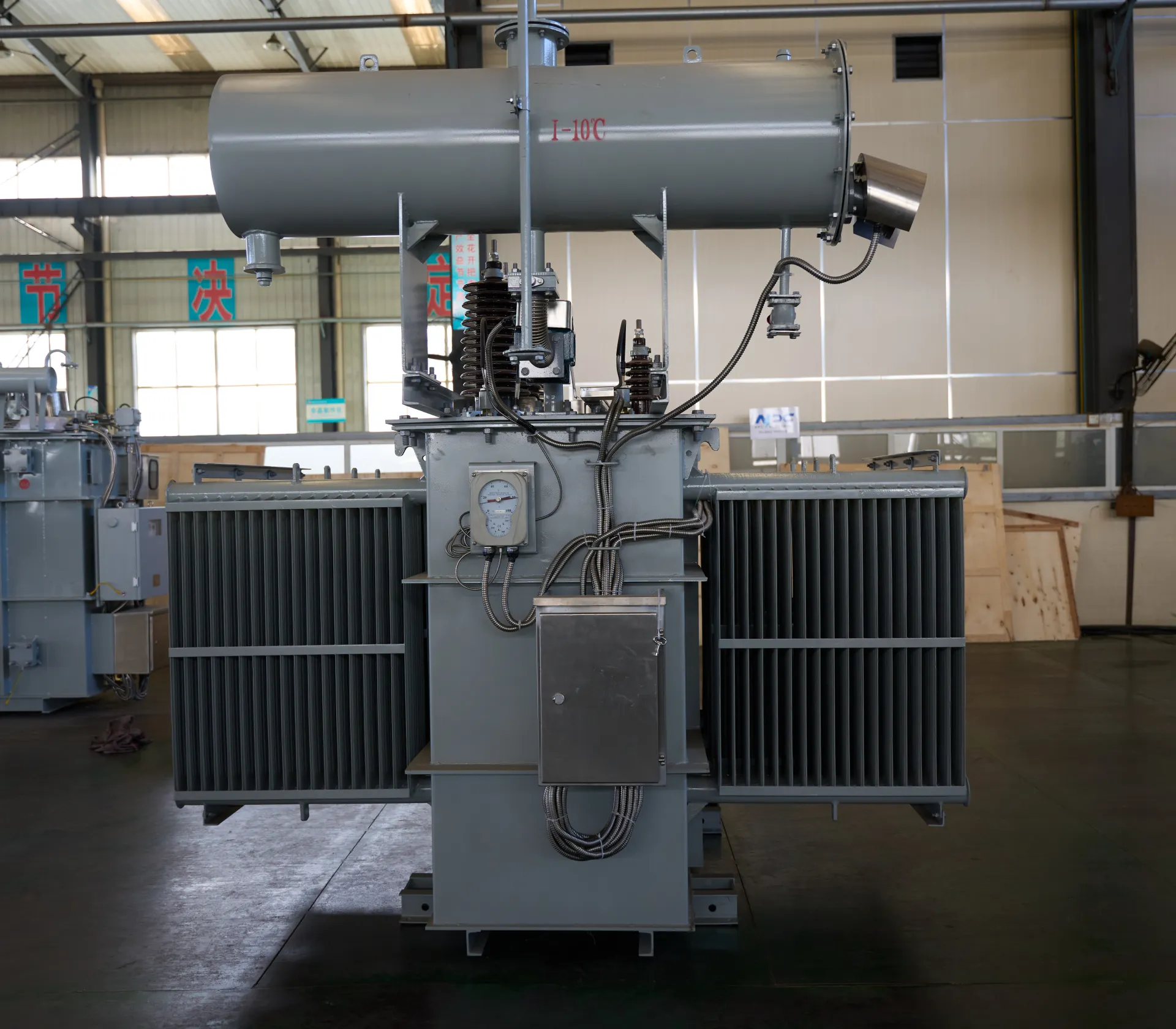
NPC Electric 33kV 35kV Solar Power Transformer is a specialized solution engineered to bridge the gap between solar inverters and the high-voltage utility grid. Unlike standard distribution units, these transformers are optimized to handle the pulsed DC-to-AC waveforms generated by modern PV inverters. Utilizing high-permeability magnetic cores and oxygen-free copper windings, they significantly reduce "No-Load" losses during non-sunlight hours, maximizing your project's Levelized Cost of Energy (LCOE). The robust tank design features enhanced heat dissipation fins, ensuring stable operation even under peak solar radiation in desert or tropical climates.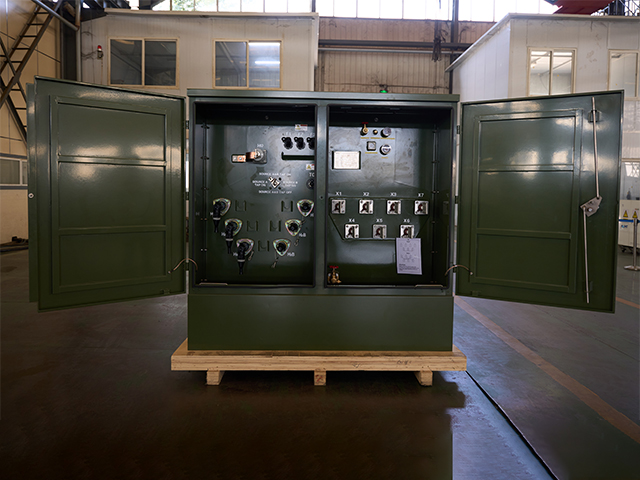
1500kVA Three Phase Pad Mounted Transformer
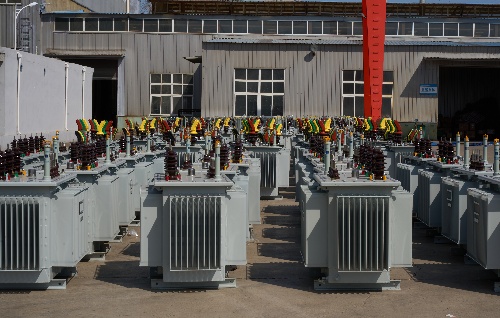
NPC ELECTRIC's 1500kVA Three Phase Pad Mounted transformer is designed with high-quality silicon steel sheets and insulating oil, in compliance with international standards such as IEC and ANSI, ensuring efficient and stable operation. It is suitable for a variety of scenarios such as urban power distribution, residential areas, commercial parks and industrial facilities. Whether it is ring network power supply or radial power supply, it can be flexibly applied to help achieve efficient and intelligent power transmission and distribution solutions.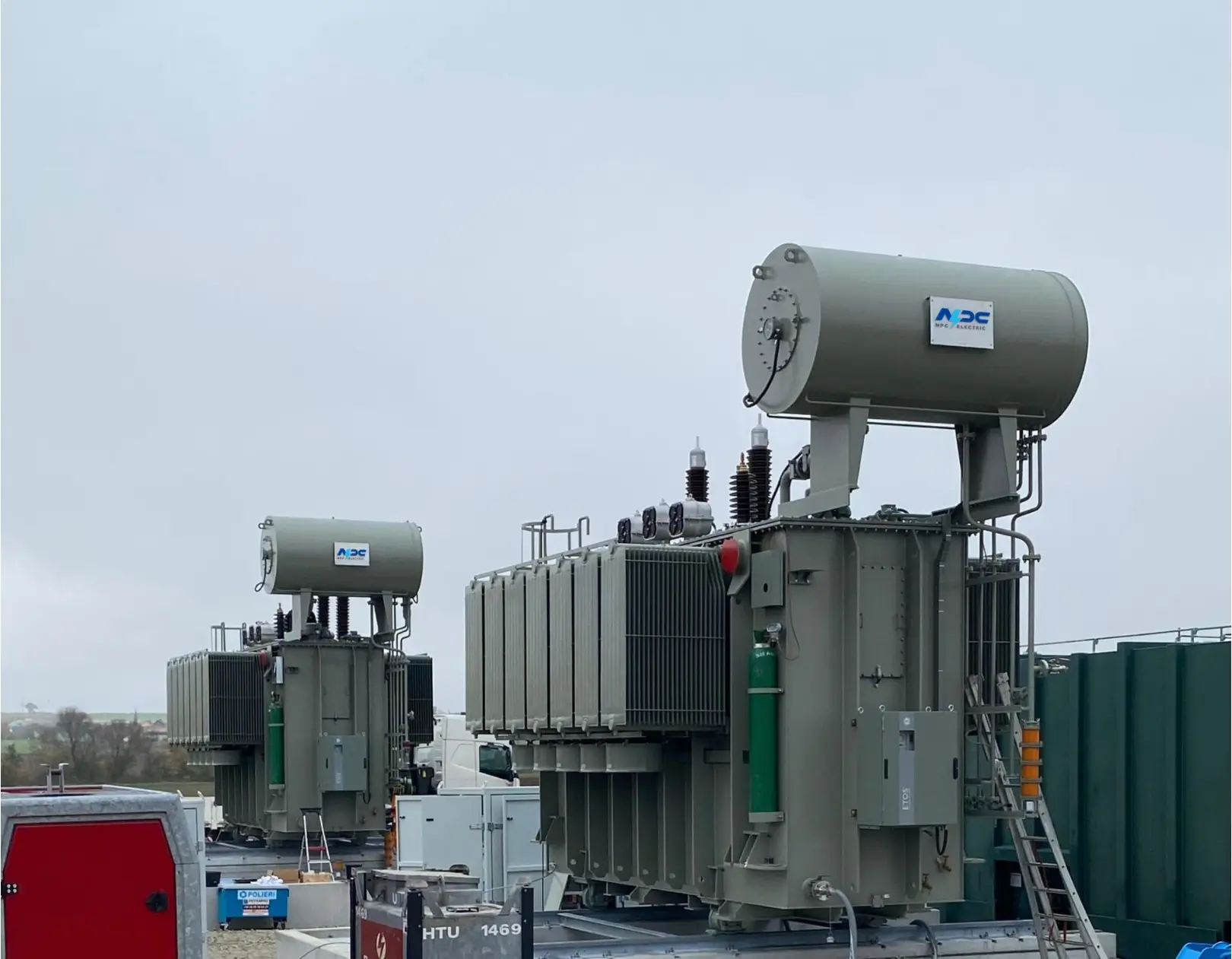
230kV 3-Phase Step-Down Power Transformer
The 230kV 3-Phase Step-Down Power Transformer is designed to reduce high transmission voltages to suitable distribution levels while maintaining excellent efficiency and operational stability. Engineered for utility substations and large-scale grid interfaces, this transformer ensures safe and controlled power delivery from high-voltage networks to regional or industrial distribution systems. Its oil-immersed insulation system provides strong dielectric protection and efficient thermal dissipation, enabling reliable continuous operation under varying load conditions. Precision core construction and optimized winding layout help minimize energy losses and voltage fluctuation. The transformer’s robust mechanical design enhances resistance to short-circuit forces and thermal stress, supporting long service life and low maintenance. This solution is ideal for modern power grids requiring dependable voltage transformation and efficient energy management.
170kV 4–40MVA Oil-Immersed High-Voltage Power Transformer
The 170kV 4–40MVA oil-immersed high-voltage power transformer is designed to support flexible capacity requirements across modern transmission and substation systems. Its wide MVA range allows a single platform to adapt to diverse grid configurations, from regional substations to industrial power interfaces. The transformer utilizes a refined oil-paper insulation system to ensure strong dielectric performance and long-term operational stability under high electrical stress. Advanced magnetic circuit optimization minimizes losses while maintaining excellent voltage regulation. The mechanical structure is engineered to withstand thermal cycling, short-circuit forces, and continuous operation under variable load conditions. With a focus on reliability, efficiency, and service life, this transformer is well suited for utility-scale projects that demand dependable high-voltage energy transfer with adaptable power ratings.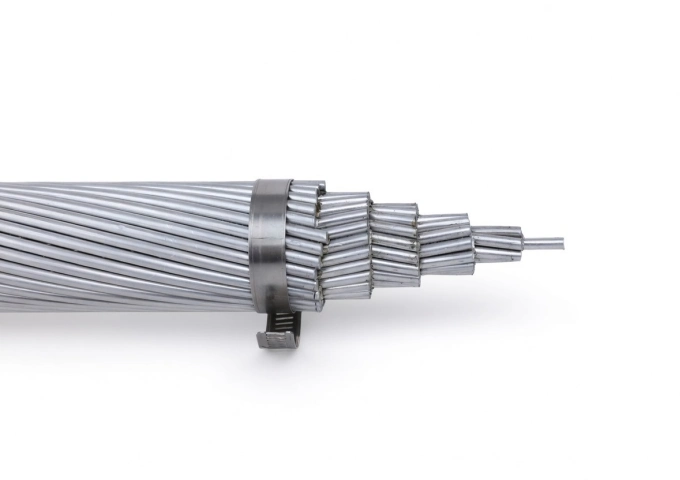
477 MCM Syringa AAC Cable
The 477 MCM Syringa AAC Cable is a high-performance All Aluminum Conductor designed for demanding overhead power transmission and distribution lines. Manufactured with 37 strands of premium 1350-H19 aluminum wire in a concentric lay configuration, this bare conductor provides excellent electrical conductivity with a low DC resistance of 0.0362 ohms per 1000 ft at 20°C. Featuring an overall diameter of 0.795 inches and a rated breaking strength of 8,690 lbs, the Syringa AAC delivers a robust ampacity of 639 amps while weighing only 447.8 lbs per 1000 ft. Its optimized strength-to-weight ratio minimizes sag and structural loading. Fully compliant with ASTM B-230 and B-231 standards, the 477 MCM Syringa AAC Cable offers outstanding corrosion resistance for long-term durability in harsh outdoor environments, making it the preferred choice for utility networks requiring cost-effective, high-reliability bare aluminum conductors.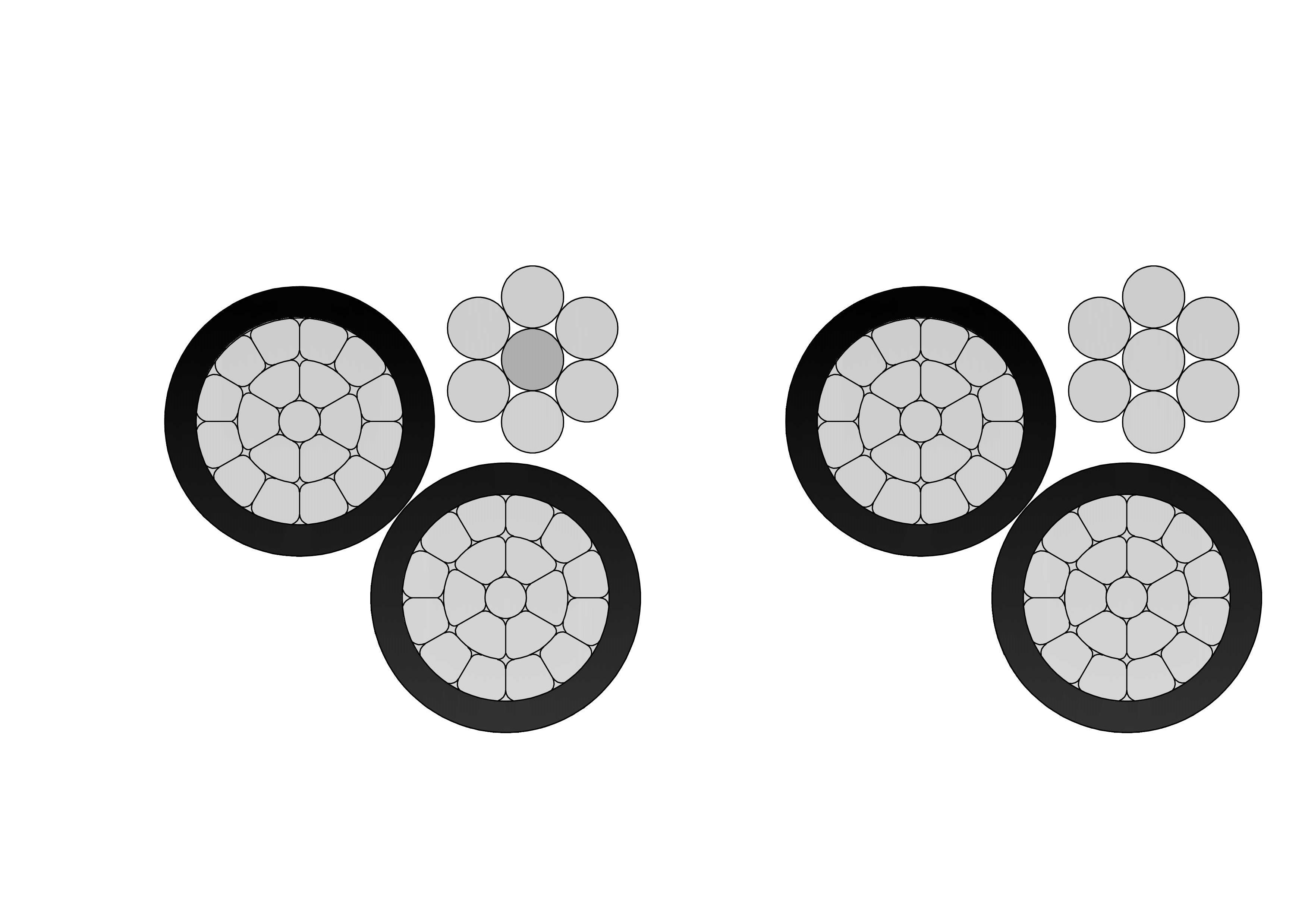
4 Oyster Aluminum Conductor Triplex Overhead Service Drop Cable
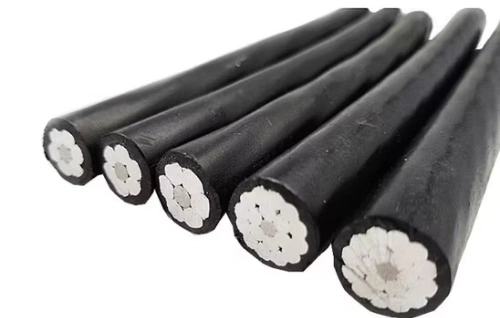
4-4-4 Oyster Aluminum Conductor Triplex Overhead Service Drop Cable provides high-quality overhead power transmission for utility-to-consumer connections. Constructed with compressed 1350-H19 aluminum phase conductors (#4 AWG), robust XLPE black insulation for enhanced thermal and environmental protection, and an AAC bare neutral (#4 AWG), it offers outstanding electrical efficiency, corrosion resistance, and durability in extreme weather. Designed for 600V applications (phase-to-phase) with conductor temps up to 90°C, it supports ~115A ampacity. Meets key standards including ASTM B-230/B-231/B-232 and ICEA S-76-474. Lightweight yet strong, this cable simplifies installation while ensuring long-term performance for service entrances.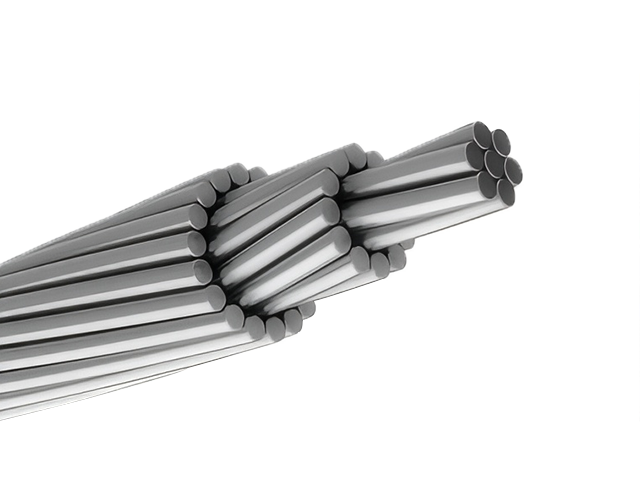
ALUMINUM CONDUCTOR ALUMINUM CLAD STEEL REINFORCED(ACSR/AW)
Aluminum Conductor Aluminum-Clad Steel Reinforced (ACSR/AW) offers enhanced protection for overhead lines, with outer 1350 aluminum strands encircling an aluminum-clad high-strength steel core. The cladding significantly boosts corrosion resistance over traditional ACSR, ideal for marine, acidic, or high-humidity settings. Steel reinforcement provides superior mechanical properties, enabling longer spans with reduced sag and higher load capacity. Electrical conductivity from aluminum layers ensures minimal transmission losses, supporting ampacities up to 20% higher in equivalents. Adhering to IEC 61089 and ASTM B549, ACSR/AW features versatile stranding options for optimized ratios. Its design facilitates easy installation and compatibility with existing hardware. Lightweight yet robust, it lowers infrastructure costs and maintenance needs. ACSR/AW promotes sustainability through better longevity and recyclability, reducing environmental impact. Widely adopted in global utilities, it delivers reliable performance in extreme conditions, from stormy coasts to industrial hubs, making it a smart choice for future-proofing power grids.
High Voltage 160kV Step-Up Power Transformer: Efficient 20MVA / 30MVA / 60MVA Solutions for Substations
The 160kV High Voltage Step-Up Power Transformer is designed to increase voltage levels efficiently for power generation plants and substation applications. Available in 20MVA, 30MVA, and 60MVA ratings, it supports stable energy transmission from generation sources to high-voltage networks. The transformer adopts a carefully optimized electromagnetic design that enhances voltage conversion efficiency while maintaining controlled thermal and electrical performance. Its oil-immersed insulation system ensures reliable cooling and long-term insulation stability under continuous operating conditions. The structural design emphasizes mechanical strength and operational safety, enabling dependable performance in outdoor substations and demanding grid environments. This step-up transformer is well suited for modern power systems that require efficient voltage elevation, reduced transmission losses, and consistent operational reliability.2Y-high-voltage-power-cable-2.webp)
2XS(FL)2Y HDPE High Voltage 36/60 (72.5) kV Power Cable
The 2XS(FL)2Y HDPE High Voltage 36/60 (72.5) kV Power Cable is a high-performance single-core copper conductor cable designed for medium-to-high voltage power transmission. It features XLPE insulation, extruded semi-conductive conductor and insulation screens, and semi-conductive water-swellable tapes for longitudinal water blocking. A longitudinally applied aluminium tape moisture barrier coated with PE copolymer ensures superior moisture resistance and mechanical protection. The HDPE oversheath provides outstanding abrasion, chemical, and environmental resistance, making it suitable for direct burial, underwater, outdoor, indoor, and duct installations. Manufactured in compliance with IEC 60840, this cable guarantees reliable long-term electrical performance in demanding environments such as power stations, industrial plants, and distribution networks.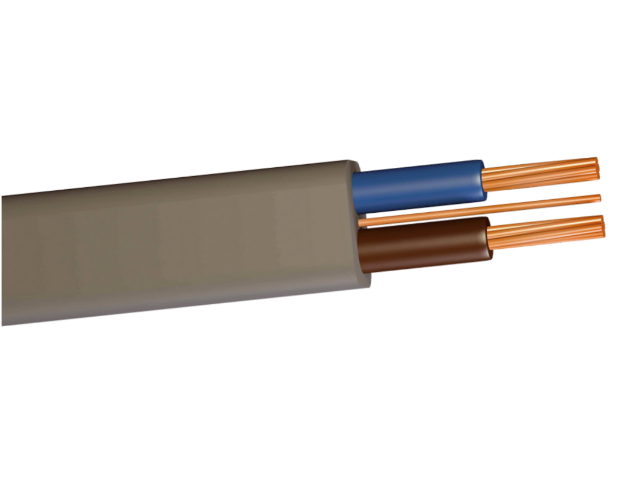
6242Y FLAT TWIN & EARTH
NPC Electric 6242Y Flat Twin & Earth cable is a reliable solution for fixed electrical installations in buildings where safety, neat installation, and consistent performance are required. The cable features two PVC insulated copper conductors and a bare earth conductor, enclosed in a flat PVC sheath that simplifies routing and fixing. The flat design allows easy concealment in walls and ceilings, while the high-quality materials ensure stable electrical characteristics and resistance to everyday mechanical stress. Manufactured under strict quality control, NPC Electric 6242Y cables provide dependable grounding, smooth insulation finish, and long service life. This product is widely used by electricians for standard low-voltage circuits where proven performance and compliance with installation practices are essential.
6 Minex Aluminum Conductor Triplex Overhead Service Drop Cable
The 6 Minex Aluminum Conductor Triplex Overhead Service Drop Cable is engineered for reliable overhead power distribution from utility lines to service entrances. The cable structure consists of two insulated aluminum phase conductors twisted around a reinforced neutral messenger, delivering stable electrical performance and strong mechanical support. Manufactured from high-purity aluminum and weather-resistant insulation materials, the 6 Minex Aluminum Conductor Triplex Overhead Service Drop Cable offers excellent conductivity, low weight, and ease of installation. The insulation system is designed to withstand UV radiation, moisture, temperature fluctuations, and environmental aging, ensuring dependable long-term outdoor performance. A comprehensive quality control system is applied throughout production. The 6 Minex Aluminum Conductor Triplex Overhead Service Drop Cable undergoes systematic raw material testing, continuous process inspection, and rigorous finished product testing. Each stage follows standardized procedures to ensure compliance with international standards and utility specifications. This cable is an ideal solution for residential, commercial, and light industrial overhead service drop applications requiring safety, durability, and consistent quality.
5000kVA Dry Type Transformer
The NPC ELECTRIC 5000kVA Dry Type Transformer is a high-capacity, reliable power solution designed for large-scale industrial and commercial operations. With a robust 5000kVA rating, it features advanced dry-type insulation technology for enhanced safety, low maintenance, and long-lasting performance. Engineered for demanding environments, this transformer ensures stable, efficient, and quiet operation while minimizing environmental impact. It achieves efficiencies around 99.48% at 35% load per DOE 2029 levels for three-phase low-voltage dry-type at 5000 kVA (aligned/interpolated from published tables showing progressive gains and 20% loss reduction from prior baselines), accommodates high harmonics, overloads, and ensures long-term reliability with reduced environmental footprint and operational expenses.
636 MCM Orchid AAC Cable
The 636 MCM Orchid AAC Cable represents premium All Aluminum Conductor technology for overhead power applications. Built with 37 strands of high-conductivity 1350-H19 aluminum, this bare conductor delivers an optimal balance of electrical efficiency and mechanical robustness. With a 0.918-inch diameter, 11,400 lbs breaking strength, and 765 amps ampacity, the Orchid AAC offers low DC resistance of 0.027 ohms per 1000 ft at 20°C and a weight of 597 lbs per 1000 ft. This design minimizes sag while providing excellent corrosion resistance for extended outdoor service. Manufactured to meet ASTM B-230 and B-231 standards, the 636 MCM Orchid AAC Cable undergoes extensive quality testing from raw materials through finished product. It is the ideal solution for new installations and upgrades in transmission and distribution systems that demand lightweight, high-conductivity bare aluminum conductors.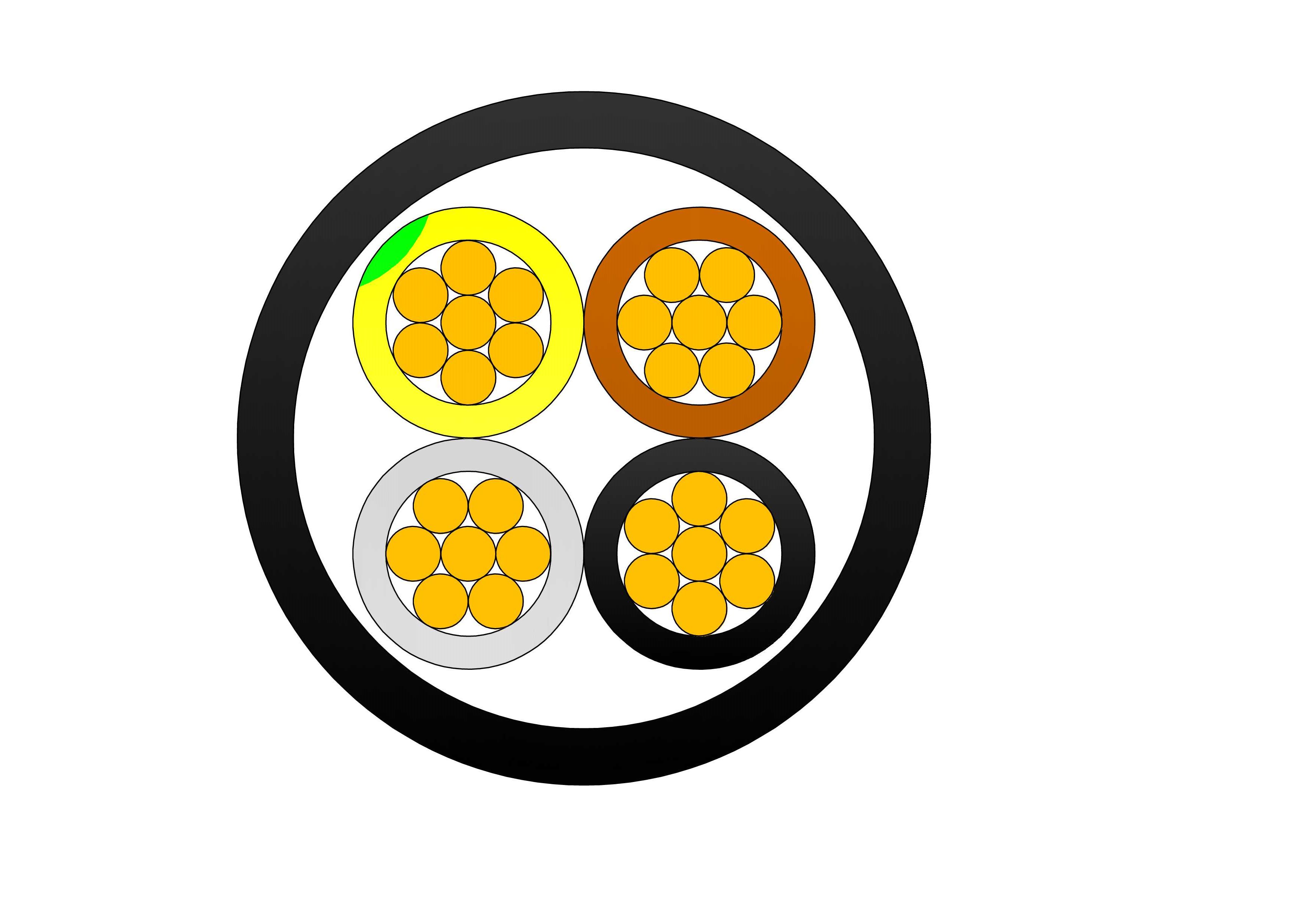
3+2 Cores Copper Cable CU/XLPE/PVC 0.6/1kV
The Single Core Copper Cable CU/XLPE/PVC 0.6/1kV is engineered for reliable power transmission and distribution in industrial, commercial, and utility applications. Featuring a high-purity copper conductor, XLPE insulation, and durable PVC outer sheath, the cable delivers outstanding electrical conductivity, thermal stability, and mechanical protection. The XLPE insulation offers superior dielectric properties, allowing the cable to operate continuously at conductor temperatures up to 90°C while maintaining excellent insulation performance. The PVC sheath provides resistance against moisture, abrasion, chemicals, and environmental exposure, ensuring a long service life even in demanding installations. Designed according to international standards including IEC 60502-1, this cable is suitable for fixed installations in power networks, industrial facilities, commercial buildings, renewable energy projects, and infrastructure developments. Various conductor sizes and sheath colors can be customized to meet specific project requirements. Its combination of safety, durability, and efficient power transmission makes the Single Core Copper Cable CU/XLPE/PVC 0.6/1kV a dependable solution for modern electrical systems.-AL-medium-voltage-power-cable-2.jpg)
RHZ1-OL(AS)-AL Medium Voltage Power Cable(8.7/15kV, 12/20kV, 18/30kV)
RHZ1-OL(AS)-AL Medium Voltage Power Cable (8.7/15kV, 12/20kV, 18/30kV) is a lightweight cable with enhanced fire retardancy for critical medium voltage applications. Featuring stranded aluminium conductors, cross-linked polyethylene (XLPE) insulation, metallic screen, and low smoke zero halogen (LSZH) outer sheath with advanced fire behavior (AS designation), it complies with UNE 21123-4 and higher CPR classifications. In fire scenarios, it produces very low smoke and no toxic gases. Aluminium construction reduces weight and costs while ensuring reliable current capacity. Superior partial discharge resistance, low dielectric losses, and high thermal stability provide efficient, long-lasting performance. Suitable for direct burial, ducts, or indoor use in high-safety areas. The RHZ1-OL(AS)-AL Medium Voltage Power Cable is perfect for utilities, hospitals, schools, tunnels, and infrastructure projects requiring economical, advanced fire-safe medium voltage cabling with exceptional life-safety features and durability worldwide.Welcome your inquiry
Honesty, Integrity, Frugality, Activeness and Passion