Heavy Duty Rubber Cable vs PVC Cable: Which One Should You Choose?
2026-08-03
Electrical cable selection is one of the most important engineering decisions in industrial power distribution, construction projects, manufacturing facilities, and outdoor electrical infrastructure. Among the most widely used cable types globally are heavy-duty rubber cable and PVC cable systems.
Although both cable categories are designed to transmit electrical power safely and efficiently, they differ significantly in:
- Mechanical flexibility
- Environmental resistance
- Temperature tolerance
- Chemical durability
- Installation suitability
- Long-term operational reliability
Choosing the wrong cable type can lead to:
- Premature cable failure
- Increased maintenance costs
- Reduced electrical safety
- Downtime in industrial operations
- Compliance issues
Heavy-duty rubber cables are typically designed for harsh environments involving continuous movement, abrasion, moisture, oil exposure, and high mechanical stress. PVC electrical cable systems, meanwhile, are widely used because they are cost effective, easy to manufacture, and suitable for general-purpose electrical applications.
1. What Is Rubber Cable?
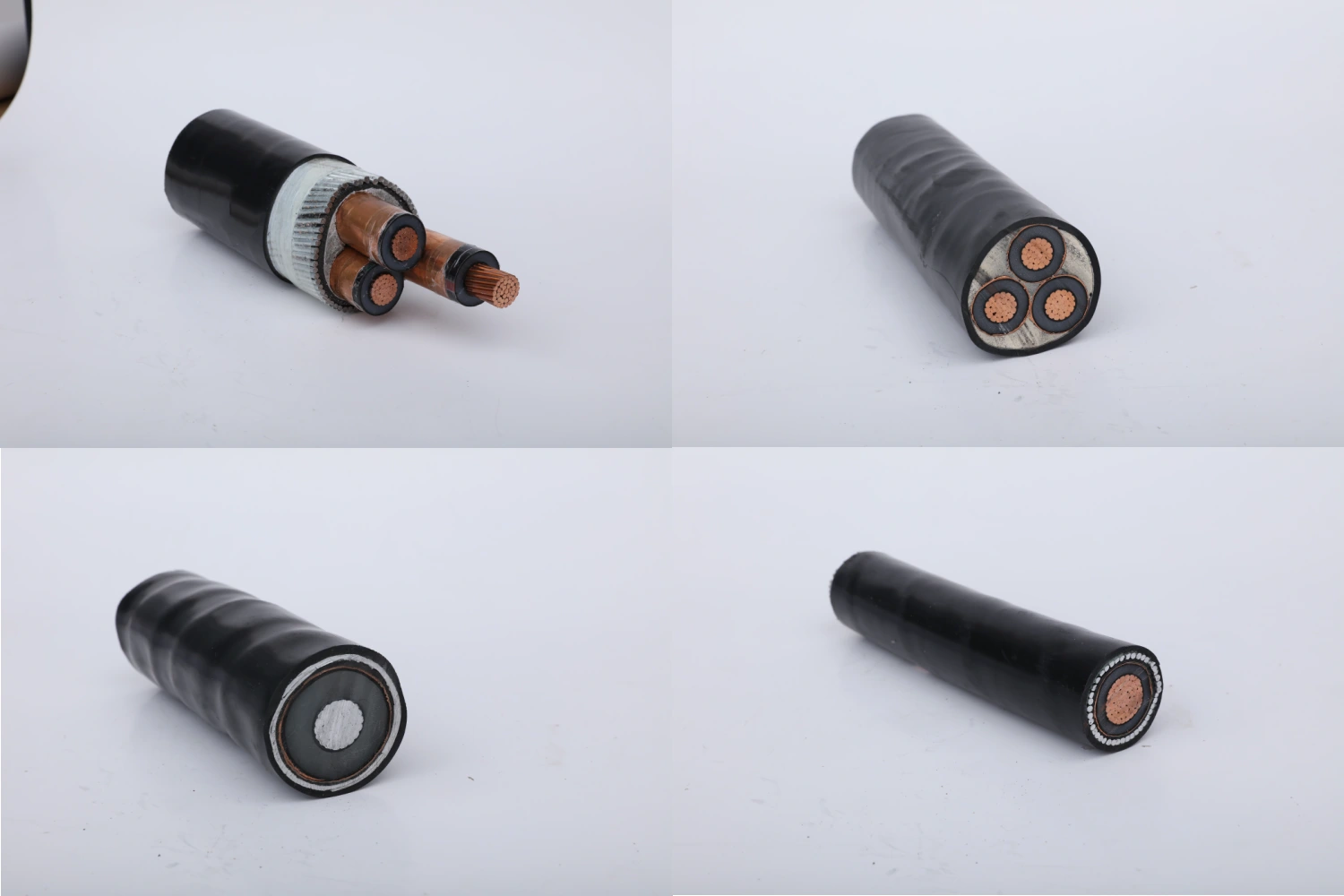
Rubber cable is an electrical cable that uses rubber-based insulation and sheath materials designed to provide flexibility, durability, and environmental resistance.
Rubber cables are widely used in industrial and mobile power applications where cables experience continuous mechanical movement or harsh operating conditions.
Structure of Rubber Cable
A typical rubber cable consists of:
- Copper or aluminum conductor
- Rubber insulation
- Protective rubber sheath
- Reinforcement layers (optional)
Rubber insulation materials may include:
- Natural rubber
- EPR (Ethylene Propylene Rubber)
- Neoprene rubber
- Silicone rubber
Main Characteristics of Rubber Cables
Heavy-duty rubber cable systems are engineered for:
- High flexibility
- Abrasion resistance
- Moisture resistance
- Oil resistance
- UV resistance
- Mechanical durability
These properties make them highly suitable for outdoor and industrial environments.
Common Applications of Rubber Cable
Rubber cables are commonly used in:
- Construction sites
- Mining operations
- Welding equipment
- Mobile generators
- Heavy machinery
- Industrial power tools
- Marine applications
Many flexible power cables in industrial sectors rely on rubber insulation technology.
Rubber Grommet Cable Systems
Rubber grommet cable assemblies provide additional mechanical protection at cable entry points, reducing stress concentration and improving cable lifespan in moving equipment systems.
2. What Is PVC Cable?
PVC cable is an electrical cable insulated or sheathed using polyvinyl chloride (PVC) materials.
PVC cables are among the most commonly used electrical cable systems worldwide because of their affordability and manufacturing versatility.
Structure of PVC Electrical Cable
Typical PVC cable construction includes:
- Metallic conductor
- PVC insulation
- PVC outer sheath
Some advanced systems may include shielding or armor layers.
Why PVC Is Widely Used
PVC cable systems offer several practical advantages:
- Low production cost
- Easy processing
- Good electrical insulation
- Chemical resistance
- Flame retardant capability
This makes PVC electrical cable suitable for many commercial and residential electrical systems.
Common Types of PVC Cables
Widely used PVC cable products include:
- PVC jacketed MC cable
- PVC power cables
- PVC building wire
- PVC insulated low voltage cable
- PVC control cable
PVC Cable Saw Applications
PVC cable saw systems are often used in utility maintenance and underground cable removal operations because PVC sheath materials are relatively easy to cut and process during installation or repair.
3. Key Differences Between Rubber Cable and PVC Cable
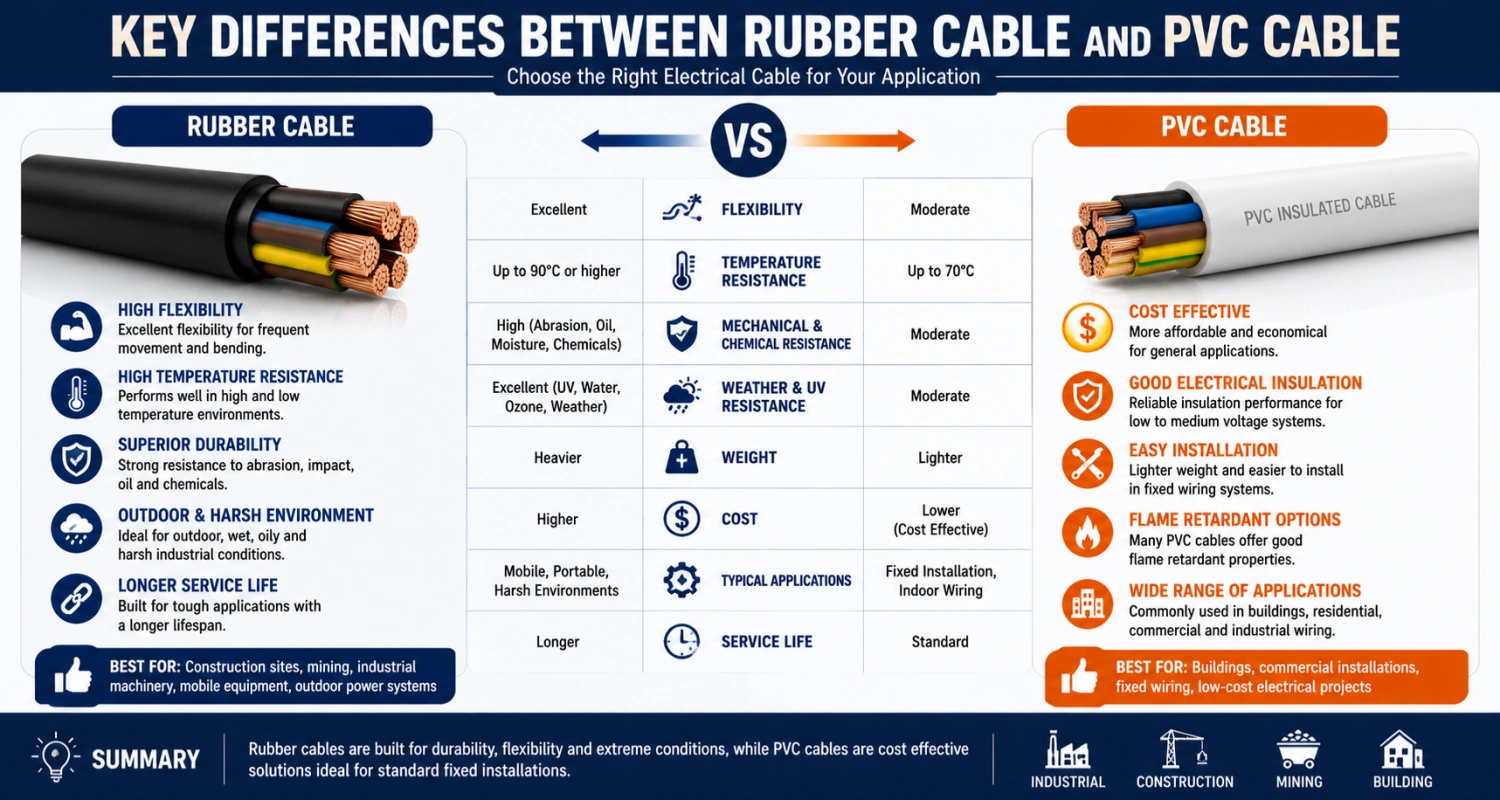
The performance differences between rubber cable and PVC cable mainly result from insulation material properties.
Table: Rubber Cable vs PVC Cable Performance Comparison
|
Parameter |
Rubber Cable |
PVC Cable |
|
Flexibility |
Excellent |
Moderate |
|
High Temperature Resistance |
Excellent |
Limited |
|
Low Temperature Performance |
Excellent |
Moderate |
|
Abrasion Resistance |
High |
Moderate |
|
Oil and Chemical Resistance |
High |
Moderate |
|
UV Resistance |
Excellent |
Moderate |
|
Mechanical Durability |
Excellent |
Good |
|
Weight |
Heavier |
Lighter |
|
Installation Cost |
Higher |
Lower |
|
Typical Applications |
Industrial and mobile systems |
Fixed building wiring |
Flexibility
Rubber cable offers significantly higher flexibility than PVC cable.
This makes rubber cables ideal for:
- Portable equipment
- Continuous cable movement
- Reeling systems
- Mobile industrial machinery
PVC cables become stiffer over time, especially in cold environments.
Temperature Resistance
Heavy-duty rubber cable performs better under:
- High temperature
- Low temperature
- Thermal cycling
PVC insulation can harden or crack under extreme temperatures.
Abrasion and Mechanical Resistance
Rubber insulation generally provides superior:
- Impact resistance
- Abrasion resistance
- Mechanical durability
This is critical on construction sites and industrial facilities.
Chemical and Moisture Resistance
Both cable types offer chemical resistance, but rubber cables usually perform better under continuous moisture and oil exposure.
Weight and Installation
PVC cables are generally lighter and easier to install in fixed wiring systems.
Rubber cable systems are often heavier due to reinforced sheath structures.
4. Advantages and Limitations of Rubber Cable
Rubber cable systems provide major operational advantages in demanding industrial environments.
Advantages of Rubber Cable
Excellent Flexibility
Rubber insulation allows repeated bending without conductor damage.
High Durability
Heavy-duty rubber cable systems can withstand:
- Mechanical stress
- Harsh weather
- Abrasion
- Vibration
Superior Outdoor Performance
Rubber cables maintain performance under:
- UV exposure
- Rain
- Snow
- Mud
- Oil contamination
Better High Temperature Performance
Certain rubber compounds operate effectively in high-temperature industrial environments.
Table: Temperature Resistance Comparison of Cable Insulation Materials
|
Insulation Material |
Operating Temperature Range |
Flexibility |
Typical Application |
|
PVC |
-15°C to 70°C |
Moderate |
Building wiring |
|
EPR Rubber |
-40°C to 90°C |
Excellent |
Industrial power systems |
|
Silicone Rubber |
-60°C to 180°C |
Excellent |
High temperature equipment |
|
XLPE |
-40°C to 90°C |
Good |
Power distribution cables |
|
Neoprene Rubber |
-25°C to 85°C |
Excellent |
Outdoor industrial cables |
Limitations of Rubber Cable
Higher Cost
Rubber cable manufacturing costs are generally higher than PVC cable production.
Heavier Construction
Reinforced rubber systems may increase cable weight.
Specialized Manufacturing
High-quality rubber cables require advanced material engineering and strict quality control.
5. Advantages and Limitations of PVC Cable
PVC cable systems dominate many commercial electrical markets because of their economic advantages.
Advantages of PVC Cable
Cost-Effective Solution
PVC cables offer lower initial installation cost.
Good Electrical Insulation
PVC materials provide reliable electrical insulation for low and medium voltage systems.
Easy Manufacturing and Installation
PVC electrical cable is easier to process and install in fixed applications.
Flame Retardant Performance
Many PVC compounds include flame retardant additives.
Limitations of PVC Cable
Reduced Flexibility
PVC becomes rigid over time and under low temperature conditions.
Limited High Temperature Resistance
PVC insulation may deform or degrade under excessive heat exposure.
Environmental Concerns
Standard PVC materials may release hazardous gases during combustion.
6. Industrial Applications of Rubber and PVC Cables
Different industrial sectors require different cable technologies depending on operating conditions.
Table: Common Industrial Applications of Rubber and PVC Cables
|
Industry/Application |
Preferred Cable Type |
Main Engineering Reason |
|
Construction Sites |
Heavy duty rubber cable |
Flexibility and abrasion resistance |
|
Mining Operations |
Rubber insulated cable |
Harsh environment durability |
|
Commercial Buildings |
PVC electrical cable |
Cost effective fixed installation |
|
Industrial Machinery |
Rubber cable |
Continuous cable movement |
|
Residential Wiring |
PVC cable |
Easy installation and affordability |
|
Marine Equipment |
Rubber cable |
Moisture and corrosion resistance |
|
Temporary Power Distribution |
Rubber power cable |
Flexible deployment |
|
Cable Tray Systems |
PVC jacketed MC cable |
Structured indoor wiring |
|
Outdoor Mobile Equipment |
Rubber cable |
UV and weather resistance |
|
General Building Wiring |
PVC cables |
Standardized infrastructure |
Construction Sites
Heavy-duty rubber cable is widely preferred on construction sites because equipment and temporary power systems require flexible and durable cables.
Industrial Manufacturing
Industrial machinery often uses rubber cables for moving equipment connections.
Fixed facility wiring may use PVC electrical cable systems.
Mining Operations
Mining environments involve:
- Abrasion
- Moisture
- Vibration
- Mechanical impact
Rubber insulated power cables perform better under these conditions.
Commercial Buildings
PVC cables dominate commercial building electrical infrastructure because they are cost-effective and suitable for protected indoor environments.
High Voltage Applications
Specialized rubber insulation systems are often used in certain high-voltage applications requiring superior thermal stability and flexibility.
7. How to Choose Between Rubber Cable and PVC Cable
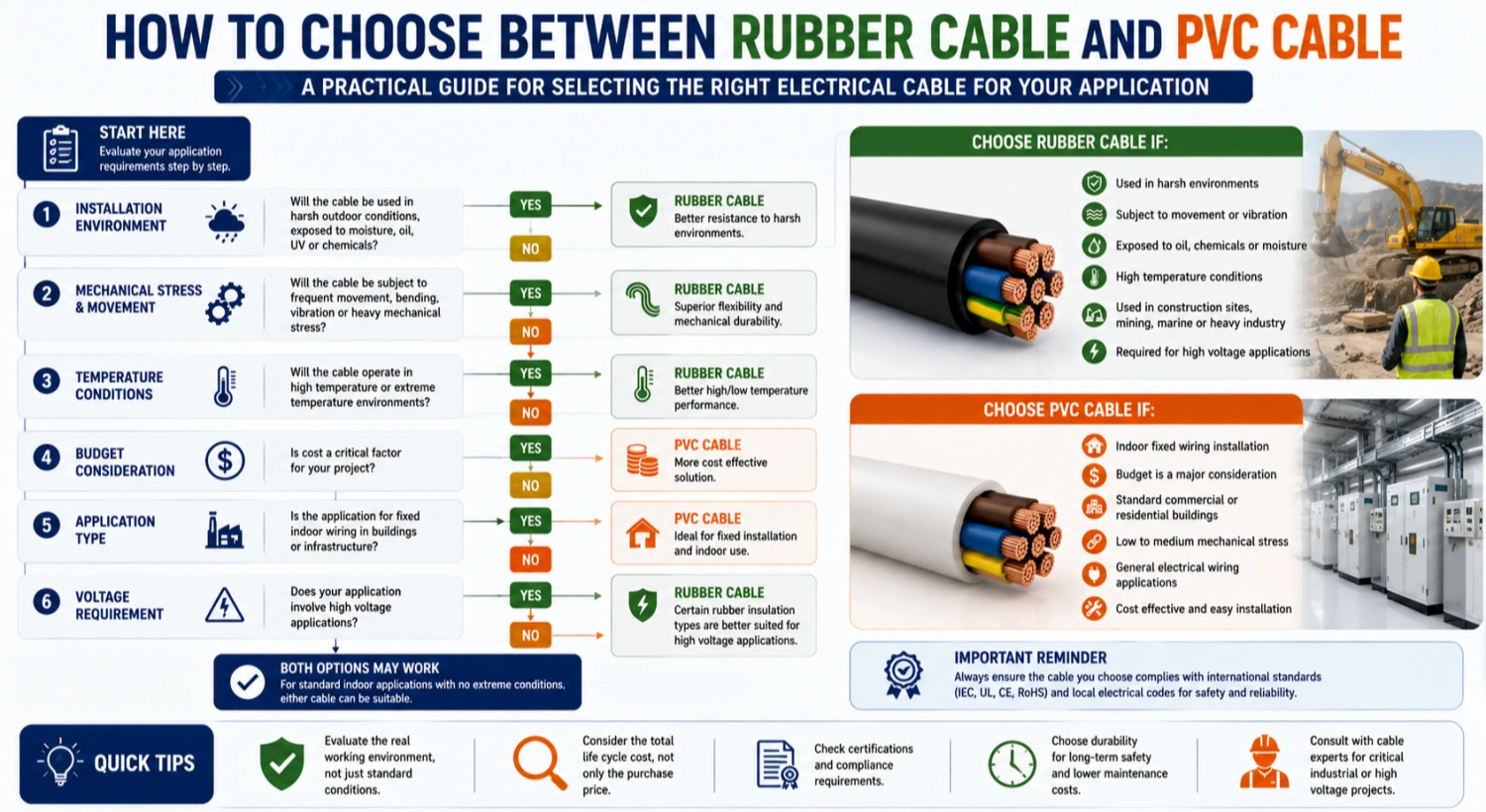
Selecting the correct cable requires careful engineering analysis.
Table: Key Engineering Factors for Choosing Rubber or PVC Cable
|
Engineering Factor |
Recommended Cable Type |
Technical Consideration |
|
High Temperature Environment |
Rubber cable |
Better thermal stability |
|
Continuous Cable Movement |
Rubber cable |
Superior flexibility |
|
Indoor Fixed Wiring |
PVC cable |
Cost-effective installation |
|
Outdoor Exposure |
Rubber cable |
UV and moisture resistance |
|
Low Budget Projects |
PVC cable |
Lower manufacturing cost |
|
Heavy Mechanical Stress |
Rubber cable |
Improved abrasion resistance |
|
Commercial Building Infrastructure |
PVC cable |
Standardized electrical systems |
|
Temporary Power Systems |
Rubber cable |
Flexible deployment capability |
|
High Voltage Applications |
Specialized rubber cable |
Enhanced insulation performance |
|
Cable Weight Restrictions |
PVC cable |
Lightweight construction |
Evaluate Installation Environment
Outdoor and mobile systems generally favor rubber cable.
Indoor fixed wiring often uses PVC cable.
Analyze Mechanical Stress
Applications involving bending, vibration, or movement require flexible rubber cables.
Consider Temperature Conditions
High-temperature environments usually require rubber insulation systems.
Review Budget Constraints
PVC cable offers lower upfront cost.
However, long-term durability may justify higher investment in rubber cables for harsh environments.
Verify Regulatory Compliance
Cable systems should comply with:
- IEC standards
- UL standards
- RoHS requirements
- Local electrical codes
International certification is essential for export-oriented electrical projects.
8. Future Trends in Industrial Cable Technology
Cable manufacturing technology continues evolving rapidly.
Advanced Rubber Compounds
Manufacturers are developing improved rubber materials with:
- Better heat resistance
- Lower weight
- Higher flexibility
- Improved environmental performance
Low Smoke and Halogen-Free PVC Alternatives
New cable designs increasingly reduce hazardous emissions during fire conditions.
Smart Cable Monitoring Systems
Future electrical cable systems may include:
- Temperature sensors
- Load monitoring
- Predictive maintenance capability
Renewable Energy Infrastructure Growth
Renewable energy systems continue increasing demand for durable industrial power cables capable of operating in harsh outdoor environments.
FAQ
1: What is the main difference between rubber cable and PVC cable?
The main difference lies in the insulation and sheath materials. Rubber cable uses rubber-based insulation that offers higher flexibility, better abrasion resistance, and improved performance in harsh environments. PVC cable uses polyvinyl chloride insulation, which is more cost effective and widely used in fixed electrical installations.
2: Which cable is better for construction sites?
Heavy duty rubber cable is generally better for construction sites because it can withstand:
- Mechanical stress
- Abrasion
- Continuous movement
- Outdoor weather exposure
- Oil and moisture
Its flexibility and durability make it ideal for temporary and mobile power systems.
3: Is PVC cable suitable for high temperature applications?
Standard PVC electrical cable has limited high-temperature resistance compared to rubber-insulated cables. For environments involving continuous heat exposure or thermal cycling, rubber cable systems are usually the preferred solution.
4: Why are rubber cables more expensive than PVC cables?
Rubber cables are more expensive because they require:
- Advanced rubber insulation compounds
- Higher manufacturing complexity
- Enhanced mechanical protection
- Better environmental resistance
However, their longer service life and durability may reduce long-term maintenance costs in industrial applications.
5: Can PVC cables be used outdoors?
PVC cables can be used outdoors if they are specifically designed for UV and moisture resistance. However, for harsh environments or continuous outdoor exposure, rubber cable systems generally provide better long-term reliability.
6: What are the advantages of rubber insulated cables?
Rubber insulated cables provide several important advantages including:
- Excellent flexibility
- Superior abrasion resistance
- Better oil and chemical resistance
- High temperature performance
- Improved durability in harsh environments
These properties make rubber cables ideal for industrial machinery, mining equipment, and mobile power applications.
Conclusion
Both heavy duty rubber cable and PVC cable systems play essential roles in modern electrical infrastructure. Rubber cables provide superior flexibility, durability, and environmental resistance, making them ideal for harsh industrial applications, construction sites, and mobile power systems. PVC electrical cable systems, meanwhile, offer cost-effective performance for commercial buildings, fixed wiring, and general-purpose electrical installations.
Choosing between rubber cable and PVC cable requires careful evaluation of environmental exposure, temperature conditions, mechanical stress, installation requirements, and long-term operational reliability. As industrial automation, renewable energy infrastructure, and smart electrical systems continue expanding globally, both cable technologies will remain critical components of modern power distribution and electrical engineering systems.

Related Articles
Related Products
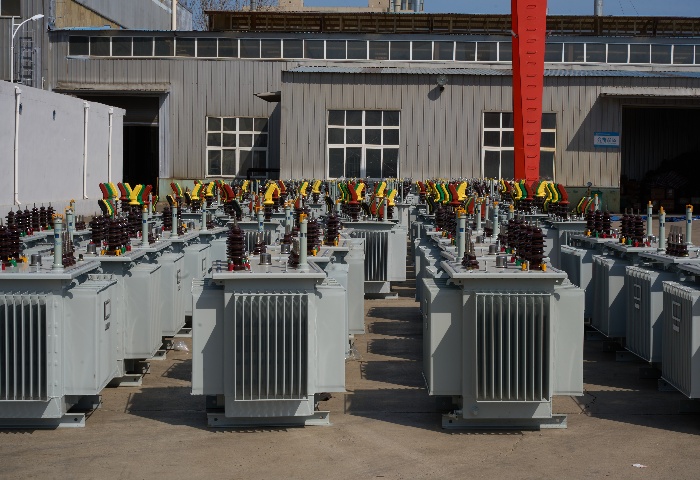
4000kVA Oil Immersed Transformer
4000kVA Oil Immersed Transformer is designed for medium and large-scale power distribution systems that require high reliability, strong overload capacity, and long-term stable operation. The transformer adopts a fully sealed oil-immersed structure, effectively preventing moisture ingress and oil oxidation, thereby extending service life and reducing maintenance frequency. The transformer features excellent thermal performance and robust insulation strength, ensuring stable operation under continuous load or fluctuating grid conditions. Advanced oil circulation and cooling structure enhance heat dissipation, while precise manufacturing processes guarantee low noise and high mechanical strength.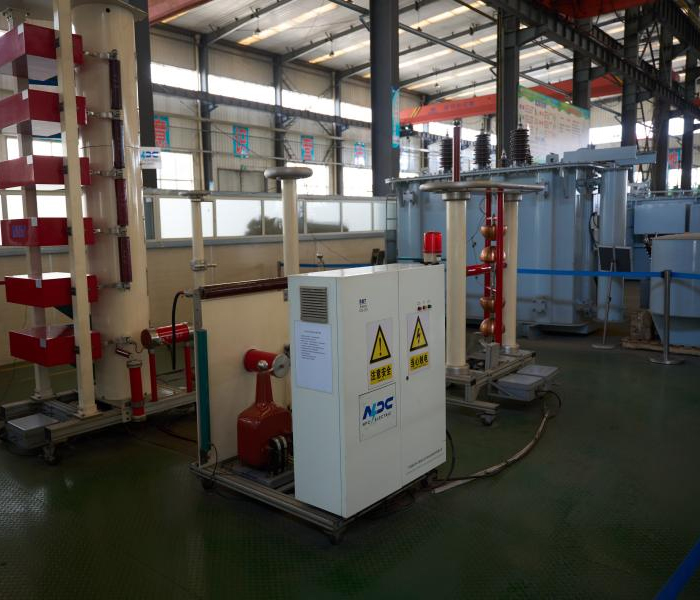
100kVA Dry Type Transformer
The 100kVA dry-type transformer adopts efficient dry-type insulation technology and is designed for industrial, commercial and residential power systems. With its excellent performance and compact structure, the transformer provides stable and reliable power support and is suitable for small and medium-sized power distribution needs. Through strict quality control, NPC ELECTRIC's 100kVA dry-type transformer provides users with high-quality, low-maintenance power solutions.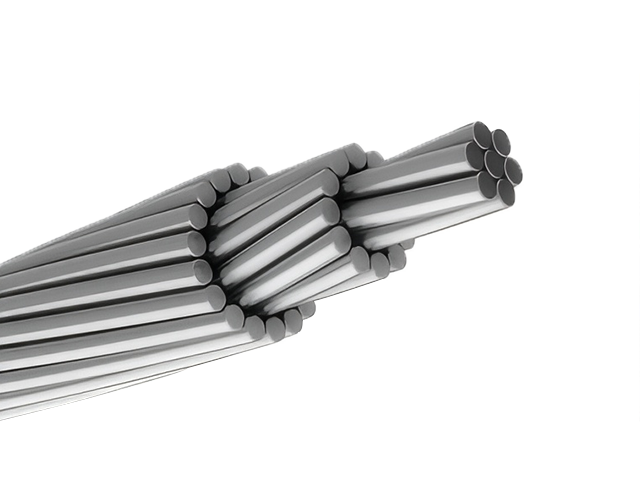
477 MCM PELICAN ACSR Conductor Cable
The ACSR CAA 477 MCM 18/1F PELICAN conductor is a high-performance Aluminium Conductor Steel Reinforced (ACSR) cable designed for use in overhead transmission and distribution line systems. Constructed with 18 strands of hard-drawn 1350-H19 aluminium helically stranded around a single galvanized steel wire, this conductor offers a well-balanced combination of electrical conductivity, lightweight design, and mechanical strength. Manufactured in compliance with ASTM B232, the PELICAN configuration is ideal for long-span installations where tensile strength, corrosion resistance, and current-carrying capability are critical. The galvanized steel core, available with Class A or B galvanization, provides excellent protection against environmental degradation while reinforcing the aluminium layers with the mechanical support required for demanding utility applications. Its 18/1 stranded design makes the PELICAN conductor particularly suitable for medium- and high-voltage overhead systems where both performance and cost-efficiency are important.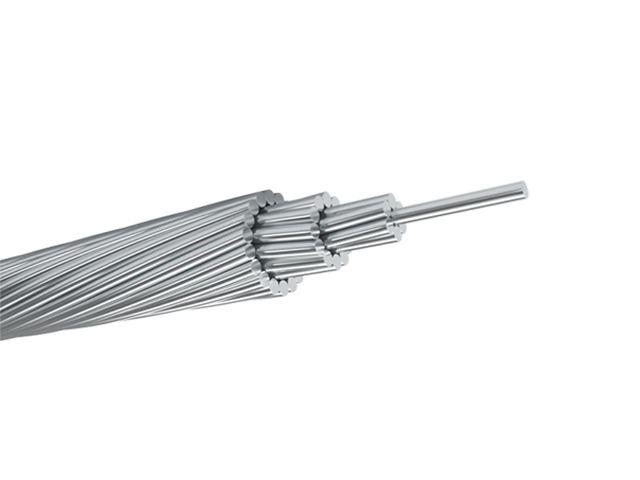
AAAC Panther Conductor Cable
AAAC PANTHER Conductor is a premium-grade All Aluminum Alloy Conductor engineered for reliable performance in overhead distribution and sub-transmission lines. Compliant with ASTM B399, IEC 61089, and BS EN 50182 standards, this conductor is manufactured using high-strength 6201-T81 aluminum alloy, offering excellent conductivity, enhanced tensile strength, and superior corrosion resistance. Compared with traditional AAC conductors, the Panther-size AAAC conductor provides higher tensile strength and reduced sag, making it suitable for longer spans and higher mechanical loading conditions. Its all-aluminum alloy construction eliminates steel reinforcement, effectively preventing galvanic corrosion and improving long-term reliability, especially in coastal, humid, and industrial environments. Produced in accordance with IEC and ASTM standards, the AAAC Panther Conductor Cable ensures uniform strand geometry, stable resistance values, and consistent performance throughout its service life. It is widely selected by utilities seeking lower maintenance costs, improved line efficiency, and enhanced durability for modern overhead power networks.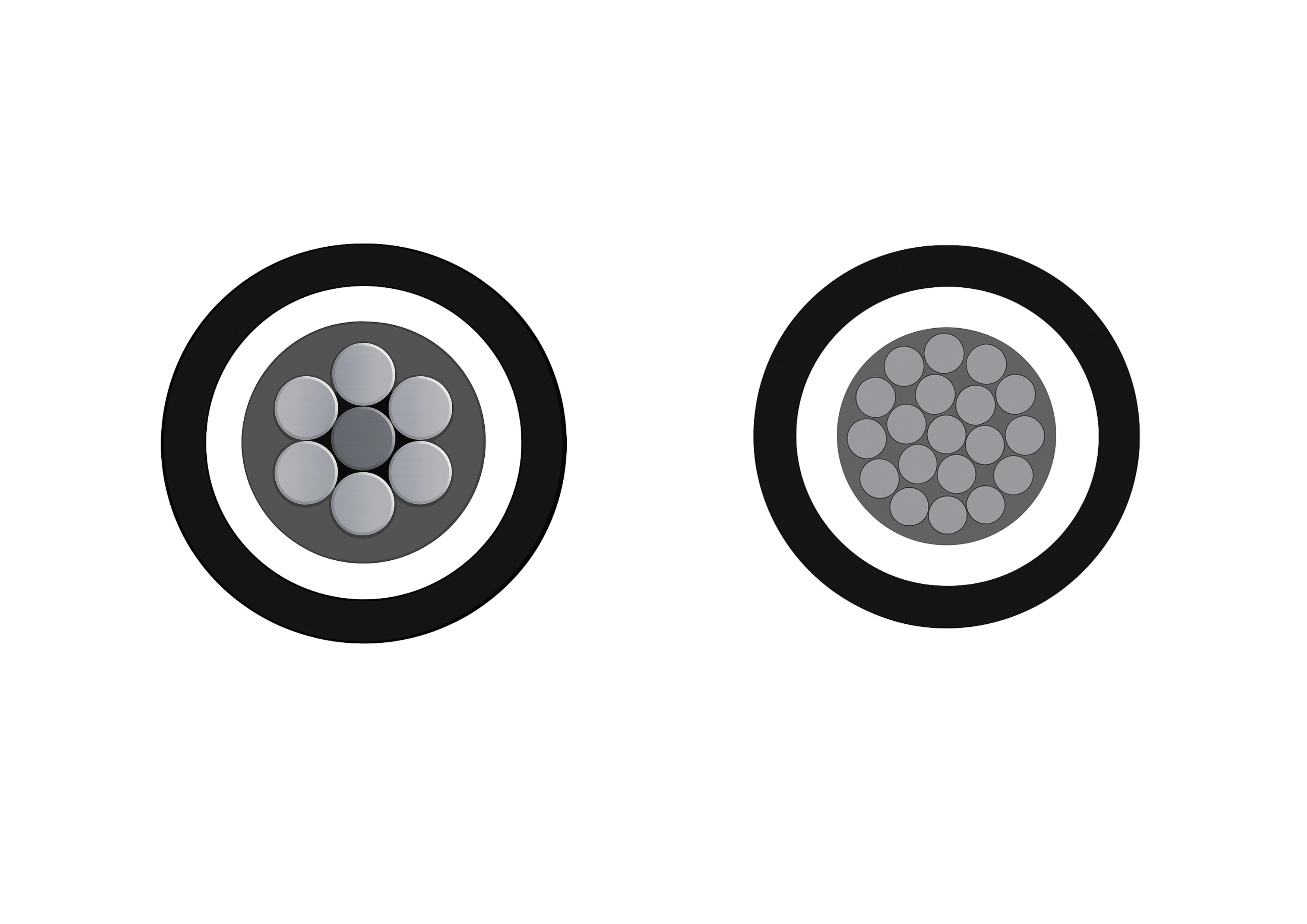
15kV 3-Layer AAAC/ACSR/AAC Tree Wire - Triple Layer Covered Conductor
The 3-Layer 15kV AAAC/ACSR/AAC Tree Wire is a specialized covered overhead conductor developed for distribution lines in areas with dense vegetation. It uses concentrically stranded AAAC, ACSR, or AAC conductors protected by a triple-layer system of track-resistant HDPE or XLPE. The multi-layer covering delivers exceptional tracking resistance, abrasion protection, and weatherability while greatly reducing the risk of electrical faults from tree limb contact and helping minimize wildfire ignition potential. This advanced design allows closer spacing to vegetation and lowers vegetation management costs. Suitable for conventional overhead or spacer cable systems, the 3-Layer 15kV AAAC/ACSR/AAC Tree Wire offers a cost-effective solution for improving line reliability. It complies with ICEA and ASTM standards and undergoes extensive quality testing to ensure long-term performance and safety.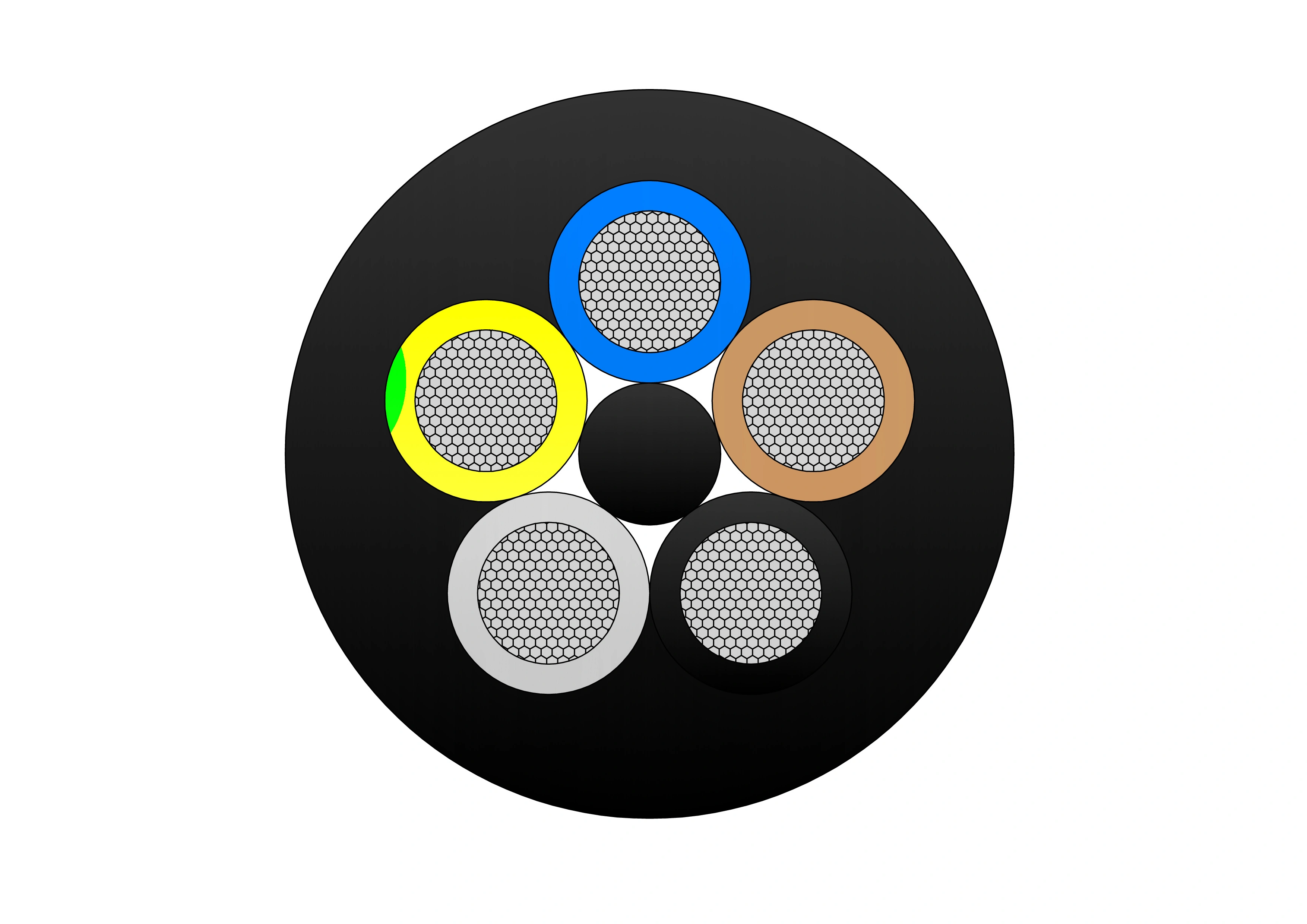
(N)TSCGECECWOU 3.6/6kV and 6/10kV ZH Cable
The (N)TSCGECECWOU is a flexible medium voltage reeling and trailing cable manufactured in compliance with DIN VDE 0250 standards. Designed for demanding mining, tunneling, and heavy industrial applications, it offers exceptional mechanical strength, flexibility, fire safety, and electromagnetic compatibility (EMC). The cable features EPR insulation, low smoke zero halogen (LSZH) inner sheath, halogen-free polyurethane (PUR) outer sheath, and a copper wire braid with concentric conductor for enhanced shielding and durability. Its design ensures reliable performance in environments requiring fire safety, oil resistance, and high torsional strength.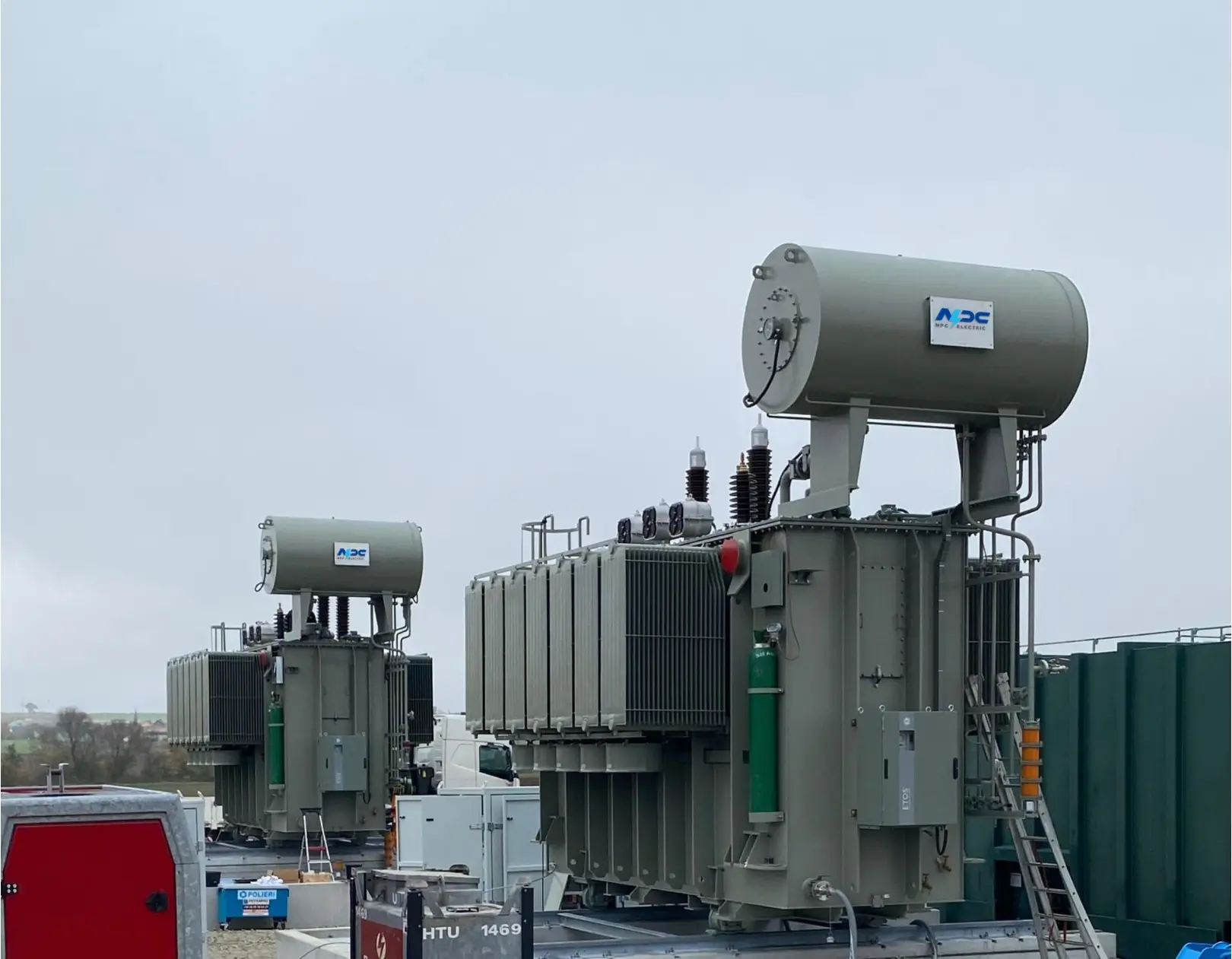
400kV Power Transformer: High-Voltage Substation Solutions
NPC Electric 400kV Power Transformer represents the pinnacle of Extra-High Voltage (EHV) engineering, specifically designed to handle the massive energy loads of modern national grids and renewable energy hubs. This unit utilizes a sophisticated cooling architecture and a low-flux density core design to ensure maximum efficiency and minimal noise pollution. Each transformer is built with a high-strength, vacuum-proof tank and premium-grade insulation materials that have undergone rigorous moisture extraction. With its advanced electromagnetic shielding, the 400kV model minimizes eddy current heating, ensuring a stable service life exceeding 30 years. It serves as a vital link in stepping down bulk power from 400kV transmission lines to regional distribution levels, offering unmatched short-circuit withstand capabilities and thermal stability for critical infrastructure projects worldwide.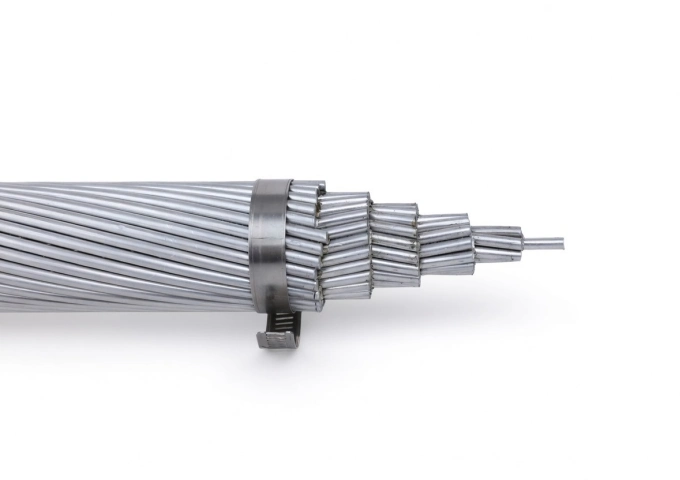
2500 MCM Lupine AAC Cable
The 2500 MCM Lupine AAC Cable is a high-performance All Aluminum Conductor designed for demanding overhead power transmission and distribution lines. Manufactured with 91 strands of premium 1350-H19 aluminum wire in a concentric lay configuration, this bare conductor provides excellent electrical conductivity with a low DC resistance of 0.00698 ohms per 1000 ft at 20°C. Featuring an overall diameter of 1.823 inches and a rated breaking strength of 41,900 lbs, the Lupine AAC delivers a robust ampacity of 1706 amps while weighing only 2370 lbs per 1000 ft. Its optimized strength-to-weight ratio minimizes sag and structural loading. Fully compliant with ASTM B-230 and B-231 standards, the 2500 MCM Lupine AAC Cable offers outstanding corrosion resistance for long-term durability in harsh outdoor environments, making it the preferred choice for utility networks requiring cost-effective, high-reliability bare aluminum conductors.
(N)TSCGEWOU 3.6/6kV, 6/10kV, 8.7/15kV and 12/20kV FO Cable
The (N)TSCGEWOU 3.6/6kV, 6/10kV, 8.7/15kV and 12/20kV FO Cable is a flexible, heavy-duty medium-voltage trailing/reeling cable with integrated fiber optic (FO) elements for combined power and high-speed data transmission in mining and tunneling. It features class 5 finely stranded tinned copper phase conductors for flexibility and corrosion resistance, semi-conductive screens, EPR insulation for superior dielectric strength and 90°C rating, copper braid screen for EMI protection and grounding, control conductors, monitoring conductor (ÜL), central or distributed multimode/single-mode fiber optic cores (protected in gel-filled tubes for water resistance and mechanical protection), and a tough rubber outer sheath resistant to oil, flame, abrasion, and mechanical stress. Compliant with DIN VDE 0250 and relevant IEC standards, it supports high tensile loads, fast reeling speeds, and tight bending radii while enabling real-time monitoring and communication. The (N)TSCGEWOU FO ensures safe, reliable MV power and data delivery to mobile equipment like shearers, tunnel boring machines, and smart conveyors in harsh underground environments.
161kV 50MVA Two-Winding Power Transformer – Efficient Oil-Filled Design with OLTC
The 161kV 50MVA Two-Winding Power Transformer is engineered to deliver precise voltage control and stable power transfer in high-voltage transmission and substation networks. Featuring an oil-filled insulation system combined with an On-Load Tap Changer (OLTC), this transformer allows continuous voltage adjustment under load conditions without interrupting system operation. The electromagnetic design emphasizes low losses, high operational efficiency, and consistent performance across variable load profiles. Robust mechanical construction enhances resistance to thermal expansion and short-circuit forces, ensuring long-term reliability in demanding grid environments. Optimized oil circulation supports effective heat dissipation, contributing to extended service life and reduced maintenance requirements. This transformer is well suited for modern power systems where voltage stability, operational flexibility, and dependable energy transmission are critical.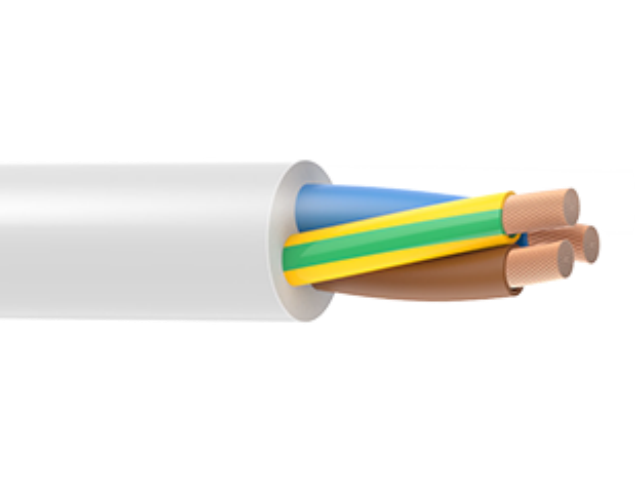
H05VV-F
H05VV-F wires from NPC Electric are flexible PVC insulated and sheathed cables designed for light-duty power connections in household and commercial electrical equipment. Featuring finely stranded copper conductors, these wires provide excellent flexibility, making them easy to install and suitable for applications involving frequent movement. The double PVC insulation structure offers reliable electrical protection, good mechanical strength, and resistance to abrasion, ensuring safe operation under normal indoor conditions. Manufactured in accordance with harmonized standards, NPC Electric H05VV-F wires deliver stable conductivity, consistent insulation thickness, and dependable performance. They are widely used where flexibility, safety, and ease of handling are essential, making them a practical choice for appliances, extension cords, and portable equipment.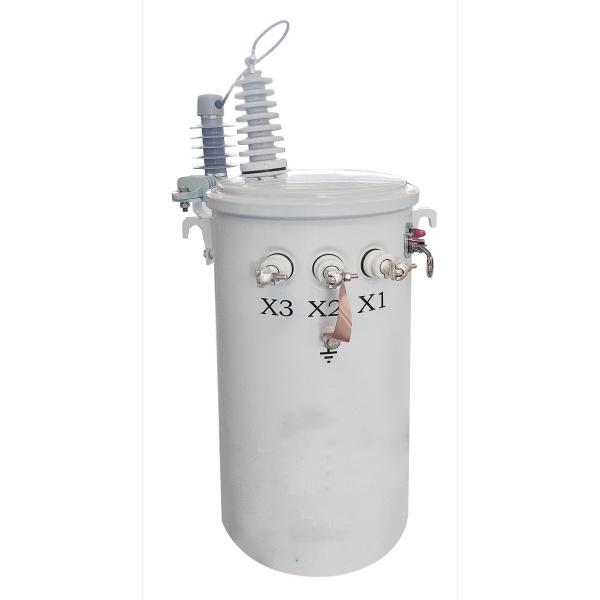
10kVA Completely Self-protected(CSP) Single Phase Pole Mounted Transformer
NPC ELECTRIC the production of 10 kVA Completely Self-Protected (CSP) single-phase overhead transformers, meticulously engineered to meet international standards such as IEEE C57.12.00, IEEE C57.12.20, DOE-2016 Efficiency, CSA C2.1, and CSA C2.2. The 10kVA fully self-protected (CSP) single-phase pole-mounted transformer is an efficient and reliable power equipment designed for small and medium-sized power needs. The transformer adopts advanced fully self-protection technology and has built-in overload, short-circuit and overvoltage protection functions to ensure that the transformer can automatically cut off power under abnormal conditions, avoid equipment damage and improve system safety. It has a simple design, is easy to install, saves space, and is suitable for all types of power distribution systems. This transformer is suitable for residential, commercial areas and small industrial places, providing stable single-phase power output.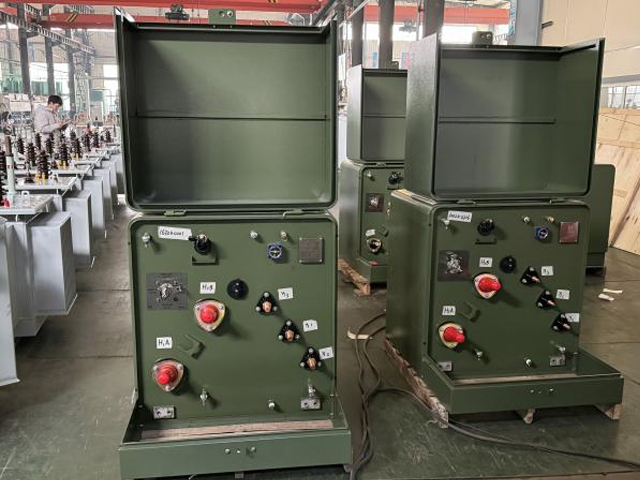
11kV Single Phase Pole Mounted Transformer
The 11kV single phase pole mounted transformer is a compact, high-performance solution for overhead distribution systems, stepping down 11kV primary voltage to standard secondary levels like 230V, 240V, or 415V for safe end-user supply. Built with high-grade silicon steel cores and copper or aluminum windings, it minimizes core and copper losses while meeting IEC 60076 and relevant IEEE/ANSI standards for energy efficiency. The oil-immersed tank with ONAN natural cooling supports a 55-65°C temperature rise, ensuring reliable operation under varying loads. Features include robust bushings, pressure relief mechanisms, and optional surge protection, making it weather-resistant and low-maintenance for exposed pole installations. This transformer excels in providing stable, low-distortion power with excellent overload tolerance, perfect for utilities expanding access in diverse terrains.
XLPE-HDPE Tree Cable Aluminum 25kV 1x35mm²
The XLPE-HDPE Tree Cable Aluminum 25kV 1x35mm² is specifically engineered for medium-voltage overhead distribution systems, particularly in densely wooded areas or locations with limited installation space. Manufactured in compliance with ASTM B230, ASTM B232, and ICEA S-121-733 standards, this cable features an aluminum alloy conductor, cross-linked polyethylene (XLPE) insulation, and a high-density polyethylene (HDPE) outer sheath, ensuring outstanding electrical performance, mechanical durability, and environmental resistance. The HDPE outer sheath provides strong protection against UV radiation, weathering, and mechanical abrasion, while significantly reducing the risk of power outages caused by tree branch contact and electrical sparking. The XLPE insulation layer guarantees stable dielectric performance at continuous operation temperatures up to 90°C, and the 1350 aluminum alloy compact conductor offers a lightweight yet high-conductivity solution, meeting the reliability requirements of medium-voltage power distribution.
37kV 10000kVA(10MVA) Three Phase Duplex Winding Oil Immersed Power Transformer
The 37kV 10000kVA (10MVA) Three Phase Duplex Winding Oil Immersed Power Transformer is designed for high-reliability medium-voltage distribution and industrial applications. Featuring 99.95% electrolytic copper duplex windings, advanced ONAN/ONAF cooling, and ±8×1.25% on-load tap changer (optional), it delivers ultra-low no-load and load losses (S11/S13 series). Fully compliant with IEC 60076, GB/T 1094, and ANSI/IEEE standards, it withstands 170–200 kV lightning impulse and PD <10 pC. Corrugated tank or detachable radiator design ensures excellent heat dissipation and mechanical strength. Standard voltages 37±8×1.25%/11kV, 37/6.3kV or custom. Vacuum oil processing and nitrogen sealing guarantee 30+ years service life with minimal maintenance. Trusted by utilities, EPCs, and heavy industries worldwide.Welcome your inquiry
Honesty, Integrity, Frugality, Activeness and Passion