
2/0 Copper Cable: Ultimate Guide to Specs, Ampacity, and Best Uses
2026-02-27
In commercial and industrial electrical projects, conductor selection transcends mere technical specifications—it embodies a multifaceted strategy encompassing risk mitigation, cost efficiency, and lifecycle sustainability. Among the most prevalent options, 2/0 copper cable stands out as a cornerstone in power distribution networks, heavy-duty industrial electrical systems, and large-scale infrastructure developments. Its widespread adoption stems from unparalleled reliability, stringent compliance with industry standards like NEC and IEEE, and exceptional long-term performance that withstands harsh environmental conditions, ensuring minimal downtime and enhanced safety.
For key stakeholders such as utilities, EPC (Engineering, Procurement, and Construction) contractors, system integrators, and procurement managers, a deep dive into the electrical, mechanical, and economic attributes of 2/0 copper cable is indispensable. Electrically, it offers superior conductivity with lower resistance, reducing energy losses by up to 20% compared to aluminum equivalents, which can translate to significant savings in operational expenses over decades. Mechanically, its robust tensile strength and flexibility facilitate easier installation in confined spaces, minimizing labor costs and potential damage during handling. Economically, while initial procurement might be higher than aluminum wire, the total cost of ownership is lower due to reduced maintenance and longer service life—often exceeding 50 years without degradation.
When benchmarked against alternatives like 3/0 copper cable (which provides marginally higher ampacity but at increased weight and cost), 4/0 copper cable (ideal for ultra-high loads but overkill for standard applications, inflating budgets unnecessarily), and aluminum wire (cheaper upfront but prone to oxidation, thermal expansion issues, and higher failure rates in corrosive environments), 2/0 copper emerges as the optimal balance. This informed comparison empowers decision-makers to curtail energy inefficiencies, streamline installation processes, and safeguard against operational disruptions, ultimately fostering resilient and cost-effective electrical ecosystems in an era of escalating energy demands and regulatory scrutiny.
What Is a 2/0 Copper Cable? (AWG-Based Definition)
A 2/0 copper cable is a standardized conductor size defined by the American Wire Gauge (AWG) system. Beyond AWG 1, conductor sizes increase using aught notation (1/0, 2/0, 3/0, 4/0), where a larger number represents a thicker wire with higher current capacity.
From a procurement perspective, copper cables are preferred in many commercial specifications due to:
- Higher electrical conductivity
- Greater mechanical strength
- Stable performance under continuous load
- Reduced conductor size compared to aluminum for equivalent ampacity
These characteristics make 2/0 copper cable a default choice in mission-critical electrical systems.
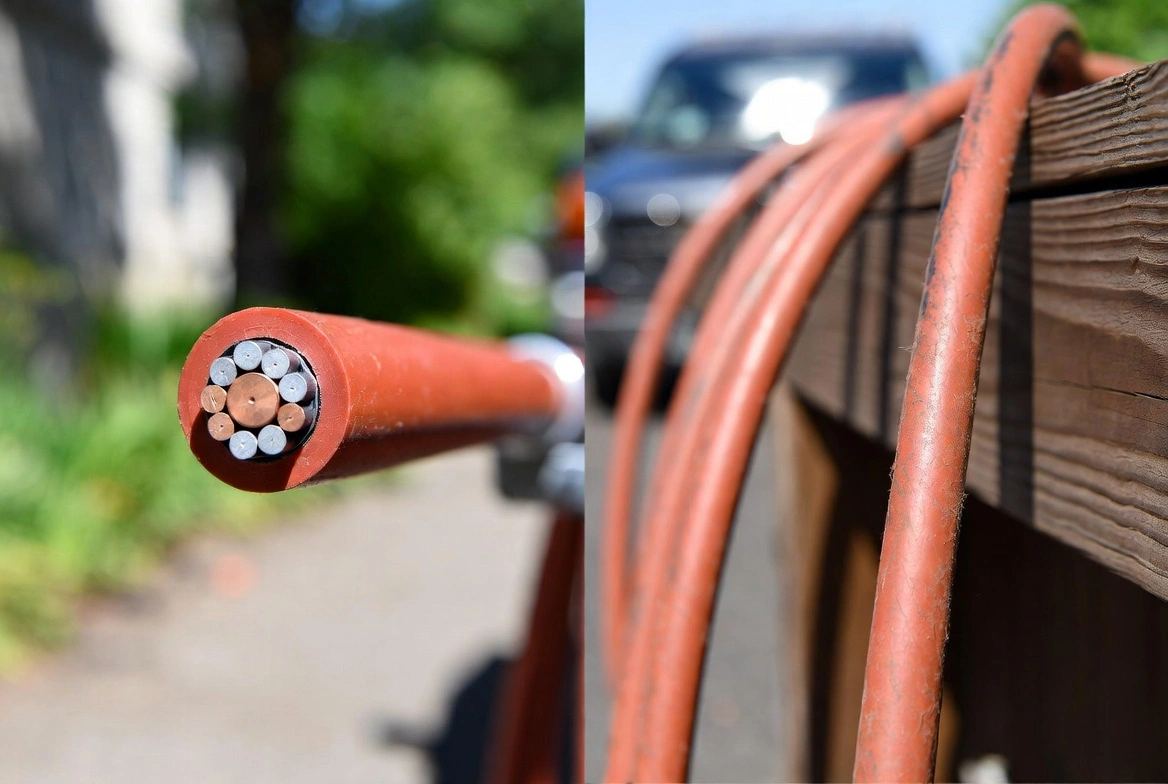
Technical Specifications Relevant to Buyers
When evaluating suppliers or preparing technical submittals, the following parameters are typically reviewed:
- Conductor size: 2/0 AWG
- Material: High-purity copper
- Typical ampacity:
- 150 amps (standard installations)
- Up to ~175 A at 75°C (often referenced as 75°C 167A in conservative designs)
- Insulation options: XLPE, PVC, THHN/THWN
- Voltage rating: 600V to 1kV+ (depending on insulation)
Compared to 3/0 copper cable and 4/0 copper cable, 2/0 provides a strong balance between current capacity, cable diameter, and total installed cost.
Ampacity, Energy Loss, and Operating Efficiency
In real-world electrical systems, ampacity is not the only performance metric. Copper’s low resistivity reduces:
- Energy loss
- Voltage drop
- Thermal stress on insulation
This directly impacts:
- System efficiency
- Equipment lifespan
- Compliance with power distribution standards
For facilities operating near capacity, copper cables help maintain stable performance under fluctuating loads—an important factor for industrial and utility-scale systems.
Comparison Table: Copper Cable Sizing for Procurement Decisions
|
Cable Size |
Relative Thickness |
Typical Current Capacity |
Typical Use Cases |
|
2/0 Copper Cable |
Medium |
~150–175 A |
Feeders, panels, industrial loads |
|
3/0 Copper Cable |
Thicker wire |
~200 A |
Large commercial facilities |
|
4/0 Copper Cable |
Heaviest |
230+ A |
Utility and high-capacity systems |
This comparison is often used during value engineering to balance conductor cost against installation and operating efficiency.
Copper vs Aluminum: B2B Cost–Performance Analysis
While aluminum wire offers lower upfront material cost, copper remains the preferred conductor in many commercial tenders due to:
- Higher electrical conductivity
- Smaller conductor size (aluminum must be larger than copper)
- Lower termination risk
- Superior long-term reliability
For high-load systems, copper cables often reduce lifecycle cost, even if initial material pricing is higher.
Commercial and Industrial Applications
2/0 copper cable is commonly specified for:
- Power distribution systems in commercial buildings
- Industrial motor feeders and MCCs
- Generator and backup power connections
- Utility interconnections and switchgear
- Infrastructure and renewable energy facilities
These applications demand predictable performance, making copper cables the preferred solution in technical specifications.
Installation & Compliance Considerations
From field and project experience, successful installation depends on:
- Proper lug sizing and torque control
- Adequate bending radius for thicker wire
- Heat management in conduits and trays
- Compliance with NEC and project standards
Copper conductors simplify termination and inspection, reducing commissioning delays.
Copper Cable Pricing and Supplier Selection
Copper cables price is influenced by global copper markets, but supplier choice significantly affects project outcomes. When evaluating a copper manufacturer, B2B buyers should assess:
- Consistent conductor purity
- Certification (IEC, UL, ASTM)
- Custom insulation options
- Reliable delivery timelines
Working with an experienced manufacturer minimizes project risk and ensures specification compliance.
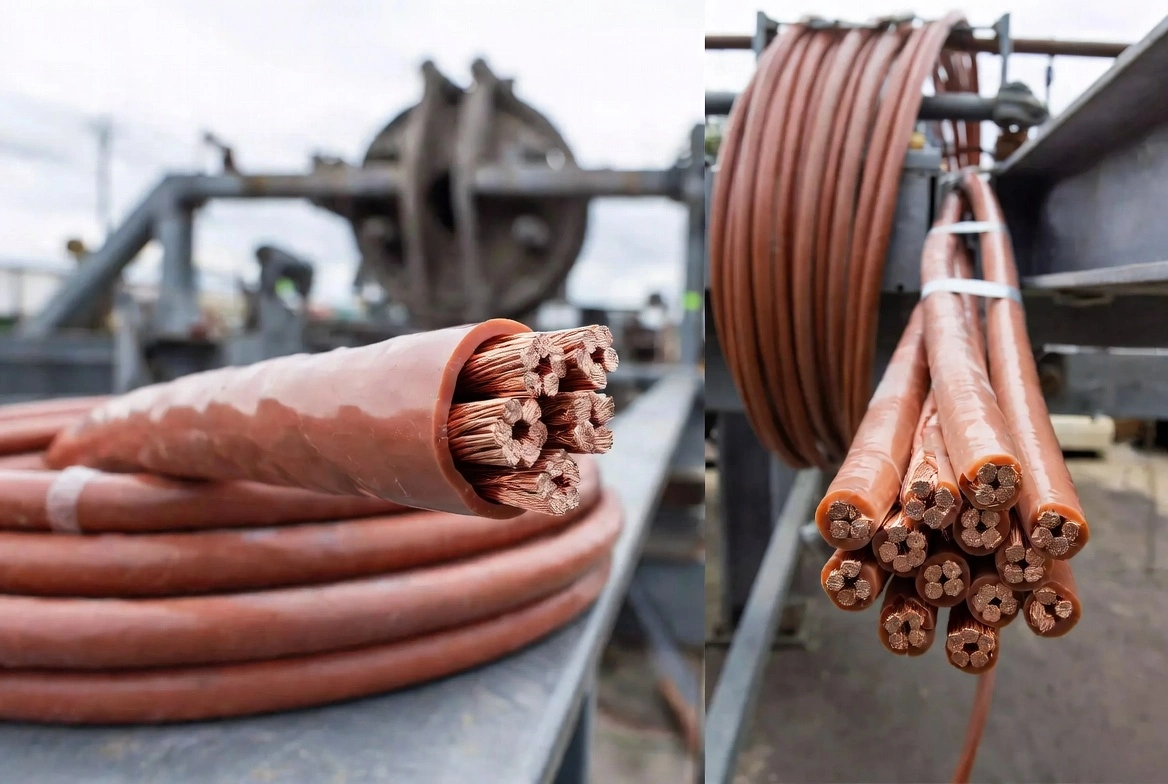
Why 2/0 Copper Cable Is a Smart Commercial Choice
For projects requiring:
- Stable ampacity at 150 amps
- Reduced energy loss
- Compact conductor size
- Long-term reliability
2/0 copper cable delivers proven performance across commercial and industrial environments.
The 2/0 copper cable is a strategic choice for power distribution systems where safety, efficiency, and lifecycle cost matter. Compared with aluminum wire and larger copper sizes, it offers an optimal balance for many commercial applications.
For utilities, EPC contractors, and industrial buyers, selecting the right AWG size—and the right copper manufacturer—is essential to achieving reliable, compliant, and cost-effective electrical systems.

Related Articles
Related Products
4 Barnacles Aluminum Conductor Triplex Overhead Service Drop Cable
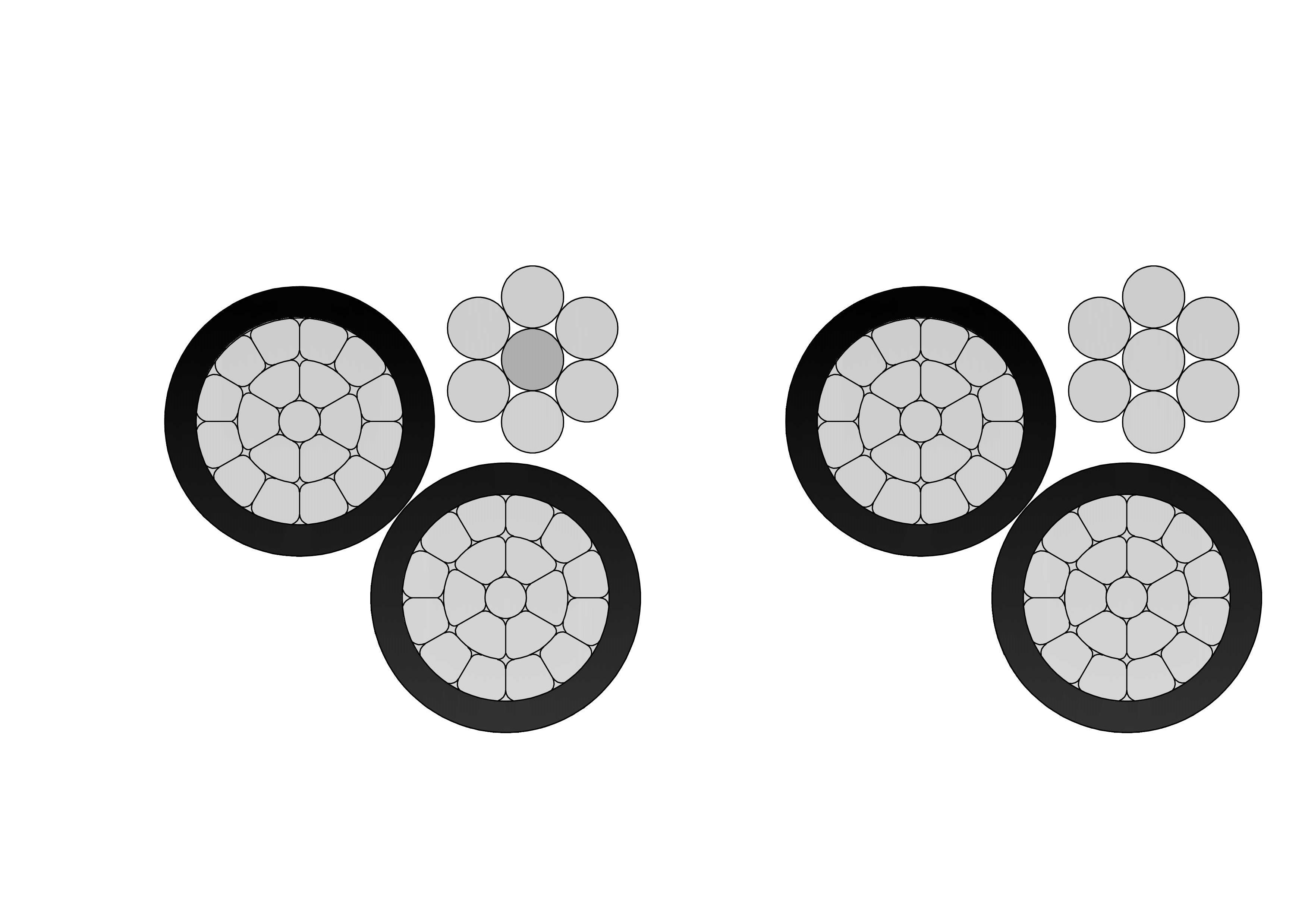
The 4 Barnacles Aluminum Conductor Triplex Overhead Service Drop Cable is designed for reliable overhead electrical service connections in residential and light commercial utility distribution systems. The cable structure includes two insulated aluminum phase conductors twisted around a bare aluminum neutral messenger, providing stable electrical transmission and dependable mechanical support. Manufactured using high-quality aluminum and durable weather-resistant insulation compounds, the 4 Barnacles Aluminum Conductor Triplex Overhead Service Drop Cable offers low electrical resistance, strong corrosion resistance, and long service life in outdoor environments. Its optimized conductor construction allows efficient installation while maintaining adequate tensile strength for aerial applications. The cable is engineered to perform reliably under UV exposure, wind loading, and temperature variation. Comprehensive quality management systems and standardized testing procedures are implemented throughout production to ensure compliance with utility and industry standards and to deliver consistent, dependable performance in service.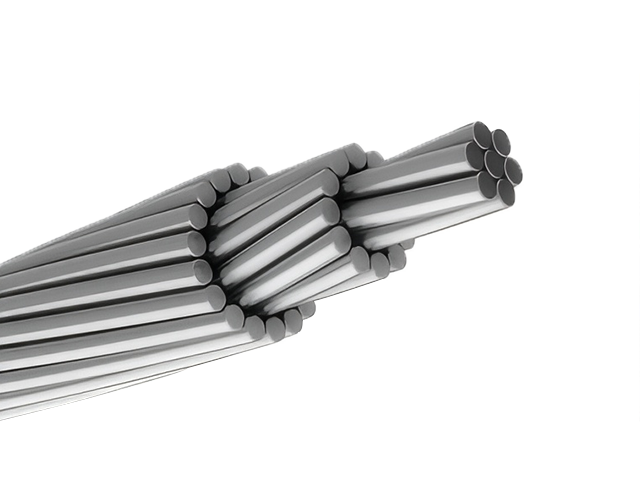
2 AWG SPARATE ACSR Conductor Cable
The 2 AWG SPARATE ACSR (Aluminum Conductor Steel Reinforced) cable, compliant with ASTM B232, ABNT NBR 7270/88, and IEC 61089 standards, is engineered for reliable performance in overhead transmission and distribution systems. Featuring a stranded 1350-H19 aluminum conductor for high conductivity and a single galvanized steel core for enhanced mechanical strength, this cable is ideal for medium to long spans in rural, utility, or open-terrain environments. With a voltage rating of up to 25 kV, an operating temperature range of -10°C to +75°C, and a short-circuit tolerance of up to 150°C (5s), the SPARATE ACSR offers an excellent balance of conductivity, tensile strength, and corrosion resistance. Its lightweight, bare aluminum design with a zinc-coated steel core ensures durability and ease of installation, making it suitable for diverse outdoor conditions. Ampacity is calculated under standard conditions (conductor temperature: 75°C; ambient temperature: 25°C; wind speed: 1 m/s; full sun exposure). Manufactured in accordance with ASTM and IEC standards, the 2 AWG SPARATE ACSR Conductor Cable offers stable quality, easy handling, and long service life, making it suitable for utility distribution networks, rural electrification projects, and overhead line upgrades where dependable performance is required.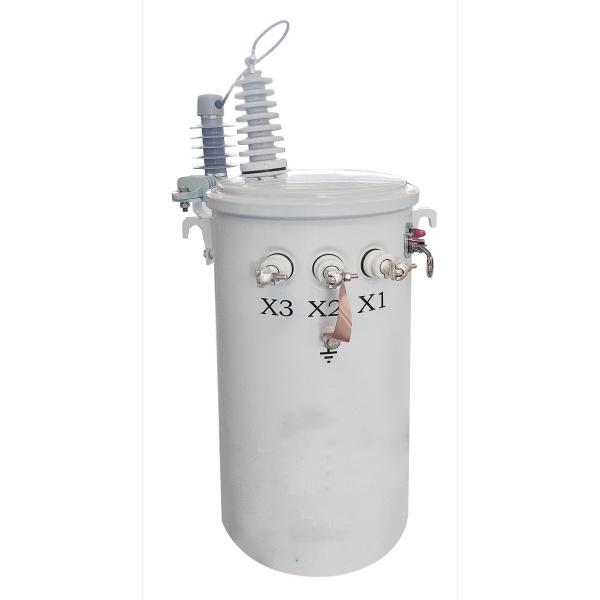
100kVA Completely self-protected(CSP) Single Phase Pole Mounted Transformer
100kVA CSP Single Phase Pole Mounted Transformer is a highly efficient and reliable solution designed for single-phase power distribution in residential, commercial, and light industrial applications. It features integrated self-protection systems, including overload, short-circuit, and over-voltage protection, ensuring automatic disconnection in the event of faults to safeguard both the transformer and connected equipment. With its pole-mounted design, it offers space-saving installation and is suitable for both urban and rural environments. This transformer delivers high operational efficiency with minimal energy loss and is built to withstand harsh weather conditions, ensuring long-lasting and reliable performance. It is the ideal choice for providing safe and stable single-phase power in diverse applications.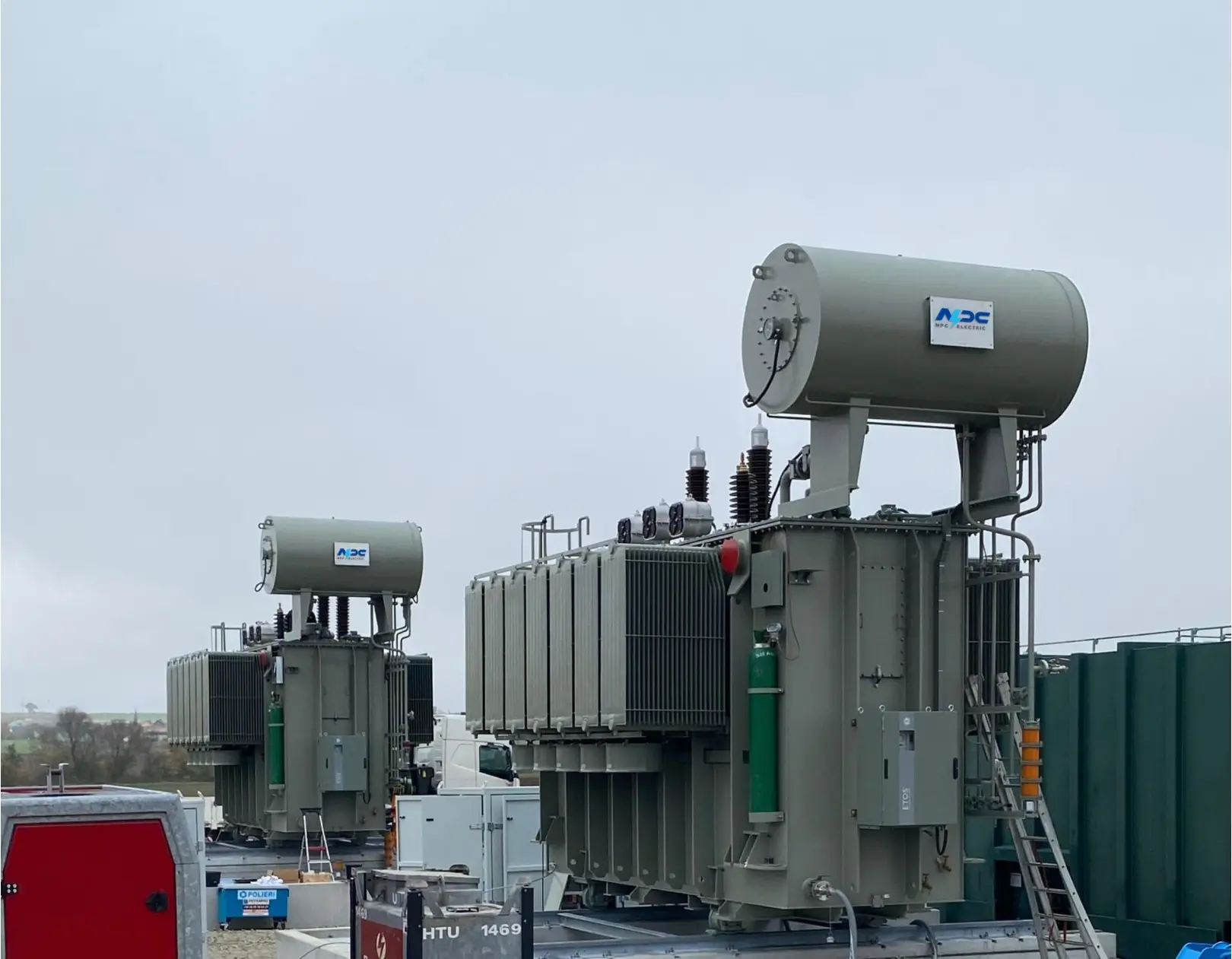
132kV High Voltage Outdoor Power Substation Transformer for Grid Systems
The 132kV High Voltage Outdoor Power Substation Transformer is engineered to support modern grid systems that demand high reliability, operational stability, and long-term performance. Designed for continuous outdoor operation, it features a robust oil-immersed insulation system combined with a mechanically reinforced structure to withstand electrical stress, environmental exposure, and grid fluctuations. The transformer is optimized for efficient power transfer with controlled losses and stable voltage regulation across varying load conditions. Its thermal design ensures effective heat dissipation, supporting extended service life even under high ambient temperatures. Suitable for utility substations and large-scale grid infrastructure, this transformer meets stringent operational and safety requirements while maintaining ease of maintenance and dependable long-term operation in complex power networks.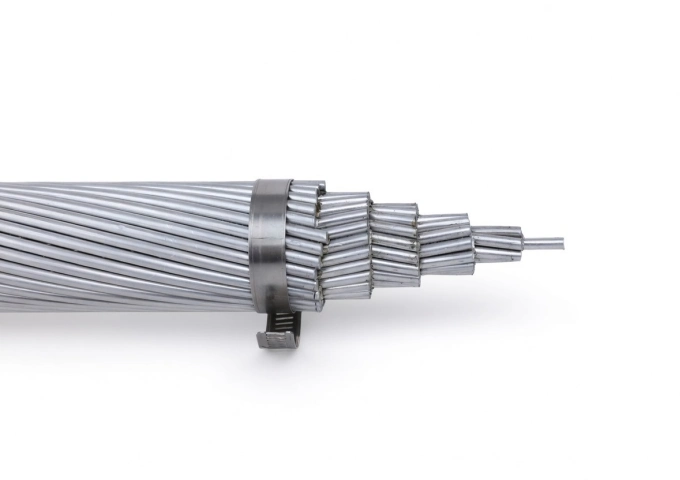
1033.5 MCM Bluebell AAC All Aluminum Bare Conductor Cable
The 1033.5 MCM Bluebell AAC Cable represents premium All Aluminum Conductor technology for overhead power applications. Built with 37 strands of high-conductivity 1350-H19 aluminum, this bare conductor delivers an optimal balance of electrical efficiency and mechanical robustness. With a 1.170-inch diameter, 17,900 lbs breaking strength, and 1033 amps ampacity, the Bluebell AAC offers low DC resistance of 0.0167 ohms per 1000 ft at 20°C and a weight of 970.3 lbs per 1000 ft. This design minimizes sag while providing excellent corrosion resistance for extended outdoor service. Manufactured to meet ASTM B-230 and B-231 standards, the 1033.5 MCM Bluebell AAC Cable undergoes extensive quality testing from raw materials through finished product. It is the ideal solution for new installations and upgrades in transmission and distribution systems that demand lightweight, high-conductivity bare aluminum conductors.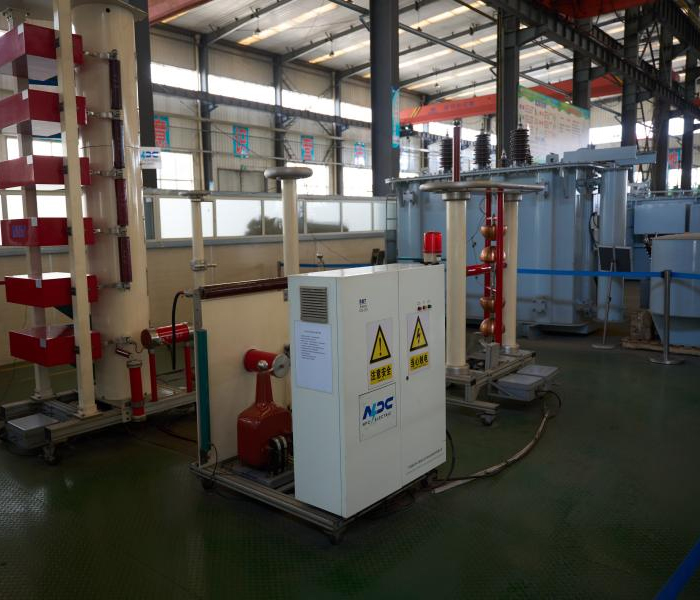
1000kVA Dry Type Transformer
NPC ELECTRIC 1000kVA Dry-Type Transformer offers efficient, oil-free power distribution with a compact design. Equipped with advanced insulation and cooling systems, it ensures safe and reliable operation with minimal maintenance. Ideal for industrial and commercial applications, it provides environmentally friendly and cost-effective performance. Standard features include three-phase configuration, primary voltages 208V–600V (e.g., 480V Delta, 600V Delta), secondary voltages such as 208Y/120V, 480Y/277V, or custom, aluminum or copper windings, 150°C rise (standard) or 115°C/80°C with 220°C insulation class, ±2×2.5% primary taps, NEMA 1 ventilated enclosure (NEMA 3R/encapsulated options), natural convection cooling (AN), electrostatic shielding, and NEMA-compliant low sound levels.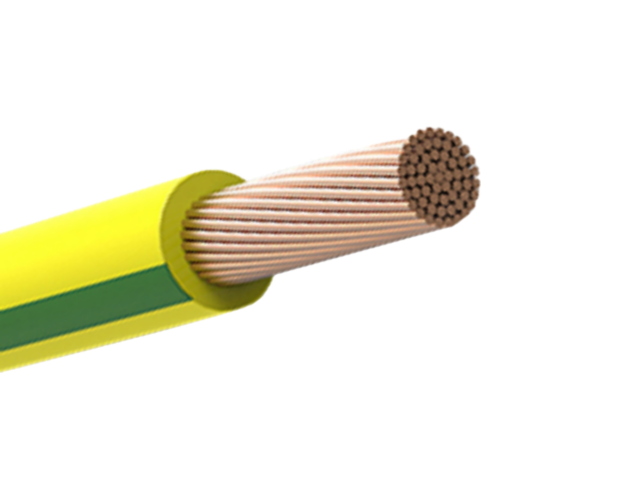
TW AND THW
Electrical wire TW AND THW is used in new construction projects or rewiring tasks in 600-volt systems. It is from NPC Electric are designed for building wiring applications where dependable electrical performance and installation safety are required. These single-core copper conductors are insulated with high-quality thermoplastic materials, providing stable conductivity, good mechanical protection, and resistance to heat and moisture. TW wire is suitable for dry or damp locations with moderate temperature ratings, while TH wire offers higher heat resistance for applications requiring enhanced thermal performance. Manufactured under strict quality control, NPC Electric TW and TH Wires deliver uniform insulation thickness, consistent conductor structure, and long service life. Their reliable performance and ease of handling make them a trusted choice for residential, commercial, and light industrial electrical installations.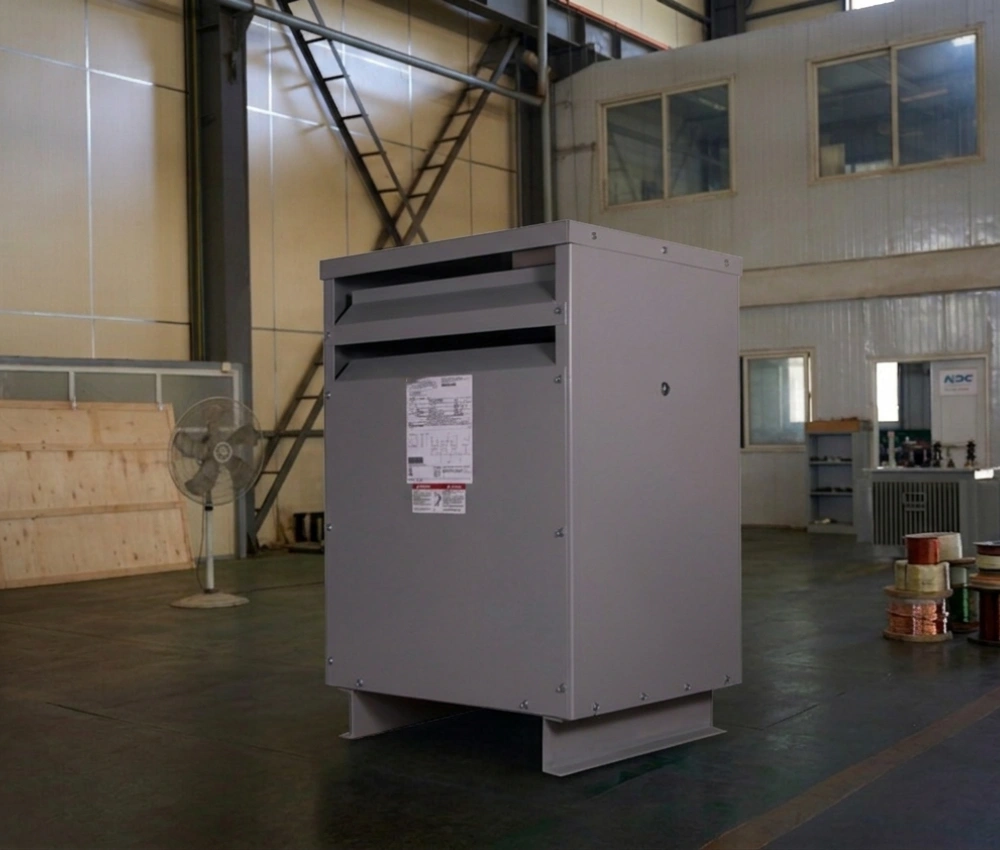
3kVA Isolation Transformer
The 3kVA Isolation Transformer is a compact and highly efficient power isolation solution engineered to provide safe and stable electrical power for sensitive equipment and critical electrical systems. By creating complete galvanic separation between the incoming and outgoing circuits, the transformer effectively eliminates electrical interference, suppresses common-mode noise, reduces transient voltage spikes, and improves overall power quality. This protective design helps prevent equipment damage caused by grounding issues, electrical disturbances, and power fluctuations. Built with premium silicon steel cores and high-conductivity copper windings, the 3kVA Isolation Transformer offers excellent voltage regulation, low operating losses, and long-term reliability. Its compact footprint makes it suitable for installations where space is limited while maintaining superior electrical performance. The transformer is widely used in industrial control panels, laboratory instruments, medical devices, testing equipment, telecommunications systems, security systems, and commercial electrical installations requiring enhanced electrical safety and power conditioning. The transformer can be supplied with customized voltage combinations, enclosure designs, monitoring functions, and protection features to satisfy a wide range of application requirements. With its robust construction and maintenance-friendly design, the 3kVA Isolation Transformer provides dependable performance for demanding power distribution and equipment protection applications.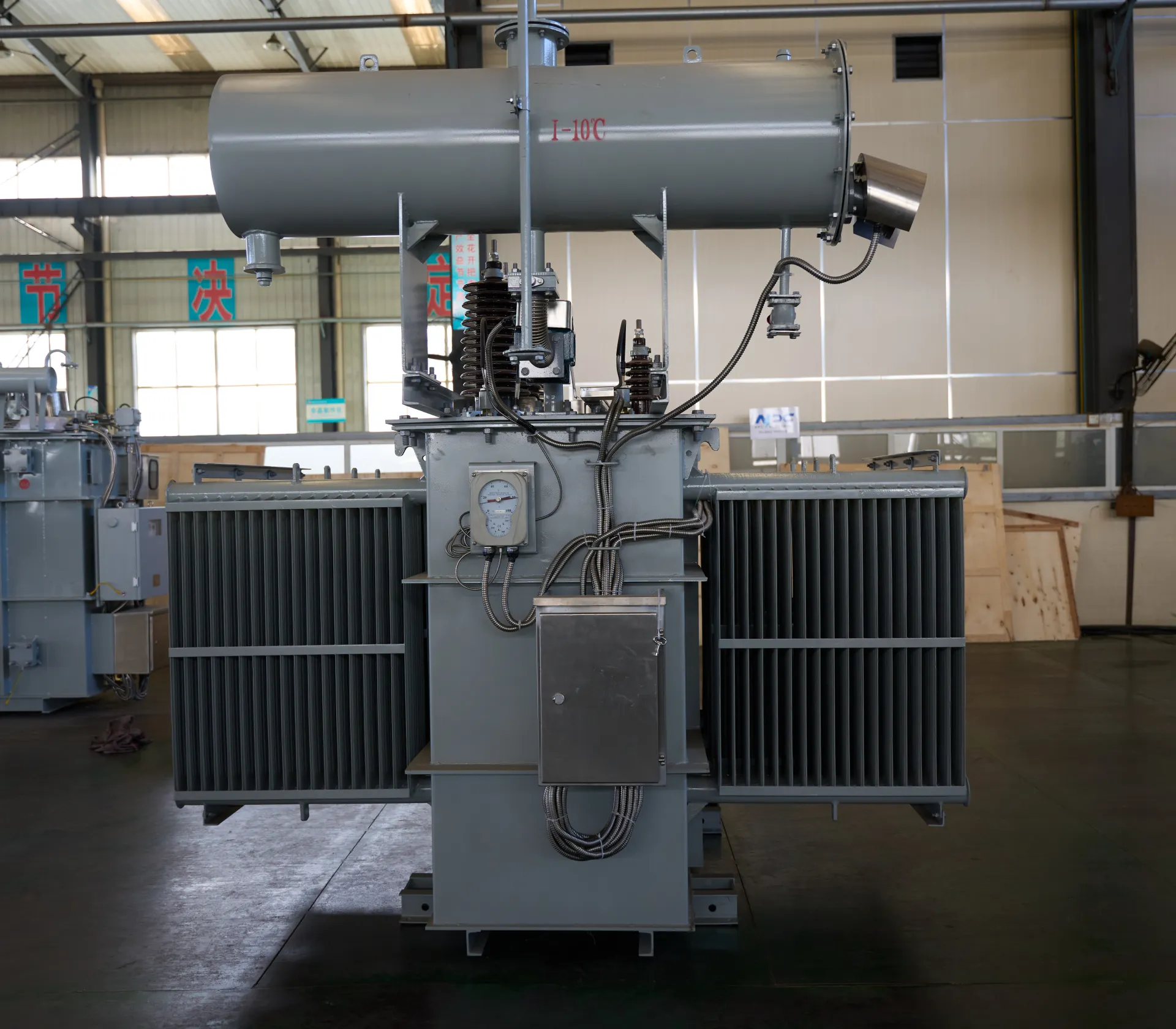
5MVA / 6.3MVA 35kV Three-Phase Oil-Immersed Step-Down Power Transformer
The 5MVA / 6.3MVA 35kV Three-Phase Oil-Immersed Step-Down Power Transformer is designed for reliable voltage reduction in medium-voltage power distribution systems. Built with high-grade silicon-steel cores, premium copper windings, and advanced oil-immersed cooling, it delivers low losses, strong short-circuit resistance, and stable thermal performance. The transformer features robust insulation, durable tank construction, and precision-engineered components to ensure long operational life. Suitable for industrial plants, utility substations, renewable energy facilities, and commercial power distribution, it supports both on-load and off-load tap changers for accurate voltage regulation. Engineered in compliance with IEC standards, this 35kV step-down transformer ensures high efficiency, dependable performance, and safe power delivery under various environmental and load conditions.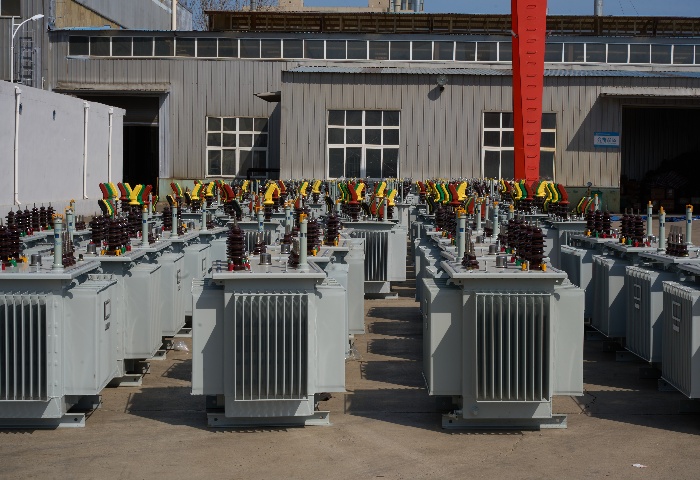
630kVA Oil Immersed Transformer
NPC ELECTRIC’S 630kVA oil-immersed transformer adopts a high-efficiency and energy-saving design, complies with the IEC 60076 international standard, and ensures stable operation and long life. Its high-quality silicon steel core and high-performance insulating oil provide excellent electrical performance and heat dissipation capabilities. ONAN cooling, aluminum or copper windings, high-voltage 34.5kV / 24.94kV / 13.8kV / 12.47kV / 4.16kV (delta or wye), low-voltage 480Y/277V, 208Y/120V, 600Y/347V or custom, ±2×2.5% HV taps.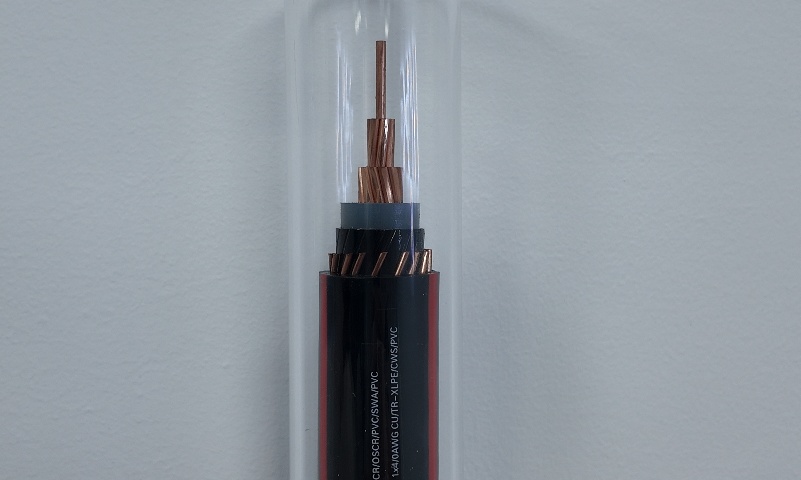
Aluminum URD Cable
The Aluminum URD Cable is a practical and economical 600V underground residential distribution cable engineered for service entrance and secondary power delivery. It utilizes stranded AA8000 aluminum alloy conductors with XLPE insulation and a concentrically stranded aluminum alloy neutral, all encased in a durable black polyethylene sheath. This design offers excellent flexibility, high conductivity, and superior moisture resistance, making it suitable for direct burial or conduit installations. Lightweight and corrosion-resistant, the Aluminum URD Cable provides a cost-effective alternative to copper while maintaining strong mechanical performance and long service life. Manufactured to UL 854 and ICEA standards, it undergoes extensive quality testing to ensure consistent performance in underground environments.
1250kVA Dry Type Transformer
NPC ELECTRIC 1250kVA Dry-Type Transformer delivers reliable, oil-free power distribution with a compact and efficient design. Featuring advanced insulation and cooling systems, it ensures safe, low-maintenance operation, making it ideal for industrial and commercial applications. It provides environmentally friendly, cost-effective performance with a 1250kVA capacity. Compliant with DOE amended energy conservation standards (finalized April 2024, mandatory compliance from April 23, 2029, with a 20% reduction in losses for three-phase low-voltage dry-type units), ANSI/IEEE C57.12.01, NEMA ST-20, UL 1561, and CSA requirements, this low-voltage (≤600V) transformer provides outstanding efficiency, minimized thermal losses, significant energy savings, and enhanced fire safety without insulating fluids.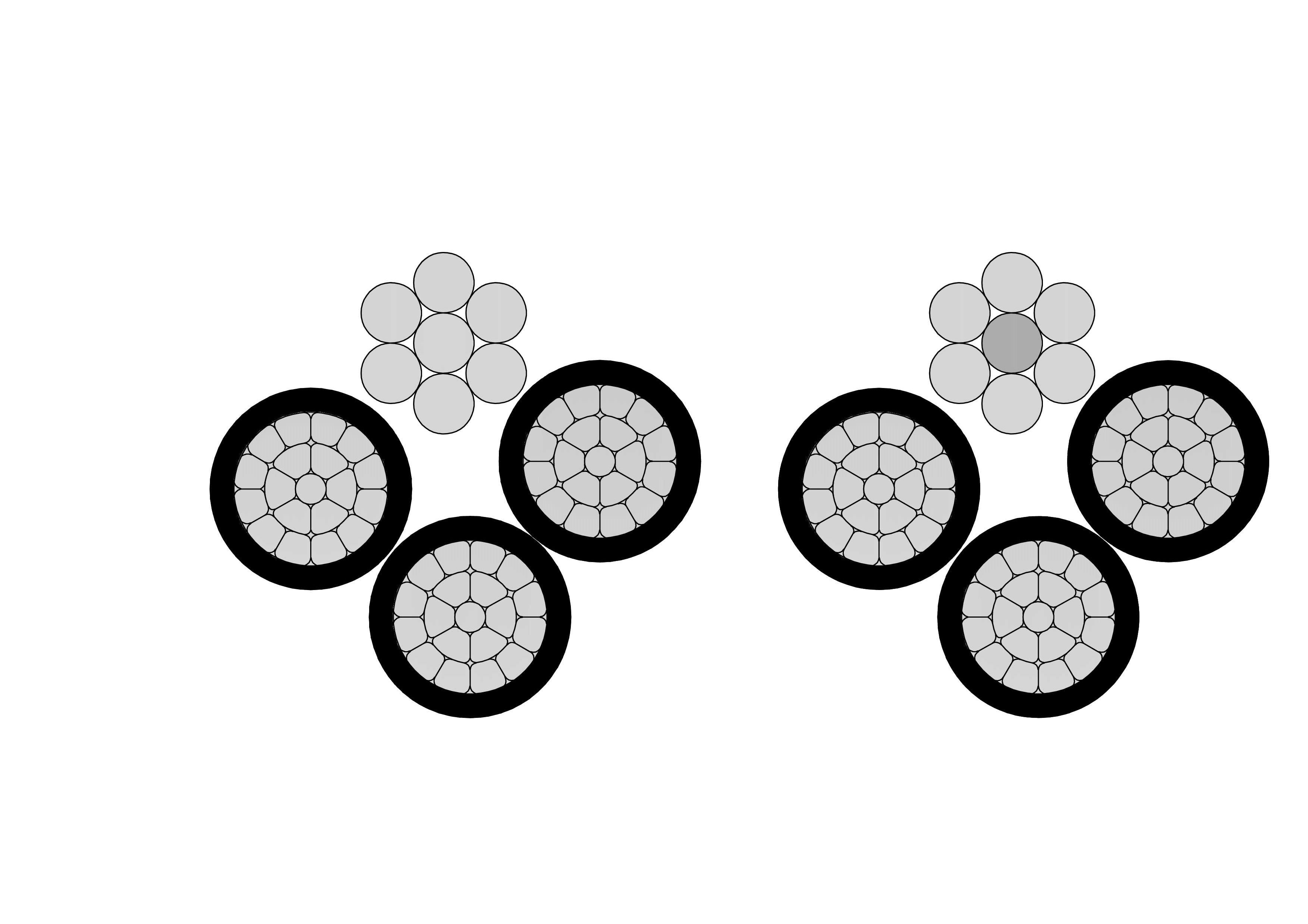
3/0 Suffolk Aluminum Conductor Quadruplex Overhead Service Drop Cable
The 3/0 Suffolk Quadruplex Service Drop Cable is a robust overhead cable for three-phase secondary power distribution with neutral. Featuring three 3/0 AWG aluminum phase conductors and one neutral messenger (7-strand) insulated with XLPE or PE and assembled in quadruplex configuration, it offers excellent mechanical strength and weather resistance. Compliant with ASTM B-230, B-231, ICEA S-76-474, and ANSI/ICEA standards, this cable supports 600V applications with superior UV, moisture, and abrasion protection. The self-supporting messenger reduces sag and simplifies installation over medium spans. The 3/0 Suffolk Quadruplex Service Drop Cable ensures low power losses, high current capacity, and long service life in harsh outdoor conditions. Lightweight and flexible, it is widely used for three-phase service drops in residential subdivisions, commercial buildings, and rural areas requiring safe, cost-effective aerial connections from utility poles to service entrances.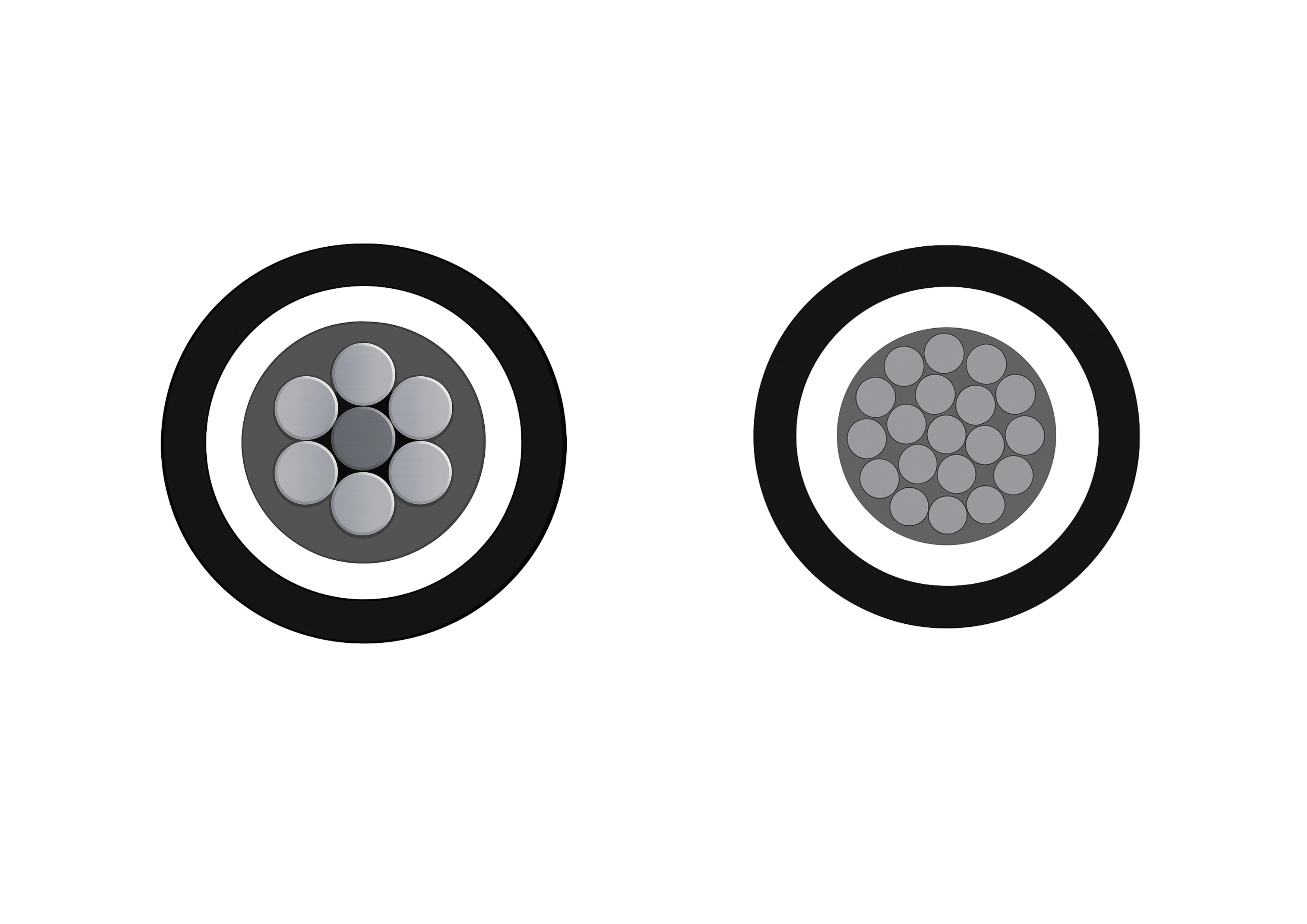
XLPE-HDPE Tree Cable Aluminum 25kV 1x95mm²
The XLPE-HDPE Tree Cable Aluminum 25kV 1x95mm² is engineered for medium-voltage overhead distribution networks that demand very high current capacity. Ideal for long-distance transmission in rural, industrial, and high-demand urban areas, this cable provides exceptional reliability and performance under harsh environmental conditions. Its design minimizes energy losses, supports stable power supply, and ensures dependable large-scale power distribution. Constructed with high-conductivity aluminum alloy 1350 wires, the conductor features round compacted, class 2 stranding with a minimum conductivity of 61% IACS and tensile strength of at least 130 MPa. Optional conductor shielding with extruded semiconductor thermosetting compound is available for enhanced performance in 15kV and 25kV applications. With its high current capacity, robust construction, and environmental resilience, the XLPE-HDPE 25kV tree cable 1x95mm² delivers reliable, long-term power distribution for challenging overhead network applications.
45kV 2500kVA Weatherproof & Oven-Proof Oil-Immersed Power Transformer
The 45kV 2500kVA Weatherproof & Oven-Proof Oil-Immersed Power Transformer is engineered for demanding outdoor applications requiring high durability, stable voltage transformation, and long-term operational reliability. Designed with premium cold-rolled silicon steel, high-conductivity copper windings, and a reinforced oil-immersed cooling system, the transformer ensures excellent thermal stability and resistance to overheating. Its oven-proof construction allows the unit to withstand high ambient temperatures, while the weatherproof enclosure provides protection against rain, dust, humidity, and corrosive environments. With advanced insulation, strong short-circuit endurance, and compatibility with both off-load and on-load tap changers, this 45kV outdoor transformer is ideal for substations, industrial facilities, renewable energy sites, and long-distance power distribution systems. Built in accordance with IEC 60076 standards, it delivers efficiency, reliability, and lifespan required for critical grid infrastructure.Welcome your inquiry
Honesty, Integrity, Frugality, Activeness and Passion