

15kV 3-Layer AAAC/ACSR/AAC Tree Wire - Triple Layer Covered Conductor
The 3-Layer 15kV AAAC/ACSR/AAC Tree Wire is a specialized covered overhead conductor developed for distribution lines in areas with dense vegetation. It uses concentrically stranded AAAC, ACSR, or AAC conductors protected by a triple-layer system of track-resistant HDPE or XLPE. The multi-layer covering delivers exceptional tracking resistance, abrasion protection, and weatherability while greatly reducing the risk of electrical faults from tree limb contact and helping minimize wildfire ignition potential. This advanced design allows closer spacing to vegetation and lowers vegetation management costs. Suitable for conventional overhead or spacer cable systems, the 3-Layer 15kV AAAC/ACSR/AAC Tree Wire offers a cost-effective solution for improving line reliability. It complies with ICEA and ASTM standards and undergoes extensive quality testing to ensure long-term performance and safety.
- Standards ICEA S-121-733, ASTM B230/B231/B232/B398/B399
- Voltage Rating 15 kV
- Conductor AAAC, ACSR, or AAC (concentrically stranded)
- Short-Circuit Tem 250°C
- Operating Temp 90°C continuous
- Emergency Temp 130°C
Construction
Technical Specifications
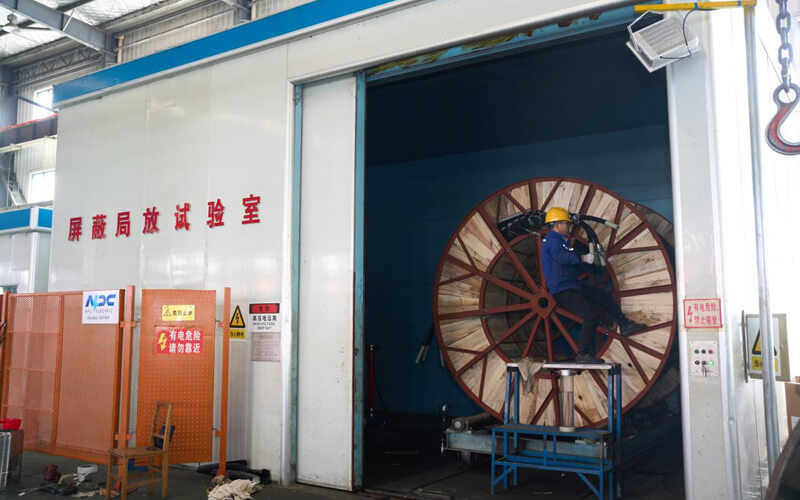
Quality Control
Application
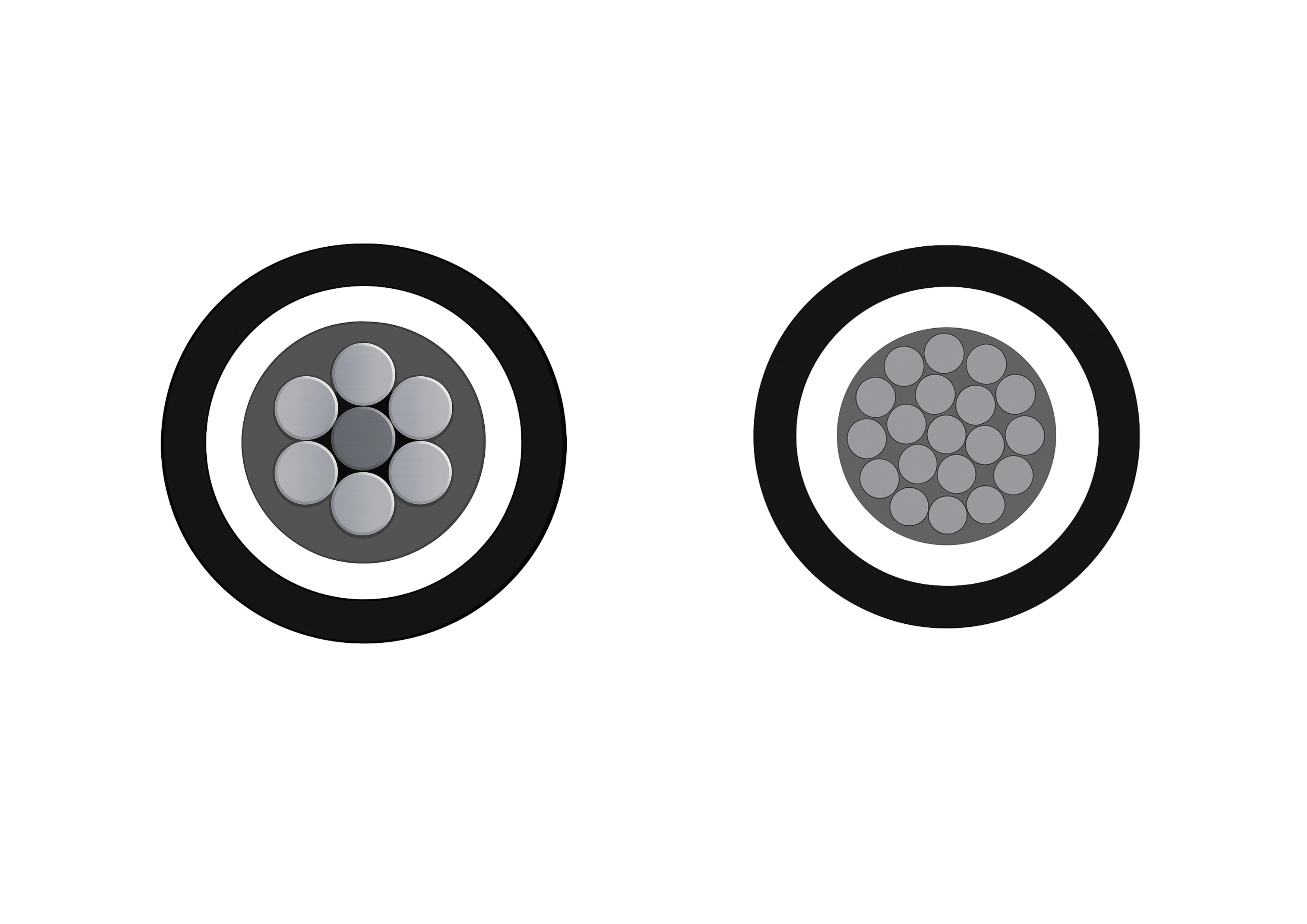
Construction
15kV 3-Layer AAAC/ACSR/AAC Tree Wire Constrution
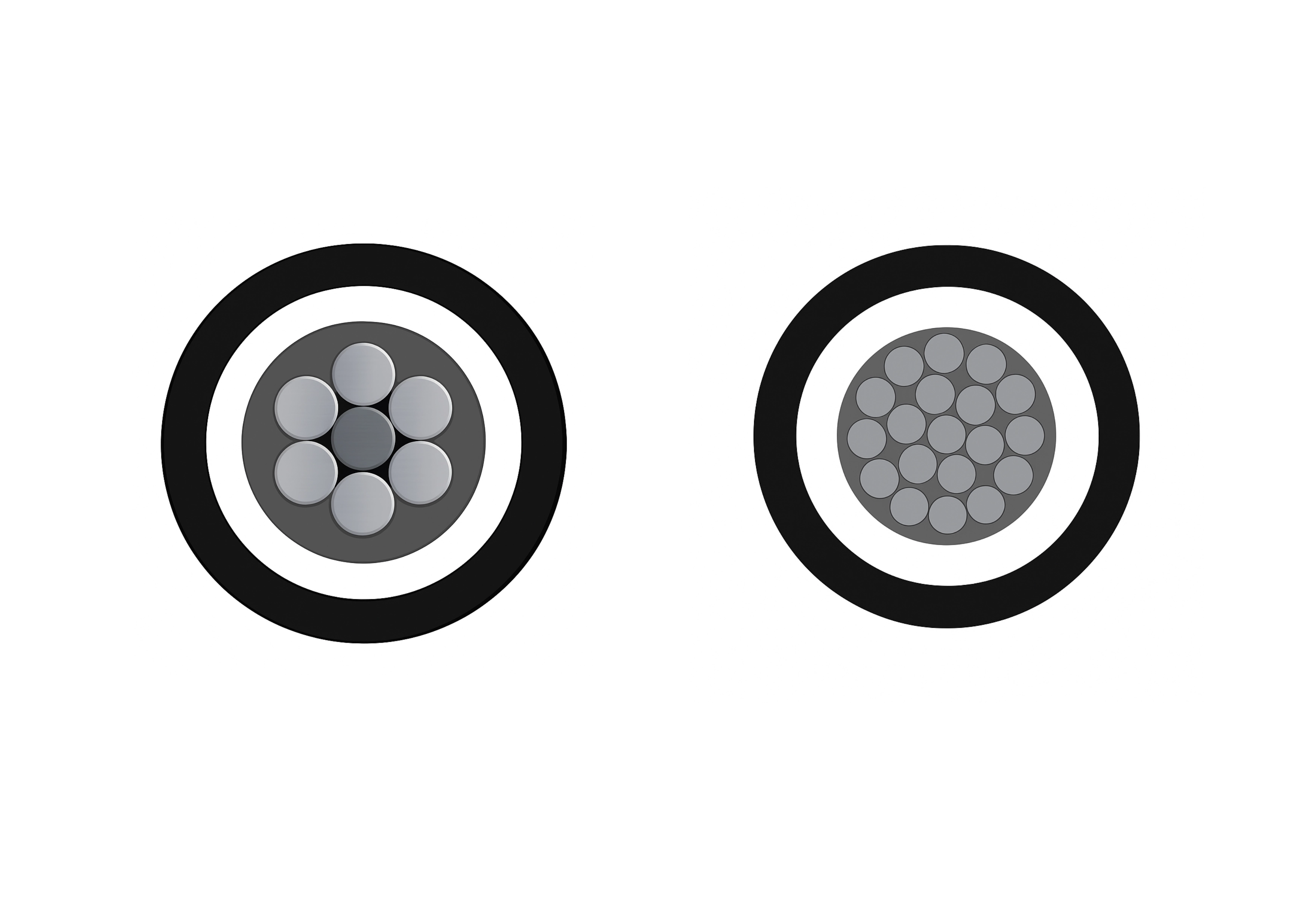
Key Product Features
Triple-layer covering system for maximum tracking resistance
AAAC, ACSR, or AAC conductor options for optimal strength
Significantly reduced fault risk from vegetation contact
Lower maintenance and wildfire mitigation benefits
Compatible with spacer cable configurations
AAAC, ACSR, or AAC conductor options for optimal strength
Significantly reduced fault risk from vegetation contact
Lower maintenance and wildfire mitigation benefits
Compatible with spacer cable configurations
Covering
3-Layer HDPE or XLPE
Insulation Level
100% or 133%
Covering Thickness
Triple layer (225 mils total typical)
Configuration
Single covered conductor
Technical Specifications
15kV 3-Layer AAAC/ACSR/AAC Tree Wire - Triple Layer Covered Conductor
15kV 3-Layer ACSR Tree Wire Data Sheet
15kV 3-Layer AAAC Tree Wire Data Sheet
15kV 3-Layer AAAC Tree Wire Data Sheet
| Size (AWG or kcmil) | Stranding | Conductor Diameter (mils) | Covering Thickness (mils) | Cable O.D. (mils) | Rated Strength (lbs) | Weight per 1000 ft.(lbs) | ||
| Conductor Shield | Inner Layer | Outer Layer | ||||||
| 4 | 6/1 | 250 | 15 | 75 | 75 | 580 | 1767 | 151 |
| 2 | 6/1 | 316 | 15 | 75 | 75 | 646 | 2708 | 202 |
| 1/0 | 6/1 | 398 | 15 | 75 | 75 | 728 | 4161 | 278 |
| 2/0 | 6/1 | 447 | 15 | 75 | 75 | 777 | 5045 | 330 |
| 3/0 | 6/1 | 502 | 15 | 75 | 75 | 832 | 6289 | 393 |
| 4/0 | 6/1 | 563 | 15 | 75 | 75 | 893 | 7933 | 471 |
| 266.8 | 18/1 | 609 | 15 | 75 | 75 | 939 | 6536 | 474 |
| 266.8 | 26/7 | 642 | 15 | 75 | 75 | 972 | 10735 | 553 |
| 336.4 | 18/1 | 684 | 15 | 75 | 75 | 1014 | 8246 | 570 |
| 336.4 | 26/7 | 720 | 15 | 75 | 75 | 1050 | 13395 | 669 |
| 336.4 | 30/7 | 741 | 15 | 75 | 75 | 1071 | 16435 | 935 |
| 397.5 | 18/1 | 743 | 15 | 75 | 75 | 1073 | 9443 | 653 |
| 397.5 | 24/7 | 772 | 15 | 75 | 75 | 1102 | 13870 | 707 |
| 397.5 | 26/7 | 783 | 15 | 75 | 75 | 1113 | 15485 | 770 |
| 477 | 24/7 | 846 | 15 | 75 | 75 | 1176 | 16340 | 824 |
| 477 | 26/7 | 858 | 15 | 75 | 75 | 1188 | 18525 | 899 |
| 477 | 30/7 | 883 | 15 | 75 | 75 | 1213 | 22610 | 1274 |
| 556.5 | 18/1 | 879 | 20 | 75 | 75 | 1219 | 13015 | 874 |
| 556.5 | 24/7 | 914 | 20 | 75 | 75 | 1254 | 18810 | 949 |
| 556.5 | 26/7 | 927 | 20 | 75 | 75 | 1267 | 21470 | 1036 |
| 636 | 18/1 | 940 | 20 | 75 | 75 | 1280 | 14915 | 1200 |
| 636 | 26/7 | 990 | 20 | 75 | 75 | 1330 | 23940 | 1373 |
| Size (kcmil) | Equivalent AAC (AWG or kcmil) | Stranding | Conductor Diameter (mils) | Covering Thickness (mils) | Cable O.D. (mils) | Rated Strength (lbs) | Weight per 1000 ft.(lbs) | ||
| Conductor Shield | Inner Layer | Outer Layer | |||||||
| 48.69 | 4 | 7 | 250 | 15 | 75 | 75 | 580 | 1584 | 137 |
| 77.47 | 2 | 7 | 316 | 15 | 75 | 75 | 646 | 2520 | 179 |
| 123.3 | 1/0 | 7 | 398 | 15 | 75 | 75 | 728 | 4014 | 241 |
| 155.4 | 2/0 | 7 | 447 | 15 | 75 | 75 | 777 | 4851 | 283 |
| 195.7 | 3/0 | 7 | 502 | 15 | 75 | 75 | 832 | 6111 | 334 |
| 246.9 | 4/0 | 7 | 563 | 15 | 75 | 75 | 893 | 7704 | 397 |
| 312.8 | 266.8 | 19 | 642 | 15 | 75 | 75 | 972 | 9900 | 473 |
| 394.5 | 336.4 | 19 | 720 | 15 | 75 | 75 | 1050 | 11970 | 568 |
| 465.4 | 397.5 | 19 | 783 | 15 | 75 | 75 | 1113 | 14040 | 649 |
| 559.5 | 477 | 19 | 858 | 15 | 75 | 75 | 1188 | 16920 | 755 |
| 652.4 | 556.5 | 19 | 927 | 20 | 75 | 75 | 1267 | 19710 | 894 |
| 740.8 | 636 | 37 | 990 | 20 | 75 | 75 | 1330 | 21960 | 963 |
| Size (AWG or kcmil) | Stranding | Conductor Diameter (mils) | Covering Thickness (mils) | Cable O.D. (mils) | Rated Strength (lbs) | Weight per 1000 ft.(lbs) | ||
| Conductor Shield | Inner Layer | Outer Layer | ||||||
| 1/0 | 7 | 336 | 15 | 75 | 75 | 666 | 1791 | 210 |
| 2/0 | 7 | 376 | 15 | 75 | 75 | 706 | 2259 | 246 |
| 3/0 | 7 | 423 | 15 | 75 | 75 | 753 | 2736 | 289 |
| 4/0 | 7 | 475 | 15 | 75 | 75 | 805 | 3447 | 343 |
| 266.8 | 19 | 537 | 15 | 75 | 75 | 867 | 4473 | 407 |
| 336.4 | 19 | 603 | 15 | 75 | 75 | 933 | 5535 | 487 |
| 397.5 | 19 | 659 | 15 | 75 | 75 | 989 | 6399 | 558 |
| 477 | 19 | 722 | 15 | 75 | 75 | 1052 | 7524 | 648 |
| 556.5 | 37 | 780 | 20 | 75 | 75 | 1120 | 8946 | 742 |
| 636 | 37 | 835 | 20 | 80 | 80 | 1195 | 10260 | 846 |
| 795 | 37 | 932 | 20 | 80 | 80 | 1292 | 12510 | 1020 |
Quality Control
15kV 3-Layer AAAC/ACSR/AAC Tree Wire - Triple Layer Covered Conductor
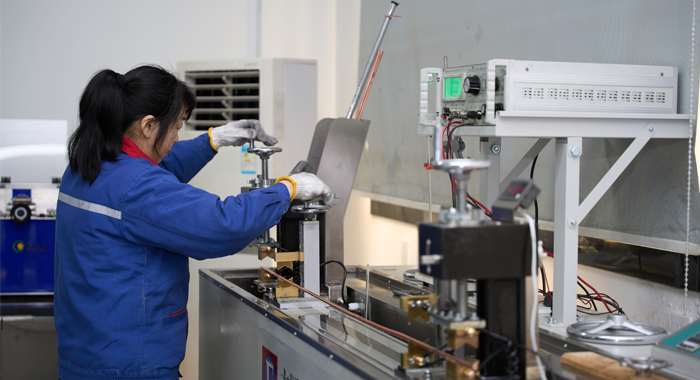
Raw Material Test
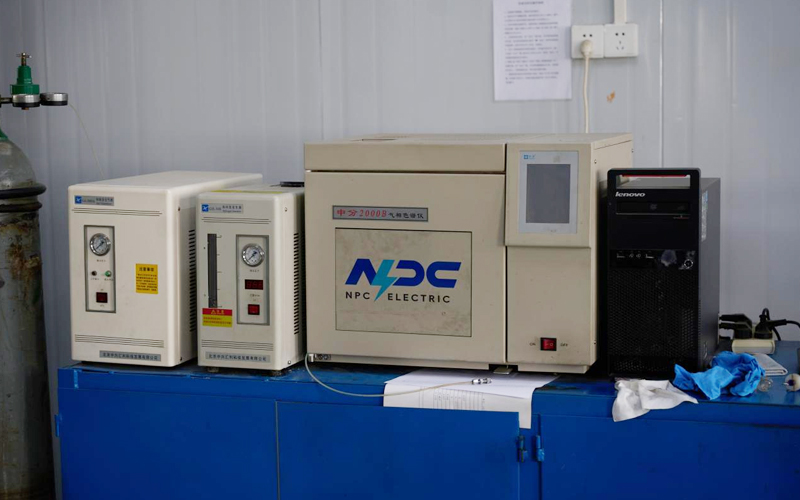
Raw Material Test for the 3-Layer 15kV AAAC/ACSR/AAC Tree Wire involves rigorous evaluation of conductor materials and covering compounds. Chemical analysis confirms aluminum purity and alloy composition (for AAAC/AAC) or steel/aluminum for ACSR. Mechanical properties such as tensile strength, elongation, and hardness are tested to meet ASTM requirements. HDPE or XLPE compounds undergo thermal stability, tracking resistance, dielectric strength, and weatherability testing. Detailed surface and dimensional inspections identify any potential defects before processing. Only fully compliant raw materials are released for stranding and triple-layer extrusion in the production of the 3-Layer 15kV AAAC/ACSR/AAC Tree Wire. This comprehensive raw material validation establishes the foundation for superior electrical performance, mechanical strength, and long-term reliability in multi-layer tree wire applications.
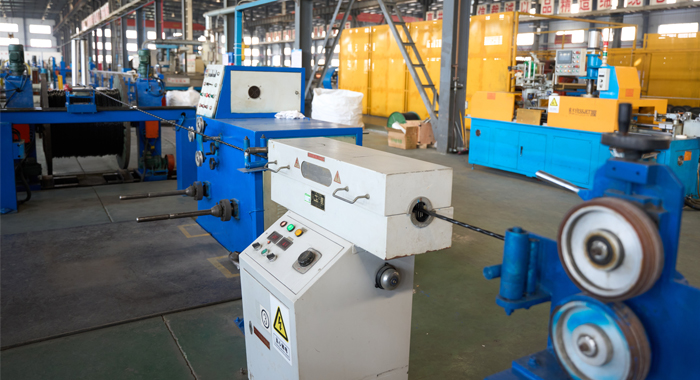
Process inspection
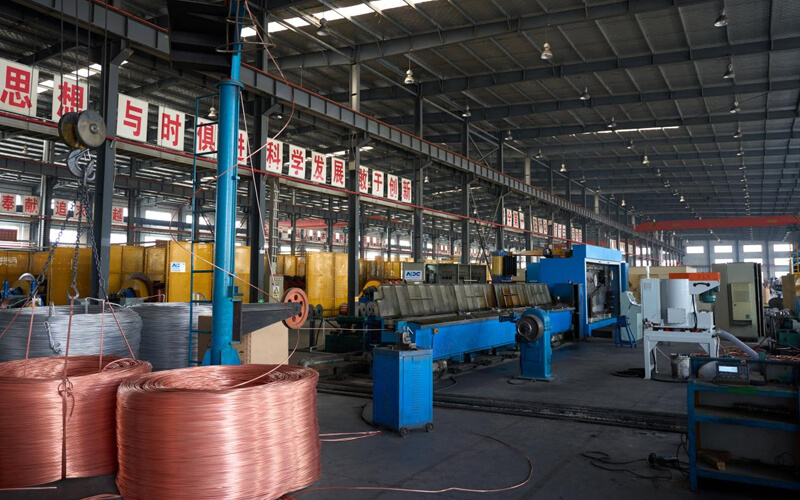
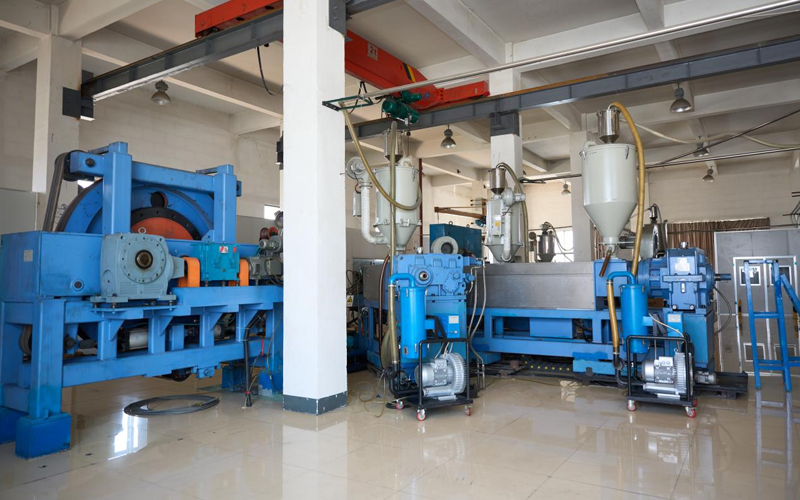
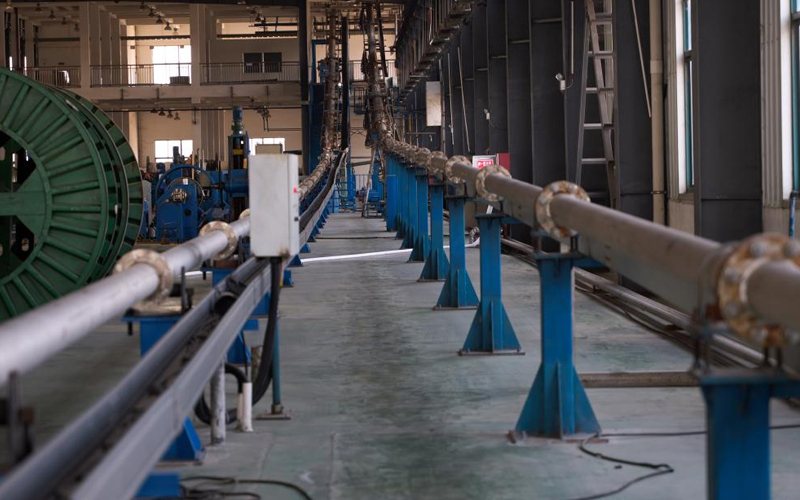
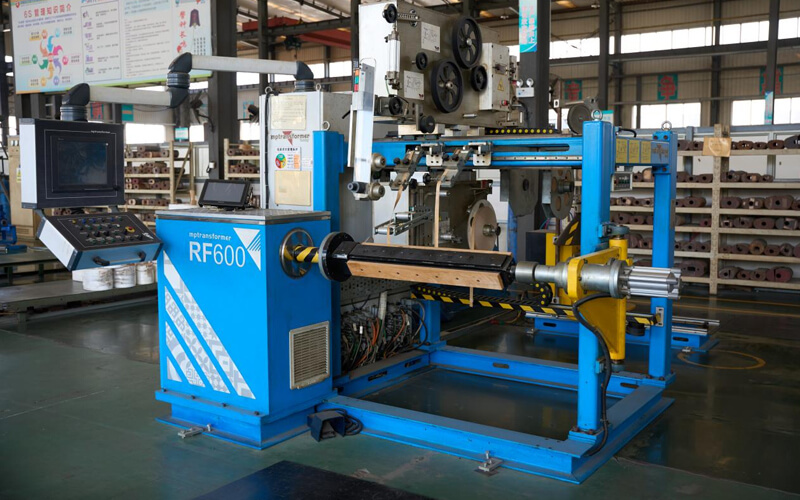
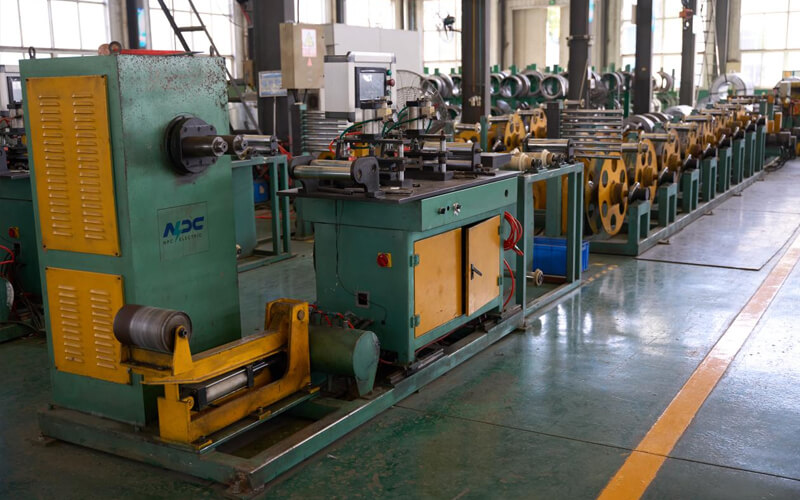
Process Inspection throughout manufacturing of the 3-Layer 15kV AAAC/ACSR/AAC Tree Wire focuses on precision and consistency. Conductor stranding is monitored to achieve exact dimensions with continuous quality checks. Triple tandem or sequential extrusion of the three covering layers ensures clean interfaces and uniform thickness. Concentric application of layers uses automated tension control for even coverage. Jacket parameters are strictly controlled for proper thickness and adhesion. Frequent in-line diameter measurements and visual inspections catch anomalies immediately. Environmental and process variables are logged to prevent contamination. Intermediate samples undergo partial discharge and mechanical spot testing. Any non-conformance prompts swift corrective measures. These detailed process controls protect the integrity and performance characteristics of the 3-Layer 15kV AAAC/ACSR/AAC Tree Wire, resulting in a uniform, high-quality covered tree wire.
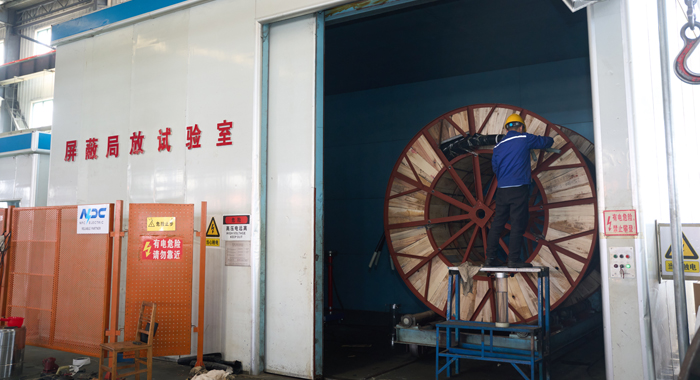
Finished Product
Every completed reel of 3-Layer 15kV AAAC/ACSR/AAC Tree Wire passes comprehensive Finished Product testing. Dimensional inspections verify overall diameter, covering thickness, and conductor stranding. DC resistance, high-voltage AC, and partial discharge tests confirm compliance with ICEA and ASTM standards. Mechanical tests measure tensile strength and elongation properties. Tracking and weathering resistance tests are performed on covering samples. Full visual examination ensures a smooth, defect-free surface with uniform layers. All tests adhere strictly to applicable standards, with complete documentation and batch traceability maintained. Packaging and marking accuracy are inspected for accuracy. Only the 3-Layer 15kV AAAC/ACSR/AAC Tree Wire that meets every quality criterion receives final approval. This final assurance stage guarantees customers a premium triple-layer tree wire with proven dielectric strength, tracking resistance, and durability for reliable overhead distribution in vegetated areas.
Application
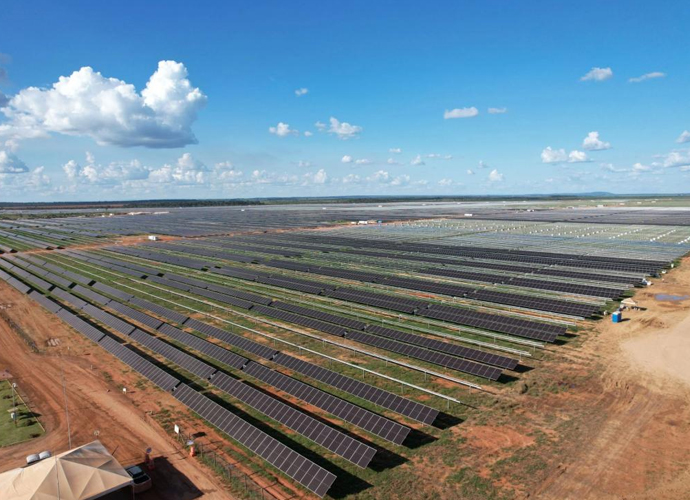
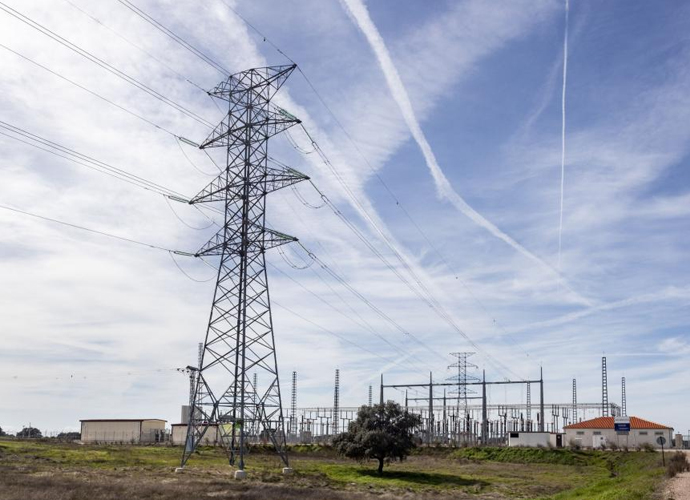
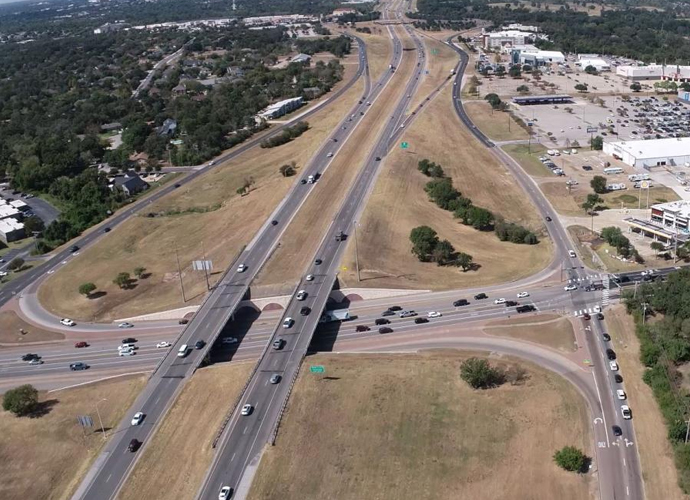
The 3-Layer 15kV AAAC/ACSR/AAC Tree Wire is perfect for overhead distribution lines in forested, suburban, or urban areas with heavy tree growth, spacer cable systems, and reconductoring projects where reduced tree trimming and improved reliability are required.
Technical Advantages
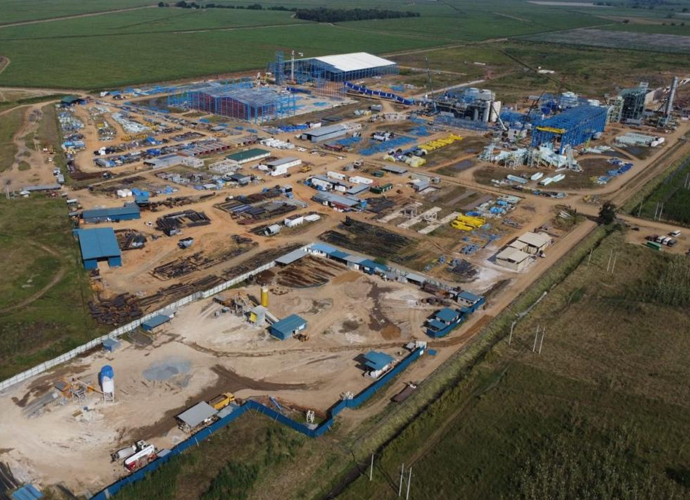
● 30+ years of manufacturing experience
● ISO and UL certified production
● Customized cable and transformer solutions
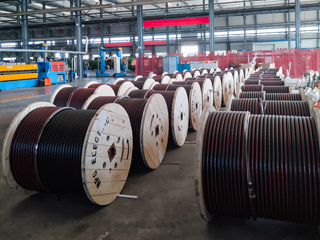
Product Packaging
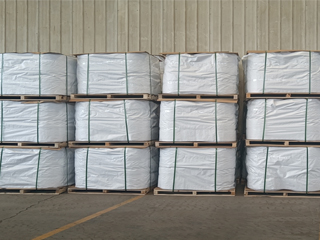
Wires and Cables packaging (1)
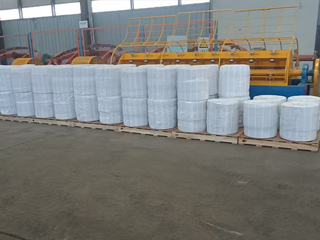
Wires and Cables packaging (2)
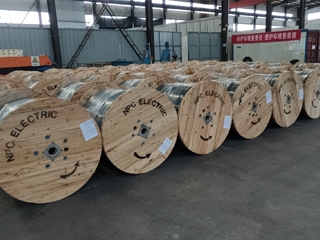
Wires and Cables packaging (3)
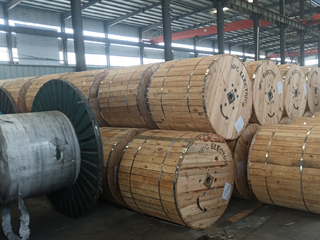
Wires and Cables packaging (4)
Wires and Cables packaging (5)
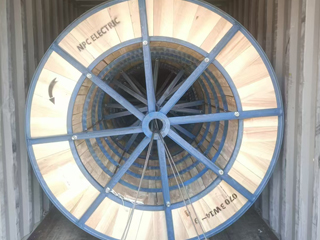
Wires and Cables packaging (6)
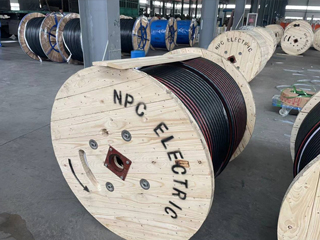
Wires and Cables packaging (7)
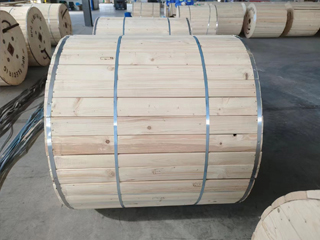
Wires and Cables packaging (8)
Related Products
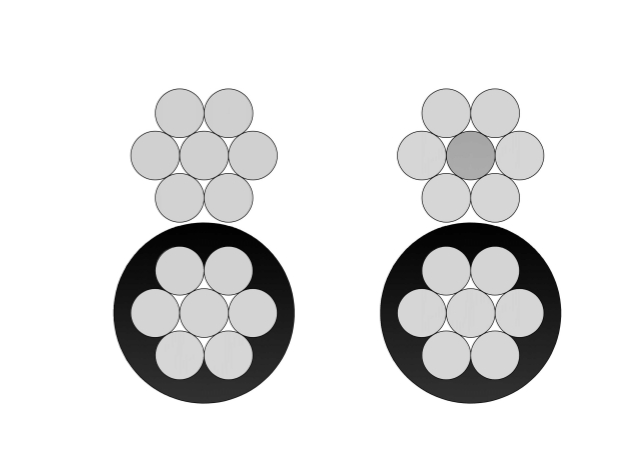
6 Collie Aluminum Conductor Duplex Overhead Service Drop Cable
The 6 Collie Aluminum Conductor Duplex Overhead Service Drop Cable is engineered for efficient and dependable power delivery in overhead secondary distribution systems. Featuring stranded aluminum conductors, the duplex configuration provides both electrical conductivity and mechanical support for service drop installations. The No. 6 Collie size is ideal for short-span service drops, delivering stable load capacity with controlled sag under varying environmental conditions. Aluminum construction reduces cable weight, simplifies handling, and enhances corrosion resistance for long-term outdoor use. Produced under strict quality management systems, the 6 Collie Aluminum Conductor Duplex Overhead Service Drop Cable meets ASTM and utility requirements, making it a trusted solution for modern overhead service connections requiring safety, durability, and consistent electrical performance.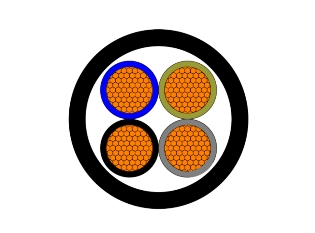
NA2XY-J/O Aluminium XLPE PVC-0.6/1kV Cable
NA2XY-J/O Aluminium XLPE PVC-0.6/1kV Cable is a low-voltage power cable featuring aluminum conductors, XLPE (cross-linked polyethylene) insulation, and a PVC (polyvinyl chloride) outer sheath. It is manufactured in accordance with IEC60502-1 standards and is rated for 0.6/1kV. This cable is a cost-effective alternative to copper conductor cables, offering good electrical and mechanical performance for fixed power distribution systems. Flame-retardant and environmentally robust, the Cable supports industrial, commercial, and residential projects with reliable, long-lasting power transmission.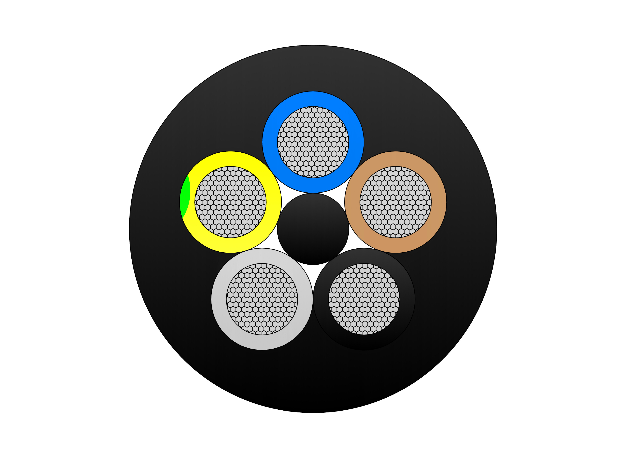
NTSCGECECWOU 8.7/15kV and 12/20kV Cable
NTSCGECECWOU 8.7/15kV and 12/20kV cable is a flexible medium voltage power cable manufactured according to DIN VDE 0250 standards, engineered for heavy-duty energy supply in mining, tunneling, and mobile equipment applications. Featuring Class 5 tinned copper conductors, EPR insulation, a halogen-free flame-retardant sheath, and concentric copper conductors for EMC protection, it ensures outstanding mechanical strength, oil and moisture resistance, and fire safety. Designed for reeling drum systems and mobile machinery, it is ideal for both indoor and outdoor use in harsh, demanding environments.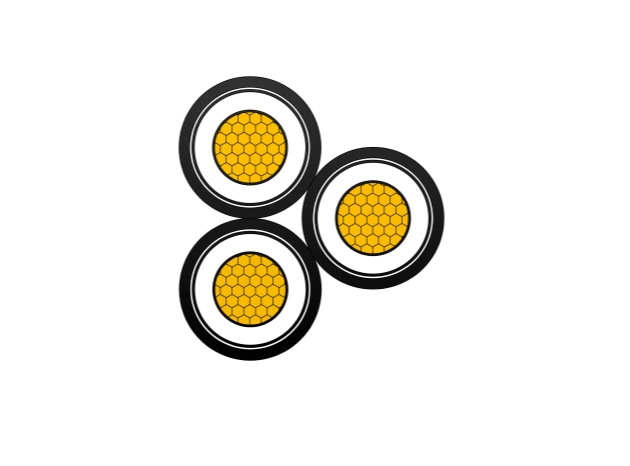
FR-N30XA8E-R 18/30kV Cable Gen to NF C 33-226 - Cu/XLPE/MDPE
The NF C 33-226 Cu-XLPE-MDPE 18/30kV Cable is a robust medium voltage power cable designed for safe and reliable energy transmission in fixed installations. It features a Class 2 stranded copper conductor, cross-linked polyethylene (XLPE) insulation, and a medium-density polyethylene (MDPE) outer sheath, ensuring outstanding electrical conductivity, insulation integrity, and mechanical protection. Complying with NF C 33-226, IEC 60502-2, and EN 60228, this cable is ideal for power distribution in industrial plants, substations, municipal grids, and commercial facilities. It provides excellent resistance to water (AD7) and UV radiation (ISO 4892), while being halogen-free (IEC/EN 60754-1) to ensure environmental and operational safety. With a voltage rating of 18/30 (36)kV and maximum operating temperature of 90°C, the Cu-XLPE-MDPE construction guarantees stable, efficient, and long-lasting performance in medium- and high-voltage networks.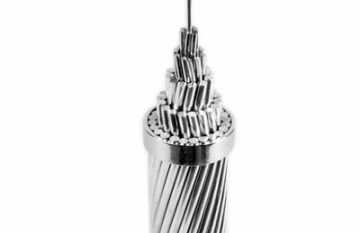
2000 MCM Cowslip AAC All Aluminum Bare Conductor Cable
The 2000 MCM Cowslip AAC Cable represents premium All Aluminum Conductor technology for overhead power applications. Built with 91 strands of high-conductivity 1350-H19 aluminum, this bare conductor delivers an optimal balance of electrical efficiency and mechanical robustness. With a 1.631-inch diameter, 32,200 lbs breaking strength, and 1518 amps ampacity, the Cowslip AAC offers low DC resistance of 0.00864 ohms per 1000 ft at 20°C and a weight of 1877 lbs per 1000 ft. This design minimizes sag while providing excellent corrosion resistance for extended outdoor service. Manufactured to meet ASTM B-230 and B-231 standards, the 2000 MCM Cowslip AAC Cable undergoes extensive quality testing from raw materials through finished product. It is the ideal solution for new installations and upgrades in transmission and distribution systems that demand lightweight, high-conductivity bare aluminum conductors.2Y-high-voltage-power-cable.webp)
2XS(FL)2Y HDPE High Voltage 64/110 (123) kV Power Cable
The 2XS(FL)2Y HDPE High Voltage 64/110 (123) kV Power Cable is a single-core copper conductor high-voltage cable designed for long-distance and high-load power transmission. It features XLPE insulation for superior dielectric strength, semi-conductive conductor and insulation screens for optimal electrical performance, and semi-conductive water-swellable tapes for longitudinal water blocking. A longitudinal aluminium tape moisture barrier with PE copolymer coating provides excellent water and moisture resistance, while the HDPE outer sheath ensures exceptional mechanical and chemical protection. Complying with IEC 60840, this cable is suitable for direct burial, underwater, outdoor, indoor, and duct installations, making it ideal for distribution networks, power stations, and industrial plants.FAQ From Customers
-
What are the advantages of power cables and overhead lines?(1) Reliable operation, because it is installed in a hidden place such as underground, it is less damaged by external forces, has less chance of failure, and the power supply is safe, and it will not cause harm to people; (2) The maintenance workload is small and frequent inspections are not required; (3) No need to erect towers; (4) Help improve power factor.
-
Which aspects should be considered when choosing the cross section of a power cable?(1) The long-term allowable working current of the cable; (2) Thermal stability once short circuited; (3) The voltage drop on the line cannot exceed the allowable working range.
-
What are the measures for cable fire prevention?(1) Use flame-retardant cables; (2) Use fireproof cable tray; (3) Use fireproof paint; (4) Fire partition walls and fire baffles are installed at cable tunnels, mezzanine exits, etc.; (5) Overhead cables should avoid oil pipelines and explosion-proof doors, otherwise local pipes or heat insulation and fire prevention measures should be taken.
-
What should be paid attention to during the transportation and handling of cables?(1) During transportation, loading and unloading, cables and cable reels should not be damaged. It is strictly forbidden to push the cable reels directly from the vehicle. Generally, cables should not be transported and stored flat. (2) Before transporting or rolling the cable reel, ensure that the cable reel is firm, the cable is wound tightly, the oil pipe between the oil-filled cable and the pressure oil tank should be fixed without damage, the pressure oil tank should be firm, and the pressure indication should meet the requirements.
-
What inspections should be carried out for the acceptance of cable lines?(1) The cable specifications should meet the regulations, the arrangement should be neat, no damage, and the signs should be complete, correct and clear; (2) The fixed bending radius of the cable, the related distance and the wiring of the metal sheath of the single-core power cable should meet the requirements; (3) The cable terminal and the middle head should not leak oil, and the installation should be firm. The oil pressure of the oil-filled cable and the meter setting should meet the requirements; (4) Good grounding; (5) The color of the cable terminal is correct, and the metal parts such as the bracket are completely painted; (6) There should be no debris in the cable trench, tunnel, and bridge, and the cover should be complete.
Welcome your inquiry
Honesty, Integrity, Frugality, Activeness and Passion