Building Wire vs Romex Cable: Key Differences Explained
2026-07-15
Electrical wiring systems are one of the most important components of modern buildings. Whether used in residential homes, commercial facilities, or industrial infrastructure, wires and cables are responsible for safely transmitting electrical power throughout the entire electrical distribution network.
Among the most commonly used wiring products are building wire and Romex cable. Although many people use these terms interchangeably, they are technically different products designed for different installation methods, environments, and electrical applications.
Building wire is a broad category that includes many types of electrical conductors used in conduit systems, switchgear, industrial panels, and branch circuits. Romex cable, on the other hand, is a specific type of non-metallic sheathed cable commonly used in residential wiring systems.
Understanding the differences between electrical building wire and Romex wire is essential for:
- Electrical safety
- Code compliance
- Installation efficiency
- Long-term reliability
- Fire protection
- Cost optimization
1. What Is Building Wire?
Building wire refers to insulated electrical conductors used for power distribution inside buildings and electrical systems.
Building wires are widely used in:
- Commercial buildings
- Industrial facilities
- Control panels
- Conduit systems
- Power distribution systems
- Branch circuits
Unlike Romex cable, building wire is often installed as individual single-conductor wires inside conduit or raceway systems.
Common Types of Building Wire
Several types of wire are classified as building electrical wire.
The most common include:
- THHN wires
- THWN wires
- XHHW wires
- Copper building wire
- Aluminum building wire
Each type is designed for specific temperature ratings, voltage levels, and environmental conditions.
Common Types of Building Wire Used in Electrical Systems
|
Wire Type |
Main Insulation Material |
Temperature Rating |
Typical Applications |
|
THHN Wire |
PVC insulation with nylon jacketing |
90°C |
Commercial conduit systems |
|
THWN Wire |
Moisture-resistant PVC |
75°C / 90°C |
Wet and dry locations |
|
XHHW Wire |
Cross-linked polyethylene |
90°C |
Industrial power systems |
|
Copper Building Wire |
Varies by insulation type |
Varies |
General electrical distribution |
|
Aluminum Building Wire |
XLPE or PVC |
Varies |
Large feeder circuits |
|
Low Voltage Control Wire |
PVC or PE insulation |
Moderate |
Automation and control systems |
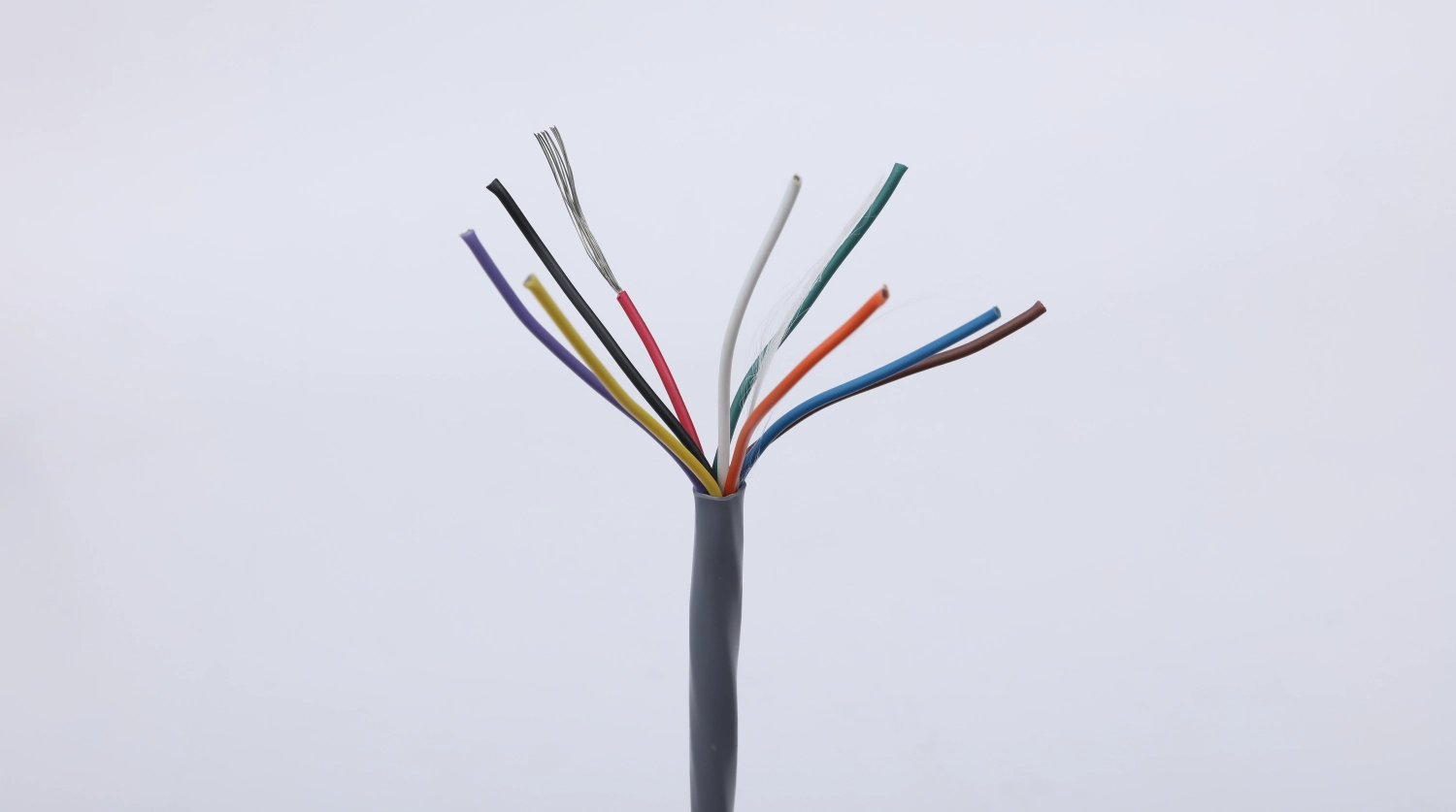
THHN Building Wire
THHN wires are among the most widely used building wires in commercial and industrial applications.
THHN stands for:
Thermoplastic High Heat-resistant Nylon-coated
These wires typically include:
- Copper conductor
- PVC insulation
- Nylon jacketing
The nylon layer improves abrasion resistance and chemical protection.
2. What Is Romex Cable?
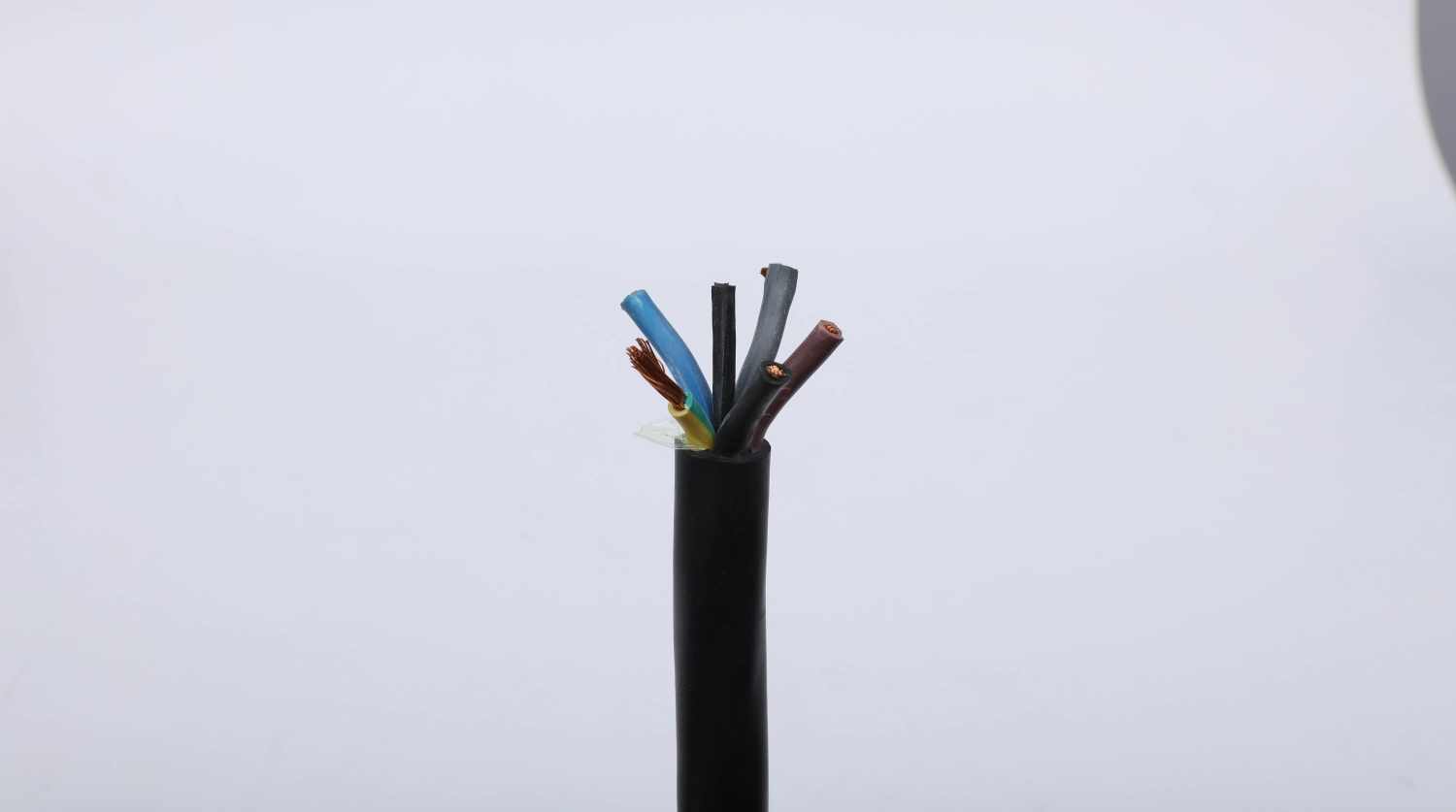
Romex cable is a non-metallic sheathed cable commonly used in residential wiring applications.
Romex wire is officially classified as NM cable (Non-Metallic Cable).
It typically contains:
- Multiple insulated conductors
- Bare copper grounding wire
- PVC outer jacket
Romex cable simplifies electrical installation because multiple conductors are bundled together inside one cable assembly.
Common Romex Cable Configurations
Popular residential configurations include:
- 12 2 Romex cable
- 14 2 Romex cable
- 12 3 Romex cable
For example:
12 2 Romex cable includes:
- One black insulated conductor
- One white insulated conductor
- One bare copper grounding conductor
This cable is commonly used for 20-amp residential branch circuits.
Why Romex Cable Is Popular
Romex cable is widely used because it offers:
- Fast installation
- Lower labor cost
- Simplified wiring
- Lightweight construction
Residential electricians commonly use Romex wire for interior dry locations.
3. Construction Differences Between Building Wire and Romex Cable
The biggest difference between building wire and Romex cable is the construction design.
|
Parameter |
Building Wire |
Romex Cable (NM Cable) |
|
Construction Type |
||
|
Installation Method |
Installed in conduit |
Direct routing through walls |
|
Outer Jacket |
Usually none |
PVC outer jacket |
|
Grounding Conductor |
Separate ground wire |
Bare copper grounding included |
|
Mechanical Protection |
Requires conduit |
Limited protection |
|
Moisture Resistance |
Depends on insulation type |
Limited |
|
Commercial Use |
Excellent |
Restricted in many cases |
|
Residential Use |
Common |
Very common |
|
Installation Speed |
Moderate |
Fast |
|
Cost of Installation |
Higher labor cost |
Lower labor cost |
|
Typical Insulation |
THHN / THWN / XHHW |
PVC insulated conductors |
|
Flexibility for Future Upgrades |
Excellent |
Limited |
Building wire systems prioritize flexibility and protection, while Romex cable prioritizes installation simplicity.
4. Insulation and Jacket Materials
Electrical insulation systems directly affect safety and durability.
PVC Insulation
Most building wires and Romex cables use PVC insulation because it offers:
- Electrical insulation
- Heat resistance
- Flame resistance
- Low manufacturing cost
PVC insulation remains one of the most widely used insulation materials in electrical wire manufacturing.
Nylon Jacketing
THHN building wire commonly uses nylon jacketing over PVC insulation.
Benefits include:
- Improved abrasion resistance
- Chemical protection
- Easier conduit pulling
This makes THHN wires highly suitable for commercial installations.
Outer Jacket Design
Romex cable includes a PVC outer jacket that bundles multiple insulated conductors together.
The outer sheath:
- Simplifies cable routing
- Provides limited mechanical protection
- Improves installation speed
However, the jacket is less durable than metallic sheathed cable or MC cables used in industrial environments.
5. Applications of Building Wire and Romex Cable
Different wiring systems are designed for different operational environments.
Residential Wiring
Romex cable dominates residential wiring because of its simplicity and low installation cost.
Applications include:
- Lighting circuits
- Outlet circuits
- Residential appliances
- Small HVAC systems
Commercial Buildings
Commercial buildings commonly use building wire installed inside conduit systems.
Reasons include:
- Improved fire protection
- Better mechanical protection
- Easier future upgrades
- Code compliance
Industrial Facilities
Industrial environments require more durable wiring systems because of:
- Mechanical stress
- Heat exposure
- Chemical exposure
- Moisture risks
THHN building wire and MC cables are commonly preferred in industrial facilities.
Low Voltage and Control Systems
Building wires are also widely used in:
- Control panels
- Automation systems
- Instrumentation circuits
- Low-voltage power distribution
6. Romex Cable vs MC Cable
Many commercial projects compare Romex wire with metallic sheathed cable systems.
Romex Cable vs MC Cable Safety and Performance Comparison
|
Parameter |
Romex Cable |
MC Cable |
|
Cable Construction |
Non-metallic sheathed cable |
Metallic sheathed cable |
|
Outer Protection |
PVC jacket |
Aluminum or steel armor |
|
Fire Resistance |
Moderate |
High |
|
Mechanical Protection |
Limited |
Excellent |
|
Moisture Resistance |
Limited |
Better |
|
Commercial Code Acceptance |
Restricted in some areas |
Widely accepted |
|
Installation Difficulty |
Easy |
Moderate |
|
Installation Cost |
Lower |
Higher |
|
Industrial Suitability |
Limited |
Excellent |
|
Physical Damage Resistance |
Moderate |
High |
|
Typical Applications |
Residential wiring |
Commercial and industrial wiring |
What Are MC Cables?
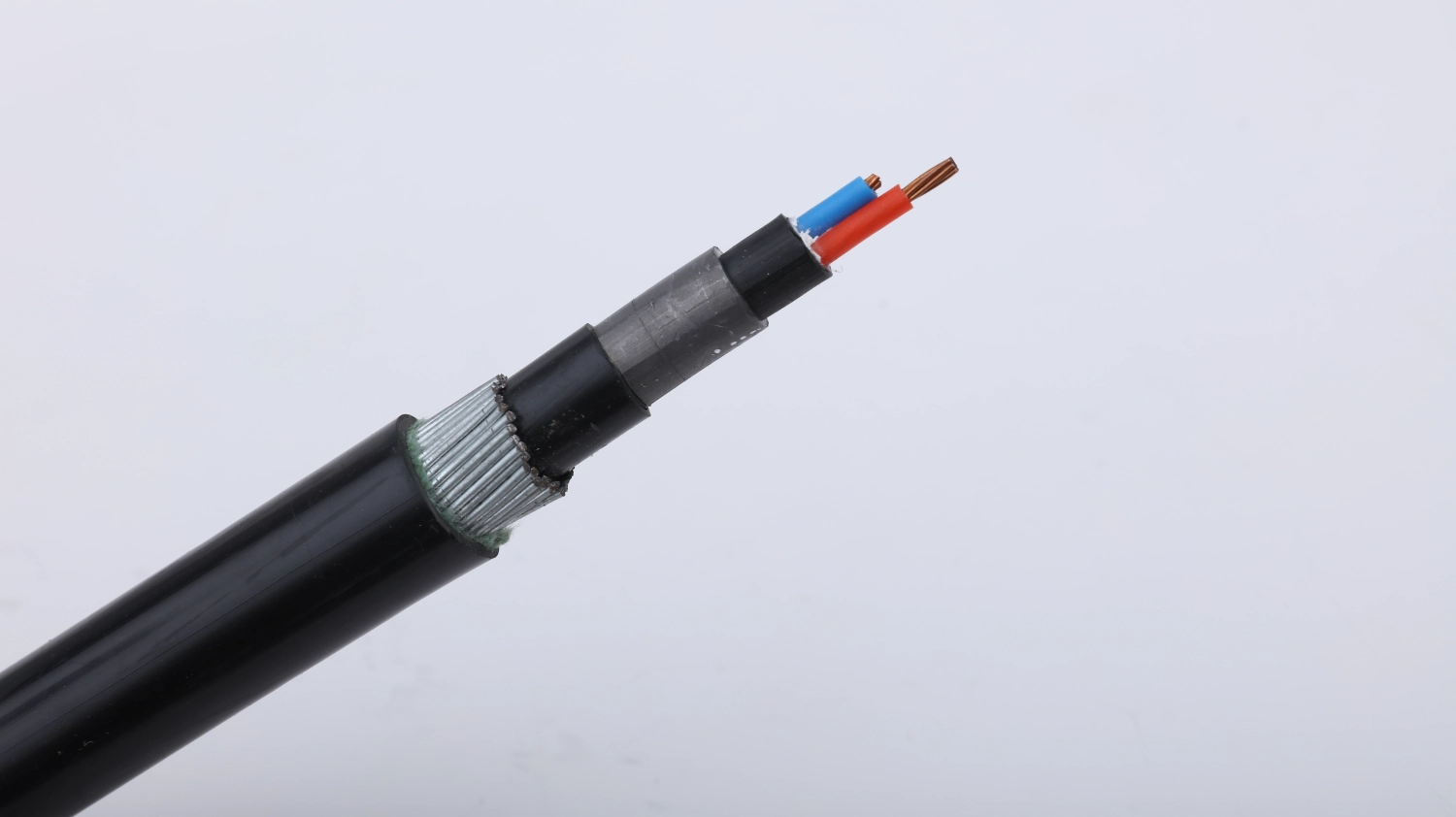
MC cables are metallic sheathed cable assemblies that use:
- Aluminum armor
- Steel armor
- Insulated conductors
MC cables provide superior protection against physical damage.
Advantages of MC Cables
Compared with Romex cable, MC cables offer:
- Better fire resistance
- Improved mechanical protection
- Commercial code compliance
- Higher durability
However, they are:
- More expensive
- Heavier
- More difficult to install
Why Romex Is Restricted in Some Commercial Installations
Many commercial electrical codes restrict Romex cable because its non-metallic outer jacket provides limited physical protection.
7. Electrical Safety and Code Considerations
Electrical wiring selection must always comply with local electrical codes and safety standards.
Ground Wire Importance
Ground wire systems protect people and equipment from electrical faults.
Bare copper grounding conductors inside Romex cable provide fault current return paths.
Ampacity and Circuit Protection
Wire size must match:
- Circuit breaker rating
- Load current
- Installation environment
- Temperature conditions
Improper wire sizing creates overheating risks.
Fire Safety
Commercial and industrial facilities often require:
- Flame-resistant cables
- Metallic protection
- Fire-rated installations
Building wire inside conduit systems often provides better fire performance than exposed Romex cable.
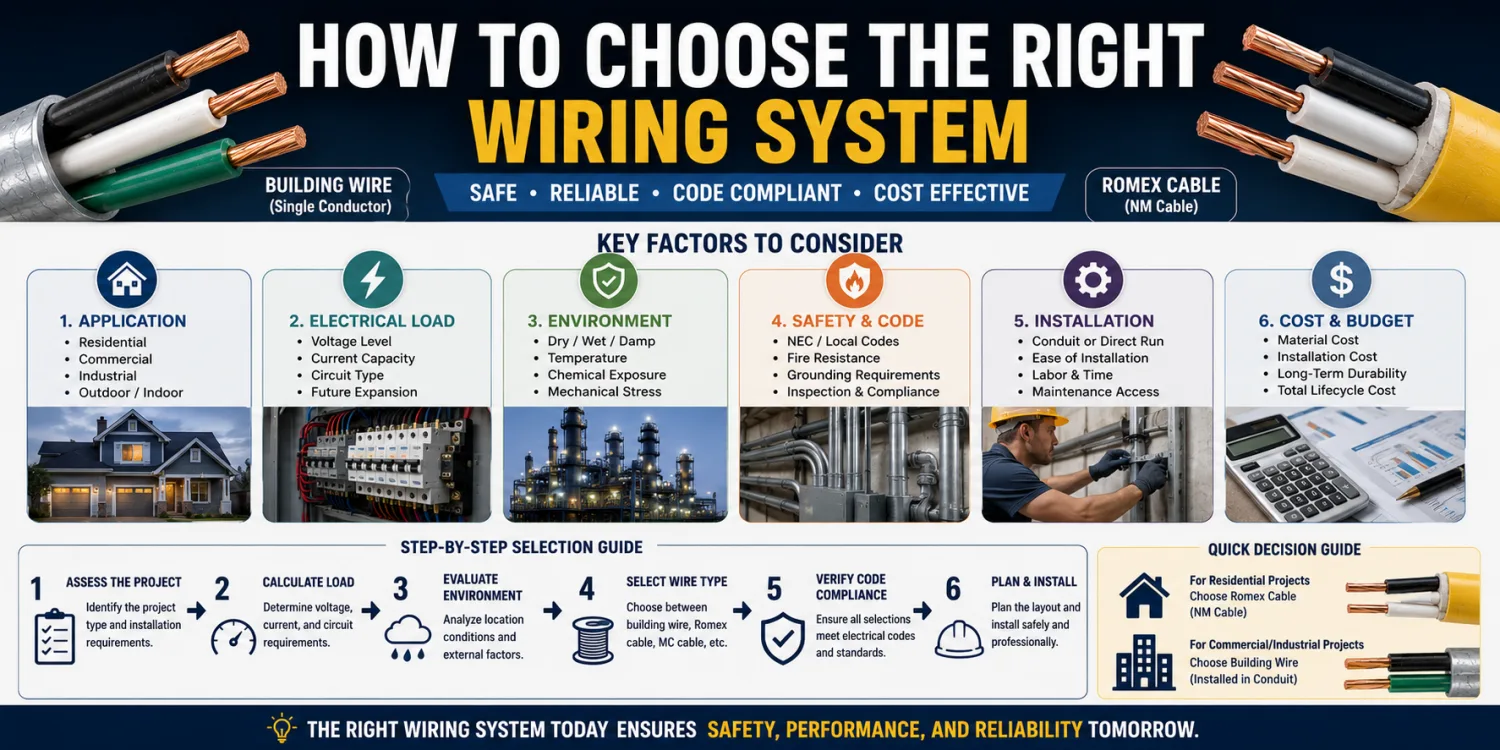
8. How to Choose the Right Wiring System
Selecting the correct wiring system depends on installation conditions and project requirements.
Electrical Wire Selection Guide
|
Project Requirement |
Recommended Wiring Type |
|
Residential indoor wiring |
Romex cable |
|
Commercial conduit systems |
THHN building wire |
|
Industrial environments |
MC cable or XHHW wire |
|
Wet locations |
THWN wire |
|
Low-cost residential projects |
NM cable |
|
High mechanical protection |
MC cable |
|
Future conduit upgrades are required |
Building wire |
|
Fast installation needed |
Romex wire |
Choose Building Wire If:
- The project is commercial or industrial
- Conduit systems are required
- Future expansion is expected
- Higher durability is needed
Choose Romex Cable If:
- The project is residential
- Installation speed is important
- The environment is dry and protected
- The budget is limited
Engineering Considerations
Electrical engineers should evaluate:
- Voltage level
- Current load
- Installation method
- Environmental exposure
- Mechanical protection requirements
- Future maintenance access
before selecting a type of wire.
9. Future Trends in Building Wire and Cable Technology
Electrical wiring technology continues evolving alongside modern construction and electrification trends.
Smart Building Infrastructure
Modern smart buildings increasingly require:
- Data communication cables
- Integrated low-voltage systems
- Intelligent energy management
Fire-Resistant Materials
Cable manufacturers are developing advanced insulation materials with:
- Lower smoke emission
- Improved flame resistance
- Reduced toxic gas generation
Sustainable Cable Materials
Environmental regulations are encouraging:
- Recyclable insulation materials
- Halogen-free cable systems
- Eco-friendly manufacturing
Electric Vehicle Infrastructure
The growth of electric vehicles is increasing demand for higher-capacity residential and commercial wiring systems.
Conclusion
Both building wire and Romex cable are essential components of modern electrical infrastructure, but they serve different operational purposes. Building wire offers greater flexibility, durability, and protection for commercial and industrial applications, especially when installed inside conduit systems. Romex cable provides a fast, economical, and efficient solution for residential wiring in dry indoor environments.
Choosing between building wire and Romex wire requires careful evaluation of installation conditions, electrical load requirements, safety standards, and long-term operational goals. As construction technology and electrical systems continue evolving, modern wires and cables will play an increasingly important role in safe, reliable, and energy-efficient power distribution systems.

Related Articles
Related Products
2Y-high-voltage-power-cable-2.webp)
2XS(FL)2Y MDPE High Voltage 76/132 (145)kV Power Cable
The 2XS(FL)2Y MDPE High Voltage Power Cable is a single-core aluminum conductor cable with XLPE insulation and an MDPE sheath, rated 76/132 (145) kV. Designed for extra-high voltage power transmission, it meets IEC 60840 standards, offering excellent electrical performance, mechanical protection, and water resistance for demanding environments. Its construction includes a copper conductor, semi-conductive conductor screen, XLPE insulation, semi-conductive insulation screen, semi-conductive water swelling tape, copper wire metallic screen, longitudinal aluminum tape with PE copolymer coating, and an MDPE sheath. Water-blocking tape prevents water propagation, ensuring reliable operation in power stations, industrial plants, and distribution systems. Suitable for underground, underwater, outdoor, indoor, and duct installations, this cable is ideal for distribution networks and connections to generation units, industrial plants, and processes.
11kV Single Phase Pole Mounted Transformer
The 11kV single phase pole mounted transformer is a compact, high-performance solution for overhead distribution systems, stepping down 11kV primary voltage to standard secondary levels like 230V, 240V, or 415V for safe end-user supply. Built with high-grade silicon steel cores and copper or aluminum windings, it minimizes core and copper losses while meeting IEC 60076 and relevant IEEE/ANSI standards for energy efficiency. The oil-immersed tank with ONAN natural cooling supports a 55-65°C temperature rise, ensuring reliable operation under varying loads. Features include robust bushings, pressure relief mechanisms, and optional surge protection, making it weather-resistant and low-maintenance for exposed pole installations. This transformer excels in providing stable, low-distortion power with excellent overload tolerance, perfect for utilities expanding access in diverse terrains.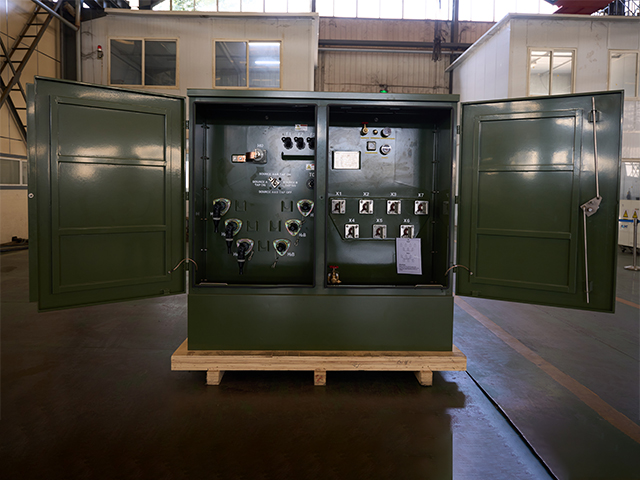
3750kVA Three Phase Pad Mounted Transformer
NPC ELECTRIC's 3750kVA Three Phase Pad Mounted Transformer is a heavy-duty, oil-immersed compartmental-type distribution transformer engineered for high-capacity underground power distribution in large-scale utility and industrial settings. This high-power pad-mounted transformer reduces energy consumption, lowers total ownership costs through superior efficiency and longevity (30+ years), and supports demanding loads with features like vacuum fault interrupters and harmonic mitigation, ideal for reliable, secure power in expansive commercial-industrial networks.
5kVA Conventional Type Single Phase Pole Mounted Transformer
NPC ELECTRIC has been focusing on the production of 5kVA Conventional Type Single Phase Pole Mounted transformer for decades, complying with international standards such as IEC 60076, ISO 9001, IEEE C57.12.00, etc. to ensure its safety, performance, and reliability. NPC ELECTRIC’s 5kVA conventional single-phase pole-mounted transformer is a small power transformer equipment, usually installed on power poles. This transformer is widely used in daily life and small industrial fields for its reliability and efficient power conversion capabilities, ensuring a stable and safe power supply. The transforming primary voltages from 2.4kV to 34.5kV (such as 12470Y/7200, 13200Y/7620, or 14400GrdY/8320) to secondary outputs like 120/240V split-phase or 277V. Featuring an interlaced core for surge resistance, high-grade silicon steel, and aluminum or copper windings.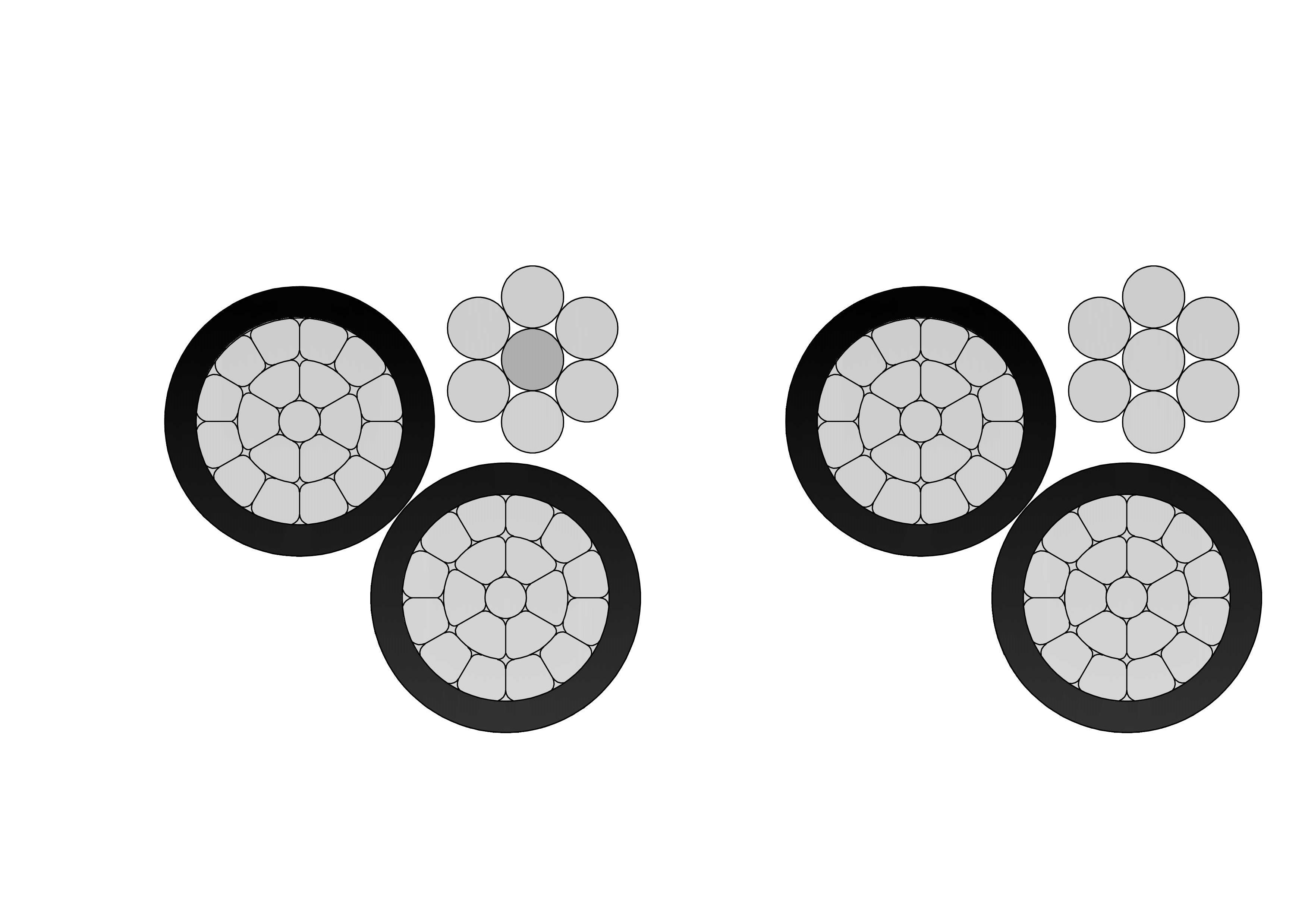
Copper Conductor Triplex Service Drop Cable 600V
The Copper Conductor Triplex Service Drop Cable 600V delivers exceptional performance for overhead power distribution from utility poles to service entrances. It features three stranded soft copper conductors: two phase conductors (common sizes 8 AWG to 2 AWG or larger) insulated with black cross-linked polyethylene (XLPE) for outstanding weather, UV, and moisture resistance, twisted around a bare copper neutral messenger for mechanical support and reduced sag. Rated 600V phase-to-phase with conductor temperatures up to 90°C (XLPE), it provides higher ampacity than aluminum equivalents (e.g., ~85–180A depending on size) due to superior conductivity. Compliant with ASTM B-1, B-3, B-8, and ICEA S-76-474 standards, the Copper Conductor Triplex Service Drop Cable offers excellent corrosion resistance, lower voltage drop, and long-term reliability in demanding aerial installations where premium conductivity is essential.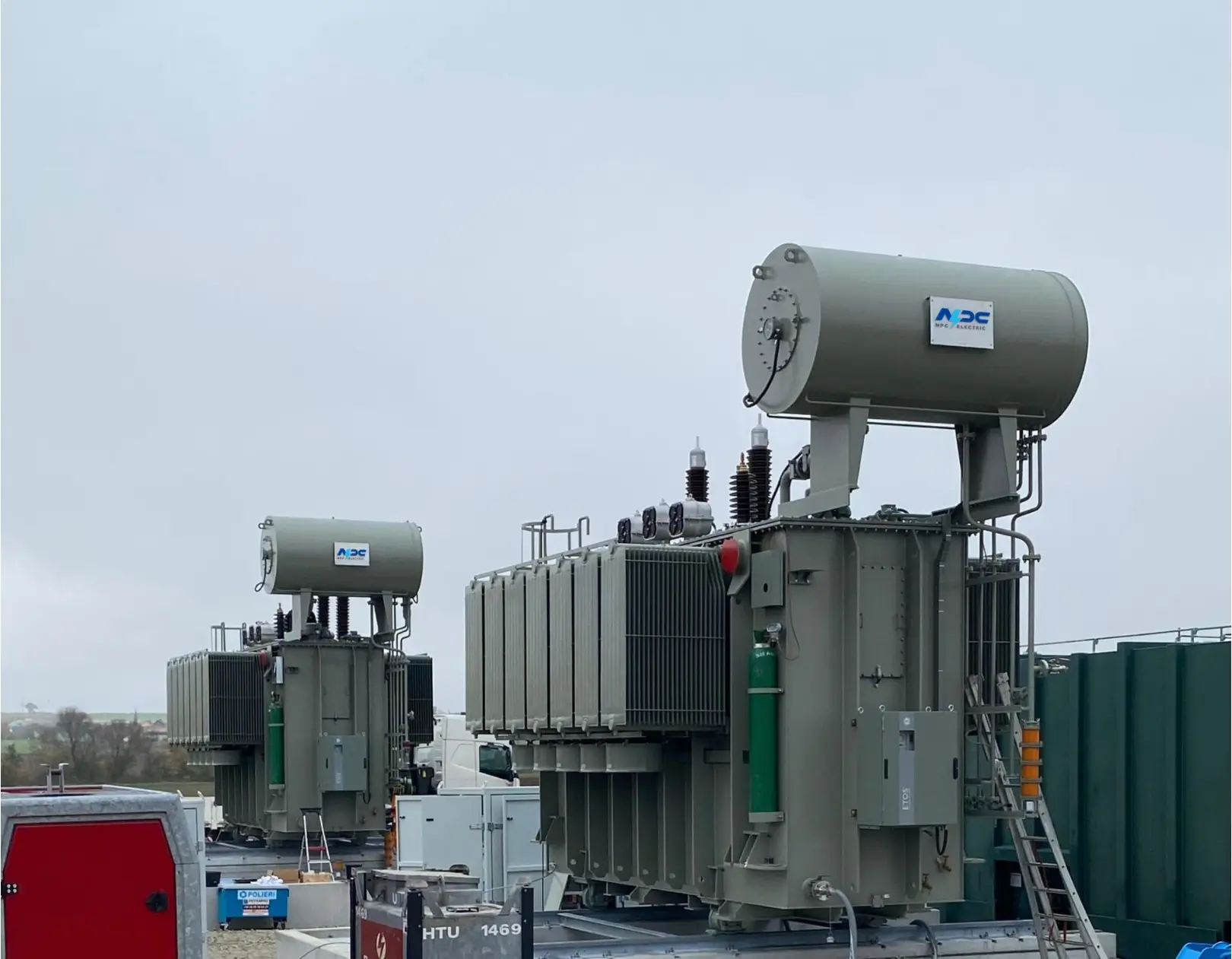
330kV 3-Phase 2-Winding Power Transformer
NPC Electric 330kV 3-Phase 2-Winding Power Transformer is a cornerstone of Extra-High Voltage (EHV) power systems, engineered to provide seamless voltage regulation and long-term operational reliability. Designed for heavy-duty utility and industrial applications, this transformer features a high-permeability core made of premium cold-rolled grain-oriented (CRGO) silicon steel, which significantly reduces no-load losses and acoustic noise levels. The dual-winding architecture is structurally reinforced to withstand extreme electromagnetic forces and mechanical stresses during grid short-circuit events. Safety and longevity are prioritized through an advanced insulation system, utilizing high-grade cellulose pressboard and inhibited mineral oil. This is complemented by precision-calculated electrostatic shielding to suppress partial discharge (PD) effectively. The transformer tank is a robust, fully-welded structure designed to maintain a full vacuum, ensuring hermetic sealing against environmental contaminants.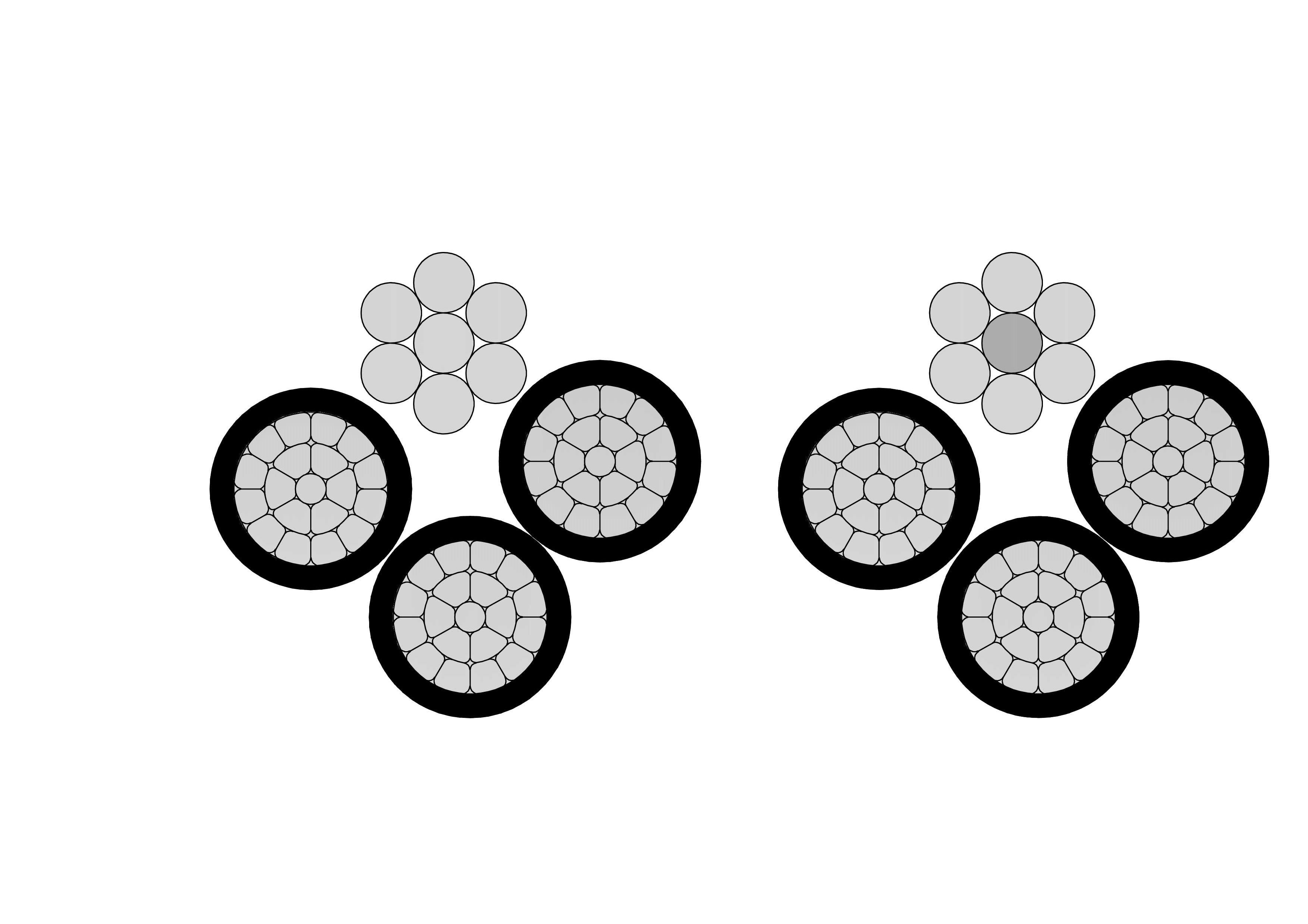
Quadruplex Cable Aluminum Conductor Overhead Service Drop Cable 600V
The Quadruplex Aluminum Overhead Service Drop Cable 600V is a reliable aerial cable for three-phase secondary power distribution with neutral. Featuring three insulated aluminum phase conductors and one neutral messenger (stranded aluminum or ACSR) with XLPE or PE insulation in quadruplex assembly, it offers excellent mechanical strength and weather resistance. Compliant with ASTM B-230, B-231, ICEA S-76-474, and ANSI/ICEA standards, this cable supports 600V applications with superior UV, moisture, and abrasion protection. The self-supporting messenger reduces sag and simplifies installation over medium spans. The Quadruplex Aluminum Overhead Service Drop Cable 600V ensures low power losses, high current capacity, and long service life in harsh outdoor conditions. Lightweight and flexible, it is widely used for three-phase service drops in residential subdivisions, commercial buildings, and rural areas requiring safe, cost-effective overhead connections from utility poles to service entrances worldwide.
4 Oyster Aluminum Conductor Triplex Overhead Service Drop Cable
4-4-4 Oyster Aluminum Conductor Triplex Overhead Service Drop Cable provides high-quality overhead power transmission for utility-to-consumer connections. Constructed with compressed 1350-H19 aluminum phase conductors (#4 AWG), robust XLPE black insulation for enhanced thermal and environmental protection, and an AAC bare neutral (#4 AWG), it offers outstanding electrical efficiency, corrosion resistance, and durability in extreme weather. Designed for 600V applications (phase-to-phase) with conductor temps up to 90°C, it supports ~115A ampacity. Meets key standards including ASTM B-230/B-231/B-232 and ICEA S-76-474. Lightweight yet strong, this cable simplifies installation while ensuring long-term performance for service entrances.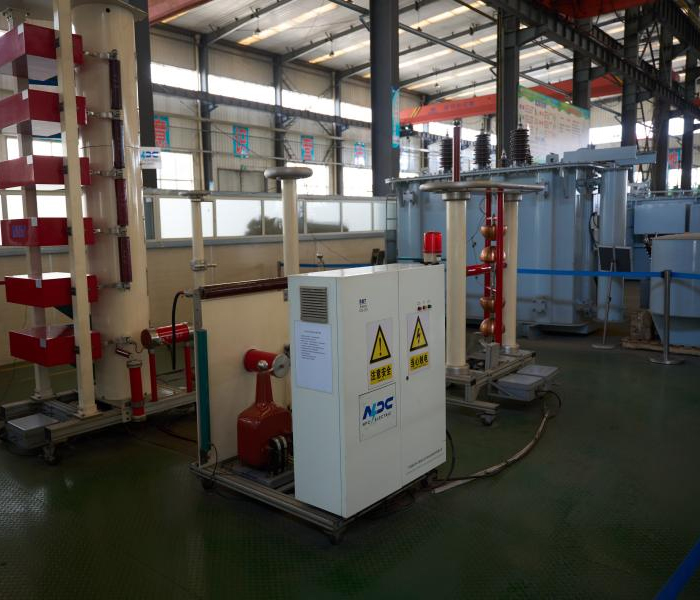
75kVA Dry Type Transformer | High Efficiency Indoor Power Transformer
The 75kVA Dry Type Transformer is a compact, three-phase, high-efficiency indoor power transformer engineered for safe, reliable voltage transformation in commercial, institutional, and light industrial environments. Utilizing advanced cast-resin or vacuum pressure impregnated (VPI) insulation technology, it eliminates oil-related fire hazards, maintenance requirements, and environmental risks while delivering exceptional performance in confined spaces, high-rise buildings, hospitals, schools, data centers, office complexes, and renewable energy tie-in applications.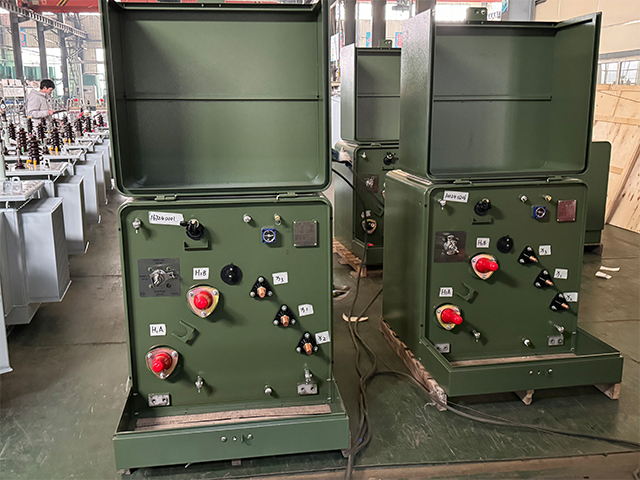
5kVA Single Phase Pad Mounted Transformer
The 5kVA Single Phase Pad Mounted Transformer is designed for reliable and efficient power distribution in residential, commercial, and light industrial applications. Ideal for medium-density areas, this transformer steps down high-voltage electricity to a usable lower voltage for safe distribution to homes and businesses.
1250kVA Three Phase Pad Mounted Transformer
NPC ELECTRIC's 1250kVA Three Phase Pad Mounted Transformer is a high-performance, oil-immersed distribution transformer engineered for reliable underground power distribution in demanding environments. It delivers exceptional efficiency (up to 99.2% or higher), low no-load and load losses, and a 65°C average winding rise for extended service life exceeding 30-40 years. Key components include high-grade silicon steel core, aluminum or copper windings, 5-position tap changer (±2x2.5%), pressure relief valve, oil level gauge, and tamper-resistant enclosure in Munsell green finish.
33kV Cast Resin Dry Type Transformer 1000kVA–5000kVA Three Phase
The 33kV Cast Resin Dry Type Transformer 1000kVA–5000kVA Three Phase is a high-capacity, oil-free power solution engineered for demanding indoor medium- and high-voltage distribution networks. This robust three-phase cast resin transformer utilizes premium low-loss grain-oriented silicon steel cores and high-conductivity copper windings (aluminum optional) fully encapsulated in high-grade epoxy resin under vacuum pressure, delivering exceptional energy efficiency (typically 98.5–99.5%), significantly reduced no-load and load losses, and superior partial discharge performance (<10pC). Fully compliant with IEC 60076-11, IEEE/ANSI, and relevant energy efficiency standards, this transformer steps down 33kV primary (with ±2×2.5% to ±10% off-circuit taps standard) to secondary voltages such as 0.4kV, 0.69kV, 6.6kV, or 11kV (Dyn11 vector group typical).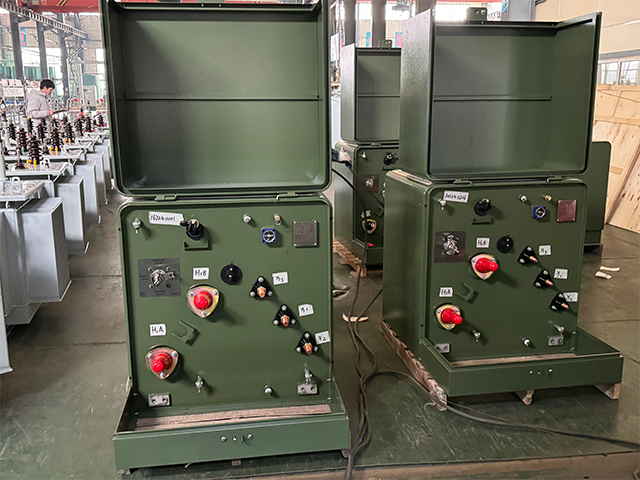
300kVA Single Phase Pad Mounted Transformer
300kVA Single Phase Pad Mounted Transformer is a compact and efficient solution tailored for underground residential distribution (URD) systems and loop-feed applications. This fully sealed, oil-immersed transformer features high-efficiency electrical steel cores and robust aluminum or copper windings to deliver minimal losses and superior voltage regulation from high-voltage inputs like 13.8kV or 34.5kV down to 120/240V or 277/480V secondary. The environmentally friendly PCB-free dielectric fluid ensures excellent cooling and insulation while meeting ANSI/IEEE standards for loop or radial feed configurations. Ideal for urban and suburban settings, this pad-mounted transformer provides quiet operation, high overload capacity.
2/0 Grullo Aluminum Conductor Quadruplex Overhead Service Drop Cable
2/0 Grullo Aluminum Conductor Quadruplex Overhead Service Drop Cable is a high-performance solution for delivering three-phase electrical power from pole-mounted transformers to residential or commercial service entrances. It is specifically engineered for 600-volt phase-to-phase operations and supports conductor temperatures up to 90°C with cross-linked polyethylene (XLP) insulation, or 75°C when using standard polyethylene (PE) insulation. This cable consists of three phase conductors made from 1350-H19 aluminum, either stranded or compressed, and a bare ACSR (Aluminum Conductor Steel Reinforced) neutral messenger. Alternate messenger materials include AAC or 6201 alloy for different mechanical load and corrosion resistance preferences. With rugged black XLP insulation, this quadruplex cable provides exceptional weather resistance, UV protection, and thermal endurance, making it ideal for overhead outdoor installations in a wide variety of environments.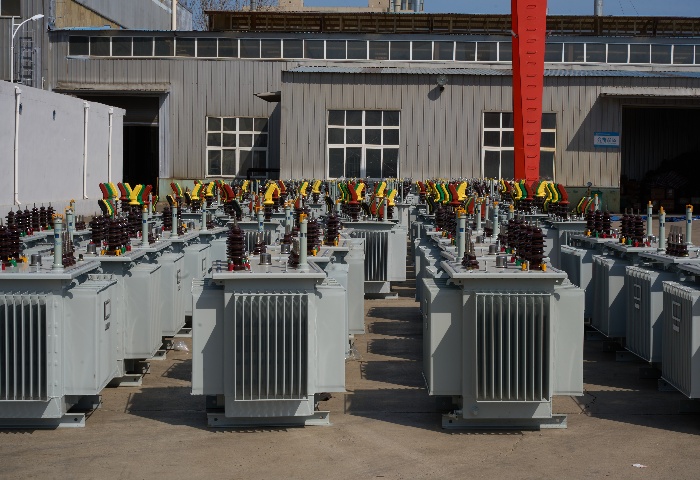
1250kVA Oil Immersed Transformer
NPC ELECTRIC's 1250kVA oil-immersed transformer adopts advanced design and manufacturing technology and complies with international power equipment standards (such as IEC, ANSI, IEEE, etc.). Its high-quality materials and strict quality control ensure the long-term reliability and safety of the equipment. The transformer has high efficiency and stable power transmission performance and is widely used in industrial, commercial, and power systems. With low operating noise and reliable voltage regulation, the transformer is well suited for industrial facilities, commercial complexes, and utility distribution networks.Welcome your inquiry
Honesty, Integrity, Frugality, Activeness and Passion