
What Is an Overhead Transformer? Ultimate Guide to Pole-Mounted Transformers Selection and Maintenance
2026-02-23
Overhead transformers, often called pole-mounted transformers or pole-type transformers, are key equipment in power distribution systems. Their core function is to step down the voltage of electricity from high-voltage transmission lines (such as 11kV or 33kV) to a low-voltage secondary voltage (such as 220V/400V) for safe use by residential, commercial, and industrial users. These transformers employ an oil-immersed design and are typically equipped with an ONAN (natural oil-natural air) cooling system to ensure efficient heat dissipation and long-term stable operation. Due to their cost-effectiveness, ease of installation, and relatively simple maintenance, they are widely used in urban streets, rural power grids, suburban transmission lines, and industrial parks, and are particularly suitable for overhead line systems, avoiding the complex layout of underground cables.
From an engineering perspective, the structural design of overhead transformers emphasizes durability and adaptability, capable of withstanding environmental challenges such as extreme weather conditions, including high and low temperatures, strong winds, and lightning strikes. Common types include single-phase transformers (capacity 5-167kVA, suitable for low-load residential areas) and three-phase transformers (capacity up to 1000kVA, suitable for commercial loads), as well as CSP (fully self-protected) models with built-in fuses and surge arresters for enhanced safety. Selection should consider load requirements, voltage level, environmental factors, and efficiency standards (such as compliance with IEEE, ANSI, or IEC standards) to minimize energy loss (typically controlled to 1-2%). Installation involves securing the transformer to a pole (at least 4.5 meters high), proper grounding, and connecting high-voltage/low-voltage cables, ensuring it is kept away from flammable materials and equipped with protective devices.
Maintenance is crucial for ensuring reliability, including regular visual inspections for oil leaks, corrosion, and insulation damage; annual oil sample testing (checking dielectric strength and contaminants); and electrical tests such as insulation resistance and winding ratio. Proactive maintenance can reduce failure rates by 50% and extend lifespan to 20-30 years. Furthermore, using environmentally friendly insulating oils (such as biodegradable ester oils) reduces fire risk and environmental impact. Overall, the proper application of overhead transformers not only improves power supply efficiency but also promotes sustainable energy distribution and drives grid modernization.
How an Overhead Transformer Works
To understand how a transformer works, it is essential to look at its internal structure and operating principle.
An overhead transformer uses electromagnetic induction between a primary winding and a secondary winding. The primary side receives high-voltage electricity (typically 11kV, 13.8kV, or 33kV). This voltage induces a magnetic field in the transformer core, which then produces a lower, safer secondary voltage—commonly 400V, 230V, or 120V—suitable for residential, commercial, or small businesses' use.
Because overhead transformers are mounted above ground, they rely on natural air circulation and insulating oil to dissipate heat efficiently, minimizing energy loss during continuous operation.
Types of Pole-Mounted Transformers
Single Phase Overhead Transformer
A single-phase transformer is widely used in residential areas and rural distribution systems. It is cost-effective, compact, and suitable for low to moderate power demands.
3 Phase Overhead Transformer
A 3-phase overhead transformer is typically applied in industrial zones, commercial districts, and areas with higher load density. These units support balanced loads, improved voltage stability, and higher efficiency for motors and industrial equipment.
Compared with a pad-mounted transformer, overhead units offer easier visual inspection and lower civil construction costs, making them a preferred solution in many utility networks.
Typical Voltage Levels and Applications
Overhead transformers operate across standardized voltage levels depending on regional grid design and load requirements:
- Primary voltage: 6.6kV to 35kV
- Secondary voltage: 120V / 240V / 400V / 690V
They play a crucial role in voltage distribution, ensuring end users receive stable, regulated power with minimal fluctuation.
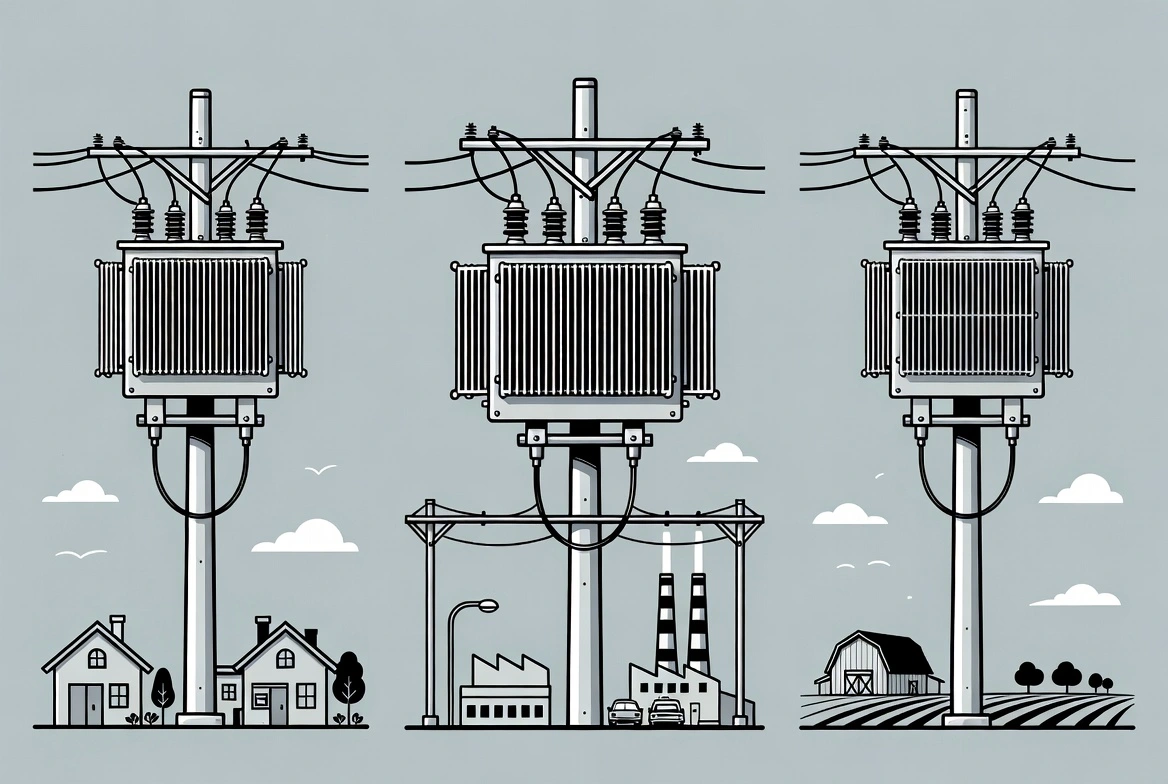
Key Components of an Overhead Transformer
Understanding transformer components helps engineers and technicians assess performance and maintenance needs:
- Core: Laminated steel core for magnetic flux control
- Primary and secondary winding: Copper or aluminum conductors
- Insulating oil: Provides cooling and electrical insulation
- Oil level indicator: Critical for safe operation
- Bushings: Interface between internal windings and external conductors
- Tank and mounting brackets: Structural protection for pole installation
Maintaining proper oil level is especially important to prevent insulation degradation and overheating.
Overhead Transformer Installation Considerations
Proper transformer installation is essential for long-term performance and safety. In real-world projects, utilities and EPC contractors must consider:
- Pole strength and height
- Clearance from ground, buildings, and roadways
- Mechanical loading from cables and wind
- Earthing and lightning protection
- Accessibility for maintenance
Incorrect installation can result in accelerated insulation aging, increased energy loss, and safety hazards.
Table: Comparison of Overhead Transformer Configurations
|
Parameter |
Single Phase Transformer |
3 Phase Overhead Transformer |
|
Typical Application |
Residential, rural areas |
Industrial, commercial zones |
|
Power Capacity |
Low to medium |
Medium to high |
|
Voltage Stability |
Moderate |
High |
|
Installation Cost |
Lower |
Higher |
|
Efficiency |
High |
Very high |
|
Load Balance |
Not required |
Required |
Maintenance and Reliability in Harsh Environments
Overhead transformers are exposed to harsh environments, making preventive maintenance essential. Field experience shows that routine inspections significantly extend service life.
Key maintenance activities include:
- Checking oil level and oil quality
- Inspecting bushings for cracks or contamination
- Monitoring temperature and load conditions
- Verifying grounding integrity
- Inspecting secondary winding connections
High-quality transformers with proper sealing and corrosion protection perform reliably even in coastal, desert, or cold climates.
Efficiency, Energy Loss, and System Performance
Modern overhead transformers are designed for high efficiency, reducing no-load and load losses. Lower losses translate directly into reduced operating costs for utilities and improved sustainability.
By selecting the correct transformer capacity and maintaining proper loading, operators can significantly reduce energy loss while maintaining consistent voltage distribution.
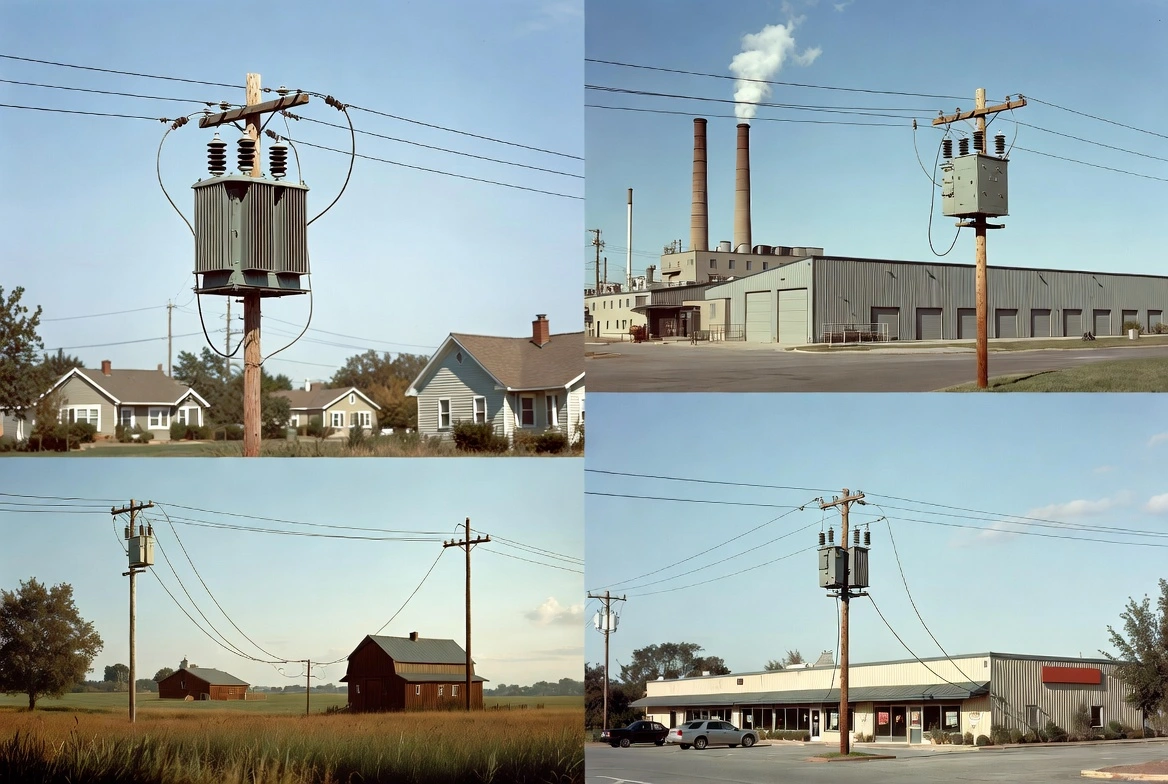
Overhead Transformers vs Pad Mounted Transformers
While a pad-mounted transformer is commonly used in underground distribution systems, overhead transformers remain dominant in overhead networks due to:
- Lower total installation cost
- Faster fault identification
- Easier maintenance access
- Reduced civil engineering requirements
Both types play important roles, but overhead transformers continue to be a backbone solution in many regions.
The Role of Overhead Transformers in Modern Power Networks
An overhead transformer is far more than a simple piece of equipment—it is a critical link between high-voltage transmission lines and end-user power consumption. Whether serving residential communities, small businesses, or industrial customers, pole-mounted transformers enable safe, efficient, and reliable voltage transformation.
By understanding how a transformer works, selecting the right configuration, and implementing disciplined maintenance practices, utilities and engineers can ensure long service life, high efficiency, and dependable power delivery across the entire distribution system.

Related Articles


Related Products
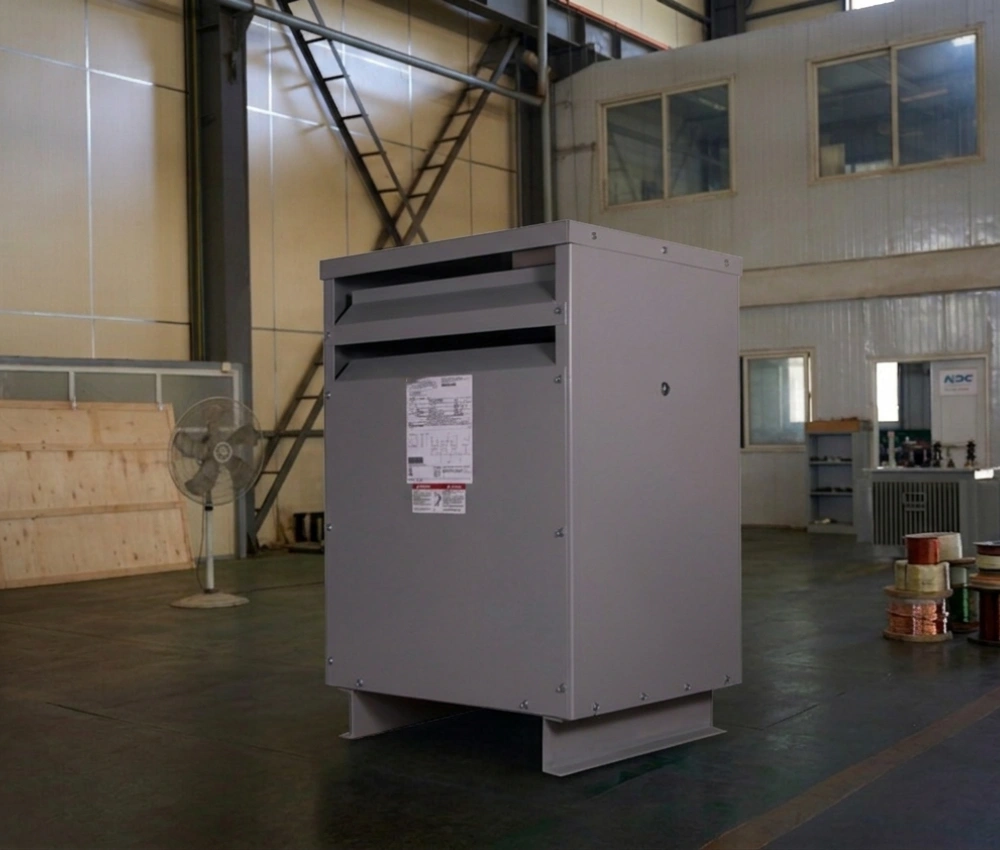
Dry Type Isolation Transformer
The Dry Type Isolation Transformer is a highly reliable power conditioning and electrical isolation solution designed to provide complete galvanic separation between input and output circuits. By eliminating direct electrical connections between the primary and secondary windings, the transformer effectively reduces electrical noise, suppresses transient disturbances, minimizes ground loop currents, and enhances system safety. Its oil-free design makes it particularly suitable for indoor installations where environmental protection, fire safety, and operational reliability are critical requirements. Manufactured using high-grade silicon steel cores, advanced vacuum pressure impregnated (VPI) insulation technology, and precision-wound copper or aluminum conductors, the Dry Type Isolation Transformer delivers superior voltage regulation, thermal stability, and dielectric performance. The transformer is widely utilized in industrial automation systems, medical facilities, commercial buildings, telecommunications infrastructure, data centers, renewable energy installations, and sensitive electronic equipment applications. Its maintenance-friendly design and robust construction ensure long service life and dependable performance under demanding operating conditions.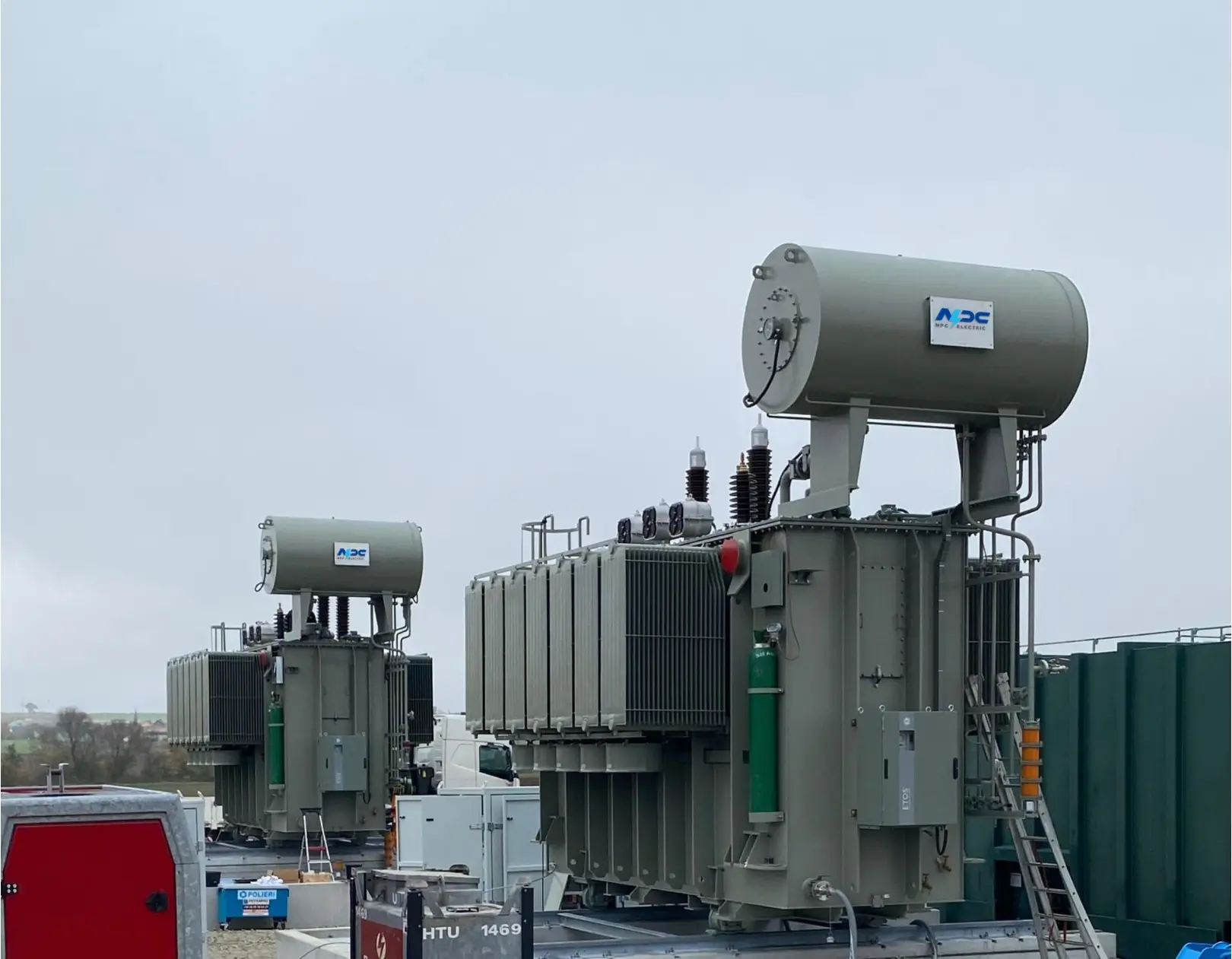
121kV Oil-Immersed High-Voltage Power Transformer
The 121kV Oil-Immersed High-Voltage Power Transformer is designed to provide stable, efficient, and long-term power transformation for transmission networks and high-voltage substations. Utilizing high-quality silicon steel cores and precision-wound copper conductors, the transformer achieves low no-load losses, strong short-circuit withstand capability, and excellent thermal stability. The oil-immersed insulation and cooling system ensures effective heat dissipation, supporting continuous operation under heavy-load and fluctuating grid conditions. Its reinforced tank structure, advanced insulation system, and outdoor-rated protection design enable reliable performance in harsh climates and demanding environments. Manufactured in accordance with IEC, IEEE, and ANSI standards, this transformer is widely applied in utility grids, industrial power systems, and infrastructure projects requiring high reliability, safety, and long service life.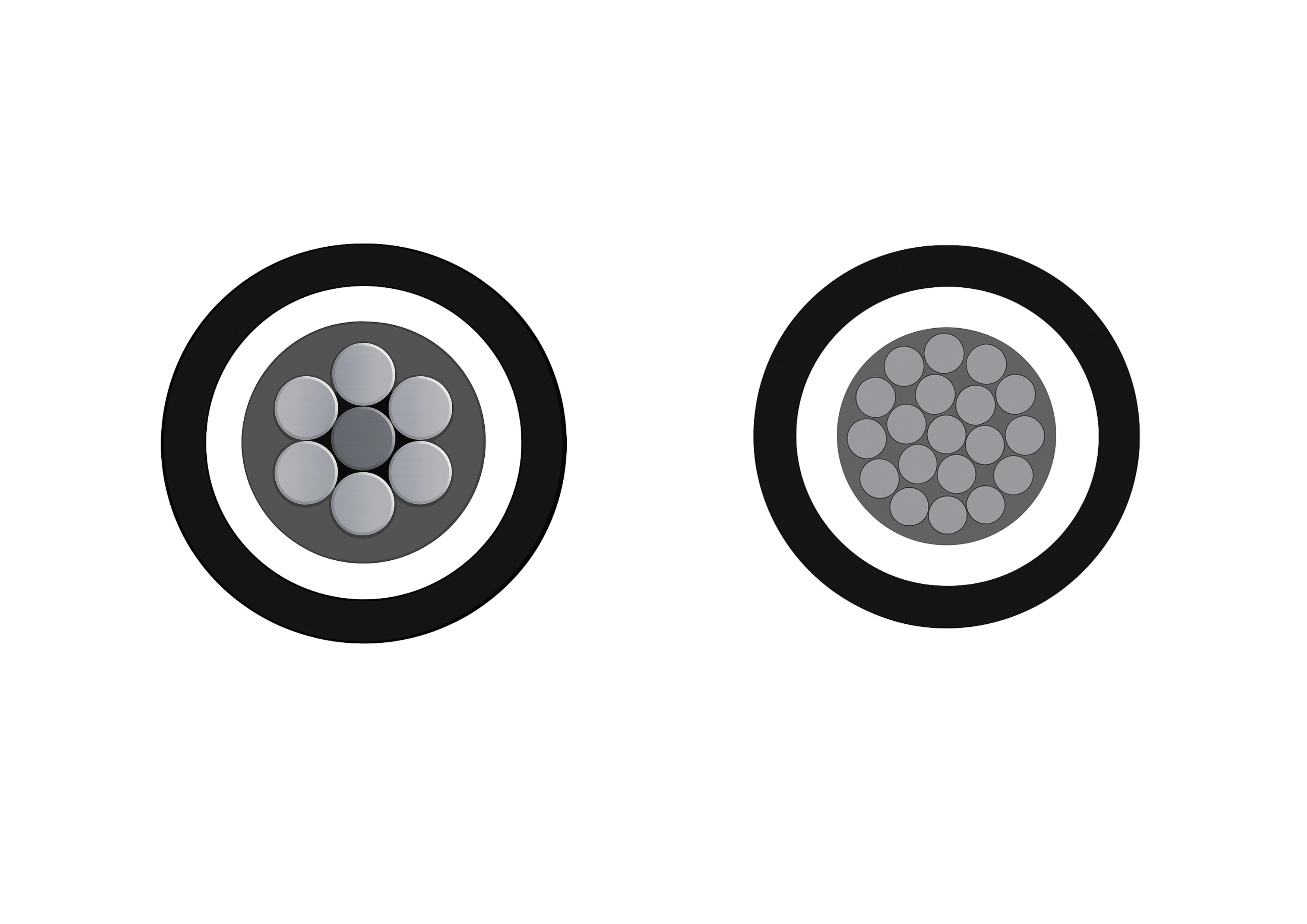
XLPE-HDPE Tree Cable Aluminum 25kV 1x70mm²
The XLPE-HDPE Tree Cable Aluminum 25kV 1x70mm² is specially designed for medium-voltage overhead distribution systems that demand higher load capacity. Its robust construction ensures outstanding performance and reliability even in harsh outdoor conditions, making it ideal for wooded areas, semi-urban environments, and locations where maintenance and tree-trimming need to be minimized. The conductor is made from high-conductivity aluminum alloy 1350 wires, round compacted with class 2 stranding, achieving a minimum conductivity of 61% IACS and a tensile strength of at least 130 MPa. Optional conductor shielding with an extruded semiconductor thermosetting compound is available for 15kV and 25kV applications, providing enhanced electrical performance. This 25kV XLPE-HDPE tree cable delivers reliable, eco-friendly power distribution with reduced maintenance needs. Its combination of high current capacity, environmental resilience, and long service life makes it a perfect solution for medium-voltage overhead networks in challenging outdoor settings.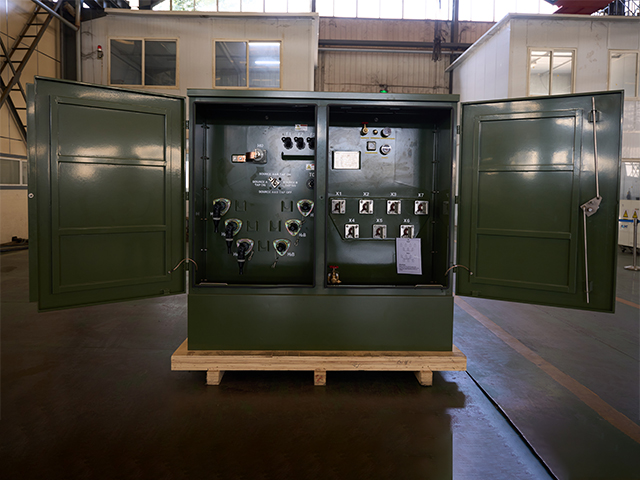
630kVA Three Phase Pad Mounted Transformer
NPC ELECTRIC's 630kVA three phase pad mounted transformer is engineered for demanding medium-voltage distribution needs, delivering superior efficiency and durability in outdoor installations. Compliant with the latest DOE efficiency standards, ANSI C57.12.34, IEEE requirements, and UL listings, this compartmentalized unit features a robust steel enclosure with corrosion-resistant coating, high-voltage dead-front or live-front bushings, radial or loop feed setups, and a standard 65°C winding rise for excellent thermal management. Primary voltages span from 4160V to 34500V (including popular grounded wye options like 12470GrdY/7200V or 13800GrdY/7970V), while secondary voltages cover 208Y/120V, 480Y/277V, or custom low-voltage configurations up to 600V.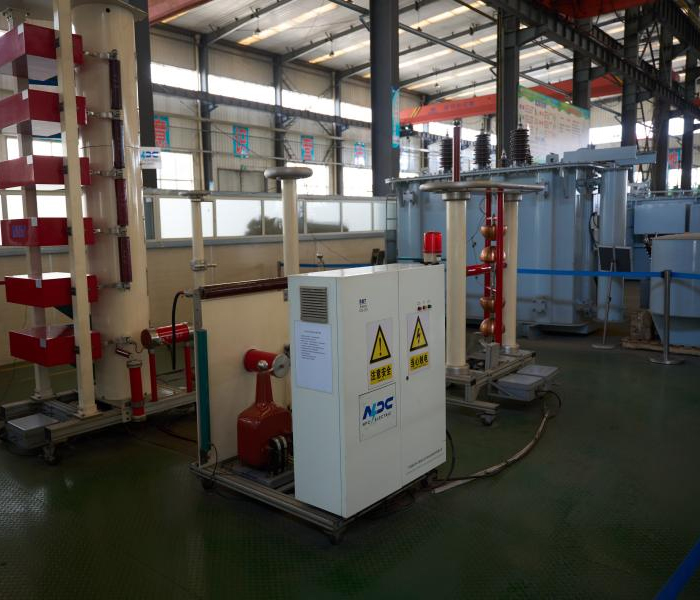
22kV Dry Type Transformer Cast Resin Three Phase Distribution Transformer
22kV Dry Type Transformer Cast Resin Three Phase Distribution Transformer, a premium oil-free solution engineered for safe, reliable medium-voltage power distribution in indoor environments. This three-phase cast resin transformer features fully vacuum-impregnated epoxy resin windings with high-conductivity copper conductors and premium low-loss grain-oriented silicon steel cores, achieving superior energy efficiency (typically 98.5%+), significantly reduced no-load and load losses, and excellent partial discharge performance (<10pC). The advanced cast resin encapsulation provides outstanding moisture resistance, self-extinguishing fire safety (F1 class), robust short-circuit withstand capability, and completely maintenance-free operation. Natural air (AN) cooling with optional forced air (AF) upgrades supports high overload capacity, while optimized core clamping, vibration-dampening mounts, and noise-reduction design deliver low acoustic levels suitable for urban or sensitive installations.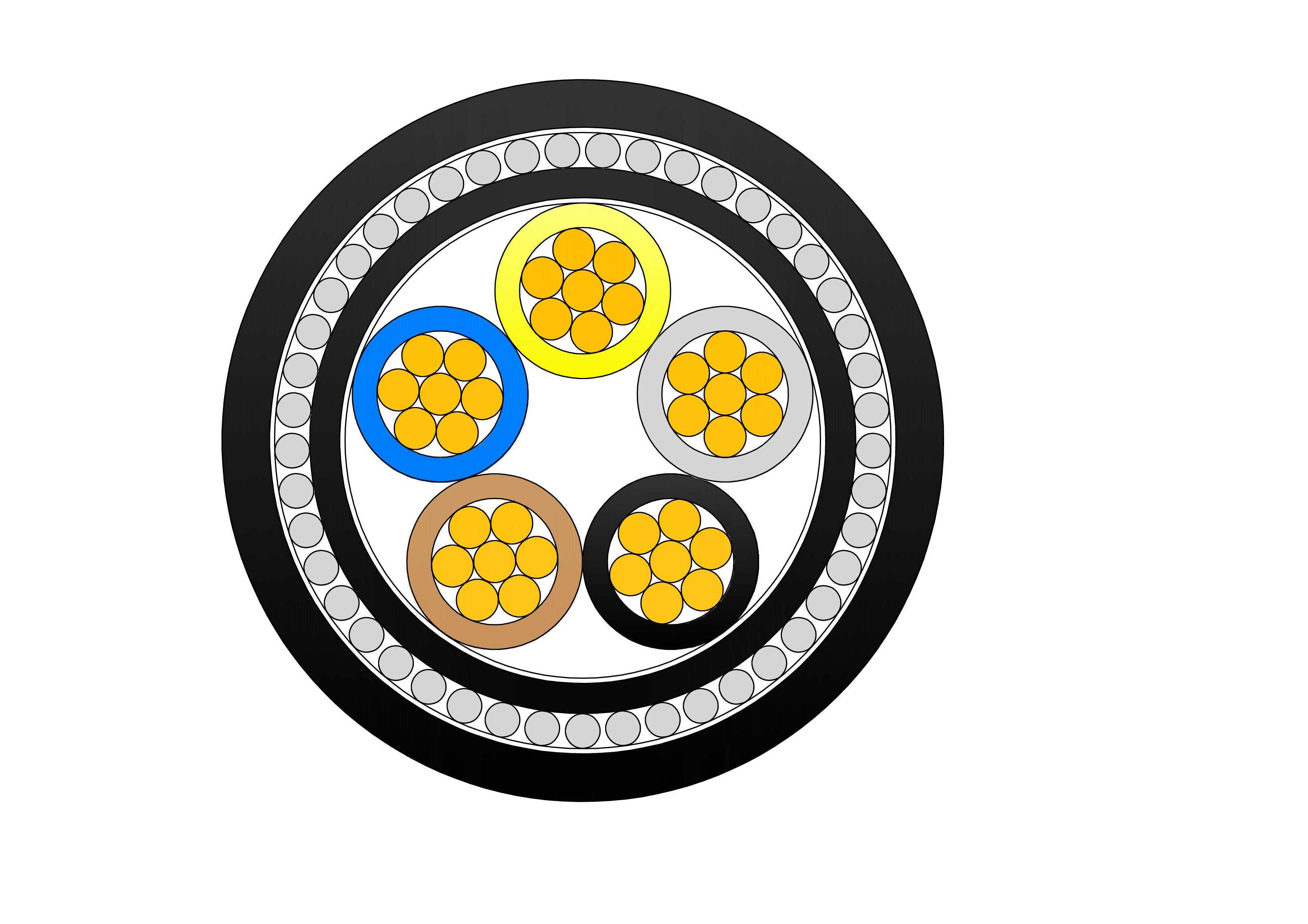
NYRY 0.6/1kV Low Voltage Power Cable
NYRY 0.6/1kV are low voltage power cables designed according to BS 5467 standard, suitable for fixed installation in indoor, outdoor, underground, cable ducts or concrete (not subject to vibration) environments, with steel wire armouring for mechanical protection. The cable features stranded copper conductors insulated with high-quality PVC, ensuring dependable electrical performance and thermal resistance under normal operating conditions. The metallic concentric conductor layer provides effective grounding and enhanced fault current capability, while the robust PVC outer sheath offers protection against moisture, abrasion, and external mechanical stress. Rated at 0.6/1kV and manufactured in accordance with relevant IEC standards, the NYRY cable is suitable for fixed installation both indoors and outdoors. Its construction supports long service life, consistent power delivery, and safe operation in demanding environments.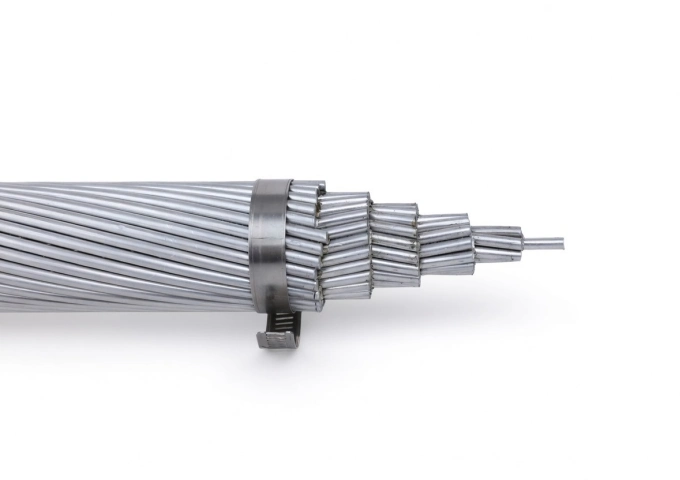
4 AWG Rose AAC Cable
The 4 AWG Rose AAC Cable is a lightweight, high-conductivity all-aluminum conductor designed for overhead power distribution and transmission lines. Consisting of 7 strands of 1350-H19 aluminum, it provides excellent electrical performance with 61.2% IACS conductivity and a current rating suitable for medium-span applications. Compliant with ASTM B231 and IEC 61089 standards, this bare AAC cable offers superior corrosion resistance and low weight, making it ideal for areas where ice and wind loads are moderate. The 4 AWG Rose AAC Cable minimizes installation costs and sag while delivering efficient power transfer with minimal losses. Its homogeneous aluminum construction eliminates bimetallic corrosion risks. Widely used in rural electrification, urban distribution upgrades, and renewable energy connections, the 4 AWG Rose AAC Cable ensures long service life and reliable performance in overhead lines worldwide.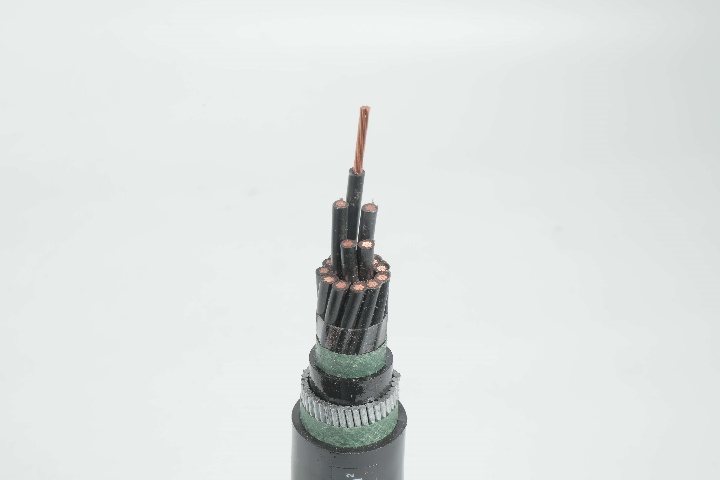
PLTC Shielded Instrumentation Tray Cable - 300V Copper Multi-Pair Cable
The PLTC Shielded Instrumentation Cable is a versatile power-limited tray cable engineered for precise signal transmission in industrial environments. It consists of stranded copper conductors with PVC insulation, twisted pairs or triads, aluminum foil shielding with drain wire for EMI protection, and a flame-retardant PVC jacket. This design ensures clean signal integrity, mechanical durability, and easy installation in cable trays. Rated 300V, the cable is suitable for control, instrumentation, and monitoring circuits. Compliant with UL 13 and NEC Article 725, the PLTC Shielded Instrumentation Cable undergoes extensive quality testing from raw materials to finished product, delivering consistent performance, safety, and reliability for modern industrial automation and process control applications.2Y-high-voltage-power-cable-2.webp)
2XS(FL)2Y MDPE High Voltage 76/132 (145)kV Power Cable
The 2XS(FL)2Y MDPE High Voltage Power Cable is a single-core aluminum conductor cable with XLPE insulation and an MDPE sheath, rated 76/132 (145) kV. Designed for extra-high voltage power transmission, it meets IEC 60840 standards, offering excellent electrical performance, mechanical protection, and water resistance for demanding environments. Its construction includes a copper conductor, semi-conductive conductor screen, XLPE insulation, semi-conductive insulation screen, semi-conductive water swelling tape, copper wire metallic screen, longitudinal aluminum tape with PE copolymer coating, and an MDPE sheath. Water-blocking tape prevents water propagation, ensuring reliable operation in power stations, industrial plants, and distribution systems. Suitable for underground, underwater, outdoor, indoor, and duct installations, this cable is ideal for distribution networks and connections to generation units, industrial plants, and processes.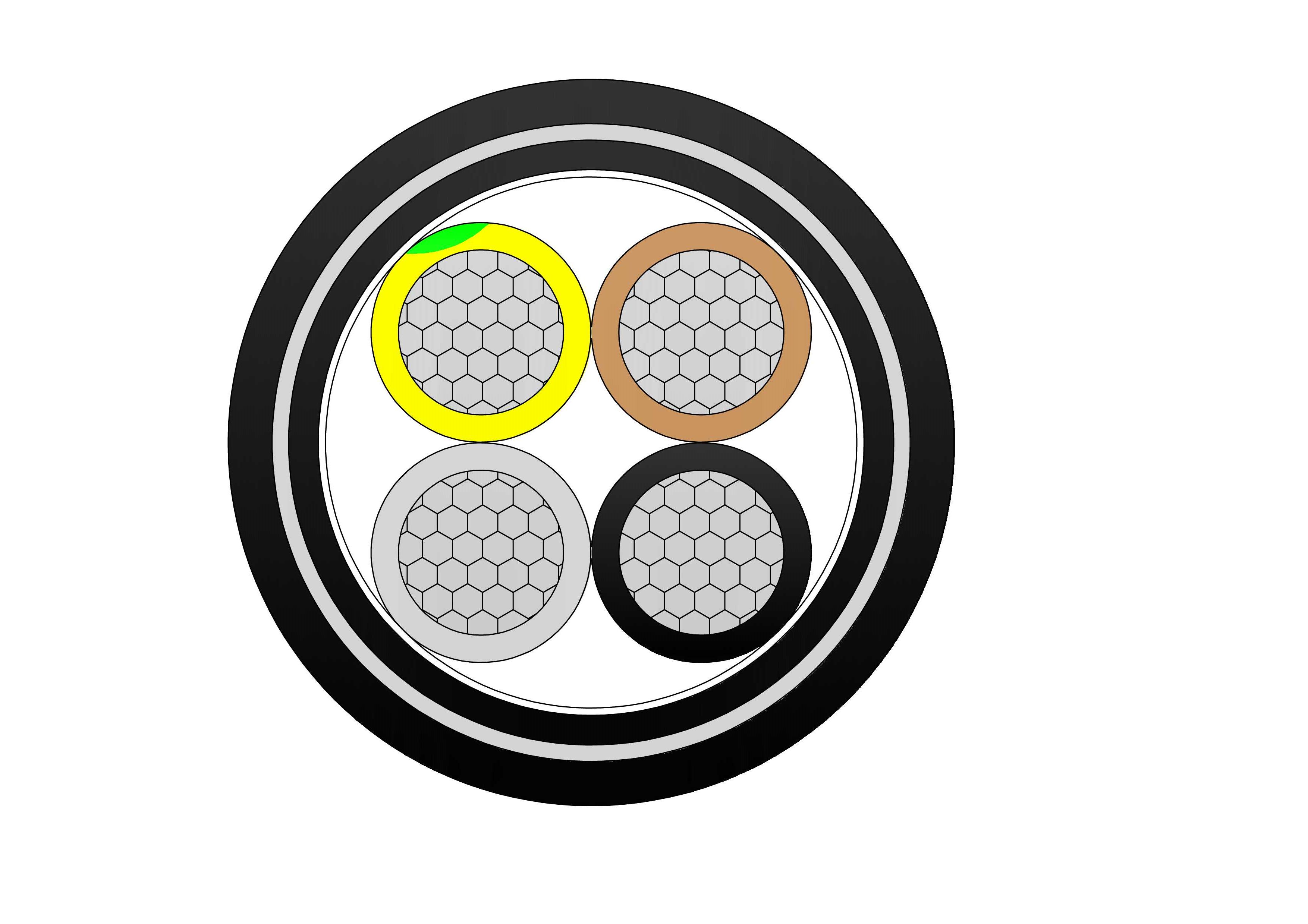
NA2XBY 0.6/1kV Low Voltage Power Cable
NA2XBY 0.6/1kV are low voltage power cables designed according to EN 60228 standard, suitable for fixed installation in indoor, outdoor, underground, Cable ducts, conduits, or concrete (not subject to vibration) environments. Featuring stranded aluminium conductors, cross-linked polyethylene (XLPE) insulation, PVC bedding, galvanized steel wire armour (SWA), and PVC outer sheath, it complies with IEC 60502-1 standards. The lightweight aluminium reduces material and installation costs while the SWA provides robust mechanical protection against impacts and rodents, ideal for direct burial. With low dielectric losses, high thermal stability, and good moisture resistance, it ensures efficient transmission in demanding environments. Flame-retardant and durable, the NA2XBY 0.6/1kV Low Voltage Power Cable offers long service life with minimal maintenance. Perfect for industrial sites, infrastructure projects, commercial developments, and utility networks requiring reliable, protected low-voltage underground power supply.
795 MCM Arbutus AAC Cable
The 795 MCM Arbutus AAC Cable represents premium All Aluminum Conductor technology for overhead power applications. Built with 37 strands of high-conductivity 1350-H19 aluminum, this bare conductor delivers an optimal balance of electrical efficiency and mechanical robustness. With a 1.026-inch diameter, 14,200 lbs breaking strength, and 880 amps ampacity, the Arbutus AAC offers low DC resistance of 0.0217 ohms per 1000 ft at 20°C and a weight of 746.7 lbs per 1000 ft. This design minimizes sag while providing excellent corrosion resistance for extended outdoor service. Manufactured to meet ASTM B-230 and B-231 standards, the 795 MCM Arbutus AAC Cable undergoes extensive quality testing from raw materials through finished product. It is the ideal solution for new installations and upgrades in transmission and distribution systems that demand lightweight, high-conductivity bare aluminum conductors.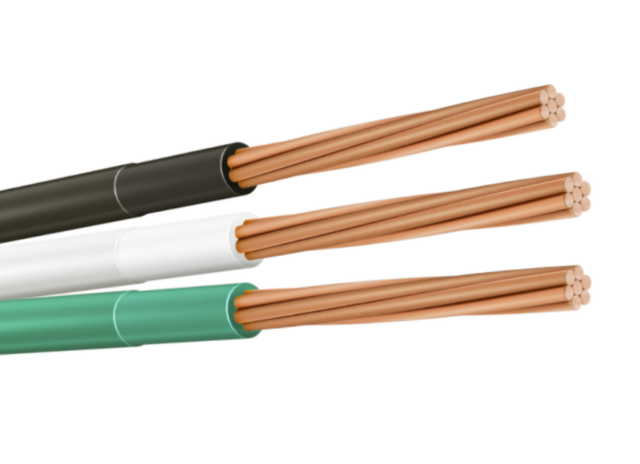
THHN AND THWN
Electrical wire THHN THWN is used in new construction projects or rewiring tasks in 600-volt systems. Versatile and usable in both wet and dry locations, THHN/THWN-2 is an excellent choice for a wide range of electrical installations. THHN/THWN-2 conductors can withstand temperatures up to 90°C in dry environments and up to 75°C in the presence of oil or coolant. Its outer nylon jacket is smooth and fine, ensuring easy installation by reducing friction during pulling. This feature is especially useful for long or challenging runs.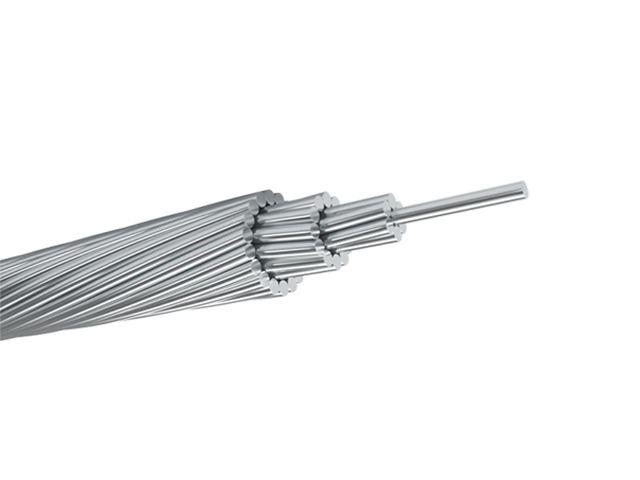
AAAC Moose Conductor Cable
AAAC MOOSE conductor is manufactured in compliance with ASTM B399 or IEC 61089 standards, using high-strength aluminum alloy 6201-T81 for enhanced conductivity and corrosion resistance. Constructed entirely from high-strength aluminum alloy strands, it offers superior mechanical strength and corrosion resistance compared with traditional aluminum conductors. The Moose-size AAAC conductor is particularly suitable for long-span installations, providing excellent sag control and stable operation under heavy mechanical loads. Its all-alloy design ensures uniform conductivity and eliminates steel-related corrosion issues, extending service life in harsh environmental conditions. Manufactured under strict quality management systems, the AAAC Moose Conductor Cable complies with international standards and delivers reliable performance, simplified installation, and reduced lifecycle costs for utility and infrastructure projects worldwide.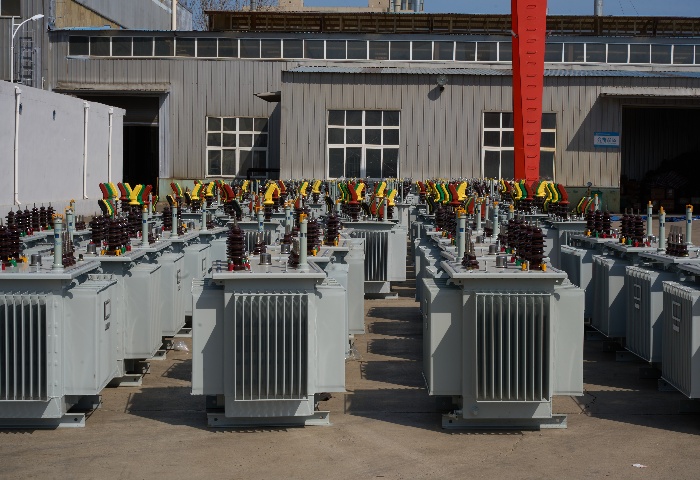
450kVA Oil Immersed Transformer
The 450kVA Oil Immersed Transformer is a reliable three-phase distribution transformer engineered for medium-voltage step-down applications in 50/60Hz AC systems, typically with primary voltages of 11kV or 33kV (options for 6kV/10kV/20kV) and secondary at 0.4kV/0.415kV/0.433kV. High-grade cold-rolled grain-oriented silicon steel core with low-loss lamination reduces no-load losses, while copper or aluminum windings paired with premium mineral oil minimize load losses and enable ONAN cooling for strong overload capacity. Compliant with IEC 60076, GB/T6451, and energy efficiency standards (e.g., S11/S13 series), it achieves high overall efficiency (>98-99%) at typical loads, low noise (<55dB), and reduced total ownership costs for residential, commercial, and light industrial power distribution.
2500 MCM Lupine AAC Cable
The 2500 MCM Lupine AAC Cable is a high-performance All Aluminum Conductor designed for demanding overhead power transmission and distribution lines. Manufactured with 91 strands of premium 1350-H19 aluminum wire in a concentric lay configuration, this bare conductor provides excellent electrical conductivity with a low DC resistance of 0.00698 ohms per 1000 ft at 20°C. Featuring an overall diameter of 1.823 inches and a rated breaking strength of 41,900 lbs, the Lupine AAC delivers a robust ampacity of 1706 amps while weighing only 2370 lbs per 1000 ft. Its optimized strength-to-weight ratio minimizes sag and structural loading. Fully compliant with ASTM B-230 and B-231 standards, the 2500 MCM Lupine AAC Cable offers outstanding corrosion resistance for long-term durability in harsh outdoor environments, making it the preferred choice for utility networks requiring cost-effective, high-reliability bare aluminum conductors.Welcome your inquiry
Honesty, Integrity, Frugality, Activeness and Passion