
XLPE vs PVC Power Cable: Which is Better for Underground & High Temperature Use?
2026-02-11
In the fields of electrical engineering and power distribution, the selection of appropriate cable insulation materials has a decisive impact on the reliability, safety, and cost-effectiveness of a project. As a senior electrical engineer with over 15 years of experience, I have led or participated in 110kV substations, 35kV industrial park power distribution, urban underground utility tunnels, and offshore wind power platform cable projects in more than ten countries, including the Caribbean, Dominican Republic, Indonesia, the Philippines, and Vietnam. I deeply understand that the debate between XLPE (cross-linked polyethylene) insulated cables and PVC (polyvinyl chloride) insulated cables is never about "which is better," but rather "which is more suitable in which scenario."
XLPE, through a silane or peroxide cross-linking process, forms a three-dimensional network structure of polyethylene molecules, fundamentally altering the material's thermomechanical properties: the continuous operating temperature increases from 70℃ to 90℃ compared to PVC, and the short-term temperature resistance can reach 250℃. This means that under the same cross-section, the current carrying capacity can be increased by 20%-30%, or a smaller cross-section conductor can be used for the same current carrying capacity, directly reducing copper material costs. In the Dominican Republic's 2024 SAF power distribution network upgrade project, I replaced all the original PVC 3×240mm² cables with XLPE 3×185mm² cables. This not only saved 15% of conductor material but also reduced the trench width by 0.4 meters, resulting in an 8% decrease in overall cost.
More importantly, the two materials have completely different aging mechanisms in actual operation: PVC is prone to deHCl reaction in high-temperature and high-humidity environments, leading to a sharp drop in insulation resistance; while the main failure mode of XLPE is water treeing, requiring the use of water-blocking tape or aluminum-plastic composite sheaths in direct burial or long-term immersion scenarios. These differences mean that I must comprehensively consider ambient temperature, laying method, short-circuit heat capacity, expected life (XLPE typically over 40 years, PVC 25-30 years), fire load, and local fire regulations when selecting materials.
What Are PVC and XLPE Insulated Cables?
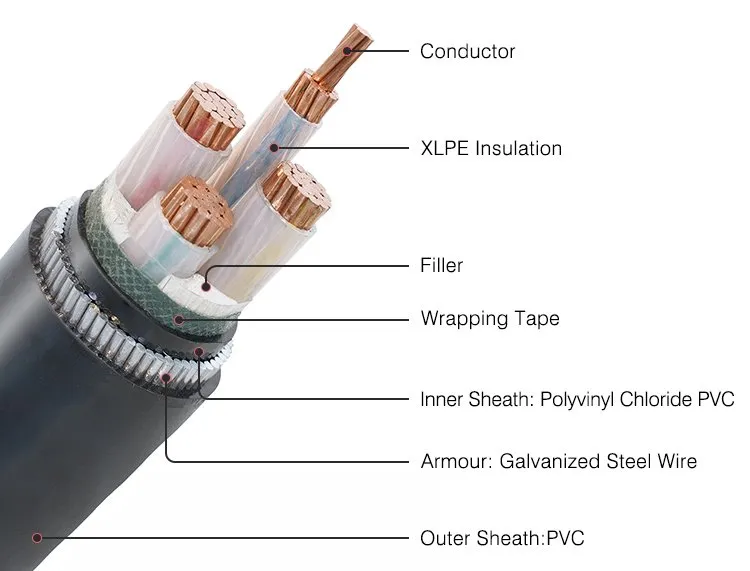
Let's start with the basics. PVC cable, or PVC insulated cable, uses polyvinyl chloride as its primary insulation material. It's a thermoplastic that softens when heated and hardens when cooled, making it flexible and easy to handle during installation. PVC has been a go-to for decades in low- to medium-voltage applications, thanks to its good flame-retardant properties (often enhanced with additives) and resistance to moisture and chemicals in moderate environments.
On the other hand, XLPE insulated cable employs cross-linked polyethylene insulation, a thermoset material created through a chemical process that links polyethylene molecules. This cross-linking enhances the cable's structural integrity, providing better resistance to deformation under heat and stress. As an electrical cable XLPE variant, it's widely used in power transmission lines where durability is paramount. From my fieldwork, XLPE's cross-linked polyethylene structure allows it to maintain excellent electrical performance even in harsh conditions, unlike PVC, which can degrade faster.
To visualize the differences, consider their cross-sections:
Key Differences: A Technical Breakdown
The core variances between PVC and XLPE lie in their material properties, which directly impact performance in underground and high-temperature scenarios. Based on IEEE and IEC standards, here's a factual comparison:
- Temperature Rating: XLPE insulation excels here, with a continuous operating temperature of up to 90°C and short-circuit tolerance up to 250°C for one second. PVC, conversely, is rated for 70°C continuous and 160°C short-circuit. In high-temperature use, like near industrial furnaces or in sun-exposed conduits, XLPE prevents insulation meltdown, reducing failure risks.
- Flame Retardant Properties: PVC is inherently flame-retardant due to its chlorine content, but it can release toxic hydrogen chloride gas during fires, posing health hazards. XLPE isn't naturally flame-retardant but can be formulated with additives for better fire resistance, showing lower flame propagation in tests per IEC 60332-3. For power distribution in confined spaces, this makes XLPE safer.
- Electrical Properties: XLPE offers excellent electrical insulation with higher dielectric strength (around 20-25 kV/mm) compared to PVC's 15-20 kV/mm. Its low dissipation factor ensures minimal energy loss in power transmission, ideal for long-distance underground runs.
- Mechanical and Chemical Resistance: XLPE's cross-linked structure provides superior tensile strength (up to 20 MPa) and resistance to environmental stress cracking, outperforming PVC (10-15 MPa). It's also more resistant to oils, chemicals, and abrasion, crucial for underground installations where soil corrosives are common.
- Cost and Lifespan: PVC cables are 20-40% cheaper upfront, but XLPE's durability leads to a longer lifespan (40+ years vs. PVC's 25-30 years), lowering total ownership costs through reduced maintenance.
For a quick reference, here's a comparison table derived from ASTM and IEC data:
|
Property |
PVC Insulated Cable |
XLPE Insulated Cable |
|
Max Operating Temp (°C) |
70 |
90 |
|
Short-Circuit Temp (°C) |
160 |
250 |
|
Dielectric Strength (kV/mm) |
15-20 |
20-25 |
|
Flame Retardant Rating |
Good (with additives) |
Moderate (enhanced options) |
|
Chemical Resistance |
Moderate |
High |
|
Typical Cost (per meter, 1kV) |
$0.50-$1.00 |
$0.80-$1.50 |
|
Lifespan (years) |
25-30 |
40+ |
|
Best For |
Indoor, low-voltage |
Underground, high-temp, industrial |
This data underscores why cable manufacturers like NPC Electric often recommend XLPE for demanding applications—it's not just about specs; it's about real-world reliability.
XLPE vs PVC for Underground Applications
Underground power distribution poses unique challenges: moisture ingress, mechanical stress from soil movement, and potential for corrosion. From my experience installing cables in urban trenches, XLPE-insulated cable shines here. Its XLPE insulation resists water treeing—a degradation phenomenon in wet environments—better than PVC, as per studies from the National Institutes of Health (NIH) on cable aging. XLPE's lower moisture absorption rate (less than 0.01%) compared to PVC's (0.1-0.5%) prevents insulation breakdown over time.
In practice, for buried cables, XLPE allows for higher ampacity (current-carrying capacity) due to its thermal stability, enabling smaller conductor sizes and cost savings on materials. PVC, while suitable for shallow burials in dry soils, can soften and deform under ground heat or pressure, leading to faults. A key advantage of XLPE is its compatibility with direct burial without additional conduits in many cases, as outlined in ASTM D3487 standards.
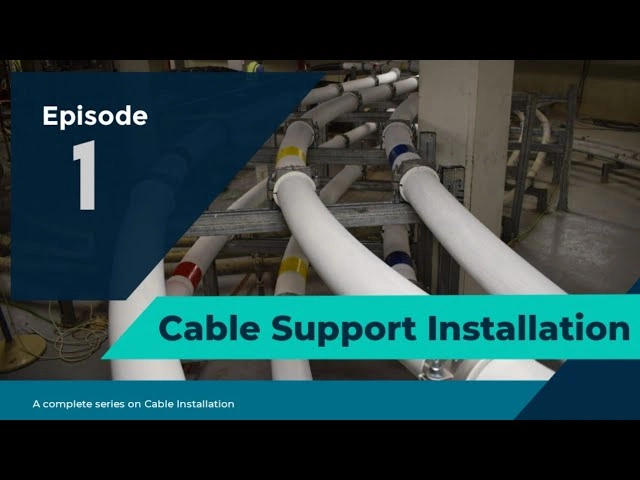
Visualize a typical setup:
XLPE vs PVC for High-Temperature Use
High-temperature environments, such as near steam pipes, in desert climates, or industrial settings, demand cable insulation that won't compromise under heat. XLPE's cross-linked polyethylene structure maintains integrity at elevated temperatures, avoiding the thermoplastic melting issues seen in PVC. In tests from IEEE sources, XLPE cables sustain performance at 90°C without significant loss in excellent electrical properties, while PVC risks insulation cracking above 70°C.
From fieldwork in oil refineries, I've seen PVC cables fail prematurely due to thermal expansion, causing shorts. XLPE, with its higher overload capacity (150-200% for short durations), handles peak loads better, ensuring uninterrupted power transmission. For flame-retardant needs in hot zones, enhanced XLPE variants meet IEC 60332-3, reducing fire spread risks.
Real-World Case Studies
Theory is one thing; practice is another. Consider the SAF Project in the Dominican Republic (2024-2026), where NPC Electric supplied XLPE-insulated cables for underground grid upgrades. Facing tropical heat and hurricanes, XLPE's high-temperature tolerance (up to 90°C) and corrosion resistance prevented outages that plagued older PVC systems during storms. Post-Fiona hurricane assessments showed XLPE lines intact, while PVC equivalents suffered 47 failures due to moisture and heat stress.
Another example: In Indonesia's industrial parks, a 35kV underground network using XLPE from Chinese manufacturers like NPC Electric achieved zero faults over three years in high-humidity, high-temp conditions (ambient 40°C+). PVC alternatives in similar setups required replacements after 18 months due to insulation degradation. Similarly, in Caribbean urban railways, XLPE's flame-retardant and low-smoke properties (halogen-free options) enhanced safety in confined tunnels, outperforming PVC, which released toxic fumes in fire tests.
These cases, drawn from NIH and industry reports, highlight XLPE's edge in reliability, with ROI realized through 30% lower maintenance costs.
Which Cable Wins?
For underground and high-temperature use, XLPE-insulated cable is generally superior, offering better cable insulation, flame-retardant capabilities, and longevity in power distribution. However, PVC cable holds value in cost-sensitive, low-stress applications. As a cables manufacturer or buyer, assess your project's voltage, environment, and budget—consult IEC/ASTM standards and test samples.
If you're planning a project, reach out to reputable wires and cables suppliers like NPC Electric for tailored advice. Investing in the right electrical cable, XLPE or PVC, can save thousands in downtime. What's your next installation? Share in the comments—we're here to help optimize your power transmission setup.

Related Articles
Related Products
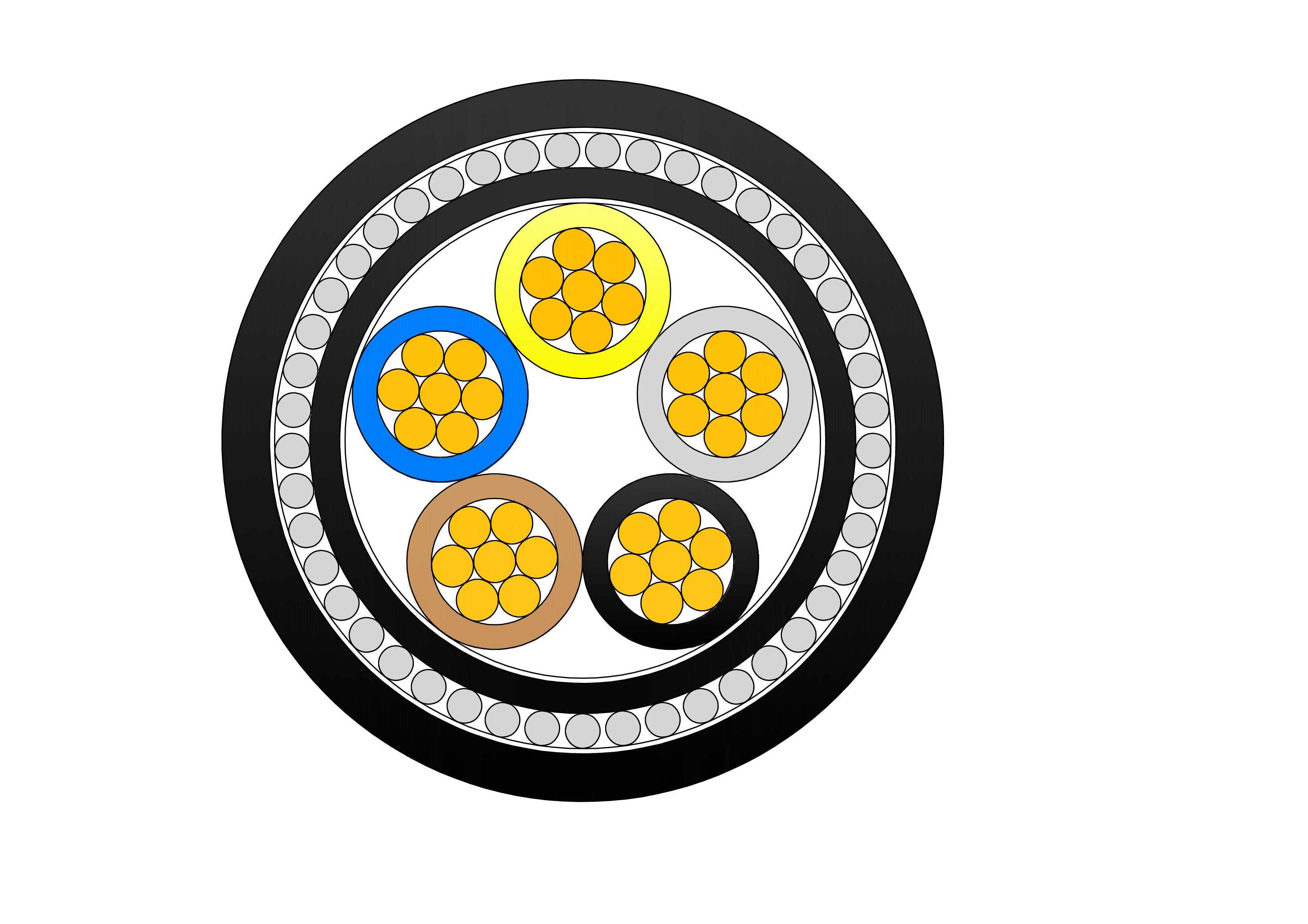
NYRY 0.6/1kV Low Voltage Power Cable
NYRY 0.6/1kV are low voltage power cables designed according to BS 5467 standard, suitable for fixed installation in indoor, outdoor, underground, cable ducts or concrete (not subject to vibration) environments, with steel wire armouring for mechanical protection. The cable features stranded copper conductors insulated with high-quality PVC, ensuring dependable electrical performance and thermal resistance under normal operating conditions. The metallic concentric conductor layer provides effective grounding and enhanced fault current capability, while the robust PVC outer sheath offers protection against moisture, abrasion, and external mechanical stress. Rated at 0.6/1kV and manufactured in accordance with relevant IEC standards, the NYRY cable is suitable for fixed installation both indoors and outdoors. Its construction supports long service life, consistent power delivery, and safe operation in demanding environments.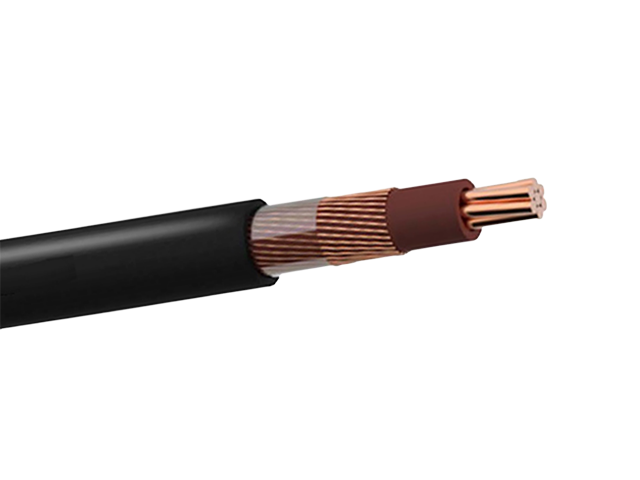
Airdac SNE & CNE Concentric Cable
The Airdac SNE & CNE Concentric Cable is a robust low-voltage aerial service connection cable designed for reliable house service from the distribution network to the consumer meter. It features a circular stranded hard-drawn copper phase conductor insulated with XLPE, surrounded by concentrically arranged neutral and earth conductors, and protected by a black polyethylene sheath. The SNE version provides separate neutral and earth conductors, while the CNE version combines them for simplified earthing. With a nylon ripcord for easy stripping and UV-stabilized materials, this cable offers excellent mechanical strength, electrical performance, and long-term durability. Manufactured to SANS 1507-6 and related standards, the Airdac SNE & CNE Concentric Cable undergoes rigorous quality testing from raw materials to finished product, ensuring safe, tamper-resistant, and vandal-proof performance in overhead or underground installations.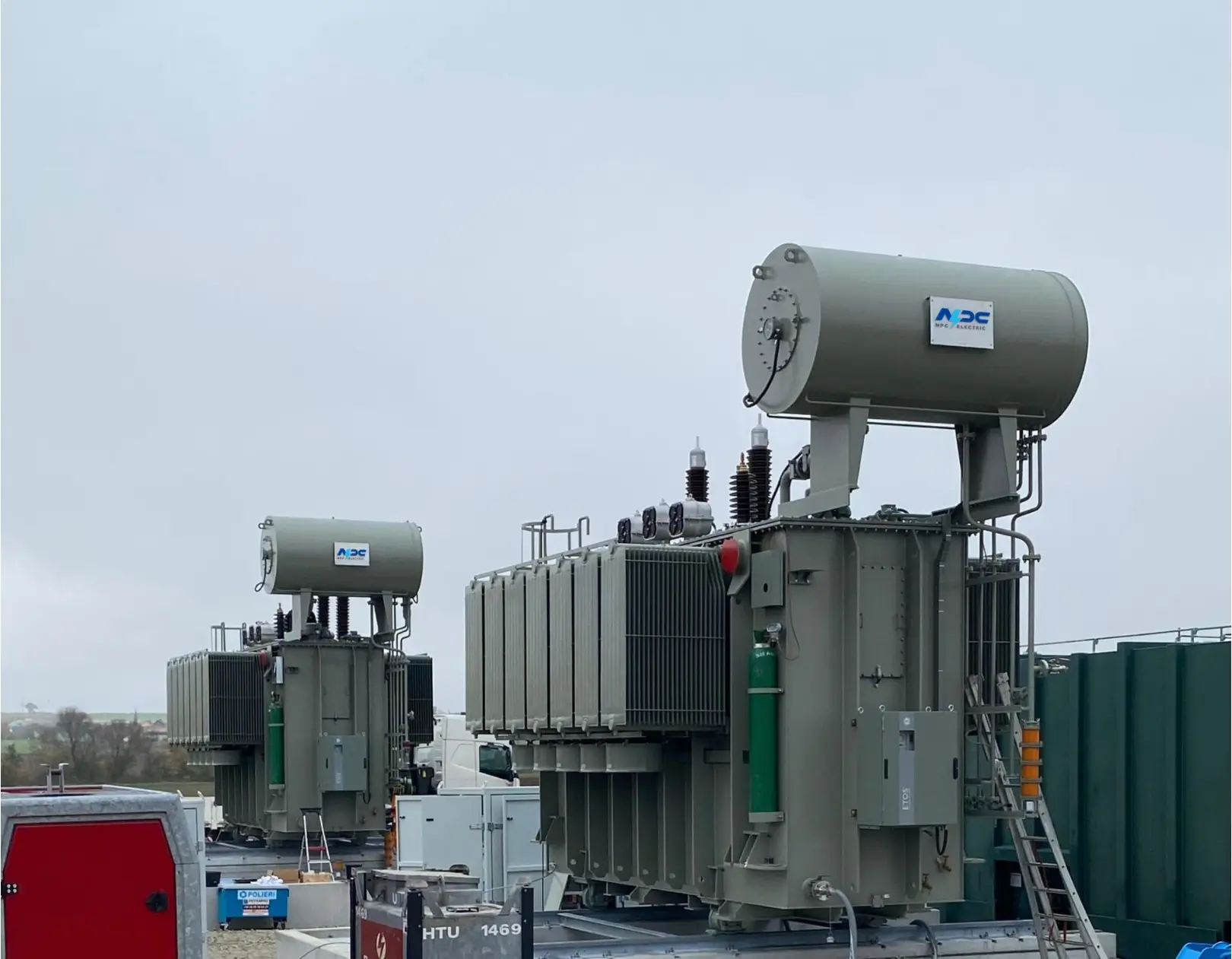
115kV 35MVA Three-Phase Oil-Immersed Power Transformer
The 115kV 35MVA Three-Phase Oil-Immersed Power Transformer is designed for reliable and efficient operation in high-voltage transmission and substation applications. Built with high-permeability silicon steel cores and precision-wound copper conductors, it delivers low losses, strong short-circuit withstand capability, and excellent thermal stability. The oil-immersed cooling system ensures effective heat dissipation, enabling continuous operation under heavy-load conditions. A robust tank structure, advanced insulation system, and outdoor-rated protection make the transformer suitable for harsh environmental conditions. Manufactured in accordance with IEC, IEEE, and ANSI standards, this transformer is widely used in utility substations, industrial power systems, and regional transmission networks where long service life, stable voltage regulation, and high operational reliability are critical.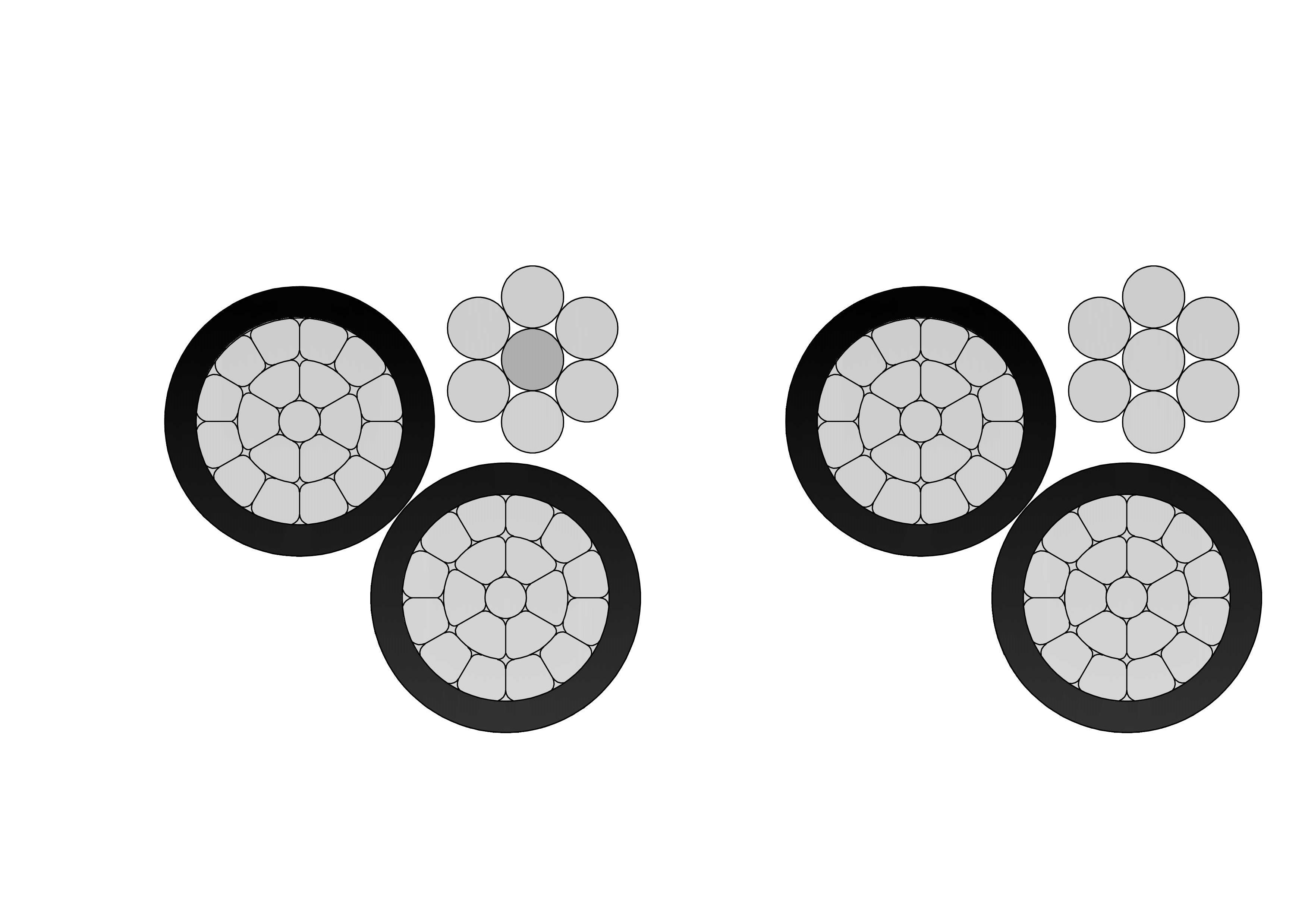
1/0 Neritina Aluminum Conductor Triplex Overhead Service Drop Cable
1/0 Neritina Aluminum Conductor Triplex Overhead Service Drop Cable is designed for reliable secondary overhead power distribution from utility poles to residential and light commercial service entrances. The triplex structure consists of two insulated aluminum phase conductors helically wrapped around a bare aluminum neutral messenger, which provides both electrical grounding and mechanical support. The 1/0 Neritina conductor size offers enhanced current-carrying capacity, strong tensile performance, and controlled sag characteristics, making it suitable for longer spans and higher service loads. Aluminum conductors reduce overall cable weight while delivering excellent corrosion resistance and ease of installation in outdoor environments. Manufactured in compliance with ASTM and utility specifications, the 1/0 Neritina Aluminum Conductor Triplex Overhead Service Drop Cable ensures stable electrical performance, long service life, and dependable mechanical integrity. It is widely adopted by utilities and contractors seeking a cost-efficient and durable overhead service drop solution.
3/0 Melita Aluminum Conductor Triplex Overhead Service Drop Cable
The 3/0-3/0-3/0 Melita Aluminum Conductor Triplex Overhead Service Drop Cable is designed for high-performance overhead power distribution from utility poles to residential, commercial, or light industrial weatherheads. It features concentric-lay-stranded 1350-H19 aluminum conductors (#3/0 AWG, 19-strand), black cross-linked polyethylene (XLPE) insulation for exceptional weather, UV, and thermal resistance, and a bare neutral messenger (#3/0 AWG, typically ACSR or AAC). Rated for 600 volts phase-to-phase at conductor temperatures up to 90°C (XLPE) or 75°C (Poly), it supports an allowable ampacity of approximately 275 amps (XLP). Compliant with ASTM B-230, B-231, B-232, B-399, and ICEA S-76-474 standards, this robust yet lightweight cable ensures easy installation, excellent conductivity, and long-term durability in challenging outdoor conditions like wind, ice, moisture, and temperature extremes.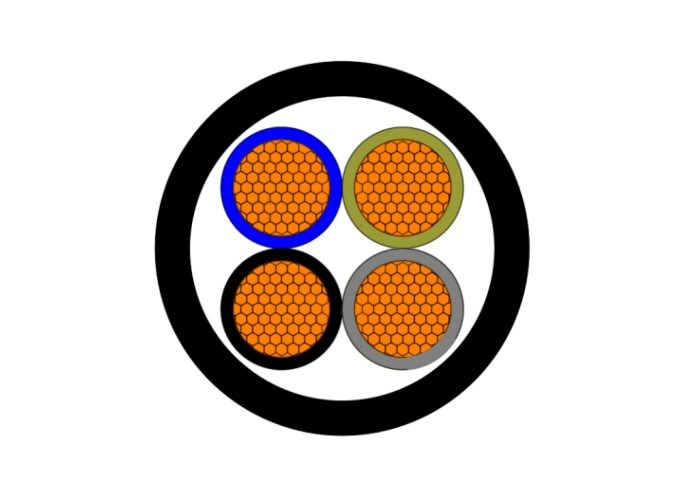
N2XH IEC 60502-1 XLPE LSZH 0.6/1kV Cable
The N2XH IEC 60502-1 XLPE LSZH 0.6/1kV Cable is designed for safe and reliable low voltage power distribution in buildings and infrastructure where fire safety is a critical requirement. Manufactured with high-quality copper conductors and XLPE insulation, the cable provides excellent electrical performance, thermal stability, and long service life. The LSZH (Low Smoke Zero Halogen) outer sheath significantly reduces smoke density and eliminates corrosive gas emission in the event of fire, helping to protect people, equipment, and structures. Rated at 0.6/1kV and produced in accordance with IEC 60502-1, this cable meets international standards for electrical safety and fire performance. Its robust construction supports fixed installation in indoor environments where high safety, reliability, and environmental protection are essential.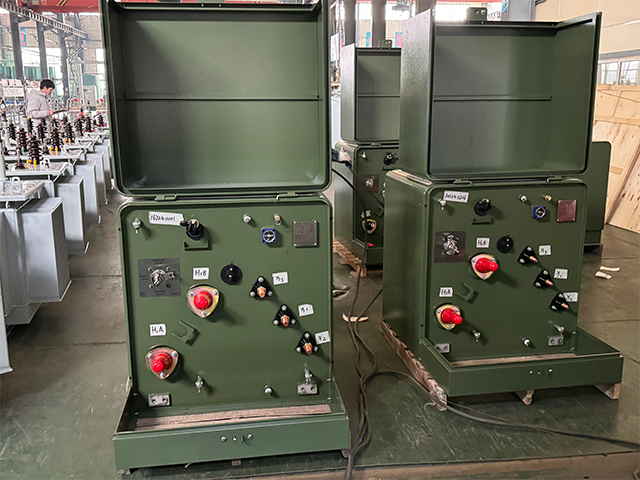
333kVA Single Phase Pad Mounted Transformer
The 333kVA Single Phase Pad Mounted Transformer is a high-performance electrical transformer designed for reliable power distribution in industrial and commercial applications. With a robust, weather-resistant enclosure, it is ideal for outdoor installations and offers efficient step-down voltage conversion. This transformer features a 333kVA capacity, providing reliable power to meet the demands of single-phase systems, and comes with customizable primary and secondary voltage configurations.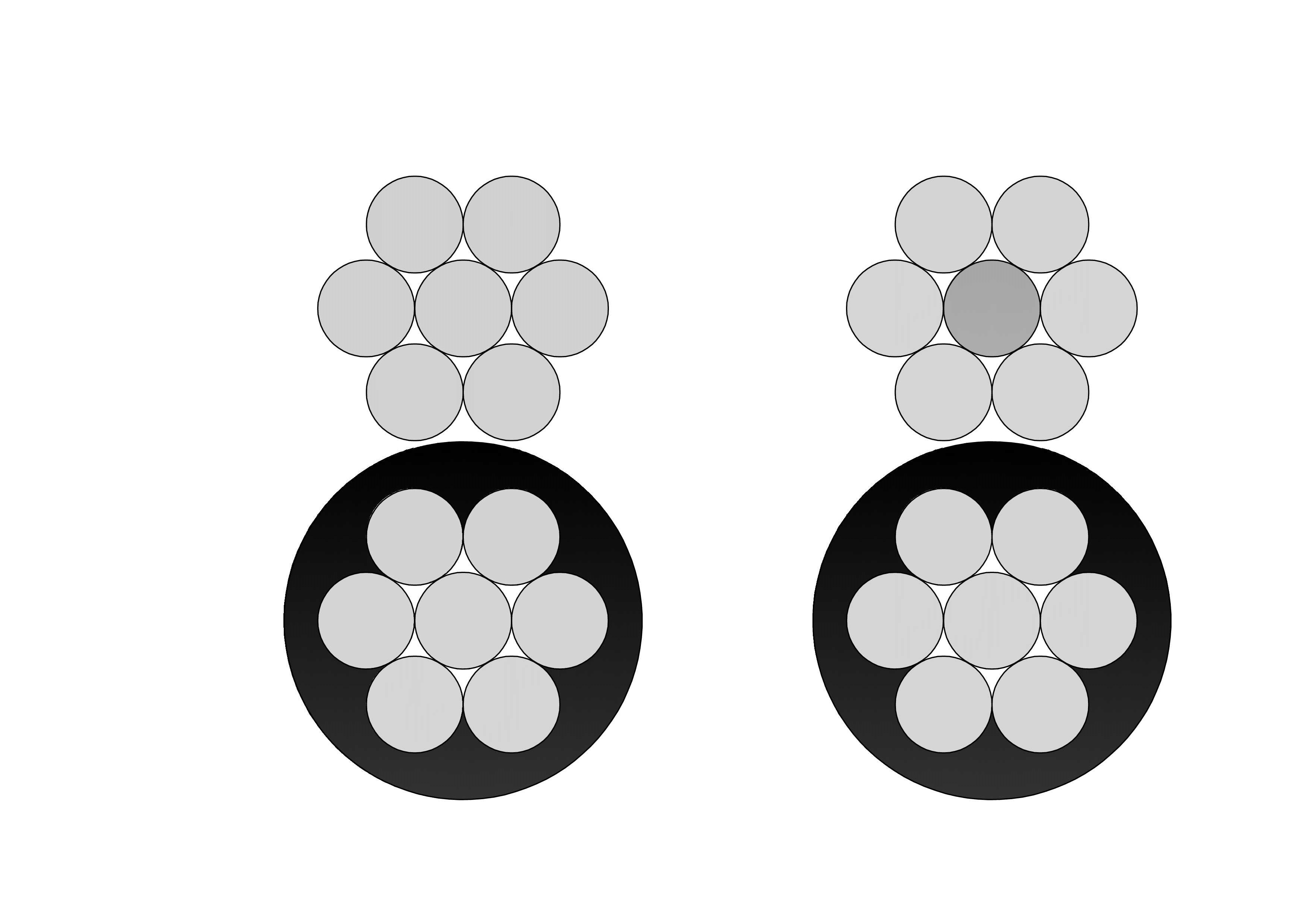
Duplex Overhead Service Drop Cable
Duplex Overhead Service Drop Cable is a reliable aerial cable for secondary power distribution from utility poles to service entrances. Available with aluminum or copper conductors (phase and neutral, stranded) insulated with XLPE or PE and assembled in duplex configuration, it offers excellent mechanical strength and weather resistance. Compliant with ASTM B-230, B-231, ICEA S-76-474, and ANSI/ICEA standards, this cable supports 600V applications with superior UV, moisture, and abrasion protection. The self-supporting design ensures reduced sag and easy installation over medium spans. The Duplex Overhead Service Drop Cable delivers low power losses, high current capacity, and long service life in harsh outdoor conditions. Lightweight and flexible, it is widely used for single-phase service drops in residential, commercial, and rural electrification projects requiring safe, cost-effective overhead connections worldwide.2Y-high-voltage-power-cable-2.webp)
2XS(FL)2Y HDPE High Voltage 76/132 (145)kV Power Cable
The 2XS(FL)2Y HDPE High Voltage 76/132 (145) kV Power Cable is a single-core copper conductor cable with XLPE insulation and HDPE sheath, engineered for reliable high-voltage power transmission in demanding environments. Manufactured according to IEC 60840 standards, it delivers outstanding electrical performance, water resistance, and mechanical protection. Suitable for installation underground, underwater, outdoors, indoors, and in cable ducts, making it ideal for power stations, industrial sites, and distribution networks. It features stranded copper conductors for optimal conductivity, semi-conductive conductor screen, premium-grade XLPE insulation for exceptional dielectric performance and 90°C continuous rating (250°C short-circuit), semi-conductive insulation screen, concentric copper wire screen combined with aluminium laminated foil for longitudinal water-blocking, electromagnetic shielding, and grounding, and a high-density polyethylene (HDPE) outer sheath delivering superior mechanical protection, moisture resistance, chemical stability, and UV resistance.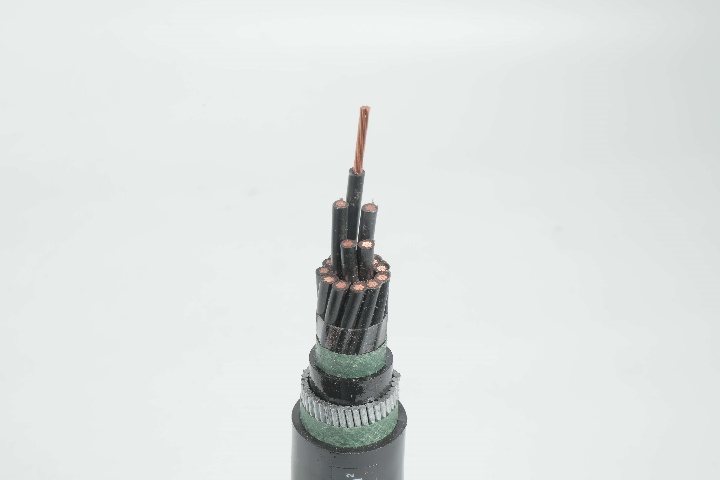
Control Cable 0.6/1 kV CVV-S to IEC 60502 Standard (2-30 core)
Engineered for electromagnetic interference resistance, the Control Cable 0.6/1 kV CVV-S to IEC 60502 Standard (2-30 core) excels in sensitive control environments. It employs concentric stranded copper conductors for low-resistance transmission, paired with black PVC insulation marked by white numbers for easy identification. The integrated copper tape shield effectively blocks electrostatic noise, while dual PVC sheaths provide flame resistance and mechanical protection. Suitable for 0.6/1 kV ratings, it withstands temperatures from -15°C to 70°C. This cable is tailored for supervisory circuits, outdoor stations, and installations in ducts or conduits where shielding is essential. With options from 2 to 30 cores, it accommodates diverse system requirements, enhancing signal integrity and reducing errors. Fully compliant with IEC 60502, it minimizes operational disruptions in high-interference settings. Ideal for professionals demanding dependable solutions, the CVV-S ensures long-lasting performance and cost savings through superior durability.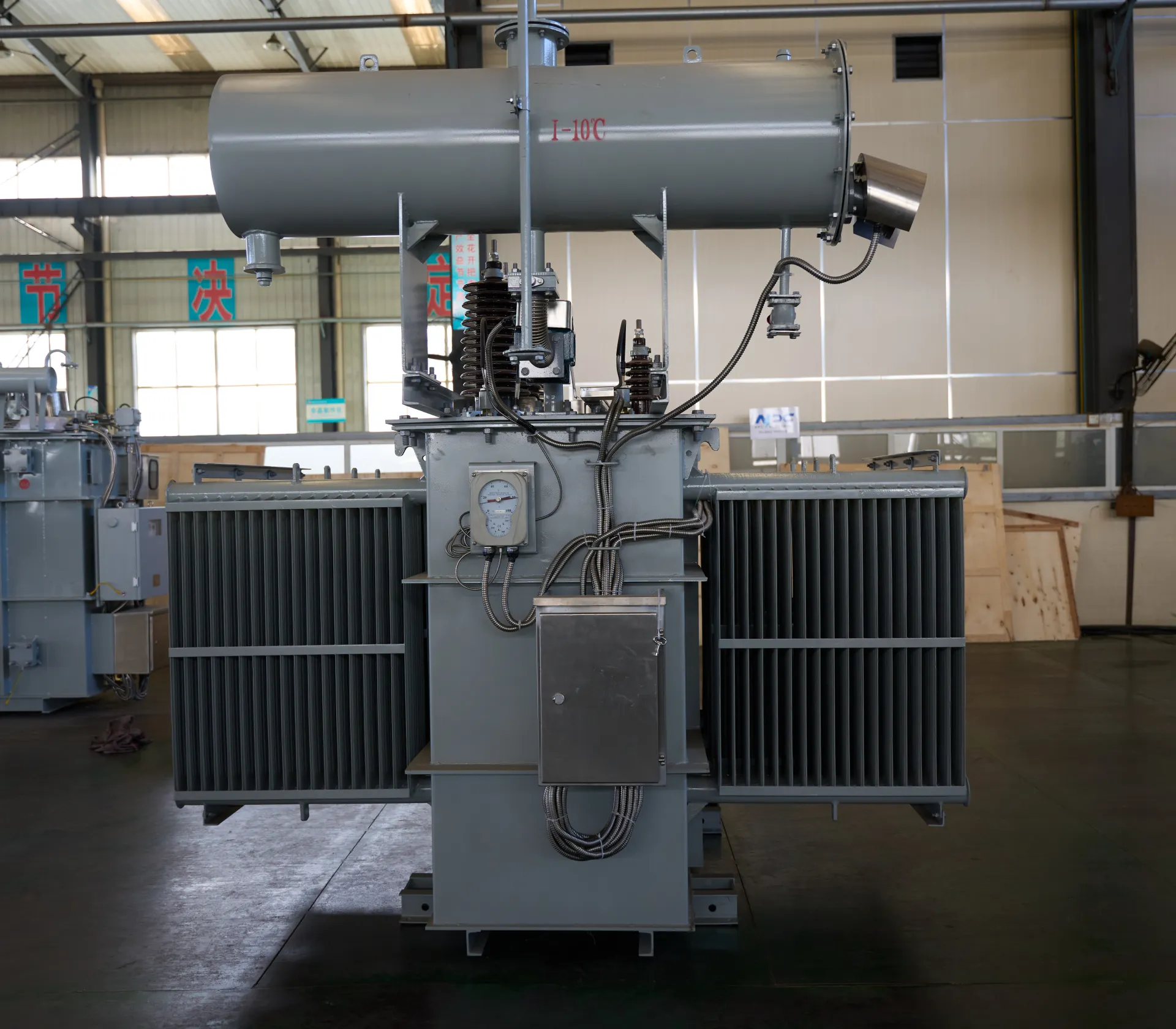
Oil Immersed Power Transformer 200kVA for Substation With Transformer Oil
The oil-immersed power transformer, rated at 200kVA, is designed for use in substations, efficiently converting voltage. It is equipped with high-quality transformer oil, which enhances heat dissipation and prolongs the lifespan of the equipment. Ideal for various power supply applications, it excels in industrial environments requiring stable voltage and high performance.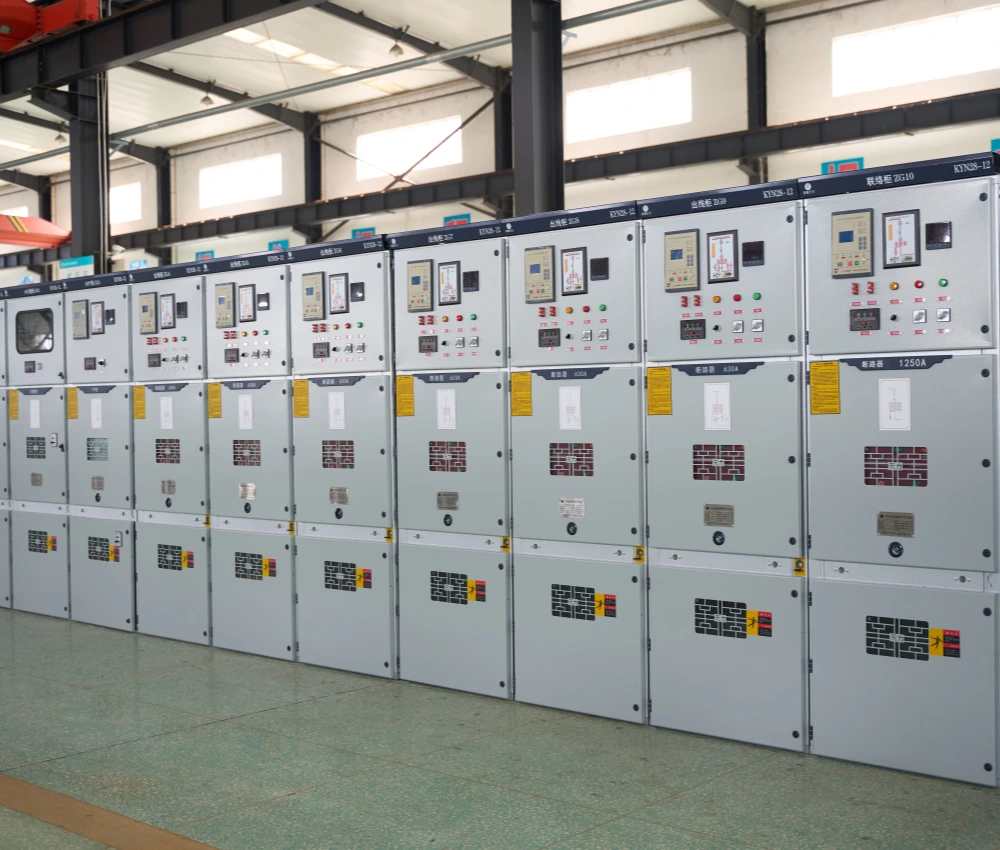
Indoor Box-Type Fixed Metal-Enclosed Switchgear
The Indoor Box-Type Fixed Metal-Enclosed Switchgear is a high-performance medium-voltage electrical distribution and protection system specifically engineered for industrial facilities, utility substations, commercial infrastructure, renewable energy projects, and intelligent power distribution networks. The switchgear adopts a fully enclosed metal-clad structure integrating vacuum circuit breakers, disconnect switches, protection relays, current transformers, voltage transformers, and intelligent control systems within a compact fixed cabinet configuration. This design provides reliable medium-voltage power distribution while significantly improving operational safety and equipment stability. Designed according to international medium-voltage distribution standards, the indoor box-type switchgear delivers outstanding insulation performance, mechanical durability, and thermal stability under continuous operating conditions. The compartmentalized cabinet structure effectively separates busbar chambers, breaker compartments, cable chambers, and low-voltage control sections to reduce electrical fault propagation risks and simplify maintenance procedures. The fixed structure design improves installation stability and ensures dependable long-term operational performance for mission-critical electrical systems. The Indoor Box-Type Fixed Metal-Enclosed Switchgear supports intelligent monitoring systems, digital protection devices, remote communication interfaces, and smart-grid automation technologies for modern electrical distribution environments. With flexible configuration capabilities and scalable electrical protection architectures, the switchgear provides stable medium-voltage switching, fault isolation, and electrical control performance for industrial automation systems, utility networks, transportation infrastructure, and commercial power systems.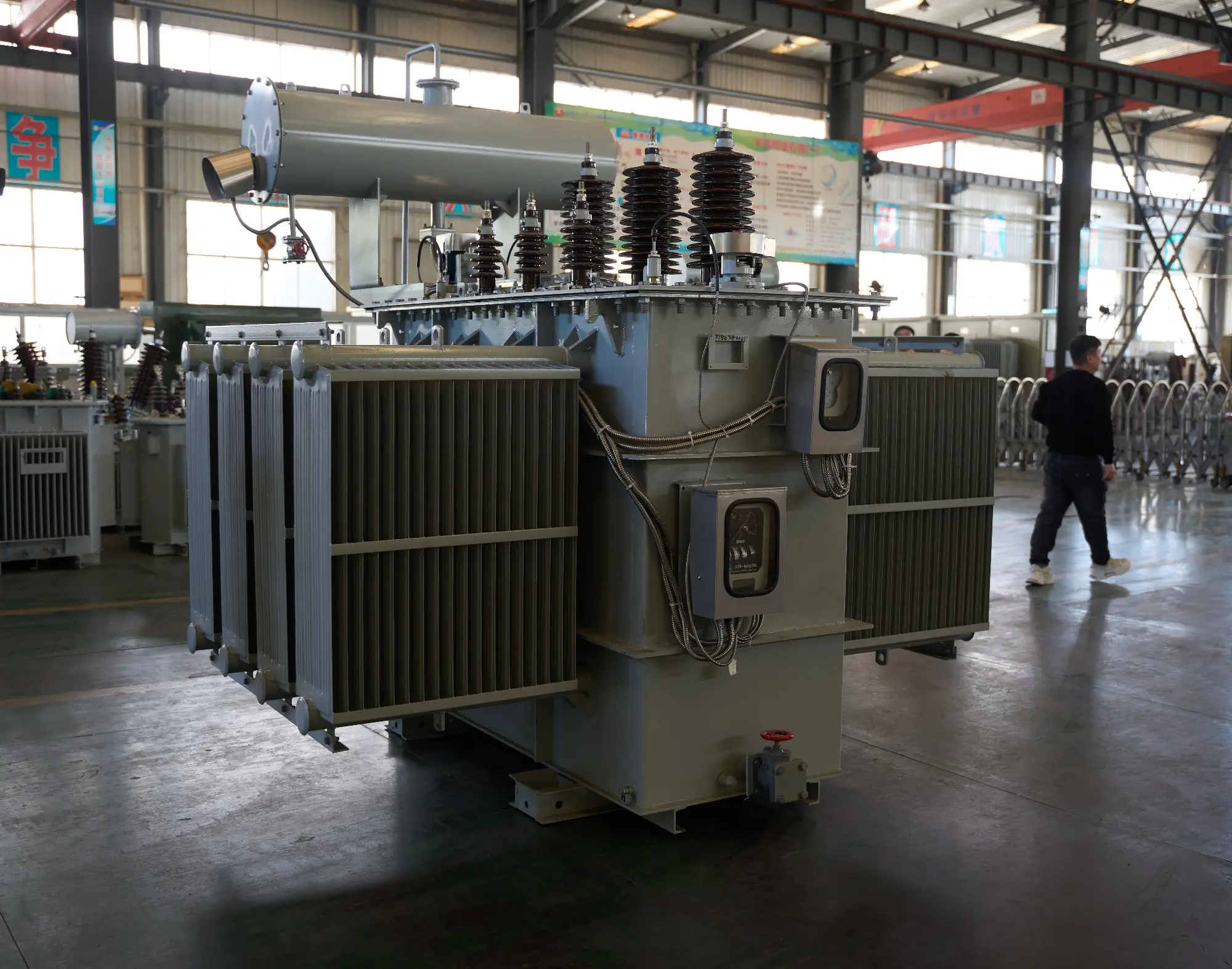
35kV 46kV Power Transformer
NPC ELECTRIC's 35kV and 46kV power(electrical) transformer complies with international standards such as IEC and ANSI, and features high efficiency, low loss, and strong insulation. This product is widely used in power grid main transformers, power plants, industrial and mining enterprises, and large infrastructure projects. Key features include mineral oil or FR3 natural ester insulation (ONAN/ONAF/ODAF cooling options), copper or aluminum windings, primary voltages 35kV or 46kV (grounded wye or delta, with dual-voltage configurations), secondary voltages 6.6kV, 11kV, 13.8kV, 33kV, or custom (e.g., 13.8kV/480V or 35kV/11kV), BIL ratings 200–650kV depending on voltage class, impedance typically 8–12%, ±2×2.5% or ±5% off-load tap changer (OLTC optional), conservator tank or sealed tank design, Buchholz relay, pressure relief device, oil temperature gauges, winding temperature indicators, and ANSI 61 gray or custom tank finish.
LiHH LSZH Control Cable - Halogen-Free Flexible Control Cable
The LiHH LSZH Control Cable is a high-performance halogen-free flexible control cable designed for applications requiring enhanced fire safety and low smoke emission. It features finely stranded copper conductors with low-smoke zero-halogen (LSZH) insulation, twisted cores, and a robust LSZH outer sheath. This construction provides excellent flexibility, reliable signal transmission, and superior fire performance with minimal toxic gas and smoke generation during combustion. Rated 300/500V, the LiHH LSZH Control Cable is ideal for public buildings, transportation systems, data centers, and industrial environments where safety and environmental protection are critical. Manufactured to international standards such as IEC 60227 and VDE 0812, it undergoes rigorous quality testing from raw materials to finished product, ensuring consistent electrical performance, mechanical strength, and compliance with strict fire safety regulations.
90kV Three-Phase Oil-Immersed Power Transformer
The 90kV Three-Phase Oil-Immersed Power Transformer for High-Voltage Distribution is engineered to deliver reliable and efficient performance across utility grids, industrial substations, and high-voltage transmission systems. Designed with high-grade silicon steel cores and 100% copper windings, the transformer ensures low losses, strong short-circuit resistance, and stable thermal performance. Its oil-immersed cooling structure provides superior heat dissipation, supporting continuous and heavy-duty operation. The robust tank, high-performance insulation system, and outdoor-ready protection structure enable safe operation in harsh climate conditions. Compliant with IEC, IEEE, and GB standards, the transformer offers excellent voltage stability, long service life, and high operational reliability. It is widely used in power utilities, infrastructure projects, renewable energy integration, and industrial distribution networks requiring dependable high-voltage transformation.Welcome your inquiry
Honesty, Integrity, Frugality, Activeness and Passion