
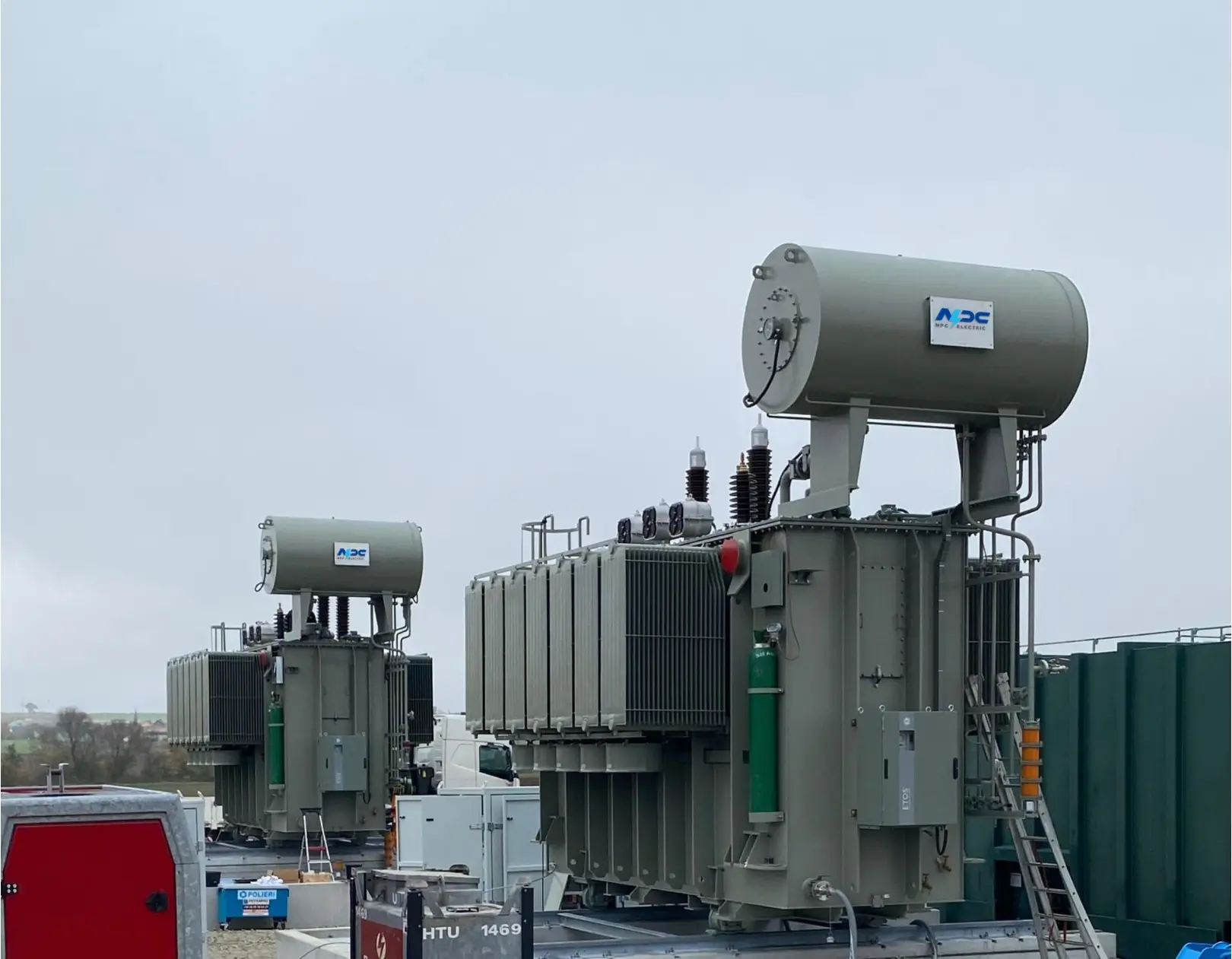
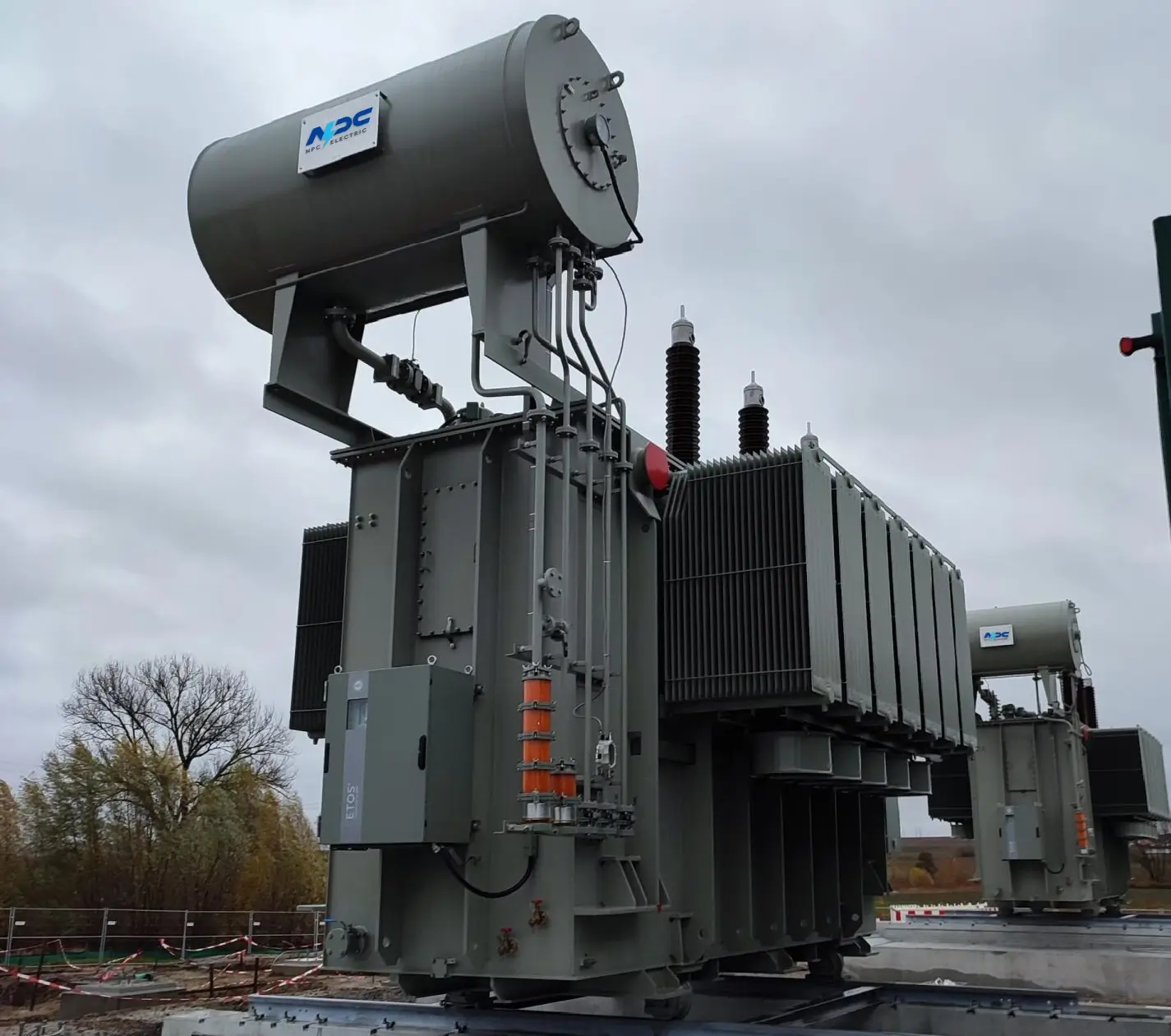
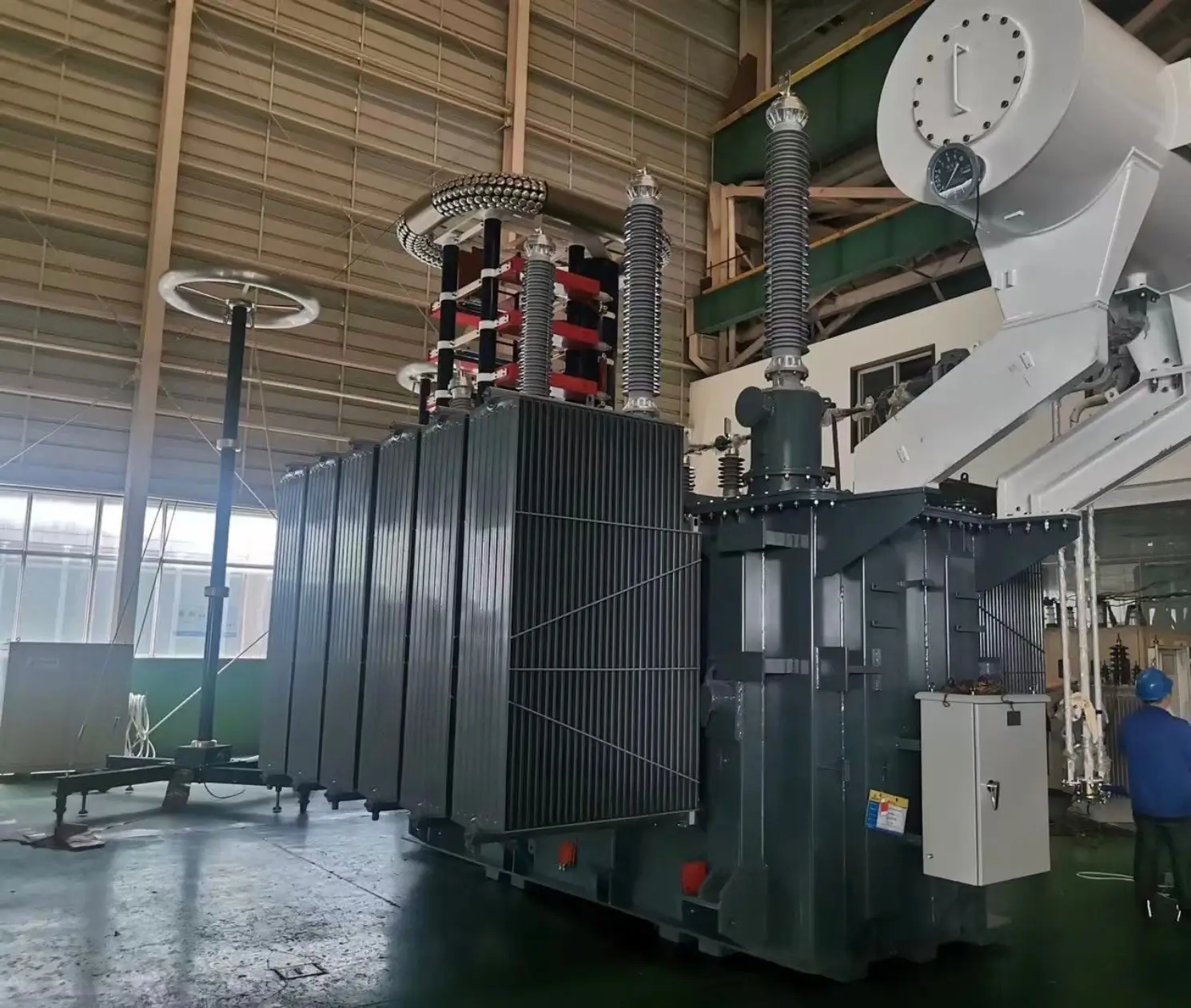
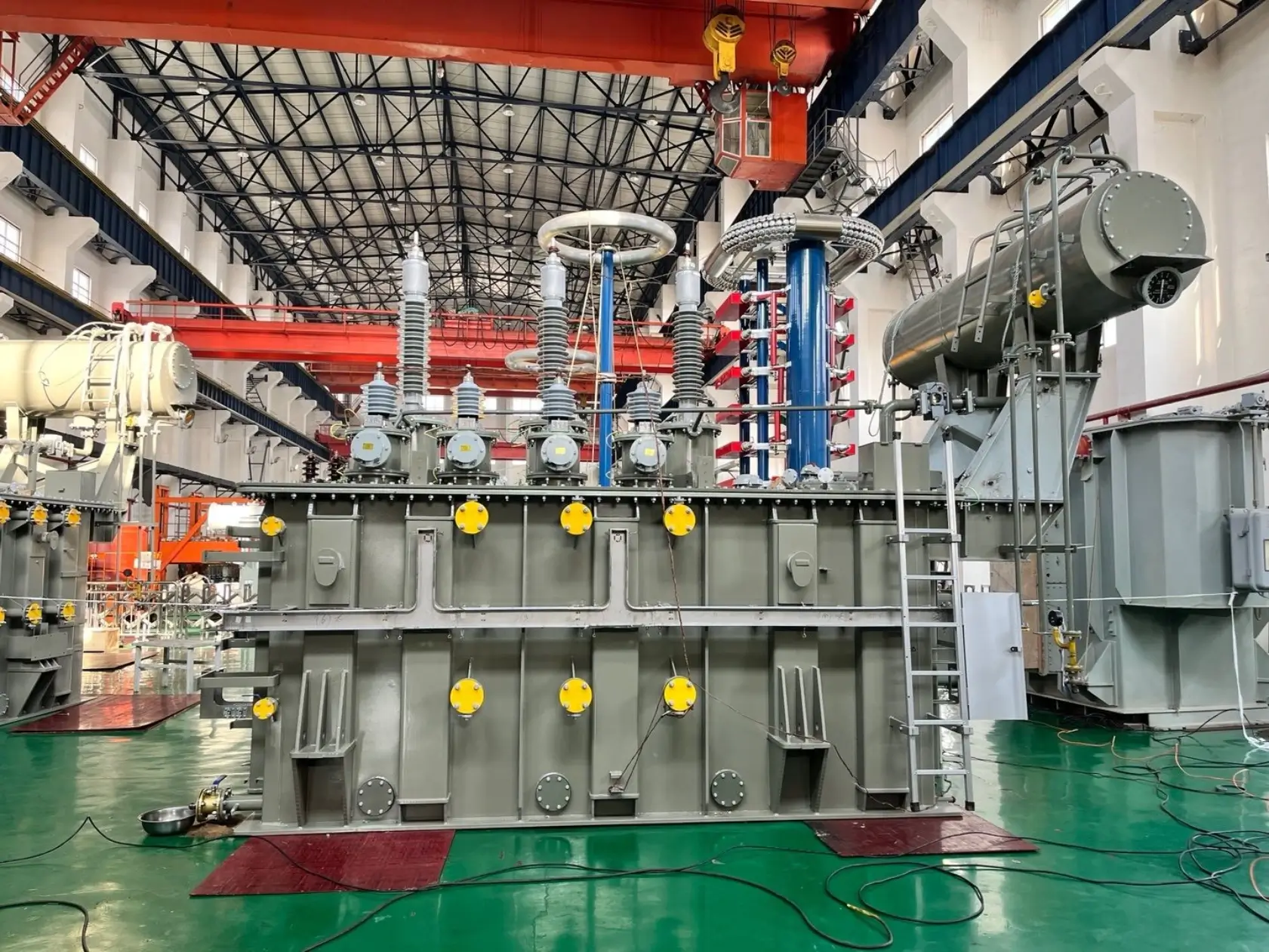


330kV 3-Phase 2-Winding Power Transformer
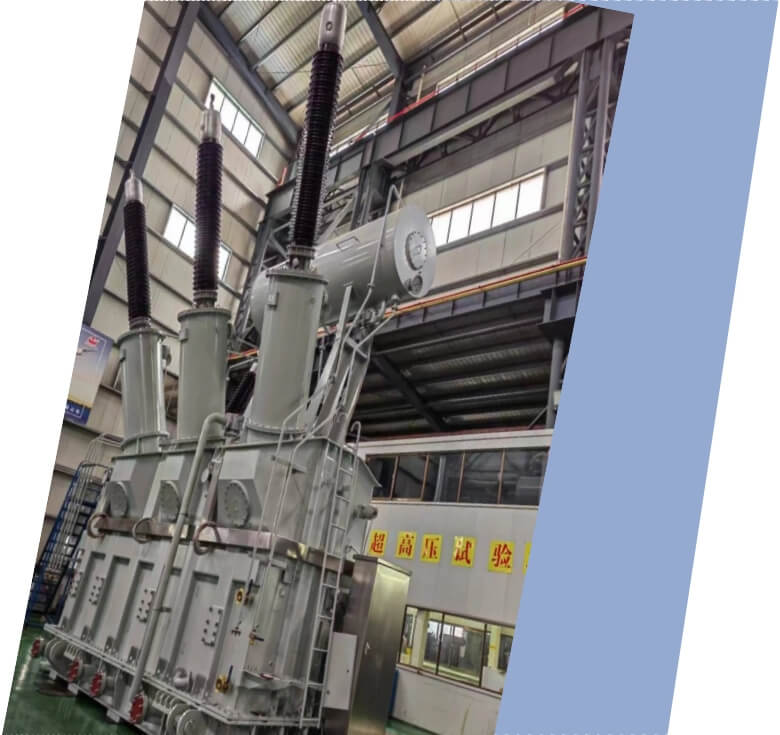
NPC Electric 330kV 3-Phase 2-Winding Power Transformer is a cornerstone of Extra-High Voltage (EHV) power systems, engineered to provide seamless voltage regulation and long-term operational reliability. Designed for heavy-duty utility and industrial applications, this transformer features a high-permeability core made of premium cold-rolled grain-oriented (CRGO) silicon steel, which significantly reduces no-load losses and acoustic noise levels. The dual-winding architecture is structurally reinforced to withstand extreme electromagnetic forces and mechanical stresses during grid short-circuit events.
Safety and longevity are prioritized through an advanced insulation system, utilizing high-grade cellulose pressboard and inhibited mineral oil. This is complemented by precision-calculated electrostatic shielding to suppress partial discharge (PD) effectively. The transformer tank is a robust, fully-welded structure designed to maintain a full vacuum, ensuring hermetic sealing against environmental contaminants.
- Primary Voltage Ratings 220kV 230kV 330 kV
- Secondary Voltage Ratings 69/35/37/34.5/26.4./11/10.5/6.6/13.2 kV or others
- H.V. Tap Range ± 8×1.25% HV taps or others
- Type Oil-immersed power transformer
- BIL 900kV
- Standards IEEE, ANSI, IEC, GB
- Application regional substations, bolstering stability in wind-integrated grids
- Power Rating 500-250000kVA
- Certificate UL, ISO, CESI
- Cooling Method ONAN/ ONAF
- Opeartion Step Down & Step Up
Technical Specifications
Customization Optional
Packing and Shipping
Manufacturer Test
Routine Testing
Application
Technical Specifications
330kV 3-Phase 2-Winding Power Transformer
Technical Specifications
Accessories
| Rated Power | 500-250000kVA |
| Rating Primary Voltage | 220kV 230kV 330kV |
| Secondary Voltage |
69/35/37/34.5/26.4/11/10.5/6.6/13.2 kV Customized |
| Frequency | 50/60Hz |
| Vector Group | Dyn11, YD11, YNd11 or anothers |
| Winding Material | Aluminum/Copper |
| Efficiency | As IEEE, CAS Std or Customized |
| Impedance Voltage | As IEC |
| Altitude | ≤1,000m or Customized |
| Enclosure material | Mid Steel |
| HV Bushing |
| LV Bushing |
| OLTC/NLTC |
| Lifting hook for complete transformer |
| Name plate |
| Oil temperature |
| Winding temperature |
| Radiators |
| Oil level |
| Pressure relief valve |
| CT |
Customization Optional
330kV 3-Phase 2-Winding Power Transformer
NPC Electric understands that every grid infrastructure presents unique challenges, which is why our 330kV power transformers offer extensive customization possibilities. Clients can specify the cooling method (ONAN, ONAF, or OFAF) to align with local ambient temperatures and specific load cycles. We also offer a choice of On-Load Tap Changers (OLTC) or Off-Circuit Tap Changers from globally recognized brands to ensure precise voltage control. Furthermore, bushings can be customized with various creepage distances for high-pollution zones, and specialized C5-class anti-corrosion coatings are available for coastal or aggressive industrial environments.
Beyond physical hardware, we provide sophisticated digital monitoring integration. Options include integrated fiber-optic temperature sensors for direct winding hotspot monitoring and intelligent online DGA (Dissolved Gas Analysis) systems for predictive maintenance. For substations with limited space, our engineering team can optimize the tank geometry and radiator orientation, ensuring the unit fits within existing footprints while maintaining all necessary safety clearances. This tailored approach guarantees that each transformer is perfectly synchronized with its operational environment.
Packing and Shipping
330kV 3-Phase 2-Winding Power Transformer
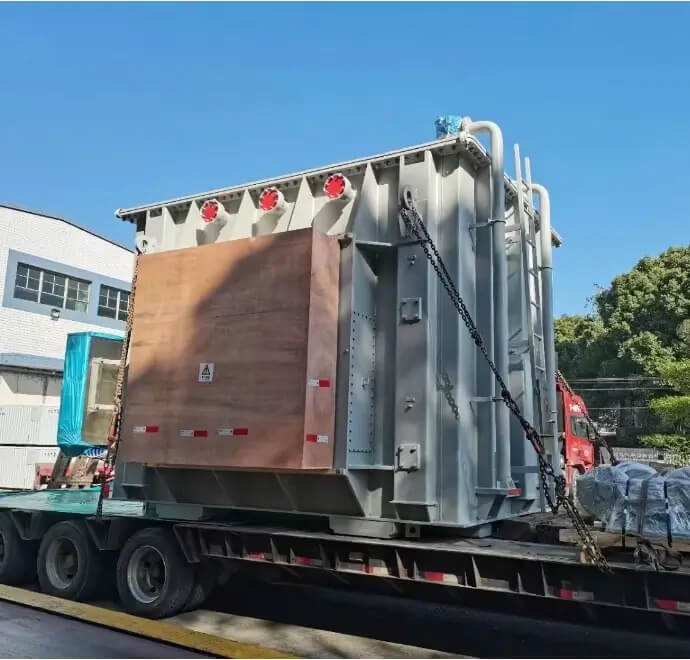
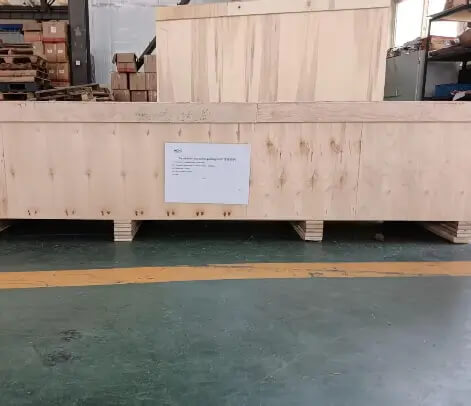
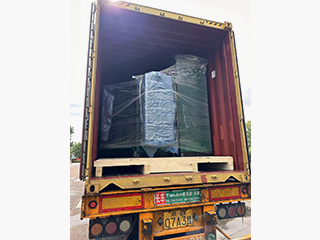
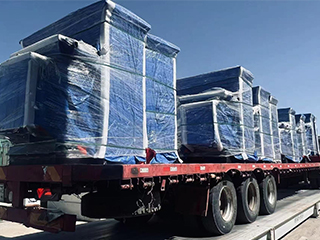
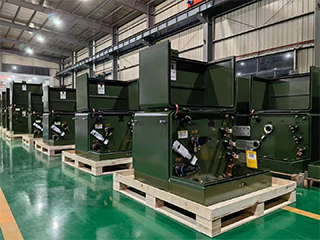
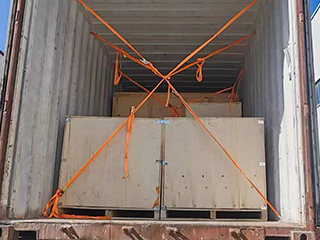
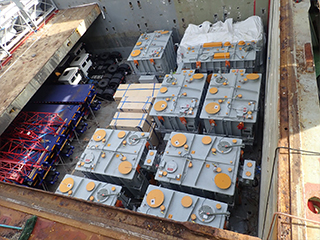
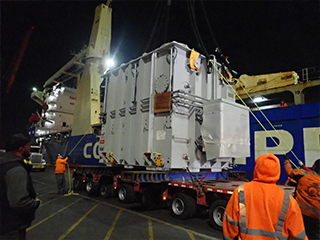
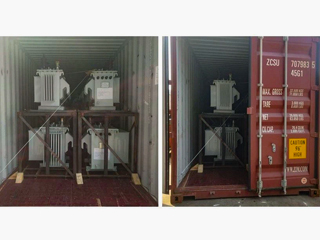
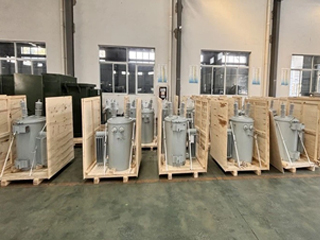
Shipping a 330kV transformer involves complex logistics due to its immense scale. To ensure the unit remains pristine during transit, the main transformer body is shipped dry-filled with nitrogen or dry air to maintain a constant positive internal pressure, which prevents moisture ingress. Critical external components, such as high-voltage bushings, radiators, and the conservator tank, are disassembled and secured in heavy-duty, seaworthy wooden crates. The main tank is lashed onto specialized multi-axle heavy-lift trailers or vessel decks using high-tensile steel equipment.
To maintain total transparency regarding structural integrity, we install 3D digital impact recorders on the main tank. These devices log any significant G-forces or vibrations encountered during the journey, providing a time-stamped report upon arrival. At the destination port or site, our logistics experts coordinate "roll-on/roll-off" (Ro-Ro) operations or heavy-lift crane discharges. This meticulous handling ensures that the core-and-coil assembly remains perfectly aligned and free from mechanical stress throughout the entire supply chain.
Documentation and customs compliance are handled with extreme precision. Every shipment includes a comprehensive packing list, moisture level reports, and pressure certificates. For international sea freight, we apply VCI (Volatile Corrosion Inhibitor) packaging to all control cabinets and exposed metal parts to prevent salt-air corrosion. Our shipping partners are specifically vetted for their experience in moving EHV equipment, ensuring a seamless transition from our factory to your foundation.
The final stage of the shipping process involves a joint inspection upon delivery. Before the transformer is offloaded onto its permanent pad, our technicians verify the internal nitrogen pressure and audit the impact recorder data. This proactive verification ensures that any potential transit-related issues are identified immediately, allowing for a smooth transition into the installation and commissioning phase, effectively eliminating unforeseen project delays and ensuring the highest level of client satisfaction.
To maintain total transparency regarding structural integrity, we install 3D digital impact recorders on the main tank. These devices log any significant G-forces or vibrations encountered during the journey, providing a time-stamped report upon arrival. At the destination port or site, our logistics experts coordinate "roll-on/roll-off" (Ro-Ro) operations or heavy-lift crane discharges. This meticulous handling ensures that the core-and-coil assembly remains perfectly aligned and free from mechanical stress throughout the entire supply chain.
Documentation and customs compliance are handled with extreme precision. Every shipment includes a comprehensive packing list, moisture level reports, and pressure certificates. For international sea freight, we apply VCI (Volatile Corrosion Inhibitor) packaging to all control cabinets and exposed metal parts to prevent salt-air corrosion. Our shipping partners are specifically vetted for their experience in moving EHV equipment, ensuring a seamless transition from our factory to your foundation.
The final stage of the shipping process involves a joint inspection upon delivery. Before the transformer is offloaded onto its permanent pad, our technicians verify the internal nitrogen pressure and audit the impact recorder data. This proactive verification ensures that any potential transit-related issues are identified immediately, allowing for a smooth transition into the installation and commissioning phase, effectively eliminating unforeseen project delays and ensuring the highest level of client satisfaction.
32
32 years of industry experience
Manufacturer Test
330kV 3-Phase 2-Winding Power Transformer
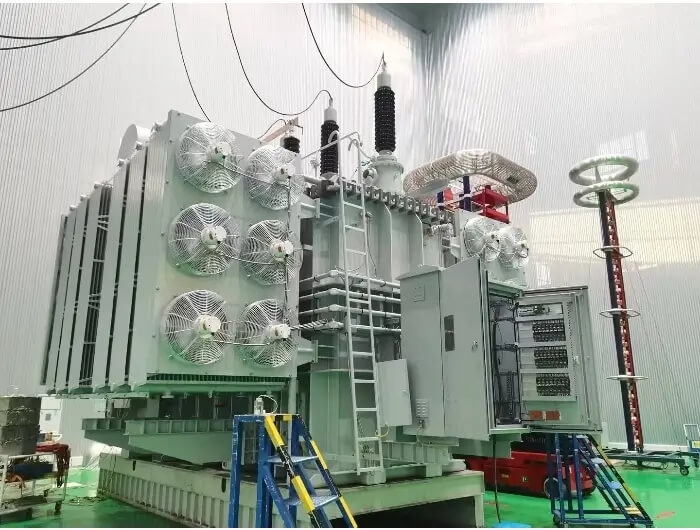
Progress test
Progress testing for the 330kV 3-Phase 2-Winding Power Transformer emphasizes insulation system integrity, oil processing quality, and mechanical strength. Controlled drying cycles, vacuum oil filling supervision, and sealing inspections are closely monitored to maintain dielectric performance and prevent internal defects. By integrating transformer-specific parameters into every inspection step, the factory ensures consistent quality, operational safety, and long-term reliability for the 330kV power transformer. Intermediate electrical tests, including insulation resistance measurement and turns ratio verification, are conducted to confirm that the 330kV power transformer meets design and safety requirements prior to final assembly.
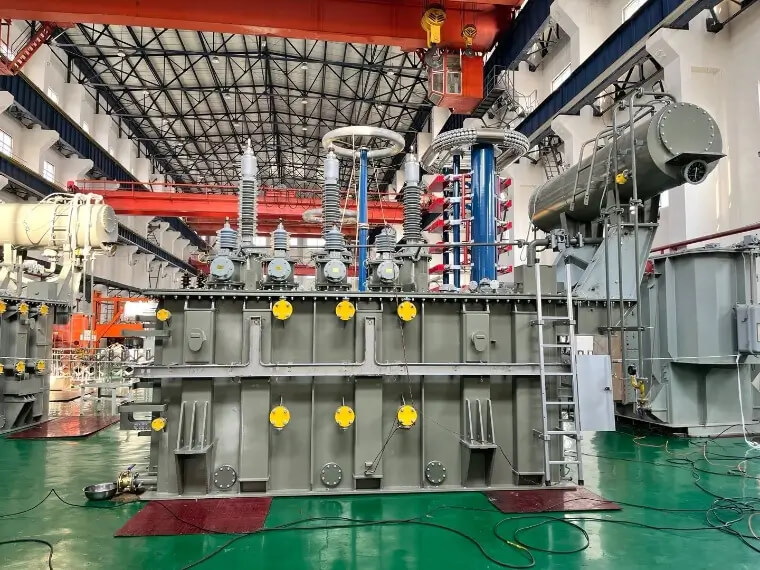
Design Tests
All transformers will be tested after finishing the production test items as follows:
♦ Leak testing with pressure for liquid-immersed transformers
♦ Test of transformer oil
♦ Measurement of the voltage ratio and check of the phase displacement
♦ Measurement of winding DC resistance
♦ Measurement of d. c. Insulation resistance between each winding to earth, and check of the core and frame insulation
♦ Capacitive bushing test
♦ Measurement of no-load loss and current at 90%,100%,110% of rated voltage
♦ Operation test on on-load tap-changer
♦ Measurement of short-circuit impedance and load loss
♦ Lightning impulse test
♦ Induced-voltage test with partial discharge measurement
♦ Auxiliary wiring check
♦ Current transformer test
♦ Frequency response analysis test
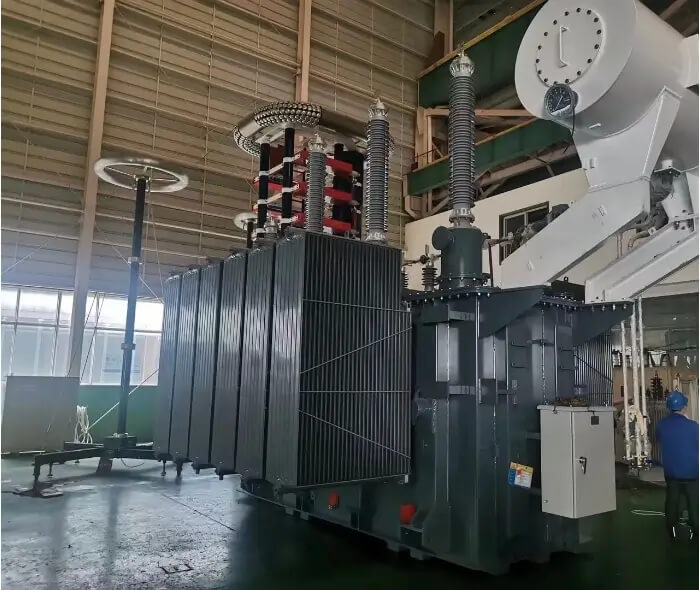
Transformer Factory Acceptance Test
In this testing sequence, we prioritize the physical and chemical stability of the unit under load. Beyond standard ratio and polarity checks, we perform Sweep Frequency Response Analysis (SFRA) to establish a mechanical "fingerprint" of the internal windings. A Vacuum Leak Test is conducted on the fully assembled tank to ensure long-term hermetic sealing. During Factory Acceptance Testing, the 330kV 3-Phase 2-Winding Power Transformer is evaluated for efficiency and thermal performance. No-load and load loss measurements, temperature rise tests, and oil dielectric strength assessments are conducted to validate design performance. Successful completion of FAT confirms that the 330kV power transformer is fully qualified for continuous operation in extra-high voltage transmission and utility substation applications.
Routine Test - Transformer Turns Ratio/TTR (All Tap Voltages)
Purpose of Testing
The purpose of the transformer turns ratio (TTR) test is to confirm whether the voltage ratio between each tap of the transformer meets the design requirements and ensure that the transformer winding is connected correctly. By measuring the voltage ratio of each tap, it is possible to detect whether there is a fault or deviation in the transformer winding.
Testing Equipment
TTR tester: such as Doble, Megger, Omicron and other brands of transformer winding ratio tester.
Voltage source: usually AC 10 V to 30 V , used to test different voltages for each tap.
Temperature and humidity meter: used to record environmental conditions during the test to ensure test accuracy.
Current probe: used to measure the load current of the winding and ensure the accuracy of the test results.
Voltage source: usually AC 10 V to 30 V , used to test different voltages for each tap.
Temperature and humidity meter: used to record environmental conditions during the test to ensure test accuracy.
Current probe: used to measure the load current of the winding and ensure the accuracy of the test results.
Pre-Test Preparation
Disconnect all transformer tap-changers from the power supply and ensure that all equipment is properly grounded and discharged.
Perform the test under suitable environmental conditions: relative humidity below 75% and no rain (recommended temperature: 20-30°C). Avoid high humidity or bad weather that may affect the test accuracy.
Perform the test under suitable environmental conditions: relative humidity below 75% and no rain (recommended temperature: 20-30°C). Avoid high humidity or bad weather that may affect the test accuracy.
Test Progress
Perform the test under suitable environmental conditions: relative humidity below 75% and no rain (recommended temperature: 20-30°C). Avoid high humidity or bad weather that may affect the test accuracy.
Test Standard
IEC 60076 Oil-immersed power transformers
Measure and Record
Start the test and record the following parameters:
The voltage ratio between the windings
Deviation of the measured value from the rated ratio
The voltage ratio between the windings
Deviation of the measured value from the rated ratio
Temperature Correction
If necessary, perform temperature correction on the measured turns ratio data (especially when testing at higher or lower temperatures). Generally, the standard reference temperature for temperature correction is 20°C.
Repeat Testing (if necessary)
Test the transformer's windings of different voltage levels (high voltage, medium voltage, and low voltage) separately to ensure that the turns ratios of all windings are normal.
Evaluation Criteria (Reference)
Turns ratio error ≤ 0.5% (pass)
0.5% < Turns ratio error ≤ 1% (caution)
Turns ratio error > 1% (further inspection or corrective action required)
0.5% < Turns ratio error ≤ 1% (caution)
Turns ratio error > 1% (further inspection or corrective action required)
*These comprehensive tests ensure that each transformer meets performance standards and operates
reliably under various conditions.
Application
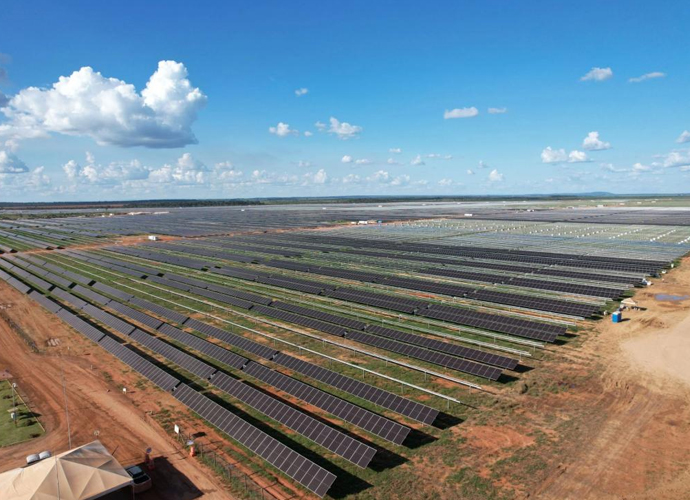
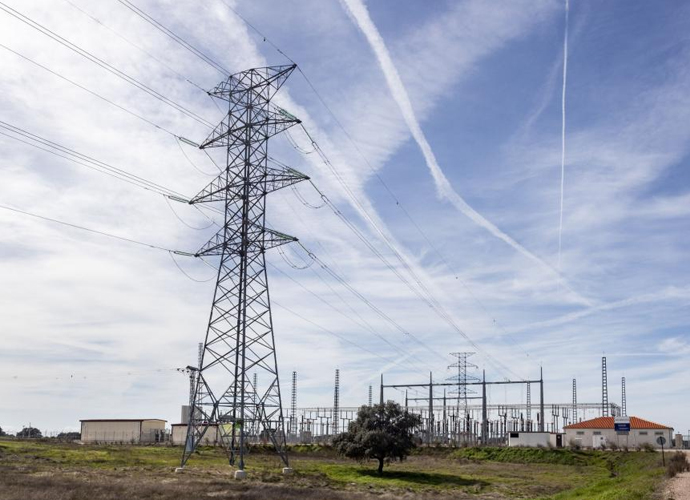
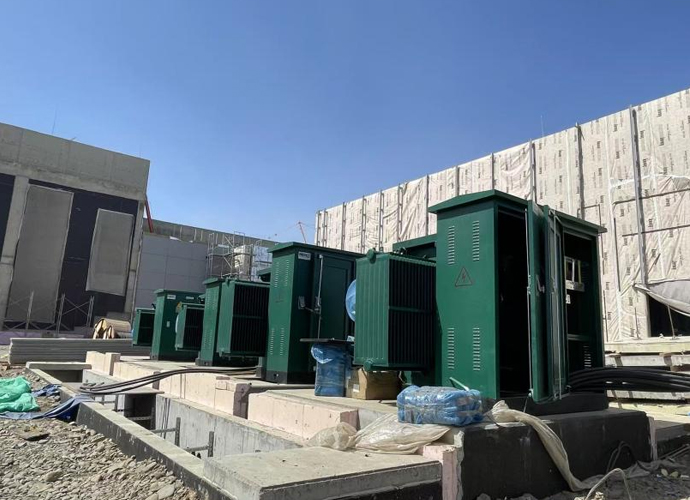
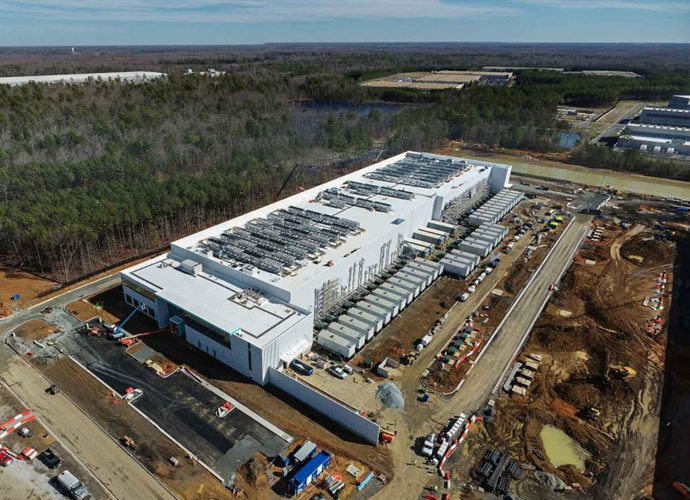
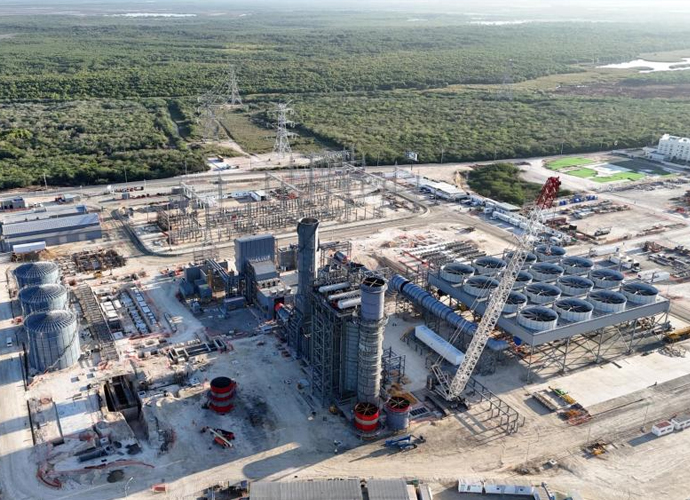
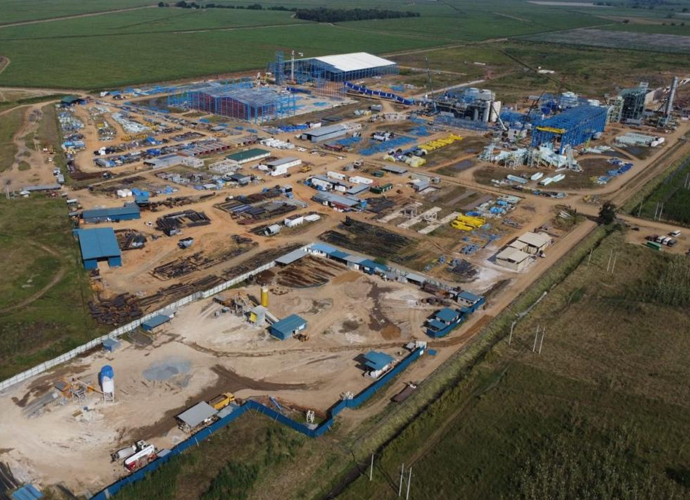
Designed for massive energy consumers such as aluminum smelters or large-scale mining operations that require a direct 330kV grid connection to ensure voltage stability and minimize transmission losses across vast industrial sites.


Technical Advantages
● 30+ years of manufacturing experience
● ISO and UL certified production
● Customized cable and transformer solutions
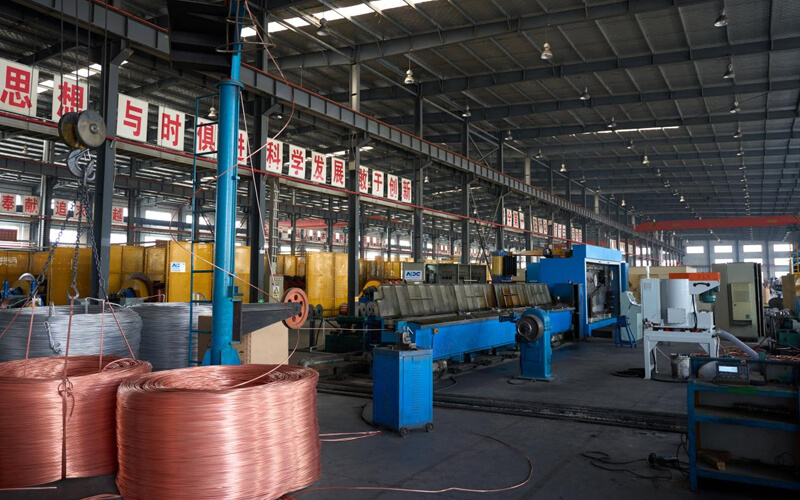
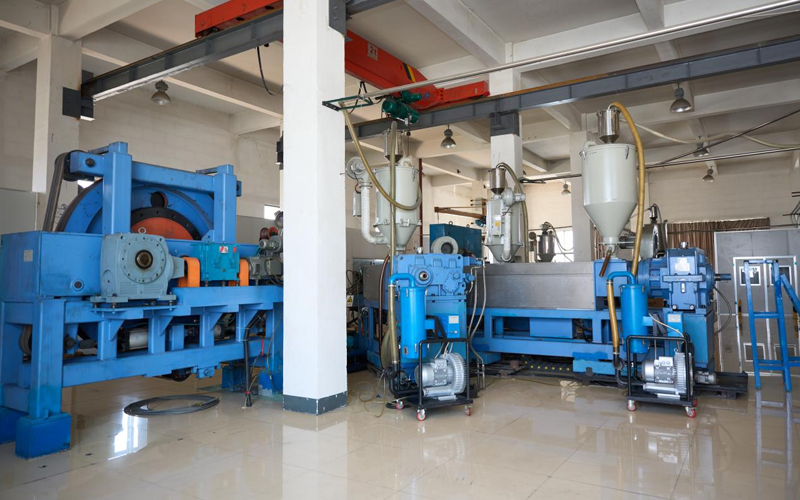
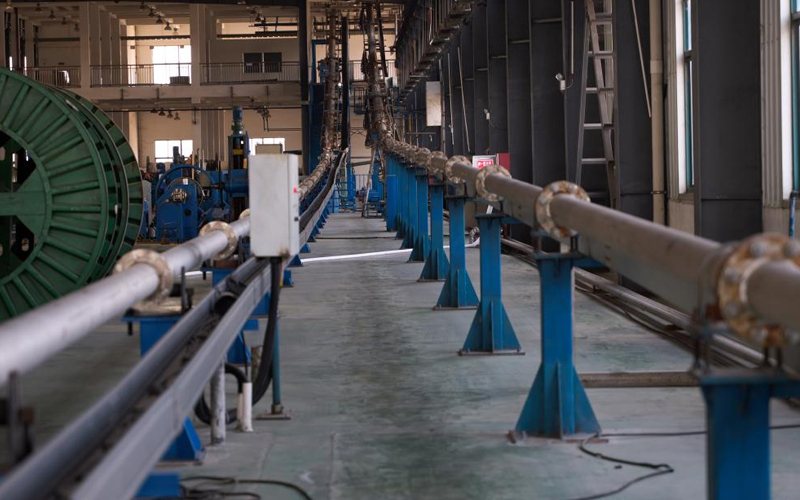
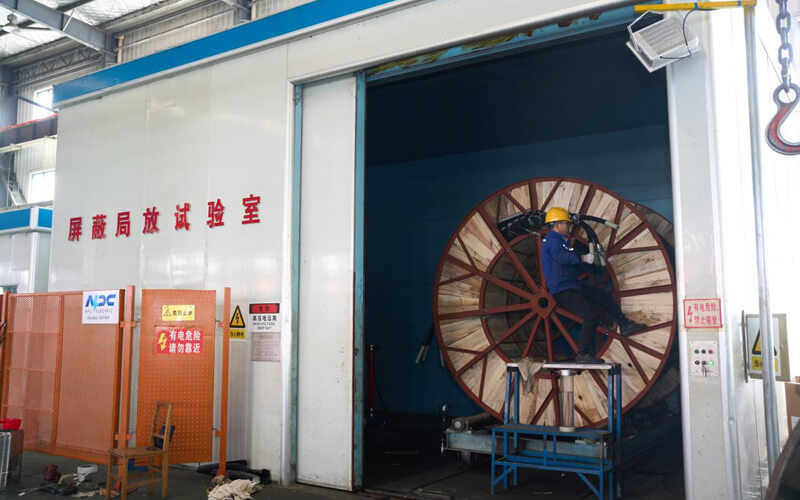
Product Packaging
Transformers Packaging (1)
Transformers Packaging (2)
Transformers Packaging (3)
Transformers Packaging (4)
Transformers Packaging (5)
Transformers Packaging (6)
Transformers Packaging (7)
Transformers Packaging (8)
Related Products
High Voltage Prefabricated Transformer Substation
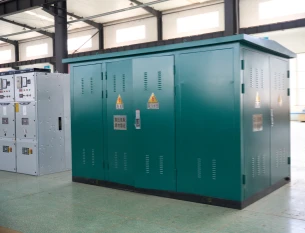
The High Voltage Prefabricated Transformer Substation is a fully integrated power distribution system designed for high-voltage transmission and medium-voltage distribution applications in utility networks, renewable energy facilities, industrial plants, and infrastructure projects. The system integrates high-voltage switchgear, power transformers, low-voltage distribution equipment, intelligent protection devices, and automation systems within a compact modular enclosure to provide reliable and efficient electrical power transformation. Engineered for demanding outdoor operating conditions, the substation features a reinforced corrosion-resistant enclosure, advanced insulation technology, optimized thermal management systems, and intelligent safety protection structures. The prefabricated modular design significantly reduces civil construction requirements, shortens installation time, and improves transportation efficiency while maintaining high operational reliability and electrical safety performance. The High Voltage Prefabricated Transformer Substation supports flexible voltage classes, transformer capacities, and smart-grid communication interfaces, making it suitable for modern utility distribution systems, renewable energy integration projects, mining operations, oil and gas facilities, and industrial manufacturing plants. With customizable electrical configurations and intelligent monitoring functions, the substation delivers scalable and energy-efficient power distribution performance for complex electrical infrastructure applications.
100kVA Completely self-protected(CSP) Single Phase Pole Mounted Transformer
100kVA CSP Single Phase Pole Mounted Transformer is a highly efficient and reliable solution designed for single-phase power distribution in residential, commercial, and light industrial applications. It features integrated self-protection systems, including overload, short-circuit, and over-voltage protection, ensuring automatic disconnection in the event of faults to safeguard both the transformer and connected equipment. With its pole-mounted design, it offers space-saving installation and is suitable for both urban and rural environments. This transformer delivers high operational efficiency with minimal energy loss and is built to withstand harsh weather conditions, ensuring long-lasting and reliable performance. It is the ideal choice for providing safe and stable single-phase power in diverse applications.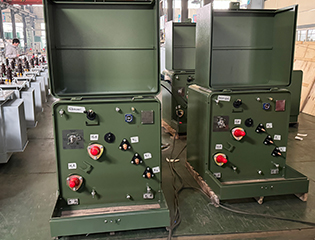
333kVA Single Phase Pad Mounted Transformer
The 333kVA Single Phase Pad Mounted Transformer is a high-performance electrical transformer designed for reliable power distribution in industrial and commercial applications. With a robust, weather-resistant enclosure, it is ideal for outdoor installations and offers efficient step-down voltage conversion. This transformer features a 333kVA capacity, providing reliable power to meet the demands of single-phase systems, and comes with customizable primary and secondary voltage configurations.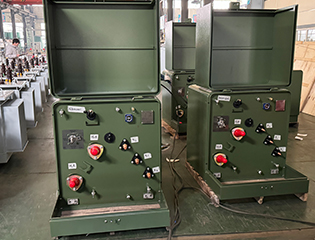
100kVA Single Phase Pad Mounted Transformer
The 100 kVA Single Phase Pad Mounted transformer adheres to a compartmental-type structure in line with IEEE Std C57.12.28 or IEEE Std C57.12.29 standards. It consists of a tank housing high-voltage and low-voltage cable terminating compartments, thoughtfully positioned side by side along one face of the transformer tank. In this configuration, the high-voltage compartment, fitted with two internally connected high-voltage bushing wells and inserts, a 4-position loadbreak switch, a 5-position tap changer switch, and a bayonet fuse, is situated alongside the low-voltage compartment featuring three stud L.V bushings and an oil level gauge.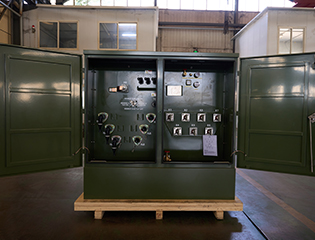
3750kVA Three Phase Pad Mounted Transformer
NPC ELECTRIC's 3750kVA Three Phase Pad Mounted Transformer is a heavy-duty, oil-immersed compartmental-type distribution transformer engineered for high-capacity underground power distribution in large-scale utility and industrial settings. This high-power pad-mounted transformer reduces energy consumption, lowers total ownership costs through superior efficiency and longevity (30+ years), and supports demanding loads with features like vacuum fault interrupters and harmonic mitigation, ideal for reliable, secure power in expansive commercial-industrial networks.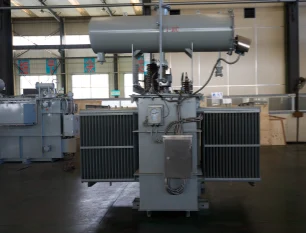
25000kVA Oil-Immersed Copper Transformer For Substation
The 25,000kVA oil-immersed copper transformer is engineered for high-standard power distribution in large industrial facilities, utility networks, and high-voltage substations. Built with premium pure copper windings, it delivers exceptional electrical conductivity, reduced losses, and long-term operational stability. The oil-immersed cooling system ensures efficient heat dissipation, allowing the transformer to perform reliably under continuous heavy load conditions.FAQ From Customers
-
What is a Transformer?A transformer is an electrical device used to change the voltage of alternating current (AC). It works on the principle of electromagnetic induction, converting high-voltage current into low-voltage current or low-voltage current into high-voltage current. Transformers are widely used in power transmission, distribution systems, and various electronic devices.
-
What are the main uses of a transformer?The main use of a transformer is voltage conversion. Transformers are used in power transmission systems to help transfer electricity from power plants to consumers. In addition, transformers are also used in electronic devices such as chargers, televisions, power adapters, etc., to adjust the voltage to meet the requirements of different devices.
-
Do you have UL listed?Yes, our transformer has UL listed. We have exported to America many pad mounted transformer,substation transformer and HV.
Welcome your inquiry
Honesty, Integrity, Frugality, Activeness and Passion