
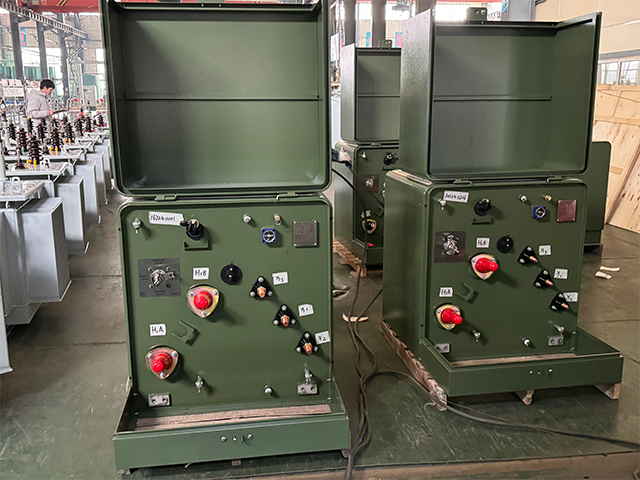

1600kVA Single Phase Pad Mounted Transformer
The 1600kVA Single Phase Pad Mounted Transformer represents the pinnacle of high-capacity underground distribution technology, engineered to handle the most demanding residential and commercial loads with outstanding efficiency and longevity. Conforming to the latest ANSI C57.12.38, IEEE C57.12.00, and DOE 2016/2020 efficiency tiers, this 1600kVA single-phase padmount provides reliable step-down from primary voltages up to 46kV to versatile secondary configurations, supporting massive loop-feed networks with superior overload tolerance and virtually silent operation.
- Primary Voltage Ratings 34.5-19.92/13.8-7.957/13.2-7.62/12.47-7.2 or others
- Secondary Voltage Ratings 480-240/240-120or customized
- H.V. Tap Range ± 2×2.5% HV taps or others
- Type Loop Feed or Radial Feed
- BIL 30/95kV
- Standards IEEE, ANSI, CSA
- Application regional shopping malls, convention centers, university campuses
- Power Rating 1600kVA
- Certificate UL/cUL, CSA, CESI
- Cooling Method ONAN, ONAN/ONAF, KNAN, KNAN/KNAF
- Oil Mineral Oil or FR3
- Opeartion Step Down & Step Up
Technical Specifications
Customization Optional
Packing and Shipping
Manufacturer Test
Routine Testing
Application
Technical Specifications
1600kVA Single Phase Pad Mounted Transformer
Technical Specifications
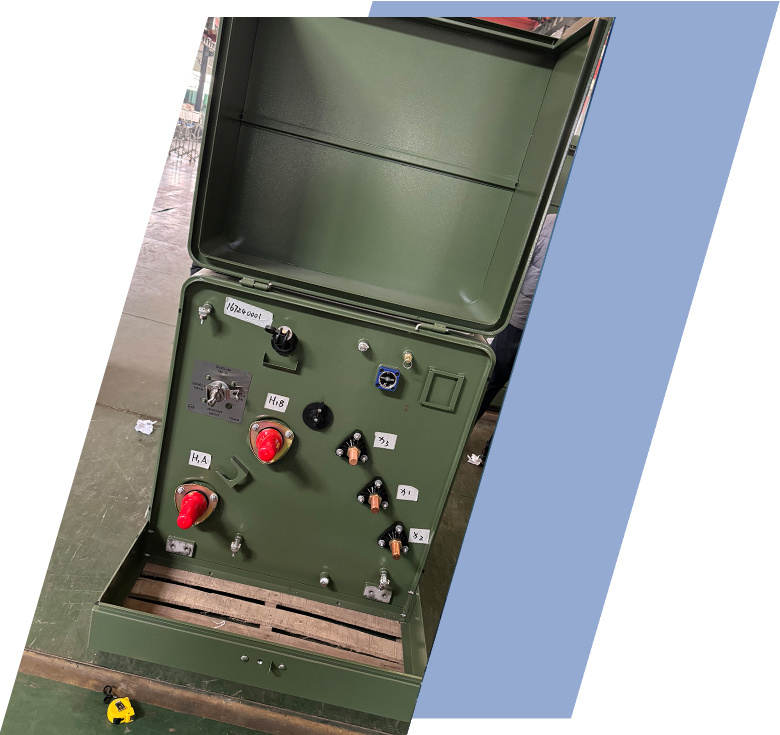
Accessories
| Rated Power | 1600 kVA |
| Rating Primary Voltage | 11950Delta or Customized |
| Secondary Voltage | 480-240V 240-120V 277V Customized |
| Frequency | 50/60Hz |
| Vector Group | Ii0,Ii6 |
| Winding Material | Aluminum/Copper |
| Efficiency | As IEEE,Doe 2016,CAS Std or Customized |
| Impedance Voltage | Nominal 2% or Customized 1.1-5.75% |
| Altitude | ≤1,000m or Customized |
| Color | ANSI 70 Light gray/Munsell 7GY3.29/1.5 or customized etc |
| Tank material | Mild Steel, 304 Stainless Steel |
| Insulating Oil Weight | 620 kg |
| Total Weight | 3650 kg |
| Outline Dimensions(L×W×H)in. | 1500×1200×1800(mm) |
| Lifting Lug | ELSP Fuse |
| Hinged Door | BAY-O-NET Fuse |
| Parking Bracket | Tap Changer |
| Tank Cover | Oil Level Gauge |
| L.V Bushing (4-Hole ) | Pressure Relief Valve |
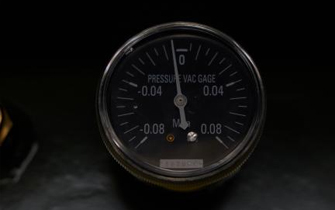
| Two/Four Position Load break Switch | Vacuum Pressure Gauge |
| HV Grounding Copper Bar | Terminal Block |
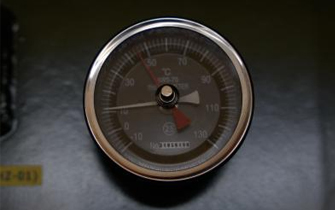
| Temperature Indicator | Door Handle |
| H.V Bushing Well | Ground Strap |
| Grounding Copper Bar | Nameplate |
| 1"'Drain Valve With 3/8" Sampler | Non-PCB decal |
| 1" Upper Fill Valve Filter Press Connection | High Voltage Warning Signs |
Customization Optional
1600kVA Single Phase Pad Mounted Transformer
The 1600kVA Single Phase Pad Mounted Transformer offers unparalleled customization depth to perfectly suit the requirements of large-scale utility and developer projects. Primary voltage portfolios range from 7.62kV to 46kV with BIL ratings reaching 250kV for maximum lightning and switching surge protection, while secondary voltages support high-current 120/240V, 277/480V, 600Y/347V, or specialized multi-tap arrangements for diverse load profiles. Winding choices include heavy-gauge copper for superior thermal performance and maximum lifespan or optimized aluminum for weight-sensitive installations. High-voltage compartment configurations feature advanced multi-position sectionalizing switches, visible break indicators, dry-well canister arresters, and coordinated full-range current-limiting fuse protection systems. Low-voltage buswork can be expanded with multiple parallel spade terminals or bus bar extensions to accommodate future load growth and multiple feeder connections.
Premium customization extends to tank fabrication in 304/316 stainless steel with specialized marine or chemical-resistant coatings, high-fire-point natural/synthetic ester fluids for maximum safety in dense urban zones, and integrated smart substation modules featuring DGA monitoring, pressure/vacuum transducers, oil temperature differential relays, and cellular/LoRaWAN communication gateways. Additional provisions include rapid pressure rise relays, fault passage indicators with SCADA output, wildlife protection barriers, custom RAL color matching, and reinforced bases for seismic zone 4 compliance. Impedance values can be precisely tuned between 2.0–8.0% for optimal system coordination and fault current limitation. These extensive configuration possibilities make the 1600kVA padmount the preferred choice for forward-thinking utilities searching for “fully customizable mega-capacity single-phase pad-mounted transformers.”
Packing and Shipping
1600kVA Single Phase Pad Mounted Transformer
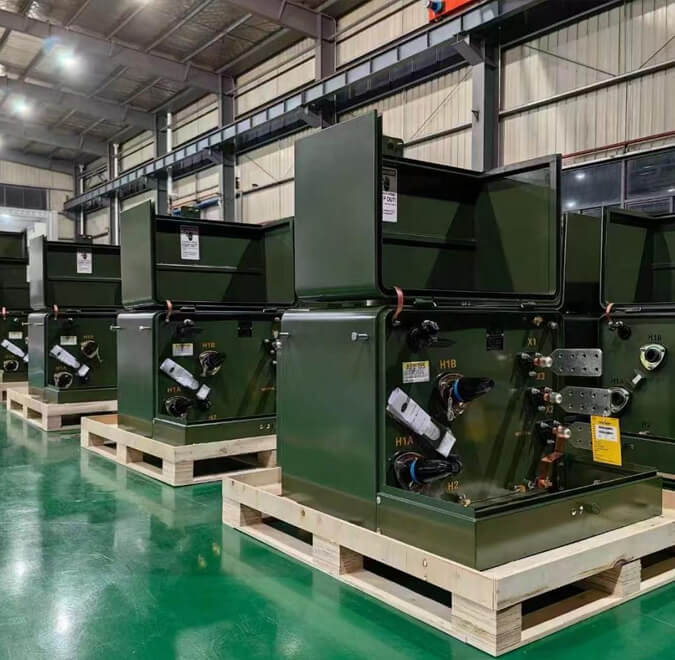
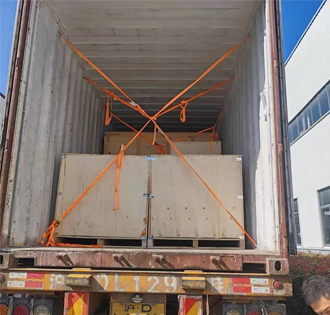
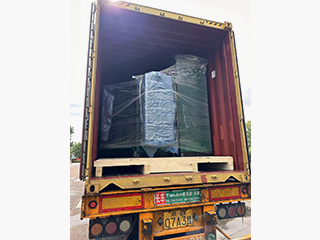
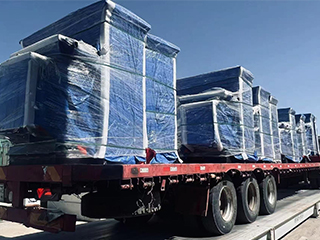
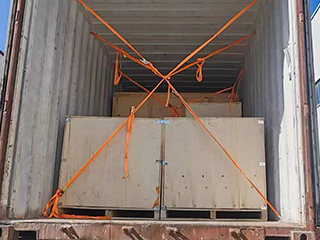
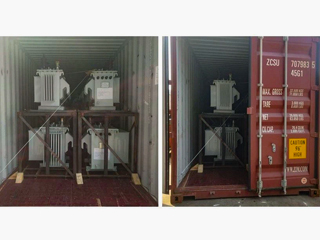
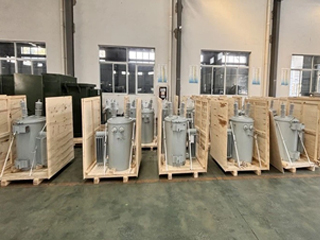
Transporting the massive 1600kVA Single Phase Pad Mounted Transformer requires industrial-strength packaging engineered specifically for very heavy, high-value electrical equipment. The transformer is mounted on an extra-heavy-duty, kiln-dried hardwood skid reinforced with steel channel underframe and multiple anti-rotation blocks. All external bushings, switches, and gauges are protected with custom-engineered rigid polymer shields and internal cross-bracing. The complete unit receives full-body shrink-wrap with reinforced anti-abrasion layers, followed by corner and edge guards made of high-density foam and plywood. A purpose-built, export-grade wooden crate – fully compliant with ISPM 15 – completely encloses the transformer, incorporating integrated lifting trunnions, forklift channels, humidity control systems, and multi-directional electronic shock & tilt recorders that log every handling event for post-delivery analysis.
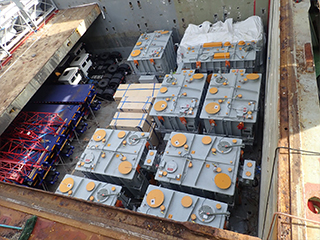
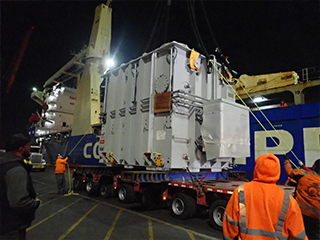
Shipping is executed through a combination of specialized heavy-lift ocean, air, and overland solutions optimized for this ultra-large padmount transformer. Dedicated 40ft flat-rack or platform containers with custom-engineered cradles and certified multi-point lashing systems provide secure, cost-effective international sea transport with transit times typically ranging from 30–70 days depending on destination. For critical path projects, dedicated air charter services can deliver key components or replacement units within 8–16 days. Domestic and regional movements utilize specialized low-boy trailers with hydraulic self-leveling suspension, police escorts, and pre-approved heavy-haul routes to ensure safe passage under maximum permitted dimensions and weights.
Comprehensive export documentation is prepared in advance, including commercial invoices, detailed packing diagrams, origin certificates, weight & measurement certificates, and specialized hazardous goods declarations for dielectric fluid. Sustainable logistics practices are incorporated through reusable skid designs, optimized container loading algorithms, and carbon-offset programs where available. Customers receive access to a secure, real-time tracking portal featuring satellite positioning, geofence notifications, estimated time of arrival projections, and direct access to a dedicated logistics engineer.
Upon arrival, optional professional services include coordinated crane or SPMT (self-propelled modular transporter) offloading, immediate post-transit condition assessment, oil quality sampling, and complete packaging removal/recycling. For utility fleet procurements, synchronized multi-unit shipments and warehousing staging are available to minimize on-site congestion. This end-to-end heavy-equipment logistics framework guarantees the 1600kVA transformer reaches its installation site in pristine condition, establishing leadership in searches for “large capacity single-phase pad-mounted transformer global shipping.”
Shipping is executed through a combination of specialized heavy-lift ocean, air, and overland solutions optimized for this ultra-large padmount transformer. Dedicated 40ft flat-rack or platform containers with custom-engineered cradles and certified multi-point lashing systems provide secure, cost-effective international sea transport with transit times typically ranging from 30–70 days depending on destination. For critical path projects, dedicated air charter services can deliver key components or replacement units within 8–16 days. Domestic and regional movements utilize specialized low-boy trailers with hydraulic self-leveling suspension, police escorts, and pre-approved heavy-haul routes to ensure safe passage under maximum permitted dimensions and weights.
Comprehensive export documentation is prepared in advance, including commercial invoices, detailed packing diagrams, origin certificates, weight & measurement certificates, and specialized hazardous goods declarations for dielectric fluid. Sustainable logistics practices are incorporated through reusable skid designs, optimized container loading algorithms, and carbon-offset programs where available. Customers receive access to a secure, real-time tracking portal featuring satellite positioning, geofence notifications, estimated time of arrival projections, and direct access to a dedicated logistics engineer.
Upon arrival, optional professional services include coordinated crane or SPMT (self-propelled modular transporter) offloading, immediate post-transit condition assessment, oil quality sampling, and complete packaging removal/recycling. For utility fleet procurements, synchronized multi-unit shipments and warehousing staging are available to minimize on-site congestion. This end-to-end heavy-equipment logistics framework guarantees the 1600kVA transformer reaches its installation site in pristine condition, establishing leadership in searches for “large capacity single-phase pad-mounted transformer global shipping.”
32
32 years of industry experience
Manufacturer Test
1600kVA Single Phase Pad Mounted Transformer
Progress Test
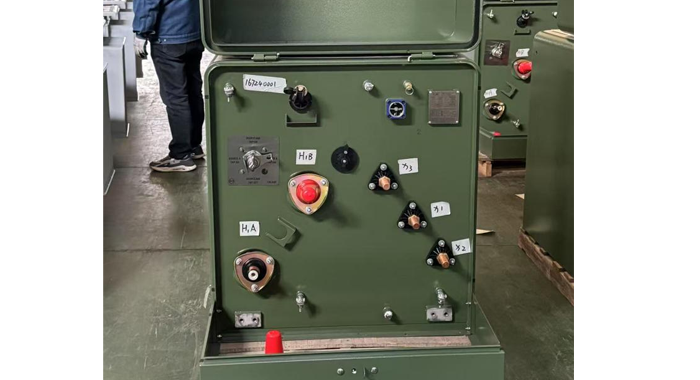
Subsequent progress inspections feature vacuum oil filling with online laser particle counting and Karl Fischer moisture analysis targeting <8 ppm. Pre-energization dielectric profiling includes recovery voltage measurement, polarization/depolarization current analysis, and frequency response analysis of windings. Partial discharge testing uses both conventional and ultra-high-frequency methods during voltage step-up to identify incipient defects. Switching mechanism endurance trials simulate thousands of operations under load conditions while monitoring contact resistance and arc duration. Thermal performance preview utilizes infrared and resistance temperature detector arrays during controlled current injection to map heat flow patterns. Final pre-paint corrosion resistance is validated through cyclic salt-fog and UV exposure protocols. Transport simulation applies randomized multi-frequency vibration, inclined drop, and lateral shock testing per IEC 60068-2-27. Photographic, metrological, and digital sensor data from these advanced stages provide conclusive evidence of the transformer's readiness for final factory acceptance testing and long-term field reliability.
Design Tests
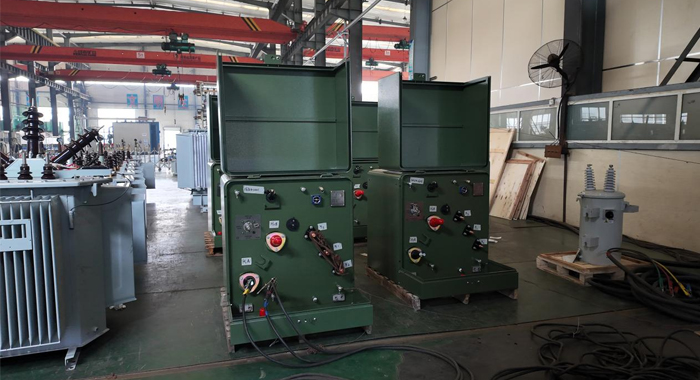
All transformers will be tested after finishing the production, test items as follows:
♦ Insulation Power Factor:
♦ Ratio, Polarity, and Phase Relation:
♦ Winding Resistance:
♦ Impulse Tests:
♦ On load Loss Test:
♦ No Load Loss Test
♦ Leak Test:
♦ DC Insulation Resistance Test
♦ Transformer Turns Ratio/TTR (All Tap Voltages)
♦ Impedance Voltage & Load Loss (Rated Voltage)
♦ Polarity, 1-Ph / Phase Relation, 3-Ph (Rated Voltage)
♦ Excitation & No-Load Loss (Rated Voltage)
♦ Applied Voltage
♦ Induced Voltage
♦ Lightning Impulse
♦ Insulation Resistance (Rated Voltage)
♦ Temperature Rise
♦ Dielectric Withstand (Hipot)
Transformer Factory Acceptance Test
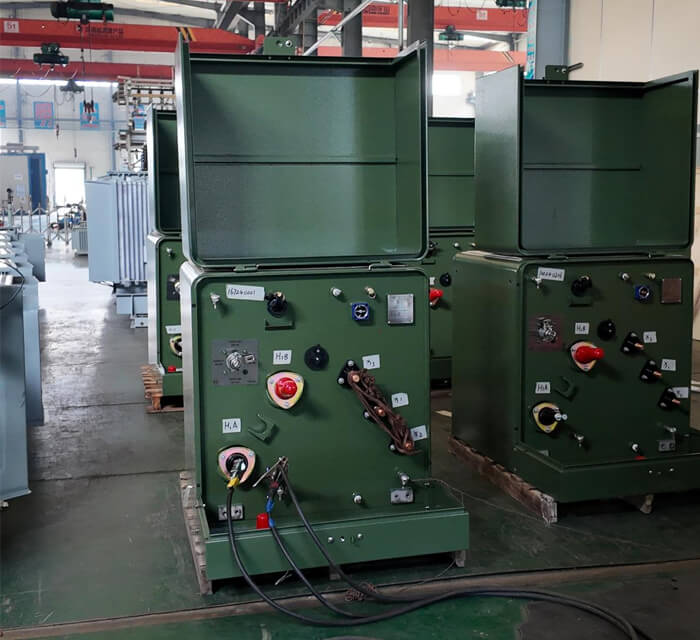
Advanced acceptance testing incorporates double-frequency induced overvoltage with highly sensitive partial discharge, RIV, and acoustic emission monitoring, maintaining discharge levels well below 20pC across the entire voltage envelope. Regulation, impedance, and full-load loss are precisely determined using the calibrated short-circuit method at unity and specified power factors. Operational endurance testing cycles high-voltage switching devices thousands of times, verifying load-make/load-break performance, visible break indication, and grounding switch interlocks. Protective coordination trials demonstrate correct fuse melting curves and expulsion behavior under simulated faults. Extended-duration heat run testing at rated plus overload conditions employs distributed fiber-optic temperature sensors to confirm hotspot temperatures remain within insulation class limits. Acoustic performance is characterized using sound intensity mapping techniques in a certified hemi-anechoic environment. Comprehensive final inspection verifies all enclosure IP ratings, grounding continuity, accessory synchronization, finish quality, and labeling accuracy. The complete test package—including high-resolution thermal imaging, oscillographic records, signed witness reports, and traceability certificates—accompanies the transformer, fully certifying its suitability for the most critical large-scale underground distribution applications.
Routine Test - Induced Voltage
Purpose of Testing
The purpose of the Induced Voltage test is to simulate the electrical stress that the equipment may encounter under actual working conditions by applying an induced voltage, thereby evaluating the tolerance and stability of the equipment's insulation system. This test helps to detect the insulation performance of the equipment under high voltage conditions and ensure its safety and reliability in operation.
Testing Equipment
Induced Voltage Tester (e.g. OMICRON, Megger, HioKI, etc.)
AC voltage source, commonly 2 kV, 5 kV, 10 kV, or customized according to test requirements.
Environmental thermometer and hygrometer, used to record the temperature and humidity of the environment for appropriate test evaluation.
AC voltage source, commonly 2 kV, 5 kV, 10 kV, or customized according to test requirements.
Environmental thermometer and hygrometer, used to record the temperature and humidity of the environment for appropriate test evaluation.
Pre-Test Preparation
Disconnect all relevant power supplies and ensure that the equipment is properly grounded and discharged.
Check the connection wires and terminals to ensure they are secure and free of contamination.
Test under suitable environmental conditions: relative humidity below 75%, no rain (recommended temperature: 20-30°C).
Check the connection wires and terminals to ensure they are secure and free of contamination.
Test under suitable environmental conditions: relative humidity below 75%, no rain (recommended temperature: 20-30°C).
Test Progress
Connect the Test Instrument:
Connect the test equipment to the appropriate terminals or bushings of the device under test, ensuring that the connections are secure and properly grounded.
Apply Test Voltage:
Select the appropriate induction voltage according to the rated voltage and standard of the equipment.
Connect the test equipment to the appropriate terminals or bushings of the device under test, ensuring that the connections are secure and properly grounded.
Apply Test Voltage:
Select the appropriate induction voltage according to the rated voltage and standard of the equipment.
Measure and Record
Start the test and record the following parameters:
Induced Voltage
Applied Current
Voltage peak, stability and waveform (waveform analysis)
Any abnormal current or voltage changes during the measurement process.
Induced Voltage
Applied Current
Voltage peak, stability and waveform (waveform analysis)
Any abnormal current or voltage changes during the measurement process.
Temperature Correction
The measured induced voltage data is corrected to the reference temperature (usually 20°C) to ensure the accuracy of the test results.
Repeat Testing (if necessary)
If necessary, test different windings (HV, MV, LV) and bushings separately and compare the results at different test points.
Evaluation Criteria (Reference)
Inductive voltage ≤ 1% (Excellent): normally and meets safety standards.
1% < Inductive voltage ≤ 3% (Good): still within acceptable range.
Inductive voltage > 3% : faulty or not meet safety requirements and requires further analysis and repair.
1% < Inductive voltage ≤ 3% (Good): still within acceptable range.
Inductive voltage > 3% : faulty or not meet safety requirements and requires further analysis and repair.
*These comprehensive tests ensure that each transformer meets performance standards and operates
reliably under various conditions.
Application
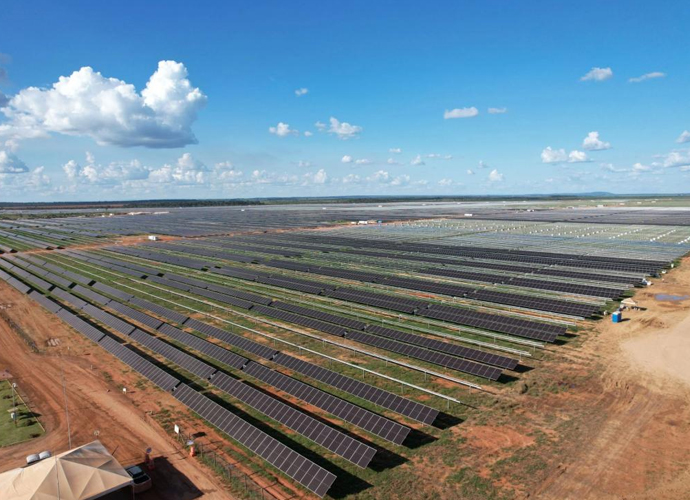
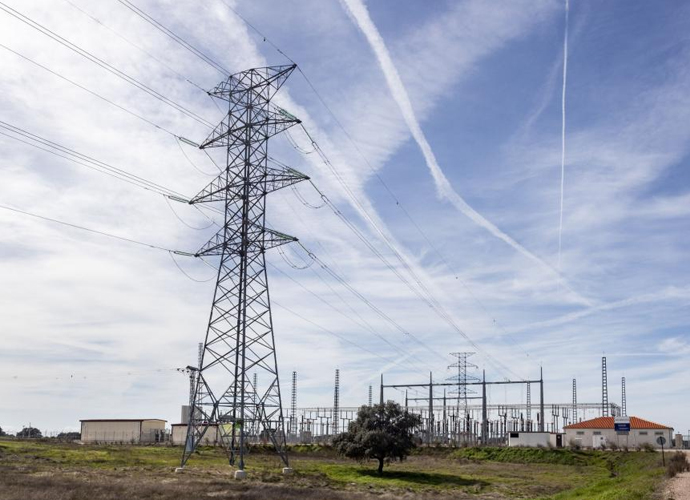
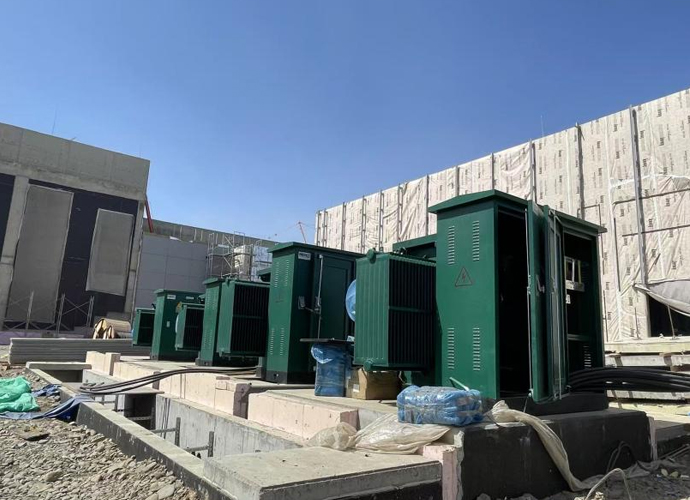
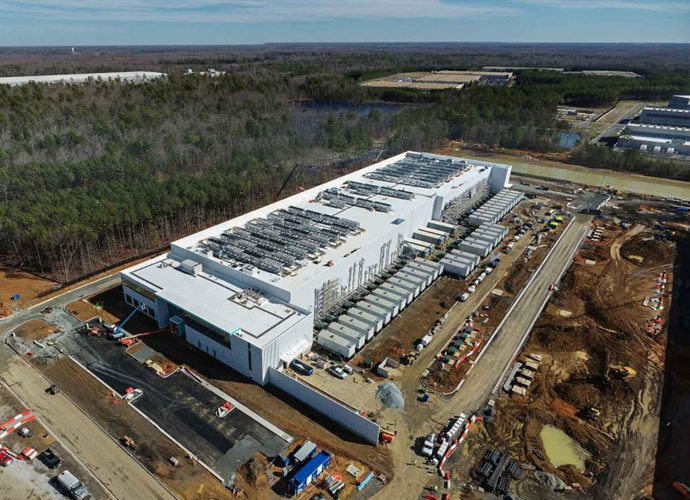
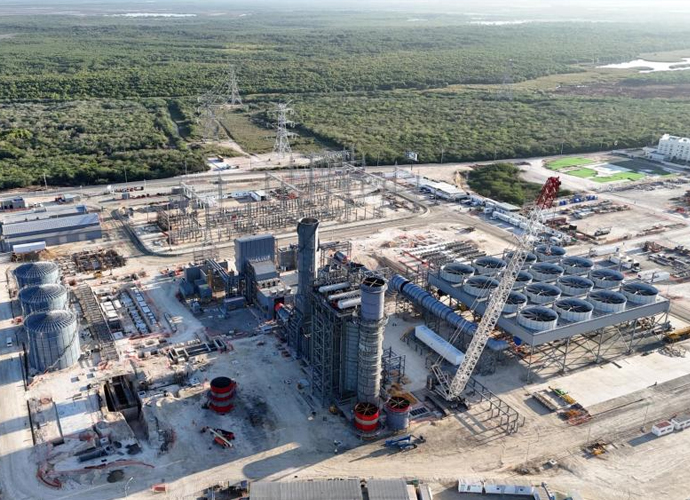
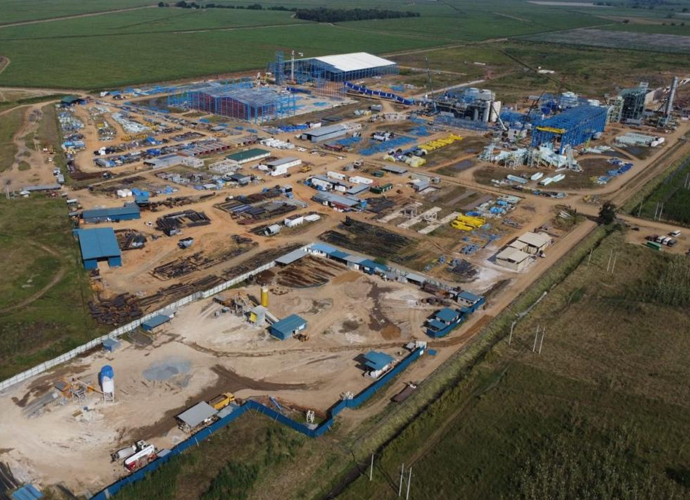
Engineered for ultra-large master-planned communities, sprawling suburban mega-developments, and high-rise residential towers requiring massive underground power capacity with maximum safety and minimal visual impact.


Technical Advantages
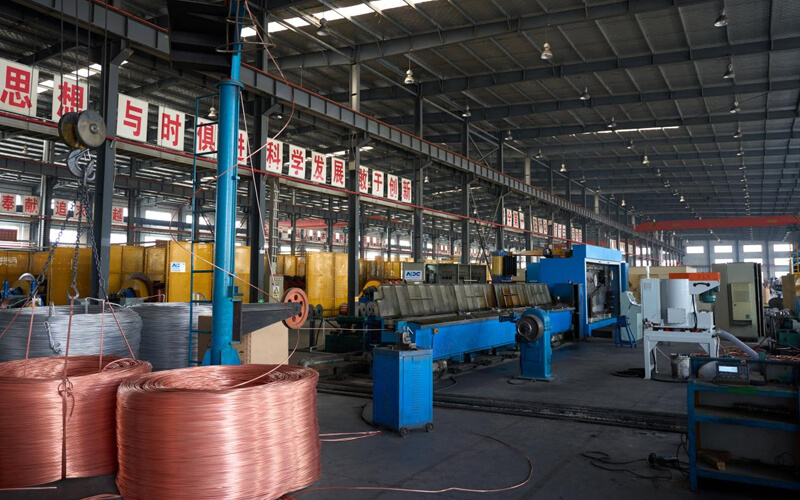
● 30+ years of manufacturing experience
● ISO and UL certified production
● Customized cable and transformer solutions
Product Packaging
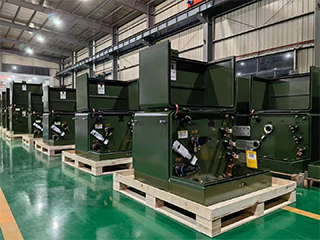
Transformers Packaging (1)
Transformers Packaging (2)
Transformers Packaging (3)
Transformers Packaging (4)
Transformers Packaging (5)
Transformers Packaging (6)
Transformers Packaging (7)
Transformers Packaging (8)
Related Products
11kV – 33kV Solar Inverter Duty Transformer Up to 20MVA
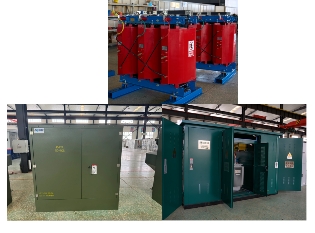
The Reliable Solar Inverter Duty Transformer for Renewable Energy applications is engineered to support modern photovoltaic systems with capacities up to 20MVA and voltage levels from 11kV to 33kV. Designed to interface directly with solar inverters, this transformer ensures stable voltage conversion, excellent harmonic tolerance, and consistent performance under fluctuating generation conditions typical of renewable energy plants. The transformer adopts a robust oil-immersed structure with optimized thermal management to handle continuous load cycling and high ambient temperatures. Advanced magnetic core materials reduce no-load losses, while reinforced insulation systems improve dielectric strength and operational lifespan.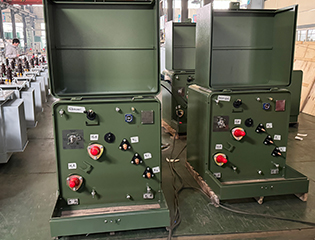
250kVA Single Phase Pad Mounted Transformer
NPC ELECTRIC 250 kVA single phase pad mounted transformer operates safely, reliably, and efficiently and can be installed indoors and outdoors. The industrial transformer has a rated power of 250 kVA, a primary voltage of 27600/16000V single-phase and a secondary voltage of 120/240V single-phase.The transformer has a primary loop feed and dead front primary connections.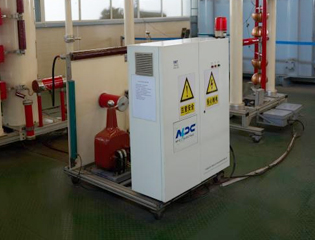
11/0.4kV Dry Type Transformer | Indoor Power Transformer
Discover the reliable 11/0.4kV Dry Type Transformer | Indoor Power Transformer, a safe, oil-free solution designed for efficient medium-to-low voltage conversion in indoor electrical installations. This three-phase dry-type transformer (typically cast resin or vacuum pressure impregnated) features premium low-loss silicon steel cores and high-conductivity copper windings, achieving superior energy efficiency often exceeding 98% and complying with IEC 60076-11 standards. The epoxy resin encapsulation provides excellent moisture resistance, fire self-extinguishing properties (F1 class), minimal partial discharge (<10pC), and robust short-circuit withstand capability. With natural air (AN) cooling and optional forced air (AF) upgrades, it offers low noise operation, Class F/H insulation, and maintenance-free performance in demanding environments. Ideal for step-down from 11kV primary (with ±2×2.5% or wider off-circuit taps) to 0.4kV secondary (Dyn11 vector group standard), this indoor power transformer supports capacities from 100kVA to several MVA, delivering stable, eco-friendly power distribution without oil-related risks.
25kVA Completely self-protected(CSP) Single Phase Pole Mounted Transformer
The 25kVA Completely Self-Protected (CSP) Single Phase Pole Mounted Transformer is a compact, oil-immersed overhead distribution transformer with integrated self-protection for enhanced safety and reduced external equipment needs in residential, rural, small commercial, and light agricultural power supply. Compliant with ANSI C57.12.20, IEEE C57.12.00 / C57.12.90, DOE efficiency standards (meeting or exceeding DOE 2016 levels, aligned with 2029 amended requirements for reduced losses in single-phase units), and applicable CSA/IEC guidelines, this CSP unit delivers efficient step-down from medium-voltage primary lines to low-voltage secondary service, with built-in protection against overloads, faults, and surges, low no-load/load losses, and long service life in pole-mounted utility applications.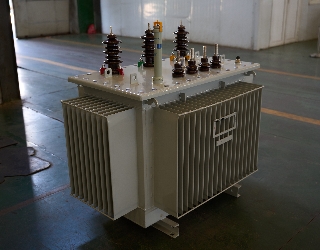
125kVA Oil Immersed Transformer
125kVA Oil Immersed Transformer has the characteristics of high efficiency and low loss, which can reduce power consumption and operation cost, and has significant social benefits. The NPC ELECTRIC 125kva Oil Immersed Transformer, manufactured and supplied by a leading Chinese manufacturer, is are highly advanced electrical device engineered to meet the rigorous demands of modern power distribution systems. These transformers are renowned for their exceptional durability, efficiency, and reliability. As a trusted supplier in China, the manufacturer offers a comprehensive range of 125kVA Oil Immersed Transformers tailored to suit various applications, ensuring optimal performance and long-term value to customers worldwide.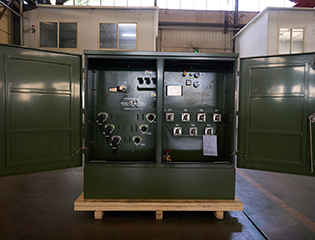
225kVA Three Phase Pad Mounted Transformer
The 225kVA three-phase pad transformer is an efficient and reliable power conversion device designed for commercial, industrial and distribution systems. With a high power capacity of 225kVA, the transformer is able to provide a stable three-phase power supply for large-scale equipment to meet high load requirements. Its rugged housing is made of weather-resistant materials and meets NEMA 3R standards, ensuring long-term stable operation in outdoor environments and preventing the influence of external factors such as water, dust and corrosion.FAQ From Customers
-
What is a Transformer?A transformer is an electrical device used to change the voltage of alternating current (AC). It works on the principle of electromagnetic induction, converting high-voltage current into low-voltage current or low-voltage current into high-voltage current. Transformers are widely used in power transmission, distribution systems, and various electronic devices.
-
What are the main uses of a transformer?The main use of a transformer is voltage conversion. Transformers are used in power transmission systems to help transfer electricity from power plants to consumers. In addition, transformers are also used in electronic devices such as chargers, televisions, power adapters, etc., to adjust the voltage to meet the requirements of different devices.
-
Do you have UL listed?Yes, our transformer has UL listed. We have exported to America many pad mounted transformer,substation transformer and HV.
Welcome your inquiry
Honesty, Integrity, Frugality, Activeness and Passion