Three Phase Transformer Guide: How It Works and Why It Matters in Modern Power Systems
2026-01-16
Three-phase transformers are an indispensable component of modern power systems, demonstrating their high efficiency in power conversion, especially in high-power applications. Compared to single-phase transformers, three-phase transformers provide more stable power output, making them suitable for large-scale power transmission and distribution. Whether providing a stable power supply to heavy machinery in industrial plants or distributing power in urban power grids, three-phase transformers operate efficiently with minimal energy loss.
Furthermore, three-phase transformers play a crucial role in renewable energy systems, helping to convert and effectively transmit electricity from sources such as wind or solar power to the grid. By optimizing power flow and reducing energy losses during transmission, three-phase transformers ensure system stability and long-term reliability. With the increasing global demand for clean energy, the high efficiency and reliability of three-phase transformers are leading to their increasingly widespread application in modern power systems.
What is a Three Phase Transformer?
A three-phase transformer is a type of electrical transformer designed to work with a three-phase electrical system. It converts three-phase power from one voltage level to another—either stepping it up or stepping it down. This transformation is essential for the efficient distribution and transmission of electrical power over long distances.
In a three-phase system, three separate voltage waveforms are generated 120 degrees apart. A three-phase transformer consists of three primary windings and three secondary windings, each connected in either wye (star) or delta configuration. This setup provides a continuous power supply, which is more stable and efficient than a single-phase transformer, particularly for high-power applications like industrial machinery and large power grids.
How Does a Three Phase Transformer Work?
The principle behind a three-phase transformer is based on electromagnetic induction, just like other transformers. The transformer consists of three windings:
-
Primary Windings: These are connected to the source of power, typically the high-voltage side of a distribution system.
-
Secondary Windings: These deliver the transformed voltage to the load side of the system.
When three-phase power enters the primary side, the current flows through the windings, creating a rotating magnetic field in the transformer’s core. This magnetic field induces a voltage in the secondary windings. The resulting secondary voltages are then used to power equipment or to further distribute the power to other systems.
Key Components of a Three Phase Transformer
- Primary and Secondary Windings: The core components that determine the voltage conversion ratio. The windings are typically made of copper or aluminum, wound around a core of steel sheets to provide efficient magnetic flux paths.
-
Core: The transformer’s core is made of laminated steel sheets to reduce energy losses and ensure efficient operation. The core helps direct the magnetic flux and provides the necessary magnetic field for voltage induction.
-
Cooling System: Large transformers require efficient cooling systems to prevent overheating. This can include oil cooling systems or air-cooling methods, depending on the transformer’s size and operating conditions.
-
Taps and Connections: The transformer’s connection to the electrical system can vary. It can be connected in a delta configuration for more balanced power flow or in a wye configuration for better voltage regulation.
Why Three-Phase Transformers Matter in Modern Power Systems
Three-phase transformers are essential for the efficient transfer of high power across large distances. They allow for the generation and transmission of electricity with fewer losses and more reliable power delivery. Here’s why three-phase transformers are so critical in modern power systems:
1. Improved Power Flow and Efficiency
One of the most significant advantages of a three-phase transformer is its ability to handle a larger volume of power, delivering stable and continuous power flow. In industrial and utility-scale applications, this means more reliable service and less downtime. A three-phase system can handle higher currents and distribute them more evenly across the three wires, reducing the risk of overloads and improving system efficiency.
2. High-Power Distribution
For large-scale industrial systems or power distribution networks, three-phase transformers are essential because they can handle higher power capacities. Whether stepping down high-voltage power for local distribution or stepping up power for long-distance transmission, these transformers provide the high power necessary to keep systems running smoothly.
3. Flexibility and Scalability
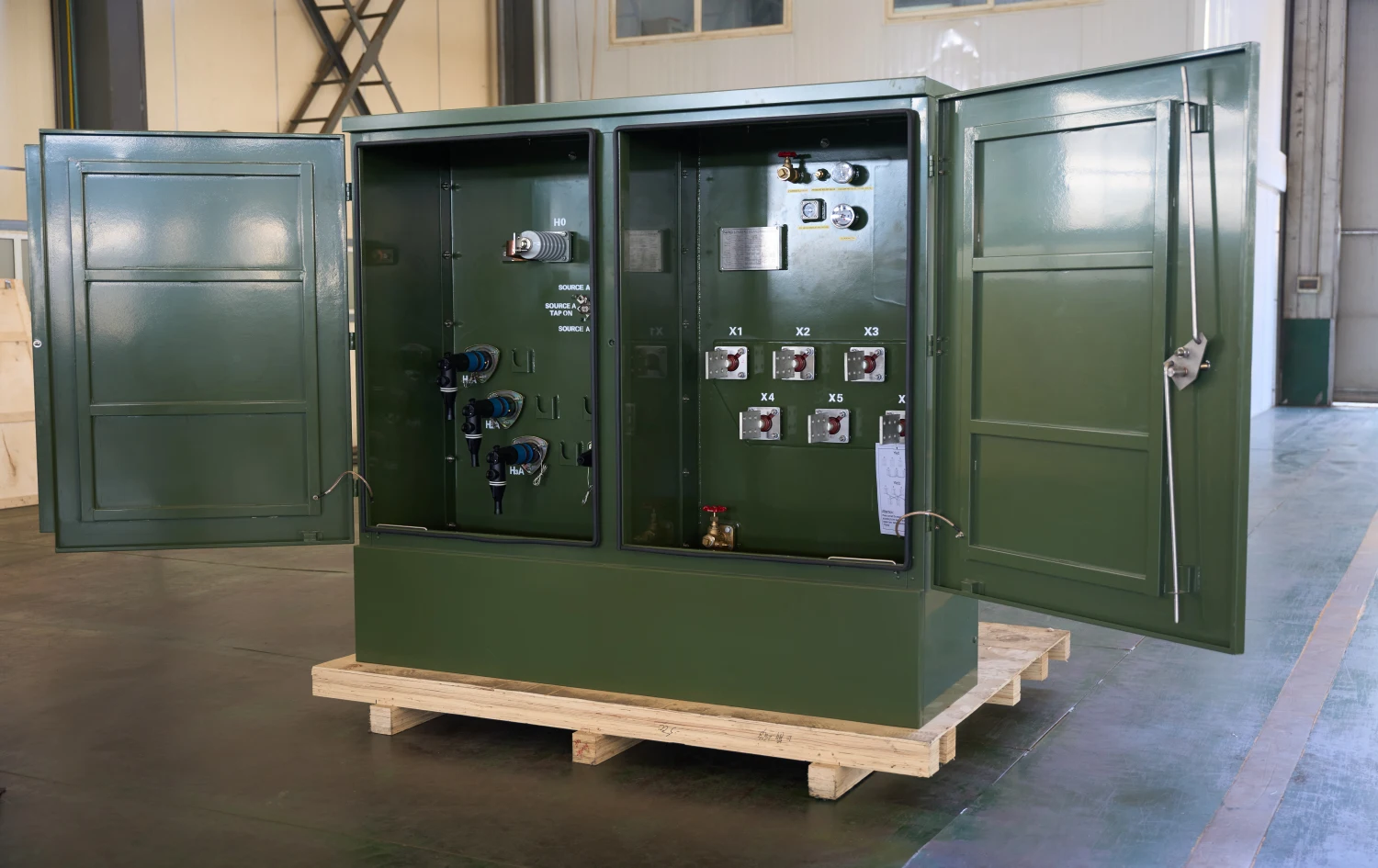
A three-phase transformer allows for greater flexibility in terms of voltage regulation and scalability. Systems can be designed to meet the evolving demands of growing industries and expanding power grids. Additionally, three-phase pad-mounted transformers are commonly used in urban environments for underground power distribution, offering flexibility without compromising on power quality.
4. Applications in Renewable Energy
In renewable energy systems, such as wind farms or solar power plants, three-phase transformers are used to convert the generated power into a format suitable for grid integration. Whether converting the output from wind turbines or solar panels into high-voltage transmission lines, these transformers ensure that the power from renewable sources can be efficiently transferred to the grid.
5. Better Voltage Regulation
In three-phase systems, voltage regulation is more efficient compared to single-phase systems. The use of a delta configuration in three-phase transformers helps reduce the amount of voltage drop, making it ideal for applications where consistent voltage is required.
Configuration Types of Three-Phase Transformers
This table provides a detailed description of three-phase transformers, covering key factors such as configuration type, voltage level, and power rating, while also listing the actual usage scenarios of these transformers in different power applications.
|
Factor |
Description |
Application |
|
Transformer Configuration |
The arrangement of the windings, either a Wye (Star) or a Delta configuration. |
Wye (Star): Common for low voltage applications. Delta: Used for high power transfer and balanced loads. |
|
Voltage Rating |
The maximum voltage the transformer can handle. |
High-voltage applications require transformers with ratings up to 110 kV or more. |
|
Cooling System |
Method used to dissipate heat generated during operation. |
Oil-immersed or air-cooled systems for cooling, depending on transformer size and environment. |
|
Power Rating |
The amount of electrical power the transformer can handle. |
Large-scale industrial power systems often require transformers capable of handling several MVA. |
|
Phase Power |
The power is supplied by each of the three phases of the transformer. |
Optimizes electrical flow in systems requiring three-phase power for high efficiency and reduced power losses. |
|
Insulation Type |
Material used to insulate the windings, commonly XLPE or oil-paper. |
XLPE for modern systems, offering high thermal resistance and electrical strength. |
|
Applications |
Specific use cases where three-phase transformers are essential. |
Power generation, renewable energy, power distribution, and high-voltage transmission systems. |
Choosing the Right Three-Phase Transformer
When selecting a three-phase transformer, there are several factors to consider:
-
Voltage Requirements: Ensure the transformer meets the voltage ratings for your application. Different configurations (wye or delta) may be required based on the load type and voltage levels.
-
Power Requirements: Understand the total power needs of your system. For high-power applications, selecting a three-phase transformer that can handle large currents is critical.
-
Cooling Needs: Transformers can generate a lot of heat. Choose a transformer with a suitable cooling system for the expected operational conditions.
-
Installation Environment: Consider whether the transformer will be used in a harsh environment, such as outdoor installations, or require additional protection against moisture and physical damage.
Three-phase transformers are integral to the efficient and reliable operation of modern electrical systems. From power generation transmission to industrial power systems, they ensure high power transfer and smooth electrical flow. Their versatility in applications like power distribution, renewable energy integration, and industrial machinery makes them an essential part of the electrical grid.
Whether you need to transform DC to AC or step down high voltage for local use, a three-phase transformer provides the best solution for power distribution and phase power needs. By understanding how these transformers work and selecting the right configuration, you can optimize your electrical systems for efficiency and reliability.

Related Articles
Related Products
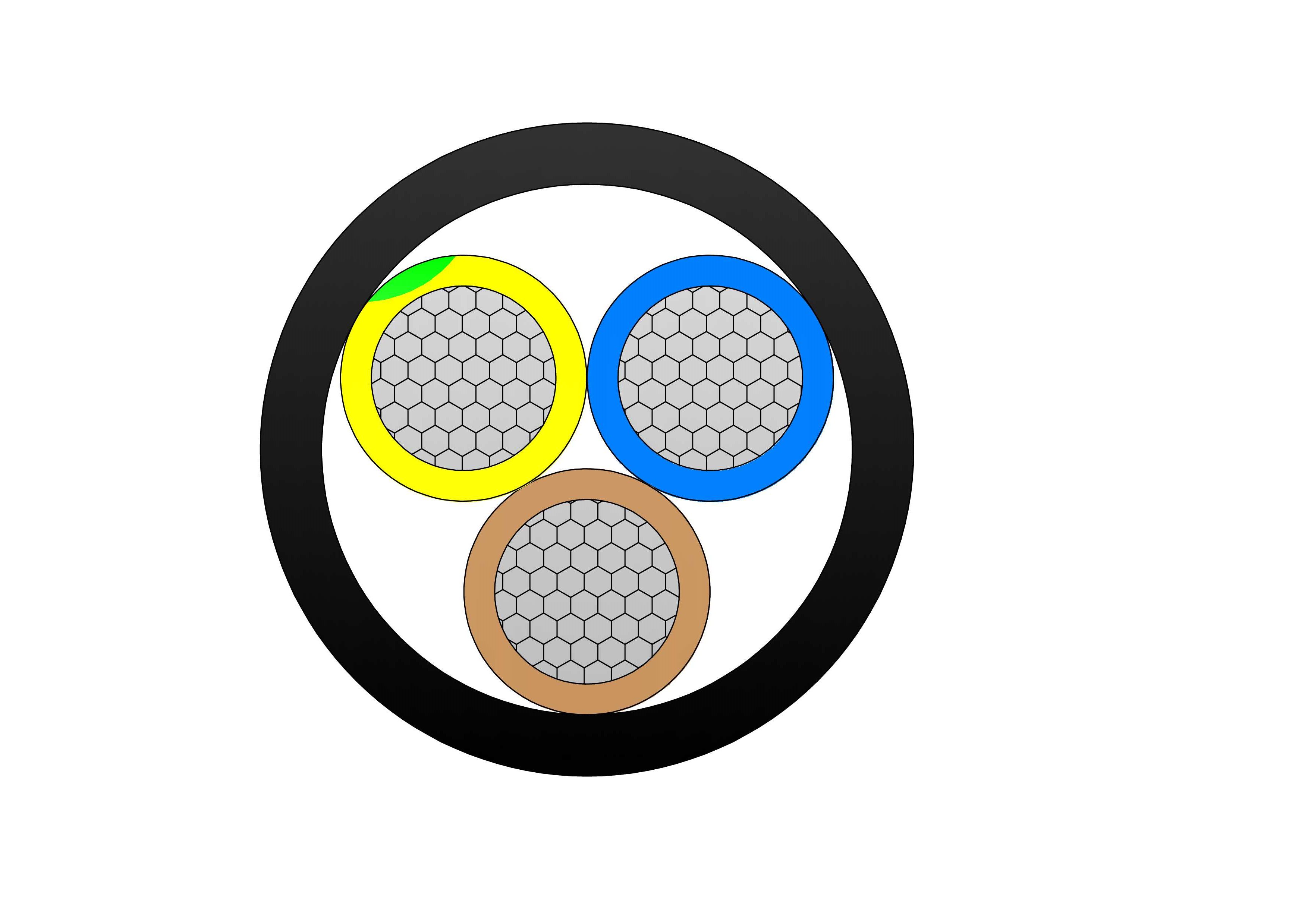
NA2XY 0.6/1 (1.2)kV Low Voltage Power Cable
NA2XY 0.6/1 (1.2)kV is a low-voltage power cable manufactured according to IEC 60502-1, suitable for fixed installation in indoor and outdoor environments, including underground and concrete installations where mechanical stress is minimal. This lightweight cable offers excellent electrical performance, high thermal stability, and superior resistance to moisture, chemicals, and mechanical stress. Suitable for direct burial, ducts, trays, or indoor fixed installations where no additional armour is required. With low dielectric losses and good current-carrying capacity, it minimizes energy waste. Flame-retardant and environmentally robust, the NA2XY 0.6/1 (1.2)kV Low Voltage Power Cable provides long service life and low maintenance costs. Widely used in industrial plants, commercial buildings, residential networks, and infrastructure projects needing reliable, cost-saving low-voltage aluminium cabling solutions worldwide.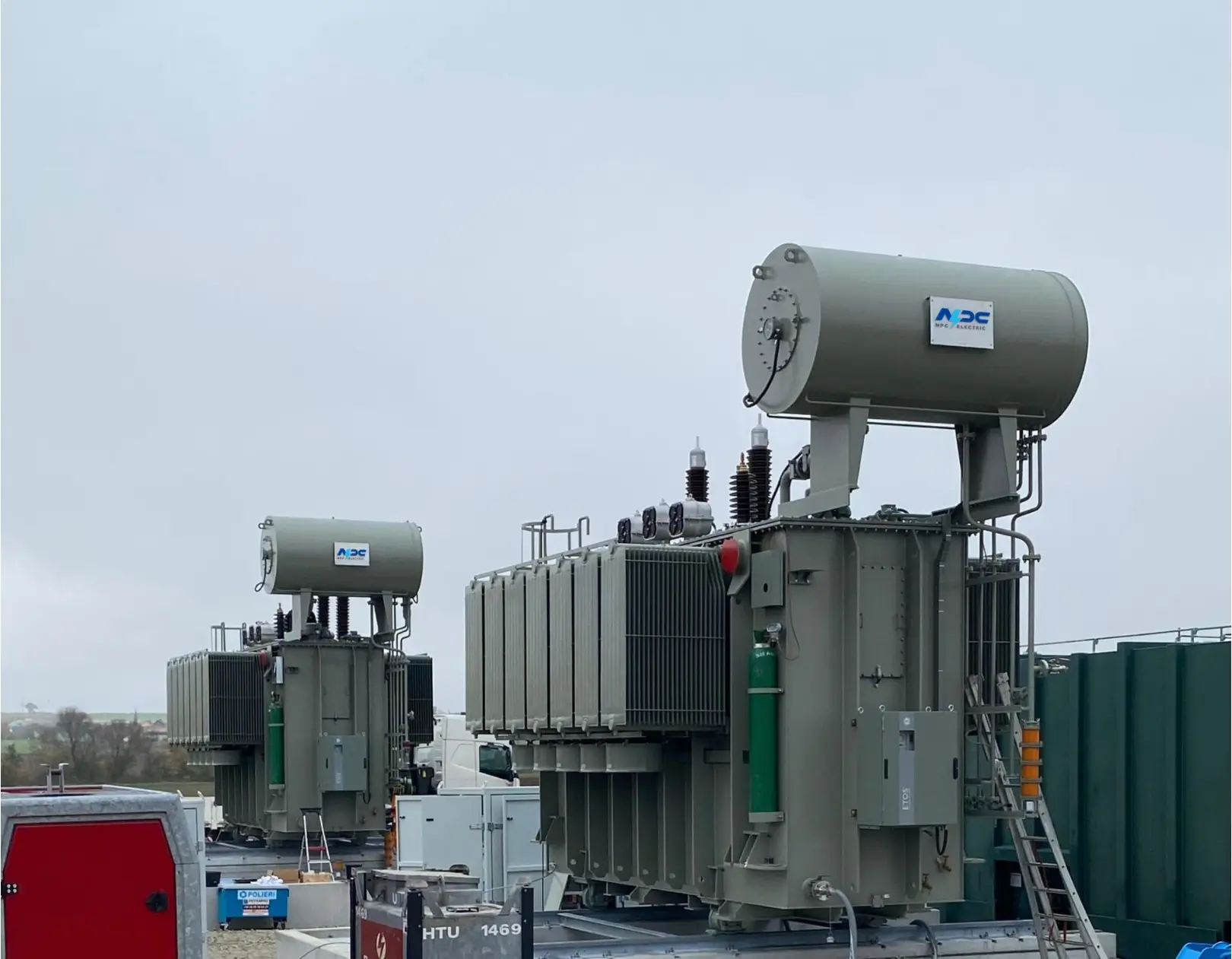
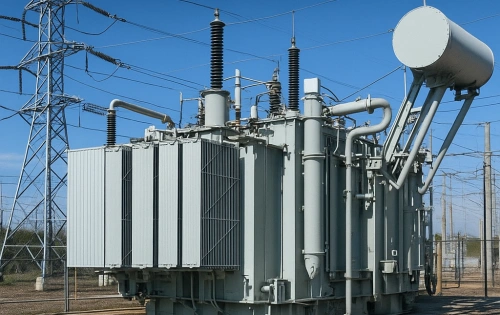
121kV Oil-Immersed High-Voltage Power Transformer
The 121kV Oil-Immersed High-Voltage Power Transformer is designed to provide stable, efficient, and long-term power transformation for transmission networks and high-voltage substations. Utilizing high-quality silicon steel cores and precision-wound copper conductors, the transformer achieves low no-load losses, strong short-circuit withstand capability, and excellent thermal stability. The oil-immersed insulation and cooling system ensures effective heat dissipation, supporting continuous operation under heavy-load and fluctuating grid conditions. Its reinforced tank structure, advanced insulation system, and outdoor-rated protection design enable reliable performance in harsh climates and demanding environments. Manufactured in accordance with IEC, IEEE, and ANSI standards, this transformer is widely applied in utility grids, industrial power systems, and infrastructure projects requiring high reliability, safety, and long service life.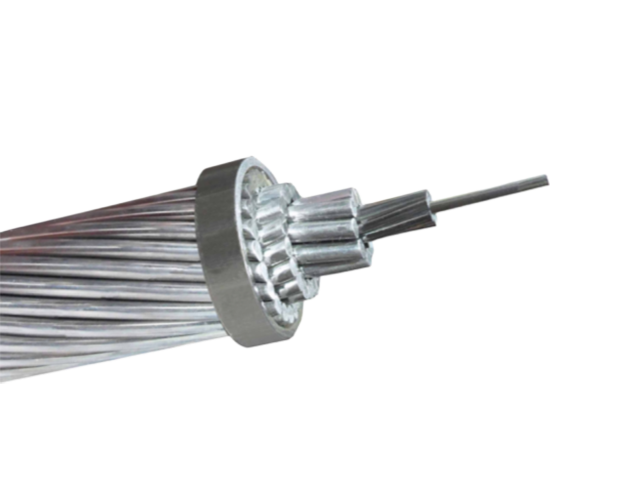
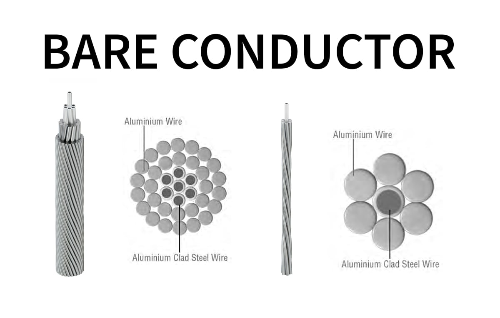
ALUMINUM CONDUCTOR STEEL REINFORCED(ACSR)
Aluminum Conductor Steel Reinforced (ACSR) is a widely used overhead conductor consisting of concentrically stranded 1350-H19 aluminum wires surrounding a galvanized steel core. This design provides exceptional tensile strength from the steel while leveraging aluminum's high conductivity (up to 61% IACS) for efficient power transmission with minimal losses. ACSR excels in long-span applications, offering low sag and high ampacity, making it suitable for high-voltage lines where mechanical reliability is critical. Resistant to corrosion through galvanization, it withstands harsh weather, including ice and wind loads. Compliant with ASTM B232, B230, and B498 standards, ACSR comes in various configurations like single or multiple steel strands for customized strength-to-weight ratios. It's cost-effective, reducing the need for additional supports and simplifying installation on towers or poles. With proven durability, ACSR enhances grid stability and longevity, supporting global utility networks. Its recyclability promotes environmental sustainability, making it a staple for modern electrical infrastructure in rural and urban settings.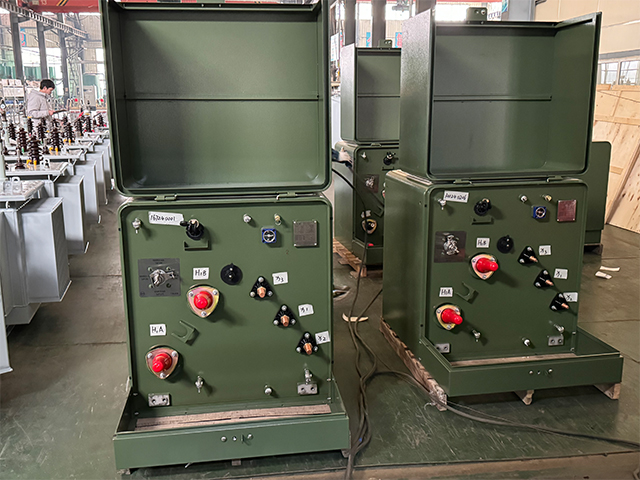
37.5kVA Single Phase Pad Mounted transformer
The 37.5kVA Single Phase Pad Mounted transformer with high voltage (HV) specifications of 24.94GRDY/14.4 kV and low voltage (LV) of 240/120V. At its core lies a robust tank, constructed from resilient alloy 304 stainless steel, guaranteeing longevity even in the harshest conditions. The HV and LV windings, equally critical components, are meticulously crafted from high-quality aluminum to ensure unwavering performance.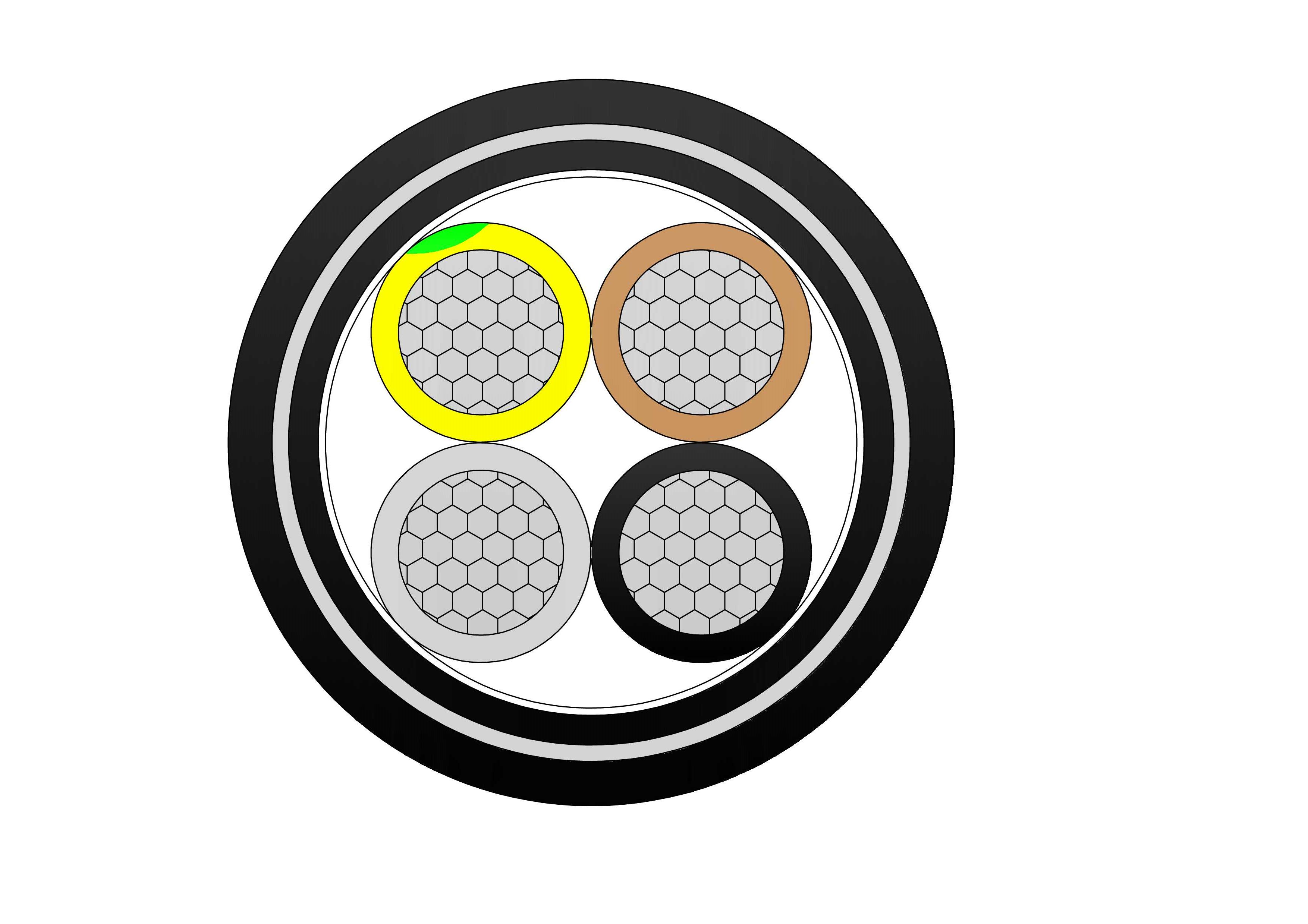
NA2XBY 0.6/1kV Low Voltage Power Cable
NA2XBY 0.6/1kV are low voltage power cables designed according to EN 60228 standard, suitable for fixed installation in indoor, outdoor, underground, Cable ducts, conduits, or concrete (not subject to vibration) environments. Featuring stranded aluminium conductors, cross-linked polyethylene (XLPE) insulation, PVC bedding, galvanized steel wire armour (SWA), and PVC outer sheath, it complies with IEC 60502-1 standards. The lightweight aluminium reduces material and installation costs while the SWA provides robust mechanical protection against impacts and rodents, ideal for direct burial. With low dielectric losses, high thermal stability, and good moisture resistance, it ensures efficient transmission in demanding environments. Flame-retardant and durable, the NA2XBY 0.6/1kV Low Voltage Power Cable offers long service life with minimal maintenance. Perfect for industrial sites, infrastructure projects, commercial developments, and utility networks requiring reliable, protected low-voltage underground power supply.
FR-N30XA8E-AR Triplex 18/30kV Cable Gen to NF C 33-226 - AL/XLPE/MDPE
The FR-N30XA8E-AR Triplex 18/30kV Cable is a high-performance triplex medium-voltage cable manufactured to NF C 33-226 standard for reliable power distribution. It features three stranded aluminium conductors (AL), semi-conductive conductor screens, high-quality XLPE (cross-linked polyethylene) insulation for excellent dielectric strength and thermal stability (90°C continuous, 250°C short-circuit), semi-conductive insulation screens, copper wire screens for grounding and protection, and a robust medium-density polyethylene (MDPE) outer sheath providing superior mechanical protection, moisture resistance, UV stability, and chemical resistance. The triplex configuration (three cores twisted together) facilitates easy installation in overhead aerial bundled systems or underground ducts. Compliant with French NF C 33-226 and relevant IEC standards, it offers low dielectric losses, high current-carrying capacity, and long service life in demanding environments. The FR-N30XA8E-AR is ideal for MV overhead lines, underground distribution, rural electrification, and urban networks requiring durable, weather-resistant triplex cable.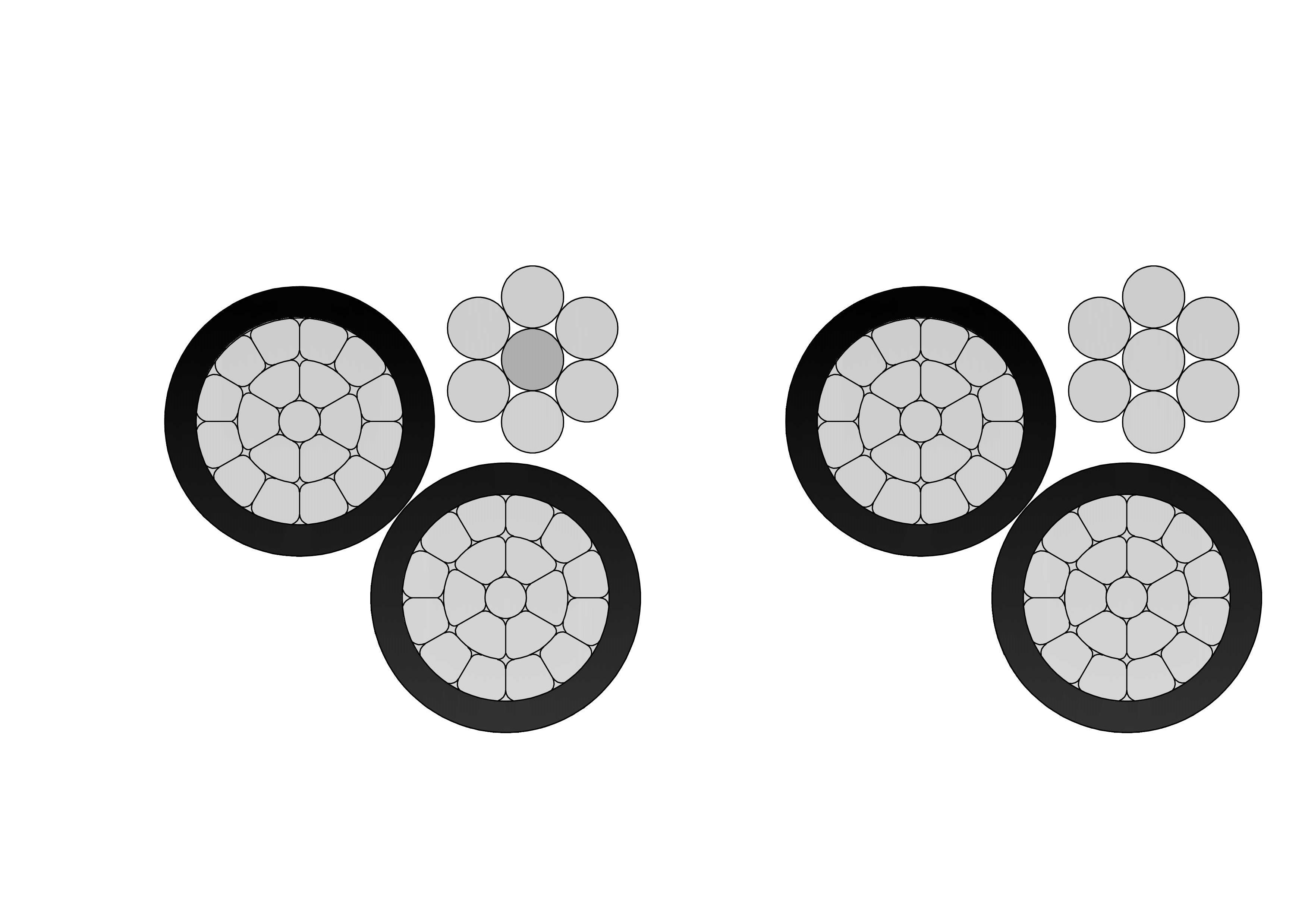
4 Whelk Triplex Aluminum Conductor Triplex Overhead Service Drop Cable
4-4-4 Whelk Aluminum Conductor Triplex Overhead Service Drop Cable provides efficient overhead power transmission for utility-to-consumer connections. Constructed with solid or stranded 1350-H19 aluminum phase conductors (#4 AWG), black XLPE insulation for enhanced thermal, abrasion, and environmental protection, plus a bare ACSR neutral messenger (#4 AWG, 6/1), it ensures efficient conductivity, corrosion resistance, and structural support. Rated 600V phase-to-phase up to 90°C (XLPE), with ≈115A ampacity, it complies with ASTM B-230/B-231/B-232/B-399 and ICEA S-76-474. Its balanced, lightweight design simplifies installation while offering robust long-term performance against harsh outdoor elements like extreme temperatures, moisture, UV exposure, and mechanical stress in residential and light commercial applications.2Y-high-voltage-power-cable-2.webp)
High Voltage / 2XS(FL)2Y, A2XS(FL)2Y 110kV Power Cable
2XS(FL)2Y / A2XS(FL)2Y 110kV High Voltage Power Cable is a longitudinally watertight, XLPE-insulated cable designed for primary power distribution up to 110kV (123kV highest). It features a Class 2 copper or aluminium conductor, extruded semi-conductive XLPE screens, and XLPE insulation applied via a three-layer co-extrusion process for superior electrical performance. A laminated aluminium or copper moisture barrier with copolymer coating provides excellent water and gas resistance, while HDPE oversheath ensures high abrasion resistance and flexibility. The copper wire screen with counter-helical copper tape offers optimal shielding, and water swellable tapes ensure longitudinal water blocking. Manufactured to IEC 60840, HRN HD 632, and IEC/EN 60228 standards, this cable is ideal for underground installations requiring high reliability and moisture protection.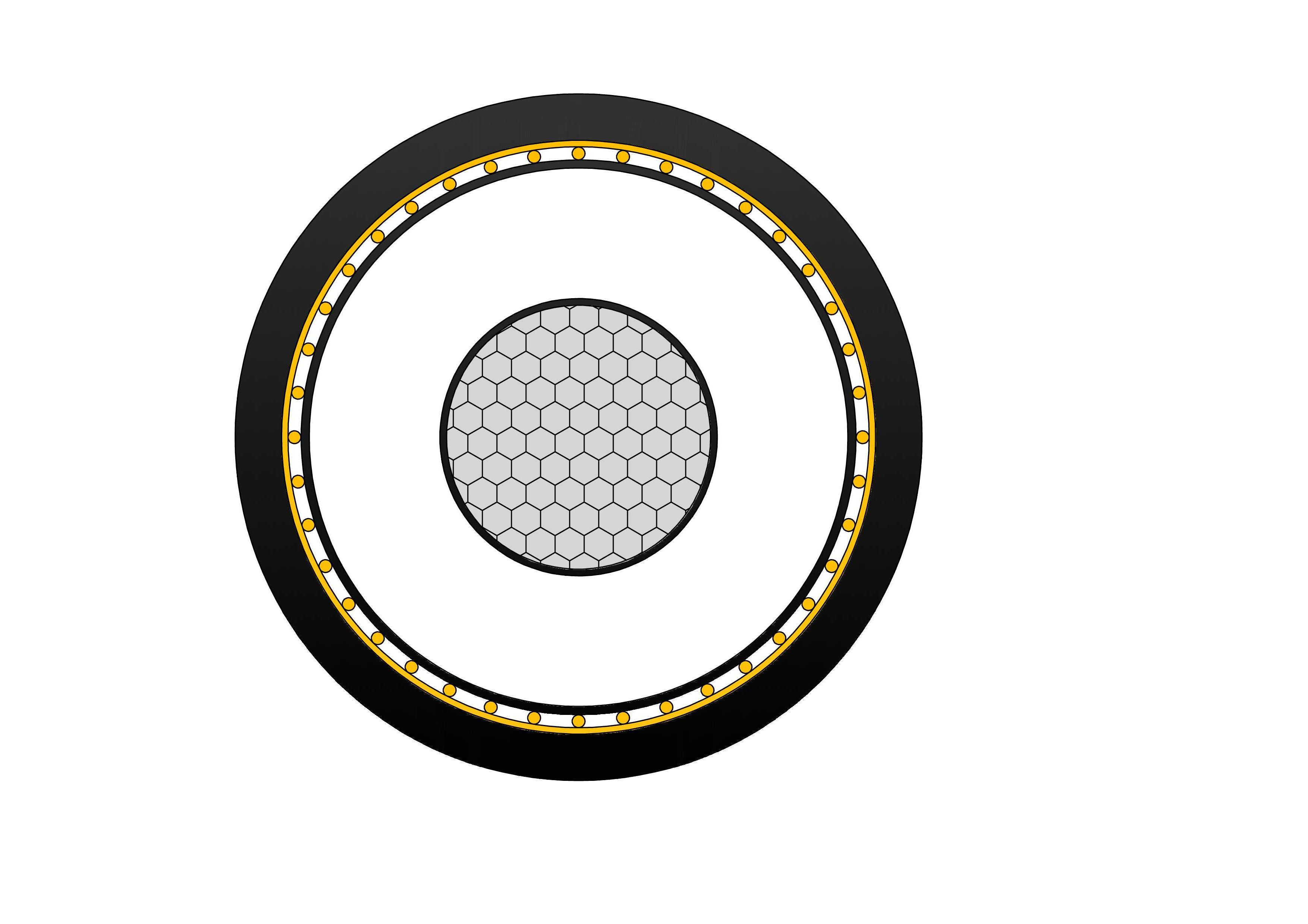
N2XSH Medium Voltage Power Cable(6/10kV, 12/20kV, 18/30kV)
N2XSH are flame-retardant, low smoke, zero halogen (LSZH) medium voltage cables with copper conductors, manufactured according to IEC 60502-2 standards. Featuring stranded copper conductors, cross-linked polyethylene (XLPE) insulation, copper tape or wire screen, and low smoke zero halogen (LSZH) outer sheath, it complies with IEC 60502-2 and fire performance standards. In fire situations, the LSZH sheath emits minimal smoke and no toxic halogen gases, protecting lives and equipment. Excellent electrical properties, low dielectric losses, and high thermal stability ensure efficient power transmission. Suitable for direct burial, ducts, or indoor installations in public areas, it offers good mechanical protection and moisture resistance. The N2XSH Medium Voltage Power Cable is the preferred choice for utilities, hospitals, schools, tunnels, and infrastructure projects demanding reliable, environmentally friendly medium voltage cabling with superior fire safety and long service life worldwide.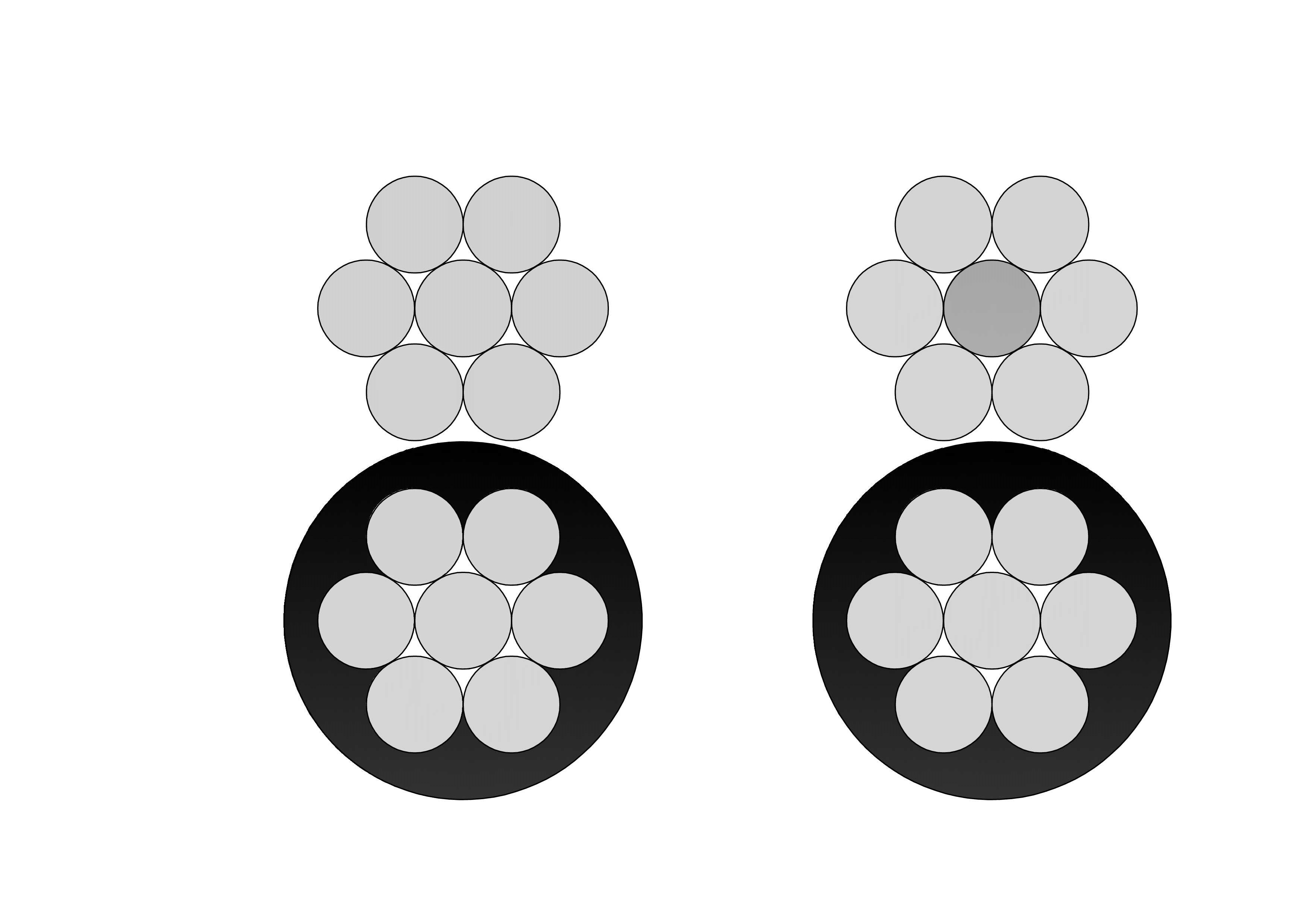
6 Collie Aluminum Conductor Duplex Overhead Service Drop Cable
The 6 Collie Aluminum Conductor Duplex Overhead Service Drop Cable is engineered for efficient and dependable power delivery in overhead secondary distribution systems. Featuring stranded aluminum conductors, the duplex configuration provides both electrical conductivity and mechanical support for service drop installations. The No. 6 Collie size is ideal for short-span service drops, delivering stable load capacity with controlled sag under varying environmental conditions. Aluminum construction reduces cable weight, simplifies handling, and enhances corrosion resistance for long-term outdoor use. Produced under strict quality management systems, the 6 Collie Aluminum Conductor Duplex Overhead Service Drop Cable meets ASTM and utility requirements, making it a trusted solution for modern overhead service connections requiring safety, durability, and consistent electrical performance.
161kV 50MVA Two-Winding Power Transformer – Efficient Oil-Filled Design with OLTC
The 161kV 50MVA Two-Winding Power Transformer is engineered to deliver precise voltage control and stable power transfer in high-voltage transmission and substation networks. Featuring an oil-filled insulation system combined with an On-Load Tap Changer (OLTC), this transformer allows continuous voltage adjustment under load conditions without interrupting system operation. The electromagnetic design emphasizes low losses, high operational efficiency, and consistent performance across variable load profiles. Robust mechanical construction enhances resistance to thermal expansion and short-circuit forces, ensuring long-term reliability in demanding grid environments. Optimized oil circulation supports effective heat dissipation, contributing to extended service life and reduced maintenance requirements. This transformer is well suited for modern power systems where voltage stability, operational flexibility, and dependable energy transmission are critical.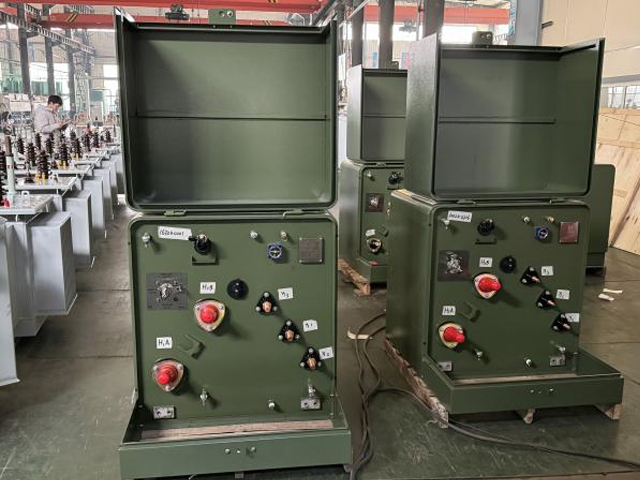
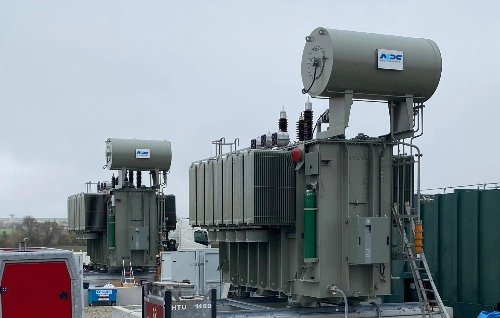
Three Phase Pole Mounted Transformer
The three phase pole mounted transformer delivers balanced, high-capacity power transformation for overhead distribution lines, stepping down medium voltages such as 11kV, 22kV, or 33kV to low voltages like 400V/415V or 480V in Y or Delta configurations. Engineered with a five-legged core/coil assembly and premium grain-oriented silicon steel, it reduces magnetic losses and harmonics while achieving high efficiency levels per DOE and IEC standards. The oil-immersed tank with ONAN cooling ensures effective heat dissipation and a 65°C rise rating for continuous operation under demanding loads. Robust features include porcelain HV bushings, polymer LV bushings, tin-plated terminals for copper/aluminum connections, pressure relief devices, and lightning arrester provisions, offering excellent weather resistance and protection in exposed installations. This design provides cleaner aesthetics, lower installation costs compared to single-phase banks, and reliable service for motor starts and variable loads, making it a top choice for utilities modernizing grids.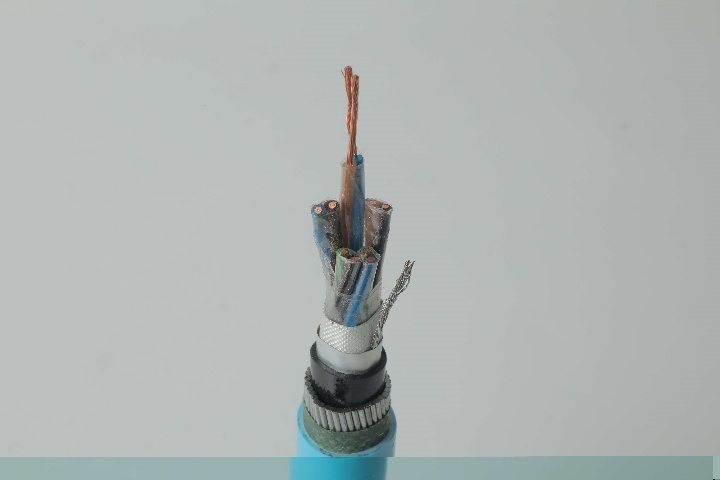
Instrumentation Cables—XLPE Insulated,Individual & Overall Screened,Lead Sheathed,Wire Armoured PVC Sheathed Cables(CU/XLPE/IOSCR/LEAD/SWA/PVC)
Instrumentation Cables are multi-conductor cables that carry and transport low-voltage electrical signals. These low-voltage signals are used to control and monitor electrical power systems. Instrumentation cables have many different industrial applications that include broadcasting, equipment control, such as drilling and pumping in the oil and gas industry, and data transfer, which includes analog and digital signals. They are manufactured according to the BS EN 50288-7 and BS EN 50288-1 standards to ensure quality. Depending on the application, instrumentation cables can be insulated with PVC or XLPE; the cables can be armoured or unarmoured. The sheathing materials can be of PVC, LSZH, or PE. The cables can have additional flame retardant or flame retardant properties, and they can be manufactured with special protections such as lead sheaths, or DRYLAM or AIRBAG technology.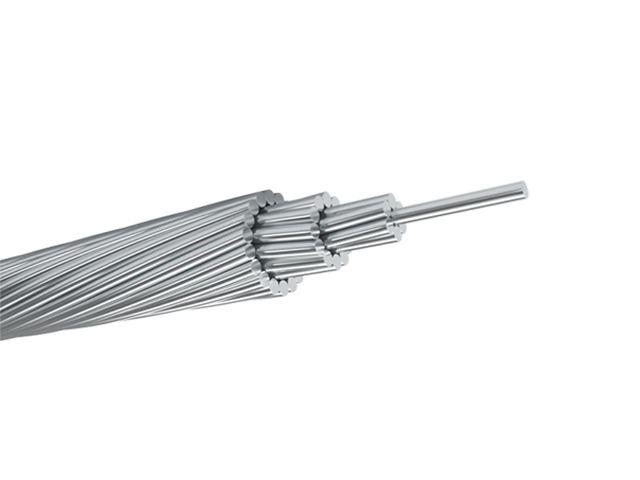
ALL ALUMINUM ALLOY CONDUCTORS(AAAC)
All Aluminum alloy (ALMELEC) electrical wire conductors are made from high-strength Aluminum-Magnesium-Silicon alloy. These conductors boast a superior strength-to-weight ratio compared to standard AAC, allowing for longer spans and reduced support structures in challenging terrains. Their improved sag characteristics minimize clearance issues, while excellent corrosion resistance extends service life in aggressive environments like marine or polluted zones. Electrically, AAAC offers lower power losses and better conductivity, optimizing energy efficiency in distribution networks. Manufactured to standards such as IEC 61089 and ASTM B399, they feature concentric stranding for mechanical stability and ease of installation with simpler fittings than ACSR. Versatile in size from small distribution lines to high-voltage transmission, AAAC supports applications on poles, towers, and substations. By reducing maintenance and enhancing reliability, these conductors provide a sustainable, cost-efficient alternative for modern power infrastructure, contributing to greener energy systems worldwide. Their lightweight design also facilitates easier handling during setup.
FR-N30XA8E-AR 18/30kV Cable Gen to NF C 33-226 - AL/XLPE/MDPE
The FR-N30XA8E-AR Triplex 18/30kV Cable is a robust triplex medium-voltage cable compliant with NF C 33-226 for efficient power distribution. It comprises three stranded aluminium conductors (AL), semi-conductive screens, high-grade XLPE insulation for reliable dielectric/thermal performance (90°C continuous), copper wire screens for grounding, and a durable medium-density polyethylene (MDPE) outer sheath offering excellent mechanical protection, moisture resistance, UV stability, and chemical resistance. The triplex design (three cores twisted together) simplifies installation in overhead aerial bundled systems or underground ducts. Compliant with French NF C 33-226 and relevant IEC standards, it provides low losses, high current capacity, and long service life in demanding environments. The FR-N30XA8E-AR is perfect for MV overhead lines, underground distribution, rural electrification, and urban networks requiring weather-resistant, durable triplex cable.Welcome your inquiry
Honesty, Integrity, Frugality, Activeness and Passion