
On-Load Tap Changer (OLTC) in Power Transformers: Complete Design Guide
2026-03-20
Why OLTC Matters in Modern Power Systems
In modern electric power systems, maintaining stable voltage levels under varying load conditions is a fundamental requirement. Load fluctuations, long transmission distances, and dynamic grid behavior inevitably cause voltage drop or overvoltage. This is where the on-load tap changer transformer (OLTC transformer) plays a critical role.
Unlike off-circuit tap changers that require transformer shutdown, the OLTC of the transformer enables voltage regulation while the transformer remains energized and supplying electric power. In real-world grid operations—especially in high voltage transmission and oil immersed transformers—OLTCs are essential for ensuring continuous service, protecting equipment, and meeting grid code requirements.
What Is an On-Load Tap Changer (OLTC)?
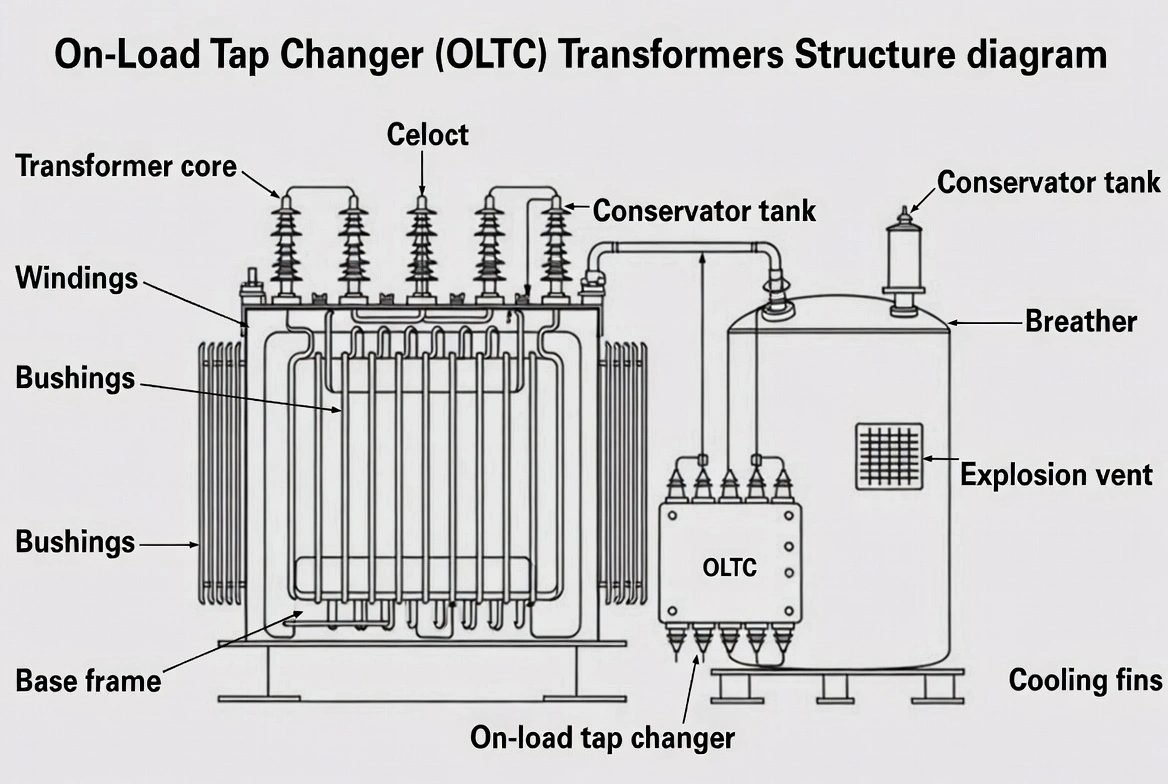
An on-load tap changer is a mechanical and electrical device integrated into a power transformer that allows adjustment of the transformer’s turns ratio under load conditions. By changing the number of effective turns in the transformer winding, the OLTC regulates the output voltage without interrupting power flow.
From a system design perspective, OLTCs are typically installed on the high-voltage winding side to reduce current stress and improve reliability. The tap positions correspond to discrete voltage steps, allowing the transformer to respond to changing voltage levels in the electrical system.
How OLTC Transformers Work in Practice
Principle of Operation
An OLTC works by switching between tappings connected to different points on the transformer winding. During each tap change:
- The load current is temporarily transferred through transition resistors or reactors.
- Arcing is controlled within an insulated switching chamber.
- The output voltage is adjusted without interrupting supply.
This controlled process ensures stable voltage regulation even during heavy load changes.
Typical Voltage Control Range
Most OLTC transformers offer:
- ±10% voltage regulation
- Step sizes of 1.25% or 1.5%
- 17 to 33 tap positions depending on transformer design
These parameters are selected based on network planning studies and expected voltage drop along transmission or distribution lines.
Types of OLTC Used in Power Transformers
|
OLTC Type |
Switching Medium |
Typical Application |
Key Advantage |
|
Resistor-type OLTC |
Transition resistors |
Transmission substations |
Compact design |
|
Reactor-type OLTC |
Transition reactors |
High-capacity transformers |
Lower switching losses |
|
In-tank OLTC |
Transformer oil |
Oil immersed transformers |
Integrated insulation |
|
Separate OLTC compartment |
Dedicated oil chamber |
Extra-high voltage systems |
Improved safety |
From field experience, in-tank OLTCs remain the most widely used in large power transformer installations due to their mechanical robustness.
OLTC vs Off-Circuit Tap Changer: Engineering Comparison
|
Feature |
OLTC Transformer |
Off-Circuit Tap Changer |
|
Operation under load |
Yes |
No |
|
Power interruption |
None |
Required |
|
Voltage regulation |
Continuous |
Manual |
|
Application |
High voltage, grid transformers |
Small or standby transformers |
|
Cost |
Higher upfront |
Lower upfront |
For critical infrastructure, the higher cost of OLTC is justified by improved reliability and reduced outage risk.
Design Considerations for OLTC Transformers
Electrical Design Factors
- Rated current and voltage levels
- Short-circuit withstand capability
- Insulation coordination with transformer winding
- Compatibility with oil immersed transformers
Mechanical and Thermal Design
- Contact wear due to frequent tap operations
- Heat dissipation in transition resistors
- Oil quality management and filtration
From practical commissioning experience, inadequate thermal design is one of the leading causes of premature OLTC failure.
OLTC in High Voltage and Electric Power Networks
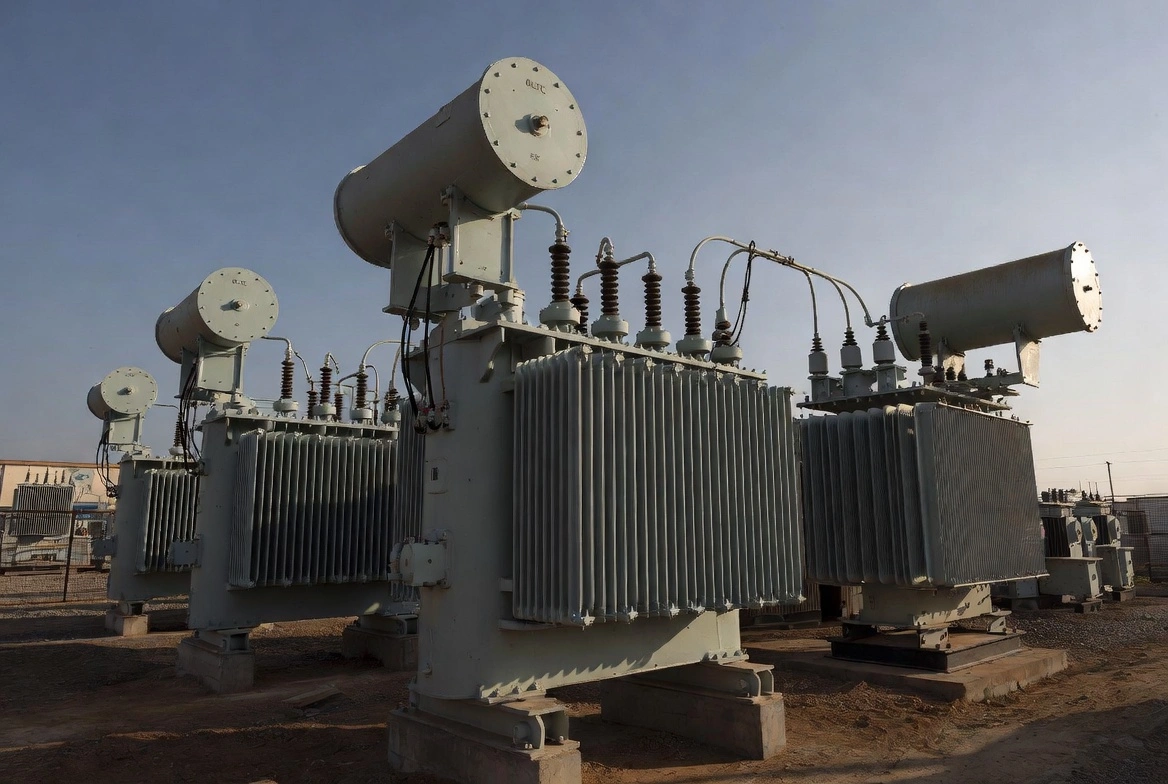
OLTC transformers are widely deployed in:
- Transmission substations (110kV–765kV)
- Interconnection points between generation and load centers
- Industrial plants with fluctuating demand
- Grid tie transformers for renewable energy
In these electrical systems, OLTCs help stabilize voltage, reduce technical losses, and ensure compliance with utility voltage limits.
OLTC Control and Automation
Modern OLTC transformers are equipped with:
- Automatic Voltage Regulators (AVR)
- SCADA integration
- Remote tap position monitoring
- Event logging and predictive diagnostics
In real-world grid operations, automated OLTC control significantly improves response time to voltage disturbances and supports smart grid initiatives.
Maintenance and Reliability in Real Operating Conditions
Common Maintenance Tasks
- Oil testing for carbon content and moisture
- Contact inspection and replacement
- Drive mechanism lubrication
- Tap position calibration
Industry data shows that OLTC-related issues account for over 30% of transformer failures, emphasizing the importance of proper maintenance planning.
Best Practices from Field Experience
- Avoid excessive tap operations during unstable grid conditions
- Ensure proper coordination between OLTC and reactive power compensation
- Select OLTC ratings based on future load growth, not just initial demand
- Use condition monitoring systems for early fault detection
These practices help extend service life and reduce total ownership cost.
OLTC as a Critical Element in Transformer Design
The on-load tap changer transformer is a cornerstone of modern power transformer design, enabling precise voltage regulation without compromising system continuity. In high voltage electric power systems, OLTCs provide operational flexibility, improve power quality, and support long-term grid stability.
From a practical engineering standpoint, selecting the right OLTC transformer, ensuring robust design, and implementing disciplined maintenance strategies are essential for reliable and efficient power delivery in today’s complex electrical systems.
For utilities, EPC contractors, and industrial operators, understanding the OLTC of transformer is not optional—it is fundamental to resilient power infrastructure.

Related Articles
Related Products

FR-N20XA8E-AR 12/20kV Cable Gen to NF C 33-226 - AL/XLPE/MDPE
The NF C 33-226 AL-XLPE-MDPE 12/20(24)kV Cable is a high-quality medium voltage power cable designed for safe and efficient fixed installations. Constructed with a Class 2 stranded aluminum conductor, cross-linked polyethylene (XLPE) insulation, and a medium-density polyethylene (MDPE) outer sheath, it offers outstanding electrical performance, mechanical strength, and long service life. Complying with NF C 33-226, IEC 60502-2, and EN 60228 standards, this cable is ideal for industrial facilities, municipal networks, and commercial power supply systems. It provides superior resistance to water (AD7) and UV radiation (ISO 4892), while being halogen-free (IEC/EN 60754-1) for enhanced environmental and operational safety. With a rated voltage of 12/20 (24)kV and a maximum conductor operating temperature of 90°C, the AL-XLPE-MDPE construction ensures reliable, stable, and efficient power transmission in medium-voltage distribution networks.2Y-high-voltage-power-cable-2.webp)
2XS(FL)2Y MDPE High Voltage 26/45 (52)kV Power Cable
The 2XS(FL)2Y MDPE High Voltage Power Cable is a single-core aluminum conductor cable with XLPE insulation and an MDPE sheath, rated 26/45(52) kV. Designed for medium- and high-voltage power transmission, it meets IEC 60502 and IEC 60840 standards, offering excellent electrical performance, mechanical protection, and environmental resistance. Its robust construction features a copper conductor, semi-conductive screens, water-blocking tape, metallic screen, aluminum tape with PE coating, and a durable MDPE sheath, ensuring reliable operation in power stations, industrial facilities, and distribution networks. Suitable for underground, underwater, outdoor, indoor, and duct installations. A comprehensive quality management system governs production of the 2XS(FL)2Y power cable. Raw material testing, process inspection, and finished product testing are strictly implemented to ensure consistent quality, safety, and long-term operational stability.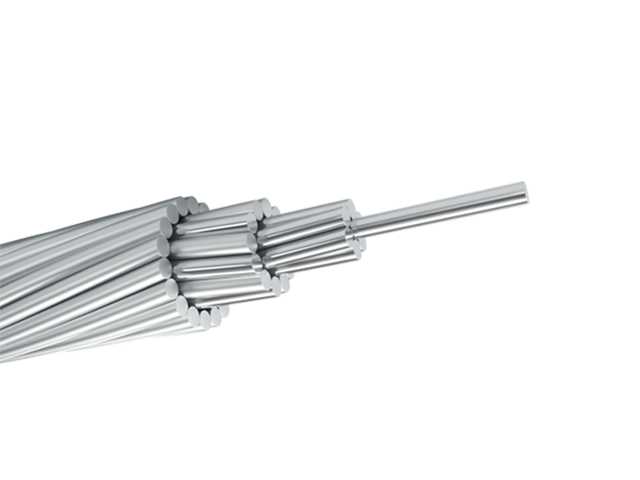
ALUMINUM CONDUCTOR ALLOY REINFORCED(ACAR)
Aluminum Conductor Alloy Reinforced (ACAR) is a high-performance overhead conductor featuring concentrically stranded 1350-H19 aluminum wires around a core of 6201 aluminum-magnesium-silicon alloy strands. This design optimizes the balance between electrical conductivity and mechanical strength, offering higher ampacity than equivalent AAAC and better strength-to-weight ratio than AAC. ACAR excels in applications requiring reduced sag and enhanced durability, with excellent corrosion resistance suitable for coastal or industrial settings. Compliant with ASTM B524, B231, and B398 standards, it supports various stranding configurations for flexibility in line design. The alloy reinforcement provides superior tensile strength (up to 30% more than pure aluminum), minimizing support structures and installation costs. Ideal for primary and secondary distribution, ACAR reduces energy losses while maintaining reliability under heavy loads or extreme weather. Its lightweight nature facilitates easier handling, and full aluminum construction ensures recyclability, aligning with sustainable power infrastructure goals. ACAR is a versatile choice for modern grids seeking efficiency and longevity.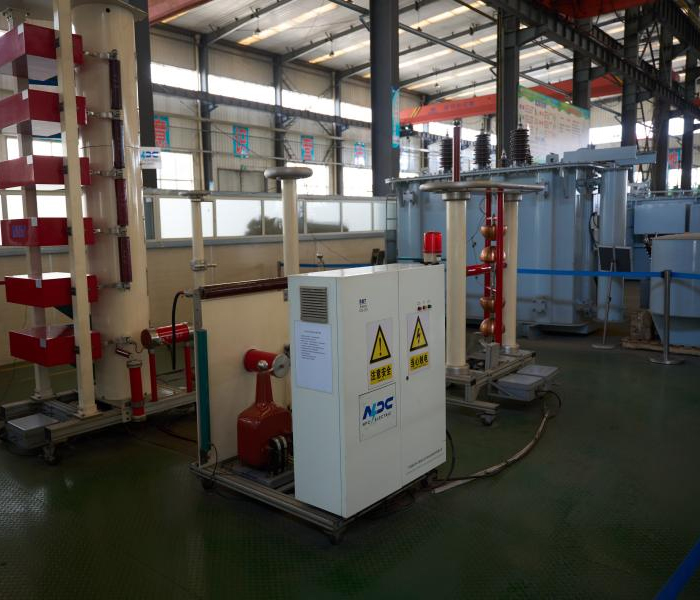
400kVA Dry Type Transformer
The NPC ELECTRIC 400kVA Dry Type Transformer is engineered for efficient and reliable power distribution in industrial, commercial, and utility applications. With a compact, fire-safe design, it operates without the need for oil or other cooling fluids, making it ideal for environments with strict safety and environmental standards. Designed to withstand heavy loads, it is the perfect solution for demanding electrical requirements, providing a sustainable and cost-effective option for modern electrical systems.
5000kVA Dry Type Transformer
The NPC ELECTRIC 5000kVA Dry Type Transformer is a high-capacity, reliable power solution designed for large-scale industrial and commercial operations. With a robust 5000kVA rating, it features advanced dry-type insulation technology for enhanced safety, low maintenance, and long-lasting performance. Engineered for demanding environments, this transformer ensures stable, efficient, and quiet operation while minimizing environmental impact. It achieves efficiencies around 99.48% at 35% load per DOE 2029 levels for three-phase low-voltage dry-type at 5000 kVA (aligned/interpolated from published tables showing progressive gains and 20% loss reduction from prior baselines), accommodates high harmonics, overloads, and ensures long-term reliability with reduced environmental footprint and operational expenses.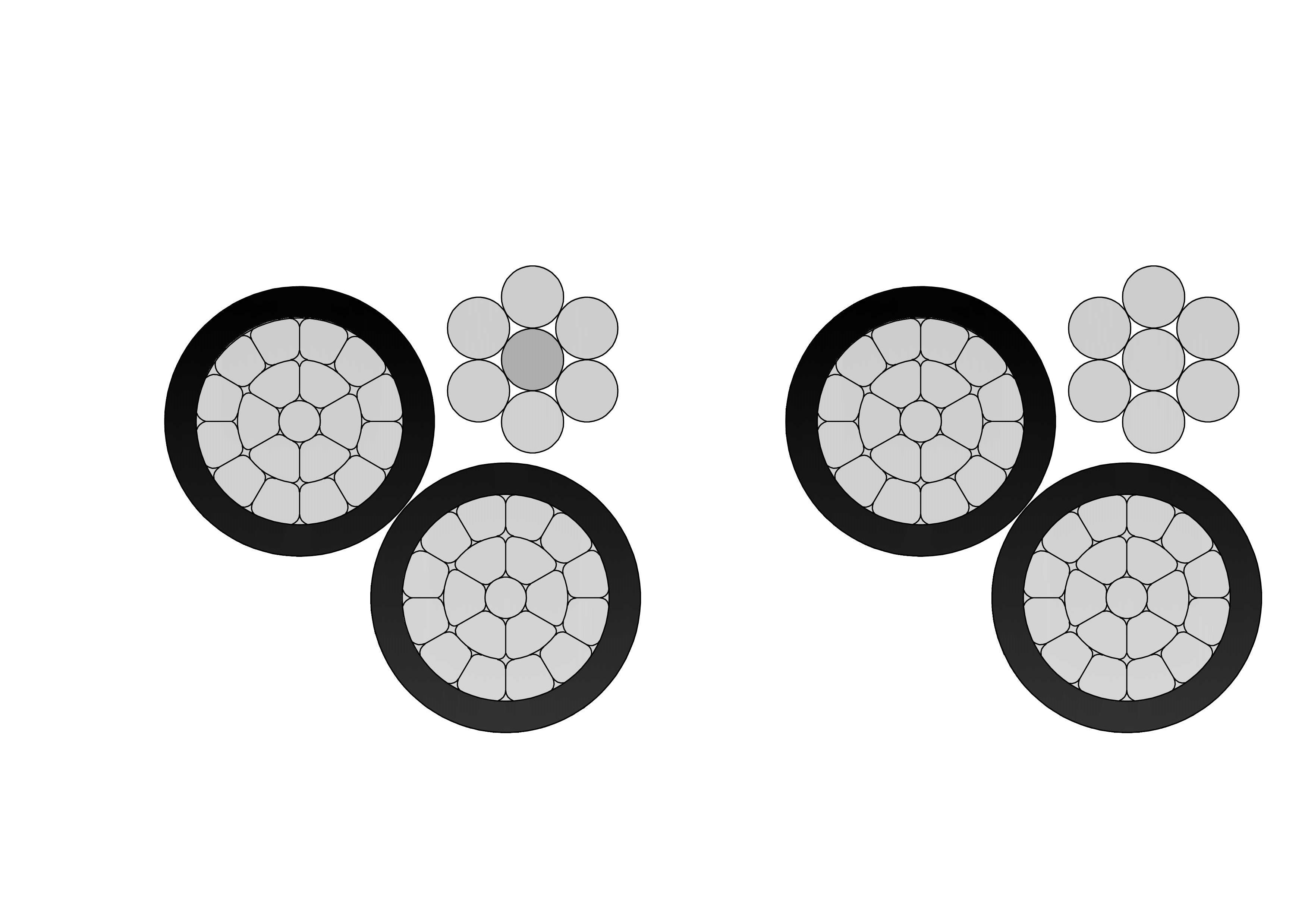
4 Oyster Aluminum Conductor Triplex Overhead Service Drop Cable
4-4-4 Oyster Aluminum Conductor Triplex Overhead Service Drop Cable provides high-quality overhead power transmission for utility-to-consumer connections. Constructed with compressed 1350-H19 aluminum phase conductors (#4 AWG), robust XLPE black insulation for enhanced thermal and environmental protection, and an AAC bare neutral (#4 AWG), it offers outstanding electrical efficiency, corrosion resistance, and durability in extreme weather. Designed for 600V applications (phase-to-phase) with conductor temps up to 90°C, it supports ~115A ampacity. Meets key standards including ASTM B-230/B-231/B-232 and ICEA S-76-474. Lightweight yet strong, this cable simplifies installation while ensuring long-term performance for service entrances.
6 Voluta Aluminum Conductor Triplex Overhead Service Drop Cable
The 6 Voluta Aluminum Conductor Triplex Overhead Service Drop Cable is a high-quality, cost-effective solution for overhead power delivery from utility lines to residential or commercial weatherheads. It features three 6 AWG conductors: two insulated phase conductors of concentric or 7-strand 1350-H19 aluminum, covered in black cross-linked polyethylene (XLPE) or polyethylene (PE) insulation, twisted around a bare 6 AWG ACSR (6/1 strand) full-size neutral messenger for superior mechanical support and reduced sag. Rated 600V (phase-to-phase), with ampacity up to 85A (XLPE at 90°C) or 70A (PE at 75°C), this cable offers excellent weather resistance, corrosion protection, and lightweight design. Compliant with ASTM B-230, B-231, B-232, and ICEA S-76-474 standards, the 6 Voluta ensures safe, reliable performance in aerial service drop installations.
6 Hippa Aluminum Conductor Triplex Overhead Service Drop Cable Wire
6 Hippa Aluminum Conductor Triplex Overhead Service Drop Cable Wire is engineered for safe and efficient overhead service drop connections. It features two insulated aluminum conductors stranded around a reinforced neutral messenger, providing balanced electrical performance and mechanical stability. This cable offers excellent corrosion resistance, low sag characteristics, and simplified installation. The insulation system of the 6 Hippa Aluminum Conductor Triplex Overhead Service Drop Cable Wire is designed to withstand prolonged exposure to sunlight, moisture, and temperature variations, ensuring reliable outdoor operation. A complete quality assurance program is implemented during manufacturing, covering raw material testing, process inspection, and finished product testing. Each production stage follows standardized procedures to ensure conformity with international standards and utility requirements. The 6 Hippa Aluminum Conductor Triplex Overhead Service Drop Cable Wire is a dependable choice for modern overhead power distribution systems.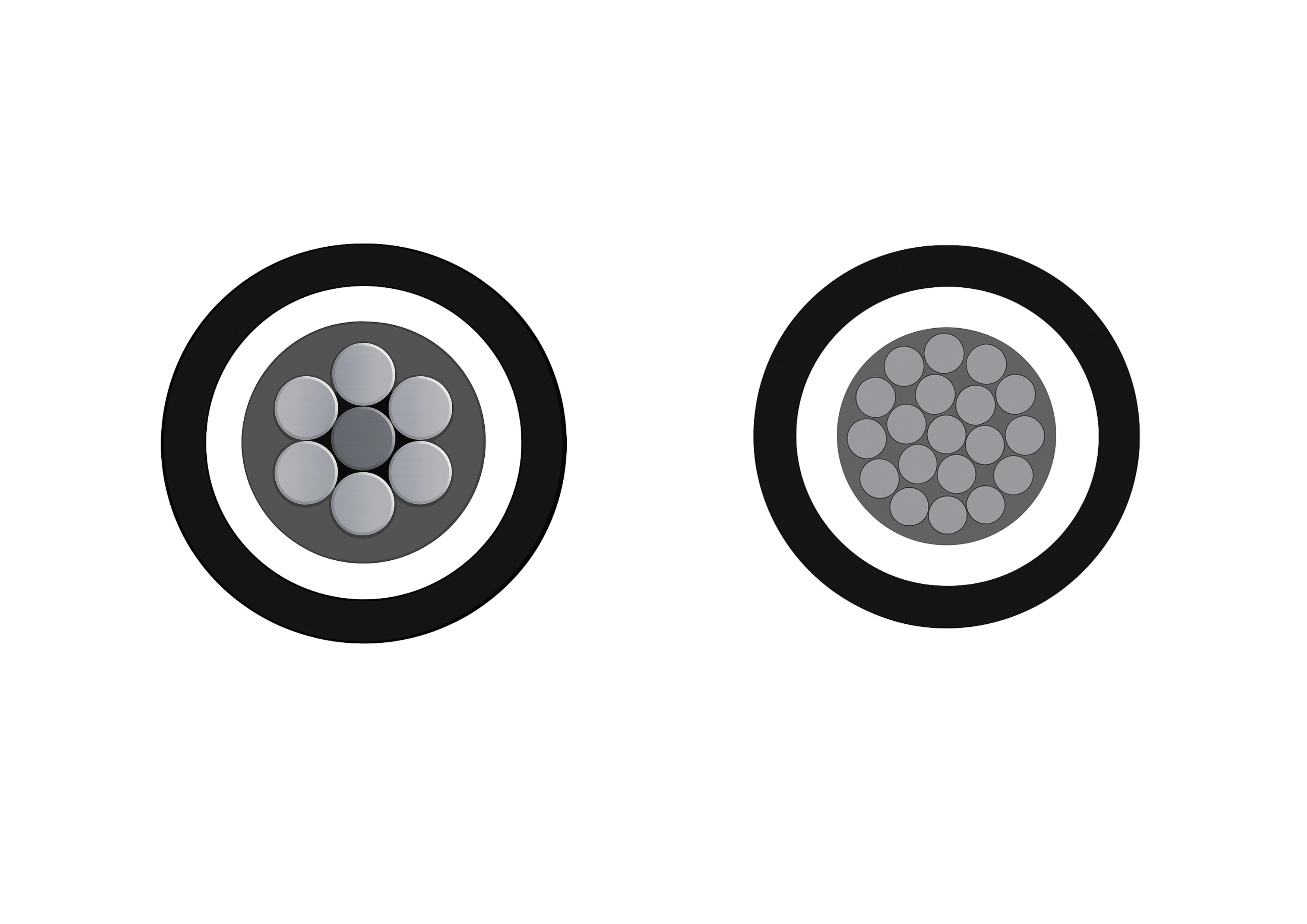
XLPE-HDPE Tree Cable Aluminum 25kV 1x95mm²
The XLPE-HDPE Tree Cable Aluminum 25kV 1x95mm² is engineered for medium-voltage overhead distribution networks that demand very high current capacity. Ideal for long-distance transmission in rural, industrial, and high-demand urban areas, this cable provides exceptional reliability and performance under harsh environmental conditions. Its design minimizes energy losses, supports stable power supply, and ensures dependable large-scale power distribution. Constructed with high-conductivity aluminum alloy 1350 wires, the conductor features round compacted, class 2 stranding with a minimum conductivity of 61% IACS and tensile strength of at least 130 MPa. Optional conductor shielding with extruded semiconductor thermosetting compound is available for enhanced performance in 15kV and 25kV applications. With its high current capacity, robust construction, and environmental resilience, the XLPE-HDPE 25kV tree cable 1x95mm² delivers reliable, long-term power distribution for challenging overhead network applications.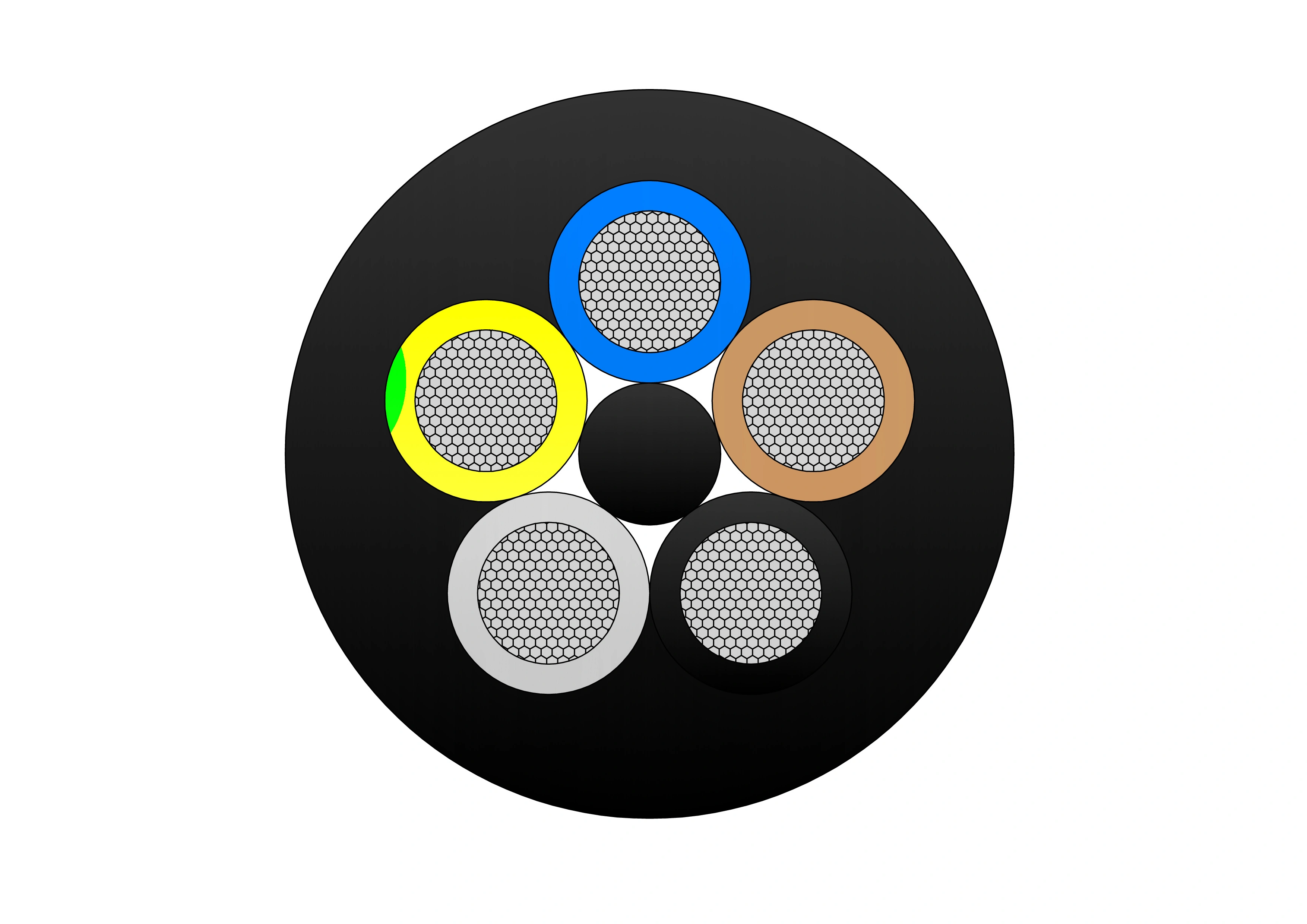
(N)TSCGECECWOU 3.6/6kV and 6/10kV ZH Cable
The (N)TSCGECECWOU is a flexible medium voltage reeling and trailing cable manufactured in compliance with DIN VDE 0250 standards. Designed for demanding mining, tunneling, and heavy industrial applications, it offers exceptional mechanical strength, flexibility, fire safety, and electromagnetic compatibility (EMC). The cable features EPR insulation, low smoke zero halogen (LSZH) inner sheath, halogen-free polyurethane (PUR) outer sheath, and a copper wire braid with concentric conductor for enhanced shielding and durability. Its design ensures reliable performance in environments requiring fire safety, oil resistance, and high torsional strength.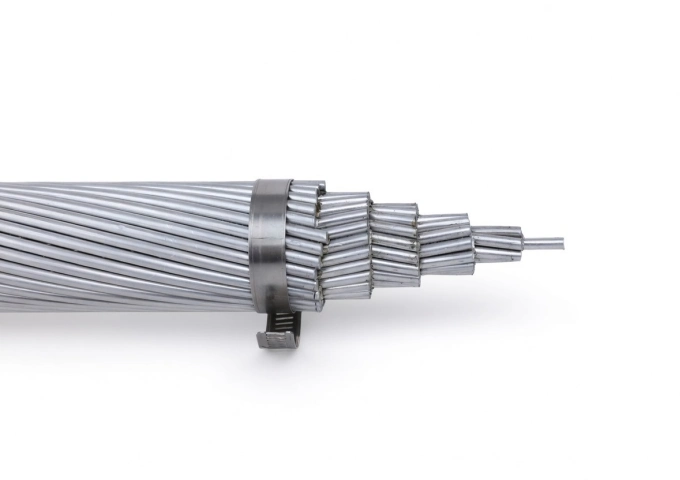
1033.5 MCM Bluebell AAC All Aluminum Bare Conductor Cable
The 1033.5 MCM Bluebell AAC Cable represents premium All Aluminum Conductor technology for overhead power applications. Built with 37 strands of high-conductivity 1350-H19 aluminum, this bare conductor delivers an optimal balance of electrical efficiency and mechanical robustness. With a 1.170-inch diameter, 17,900 lbs breaking strength, and 1033 amps ampacity, the Bluebell AAC offers low DC resistance of 0.0167 ohms per 1000 ft at 20°C and a weight of 970.3 lbs per 1000 ft. This design minimizes sag while providing excellent corrosion resistance for extended outdoor service. Manufactured to meet ASTM B-230 and B-231 standards, the 1033.5 MCM Bluebell AAC Cable undergoes extensive quality testing from raw materials through finished product. It is the ideal solution for new installations and upgrades in transmission and distribution systems that demand lightweight, high-conductivity bare aluminum conductors.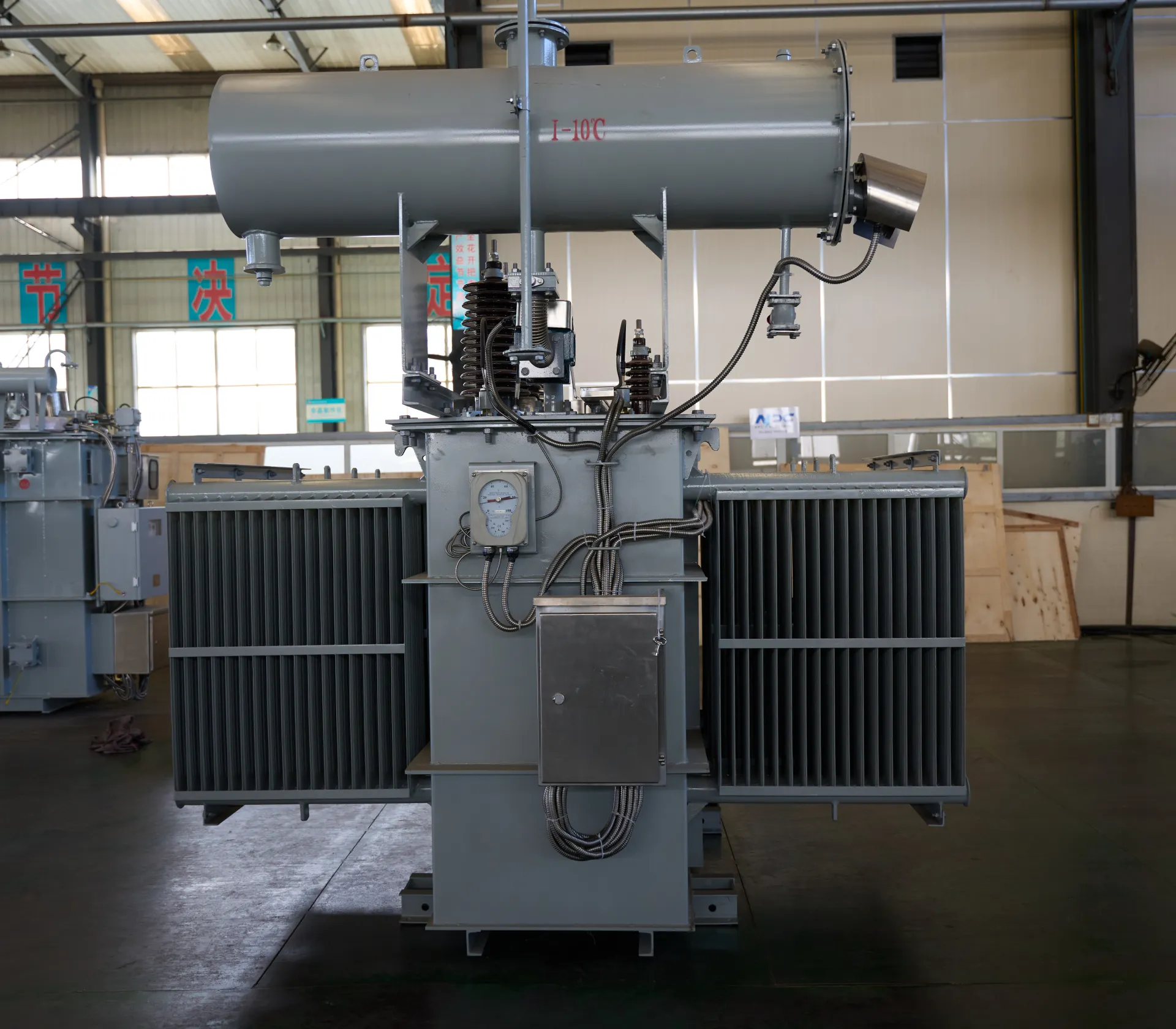
7MVA 22kV to 6.6kV Power Transformer ONAN Cooling Low Loss
The 6kV Three-Phase Oil-Immersed Power Transformer is designed for stable and efficient voltage conversion in industrial and commercial power distribution systems. With a durable oil-immersed insulation structure and high-quality copper windings, it offers excellent thermal performance, strong dielectric strength, and reliable operation under varying load conditions. Its compact design, robust core materials, and advanced cooling system ensure low losses, reduced noise, and long service life. This 6kV transformer is suitable for factories, mining sites, distribution stations, and utility networks requiring consistent and safe electrical power supply. Engineered to meet international standards, it provides dependable performance and high efficiency across diverse low-to-medium voltage applications.
50kVA Dry Type Transformer
NPC ELECTRIC 50kVA dry-type transformer is an efficient, safe and environmentally friendly power transformer. It adopts dry insulation structure and does not require oil immersion cooling. It is suitable for various small and medium-sized power systems. It is widely used in industries, commercial buildings and power distribution, providing users with stable and reliable power supply. Standard features include three-phase or single-phase configurations, aluminum or copper windings, 150°C or 115°C temperature rise with 220°C insulation class, ±2×2.5% primary taps for voltage adjustment, NEMA 1 or 3R enclosures (ventilated with louvers or encapsulated for dust/moisture protection), natural self-cooling (AN), electrostatic shielding options, and low sound levels per NEMA standards.
477 MCM Cosmos AAC Cable
The 477 MCM Cosmos AAC Cable represents premium All Aluminum Conductor technology for overhead power applications. Built with 19 strands of high-conductivity 1350-H19 aluminum, this bare conductor delivers an optimal balance of electrical efficiency and mechanical robustness. With a 0.793-inch diameter, 8,360 lbs breaking strength, and 639 amps ampacity, the Cosmos AAC offers low DC resistance of 0.0362 ohms per 1000 ft at 20°C and a weight of 447.8 lbs per 1000 ft. This design minimizes sag while providing excellent corrosion resistance for extended outdoor service. Manufactured to meet ASTM B-230 and B-231 standards, the 477 MCM Cosmos AAC Cable undergoes extensive quality testing from raw materials through finished product. It is the ideal solution for new installations and upgrades in transmission and distribution systems that demand lightweight, high-conductivity bare aluminum conductors.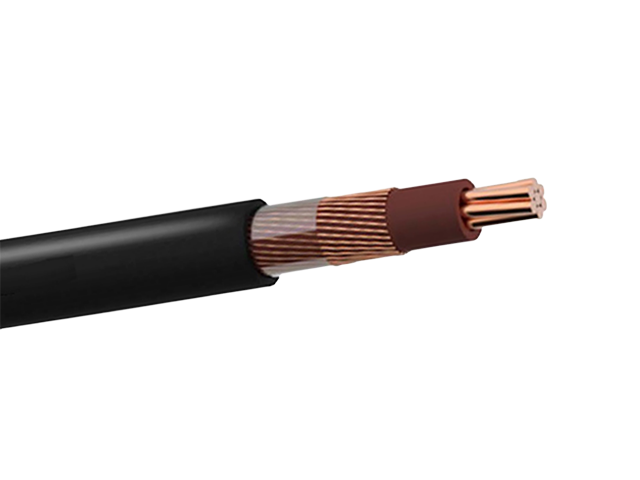
Copper Concentric Round LV Cable
The Copper Concentric Round LV Cable is a high-performance low-voltage cable designed for reliable power delivery in residential and commercial service entrance applications. It features a stranded hard-drawn copper phase conductor with XLPE insulation, surrounded by concentrically arranged copper neutral conductors, and protected by a durable black polyethylene sheath. The round configuration ensures excellent flexibility, easy pulling through conduits, and balanced electrical performance. With superior conductivity, mechanical strength, and weather resistance, this cable is suitable for both aerial and underground installations. Manufactured to international standards, the Copper Concentric Round LV Cable undergoes rigorous quality testing from raw materials to finished product, guaranteeing consistent electrical performance, high safety, and long-term durability for modern LV networks.Welcome your inquiry
Honesty, Integrity, Frugality, Activeness and Passion