
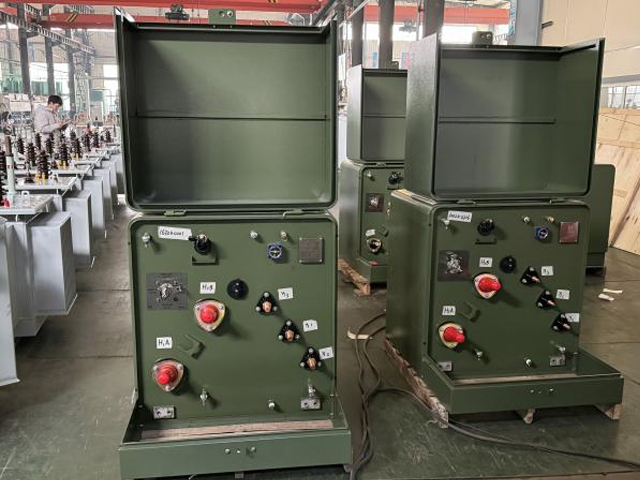
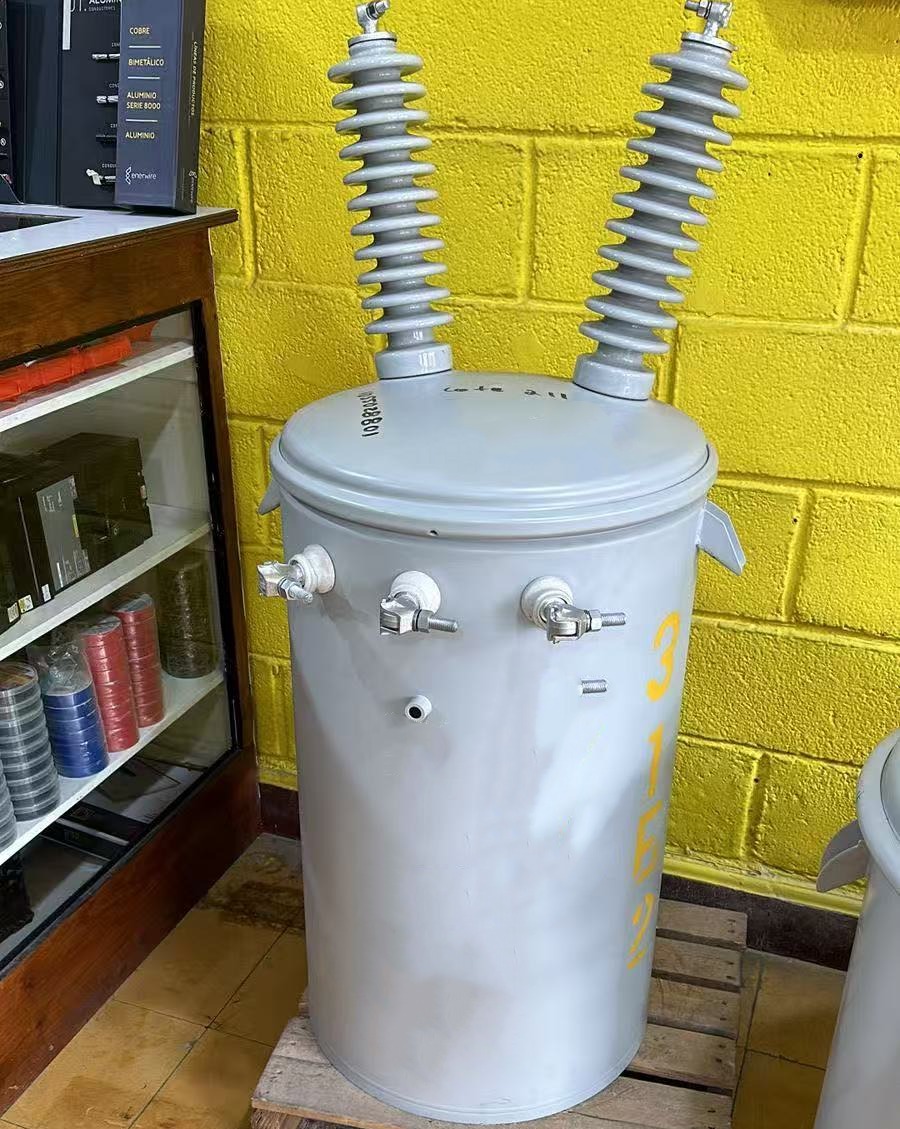
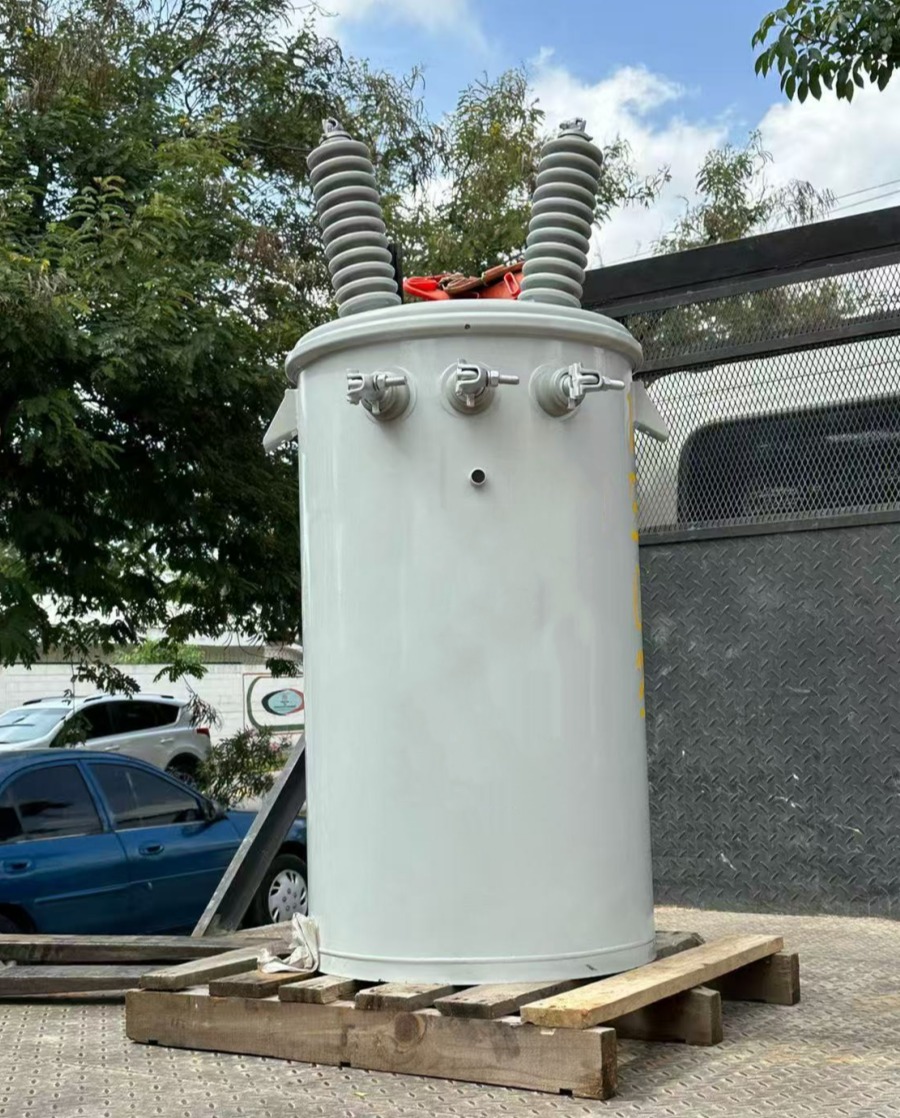
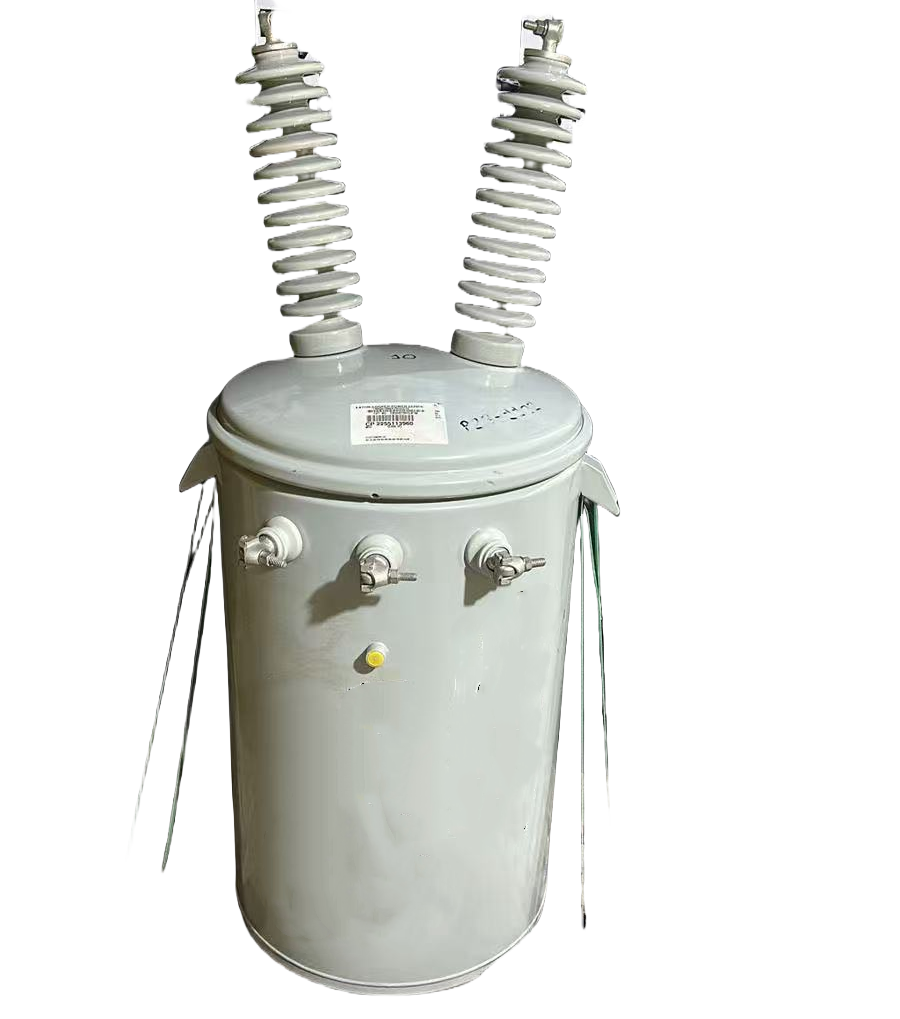


33kV Single Phase Pole Mounted Transformer
Designed for medium-voltage overhead systems, the 33kV single phase pole mounted transformer efficiently steps down primary voltages of 33kV (or 34.5kV variants) to secondary levels such as 230V, 240V, or 415V, serving substantial single-phase loads in extended networks. Constructed with advanced grain-oriented silicon steel cores and precision windings, it achieves minimal no-load and load losses while fully complying with IEC 60076 and IEEE C57 requirements. The oil-immersed tank with ONAN cooling maintains a 65°C temperature rise, supporting reliable performance during peak demands and harsh weather exposure. High insulation levels, including 150-200kV BIL on the HV side, combined with pressure relief valves, HV bushings with arcing horns, and optional surge arresters, provide exceptional protection against lightning and overvoltages. This transformer offers quiet operation, strong overload capacity, and extended service life, making it essential for utilities optimizing power access in remote or growing areas.
- Primary Voltage Ratings 10.5kV-33kV or others
- Secondary Voltage Ratings 230V、240V、220/440V 或 415V
- H.V. Tap Range ± 2×2.5% HV taps or others
- Type Conventional Type
- BIL 33kV
- Standards IEEE, ANSI, NEMA, ASTM
- Application retail centers, street lighting, municipal services
- Power Rating 5kVA - 333kVA
- Certificate CE, ISO
- Cooling Method ONAN, KNAN
- Oil Mineral Oil or FR3
- Opeartion Step Down
Technical Specifications
Customization Optional
Packing and Shipping
Manufacturer Test
Routine Testing
Application
Technical Specifications
33kV Single Phase Pole Mounted Transformer
Technical Specifications
Accessories
| Rated Power | 5kVA - 333kVA |
| Rating Primary Voltage | 12.4-34.5kV |
| Secondary Voltage | 480-240V 240-120V 277V Customized |
| Frequency | 50/60Hz |
| Vector Group | Ii0,Ii6 |
| Winding Material | Aluminum/Copper |
| Efficiency | As IEEE,Doe 2016,CAS Std or Customized |
| Impedance Voltage | Nominal 2% or Customized 1.1-5.75% |
| Altitude | ≤1,000m or Customized |
| Color | ANSI 70 Light gray/Munsell 7GY3.29/1.5 or customized etc |
| Tank material | Mild Steel, 304 Stainless Steel |
| Lifting Lug |
| Tap Changer |
| Pressure Relief Valve |
| Tank Cover and clamp |
| L.V Bushing |
| HV Bushing |
| Ground Strap |
| Nameplate |
| Non-PCB decal |
| High Voltage Warning Signs |
| Suport lug |
| Oil fill valve |
Customization Optional
33kV Single Phase Pole Mounted Transformer
Configure the 33kV single phase pole mounted transformer with precision to match diverse utility and environmental demands, ensuring peak compatibility and longevity. Primary voltage can be set precisely at 33kV or include ranges like 30-36kV, with secondary voltages tailored to 230V, 240V, 220/440V, 415V, or specialized low-voltage outputs for regional grids. Winding selections feature aluminum for reduced weight and installation ease or copper for optimal conductivity under heavy loads. Frequency accommodates 50Hz standard systems or 60Hz adaptations, while cooling upgrades from ONAN to fan-assisted setups handle elevated ambient temperatures. Multi-tap off-circuit changers (±5% or extended) enable accurate voltage regulation, and impedance adjustments from 4.5% to 6% fine-tune short-circuit withstand. Protective integrations such as expulsion fuses, lightning arresters with discharge gaps, wildlife deterrents, or platform mounting enhance safety in exposed rural settings. Sustainable options include natural ester fluids for superior fire point and eco-compliance over mineral oil. These features elevate efficiency, minimize losses, and guarantee seamless overhead line integration, ideal for utilities prioritizing durability and adaptability in medium-voltage distribution.
Enhance further with tank modifications like reinforced designs for seismic or high-wind zones, specialized anti-corrosion finishes for coastal exposure, or embedded sensors for oil temperature, pressure, and load monitoring to support predictive maintenance. Bushing creepage distances up to 900mm+ meet stringent pollution requirements, while capacity variants around 10-333kVA allow scalability. Core advancements reduce no-load losses significantly, and enclosure options dampen sound or improve heat dissipation. These comprehensive customizations position the 33kV single phase pole mounted transformer as a versatile, high-reliability asset, delivering cost-effective, standards-compliant solutions that extend grid reach, reduce downtime, and support sustainable power infrastructure in challenging overhead applications.
Packing and Shipping
33kV Single Phase Pole Mounted Transformer
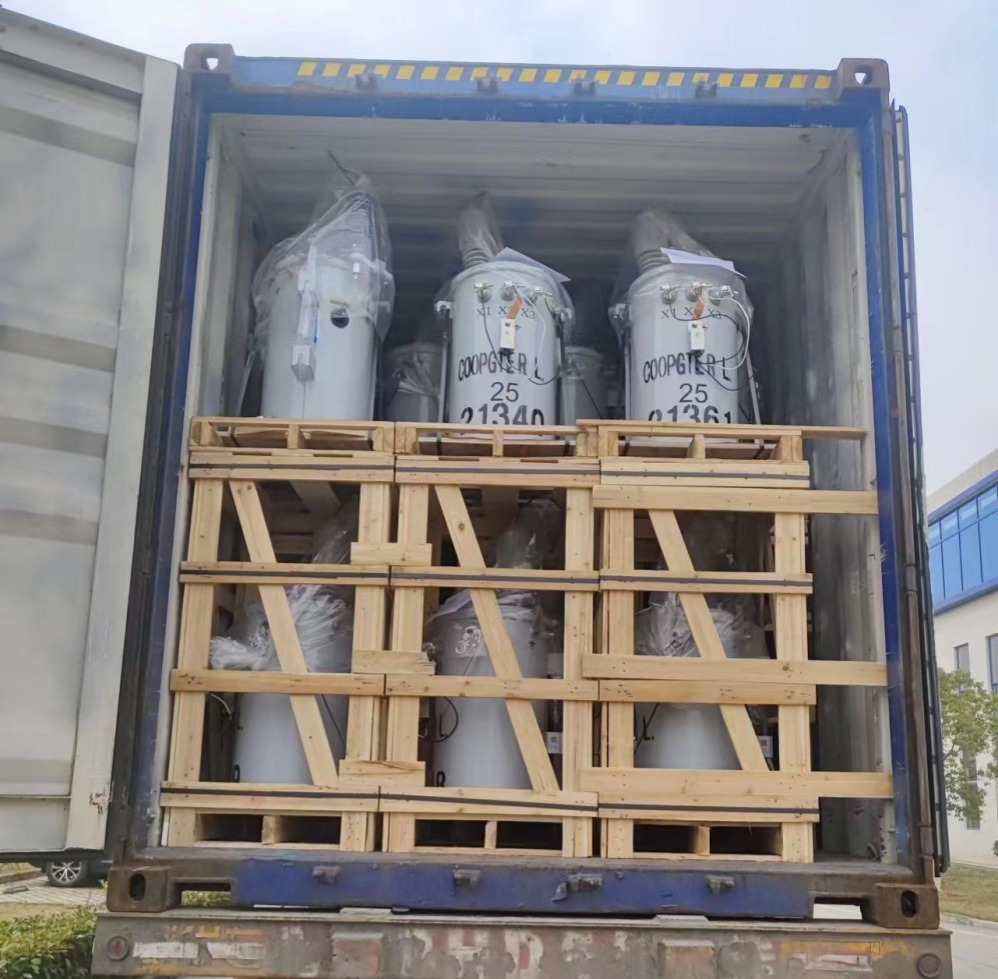
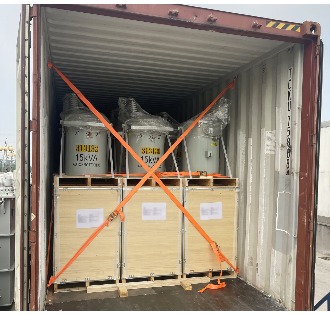
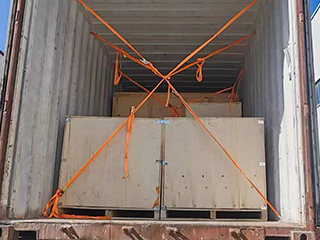
Packaging for the 33kV single phase pole mounted transformer utilizes heavy-duty, heat-treated wooden crates with steel reinforcement bands and internal bracing to accommodate higher weight and dimensions safely. Protective elements include thick foam padding, wooden supports, and shock-absorbing mounts to safeguard HV bushings, taps, and the corrugated tank from impacts. Humidity control features vacuum wrapping, multiple desiccant bags, and dry nitrogen pressurization to preserve oil dielectric properties and prevent internal corrosion. HV and LV bushings are individually shielded, ports sealed tightly, with partial oil drainage for safe transport. Export labeling provides detailed handling instructions, center of gravity marks, sling points, and compliance icons, ensuring secure global transit while maintaining factory-fresh condition.
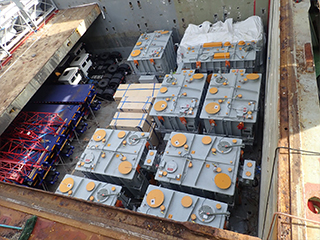
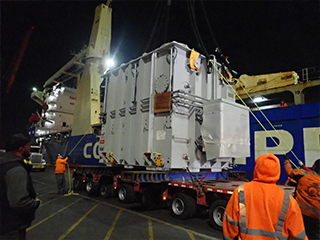
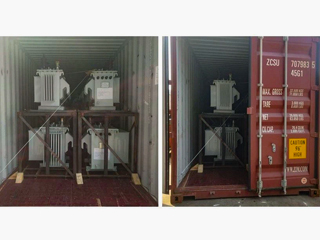
Shipping logistics prioritize safety for this medium-voltage unit, employing specialized low-profile trailers with hydraulic stabilization for domestic road transport, secured via heavy-duty chains and full tarpaulin coverage against dust and precipitation. International shipments leverage flat-rack or open-top containers on container ships, with IMO-compliant lashing, corrosion inhibitors, and sea-worthy bracing for extended voyages. For priority deliveries, air options via cargo aircraft are feasible but less common due to size. Satellite-enabled tracking systems offer continuous monitoring, backed by comprehensive transit insurance. Full regulatory alignment with IEC, IEEE, and customs protocols accelerates clearance, minimizing hold times for worldwide deployment of the 33kV single phase pole mounted transformer.
Environmental responsibility shapes our packing, incorporating FSC-certified timber and reduced packaging waste while optimizing container loads to decrease carbon footprint. Crate-mounted impact and tilt recorders document handling conditions, facilitating inspections and claims resolution. Separate crating for accessories like arresters, gauges, or radiators includes itemized checklists for onsite verification. Trusted heavy-lift carriers, versed in electrical equipment logistics, secure necessary permits and adhere to strict safety standards across diverse routes.
Final delivery assistance encompasses route feasibility studies for remote pole sites, detailed unpacking protocols, oil replenishment guidelines, and connection torque specifications. Coordination with local installers ensures efficient pole mounting. This integrated approach protects the transformer's integrity throughout transit, accelerates commissioning, and upholds uninterrupted reliability in medium-voltage overhead power systems globally.
Shipping logistics prioritize safety for this medium-voltage unit, employing specialized low-profile trailers with hydraulic stabilization for domestic road transport, secured via heavy-duty chains and full tarpaulin coverage against dust and precipitation. International shipments leverage flat-rack or open-top containers on container ships, with IMO-compliant lashing, corrosion inhibitors, and sea-worthy bracing for extended voyages. For priority deliveries, air options via cargo aircraft are feasible but less common due to size. Satellite-enabled tracking systems offer continuous monitoring, backed by comprehensive transit insurance. Full regulatory alignment with IEC, IEEE, and customs protocols accelerates clearance, minimizing hold times for worldwide deployment of the 33kV single phase pole mounted transformer.
Environmental responsibility shapes our packing, incorporating FSC-certified timber and reduced packaging waste while optimizing container loads to decrease carbon footprint. Crate-mounted impact and tilt recorders document handling conditions, facilitating inspections and claims resolution. Separate crating for accessories like arresters, gauges, or radiators includes itemized checklists for onsite verification. Trusted heavy-lift carriers, versed in electrical equipment logistics, secure necessary permits and adhere to strict safety standards across diverse routes.
Final delivery assistance encompasses route feasibility studies for remote pole sites, detailed unpacking protocols, oil replenishment guidelines, and connection torque specifications. Coordination with local installers ensures efficient pole mounting. This integrated approach protects the transformer's integrity throughout transit, accelerates commissioning, and upholds uninterrupted reliability in medium-voltage overhead power systems globally.
32
32 years of industry experience
Manufacturer Test
33kV Single Phase Pole Mounted Transformer
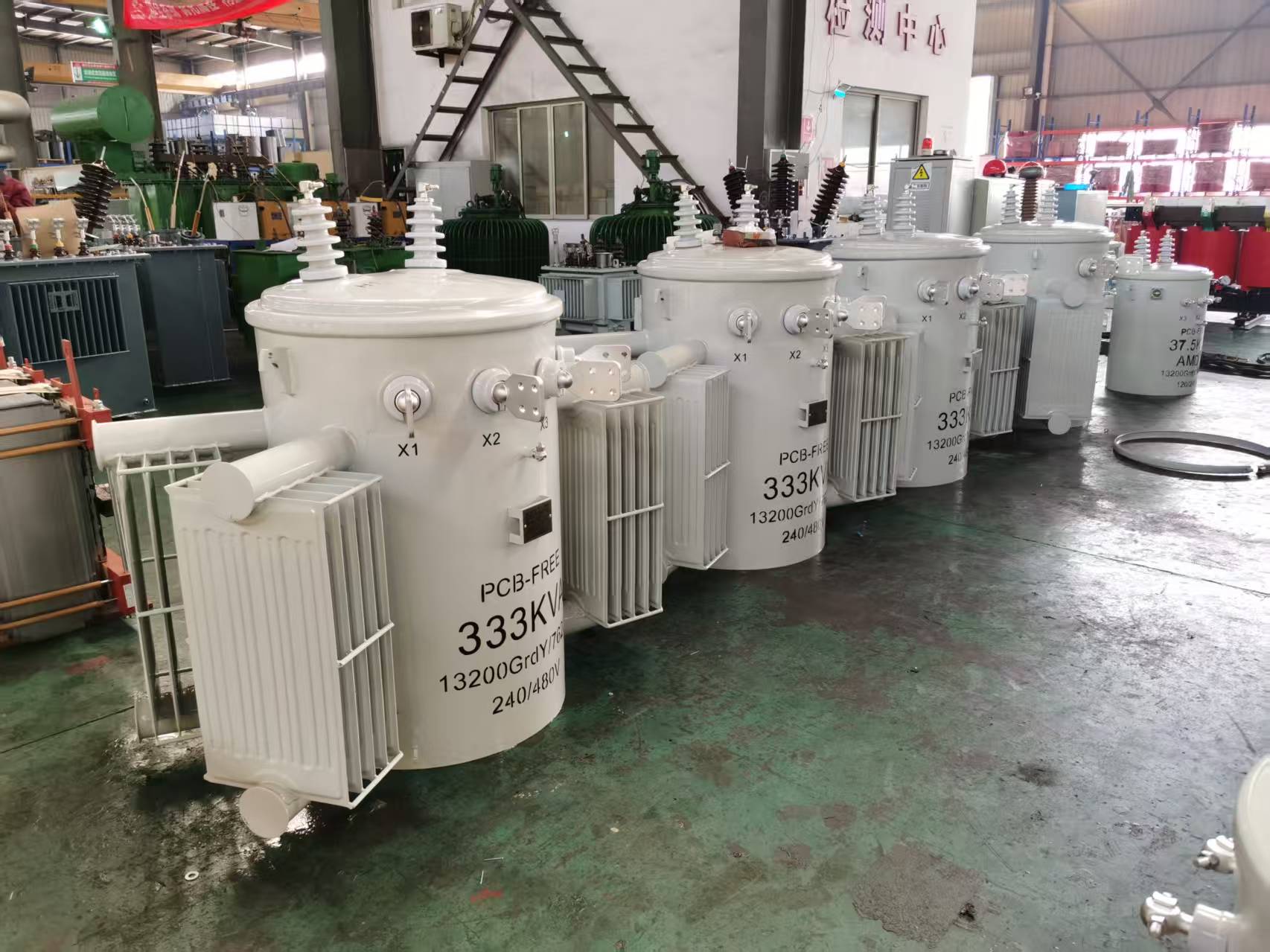
Progress Test
In the early stages of producing the 33kV single phase pole mounted transformer, progress tests emphasize core material evaluation, checking grain-oriented silicon steel for precise lamination alignment, surface coating continuity, and low-loss characteristics via epstein frame analysis to target minimal no-load losses. Winding construction verifies conductor tension uniformity and inter-layer insulation strength through incremental hipot testing to identify potential defects promptly. Preliminary winding resistance measurements on HV and LV coils use Kelvin methods at controlled temperatures, confirming adherence to design tolerances within 0.4%. Turns ratio checks with digital instruments across tap positions ensure accuracy better than 0.2%. Core clamping force is validated to prevent deformation, and vibration testing simulates handling stresses. Oil quality verification includes dielectric breakdown above 40kV, low moisture, and acidity limits. Tank integrity inspections employ ultrasonic and magnetic particle methods on critical welds, while pole mounting brackets undergo structural load trials. All interim results are digitized for quality trend monitoring and corrective interventions.
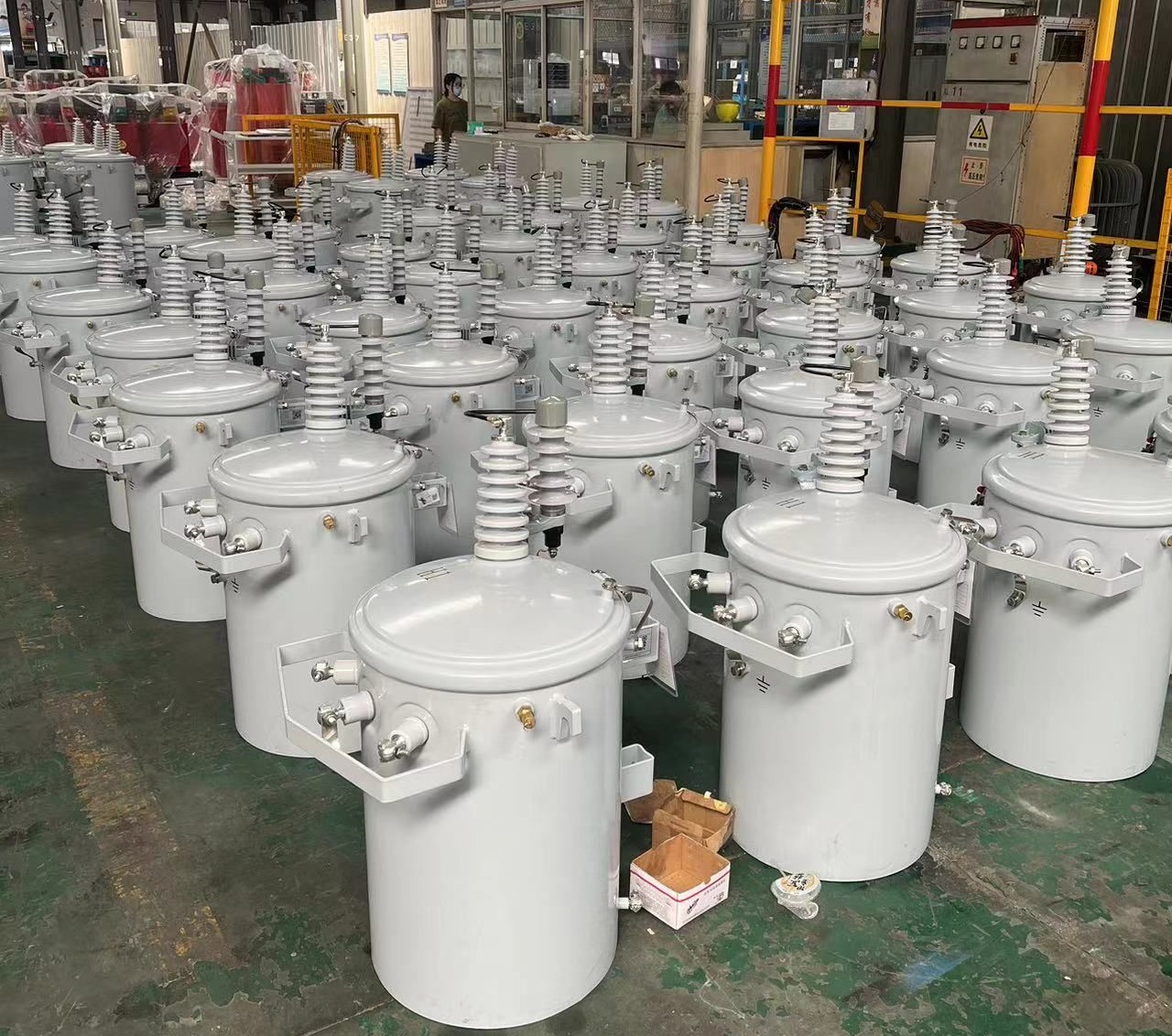
Design Tests
All transformers will be tested after finishing the production, test items as follows:
♦ Insulation Power Factor
♦ Ratio, Polarity, and Phase Relation
♦ Winding Resistance
♦ Impulse Tests
♦ On load Loss Test
♦ No Load Loss Test
♦ Leak Test
♦ DC Insulation Resistance Test
♦ Transformer Turns Ratio/TTR (All Tap Voltages)
♦ Impedance Voltage & Load Loss (Rated Voltage)
♦ Polarity, 1-Ph
♦ Excitation & No-Load Loss (Rated Voltage)
♦ Lightning Impulse
♦ Insulation Resistance (Rated Voltage)
♦ Temperature Rise
♦ Dielectric Withstand (Hipot)
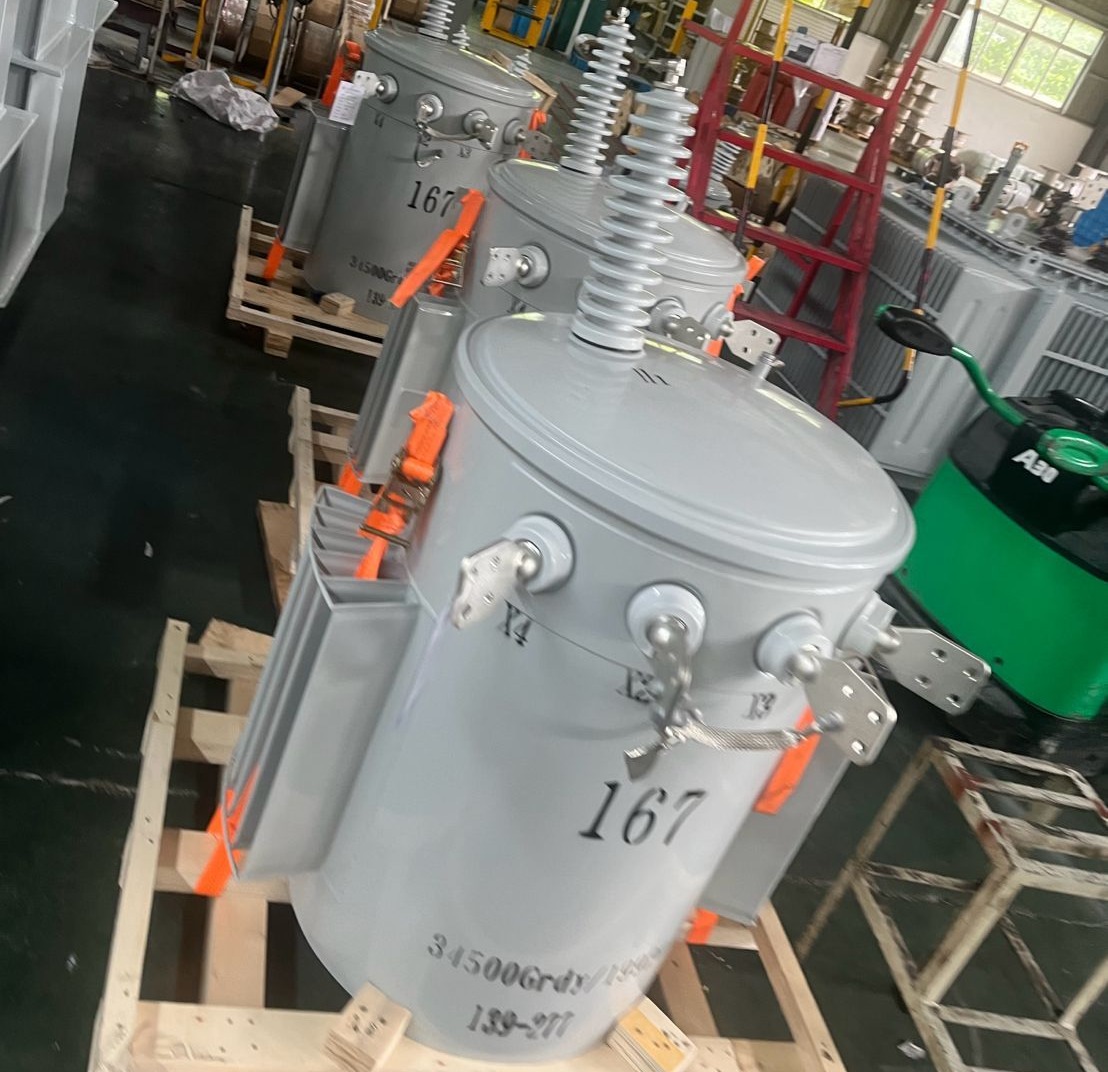
Transformer Factory Acceptance Test
Progressing in FAT for the 33kV single phase pole mounted transformer, lightning impulse withstand at 150-200kV BIL delivers full and chopped waves to prove insulation coordination without anomalies. Acoustic performance testing in isolated conditions ensures noise levels remain below specified thresholds. Temperature rise evaluation under simulated full-load conditions restricts top-oil and winding rises to 65°C. Functional checks on pressure relief devices, oil indicators, tap changers, and protective fuses confirm reliable activation. Sweep frequency response analysis detects any core/winding shifts. All test data compiles into traceable reports adhering to IEC 60076 and IEEE C57.12.90, incorporating calibration certificates, witnessed validations, and resolution of discrepancies prior to final acceptance and shipping authorization. Winding DC resistance is measured with high-precision equipment, temperature-corrected to reference values, maintaining results within 0.7% variance. Turns ratio and polarity validation across all taps uses automated TTR devices for errors below 0.25%. Dissipation factor and capacitance testing at 10-12kV restricts tan delta to under 0.4%, confirming dielectric integrity. No-load loss and exciting current at rated voltage align with guaranteed efficiency levels, limiting excitation to 1.5% maximum. Load loss and impedance are precisely quantified through short-circuit testing, achieving efficiency above 98%.
Routine Test - Impulse Tests
Purpose of Testing
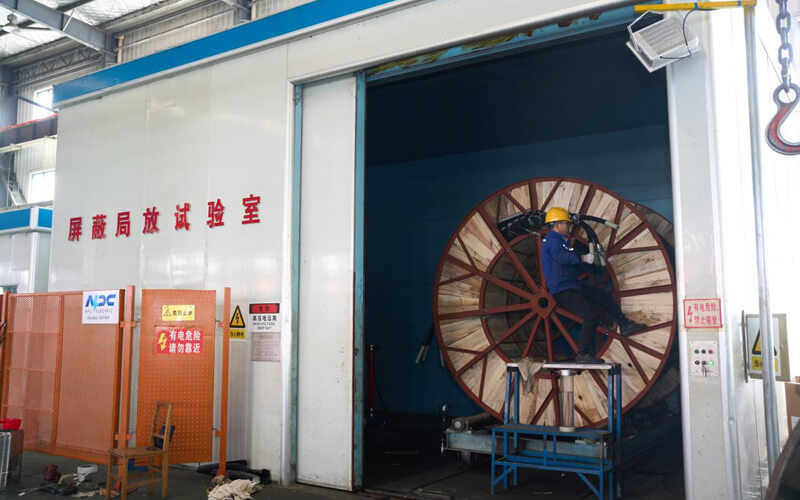
The purpose of Impulse Tests is to verify the insulation strength of electrical equipment when it is subjected to lightning strikes or switching overvoltages. By applying high-energy impulse voltages, it is possible to detect potential defects in the insulation system.
Testing Equipment
Impulse voltage generator (e.g. Haefely, Hipotronics, Tettex, etc.)
Voltage divider (used to measure impulse voltage waveform, resistor divider or capacitor divider)
Oscilloscope (used to record impulse waveform, common brands such as Tektronix, Keysight)
Voltage divider (used to measure impulse voltage waveform, resistor divider or capacitor divider)
Oscilloscope (used to record impulse waveform, common brands such as Tektronix, Keysight)
Pre-Test Preparation
Please test under suitable environmental conditions: relative humidity less than 65%, no rain or condensation (recommended temperature: 15-30°C).
Calibrate and check the impulse voltage generator, measurement system, and control system to ensure that the instruments and equipment are in good condition and meet the test standards.
Calibrate and check the impulse voltage generator, measurement system, and control system to ensure that the instruments and equipment are in good condition and meet the test standards.
Test Progress
Connect the Test Instrument:
Connect the impulse voltage generator correctly to each winding terminal (high voltage terminal, ground terminal) of the device under test, and ensure that all test instruments are well grounded.
Apply Test Voltage:
Select the appropriate impulse voltage waveform and amplitude according to the rated voltage of the equipment
Connect the impulse voltage generator correctly to each winding terminal (high voltage terminal, ground terminal) of the device under test, and ensure that all test instruments are well grounded.
Apply Test Voltage:
Select the appropriate impulse voltage waveform and amplitude according to the rated voltage of the equipment
Measure and Record
Collect and record the impact waveform, including:
Front Time
Time to Half-Value
Peak Voltage
Distortion
Ambient temperature and humidity (especially when the test environment needs to be corrected)
Front Time
Time to Half-Value
Peak Voltage
Distortion
Ambient temperature and humidity (especially when the test environment needs to be corrected)
Waveform Correction
Check whether the impulse voltage waveform meets the specification requirements (wave head time 1.2μs ±30%, half-peak time 50μs ±20%).
If the waveform deviation is too large, adjust the impulse generator parameters and reapply the test.
If the waveform deviation is too large, adjust the impulse generator parameters and reapply the test.
Repeat Testing (if necessary)
Impact tests are performed for different phases and windings (HV/MV/LV).
In special cases, inter-winding impact, voltage-to-ground impact or coil corner impact are performed (according to the test plan).
In special cases, inter-winding impact, voltage-to-ground impact or coil corner impact are performed (according to the test plan).
Evaluation Criteria (Reference)
No internal insulation breakdown or flashover (detected by observing waveform continuity and audibly).
Waveforms are stable and meet standard specifications.
Waveform variations between repeated tests are minimal (usually good waveform overlap with no noticeable abnormal excursions).
Waveforms are stable and meet standard specifications.
Waveform variations between repeated tests are minimal (usually good waveform overlap with no noticeable abnormal excursions).
*These comprehensive tests ensure that each transformer meets performance standards and operates
reliably under various conditions.
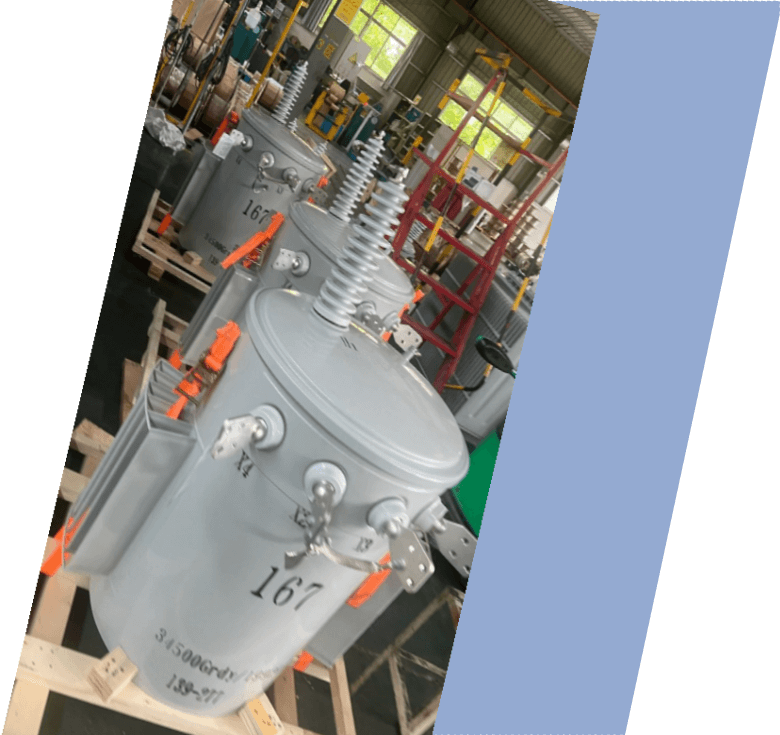
Application
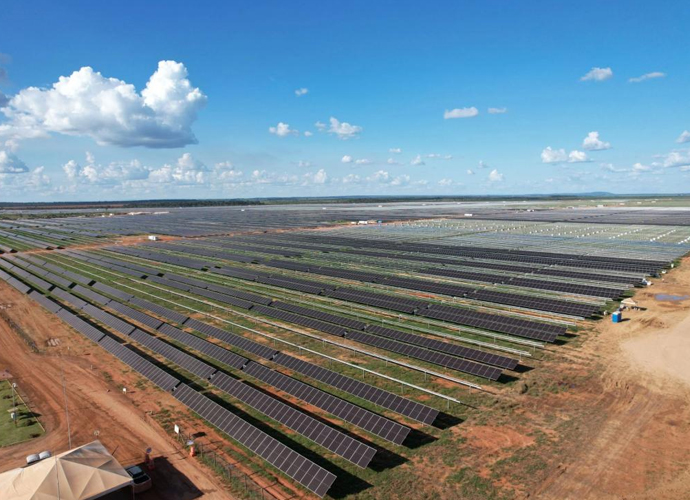
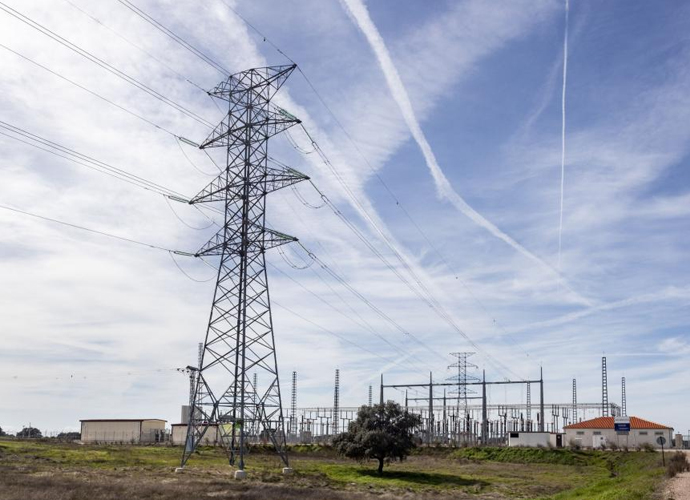
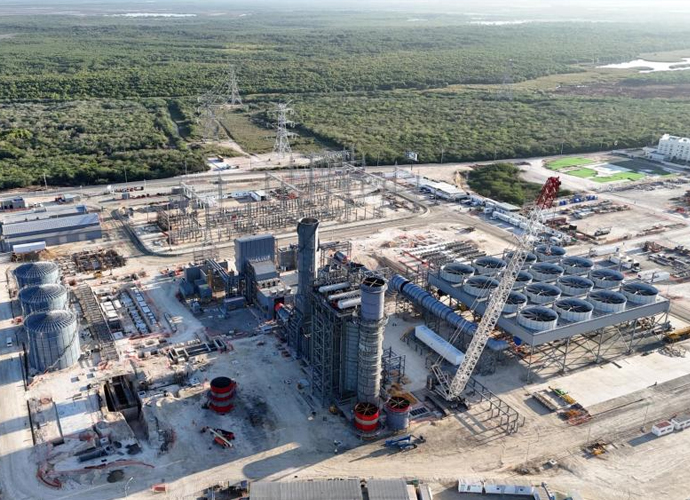
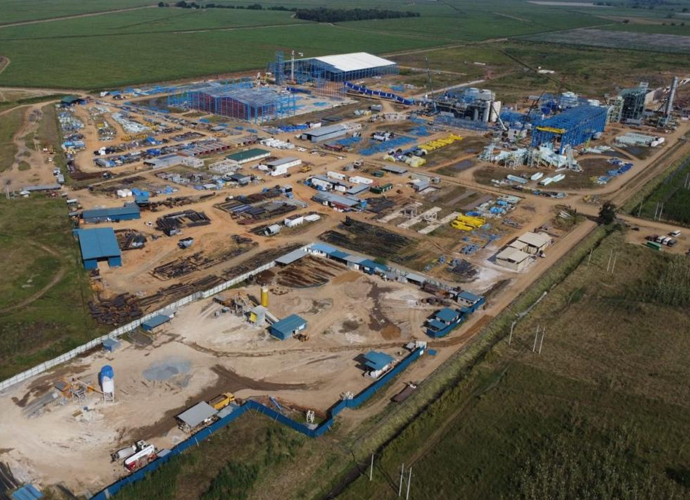
The 33kV single phase pole mounted transformer excels in expansive rural power networks combined with agricultural electrification, stepping down medium-voltage lines to supply dispersed farms, extensive irrigation pumps, livestock facilities, and remote villages while accommodating intermittent renewable inputs like small-scale wind or solar.


Technical Advantages
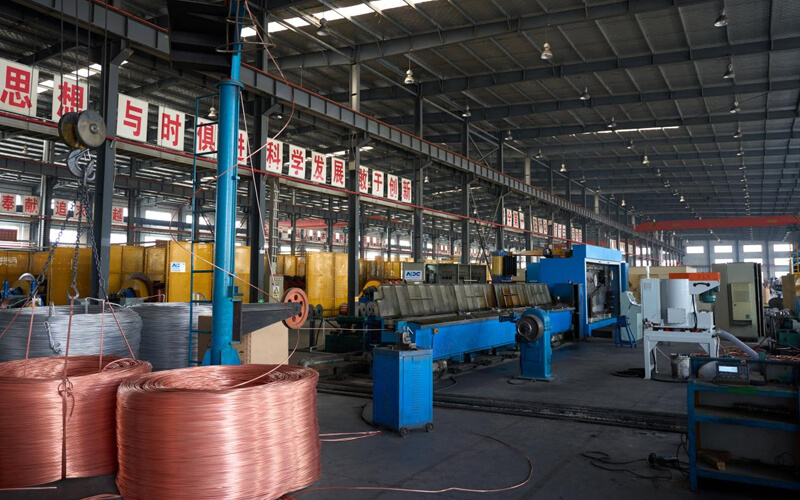
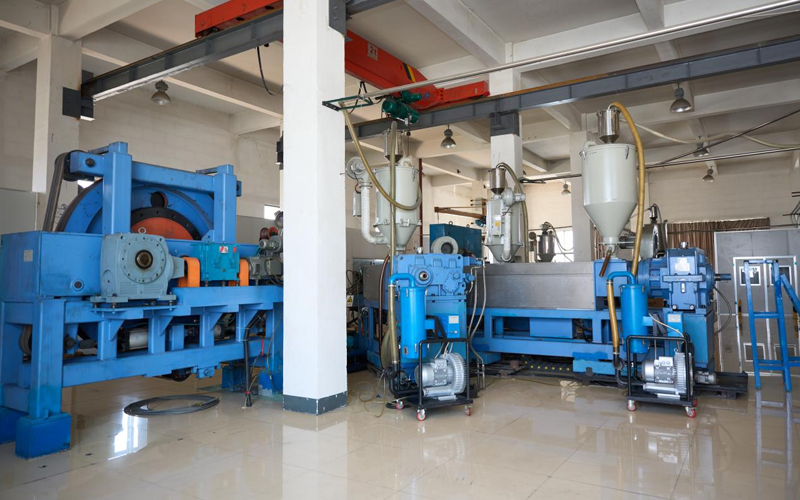
● 30+ years of manufacturing experience
● ISO and UL certified production
● Customized cable and transformer solutions
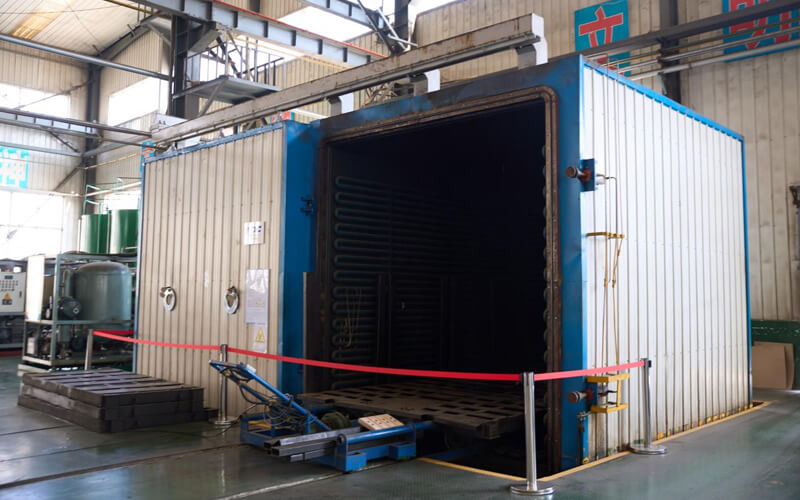
Product Packaging
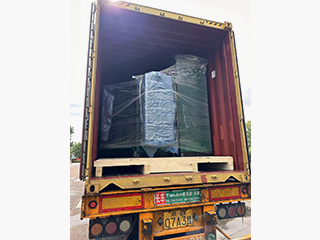
Transformers Packaging (1)
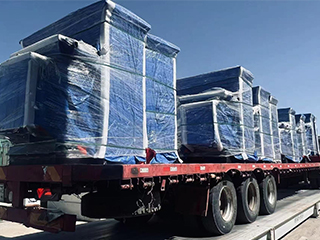
Transformers Packaging (2)
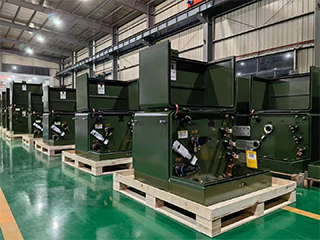
Transformers Packaging (3)
Transformers Packaging (4)
Transformers Packaging (5)
Transformers Packaging (6)
Transformers Packaging (7)
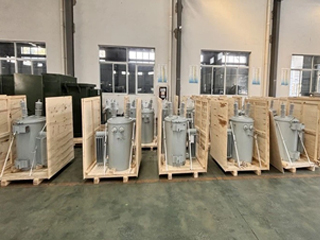
Transformers Packaging (8)
Related Products
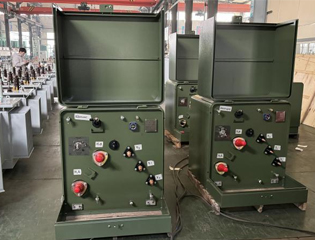
100kVA Conventional Type Single Phase Pole Mounted Transformer
NPC ELECTRIC has been specialized in manufacturing 100kVA Single Phase pole Mounted transformer for more than 20 years, which complies with international standards such as ANSI/IEEE C57, IEC60076 and other standards. Its main function is to convert high voltage electricity (such as 11kV, 13.8kV, etc.) into low voltage electricity (such as 120V/240V), providing stable and reliable power supply to end users. It is suitable for residential, commercial, agricultural and small industrial loads. Standard features include mineral oil insulation (ONAN cooling), aluminum or copper windings, primary voltages 2.4kV–34.5kV grounded wye or delta (common: 7200/12470GrdY, 7620/13200GrdY, 12470GrdY/7200, 24940GrdY/14400, 34500GrdY/19920), secondary 120/240V or 240/120V split-phase (options for 277V or custom), BIL ratings 95–150kV HV / 30kV LV, impedance typically 2.0–4.5%, ±2×2.5% or 5-position tap changer, conventional or CSP (completely self-protected) configurations with internal fuses, lightning arresters, weak-link protection, pressure relief valve, oil sight gauge, and ANSI 70 gray tank finish. Efficiency typically reaches 99.25–99.29% at 50% load per DOE levels (with 2029 amendments targeting further reductions in losses for units >100 kVA), with low sound levels and corrosion-resistant hardware for extended outdoor service.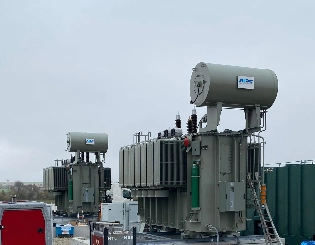
115kV 35MVA Three-Phase Oil-Immersed Power Transformer
The 115kV 35MVA Three-Phase Oil-Immersed Power Transformer is designed for reliable and efficient operation in high-voltage transmission and substation applications. Built with high-permeability silicon steel cores and precision-wound copper conductors, it delivers low losses, strong short-circuit withstand capability, and excellent thermal stability. The oil-immersed cooling system ensures effective heat dissipation, enabling continuous operation under heavy-load conditions. A robust tank structure, advanced insulation system, and outdoor-rated protection make the transformer suitable for harsh environmental conditions. Manufactured in accordance with IEC, IEEE, and ANSI standards, this transformer is widely used in utility substations, industrial power systems, and regional transmission networks where long service life, stable voltage regulation, and high operational reliability are critical.
35kV High Voltage Dry Type Transformer
The 35kV High Voltage Dry Type Transformer is a robust, three-phase cast-resin (epoxy-encapsulated) power transformer engineered for safe, reliable high-voltage to medium-voltage or medium-voltage to low-voltage transformation in demanding indoor and protected outdoor substation applications. With full high-conductivity copper windings and advanced vacuum-cast resin insulation, it eliminates oil fire risks, environmental hazards, and routine maintenance while providing superior dielectric strength, thermal endurance, excellent resistance to moisture/dust/pollution, and very low noise levels in fire-regulated. Fully compliant with IEC 60076-11, IEC 60076-1/2/3/5/20, EN 50588-1 (eco-design), IEEE C57.12.01, IEEE C57.12.91, UL 1561 (optional), and aligned with DOE efficiency guidelines (exceeding 2016 levels and prepared for 2029 loss-reduction amendments), this series achieves excellent energy efficiency (typically 99.25–99.55% at full load), ultra-low no-load and load losses, strong overload capability (up to 150% short-term), low sound levels (<65 dB standard; <60 dB low-noise execution), and a design life exceeding 40 years with virtually zero maintenance.
37.5kVA Completely self-protected(CSP) Single Phase Pole Mounted Transformer
37.5kVA Completely self-protected(CSP) Single Phase pole Mounted transformer is an efficient and reliable power equipment designed to provide a stable single-phase power supply. The transformer adopts fully self-protection technology and has built-in multiple protection functions such as overload, short circuit, and overvoltage to ensure that the transformer automatically cuts off the power supply under abnormal conditions, effectively avoiding equipment damage and ensuring the safe operation of the system.
66kV 69kV Power Transformer
66 69kV power transformer uses high-performance silicon steel sheets and a fully sealed structure design, with excellent insulation performance and thermal stability. The product complies with international and national standards, such as 1 . IEC 60076 Power Transformers; 2. AS NZS 60076 Power Transformers CSAC88-16 Power Transformers 3.ANSI/IEEE C57.12.00 IEEE Standard for General Requirements for Liquid-Immersed Distribution, Power, and Regulating Transformers; 4. GOST R 52719 Power Transformers - General Specifications; 5. EN60076 Poer Transformer;8. Local After-Sales Services In North America South Efficiency typically exceeds 99.2–99.4% at full load, with low sound levels and robust corrosion protection for reliable long-term operation.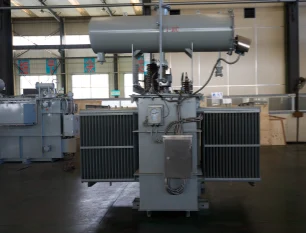
11kV Three-Phase Oil-Immersed Power Transformer
The 11kV Three-Phase Oil-Immersed Power Transformer is engineered for stable and efficient distribution across medium-voltage networks. Designed with high-grade silicon steel, advanced insulation systems, and premium mineral oil, this transformer ensures superior dielectric strength, excellent heat dissipation, and long service life. Its oil-immersed configuration delivers reliable cooling performance, enabling continuous operation under varying load conditions. The three-phase design ensures balanced power delivery, reduced energy losses, and improved grid stability. With enhanced short-circuit strength, low noise levels, and robust mechanical structure, it is suitable for industrial facilities, commercial complexes, substations, and utility distribution networks. Custom voltage ratios, tap changers, protection devices, and enclosure options are available to meet regional standards and project-specific requirements.FAQ From Customers
-
What is a Transformer?A transformer is an electrical device used to change the voltage of alternating current (AC). It works on the principle of electromagnetic induction, converting high-voltage current into low-voltage current or low-voltage current into high-voltage current. Transformers are widely used in power transmission, distribution systems, and various electronic devices.
-
What are the main uses of a transformer?The main use of a transformer is voltage conversion. Transformers are used in power transmission systems to help transfer electricity from power plants to consumers. In addition, transformers are also used in electronic devices such as chargers, televisions, power adapters, etc., to adjust the voltage to meet the requirements of different devices.
-
Do you have UL listed?Yes, our transformer has UL listed. We have exported to America many pad mounted transformer,substation transformer and HV.
Welcome your inquiry
Honesty, Integrity, Frugality, Activeness and Passion