
How to Design a Dry Type Transformer: Step-by-Step Guide with Design Calculations
2026-03-23
The design of a dry type transformer is a highly integrated multidisciplinary engineering task, encompassing electrical engineering, thermodynamics, mechanical structure, materials science, and safety standards. Unlike traditional oil-immersed transformers, dry type transformers do not rely on mineral oil for insulation and cooling. Instead, they utilize air natural cooling (AN), forced air cooling (AF), or cast resin epoxy systems. This innovative approach provides outstanding advantages such as superior fire resistance, maintenance-free operation, environmental friendliness, and suitability for indoor installations.
During the dry type transformer design process, engineers must precisely calculate electromagnetic parameters for the core and windings to optimize short-circuit impedance, load losses, and no-load losses. Thermal simulations are essential for analyzing temperature rise distribution, enabling the selection of appropriate cooling methods and insulation classes to prevent localized overheating and insulation degradation. Additionally, critical performance indicators—including voltage regulation, noise control, mechanical strength, and short-circuit withstand capability—must comply with national and international standards such as GB/T 1094 or IEC 60076 series.
Leveraging advanced CAD/CAE tools and finite element analysis, modern dry type transformer design achieves higher efficiency, lower operating costs, and extended service life. These transformers are widely applied in high-safety-demand environments like data centers, hospitals, subways, and high-rise buildings.
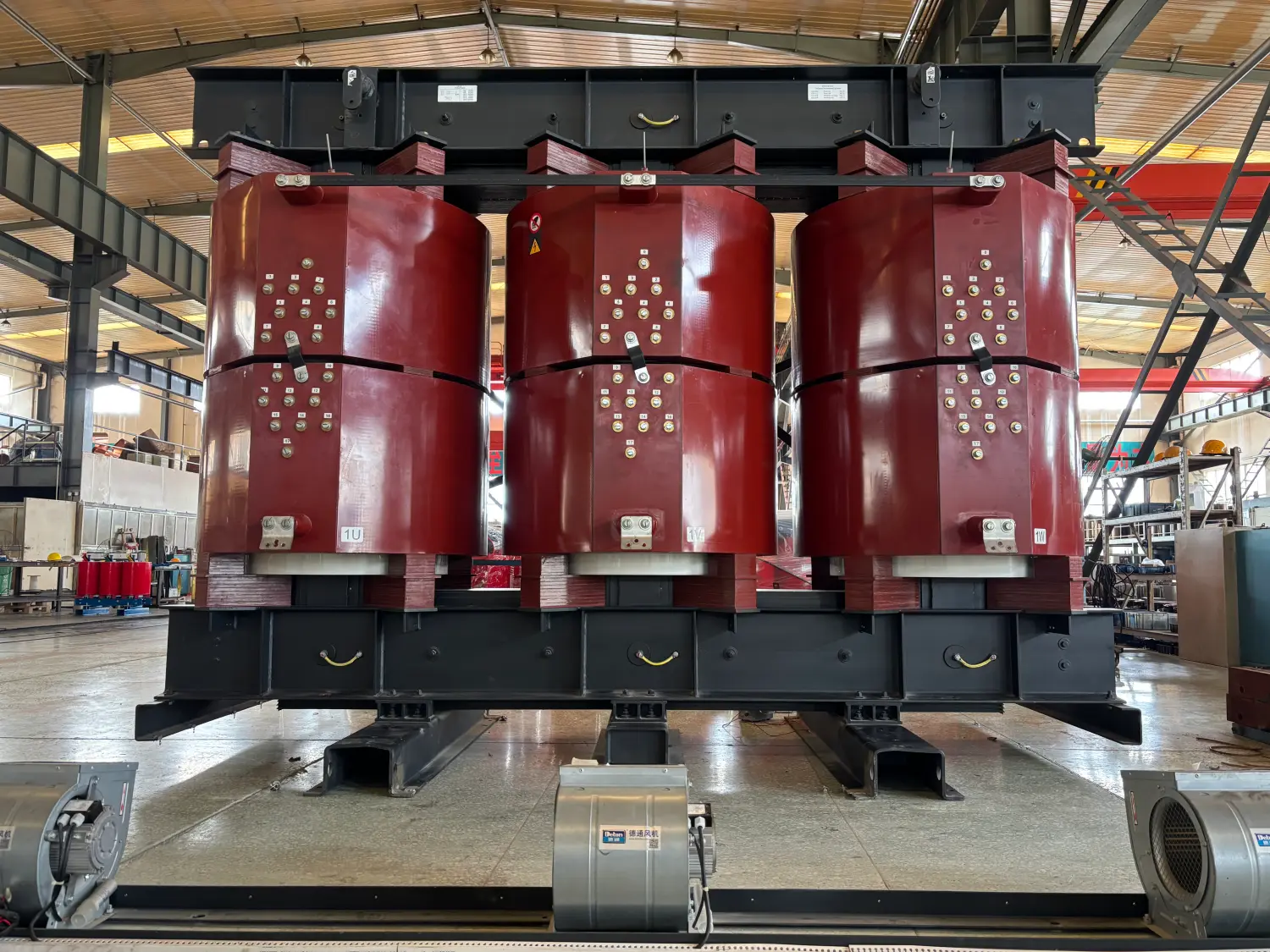
Step 1: Define Electrical Ratings and Application Conditions
Every transformer design begins with system requirements.
Typical inputs:
- Rated power: 100 kVA – 25 MVA
- Primary voltage: e.g. 11 kV, 22 kV, 33 kV
- Secondary voltage: e.g. 400 V, 690 V
- Frequency: 50 / 60 Hz
- Cooling: AN or AF
- Installation: indoor, confined space, high-rise building
Example: Basic Rating Definition
Assume:
- Rated power: 1000 kVA
- Primary voltage: 11 kV
- Secondary voltage: 415 V
- Frequency: 50 Hz
- Type: Cast resin dry-type transformer
This rating determines current, conductor size, insulation class, and cooling system.
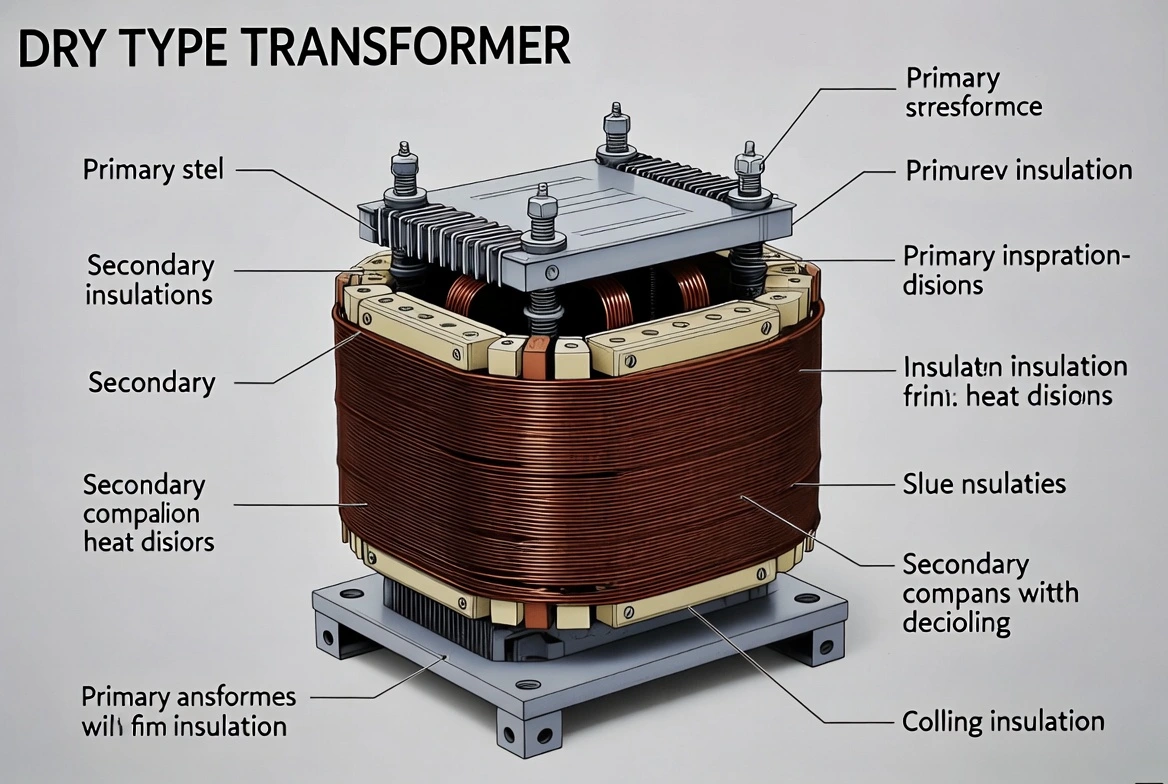
Step 2: Calculate Rated Currents (Primary and Secondary)
Rated current is fundamental to winding and conductor design.
Formula

Example Calculation
Primary current:

Secondary current:

These values drive coil windings' cross-section, current density, and thermal losses.
Step 3: Selection of Dry Type Transformer Type
Based on application:
- Cast resin dry-type transformer → high humidity, high voltage, fire safety
- VPI dry transformer → standard indoor electrical rooms
- Dry-type triplex transformers → rectifier and special industrial loads
For the example above, a cast resin transformer is preferred due to high secondary current and thermal stability requirements.
Step 4: Winding Design and Turns Calculation
Turns Ratio

If the LV winding has 40 turns, then:

Current Density Selection
Typical design values:
- Copper windings: 2.5–3.2 A/mm² (dry transformer)
- High reliability designs: lower current density
Secondary conductor cross-section:

Multiple parallel copper strips or foil windings are used to achieve this area.
Step 5: Winding Resistance and Copper Loss Calculation
Formula

Assume:
- Secondary winding resistance = 0.002 Ω

Copper losses are a major contributor to temperature rise, influencing cooling system design.
Step 6: Core Design and Magnetic Flux Calculation
EMF Equation

Where:
- BBB = flux density (typically 1.4–1.6 T)
- AAA = core area
Assuming:
- Flux density = 1.5 T
- Frequency = 50 Hz
The core cross-section is selected to keep no-load losses and noise within limits, especially critical in high-rise buildings.
Step 7: Cooling System Design (Air Cooled vs Forced Air)
Dry transformers rely on air cooling, but load and ambient conditions dictate the method.
Temperature Rise Limits
- Class F insulation: 100 K
- Class H insulation: 125 K
Cooling Decision Example
If calculated total losses:
- Core losses: 1.8 kW
- Copper losses: 3.9 kW
- Total losses: 5.7 kW
Natural air cooling may be sufficient up to ~1000 kVA. If overload capacity or confined installation is required, forced air (AF) is added to increase the rating by 25–40%.
Step 8: Short-Circuit Withstand and Mechanical Design
Short-circuit forces are proportional to:

High secondary currents require:
- Rigid coil bracing
- Axial and radial reinforcement
- Strong resin encapsulation (for cast resin transformers)
This ensures compliance with IEC short-circuit withstand requirements.
Step 9: Voltage Regulation Calculation
Approximate Formula

Well-designed dry transformers typically achieve:
- Voltage regulation: 4–6%
Low regulation is essential for sensitive loads and stable output voltage.
Step 10: Industry Standards and Testing
Dry-type transformers must comply with:
- IEC 60076
- IEEE C57
- Local grid and project specifications
Routine and type tests include:
- Winding resistance measurement
- Temperature rise test
- Partial discharge test
- Sound level measurement
Application-Specific Design Considerations
|
Application |
Design Focus |
|
High-rise buildings |
Low noise, compact size |
|
Data centers |
Forced air cooling, redundancy |
|
Renewable energy |
Voltage stability, efficiency |
|
Industrial plants |
Overload capability |
Designing a dry-type transformer is a calculation-driven engineering process that integrates electrical ratings, winding resistance, cooling system performance, and mechanical integrity. By applying correct design calculations at each stage—from rated current to temperature rise—engineers ensure reliable operation, safety, and compliance with industry standards.
For critical infrastructure such as high-rise buildings, industrial facilities, and renewable energy systems, partnering with an experienced dry type transformers manufacturer ensures that theoretical calculations translate into robust, field-proven transformer designs.

Related Articles
Related Products
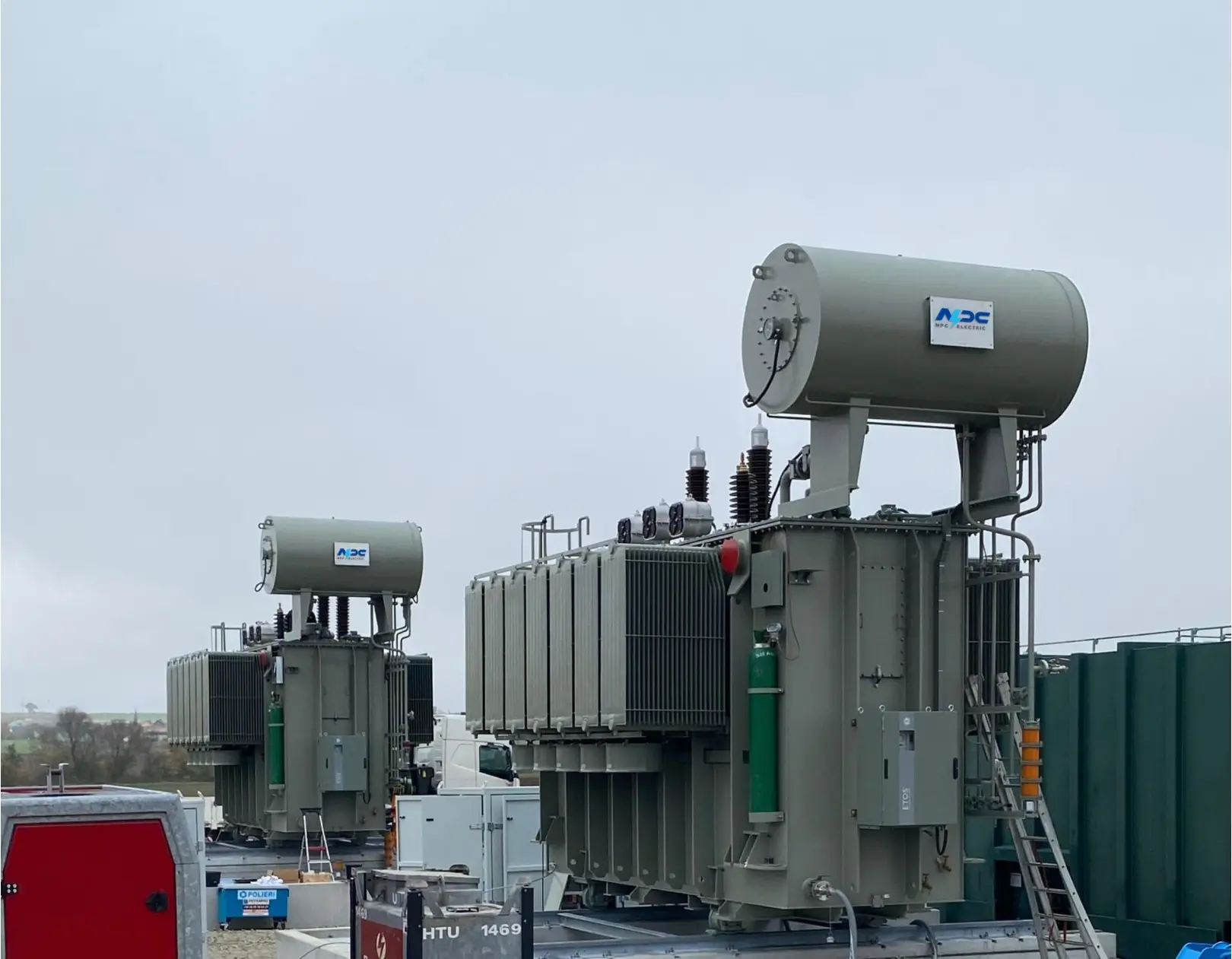
133kV 135kV Three-Phase Power Transformer – High Voltage Substation Equipment
The 133kV / 135kV Three-Phase Power Transformer is developed for high-voltage substations requiring dependable power conversion, grid stability, and long-term operational security. Designed as core infrastructure equipment, it supports continuous duty under fluctuating electrical loads and complex grid conditions. The transformer integrates a high-strength magnetic core, precision-manufactured windings, and a stable oil-immersed insulation system to achieve controlled losses and consistent voltage performance. Its structural design prioritizes mechanical durability, enabling safe operation under electrical stress, thermal expansion, and external environmental factors. Engineered for outdoor substation installation, the transformer ensures reliable service life with reduced maintenance demand. Compliance with international power equipment standards makes it suitable for modern transmission and substation systems where operational reliability, safety, and efficiency are essential.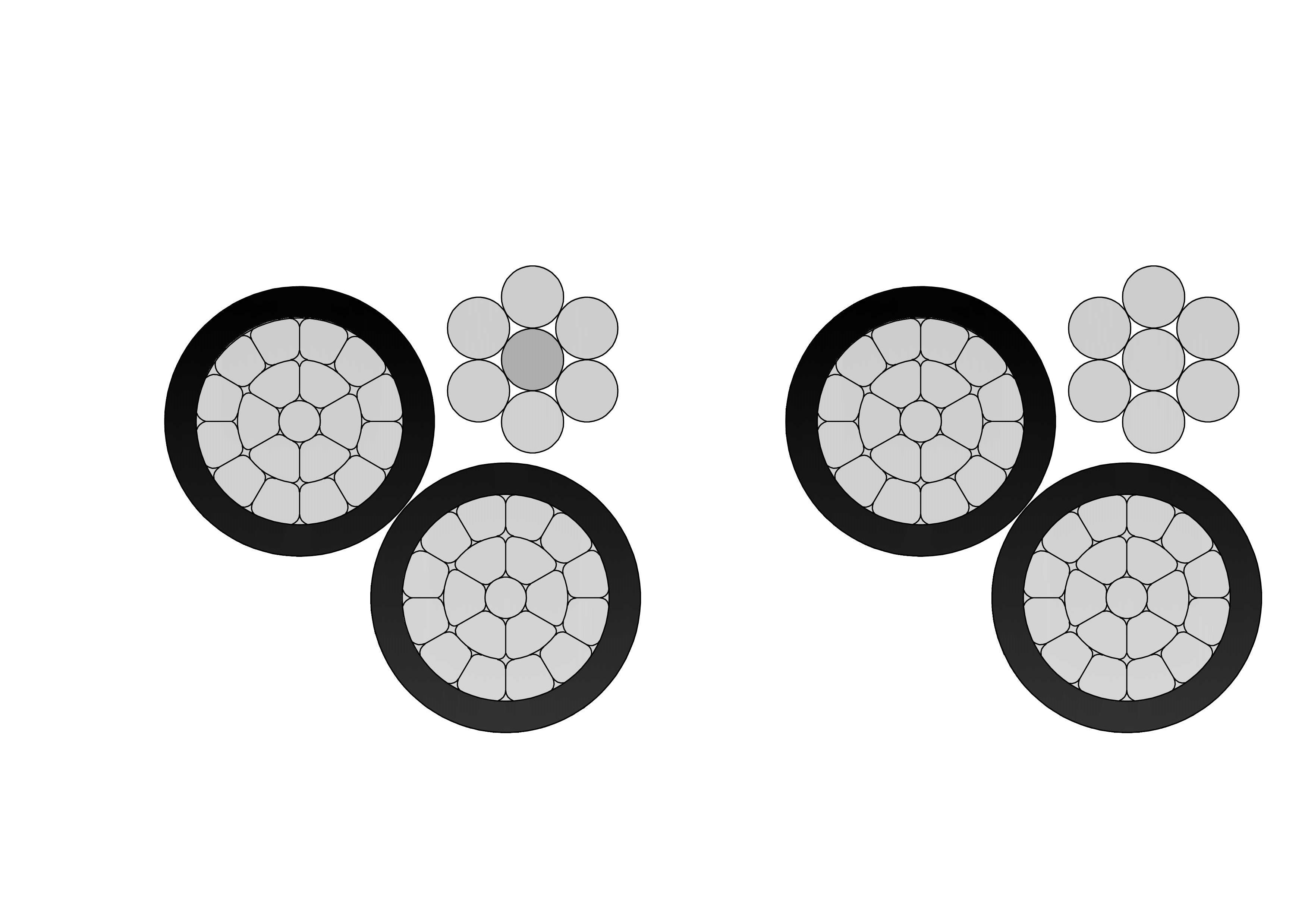
4/0 Lepas Aluminum Conductor Triplex Overhead Service Drop Cable
The 4/0-4/0-4/0 Lepas Aluminum Conductor Triplex Overhead Service Drop Cable is engineered for high-performance overhead power distribution from utility poles to residential, commercial, or light industrial weatherheads. It features concentric-lay-stranded 1350-H19 aluminum conductors (#4/0 AWG, 19-strand), black cross-linked polyethylene (XLPE) insulation for superior weather, UV, and thermal resistance, and a bare neutral messenger (#4/0 AWG, typically ACSR or AAAC 6201 alloy) for mechanical support and conductivity. Rated for 600 volts phase-to-phase at conductor temperatures up to 90°C (XLPE) or 75°C (Poly), it delivers an allowable ampacity of approximately 315 amps (XLP). Compliant with ASTM B-230, B-231, B-232, B-399, and ICEA S-76-474 standards, this robust, lightweight cable ensures easy installation, excellent electrical efficiency, and long-term durability in harsh outdoor environments, including wind, ice, moisture, and temperature extremes.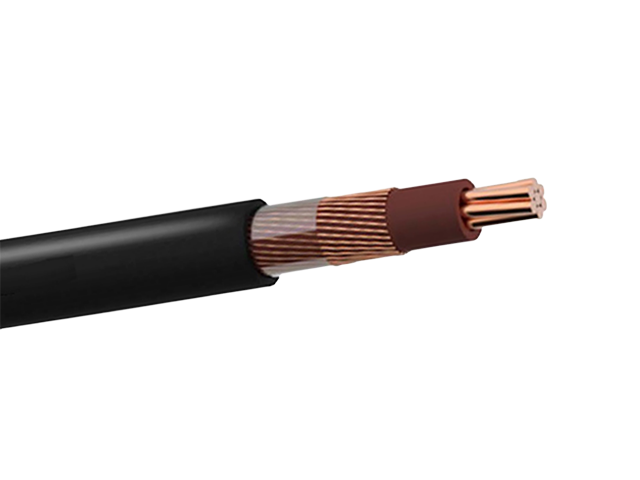
CONCENTRIC CABLE
NPC Electric Concentric Cable is designed with a central phase conductor surrounded by an evenly distributed concentric neutral conductor, providing a stable electrical return path and enhanced system safety. The concentric construction ensures uniform current distribution, reduces electromagnetic interference, and improves grounding reliability. High-purity copper or aluminum conductors are combined with durable insulation materials that offer excellent resistance to moisture, heat, and environmental stress. This cable structure is widely used in low-voltage power distribution, where mechanical protection and electrical stability are critical. The concentric neutral layer also enhances fault current handling and minimizes voltage drop during operation. With strong mechanical strength, long service life, and consistent electrical performance, concentric cables are suitable for underground installation and utility networks requiring dependable power delivery.
15kV Concentric Copper Power Cable
The 15kV Concentric Copper Power Cable is a premium medium-voltage underground distribution cable featuring a high-conductivity stranded copper conductor, extruded semi-conducting shields, tree-retardant TR-XLPE or EPR insulation, and a full concentric copper neutral layer protected by a rugged sunlight-resistant LLDPE jacket. This construction delivers superior electrical performance, excellent moisture and treeing resistance, and outstanding mechanical protection. Available with 100% or 133% insulation levels, the cable is ideal for direct burial or duct installations. Manufactured to ICEA S-94-649 and AEIC CS8 standards, the 15kV Concentric Copper Power Cable undergoes rigorous quality testing from raw materials to finished product, ensuring low dielectric loss, high reliability, and long service life in demanding underground environments.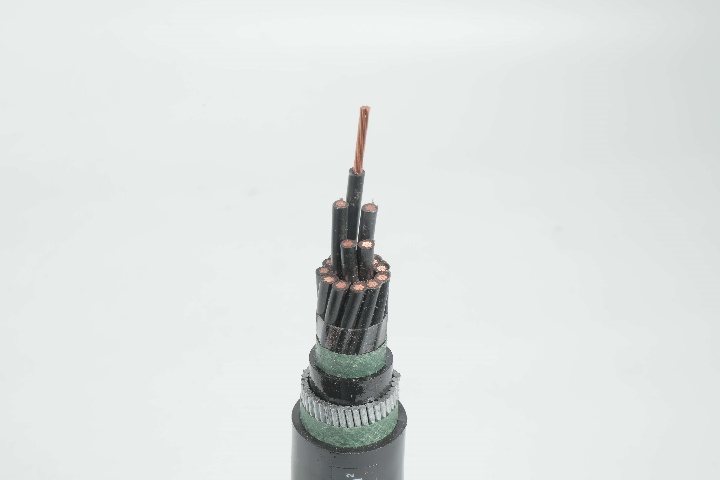
Flame Retardant Instrumentation Cables - Shielded Multi-Pair Cable
Flame Retardant Instrumentation Cables are engineered for reliable signal transmission in demanding industrial environments where fire safety is critical. These cables feature stranded copper conductors with high-quality insulation, individual and/or overall aluminum foil shielding with drain wires, and flame-retardant LSZH or PVC outer sheaths. They offer excellent electromagnetic interference (EMI) protection, low smoke emission, and superior fire performance. Designed for use in process control, automation systems, and instrumentation networks, these cables ensure signal integrity while meeting stringent international fire safety standards. The Flame Retardant Instrumentation Cables undergo rigorous quality testing from raw materials to finished product, guaranteeing consistent electrical performance, mechanical strength, and long-term reliability in oil & gas, power plants, refineries, and other high-risk installations.
LiYCY Control Cable - Screened Flexible PVC Control Cable
The LiYCY Control Cable is a high-quality screened flexible control cable widely used in industrial automation and machinery applications. It features finely stranded copper conductors with PVC insulation, twisted cores, a tinned copper braid screen for superior electromagnetic interference (EMI) protection, and a durable PVC outer sheath. This construction provides excellent flexibility, reliable signal transmission, and effective shielding against electrical noise. Rated 300/500V, the LiYCY Control Cable is ideal for dynamic installations and environments requiring both mechanical flexibility and EMI protection. Manufactured to international standards such as VDE 0812 and IEC 60227, it undergoes rigorous quality testing from raw materials to finished product, ensuring consistent electrical performance, mechanical strength, and long-term reliability in demanding industrial control applications.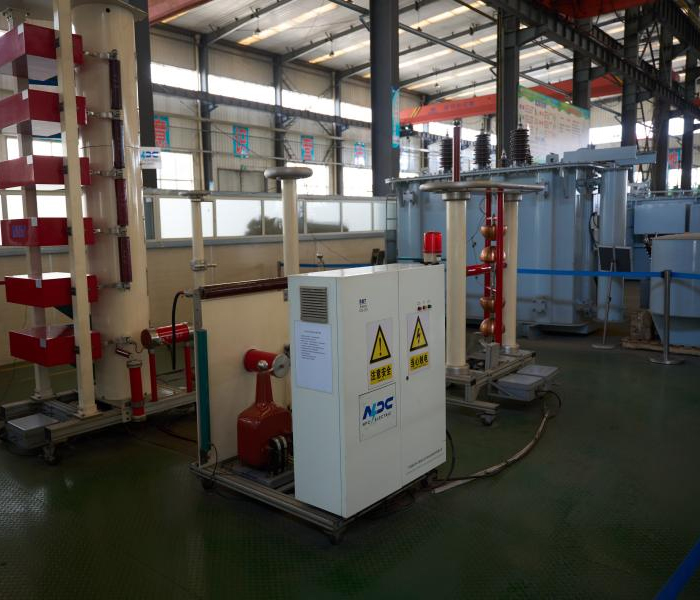
1250kVA Dry Type Transformer
NPC ELECTRIC 1250kVA Dry-Type Transformer delivers reliable, oil-free power distribution with a compact and efficient design. Featuring advanced insulation and cooling systems, it ensures safe, low-maintenance operation, making it ideal for industrial and commercial applications. It provides environmentally friendly, cost-effective performance with a 1250kVA capacity. Compliant with DOE amended energy conservation standards (finalized April 2024, mandatory compliance from April 23, 2029, with a 20% reduction in losses for three-phase low-voltage dry-type units), ANSI/IEEE C57.12.01, NEMA ST-20, UL 1561, and CSA requirements, this low-voltage (≤600V) transformer provides outstanding efficiency, minimized thermal losses, significant energy savings, and enhanced fire safety without insulating fluids.
2/0 Cavolinia Aluminum Conductor Triplex Overhead Service Drop Cable
The 2/0 Cavolinia Triplex Service Drop Cable is a reliable overhead cable for secondary power distribution to residential service entrances. Featuring two 2/0 AWG aluminum phase conductors and one neutral messenger (7-strand) insulated with XLPE or PE and assembled in triplex configuration, it provides excellent mechanical strength and weather resistance. Compliant with ASTM B-230, B-231, ICEA S-76-474, and ANSI/ICEA standards, this cable supports 600V applications with high UV, moisture, and abrasion protection. The self-supporting messenger reduces sag and simplifies installation over medium spans. The 2/0 Cavolinia Triplex Service Drop Cable ensures low power losses, high current capacity, and long service life in harsh outdoor conditions. Lightweight and flexible, it is widely used for two-phase service drops with neutral in urban, suburban, and rural areas requiring safe, cost-effective aerial connections from utility poles to homes.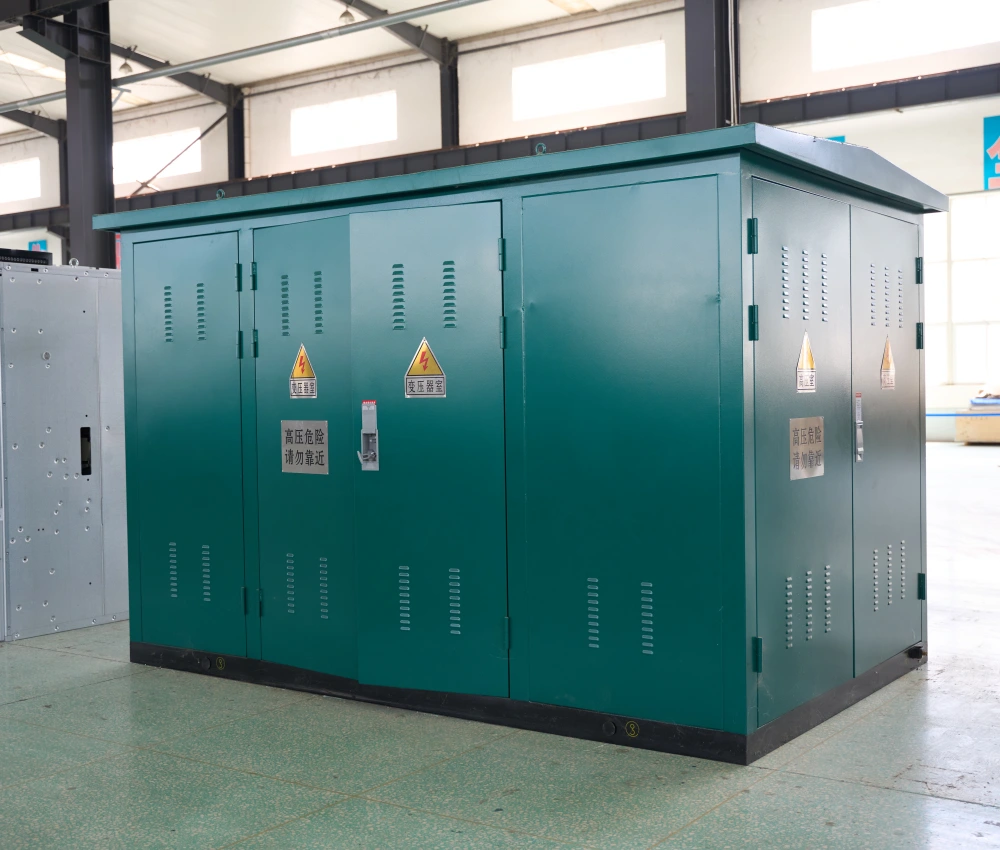
Prefabricated Substation
The Prefabricated Substation is a fully integrated, factory-built power distribution solution that combines high-voltage switchgear, transformer, low-voltage switchgear, protection systems, metering, and auxiliary equipment into a compact, modular enclosure. Designed for rapid deployment, it significantly reduces on-site civil works, installation time, and overall project costs. Built with premium materials and advanced manufacturing techniques, these substations deliver exceptional reliability, safety, and efficiency in a weatherproof, aesthetically pleasing package. Available in both skid-mounted and containerized configurations, they support a wide range of voltages and capacities while incorporating intelligent monitoring and remote control capabilities for modern smart grid applications.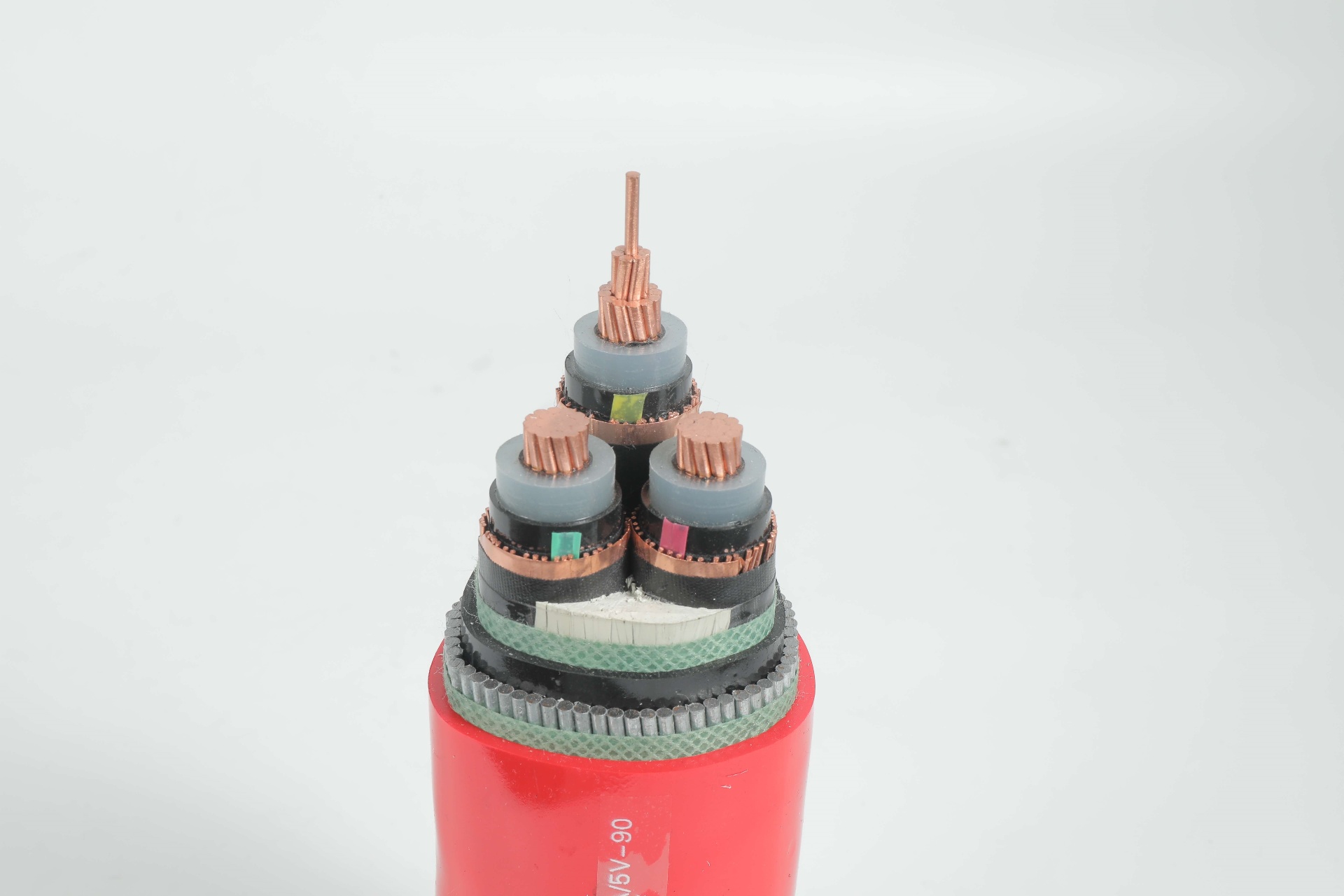
Three Core Medium Voltage Power Cable to IEC 60502
The Three Core Medium Voltage Power Cable to IEC 60502 is designed for stable and efficient power transmission in medium voltage distribution systems. Constructed with three insulated conductors laid together, this cable supports balanced load distribution and compact installation. High-purity copper or aluminum conductors ensure low electrical resistance and reliable current flow. The insulation system, typically based on XLPE, provides excellent dielectric strength, thermal endurance, and resistance to electrical stress. The three-core configuration simplifies installation in substations, industrial plants, and infrastructure projects where space efficiency and system reliability are critical. Manufactured in accordance with IEC 60502, the cable meets international standards for electrical performance, mechanical durability, and operational safety. Its robust construction ensures long service life and dependable operation in demanding medium voltage applications.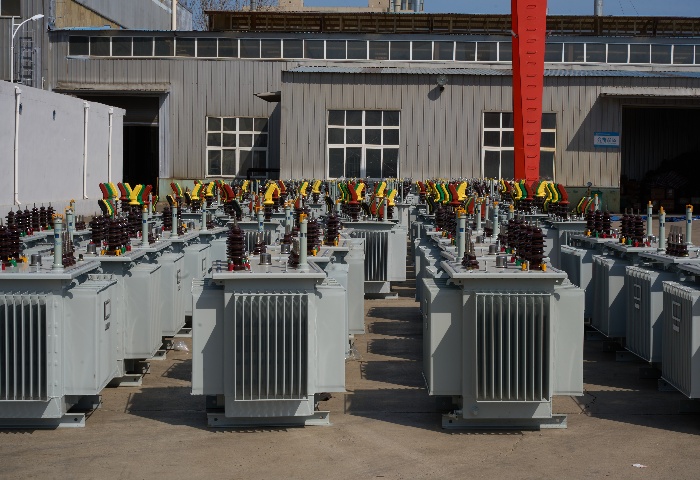
80kVA Oil Immersed Transformer
NPC ELECTRIC 80kva Oil Immersed Transformer boasts a robust design that incorporates high-quality materials and advanced manufacturing techniques. The transformer's core is made from premium cold-rolled silicon steel sheets, ensuring low loss and high efficiency. The oil-immersed design of the NPC ELECTRIC 80kVA transformer provides effective cooling and insulation, ensuring that the transformer operates within safe temperature limits and maintains optimal performance. The oil also acts as a dielectric medium, enhancing the transformer's electrical properties and protecting it from environmental factors.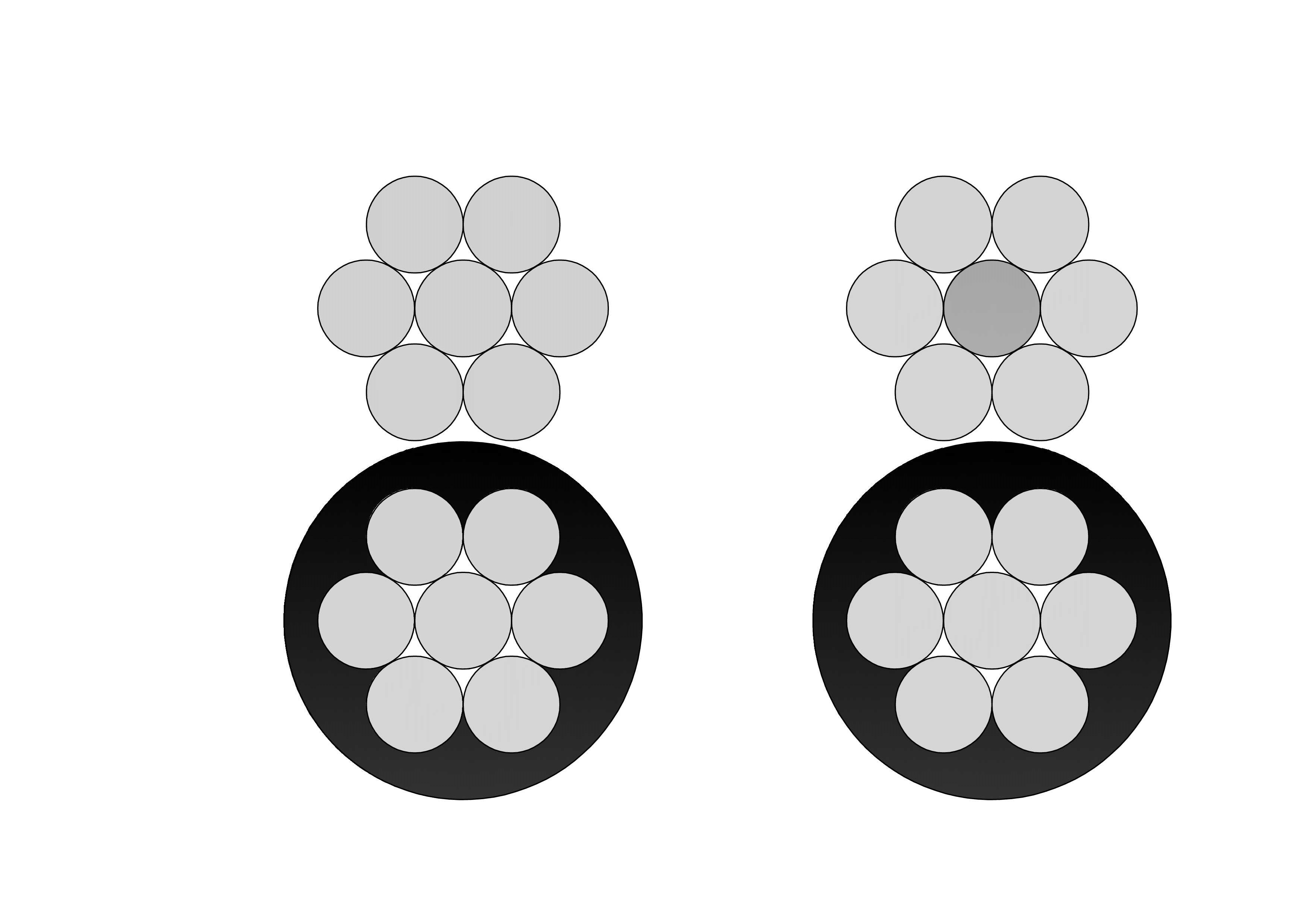
Duplex Overhead Service Drop Cable
Duplex Overhead Service Drop Cable is a reliable aerial cable for secondary power distribution from utility poles to service entrances. Available with aluminum or copper conductors (phase and neutral, stranded) insulated with XLPE or PE and assembled in duplex configuration, it offers excellent mechanical strength and weather resistance. Compliant with ASTM B-230, B-231, ICEA S-76-474, and ANSI/ICEA standards, this cable supports 600V applications with superior UV, moisture, and abrasion protection. The self-supporting design ensures reduced sag and easy installation over medium spans. The Duplex Overhead Service Drop Cable delivers low power losses, high current capacity, and long service life in harsh outdoor conditions. Lightweight and flexible, it is widely used for single-phase service drops in residential, commercial, and rural electrification projects requiring safe, cost-effective overhead connections worldwide.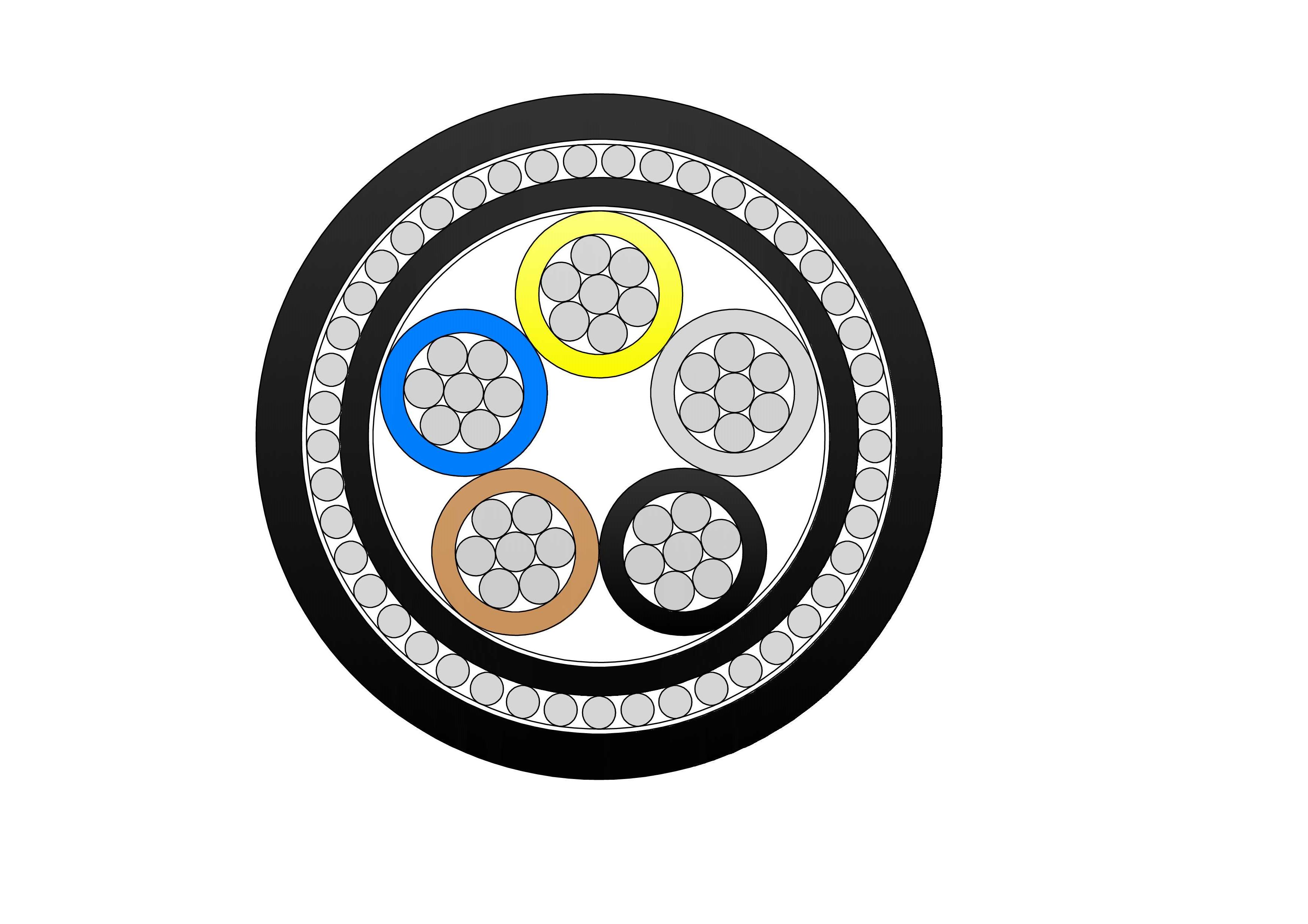
NA2XRY 0.6/1kV Low Voltage Power Cable
NA2XRY 0.6/1kV are low voltage power cables designed according to BS 5467 standard, suitable for fixed installation in indoor, outdoor, underground, or concrete (Can withstand certain mechanical forces) environments. Constructed with aluminium conductors, thermosetting XLPE insulation, PVC inner bedding, double galvanised steel tape armour, and tough PVC outer sheath, it meets IEC 60502-1 requirements. The STA armour offers outstanding resistance to compression and external forces, enabling direct burial. Lightweight aluminium lowers installation costs while ensuring good current rating and low losses. Flame-retardant and stable in harsh conditions, the NA2XRY 0.6/1kV Low Voltage Power Cable is favoured for manufacturing plants, renewable sites, commercial complexes, and infrastructure demanding reliable, low-maintenance low-voltage cabling with enhanced mechanical safeguarding.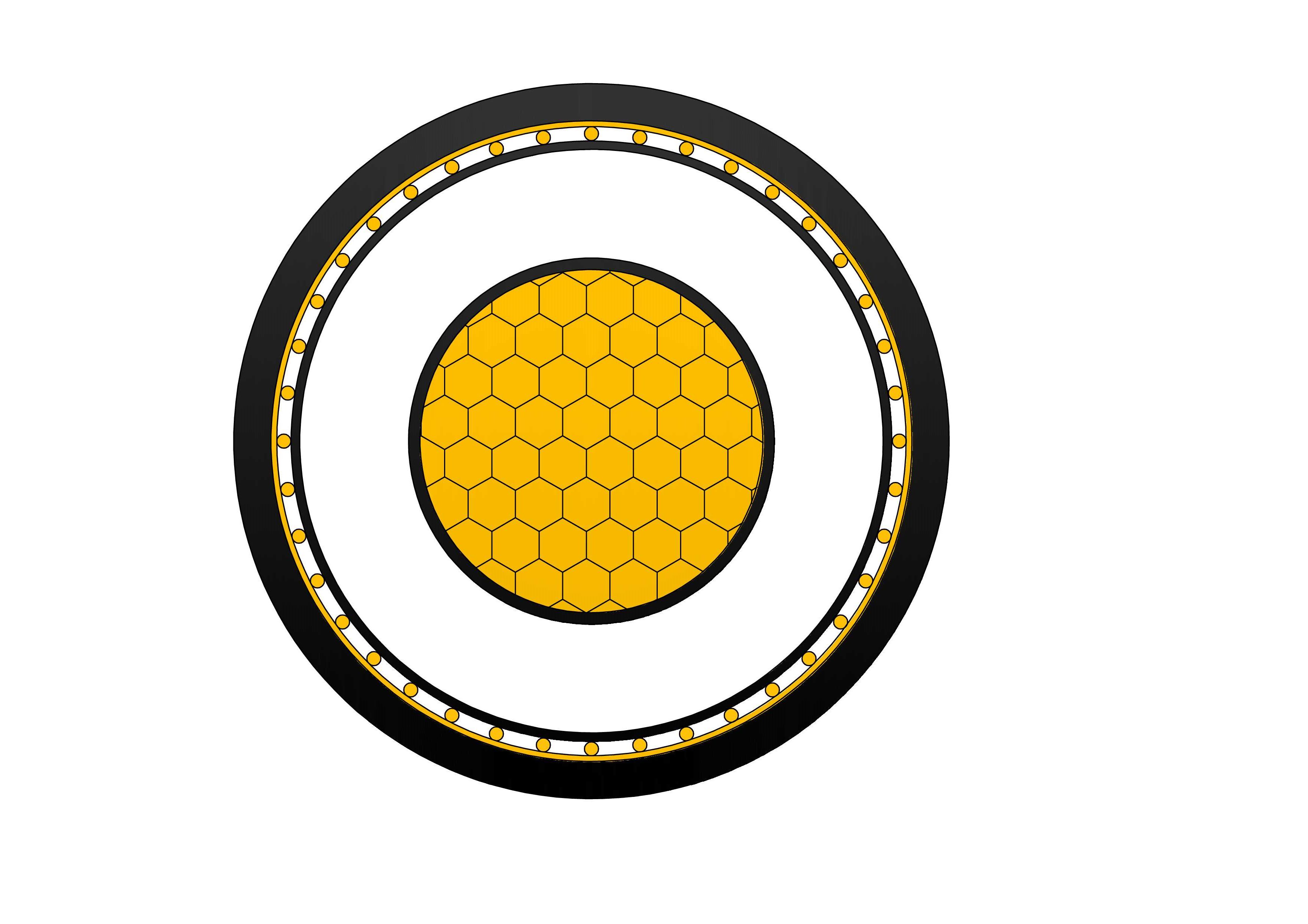
N2XS2Y Medium Voltage Power Cable(6/10kV, 12/20kV, 18/30kV)
N2XS2Y Medium Voltage Power Cable (6/10kV, 12/20kV, 18/30kV) is engineered for reliable medium voltage power transmission and distribution. Featuring stranded copper conductors, cross-linked polyethylene (XLPE) insulation, copper tape or wire screen, and robust polyethylene (PE) outer sheath, it fully complies with IEC 60502-2 standards. The PE sheath provides excellent resistance to moisture, UV, chemicals, and mechanical stress, ideal for direct burial. With low dielectric losses, high thermal stability, and superior partial discharge performance, it ensures efficient operation and long service life. Longitudinal and radial water blocking options available for enhanced protection. Flame-retardant and environmentally durable, the N2XS2Y Medium Voltage Power Cable is the preferred choice for utilities, industrial plants, renewable energy projects, and infrastructure networks requiring safe, high-performance medium voltage cabling in harsh underground or outdoor conditions worldwide.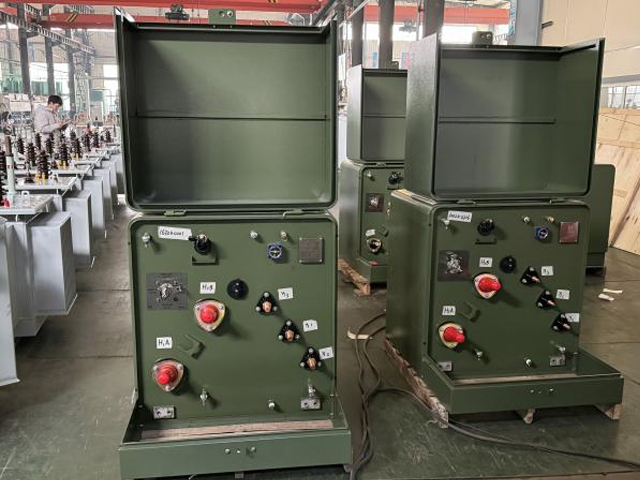
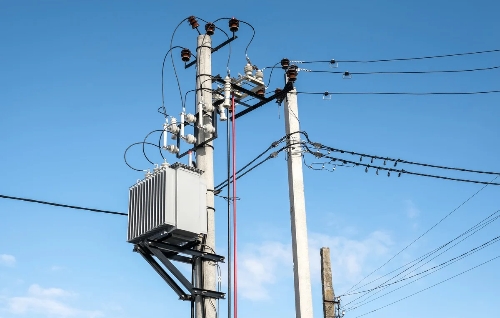
75kVA Conventional Type Single Phase Pole Mounted Transformer
NPC ELECTRIC has been specialized in manufacturing 75kVA Conventional Type Single Phase pole Mounted transformer for more than 20 years, which complies with international standards such as ANSI/IEEE C57, IEC60076 and other standards. Its main function is to convert high voltage electricity (such as 11kV, 13.8kV, etc.) into low voltage electricity (such as 120V/240V), providing stable and reliable power supply to end users. It is suitable for residential, commercial, agricultural and small industrial loads. Typical specifications include mineral oil insulation (ONAN cooling), aluminum or copper windings, primary voltages 2.4kV–34.5kV grounded wye or delta (common: 7200/12470GrdY, 7620/13200GrdY, 12470GrdY/7200, 24940GrdY/14400, 34500GrdY/19920), secondary 120/240V or 240/120V split-phase, BIL ratings 95–150kV HV / 30kV LV, impedance typically 2.0–4.0%, ±2×2.5% or 5-position tap changer, conventional or CSP (completely self-protected) configurations with internal fuses, lightning arresters, weak-link protection, pressure relief valve, oil sight gauge, and ANSI 70 gray tank finish. Efficiency typically reaches 99.17–99.19% at 50% load per DOE levels, with low sound levels and corrosion-resistant hardware for extended outdoor service.Welcome your inquiry
Honesty, Integrity, Frugality, Activeness and Passion