
What is Switchgear? Working Principle, Types, and Applications Explained
2026-08-25
1. Why Switchgear Is Essential in Modern Power Systems
Electricity powers nearly every aspect of modern society, from industrial facilities and commercial buildings to renewable energy plants and utility grids. However, safely managing the flow of electrical energy requires specialized equipment capable of controlling faults, isolating circuits, and protecting critical assets. This is where electrical switchgear becomes indispensable.
Switchgear is the backbone of modern electrical power systems, serving as the central protection and control mechanism within electrical networks. Whether installed in a low-voltage distribution panel, a medium-voltage substation, or a high-voltage transmission facility, switchgear enables operators to control, protect, and isolate electrical equipment under both normal and abnormal operating conditions.
As global demand for reliable power continues to grow, industries increasingly rely on advanced LV switchgear, MV switchgear, and HV switchgear technologies to ensure operational continuity, minimize downtime, and enhance electrical safety. Understanding how switchgear works and selecting the correct solution for a specific application is essential for engineers, utilities, EPC contractors, and facility operators.
2. What Is a Switchgear?
The simplest answer to what is a switchgear is that it is a combination of electrical devices designed to control, protect, and isolate electrical circuits and equipment.
Switchgear typically integrates multiple components into a coordinated system, including:
- Circuit breakers
- Disconnect switches
- Fuses
- Protection relays
- Busbars
- Current transformers (CT)
- Voltage transformers (VT)
- Monitoring devices
The primary purpose of switchgear is to:
- Control the power supply
- Protect electrical equipment
- Detect faults
- Interrupt fault currents
- Isolate damaged sections
- Maintain system stability
Without switchgear, electrical faults could rapidly escalate into equipment failures, fire hazards, extended outages, and significant financial losses.
Modern switchgear systems are designed to provide both operational flexibility and protection, making them essential in power generation, transmission, distribution, and industrial applications.
3. How Does Switchgear Work?
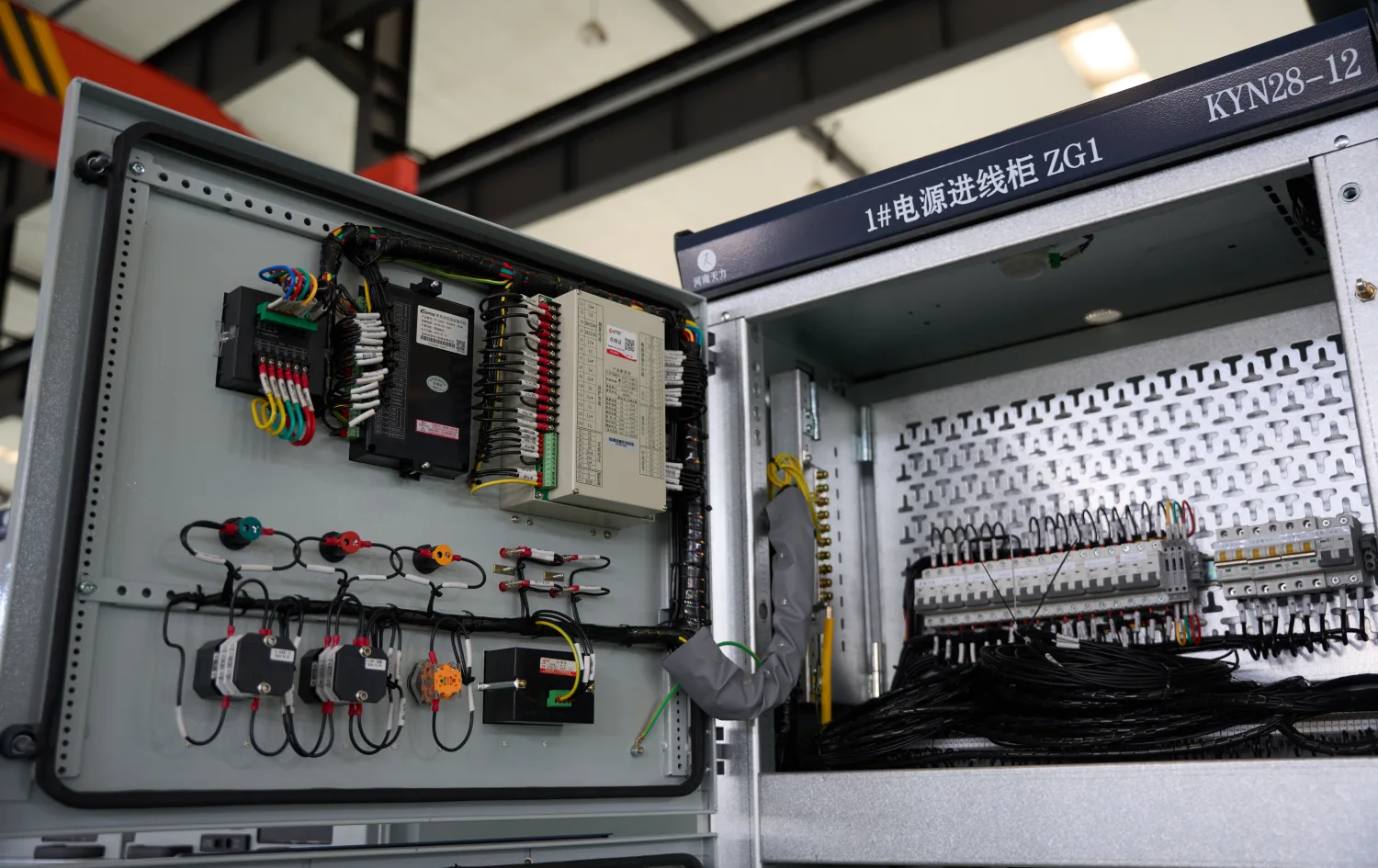
Switchgear plays a critical role in modern electrical power systems, ensuring safe, reliable, and efficient management of electricity from generation to end-user consumption. At its core, switchgear refers to a combination of electrical disconnect switches, fuses, circuit breakers, and other protective devices housed within metal enclosures, commonly known as distribution cabinets or switchgear assemblies. Understanding how switchgear works is essential for engineers, facility managers, and anyone involved in electrical infrastructure.
The working principle of switchgear revolves around three primary functions: switching, protection, and isolation. When an electrical fault occurs—such as overloads, short circuits, or ground faults—switchgear automatically detects the anomaly through integrated sensors and relays. Circuit breakers, the heart of most switchgear systems, interrupt the flow of current almost instantaneously by opening their contacts, preventing damage to equipment and reducing fire hazards. This rapid response is governed by sophisticated protection relays that analyze current, voltage, and frequency data in real-time.
In normal operation, switchgear allows operators to manually or automatically control power distribution. Disconnect switches and isolators enable safe de-energization of specific circuits for maintenance without affecting the entire network. Medium-voltage and high-voltage switchgear often incorporate gas-insulated (GIS) or air-insulated technologies to minimize arcing and enhance dielectric strength. For example, SF6 gas is commonly used in high-voltage applications due to its excellent insulating properties.
Modern switchgear also integrates smart monitoring systems, including IoT sensors and SCADA compatibility, allowing remote diagnostics, predictive maintenance, and seamless integration with renewable energy sources. This evolution improves grid reliability while supporting the growing demands of industrial plants, commercial buildings, and utility substations.
Whether it's low-voltage switchgear for residential complexes or high-voltage solutions for power transmission, the fundamental switchgear working principle ensures uninterrupted power supply, enhanced safety, and operational efficiency. Investing in quality switchgear not only complies with international standards like IEC and ANSI but also minimizes downtime and extends the lifespan of connected electrical assets.
By understanding these principles, businesses can optimize their power distribution strategy, reduce energy losses, and enhance overall system resilience in today’s dynamic energy landscape.
4. Main Components of Switchgear Systems
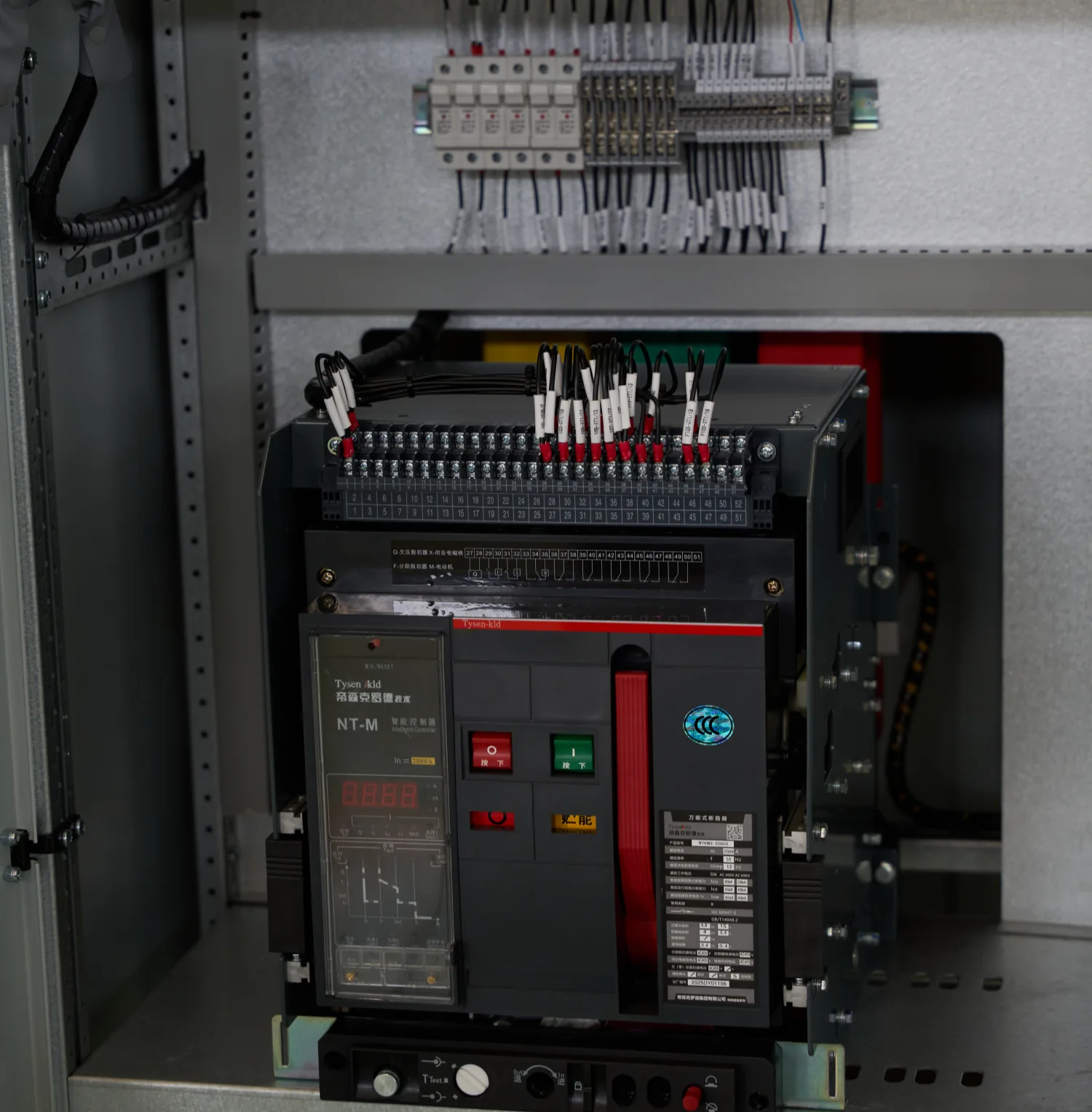
A switchgear assembly contains multiple devices working together to ensure safe electrical operation.
Circuit Breakers
Circuit breakers are the primary interruption devices within switchgear systems.
Their functions include:
- Switching normal loads
- Interrupting fault currents
- Protecting equipment
- Supporting maintenance activities
Modern switchgear may use:
- Vacuum circuit breakers
- SF6 circuit breakers
- Air circuit breakers
depending on voltage level and application.
Disconnect Switches
Disconnect switches provide visible isolation points for maintenance and safety purposes.
Unlike circuit breakers, they are generally not intended to interrupt load currents.
Protection Relays
Relays continuously monitor electrical parameters and initiate protective actions when faults occur.
Busbars
Busbars distribute electrical energy within switchgear assemblies and connect incoming and outgoing circuits.
Instrument Transformers
Current transformers and voltage transformers provide measurement and protection signals for monitoring equipment and relays.
Table: Switchgear Components and Functions
|
Component |
Function |
|
Circuit Breaker |
Interrupts normal and fault currents |
|
Disconnect Switch |
Provides visible isolation |
|
Fuse |
Protects against overloads and short circuits |
|
Protection Relay |
Detects faults and initiates tripping |
|
Busbar |
Distributes electrical power |
|
Current Transformer (CT) |
Measures current and supplies protection signals |
|
Voltage Transformer (VT/PT) |
Measures system voltage |
|
Surge Arrester |
Protects equipment from overvoltage |
|
Metering Device |
Energy monitoring and analysis |
|
Control Panel |
Supervises switchgear operation |
Circuit Breaker Technology Comparison
|
Technology |
Typical Voltage Level |
Advantages |
|
Air Circuit Breaker (ACB) |
LV |
Simple and economical |
|
Molded Case Circuit Breaker (MCCB) |
LV |
Compact design |
|
Vacuum Circuit Breaker (VCB) |
MV |
Low maintenance |
|
SF6 Circuit Breaker |
HV |
High interruption capacity |
|
GIS Circuit Breaker |
HV |
Compact footprint |
Engineering Insight
Modern switchgear performance depends heavily on the coordination between protection relays, circuit breakers, CTs, and VT/PT devices to ensure rapid fault isolation and system reliability.
Together, these components enable switchgear to protect and isolate electrical equipment while maintaining reliable operation.
5. Types of Switchgear by Voltage Level
Switchgear is typically classified according to its operating voltage level.
LV Switchgear (Low Voltage Switchgear)
Low-voltage switchgear generally operates below 1 kV.
Typical applications include:
- Commercial buildings
- Manufacturing plants
- Data centers
- Hospitals
- Residential infrastructure
LV switchgear focuses on:
- Load distribution
- Motor control
- Overcurrent protection
- Energy management
MV Switchgear (Medium Voltage Switchgear)
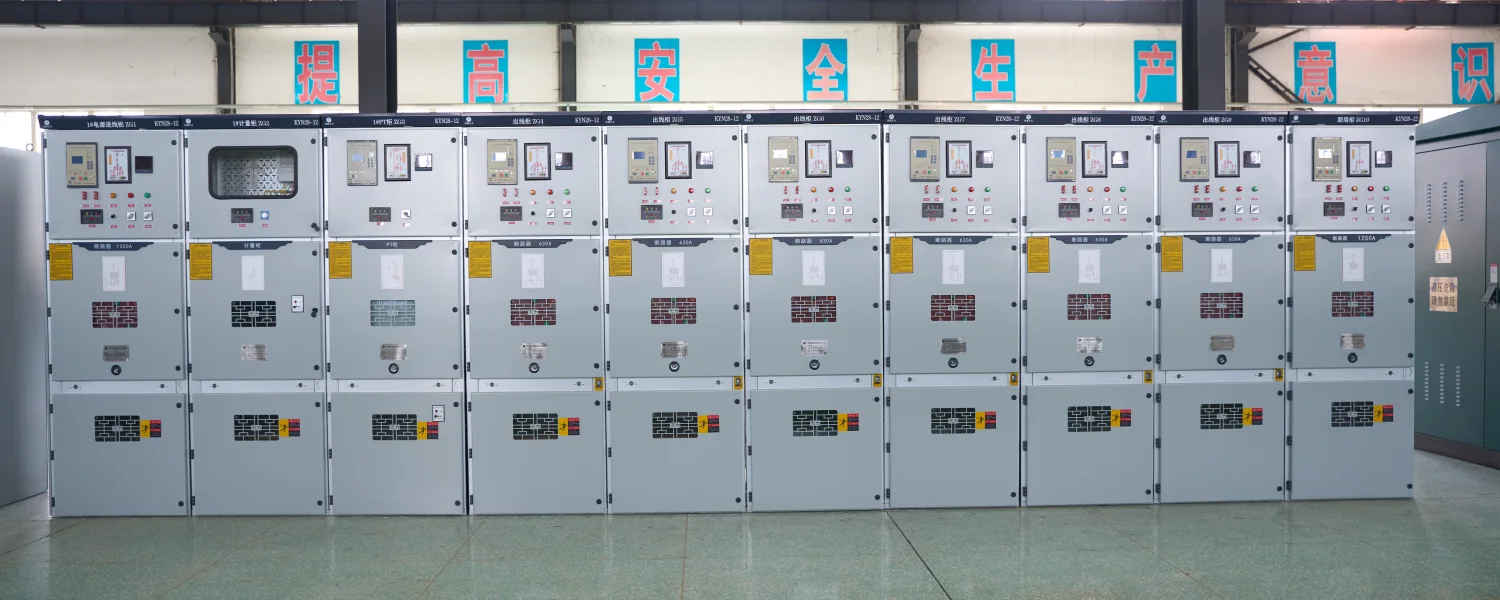
MV switchgear typically operates between 1 kV and 36 kV.
Applications include:
- Utility substations
- Renewable energy plants
- Mining operations
- Industrial facilities
- Large commercial complexes
Medium-voltage switchgear often utilizes vacuum interruption technology due to its reliability and low maintenance requirements.
HV Switchgear (High Voltage Switchgear)
HV switchgear operates above 36 kV and is primarily used in transmission systems.
Typical applications include:
- Power generation stations
- Grid substations
- Transmission networks
- Interconnection facilities
High-voltage switchgear frequently employs SF6 or GIS technologies to achieve superior insulation and interruption performance.
Table: LV, MV and HV Switchgear Technical Comparison
|
Parameter |
LV Switchgear |
MV Switchgear |
HV Switchgear |
|
Voltage Range |
Up to 1 kV |
1 kV – 36 kV |
Above 36 kV |
|
Typical Applications |
Buildings, Factories |
Substations, Industry |
Transmission Networks |
|
Interrupting Medium |
Air |
Vacuum / SF6 |
SF6 / GIS |
|
Rated Current |
Up to 6300 A |
Up to 4000 A |
Up to 5000 A |
|
Fault Current Rating |
Up to 100 kA |
Up to 63 kA |
Up to 80 kA |
|
Installation Type |
Indoor |
Indoor / Outdoor |
Outdoor / GIS |
|
Protection Complexity |
Basic |
Medium |
Advanced |
|
Maintenance Requirements |
Low |
Medium |
High |
|
Capital Cost |
Low |
Medium |
High |
|
Typical Users |
Commercial Facilities |
Utilities & Industry |
Transmission Operators |
Engineering Insight
LV switchgear is optimized for load distribution and equipment protection; MV switchgear serves utility and industrial networks, while HV switchgear forms the backbone of transmission infrastructure and grid stability.
6. Switchgear Applications in Power Generation and Distribution
Switchgear plays a vital role throughout the entire electrical value chain.
Power Generation
In power plants, switchgear controls and protects:
- Generators
- Auxiliary systems
- Transformer connections
- Grid interconnections
Reliable switchgear operation directly affects plant availability and revenue generation.
Transmission Networks
HV switchgear ensures secure operation of high-voltage transmission corridors.
Functions include:
- Fault clearing
- Network switching
- Grid stability support
- Equipment isolation
Power Distribution
Distribution networks rely on MV and LV switchgear to manage local electricity delivery.
Switchgear ensures:
- Safe power supply
- Service continuity
- Equipment protection
- Load management
Renewable Energy Systems
Solar farms, wind power plants, and battery energy storage systems require specialized switchgear solutions capable of handling dynamic operating conditions and distributed generation assets.
7. Selecting the Right Switchgear for Your Project
Choosing the correct switchgear involves more than matching voltage ratings.
Evaluate Voltage Requirements
The first consideration is system voltage level:
- LV switchgear for building distribution
- MV switchgear for industrial and utility applications
- HV switchgear for transmission infrastructure
Consider Fault Levels
Switchgear must safely withstand and interrupt maximum prospective fault currents.
Assess Environmental Conditions
Factors include:
- Temperature
- Humidity
- Dust
- Corrosive atmospheres
- Seismic requirements
Indoor vs Outdoor Installation
Indoor switchgear provides superior environmental protection, while outdoor switchgear often offers lower installation costs and easier expansion.
Reliability and Lifecycle Cost
The lowest purchase price may not provide the lowest long-term ownership cost.
Evaluating maintenance requirements, expected service life, spare parts availability, and manufacturer support is essential when comparing products from various switchgear manufacturers and electrical switchgear suppliers.
Recommended Switchgear Selection Matrix
|
Application |
Recommended Switchgear |
|
Commercial Buildings |
LV Switchgear |
|
Hospitals |
LV Switchgear |
|
Data Centers |
LV Switchgear |
|
Manufacturing Plants |
LV / MV Switchgear |
|
Mining Operations |
MV Switchgear |
|
Renewable Energy Plants |
MV Switchgear |
|
Utility Distribution Networks |
MV Switchgear |
|
Substations |
MV / HV Switchgear |
|
Transmission Networks |
HV Switchgear |
|
Power Generation Plants |
HV Switchgear |
Indoor vs Outdoor Switchgear Selection
|
Criteria |
Indoor Switchgear |
Outdoor Switchgear |
|
Space Availability |
Limited Space |
Large Sites |
|
Environmental Protection |
Excellent |
Moderate |
|
Maintenance Access |
Moderate |
Excellent |
|
Initial Investment |
Higher |
Lower |
|
Urban Projects |
Recommended |
Less Common |
|
Utility Substations |
Possible |
Common |
Environmental Selection Guide
|
Environment |
Recommended Technology |
|
Industrial Plant |
Metal-Clad Switchgear |
|
Coastal Area |
Corrosion-Resistant Switchgear |
|
Desert Region |
Dust-Protected Switchgear |
|
Urban Substation |
GIS Switchgear |
|
Renewable Energy Plant |
Vacuum Switchgear |
|
High Humidity Area |
Sealed GIS Switchgear |
|
Heavy Pollution Zone |
GIS / Metal-Enclosed Switchgear |
Engineering Insight
The ideal switchgear solution should be selected based on voltage level, fault current requirements, environmental conditions, installation space, operational reliability, and lifecycle cost rather than equipment price alone.
8. Future Trends in Switchgear Technology
The electrical industry is rapidly transforming, and switchgear technology continues to evolve.
Digital Switchgear
Advanced sensors and communication systems enable real-time monitoring and predictive maintenance.
Smart Grid Integration
Modern switchgear increasingly supports:
- Remote operation
- Automated fault isolation
- Self-healing networks
- Grid analytics
Eco-Friendly Insulation Technologies
Environmental concerns are driving the development of alternatives to traditional SF6 gas, reducing greenhouse gas emissions while maintaining high performance.
Renewable Energy Integration
As renewable energy deployment expands globally, switchgear must accommodate bidirectional power flow, variable generation sources, and energy storage systems.
Compact GIS Solutions
Urbanization and limited land availability continue to increase demand for compact gas-insulated switchgear (GIS) installations.
Frequently Asked Questions (FAQ)
FAQ 1: What is a switchgear and why is it important in power systems?
A switchgear is a combination of electrical devices used to control, protect, and isolate electrical equipment within power systems. It includes circuit breakers, disconnect switches, protection relays, busbars, and measuring devices that work together to ensure safe and reliable operation.
Switchgear is important because it:
- Protects electrical equipment from faults
- Interrupts short circuits and overloads
- Maintains power supply continuity
- Improves personnel safety
- Reduces equipment downtime
- Supports efficient power distribution and power generation systems
Without switchgear, faults could cause severe damage to transformers, generators, cables, and other critical infrastructure.
FAQ 2: What is the difference between LV, MV, and HV switchgear?
The primary difference lies in the operating voltage level and application.
|
Switchgear Type |
Voltage Range |
Typical Applications |
|
LV Switchgear |
Up to 1 kV |
Buildings, factories, data centers |
|
MV Switchgear |
1 kV – 36 kV |
Industrial plants, substations, renewable energy |
|
HV Switchgear |
Above 36 kV |
Transmission networks, power plants |
LV switchgear focuses on load distribution, MV switchgear serves industrial and utility applications, while HV switchgear protects and controls transmission systems.
FAQ 3: How does switchgear protect electrical equipment from short circuits?
Switchgear continuously monitors electrical conditions using current transformers, voltage transformers, and protection relays.
When a short circuit occurs:
- The relay detects abnormal current levels.
- A trip signal is sent to the circuit breaker.
- The circuit breaker opens and interrupts the fault current.
- The damaged section is isolated.
- The remaining system continues operating safely.
This process helps prevent equipment damage, fire hazards, and widespread outages.
FAQ 4: What are the main components of an electrical switchgear system?
A typical electrical switchgear system includes:
- Circuit Breakers
- Disconnect Switches
- Protection Relays
- Busbars
- Current Transformers (CT)
- Voltage Transformers (VT/PT)
- Surge Arresters
- Metering Devices
- Control Panels
Together, these components allow switchgear systems to control, protect, and isolate electrical circuits under normal and fault conditions.
FAQ 5: How do I choose the right switchgear for my project?
Choosing the right switchgear depends on several technical factors:
- System voltage level
- Fault current rating
- Installation environment
- Indoor or outdoor installation
- Reliability requirements
- Maintenance strategy
- Future expansion plans
- Lifecycle costs
For example:
- LV switchgear is ideal for commercial facilities.
- MV switchgear is commonly used in industrial plants and substations.
- HV switchgear is required for transmission and power generation applications.
Consulting experienced switchgear manufacturers and electrical switchgear suppliers can help ensure optimal system performance and safety.
Conclusion
Switchgear is one of the most important components in modern electrical infrastructure. Whether implemented as LV switchgear, MV switchgear, or HV switchgear, its primary function is to control, protect and isolate electrical equipment while ensuring the safe and reliable operation of power systems.
By detecting faults, interrupting short circuits, isolating damaged equipment, and maintaining the integrity of the power supply, switchgear plays a crucial role in power generation, transmission, and distribution networks.
As electrical grids become smarter, more interconnected, and increasingly dependent on renewable energy, advanced switchgear systems will continue to serve as the foundation of safe, efficient, and resilient power infrastructure worldwide.

Related Articles


Related Products
6 Chola Aluminum Conductor Quadruplex Overhead Service Drop Cable
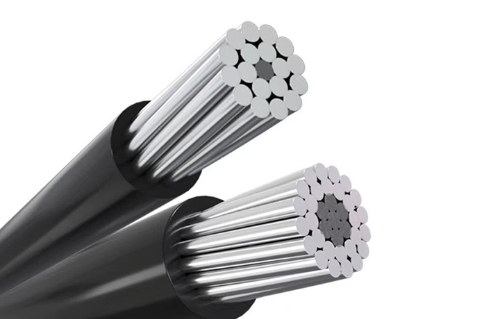
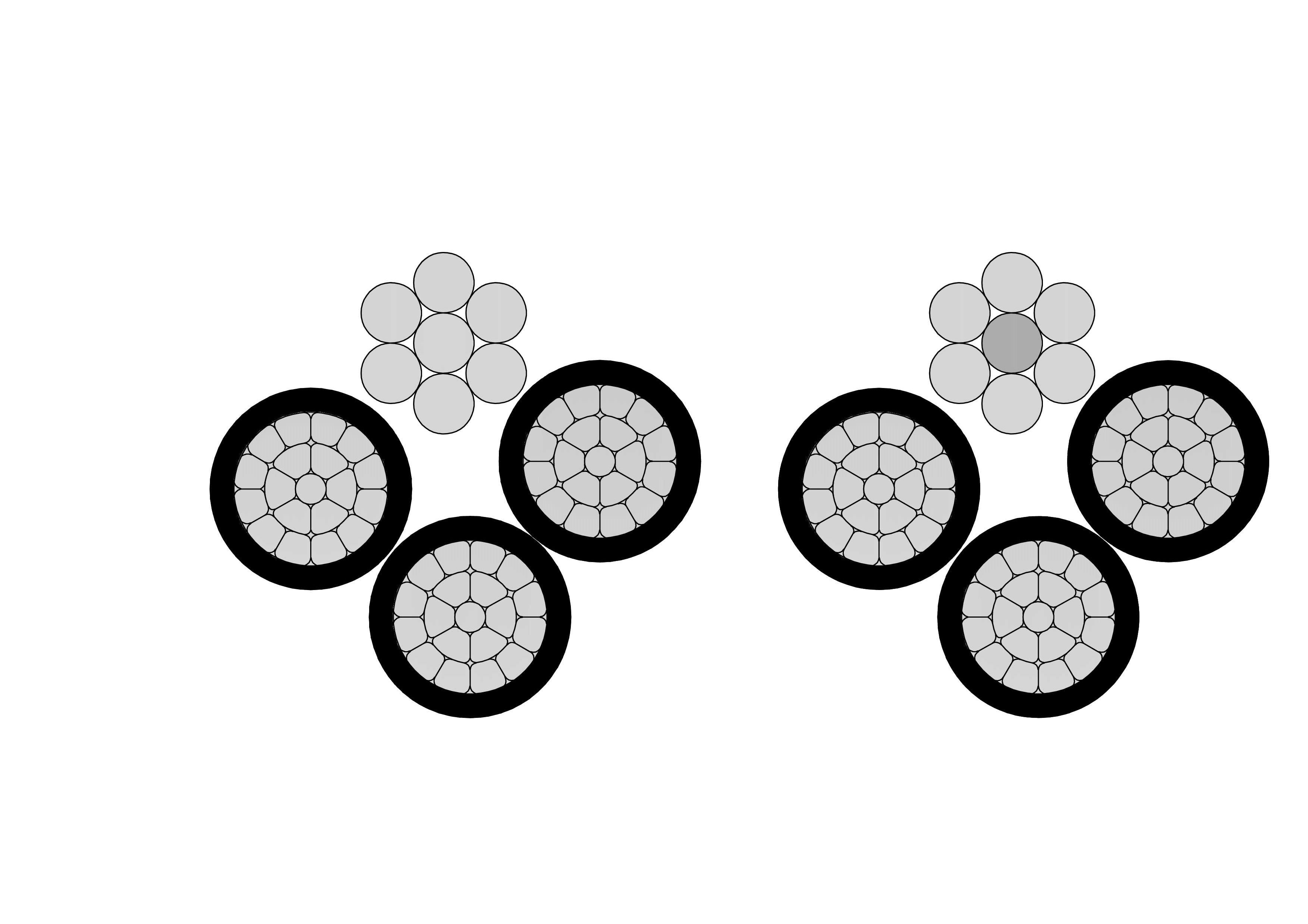
Introducing the 6 Chola Quadruplex Service Drop Cable, a versatile overhead solution for three-phase secondary distribution with neutral. Built with three 6 AWG aluminum phase conductors and one neutral messenger (7-strand) insulated with polyethylene or XLPE and formed into a quadruplex assembly, it meets ASTM and ICEA requirements for 600V service. The tough insulation offers outstanding protection against UV rays, moisture, tree contact, and abrasion. Self-supporting messenger design ensures easy pulling and reduced sag during installation. The 6 Chola Quadruplex Service Drop Cable supports efficient power transfer with low voltage drop and high durability in extreme temperatures. Popular for its lightweight construction and reduced installation time, it is the choice for electricians and utilities. Widely deployed in housing developments, commercial services, and temporary power setups, this cable ensures safe, long-lasting overhead connections from distribution transformers to customer service entrances worldwide.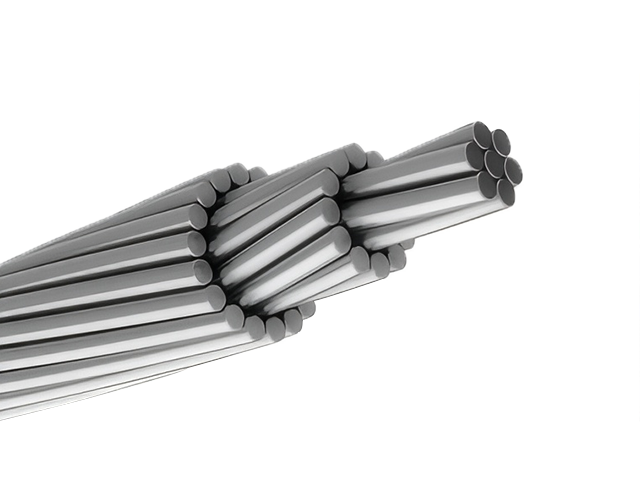
336.4 MCM MERLIN ACSR Conductor Cable
The ACSR CAA 336.4 KCM 18/1F MERLIN is a robust and efficient aluminium conductor steel reinforced cable, designed for high-performance in overhead power transmission and distribution lines. This conductor consists of 18 strands of hard-drawn 1350-H19 aluminium helically stranded around a single galvanized steel core wire, delivering an ideal combination of electrical conductivity and mechanical strength. Compliant with ASTM B232, this ACSR configuration is widely adopted in South American and international power systems. The steel core, galvanized to Class A or B, offers protection against corrosion, ensuring long service life in harsh environmental conditions. Meanwhile, the aluminium strands provide excellent current-carrying capacity and conductivity. The MERLIN design is particularly suitable for medium-voltage transmission lines and long-span installations where mechanical tension and conductor sag need to be controlled without compromising electrical performance.
4 AWG SWAN ACSR Conductor Cable
The 4 AWG SWAN ACSR Conductor Cable is a reliable overhead conductor designed for utility distribution and light transmission applications requiring stable electrical performance and mechanical durability. It is manufactured with concentrically stranded aluminum wires reinforced by a galvanized steel core, combining efficient conductivity with added tensile strength. The aluminum strands ensure low resistance and consistent current flow, while the steel core reduces sag, improves load-bearing capability, and enhances resistance to wind and mechanical stress. This construction allows the 4 AWG SWAN ACSR conductor to perform reliably during installation and long-term outdoor service. Produced in accordance with ASTM and IEC standards, the 4 AWG SWAN ACSR Conductor Cable offers uniform quality, easy handling, and dependable service life. It is widely used in overhead distribution networks, rural electrification projects, and utility line upgrades where performance consistency and cost efficiency are essential.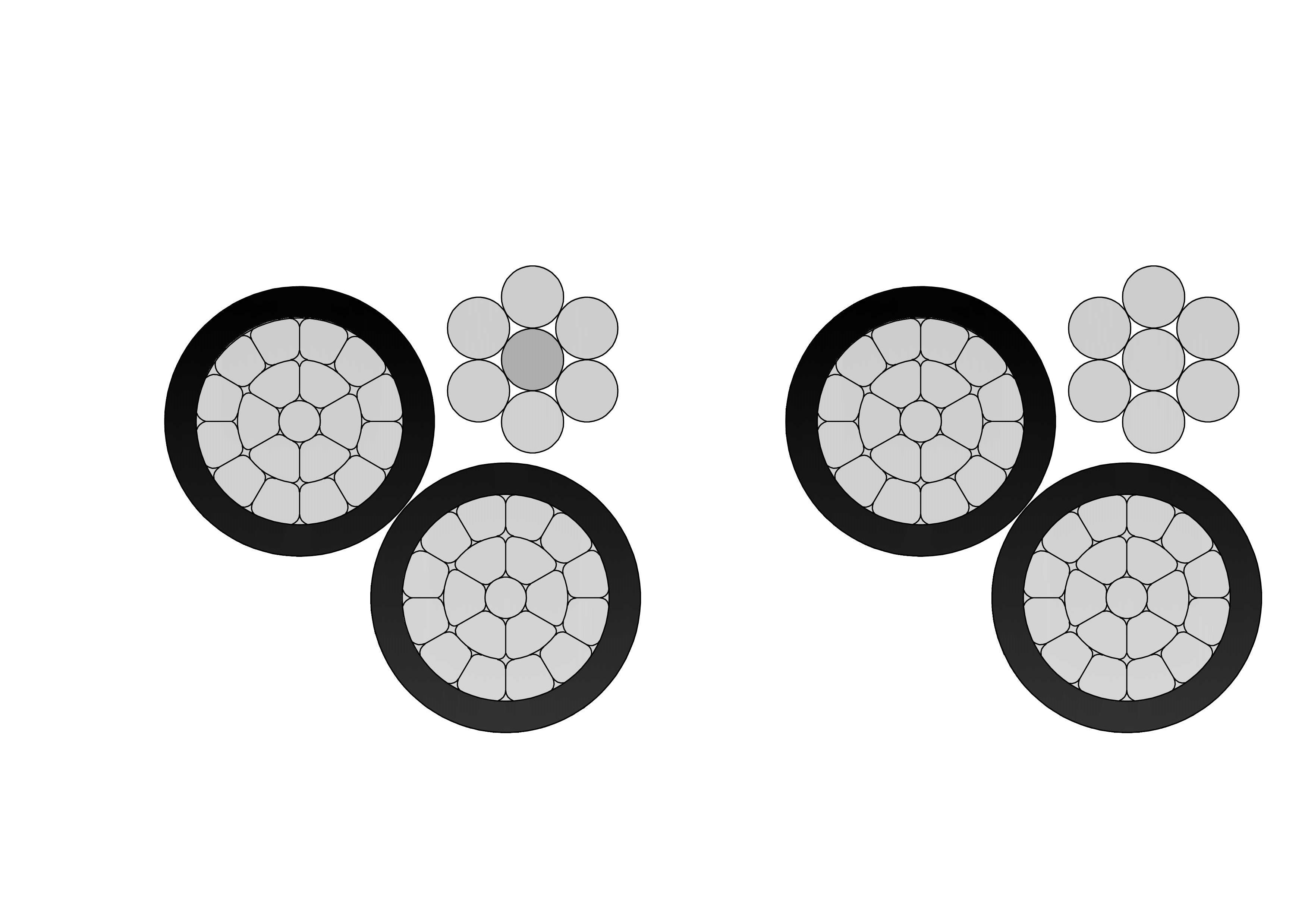
1/0 Murex Aluminum Conductor Triplex Overhead Service Drop Cable
1/0 Murex Aluminum Conductor Triplex Overhead Service Drop Cable is engineered for secondary overhead power distribution from utility lines to residential and light commercial service entrances. The triplex construction consists of two insulated aluminum phase conductors twisted around a bare aluminum neutral messenger, providing both electrical transmission and mechanical support. The 1/0 Murex conductor size offers high current-carrying capacity, excellent tensile strength, and controlled sag performance, making it suitable for longer service drop spans and higher load requirements. Aluminum conductors ensure reduced weight, corrosion resistance, and ease of installation in outdoor environments. Manufactured in accordance with ASTM and utility standards, the 1/0 Murex Aluminum Conductor Triplex Overhead Service Drop Cable delivers consistent electrical performance, long-term durability, and reliable mechanical stability. It is widely used by utilities and contractors seeking a cost-effective and dependable overhead service drop solution.2Y-high-voltage-power-cable-2.webp)
High Voltage / 2XS(FL)2Y, A2XS(FL)2Y 110kV Power Cable
2XS(FL)2Y / A2XS(FL)2Y 110kV High Voltage Power Cable is a longitudinally watertight, XLPE-insulated cable designed for primary power distribution up to 110kV (123kV highest). It features a Class 2 copper or aluminium conductor, extruded semi-conductive XLPE screens, and XLPE insulation applied via a three-layer co-extrusion process for superior electrical performance. A laminated aluminium or copper moisture barrier with copolymer coating provides excellent water and gas resistance, while HDPE oversheath ensures high abrasion resistance and flexibility. The copper wire screen with counter-helical copper tape offers optimal shielding, and water swellable tapes ensure longitudinal water blocking. Manufactured to IEC 60840, HRN HD 632, and IEC/EN 60228 standards, this cable is ideal for underground installations requiring high reliability and moisture protection.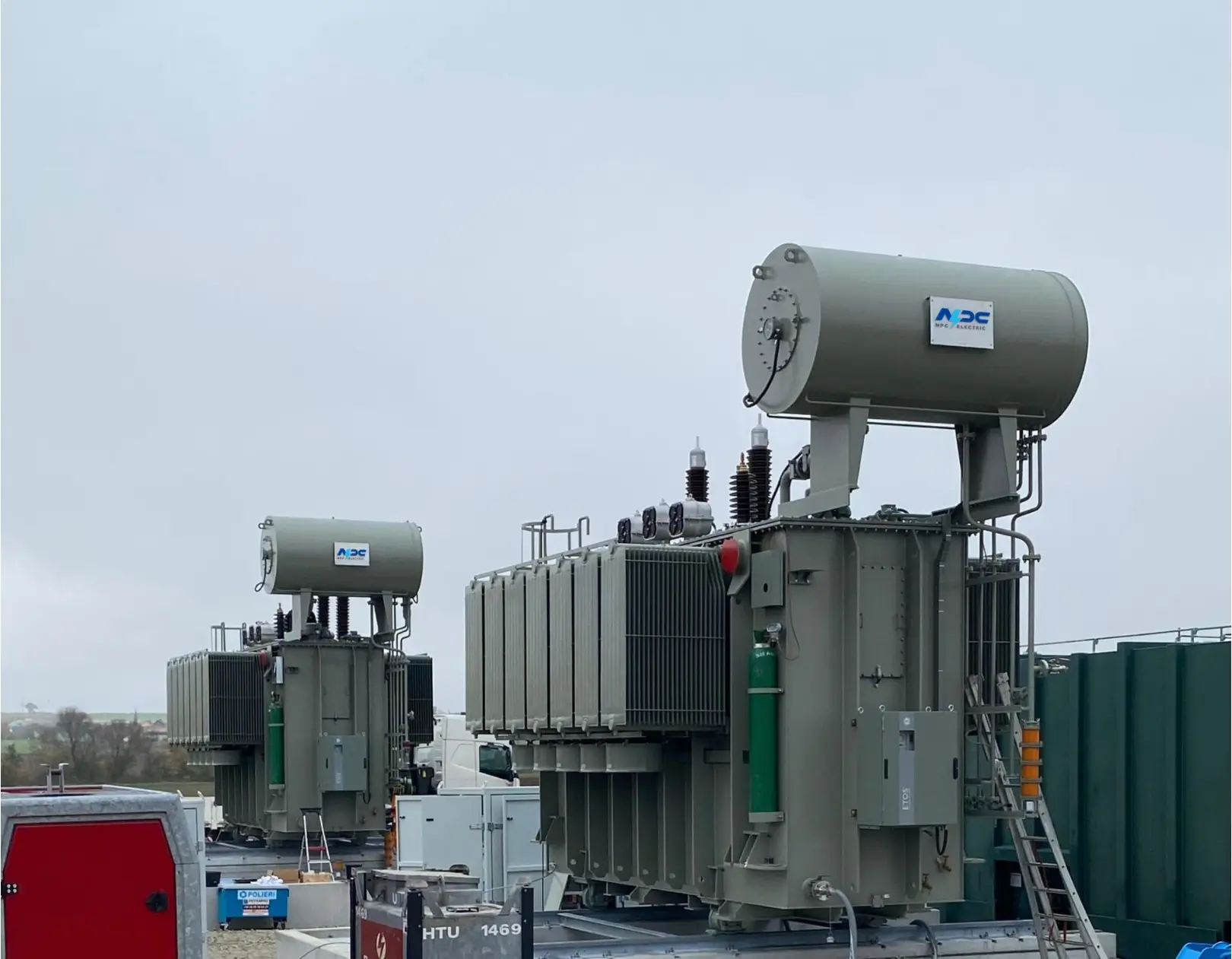
85kV 1850kVA Outdoor Oil Immersed Distribution Transformer Copper
The 85kV 1850kVA Outdoor Oil Immersed Distribution Transformer Copper is specially developed for 66–110 kV regional distribution networks and industrial users. It adopts 99.99 % electrolytic copper windings, high-permeability S13 grain-oriented silicon steel core, corrugated-fin tank + ONAN natural cooling, and ±5 % off-circuit tap changer (on-load optional). Fully compliant with IEC 60076, lightning impulse withstand 395 kV peak, PD <10 pC, noise ≤60 dB. Fully sealed conservator or sealed-type design with vacuum oil filling + nitrogen sealing guarantees >30-year maintenance-free operation even in high-altitude, high-pollution, or coastal areas. Ideal for mining, metallurgy, wind/solar grid connection, petrochemical plants, and urban 85 kV substations requiring maximum reliability and minimum losses.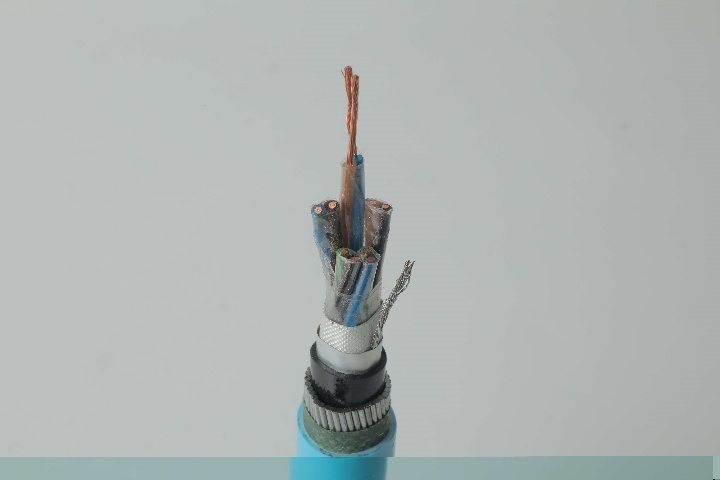
Instrumentation Cables—XLPE Insulated, Overall Screened, DRYLAM Layered, Wire Armoured PVC Sheathed Cables(CU/XLPE/OSCR/DRYLAM/SWA/PVC)
CU/XLPE/OSCR/DRYLAM/SWA/PVC instrumentation cables are engineered to deliver stable signal transmission under harsh environmental and mechanical conditions. XLPE insulated copper conductors provide excellent dielectric performance and resistance to thermal aging. The overall screen minimizes electromagnetic interference, ensuring precise signal transmission in sensitive instrumentation circuits. The DRYLAM water-blocking layer offers effective protection against moisture ingress, enhancing cable reliability in humid or buried installations. Steel wire armour improves resistance to mechanical stress and external damage, while the PVC sheath protects against abrasion, oils, and chemicals. This balanced construction combines electrical performance, water resistance, and mechanical durability for long-term industrial use.
3/0 Fulgar Aluminum Conductor Triplex Overhead Service Drop Cable
3/0 Fulgar Aluminum Conductor Triplex Overhead Service Drop Cable is engineered for high-capacity overhead electrical service connections in utility distribution systems. The cable consists of two insulated aluminum phase conductors twisted around a bare aluminum neutral messenger, ensuring stable electrical transmission and strong mechanical support. Manufactured using high-purity aluminum and weather-resistant insulation compounds, the 3/0 Fulgar Aluminum Conductor Triplex Overhead Service Drop Cable delivers low electrical resistance, excellent corrosion resistance, and reliable long-term performance in outdoor environments. Its optimized conductor design allows efficient installation while maintaining the tensile strength required for aerial service applications. The cable is designed to withstand UV exposure, wind loading, and temperature fluctuations. Comprehensive quality control procedures and systematic testing are applied throughout the manufacturing process to ensure compliance with industry and utility standards and dependable field operation.
ALUMINUM CONDUCTOR ALUMINUM CLAD STEEL REINFORCED(ACSR/AW)
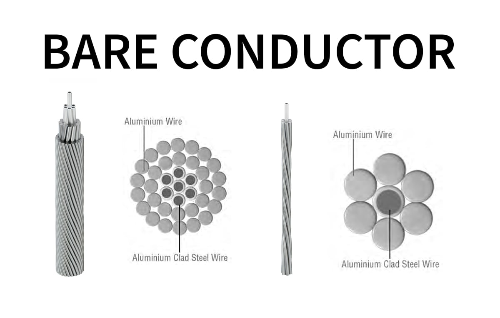
Aluminum Conductor Aluminum-Clad Steel Reinforced (ACSR/AW) offers enhanced protection for overhead lines, with outer 1350 aluminum strands encircling an aluminum-clad high-strength steel core. The cladding significantly boosts corrosion resistance over traditional ACSR, ideal for marine, acidic, or high-humidity settings. Steel reinforcement provides superior mechanical properties, enabling longer spans with reduced sag and higher load capacity. Electrical conductivity from aluminum layers ensures minimal transmission losses, supporting ampacities up to 20% higher in equivalents. Adhering to IEC 61089 and ASTM B549, ACSR/AW features versatile stranding options for optimized ratios. Its design facilitates easy installation and compatibility with existing hardware. Lightweight yet robust, it lowers infrastructure costs and maintenance needs. ACSR/AW promotes sustainability through better longevity and recyclability, reducing environmental impact. Widely adopted in global utilities, it delivers reliable performance in extreme conditions, from stormy coasts to industrial hubs, making it a smart choice for future-proofing power grids.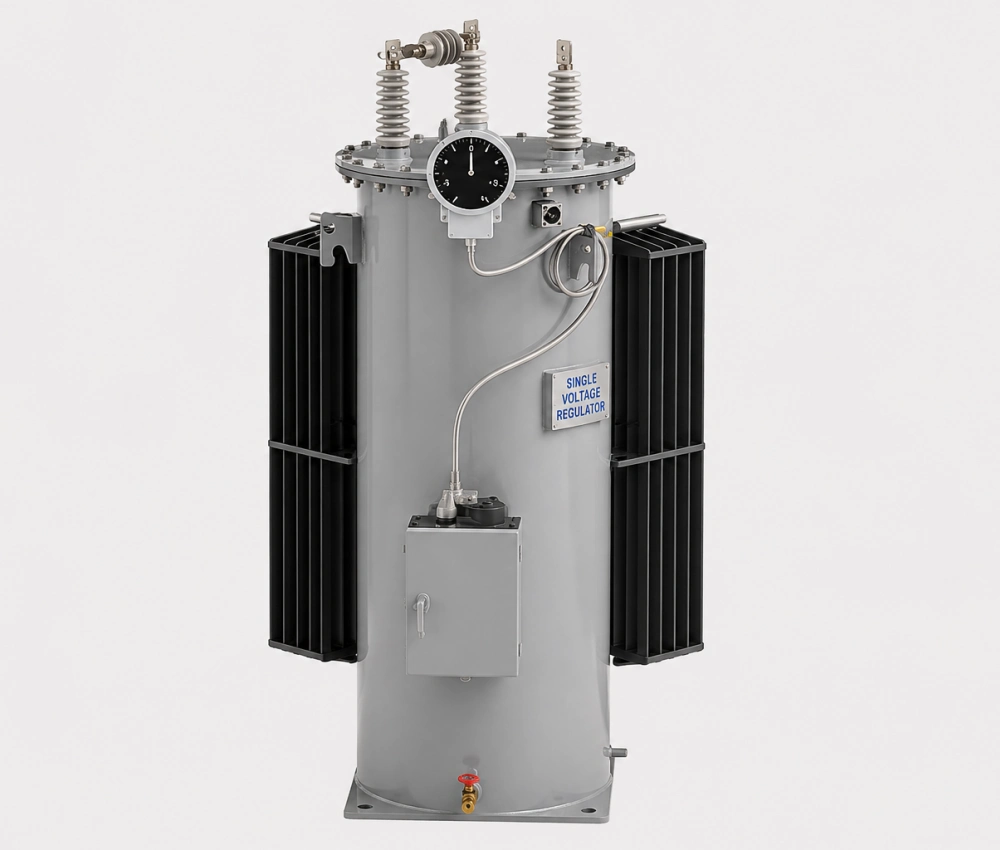
SVR-3 Type Three Phase Automatic Step Voltage Regulator
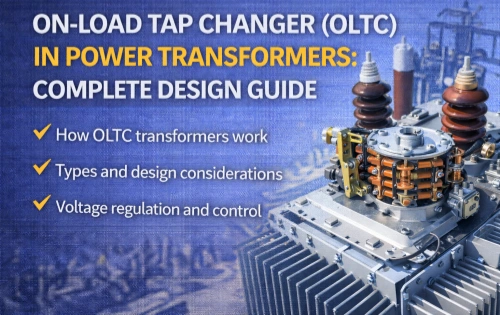
The SVR-3 Type Three Phase Automatic Step Voltage Regulator is a state-of-the-art on-load tap changing device engineered to provide precise, automatic voltage stabilization for medium-voltage distribution networks. Featuring premium copper windings, high-permeability silicon steel cores, and a fast-response motorized tap changer, the SVR-3 delivers accurate voltage correction with minimal disturbance. Its intelligent digital controller continuously monitors three-phase voltage and automatically adjusts taps to maintain stable output even under rapid load changes. Designed for harsh outdoor conditions, it offers excellent overload capability, low power loss, and comprehensive protection including over/under voltage, overload, short-circuit, and phase imbalance. With remote SCADA/GSM monitoring capability and robust sealed-tank construction, the SVR-3 significantly improves voltage profile, reduces line losses, and enhances overall power quality in distribution systems.
Three Phase Automatic Step Voltage Regulator
The Three Phase Automatic Step Voltage Regulator is a high-performance on-load tap changing device designed to automatically maintain stable voltage levels in medium-voltage distribution networks. Equipped with premium copper windings, low-loss silicon steel cores, and a reliable motorized on-load tap changer, it delivers fast, precise voltage correction with minimal waveform distortion. The intelligent digital controller continuously monitors three-phase voltage and load conditions, making real-time adjustments to ensure consistent output voltage despite fluctuations in supply or demand. Built for outdoor durability, it features a fully sealed oil-immersed tank with advanced corrosion protection, excellent overload capability, and comprehensive protection systems. This regulator significantly improves power quality, reduces line losses, and enhances equipment lifespan across distribution systems.
SVR-3 Type Feeder Automatic Step Voltage Regulator
The SVR-3 Type Feeder Automatic Step Voltage Regulator is an advanced, three-phase on-load automatic voltage regulation system designed specifically for distribution feeders. Equipped with a high-speed motorized on-load tap changer, premium copper windings, and low-loss silicon steel core, it delivers precise and rapid voltage stabilization with minimal waveform distortion. The intelligent microprocessor controller continuously monitors line voltage and automatically adjusts taps to maintain stable output voltage, even under rapidly changing load conditions. Built for harsh outdoor environments, the SVR-3 features a fully sealed oil-immersed tank with excellent corrosion protection, advanced cooling system, and comprehensive protection functions including over-voltage, under-voltage, overload, short-circuit, and reverse power protection. With remote monitoring capability and high overload capacity, the SVR-3 significantly improves power quality, reduces energy losses, and enhances reliability across distribution networks.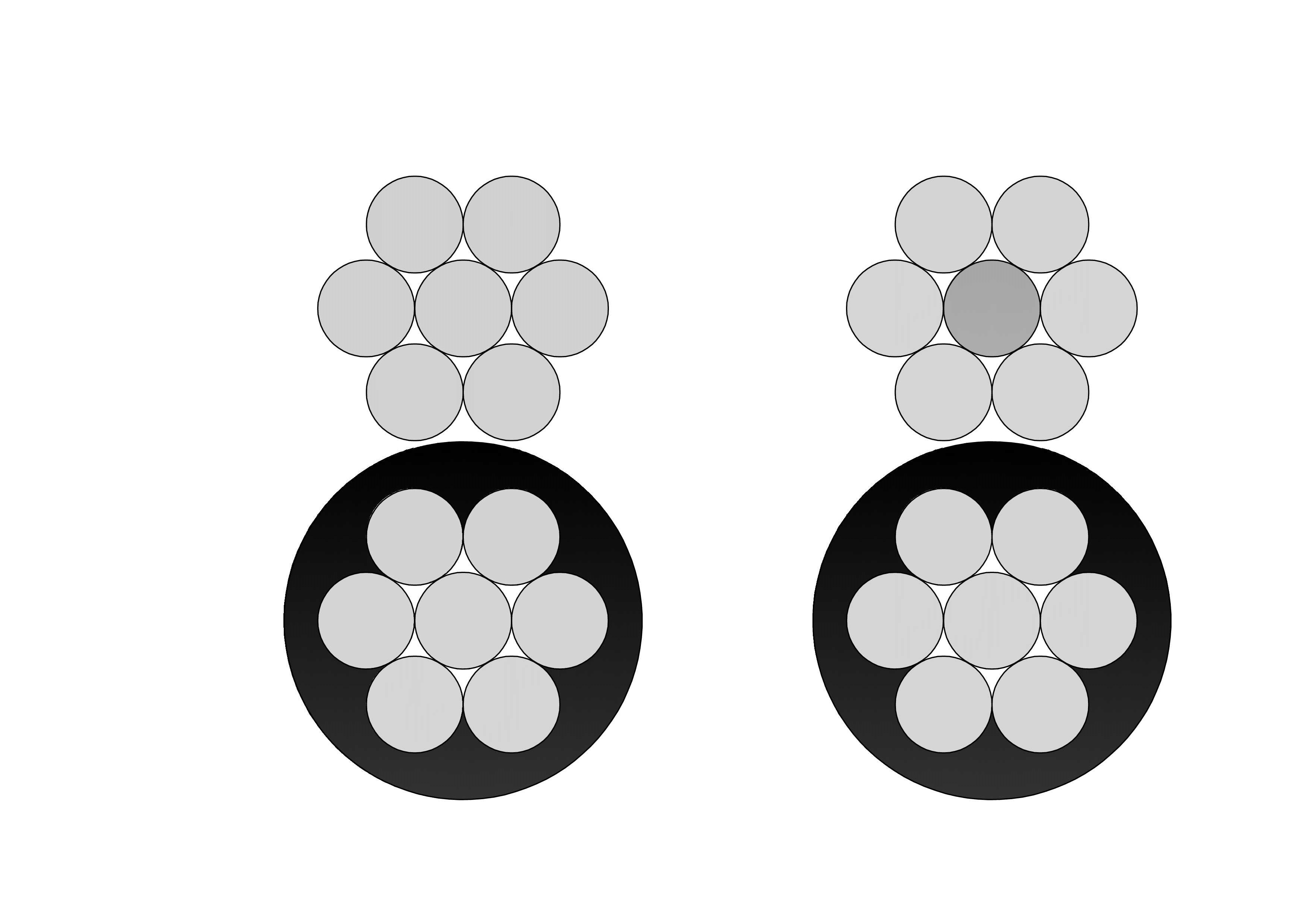
NS75/NS90 Duplex Unjacketed Overhead Neutral Supported Cable
Our NS75/NS90 Duplex Unjacketed Overhead Neutral Supported Cable provides economical self-supporting overhead distribution. Consisting of an XLPE-insulated aluminum phase conductor (75 mm² or 95 mm²) supported by a bare ACSR or AAAC neutral messenger without an overall jacket, it meets AS/NZS 3560 and utility requirements. The design reduces material costs while delivering high tracking resistance and mechanical strength for spans up to 100m. Excellent UV and moisture performance ensures longevity in exposed conditions. The NS75/NS90 Duplex Unjacketed Overhead Neutral Supported Cable offers low installation effort, minimal sag, and reliable power delivery for 600/1000V networks. Widely favored in Australia and New Zealand for residential, commercial, and rural service drops requiring lightweight, neutral-supported overhead cables with proven compliance and durability in diverse climates.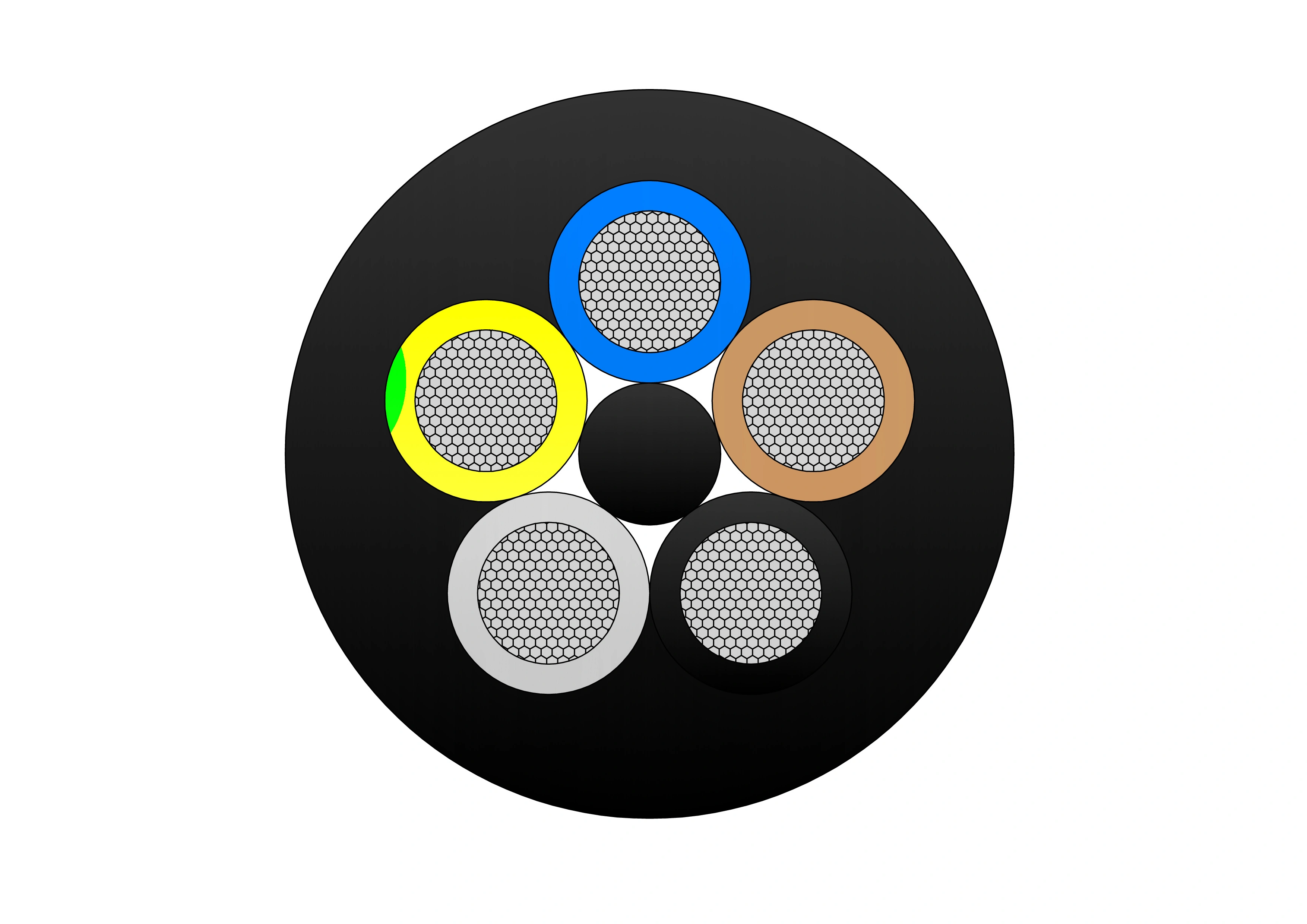
NTSCGECEWOU 3.6/6kV, 6/10kV, 8.7/15kV and 12/20kV Cable
The NTSCGECEWOU 3.6/6kV, 6/10kV, 8.7/15kV and 12/20kV Cable is a flexible, heavy-duty medium-voltage trailing/reeling cable designed for demanding mining and tunnelling operations. It features class 5 finely stranded tinned copper phase conductors for superior flexibility and corrosion resistance, semi-conductive conductor and insulation screens for field control, EPR (ethylene propylene rubber) insulation providing high dielectric strength and 90°C continuous operation, individual copper wire screens serving as earth conductors, control conductors, a monitoring conductor (ÜL), and a robust rubber outer sheath resistant to oil, flame, abrasion, tearing, and mechanical stress. Compliant with DIN VDE 0250, it supports high tensile loads, fast reeling speeds, tight bending radii, and effective EMC shielding across voltage ranges. The NTSCGECEWOU ensures safe, reliable MV power supply to mobile equipment such as shearers, tunnel boring machines, and conveyors in harsh underground and opencast environments, minimising downtime and enhancing operational efficiency.
33kV 600A Neutral Zig-zag Grounding Reactor Transformer
The 33kV 600A Neutral Zig-zag Grounding Reactor Transformer is a high-performance grounding solution designed to meet the strict requirements of IEC 60076-1, IEC 60076-5, IEC 60076-20, and GB/T 1094.6 standards, with oil quality tested according to ASTM D6871. This grounding transformer is engineered to provide effective neutral grounding, enhanced system stability, and fault current limitation in medium- and high-voltage networks. With a primary voltage of 33kV and 11432.0kVA rating, the transformer supports 100A power rating for 10 seconds, making it ideal for system grounding applications in substations, industrial facilities, and renewable energy projects. The ONAN cooling method provides efficient heat dissipation for continuous operation, while the use of high-grade mineral insulating oil ensures long-term performance and compliance with international safety standards.Welcome your inquiry
Honesty, Integrity, Frugality, Activeness and Passion