
Power Plants Explained: From Coal to Nuclear & Renewable Energy
2026-06-09
1. The Foundation of Modern Electricity Generation
Modern society depends on a continuous and reliable supply of electricity. Every industrial facility, data center, transportation network, commercial building, and residential community relies on power plants to provide the energy required for daily operations. Although electricity is often taken for granted, the process of generating and delivering power involves sophisticated engineering systems, extensive infrastructure, and complex energy conversion technologies.
Today, power plants utilize various energy sources to produce electricity, including coal, natural gas, nuclear energy, solar radiation, wind resources, and hydroelectric power. Each technology offers distinct advantages and challenges in terms of efficiency, environmental impact, operational flexibility, and long-term sustainability.
As countries pursue energy security and carbon reduction goals, understanding the different types of power plant technologies has become increasingly important for engineers, utility operators, policymakers, investors, and industrial energy consumers.
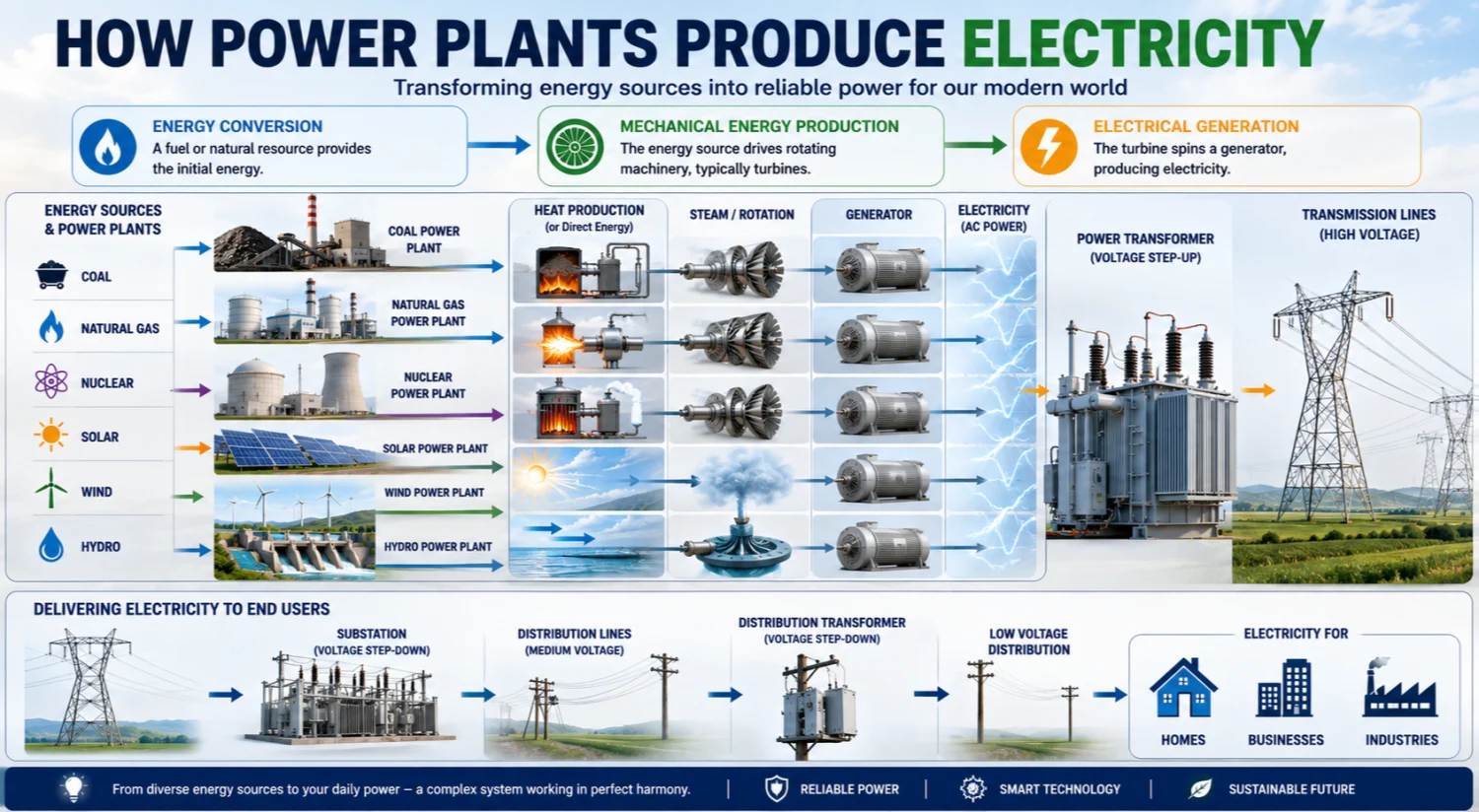
2. How Power Plants Produce Electricity
Regardless of fuel source, the primary objective of most power plants is to convert one form of energy into electrical energy.
The process generally follows three stages:
Energy Conversion
A fuel or natural resource provides the initial energy source.
Examples include:
- Coal combustion
- Natural gas combustion
- Nuclear fission
- Solar radiation
- Wind energy
- Water flow
Mechanical Energy Production
The energy source drives rotating machinery, typically turbines.
These may include:
- Steam turbines
- Gas turbines
- Wind turbines
- Hydraulic turbines
Electrical Generation
The rotating turbine shaft turns a generator, converting mechanical energy into electricity through electromagnetic induction.
The generated power is then delivered through:
- Power transformers
- Power cables
- Electrical wire systems
- Electrical cable networks
- Transmission lines
- Distribution substations
Without this supporting infrastructure, electricity cannot be transported efficiently from generation facilities to consumers.
Table: Technical Comparison of Major Power Plant Types
|
Power Plant Type |
Primary Energy Source |
Typical Efficiency |
Carbon Emissions |
Dispatchability |
Typical Plant Life |
|
Coal Power Plant |
Coal |
33%–45% |
Very High |
Excellent |
40–60 Years |
|
Natural Gas Combined Cycle |
Natural Gas |
50%–62% |
Medium |
Excellent |
30–40 Years |
|
Nuclear Power Plant |
Uranium Fuel |
32%–37% |
Very Low |
Excellent |
60–80 Years |
|
Solar Radiation |
18%–25% |
Near Zero |
Intermittent |
25–35 Years |
|
|
Wind Power Plant |
Wind Energy |
35%–50% Capacity Factor |
Near Zero |
Intermittent |
20–30 Years |
|
Hydroelectric Plant |
Water Flow |
85%–95% |
Very Low |
Excellent |
50–100 Years |
|
Biomass Plant |
Organic Materials |
20%–35% |
Low to Medium |
Good |
25–40 Years |
Engineering Insight
No single power generation technology satisfies all operational requirements. Utilities typically combine multiple generation sources to balance reliability, environmental performance, and economic efficiency.
3. Coal Power Plants: Traditional Electricity Generation
For more than a century, coal power plants have served as a primary source of global electricity generation.
A coal power plant operates by burning coal to produce heat, which converts water into high-pressure steam. The steam drives turbines connected to electrical generators.
Advantages of Coal Power Plants
Coal-fired facilities offer:
- Reliable baseload power
- Mature technology
- Established fuel supply chains
- Large-scale generation capability
Many developing economies continue to rely heavily on coal-fired power plants due to fuel availability and existing infrastructure.
Environmental Challenges
The primary disadvantage is the production of carbon dioxide and other greenhouse gases.
Coal combustion releases:
- Carbon dioxide (CO₂)
- Sulfur dioxide (SO₂)
- Nitrogen oxides (NOx)
- Particulate matter
These emissions contribute to climate change and air quality concerns.
As a result, many countries are reducing dependence on coal and investing in cleaner energy alternatives.
Life Cycle Considerations
When evaluating the complete life cycle of coal-generated electricity, environmental impacts extend beyond combustion and include:
- Mining operations
- Fuel transportation
- Ash disposal
- Water consumption
- Plant decommissioning
These factors influence long-term sustainability assessments.
4. Natural Gas Power Plants: The Transition Fuel
Natural gas has become one of the fastest-growing fuel sources in global electricity generation.
Modern gas-fired facilities typically utilize combined-cycle technology, which significantly improves efficiency compared with traditional thermal power plants.
Combined-Cycle Operation
The process involves:
- Gas turbine generation
- Waste heat recovery
- Steam turbine generation
This dual-stage process can achieve efficiencies exceeding 60%.
Advantages
Natural gas power plants offer:
- Lower carbon dioxide emissions than coal
- Faster startup times
- Flexible operation
- Reduced air pollution
These characteristics make natural gas an important transitional technology during the shift toward renewable energy.
Limitations
Despite lower emissions than coal, natural gas remains one of the major carbon energy sources.
Methane leakage during production and transportation can also affect overall environmental performance.
5. Nuclear Power Plants: High-Energy, Low-Carbon Generation
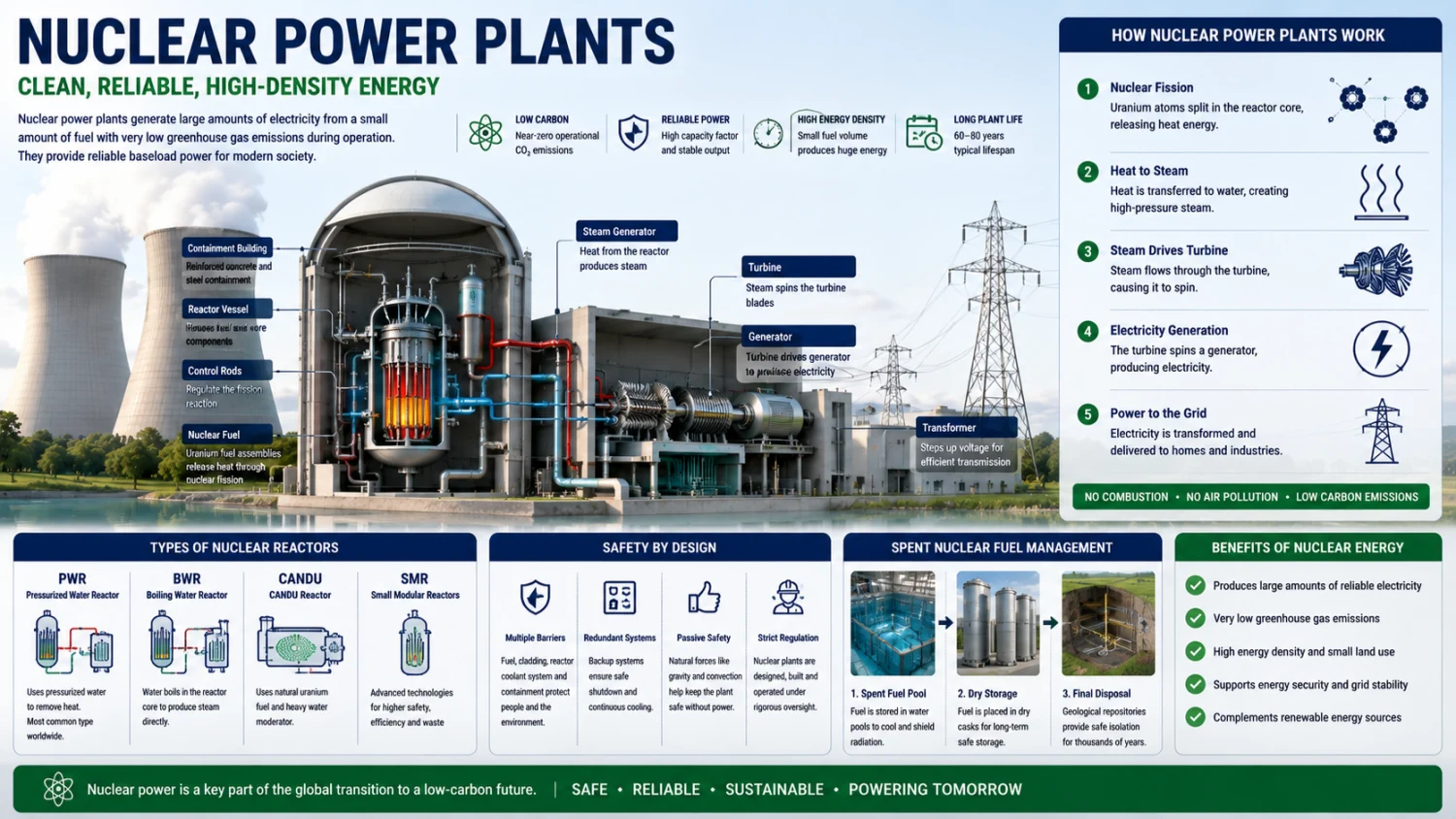
A nuclear power plant generates electricity through nuclear fission rather than combustion.
Inside nuclear power reactors, uranium fuel atoms split and release enormous amounts of thermal energy.
This heat is used to produce steam that drives turbines and electrical generators.
Table: Nuclear Reactor Technologies Comparison
|
Reactor Type |
Fuel |
Coolant |
Commercial Status |
|
Pressurized Water Reactor (PWR) |
Enriched Uranium |
Water |
Most Common |
|
Boiling Water Reactor (BWR) |
Enriched Uranium |
Water |
Widely Used |
|
CANDU Reactor |
Natural Uranium |
Heavy Water |
Commercial |
|
Small Modular Reactor (SMR) |
Various Fuels |
Multiple Designs |
Emerging |
|
Generation IV Reactor |
Advanced Fuels |
Various Coolants |
Under Development |
Engineering Insight
Small Modular Reactors (SMRs) and Generation IV reactor designs are expected to play a significant role in future low-carbon electricity generation by improving safety, flexibility, and fuel utilization.
Why Nuclear Energy Matters
Nuclear energy provides several advantages:
- Extremely high energy density
- Minimal carbon dioxide emissions during operation
- Reliable baseload generation
- Long operating life
Many advanced economies rely on nuclear energy to support grid stability while reducing greenhouse gas emissions.
Nuclear Fission Process
The basic process involves:
- Controlled uranium atom splitting
- Heat generation
- Steam production
- Turbine operation
- Electricity generation
Unlike fossil fuels, no combustion occurs during energy production.
Spent Nuclear Fuel Management
One of the most important challenges associated with nuclear power is the handling of spent nuclear fuel.
Although the volume of waste is relatively small compared with fossil fuel waste streams, radioactive materials require:
- Secure storage
- Long-term monitoring
- Specialized disposal strategies
Modern reactor designs continue to improve fuel utilization and waste management efficiency.
Future Nuclear Technologies
Emerging technologies include:
- Small Modular Reactors (SMRs)
- Generation IV reactors
- Advanced fuel cycles
These innovations aim to enhance safety, flexibility, and economic competitiveness.
6. Renewable Energy Power Plants: The Future of Sustainable Generation
Renewable energy technologies have become central to global decarbonization strategies.
Unlike fossil fuels, renewable systems utilize naturally replenished resources.
Solar Power Plants
A solar power plant converts sunlight directly into electricity using solar panels.
Advantages include:
- Zero fuel consumption
- Minimal operating emissions
- Modular scalability
- Rapid deployment
Large utility-scale solar projects are now among the most cost-competitive forms of electricity generation in many regions.
Wind Power Plants
Wind turbines convert kinetic energy from moving air into electrical energy.
Modern wind farms can generate hundreds of megawatts of power.
Benefits include:
- No fuel costs
- Low operating emissions
- Large-scale deployment potential
Hydroelectric Facilities
Hydropower remains one of the world's largest renewable energy sources.
Benefits include:
- High efficiency
- Long equipment lifespan
- Grid stability support
However, environmental impacts related to river ecosystems must be carefully managed.
Renewable Energy Challenges
Renewable energy systems face several operational challenges:
- Intermittency
- Weather dependence
- Energy storage requirements
- Grid integration complexity
These challenges drive increasing investment in battery storage and smart grid technologies.
7. Grid Infrastructure: Connecting Power Plants to Consumers
Electricity generation represents only one part of the power supply chain.
The generated electricity must be transmitted efficiently to end users.
Power Transformers
Power transformers increase voltage for long-distance transmission and reduce voltage for distribution.
Higher transmission voltages reduce energy losses and improve system efficiency.
Table: Key Components of Modern Electricity Infrastructure
|
Component |
Function |
Importance to Grid Reliability |
|
Generator |
Converts mechanical energy into electricity |
Core generation equipment |
|
Steam Turbine |
Converts thermal energy into rotation |
Essential for thermal plants |
|
Gas Turbine |
Generates power from combustion gases |
Fast-response generation |
|
Nuclear Reactor |
Produces heat through nuclear fission |
Baseload power production |
|
Power Transformer |
Voltage step-up and step-down |
Reduces transmission losses |
|
Power Cable |
Underground power transmission |
Reliable urban distribution |
|
Electrical Wire |
Internal power connections |
Equipment integration |
|
Transmission Line |
Long-distance electricity transport |
National grid backbone |
|
Substation |
Voltage regulation and switching |
Grid stability |
|
Circuit Breaker |
Fault isolation |
Equipment protection |
|
Energy Storage System |
Stores excess electricity |
Renewable integration |
|
SCADA System |
Monitoring and control |
Smart grid operation |
Engineering Insight
While power plants generate electricity, the transmission and distribution network determines how efficiently that electricity reaches consumers. Power transformers and power cables play a critical role in minimizing losses and maintaining grid stability.
Power Cables and Electrical Infrastructure
Modern grids rely on:
- Power cables
- Electrical wire systems
- Electrical cable networks
- Transmission towers
- Substations
Together, these assets form the backbone of national electricity systems.
Smart Grid Development
Advanced digital technologies now enable:
- Real-time monitoring
- Automated fault detection
- Demand management
- Renewable integration
Smart grids improve both reliability and operational efficiency.
Energy Storage Integration
Battery energy storage systems increasingly complement renewable generation by:
- Stabilizing power output
- Managing peak demand
- Supporting grid resilience
These technologies are becoming critical components of modern power infrastructure.
8. The Future of Power Plants in a Low-Carbon World
The global energy sector is undergoing one of the largest technological transitions in history.
Future electricity systems will likely incorporate a diverse mix of generation technologies rather than relying on a single energy source.
Expected Trends
Key developments include:
- Expansion of renewable energy
- Modernization of nuclear power reactors
- Growth of utility-scale energy storage
- Increased electrification of transportation
- Smart grid deployment
- Digital asset management
Table: Life Cycle Carbon Emissions of Power Generation Technologies
|
Power Source |
Life Cycle CO₂ Emissions (gCO₂e/kWh) |
Greenhouse Gas Impact |
Environmental Considerations |
|
Coal |
820–1000 |
Very High |
Mining, ash disposal, emissions |
|
Natural Gas |
450–550 |
Medium |
Methane leakage concerns |
|
Oil-Fired Generation |
650–900 |
High |
Fuel transportation impacts |
|
Biomass |
50–230 |
Low to Medium |
Land use considerations |
|
Solar PV |
20–60 |
Very Low |
Manufacturing footprint |
|
Wind Energy |
8–20 |
Very Low |
Land and wildlife impact |
|
Hydropower |
5–40 |
Very Low |
Ecosystem effects |
|
Nuclear Energy |
5–15 |
Very Low |
Spent nuclear fuel management |
Engineering Insight
Life cycle analysis provides a more accurate assessment of environmental performance than operational emissions alone. Although nuclear energy and renewable energy technologies have different operational characteristics, both offer substantially lower greenhouse gas emissions compared with traditional fossil-fuel-based generation.

Balancing Reliability and Sustainability
No single technology currently satisfies all requirements for:
- Reliability
- Affordability
- Sustainability
- Scalability
As a result, future power systems will likely combine:
- Renewable energy resources
- Natural gas generation
- Nuclear energy
- Energy storage technologies
to achieve balanced performance.
Lessons for Industry
From an engineering perspective, successful electricity systems depend not only on how power is generated but also on how it is transmitted, distributed, managed, and consumed.
The integration of advanced power transformers, power cables, smart control systems, and diverse generation assets will define the next generation of electricity infrastructure.
FAQ Section
1: What are the main types of power plants used today?
Modern electricity generation relies on several major types of power plant technologies, including coal power plants, natural gas power plants, nuclear power plants, solar power plants, wind farms, hydroelectric stations, and biomass facilities. Each technology differs in efficiency, emissions, operating costs, and suitability for baseload or renewable energy generation.
2: How does a nuclear power plant produce electricity?
A nuclear power plant generates electricity through nuclear fission. Inside nuclear power reactors, uranium fuel atoms split and release heat. The heat converts water into steam, which drives turbines connected to generators. Unlike fossil-fuel power plants, nuclear energy production does not involve combustion and produces very low operational carbon dioxide emissions.
3: Why are coal-fired power plants being replaced?
Coal fired power plants remain reliable sources of electricity generation, but they produce significant amounts of carbon dioxide and other greenhouse gases. Many countries are gradually replacing coal generation with renewable energy, natural gas, and nuclear energy to reduce environmental impact and achieve climate goals.
4: What role do power transformers and power cables play in the electrical grid?
Power transformers increase transmission voltage and reduce distribution voltage, allowing electricity to travel efficiently over long distances. Power cables, electrical wire systems, substations, and transmission lines form the infrastructure that delivers electricity from power plants to homes, businesses, and industrial facilities.
5: What is the environmental impact of renewable energy power plants?
Renewable energy facilities such as solar power plants and wind turbines produce electricity with very low life-cycle carbon emissions. Although manufacturing and installation create some environmental impact, renewable energy technologies generate significantly fewer greenhouse gases than coal or natural gas power plants.
6: What happens to spent nuclear fuel?
Spent nuclear fuel is safely removed from nuclear reactors after use and stored in specially designed cooling pools or dry storage systems. Many countries are developing advanced recycling and long-term disposal strategies to manage spent nuclear fuel safely while maximizing fuel utilization.
Conclusion
Power plants remain the foundation of modern civilization, enabling economic growth, industrial productivity, and improved quality of life. From traditional coal power plants and natural gas facilities to advanced nuclear power plants and renewable energy systems, each technology plays a unique role in global electricity generation.
As concerns about carbon dioxide emissions and greenhouse gases continue to shape energy policy, the industry is transitioning toward cleaner and more efficient solutions. Nuclear energy, solar power plants, wind turbines, and energy storage systems are expected to become increasingly important components of future electricity systems.
Understanding how different power plants operate—and how they connect through power transformers, power cables, and electrical infrastructure—provides valuable insight into the evolving energy landscape and the technologies that will power the world for decades to come.

Related Articles
Related Products
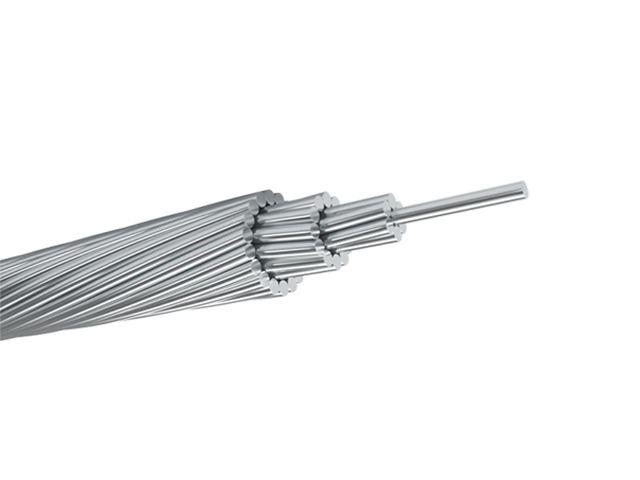
CANTON AAAC Conductor Cable
CANTON AAAC (All Aluminum Alloy Conductor) cables are manufactured in accordance with ASTM B399 standards, offering high tensile strength, good electrical conductivity, and corrosion resistance. With 800 mm² nominal area and 61-strand design, it uses heat-treated aluminum-magnesium-silicon alloy (6201-T81) for enhanced strength (295 MPa min) and conductivity (53% IACS min). Meeting ASTM B398, B399, IEC 61089, and BS EN 50182 standards, this cable handles ampacity up to 1200A at 75°C and voltages up to 33kV. The all-alloy construction avoids bimetallic corrosion, providing better resistance in harsh conditions than ACSR. Reduced weight minimizes sag and installation expenses, supporting longer spans. The Canton AAAC Conductor Cable delivers low electrical losses, high mechanical endurance, and excellent weather tolerance. Flame-retardant variants available. Perfect for urban grids, renewable projects, and coastal setups, it provides cost-effective, low-maintenance power delivery in overhead applications globally, excelling in reliability and lifespan over conventional conductors.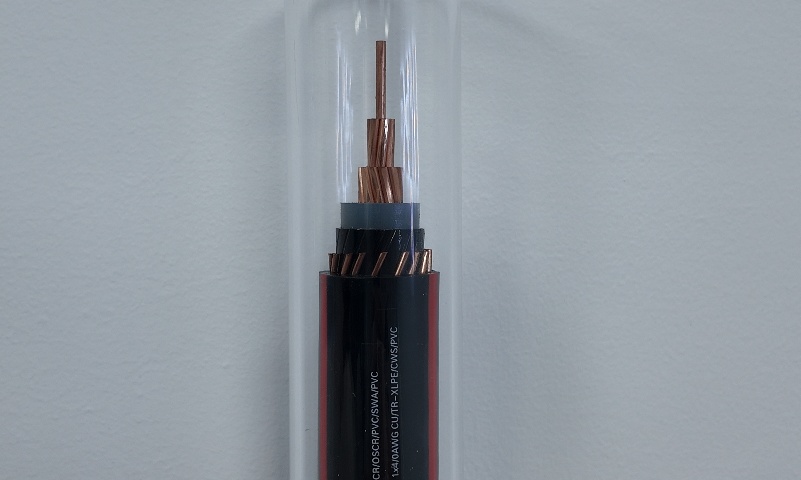
4/0 AWG Aluminum URD Cable 1/3 Neutral
The 4/0 AWG Aluminum URD Cable 1/3 Neutral is a durable and economical 600V underground residential distribution cable engineered for service entrance and secondary power delivery. It utilizes a 4/0 AWG stranded AA8000 aluminum alloy phase conductor with XLPE insulation and a 1/3 concentric aluminum alloy neutral, all protected by a rugged black polyethylene sheath. This design offers excellent flexibility, high conductivity, and superior moisture resistance, making it suitable for direct burial or conduit installations. The 1/3 neutral configuration provides a balanced and cost-effective solution for most residential applications. Manufactured to UL 854 and ICEA standards, the 4/0 AWG Aluminum URD Cable 1/3 Neutral undergoes extensive quality testing to ensure consistent performance and long service life in underground environments.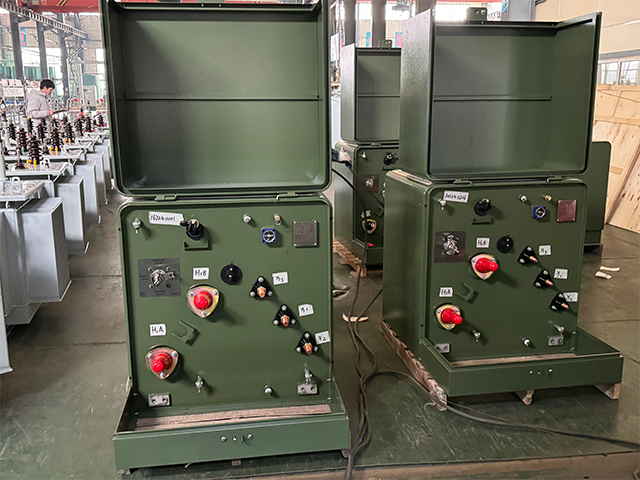
1000kVA Single Phase Pad Mounted Transformer
1000kVA Single Phase Pad Mounted Transformer, a high-capacity powerhouse optimized for extensive underground residential and commercial power distribution systems. This advanced oil-immersed transformer boasts ultra-efficient wound cores and premium windings to drastically cut operational losses while maintaining cool, stable performance even at peak demands. Fully aligned with ANSI C57.12.38, IEEE C57.12.00, and DOE efficiency requirements, this 1000kVA padmount delivers seamless step-down from primary voltages up to 34.5kV to versatile secondary outputs, empowering large-scale loop-feed or radial-feed networks with superior overload handling and minimal acoustic footprint.
500kVA Three Phase Pad Mounted Transformer
The 500kVA three-phase pad transformer is an efficient and sturdy power equipment designed for commercial, industrial and distribution systems. It has a compact design and a protective casing that meets NEMA 3R or higher standards. It is suitable for various outdoor environments and can effectively resist external factors such as weather, dust and moisture. It can meet the power needs of different regions and has a variety of optional functions, such as load regulation and temperature control systems, to further improve its operating efficiency and safety. The built-in protection device can effectively prevent overload, short circuit and other faults to ensure the safe and reliable operation of the power system.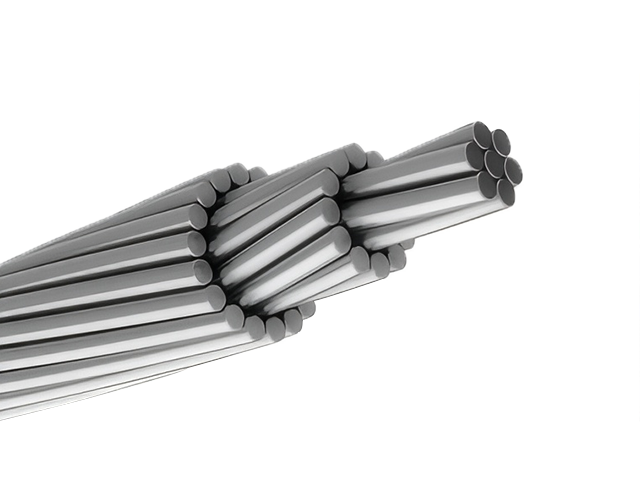
4 AWG SWANATE ACSR Conductor Cable
4 AWG SWANATE ACSR Conductor Cable is designed for overhead power distribution systems requiring dependable electrical performance and enhanced mechanical strength. It is manufactured using concentrically stranded aluminum wires reinforced with a galvanized steel core, ensuring an effective balance between conductivity and tensile durability. The aluminum strands provide low electrical resistance and efficient current transfer, while the steel core improves load-bearing capacity, controls sag, and increases resistance to mechanical stress during installation and operation. This construction allows the 4 AWG SWANATE ACSR conductor to perform reliably under wind load, temperature variation, and outdoor environmental conditions. Produced in accordance with ASTM and IEC standards, the 4 AWG SWANATE ACSR Conductor Cable offers consistent quality, easy handling, and long service life. It is widely applied in utility distribution lines, rural electrification projects, and overhead network upgrades where stable performance and cost efficiency are required.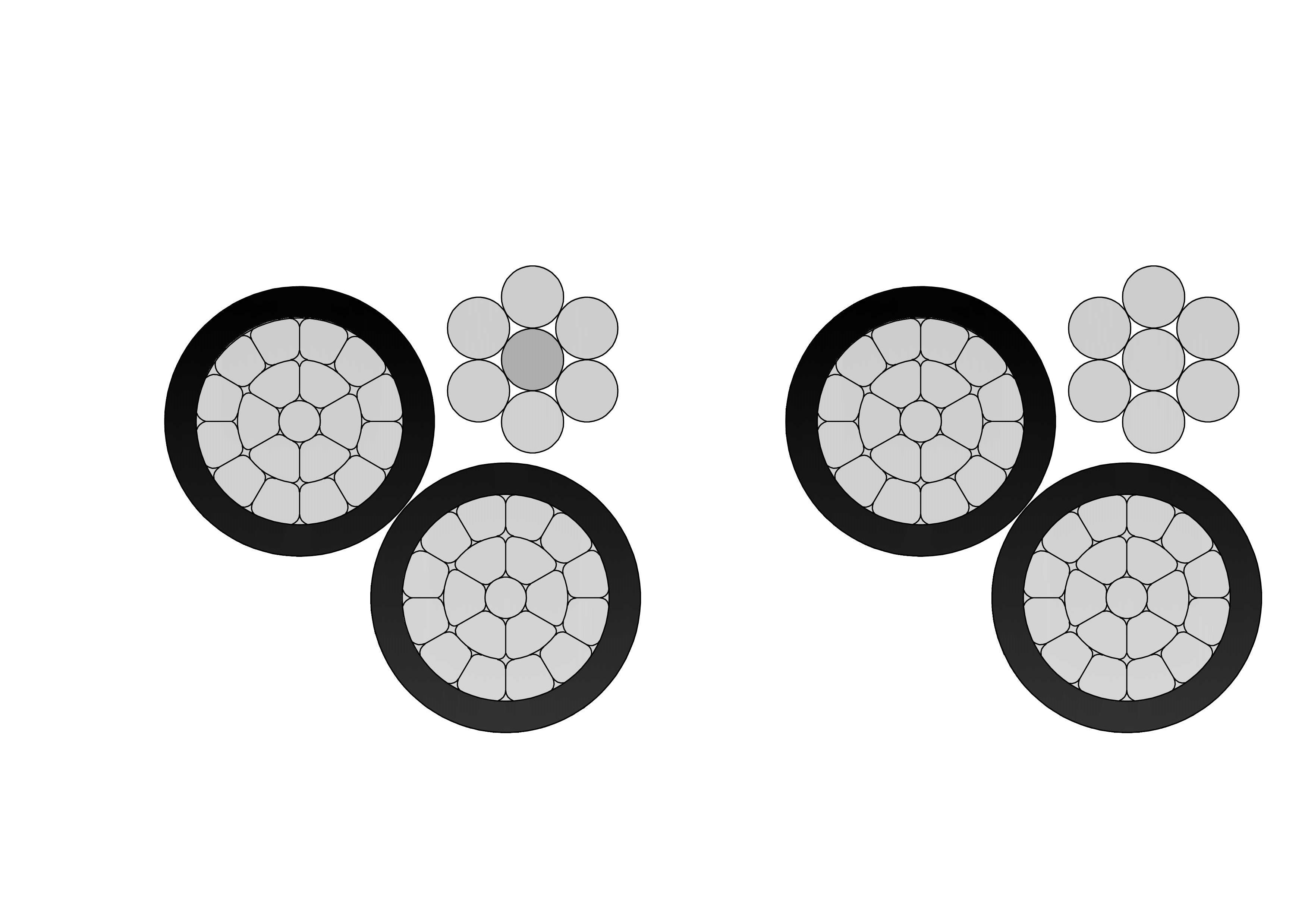
NS75/NS90 Triplex Unjacketed Overhead Neutral Supported Cable
The NS75/NS90 Triplex Unjacketed Overhead Neutral Supported Cable provides efficient overhead power delivery for Canadian utilities. It consists of two compact 1350-H19 aluminum phase conductors insulated in black sunlight-resistant PE (NS75, 75°C) or XLPE (NS90, 90°C), twisted around a bare ACSR full neutral messenger for structural support and reduced sag. Rated 600V, with NS90 offering higher ampacity due to 90°C rating, it meets CSA C22.2 No. 129 and supports single-phase service drops or secondary distribution. The unjacketed triplex design is lightweight, easy to install, and resistant to weathering, abrasion, and chemicals. Compliant with relevant standards, the NS75/NS90 Triplex ensures cost-effective, durable performance in pole-to-building or pole-to-pole aerial setups.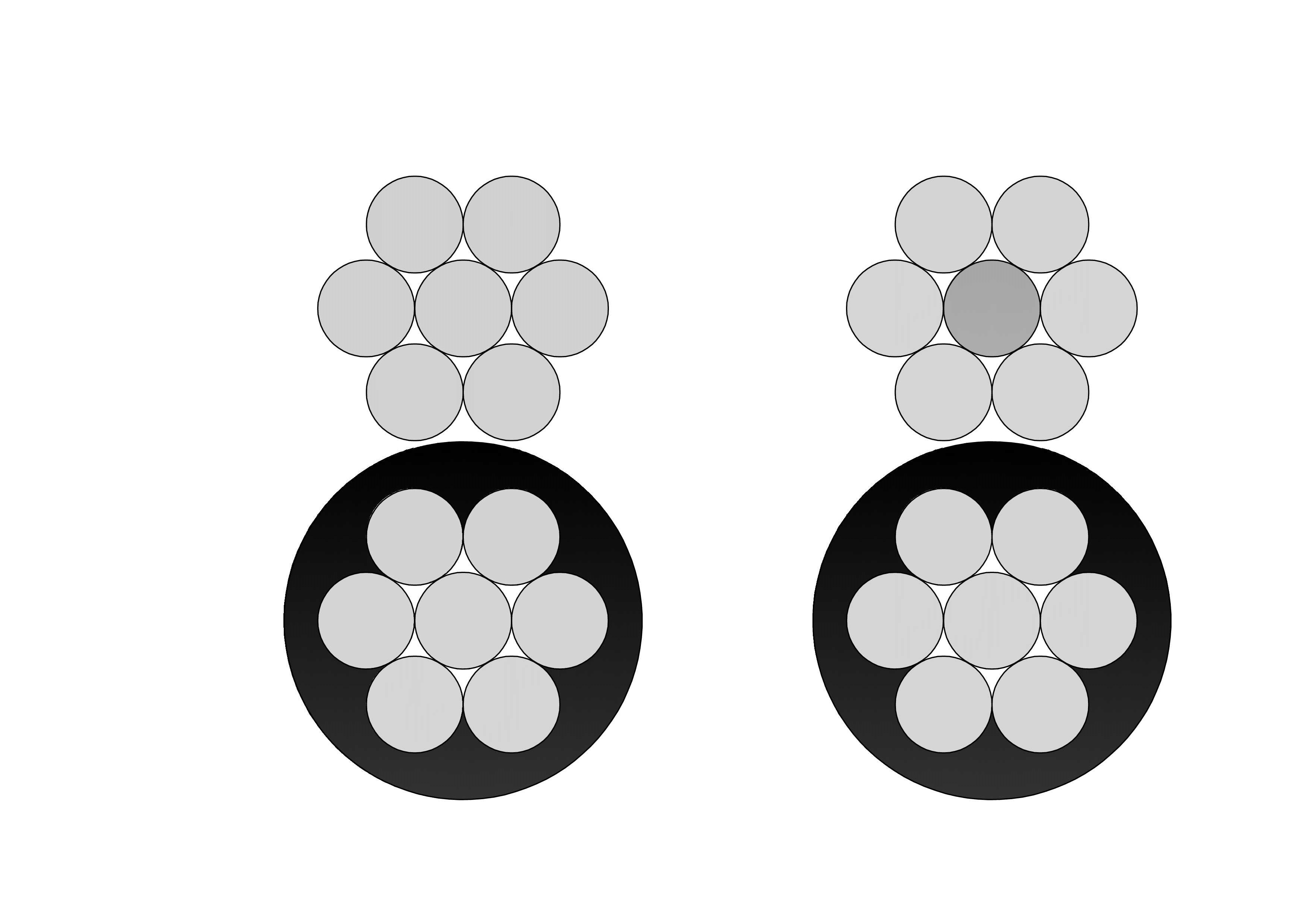
4 Spaniel Aluminum Conductor Duplex Overhead Service Drop Cable
Introducing the 4 Spaniel Duplex Service Drop Cable, a versatile overhead solution for low-voltage secondary distribution. Built with two 4 AWG aluminum conductors (7-strand) insulated with polyethylene or XLPE and formed into a duplex assembly, it meets ASTM and ICEA requirements for 600V service. The tough insulation offers outstanding protection against UV rays, moisture, tree contact, and abrasion. Compact duplex design provides self-support and easy pulling during installation. The 4 Spaniel Duplex Service Drop Cable supports efficient power transfer with low voltage drop and high durability in extreme temperatures. Popular for its lightweight construction and reduced installation time, it is the go-to choice for electricians and utilities. Widely deployed in housing developments, farm services, and temporary power setups, this cable ensures safe, long-lasting overhead connections from distribution transformers to customer service entrances worldwide.
4 AWG SWAN ACSR Conductor Cable
The 4 AWG SWAN ACSR Conductor Cable is a reliable overhead conductor designed for utility distribution and light transmission applications requiring stable electrical performance and mechanical durability. It is manufactured with concentrically stranded aluminum wires reinforced by a galvanized steel core, combining efficient conductivity with added tensile strength. The aluminum strands ensure low resistance and consistent current flow, while the steel core reduces sag, improves load-bearing capability, and enhances resistance to wind and mechanical stress. This construction allows the 4 AWG SWAN ACSR conductor to perform reliably during installation and long-term outdoor service. Produced in accordance with ASTM and IEC standards, the 4 AWG SWAN ACSR Conductor Cable offers uniform quality, easy handling, and dependable service life. It is widely used in overhead distribution networks, rural electrification projects, and utility line upgrades where performance consistency and cost efficiency are essential.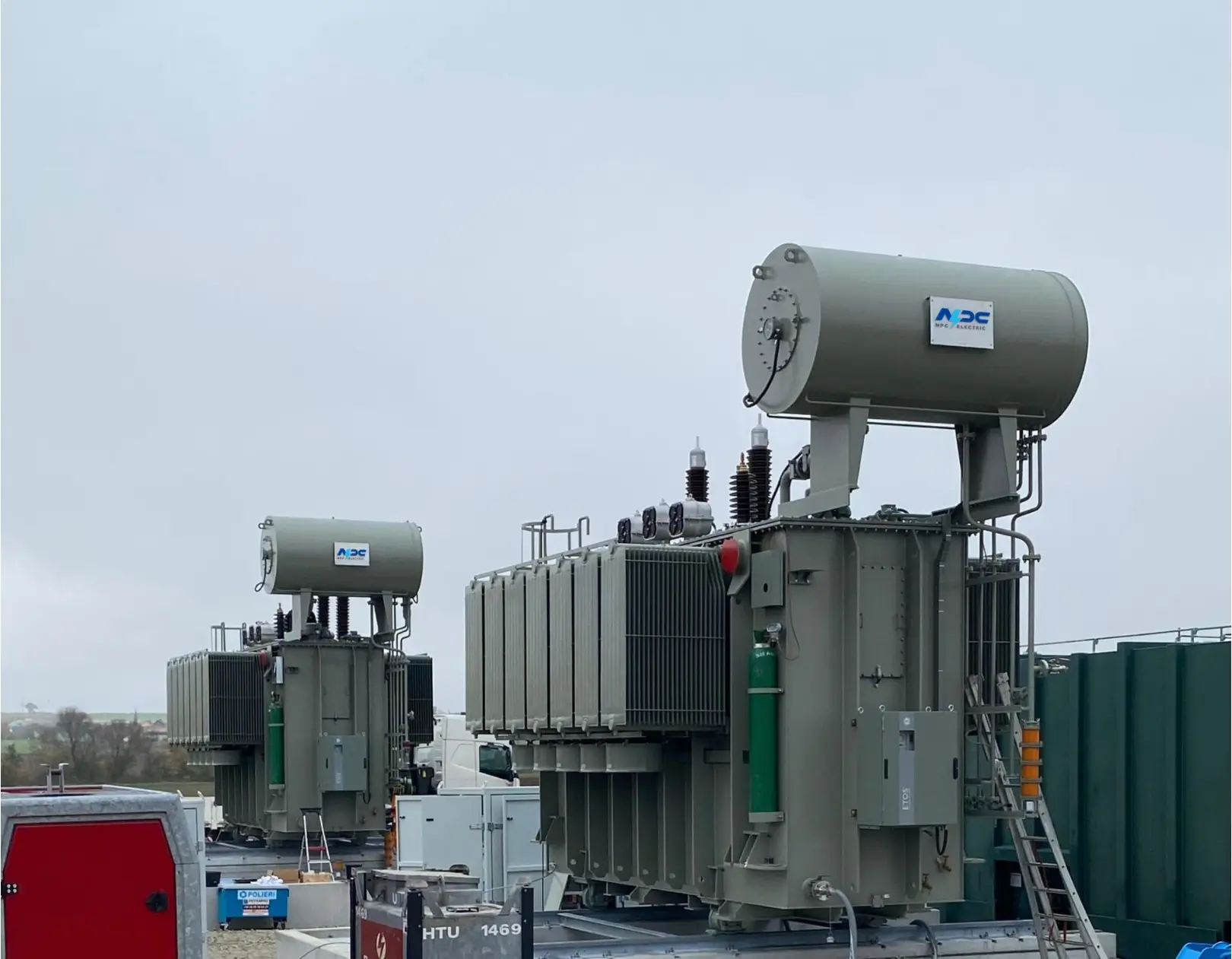
170kV 4–40MVA Oil-Immersed High-Voltage Power Transformer
The 170kV 4–40MVA oil-immersed high-voltage power transformer is designed to support flexible capacity requirements across modern transmission and substation systems. Its wide MVA range allows a single platform to adapt to diverse grid configurations, from regional substations to industrial power interfaces. The transformer utilizes a refined oil-paper insulation system to ensure strong dielectric performance and long-term operational stability under high electrical stress. Advanced magnetic circuit optimization minimizes losses while maintaining excellent voltage regulation. The mechanical structure is engineered to withstand thermal cycling, short-circuit forces, and continuous operation under variable load conditions. With a focus on reliability, efficiency, and service life, this transformer is well suited for utility-scale projects that demand dependable high-voltage energy transfer with adaptable power ratings.
125kV Three-Phase Power Distribution Transformer
The 125kV Three-Phase Power Distribution Transformer is engineered to deliver reliable, efficient, and stable voltage transformation for high-voltage distribution networks and utility substations. Designed with a high-permeability silicon steel core and precision-wound conductors, it achieves low no-load loss, reduced operating noise, and excellent short-circuit withstand capability. The robust insulation system and optimized thermal design ensure long-term performance under continuous load and fluctuating grid conditions. Its reinforced tank structure and outdoor-rated configuration allow safe operation in demanding environments, including high temperature, humidity, and industrial pollution areas. Manufactured in compliance with IEC, IEEE, and ANSI standards, this transformer is suitable for modern power distribution systems requiring high reliability, operational safety, and extended service life.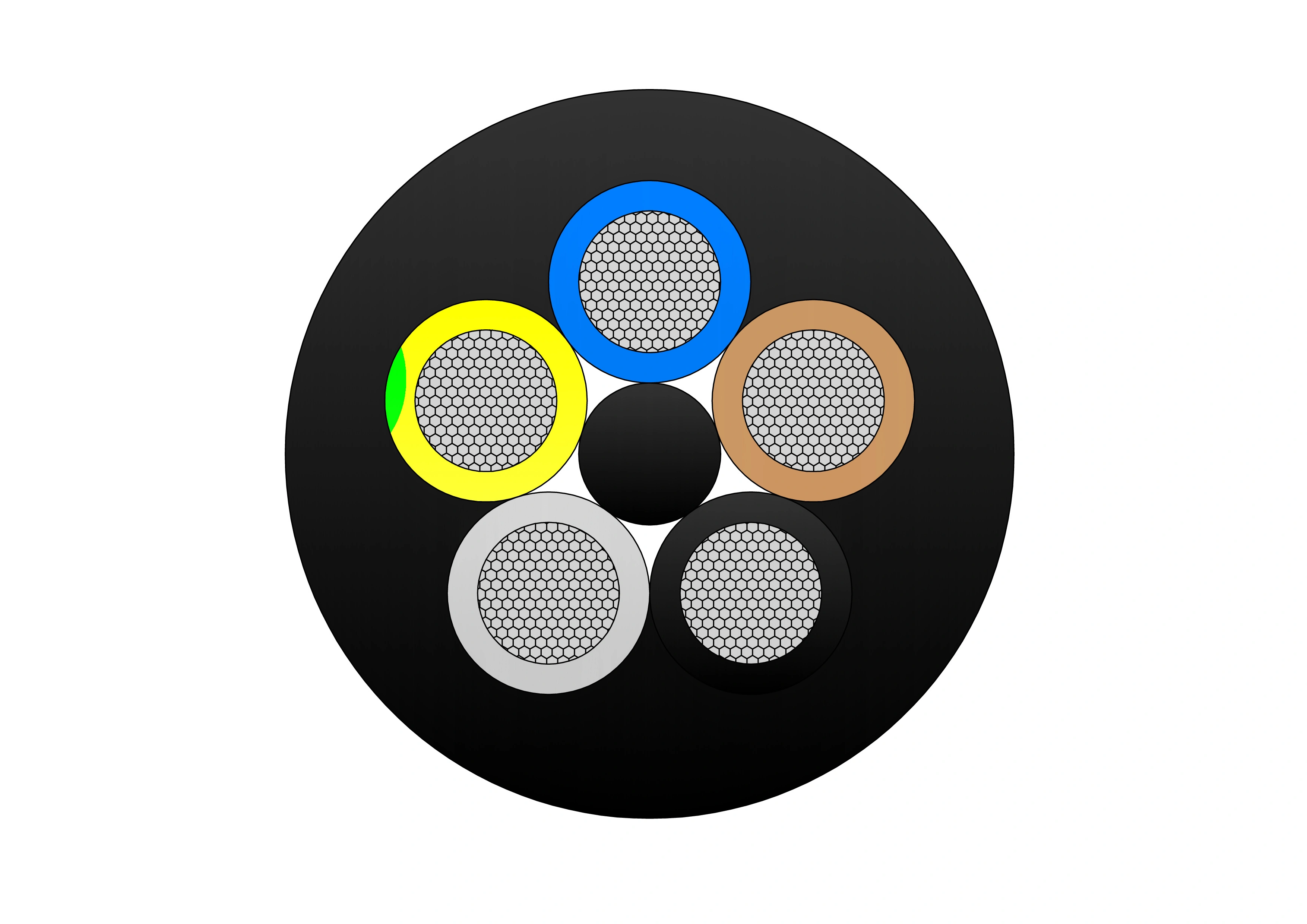
NTSCGECECWOU 8.7/15kV and 12/20kV Cable
NTSCGECECWOU 8.7/15kV and 12/20kV cable is a flexible medium voltage power cable manufactured according to DIN VDE 0250 standards, engineered for heavy-duty energy supply in mining, tunneling, and mobile equipment applications. Featuring Class 5 tinned copper conductors, EPR insulation, a halogen-free flame-retardant sheath, and concentric copper conductors for EMC protection, it ensures outstanding mechanical strength, oil and moisture resistance, and fire safety. Designed for reeling drum systems and mobile machinery, it is ideal for both indoor and outdoor use in harsh, demanding environments.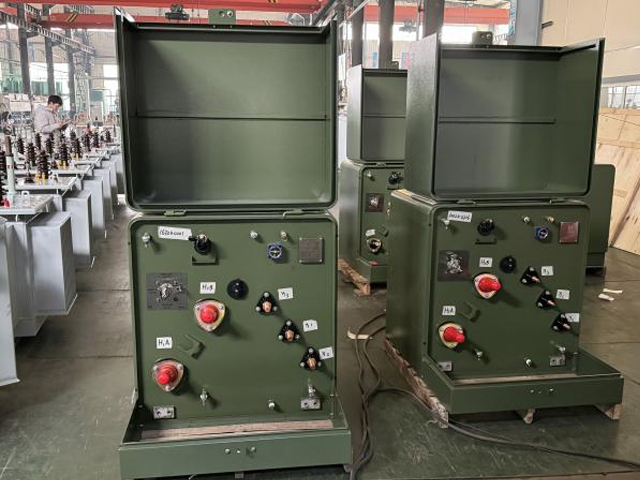
10kVA Conventional Type Single Phase Pole Mounted Transformer
NPC ELECTRIC specializes in designing and manufacturing 10 kVA single-phase pole-mounted transformers that comply with international standards, including IEEE C57.12.00, IEEE C57.12.20, DOE-2016 Efficiency, CSA C2.1 & C2.2, and CSA C802.1. Our unwavering commitment to excellence drives us to provide tailored solutions, ensuring that each transformer aligns precisely with your unique technical requirements. Regardless of the voltage level or operating environment, you can trust NPC ELECTRIC to deliver the ideal solution to meet your specific needs. Your satisfaction and the reliability of our transformers remain central to our dedication to quality. The 10kVA conventional single phase pole mounted transformer serves as an economical, reliable option for low-capacity overhead power distribution, converting primary voltages ranging from 2.4kV to 34.5kV (including common grounded wye configurations like 12470GrdY/7200, 24940GrdY/14400, or 13200Y/7620) to secondary levels such as 120/240V split-phase or 240V.
80kVA Dry Type Transformer
80kVA dry-type transformer launched by NPC ELECTRIC adopts advanced dry insulation technology, has the advantages of high efficiency, environmental protection, and safety, and is widely used in industrial, commercial, and residential power systems. The transformer has a compact design, strong load-bearing capacity, stable operation, and effectively reduces energy loss. The oil-free structure reduces the risk of fire, meets modern green environmental standards, and is suitable for use in environments with high requirements for power stability and low noise.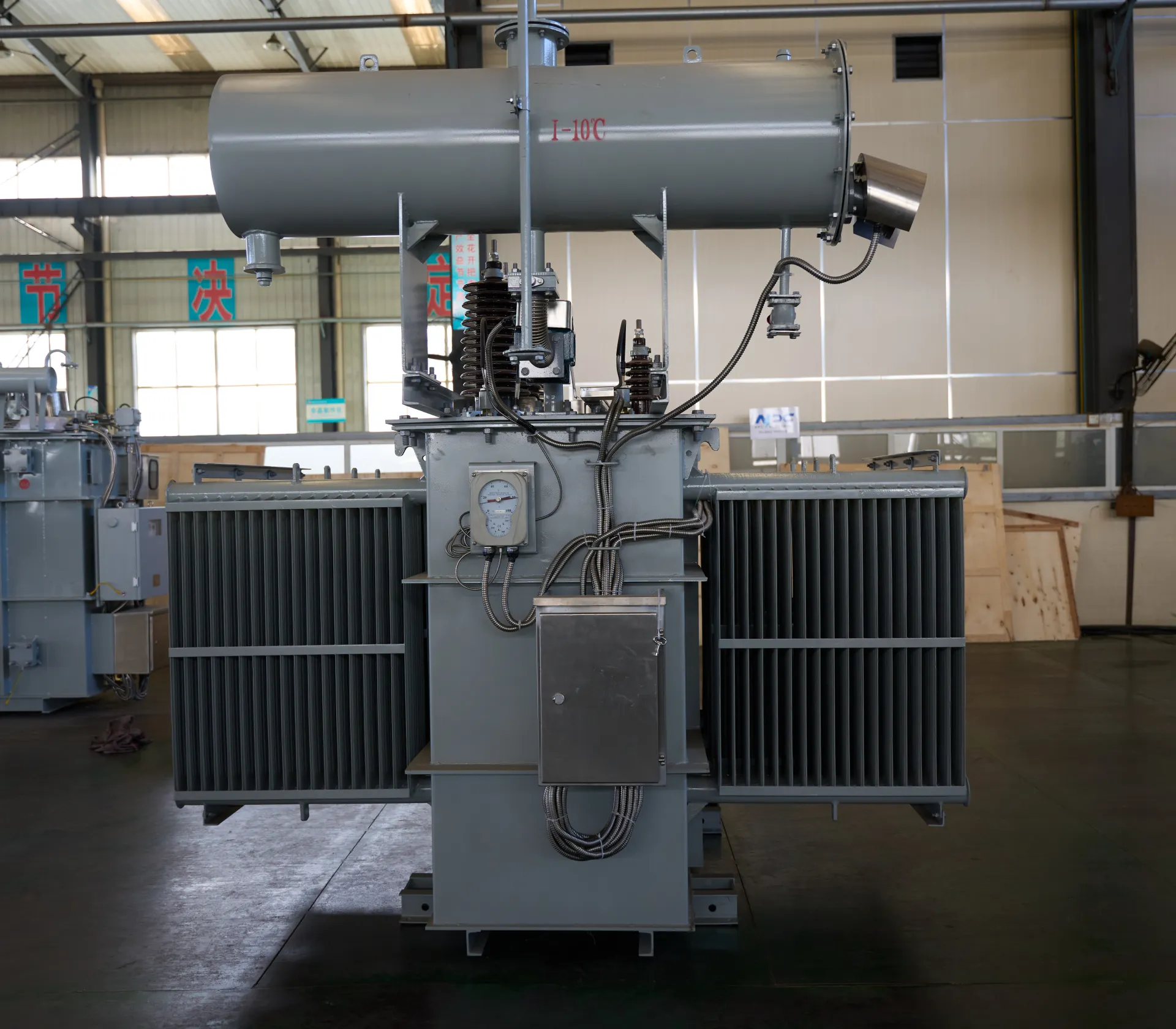
33/0.4kv 2000kVA Power Distribution Transformer
Experience superior power reliability with our 33/0.4kV 2000kVA Power Distribution Transformer, a cutting-edge solution designed for efficient medium-to-low voltage conversion in extensive electrical networks. This oil-immersed transformer incorporates high-permeability grain-oriented steel cores and optimized copper windings to deliver exceptional efficiency, low noise operation, and minimal energy losses even under full load conditions. The robust conservator-type tank filled with premium inhibited mineral oil ensures excellent cooling, high breakdown voltage, and protection against environmental factors. Engineered for long-term performance in challenging climates, it features anti-corrosion coatings, sealed bushings, and overload tolerance up to 150% for short durations. Fully compliant with IEC 60076, GB/T 1094, and other global standards, this 2000kVA distribution transformer supports sustainable energy infrastructure by reducing carbon footprint through enhanced efficiency and reliable power delivery to end users.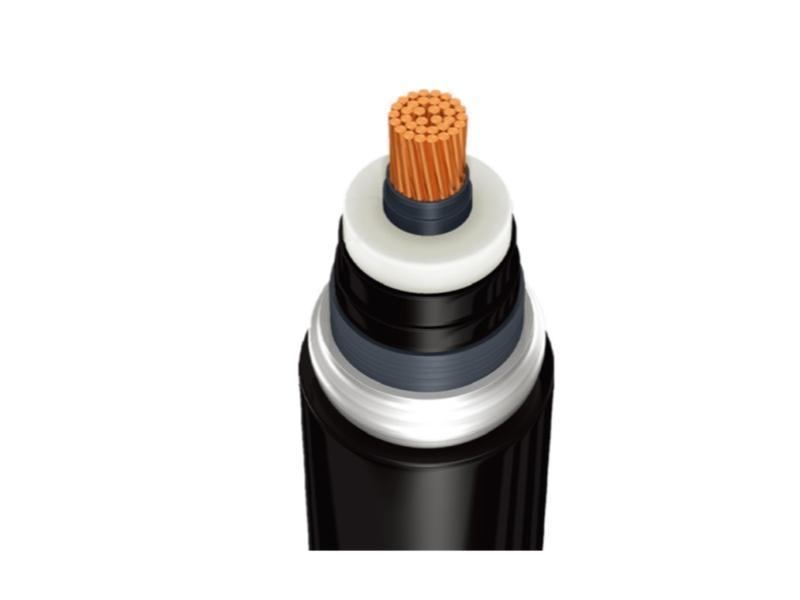
High Voltage Power Cable
NPC Electric High Voltage Power Cable is engineered for reliable transmission of electricity at voltages from 35kV to 500kV. Featuring copper or aluminum conductors, cross-linked polyethylene (XLPE) insulation, metallic screening, and a robust outer sheath, this cable minimizes losses and ensures long-term performance in demanding environments. Designed to meet international standards like IEC 60840 and IEC 62067, it offers excellent electrical properties, mechanical strength, and resistance to moisture, chemicals, and thermal stress. Whether for underground burial, submarine applications, or overhead lines, our High Voltage Power Cable delivers superior efficiency and safety. With low dielectric losses and high breakdown strength, it supports modern power grids, renewable energy integration, and industrial power distribution. Choose our cables for minimal maintenance, extended service life, and compliance with global safety norms.Welcome your inquiry
Honesty, Integrity, Frugality, Activeness and Passion