
NS75/NS90 Duplex Unjacketed Overhead Neutral Supported Cable
Our NS75/NS90 Duplex Unjacketed Overhead Neutral Supported Cable provides economical self-supporting overhead distribution. Consisting of an XLPE-insulated aluminum phase conductor (75 mm² or 95 mm²) supported by a bare ACSR or AAAC neutral messenger without an overall jacket, it meets AS/NZS 3560 and utility requirements. The design reduces material costs while delivering high tracking resistance and mechanical strength for spans up to 100m. Excellent UV and moisture performance ensures longevity in exposed conditions. The NS75/NS90 Duplex Unjacketed Overhead Neutral Supported Cable offers low installation effort, minimal sag, and reliable power delivery for 600/1000V networks. Widely favored in Australia and New Zealand for residential, commercial, and rural service drops requiring lightweight, neutral-supported overhead cables with proven compliance and durability in diverse climates.
Construction
Technical Specifications
Quality Control
Application
Construction
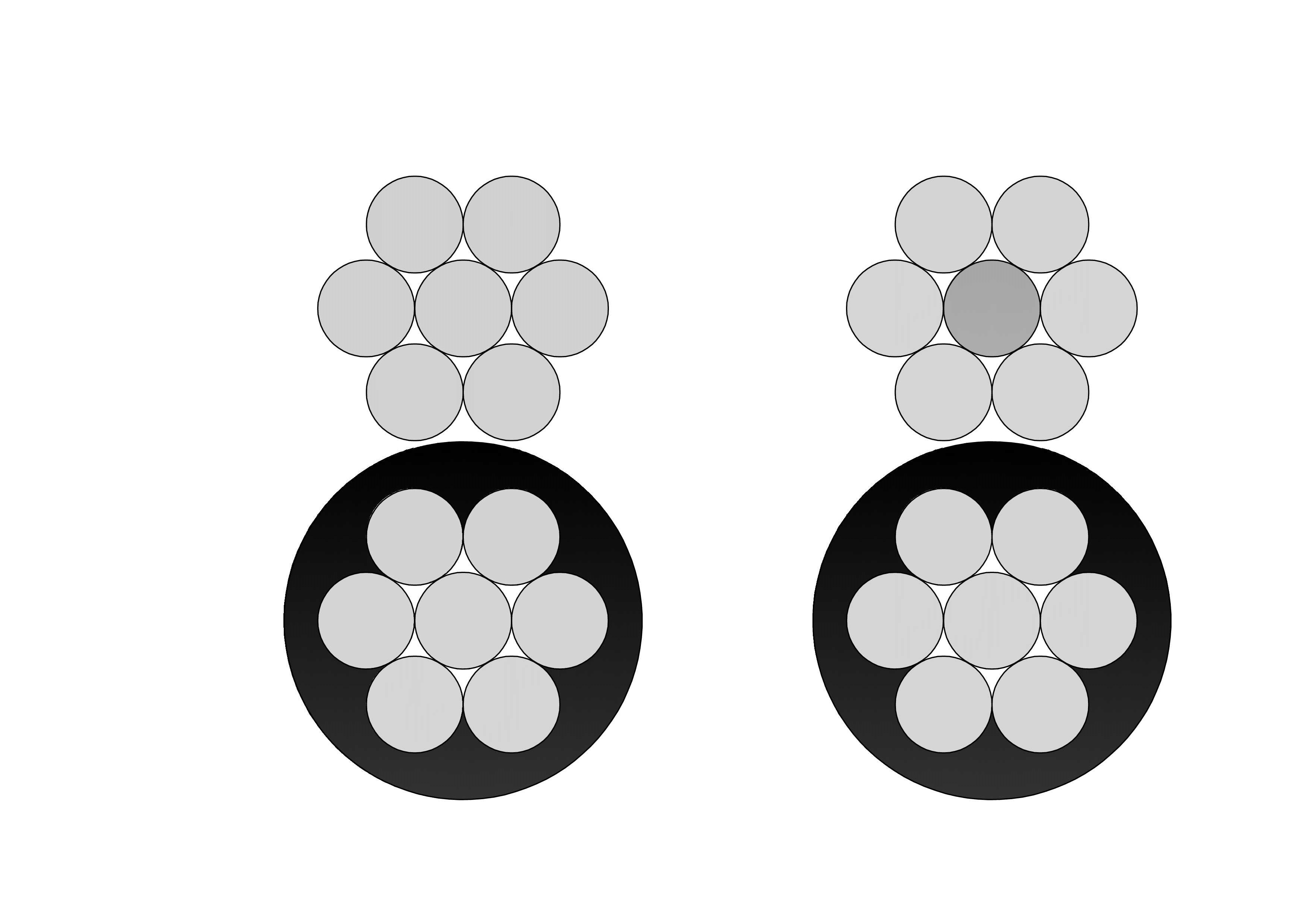
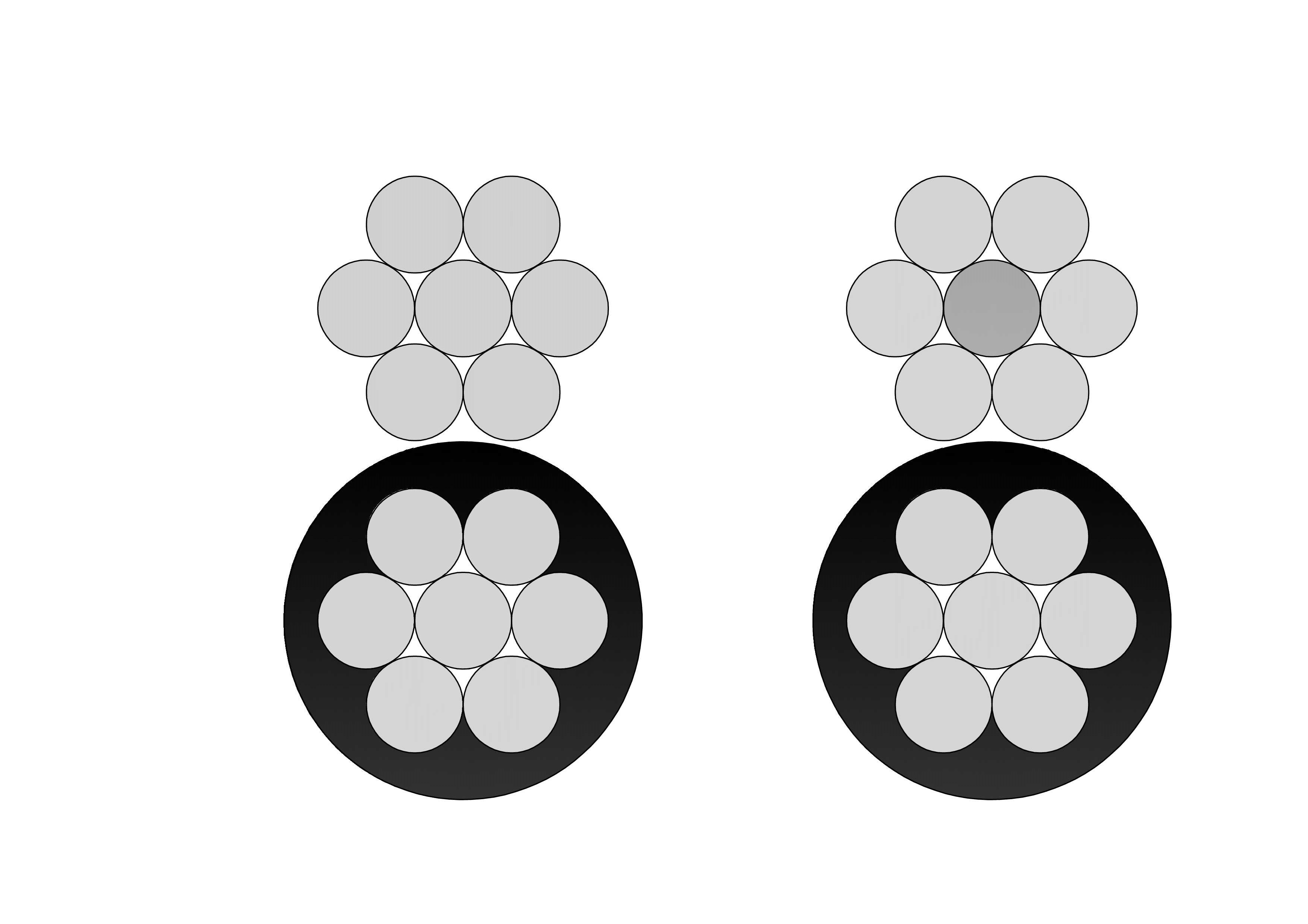
NS75/NS90 Duplex Unjacketed Overhead Neutral Supported Cable Constrution
Standard
NS75/NS90 cables meet or exceed the following standards:
CSA C22.C No. 129
CSA listed NS75 & NS90
Sunlight resistant
CSA C22.C No. 129
CSA listed NS75 & NS90
Sunlight resistant
Conductor
2, 3, or 4 Aluminum alloy 1350-H19 hard-drawn compact round conductors cabled around a neutral
Insulation
Abrasion, heat, and moisture-resistant cross-linked polyethylene (XLP) insulation rated 90°C/-40°C
Neutral
Compact round ASCR neutral. For sizes 266.8kcmil and greater, ACSR neutral conductors shall be in concentric round stranding
Application
Duplex and Triplex NS75/NS90 Service Drop Cable is intended to deliver single-phase power from the secondary overhead power line or pole-mounted transformer to the service entrance conductors at the user’s building or other structure.
Application Description
Quadruplex NS75/NS90 Service Drop Cable is intended to deliver three-phase power from the secondary overhead power line or pole-mounted transformers to the service entrance conductors at the user’s building or other structure. NS75/NS90 cable may also be used as a pole line secondary with service splices at the pole (also refer to CEC rule 12-318). The NS75/NS90 cable is rated for use on systems having nominal voltages of 600 V or less.
Technical Specifications
NS75/NS90 Duplex Unjacketed Overhead Neutral Supported Cable
NS75/NS90 Duplex Unjacketed Overhead Neutral Supported Cable
| Cable Construction | Phase 1 | Phase 2 | Phase 3 |
| Duplex | Black with print legend | - | - |
| Triplex | Black with print legend | Black with red stripes | - |
| Quadruplex | Black with print legend | Black with red stripes | Black with blue stripes |
Quality Control
NS75/NS90 Duplex Unjacketed Overhead Neutral Supported Cable
Raw Material Test
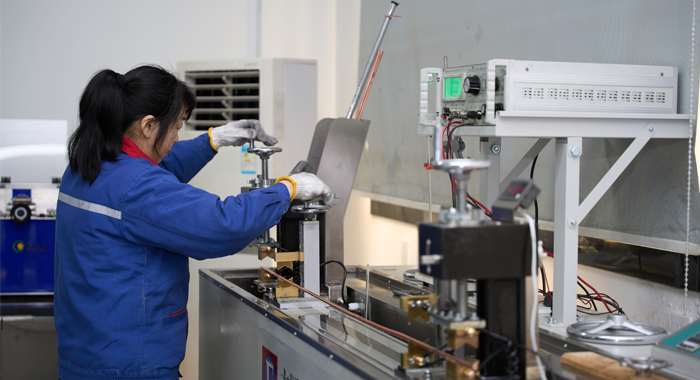
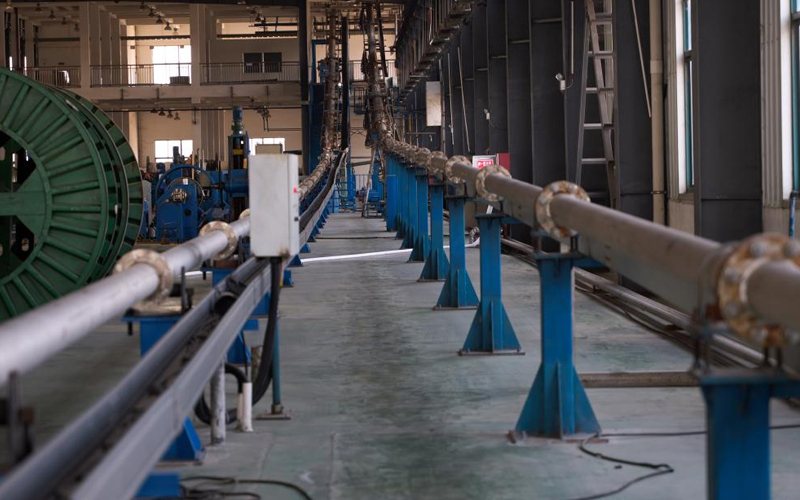
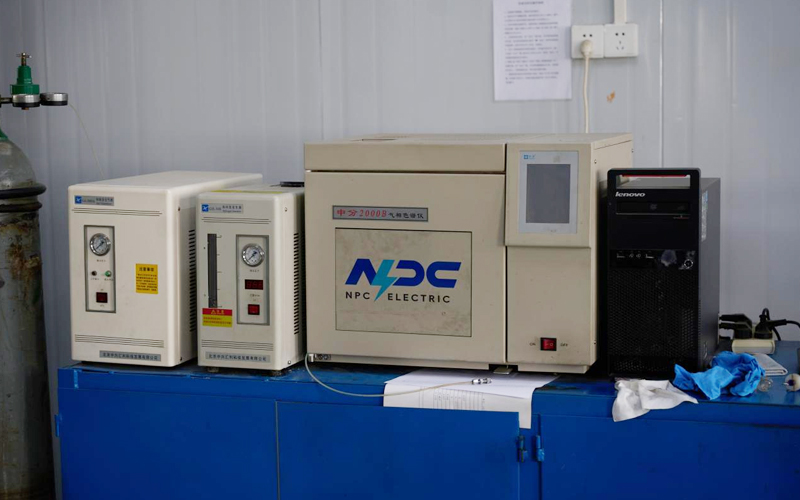
NS75/NS90 Duplex Unjacketed Overhead Neutral Supported Cable, raw material testing commences with aluminum phase conductor certification for alloy and mechanical properties. Messenger material (ACSR/AAAC) undergoes galvanization uniformity and conductivity verification. XLPE compound faces Congo red testing, volume resistivity, and tracking analysis per AS/NZS standards. The structured process: receipt documentation review, random sampling, physical/mechanical testing (tensile, yield), chemical spectroscopy confirmation, accelerated aging and tracking trials, and material release decision. This comprehensive evaluation secures premium inputs, forming the base for the NS75/NS90 Duplex Unjacketed Overhead Neutral Supported Cable's phase insulation performance, messenger reliability.
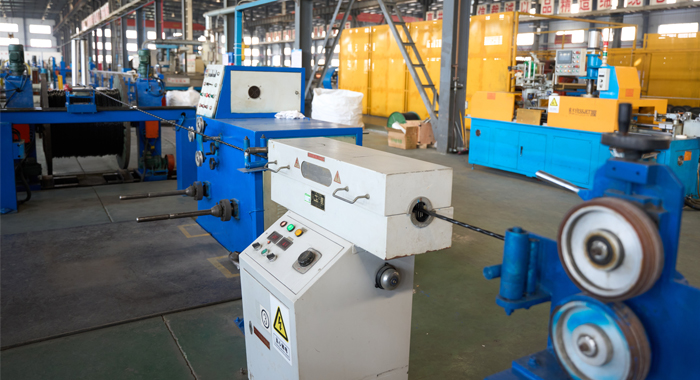
Process inspection
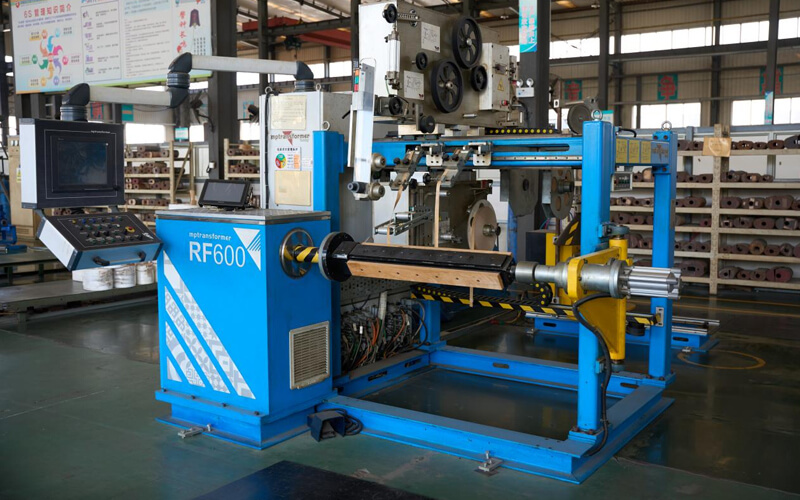
Process inspection during NS75/NS90 Duplex Unjacketed Overhead Neutral Supported Cable manufacturing involves real-time quality checks. Phase conductor forming monitors strand uniformity. XLPE insulation extrusion includes online spark testing and ovality control. Messenger placement verifies coverage and tension balance. No jacket extrusion per design. Critical steps: pre-extrusion compound dryness check, parameter stabilization, real-time eccentricity monitoring, gel fraction sampling, partial discharge intermediate scanning, and defect removal protocols. This multi-stage assurance maintains the NS75/NS90 Duplex Unjacketed Overhead Neutral Supported Cable's precise geometry, reliable messenger support, strong phase insulation adhesion, and AS/NZS compliance throughout production.
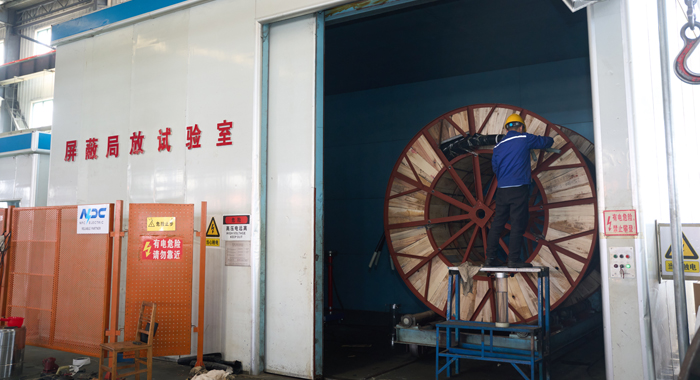
Finished Product
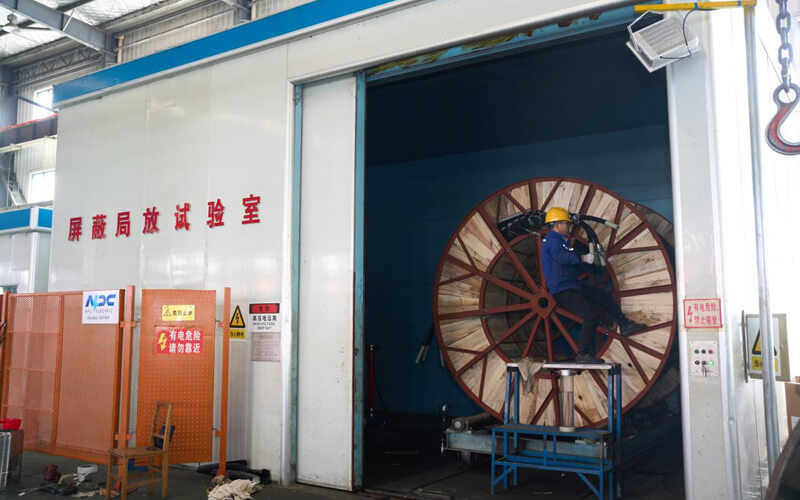
Completed NS75/NS90 Duplex Unjacketed Overhead Neutral Supported Cable reels face strict tests. Mandatory routines: DC resistance, high-potential AC test, insulation thickness, messenger resistance, and tracking withstand. Extended tests include heat cycling and water tightness. The sequential process: sample conditioning, voltage ramp application, timed exposure to heat/water, recovery phase inspection, property re-measurement, and documentation. Additional verifications ensure marking permanence and flexibility. Passing all confirms the NS75/NS90 Duplex Unjacketed Overhead Neutral Supported Cable's tracking resistance, messenger effectiveness, mechanical endurance, and suitability for critical overhead neutral-supported applications.
Application
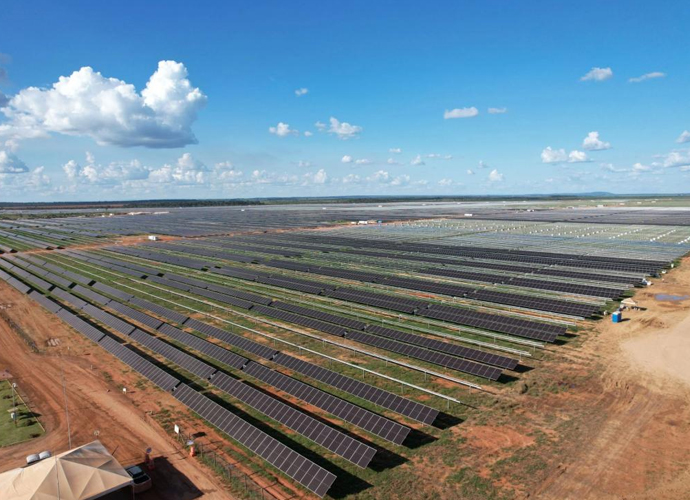
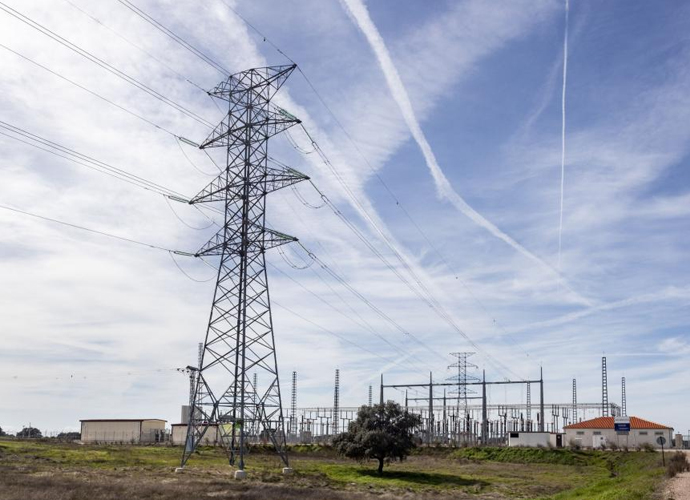
Excellent for single-phase overhead service drops in suburban housing, rural properties, and light commercial sites. Commonly installed from poles to buildings in Australia/New Zealand networks requiring economical, self-supporting neutral-supported cables for reliable power distribution.
Technical Advantages
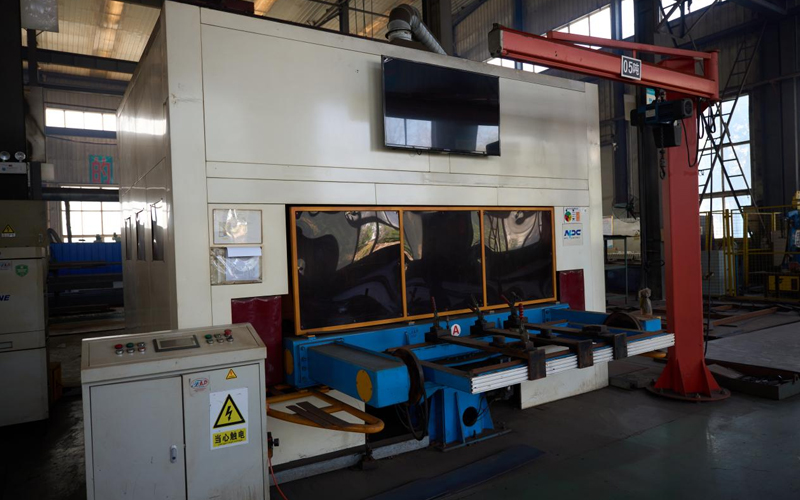
● 30+ years of manufacturing experience
● ISO and UL certified production
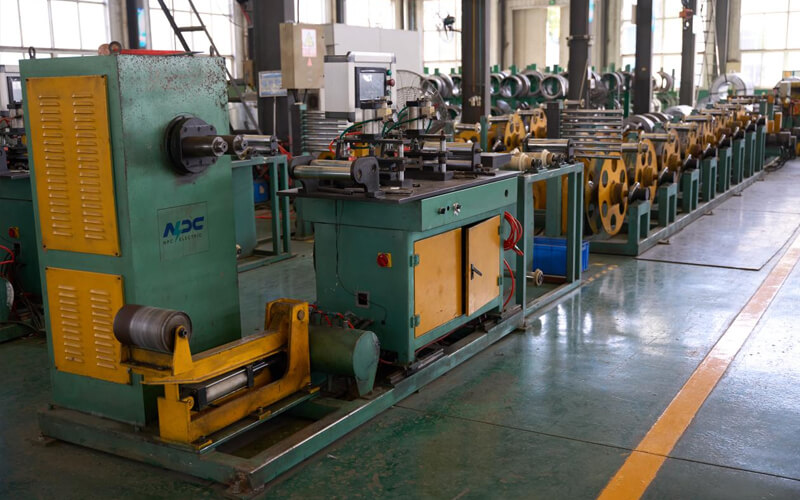
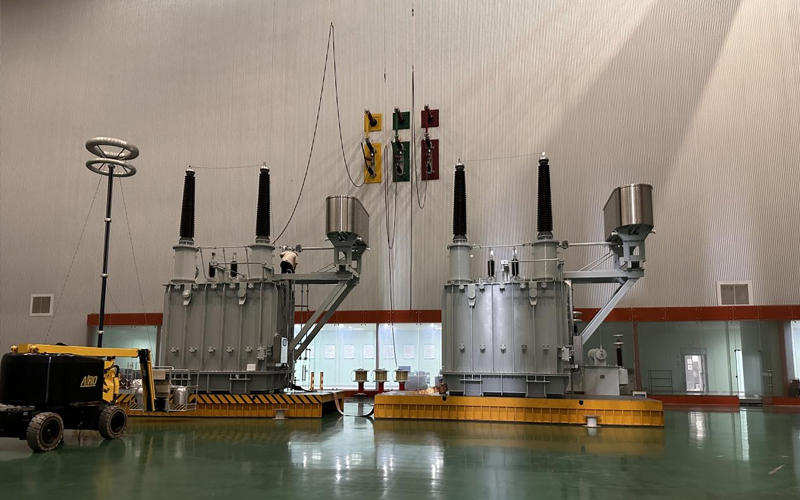
● Customized cable and transformer solutions
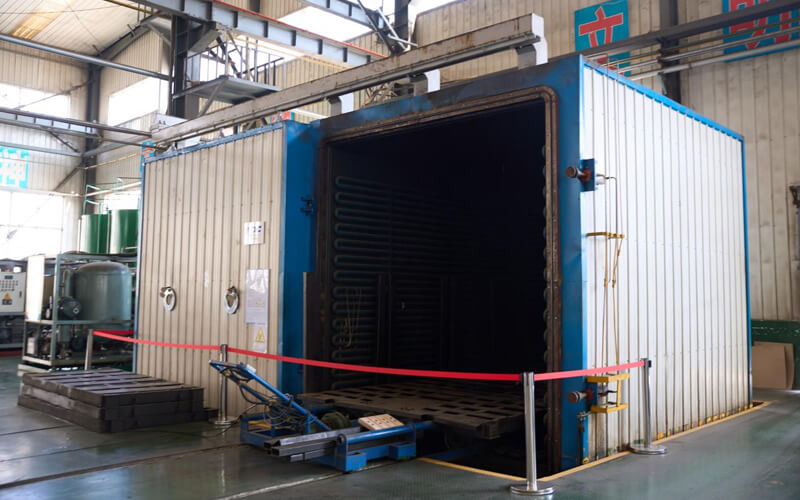
Product Packaging
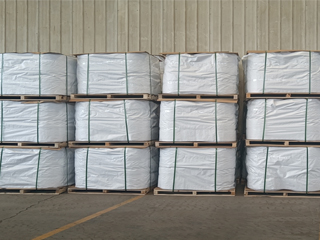
Wires and Cables packaging (1)
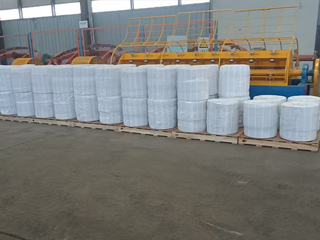
Wires and Cables packaging (2)
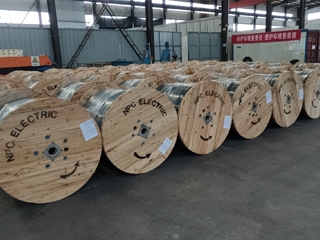
Wires and Cables packaging (3)
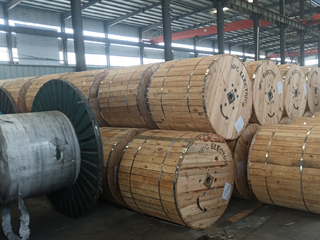
Wires and Cables packaging (4)
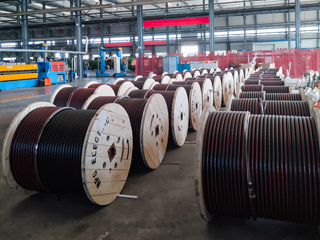
Wires and Cables packaging (5)
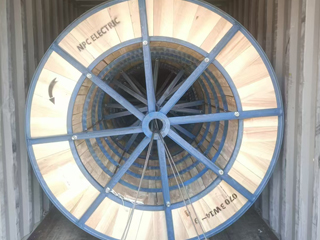
Wires and Cables packaging (6)
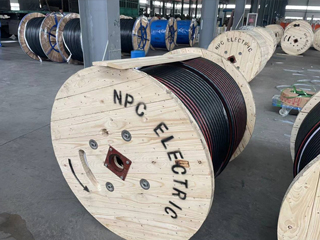
Wires and Cables packaging (7)
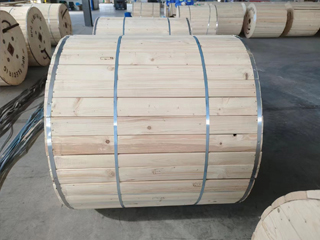
Wires and Cables packaging (8)
Related Products
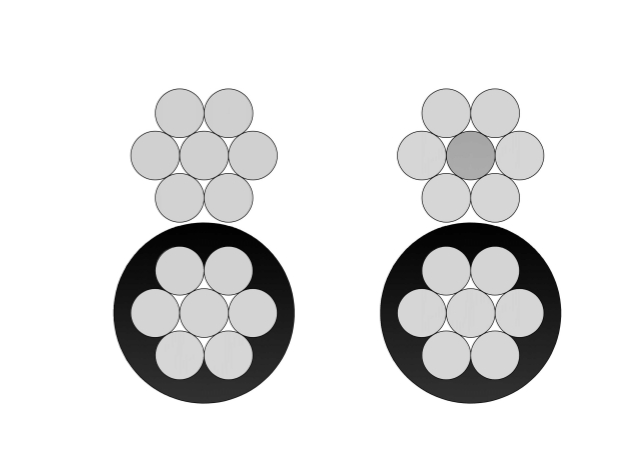
1/0 Bull Aluminum Conductor Duplex Overhead Service Drop Cable
1/0 Bull Aluminum Conductor Duplex Overhead Service Drop Cable is designed for reliable secondary overhead power distribution from utility lines to residential and commercial service entrances. The cable consists of two aluminum conductors, typically one phase conductor and one neutral messenger, stranded concentrically to provide flexibility, strength, and stable electrical performance. The 1/0 Bull size offers a balanced combination of current-carrying capacity and mechanical durability, making it suitable for short- to medium-span service drop installations. Aluminum conductors ensure lightweight handling, reduced installation effort, and excellent corrosion resistance in outdoor environments. Manufactured in accordance with relevant ASTM and utility standards, the 1/0 Bull Aluminum Conductor Duplex Overhead Service Drop Cable delivers consistent conductivity, controlled sag, and dependable long-term operation. It is widely used by utilities and contractors seeking a cost-effective, easy-to-install solution for overhead service connections.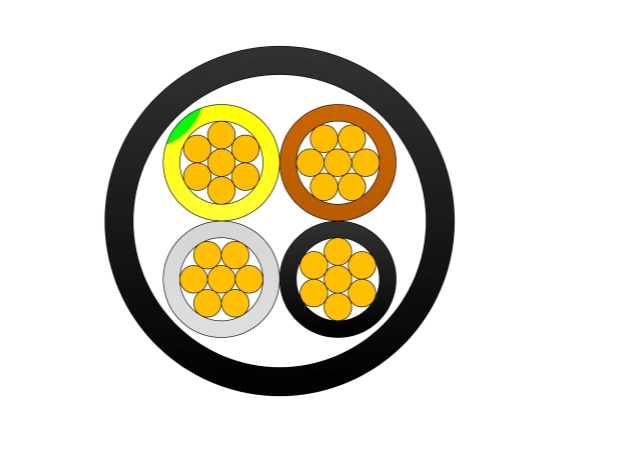
MV Submarine Cable
The Medium Voltage Submarine Cable MV XLPE Armoured is a robust underwater power cable engineered for reliable medium voltage transmission in marine environments. It features stranded copper or aluminum conductors, cross-linked polyethylene (XLPE) insulation for superior electrical and thermal performance, metallic water-blocking sheath, galvanized steel wire armour for mechanical protection, and a heavy-duty outer serving. Designed for voltage levels from 6/10kV to 66kV, this cable ensures low transmission losses, excellent hydrostatic pressure resistance, and long service life in harsh seabed conditions. Manufactured according to IEC 60502-2 and CIGRE recommendations, the Medium Voltage Submarine Cable MV XLPE Armoured is ideal for offshore wind farms, island-to-mainland power links, and oil & gas platform connections. Its advanced construction provides outstanding water tightness, corrosion resistance, and mechanical strength, making it a trusted solution for safe and efficient subsea power transmission.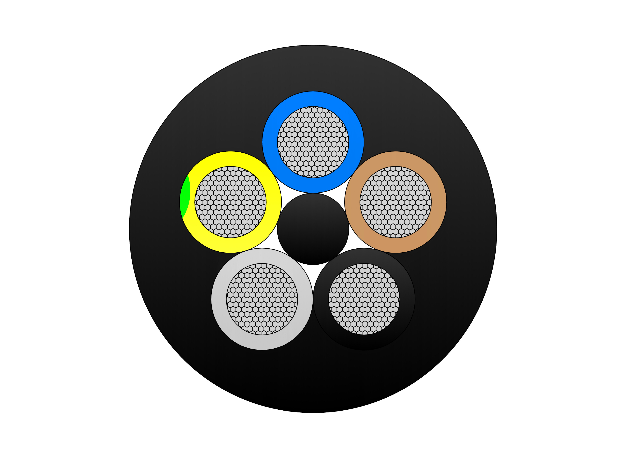
Type 275 Flexible Overall Semi-conductive Rubber Screened Mining Cable
The Type 275 Flexible Overall Semi-conductive Rubber Screened Mining Cable is a 1.1kV, medium-voltage cable designed for coal mining and heavy-duty industrial applications. It features tinned annealed copper conductors, EPR insulation, and a semi-conductive thermosetting compound screen for enhanced electrical performance. The cable is reinforced with polyamide yarn braid and protected by a heavy-duty CSP sheath, offering oil resistance, flame retardancy, and mechanical durability. Its robust construction ensures reliable power delivery to shuttle cars, electric pumps, and other mining equipment. Compliant with AS/NZS 2802 and stringent mining standards, it supports very high tensile loads, frequent flexing, tight bending radii, and reliable operation in wet, dusty, and hazardous mine environments.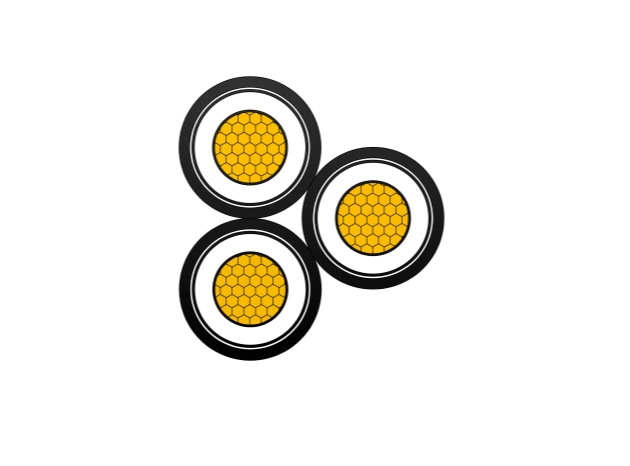
FR-N30XA8E-R 18/30(36)kV Cable Gen to NF C 33-226 - Cu/XLPE/MDPE
The NF C 33-226 Cu-XLPE-MDPE 18/30(36)kV Triplex Cable is a high-performance three-core medium voltage power cable engineered for safe and reliable three-phase power transmission. Built with a Class 2 stranded copper conductor, cross-linked polyethylene (XLPE) insulation, and a medium-density polyethylene (MDPE) outer sheath, it offers exceptional electrical conductivity, insulation performance, and mechanical strength. Fully compliant with NF C 33-226, IEC 60502-2, and EN 60228 standards, this cable is ideal for industrial facilities, municipal grids, substations, and large commercial power systems. It ensures durability with superior water resistance (AD7), UV resistance (ISO 4892), and halogen-free (IEC/EN 60754-1) properties for enhanced safety and environmental protection. With a rated voltage of 18/30 (36)kV and a maximum conductor operating temperature of 90°C, the Cu-XLPE-MDPE Triplex cable provides efficient and stable power transmission in demanding medium- and high-voltage applications.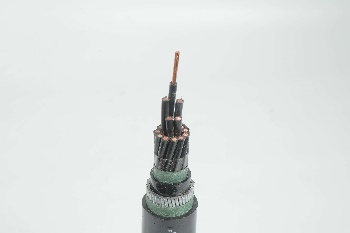
Control Cable 0.6/1 kV CVV-S to IEC 60502 Standard (2-30 core)
Engineered for electromagnetic interference resistance, the Control Cable 0.6/1 kV CVV-S to IEC 60502 Standard (2-30 core) excels in sensitive control environments. It employs concentric stranded copper conductors for low-resistance transmission, paired with black PVC insulation marked by white numbers for easy identification. The integrated copper tape shield effectively blocks electrostatic noise, while dual PVC sheaths provide flame resistance and mechanical protection. Suitable for 0.6/1 kV ratings, it withstands temperatures from -15°C to 70°C. This cable is tailored for supervisory circuits, outdoor stations, and installations in ducts or conduits where shielding is essential. With options from 2 to 30 cores, it accommodates diverse system requirements, enhancing signal integrity and reducing errors. Fully compliant with IEC 60502, it minimizes operational disruptions in high-interference settings. Ideal for professionals demanding dependable solutions, the CVV-S ensures long-lasting performance and cost savings through superior durability.
4/5 Cores SWA Armoured Cable
The 4/5 Cores SWA Armoured Cable is engineered for demanding power distribution applications where durability, safety, and mechanical protection are critical. Manufactured with premium copper or aluminum conductors, advanced XLPE insulation, galvanized steel wire armour, and a weather-resistant PVC outer sheath, the cable provides exceptional reliability in harsh operating environments. Its steel wire armour offers excellent protection against impact, tensile loads, crushing forces, and accidental mechanical damage. This makes the cable ideal for underground installations, cable trenches, and direct burial applications. The XLPE insulation delivers superior dielectric performance, low transmission losses, and thermal resistance up to 90°C continuous operation. The PVC outer sheath provides excellent resistance against moisture, chemicals, oils, abrasion, and UV radiation. Complying with IEC and BS standards, the cable is suitable for utility networks, industrial facilities, renewable energy projects, transportation infrastructure, and commercial developments. The 4/5 Cores SWA Armoured Cable offers an economical and dependable solution for modern power distribution systems.FAQ From Customers
-
What are the advantages of power cables and overhead lines?(1) Reliable operation, because it is installed in a hidden place such as underground, it is less damaged by external forces, has less chance of failure, and the power supply is safe, and it will not cause harm to people; (2) The maintenance workload is small and frequent inspections are not required; (3) No need to erect towers; (4) Help improve power factor.
-
Which aspects should be considered when choosing the cross section of a power cable?(1) The long-term allowable working current of the cable; (2) Thermal stability once short circuited; (3) The voltage drop on the line cannot exceed the allowable working range.
-
What are the measures for cable fire prevention?(1) Use flame-retardant cables; (2) Use fireproof cable tray; (3) Use fireproof paint; (4) Fire partition walls and fire baffles are installed at cable tunnels, mezzanine exits, etc.; (5) Overhead cables should avoid oil pipelines and explosion-proof doors, otherwise local pipes or heat insulation and fire prevention measures should be taken.
-
What should be paid attention to during the transportation and handling of cables?(1) During transportation, loading and unloading, cables and cable reels should not be damaged. It is strictly forbidden to push the cable reels directly from the vehicle. Generally, cables should not be transported and stored flat. (2) Before transporting or rolling the cable reel, ensure that the cable reel is firm, the cable is wound tightly, the oil pipe between the oil-filled cable and the pressure oil tank should be fixed without damage, the pressure oil tank should be firm, and the pressure indication should meet the requirements.
-
What inspections should be carried out for the acceptance of cable lines?(1) The cable specifications should meet the regulations, the arrangement should be neat, no damage, and the signs should be complete, correct and clear; (2) The fixed bending radius of the cable, the related distance and the wiring of the metal sheath of the single-core power cable should meet the requirements; (3) The cable terminal and the middle head should not leak oil, and the installation should be firm. The oil pressure of the oil-filled cable and the meter setting should meet the requirements; (4) Good grounding; (5) The color of the cable terminal is correct, and the metal parts such as the bracket are completely painted; (6) There should be no debris in the cable trench, tunnel, and bridge, and the cover should be complete.
Welcome your inquiry
Honesty, Integrity, Frugality, Activeness and Passion