Medium Voltage Power Cable: Ultimate Guide to MV-105, XLPE & Applications
2026-03-27
1. The Role of Medium Voltage Power Cables in Modern Power Systems
Medium Voltage Power Cables (MV power cables) serve as a critical interface between power generation sources, substations, and end-user electrical infrastructure. Typically operating in the voltage range of 1 kV to 35 kV (with common classes at 5 kV, 8 kV, 15 kV, 25 kV, and 35 kV per standards such as UL 1072, ICEA S-93-639, and IEC 60502-2), these cables ensure efficient, reliable transmission of electrical power across diverse applications. They connect utility distribution networks to industrial plants, support renewable energy projects like wind and solar farms, power commercial developments, and feed large-scale data centers and critical facilities.
From real-world engineering experience, improper MV cable selection frequently leads to premature insulation failure, excessive overheating, or costly system outages. Common failure modes include thermal aging of insulation due to overloads or high ambient temperatures, moisture ingress causing electrical treeing (microscopic degradation paths in the dielectric), partial discharges from voids or contaminants, mechanical damage during installation (e.g., excessive bending or abrasion), and poor terminations/joints that create hot spots or allow water entry. Overheating accelerates insulation breakdown—every 10°C rise above rated temperature can roughly halve the expected service life—while treeing in older XLPE designs or contaminated environments drastically reduces dielectric strength, often resulting in sudden faults under surge or fault conditions.
2. What Is a Medium Voltage Power Cable?
A Medium Voltage Cable is designed to safely transmit electrical energy at voltages above low-voltage levels while controlling electric field stress and minimizing partial discharge risks.
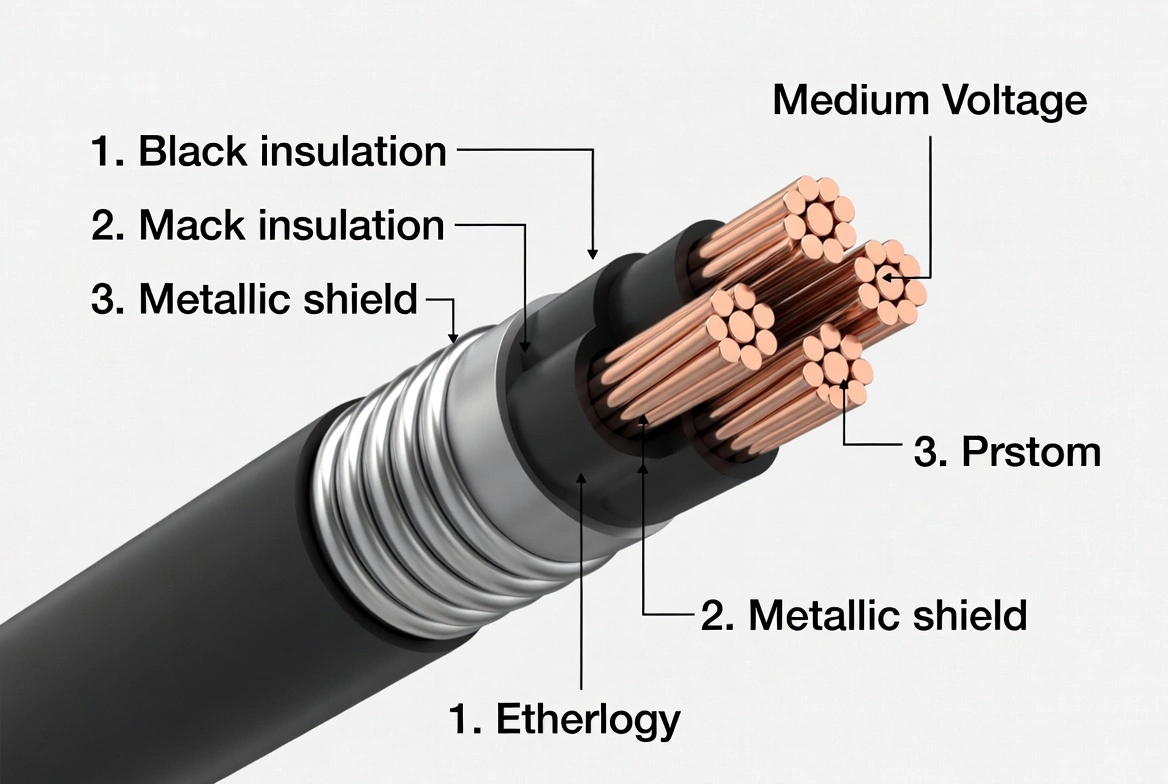
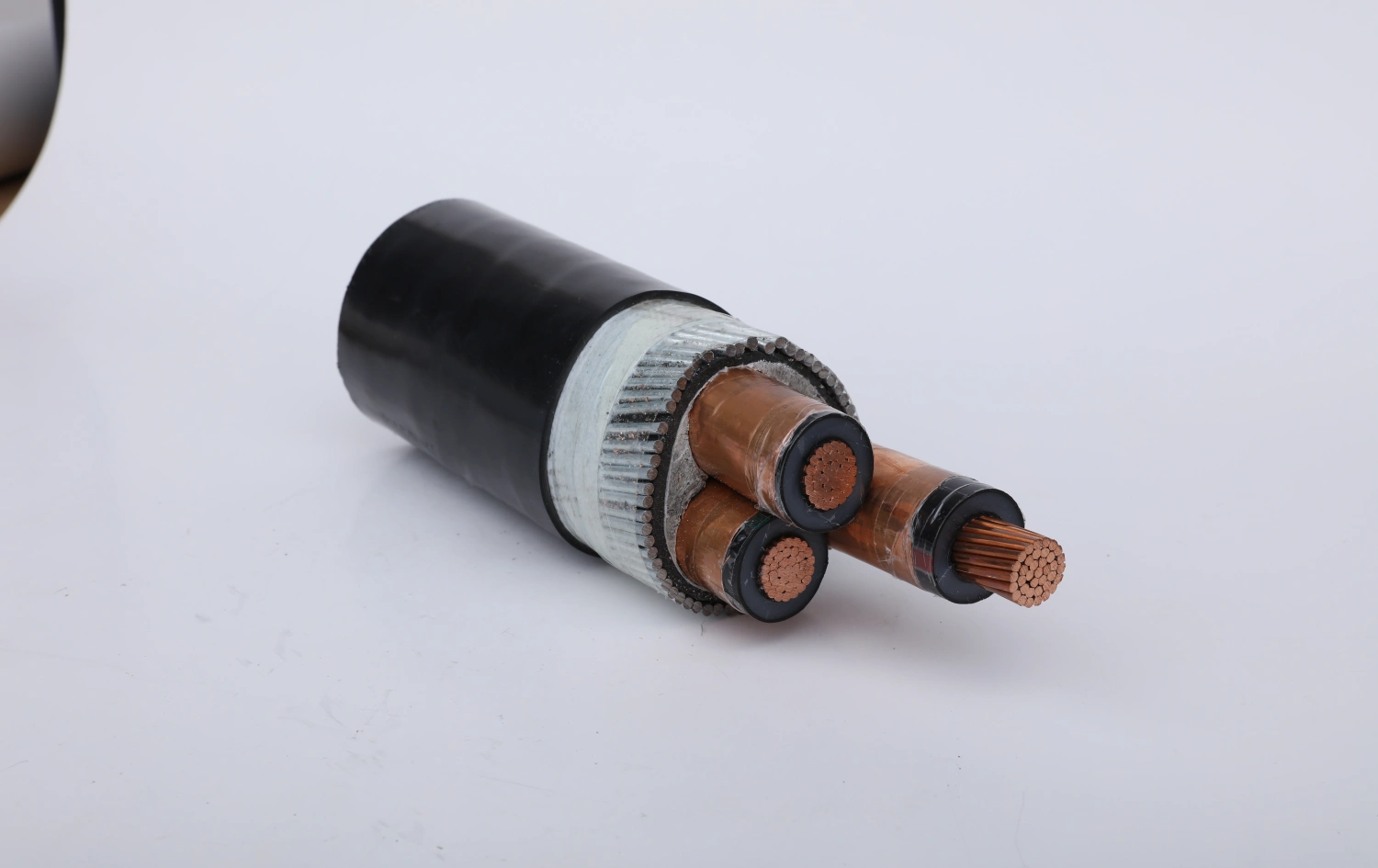
Typical MV Cable Construction
- Copper or aluminum conductor
- Conductor semiconductive shield
- XLPE insulation
- Insulation shield
- Metallic shield (copper tape or wire)
- Outer jacket (PVC, PE, or LSZH)
Each layer plays a critical role in electrical performance, mechanical protection, and thermal stability.
3. MV-105 Standard Explained (Engineering Perspective)
The MV-105 designation indicates a maximum continuous conductor operating temperature of 105°C, making it suitable for high-load and high-ambient environments.
Why MV-105 Matters in Practice
- Higher allowable ampacity
- Improved overload tolerance
- Reduced thermal aging
- Longer service life under cyclic loading
MV-105 cables are widely adopted in utility feeders, substations, data centers, and renewable energy projects.
4. Why XLPE Is the Industry Standard for MV Power Cables
XLPE (Cross-Linked Polyethylene) insulation dominates modern MV cable design due to its electrical and thermal advantages.
Key XLPE Benefits
- High dielectric strength
- Low dielectric losses
- Moisture and chemical resistance
- Superior long-term thermal stability
From field data, XLPE-insulated MV cables consistently outperform legacy insulation types in underground and industrial environments.
5. Technical Datasheet Table (Typical MV-105 XLPE Cable)
The following table reflects industry-standard technical parameters commonly used by reputable MV cable manufacturers.
Table: Medium Voltage Power Cable – Technical Datasheet
|
Parameter |
Typical Value |
|
Voltage Rating |
5 kV – 35 kV |
|
Standard |
MV-105 |
|
Conductor Material |
Copper / Aluminum |
|
Insulation |
XLPE |
|
Max Conductor Temperature |
105°C |
|
Shield Type |
Copper tape / wire |
|
Installation |
Duct, tray, direct burial |
|
Short-Circuit Rating |
Per IEC / IEEE |
|
Service Life |
30–40 years |
This datasheet should always be validated against project-specific standards and installation conditions.
6. Cable Selection Decision Matrix (Engineering & EPC Use)
Selecting the right medium voltage power cable depends on application constraints, environment, and lifecycle cost considerations.
Table: MV Cable Selection Decision Matrix
|
Application Scenario |
Recommended MV Cable Type |
|
Utility distribution feeder |
MV-105 XLPE shielded cable |
|
Industrial plant |
Copper XLPE MV cable |
|
Underground installation |
Armored MV cable |
|
Renewable energy (solar/wind) |
Aluminum XLPE MV cable |
|
Temporary or mobile power |
Flexible medium voltage cable |
|
High fault level areas |
Copper conductor MV cable |
This matrix is frequently used during EPC tender evaluations and design reviews.
7. Copper vs Aluminum Medium Voltage Cables
One of the most common engineering decisions is choosing between copper and aluminum conductors.
Table: Copper vs Aluminum MV Cable Comparison
|
Parameter |
Copper MV Cable |
Aluminum MV Cable |
|
Electrical Conductivity |
Higher |
Lower (≈61% of copper) |
|
Conductor Size |
Smaller |
Larger |
|
Weight |
Heavy |
Lightweight |
|
Installation Ease |
Moderate |
Easier for long runs |
|
Initial Cost |
Higher |
Lower |
|
Mechanical Strength |
Excellent |
Good |
|
Typical Applications |
Industrial, data centers |
Utilities, renewable energy |
Engineering Insight:
Copper is preferred where space, fault levels, and thermal margins are critical. Aluminum is widely used in utility-scale and renewable projects where weight and cost efficiency are priorities.
8. Flexible Medium Voltage Cables: Special Applications
Flexible MV cables are designed for dynamic environments requiring repeated movement or temporary installation.
Typical Use Cases
- Mining operations
- Mobile substations
- Construction power supply
- Emergency restoration systems
While flexibility improves handling, engineers must apply ampacity derating and mechanical stress analysis.
9. Installation & Quality Control Considerations
From field experience, many MV cable failures are installation-related.
Best Practices
- Respect the minimum bending radius
- Control pulling tension
- Use certified terminations and joints
- Perform VLF or AC withstand testing
- Verify grounding continuity
Working with experienced MV cable manufacturers and certified installers is essential.
10. Lifecycle Cost Perspective
Although MV power cables represent a higher upfront investment, total lifecycle cost is driven by:
- Energy losses
- Maintenance frequency
- Failure risk
- Downtime impact
High-quality XLPE MV cables often deliver lower long-term operating costs despite higher initial pricing.
Medium Voltage Power Cables are a cornerstone of reliable power infrastructure. By understanding MV-105 standards, XLPE insulation performance, conductor material trade-offs, and application-driven selection criteria, engineers and procurement teams can make informed decisions that enhance safety, reliability, and lifecycle value.
For utilities, EPC contractors, and industrial operators, partnering with experienced MV cable manufacturers and applying disciplined selection frameworks ensures long-term system performance across power distribution, renewable energy, and critical infrastructure projects.

Related Articles
Related Products
35kV High Voltage Dry Type Transformer
The 35kV High Voltage Dry Type Transformer is a robust, three-phase cast-resin (epoxy-encapsulated) power transformer engineered for safe, reliable high-voltage to medium-voltage or medium-voltage to low-voltage transformation in demanding indoor and protected outdoor substation applications. With full high-conductivity copper windings and advanced vacuum-cast resin insulation, it eliminates oil fire risks, environmental hazards, and routine maintenance while providing superior dielectric strength, thermal endurance, excellent resistance to moisture/dust/pollution, and very low noise levels in fire-regulated. Fully compliant with IEC 60076-11, IEC 60076-1/2/3/5/20, EN 50588-1 (eco-design), IEEE C57.12.01, IEEE C57.12.91, UL 1561 (optional), and aligned with DOE efficiency guidelines (exceeding 2016 levels and prepared for 2029 loss-reduction amendments), this series achieves excellent energy efficiency (typically 99.25–99.55% at full load), ultra-low no-load and load losses, strong overload capability (up to 150% short-term), low sound levels (<65 dB standard; <60 dB low-noise execution), and a design life exceeding 40 years with virtually zero maintenance.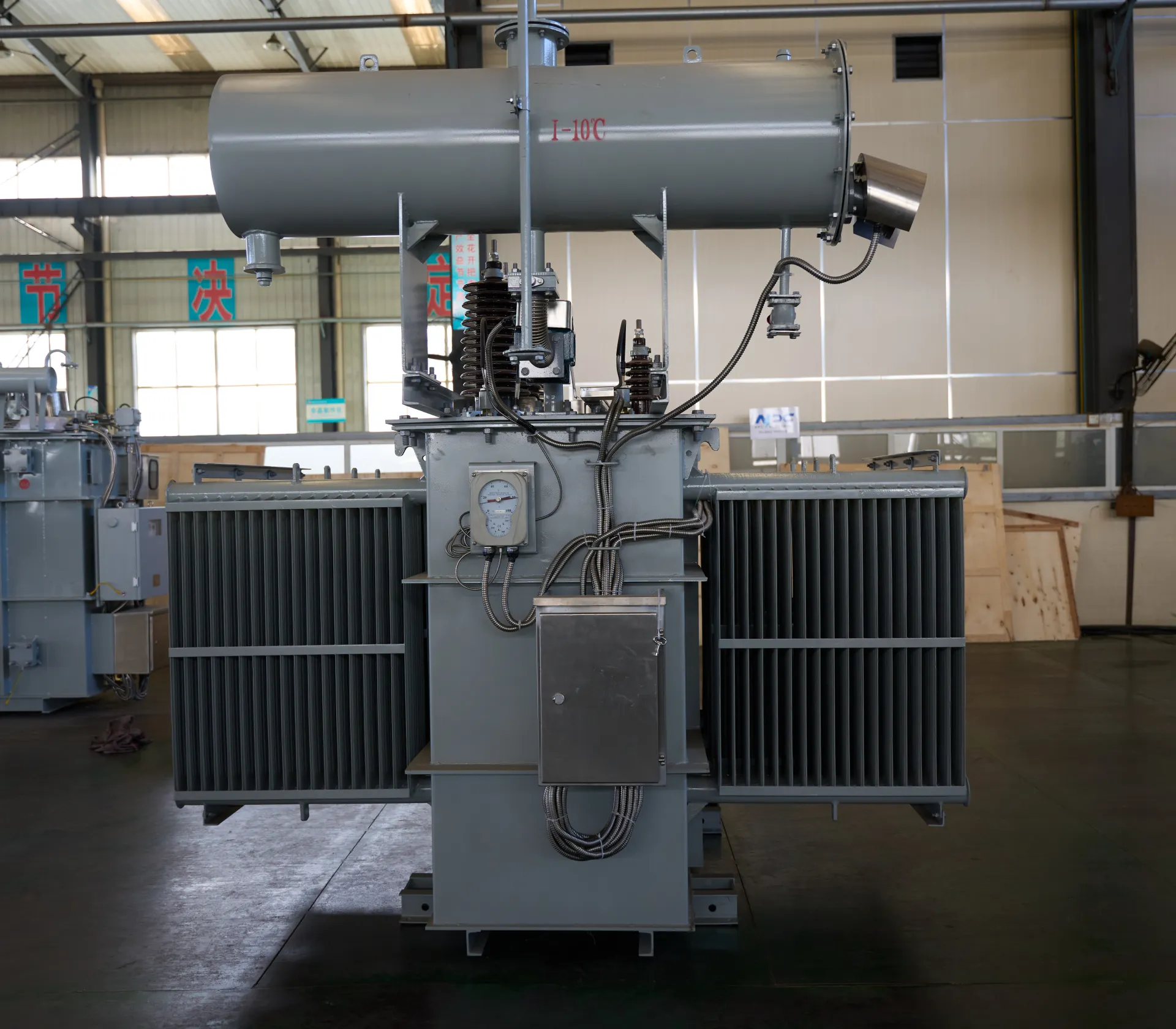
350kVA 10kV/0.4kV Three Phase Oil Immersed Power Distribution Transformer
Elevate your power distribution system with the advanced 350kVA 10kV/0.4kV Three Phase Oil Immersed Power Distribution Transformer, expertly crafted for optimal performance and energy savings in modern electrical infrastructures. This three-phase transformer employs cutting-edge amorphous metal cores and high-conductivity copper windings to significantly reduce core losses and achieve outstanding efficiency levels exceeding 98.5%. The fully sealed oil-immersed design with superior PCB-free mineral oil provides exceptional insulation, natural cooling, and resistance to overloads, ensuring stable operation in varied conditions. Equipped with low-noise technology and a durable corrugated tank for enhanced heat dissipation, it offers quiet performance and extended lifespan over 30 years. Meeting stringent standards such as IEC 60076 and EN 50588-1 for eco-friendly operation, this 350kVA transformer delivers reliable voltage transformation, minimizes downtime, and contributes to lower electricity costs for commercial and residential networks.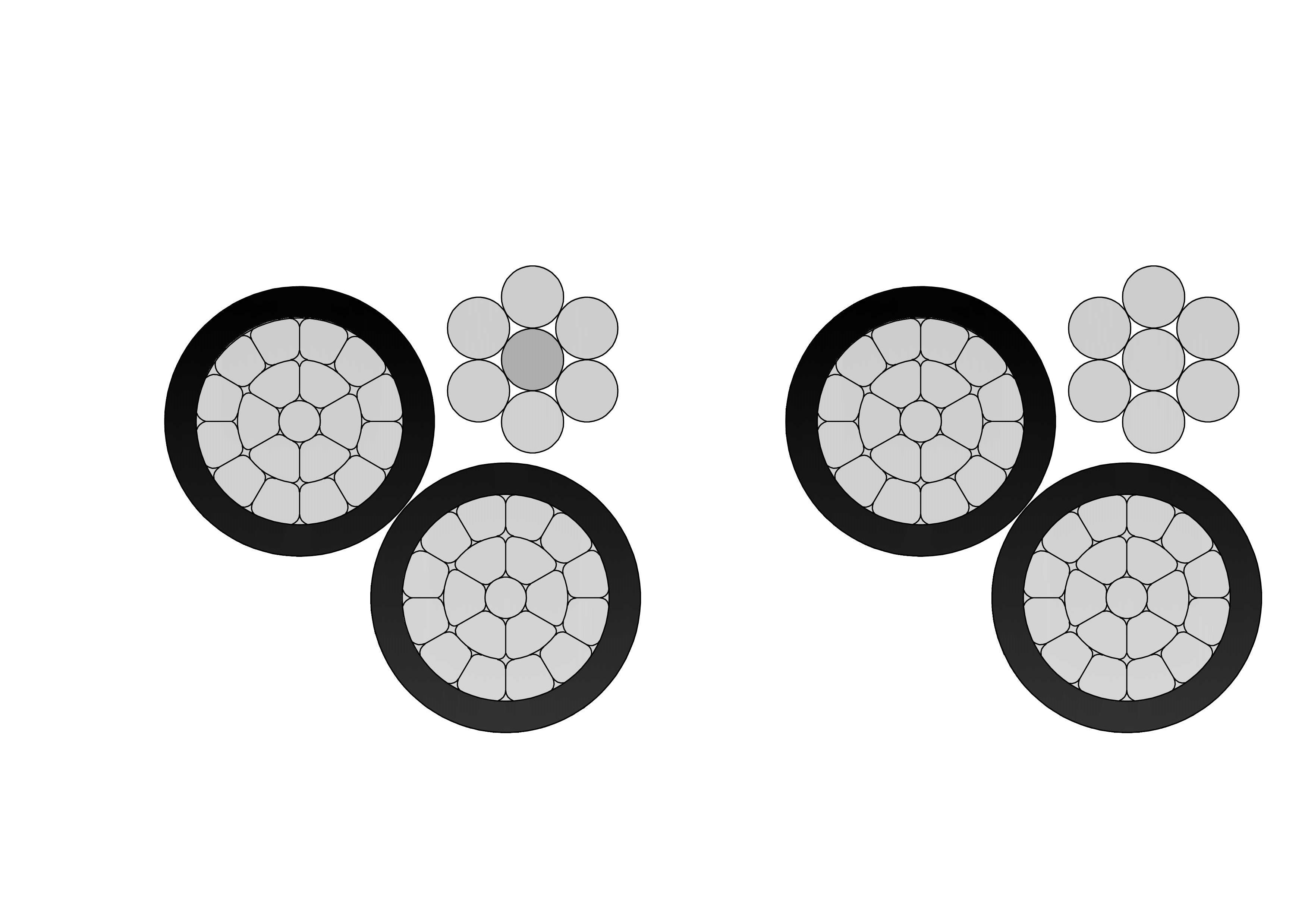
3/0 Cherrystone Aluminum Conductor Triplex Overhead Service Cable
The 3/0 Cherrystone Aluminum Conductor Triplex Overhead Service Cable is engineered to deliver safe, efficient, and durable overhead power distribution for utility networks. It features two insulated aluminum phase conductors helically wrapped around a bare aluminum neutral messenger, providing strong mechanical support and stable electrical performance. Manufactured using premium aluminum materials and high-performance insulation compounds, the 3/0 Cherrystone Aluminum Conductor Triplex Overhead Service Cable offers excellent resistance to corrosion, UV radiation, and environmental stress. Its optimized structure supports easy handling and installation while meeting utility and industry standards. The cable performs reliably under mechanical load, temperature variation, and prolonged outdoor exposure. Strict quality management systems and detailed testing procedures are implemented throughout production to ensure consistent performance and dependable service life.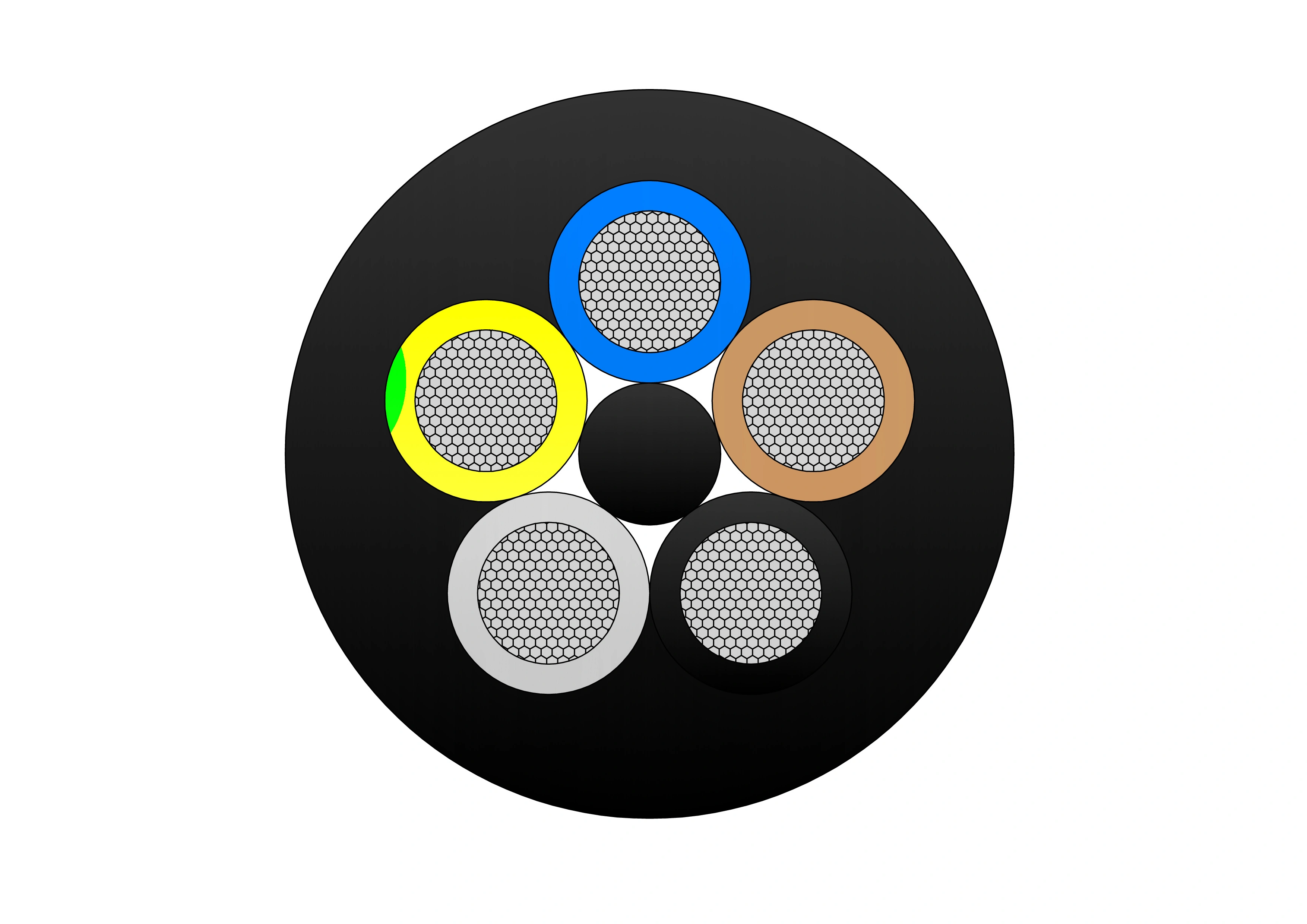
(N)TSCGEWOU 3.6/6kV, 6/10kV, 8.7/15kV and 12/20kV FO Cable
The (N)TSCGEWOU 3.6/6kV, 6/10kV, 8.7/15kV and 12/20kV FO Cable is a flexible, heavy-duty medium-voltage trailing/reeling cable with integrated fiber optic (FO) elements for combined power and high-speed data transmission in mining and tunneling. It features class 5 finely stranded tinned copper phase conductors for flexibility and corrosion resistance, semi-conductive screens, EPR insulation for superior dielectric strength and 90°C rating, copper braid screen for EMI protection and grounding, control conductors, monitoring conductor (ÜL), central or distributed multimode/single-mode fiber optic cores (protected in gel-filled tubes for water resistance and mechanical protection), and a tough rubber outer sheath resistant to oil, flame, abrasion, and mechanical stress. Compliant with DIN VDE 0250 and relevant IEC standards, it supports high tensile loads, fast reeling speeds, and tight bending radii while enabling real-time monitoring and communication. The (N)TSCGEWOU FO ensures safe, reliable MV power and data delivery to mobile equipment like shearers, tunnel boring machines, and smart conveyors in harsh underground environments.
6kV Three-Phase Oil-Immersed Power Transformer
The 6kV Three-Phase Oil-Immersed Power Transformer is designed for stable and efficient voltage conversion in industrial and commercial power distribution systems. With a durable oil-immersed insulation structure and high-quality copper windings, it offers excellent thermal performance, strong dielectric strength, and reliable operation under varying load conditions. Its compact design, robust core materials, and advanced cooling system ensure low losses, reduced noise, and long service life. This 6kV transformer is suitable for factories, mining sites, distribution stations, and utility networks requiring consistent and safe electrical power supply. Engineered to meet international standards, it provides dependable performance and high efficiency across diverse low-to-medium voltage applications.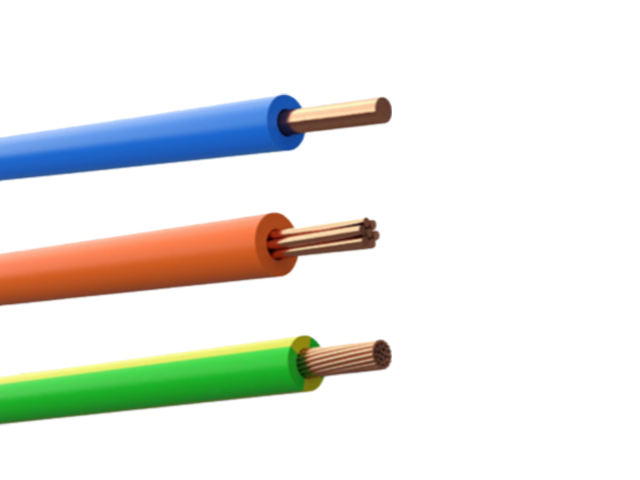
H07V-U H07V-R H07V-K
H07V-K cable is used for the internal wiring of electric motors and transformers as well as other electrical appliances and lighting applications. It can be used in and at electronic appliances for measuring, regulating and controlling. The cables are also ideal for laying in pipes, surface wiring and conduit installations. Specifications according to HD 516 apply for respective specific applications. H07V-U cable is intended for the installation to inside of apparatus as well as for the protective laying to the lightings, in dry rooms, in production facilities, switch and distributor boards, in tubes, under and surface mounting of plasters. H07V-R cable is preferably for installation indoors, in cable ducts, and in industrial plants or switching stations, under ground installation. It can be used in switchboards and distributor boards or where a thicker strand of multi-wire is required. Found in electronic and electrical equipment and switch gear cabinets designed for export to a European country and for MRO replacement of European-made equipment wire.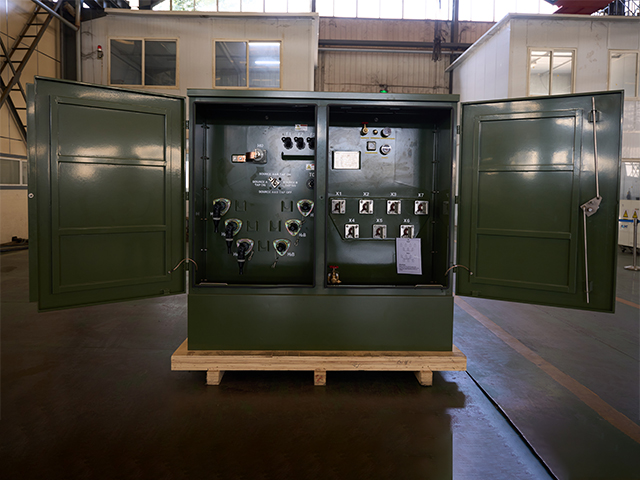
5000kVA Three Phase Pad Mounted Transformer
NPC ELECTRIC's 5000kVA Three Phase Pad Mounted Transformer (5 MVA) is a robust, liquid-immersed compartmental distribution transformer built for high-capacity outdoor pad-mounted installations on concrete foundations. Compliant with updated DOE energy conservation standards (post-2024 amendments, targeting high efficiency levels around 99.68% for 5000 kVA units), ANSI/IEEE C57.12.00, C57.12.34, C57.12.90, and related CSA/IEC norms, this transformer delivers top-tier energy efficiency, minimal no-load and load losses, and exceptional reliability in utility-scale, industrial, and commercial power systems. The tamper-resistant, weatherproof steel enclosure (dead-front or live-front) with NEMA 3R-equivalent protection ensures safety, reduced maintenance, and seamless blending into urban, suburban, or remote environments.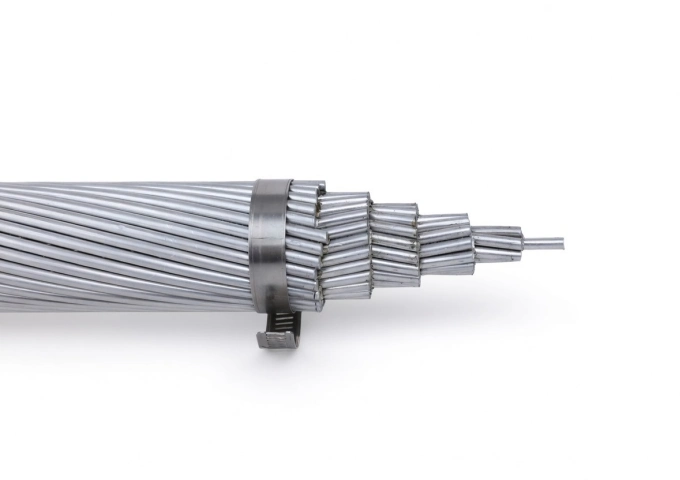
715.5 MCM Violet AAC Cable
The 715.5 MCM Violet AAC Cable is a high-performance All Aluminum Conductor designed for demanding overhead power transmission and distribution lines. Manufactured with 37 strands of premium 1350-H19 aluminum wire in a concentric lay configuration, this bare conductor provides excellent electrical conductivity with a low DC resistance of 0.024 ohms per 1000 ft at 20°C. Featuring an overall diameter of 0.974 inches and a rated breaking strength of 12,800 lbs, the Violet AAC delivers a robust ampacity of 823 amps while weighing only 671.7 lbs per 1000 ft. Its optimized strength-to-weight ratio minimizes sag and structural loading. Fully compliant with ASTM B-230 and B-231 standards, the 715.5 MCM Violet AAC Cable offers outstanding corrosion resistance for long-term durability in harsh outdoor environments, making it the preferred choice for utility networks requiring cost-effective, high-reliability bare aluminum conductors.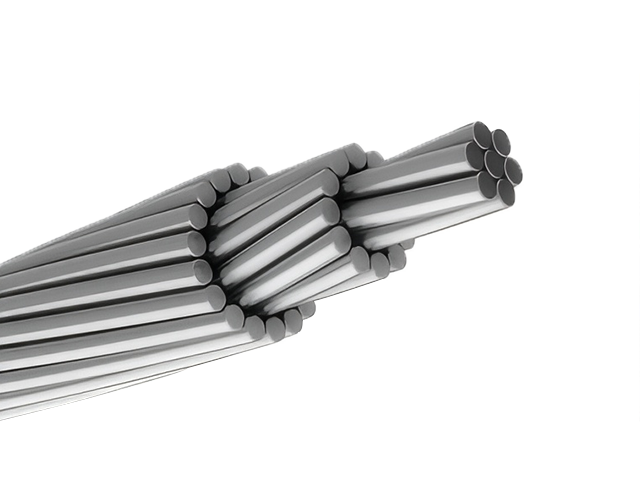
954 MCM CARDINAL ACSR Conductor Cable
The ACSR CAA 954 MCM 54/7F CARDINAL is a high-capacity, heavy-duty Aluminium Conductor Steel Reinforced (ACSR) cable engineered for the reliable transmission of electrical power over long-span overhead lines. It features 54 hard-drawn 1350-H19 aluminium strands concentrically laid around 7 galvanized steel strands, offering an optimized balance between excellent electrical conductivity and mechanical strength. Manufactured to meet the requirements of ASTM B232, the CARDINAL configuration is a trusted industry standard, widely adopted in high-voltage transmission systems. The galvanized steel core, available in Class A or B coatings, provides superior corrosion resistance and structural support, making this conductor ideal for outdoor environments exposed to wind, ice, and mechanical loading. The 54/7F strand design ensures increased current-carrying capacity and lower resistance, making it suitable for use in critical infrastructure and utility-grade transmission networks. Its cost-effective design makes it popular for utility upgrades and rural electrification, ensuring reliable power delivery with minimal maintenance in overhead transmission and distribution systems worldwide.
(N)TSCGECEWOU 3.6/6kV and 6/10kV ATB Cable
The (N)TSCGECEWOU 3.6/6kV and 6/10kV ATB Cable is a flexible, heavy-duty medium-voltage trailing/reeling cable with anti-torsion braid (ATB) for superior torsional stability in extreme mining conditions. It features class 5 finely stranded tinned copper phase conductors for flexibility and corrosion resistance, semi-conductive conductor and insulation screens, EPR insulation for high dielectric strength and 90°C rating, copper wire braid screen for EMI/grounding, control conductors, monitoring conductor (ÜL), anti-torsion polyester braid for reduced twisting under dynamic loads, and a tough rubber outer sheath resistant to oil, flame, abrasion, and mechanical stress. Compliant with DIN VDE 0250, it handles high tensile forces, fast reeling, and tight bends while providing EMC protection. The (N)TSCGECEWOU ATB ensures safe, reliable MV power to mobile equipment like draglines, shovels, and tunnel boring machines in harsh opencast/underground environments.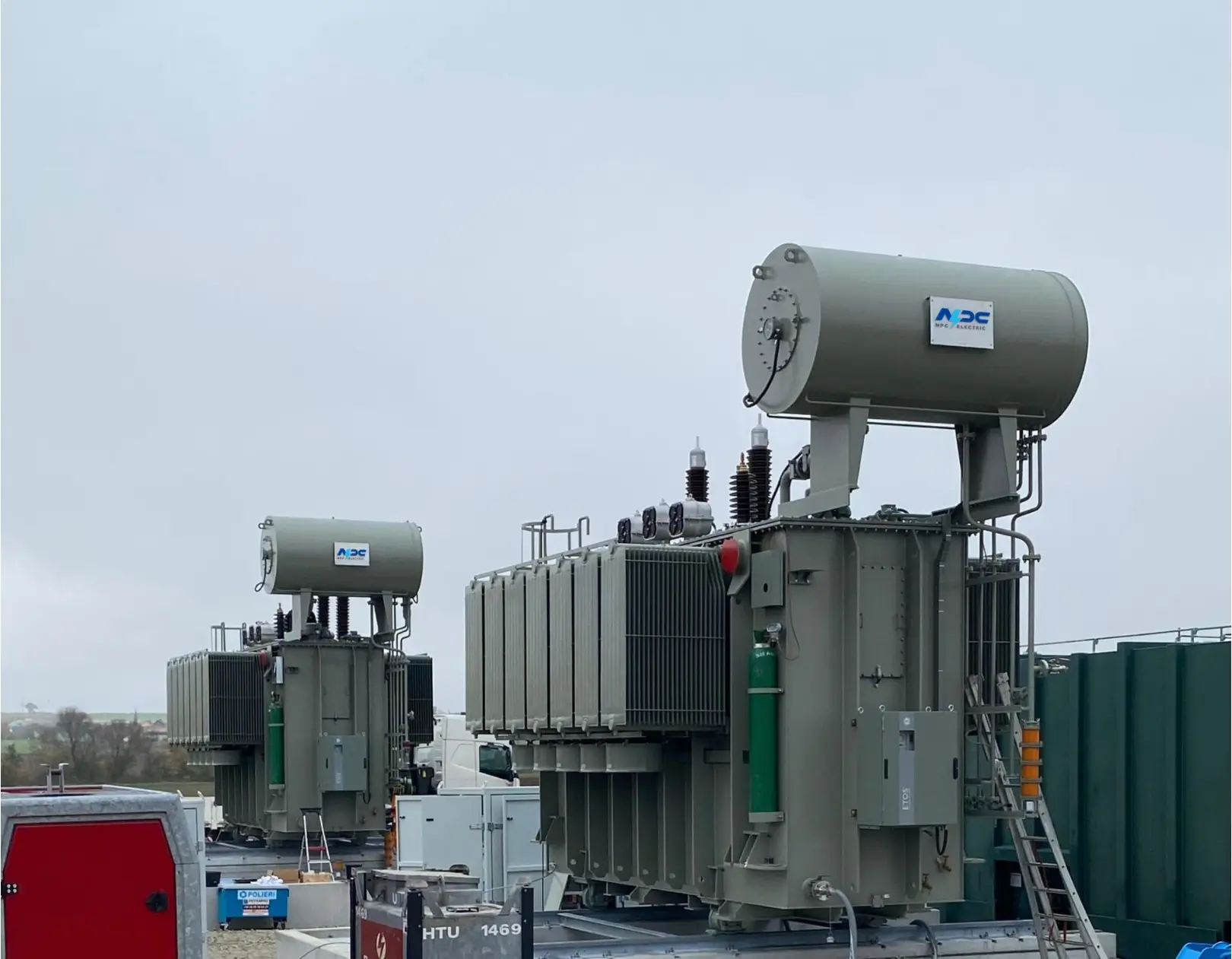
50kV 1000kVA Outdoor Three-Phase Oil-Immersed Power Transformer for Distribution
The 50kV 1000kVA Outdoor Three-Phase Oil-Immersed Power Transformer for Distribution is engineered to deliver high efficiency, stable voltage regulation, and long-term service reliability in medium-voltage distribution networks. Designed for outdoor installation, the transformer features a robust oil-immersed cooling system, high-grade silicon steel core, and pure copper windings to ensure excellent thermal performance and low-loss characteristics. Its rugged, weatherproof construction withstands harsh climates, ensuring continuous operation in industrial plants, utility grids, mining sites, and renewable energy distribution stations. With optimized insulation, superior dielectric strength, and advanced protection configurations, the transformer offers enhanced safety and reduced maintenance. This unit is ideal for step-down power distribution scenarios requiring consistent performance and dependable energy delivery.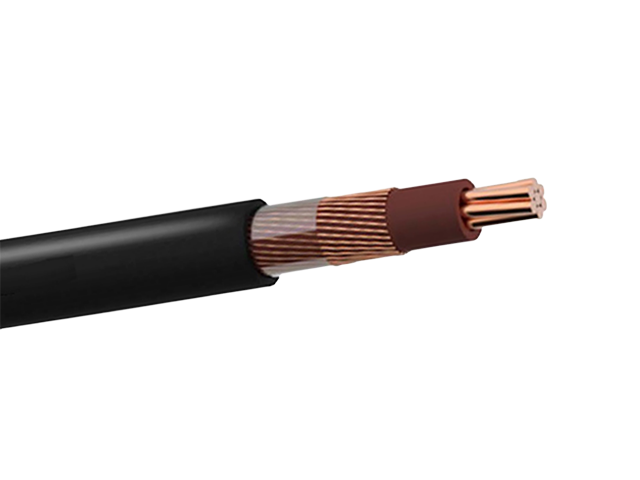
Airdac SNE & CNE Concentric Cable
The Airdac SNE & CNE Concentric Cable is a robust low-voltage aerial service connection cable designed for reliable house service from the distribution network to the consumer meter. It features a circular stranded hard-drawn copper phase conductor insulated with XLPE, surrounded by concentrically arranged neutral and earth conductors, and protected by a black polyethylene sheath. The SNE version provides separate neutral and earth conductors, while the CNE version combines them for simplified earthing. With a nylon ripcord for easy stripping and UV-stabilized materials, this cable offers excellent mechanical strength, electrical performance, and long-term durability. Manufactured to SANS 1507-6 and related standards, the Airdac SNE & CNE Concentric Cable undergoes rigorous quality testing from raw materials to finished product, ensuring safe, tamper-resistant, and vandal-proof performance in overhead or underground installations.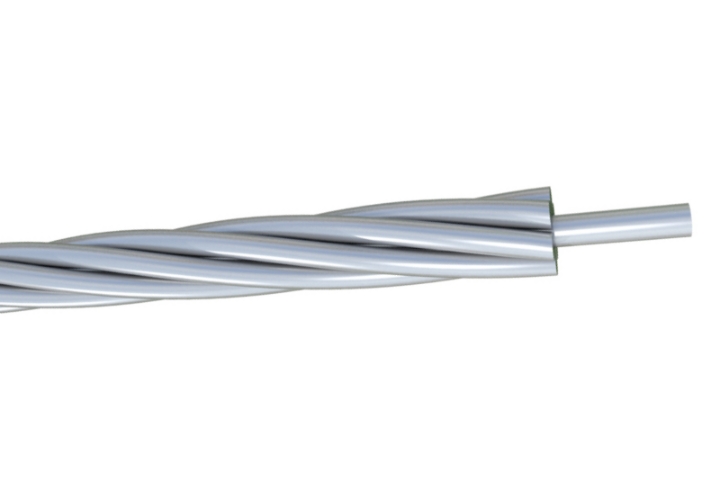
Galvanized Steel Conductor
The Galvanized Steel Conductor Cable Guard Wire offers robust mechanical protection for overhead power systems. Constructed from premium high-tensile steel wires with Class A or B hot-dip galvanization, it delivers exceptional resistance to rust, abrasion, and environmental stress. Meeting standards like ASTM A475 and BS EN 50189, this guard wire provides high breaking strength and flexibility for spanning long distances. Installed as an overhead shield, it prevents damage to conductors from external impacts, reducing downtime and maintenance costs. The uniform zinc layer ensures decades of service life even in coastal or polluted areas. Select our Galvanized Steel Conductor Cable Guard Wire for reliable overhead line guarding in electric utilities, telecommunications, and infrastructure projects worldwide.
11kV Three-Phase Oil-Immersed Power Transformer
The 11kV Three-Phase Oil-Immersed Power Transformer is engineered for stable and efficient distribution across medium-voltage networks. Designed with high-grade silicon steel, advanced insulation systems, and premium mineral oil, this transformer ensures superior dielectric strength, excellent heat dissipation, and long service life. Its oil-immersed configuration delivers reliable cooling performance, enabling continuous operation under varying load conditions. The three-phase design ensures balanced power delivery, reduced energy losses, and improved grid stability. With enhanced short-circuit strength, low noise levels, and robust mechanical structure, it is suitable for industrial facilities, commercial complexes, substations, and utility distribution networks. Custom voltage ratios, tap changers, protection devices, and enclosure options are available to meet regional standards and project-specific requirements.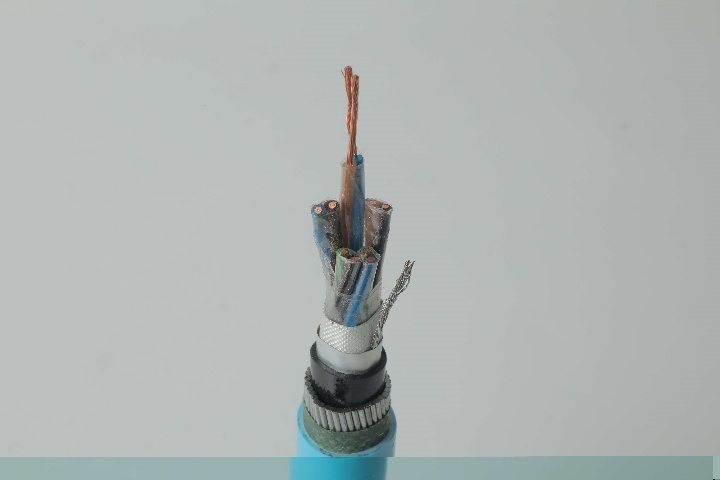
Instrumentation Cables—XLPE Insulated, Overall Screened, Lead Sheathed, Wire Armoured,PVC Sheathed Cables(CU/XLPE/OSCR/LEAD/SWA/PVC)
Instrumentation Cables with XLPE Insulated, Overall Screened, Lead Sheathed, Wire Armoured and PVC Sheathed construction (CU/XLPE/OSCR/LEAD/SWA/PVC) are designed for reliable signal and control transmission in harsh and corrosive environments. The copper conductor combined with XLPE insulation provides excellent electrical performance, thermal stability, and long service life. The overall screen effectively reduces electromagnetic interference, ensuring accurate signal transmission in complex industrial systems. A continuous lead sheath offers superior protection against moisture ingress, chemical attack, and hydrocarbon exposure. Steel wire armour enhances mechanical strength, making the cable suitable for demanding installation conditions. The outer PVC sheath provides additional environmental and mechanical protection. These instrumentation cables are widely used where durability, signal integrity, and environmental resistance are essential.Welcome your inquiry
Honesty, Integrity, Frugality, Activeness and Passion