
Power Cables vs Control Cables: Complete Comparison Guide
2026-06-08
In modern industrial and power distribution systems, selecting the right cable is critical for safety, efficiency, and long-term reliability. Power cables and control cables serve fundamentally different roles despite appearing similar in construction.
Power cables transmit large amounts of electrical energy, while control cables handle low-power signals for monitoring, automation, and command transmission. Misapplying one for the other can lead to overheating, signal interference, equipment failure, or safety hazards. This guide examines their differences from a practical field perspective, focusing on voltage, construction, materials, applications, and selection criteria for international projects.
From an engineering perspective, selecting the wrong type of cables can result in signal interference, overheating, insulation failure, or system downtime. Therefore, understanding their structural and functional differences is critical for industrial applications, infrastructure projects, and export-oriented procurement.
Understanding Power Cables: Transmitting Electrical Energy
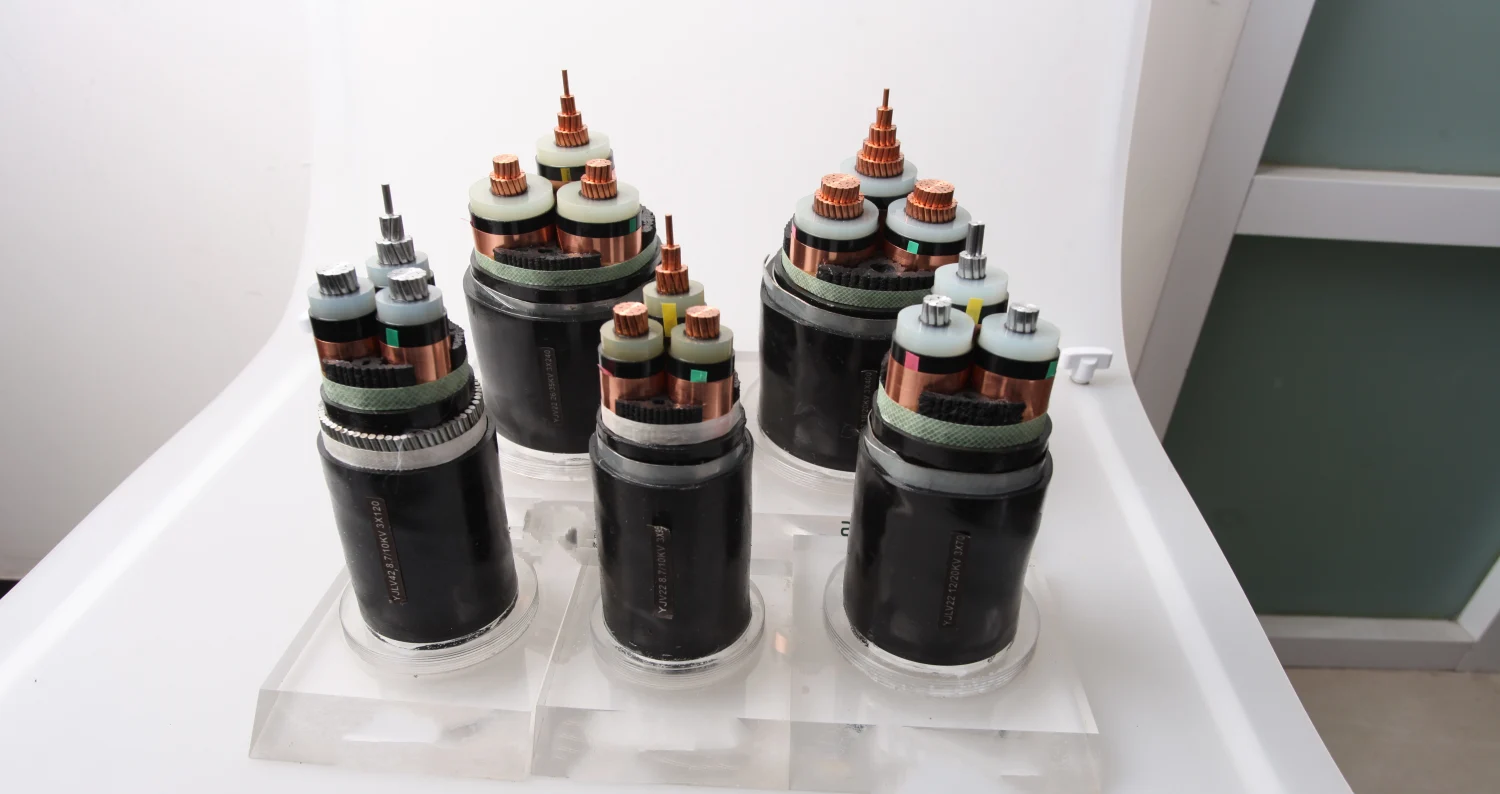
Power cables are engineered primarily for delivering electrical power from sources like transformers or generators to loads such as motors, panels, and distribution networks. Their core function centers on handling high current and voltage with minimal losses and maximum safety.
Voltage classifications define the types of power cables. Low voltage (LV) power cables operate up to 1 kV (commonly 0.6/1 kV) and suit building wiring, lighting, and small machinery. Medium voltage (MV) power cables range from 1 kV to 35 kV for regional distribution and industrial substations. High voltage (HV) power cables exceed 35 kV, supporting long-distance transmission in utility grids.
Construction reflects these demands. Conductors, typically stranded copper or aluminum for flexibility and reduced skin effect, feature larger cross-sections (from 10 mm² up to 500 mm² or more) to manage high currents. Insulation thickness is substantial to withstand dielectric stress. Common materials include XLPE (cross-linked polyethylene) for superior thermal stability, moisture resistance, and higher operating temperatures (up to 90°C continuously, with short-circuit ratings to 250°C). Polyvinyl chloride (PVC) serves cost-sensitive LV applications but offers lower heat resistance.
Power cables usually have fewer cores—single-core for HV transmission or 2–5 cores (three-phase plus neutral/earth) for LV/MV systems. Armoring (steel wire or tape) and outer sheaths provide mechanical protection against crushing, abrasion, and environmental factors in buried or aerial installations. In field practice, engineers calculate ampacity based on installation method (air, ground, duct), ambient temperature, and grouping factors to prevent derating and thermal runaway.
XLPE-insulated power cables dominate modern designs due to lower dielectric losses, lighter weight, and longer service life compared to older paper-insulated types. However, proper jointing and termination remain essential, as partial discharges from poor installation can accelerate aging in MV and HV systems.
Understanding Control Cables: Enabling Automation and Signal Transmission
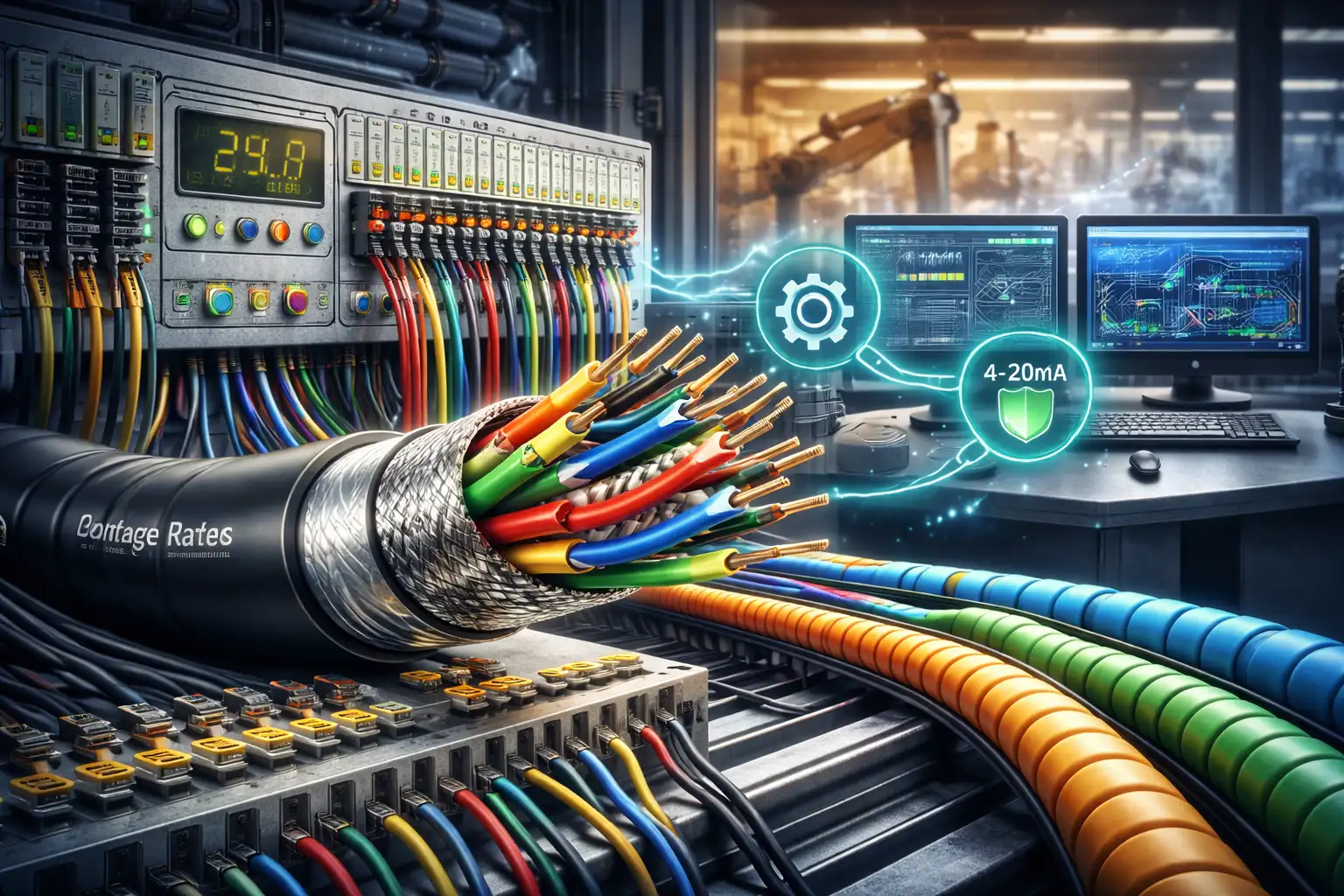
Control cables act as the nervous system of industrial setups, transmitting low-level signals for automation control, sensor feedback, PLC inputs/outputs, relays, and instrumentation. They prioritize signal integrity over power capacity.
Voltage ratings stay low, typically 300/450 V, 300/500 V, or 450/750 V, with some specialized versions reaching 600/1000 V. High-voltage control signal cables are uncommon because control circuits operate at signal levels (milliamps to a few amps), making high-voltage designs unnecessary and inefficient.
Construction emphasizes multiplicity and protection. Conductors use fine-stranded copper for flexibility and low resistance, with small cross-sections (0.5 mm² to 10 mm² maximum). Cables often contain 2 to 61 cores or more, each individually insulated and color- or number-coded for easy identification during termination. This multicore design allows one cable to carry multiple control signals, reducing wiring complexity in panels and machines.
Shielding is a key differentiator. Braided copper or foil shields combat electromagnetic interference (EMI) from nearby power lines or motors, preserving signal accuracy in noisy environments. Polyvinyl chloride (PVC) insulation and sheathing provide good flexibility and chemical resistance for indoor use, while halogen-free or oil-resistant variants suit harsh conditions. Flexibility matters in applications involving moving machinery, robotic arms, or frequent bending, where rigid power cables would fatigue and fail.
In practice, control cables must maintain low capacitance and resistance to avoid signal distortion over distance. Installers separate them from power cables in trays or conduits to minimize induced voltages that could corrupt PLC signals or cause nuisance tripping.
Key Differences: A Rigorous Side-by-Side Analysis
From a working perspective, the distinctions between power cables and control cables appear in every project phase—design, installation, maintenance, and troubleshooting.
Voltage and current handling form the foundation. Power cables manage high loads (hundreds of amps), requiring thicker insulation to prevent breakdown. Control cables handle minimal currents, focusing on precision. For example, a 50 mm² LV power cable might carry 150 A for a motor, while a 1 mm² control core manages under 10 A for signaling.
Core count and conductor size differ sharply. Power cables limit cores to 1–5 with large sections for efficient power delivery. Control cables use many small cores for parallel signal paths, simplifying complex automation wiring.
Insulation and mechanical properties vary accordingly. Power cables, especially XLPE types, feature robust, thick layers for dielectric strength and thermal endurance. Control cables prioritize thinner, more flexible insulation with shielding layers. In the same environment, power cable insulation and sheaths are noticeably thicker to withstand higher stresses.
Current-carrying capacity and losses reflect purpose. Oversized power cables waste material and cost; undersized ones overheat. Control cables emphasize stable contact resistance to prevent intermittent signals that disrupt automated processes.
Color coding and identification aid field work. Power cables often follow phase colors (brown/black/grey for phases), while control cables use numbered or black-with-white cores for signal tracing.
These differences influence safety standards. Power cables comply with strict ampacity and short-circuit ratings under IEC 60502 or equivalent. Control cables focus on IEC-compliant shielding effectiveness and flexibility tests for automation reliability.
To clearly illustrate these distinctions from a practical engineering perspective, the following comparison tables summarize the core differences between power cables and control cables across key parameters.
Table 1: Power Cables vs Control Cables – Quick Overview Comparison
|
Parameter |
Power Cables |
Control Cables |
|
Primary Function |
Transmitting electrical energy / electrical power |
Transmitting control signals for automation control |
|
Voltage Rating |
LV (up to 1 kV), MV (1–35 kV), HV (>35 kV) |
Typically 300/450 V, 300/500 V or 450/750 V |
|
Conductor Size |
Large cross-section (10 mm² to 500 mm²+) |
Small cross-section (0.5 mm² to 10 mm²) |
|
Number of Cores |
1 to 5 cores (single-core or multi-core) |
2 to 61+ cores (multicore) |
|
Insulation Focus |
Thick insulation for dielectric strength (XLPE or PVC) |
Thin, flexible insulation with emphasis on shielding |
|
Shielding |
Limited (mainly for HV) |
Common (braided copper or foil for EMI protection) |
|
Flexibility |
Lower (more rigid for high current) |
Higher (suitable for moving machinery) |
|
Typical Applications |
Power distribution, motors, substations |
PLC, sensors, instrumentation, robotic systems |
Table 2: Detailed Technical Comparison (Power Cables vs Control Cables)
|
Characteristic |
Power Cables (LV / MV / HV) |
Control Cables |
|
Voltage Classes |
LV Power Cable (0.6/1 kV), MV Power Cable (up to 35 kV), HV Power Cable (>35 kV) |
Low voltage, rarely exceeds 1 kV |
|
Conductor Material & Type |
Stranded copper or aluminum conductors |
Fine-stranded copper conductors |
|
Insulation Materials |
XLPE cable (preferred for high temperature & moisture resistance), Polyvinyl Chloride (PVC) |
Polyvinyl Chloride (PVC) or special halogen-free compounds |
|
Insulation Thickness |
Thicker to withstand high voltage stress and thermal loads |
Thinner, prioritizing flexibility and signal integrity |
|
Mechanical Protection |
Armoring (steel wire/tape) common for buried or exposed installations |
Shielding primary; armoring optional |
|
Current Carrying Capacity |
High (hundreds of amps), critical for transmitting electrical power |
Low (milliamps to a few amps), focused on signal accuracy |
|
EMI / Interference Protection |
Minimal in standard LV; special shielding in HV |
Essential shielding to protect high-voltage control signal cables from noise |
|
Color Coding / Identification |
Phase colors (brown, black, grey, etc.) |
Numbered cores or black with white numbering for easy signal tracing |
|
Standards Compliance |
IEC 60502 for power cable types |
IEC 60227 / equivalent for control and instrumentation cables |
|
Installation Considerations |
Ampacity calculation, derating for grouping & temperature critical |
Routing separation from power cables to avoid induced voltage |
|
Common Types |
XLPE cable, armored LV/MV/HV power cables |
Multicore shielded control cables, high voltage control signal cables (special) |
Practical Applications in Industrial and Export Contexts
In real-world projects, power cables feed main distribution boards, heavy motors, HVAC systems, and substations. LV power cables dominate commercial buildings and the light industry. MV power cables serve factory incoming supply or mining operations. HV cables support utility-scale transmission, often with specialized accessories for terminations.
Control cables excel in automation control systems, connecting sensors, actuators, variable frequency drives (VFDs), and SCADA networks. They appear in manufacturing lines, process plants, robotic cells, and instrumentation panels where reliable signal transmission ensures precise operation.
Hybrid installations require careful routing. Running control cables parallel to high-power lines without separation or shielding invites interference, leading to costly downtime. International export projects must consider destination standards—IEC for most markets, with adaptations for UL/CSA in North America or specific environmental ratings (UV, oil, fire) for harsh climates.
How to Choose the Right Cable: Field-Oriented Selection Guide
Selecting between power and control cables demands a systematic approach grounded in project requirements:
- Define the primary function: Electrical energy transmission points to power cables (LV/MV/HV); signal or automation control indicates control cables.
- Assess voltage and load: Match rated voltage and calculate current with derating factors for temperature, grouping, and installation method.
- Evaluate environment: Choose XLPE for high-temperature or buried power runs; opt for shielded, flexible control cables in EMI-heavy or dynamic settings.
- Consider mechanical needs: Armored power cables for direct burial; highly flexible multicore control cables for cable chains.
- Review standards and certifications: Ensure compliance with IEC 60502 for power cables and relevant control cable specs for signal integrity and safety.
- Factor in lifecycle costs: Higher initial investment in quality XLPE or shielded cables often reduces long-term failures and maintenance.
In international projects, consult local regulations, ambient conditions, and future expansion. Prototyping or site surveys help validate choices before bulk procurement.
Conclusion: Making Informed Decisions for Reliable Systems
Power cables and control cables complement each other in modern electrical infrastructure. Power cables deliver the energy backbone with robust LV, MV, and HV designs using materials like XLPE and copper conductors. Control cables provide the intelligence layer through precise, shielded multicore constructions optimized for automation control and signal transmission.
Understanding these distinctions—from voltage rating and construction to practical applications—prevents common field errors and ensures safe, efficient performance. For exporters and engineers, this knowledge supports compliant, competitive offerings tailored to global markets. Always verify specifications with manufacturers and perform proper testing during installation to achieve optimal results in transmitting electrical power and enabling sophisticated control systems.

Related Articles
Related Products
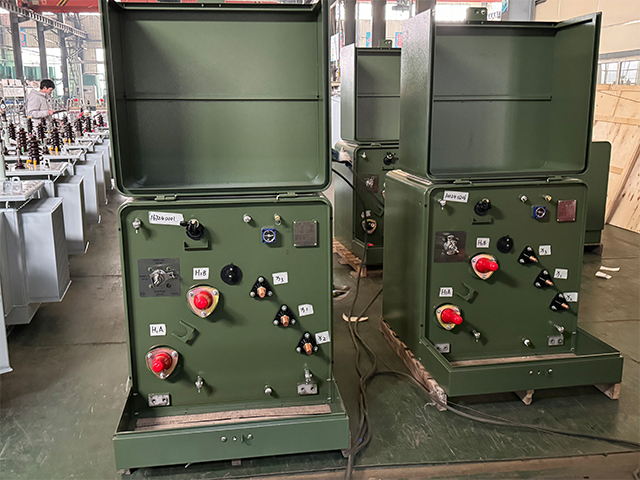
5kVA Single Phase Pad Mounted Transformer
The 5kVA Single Phase Pad Mounted Transformer is designed for reliable and efficient power distribution in residential, commercial, and light industrial applications. Ideal for medium-density areas, this transformer steps down high-voltage electricity to a usable lower voltage for safe distribution to homes and businesses.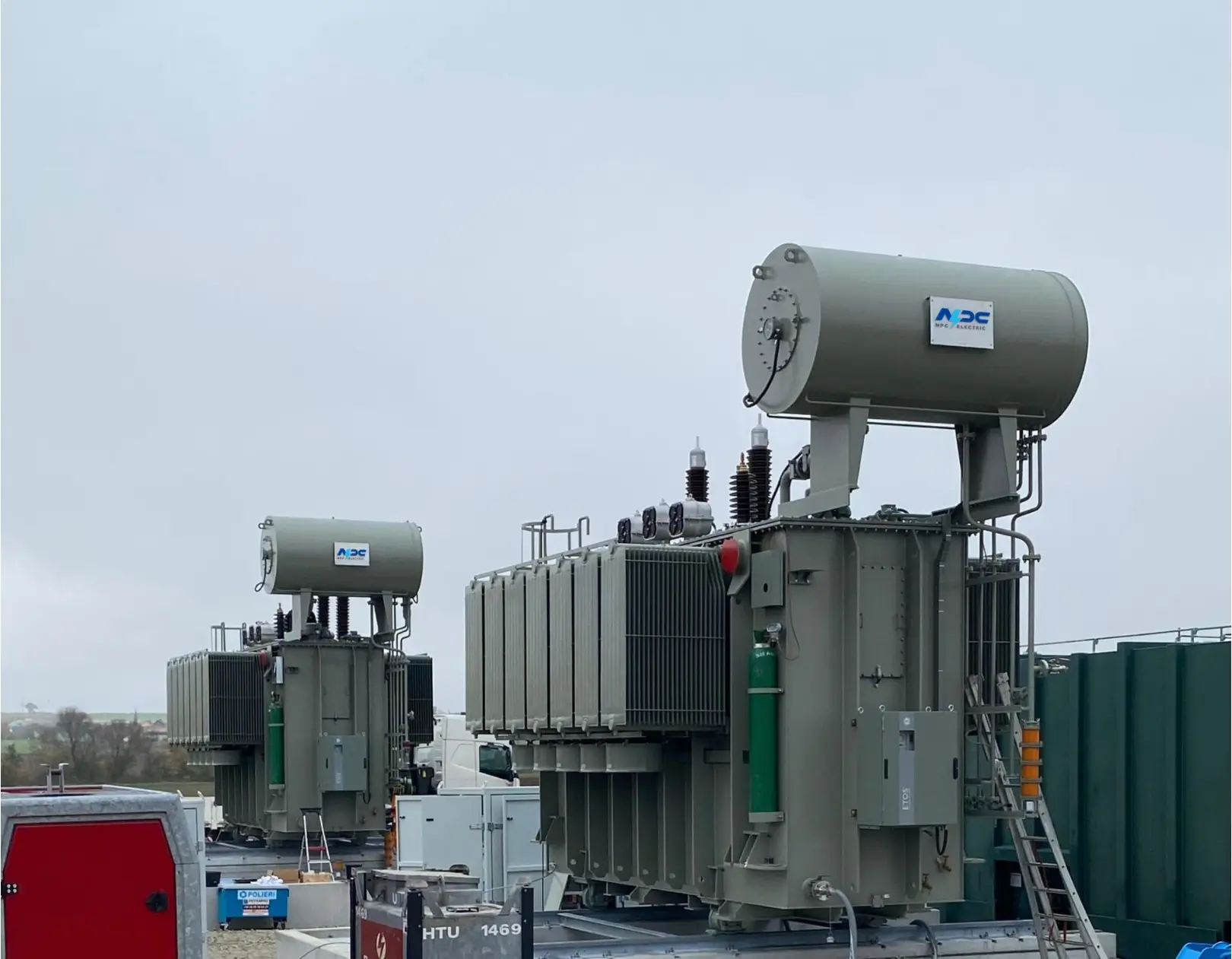
121kV Oil-Immersed High-Voltage Power Transformer
The 121kV Oil-Immersed High-Voltage Power Transformer is designed to provide stable, efficient, and long-term power transformation for transmission networks and high-voltage substations. Utilizing high-quality silicon steel cores and precision-wound copper conductors, the transformer achieves low no-load losses, strong short-circuit withstand capability, and excellent thermal stability. The oil-immersed insulation and cooling system ensures effective heat dissipation, supporting continuous operation under heavy-load and fluctuating grid conditions. Its reinforced tank structure, advanced insulation system, and outdoor-rated protection design enable reliable performance in harsh climates and demanding environments. Manufactured in accordance with IEC, IEEE, and ANSI standards, this transformer is widely applied in utility grids, industrial power systems, and infrastructure projects requiring high reliability, safety, and long service life.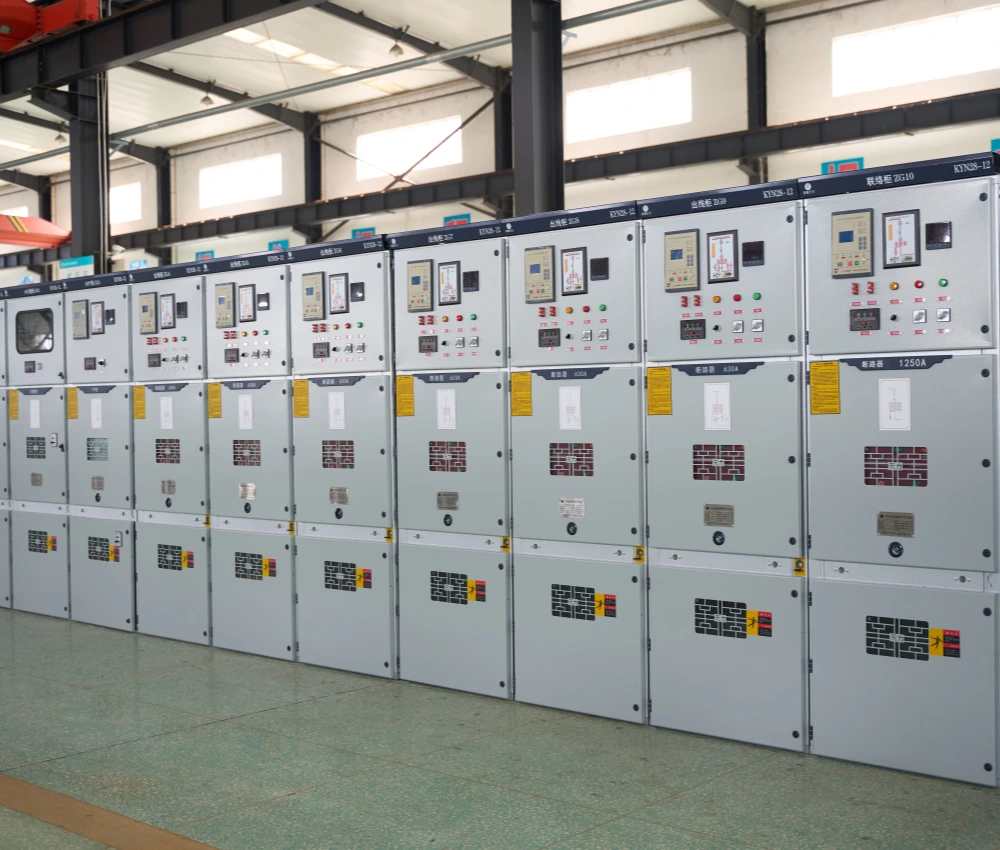
Indoor Box-Type Fixed Metal-Enclosed Switchgear
The Indoor Box-Type Fixed Metal-Enclosed Switchgear is a high-performance medium-voltage electrical distribution and protection system specifically engineered for industrial facilities, utility substations, commercial infrastructure, renewable energy projects, and intelligent power distribution networks. The switchgear adopts a fully enclosed metal-clad structure integrating vacuum circuit breakers, disconnect switches, protection relays, current transformers, voltage transformers, and intelligent control systems within a compact fixed cabinet configuration. This design provides reliable medium-voltage power distribution while significantly improving operational safety and equipment stability. Designed according to international medium-voltage distribution standards, the indoor box-type switchgear delivers outstanding insulation performance, mechanical durability, and thermal stability under continuous operating conditions. The compartmentalized cabinet structure effectively separates busbar chambers, breaker compartments, cable chambers, and low-voltage control sections to reduce electrical fault propagation risks and simplify maintenance procedures. The fixed structure design improves installation stability and ensures dependable long-term operational performance for mission-critical electrical systems. The Indoor Box-Type Fixed Metal-Enclosed Switchgear supports intelligent monitoring systems, digital protection devices, remote communication interfaces, and smart-grid automation technologies for modern electrical distribution environments. With flexible configuration capabilities and scalable electrical protection architectures, the switchgear provides stable medium-voltage switching, fault isolation, and electrical control performance for industrial automation systems, utility networks, transportation infrastructure, and commercial power systems.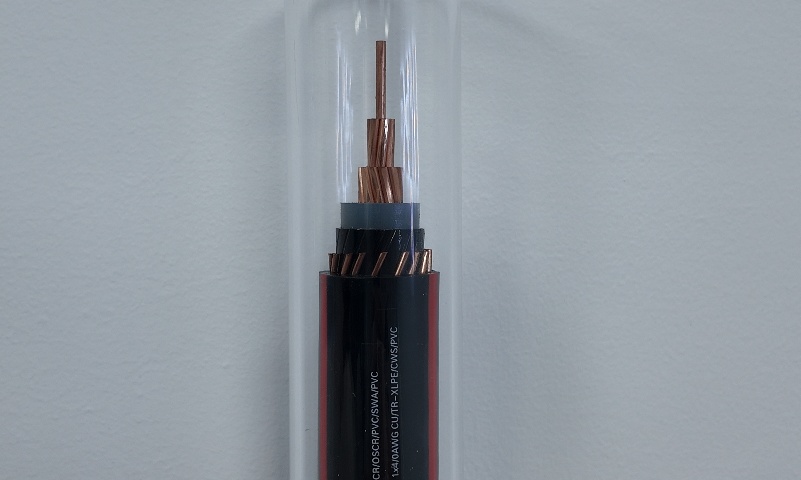
Single Conductor URD Cable
The Single Conductor URD Cable is a reliable and economical 600V underground residential distribution cable engineered for service entrance and secondary power delivery. It features a stranded AA8000 aluminum alloy conductor with XLPE insulation and a concentrically stranded aluminum alloy neutral, all protected by a durable black polyethylene sheath. This single conductor design provides excellent flexibility, high conductivity, and superior moisture resistance, making it suitable for direct burial or conduit installations. Lightweight and corrosion-resistant, the Single Conductor URD Cable is a practical alternative to copper cables while maintaining strong mechanical performance. Manufactured to UL 854 and ICEA standards, it undergoes extensive quality testing to ensure consistent performance and long service life in underground environments.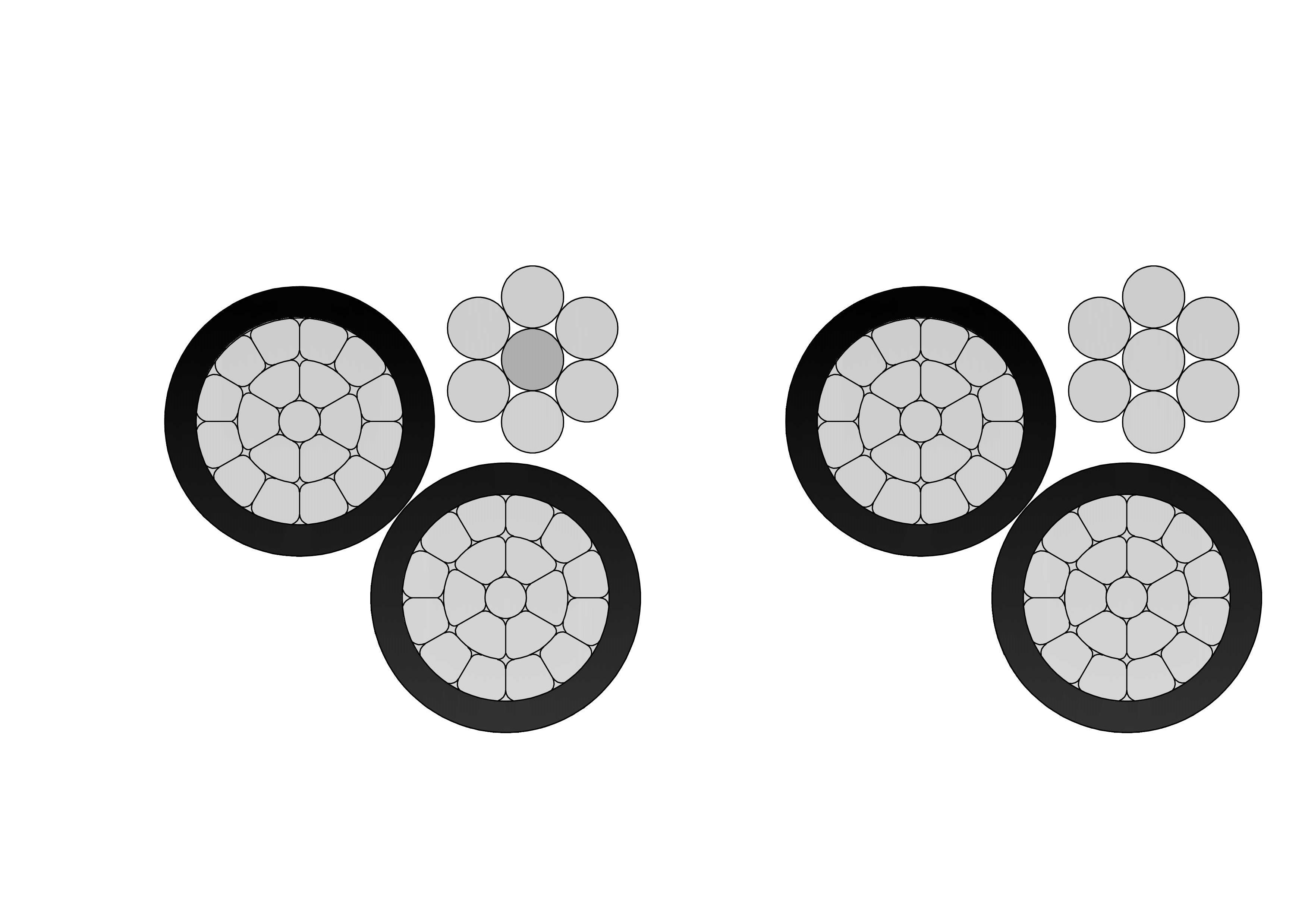
6 Minex Aluminum Conductor Triplex Overhead Service Drop Cable
The 6 Minex Aluminum Conductor Triplex Overhead Service Drop Cable is engineered for reliable overhead power distribution from utility lines to service entrances. The cable structure consists of two insulated aluminum phase conductors twisted around a reinforced neutral messenger, delivering stable electrical performance and strong mechanical support. Manufactured from high-purity aluminum and weather-resistant insulation materials, the 6 Minex Aluminum Conductor Triplex Overhead Service Drop Cable offers excellent conductivity, low weight, and ease of installation. The insulation system is designed to withstand UV radiation, moisture, temperature fluctuations, and environmental aging, ensuring dependable long-term outdoor performance. A comprehensive quality control system is applied throughout production. The 6 Minex Aluminum Conductor Triplex Overhead Service Drop Cable undergoes systematic raw material testing, continuous process inspection, and rigorous finished product testing. Each stage follows standardized procedures to ensure compliance with international standards and utility specifications. This cable is an ideal solution for residential, commercial, and light industrial overhead service drop applications requiring safety, durability, and consistent quality.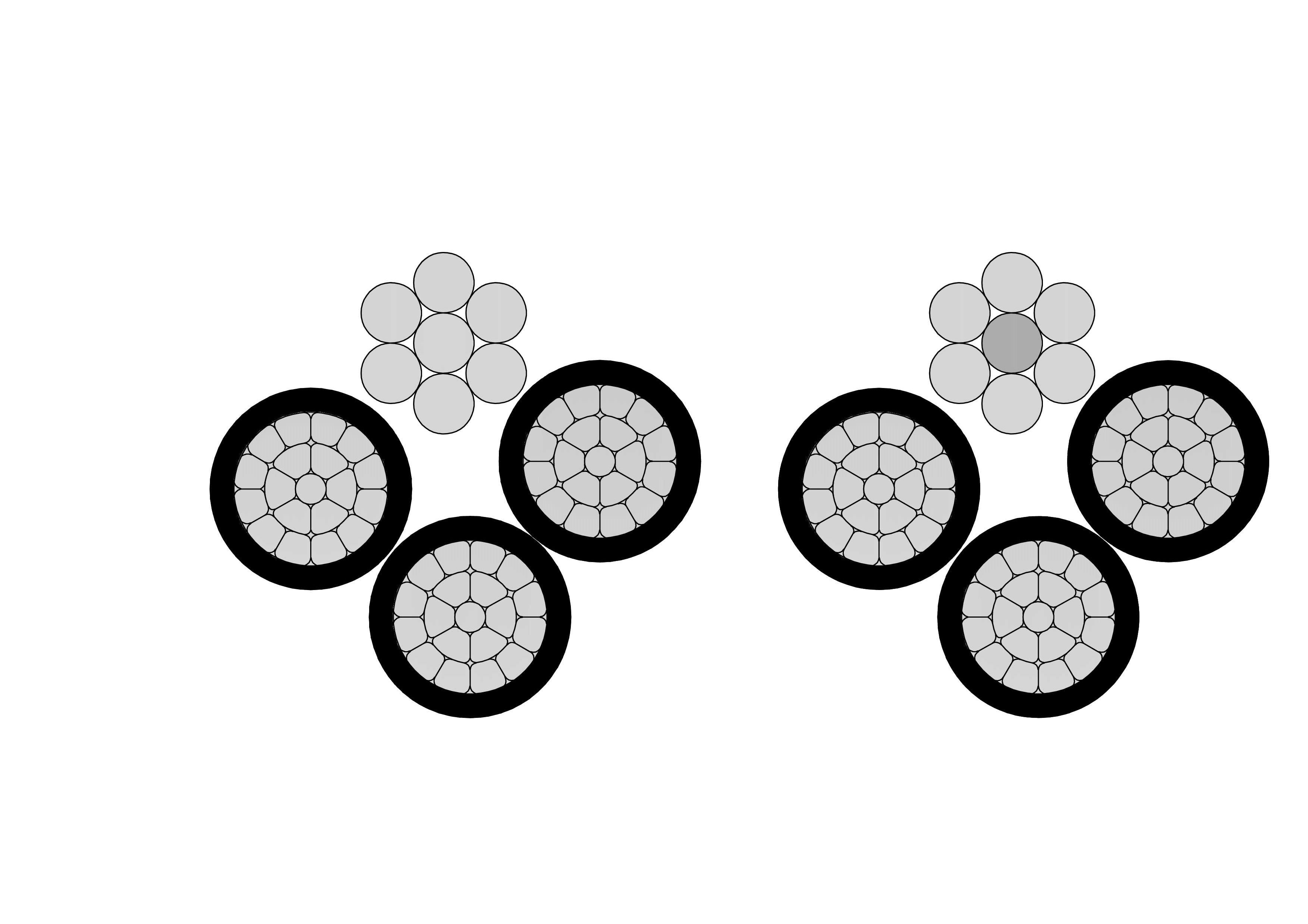
6 Chola Aluminum Conductor Quadruplex Overhead Service Drop Cable
Introducing the 6 Chola Quadruplex Service Drop Cable, a versatile overhead solution for three-phase secondary distribution with neutral. Built with three 6 AWG aluminum phase conductors and one neutral messenger (7-strand) insulated with polyethylene or XLPE and formed into a quadruplex assembly, it meets ASTM and ICEA requirements for 600V service. The tough insulation offers outstanding protection against UV rays, moisture, tree contact, and abrasion. Self-supporting messenger design ensures easy pulling and reduced sag during installation. The 6 Chola Quadruplex Service Drop Cable supports efficient power transfer with low voltage drop and high durability in extreme temperatures. Popular for its lightweight construction and reduced installation time, it is the choice for electricians and utilities. Widely deployed in housing developments, commercial services, and temporary power setups, this cable ensures safe, long-lasting overhead connections from distribution transformers to customer service entrances worldwide.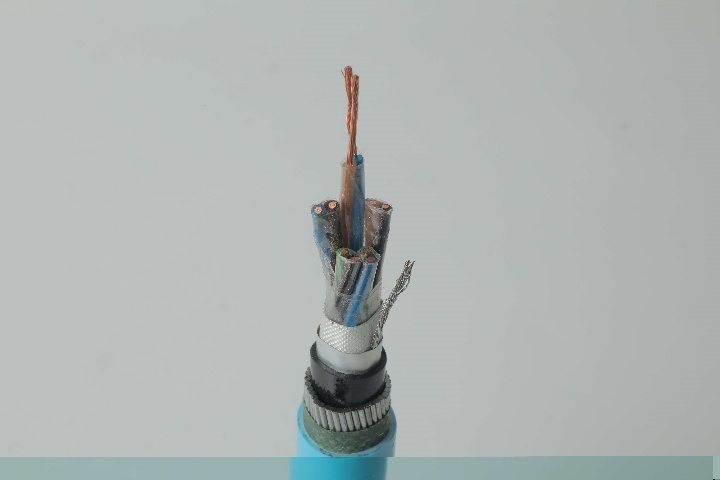
Instrumentation Cables—XLPE Insulated, Overall Screened, DRYLAM Layered, Wire Armoured PVC Sheathed Cables(CU/XLPE/OSCR/DRYLAM/SWA/PVC)
CU/XLPE/OSCR/DRYLAM/SWA/PVC instrumentation cables are engineered to deliver stable signal transmission under harsh environmental and mechanical conditions. XLPE insulated copper conductors provide excellent dielectric performance and resistance to thermal aging. The overall screen minimizes electromagnetic interference, ensuring precise signal transmission in sensitive instrumentation circuits. The DRYLAM water-blocking layer offers effective protection against moisture ingress, enhancing cable reliability in humid or buried installations. Steel wire armour improves resistance to mechanical stress and external damage, while the PVC sheath protects against abrasion, oils, and chemicals. This balanced construction combines electrical performance, water resistance, and mechanical durability for long-term industrial use.
GYXTW Fiber Optic Cable
The GYXTW Fiber Optic Cable is a rugged central loose tube fiber optic cable designed for outdoor long-distance communication. It features a single central loose tube filled with water-blocking gel containing optical fibers, a corrugated steel tape armor for excellent mechanical protection, and a durable polyethylene (PE) outer sheath. Compliant with IEC 60794 and ITU-T standards, the GYXTW Fiber Optic Cable provides superior crush resistance, moisture blocking, and rodent protection. Available in single-mode and multi-mode with various fiber counts, it ensures low attenuation, high bandwidth, and reliable signal transmission. Its compact central tube design combined with steel tape armor makes it ideal for duct, aerial, and direct burial installations. The GYXTW Fiber Optic Cable is widely used in telecommunications backbone networks, FTTH, metropolitan area networks, and outdoor infrastructure projects requiring stable, secure, and durable fiber connectivity in challenging environments.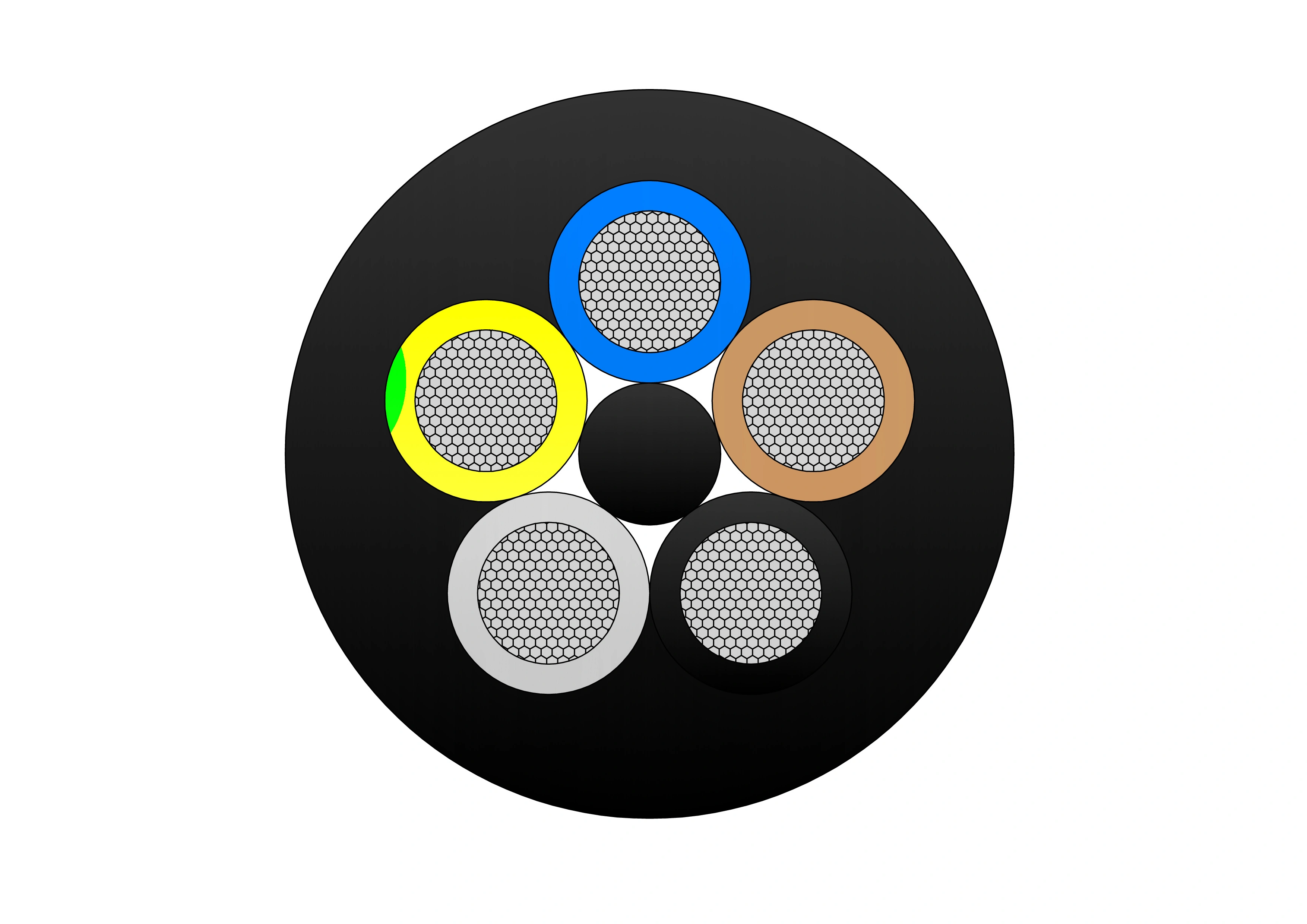
NTSCGEWOU 3.6/6kV, 6/10kV, 8.7/15kV, 12/20kV Cable
The NTSCGEWOU 3.6/6kV, 6/10kV, 8.7/15kV, 12/20kV Cable is a high-performance flexible medium-voltage trailing/reeling cable engineered for extreme mining and tunneling conditions. It comprises class 5 finely stranded tinned copper phase conductors for superior flexibility and corrosion resistance, semi-conductive conductor and insulation screens for field control, EPR insulation for excellent dielectric strength and 90°C continuous operation, copper wire braid screen for EMI protection and grounding, control conductors, monitoring conductor (ÜL), and a durable rubber outer sheath resistant to oil, flame, abrasion, tearing, and mechanical stress. Compliant with DIN VDE 0250, it handles high tensile loads, fast reeling speeds, tight bending radii, and effective EMC shielding across all voltage levels. The NTSCGEWOU delivers safe, reliable MV power to mobile equipment such as shearers, tunnel boring machines, draglines, and conveyors in harsh underground and opencast environments, minimizing downtime and ensuring long-term operational efficiency.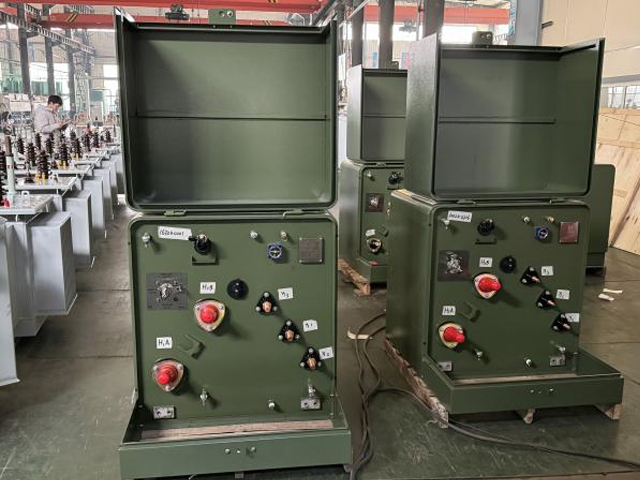
25kVA Conventional Type Single Phase Pole Mounted Transformer
NPC ELECTRIC'S 25kVA Conventional Type Single Phase pole Mounted transformer are designed for servicing residential overhead distribution loads. They are also suitable for light commercial loads, industrial lighting and diversified power applications. These transformers are designed for the application conditions normally encountered on electric utility power distribution systems. Types CSP, CP, SP and S are all available. ISO 9001: 2008 Certified. Typical specifications include mineral oil insulation (ONAN cooling), aluminum or copper windings, primary voltages 2.4 kV–34.5 kV grounded wye or delta (most common: 7200/12470GrdY, 7620/13200GrdY, 12470GrdY/7200, 24940GrdY/14400, 34500GrdY/19920), secondary 120/240 V or 240/120 V split-phase, BIL ratings 95–150 kV HV / 30 kV LV, impedance typically 2.0–4.0%, ±2×2.5% or 5-position tap changer, conventional or completely self-protected (CSP) versions with internal primary fuses, external weak-link cutout, lightning arresters, pressure relief device, oil sight gauge, and standard ANSI 70 gray tank finish. Efficiency usually reaches 98.90%–99.10%+, with low sound level and corrosion-resistant design for long outdoor service life.
2 Palomino Aluminum Conductor Quadruplex Overhead Service Drop Cable
2 Palomino Aluminum Conductor Quadruplex Overhead Service Drop Cable is designed for delivering 3-phase power from pole-mounted transformers directly to the user's service entrance. Built with three 2 AWG aluminum phase conductors and one neutral messenger (7-strand) insulated with polyethylene or XLPE and formed into a quadruplex assembly, it meets ASTM and ICEA requirements for 600V service. The tough insulation offers outstanding protection against UV rays, moisture, tree contact, and abrasion. Self-supporting messenger design ensures easy pulling and reduced sag during installation. The 2 Palomino Quadruplex Service Drop Cable supports efficient power transfer with low voltage drop and high durability in extreme temperatures. Popular for its lightweight construction and reduced installation time, it is the choice for electricians and utilities. Widely deployed in housing developments, commercial services, and temporary power setups, this cable ensures safe, long-lasting overhead connections from distribution transformers to customer service entrances worldwide.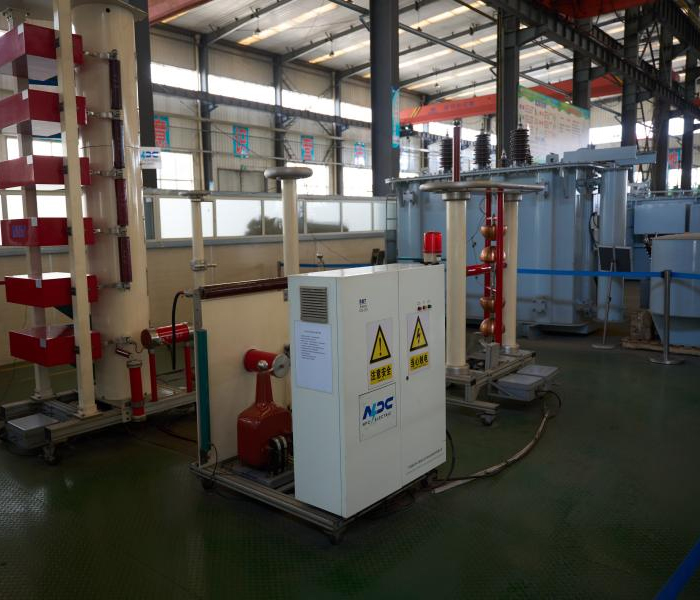
2000kVA Dry Type Transformer
The NPC ELECTRIC 2000kVA Dry Type Transformer is a robust and efficient power solution designed to handle the electrical needs of large-scale industrial and commercial operations. With a capacity of 2000kVA, it features advanced dry-type insulation, ensuring enhanced safety, minimal maintenance, and long-lasting performance. This transformer is built to operate reliably in various environmental conditions while offering low noise levels and a reduced environmental footprint. It achieves efficiencies around 99.47–99.48% at 35% load (aligned with DOE 2029 levels for three-phase low-voltage dry-type in the 1000–2500 kVA range, interpolated from published tables showing progressive gains), supports substantial harmonics, overload capability, and provides durable, eco-friendly performance with minimized lifecycle costs.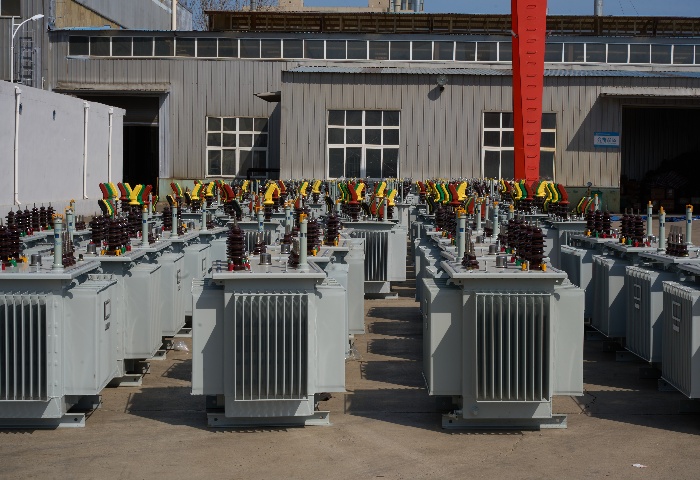
150kVA Oil Immersed Transformer
NPC ELECTRIC's 150kVA Oil Immersed Transformer is a compact and efficient power distribution solution designed for low to medium load applications. Utilizing a traditional oil-immersed insulation system, the transformer delivers stable dielectric performance and effective heat dissipation, ensuring reliable operation under continuous service conditions. The optimized core and winding structure reduces energy loss while maintaining consistent voltage output, making it suitable for decentralized power networks. With low operating noise and dependable overload capability, the transformer supports stable power supply for residential, commercial, and light industrial users. Its compact footprint and proven oil-filled technology make it an economical and practical choice for localized power distribution systems.
Instrumentation Cables—Mica Tapped, XLPE Insulated, Overall Screened, Wire Armoured LSZH Sheathed Fire-Resistant Cables(CU/GMT/XLPE/OSCR/SWA/LSZH)
Instrumentation Cables with Mica Taped, XLPE Insulated, Overall Screened, Wire Armoured and LSZH Sheathed construction (CU/GMT/XLPE/OSCR/SWA/LSZH) are designed for critical signal transmission in fire-risk and safety-sensitive environments. The copper conductor is wrapped with mica tape to maintain circuit integrity under fire conditions, while XLPE insulation ensures stable electrical performance and thermal resistance. The overall screen reduces electromagnetic interference, enabling accurate signal transmission in industrial systems. Steel wire armouring provides mechanical protection against impact and external stress, making the cable suitable for harsh installation conditions. The LSZH outer sheath limits smoke emission and toxic gases during fire, enhancing personnel safety. These fire-resistant instrumentation cables are widely used where continuous operation and reliable signal control are essential, even in extreme conditions.
2/3/4 Cores Aluminum Cable AL/XLPE/PVC Low Voltage Power Cable
The 2/3/4 Cores Aluminum Cable AL/XLPE/PVC is designed for reliable low-voltage power transmission and distribution in industrial, commercial, and utility applications. Manufactured with high-conductivity stranded aluminum conductors, premium XLPE insulation, and a durable PVC outer sheath, the cable provides an economical alternative to copper cables while maintaining excellent electrical performance. The XLPE insulation offers outstanding dielectric strength, low insulation losses, and thermal stability, allowing continuous conductor operation at temperatures up to 90°C. The PVC sheath protects against moisture, abrasion, chemicals, UV exposure, and environmental stress, ensuring long-term durability in demanding installations. Available in 2-core, 3-core, and 4-core configurations, the cable is suitable for single-phase and three-phase power systems. Manufactured according to IEC 60502-1 standards, it ensures safe and efficient electrical distribution across a wide range of applications. Its lightweight construction reduces transportation and installation costs, making the 2/3/4 Cores Aluminum Cable AL/XLPE/PVC an ideal solution for power infrastructure, commercial facilities, industrial plants, and renewable energy projects.Welcome your inquiry
Honesty, Integrity, Frugality, Activeness and Passion