
Zig-Zag Grounding Transformer Guide: How It Works & When to Use
2026-07-01
In modern industrial and utility electrical networks, grounding strategy is one of the most critical aspects of power system reliability and protection. Facilities operating medium-voltage or ungrounded distribution systems often face challenges related to transient overvoltages, unstable phase voltages, arc flash hazards, and difficult fault detection during line-to-ground fault conditions.
A Zig-Zag Grounding Transformer is specifically designed to solve these issues by creating an artificial neutral point for systems that otherwise lack a neutral connection. Unlike conventional power transformers used for voltage transformation, zig zag grounding transformers primarily serve grounding and fault-current management functions.
Today, zig-zag transformer grounding solutions are widely used in renewable energy plants, industrial manufacturing facilities, petrochemical systems, mining operations, data centers, and utility substations. Their ability to stabilize phase voltages, improve protection coordination, and support neutral grounding makes them essential in many modern power system designs.
1. What Is a Zig-Zag Grounding Transformer?
A zig-zag transformer is a special type of earthing transformer designed to provide a neutral grounding point in three-phase electrical systems. It is most commonly installed in delta-connected or ungrounded systems where no natural neutral exists.
Unlike a standard wye-delta transformer used for voltage conversion between systems, the zig-zag grounding transformer typically does not transfer significant real power between primary and secondary windings. Instead, its primary role is to:
- Establish a neutral connection
- Provide controlled ground fault current paths
- Stabilize system voltages
- Reduce transient overvoltages
- Improve the protection relay operation
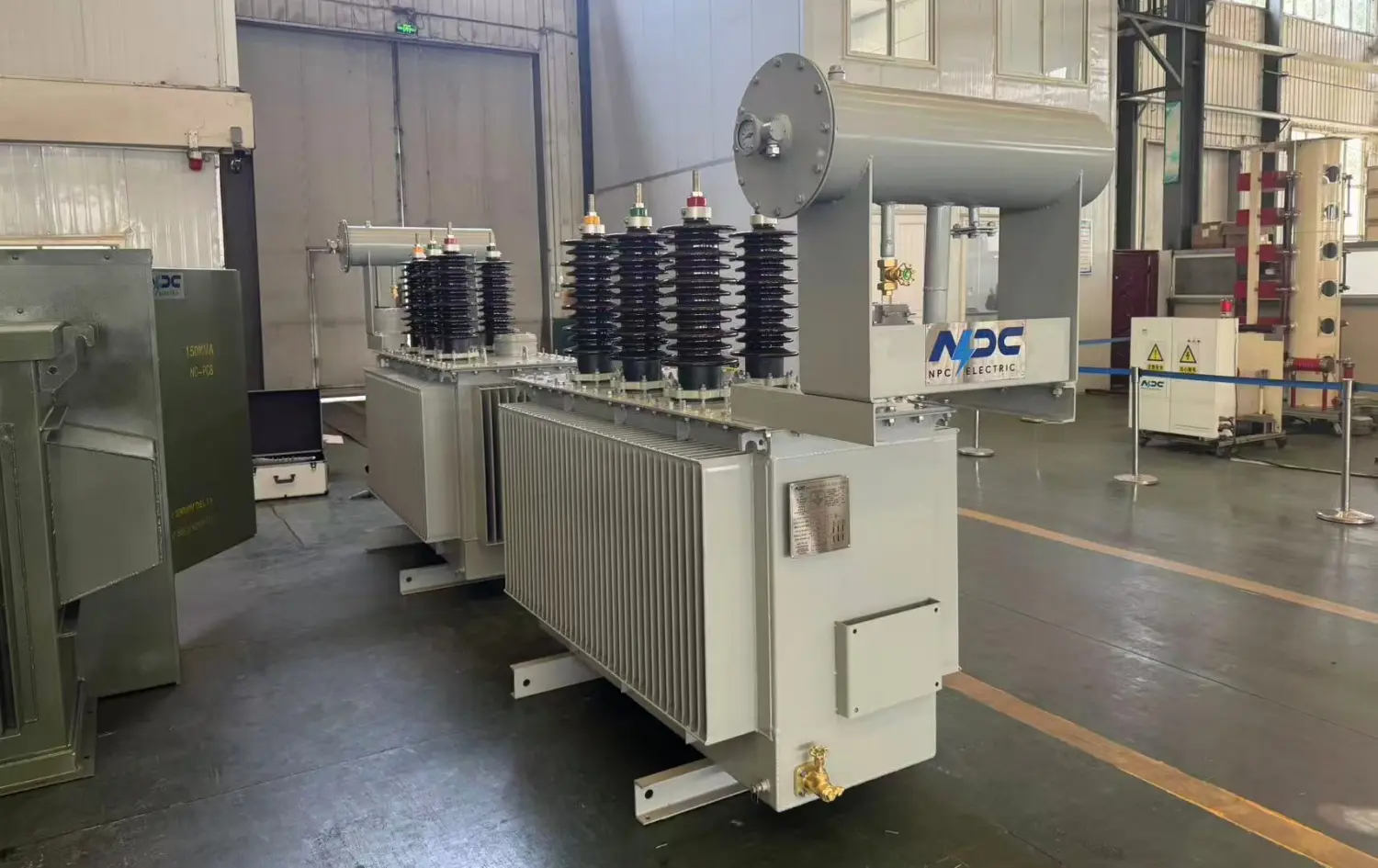
The name “zig-zag” comes from its unique winding configuration. Each transformer limb contains two winding sections connected to different phases in opposite directions. Under balanced operating conditions, the magnetic flux cancels internally, resulting in very low impedance to zero-sequence currents while maintaining high impedance to balanced three-phase currents.
This unique transformer design allows grounding transformers to connect efficiently to systems without significantly affecting normal load operation.
2. How the Zig-Zag Winding Configuration Works
The operating principle of a Zig-Zag Grounding Transformer depends on its specialized winding arrangement.
Basic Winding Structure
Each core leg contains two equal windings:
- One winding connected to one phase
- Another winding is connected to a different phase with opposite polarity
This zig-zag connection creates phase displacement that cancels balanced system currents while permitting zero-sequence fault currents to flow.
Under normal operating conditions:
- Three-phase currents remain balanced
- Net magnetic flux is nearly zero
- Minimal transformer current flows
However, during a line to ground fault:
- Zero-sequence current appears
- The transformer provides a return path through the neutral grounding point
- Protection devices can detect and isolate the fault rapidly
The design effectively creates an artificial neutral without requiring a full wye-delta connection transformer arrangement.
Voltage Stabilization
One major advantage of zig-zag grounding transformers is the stabilization of phase voltages during abnormal conditions.
In ungrounded systems, a single ground fault may cause the unfaulted phases to rise toward line-to-line voltage levels, stressing insulation and increasing failure risk.
The zig-zag transformer limits this instability by referencing the system to ground through the neutral connection.
This improves:
- Equipment insulation life
- Relay sensitivity
- Surge suppression
- System safety
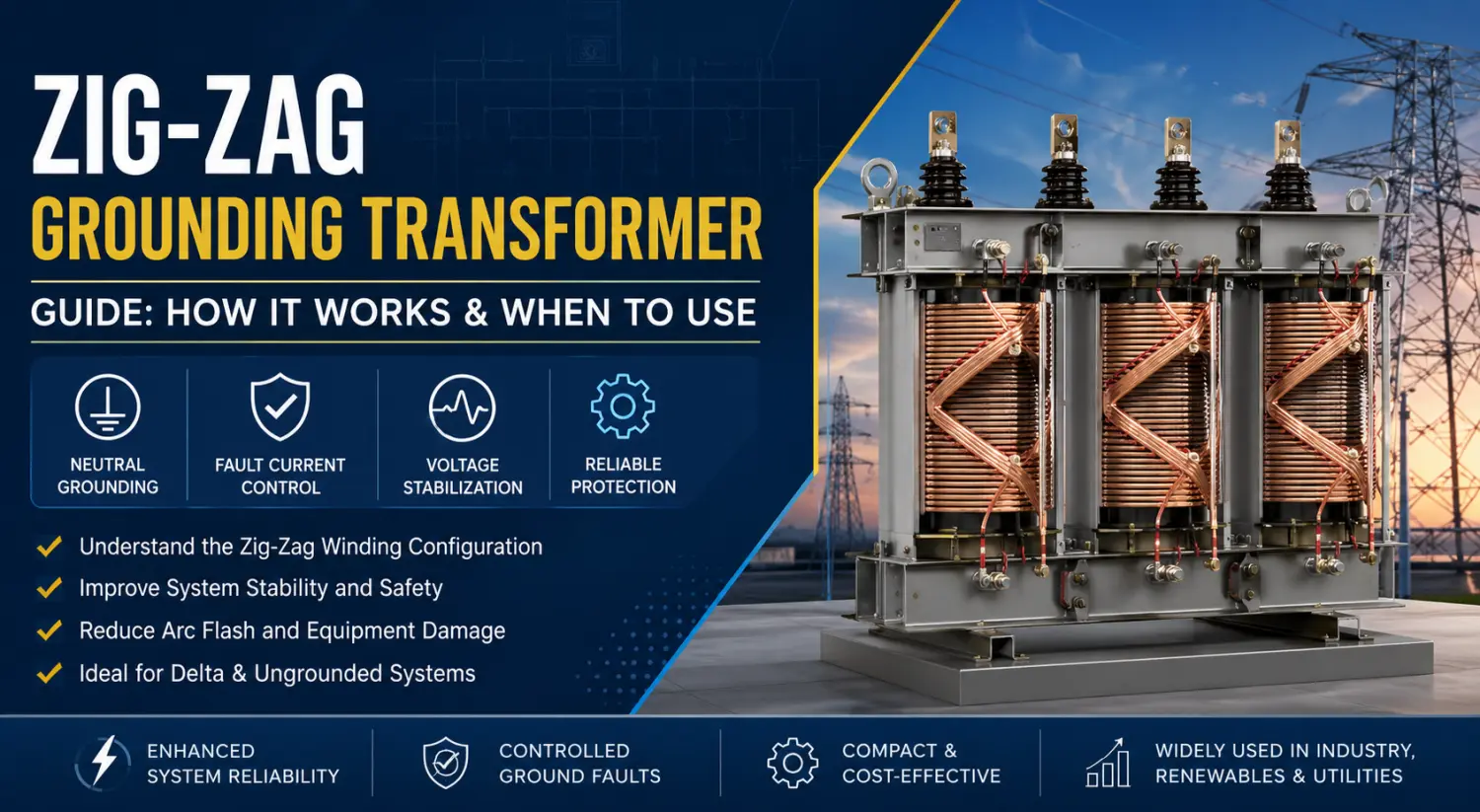
3. Why Neutral Grounding Matters in a Power System
Neutral grounding is fundamental to electrical safety and system stability. Without proper grounding, even a minor insulation failure can escalate into catastrophic equipment damage.
Problems in Ungrounded Systems
Ungrounded systems were historically popular because they allowed continued operation during a first ground fault. However, modern industrial systems increasingly avoid completely ungrounded operation because of several disadvantages:
Transient Overvoltage
Arcing ground faults can create dangerous switching surges several times above rated voltage.
Difficult Fault Detection
Fault current may be too small for protective relays to identify quickly.
Insulation Stress
Unbalanced phase voltages accelerate the aging of cables, motors, and switchgear.
Increased Arc Flash Risk
Sustained faults can evolve into severe arc flash events.
For these reasons, many facilities replace ungrounded systems with controlled neutral grounding using zig-zag transformer grounding systems.
4. Types of Neutral Grounding Used with Zig-Zag Transformers
The grounding method selected depends on the power system design, fault current requirements, and operational philosophy.
Solid Grounding
In solid grounding systems, the transformer neutral is directly connected to earth.
Advantages include:
- Fast fault clearing
- Simple protection schemes
- Stable phase voltages
However, fault currents can become very high, increasing thermal and mechanical stress on equipment.
Solid grounding is more common in low-voltage systems than medium-voltage industrial networks.
Resistance Grounding
Resistance grounding is the most common configuration used with zig-zag grounding transformers.
A grounding resistor is connected between the transformer neutral and earth to limit fault current.
Benefits include:
- Reduced arc flash energy
- Lower equipment damage
- Controlled fault current magnitude
- Improved continuity of operation
Resistance grounding systems are widely used in:
- Mining facilities
- Petrochemical plants
- Paper mills
- Data centers
- Renewable energy systems
Engineers often classify resistance grounding into:
Low Resistance Grounding (LRG)
Typically allows 50–1000 A of fault current for rapid fault clearing.
High Resistance Grounding (HRG)
Limits fault current to very low levels, often below 10 A, allowing temporary operation during the first faults.
Table: Comparison of Neutral Grounding Methods in Industrial Power Systems
|
Grounding Method |
Fault Current Level |
System Stability |
Arc Flash Risk |
Typical Applications |
Main Advantage |
Main Limitation |
|
Solid Grounding |
Very High |
Excellent |
High |
Low-voltage commercial systems |
Fast fault clearing |
High equipment stress |
|
Resistance Grounding |
Medium or Low |
Excellent |
Reduced |
Industrial MV systems |
Controlled fault energy |
Requires a grounding resistor |
|
Ungrounded Systems |
Very Low |
Poor during faults |
Moderate |
Legacy industrial systems |
Continued operation after the first fault |
Difficult fault detection |
|
Zig-Zag Grounding Transformer |
Adjustable |
Excellent |
Reduced |
Delta systems, renewable energy plants |
Creates a neutral point economically |
Requires proper protection coordination |
|
Wye Delta Transformer Grounding |
Medium |
Good |
Moderate |
Utility substations |
Combines grounding and voltage transformation |
Larger size and higher cost |
5. Applications of Zig-Zag Grounding Transformers
Zig-zag grounding transformers are used wherever systems require a neutral point but lack one inherently.
Renewable Energy Plants
Solar and wind power systems frequently use inverter-based delta outputs. A zig-zag transformer establishes grounding reference points and improves protection coordination.
This is especially important in utility-scale solar farms where transient behavior from power electronics can create grounding challenges.
Table: Typical Industries and Use Cases for Zig-Zag Grounding Transformers
|
Industry |
Typical Voltage Level |
Why Zig-Zag Grounding Is Used |
Common Grounding Type |
|
Solar Power Plants |
11kV – 35kV |
Stabilize the inverter output and provide neutral grounding |
Resistance Grounding |
|
Wind Farms |
13.8kV – 34.5kV |
Control transient overvoltages |
Resistance Grounding |
|
Mining Operations |
4.16kV – 15kV |
Improve personnel safety and reduce arc flash risk |
High Resistance Grounding |
|
Petrochemical Plants |
6.6kV – 13.8kV |
Maintain system reliability during faults |
Low Resistance Grounding |
|
Data Centers |
480V – 15kV |
Improve grounding stability for sensitive equipment |
Solid or Resistance Grounding |
|
Utility Substations |
11kV – 33kV |
Create neutral points in delta systems |
Solid Grounding |
|
Manufacturing Facilities |
4.16kV – 13.8kV |
Improve protection coordination |
Resistance Grounding |
Industrial Manufacturing
Factories operating medium-voltage motor systems commonly use delta-connected distribution networks.
Applications include:
- Steel plants
- Cement facilities
- Chemical processing
- Automotive manufacturing
The earthing transformer improves system stability while supporting selective protection coordination.
Utility Substations
Utilities install zig-zag grounding transformers to:
- Ground tertiary systems
- Stabilize substation auxiliary networks
- Control zero-sequence currents
These transformers are particularly useful where adding a full wye-delta transformer would be economically impractical.
Data Centers
Modern data centers demand high reliability and controlled fault management.
Zig-zag grounding systems help:
- Reduce transient disturbances
- Improve UPS coordination
- Enhance equipment protection
- Support continuous operation
6. Advantages of Zig-Zag Grounding Transformers
The growing use of zig-zag transformer technology is driven by several important operational advantages.
Compact Transformer Design
Compared with conventional grounding transformer alternatives, zig-zag units use less copper and core material, reducing size and cost.
Effective Fault Current Control
By combining the transformer with resistance grounding, engineers can precisely manage the line-to-ground fault current magnitude.
This improves protection selectivity while minimizing damage.
Improved System Stability
The transformer stabilizes phase voltages and suppresses transient overvoltages during abnormal conditions.
This increases overall power system reliability.
Flexible Installation
Zig-zag grounding transformers can be retrofitted into existing systems without major redesign.
This is especially valuable for industrial facilities upgrading aging electrical infrastructure.
Lower Equipment Stress
Controlled neutral grounding reduces:
- Mechanical stress
- Thermal stress
- Insulation degradation
- Arc flash severity
This extends equipment life and reduces maintenance costs.
7. Design Considerations for Zig-Zag Grounding Systems
Table: Key Engineering Parameters for Zig-Zag Grounding Transformer Design
|
Parameter |
Typical Range |
Engineering Importance |
|
System Voltage |
4.16kV – 35kV |
Determines insulation class and BIL rating |
|
Ground Fault Current |
5A – 1000A |
Defines thermal and mechanical withstand capability |
|
Fault Duration |
10s – 60s |
Impacts conductor and winding sizing |
|
Grounding Resistor Value |
Application-specific |
Controls fault current magnitude |
|
Cooling Method |
ONAN / Dry Type |
Affects installation environment suitability |
|
Insulation Class |
Class F / H |
Influences thermal aging performance |
|
Frequency |
50Hz / 60Hz |
Determines magnetic design |
|
Harmonic Tolerance |
Low to High |
Important for renewable energy and VFD systems |
|
Protection Relay Coordination |
Required |
Ensures selective fault isolation |
|
Indoor / Outdoor Installation |
Both |
Determines enclosure and IP protection rating |
Selecting the correct grounding transformer requires careful engineering analysis.
System Voltage
Transformer insulation levels must match system operating voltage and surge requirements.
Typical industrial ratings include:
- 4.16 kV
- 6.6 kV
- 11 kV
- 13.8 kV
- 33 kV
Fault Current Rating
The transformer must withstand the anticipated ground fault current magnitude and duration.
Common fault duration ratings include:
- 10 seconds
- 30 seconds
- 60 seconds
Grounding Resistor Selection
For resistance grounding systems, engineers must determine:
- Maximum permissible fault current
- Relay sensitivity
- Thermal capacity
- Arc flash objectives
Typical Ground Fault Current Levels for Different Grounding Methods
|
Grounding Method |
Typical Fault Current |
Fault Detection Speed |
Equipment Damage Risk |
Operational Continuity |
|
Solid Grounding |
1000A – 20kA |
Very Fast |
High |
Low |
|
Low Resistance Grounding |
50A – 1000A |
Fast |
Moderate |
Moderate |
|
High Resistance Grounding |
5A – 10A |
Slower |
Low |
High |
|
Ungrounded System |
< 5A |
Difficult |
High due to transient overvoltage |
High initially |
|
Zig-Zag with Resistance Grounding |
Adjustable |
Optimized |
Low |
High |
Harmonic Performance
Modern inverter-driven systems may generate harmonics that influence transformer heating and neutral current behavior.
Proper transformer design must account for these conditions.
Environmental Conditions
Outdoor substations require consideration of:
- Ambient temperature
- Humidity
- Pollution level
- Altitude
- Corrosion resistance
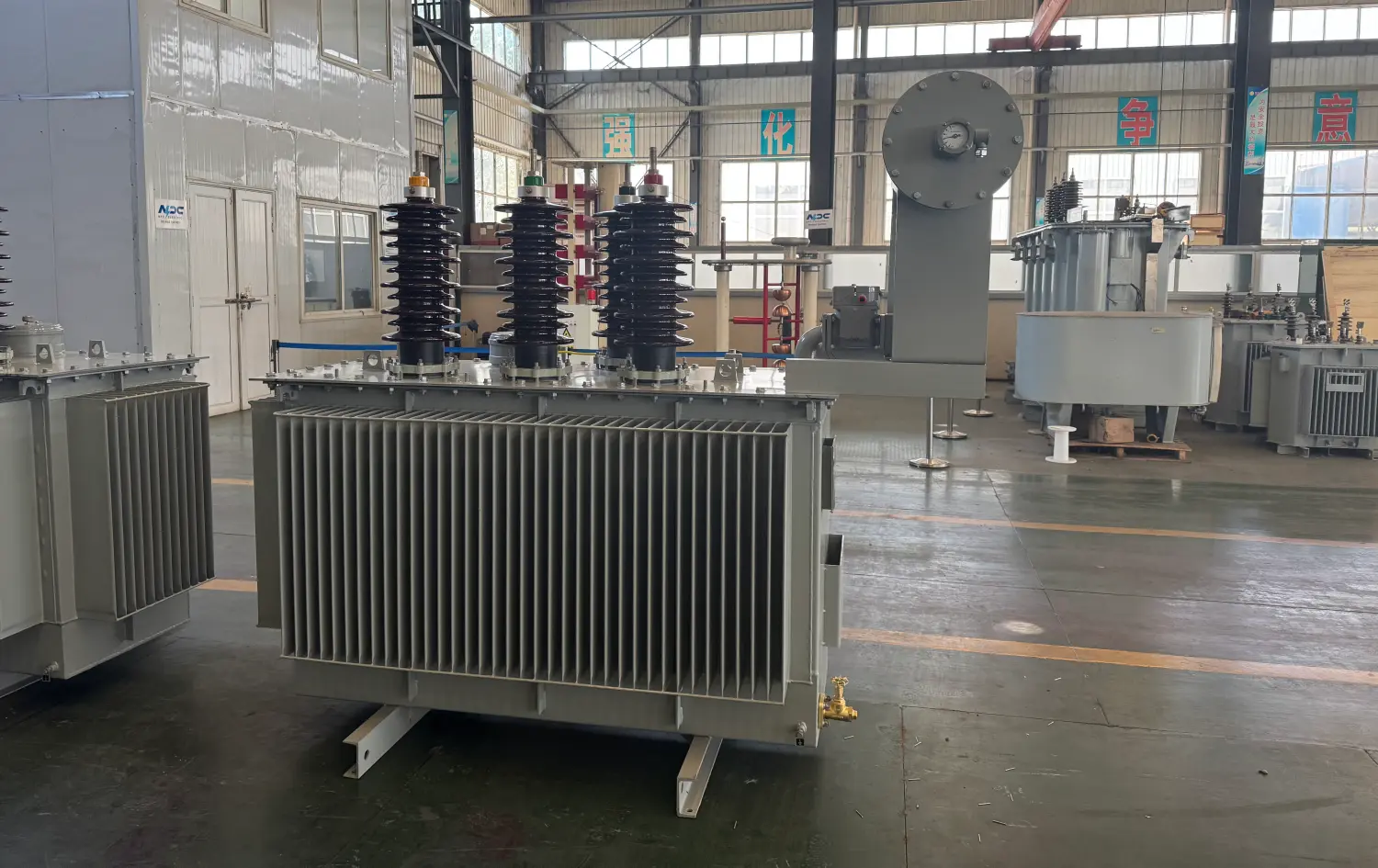
Oil-immersed and dry-type designs are both common, depending on installation requirements.
8. Zig-Zag Transformer vs Wye Delta Transformer
Although both transformers may participate in grounding strategies, their purposes differ substantially.
|
Feature |
Zig-Zag Grounding Transformer |
Wye Delta Transformer |
|
Primary Function |
Neutral grounding |
Voltage transformation |
|
Neutral Creation |
Yes |
Yes |
|
Power Transfer |
Minimal |
Significant |
|
Fault Current Path |
Excellent |
Moderate |
|
Space Efficiency |
Compact |
Larger |
|
Cost |
Lower |
Higher |
|
Grounding Performance |
Specialized |
General-purpose |
A wye-delta connection transformer is primarily intended for power conversion, while zig-zag grounding transformers are optimized specifically for neutral grounding and fault management.
How to Choose the Right Grounding Method for Your Power System
|
System Condition |
Recommended Solution |
|
Delta system without neutral |
Zig-Zag Grounding Transformer |
|
Need voltage transformation + grounding |
Wye Delta Transformer |
|
High arc flash concern |
High Resistance Grounding |
|
Utility distribution network |
Solid Grounding |
|
Renewable energy inverter system |
Zig-Zag with Resistance Grounding |
|
Need continuous operation during the first fault |
High Resistance Grounding |
|
Sensitive electronic equipment installed |
Controlled Neutral Grounding |
9. Common Mistakes When Using Zig-Zag Grounding Transformers
Improper grounding design can compromise safety and reliability.
Undersized Fault Rating
Selecting a transformer without sufficient thermal withstand capability can lead to catastrophic failure during faults.
Incorrect Resistor Sizing
Excessively low resistance increases fault energy, while excessively high resistance may prevent relay operation.
Ignoring Harmonics
Modern variable-frequency drives and renewable energy systems can introduce harmonic currents affecting transformer performance.
Table: Common Failure Modes and Causes in Zig-Zag Grounding Transformers
|
Failure Mode |
Primary Cause |
Potential Consequence |
Preventive Measure |
|
Winding Overheating |
Excessive fault duration |
Insulation damage |
Proper thermal sizing |
|
Neutral Resistor Failure |
Overcurrent stress |
Loss of grounding protection |
Routine resistor inspection |
|
Core Saturation |
Harmonic distortion |
Excessive heating |
Harmonic analysis during design |
|
Insulation Breakdown |
Transient overvoltage |
Transformer failure |
Surge protection installation |
|
Loose Neutral Connection |
Poor maintenance |
Unstable grounding |
Periodic torque inspection |
|
Moisture Contamination |
Outdoor exposure |
Reduced insulation strength |
Sealed enclosure design |
Poor Protection Coordination
Grounding transformers must integrate correctly with:
- Relays
- Breakers
- Ground fault monitors
- Protection schemes
Inadequate Maintenance
Even though grounding transformers carry little current during normal operation, periodic inspection remains essential.
Routine checks should include:
- Insulation testing
- Thermal inspection
- Ground resistor verification
- Neutral connection integrity
- Oil analysis (for liquid-filled units)
10. International Standards for Zig-Zag Grounding Transformers
|
Standard |
Organization |
Scope |
|
IEEE Std 32 |
IEEE |
Neutral grounding devices |
|
IEEE C57 Series |
IEEE |
Transformer design and testing |
|
IEC 60076 |
IEC |
Power transformer standards |
|
IEC 61936-1 |
IEC |
Power installation grounding |
|
NEC Article 250 |
NFPA |
Grounding and bonding requirements |
|
ANSI C84.1 |
ANSI |
Voltage ratings and operating limits |
Conclusion
The Zig-Zag Grounding Transformer plays a critical role in modern electrical infrastructure by providing reliable neutral grounding for delta and ungrounded systems. Through its unique winding configuration, the transformer stabilizes phase voltages, supports controlled fault current flow, and improves overall power system protection.
As industrial facilities, renewable energy plants, and utility networks continue adopting more complex electrical architectures, zig-zag transformer grounding solutions have become increasingly important for operational reliability and safety compliance.
Whether used with solid grounding or resistance grounding, the proper transformer design can significantly reduce equipment stress, minimize downtime, and improve protection coordination during line-to-ground fault events.
For engineers designing medium-voltage networks, understanding how zig-zag grounding transformers connect into broader grounding strategies is essential for building resilient and safe power systems.
FAQ: Zig-Zag Grounding Transformers
What is a Zig-Zag Grounding Transformer?
A Zig-Zag Grounding Transformer is a special type of earthing transformer used to create a neutral grounding point in delta or ungrounded power systems. It stabilizes phase voltages and provides a controlled path for ground fault currents.
How does a zig-zag transformer work in a power system?
Delta-connected systems do not naturally provide a neutral point. A zig-zag grounding transformer creates an artificial neutral connection for grounding, fault protection, and voltage stabilization purposes.
Why is a zig-zag grounding transformer used in delta systems?
Renewable energy plants often use inverter-based delta systems without natural neutral points. Zig-zag grounding transformers provide stable grounding and improve protection coordination.
What is the difference between a zig-zag transformer and a wye-delta transformer?
A zig-zag transformer is mainly designed for neutral grounding and fault current management, while a wye-delta transformer is primarily used for voltage transformation and power distribution between different systems.
What are the advantages of zig-zag grounding transformers?
Zig-zag grounding transformers offer improved neutral grounding, stabilized phase voltages, controlled fault current levels, reduced transient overvoltages, compact transformer design, and enhanced protection coordination.
Can a zig-zag transformer reduce ground fault damage?
Yes. When combined with resistance grounding, a zig-zag transformer can limit ground fault current magnitude, reduce thermal stress on equipment, and minimize arc flash energy during fault conditions.
Where are zig-zag grounding transformers commonly used?
Zig-zag grounding transformers are commonly used in renewable energy plants, industrial manufacturing facilities, mining operations, petrochemical plants, utility substations, and medium-voltage power systems.
What voltage ratings are available for zig-zag grounding transformers?
Typical voltage ratings for zig-zag grounding transformers include 4.16kV, 6.6kV, 11kV, 13.8kV, and 33kV systems used in industrial and utility power applications.
What is the purpose of resistance grounding with a zig-zag transformer?
Resistance grounding limits ground fault current to safe levels while maintaining system stability. When used with a zig-zag transformer, it improves equipment protection and reduces arc flash risks.
How do engineers select a zig-zag grounding transformer?
Typical voltage ratings for zig-zag grounding transformers include 4.16kV, 6.6kV, 11kV, 13.8kV, and 33kV systems used in industrial and utility power applications.

Related Articles
Related Products
4 Artemia Aluminum Conductor Triplex Overhead Service Drop Cable
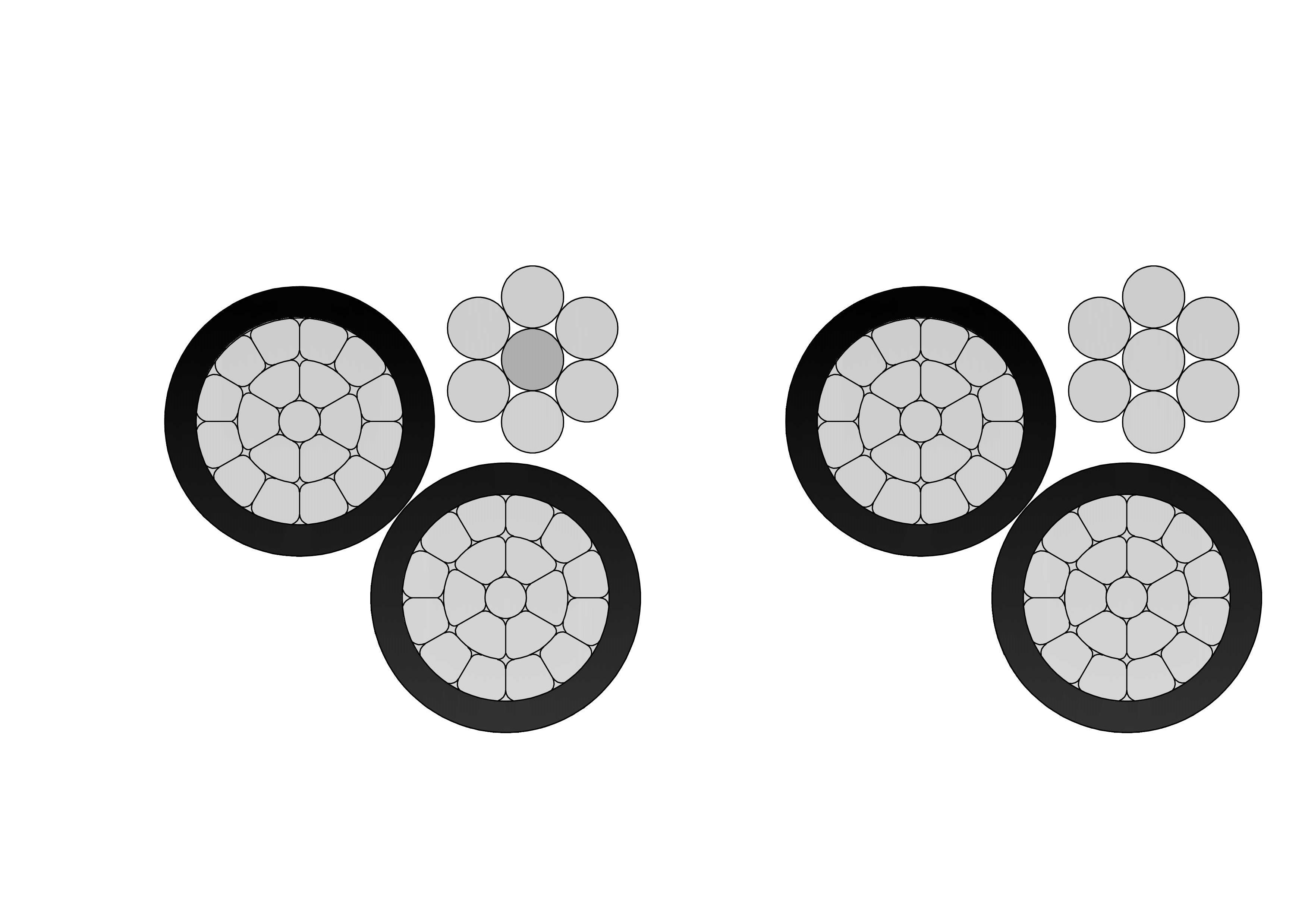
The 4 Artemia Aluminum Conductor Triplex Overhead Service Drop Cable is engineered for superior performance in overhead power distribution systems. Featuring three aluminum conductors with a neutral messenger, this cable ensures efficient electricity transmission for residential, commercial, and light industrial applications. Its robust construction includes high-grade aluminum alloy for enhanced conductivity and corrosion resistance, wrapped in weatherproof insulation to withstand harsh environmental conditions like UV exposure, rain, and wind. With a 4 AWG size, it supports voltages up to 600V and offers low impedance for minimal power loss. Easy to install with standard overhead fittings, it complies with ASTM, ANSI, and ICEA standards for safety and reliability. This triplex design reduces sagging and improves longevity, making it a cost-effective choice for utility companies and contractors. Whether upgrading existing lines or new installations, the 4 Artemia delivers dependable service with minimal maintenance. Invest in quality that powers your world efficiently.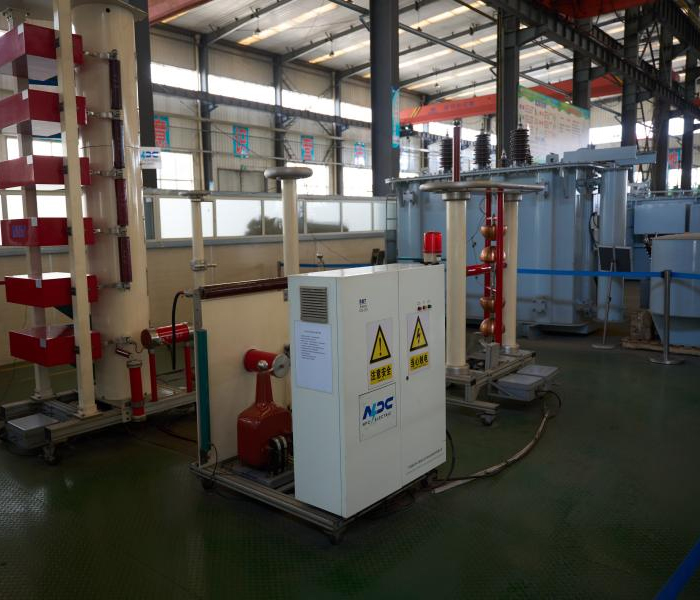
400kVA Dry Type Transformer
The NPC ELECTRIC 400kVA Dry Type Transformer is engineered for efficient and reliable power distribution in industrial, commercial, and utility applications. With a compact, fire-safe design, it operates without the need for oil or other cooling fluids, making it ideal for environments with strict safety and environmental standards. Designed to withstand heavy loads, it is the perfect solution for demanding electrical requirements, providing a sustainable and cost-effective option for modern electrical systems.
2/0 Runcina Aluminum Conductor Triplex Overhead Service Drop Cable
The 2/0 Runcina Aluminum Conductor Triplex Overhead Service Drop Cable is engineered to provide safe and efficient overhead electrical power distribution. It consists of two insulated aluminum phase conductors and a bare aluminum neutral messenger, delivering strong mechanical support and stable electrical transmission. Manufactured using premium aluminum materials and high-performance insulation compounds, the 2/0 Runcina Aluminum Conductor Triplex Overhead Service Drop Cable offers excellent resistance to corrosion, UV radiation, and environmental stress. Its optimized structure supports easy installation while meeting utility and industry standards. The cable performs reliably under mechanical load, temperature variation, and long-term outdoor exposure. Strict quality management systems and detailed testing procedures are implemented throughout production to ensure consistent performance and dependable service life.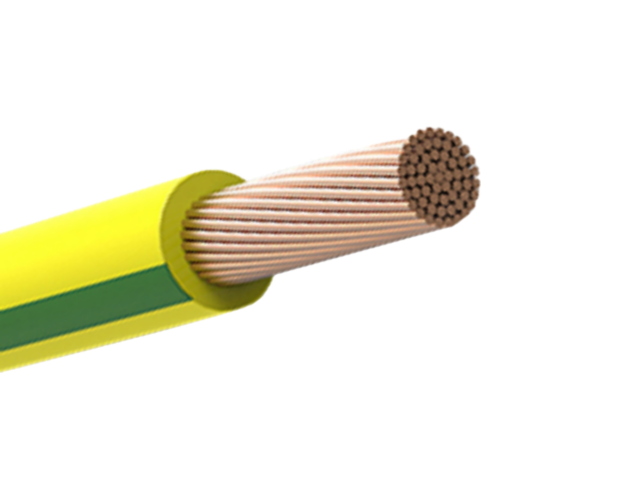
TW AND THW
Electrical wire TW AND THW is used in new construction projects or rewiring tasks in 600-volt systems. It is from NPC Electric are designed for building wiring applications where dependable electrical performance and installation safety are required. These single-core copper conductors are insulated with high-quality thermoplastic materials, providing stable conductivity, good mechanical protection, and resistance to heat and moisture. TW wire is suitable for dry or damp locations with moderate temperature ratings, while TH wire offers higher heat resistance for applications requiring enhanced thermal performance. Manufactured under strict quality control, NPC Electric TW and TH Wires deliver uniform insulation thickness, consistent conductor structure, and long service life. Their reliable performance and ease of handling make them a trusted choice for residential, commercial, and light industrial electrical installations.3GHSSYCY-mining-cable-2.webp)
(N)3GHSSYCY Mining Cable
The (N)3GHSSYCY medium voltage flexible cable is manufactured according to VDE 0250 standards, designed to deliver reliable power in demanding environments such as underground mining, tunneling, and heavy-duty industrial sites. Featuring EPR rubber insulation, a robust PVC outer sheath, and a copper wire braid with concentric conductors, it provides exceptional mechanical durability, flame retardancy, and electromagnetic compatibility (EMC). Its flexible construction and high thermal performance (up to +90°C continuous and +250°C short circuit) ensure dependable operation in both fixed and mobile applications. With a wide temperature range (-40°C to +80°C fixed) and compliance with VDE, EN, and IEC standards, this cable is the ideal choice for medium voltage power distribution in harsh conditions where flexibility, safety, and durability are critical.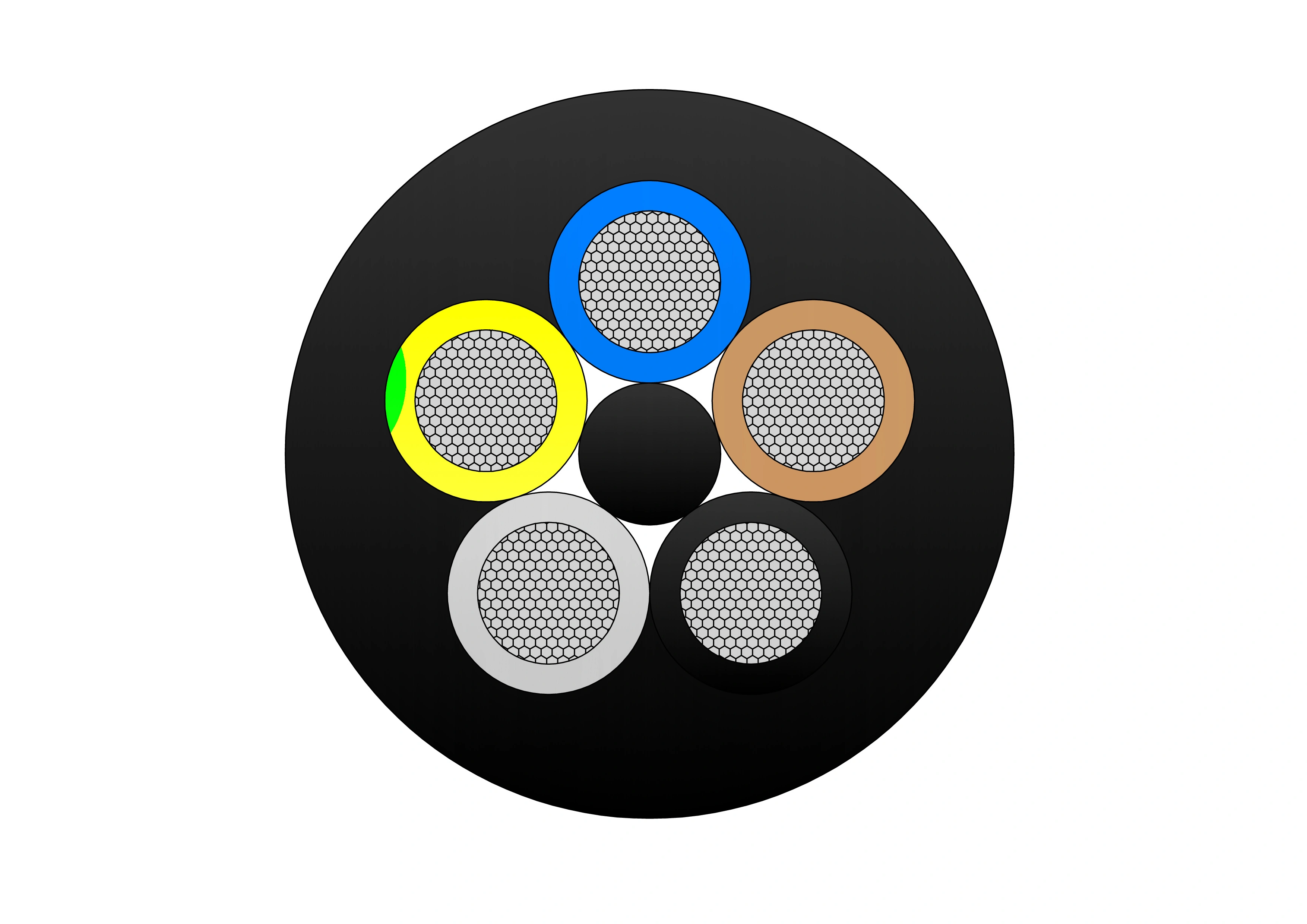
NTSCGECECWOU 3.6/6kV and 6/10kV Cable
The NTSCGECECWOU 3.6/6kV and 6/10kV cable is a flexible medium voltage power cable manufactured to VDE 0250 Part 813 standards, designed for reeling and trailing applications in mining, tunneling, and other demanding industrial environments. Constructed with Class 5 tinned copper conductors, EPR insulation, and a robust halogen-free sheath, it delivers exceptional mechanical strength, flame retardancy, oil resistance, and flexibility. Its copper wire screen ensures EMC protection, while the rugged sheath withstands extreme temperatures, making it suitable for both indoor and outdoor installations in harsh conditions.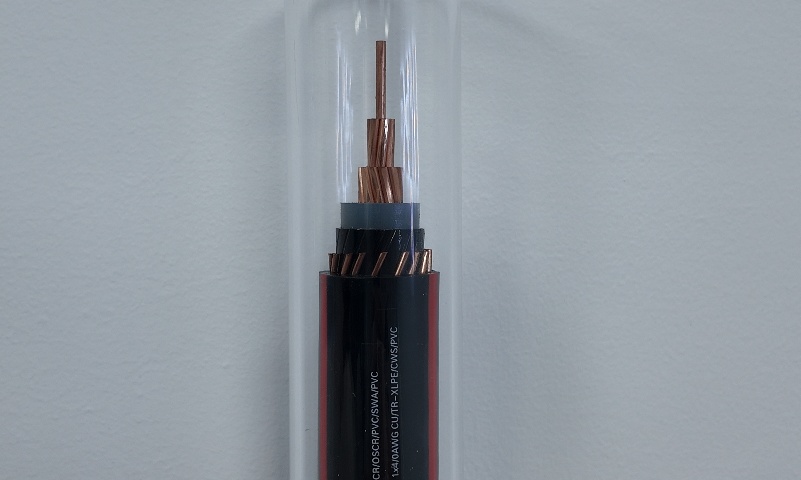
1/0 Stranded Aluminum Conductor 35KV URD Cable
The 1/0 Stranded Aluminum Conductor 35kV URD Cable is a high-reliability medium-voltage underground distribution cable designed for primary power delivery. It features a 1/0 AWG stranded AA8000 aluminum alloy conductor, extruded semi-conducting shields, tree-retardant TR-XLPE insulation, copper concentric neutral wires, and a tough sunlight-resistant LLDPE jacket. This construction provides excellent electrical performance, superior moisture and treeing resistance, and strong mechanical protection suitable for direct burial or duct installations. The cable offers a good balance between ampacity and cost-effectiveness for medium voltage underground systems. Manufactured to ICEA S-94-649 and AEIC CS8 standards, the 1/0 Stranded Aluminum Conductor 35kV URD Cable undergoes rigorous quality testing from raw materials to finished product, ensuring long-term reliability and safety in demanding underground environments.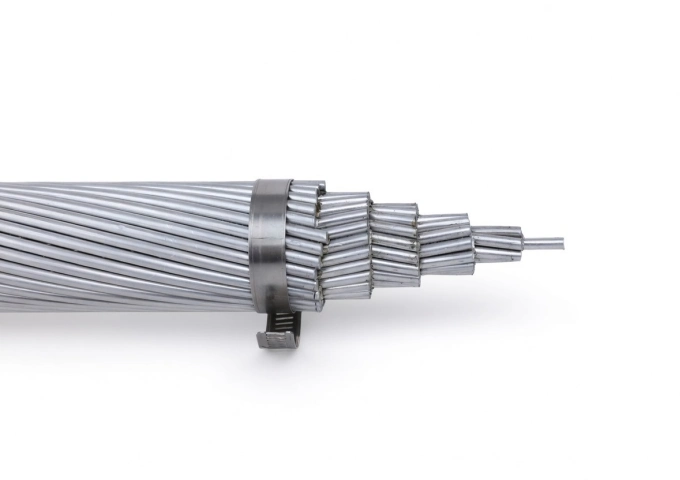
397.5 MCM Canna AAC Cable
The 397.5 MCM Canna AAC Cable represents premium All Aluminum Conductor technology for overhead power applications. Built with 19 strands of high-conductivity 1350-H19 aluminum, this bare conductor delivers an optimal balance of electrical efficiency and mechanical robustness. With a 0.724-inch diameter, 7,110 lbs breaking strength, and 570 amps ampacity, the Canna AAC offers low DC resistance of 0.0435 ohms per 1000 ft at 20°C and a weight of 373.2 lbs per 1000 ft. This design minimizes sag while providing excellent corrosion resistance for extended outdoor service. Manufactured to meet ASTM B-230 and B-231 standards, the 397.5 MCM Canna AAC Cable undergoes extensive quality testing from raw materials through finished product. It is the perfect solution for new installations and upgrades in transmission and distribution systems that demand lightweight, high-conductivity bare aluminum conductors.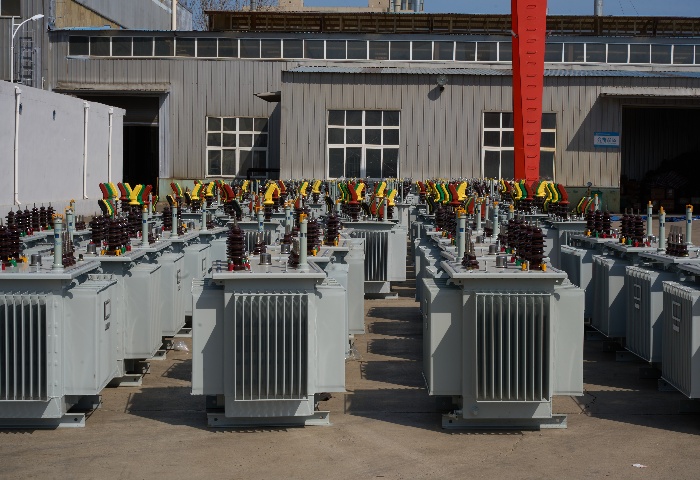
250kVA Oil Immersed Transformer
The 250kVA Oil Immersed Transformer produced by NPC ELECTRIC adopts a new insulation structure to improve the short-circuit resistance; the core adopts high-quality cold-rolled silicon steel sheets; the high-voltage winding adopts high-quality oxygen-free copper wire and adopts a multi-layer cylinder structure; all fasteners are specially treated to prevent loosening. Fully compliant with ANSI C57.12.00, IEEE C57.12.90, IEC 60076, DOE 2016 efficiency standards (and fully prepared for 2029 amendments with reduced losses), this 250 kVA unit delivers outstanding energy efficiency (>99.45% typical), low no-load and load losses, excellent thermal performance, and proven durability in demanding outdoor environments.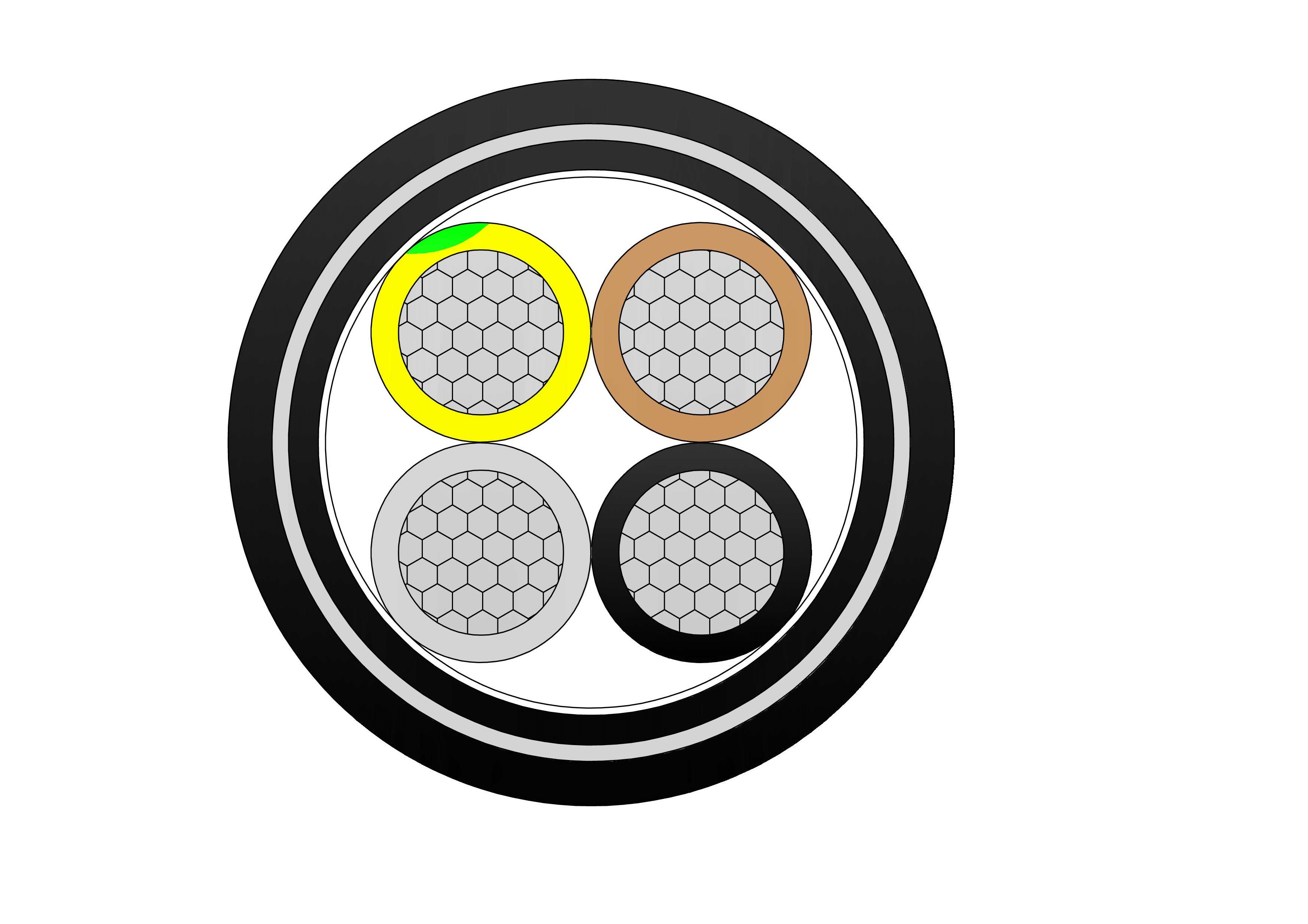
NAYBY 0.6/1kV Low Voltage Power Cable
NAYBY 0.6/1kV are low voltage power cables designed according to DIN VDE 0276 standard, suitable for fixed installation in indoor, outdoor, underground, cable ducts, or concrete (not exposed to vibration), with steel tape armoring providing additional mechanical protection. Featuring stranded or solid aluminium conductors, PVC insulation, filler, and robust PVC outer sheath, it complies with VDE 0276-603 and IEC standards. This unarmoured cable offers good electrical properties, mechanical strength, and resistance to moisture and chemicals. Lightweight aluminium design reduces installation and material costs compared to copper equivalents. Suitable for direct burial, ducts, or indoor fixed installations where mechanical protection is not critical. Flame-retardant with adequate current-carrying capacity, the NAYBY 0.6/1kV Low Voltage Power Cable ensures reliable performance with minimal losses.H-medium-voltage-power-cable-2.jpg)
N2XS(FL)H Medium Voltage Power Cable(6/10kV, 12/20kV, 18/30kV)
The N2XS(FL)H Medium Voltage Power Cable is designed for reliable and fire-safe power transmission in medium voltage systems rated at 6/10kV, 12/20kV, and 18/30kV. The cable features a copper conductor insulated with XLPE and is equipped with a flame-retardant laminated aluminum foil screen, which provides effective electromagnetic shielding and moisture protection. An LSZH outer sheath is applied to minimize smoke emission and eliminate halogen gases in the event of fire, enhancing safety in confined or populated installations. Manufactured in accordance with IEC standards, the N2XS(FL)H cable offers low dielectric loss, high thermal stability, and long service life. Its optimized construction ensures dependable electrical performance while meeting stringent fire safety and environmental requirements.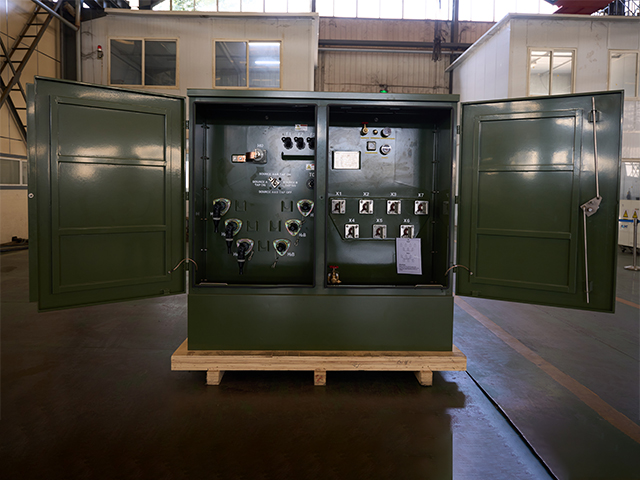
1600kVA Three Phase Pad Mounted Transformer
The 1600kVA Three Phase Pad Mounted Transformer is a robust, liquid-immersed, self-cooled distribution transformer designed for reliable underground power delivery in high-demand environments. Built to exceed IEEE C57.12.34, ANSI C57.12.00, DOE 2016 efficiency standards, and CSA C802.3 requirements, this UL-listed compartmental-type unit features dead-front high-voltage bushings (200A loadbreak inserts), loop-feed or radial configurations, and a fully sealed tank with mineral oil or eco-friendly FR3 fluid options.Suitable for primary voltages like 12.47kV, 13.8kV, 24.94kV, or 34.5kV to secondary 480Y/277V or 208Y/120V, it provides overload capability, low maintenance, and enhanced fire safety for modern grid integration.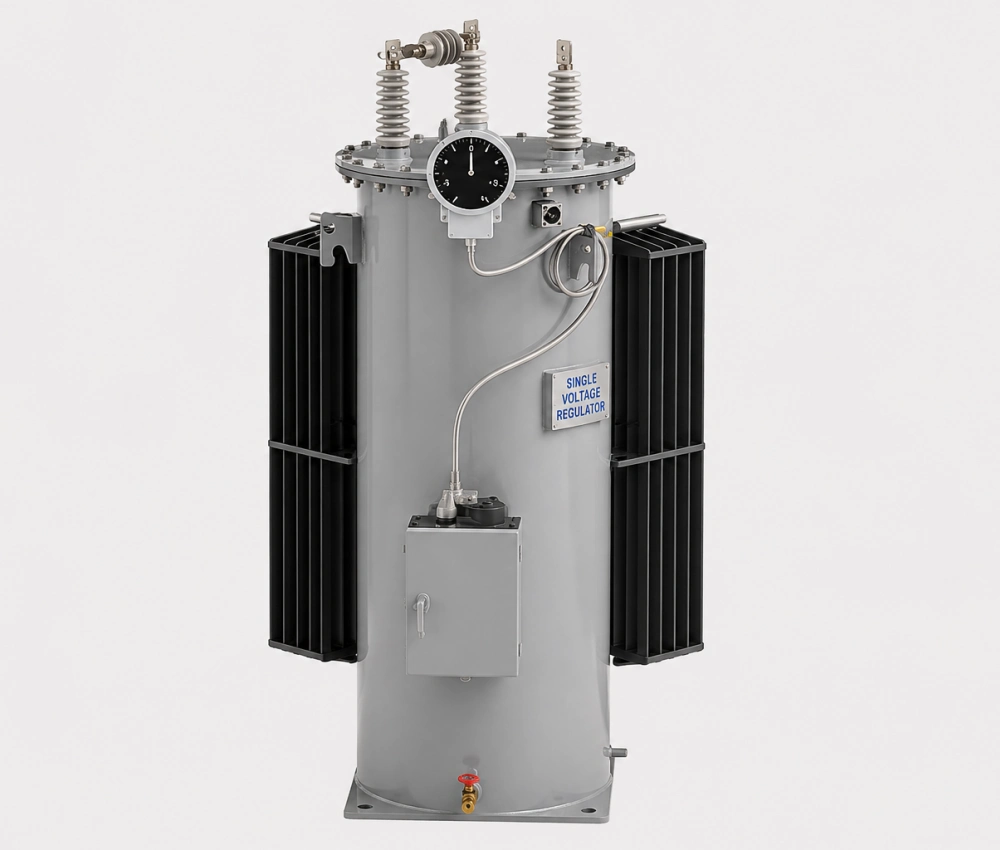
Step Voltage Regulator for Overhead Line & Substation | Automatic On-Load Tap Changer
The Step Voltage Regulator for Overhead Line & Substation is a high-performance, automatic on-load tap-changing device engineered to maintain stable voltage levels in fluctuating distribution networks. Utilizing premium copper windings, high-permeability silicon steel cores, and a motorized on-load tap changer, this regulator delivers precise ±10% to ±20% voltage correction with fast response and minimal waveform distortion. It features an advanced microprocessor-based AVR controller with remote communication capability (RS485/GSM/4G), real-time monitoring, and multiple protection functions including over-voltage, under-voltage, overload, and reverse power. Designed for both pole-mounted overhead line installation and substation applications, it offers excellent overload capacity, low losses, and long service life under harsh outdoor conditions. Fully sealed, oil-immersed construction with advanced corrosion protection ensures reliable operation in tropical, coastal, or heavily polluted environments while complying with IEC 60076-21 and ANSI C57.15 standards.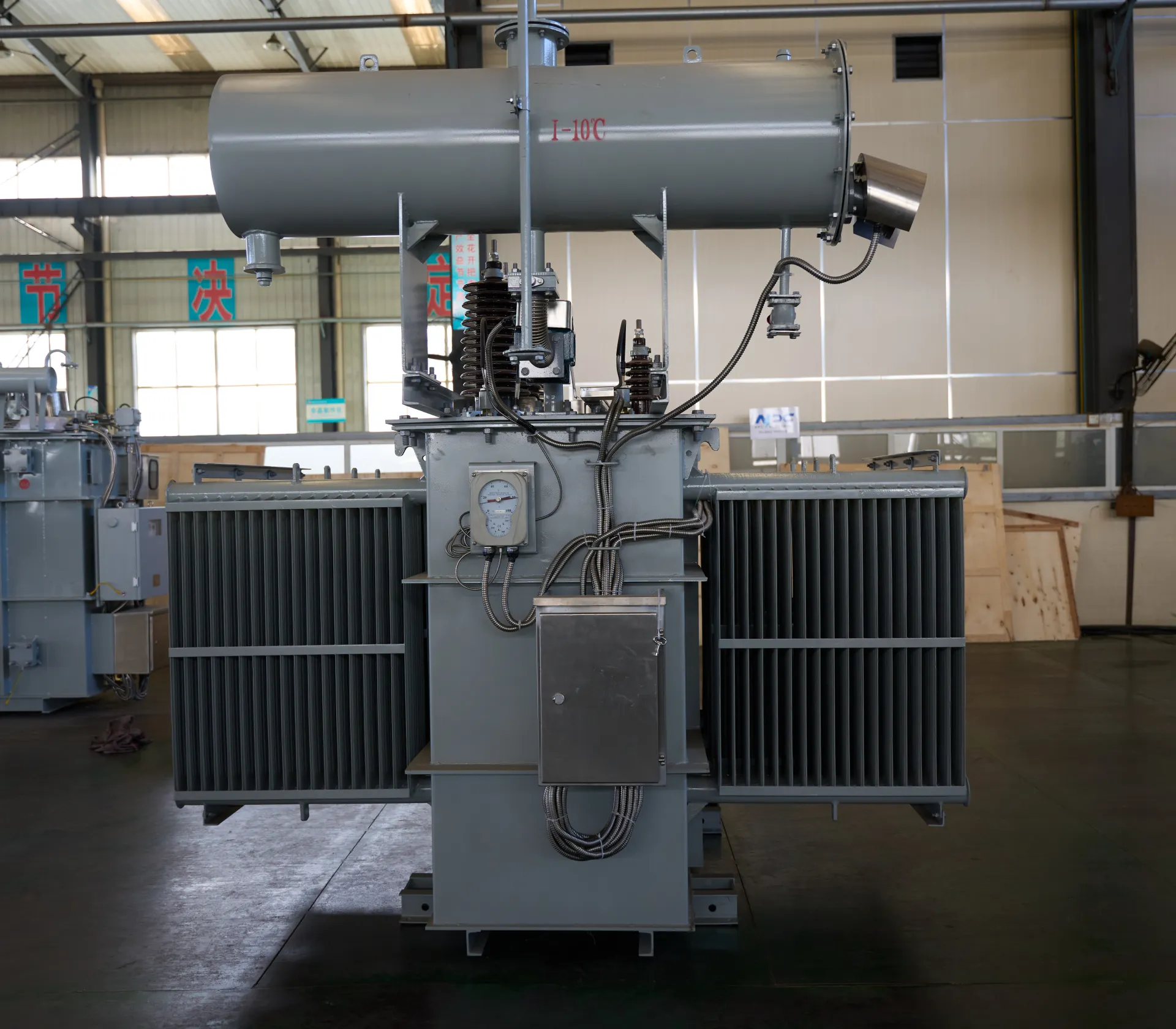
11kV Three-Phase Oil-Immersed Power Transformer
The 11kV Three-Phase Oil-Immersed Power Transformer is engineered for stable and efficient distribution across medium-voltage networks. Designed with high-grade silicon steel, advanced insulation systems, and premium mineral oil, this transformer ensures superior dielectric strength, excellent heat dissipation, and long service life. Its oil-immersed configuration delivers reliable cooling performance, enabling continuous operation under varying load conditions. The three-phase design ensures balanced power delivery, reduced energy losses, and improved grid stability. With enhanced short-circuit strength, low noise levels, and robust mechanical structure, it is suitable for industrial facilities, commercial complexes, substations, and utility distribution networks. Custom voltage ratios, tap changers, protection devices, and enclosure options are available to meet regional standards and project-specific requirements.
XLPE-HDPE Tree Cable Aluminum 25kV 1x70mm²
The XLPE-HDPE Tree Cable Aluminum 25kV 1x70mm² is specially designed for medium-voltage overhead distribution systems that demand higher load capacity. Its robust construction ensures outstanding performance and reliability even in harsh outdoor conditions, making it ideal for wooded areas, semi-urban environments, and locations where maintenance and tree-trimming need to be minimized. The conductor is made from high-conductivity aluminum alloy 1350 wires, round compacted with class 2 stranding, achieving a minimum conductivity of 61% IACS and a tensile strength of at least 130 MPa. Optional conductor shielding with an extruded semiconductor thermosetting compound is available for 15kV and 25kV applications, providing enhanced electrical performance. This 25kV XLPE-HDPE tree cable delivers reliable, eco-friendly power distribution with reduced maintenance needs. Its combination of high current capacity, environmental resilience, and long service life makes it a perfect solution for medium-voltage overhead networks in challenging outdoor settings.Welcome your inquiry
Honesty, Integrity, Frugality, Activeness and Passion