
How to Choose Submarine Cables: Types, Specs and Installation Guide
2026-07-22
Submarine cables are among the most important components of modern global infrastructure. They support international communications, offshore renewable energy systems, cross-border power transmission, offshore oil and gas platforms, and global internet connectivity. Without undersea cables, modern telecommunications networks and international electrical systems would not function efficiently.
Today, submarine cables are used in a wide range of applications, including submarine power cable systems for offshore wind farms and fiber submarine cable networks for international data transmission. As offshore energy development and digital infrastructure continue expanding, selecting the correct submarine cable has become increasingly important for utilities, EPC contractors, telecommunications operators, and marine engineering firms.
Subsea cables operate in one of the harshest environments on Earth. They must withstand:
- High water pressure
- Corrosive marine environment exposure
- Mechanical stress
- Seabed movement
- Fishing activities
- Anchor impact risks
- Long-distance electrical or optical transmission demands
Modern cable design, therefore, requires a careful balance between electrical performance, mechanical protection, corrosion resistance, thermal management, and installation feasibility.
1. What Are Submarine Cables?
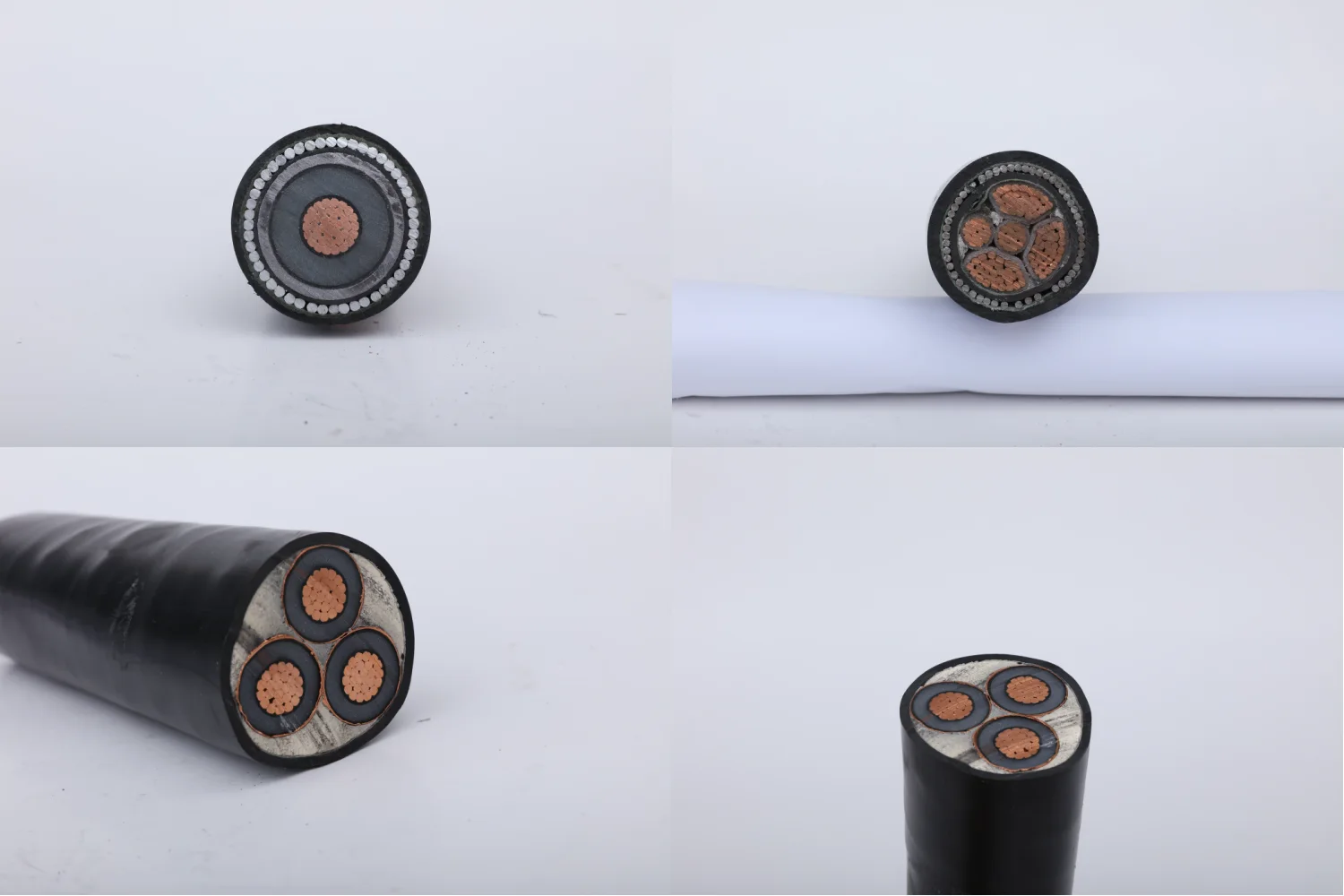
Submarine cables are specialized cables installed underwater to transmit electrical power or communication signals between offshore and onshore locations.
They are commonly categorized into:
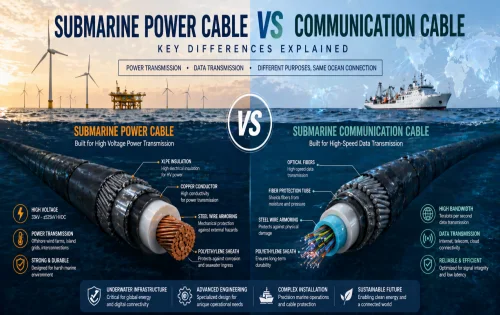
- Submarine power cable systems
- Submarine communication cables
- Fiber submarine cable systems
Main Applications of Subsea Cables
Modern subsea cables are used in:
- Offshore wind farms
- International power interconnections
- Offshore oil and gas facilities
- Data transmission networks
- Island power supply systems
- Telecommunications infrastructure
Why Submarine Cables Are Critical
Submarine cables connected between countries and offshore facilities support:
- Global internet traffic
- Renewable energy transmission
- International electrical trade
- Offshore industrial operations
Over 95% of international internet data is transmitted through submarine fiber cable systems rather than satellites.
2. Main Types of Submarine Cables
Different underwater applications require different cable technologies.
Comparison of Main Types of Submarine Cables
|
Cable Type |
Main Function |
Transmission Medium |
Typical Applications |
Main Advantage |
|
Electrical power transmission |
Copper or aluminum conductor |
Offshore wind farms, island power supply |
High power capacity |
|
|
HVAC Submarine Cable |
AC power transmission |
Electrical conductor |
Short and medium offshore links |
Simpler infrastructure |
|
HVDC Submarine Cable |
DC power transmission |
Electrical conductor |
Long-distance interconnections |
Lower transmission loss |
|
Fiber Submarine Cable |
Data communication |
Optical fiber |
Global internet backbone |
Extremely high bandwidth |
|
Hybrid Submarine Cable |
Combined power and communication |
Conductor + optical fiber |
Offshore platforms and smart grids |
Integrated functionality |
|
Submarine Communication Cable |
Telecommunications |
Fiber optic cables |
International communications |
Long-distance signal stability |
Submarine Power Cable
Submarine power cable systems transmit electrical energy underwater.
These cables are widely used for:
- Offshore wind farms
- Island electrification
- Cross-border grid interconnections
HVAC vs HVDC Submarine Power Cable
HVAC Cables
High-voltage alternating current cables are suitable for shorter transmission distances.
Advantages include:
- Simpler converter systems
- Lower terminal equipment cost
HVDC Cables
High-voltage direct current submarine power cable systems are preferred for long-distance transmission.
Advantages include:
- Lower transmission loss
- Better efficiency over long distances
- Improved grid stability
Fiber Submarine Cable
Fiber submarine cable systems use fiber optic cables to transmit digital communication signals.
Applications include:
- Internet backbone infrastructure
- International telecommunications
- Cloud computing networks
- Data centers
Hybrid Submarine Cables
Modern cable design increasingly combines:
- Electrical conductors
- Fiber optic cables
inside one integrated submarine cable system.
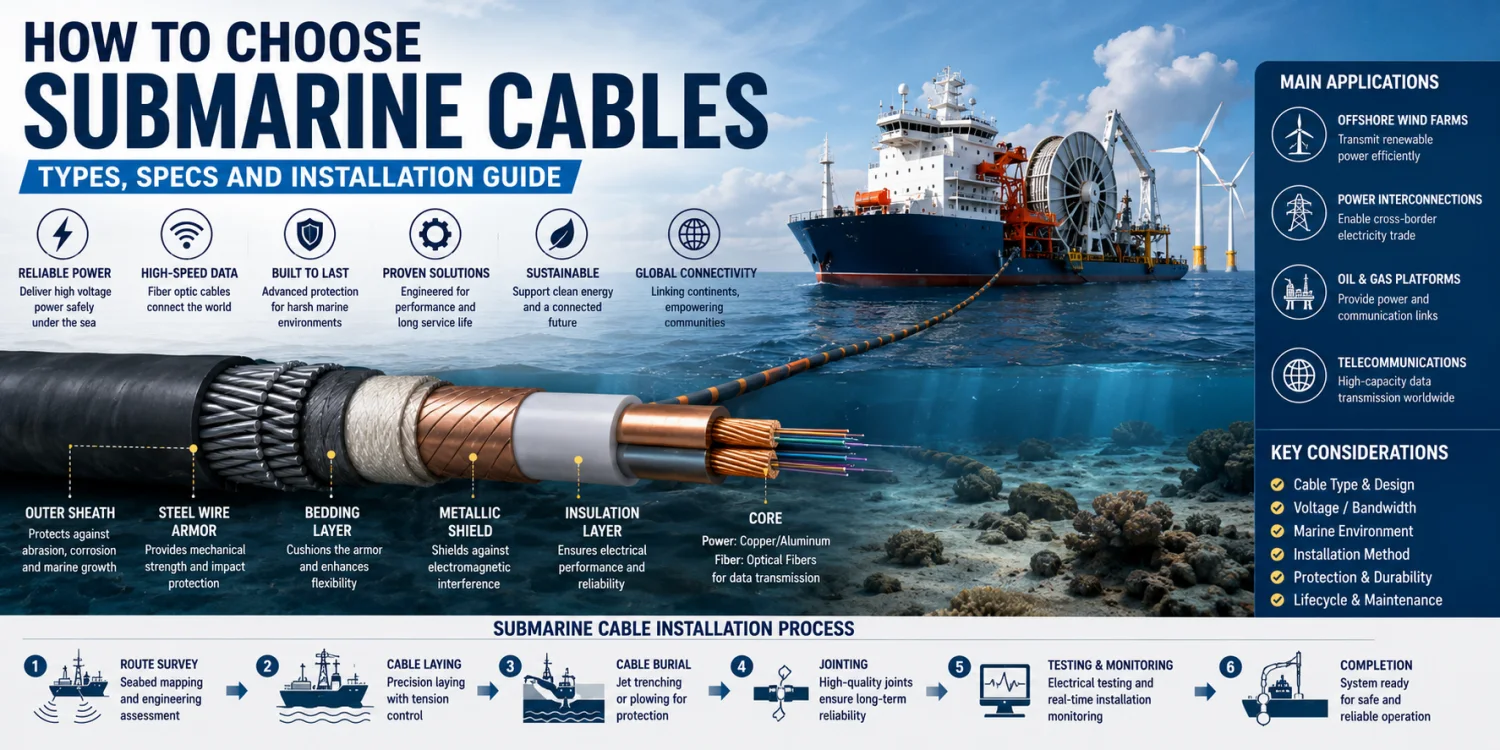
3. What Are the Different Layers of a Submarine Cable?
One of the most common engineering questions is:
What are the different layers of a submarine cable?
Modern submarine cables use multiple protective layers to survive underwater conditions.
Main Layers Inside a Modern Submarine Cable
|
Cable Layer |
Main Function |
Typical Materials |
|
Central Conductor / Optical Core |
Transmit electrical power or data |
Copper, aluminum, optical fiber |
|
Insulation Layer |
Prevent electrical leakage |
XLPE, EPR |
|
Water Blocking Layer |
Prevent moisture penetration |
Water-swellable compounds |
|
Metallic Shield |
Electromagnetic protection |
Copper tape or lead sheath |
|
Steel Wires Armoring |
Mechanical protection |
Galvanized steel wires |
|
Bedding Layer |
Cushion internal components |
Polypropylene yarn |
|
Outer Protective Sheath |
Environmental protection |
Polyethylene (PE) |
|
Anti-Corrosion Coating |
Improve marine durability |
Bitumen or polymer coating |
Core Conductor or Optical Fiber
The central section contains either:
- Copper or aluminum conductors
- Fiber optic cables
Depending on the cable function.
Insulation Layer
Electrical submarine power cable systems use insulation materials such as:
- XLPE
- EPR
- Mass impregnated insulation
to prevent electrical leakage.
Water Blocking Layer
Water blocking materials prevent moisture penetration if the cable is damaged.
Metallic Shield
Metallic shielding improves:
- Electromagnetic protection
- Fault current handling
Steel Wires Armoring
Steel wires provide mechanical protection against:
- Fishing equipment
- Anchors
- Seabed abrasion
- Mechanical impact
Armoring is especially important in shallow water installations.
Outer Protective Sheath
The outer jacket protects against:
- Corrosion
- UV exposure
- Marine organisms
- Abrasion
4. Key Technical Specifications for Submarine Cable Selection
Proper submarine cable selection requires a detailed technical evaluation.
Voltage Rating
Submarine power cable systems may operate from:
- Medium voltage
- High voltage
- Ultra-high-voltage levels
depending on transmission requirements.
Current Carrying Capacity
Cable sizing depends on:
- Load demand
- Transmission distance
- Thermal dissipation
- Seabed conditions
Mechanical Strength
Subsea cables experience:
- Tensile loads
- Bending stress
- Installation stress
Cable design must support installation and long-term reliability.
Fiber Count and Bandwidth
For submarine fiber cable systems, engineers evaluate:
- Fiber count
- Data transmission capacity
- Future expansion requirements
Corrosion Resistance
The marine environment accelerates corrosion.
Protective materials must withstand:
- Saltwater exposure
- Biological activity
- Long-term immersion
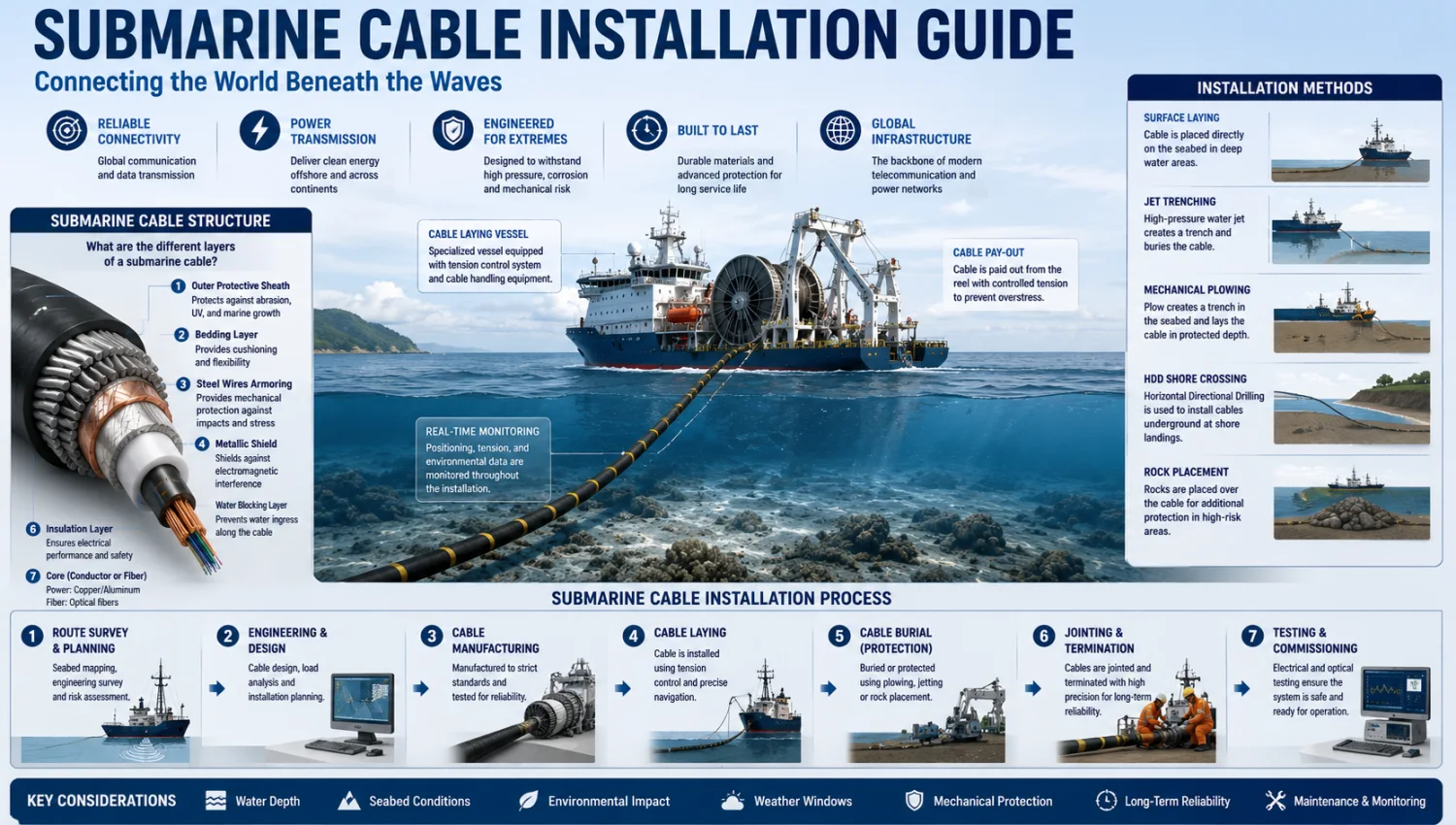
5. Submarine Cable Installation Guide
Submarine cable installation is one of the most technically challenging marine engineering operations.
Route Survey and Planning
Every cable project begins with seabed analysis.
Engineers evaluate:
- Water depth
- Geological conditions
- Fishing activity
- Shipping routes
- Environmental restrictions
Planned cables must avoid unstable seabed regions.
Cable Laying Vessels
Specialized vessels install submarine cables using controlled tension systems.
Deep-sea they are laid directly onto the seabed in many offshore projects.
Cable Burial
In shallow waters, submarine cables are often buried beneath the seabed for protection.
Burial methods include:
- Jet trenching
- Mechanical plowing
- Directional drilling
Common Submarine Cable Installation Methods
|
Installation Method |
Description |
Suitable Environment |
Main Advantage |
|
Surface Cable Laying |
Cable placed directly on the seabed |
Deep-sea areas |
Lower installation cost |
|
Jet Trenching |
Water jet buries cable |
Sandy seabed |
Good cable protection |
|
Mechanical Plowing |
Plow creates a seabed trench |
Soft seabed |
Efficient burial |
|
Horizontal Directional Drilling (HDD) |
Underground shore crossing |
Coastal landing areas |
Minimal environmental impact |
|
Rock Placement Protection |
Rocks placed over the cable |
Rocky seabed |
Mechanical protection |
|
Cable Mattress Protection |
Concrete mattresses cover the cable |
High-risk areas |
Anchor impact protection |
Jointing and Termination
Long submarine cables require precision cable joints.
Poor joint quality is one of the leading causes of submarine cable failure.
Installation Instructions and Monitoring
Modern installation instructions include:
- Tension monitoring
- Bend radius control
- Weather analysis
- Real-time positioning systems
6. Challenges in the Marine Environment
Submarine cables operate in extremely difficult conditions.
Corrosion Risks
Saltwater exposure accelerates corrosion of metallic components.
Advanced coatings and armored layers improve durability.
Mechanical Damage
Common external threats include:
- Ship anchors
- Fishing trawlers
- Seabed movement
- Earthquakes
Thermal Management
High-voltage submarine power cable systems generate heat during operation.
Seabed thermal conductivity affects cable ampacity.
Deep-Sea Pressure
Deep-sea cable systems must withstand enormous hydrostatic pressure.
The cable structure must prevent deformation and water ingress.
Table: Submarine Cable Failure Risks and Protection Methods
|
Risk Factor |
Potential Damage |
Protection Method |
|
Ship anchors |
Cable breakage |
Deep burial |
|
Fishing trawlers |
Armor damage |
Steel wire armoring |
|
Corrosion |
Conductor degradation |
Anti-corrosion coating |
|
Seabed movement |
Cable bending |
Flexible cable design |
|
Marine organisms |
Outer sheath damage |
Protective outer jacket |
|
High current loading |
Overheating |
Thermal design optimization |
7. How to Choose the Right Submarine Cable
Choosing the correct submarine cable depends on operational and environmental requirements.
For Offshore Wind Farms
Recommended features include:
- High voltage transmission capability
- Strong mechanical armoring
- Long operational lifespan
For Telecommunications Networks
Fiber submarine cable systems should prioritize:
- Low signal attenuation
- High bandwidth
- Long-distance reliability
For Harsh Marine Environments
Engineers should evaluate:
- Steel wires armoring
- Corrosion protection
- Impact resistance
Important Engineering Selection Factors
Key considerations include:
- Transmission distance
- Voltage level
- Installation depth
- Seabed conditions
- Mechanical protection
- Future maintenance accessibility
8. Future Trends in Submarine Cable Technology
Global submarine cable demand continues to increase rapidly.
Offshore Renewable Energy Expansion
Offshore wind projects are driving massive demand for submarine power cable infrastructure.
Higher Capacity Fiber Networks
Modern submarine fiber cable systems now support:
- AI data centers
- Cloud computing
- 5G infrastructure
Smart Cable Monitoring
Advanced submarine cables are increasingly used:
- Real-time temperature monitoring
- Distributed sensing systems
- Predictive maintenance technologies
Improved Sustainable Materials
Future cable design focuses on:
- Lower environmental impact
- Improved recyclability
- Longer service life
FAQ: Submarine Cables
1. What are submarine cables used for?
Submarine cables are used to transmit electrical power or communication data underwater between offshore facilities, islands, countries, and continental regions. They support offshore wind farms, internet infrastructure, telecommunications systems, and international power transmission networks.
2. What is the difference between a submarine power cable and a fiber submarine cable?
Submarine power cable transmits electrical energy using copper or aluminum conductors, while fiber submarine cable transmits digital communication signals using optical fiber technology for internet and telecommunications networks.
3. What are the different layers of a submarine cable?
A modern submarine cable typically includes a conductor or optical core, insulation layer, water blocking layer, metallic shield, steel wires armoring, bedding layer, and outer protective sheath to ensure electrical performance and mechanical protection in the marine environment.
4. Why are steel wires used in submarine cables?
Steel wires are used for armoring and mechanical protection. They help submarine cables resist fishing equipment impact, anchor damage, seabed abrasion, tensile stress, and harsh underwater installation conditions.
5. How are submarine cables installed underwater?
Submarine cables are installed using specialized cable-laying vessels. Depending on seabed conditions and project requirements, cables may be directly laid on the seabed, buried using jet trenching or plowing methods, or protected with rock placement systems.
6. What factors should be considered when choosing submarine cables?
Important selection factors include voltage level, transmission distance, marine environment conditions, cable design, corrosion resistance, mechanical protection, installation depth, thermal performance, and future maintenance accessibility.
Conclusion
Submarine cables form the backbone of modern global communication and energy infrastructure. Whether used for submarine power cable systems or fiber submarine cable networks, these specialized undersea cables must operate reliably in some of the harshest environments on Earth.
Successful submarine cable project development requires careful evaluation of voltage levels, cable design, installation methods, environmental conditions, and long-term operational reliability. Factors such as mechanical protection, steel wire armoring, corrosion resistance, thermal performance, and seabed conditions all significantly affect system lifespan and performance.
As offshore renewable energy, global internet traffic, and international power interconnections continue expanding, advanced submarine cables will remain essential technologies supporting the future of worldwide energy and communication systems.

Related Articles
Related Products
NAYY-J/NAYY-O Cables
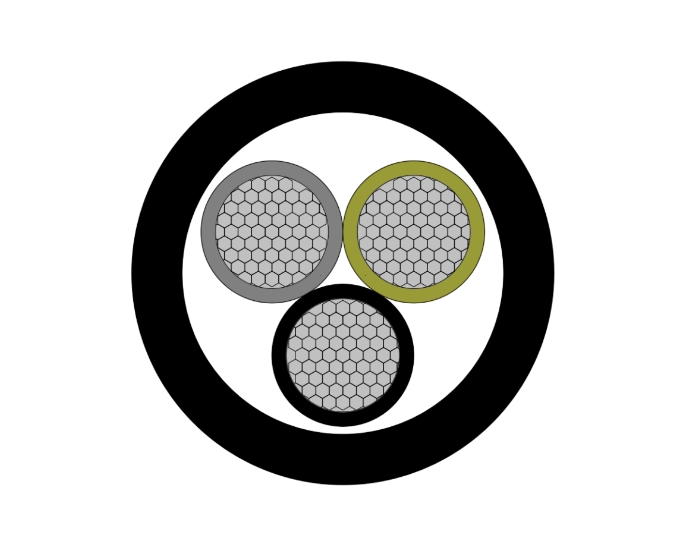
The NAYY-J/NAYY-O Solar Cables provide cost-effective, reliable power distribution in photovoltaic systems. With sector-shaped or round aluminum conductors, PVC core insulation, and robust PVC outer jacket, they meet VDE 0276 requirements. NAYY-J includes a protective earth conductor, while NAYY-O is without. These cables excel in wet environments with superior water and chemical resistance, suitable for direct burial without additional protection. UV-stabilized and mechanically strong, they withstand soil stress and installation pulling forces. Low-weight aluminum reduces handling efforts, making them popular for extensive solar parks. NAYY-J/NAYY-O Solar Cables ensure efficient energy transfer with minimal losses, supporting sustainable solar infrastructure worldwide.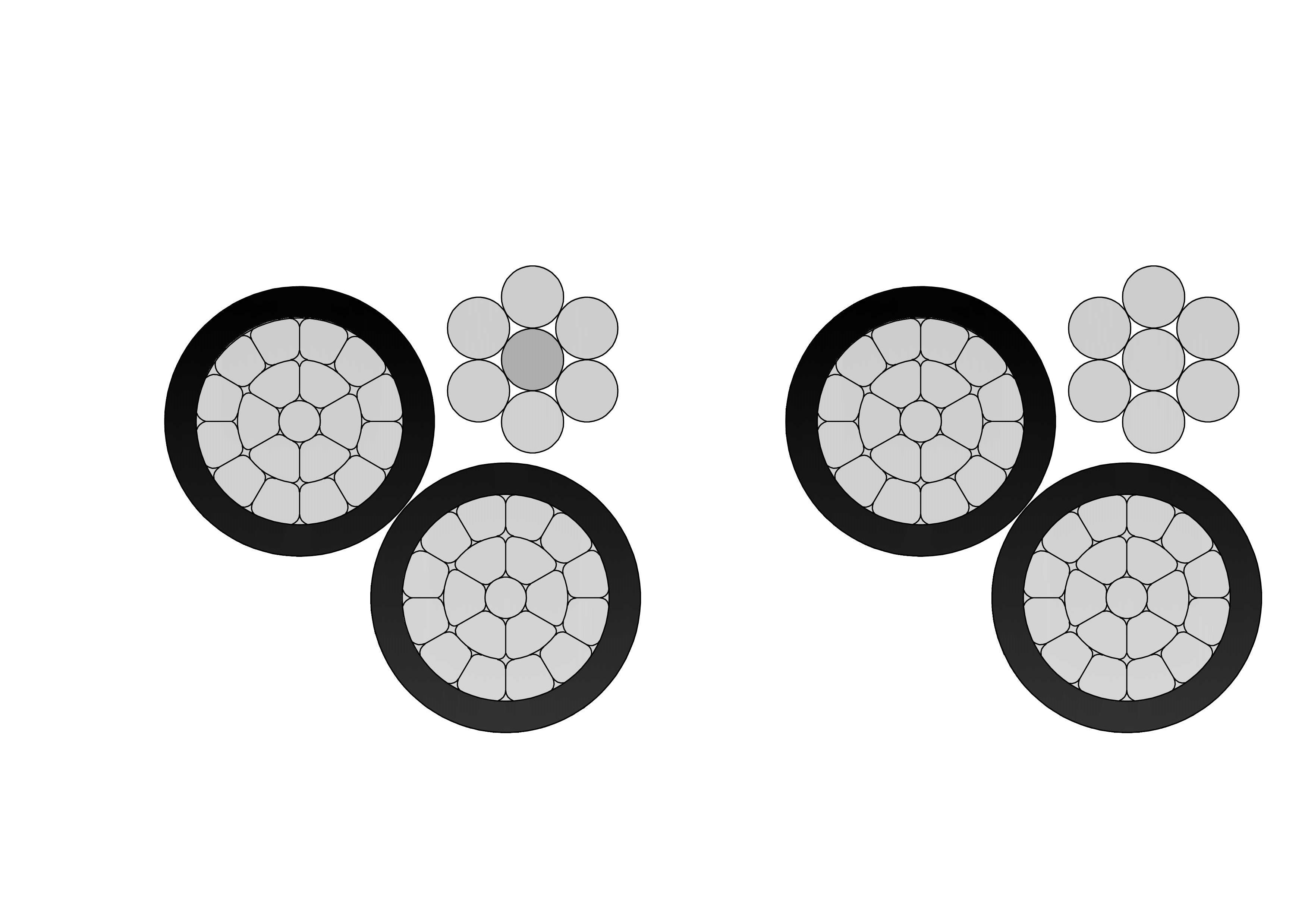
2/0 Dungeness Aluminum Conductor Triplex Overhead Service Drop Cable
The 2/0 Dungeness Aluminum Conductor Triplex Overhead Service Drop Cable is engineered to provide safe and efficient overhead power distribution. Featuring two insulated aluminum conductors and a bare aluminum neutral messenger, this cable delivers strong mechanical support and stable electrical transmission. The 2/0 Dungeness Aluminum Conductor Triplex Overhead Service Drop Cable is manufactured using premium aluminum materials and weather-resistant insulation to ensure long service life in outdoor environments. Its optimized design allows for easy installation while maintaining compliance with utility and industry standards. The cable performs reliably under mechanical stress, temperature changes, and prolonged UV exposure. Strict quality control and systematic testing procedures are applied throughout production to ensure consistent performance and dependable field operation.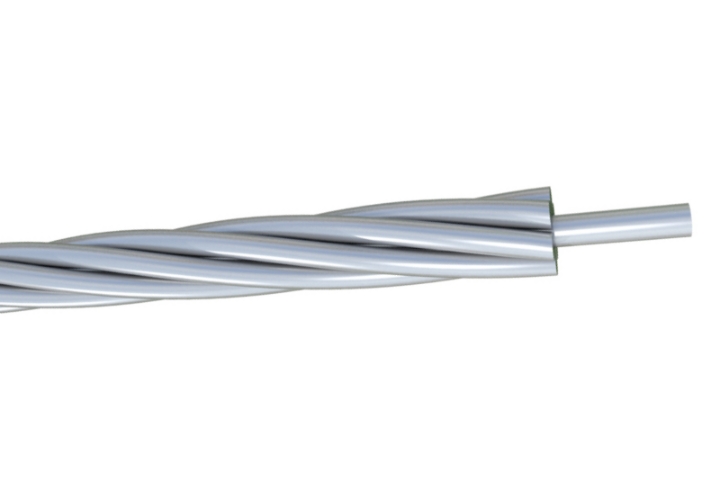
High Quality 16 Gauge Galvanized Steel Conductor Wire Supplier
The 16 Gauge Galvanized Steel Conductor Wire is a versatile and durable solution for electrical and construction applications. Made from premium steel and coated with a high-quality zinc layer through hot-dip galvanization, it provides superior resistance to corrosion and environmental wear. This wire is engineered to deliver consistent tensile strength while maintaining flexibility, making it suitable for grounding systems, fencing, and binding applications. The 16-gauge size ensures easy handling and adaptability for various installation requirements. Its uniform zinc coating enhances longevity and reduces maintenance costs, especially in outdoor environments exposed to moisture and chemicals. Manufactured under strict quality control systems, the wire meets international standards for performance and reliability. With customizable specifications such as coating thickness and tensile strength, the 16 Gauge Galvanized Steel Conductor Wire is widely trusted by contractors and industrial users for its durability and cost-effectiveness.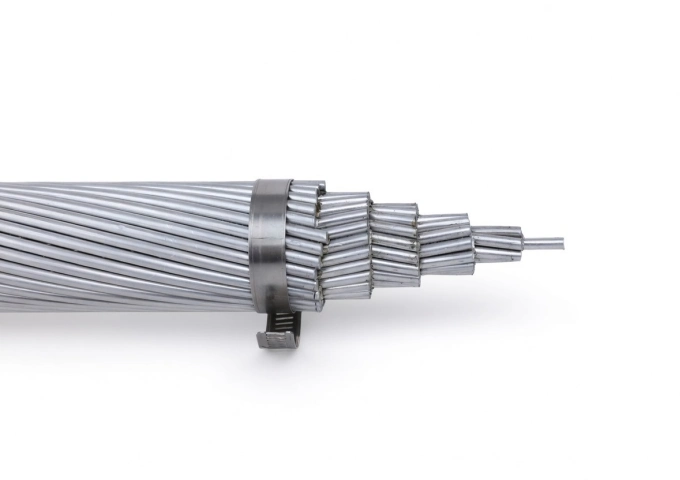
4 AWG Rose AAC Cable
The 4 AWG Rose AAC Cable is a lightweight, high-conductivity all-aluminum conductor designed for overhead power distribution and transmission lines. Consisting of 7 strands of 1350-H19 aluminum, it provides excellent electrical performance with 61.2% IACS conductivity and a current rating suitable for medium-span applications. Compliant with ASTM B231 and IEC 61089 standards, this bare AAC cable offers superior corrosion resistance and low weight, making it ideal for areas where ice and wind loads are moderate. The 4 AWG Rose AAC Cable minimizes installation costs and sag while delivering efficient power transfer with minimal losses. Its homogeneous aluminum construction eliminates bimetallic corrosion risks. Widely used in rural electrification, urban distribution upgrades, and renewable energy connections, the 4 AWG Rose AAC Cable ensures long service life and reliable performance in overhead lines worldwide.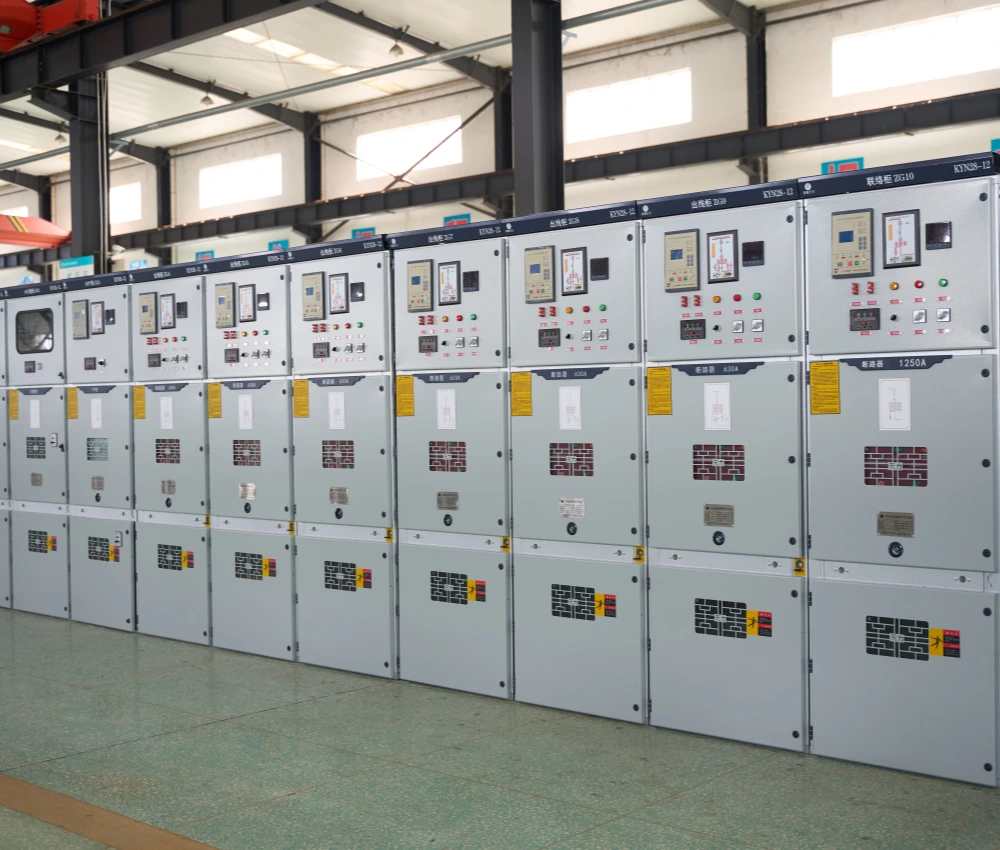
Low Voltage Switchgear
The Low Voltage Switchgear is a high-performance electrical distribution and protection system designed for safe, reliable, and efficient low-voltage power management in industrial facilities, commercial buildings, utility substations, renewable energy systems, and infrastructure projects. The switchgear integrates circuit breakers, protection relays, busbar systems, metering devices, and intelligent control components into a modular enclosure structure to provide stable electrical distribution and advanced operational safety. Manufactured using precision-engineered components and high-quality insulation materials, the low voltage switchgear ensures excellent electrical performance, thermal stability, and mechanical durability under demanding operating conditions. The modular cabinet design improves installation flexibility, simplifies maintenance procedures, and supports future expansion requirements while minimizing operational downtime. The Low Voltage Switchgear supports multiple distribution architectures, intelligent monitoring systems, and smart-grid communication protocols for modern energy management applications. With customizable configurations and scalable electrical protection functions, the system delivers dependable power distribution performance for industrial automation systems, commercial electrical networks, data centers, transportation infrastructure, and utility power systems.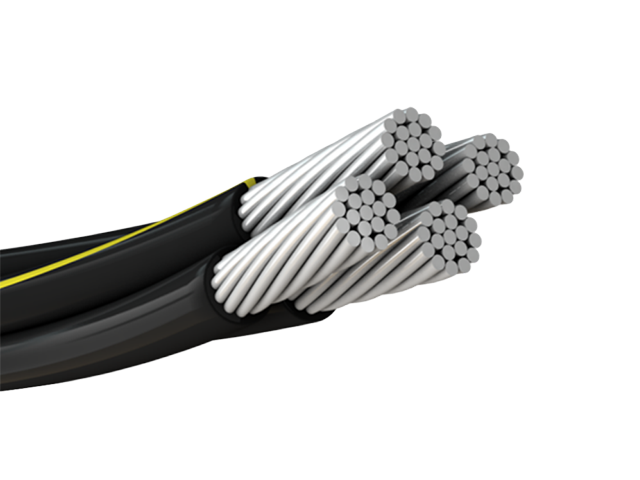
ABC CABLE NFC 33-209
Aerial Bundled Cable under NPC 33-209 standard is mainly used in the field of overhead power distribution. ABC Cable, manufactured in accordance with NFC 33-209 is designed for overhead low-voltage power distribution with enhanced mechanical strength and operational safety. The cable consists of insulated aluminum phase conductors twisted around a reinforced messenger conductor, forming a compact aerial bundle. This structure reduces the risk of short circuits caused by external contact and minimizes power outages in densely populated or environmentally challenging areas. The insulation material provides excellent resistance to UV radiation, weather exposure, and thermal aging, ensuring stable electrical performance over long service periods. Compliant with NFC 33-209 requirements, the cable delivers reliable current transmission, reduced line losses, and simplified installation compared with bare conductors. ABC Cable NFC 33-209 is widely used by utility companies for modern overhead distribution networks where safety, durability, and cost efficiency are critical.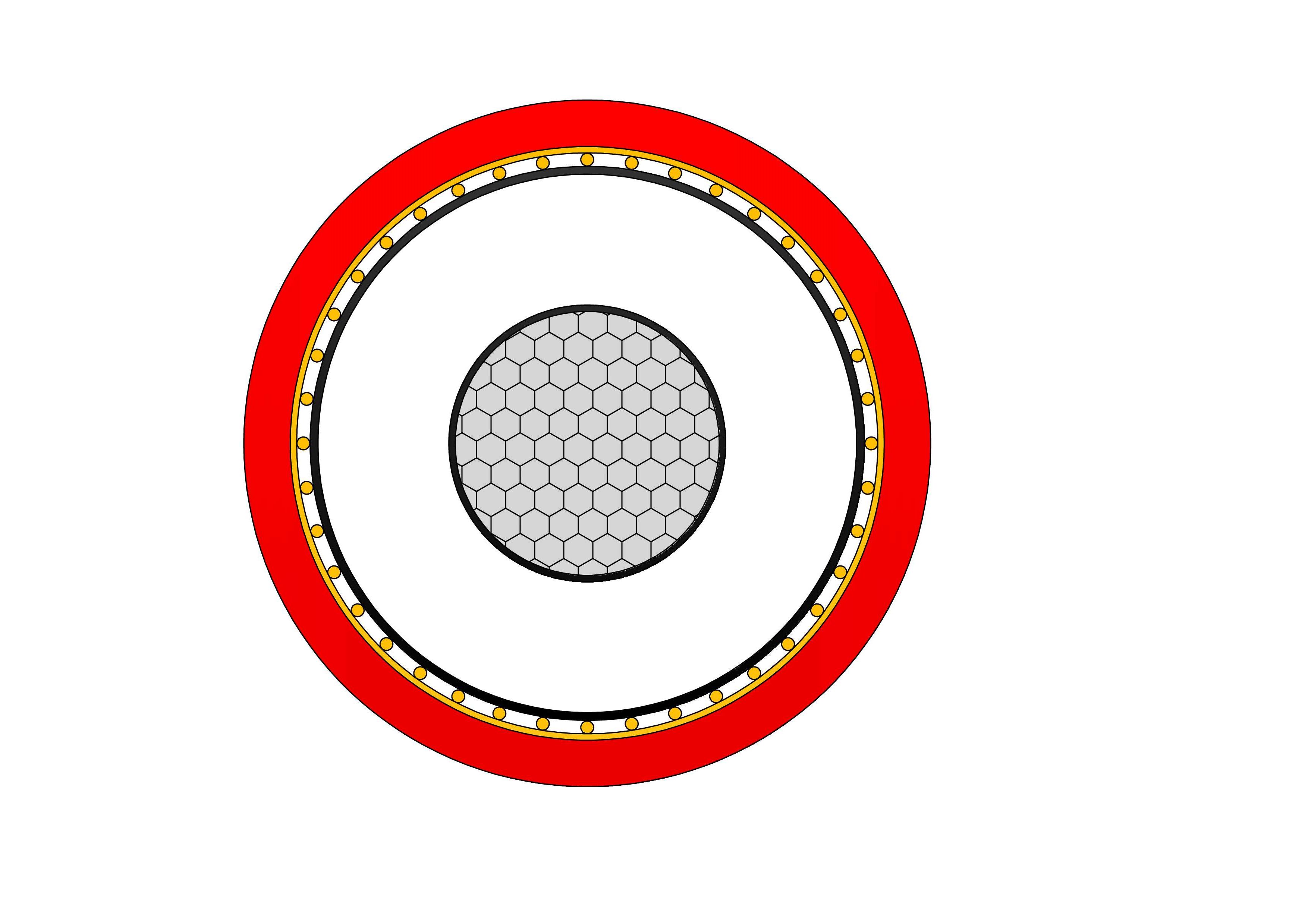
NA2XSH Medium Voltage Power Cable(6/10kV, 12/20kV, 18/30kV)
The NA2XSH is a low-smoke halogen-free (LSZH), medium-voltage aluminum conductor cable with excellent flame-retardant properties and meets the design requirements of the IEC 60502-2 standard. Featuring stranded aluminium conductors, cross-linked polyethylene (XLPE) insulation, copper tape or wire screen, and low smoke zero halogen (LSZH) outer sheath, it complies with IEC 60502-2 and fire safety standards. In fire conditions, the LSZH sheath produces minimal smoke and no toxic halogen gases, enhancing safety in populated areas. Aluminium construction reduces weight and costs while maintaining good current capacity. With low dielectric losses, excellent partial discharge resistance, and high thermal stability, it ensures efficient, long-term performance. Suitable for direct burial, ducts, or indoor use, the NA2XSH Medium Voltage Power Cable is ideal for utilities, hospitals, schools, tunnels, and infrastructure projects requiring economical, environmentally friendly medium voltage cabling with superior fire protection and reliability worldwide.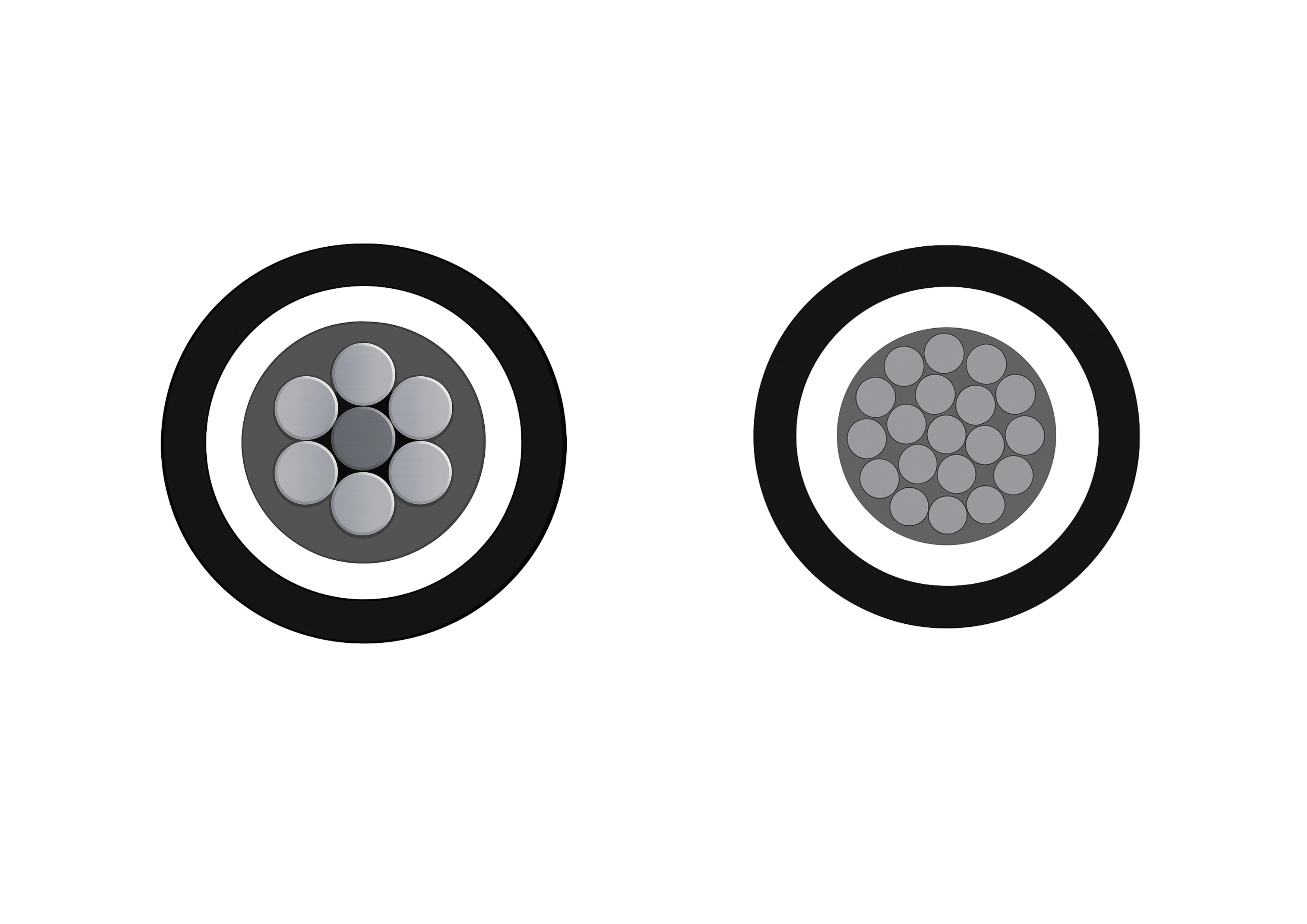
2-Layer 15kV ACSR/AAC Tree Wire - Covered Overhead Distribution Cable
The 2-Layer 15kV ACSR/AAC Tree Wire is a covered overhead conductor designed for reliable medium-voltage distribution in areas with heavy tree contact. It features concentrically stranded ACSR or AAC conductors with a dual-layer covering of track-resistant high-density polyethylene (HDPE) or cross-linked polyethylene (XLPE). The inner layer provides insulation while the outer layer offers superior tracking and weathering resistance. This construction significantly reduces the risk of faults caused by tree limbs, minimizes wildfire ignition potential, and allows closer spacing to vegetation. Suitable for both spacer cable systems and conventional overhead lines, the 2-Layer 15kV ACSR/AAC Tree Wire meets ICEA S-121-733 and related ASTM standards. It undergoes rigorous quality testing from raw materials to finished product, ensuring excellent dielectric strength, mechanical robustness, and long-term performance in challenging environments.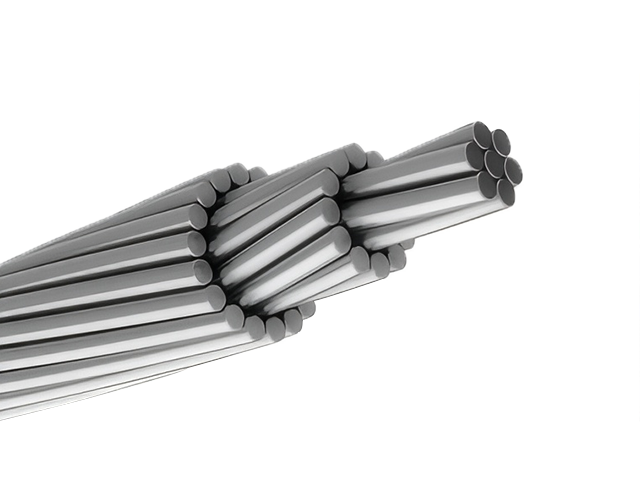
1033.5 MCM CURLEW ACSR Conductor Cable
The ACSR 1033.5 MCM Curlew 54/7 is a high-performance, bare concentric-lay-stranded conductor designed for overhead power transmission and distribution lines. Complying with ASTM B232 standards, this conductor features a robust galvanized steel core (Class A or B) for enhanced mechanical strength, surrounded by multiple layers of hard-drawn 1350-H19 aluminum wire for superior electrical conductivity. The Curlew configuration, with 54 aluminum strands and 7 steel strands, ensures an optimal balance of durability and efficiency, making it ideal for long-span transmission lines and primary/secondary distribution networks. Engineered for reliability, ACSR Curlew offers excellent corrosion resistance and customizable aluminum-to-steel ratios to meet specific electrical and mechanical requirements.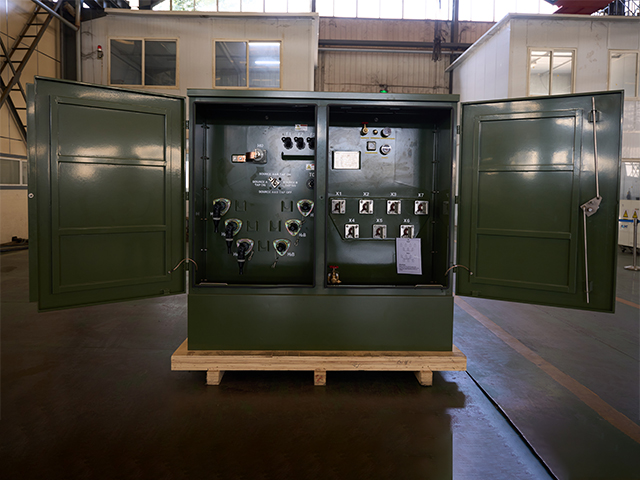
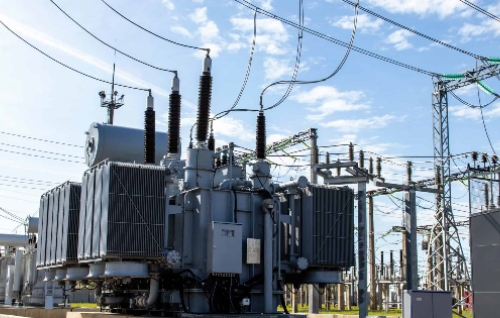
5000kVA Three Phase Pad Mounted Transformer
NPC ELECTRIC's 5000kVA Three Phase Pad Mounted Transformer (5 MVA) is a robust, liquid-immersed compartmental distribution transformer built for high-capacity outdoor pad-mounted installations on concrete foundations. Compliant with updated DOE energy conservation standards (post-2024 amendments, targeting high efficiency levels around 99.68% for 5000 kVA units), ANSI/IEEE C57.12.00, C57.12.34, C57.12.90, and related CSA/IEC norms, this transformer delivers top-tier energy efficiency, minimal no-load and load losses, and exceptional reliability in utility-scale, industrial, and commercial power systems. The tamper-resistant, weatherproof steel enclosure (dead-front or live-front) with NEMA 3R-equivalent protection ensures safety, reduced maintenance, and seamless blending into urban, suburban, or remote environments.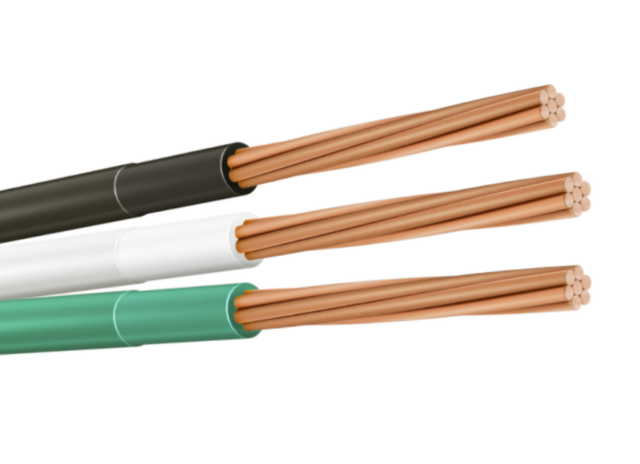
THHN AND THWN
Electrical wire THHN THWN is used in new construction projects or rewiring tasks in 600-volt systems. Versatile and usable in both wet and dry locations, THHN/THWN-2 is an excellent choice for a wide range of electrical installations. THHN/THWN-2 conductors can withstand temperatures up to 90°C in dry environments and up to 75°C in the presence of oil or coolant. Its outer nylon jacket is smooth and fine, ensuring easy installation by reducing friction during pulling. This feature is especially useful for long or challenging runs.
500kVA Three Phase Pad Mounted Transformer
The 500kVA three-phase pad transformer is an efficient and sturdy power equipment designed for commercial, industrial and distribution systems. It has a compact design and a protective casing that meets NEMA 3R or higher standards. It is suitable for various outdoor environments and can effectively resist external factors such as weather, dust and moisture. It can meet the power needs of different regions and has a variety of optional functions, such as load regulation and temperature control systems, to further improve its operating efficiency and safety. The built-in protection device can effectively prevent overload, short circuit and other faults to ensure the safe and reliable operation of the power system.
2 Conch Aluminum Conductor Triplex Overhead Service Drop Cable
The 2-2-2 Conch Aluminum Conductor Triplex Overhead Service Drop Cable is a trusted solution for overhead power distribution from utility poles to residential or commercial weatherheads. Featuring concentric-lay-stranded 1350-H19 aluminum phase conductors (#2 AWG, 7-strand), durable black cross-linked polyethylene (XLPE) insulation, and a bare ACSR neutral messenger (#2 AWG, 6/1), it provides excellent electrical conductivity, superior weather/UV resistance, and mechanical support. Rated for 600 volts phase-to-phase with conductor temperatures up to 90°C (XLPE), it delivers an allowable ampacity of approximately 150 amps. Compliant with ASTM B-230, B-231, B-232, B-399, and ICEA S-76-474 standards, this lightweight, flexible cable ensures easy installation and long-term reliability in harsh outdoor environments, including wind, ice loading, and temperature fluctuations.
160 kVA Three Phase Cast Resin Dry Type Transformer Low Loss Energy Efficient
The 160 kVA Three Phase Cast Resin Dry Type Transformer Low Loss Energy Efficient is a state-of-the-art, maintenance-free power solution engineered for indoor installations where safety, reliability, and sustainability are paramount. Encased in high-quality epoxy resin under vacuum pressure, its windings deliver outstanding moisture resistance, superior partial discharge performance, and fire-retardant self-extinguishing properties without flammable liquids. Utilizing premium grain-oriented silicon steel cores and optimized conductor designs, this transformer achieves significantly reduced no-load and load losses, attaining high efficiency levels often exceeding 98.5% and complying with stringent energy regulations. With natural air (AN) cooling, low acoustic emissions below typical 58-62 dB, and Class F or H insulation, it ensures stable operation in harsh indoor environments. Fully compliant with IEC 60076-11, this compact, eco-conscious dry-type unit supports primary voltages like 10kV/11kV/20kV/35kV stepping down to 0.4kV or custom secondaries, making it ideal for modern, green power distribution networks.
7MVA 22kV to 6.6kV Power Transformer ONAN Cooling Low Loss
The 6kV Three-Phase Oil-Immersed Power Transformer is designed for stable and efficient voltage conversion in industrial and commercial power distribution systems. With a durable oil-immersed insulation structure and high-quality copper windings, it offers excellent thermal performance, strong dielectric strength, and reliable operation under varying load conditions. Its compact design, robust core materials, and advanced cooling system ensure low losses, reduced noise, and long service life. This 6kV transformer is suitable for factories, mining sites, distribution stations, and utility networks requiring consistent and safe electrical power supply. Engineered to meet international standards, it provides dependable performance and high efficiency across diverse low-to-medium voltage applications.Welcome your inquiry
Honesty, Integrity, Frugality, Activeness and Passion