
Power Transformers and the Future of Smart Power Networks
2026-02-04
As a core component of the power system, power transformers play an irreplaceable role in efficient power transmission, voltage regulation, and maintaining grid stability. With the continued rapid growth of global energy demand and the large-scale integration of renewable energy sources such as wind and solar power into the national grid, higher demands are placed on transformer performance. Traditional transformers can no longer fully meet the challenges posed by dynamic load fluctuations, bidirectional power flow, and the integration of distributed energy resources, making the iterative upgrading of transformer technology particularly urgent.
The future smart grid heavily relies on next-generation smart transformers. These transformers not only possess higher efficiency, lower no-load and load losses, and stronger overload capacity, but also integrate advanced digital technologies, including built-in sensors, IoT communication modules, online monitoring systems, and intelligent diagnostic algorithms. They can collect key parameters such as temperature, oil chromatography, partial discharge, and load factor in real time, and achieve status assessment, fault early warning, and lifespan prediction through edge computing or cloud platforms. This real-time monitoring and proactive maintenance capability greatly improves equipment availability and reduces the risk of large-scale power outages caused by sudden failures.
1. The Role of Power Transformers in Modern Electrical Networks
A power transformer is an electrical device designed to transfer electrical energy between circuits through electromagnetic induction. In traditional electrical networks, transformers convert high-voltage energy from power plants into lower voltages suitable for commercial, industrial, and residential use.
Key functions include:
-
Voltage transformation for long-distance transmission
-
Loss reduction through optimized power flow
-
System protection and load balancing
-
Integration of diverse energy sources, including renewable power
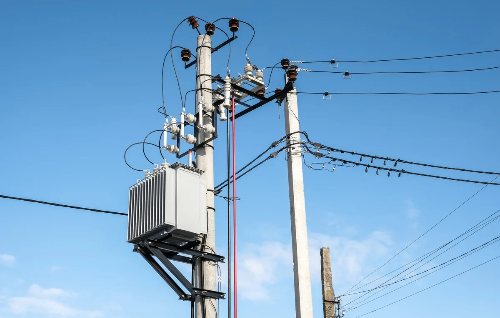
Whether it is a power line transformer, a power pole transformer installed in distribution networks, or utility-grade units such as Hyundai power transformers, they form the backbone of power infrastructure.
2. How Smart Grids Are Changing Transformer Requirements
Modern power systems are shifting toward smart grids, which incorporate advanced control systems, automation, and real-time data analytics. These systems require transformers that can communicate, self-monitor, and respond dynamically to grid conditions.
Smart grid characteristics include:
-
Real-time monitoring of transformer temperature, load, and insulation health
-
Predictive maintenance using sensor data and analytics
-
Automated voltage regulation for optimized power flow
-
Integration with renewable energy, such as wind and solar
-
Improved system resilience in response to faults or disturbances
Traditional power transformers are not designed for such levels of communication and adaptability. This need has led to a new generation of intelligent, sensor-equipped electrical transformers.
3. Smart Transformers: A Key Technology for the Future
Smart transformers—also known as digital transformers—incorporate digital sensors, communication modules, and advanced insulation materials. These features enable continuous monitoring and automated control for higher performance.
Key Advantages of Smart Transformers
-
Real-Time Performance Tracking
Sensors monitor temperature, moisture, oil quality, and load cycles. This helps prevent failures and allows operators to address problems early.
-
Greater Efficiency
Improved designs and materials reduce core losses and enhance performance during peak energy demands.
-
Better Integration with Renewable Energy
Renewable sources such as solar and wind have variable outputs. Smart transformers stabilize voltage and ensure consistent energy flow.
-
Enhanced Safety and Reliability
Automated fault detection reduces outages and protects critical infrastructure.
4. The Impact of Rising Energy Demands
Global electricity consumption continues to increase due to industrial expansion, electric vehicles, and urban growth. Power transformers must therefore handle:
-
Higher voltage levels
-
Larger power flows
-
More complex load variations
-
Distributed energy sources
Future transformers must be designed to manage fluctuating energy demands while maintaining high efficiency and low losses.
5. Integration of Renewable Energy Sources
Renewable energy introduces new challenges for transformers:
-
Intermittency of solar and wind
-
Bidirectional power flow in distributed energy systems
-
Variable voltage and frequency
Modern transformers and power systems are being redesigned with improved insulation systems, resilient cores, and digital monitoring to handle these fluctuations. The ability of transformers to maintain stable operation is critical as nations adopt carbon-neutral goals.
6. Digital Monitoring and Real-Time Control Systems
Real-time data is at the center of future power networks. Through IoT sensors and SCADA systems, transformers can share continuous data about:
-
Voltage
-
Current
-
Temperature
-
Vibrations
-
Partial discharge activity
-
Harmonics
Utilities use this data to adjust control systems instantly, improving grid stability.
For example, a power pole transformer equipped with sensors can automatically adjust tap settings to stabilize voltage during peak consumer demand.
7. Advances in Materials and Insulation Technology
As transformers evolve, so too do their materials. Modern designs incorporate:
-
Amorphous metal cores for reduced no-load losses
-
Advanced insulation systems that improve thermal stability
-
High-temperature conductors for extended service life
-
Eco-friendly insulating fluids for reduced environmental impact
These innovations support sustainable power networks while improving performance longevity.
8. Power Transformer Manufacturers Driving Innovation
Global manufacturers such as Hyundai Power Transformers, Siemens, ABB, and Mitsubishi are investing heavily in smart transformer technology. They are focusing on:
-
Automated manufacturing
-
Digital twin simulations
-
Nanomaterial insulation
-
High-efficiency cores
-
Advanced cooling systems
Their innovations ensure next-generation transformers meet the demands of smart power networks.
9. The Future of Power Transformers in Smart Grids
The future grid will be dynamic, decentralized, and highly automated. Power transformers will evolve to meet these characteristics:
Future Trends
-
Self-diagnosing transformers using AI analytics
-
Energy flow optimization during real-time fluctuations
-
Full integration with smart meters and distributed generation
-
Improved cybersecurity features for grid protection
-
Modular, compact, and environmentally friendly designs
Smart transformers will become the heart of intelligent energy systems.
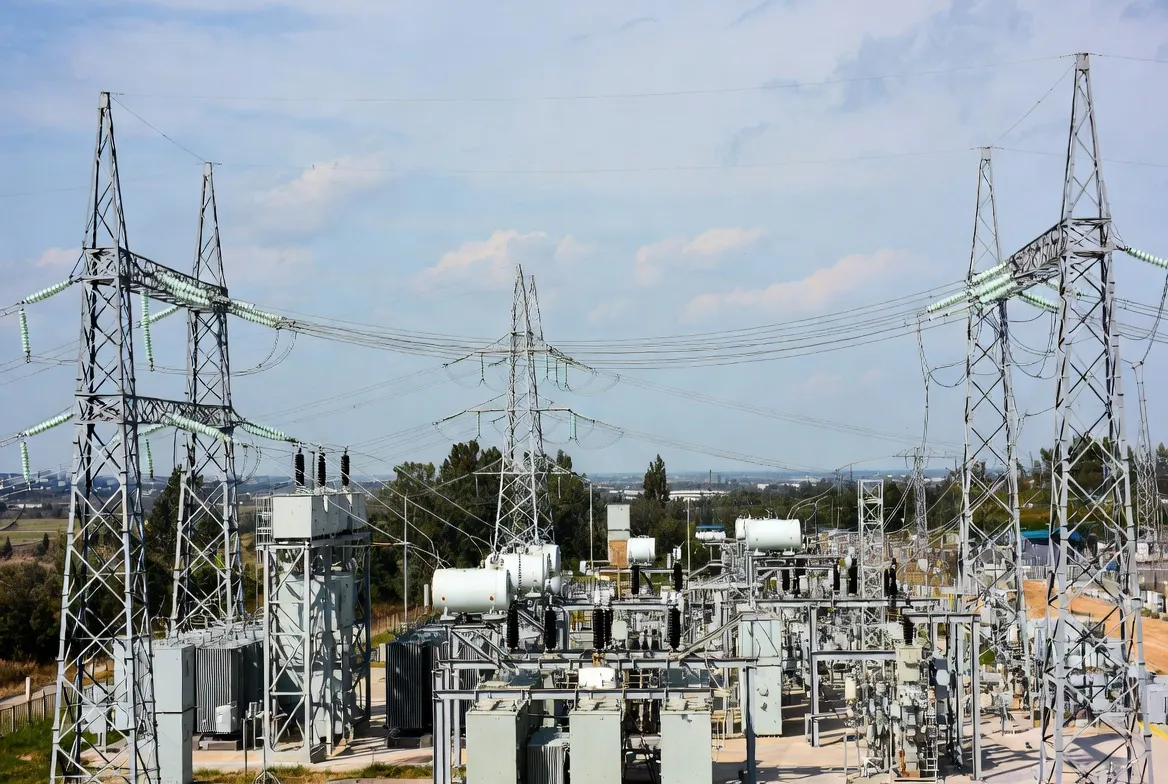 Technical Table: Key Differences Between Traditional and Smart Transformers
| Feature | Traditional Transformer | Smart Transformer |
| Monitoring | Manual | Real-time digital sensors |
| Efficiency | Standard | Optimized, low-loss designs |
| Control | Passive | Automated voltage regulation |
| Maintenance | Scheduled | Predictive, condition-based |
| Grid Interaction | One-directional | Bidirectional, smart grid compatible |
| Renewable Integration | Limited | Excellent |
| Communication | None | IoT, SCADA, remote access |
Power transformers remain essential to the global electrical infrastructure, but their functions are rapidly expanding. As smart grids, renewable energy, and digital technologies evolve, transformers must adapt to meet more stringent performance requirements. Smart power networks of the future will rely on intelligent, efficient, and highly integrated transformers capable of managing complex energy flows and ensuring reliable, sustainable electricity for generations to come.

Related Articles

Related Products
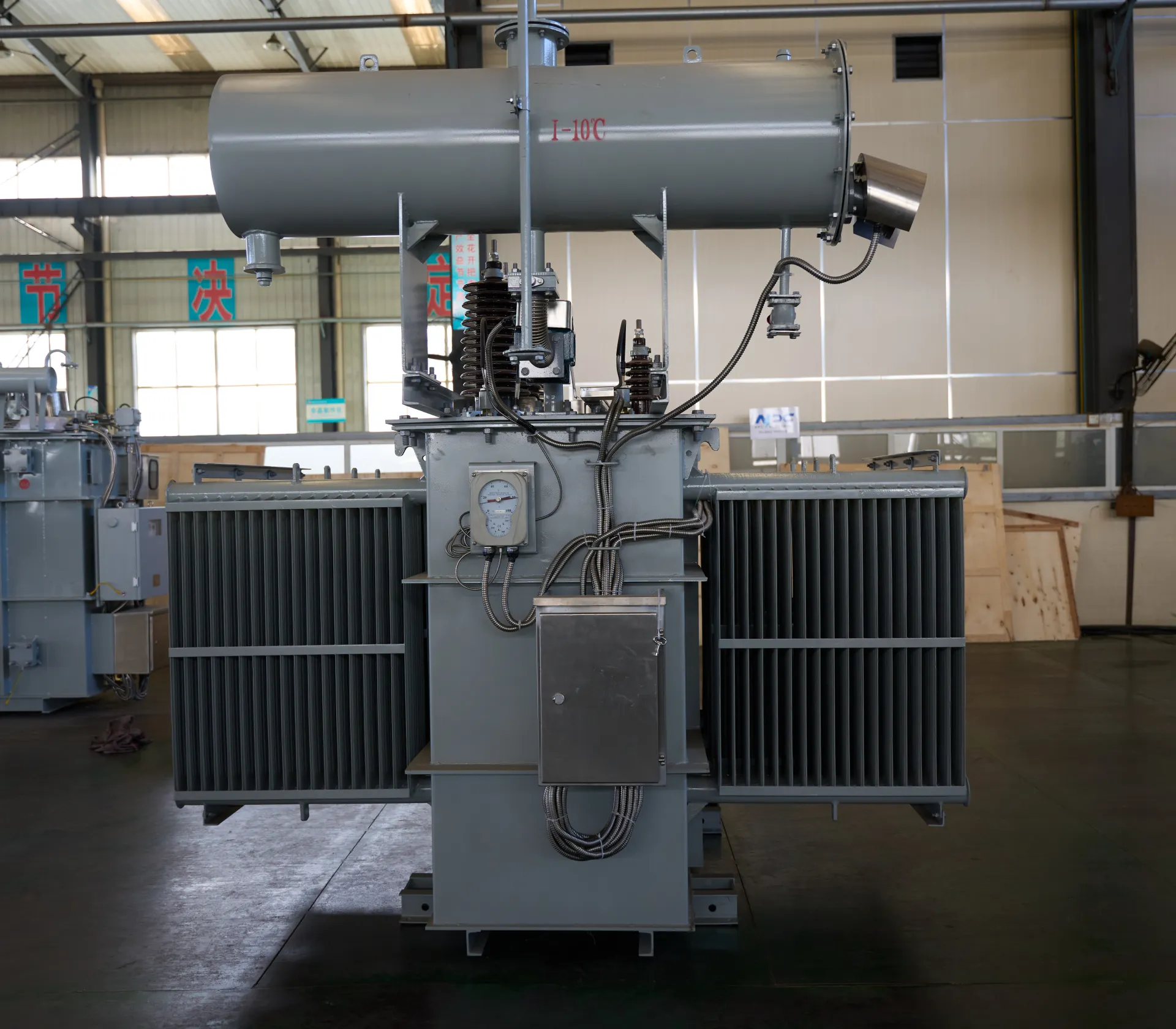
40kV 50MVA Oil Immersed Three-Phase MV&HV Power Transformer Copper
The 40kV 50MVA Oil Immersed Three-Phase MV&HV Power Transformer Copper is engineered for large-scale transmission and industrial substations. Equipped with high-purity copper windings, ONAN/ONAF cooling, and ±8×1.25% on-load tap changer, it achieves ultra-low losses (S13/S14 series). Fully compliant with IEC 60076 and GB/T 1094, it withstands 200 kV lightning impulse and PD <10 pC. Robust corrugated-fin tank with detachable radiators ensures excellent thermal performance under continuous heavy load. Typical voltages: 40±8×1.25%/11kV or 40/6.3kV. Vacuum oil filling and nitrogen sealing guarantee 35+ years of reliable, maintenance-free operation in harsh environments. Trusted by utilities and EPC contractors worldwide.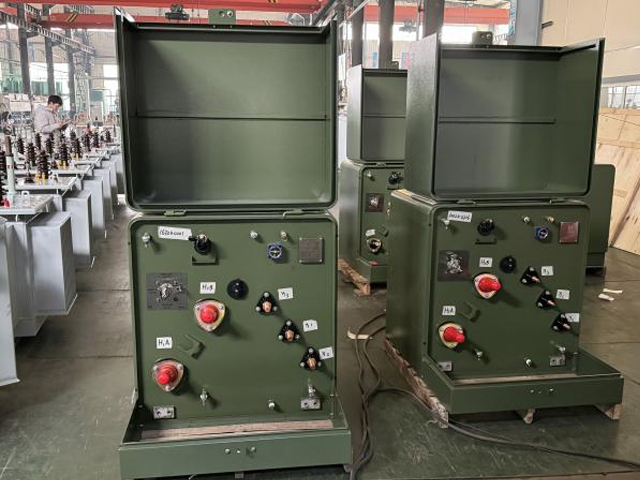
11kV Single Phase Pole Mounted Transformer
The 11kV single phase pole mounted transformer is a compact, high-performance solution for overhead distribution systems, stepping down 11kV primary voltage to standard secondary levels like 230V, 240V, or 415V for safe end-user supply. Built with high-grade silicon steel cores and copper or aluminum windings, it minimizes core and copper losses while meeting IEC 60076 and relevant IEEE/ANSI standards for energy efficiency. The oil-immersed tank with ONAN natural cooling supports a 55-65°C temperature rise, ensuring reliable operation under varying loads. Features include robust bushings, pressure relief mechanisms, and optional surge protection, making it weather-resistant and low-maintenance for exposed pole installations. This transformer excels in providing stable, low-distortion power with excellent overload tolerance, perfect for utilities expanding access in diverse terrains.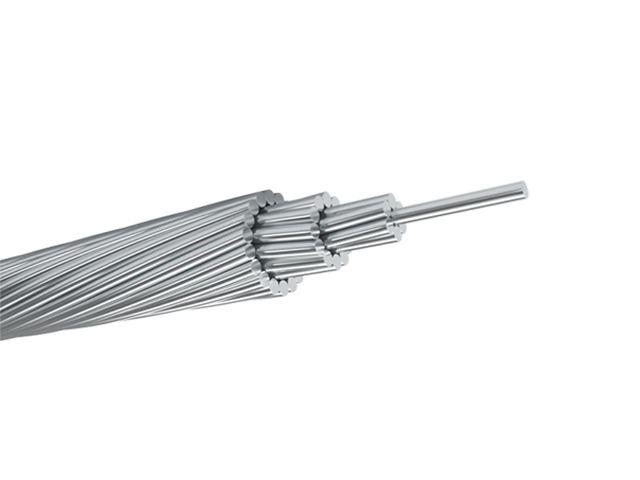
AMES AAAC Conductor Cable
AMES AAAC (All Aluminum Alloy Twisted) cables comply with ASTM B399 standards and have excellent conductivity and corrosion resistance. With 250 mm² nominal area and 19-strand design, it uses heat-treated aluminum-magnesium-silicon alloy (6201-T81) for enhanced strength (295 MPa min) and conductivity (53% IACS min). Meeting ASTM B398, B399, IEC 61089, and BS EN 50182 standards, this cable handles ampacity up to 600A at 75°C and voltages up to 33kV. The all-alloy construction avoids bimetallic corrosion, providing better resistance in harsh conditions than ACSR. Reduced weight minimizes sag and installation expenses, supporting longer spans. The Ames AAAC Conductor Cable delivers low electrical losses, high mechanical endurance, and excellent weather tolerance. Flame-retardant variants available. Perfect for urban grids, renewable projects, and coastal setups, it provides cost-effective, low-maintenance power delivery in overhead applications globally, excelling in reliability and lifespan over conventional conductors.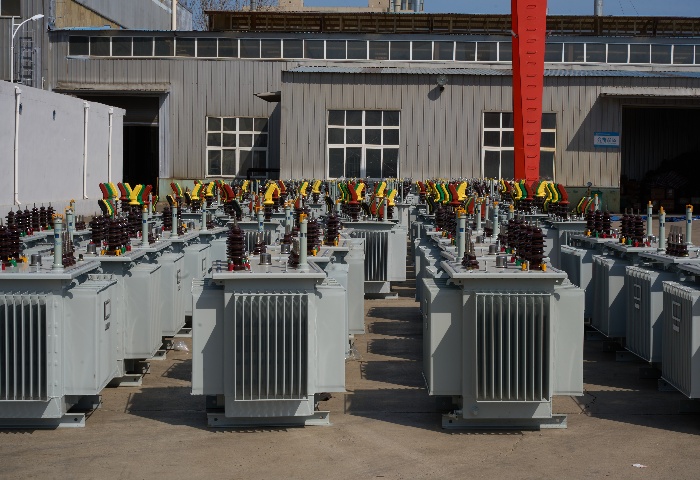
10kV Oil Immersed Transformer
The 10kV Oil Immersed Transformer is a high-performance, three-phase distribution transformer engineered for reliable medium-voltage power conversion in AC 50/60Hz systems. Featuring a fully sealed corrugated tank design, it eliminates the need for an oil conservator while providing excellent moisture resistance and extended service life. This transformer excels in energy savings, with up to 30% lower no-load losses compared to older models, making it ideal for modern grid upgrades and sustainable power distribution.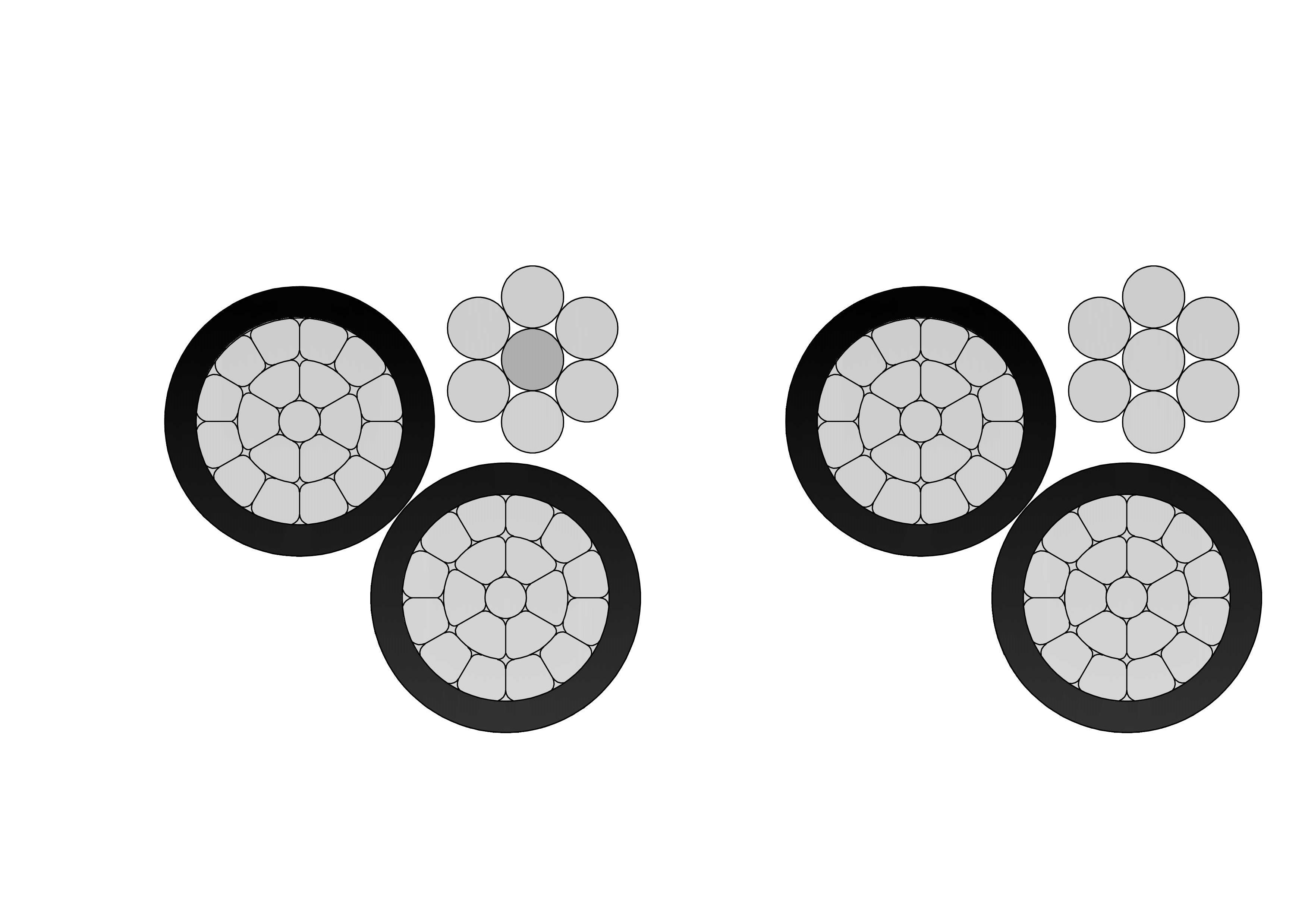
4 Scallop Aluminum Conductor Triplex Overhead Service Drop Cable
The 4 Scallop Triplex Aluminum Overhead Service Drop Cable is engineered for reliable utility power delivery from pole-mounted transformers to service entrances in residential, commercial, and temporary construction setups. It consists of two insulated phase conductors and a bare AAC (All-Aluminum Conductor) messenger that functions as both a neutral and mechanical support. Optimized for overhead single-phase service drops, it operates at voltages up to 600V and uses black cross-linked polyethylene (XLP) insulation to ensure long-lasting resistance to UV rays, moisture, and abrasion. This triplex configuration ensures excellent mechanical strength, reduced sag, and UV/weather resistance. Rated for 600V phase-to-phase and conductor temperatures up to 90°C (XLPE), it offers ampacity of 115A. Compliant with ASTM B-230, B-231, and ICEA S-76-474 standards, the 4 Scallop cable provides lightweight, corrosion-resistant performance ideal for long-term reliability in demanding aerial installations.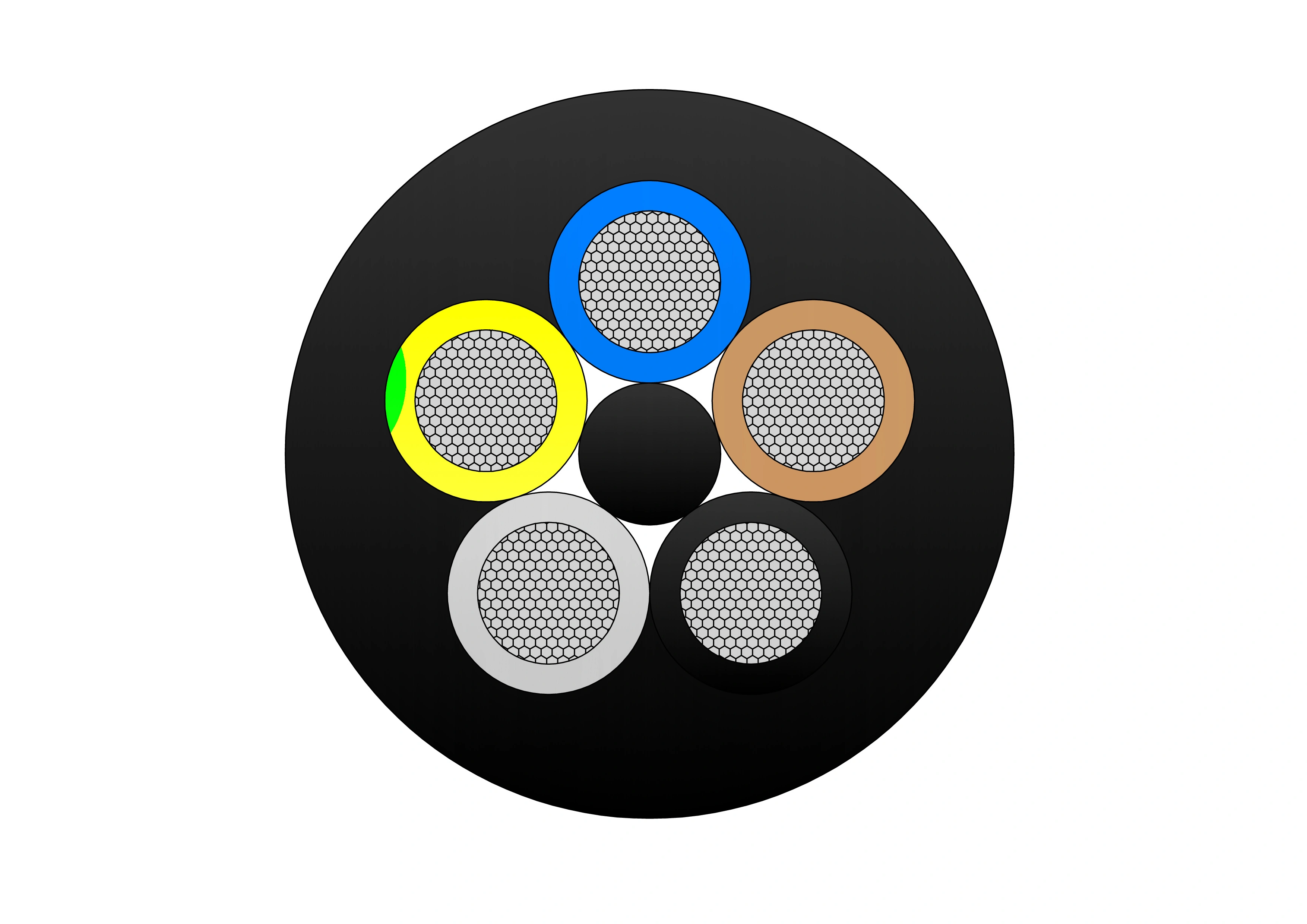
Type 441 Flexible Semi-Conductive Screened Mining Cable
The Type 441 Flexible Semi-Conductive Screened Mining Cable is a medium-voltage rubber-insulated cable engineered for harsh mining applications. It features tinned annealed copper conductors, EPR insulation, and semi-conductive screening for optimal electrical performance. Designed with three earth/protective cores and one pilot core, it is ideal for powering draglines, shovels, and drills, as well as for trailing and reeling uses in mining and industrial environments. Its HD-CSP extra heavy-duty outer sheath delivers oil resistance, flame retardancy, and high mechanical durability, ensuring long service life in demanding operational conditions. Compliant with AS/NZS 2802 and related standards, this cable provides reliable performance under extreme stress. The flexible construction of the Type 241 mining cable allows repeated bending and movement without compromising electrical performance. Manufactured under a strict quality management system, the cable undergoes comprehensive raw material testing, process inspection, and finished product testing to ensure compliance with mining standards and long-term operational reliability.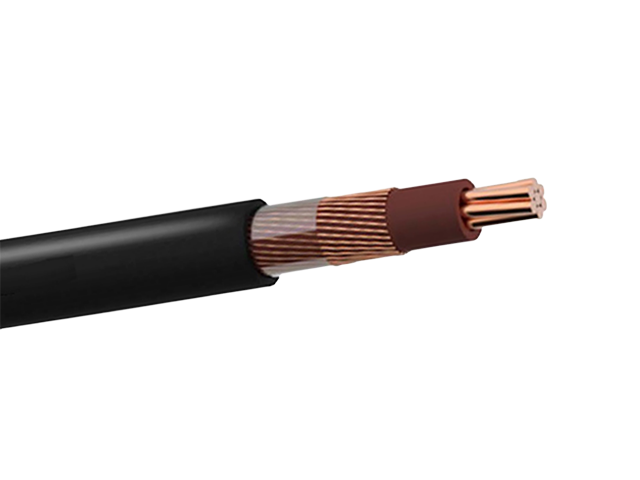
15kV Concentric Copper Power Cable
The 15kV Concentric Copper Power Cable is a premium medium-voltage underground distribution cable featuring a high-conductivity stranded copper conductor, extruded semi-conducting shields, tree-retardant TR-XLPE or EPR insulation, and a full concentric copper neutral layer protected by a rugged sunlight-resistant LLDPE jacket. This construction delivers superior electrical performance, excellent moisture and treeing resistance, and outstanding mechanical protection. Available with 100% or 133% insulation levels, the cable is ideal for direct burial or duct installations. Manufactured to ICEA S-94-649 and AEIC CS8 standards, the 15kV Concentric Copper Power Cable undergoes rigorous quality testing from raw materials to finished product, ensuring low dielectric loss, high reliability, and long service life in demanding underground environments.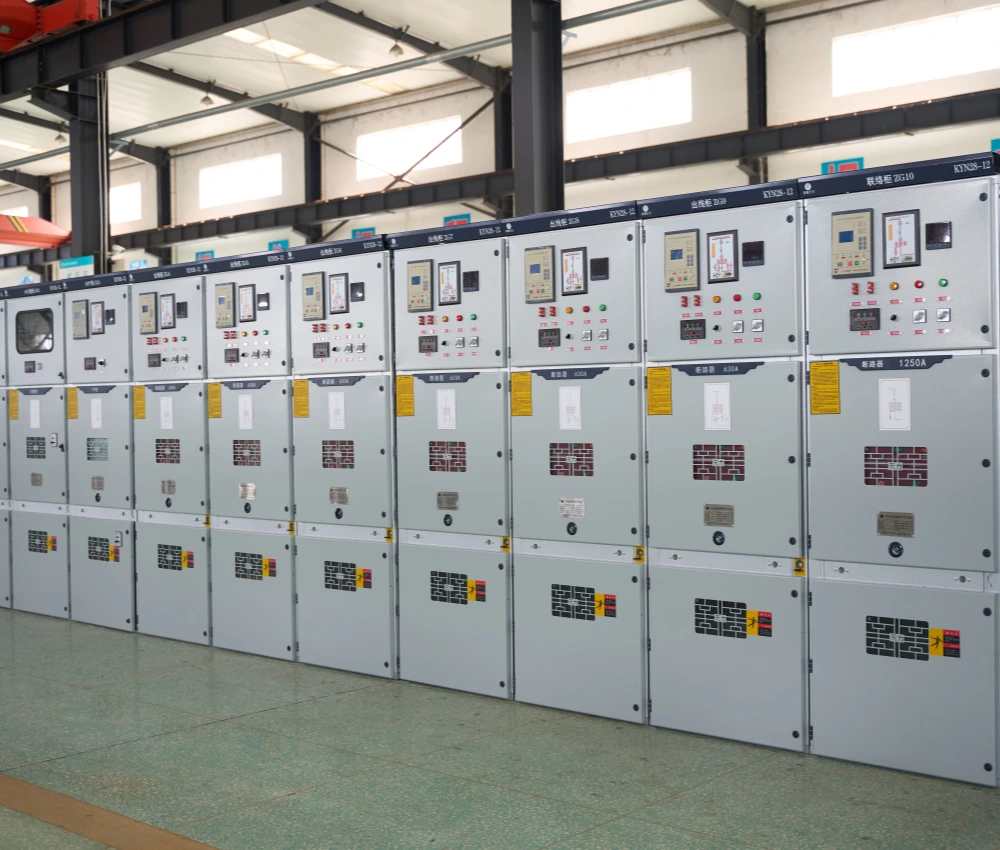
Medium Voltage Switchgear
The Medium Voltage Switchgear is an advanced electrical distribution and protection system engineered for safe, reliable, and efficient medium-voltage power management in utility substations, industrial facilities, renewable energy plants, commercial infrastructure, and smart-grid applications. The system integrates vacuum circuit breakers, disconnect switches, protection relays, busbar assemblies, intelligent monitoring systems, and automation devices into a compact modular enclosure structure to ensure stable electrical distribution and enhanced operational safety. Designed with high-strength insulated structures and precision-manufactured electrical components, the medium voltage switchgear provides outstanding dielectric performance, thermal stability, and mechanical durability under demanding operating conditions. Its modular cabinet configuration improves installation flexibility, simplifies maintenance procedures, and supports future power distribution expansion while minimizing operational downtime and maintenance costs. The Medium Voltage Switchgear supports air-insulated and gas-insulated configurations, intelligent automation systems, remote communication protocols, and smart-grid integration technologies. With customizable protection schemes and scalable electrical distribution capabilities, the switchgear delivers dependable medium-voltage control and protection performance for industrial automation systems, utility power networks, renewable energy integration projects, transportation infrastructure, and mission-critical electrical facilities.
250kVA Single Phase Pole Mounted Transformer
Engineered for heavy-duty overhead applications, the 250kVA single phase pole mounted transformer provides dependable voltage transformation from primary levels like 12.47kV, 24.94kV, or 34.5kV to secondary outputs such as 120/240V or 277/480V. Featuring grain-oriented silicon steel cores for minimal core losses and robust windings, it achieves high efficiency while adhering to DOE energy standards and IEEE C57.12.20 guidelines. The corrugated tank design promotes superior heat dissipation, paired with ONAN self-cooling and a 65°C temperature rise for sustained performance under peak demands. Weather-resistant construction includes lifting lugs, pressure relief devices, and surge protection options, ensuring longevity in exposed environments. This transformer minimizes maintenance needs and supports stable power supply with low noise and excellent overload capability, making it a preferred choice for expanding grid infrastructure.
125kVA Oil Immersed Transformer
125kVA Oil Immersed Transformer has the characteristics of high efficiency and low loss, which can reduce power consumption and operation cost, and has significant social benefits. The NPC ELECTRIC 125kva Oil Immersed Transformer, manufactured and supplied by a leading Chinese manufacturer, is are highly advanced electrical device engineered to meet the rigorous demands of modern power distribution systems. These transformers are renowned for their exceptional durability, efficiency, and reliability. As a trusted supplier in China, the manufacturer offers a comprehensive range of 125kVA Oil Immersed Transformers tailored to suit various applications, ensuring optimal performance and long-term value to customers worldwide.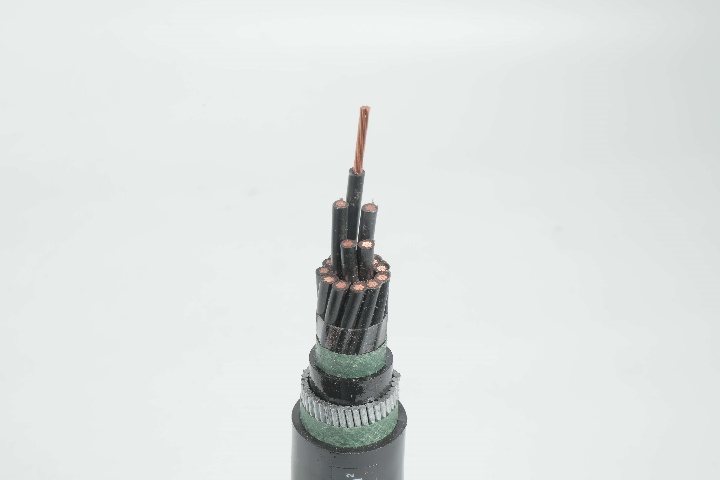
Control Cable 0.6/1 kV CVV to IEC 60502 Standard (2-30 core)
NPC Electric Control Cable 0.6/1 kV CVV to IEC 60502 Standard (2-30 core) is engineered for superior performance in demanding electrical control applications. Featuring concentric stranded copper conductors for excellent conductivity and flexibility, this cable is insulated with high-quality PVC in black, ensuring robust protection against environmental factors. Cores are identified with printed white numbers on black insulation for easy installation and maintenance. A PVC inner sheath and outer jacket provide additional mechanical strength and flame retardancy, making it suitable for indoor, outdoor, duct, and underground setups. Compliant with IEC 60502, it supports voltages up to 1 kV and operates in temperatures from -15°C to 70°C. This cable excels in control circuits, instrumentation, and auxiliary power systems, minimizing signal interference and ensuring data integrity. Available in 2 to 30 cores, it offers customization for specific project needs. Manufactured with precision, it reduces downtime and enhances system efficiency in industrial environments. Choose this CVV cable for long-lasting reliability, backed by rigorous quality testing and international standards.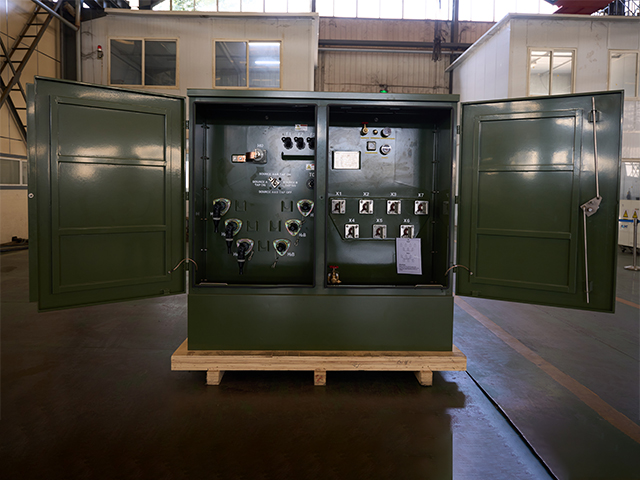
800kVA Three Phase Pad Mounted Transformer
NPC ELECTRIC's 800kVA three phase pad mounted transformer provides exceptional power handling for high-demand medium-voltage applications, ensuring stable and efficient distribution in outdoor settings. Built with safety and longevity in mind, this pad-mounted unit features three-point door latching, automatic pressure relief, liquid level/pressure/vacuum gauges, high BIL ratings (up to 150kV for surge protection), and a tamper-resistant structure suitable for public access areas. Its compact, low-profile footprint facilitates easy installation on concrete pads in constrained urban or industrial sites, while advanced enclosure integrity meets IEEE C57.12.28 requirements.
AAAC Dog Conductor Cable
AAAC DOG conductor is an All Aluminum Alloy Conductor manufactured according to ASTM B399 or IEC 61089 standards, offering high strength, good conductivity, and excellent corrosion resistance.The Dog-size AAAC conductor offers improved sag characteristics and mechanical stability, making it suitable for longer spans and areas exposed to coastal, industrial, or high-humidity environments. Its homogeneous aluminum alloy construction eliminates galvanic corrosion risk and reduces maintenance requirements over long service life. Produced in accordance with ASTM and IEC standards, the AAAC Dog Conductor Cable ensures consistent quality, uniform stranding, and reliable performance. It is widely selected for modern utility networks where efficiency, durability, and lifecycle cost optimization are critical.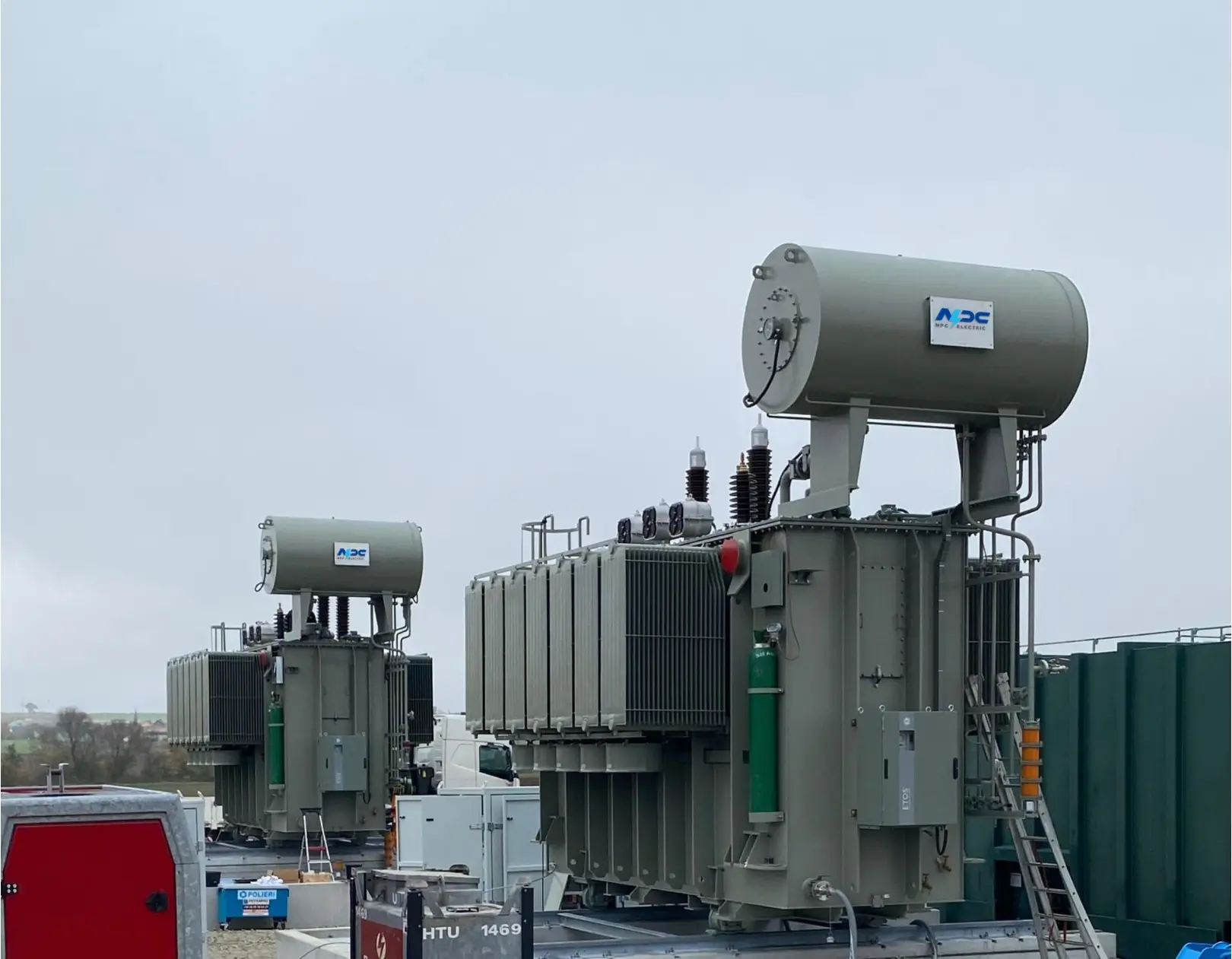
132kV High Voltage Outdoor Power Substation Transformer for Grid Systems
The 132kV High Voltage Outdoor Power Substation Transformer is engineered to support modern grid systems that demand high reliability, operational stability, and long-term performance. Designed for continuous outdoor operation, it features a robust oil-immersed insulation system combined with a mechanically reinforced structure to withstand electrical stress, environmental exposure, and grid fluctuations. The transformer is optimized for efficient power transfer with controlled losses and stable voltage regulation across varying load conditions. Its thermal design ensures effective heat dissipation, supporting extended service life even under high ambient temperatures. Suitable for utility substations and large-scale grid infrastructure, this transformer meets stringent operational and safety requirements while maintaining ease of maintenance and dependable long-term operation in complex power networks.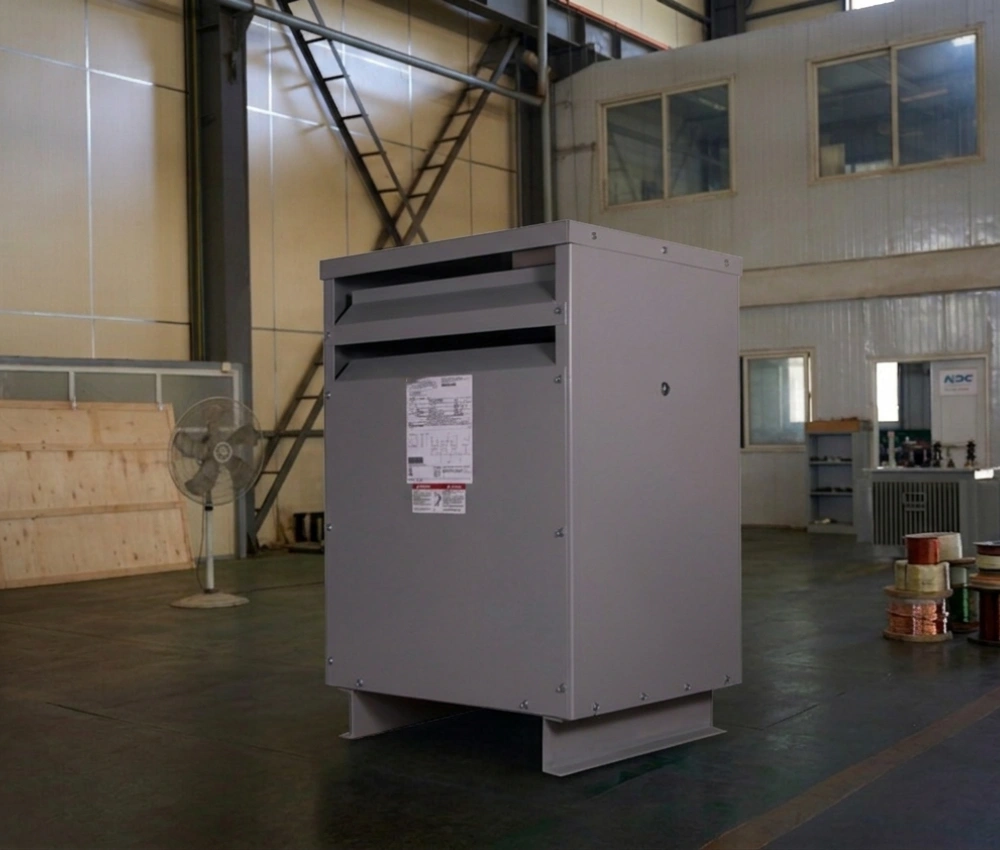
Dry Type Isolation Transformer
The Dry Type Isolation Transformer is a highly reliable power conditioning and electrical isolation solution designed to provide complete galvanic separation between input and output circuits. By eliminating direct electrical connections between the primary and secondary windings, the transformer effectively reduces electrical noise, suppresses transient disturbances, minimizes ground loop currents, and enhances system safety. Its oil-free design makes it particularly suitable for indoor installations where environmental protection, fire safety, and operational reliability are critical requirements. Manufactured using high-grade silicon steel cores, advanced vacuum pressure impregnated (VPI) insulation technology, and precision-wound copper or aluminum conductors, the Dry Type Isolation Transformer delivers superior voltage regulation, thermal stability, and dielectric performance. The transformer is widely utilized in industrial automation systems, medical facilities, commercial buildings, telecommunications infrastructure, data centers, renewable energy installations, and sensitive electronic equipment applications. Its maintenance-friendly design and robust construction ensure long service life and dependable performance under demanding operating conditions.Welcome your inquiry
Honesty, Integrity, Frugality, Activeness and Passion