Best 3/0 and 4/0 Bare Copper Conductor cable for Electrical Grounding
2026-03-13
Electrical grounding is a fundamental requirement in modern power distribution systems, ensuring personnel safety, equipment protection, and system stability. Among the various grounding conductors available, 3/0 and 4/0 bare copper conductor cables are widely recognized as industry standards for high-capacity grounding applications in substations, industrial plants, renewable energy projects, and utility networks.
These conductors excel due to copper's superior electrical conductivity, corrosion resistance, and mechanical strength. Bare copper eliminates insulation to maximize direct contact with soil in buried grid systems, reducing ground resistance and improving fault current dissipation. Typically constructed as stranded soft-drawn copper for enhanced flexibility during installation, these sizes handle substantial currents while complying with National Electrical Code (NEC) guidelines, such as those in Article 250 for grounding electrode systems.
3/0 AWG bare copper offers an approximate ampacity of 200 amps (at 75°C per NEC Table 310.15(B)(16) for insulated conductors, with higher ratings possible in free air or grounding contexts), making it suitable for medium-to-large services and substation grounding mats. 4/0 AWG, one size larger, provides greater capacity—often around 230-260 amps in similar conditions or up to 380 amps in free air—ideal for higher fault currents in utility-scale installations or renewable energy farms like solar and wind projects.
What Is a Bare Copper Conductor?
A bare copper conductor is an uninsulated copper wire or stranded cable used primarily for grounding and bonding. Unlike insulated power cables, bare copper allows direct contact with soil, grounding electrodes, or metallic structures, enabling efficient dissipation of fault currents and lightning surges.
Key advantages include:
- Excellent electrical conductivity
- High corrosion resistance
- Long service life in underground environments
- Compliance with international grounding standards
Bare copper conductors are essential components in grounding systems across wires and cables applications.
Understanding 3/0 and 4/0 Copper Cable Sizes
The designations 3/0 AWG and 4/0 AWG (pronounced “three-aught” and “four-aught”) refer to conductor size under the American Wire Gauge (AWG) system. These sizes are typically used where low grounding resistance and high fault current capacity are required.
Typical Applications
- Substation grounding grids
- Power transformer grounding
- Industrial equipment bonding
- Utility distribution grounding
- Solar and wind power grounding systems
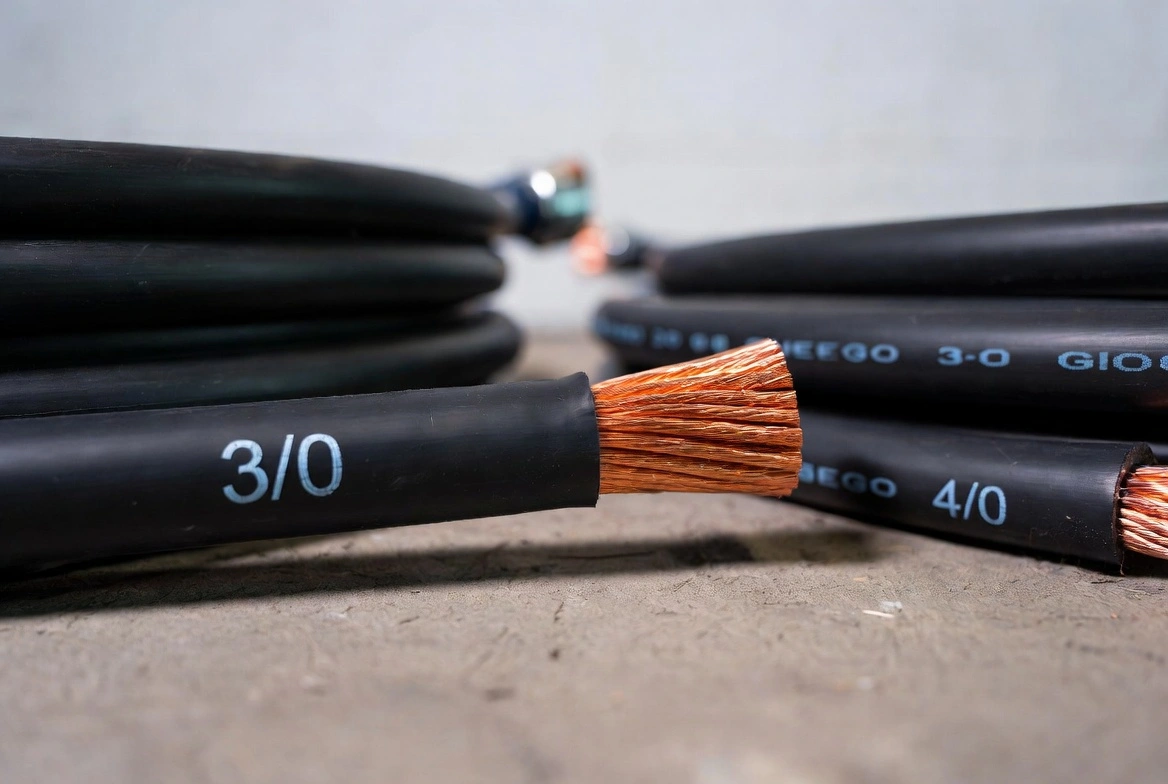
Technical Comparison: 3/0 vs 4/0 Bare Copper Cable
|
Parameter |
3/0 Copper Cable |
4/0 Copper Cable |
|
AWG Size |
3/0 |
4/0 |
|
Cross-sectional Area |
~85 mm² |
~107 mm² |
|
DC Resistance (20°C) |
Lower |
Very Low |
|
Fault Current Capacity |
High |
Very High |
|
Typical Use |
Industrial grounding |
Substations & utilities |
|
Cost Level |
Moderate |
Higher |
|
Installation Flexibility |
Good |
Moderate (heavier) |
Engineering Insight:
4/0 bare copper conductors are preferred where higher short-circuit currents or lower earth resistance values are required, especially in utility-scale power systems.
Why Bare Copper Is Preferred for Grounding Conductors
Compared to aluminum wire or insulated copper cables, bare copper offers distinct advantages for grounding:
- Superior conductivity ensures rapid fault current dissipation
- No insulation degradation in soil contact
- Strong mechanical performance under thermal stress
- Proven reliability in long-term underground use
For critical grounding conductors, bare copper remains the most reliable material.
Stranded Bare Copper vs Solid Copper Wire
Most 3/0 and 4/0 grounding applications use bare copper conductors rather than solid wire.
Stranded bare copper advantages:
- Easier installation around grounding grids
- Better vibration resistance
- Reduced risk of breakage during handling
Solid copper wire may still be used in smaller grounding systems, but for large-scale electrical grounding, stranded copper conductors are standard practice.
Selection Guide: Choosing the Right Grounding Cable
When selecting a 3/0 or 4/0 bare copper cable, engineers and procurement teams should consider:
- Soil resistivity – higher resistivity may require a larger conductor size
- Available fault current – utilities often specify 4/0 copper cable
- Local electrical codes (NEC, IEC, IEEE, GB)
- Installation method – direct burial, grounding grid, or bonding
- Project lifecycle cost – copper offers lower maintenance over time
Working with an experienced copper cable manufacturer ensures compliance with project specifications and standards.
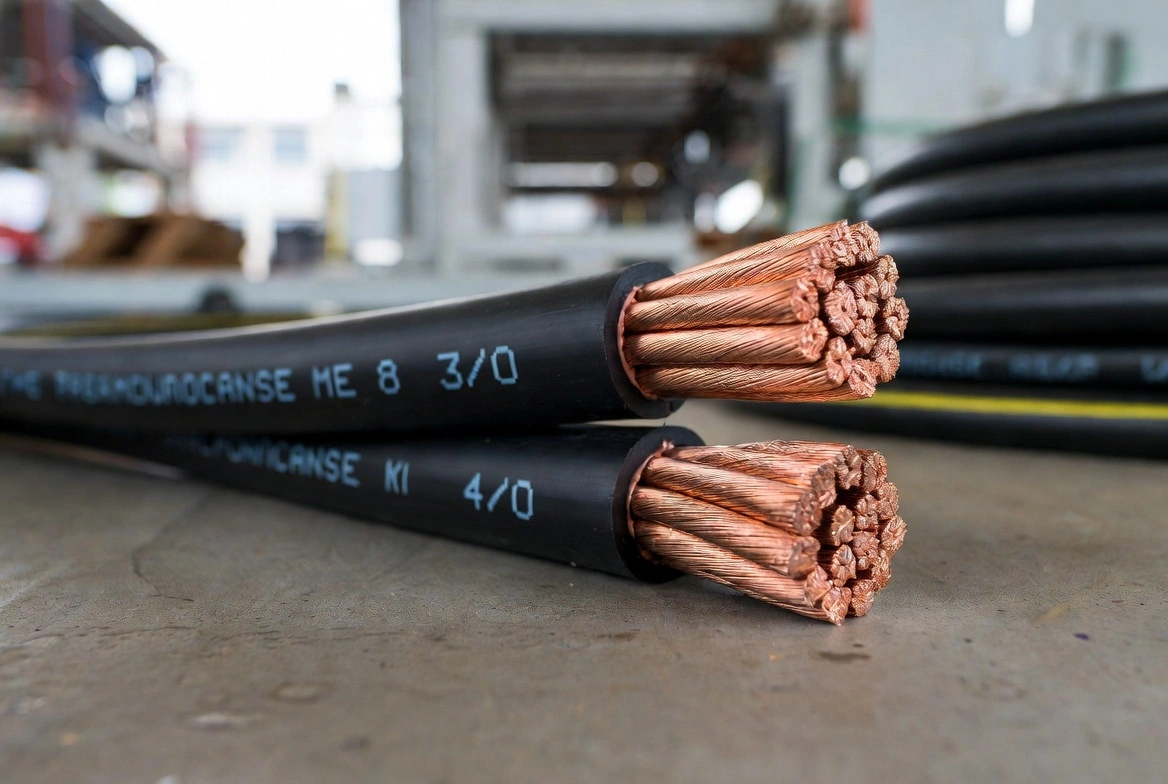
Applications in Modern Power Distribution
Industrial Facilities
Bare copper grounding conductors protect motors, switchgear, and control systems from ground faults and transient overvoltages.
Utility & Substation Projects
3/0 and 4/0 copper conductors form grounding meshes that safely dissipate fault currents from transformers and circuit breakers.
Renewable Energy Projects
Solar farms and wind power installations rely on bare copper ground systems to protect inverters, towers, and electrical equipment.
Cost Considerations and Long-Term Value
While the initial cost of 4/0 copper cable is higher than that of smaller conductors or aluminum alternatives, the long-term reliability, lower resistance, and reduced maintenance often result in a lower total lifecycle cost.
For EPC contractors and utilities, investing in the correct grounding conductor size minimizes operational risk and ensures regulatory compliance.
Selecting the right 3/0 or 4/0 bare copper conductor cable is critical to building a safe, durable, and standards-compliant electrical grounding system. With superior conductivity, mechanical strength, and long service life, bare copper grounding conductors remain the preferred solution for industrial, utility, and renewable energy applications.
By partnering with a qualified copper cable manufacturer and applying sound engineering judgment, project owners can ensure reliable grounding performance across the entire power distribution system.

Related Articles
Related Products
4 Hackney Aluminum Conductor Quadruplex Overhead Service Drop Cable
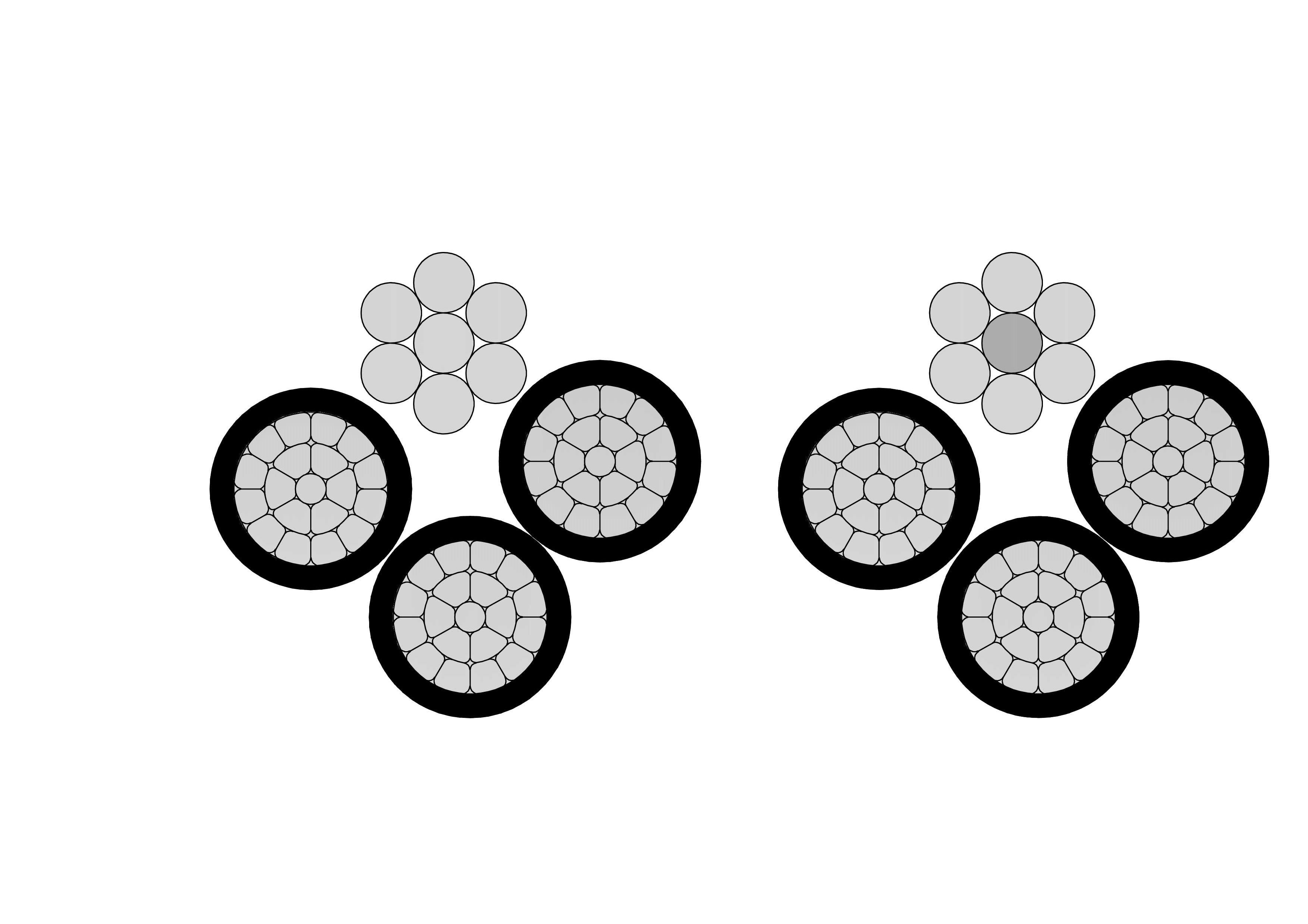
4 Hackney Quadruplex Service Drop Cable is a robust overhead cable for three-phase secondary power distribution with neutral. Featuring three 4 AWG aluminum phase conductors and one neutral messenger (7-strand) insulated with XLPE or PE and assembled in quadruplex configuration, it offers excellent mechanical strength and weather resistance. Compliant with ASTM B-230, B-231, ICEA S-76-474, and ANSI/ICEA standards, this cable supports 600V applications with superior UV, moisture, and abrasion protection. The self-supporting messenger reduces sag and simplifies installation over medium spans. The 4 Hackney Quadruplex Service Drop Cable ensures low power losses, high current capacity, and long service life in harsh outdoor conditions. Lightweight and flexible, it is widely used for three-phase service drops in residential subdivisions, commercial buildings, and rural areas requiring safe, cost-effective aerial connections from utility poles to service entrances.-AL-medium-voltage-power-cable-2.jpg)
RHZ1-2OL(AS)-AL Medium Voltage Power Cable(8.7/15kV, 12/20kV, 18/30kV Specifications)
RHZ1-2OL(AS)-AL are enhanced flame-retardant, low smoke, zero halogen (LSZH) medium voltage cables with aluminum conductors, manufactured under IEC 60502-2 standards. Featuring stranded aluminium conductors, cross-linked polyethylene (XLPE) insulation, metallic screen, and low smoke zero halogen (LSZH) outer sheath with enhanced fire performance (AS designation), it complies with UNE 21123-4 and CPR standards. In fire conditions, it emits very low smoke and no toxic gases. Aluminium construction reduces weight and costs while providing sufficient current capacity. Excellent partial discharge resistance, low dielectric losses, and high thermal stability ensure efficient, long-term operation. Suitable for direct burial, ducts, or indoor use in public areas. The RHZ1-2OL(AS)-AL Medium Voltage Power Cable is ideal for utilities, hospitals, schools, tunnels, and infrastructure projects requiring economical, high-safety medium voltage cabling with superior fire behavior and reliability worldwide.
2 Palomino Aluminum Conductor Quadruplex Overhead Service Drop Cable
2 Palomino Aluminum Conductor Quadruplex Overhead Service Drop Cable is designed for delivering 3-phase power from pole-mounted transformers directly to the user's service entrance. Built with three 2 AWG aluminum phase conductors and one neutral messenger (7-strand) insulated with polyethylene or XLPE and formed into a quadruplex assembly, it meets ASTM and ICEA requirements for 600V service. The tough insulation offers outstanding protection against UV rays, moisture, tree contact, and abrasion. Self-supporting messenger design ensures easy pulling and reduced sag during installation. The 2 Palomino Quadruplex Service Drop Cable supports efficient power transfer with low voltage drop and high durability in extreme temperatures. Popular for its lightweight construction and reduced installation time, it is the choice for electricians and utilities. Widely deployed in housing developments, commercial services, and temporary power setups, this cable ensures safe, long-lasting overhead connections from distribution transformers to customer service entrances worldwide.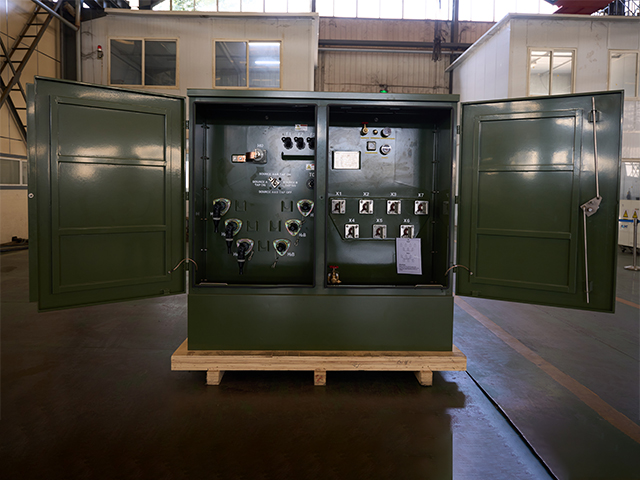
250kVA Three Phase Pad Mounted Transformer
The 250kVA Three Phase Pad Mounted Transformer is a compact, liquid-immersed, self-cooled (ONAN) distribution transformer optimized for efficient, underground power delivery in residential, light commercial, and small industrial applications. Fully compliant with IEEE C57.12.34, ANSI C57.12.00, DOE 2016 efficiency standards, and UL-listed, this compartmental-type unit features dead-front 200A high-voltage bushing wells (loadbreak inserts), radial or loop feed options, and a sealed tank using non-PCB mineral oil or FR3 natural ester fluid for improved fire safety and environmental performance.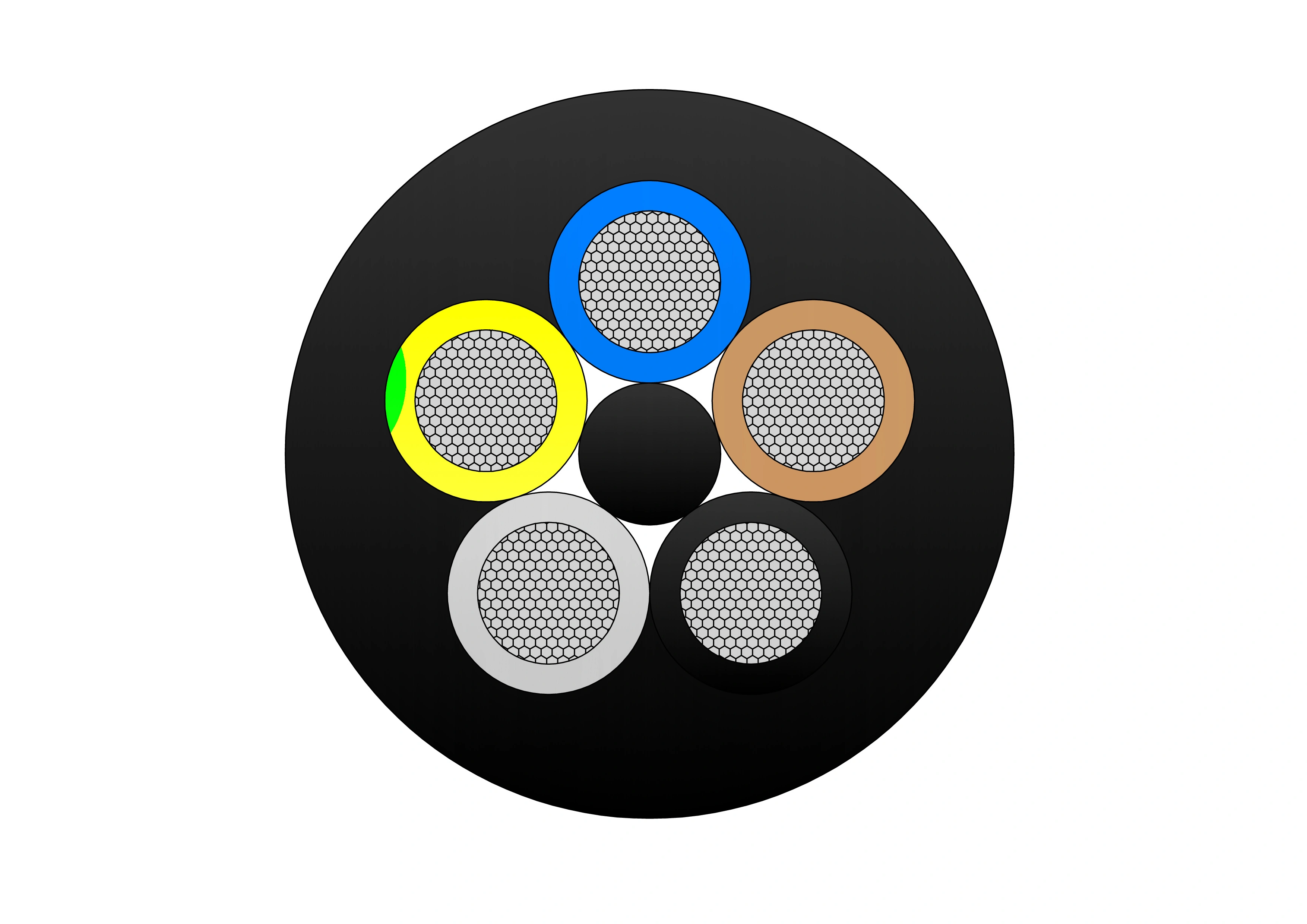
Type 240 Flexible Copper Screened Mining Cable With Three Pilots
The Type 240 Flexible Copper Screened Mining Cable with Three Pilots is a medium-voltage, rubber-insulated cable designed for mining machinery feeder applications and longwall supply. It features tinned annealed copper conductors, EPR insulation, and a tinned copper/polyamide braid screen for superior electrical and mechanical performance. The three interstitial pilot cores provide additional monitoring or control functions, making it suitable for complex mining and industrial systems. With its HD-PCP extra heavy-duty outer sheath, the cable offers oil resistance, flame retardancy, and high durability for harsh environments. Compliant with AS/NZS 2802 and related standards, it ensures reliable operation under extreme mechanical and electrical stress. Constructed with high-conductivity copper conductors, durable insulation, and a robust outer sheath, the cable offers excellent resistance to abrasion, vibration, oil, moisture, and harsh mining conditions. Its flexible design supports continuous movement and reduces installation stress.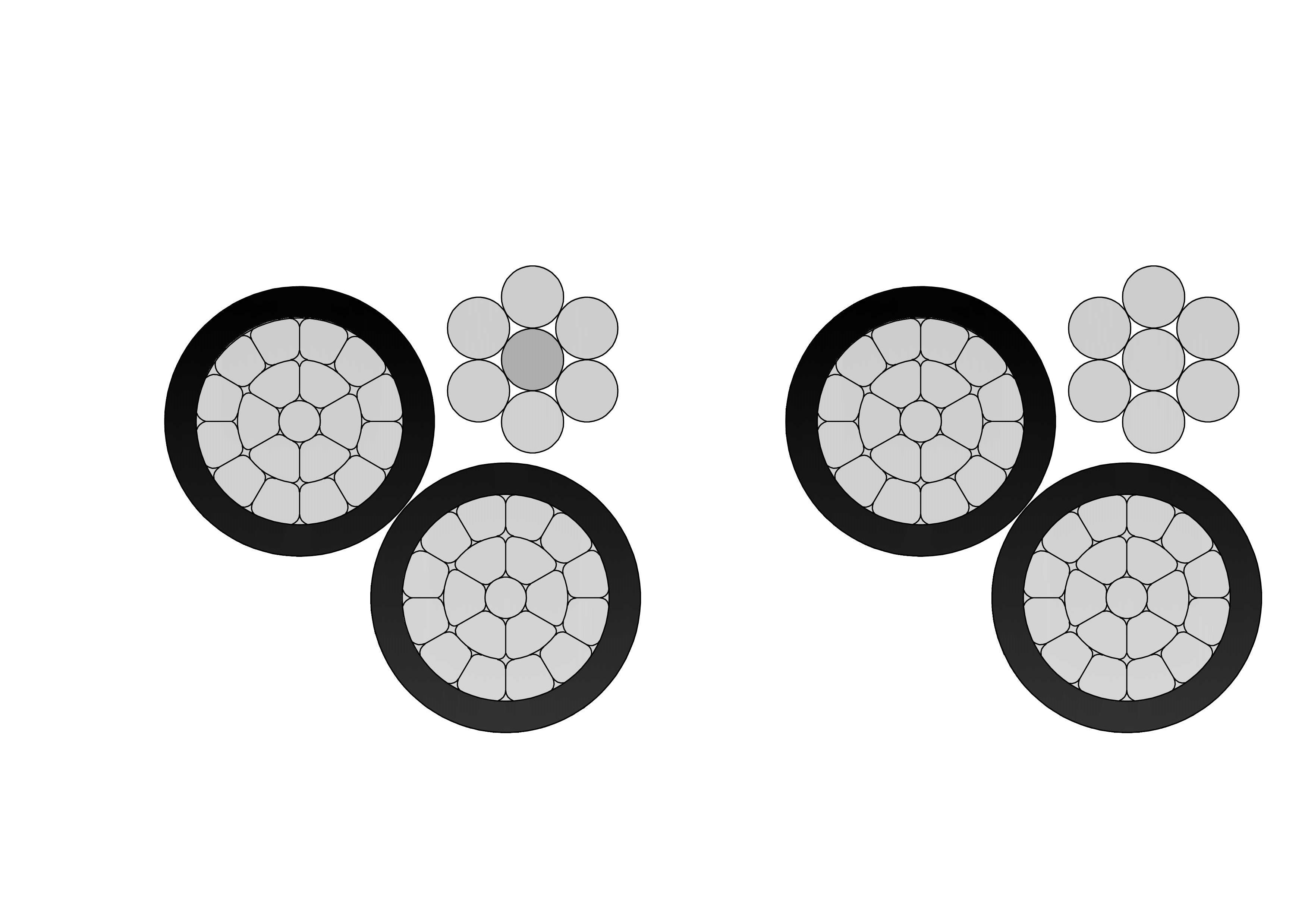
6 Minex Aluminum Conductor Triplex Overhead Service Drop Cable
The 6 Minex Aluminum Conductor Triplex Overhead Service Drop Cable is engineered for reliable overhead power distribution from utility lines to service entrances. The cable structure consists of two insulated aluminum phase conductors twisted around a reinforced neutral messenger, delivering stable electrical performance and strong mechanical support. Manufactured from high-purity aluminum and weather-resistant insulation materials, the 6 Minex Aluminum Conductor Triplex Overhead Service Drop Cable offers excellent conductivity, low weight, and ease of installation. The insulation system is designed to withstand UV radiation, moisture, temperature fluctuations, and environmental aging, ensuring dependable long-term outdoor performance. A comprehensive quality control system is applied throughout production. The 6 Minex Aluminum Conductor Triplex Overhead Service Drop Cable undergoes systematic raw material testing, continuous process inspection, and rigorous finished product testing. Each stage follows standardized procedures to ensure compliance with international standards and utility specifications. This cable is an ideal solution for residential, commercial, and light industrial overhead service drop applications requiring safety, durability, and consistent quality.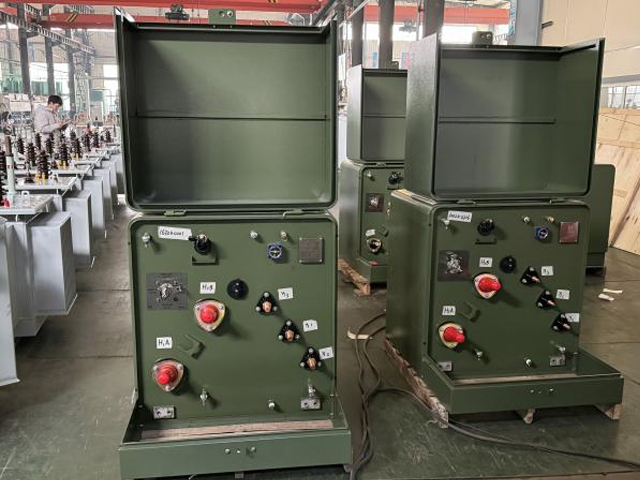
200kVA Single Phase Pole Mounted Transformer
NPC ELECTRIC'S 200kVA single phase pole mounted transformer delivers exceptional reliability for demanding overhead power systems. It efficiently converts primary voltages like 11kV or 22kV to secondary levels such as 220V or 400V, supporting heavier loads in diverse environments. Constructed with low-loss grain-oriented steel cores and high-grade aluminum conductors, it achieves superior energy efficiency and reduced operational costs. Meeting ANSI/IEEE C57 standards, the weatherproof enclosure ensures protection against elements, with a 55°C temperature rise and ONAF cooling for enhanced performance. Essential safety integrations include overload fuses and oil level gauges, making it suitable for utilities aiming for minimal downtime. This transformer excels in providing stable power with low harmonic distortion, ideal for modern grid upgrades.H-medium-voltage-power-cable-2.jpg)
N2XS(F)H Medium Voltage Power Cable (6/10kV, 12/20kV, 18/30kV)
The N2XS(F)H Medium Voltage Power Cable is engineered for medium voltage power distribution systems operating at 6/10kV, 12/20kV, and 18/30kV, where electrical reliability and fire safety are essential. The cable combines a copper conductor with XLPE insulation and a longitudinally corrugated aluminum sheath that delivers excellent moisture protection and mechanical strength. The LSZH outer sheath minimizes toxic gas release and smoke generation during fire exposure, supporting safer evacuation and equipment protection. Designed and manufactured in compliance with IEC standards, N2XS(F)H cables provide low dielectric losses, high thermal stability, and dependable long-term operation. The metallic sheath enhances grounding and fault current performance, making the cable suitable for critical infrastructure and underground installations.
333kVA Single Phase Pole Mounted Transformer
NPC ELECTRIC'S 333kVA single phase pole mounted transformer stands as a powerhouse solution for intensive overhead distribution requirements, effectively reducing primary voltages such as 12.47kV, 24.94kV, or 34.5kV to secondary voltages including 120/240V, 277V, or 347V. Crafted with premium grain-oriented silicon steel cores and durable windings, it delivers outstanding energy efficiency, low losses, and compliance with modern DOE efficiency regulations alongside IEEE C57 and ANSI standards. The tank incorporates corrugated fins for optimal natural oil circulation (ONAN), supporting a 65°C temperature rise and robust overload handling. Equipped with essential protections like pressure relief valves, high-voltage bushings, and surge arresters, this transformer ensures dependable operation in exposed conditions. Its design prioritizes quiet performance, minimal maintenance, and extended service life, making it highly suitable for utilities managing substantial single-phase loads in evolving power networks.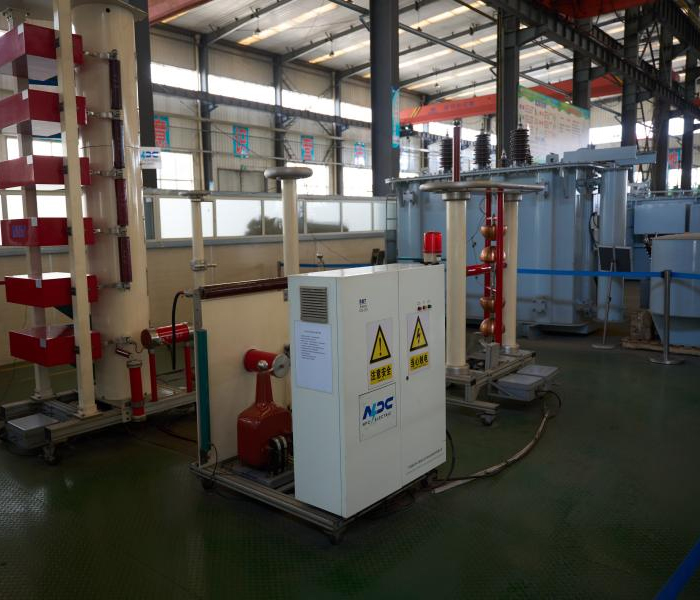
50kVA Dry Type Transformer
NPC ELECTRIC 50kVA dry-type transformer is an efficient, safe and environmentally friendly power transformer. It adopts dry insulation structure and does not require oil immersion cooling. It is suitable for various small and medium-sized power systems. It is widely used in industries, commercial buildings and power distribution, providing users with stable and reliable power supply. Standard features include three-phase or single-phase configurations, aluminum or copper windings, 150°C or 115°C temperature rise with 220°C insulation class, ±2×2.5% primary taps for voltage adjustment, NEMA 1 or 3R enclosures (ventilated with louvers or encapsulated for dust/moisture protection), natural self-cooling (AN), electrostatic shielding options, and low sound levels per NEMA standards.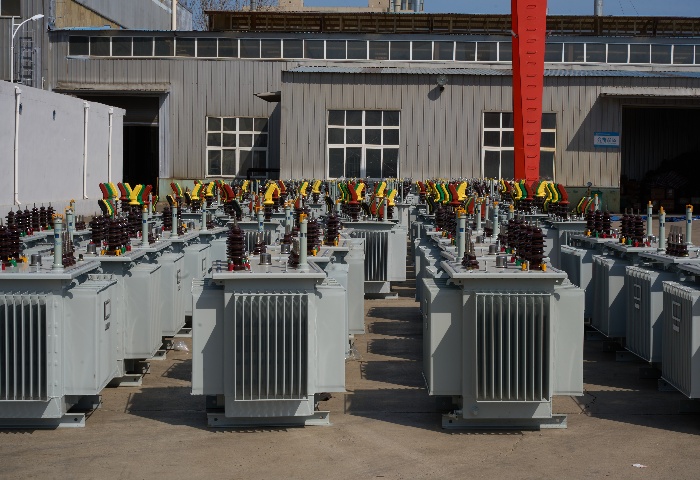
160kVA Oil Immersed Transformer
The 160kVA Oil-Immersed Transformer is characterized by its high efficiency and low loss, significantly reducing power consumption and operational costs. This transformer offers notable social benefits and is a high-tech product actively promoted by the government. Produced by a leading Chinese manufacturer, the NPC ELECTRIC 160kVA Oil-Immersed Transformer represents a pinnacle of electrical engineering, designed to meet the stringent demands of contemporary power distribution systems. These transformers are crafted with precision and incorporate cutting-edge technology, renowned for their exceptional durability, efficiency, and reliability.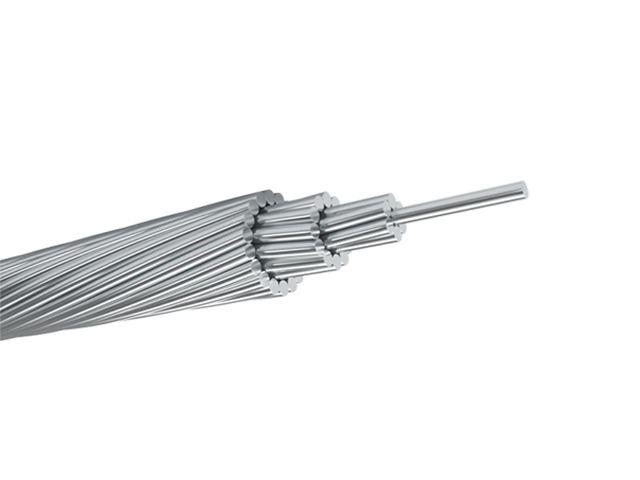
CANTON AAAC Conductor Cable
CANTON AAAC (All Aluminum Alloy Conductor) cables are manufactured in accordance with ASTM B399 standards, offering high tensile strength, good electrical conductivity, and corrosion resistance. With 800 mm² nominal area and 61-strand design, it uses heat-treated aluminum-magnesium-silicon alloy (6201-T81) for enhanced strength (295 MPa min) and conductivity (53% IACS min). Meeting ASTM B398, B399, IEC 61089, and BS EN 50182 standards, this cable handles ampacity up to 1200A at 75°C and voltages up to 33kV. The all-alloy construction avoids bimetallic corrosion, providing better resistance in harsh conditions than ACSR. Reduced weight minimizes sag and installation expenses, supporting longer spans. The Canton AAAC Conductor Cable delivers low electrical losses, high mechanical endurance, and excellent weather tolerance. Flame-retardant variants available. Perfect for urban grids, renewable projects, and coastal setups, it provides cost-effective, low-maintenance power delivery in overhead applications globally, excelling in reliability and lifespan over conventional conductors.
3000kVA Dry Type Transformer
3000kVA Dry Type Transformer is a high-performance, reliable power solution designed to meet the needs of large industrial and commercial facilities. With a 3000kVA capacity, it utilizes advanced dry-type insulation, ensuring exceptional safety, minimal maintenance, and extended durability. Built for demanding environments, this transformer provides stable, efficient, and low-noise operation while minimizing environmental impact. The NPC ELECTRIC 3000kVA Dry Type Transformer is the ideal choice for ensuring reliable and efficient power distribution in large-scale applications. Core features include three-phase design, primary voltages 208V–600V (e.g., 480V Delta, 600V Delta), secondary voltages such as 208Y/120V, 480Y/277V, or custom, aluminum or copper windings, 150°C rise (standard) or 115°C/80°C with 220°C insulation class, ±2×2.5% primary taps, NEMA 1 ventilated enclosure (NEMA 3R/encapsulated options), natural convection cooling (AN), electrostatic shielding, and low sound levels per NEMA.
Type 409 Flexible Copper Screened Mining Cable With Central Pilot
The Type 409 Flexible Copper Screened Mining Cable with Central Pilot is a heavy-duty flexible cable engineered for reliable and safe underground mining operations. It features finely stranded tinned copper conductors (class 5) for excellent flexibility and corrosion resistance, EPR (ethylene propylene rubber) insulation for superior dielectric strength and 90°C continuous thermal rating, an overall tinned copper braid screen providing effective EMI protection and grounding, a central pilot core for earth continuity monitoring, safety interlocks, and fault detection, and an extra-heavy-duty flame-retardant rubber outer sheath resistant to oil, abrasion, tearing, crushing, impact, and chemicals. Compliant with AS/NZS 2802 and mining safety standards, it supports high tensile loads, frequent reeling/drag, tight bending radii, and reliable performance in wet, dusty, and hazardous mine conditions. The Type 409 is ideal for power supply to continuous miners, shuttle cars, longwall equipment, drills, and other mobile machinery in coal and metalliferous mines, ensuring enhanced safety through pilot core monitoring and maximum durability.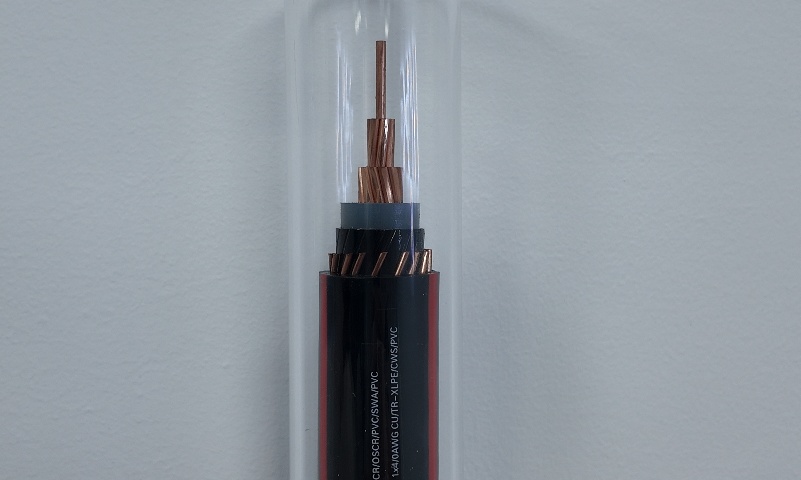
Duplex URD Cable
The Duplex URD Cable is a high-performance 600V underground residential distribution cable designed for reliable service entrance and secondary power delivery. It consists of two insulated AA8000 aluminum alloy phase conductors and a concentric neutral, all protected by a tough black polyethylene sheath. The duplex configuration provides a compact, easy-to-install solution for direct burial applications. Manufactured with XLPE insulation, this cable offers excellent electrical properties, moisture resistance, and long-term durability. The Duplex URD Cable is lightweight, flexible, and cost-effective compared to copper alternatives while maintaining high conductivity and mechanical strength. It meets UL 854, ICEA, and ASTM standards and undergoes rigorous quality testing from raw materials to finished product, ensuring consistent performance in underground environments.Welcome your inquiry
Honesty, Integrity, Frugality, Activeness and Passion