
Best Renewable Energy Power Plants: Solar, Wind, Hybrid & Storage Solutions
2026-05-26
Renewable energy power plants are rapidly transforming the global electrical power industry. As governments, utilities, and industrial sectors seek cleaner and more sustainable alternatives to fossil fuel generation, renewable energy systems have become essential components of modern energy infrastructure.
Today’s renewable energy power plants combine advanced generation technologies, digital energy management systems, high-efficiency transformers, and renewable energy storage solutions to deliver stable and reliable electricity production at utility scale.
Modern renewable power infrastructure includes:
- Solar power plants
- Wind farms
- Hybrid renewable systems
- Battery energy storage facilities
- Smart grid integration platforms
The rapid growth of renewable and energy technologies is driven by multiple factors:
- Rising electricity demand
- Carbon reduction targets
- Grid modernization
- Energy security concerns
- Falling renewable equipment costs
- Improvements in energy storage solutions
However, renewable energy generation also introduces engineering challenges such as intermittency, voltage fluctuation, transmission integration, and power balancing. To address these issues, modern renewable energy power plants increasingly rely on:
- Hybrid energy storage system technologies
- Advanced solar transformer systems
- AI-based energy management
- Smart inverters
- Grid stabilization equipment
1. What Is Renewable Energy?
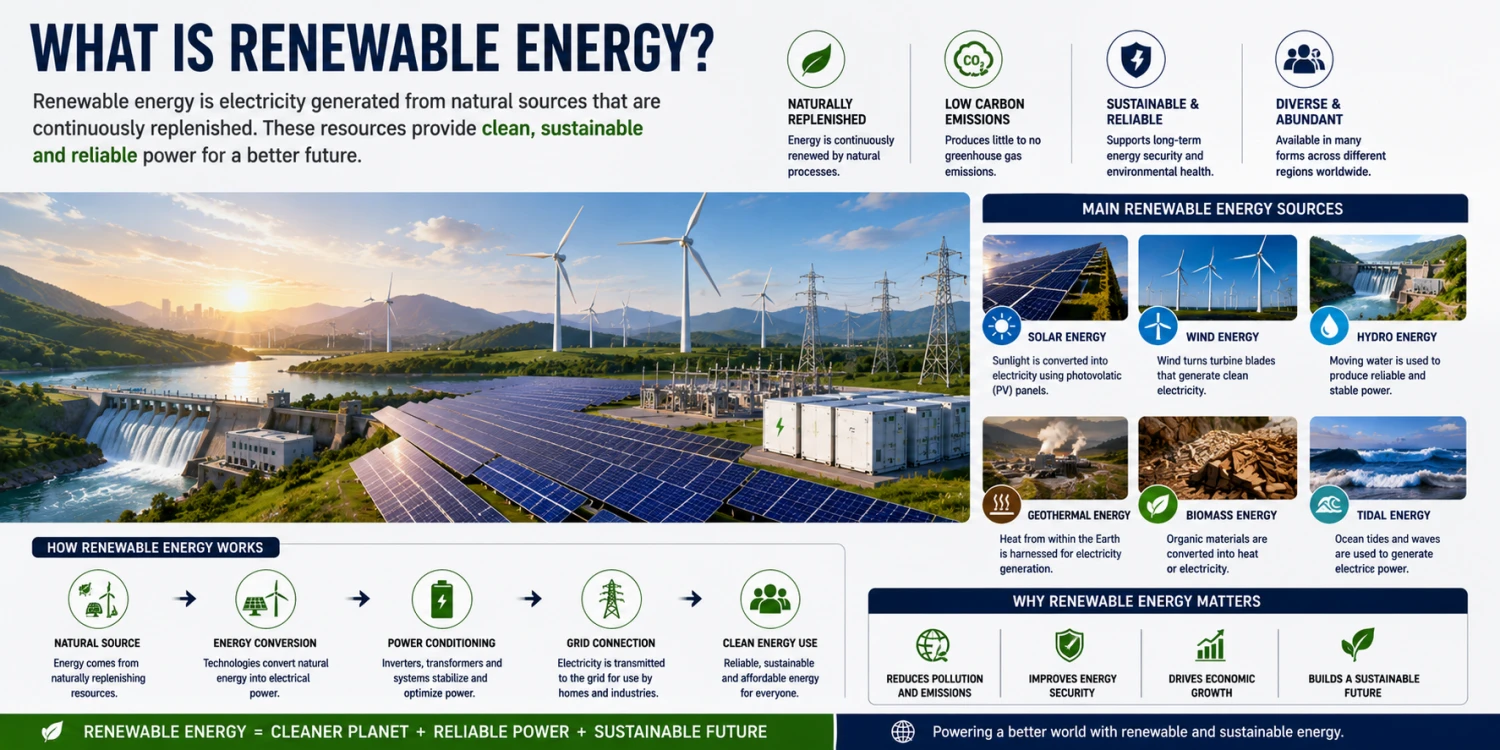
Renewable energy refers to electrical power generated from naturally replenishing energy sources that can continuously regenerate without long-term depletion.
Unlike fossil fuels, renewable energy sources produce significantly lower carbon emissions and support sustainable long-term electricity generation.
Main Renewable Energy Sources
The most common renewable energy systems include:
- Solar energy
- Wind energy
- Hydroelectric power
- Geothermal energy
- Biomass systems
- Tidal energy
Among these technologies, solar power plants and wind farms currently dominate global renewable energy investment.
Why Renewable Energy Matters
Renewable and energy technologies help reduce dependence on:
- Coal-fired power plants
- Oil-based generation
- Natural gas combustion
This contributes to:
- Lower greenhouse gas emissions
- Improved energy security
- Reduced air pollution
- Long-term energy sustainability
Transition Toward Utility-Scale Renewable Infrastructure
The global energy industry is transitioning from centralized fossil fuel systems toward decentralized renewable power networks supported by digital grid technologies and renewable energy storage infrastructure.
Table: Comparison of Main Renewable Energy Power Plant Types
|
Power Plant Type |
Main Energy Source |
Typical Capacity Range |
Main Advantages |
Key Challenges |
|
Solar Power Plant |
Sunlight |
1 MW – 5 GW |
Low operating cost |
Intermittent generation |
|
Wind Power Plant |
Wind energy |
5 MW – 3 GW |
High scalability |
Wind variability |
|
Hydroelectric Plant |
Flowing water |
10 MW – 20 GW |
Stable base-load generation |
Large infrastructure investment |
|
Hybrid Renewable Plant |
Solar + Wind + Storage |
10 MW – 2 GW |
Improved reliability |
Complex energy management |
|
Biomass Power Plant |
Organic materials |
1 MW – 500 MW |
Continuous generation capability |
Fuel supply logistics |
|
Geothermal Power Plant |
Underground heat |
5 MW – 500 MW |
Stable renewable output |
Geographic limitations |
2. Solar Power Plants and Solar Energy Systems
Solar power plants convert sunlight into electrical power using photovoltaic (PV) panels or concentrated solar systems.
Modern solar projects range from small rooftop systems to utility-scale solar parks covering thousands of hectares.
How Solar Power Plants Work
Photovoltaic panels generate direct current (DC) electricity from sunlight.
The generated power then passes through:
- Inverters
- Switchgear
- Solar transformer systems
- Grid interconnection infrastructure
before entering the transmission network.
Utility-Scale Solar Farms
Large solar farm projects can generate hundreds of megawatts of electrical power.
The largest solar facilities globally now exceed several gigawatts of installed capacity.
These systems require:
- High power transformers
- Advanced cooling systems
- Grid synchronization technology
- Large-scale energy management systems
Role of Solar Transformers
Solar transformer systems increase inverter voltage to transmission levels suitable for grid integration.
These transformers are critical for:
- Voltage transformation
- Electrical isolation
- Grid stability
- Renewable integration reliability
Engineering Challenges in Solar Projects
Solar projects must address:
- Intermittent generation
- Temperature variation
- Dust accumulation
- Grid fluctuation
- Harmonic distortion
Modern energy management systems help optimize performance under varying environmental conditions.
3. Wind Power Plants and Renewable Grid Integration
Wind power plants generate electricity by converting wind energy into rotational mechanical energy through wind turbines.
Wind generation has become one of the fastest-growing renewable technologies worldwide.
How Wind Farms Operate
Wind turbines rotate generator systems using aerodynamic blade movement.
Generated electricity passes through:
- Wind turbine transformers
- Collector systems
- Substations
- Transmission infrastructure
before reaching the electrical grid.
Offshore Wind Development
Offshore wind projects benefit from stronger and more consistent wind resources.
However, offshore systems require:
- Marine substations
- Corrosion-resistant equipment
- Specialized submarine cables
- Advanced maintenance planning
Grid Integration Challenges
Wind generation variability can create:
- Frequency fluctuation
- Voltage instability
- Reactive power imbalance
Utilities therefore use renewable energy storage systems and digital grid controls to maintain energy delivery reliably.
High Power Wind Infrastructure
Modern offshore wind turbines can exceed:
- 15 MW per turbine
- 250-meter total height
These high-power systems require advanced transformer design and robust grid interconnection systems.
4. Hybrid Energy Storage System Technologies
Renewable generation variability increases the importance of energy storage solutions.
Hybrid energy storage system technologies combine multiple storage methods to improve renewable power reliability.
Why Renewable Energy Storage Is Necessary
Renewable energy generation does not always match electricity demand.
Solar generation peaks during daytime while demand often peaks in evening hours.
Energy storage systems help:
- Store excess energy
- Stabilize the grid
- Reduce curtailment
- Improve dispatch flexibility
Table: Comparison of Renewable Energy Storage Technologies
|
Storage Technology |
Response Speed |
Storage Duration |
Main Applications |
Key Advantages |
|
Lithium-Ion Battery |
Very fast |
Short to medium |
Solar and wind integration |
High efficiency |
|
Flow Battery |
Fast |
Medium to long |
Utility-scale renewable storage |
Long cycle life |
|
Pumped Hydro Storage |
Moderate |
Long duration |
Grid-scale balancing |
Massive storage capacity |
|
Thermal Energy Storage |
Moderate |
Medium duration |
Solar thermal systems |
Stores energy as heat |
|
Hydrogen Energy Storage |
Slow |
Long duration |
Seasonal energy storage |
Large-scale renewable integration |
|
Hybrid Energy Storage System |
Optimized multi-system control |
Flexible duration |
Smart renewable grids |
Improved reliability |
Hybrid Renewable Systems
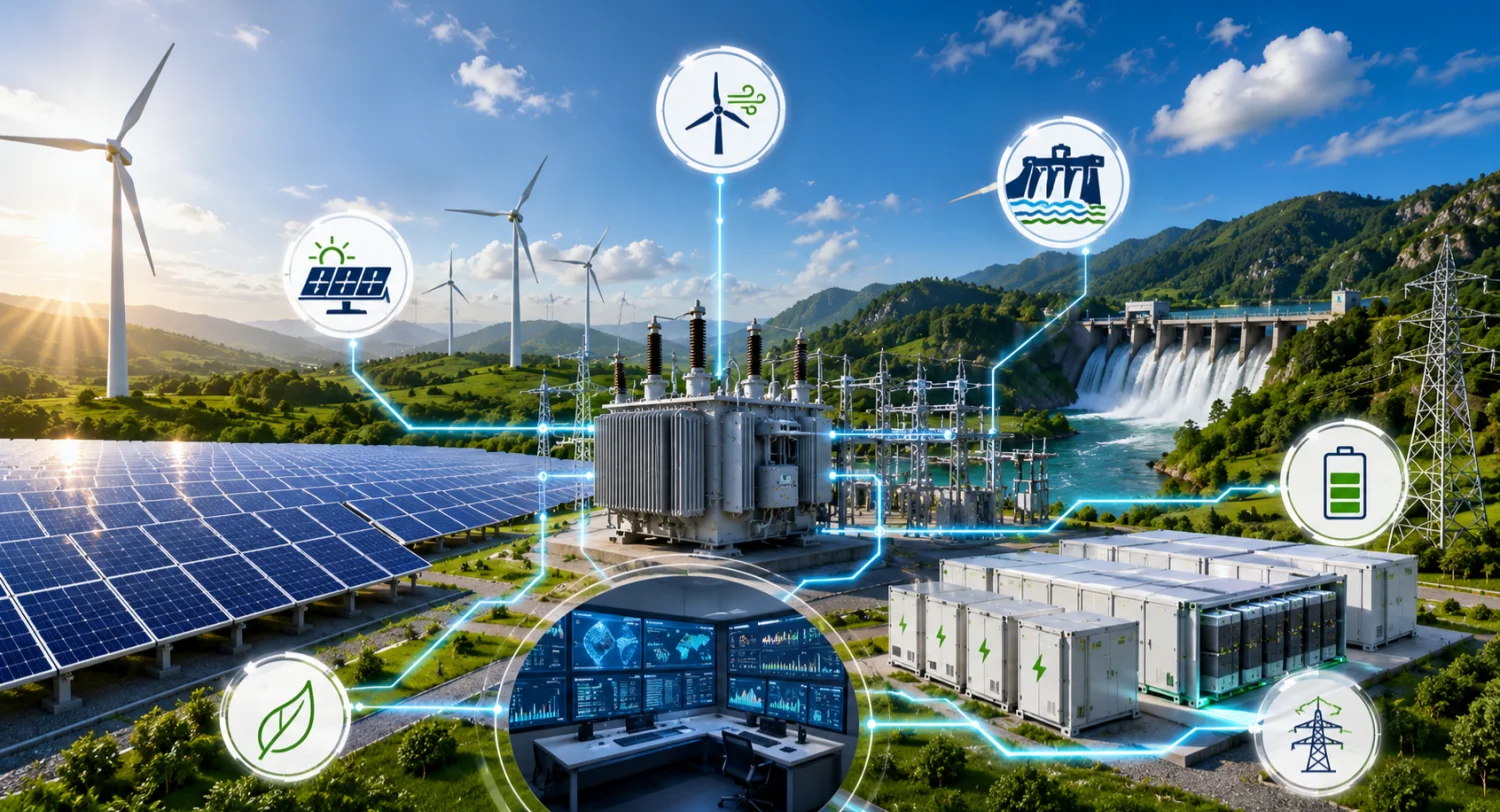
Modern hybrid renewable systems may combine:
- Solar generation
- Wind generation
- Battery storage
- Diesel backup
- Smart energy management
These systems improve grid stability and operational flexibility.
Smart Energy Management Platforms
Digital energy management systems monitor:
- Generation output
- Grid demand
- Storage status
- Weather forecasting
- System efficiency
to optimize performance and reduce operational cost.
5. Design and Engineering Considerations for Renewable Energy Power Plants
Renewable energy power plants require highly integrated engineering design.
Table: Key Engineering Factors for Renewable Energy Power Plants
|
Engineering Factor |
Design Consideration |
Recommended Evaluation |
|
Solar Irradiation or Wind Resource |
Local renewable energy availability |
Long-term environmental assessment |
|
Grid Connection Voltage |
Utility interconnection requirement |
Substation and transformer sizing |
|
Energy Storage Integration |
Renewable intermittency management |
Battery or hybrid storage evaluation |
|
Transformer Selection |
Voltage transformation and grid stability |
Solar transformer capacity analysis |
|
Environmental Conditions |
Heat, humidity, salt, dust exposure |
Corrosion and thermal protection |
|
Land Availability |
Plant expansion and accessibility |
Site optimization planning |
|
Energy Management System |
Real-time monitoring and control |
Smart grid compatibility |
|
Regulatory Compliance |
Utility and environmental approvals |
IEC and local grid code verification |
|
Transmission Distance |
Power delivery to demand centers |
High voltage infrastructure planning |
|
Reliability Requirements |
Continuous energy supply targets |
Redundant system configuration |
Site Selection
Successful renewable projects depend heavily on:
- Solar irradiation levels
- Wind resource quality
- Land availability
- Environmental impact
- Grid access
Electrical Infrastructure Design
Renewable systems require:
- Solar transformers
- Switchgear
- Protection systems
- Substations
- Transmission infrastructure
Proper transformer sizing is critical for high-power renewable applications.
Thermal and Environmental Conditions
Environmental conditions affect renewable plant performance.
Extreme heat may reduce solar panel efficiency, while warm air density can reduce wind turbine output.
Engineering design must account for:
- Ambient temperature
- Humidity
- Sand or salt exposure
- Altitude
- Corrosion risk
Grid Compliance Requirements
Utilities require renewable power plants to meet strict grid codes regarding:
- Frequency regulation
- Fault ride-through capability
- Reactive power control
- Harmonic limits
6. Economic Benefits and Market Growth of Renewable Power Plants
Renewable energy economics continue to improve globally.
Falling Equipment Costs
Solar modules, wind turbines, and battery systems have experienced major cost reductions over the past decade.
This improves renewable project competitiveness.
Long-Term Operating Savings
Renewable power plants typically offer:
- Lower fuel costs
- Reduced maintenance
- Lower emissions compliance costs
compared to conventional thermal generation.
Government Incentives
Many countries support renewable energy through:
- Tax incentives
- Feed-in tariffs
- Renewable portfolio standards
- Carbon reduction policies
Expanding Utility Investment
Utilities increasingly invest in:
- Solar parks
- Wind transmission systems
- Renewable energy storage
- Smart grid infrastructure
7. Future Trends in Renewable Energy Power Plants
Renewable infrastructure technology continues evolving rapidly.
|
Parameter |
Solar Power Plant |
Wind Power Plant |
Hybrid Renewable System |
|
Power Stability |
Medium |
Medium |
High |
|
Energy Storage Requirement |
High |
Moderate |
Optimized |
|
Installation Cost |
Moderate |
High |
Higher |
|
Land Usage |
Large |
Moderate |
Optimized |
|
Grid Integration Complexity |
Moderate |
High |
Advanced |
|
Maintenance Requirements |
Low |
Moderate |
Higher |
|
Scalability |
Excellent |
Excellent |
Excellent |
|
Reliability |
Weather dependent |
Wind dependent |
Improved reliability |
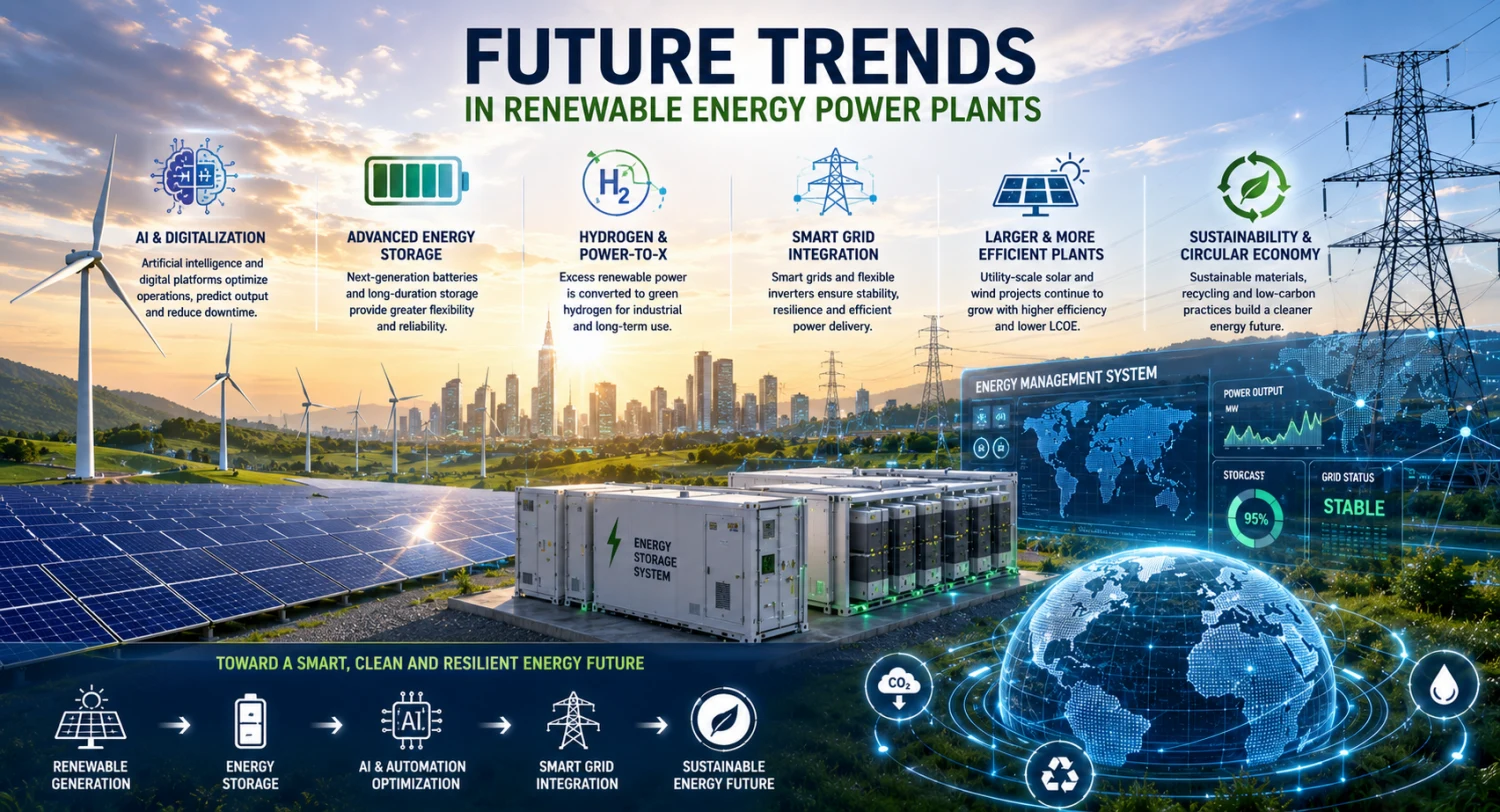
AI-Based Energy Optimization
Artificial intelligence increasingly supports:
- Predictive maintenance
- Energy forecasting
- Grid optimization
- Storage management
Ultra-Large Renewable Projects
Future renewable projects will continue expanding in scale.
The largest solar and offshore wind systems may exceed several gigawatts of generation capacity.
Advanced Battery Energy Storage Systems
Next-generation battery systems aim to provide:
- Longer duration storage
- Faster response
- Improved safety
- Lower cost
Hydrogen Energy Integration
Hydrogen systems may become major long-term renewable storage technologies.
Excess renewable energy can power electrolysis systems that produce green hydrogen.
Smart Grid Digitalization
Future renewable power systems will increasingly integrate:
- Automated substations
- IoT monitoring
- Digital transformers
- Cloud-based energy management
8. Challenges Facing Renewable Energy Infrastructure
Despite rapid growth, renewable energy power plants still face engineering and operational challenges.
Intermittent Power Generation
Solar and wind generation depend on weather conditions.
This creates variability in electrical output.
Grid Stability Concerns
Large-scale renewable penetration may affect:
- Frequency stability
- Voltage regulation
- Transmission congestion
Land and Environmental Constraints
Large solar parks and wind farms require substantial land and environmental planning.
Transmission Infrastructure Expansion
Many renewable projects are located far from urban demand centers.
This increases the need for:
- High voltage transmission lines
- Substations
- Long-distance power infrastructure
FAQ: Renewable Energy Power Plants
1: What are renewable energy power plants?
Renewable energy power plants are facilities that generate electricity from naturally replenishing resources such as sunlight, wind, water, geothermal heat, and biomass. Common examples include solar power plants, wind farms, hydroelectric stations, and hybrid renewable systems integrated with energy storage solutions.
2: Why is renewable energy storage important?
Renewable energy storage is essential because solar and wind generation are intermittent. Energy storage systems help store excess electricity during peak generation periods and release it when demand increases or renewable output decreases. This improves grid stability, energy reliability, and overall system efficiency.
3: What is a hybrid energy storage system?
A hybrid energy storage system combines multiple energy technologies such as batteries, solar generation, wind power, and backup generation systems. These systems optimize performance by balancing power generation, storage capacity, and electricity demand in real time.
4: What role does a solar transformer play in solar power plants?
A solar transformer increases the voltage generated by solar inverters to transmission or distribution voltage levels suitable for grid integration. Solar transformers also provide electrical isolation, improve system stability, and support efficient power transmission over long distances.
5: How do renewable energy power plants maintain reliable power delivery?
Modern renewable energy power plants maintain reliable energy output using advanced energy management systems, battery energy storage, smart grid controls, and hybrid renewable technologies. These systems help stabilize voltage, manage fluctuating generation, and optimize overall grid performance.
Conclusion
Renewable energy power plants are reshaping the future of global electrical infrastructure. Through solar farms, wind power systems, hybrid energy storage system technologies, and advanced energy management platforms, renewable energy systems are becoming increasingly capable of delivering reliable, scalable, and sustainable electricity generation.
Modern renewable projects require sophisticated engineering involving solar transformers, renewable energy storage, grid integration systems, and digital control technologies. As renewable power capacity continues expanding worldwide, energy storage solutions and smart grid technologies will become increasingly important for maintaining stable and reliable electrical power delivery.
Driven by technological innovation, falling equipment costs, and global decarbonization initiatives, renewable energy power plants will remain central to the future evolution of modern electrical power systems.

Related Articles
Related Products
11kV Oil Immersed Transformer
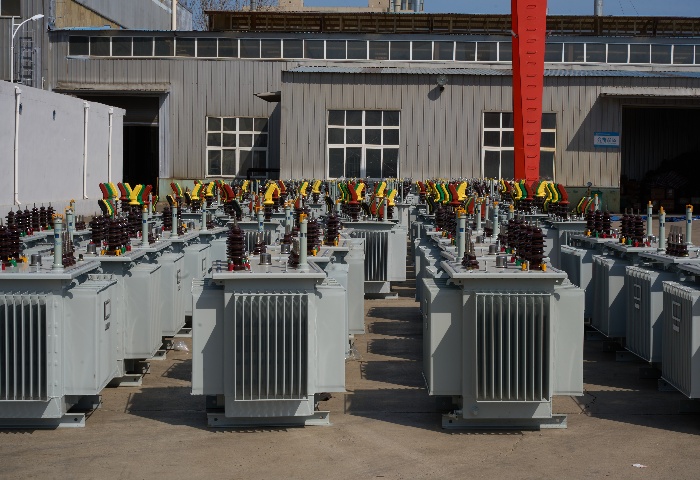
The 11kV Oil Immersed Transformer is a robust, three-phase medium-voltage distribution unit optimized for efficient step-down power delivery in 50/60Hz AC networks. Engineered with a hermetically sealed tank featuring corrugated fins for thermal expansion compensation, it eliminates conservator requirements while offering superior moisture protection and extended operational durability. High-grade cold-rolled grain-oriented silicon steel laminations reduce core losses significantly, paired with low-resistance copper or aluminum windings for minimized load losses and enhanced conductivity.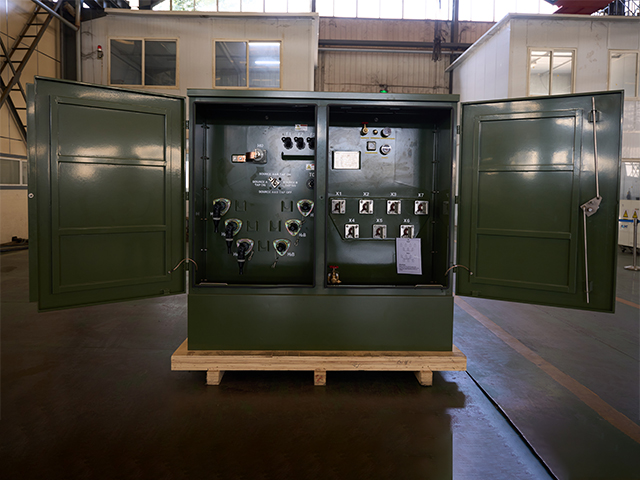
2MVA Solar Step-Up Pad Mounted Transformer for Solar PV
The 2MVA Solar Step-Up Pad Mounted Transformer is a purpose-built, three-phase, oil-immersed (ONAN) inverter step-up (ISU) transformer designed specifically for utility-scale solar PV farms, boosting low-voltage inverter AC outputs (typically 600V, 690V, 800V, or 480V) to medium-voltage collection levels (e.g., 12.47kV, 13.8kV, 22kV, 24.94kV, 33kV, or 34.5kV) for efficient grid tie-in. Engineered to IEEE C57.159 (DPV guide), IEEE C57.12.34 (pad-mounted compartmental-type), IEEE C57.12.00, DOE 2016 efficiency, and ANSI standards, this UL-listed unit features electrostatic shielding between windings to mitigate inverter harmonics and DC bias, K-factor up to K-19 for nonlinear loads, and reduced flux density to prevent core saturation from potential DC components.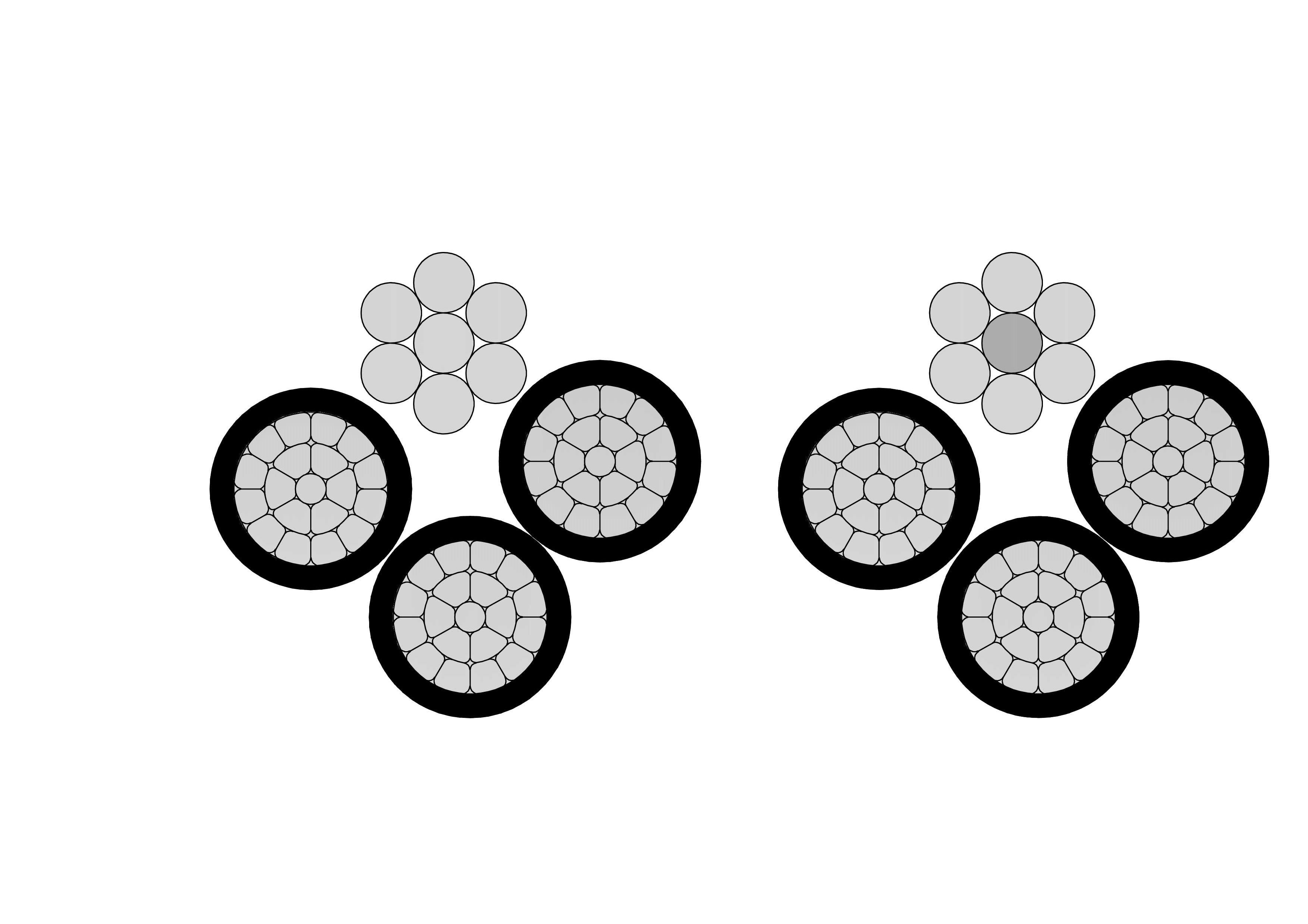
2 Palomino Aluminum Conductor Quadruplex Overhead Service Drop Cable
2 Palomino Aluminum Conductor Quadruplex Overhead Service Drop Cable is designed for delivering 3-phase power from pole-mounted transformers directly to the user's service entrance. Built with three 2 AWG aluminum phase conductors and one neutral messenger (7-strand) insulated with polyethylene or XLPE and formed into a quadruplex assembly, it meets ASTM and ICEA requirements for 600V service. The tough insulation offers outstanding protection against UV rays, moisture, tree contact, and abrasion. Self-supporting messenger design ensures easy pulling and reduced sag during installation. The 2 Palomino Quadruplex Service Drop Cable supports efficient power transfer with low voltage drop and high durability in extreme temperatures. Popular for its lightweight construction and reduced installation time, it is the choice for electricians and utilities. Widely deployed in housing developments, commercial services, and temporary power setups, this cable ensures safe, long-lasting overhead connections from distribution transformers to customer service entrances worldwide.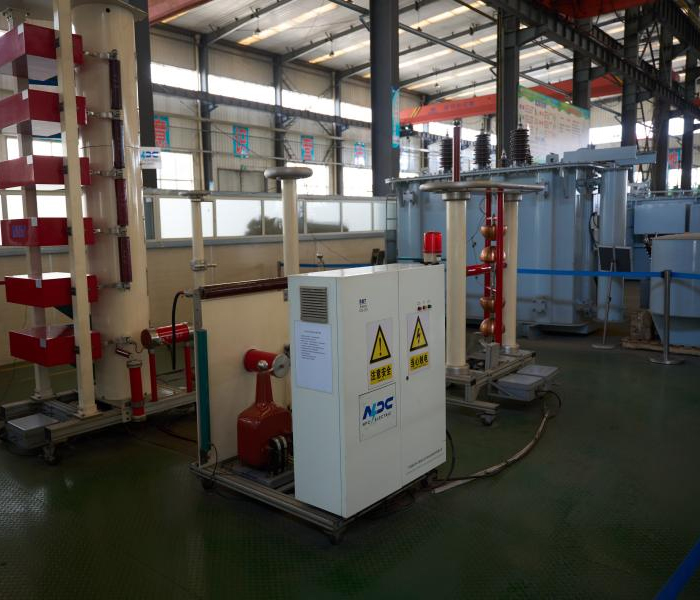
30kVA Dry Type Transformer
The 30kVA Dry type transformer complies with ANSI, CSA, NEMA, IEEE, IEC, GB, and DOE standards. NPC ELECTRIC manufactures dry-type transformers in strict accordance with the highest industry and international standards. The 30kVA dry-type transformer provides dependable, oil-free power transformation for indoor environments, stepping down primary voltages such as 480V Delta, 600V, 11kV, or 10kV to secondary outputs like 208Y/120V, 480Y/277V, or 400Y/230V in three-phase configurations.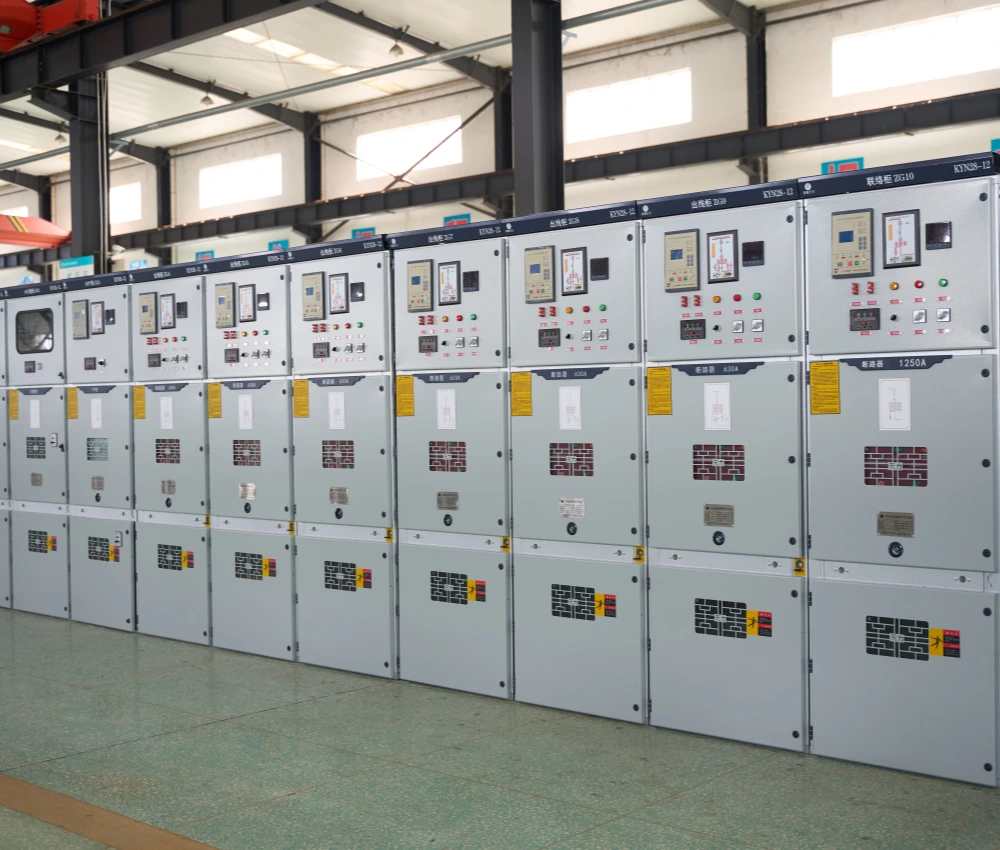
Armored Removable AC Switchgear
The Armored Removable AC Switchgear is a high-performance medium-voltage electrical distribution system specifically engineered for industrial power networks, utility substations, commercial infrastructure, and smart-grid applications. The switchgear adopts a metal-clad armored structure combined with a removable withdrawable unit design, integrating vacuum circuit breakers, protection relays, busbar systems, metering devices, and intelligent control components into a compact modular cabinet configuration. This advanced structure significantly improves operational safety, maintenance efficiency, and system reliability for modern electrical distribution environments. Designed according to international medium-voltage distribution standards, the armored removable AC switchgear provides excellent insulation performance, internal arc resistance, and mechanical durability under demanding operating conditions. The withdrawable breaker mechanism allows convenient maintenance and rapid replacement while reducing operational downtime and improving personnel safety during inspection procedures. The compartmentalized enclosure design effectively isolates busbar sections, cable chambers, breaker compartments, and control circuits to minimize fault propagation risks and enhance overall system protection. The Armored Removable AC Switchgear supports intelligent monitoring systems, remote communication protocols, and automated protection functions for modern digital substations and smart-grid infrastructure. With flexible configuration capabilities and scalable electrical distribution architecture, the system delivers dependable medium-voltage switching and protection performance for industrial automation systems, renewable energy projects, utility power networks, transportation infrastructure, and mission-critical electrical facilities.2Y-high-voltage-power-cable-2.webp)
A2XS(FL)2Y HDPE High Voltage 36/60 (72.5) kV Power Cable
The A2XS(FL)2Y HDPE 36/60 (72.5) kV Power Cable is a cost-effective high-voltage cable with longitudinal water-blocking for reliable transmission and distribution at 36/60 kV rated / 72.5 kV maximum operating voltage. It includes stranded aluminium conductors for high current capacity and reduced weight, semi-conductive conductor screen, premium XLPE insulation for low dielectric losses and 90°C continuous rating (250°C short-circuit), semi-conductive insulation screen, concentric copper wire screen combined with aluminium laminated foil for longitudinal water-blocking, electromagnetic shielding, and grounding, and a high-density polyethylene (HDPE) outer sheath providing superior mechanical protection, moisture resistance, chemical stability, and UV resistance. Compliant with IEC 60840, VDE 0276-620, or equivalent standards, it offers excellent water tree resistance, high ampacity, and long service life even in wet, direct-buried, or flooded conditions. The A2XS(FL)2Y HDPE is ideal for underground HV lines, river crossings, industrial feeders, substations, and renewable energy connections where water ingress protection, efficiency, and durability are essential.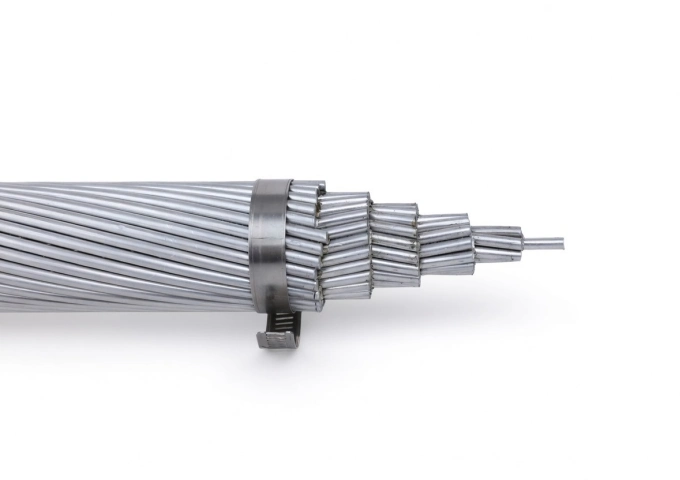
2500 MCM Lupine AAC Cable
The 2500 MCM Lupine AAC Cable is a high-performance All Aluminum Conductor designed for demanding overhead power transmission and distribution lines. Manufactured with 91 strands of premium 1350-H19 aluminum wire in a concentric lay configuration, this bare conductor provides excellent electrical conductivity with a low DC resistance of 0.00698 ohms per 1000 ft at 20°C. Featuring an overall diameter of 1.823 inches and a rated breaking strength of 41,900 lbs, the Lupine AAC delivers a robust ampacity of 1706 amps while weighing only 2370 lbs per 1000 ft. Its optimized strength-to-weight ratio minimizes sag and structural loading. Fully compliant with ASTM B-230 and B-231 standards, the 2500 MCM Lupine AAC Cable offers outstanding corrosion resistance for long-term durability in harsh outdoor environments, making it the preferred choice for utility networks requiring cost-effective, high-reliability bare aluminum conductors.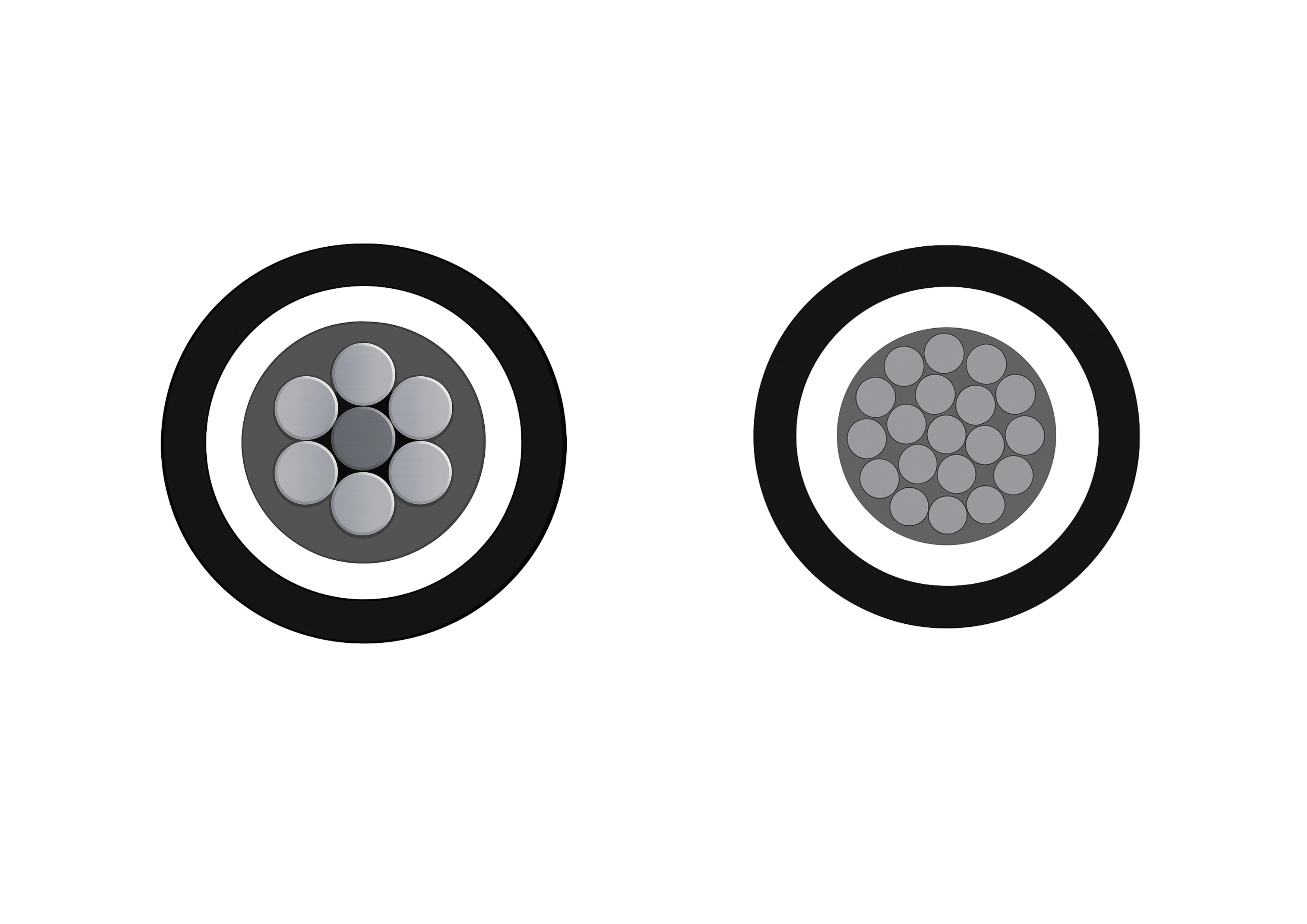
XLPE-HDPE Tree Cable Aluminum 25kV 1x95mm²
The XLPE-HDPE Tree Cable Aluminum 25kV 1x95mm² is engineered for medium-voltage overhead distribution networks that demand very high current capacity. Ideal for long-distance transmission in rural, industrial, and high-demand urban areas, this cable provides exceptional reliability and performance under harsh environmental conditions. Its design minimizes energy losses, supports stable power supply, and ensures dependable large-scale power distribution. Constructed with high-conductivity aluminum alloy 1350 wires, the conductor features round compacted, class 2 stranding with a minimum conductivity of 61% IACS and tensile strength of at least 130 MPa. Optional conductor shielding with extruded semiconductor thermosetting compound is available for enhanced performance in 15kV and 25kV applications. With its high current capacity, robust construction, and environmental resilience, the XLPE-HDPE 25kV tree cable 1x95mm² delivers reliable, long-term power distribution for challenging overhead network applications.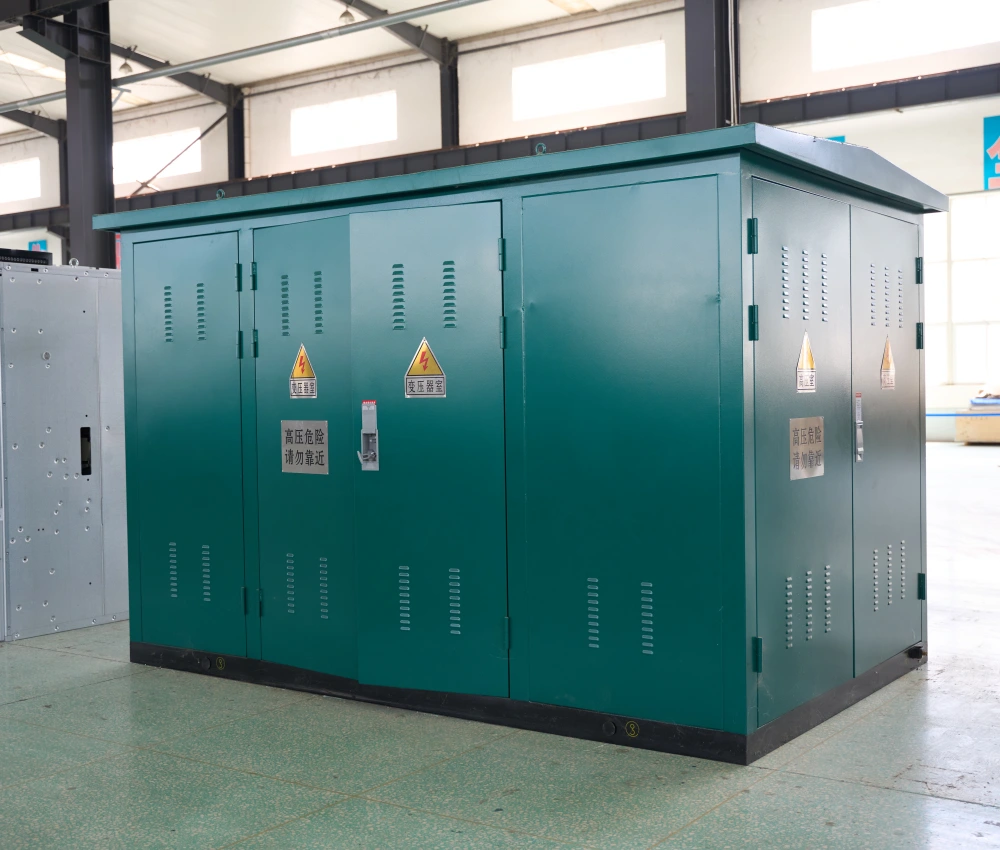
Prefabricated Box Type Transformer Substation
The Prefabricated Box Type Transformer Substation is a fully integrated power distribution system combining medium-voltage switchgear, distribution transformer, low-voltage distribution equipment, and intelligent control systems within a compact outdoor enclosure. Engineered for modern electrical infrastructure, the substation delivers efficient, safe, and stable power transformation and distribution for industrial facilities, renewable energy projects, urban developments, and utility networks. Its modular structural design significantly reduces installation time, civil construction requirements, and overall project costs while enhancing operational reliability and maintenance efficiency. The enclosure is manufactured using corrosion-resistant materials and advanced environmental protection technologies to ensure dependable performance under harsh outdoor conditions including high humidity, dust, salt spray, and temperature fluctuations. The substation supports multiple transformer capacities, flexible voltage ratings, intelligent monitoring functions, and customizable switchgear configurations to meet different regional standards and project specifications. With compact footprint advantages and scalable integration capability, the Prefabricated Box Type Transformer Substation is an ideal solution for modern smart grid systems and distributed energy applications.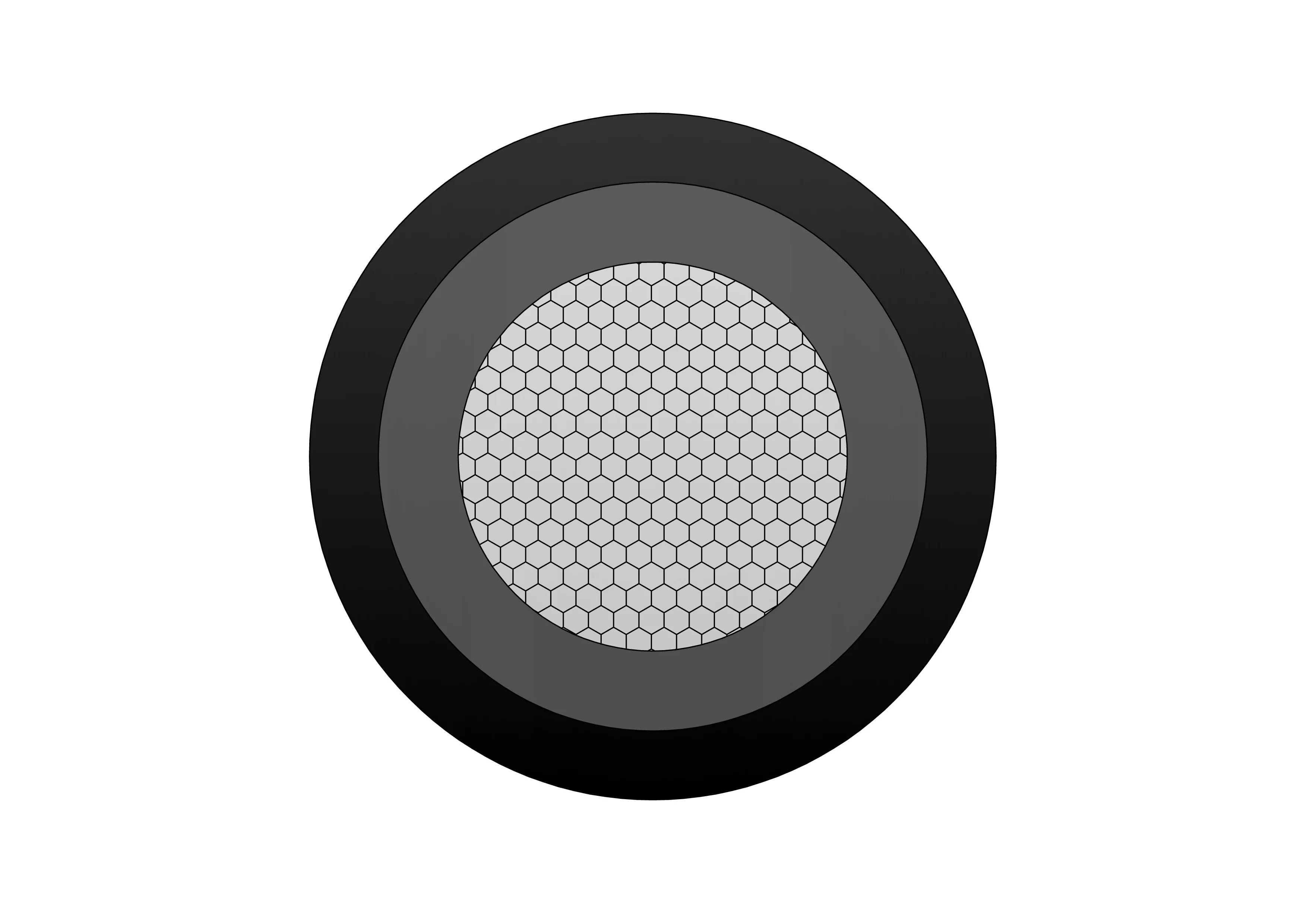
NSGAFÖU 1.8/3kV Rubber Cable
NSGAFÖU 1.8/3kV Rubber Cable is a robust, single-core flexible power cable engineered for extreme mechanical and environmental stresses in mining, tunneling, cranes, and mobile machinery. It features finely stranded tinned copper conductors (class 5) for superior flexibility and corrosion resistance, EPR (ethylene propylene rubber) insulation for excellent dielectric strength and 90°C continuous rating (250°C short-circuit), and a tough CPE (chlorinated polyethylene) or neoprene outer sheath providing outstanding oil resistance, flame retardancy (IEC 60332-1), abrasion/tear resistance, and weatherproofing. Compliant with DIN VDE 0250-813 / HD 22.16 S2 standards, it offers high mechanical strength, tight bending radii, and reliable performance in wet, oily, or abrasive conditions. The NSGAFÖU 1.8/3kV is ideal for trailing cables, reeling systems, and power connections where flexibility, durability, and safety are essential.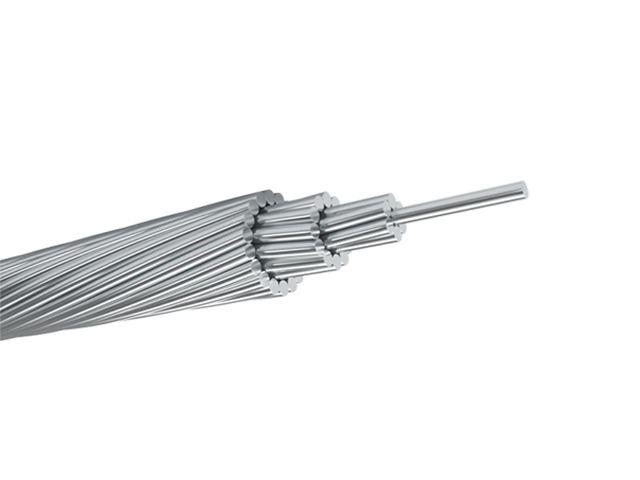
AMHERST AAAC Conductor Cable
AMHERST AAAC (All Aluminum Alloy Conductor) cables comply with ASTM B399 standards and offer high strength, good conductivity, and excellent corrosion resistance. With 300 mm² nominal area and 37-strand design, it uses heat-treated aluminum-magnesium-silicon alloy (6201-T81) for enhanced strength (295 MPa min) and conductivity (53% IACS min). Meeting ASTM B398, B399, IEC 61089, and BS EN 50182 standards, this cable handles ampacity up to 700A at 75°C and voltages up to 33kV. The all-alloy construction avoids bimetallic corrosion, providing better resistance in harsh conditions than ACSR. Reduced weight minimizes sag and installation expenses, supporting longer spans. The Amherst AAAC Conductor Cable delivers low electrical losses, high mechanical endurance, and excellent weather tolerance. Flame-retardant variants available. Perfect for urban grids, renewable projects, and coastal setups, it provides cost-effective, low-maintenance power delivery in overhead applications globally, excelling in reliability and lifespan over conventional conductors.
AAAC Moose Conductor Cable
AAAC MOOSE conductor is manufactured in compliance with ASTM B399 or IEC 61089 standards, using high-strength aluminum alloy 6201-T81 for enhanced conductivity and corrosion resistance. Constructed entirely from high-strength aluminum alloy strands, it offers superior mechanical strength and corrosion resistance compared with traditional aluminum conductors. The Moose-size AAAC conductor is particularly suitable for long-span installations, providing excellent sag control and stable operation under heavy mechanical loads. Its all-alloy design ensures uniform conductivity and eliminates steel-related corrosion issues, extending service life in harsh environmental conditions. Manufactured under strict quality management systems, the AAAC Moose Conductor Cable complies with international standards and delivers reliable performance, simplified installation, and reduced lifecycle costs for utility and infrastructure projects worldwide.
33kV Oil Immersed Transformer
33kV Oil Immersed Transformer is a high-voltage, three-phase power distribution and step-down unit engineered for reliable operation in 50/60Hz AC transmission and distribution networks with primary voltages up to 33kV (or 30-38.5kV range). It features a hermetically sealed or conservator-type tank with corrugated radiators or detachable coolers for superior thermal management and oil expansion compensation, providing excellent moisture barrier, oxidation resistance, and service life exceeding 35 years. Utilizing premium cold-rolled grain-oriented silicon steel cores with optimized step-lap joints and low-loss designs (S11/S13 series equivalents), it achieves substantial reductions in no-load losses (often 20-40% below older models), paired with high-conductivity copper windings.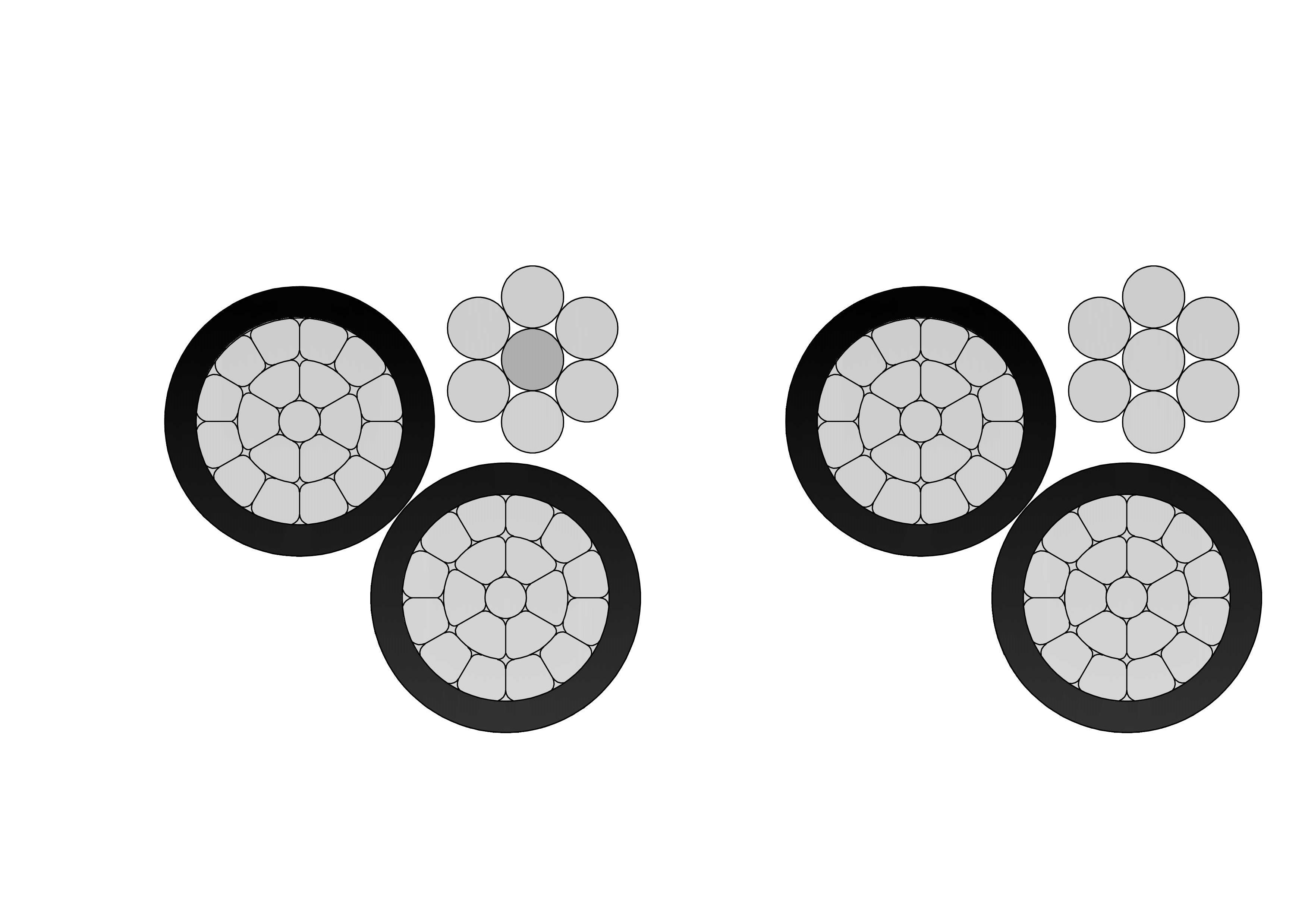
2/0 Clio Aluminum Conductor Triplex Overhead Service Drop Cable
The 2/0 Clio Triplex Service Drop Cable is engineered for dependable overhead secondary power distribution to residential and small commercial service entrances. It features two 2/0 AWG aluminum phase conductors and one neutral messenger (7-strand aluminum or ACSR) with cross-linked polyethylene (XLPE) insulation in triplex configuration. Compliant with ASTM B-230, B-231, ICEA S-76-474, and ANSI/ICEA standards, this cable supports 600V applications with excellent UV, moisture, and abrasion resistance. The self-supporting messenger minimizes sag and enables easy installation across medium spans. The 2/0 Clio Triplex Service Drop Cable delivers low voltage drop, high current-carrying capacity, and outstanding durability in harsh weather conditions. Its lightweight and flexible design makes it the preferred choice for safe, cost-effective aerial connections from utility poles to customer service entrances in urban, suburban, and rural electrification projects worldwide.
Type 260 Armoured Mining Cable with Pilot Core
The Type 260 Armoured Mining Cable with Pilot Core is a medium-voltage, rubber-insulated cable designed for heavy-duty mining applications requiring high mechanical strength and electrical reliability. It features flexible stranded tinned copper conductors, EPR insulation, and tinned copper braiding for excellent screening. The pliable galvanised steel wire armour (SWA) provides superior mechanical protection, making it suitable for harsh mining environments. The interstitial pilot core allows enhanced control and monitoring functions. With a PCP heavy-duty sheath, it offers flame retardancy, oil resistance, and durability. Compliant with AS/NZS 1802 and related standards, it is ideal for feeder cables, mining machinery power supply, and transportable substations. The Type 245 is ideal for high-power trailing in coal and metalliferous mines, powering longwall shearers, continuous miners, face conveyors, and critical equipment with enhanced safety via pilot core and armour.Welcome your inquiry
Honesty, Integrity, Frugality, Activeness and Passion