High-Voltage Grids: The Backbone of Modern Power Transmission Explained
2026-04-02
High-voltage grids serve as the critical infrastructure enabling efficient, large-scale electricity delivery across continents. From the viewpoint of transmission engineers and grid operators, these systems are engineered masterpieces that minimize energy losses while maintaining stability under varying loads.
As global electricity demand surges—driven by electrification, renewable energy growth, and energy-intensive AI data centers—understanding high-voltage grids has never been more essential. These networks play a crucial role in carrying electricity over long distances from generation sites to homes and businesses through high voltage transmission lines, high voltage power transformers, and advanced control technologies.
From an engineering standpoint, increasing transmission voltage significantly reduces current for a given power level, thereby minimizing I²R losses, improving system efficiency, and enabling bulk power transfer. This is why extra high voltage (EHV) grids and ultra high voltage (UHV) systems, such as the China ultra high voltage electricity grid, are rapidly expanding worldwide.
1. How High-Voltage Grids Work in Practice
Electricity generation typically occurs at lower voltages (5–34.5 kV) for safety and equipment design. High voltage power transformers then step up this voltage to 110 kV, 230 kV, 500 kV, or extra-high levels before injection into the transmission network. This voltage elevation reduces current (P = V × I), slashing I²R losses that would otherwise waste significant energy over distance.
In daily operations, high voltage transmission lines—predominantly overhead using ACSR or advanced composite conductors—transport bulk power. Engineers calculate parameters such as conductor sag, corona discharge, electromagnetic interference, and mechanical loading under extreme weather. Underground or submarine high voltage cables (often XLPE-insulated or mass-impregnated for HVDC) are deployed in constrained or sensitive environments, though they require precise jointing and monitoring to prevent dielectric failures.
The transmission network ultimately feeds into substations where voltage is stepped down for distribution networks, delivering safe power to end users. From a practical standpoint, utilities design these systems with N-1 or higher redundancy criteria, ensuring that the failure of any single element does not cascade into widespread outages.
Table 1: Common voltage classes in modern high-voltage grids and their roles in power transmission.
|
Voltage Class |
Typical Voltage Range |
Primary Application |
Key Advantages in High Voltage Grids |
|
High Voltage (HV) |
110–230 kV |
Regional transmission |
Efficient for medium distances, cost-effective |
|
Extra High Voltage (EHV) |
345–765 kV |
Long-distance bulk power transmission |
Higher capacity, reduced losses over hundreds of km |
|
Ultra High Voltage (UHV) |
800–1,100 kV |
Very long-distance transmission (China UHV) |
Minimal losses over 1,000+ km, massive capacity |
|
HVDC (High Voltage DC) |
±320–±1,100 kV |
Ultra-long distance & renewable integration |
Lowest line losses, asynchronous interconnection |
2. Core Components: Engineering and Real-World Considerations
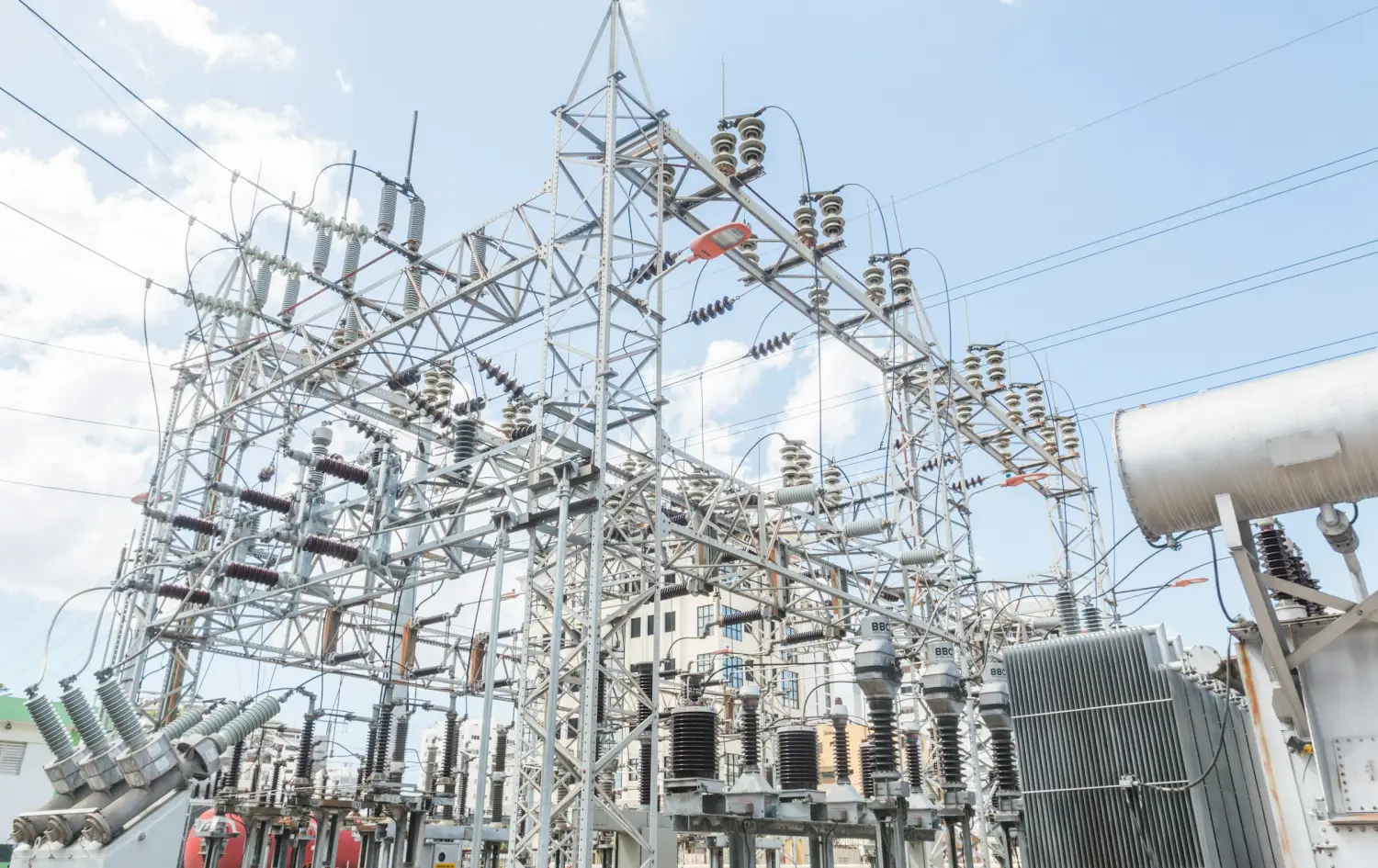
High voltage transformers are the workhorses of voltage conversion. Modern units feature advanced core materials, forced-oil cooling, and online monitoring systems (dissolved gas analysis, partial discharge sensors) to detect incipient faults early. Field crews perform regular thermography, oil sampling, and bushing inspections because a single transformer failure can disrupt gigawatts of power flow.
High voltage cables demand meticulous installation and asset management. In urban or environmentally sensitive areas, they replace overhead lines but introduce challenges like thermal expansion, soil thermal resistivity, and joint integrity. Operators increasingly rely on fiber-optic integrated cables for real-time temperature and partial discharge monitoring.
Substations act as intelligent nerve centers, housing circuit breakers, protective relays, and SCADA/EMS systems. Digital substations using IEC 61850 protocols enable faster fault clearing and seamless integration of renewables. From an operational lens, maintaining these assets requires balancing preventive maintenance with minimal downtime.
3. HVDC Technology: A Game-Changer for Long-Distance Transmission
High voltage direct current (HVDC) technology excels where alternating current (AC) reaches physical limits. By eliminating reactive power and skin effect losses, HVDC achieves lower losses over distances exceeding 500–800 km and enables asynchronous grid interconnections.
Voltage source converter (VSC) HVDC, in particular, provides fast power flow control, black-start capability, and superior support for variable renewable energy sources. Line-commutated converter (LCC) HVDC remains cost-effective for bulk point-to-point transfer. In 2026, the global HVDC market continues rapid expansion, driven by offshore wind connections, cross-border trade, and renewable integration, with projections showing strong growth through 2030 as VSC and multi-terminal systems proliferate.
Grid operators value HVDC for its ability to modulate power instantly, helping stabilize frequency and voltage amid fluctuating solar and wind output. Real-world deployments demonstrate how HVDC corridors reduce curtailment and enhance overall system reliability.
Table 2: Comparison between HVAC and HVDC in high-voltage transmission lines.
|
Parameter |
HVAC (High Voltage AC) |
HVDC (High Voltage Direct Current) |
Winner for Modern High Voltage Grids |
|
Best Transmission Distance |
Up to 500–800 km |
>800 km or submarine cables |
HVDC for long distance |
|
Line Losses |
Higher (6–10% per 1,000 km) |
30–50% lower than equivalent AC |
HVDC |
|
Conductors Required |
3 (three-phase) |
2 (bipolar) or 1 (monopolar) |
HVDC (material savings) |
|
Voltage Conversion |
Simple & cheap (transformers) |
Complex & expensive (converters) |
HVAC for short/medium |
|
Power Flow Control |
Limited |
Excellent (fast modulation) |
HVDC |
|
Renewable Energy Integration |
Good for local networks |
Superior for remote/offshore renewables |
HVDC |
|
Cost (Short vs Long) |
Lower for <600 km |
Lower for very long distances |
Depends on distance |
HVDC technology plays a crucial role in long-distance transmission and integration of renewable energy sources.
4. China’s Ultra-High Voltage Electricity Grid: A Leading Global Model
China offers the world’s most ambitious demonstration of extra high voltage grid deployment. By the end of 2025, the country had completed 46 UHV AC and DC projects with over 62,000 km of lines. Plans call for 15 additional ultra-high voltage transmission lines between 2026 and 2030, expected to connect around 200 GWh of renewable power annually and increase cross-provincial transmission capacity by 35%.
These China ultra high voltage electricity grid corridors transport hydropower, wind, and solar from western resource bases to eastern load centers. Engineering successes include optimized converter stations, advanced insulation coordination, and integrated monitoring that maintain stability across vast distances. China’s experience highlights how strategic HV grid expansion can simultaneously reduce curtailment, lower losses, and accelerate decarbonization—providing valuable lessons for other nations facing similar geographic mismatches between generation and demand.
Table 3: Development of China’s ultra high voltage electricity grid and its contribution to HV grid expansion and renewable energy integration.Table
|
Metric |
Current Status (2025) |
Planned 2026–2030 |
Impact on Power Grid |
|
Number of UHV Projects in Operation |
45–46 |
+15 new lines |
Enhanced west-to-east transmission |
|
Total UHV Line Length |
>40,000–62,000 km |
Significant further expansion |
Reduced curtailment of renewables |
|
Cross-Provincial Transmission Capacity |
~340 GW |
+35% increase |
Supports massive renewable integration |
|
Annual Renewable Power Enabled |
Hundreds of TWh |
Additional ~200 GWh/year from new lines |
Accelerates clean energy transition |
5. Integrating Renewable Energy Sources: Opportunities and Operational Challenges
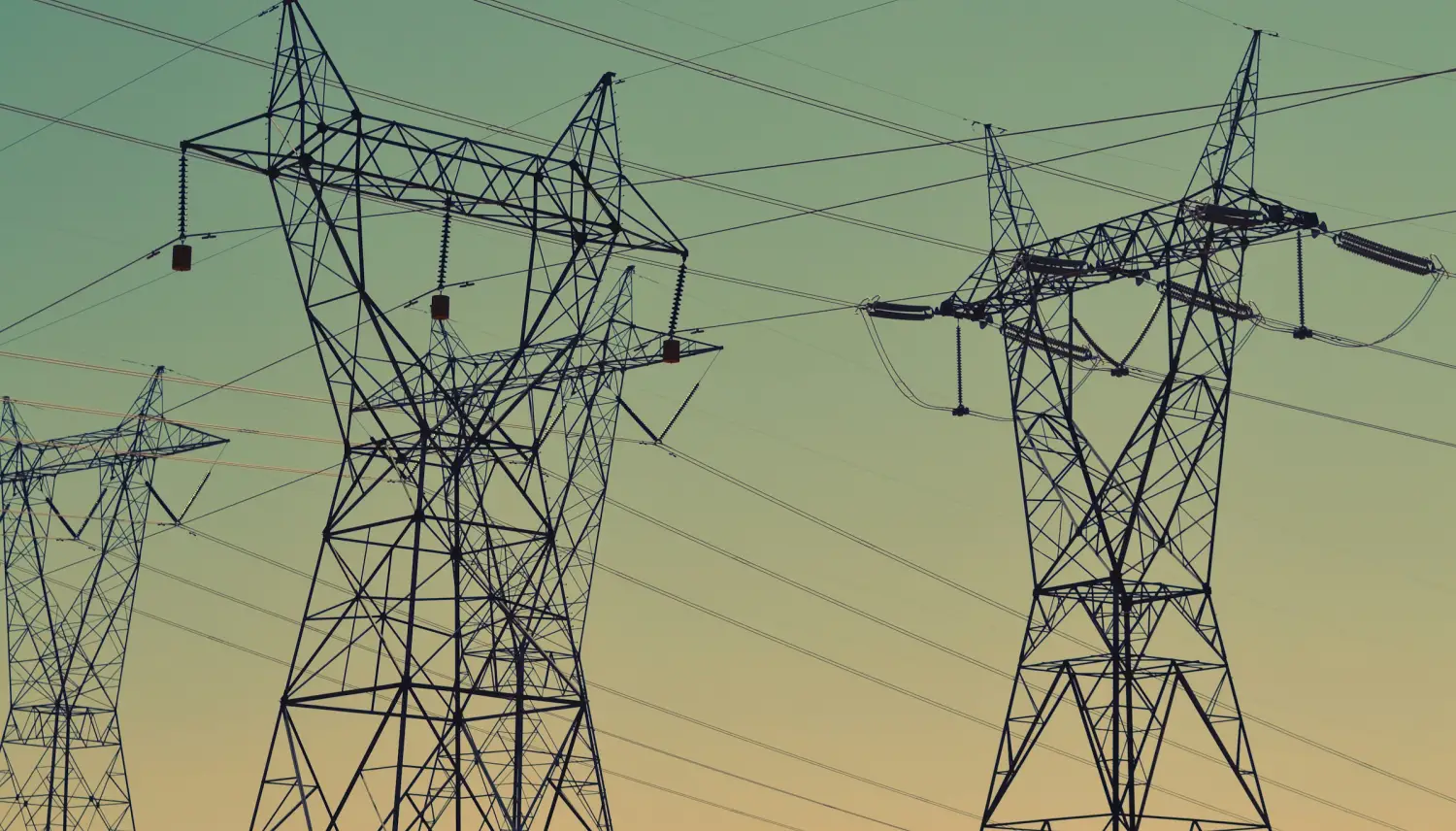
Renewable energy sources such as offshore wind and desert solar are often located far from consumption centers, making long-distance transmission via high-voltage power lines or HVDC essential. Integration of renewable energy requires advanced forecasting, dynamic line rating, and flexible AC transmission systems (FACTS) to manage variability.
HVDC shines in this context by enabling precise control and rapid response to intermittency. However, engineers must address weak grid conditions at injection points, often deploying synchronous condensers or STATCOMs for voltage support. In practice, high renewable penetration increases bidirectional flows and fault level complexities, demanding continual model updates and protection scheme refinements.
6. The AI Data Center Surge: Driving Urgent HV Grid Expansion
The explosive growth of AI data centers has become a major catalyst for HV grid expansion. These facilities can consume hundreds of megawatts with near-constant 24/7 demand and occasional rapid fluctuations during model training—posing “high likelihood, high impact” risks to grid stability, including potential cascading outages.
In regions like Northern Virginia (PJM), data centers already strain existing infrastructure, prompting utilities to plan new extra-high voltage lines, dedicated feeders, and substation reinforcements. High voltage transformers and large power equipment face supply chain pressures, while interconnection queues stretch for years. Operators now prioritize multi-value planning that simultaneously addresses reliability, renewable integration, and economic development. The AI boom underscores the need for accelerated permitting, innovative financing, and technologies like grid-enhancing devices to unlock capacity from existing rights-of-way.
Table 4: Growing power demands from AI data centers and their pressure on high-voltage grids and high voltage transmission lines.
|
Aspect |
Current Situation (2023–2025) |
Projected 2026–2028 Impact |
Implications for HV Grid Expansion |
|
Data Center Electricity Share (U.S.) |
~4.4% of total consumption |
6.7%–12% |
Drives urgent demand for new high voltage lines |
|
Power Demand per Large Campus |
Hundreds of MW |
Rapid fluctuations (hundreds of MW swings) |
Requires ultra-reliable extra high voltage grid |
|
Key Challenge |
Interconnection queues & transformer shortages |
Risk of cascading outages if not properly managed |
Necessitates HVDC & smart grid enhancements |
|
Response Needed |
New substations & feeders |
Accelerated HV grid expansion & onsite generation |
Integration with renewable energy sources |
7. Operational and Maintenance Perspectives: Lessons from the Field
From a working engineer’s viewpoint, high-voltage grids require rigorous asset management. Teams conduct airborne LiDAR inspections, drone patrols, and ground-based thermography to detect issues early. Extreme weather events—high winds, flooding, wildfires—expose vulnerabilities in aging infrastructure, pushing utilities toward hardening and selective undergrounding.
Cybersecurity has also risen in priority, with strict compliance to standards protecting digital substations and control systems. Successful operations hinge on holistic planning: balancing new buildouts with upgrades, workforce training, and supply chain resilience for critical components like high voltage cables and transformers.
Table 5: Core components of high-voltage grids and their operational importance in supporting power transmission to homes and businesses
|
Component |
Main Function in High Voltage Grids |
Practical Engineering & Maintenance Insights |
Relevance to Modern Challenges |
|
High Voltage Power Transformer |
Step-up/down voltage for efficient transmission |
Online monitoring (DGA, partial discharge); critical for AI loads |
Supply chain constraints in HV grid expansion |
|
High Voltage Transmission Lines |
Carry electricity over long distances |
Corona, sag, weather resilience; dynamic line rating |
Essential for integration of renewables |
|
High Voltage Cable |
Underground/submarine sections |
Precise jointing, thermal monitoring |
Urban & offshore renewable connections |
|
HVDC Converter Stations |
AC-DC conversion & power flow control |
Fast response for variable renewable energy sources |
Enables long-distance transmission with low losses |
8. Future Outlook: Innovations Shaping High-Voltage Grids in 2026 and Beyond
Looking ahead, high-voltage grids will evolve through hybrid AC-DC architectures, advanced conductors (high-temperature low-sag), dynamic thermal ratings, and solid-state transformers. Multi-terminal HVDC and meshed overlays promise greater flexibility. Grid-enhancing technologies—such as power flow control devices and topology optimization—offer cost-effective ways to increase capacity without new rights-of-way.
As nations pursue decarbonization, the seamless integration of renewables and reliable supply to AI data centers will depend on continued HV grid expansion and modernization. China’s UHV leadership, combined with global HVDC growth, points toward a more interconnected, resilient, and sustainable power system.
Conclusion
High-voltage grids truly represent the backbone of modern power transmission. Through strategic use of high voltage transmission lines, high voltage transformers, HVDC technology, and extra high voltage grid infrastructure, these systems efficiently carry electricity over long distances while supporting the integration of renewable energy. China’s pioneering ultra-high voltage electricity grid demonstrates the scale possible, while the demands of AI data centers highlight the urgency of HV grid expansion.
From practical engineering and operational standpoints, success requires balancing physics, economics, reliability, and innovation. As we move deeper into 2026 and beyond, sustained investment and forward-thinking design will ensure high-voltage grids continue to play a crucial role in delivering clean, reliable power to homes and businesses worldwide—powering both current needs and the technologies of tomorrow.

Related Articles

Related Products
4/0 Zuzara Aluminum Conductor Triplex Overhead Service Drop Cable
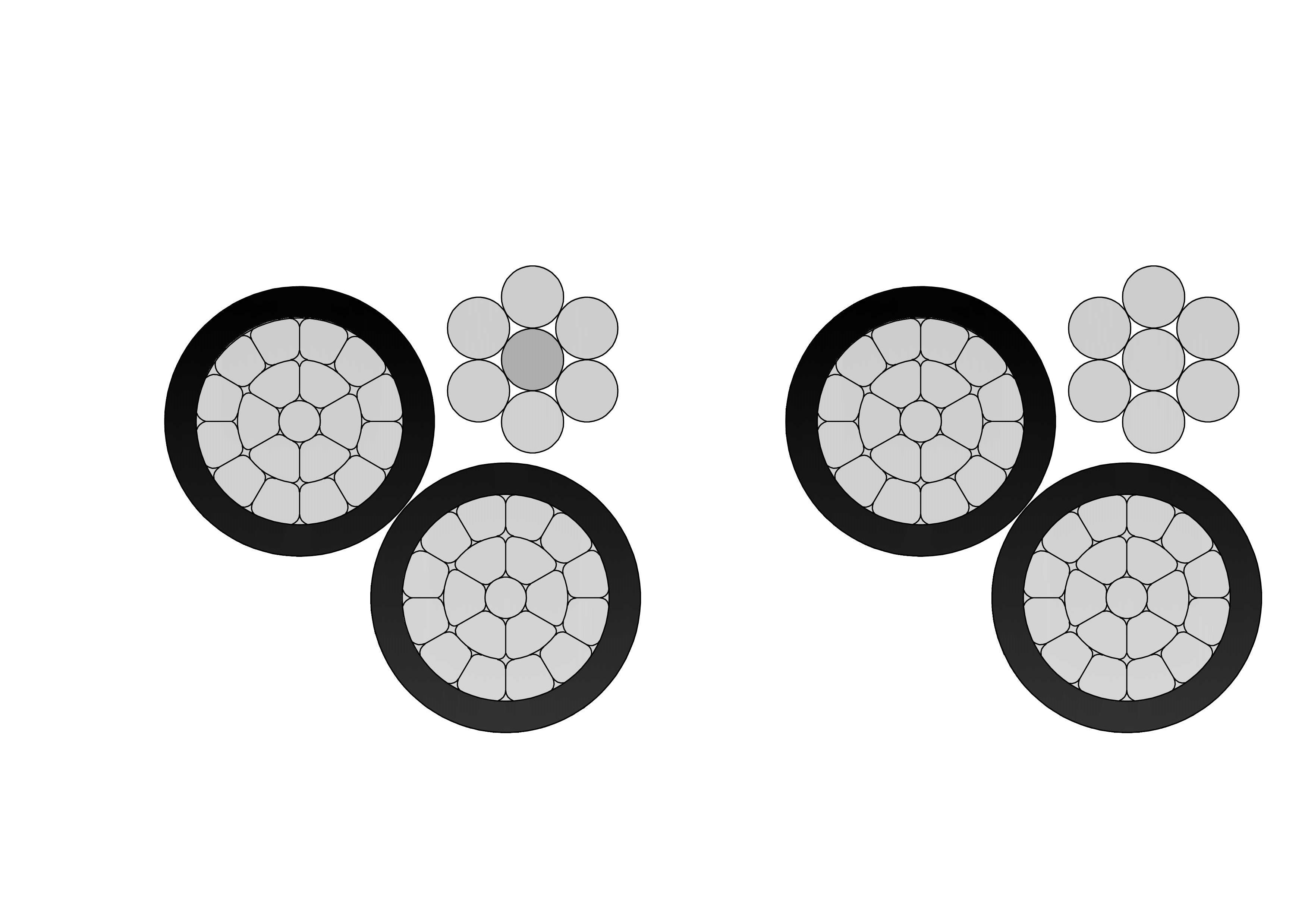
The 4/0 Zuzara Aluminum Conductor Triplex Overhead Service Drop Cable is engineered to deliver safe, efficient, and durable overhead power distribution for high-demand utility networks. It features two insulated aluminum phase conductors helically wrapped around a bare aluminum neutral messenger, providing strong mechanical support and stable electrical performance. Manufactured using premium aluminum materials and high-performance insulation compounds, the 4/0 Zuzara Aluminum Conductor Triplex Overhead Service Drop Cable offers excellent resistance to corrosion, UV radiation, and environmental stress. Its optimized structure supports easy handling and installation while meeting utility and industry standards. The cable performs reliably under mechanical load, temperature variation, and prolonged outdoor exposure. Strict quality management systems and detailed testing procedures are implemented throughout production to ensure consistent performance and dependable service life.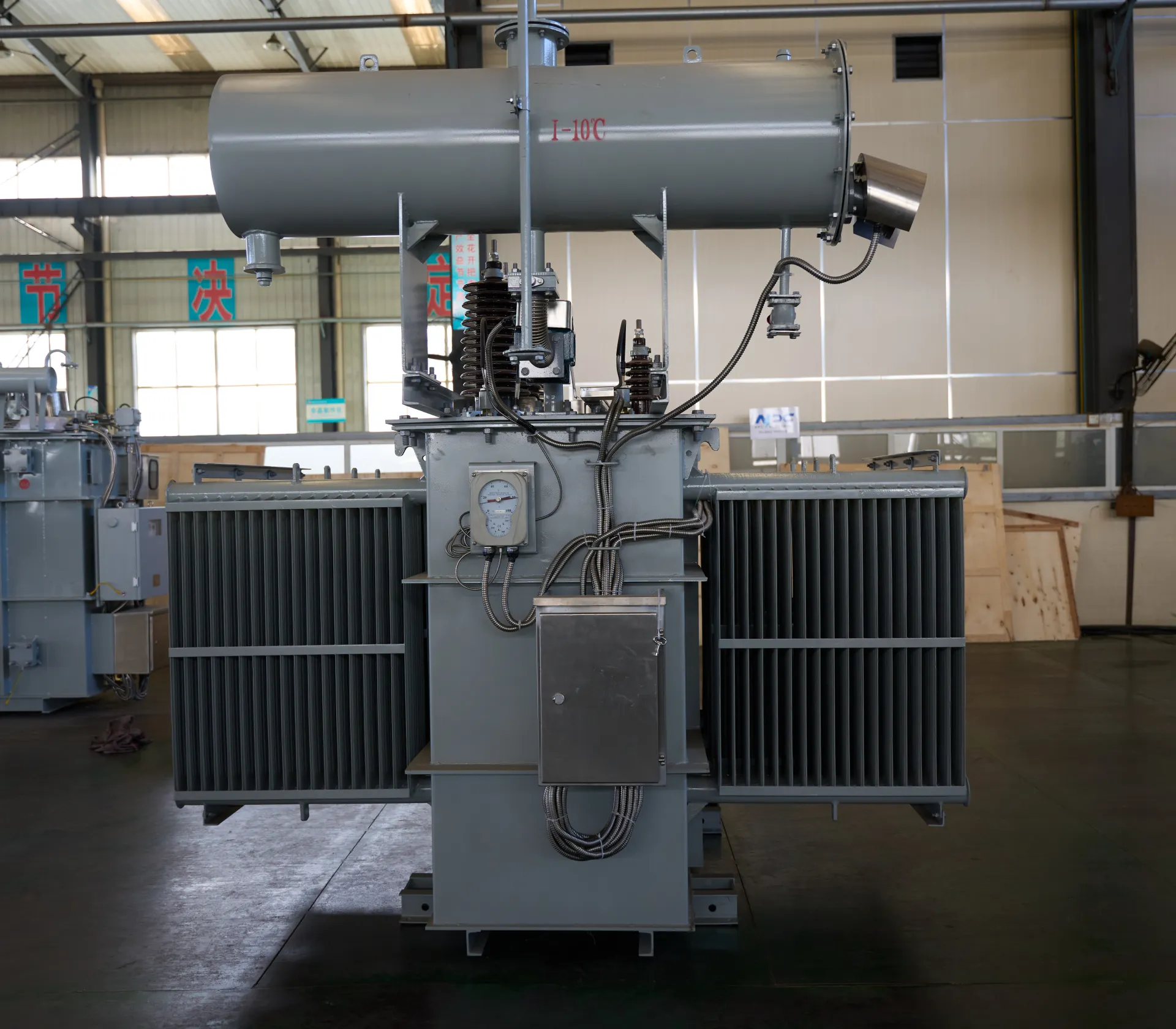
2000kVA 35kV Wind Turbine Step-Up Transformer for Onshore Wind Farms
The Wind Turbine Step-Up Transformer 2000kVA 35kV is purpose-built for onshore wind farms, enabling efficient voltage conversion from wind turbine generators to medium-voltage collection networks. Designed to operate reliably under fluctuating wind loads and harsh outdoor conditions, this transformer ensures stable power transmission and reduced energy losses across wind power systems. The oil-immersed insulation structure provides excellent thermal stability and long service life, while the optimized magnetic core minimizes no-load losses and acoustic noise. High-quality windings and reinforced insulation withstand frequent load variations caused by changing wind speeds.
CANTON AAAC Conductor Cable
CANTON AAAC (All Aluminum Alloy Conductor) cables are manufactured in accordance with ASTM B399 standards, offering high tensile strength, good electrical conductivity, and corrosion resistance. With 800 mm² nominal area and 61-strand design, it uses heat-treated aluminum-magnesium-silicon alloy (6201-T81) for enhanced strength (295 MPa min) and conductivity (53% IACS min). Meeting ASTM B398, B399, IEC 61089, and BS EN 50182 standards, this cable handles ampacity up to 1200A at 75°C and voltages up to 33kV. The all-alloy construction avoids bimetallic corrosion, providing better resistance in harsh conditions than ACSR. Reduced weight minimizes sag and installation expenses, supporting longer spans. The Canton AAAC Conductor Cable delivers low electrical losses, high mechanical endurance, and excellent weather tolerance. Flame-retardant variants available. Perfect for urban grids, renewable projects, and coastal setups, it provides cost-effective, low-maintenance power delivery in overhead applications globally, excelling in reliability and lifespan over conventional conductors.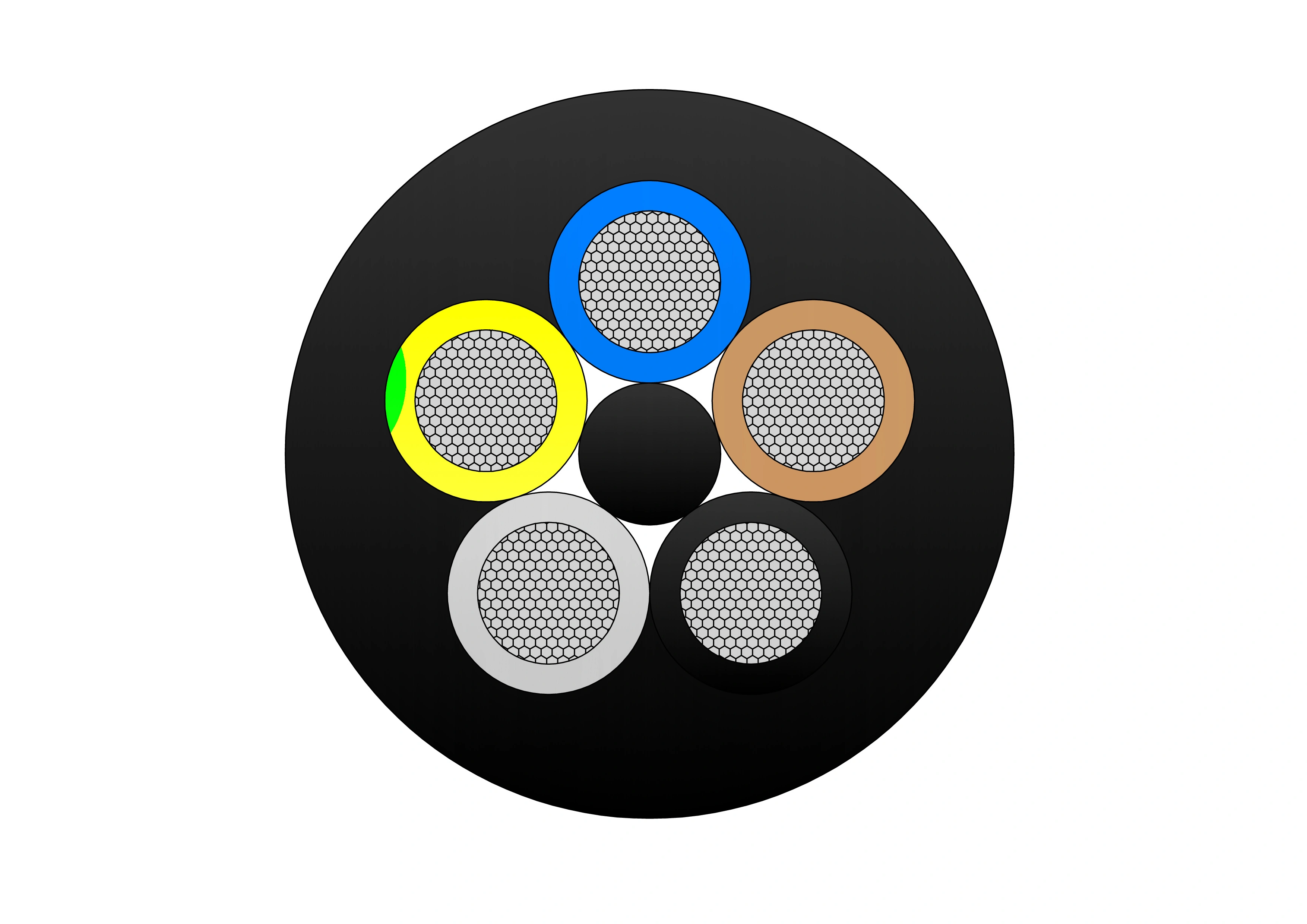
(N)TSCGECECWOU 3.6/6kV and 6/10kV ZH Cable
The (N)TSCGECECWOU is a flexible medium voltage reeling and trailing cable manufactured in compliance with DIN VDE 0250 standards. Designed for demanding mining, tunneling, and heavy industrial applications, it offers exceptional mechanical strength, flexibility, fire safety, and electromagnetic compatibility (EMC). The cable features EPR insulation, low smoke zero halogen (LSZH) inner sheath, halogen-free polyurethane (PUR) outer sheath, and a copper wire braid with concentric conductor for enhanced shielding and durability. Its design ensures reliable performance in environments requiring fire safety, oil resistance, and high torsional strength.
GREELEY AAAC Conductor Cable
GREELEY AAAC (All Aluminum Alloy Conductor) cables are manufactured in accordance with ASTM B399 standards, offering a balance of strength, conductivity, and corrosion resistance. With 850 mm² nominal area and 61-strand construction, it features heat-treated aluminum-magnesium-silicon alloy (6201-T81) for enhanced strength (295 MPa min) and conductivity (53% IACS min). Meeting ASTM B398, B399, IEC 61089, and BS EN 50182 standards, this cable supports ampacity up to 1250A at 75°C and voltages up to 33kV. The uniform alloy eliminates bimetallic issues, offering superior corrosion resistance in harsh environments compared to ACSR. Low weight reduces sag and installation costs, enabling longer spans. The Greeley AAAC Conductor Cable provides minimal electrical losses, high mechanical endurance, and excellent weather tolerance. Flame-retardant options available. Suited for urban grids, renewable connections, and coastal installations, it ensures cost-effective, maintenance-free power delivery in overhead systems globally, outperforming traditional conductors in reliability and lifespan.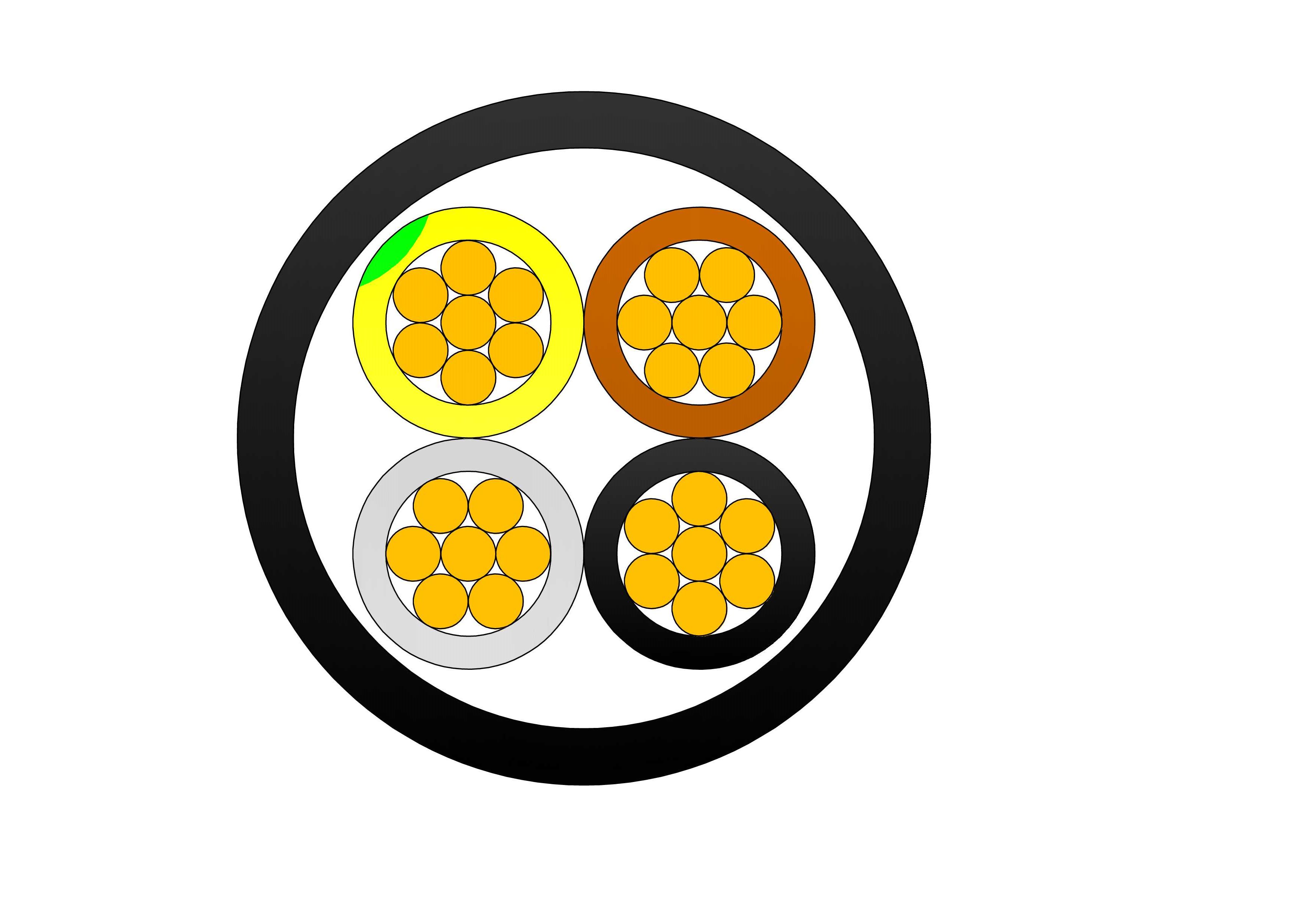
3+1 Cores Copper Cable CU/XLPE/PVC 0.6/1kV
The 3+1 Cores Copper Cable CU/XLPE/PVC 0.6/1kV is a high-performance low-voltage power cable designed for reliable electrical power transmission and distribution systems. Featuring three phase conductors and one neutral conductor, this cable is manufactured with high-purity copper conductors, cross-linked polyethylene (XLPE) insulation, and a durable PVC outer sheath. The combination of premium materials ensures excellent electrical conductivity, thermal stability, and mechanical protection. XLPE insulation provides superior dielectric properties, higher operating temperatures, and enhanced resistance to moisture, chemicals, and aging compared with conventional PVC-insulated cables. The PVC outer sheath offers excellent protection against abrasion, impact, and environmental conditions, making the cable suitable for indoor, outdoor, duct, tray, and underground installations. Designed to operate at rated voltages up to 0.6/1kV, this cable is widely used in industrial plants, commercial buildings, renewable energy projects, utility substations, and infrastructure developments. Manufactured according to international standards, the cable delivers long service life, reliable performance, and enhanced safety in demanding electrical distribution applications.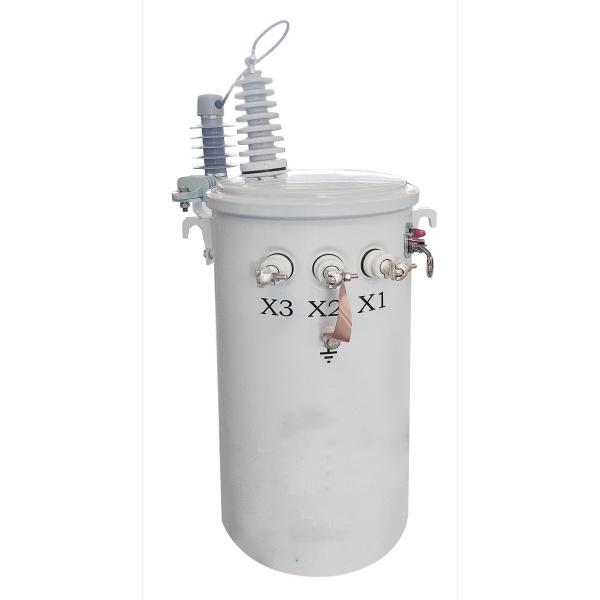
167kVA Completely self-protected(CSP) Single Phase Pole Mounted Transformer
167 kVA Completely Self-Protected (CSP) single-phase overhead transformers, meticulously engineered to meet international standards such as IEEE C57.12.00, IEEE C57.12.20, DOE-2016 Efficiency, CSA C2.1, and CSA C2.2. It is designed for efficient, safe, and reliable power transmission. It is mainly used for power supply in residential, commercial, and small industrial areas to ensure stable power output and long-term trouble-free operation. The transformer has built-in multiple safety protection functions, including overload protection, short circuit protection, and overvoltage protection, which can effectively prevent electrical failures and ensure the safety of the transformer under extreme working conditions. The transformer adopts advanced technology and high-quality materials, with low loss and high efficiency, which can minimize energy waste and improve power transmission efficiency.
2/0 Cavolinia Aluminum Conductor Triplex Overhead Service Drop Cable
The 2/0 Cavolinia Triplex Service Drop Cable is a reliable overhead cable for secondary power distribution to residential service entrances. Featuring two 2/0 AWG aluminum phase conductors and one neutral messenger (7-strand) insulated with XLPE or PE and assembled in triplex configuration, it provides excellent mechanical strength and weather resistance. Compliant with ASTM B-230, B-231, ICEA S-76-474, and ANSI/ICEA standards, this cable supports 600V applications with high UV, moisture, and abrasion protection. The self-supporting messenger reduces sag and simplifies installation over medium spans. The 2/0 Cavolinia Triplex Service Drop Cable ensures low power losses, high current capacity, and long service life in harsh outdoor conditions. Lightweight and flexible, it is widely used for two-phase service drops with neutral in urban, suburban, and rural areas requiring safe, cost-effective aerial connections from utility poles to homes.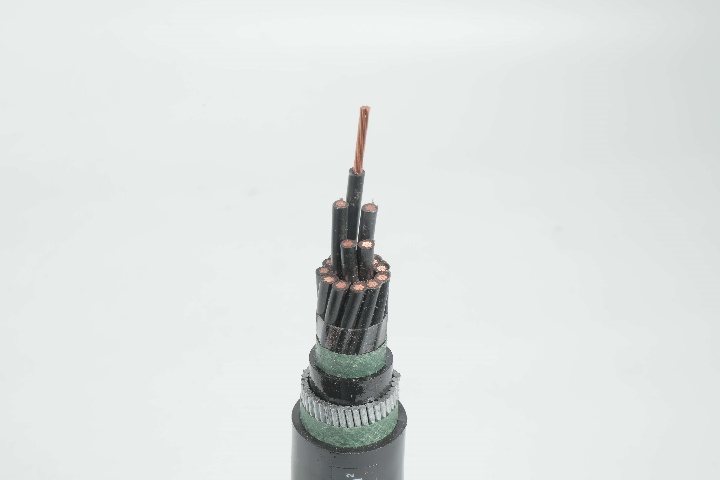
Flame Retardant Instrumentation Cables - Shielded Multi-Pair Cable
Flame Retardant Instrumentation Cables are engineered for reliable signal transmission in demanding industrial environments where fire safety is critical. These cables feature stranded copper conductors with high-quality insulation, individual and/or overall aluminum foil shielding with drain wires, and flame-retardant LSZH or PVC outer sheaths. They offer excellent electromagnetic interference (EMI) protection, low smoke emission, and superior fire performance. Designed for use in process control, automation systems, and instrumentation networks, these cables ensure signal integrity while meeting stringent international fire safety standards. The Flame Retardant Instrumentation Cables undergo rigorous quality testing from raw materials to finished product, guaranteeing consistent electrical performance, mechanical strength, and long-term reliability in oil & gas, power plants, refineries, and other high-risk installations.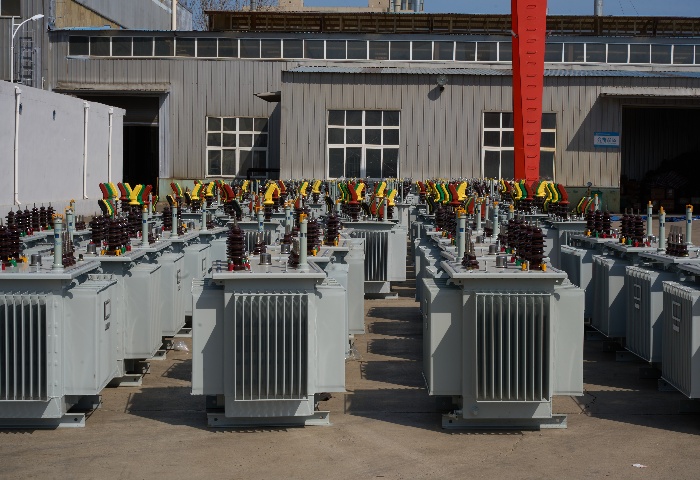
15KV Oil Immersed Substation Transformer
NPC ELECTRIC's 15kV Oil Immersed Substation Transformer is designed for medium-voltage substations that require dependable power transformation, high insulation reliability, and long-term operational stability. By adopting a mature oil-immersed insulation system, the transformer ensures excellent dielectric performance. This 15kV oil immersed substation transformer features a sealed tank structure that effectively protects internal components from moisture, dust, and external contamination. With low noise operation and reliable voltage regulation performance, the transformer is well suited for modern substations serving industrial, commercial, and infrastructure power distribution networks.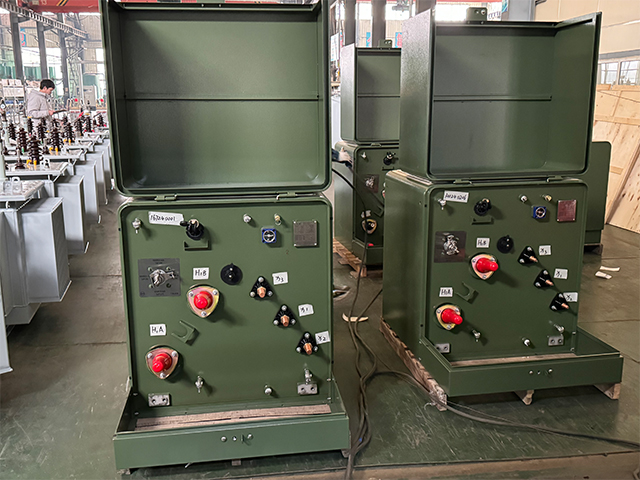
100kVA Single Phase Pad Mounted Transformer
The 100 kVA Single Phase Pad Mounted transformer adheres to a compartmental-type structure in line with IEEE Std C57.12.28 or IEEE Std C57.12.29 standards. It consists of a tank housing high-voltage and low-voltage cable terminating compartments, thoughtfully positioned side by side along one face of the transformer tank. In this configuration, the high-voltage compartment, fitted with two internally connected high-voltage bushing wells and inserts, a 4-position loadbreak switch, a 5-position tap changer switch, and a bayonet fuse, is situated alongside the low-voltage compartment featuring three stud L.V bushings and an oil level gauge.
MV Submarine Cable
The Medium Voltage Submarine Cable MV XLPE Armoured is a robust underwater power cable engineered for reliable medium voltage transmission in marine environments. It features stranded copper or aluminum conductors, cross-linked polyethylene (XLPE) insulation for superior electrical and thermal performance, metallic water-blocking sheath, galvanized steel wire armour for mechanical protection, and a heavy-duty outer serving. Designed for voltage levels from 6/10kV to 66kV, this cable ensures low transmission losses, excellent hydrostatic pressure resistance, and long service life in harsh seabed conditions. Manufactured according to IEC 60502-2 and CIGRE recommendations, the Medium Voltage Submarine Cable MV XLPE Armoured is ideal for offshore wind farms, island-to-mainland power links, and oil & gas platform connections. Its advanced construction provides outstanding water tightness, corrosion resistance, and mechanical strength, making it a trusted solution for safe and efficient subsea power transmission.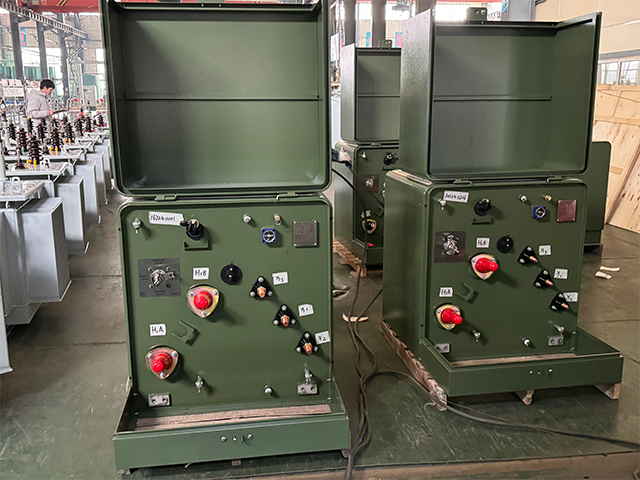
1600kVA Single Phase Pad Mounted Transformer
The 1600kVA Single Phase Pad Mounted Transformer represents the pinnacle of high-capacity underground distribution technology, engineered to handle the most demanding residential and commercial loads with outstanding efficiency and longevity. Conforming to the latest ANSI C57.12.38, IEEE C57.12.00, and DOE 2016/2020 efficiency tiers, this 1600kVA single-phase padmount provides reliable step-down from primary voltages up to 46kV to versatile secondary configurations, supporting massive loop-feed networks with superior overload tolerance and virtually silent operation.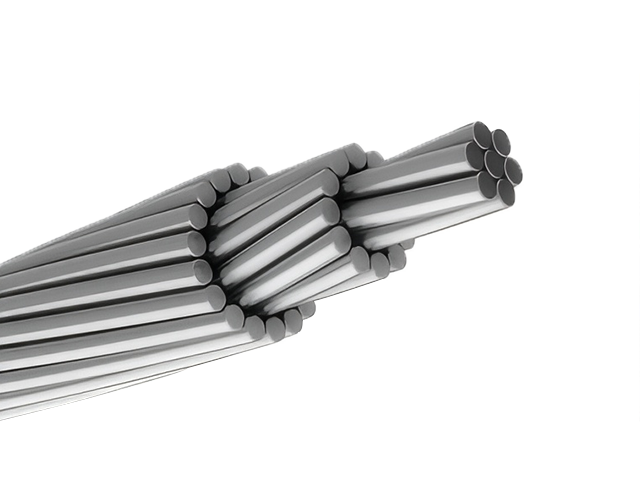
397.5 MCM CHICKADEE ACSR Conductor Cable
The ACSR Chickadee is a compact yet high-performance aluminium conductor steel reinforced cable, engineered for efficient energy transmission in overhead power systems. Constructed with hard-drawn 1350-H19 aluminium wires helically stranded around a galvanized steel core, this conductor is optimized to provide excellent electrical conductivity along with the mechanical strength needed for long-span and high-load applications. Compliant with ASTM B232 standards, the Chickadee conductor is suitable for primary and secondary bare cable use in transmission and distribution networks. The galvanized steel core, treated with Class A or B coating, ensures long-term corrosion resistance, even in aggressive outdoor environments. Ideal for compact power line installations or regions with light-to-moderate mechanical stress, Chickadee offers a reliable and cost-effective solution without compromising performance or safety.
Triplex URD Cable
The Triplex URD Cable is a cost-effective and reliable 600V underground residential distribution cable engineered for service entrance and secondary power delivery. It consists of three insulated AA8000 aluminum alloy phase conductors and a concentric neutral, all encased in a durable black polyethylene sheath. The triplex design offers a compact footprint, excellent flexibility, and easy handling during direct burial installation. With XLPE insulation, this cable provides superior electrical performance and moisture resistance. Lightweight and corrosion-resistant, the Triplex URD Cable is an economical alternative to copper while maintaining high conductivity and mechanical strength. Manufactured to UL 854 and ICEA standards, it undergoes extensive quality testing to ensure consistent performance and long service life in underground environments.Welcome your inquiry
Honesty, Integrity, Frugality, Activeness and Passion