
Wind Transformer Design Complete Guide: Principles to Wind Power Special Requirements
2026-05-01
1. Wind Energy Transformation
Wind Energy Transformer, commonly known as a Wind Turbine Transformer or Wind Power Step-up Transformer, serves as a critical component in modern wind power generation systems. It steps up the low-voltage output (typically 690 V to 1.2 kV) from the wind turbine generator to medium or high voltage levels (10 kV–66 kV or higher), enabling efficient power collection, long-distance transmission, and grid integration while minimizing line losses.
Unlike conventional distribution transformers, wind energy transformers must withstand unique operational challenges: highly variable loads due to fluctuating wind speeds (frequent transitions from no-load to full-load), harmonic-rich and non-sinusoidal currents from power electronics, repeated switching transients, low-voltage ride-through (LVRT) requirements, and — especially in offshore applications — extreme conditions including vibration, salt mist corrosion, humidity, and limited space in nacelles or towers.
Design standards such as IEC/IEEE 60076-16 (covering wind turbine step-up transformers up to 72.5 kV) guide specialized features: reinforced insulation, optimized winding structures for resonance suppression, low partial discharge, enhanced short-circuit withstand capability, and multi-physics optimization (electromagnetic, thermal, mechanical coupling).
Common types include:
- Dry-type transformers (cast-resin or encapsulated): Fire-safe, maintenance-free, compact, and ideal for offshore/large-capacity turbines (e.g., 66 kV systems in 15–20+ MW units).
- Oil-immersed transformers (often pad-mounted or substation-style): Excellent cooling and cost-effective for onshore farms, though requiring leak prevention and environmental safeguards.
As offshore wind scales toward 20 MW+ turbines and collection voltages reach 66 kV+, dry-type designs dominate trends for reliability, reduced losses, and eco-friendly performance. In 2025–2026, advancements focus on higher efficiency, lower no-load losses, harmonic mitigation, and integration with flexible low-frequency grids.
Ultimately, the wind energy transformer is far more than a voltage converter — it ensures stable, efficient, and long-life operation of wind farms, making mastery of its special design requirements essential for renewable energy engineers and developers.
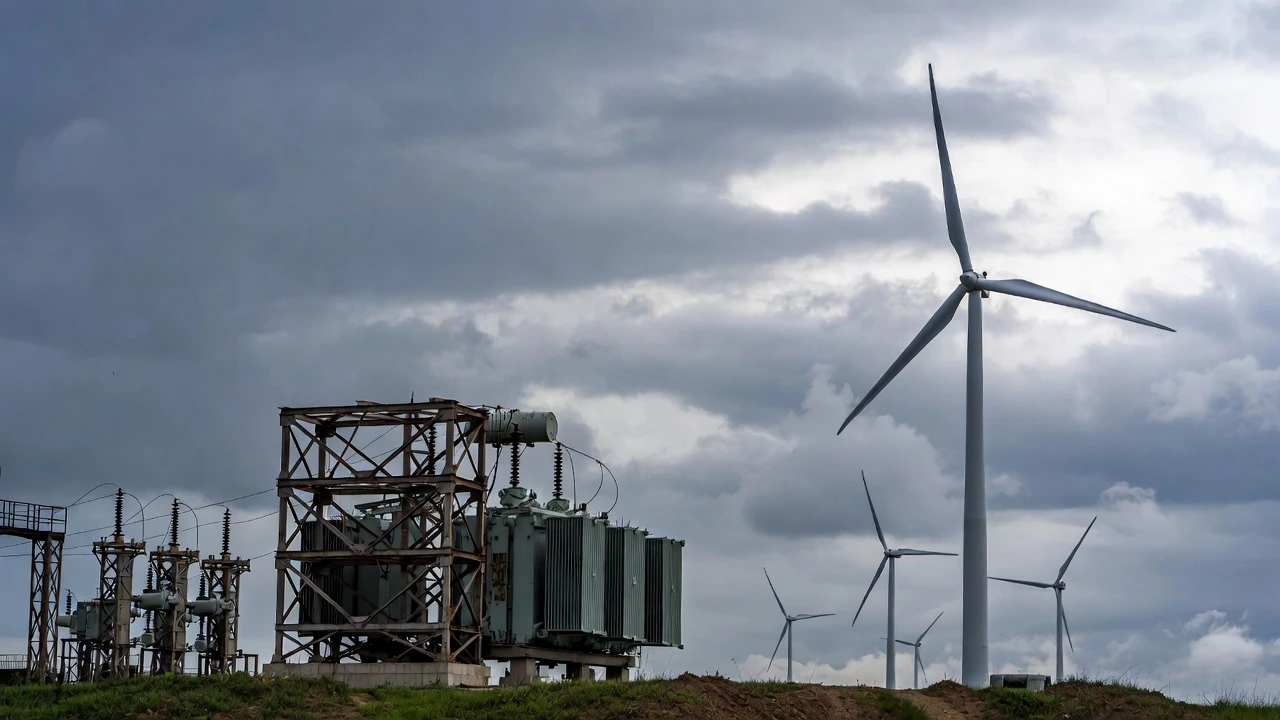
2. Role of Wind Transformer in Wind Power Systems
In modern wind power systems, the transformer performs several critical functions:
- Step up low generator voltage to medium or high voltage
- Provide voltage regulation
- Ensure insulation coordination
- Support fault ride-through capability
- Integrate with power electronics converters
The wind turbine transformer, also known as a wind power transformer, is typically located:
- Inside the nacelle
- At the tower base
- In a dedicated transformer substation
3. Energy Transformation in a Wind Turbine to Create Electricity
Energy transformation in a wind turbine is the process of converting the kinetic energy of moving air (wind) into usable electrical energy through a series of efficient steps. This clean, renewable conversion powers millions of homes worldwide and is central to sustainable wind power generation.
Kinetic Energy from Wind: Wind possesses kinetic energy due to its motion. As wind flows over the specially shaped turbine blades (aerodynamically designed like airplane wings), it creates lift and drag forces that cause the blades to rotate.
Kinetic to Rotational (Mechanical) Energy: The spinning rotor (hub + blades) transfers this motion to a low-speed shaft, turning kinetic energy into rotational mechanical energy. In geared turbines, a gearbox increases rotation speed (from ~10-25 rpm to 1,000-1,800 rpm); direct-drive models skip this step for higher reliability.
Mechanical to Electrical Energy: The high-speed shaft drives a generator inside the nacelle. Using electromagnetic induction (Faraday's law), rotating magnets induce an electric current in stationary wire coils, converting mechanical energy directly into alternating current (AC) electricity.
Final Grid Integration: A transformer steps up the low-voltage output (e.g., 690V) to medium/high voltage (e.g., 33kV–66kV+) for efficient transmission to the power grid, minimizing losses.
This multi-stage energy transformation—kinetic → rotational mechanical → electrical—achieves high efficiency (up to 50-60% in modern turbines) while producing zero emissions during operation. Understanding these steps highlights why wind turbines are a cornerstone of the global shift to renewable energy.
Understanding wind turbine energy transformation clarifies transformer requirements.
3.1 Process Overview
- Wind kinetic energy (variable wind speeds)
- Rotor mechanical rotation
- Shaft drives wind turbine generator
- Generator produces low-voltage electrical energy
- Wind turbine step up transformer increases voltage
- Transmission to collection system
3.2 Simplified Wind Turbine Transformer Diagram (Conceptual)
|
Stage |
Energy Form |
Key Equipment |
|
Aerodynamic |
Kinetic |
Blades |
|
Mechanical |
Rotational |
Gearbox |
|
Electrical |
Low Voltage |
Wind turbine generator |
|
Voltage Transformation |
Medium Voltage |
Step up transformer |
The transformer must handle variable power output due to changing wind speeds.
4. Wind Turbine Step Up Transformer Design
Wind Turbine Step-Up Transformer Design focuses on specialized transformers (also called generator step-up or GSU transformers) that boost low-voltage output from wind turbine generators (typically 690V–1.2kV) to medium voltages (10kV–66kV+), enabling efficient power collection and grid integration in wind farms.
Unlike standard distribution transformers, wind turbine step-up transformer design must address unique challenges: frequent load fluctuations from variable wind speeds, harmonic distortions from power converters, transient overvoltages during switching, low-voltage ride-through (LVRT) compliance, resonance risks, vibration (especially offshore), and enhanced short-circuit withstand. Key standards include IEC 60076-16 for tailored requirements.
Design considerations include optimized windings (e.g., disc for HV strength), reinforced insulation, resonance suppression via adjusted clearances, low-loss cores, and multi-physics optimization (electromagnetic-thermal-mechanical). Common types: dry-type (cast-resin, compact, fire-safe for nacelle/offshore) and oil-immersed (pad-mounted, efficient cooling for onshore).
As turbines scale to 15–20MW+, designs emphasize higher voltages (66kV+), compactness, reliability, and reduced failures for sustainable wind energy performance.
Most wind turbine generators produce 690V–1kV output. For grid connection, voltage must be raised to:
- 10kV
- 20kV
- 33kV
In large wind farms, further step-up to 110kV or higher may occur at substations.
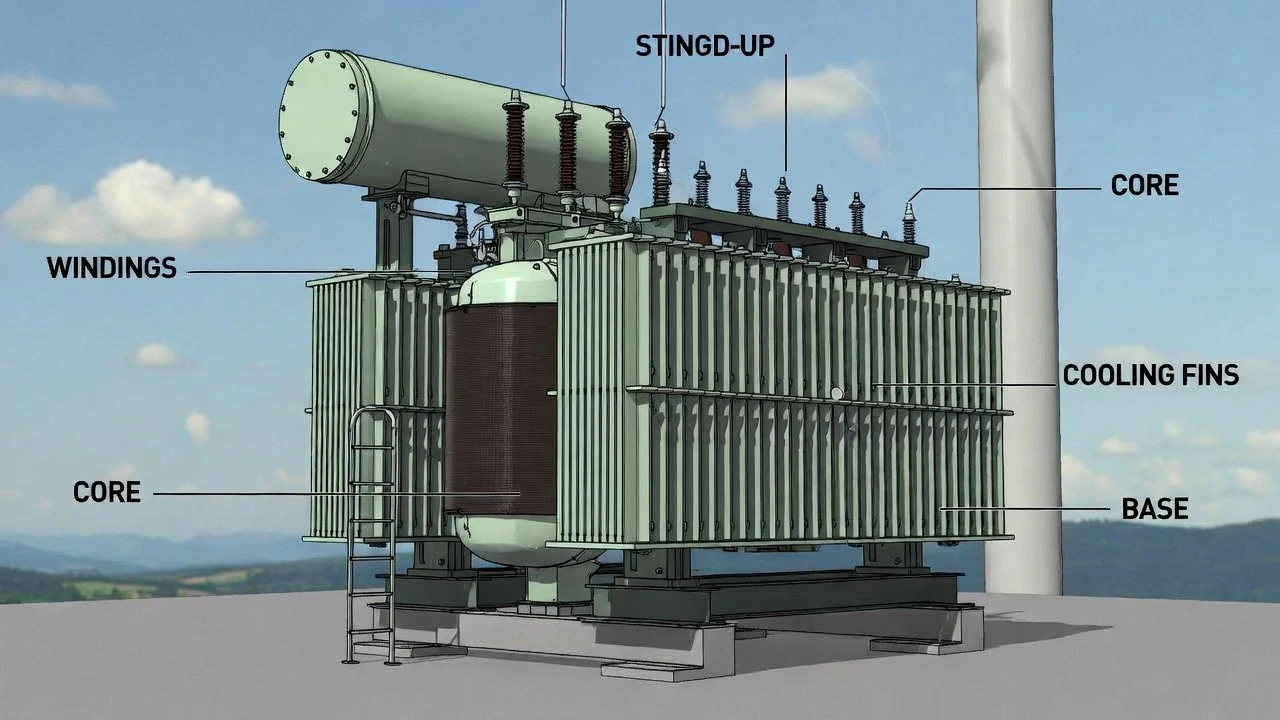
4.1 Electrical Design Parameters
|
Parameter |
Typical Value |
|
Rated Power |
1–8 MVA (per turbine) |
|
Primary Voltage |
690V |
|
Secondary Voltage |
10–35kV |
|
Frequency |
50Hz / 60Hz |
|
Cooling |
ONAN / ONAF / Dry type |
The wind turbine step up transformer must tolerate harmonics from converters.
5. Transformer Winding and Core Engineering
5.1 Transformer Winding Structure
The transformer winding design directly affects efficiency and reliability.
|
Winding Type |
Application |
|
Layer winding |
Low voltage |
|
Disc winding |
Medium voltage |
|
Continuous winding |
High voltage |
Stranded copper conductors are commonly used for improved thermal performance.
5.2 Core Design
Wind transformers use:
- CRGO silicon steel core
- Low-loss laminated structure
- Optimized flux density
Efficiency is critical for long term wind farm profitability.
6. Wind Turbine Transformer Insulation System
The wind turbine transformer insulation system must withstand:
- Voltage surges
- Switching transients
- Partial discharge
- High altitude installation
Typical insulation materials include:
- Kraft paper
- Epoxy resin
- Nomex
- Mineral oil
Insulation coordination follows IEC 60076 standards.
7. Dry-Type vs Oil-Immersed: How to Select
In wind transformer applications, choosing between dry-type and oil-immersed designs is critical for reliability, safety, and efficiency in onshore/offshore wind farms.
Dry-Type (cast-resin/epoxy):
- Superior fire safety (no oil, flame-retardant)
- Low maintenance, eco-friendly (no spill risk)
- Compact, vibration-resistant — ideal for offshore nacelle/tower mounting or enclosed spaces
- Better for harsh marine environments (salt mist, humidity)
- Follows IEC 60076-16; common in 66kV+ large turbines (15–20MW+)
Oil-Immersed:
- Superior cooling → higher efficiency, overload capacity, lower losses
- Cost-effective for large capacities
- Better for onshore pad-mounted or substation use
- Requires leak prevention, fire safeguards
How to Select: Offshore/large offshore → dry-type for safety/compactness. Onshore/high-load → oil-immersed for efficiency/cost. Evaluate LVRT, harmonics, vibration, and environment per IEC 60076-16.
One of the most critical decisions in wind transformer design is selecting between dry type transformer and oil immersed transformer.
7.1 Comparison Table
|
Feature |
Dry Type Transformer |
Oil Immersed Transformer |
|
Cooling |
Air |
Mineral oil |
|
Fire Risk |
Low |
Moderate |
|
Maintenance |
Low |
Requires oil monitoring |
|
Overload Capacity |
Moderate |
High |
|
Offshore Suitability |
Limited |
Widely used |
|
Cost |
Higher |
Cost-effective |
For nacelle-mounted transformers, dry type may be preferred due to fire safety.
For ground-mounted transformers in wind farms, oil-immersed designs dominate.
8. Three Winding Transformer in Wind Farms
In large wind farms, a three winding transformer may be used.
Advantages:
- Connect multiple voltage levels
- Reduce substation footprint
- Improve system flexibility
|
Winding |
Voltage Level |
|
LV |
Generator side |
|
MV |
Collection system |
|
HV |
Grid transmission |
This configuration enhances system integration efficiency.
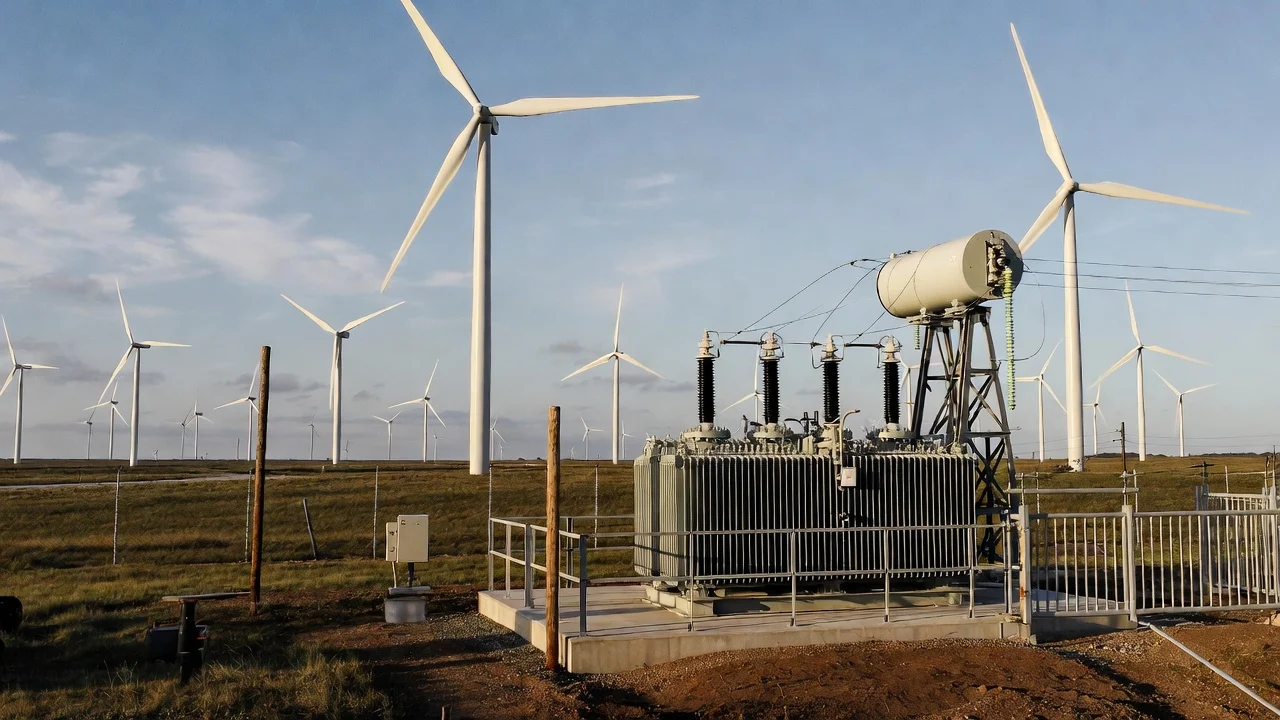
9. Voltage Regulation and Power Electronics Integration
Voltage regulation and power electronics integration are vital in wind turbine step-up transformers (wind transformers) to ensure stable grid connection amid variable wind speeds and converter harmonics. Power electronics (e.g., back-to-back converters in DFIG/PMSG systems) handle variable frequency/voltage from the generator, enabling LVRT, reactive power support, and frequency/voltage control.
The transformer interfaces post-converter, often with on-load tap changers (OLTC) for dynamic voltage adjustment, resonance suppression, and harmonic mitigation. Integration optimizes grid compliance (e.g., IEC 60076-16), reduces losses, enhances stability, and supports reactive power/Q control via converters or auxiliary devices.
Key benefits: Maintains voltage within limits during fluctuations, improves power quality, enables fault ride-through, and boosts overall wind farm efficiency in modern variable-speed turbines.
Modern wind power systems rely heavily on power electronics.
Challenges include:
- Harmonic distortion
- Voltage fluctuations
- Reactive power compensation
The wind transformer must support:
- Dynamic voltage regulation
- Low impedance
- High short-circuit strength
Proper impedance selection ensures grid stability.
10. Offshore Wind Turbines: Special Requirements
Offshore wind turbines introduce additional design complexity.
10.1 Environmental Challenges
- Salt corrosion
- High humidity
- Mechanical vibration
- Temperature variation
10.2 Offshore Transformer Features
|
Requirement |
Solution |
|
Corrosion protection |
Marine-grade coating |
|
Compact size |
Space-optimized design |
|
High voltage transmission |
66kV or higher |
|
Long term reliability |
Enhanced insulation system |
Offshore applications demand superior sealing and monitoring systems.
11. Testing Standards and Long Term Reliability
Wind transformers must pass rigorous testing:
- Ratio test
- Winding resistance
- Impulse test
- Temperature rise test
- Partial discharge test
Long term reliability depends on:
- Insulation aging resistance
- Load cycle endurance
- Thermal design margin
Wind farms typically expect 20–25 years service life.
12. Practical Selection Guide for International Projects
When selecting transformers for wind projects, engineers should evaluate:
- Rated power output per turbine
- Grid connection voltage
- Installation environment
- Wind speeds variability
- Offshore vs onshore application
- Maintenance strategy
- Long term cost analysis
A wind transformer is a specialized component engineered for dynamic renewable energy conditions. From managing energy transformation in a wind turbine to create electricity, to stabilizing high voltage transmission in large wind farms, its design must integrate advanced insulation, optimized transformer winding, and compatibility with power electronics.
Whether selecting a wind turbine transformer, designing a three winding transformer for grid integration, or choosing between dry-type vs oil-immersed: how to select, engineers must consider operational stress, environmental exposure, and long term reliability.
As global renewable energy capacity expands—particularly in offshore wind turbines—transformers for wind high voltage systems will remain a critical technology enabling stable and efficient wind power generation worldwide.

Related Articles




Related Products
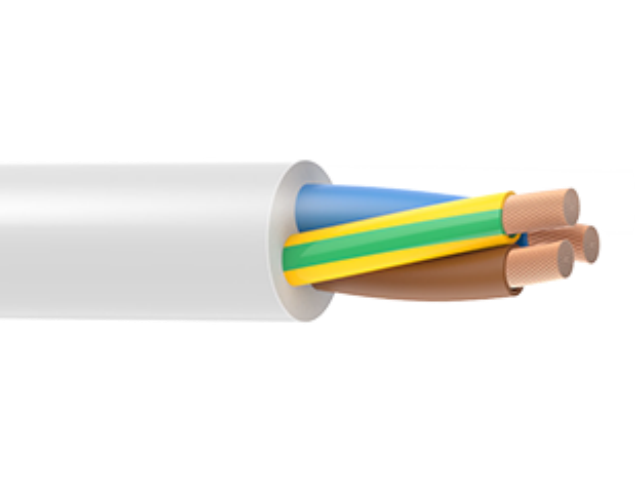
H05VV-F
H05VV-F wires from NPC Electric are flexible PVC insulated and sheathed cables designed for light-duty power connections in household and commercial electrical equipment. Featuring finely stranded copper conductors, these wires provide excellent flexibility, making them easy to install and suitable for applications involving frequent movement. The double PVC insulation structure offers reliable electrical protection, good mechanical strength, and resistance to abrasion, ensuring safe operation under normal indoor conditions. Manufactured in accordance with harmonized standards, NPC Electric H05VV-F wires deliver stable conductivity, consistent insulation thickness, and dependable performance. They are widely used where flexibility, safety, and ease of handling are essential, making them a practical choice for appliances, extension cords, and portable equipment.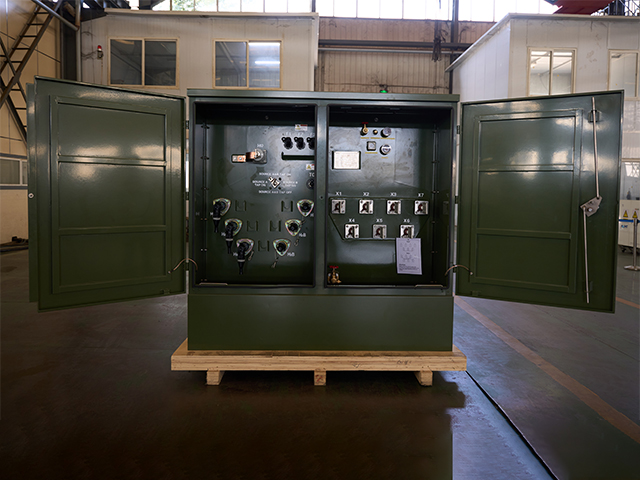
2500kVA Three Phase Pad Mounted Transformer
NPC ELECTRIC's 2500kVA Three Phase Pad Mounted Transformer is a high-performance, oil-immersed distribution transformer engineered for reliable outdoor installation on concrete pads. Compliant with ANSI/IEEE C57, DOE 2016 efficiency standards, and IEC guidelines, this 2.5 MVA unit delivers superior energy efficiency, low losses, and robust durability in demanding utility and industrial environments. Featuring a fully sealed, tamper-resistant enclosure with dead-front or live-front design options, it ensures maximum safety, minimal maintenance, and aesthetic integration in urban settings.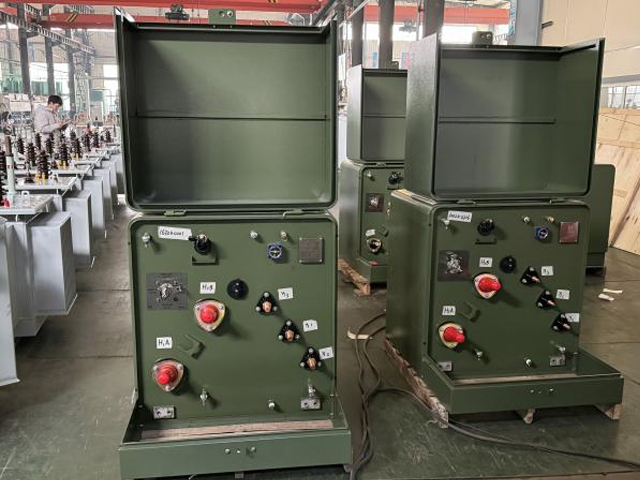
Three Phase Pole Mounted Transformer
The three phase pole mounted transformer delivers balanced, high-capacity power transformation for overhead distribution lines, stepping down medium voltages such as 11kV, 22kV, or 33kV to low voltages like 400V/415V or 480V in Y or Delta configurations. Engineered with a five-legged core/coil assembly and premium grain-oriented silicon steel, it reduces magnetic losses and harmonics while achieving high efficiency levels per DOE and IEC standards. The oil-immersed tank with ONAN cooling ensures effective heat dissipation and a 65°C rise rating for continuous operation under demanding loads. Robust features include porcelain HV bushings, polymer LV bushings, tin-plated terminals for copper/aluminum connections, pressure relief devices, and lightning arrester provisions, offering excellent weather resistance and protection in exposed installations. This design provides cleaner aesthetics, lower installation costs compared to single-phase banks, and reliable service for motor starts and variable loads, making it a top choice for utilities modernizing grids.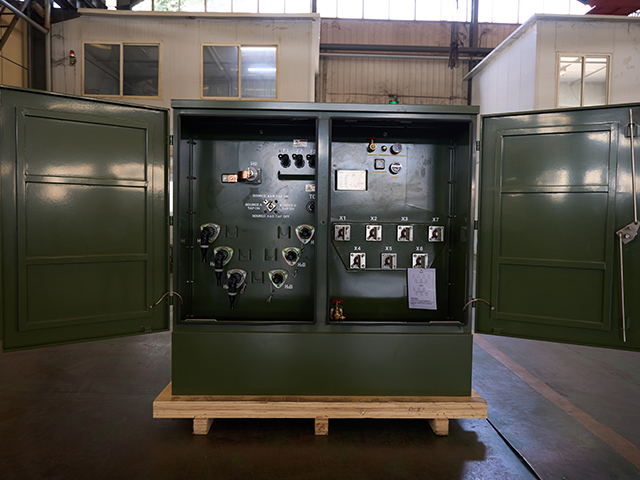
45kVA Three Phase Pad Mounted Transformer
The 45 kVA pad-mounted transformer meets ANSI, CSA, NEMA, IEEE, and DOE standards. The compartmental dead-front enclosure features tamper-resistant doors, mineral oil or ester fluid insulation, and ONAN cooling for a 65°C temperature rise, enabling quiet, overload-capable operation in outdoor pad installations.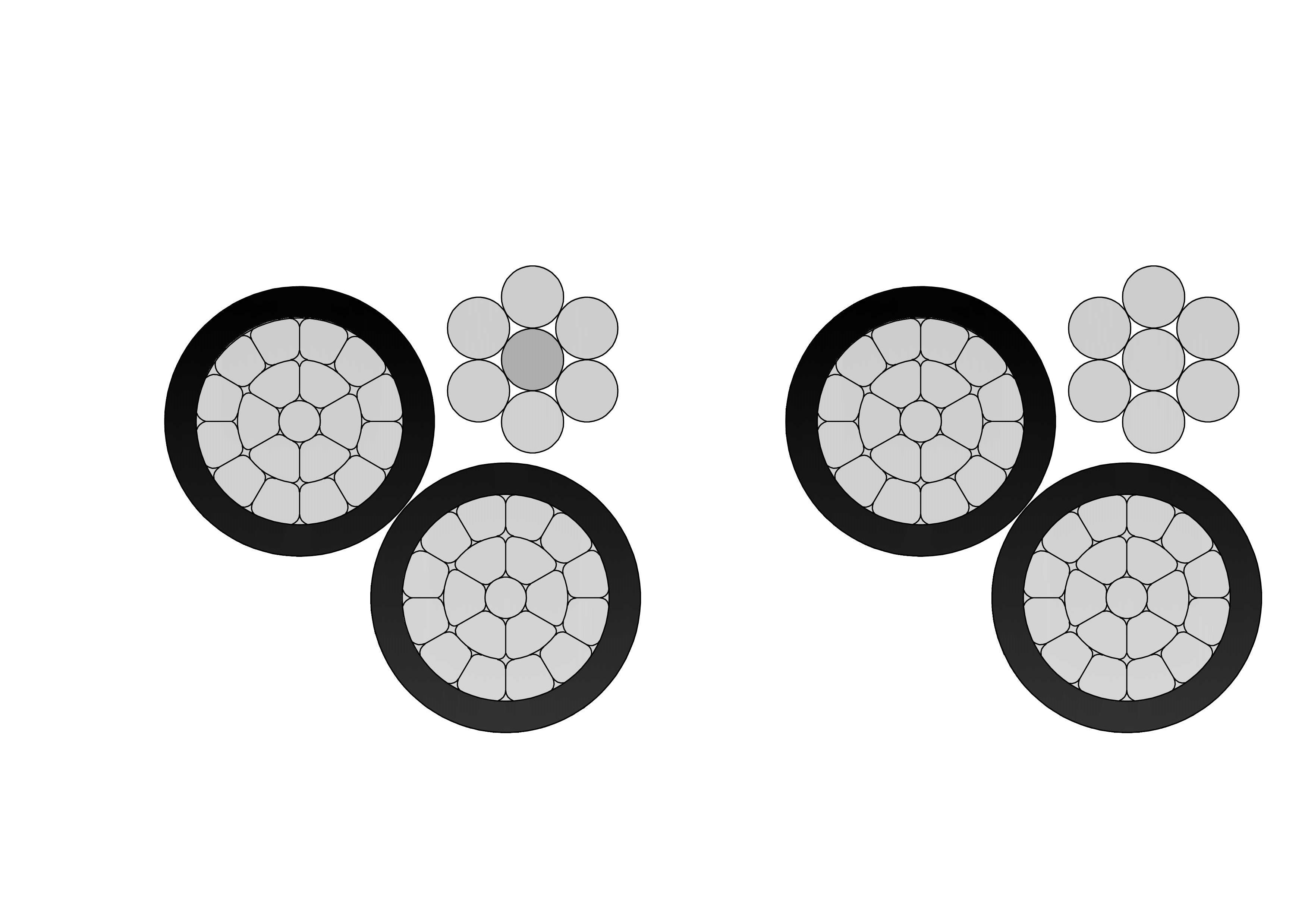
1/0 Gammarus Aluminum Conductor Triplex Overhead Service Drop Cable
NPC Electric 1/0 Gammarus Triplex Service Drop Cable provides reliable overhead secondary distribution for residential applications. Consisting of two 1/0 AWG aluminum phase conductors and one neutral messenger (7-strand) insulated with cross-linked polyethylene (XLPE) and twisted in triplex form, it meets ASTM, ICEA, and international standards. The robust insulation resists sunlight, moisture, and mechanical damage for decades of outdoor service. Lightweight design simplifies installation with low sag and easy handling. The 1/0 Gammarus Triplex Service Drop Cable ensures minimal losses, high current capacity, and excellent weather performance up to 600V. Self-supporting messenger reduces pole loading. Flame-retardant options enhance safety. Commonly chosen for two-phase power delivery with neutral in subdivisions, rural homes, and temporary connections requiring safe, economical aerial bundled solutions with proven durability.
3/0 Melita Aluminum Conductor Triplex Overhead Service Drop Cable
The 3/0-3/0-3/0 Melita Aluminum Conductor Triplex Overhead Service Drop Cable is designed for high-performance overhead power distribution from utility poles to residential, commercial, or light industrial weatherheads. It features concentric-lay-stranded 1350-H19 aluminum conductors (#3/0 AWG, 19-strand), black cross-linked polyethylene (XLPE) insulation for exceptional weather, UV, and thermal resistance, and a bare neutral messenger (#3/0 AWG, typically ACSR or AAC). Rated for 600 volts phase-to-phase at conductor temperatures up to 90°C (XLPE) or 75°C (Poly), it supports an allowable ampacity of approximately 275 amps (XLP). Compliant with ASTM B-230, B-231, B-232, B-399, and ICEA S-76-474 standards, this robust yet lightweight cable ensures easy installation, excellent conductivity, and long-term durability in challenging outdoor conditions like wind, ice, moisture, and temperature extremes.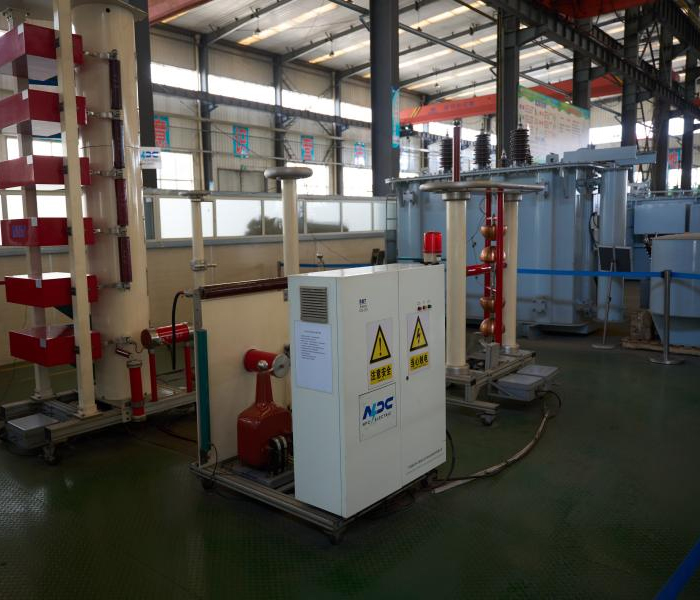
630kVA Dry Type Transformer
NPC ELECTRIC 630kVA Dry-Type Transformer is a compact, oil-free solution for reliable power distribution. With advanced insulation and cooling systems, it ensures safe, low-maintenance operation, making it ideal for industrial and commercial applications. Offering 630kVA capacity, it delivers efficient, environmentally friendly, and cost-effective performance. Compliant with DOE amended energy conservation standards (finalized 2024, mandatory from April 23, 2029, with 20% loss reduction for three-phase low-voltage dry-type units), ANSI/IEEE C57.12.01, NEMA ST-20, UL 1561, and CSA standards, this low-voltage (≤600V) transformer minimizes no-load losses, runs cooler, and prioritizes fire safety without oils or fluids.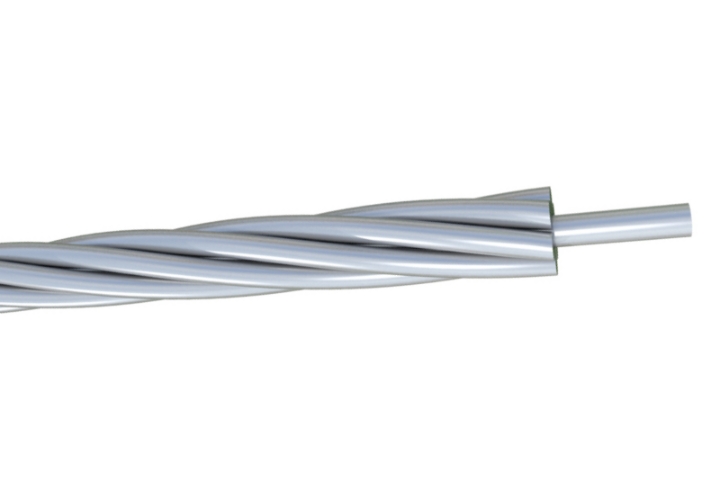
10 Gauge Galvanized Steel Conductor Wire
The 10 Gauge Galvanized Steel Conductor Wire is a premium high-strength bare steel wire designed for reliable overhead power line applications. Manufactured with heavy hot-dip zinc coating, this 10 AWG galvanized conductor delivers superior corrosion resistance and long service life in harsh outdoor environments. It offers excellent tensile strength and mechanical performance, making it ideal for use as overhead ground wire (static wire), guy wire, or messenger wire. Fully compliant with ASTM A475 and related utility standards, the 10 Gauge Galvanized Steel Conductor Wire undergoes rigorous testing from raw materials to finished product to ensure uniform zinc adhesion, consistent diameter, and high breaking strength. Its durable construction minimizes maintenance while providing dependable shielding and structural support for transmission and distribution systems.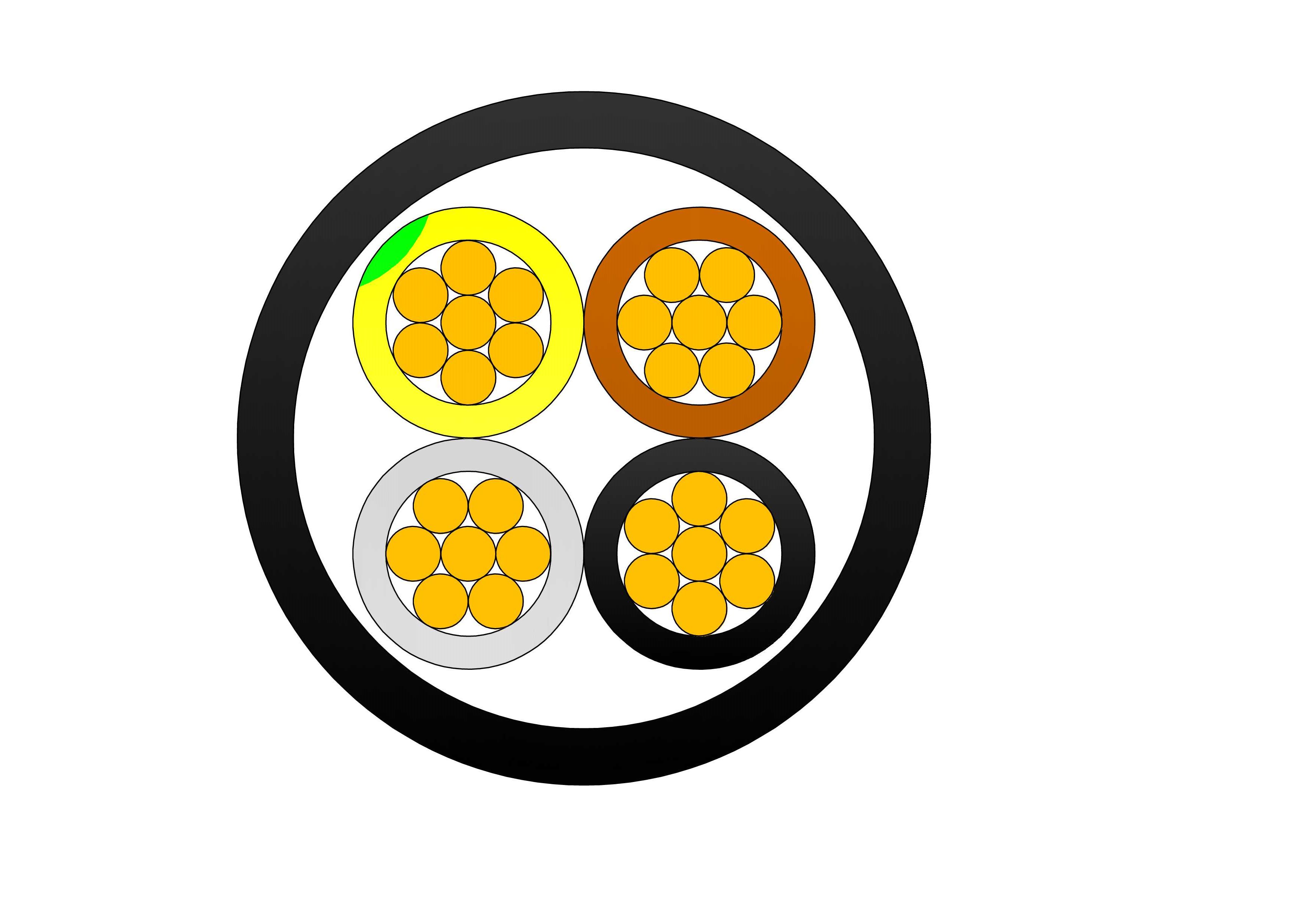
3+2 Cores Copper Cable CU/XLPE/PVC 0.6/1kV
The Single Core Copper Cable CU/XLPE/PVC 0.6/1kV is engineered for reliable power transmission and distribution in industrial, commercial, and utility applications. Featuring a high-purity copper conductor, XLPE insulation, and durable PVC outer sheath, the cable delivers outstanding electrical conductivity, thermal stability, and mechanical protection. The XLPE insulation offers superior dielectric properties, allowing the cable to operate continuously at conductor temperatures up to 90°C while maintaining excellent insulation performance. The PVC sheath provides resistance against moisture, abrasion, chemicals, and environmental exposure, ensuring a long service life even in demanding installations. Designed according to international standards including IEC 60502-1, this cable is suitable for fixed installations in power networks, industrial facilities, commercial buildings, renewable energy projects, and infrastructure developments. Various conductor sizes and sheath colors can be customized to meet specific project requirements. Its combination of safety, durability, and efficient power transmission makes the Single Core Copper Cable CU/XLPE/PVC 0.6/1kV a dependable solution for modern electrical systems.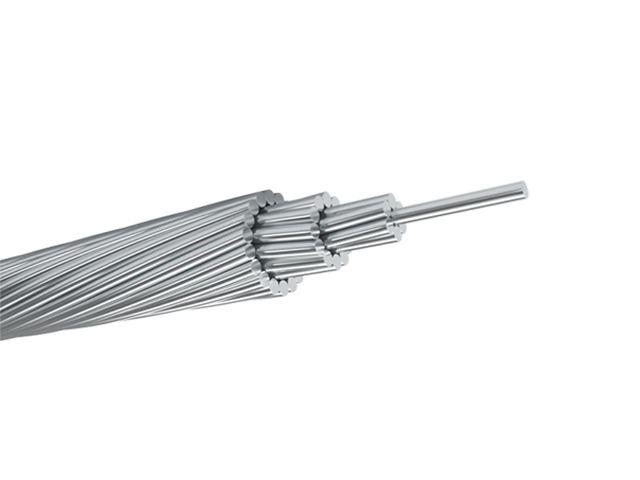
AAAC Panther Conductor Cable
AAAC PANTHER Conductor is a premium-grade All Aluminum Alloy Conductor engineered for reliable performance in overhead distribution and sub-transmission lines. Compliant with ASTM B399, IEC 61089, and BS EN 50182 standards, this conductor is manufactured using high-strength 6201-T81 aluminum alloy, offering excellent conductivity, enhanced tensile strength, and superior corrosion resistance. Compared with traditional AAC conductors, the Panther-size AAAC conductor provides higher tensile strength and reduced sag, making it suitable for longer spans and higher mechanical loading conditions. Its all-aluminum alloy construction eliminates steel reinforcement, effectively preventing galvanic corrosion and improving long-term reliability, especially in coastal, humid, and industrial environments. Produced in accordance with IEC and ASTM standards, the AAAC Panther Conductor Cable ensures uniform strand geometry, stable resistance values, and consistent performance throughout its service life. It is widely selected by utilities seeking lower maintenance costs, improved line efficiency, and enhanced durability for modern overhead power networks.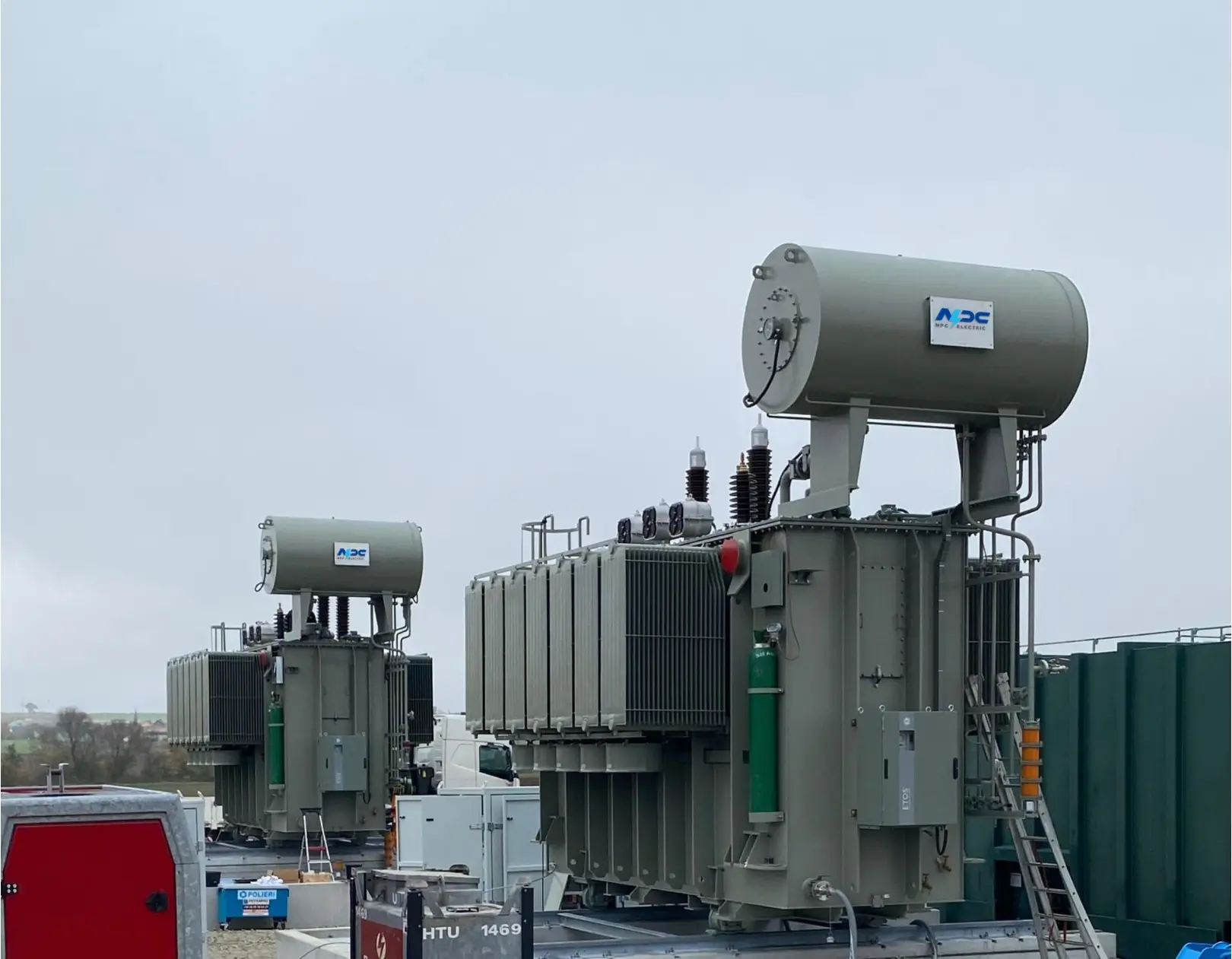
300 kV 31.5MVA 40 MVA High Voltage Power Transformer
Unlock superior grid performance with the state-of-the-art 300 kV 31.5/40 MVA high voltage electrical power transformer, tailored for efficient voltage conversion in expansive transmission networks. This robust, three-phase design operates with ONAN cooling at 31.5 MVA and escalates to ONAF at 40 MVA, incorporating cutting-edge biodegradable ester insulation fluids for enhanced fire safety and environmental sustainability as per 2025 regulations. Built with high-grade grain-oriented silicon steel cores to achieve efficiency rates exceeding 98%, it reduces no-load losses and supports seamless integration with HVDC systems and renewable energy hubs. Advanced features include IoT-enabled Sensformer-like monitoring for real-time diagnostics, predictive analytics to prevent downtime, and compliance with updated IEC 60076-2025 and IEEE C57.12.00 standards for superior dielectric strength and thermal resilience. Ideal for harsh operational settings, its modular construction allows for quick field repairs, while anti-vibration mountings ensure low noise levels under 55 dB, making it perfect for proximity to populated areas.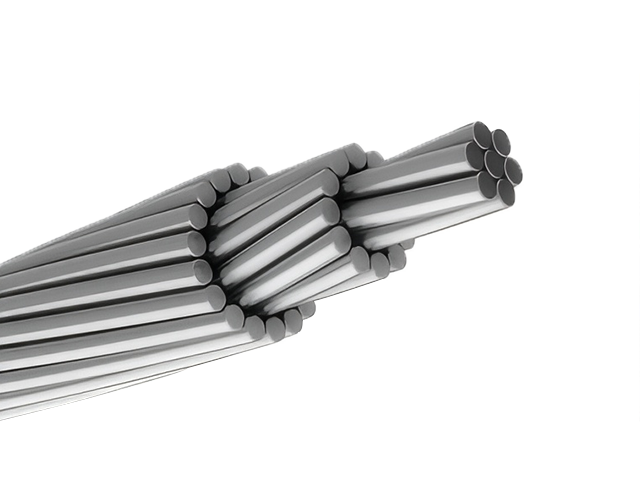
1033.5 MCM CURLEW ACSR Conductor Cable
The ACSR 1033.5 MCM Curlew 54/7 is a high-performance, bare concentric-lay-stranded conductor designed for overhead power transmission and distribution lines. Complying with ASTM B232 standards, this conductor features a robust galvanized steel core (Class A or B) for enhanced mechanical strength, surrounded by multiple layers of hard-drawn 1350-H19 aluminum wire for superior electrical conductivity. The Curlew configuration, with 54 aluminum strands and 7 steel strands, ensures an optimal balance of durability and efficiency, making it ideal for long-span transmission lines and primary/secondary distribution networks. Engineered for reliability, ACSR Curlew offers excellent corrosion resistance and customizable aluminum-to-steel ratios to meet specific electrical and mechanical requirements.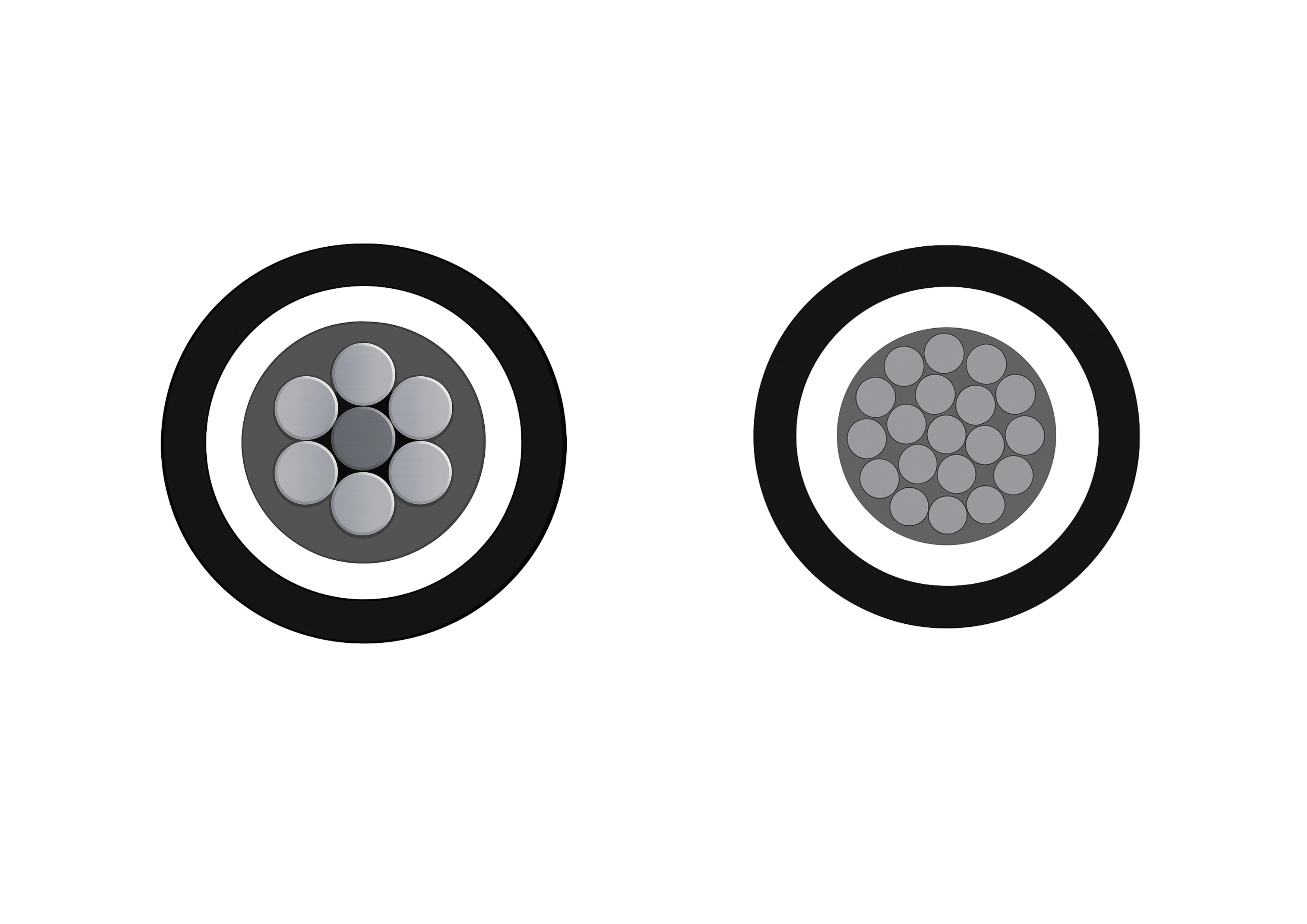
2-Layer 15kV ACSR/AAC Tree Wire - Covered Overhead Distribution Cable
The 2-Layer 15kV ACSR/AAC Tree Wire is a covered overhead conductor designed for reliable medium-voltage distribution in areas with heavy tree contact. It features concentrically stranded ACSR or AAC conductors with a dual-layer covering of track-resistant high-density polyethylene (HDPE) or cross-linked polyethylene (XLPE). The inner layer provides insulation while the outer layer offers superior tracking and weathering resistance. This construction significantly reduces the risk of faults caused by tree limbs, minimizes wildfire ignition potential, and allows closer spacing to vegetation. Suitable for both spacer cable systems and conventional overhead lines, the 2-Layer 15kV ACSR/AAC Tree Wire meets ICEA S-121-733 and related ASTM standards. It undergoes rigorous quality testing from raw materials to finished product, ensuring excellent dielectric strength, mechanical robustness, and long-term performance in challenging environments.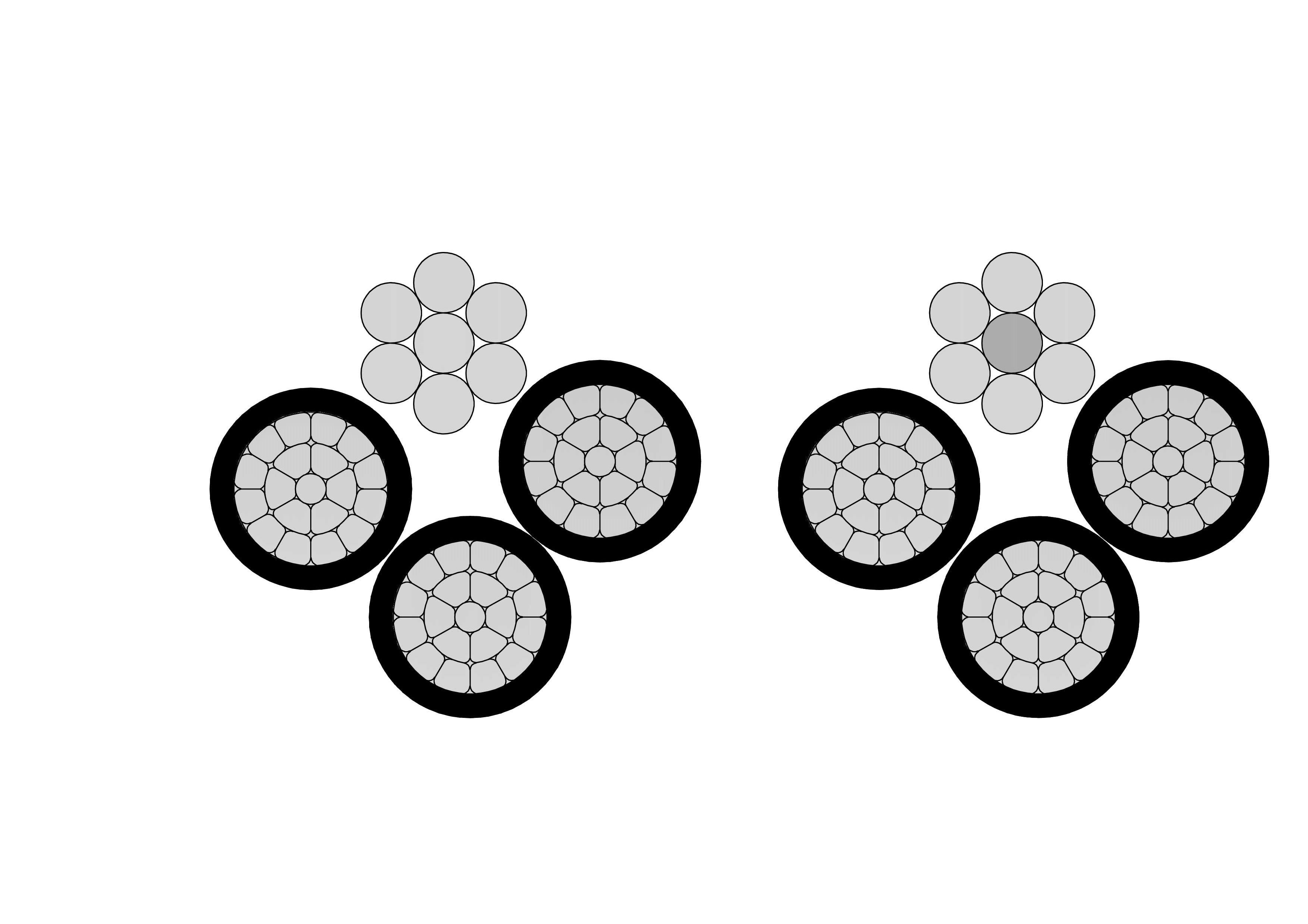
2 Palomino Aluminum Conductor Quadruplex Overhead Service Drop Cable
2 Palomino Aluminum Conductor Quadruplex Overhead Service Drop Cable is designed for delivering 3-phase power from pole-mounted transformers directly to the user's service entrance. Built with three 2 AWG aluminum phase conductors and one neutral messenger (7-strand) insulated with polyethylene or XLPE and formed into a quadruplex assembly, it meets ASTM and ICEA requirements for 600V service. The tough insulation offers outstanding protection against UV rays, moisture, tree contact, and abrasion. Self-supporting messenger design ensures easy pulling and reduced sag during installation. The 2 Palomino Quadruplex Service Drop Cable supports efficient power transfer with low voltage drop and high durability in extreme temperatures. Popular for its lightweight construction and reduced installation time, it is the choice for electricians and utilities. Widely deployed in housing developments, commercial services, and temporary power setups, this cable ensures safe, long-lasting overhead connections from distribution transformers to customer service entrances worldwide.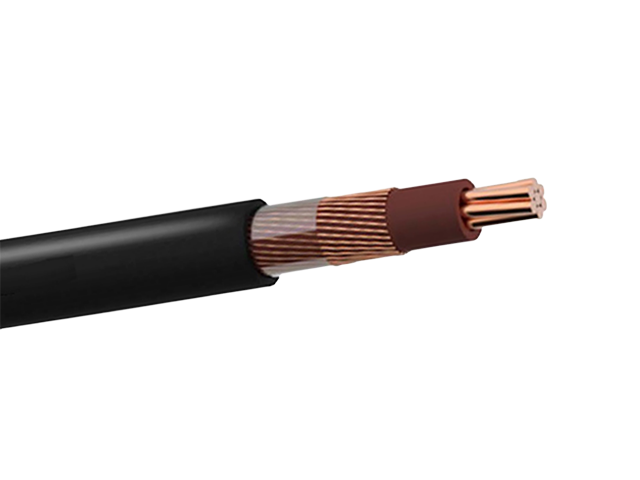
Copper Concentric Flat LV Cable 600/1000V
The Copper Concentric Flat LV Cable is engineered for safe and efficient low-voltage power delivery in residential and commercial applications. It consists of a stranded hard-drawn copper phase conductor with XLPE insulation, concentrically arranged copper neutral conductors, and a durable black polyethylene outer sheath. The flat design offers superior flexibility for easy installation in limited spaces while maintaining excellent electrical balance and mechanical protection. With high conductivity and UV-stabilized materials, this cable performs reliably in both overhead aerial and underground environments. The Copper Concentric Flat LV Cable meets international performance standards and undergoes extensive quality testing to ensure consistent performance, safety, and long service life for modern LV networks.Welcome your inquiry
Honesty, Integrity, Frugality, Activeness and Passion