
Global Renewable Energy Development: 2025 Annual Review and Future Trends
2026-01-15
Key Points
- Record Capacity Additions: Research suggests global renewable capacity surged in 2025, with solar and wind leading, adding over 700 GW combined, though grid and policy challenges remain.
- Poverty Alleviation Links: Evidence leans toward renewables creating jobs and access in underserved areas, potentially lifting 193 million people from extreme poverty with aligned policies.
- Climate Mitigation Efforts: It seems likely that renewables reduced emissions significantly, surpassing 40% of global electricity, but overall emissions rose slightly due to demand growth.
- Energy Security Benefits: Renewables appear to enhance supply diversity, reducing fossil imports and volatility, particularly in import-dependent regions.
- Economic Impacts: Trends indicate trillions in investments driving GDP growth, with clean energy sectors contributing 10% to global GDP expansion.
Overview of Achievements
The year 2025 highlighted renewables as a resilient force amid economic and geopolitical shifts.
Broader Interconnections
Renewables are intertwined with global challenges, offering pathways to equitable development.
Reflecting on 2025's Renewable Energy Landscape
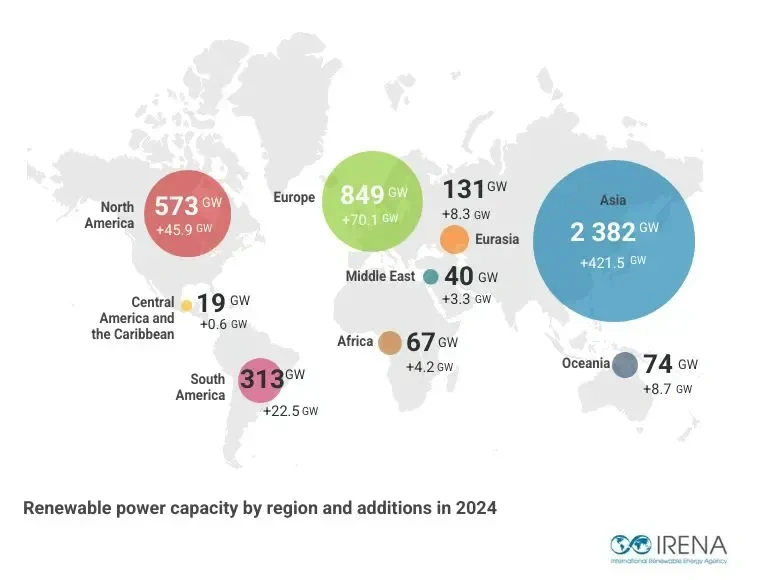
The year 2025 represented a transformative period for global renewable energy, marked by record-breaking capacity additions, innovative technological advancements, and strengthened policy frameworks across international markets. As nations navigated post-pandemic recovery, escalating energy demands from digitalization, electrification, and AI-driven industries, renewables solidified their position as a pillar of sustainable development. Data from leading organizations indicate that global renewable capacity exceeded 4,500 GW by year's end, with additions surpassing 793 GW—an 11% increase from 2024. This growth positioned the sector closer to achieving the COP28 goal of tripling capacity by 2030, though acceleration is needed for full alignment.
Renewables' significance extends far beyond electricity generation; they serve as a multifaceted tool addressing poverty alleviation, climate change mitigation, energy supply security, and economic development. In 2025, the sector employed approximately 16.6 million people worldwide, reflecting a modest 2.3% growth from the previous year, influenced by automation and geopolitical factors. Solar led with 7.4 million jobs, followed by wind at 1.5 million, underscoring their labor-intensive nature. This employment boom particularly benefited developing regions, where renewables facilitated affordable energy access, reducing reliance on costly fossil imports and fostering local economic resilience.
Amid rising global temperatures—2025 saw record highs for the first full year above 1.5°C—renewables played a critical role in curbing emissions. They supplied over 34% of global electricity, overtaking coal in many markets, and avoided billions in fossil fuel expenditures. However, challenges like supply chain disruptions, policy uncertainties, and uneven regional deployment highlighted the need for inclusive strategies. This review, tailored for the international market, explores these interconnections while spotlighting trends in solar and wind energy, supported by 2025 data and forward-looking projections.
Renewable Energy and Poverty Alleviation
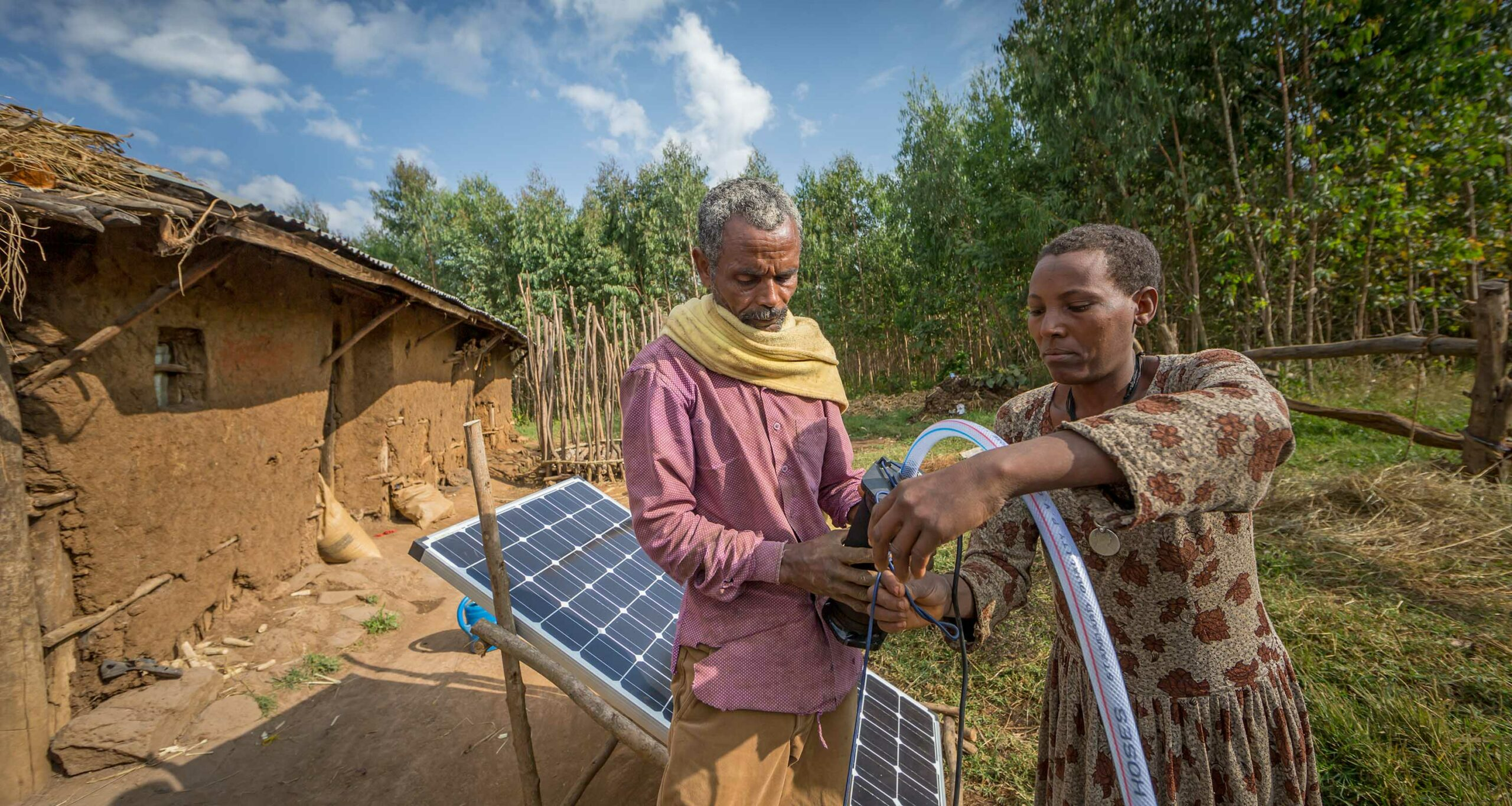
In 2025, renewables demonstrated profound impacts on poverty reduction by providing decentralized, affordable energy solutions to marginalized communities. A key study emphasized that aligning renewable targets with supportive policies could lift 193 million people from extreme poverty globally, enhancing access to electricity and clean cooking. In Sub-Saharan Africa, where energy poverty affects over 600 million, off-grid solar systems illuminated homes for millions, enabling small-scale enterprises and improving livelihoods. The region saw 344,000 renewable jobs created, many in solar installation and maintenance, directly contributing to income growth.
China's photovoltaic poverty alleviation initiatives continued to exemplify success, integrating solar projects into rural economies to boost household incomes by up to 20%. In India, renewable microgrids supported agricultural productivity, reducing energy costs for farmers and indirectly alleviating poverty through increased yields. However, barriers such as high initial investments and infrastructure deficits in least developed countries persisted, exacerbating inequalities. Research from various sources indicates that renewable expansion in China alone mitigated energy poverty by promoting job creation and reducing regional disparities.
To illustrate regional variations:
|
Region |
Renewable Jobs (2025) |
Projected Poverty Impact |
|
Global |
16.6 million |
Lift 193 million from extreme poverty |
|
Africa |
344,000 |
Access for 21 million more people |
|
Asia |
~11 million |
Reduced rural inequality |
|
Latin America |
~1.2 million |
Enhanced agricultural productivity |
This table underscores renewables' alignment with Sustainable Development Goals 1 (no poverty) and 7 (affordable energy). Case studies from Kenya highlight how solar energy transformed rural lives, providing lighting for education and powering water pumps for irrigation, thereby breaking cycles of poverty.
Renewables' Role in Climate Change Mitigation
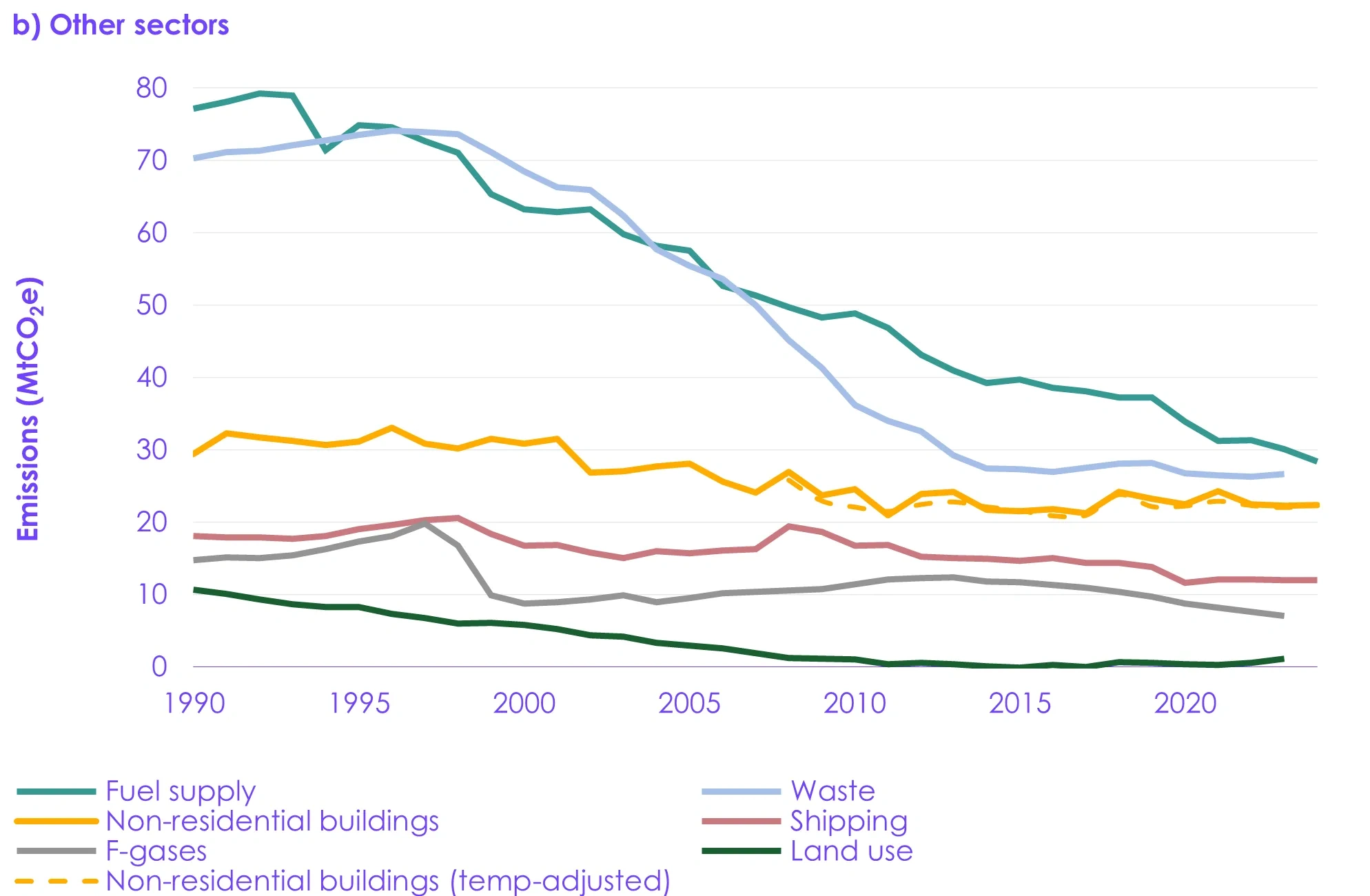
2025 reinforced renewables as a frontline strategy against climate change, with capacity additions of around 793 GW, primarily in solar and wind. Clean power surpassed 40% of global electricity generation for the first time, driven by an 858 TWh increase in renewable output—49% more than the previous record. This shift avoided approximately 2.6 billion tonnes of CO2 emissions annually, though global emissions rose slightly due to heightened energy demand from heatwaves and industrial growth.
In China, renewables met all electricity demand growth in the first half of 2025, curbing coal dependency. Europe accelerated offshore wind and solar deployments, contributing to a 5% emissions drop in advanced economies. However, the world remains off-track for 1.5°C alignment, with current trajectories projecting 9,530 GW by 2030 against the needed 11,500 GW. Investments in renewables saved $467 billion in fossil costs, with 91% of new projects cheaper than fossil alternatives.
Debates persist on sufficiency: experts advocate doubling annual investments to $1.4 trillion to bridge gaps. In the U.S., renewables accounted for 93% of capacity additions through September, highlighting their cost-competitiveness. Globally, solar PV led with efficiency gains, while wind's larger turbines enhanced output in variable conditions.
Enhancing Energy Security Through Renewables
Renewables bolstered energy security in 2025 by diversifying supplies and mitigating import risks. They met over 90% of global electricity demand growth, insulating economies from fossil price volatility amid geopolitical tensions. In Europe, wind and solar additions enhanced resilience, reducing gas imports by 20%. Globally, 80% of import-dependent populations benefited from local renewable sourcing, promoting independence.
China's dominance in solar manufacturing—over 80% of global capacity—raised supply chain concerns, yet overall, renewables reduced vulnerabilities. In the U.S., policy shifts like the Inflation Reduction Act spurred domestic production, adding 30 GW of renewables. Emerging markets in Africa and Asia leveraged hydropower and solar to stabilize grids, with off-grid solutions providing reliable power to remote areas.
|
Technology |
2025 Additions (GW) |
Security Benefits |
|
Solar |
~655 |
Reduces oil/gas imports, local deployment |
|
Wind |
~150 |
Stable generation, offshore potential |
|
Hydropower |
~30 |
Baseload reliability, storage integration |
This diversification not only secures supply but also hedges against commodity fluctuations, fostering long-term stability.
Driving Economic Development
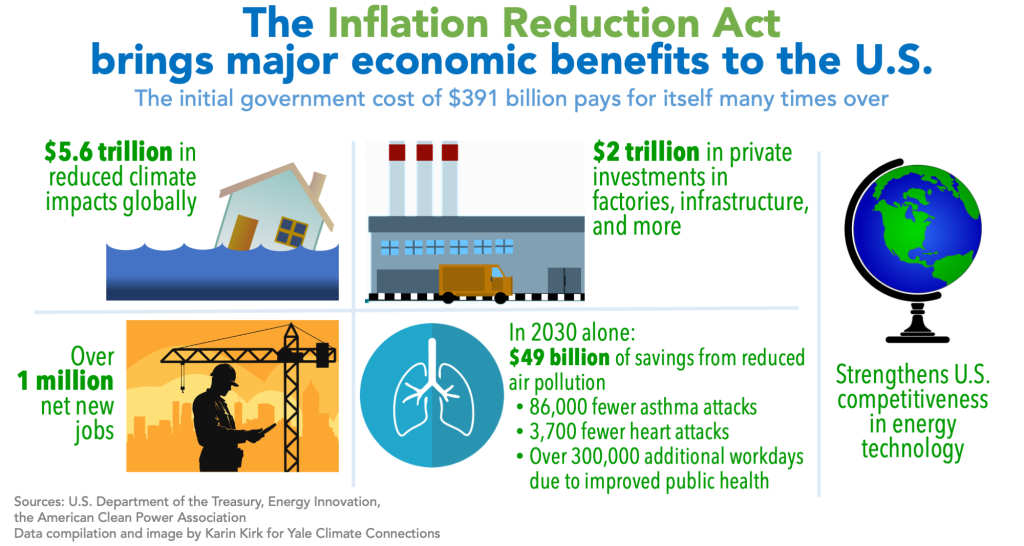
Renewables propelled economic growth in 2025, with global investments exceeding $3.3 trillion—$2.2 trillion in clean technologies, doubling fossil finance. This influx boosted GDPs, particularly in Asia, where China held 42% of renewable jobs. Cost savings from declining solar levelized costs (down 70% since 2010) enhanced industrial competitiveness, generating $18 billion annually in some poverty alleviation projects.
In developing economies, renewables spurred industrialization; Africa's solar imports surged 50%, creating value chains. However, disparities remained, with advanced economies capturing disproportionate investments. The sector's multiplier effect—each job in renewables creating 1.5 indirect roles—amplified benefits, contributing 10% to global GDP growth.
Regional Spotlights: Asia's Dominance and Africa's Potential
Asia led 2025's renewable surge, adding over 500 GW, driven by China's 309-357 GW solar installations. Policy incentives and manufacturing prowess positioned the region as a global hub, though overcapacity risks loomed. In Africa, renewables addressed energy poverty, with solar microgrids electrifying 21 million more people. Challenges like funding gaps hindered scale-up, yet initiatives like the EU's Renewable Energy Skills Partnership aimed to create 3.5 million jobs by 2030.
Europe focused on offshore wind, adding 28 GW, while the U.S. emphasized domestic manufacturing under evolving policies. Latin America leveraged hydropower, integrating it with solar for hybrid systems.
Solar Energy Trends in 2025
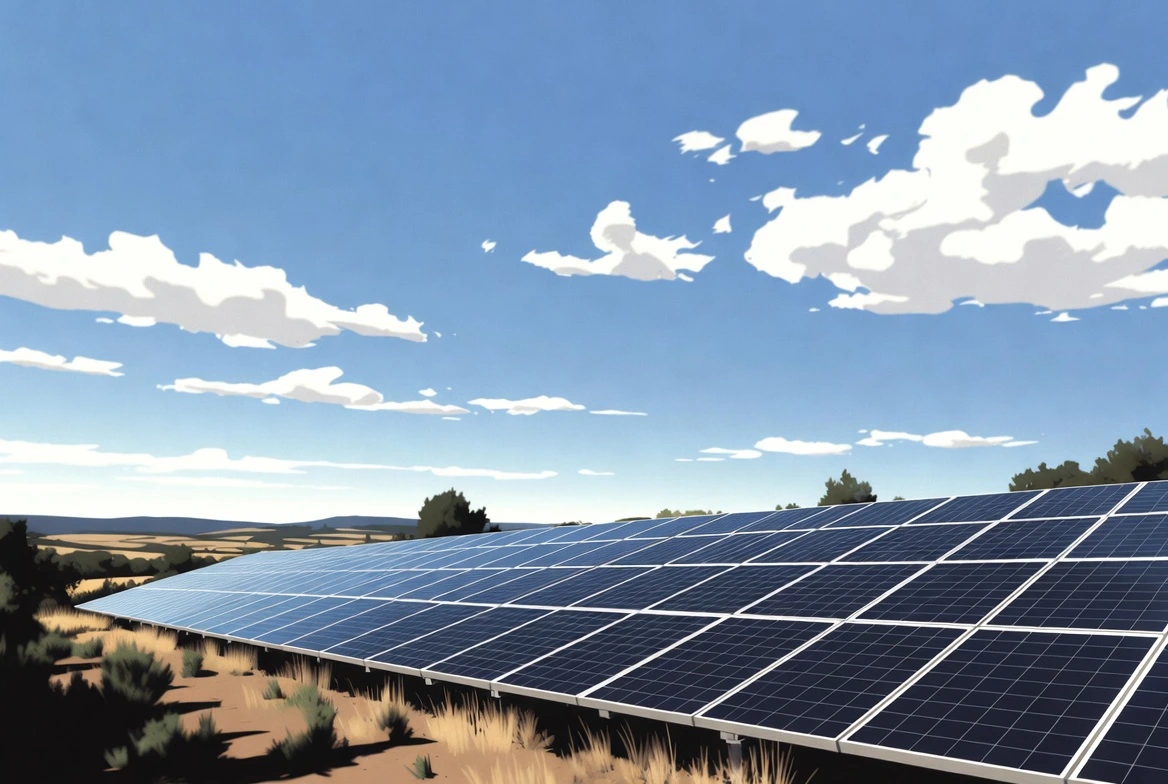
Solar PV dominated with ~655 GW additions, a 10% growth, fueled by costs below $0.02/kWh in sunny regions. Global installations surged 64% in H1, reaching 380 GW. Technological shifts included n-type modules at 70% production share, bifacial panels, and AI-optimized trackers. In the U.S., projections for 2025-2030 stood at 246 GW, with residential solar expanding via leases.
Future: Solar poised to overtake wind by 2030, with perovskite cells promising 30%+ efficiencies.
Wind Energy Trends in 2025
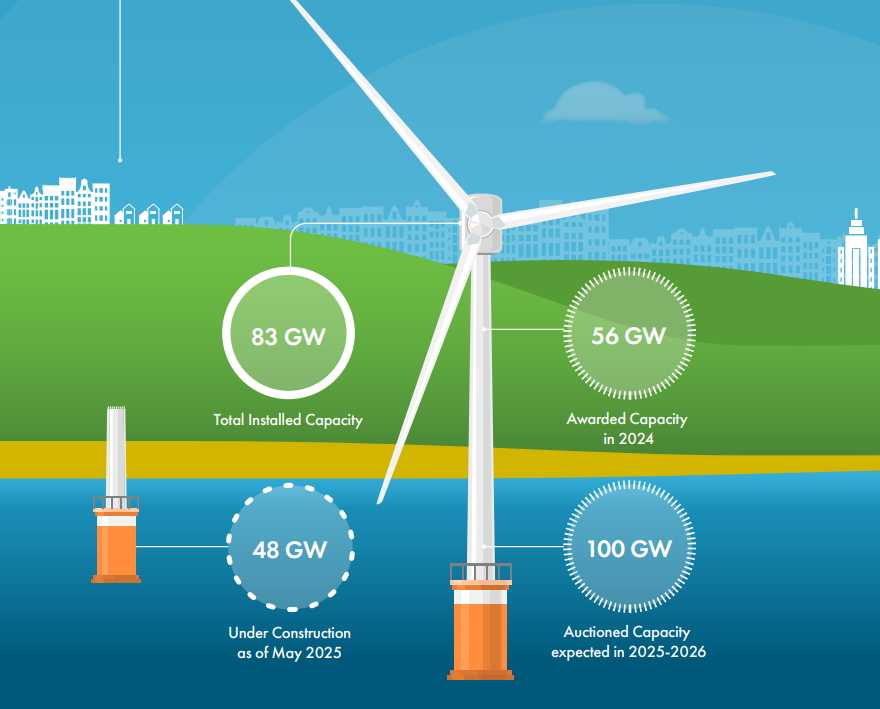
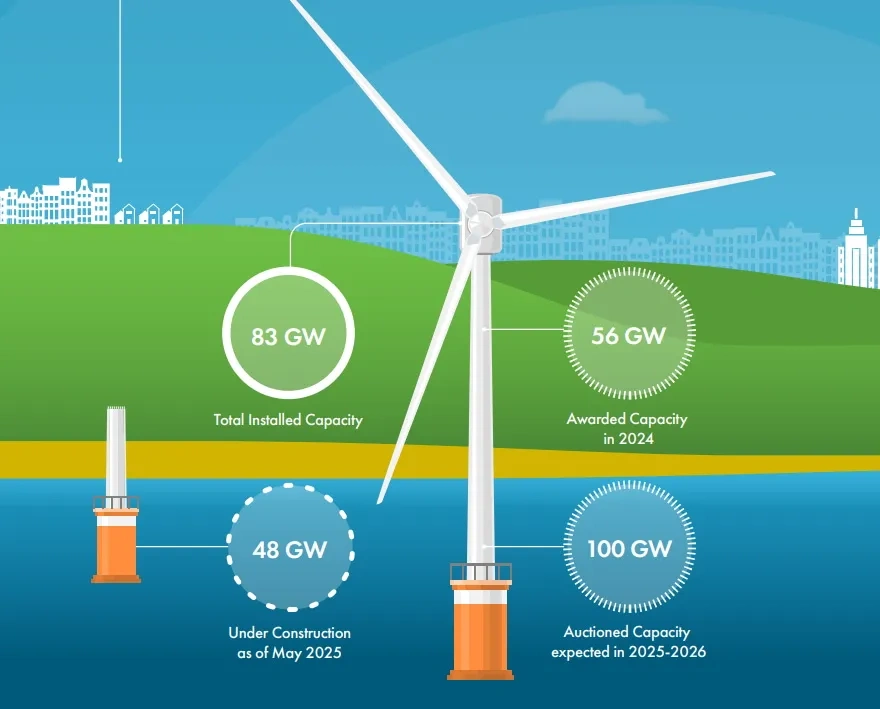
Wind added ~150 GW, with offshore growing 34.4% to $6.6 billion market value. H1 saw 72.2 GW globally, a 64% year-on-year rise. Innovations featured larger turbines (15 MW+), floating platforms for deep waters, and hybrid wind-solar farms. China led with 51.4 GW, while the U.S. targeted 7 GW onshore.
Global capacity hit 1.27 TW, projected to 2.12 TW by 2030. Challenges included permitting delays, but reforms in Germany boosted onshore additions.
Emerging Technologies and Integration
Battery storage co-located with renewables grew 50%, enabling 24/7 power. AI optimized grids, reducing losses by 10%. Hydrogen from renewables emerged, with green projects in Europe.
Challenges and Opportunities
Grid bottlenecks delayed 20% of projects, while workforce shortages projected a 7 million gap by 2030. Opportunities lie in AI, agrivoltaics, and policy reforms. Investments in skills training could unlock trillions in benefits.
Case Studies: Transformative Projects
In Kenya, solar mini-grids empowered rural communities, increasing incomes 15%. China's desert solar farms combined energy with ecology, restoring land while generating power.
Future Outlook to 2030 and Beyond
Projections indicate 9,530 GW by 2030 in base scenarios, with solar and wind dominating. Accelerated policies could reach 11,500 GW, aligning with net-zero. Economic forecasts predict $20 trillion in savings 21% GDP boost.
Toward a Resilient, Equitable Energy Future
2025 affirmed renewables' potential to address interconnected global challenges. By linking solar and wind growth to poverty reduction, climate action, security, and prosperity, the sector paves the way for inclusive progress. Global collaboration is essential to overcome barriers and realize this vision.

Related Articles


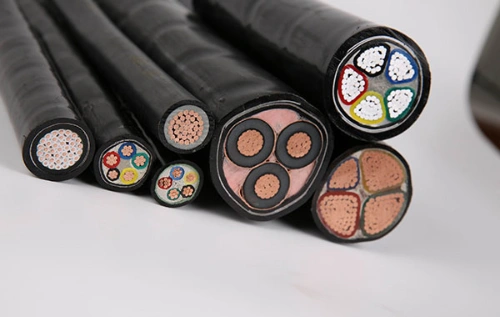
Related Products
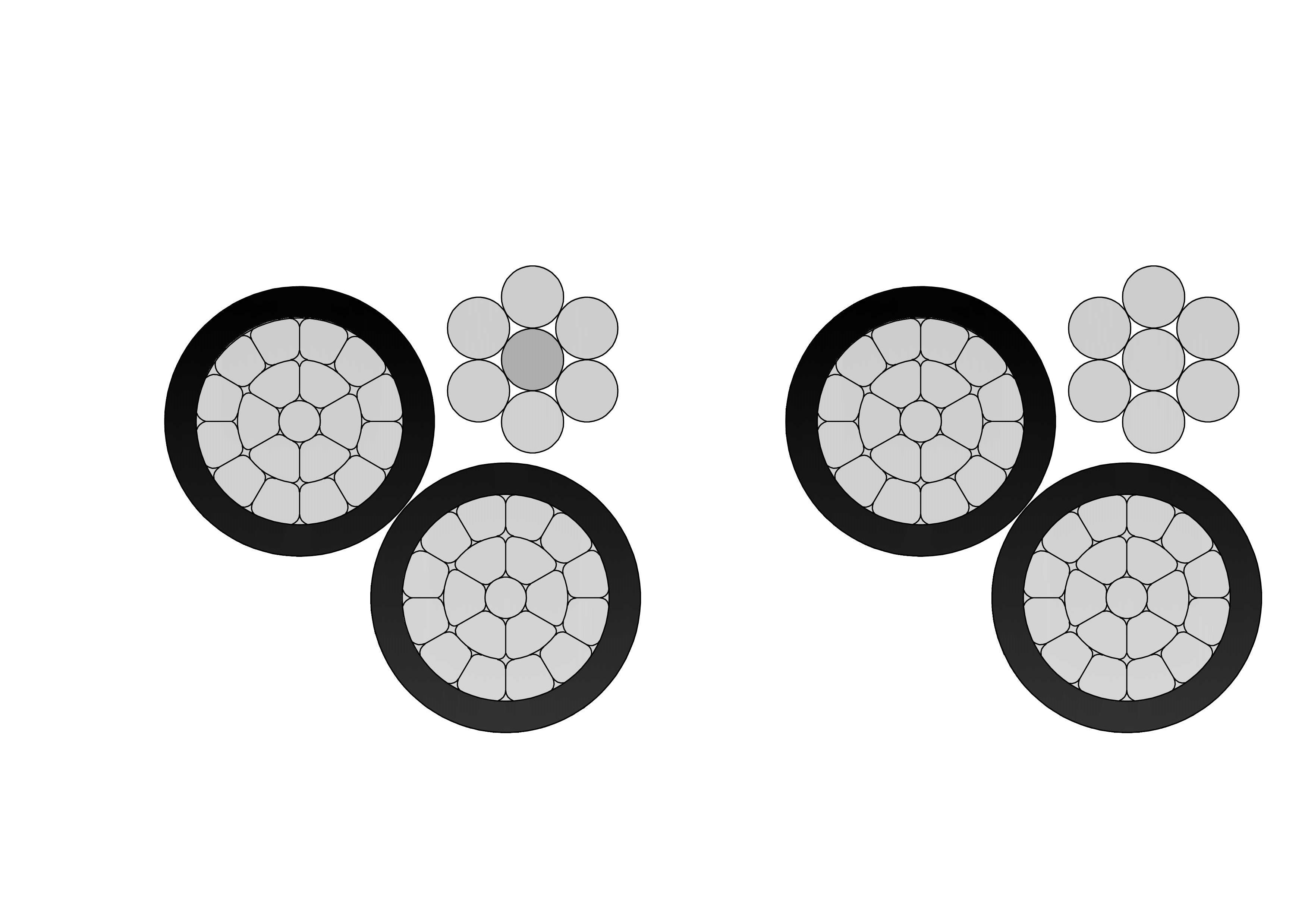
3/0 Mursia Aluminum Conductor Triplex Overhead Service Drop Cable
The 3/0 Mursia Triplex Aluminum Overhead Service Drop Cable is a premium-grade aerial electrical cable engineered for utility-to-premises power distribution. Designed with two insulated phase conductors and one bare ACSR (Aluminum Conductor Steel Reinforced) neutral messenger, the Mursia cable ensures strength, conductivity, and stability during aerial installation. Constructed with concentric or compressed 1350-H19 aluminum phase conductors (#3/0 AWG), black XLPE insulation for enhanced thermal, abrasion, and environmental resistance, plus a bare ACSR neutral messenger (#3/0 AWG), it ensures efficient conductivity, corrosion resistance, and structural integrity. Rated 600V phase-to-phase up to 90°C (XLPE), with ≈275A ampacity, it meets ASTM B-230/B-231/B-232/B-399 and ICEA S-76-474. The balanced, lightweight design facilitates easy installation while offering robust protection against extreme outdoor conditions such as temperature swings, moisture, UV exposure, and mechanical stress in residential, commercial, and light industrial applications.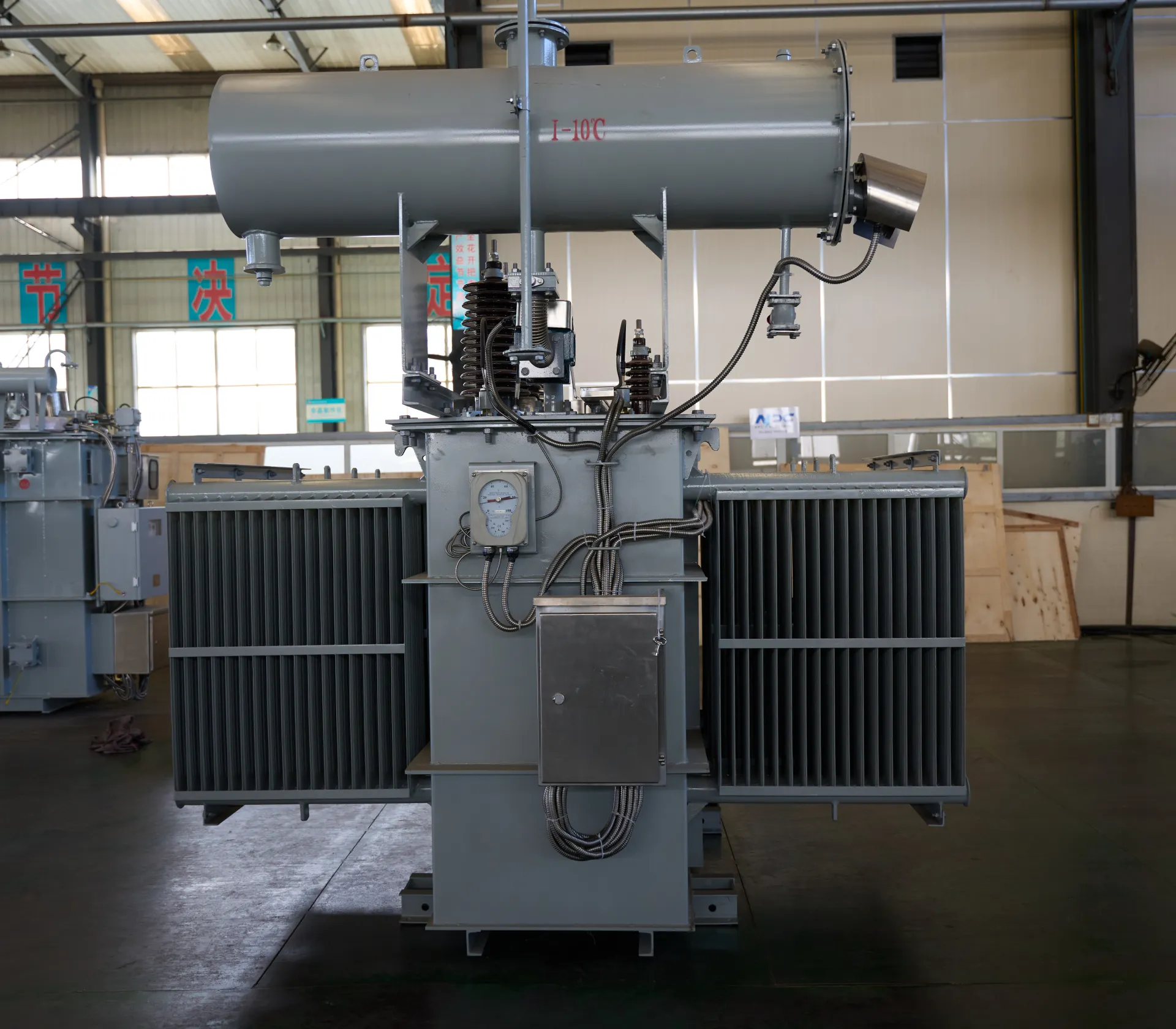
350kVA 10kV/0.4kV Three Phase Oil Immersed Power Distribution Transformer
Elevate your power distribution system with the advanced 350kVA 10kV/0.4kV Three Phase Oil Immersed Power Distribution Transformer, expertly crafted for optimal performance and energy savings in modern electrical infrastructures. This three-phase transformer employs cutting-edge amorphous metal cores and high-conductivity copper windings to significantly reduce core losses and achieve outstanding efficiency levels exceeding 98.5%. The fully sealed oil-immersed design with superior PCB-free mineral oil provides exceptional insulation, natural cooling, and resistance to overloads, ensuring stable operation in varied conditions. Equipped with low-noise technology and a durable corrugated tank for enhanced heat dissipation, it offers quiet performance and extended lifespan over 30 years. Meeting stringent standards such as IEC 60076 and EN 50588-1 for eco-friendly operation, this 350kVA transformer delivers reliable voltage transformation, minimizes downtime, and contributes to lower electricity costs for commercial and residential networks.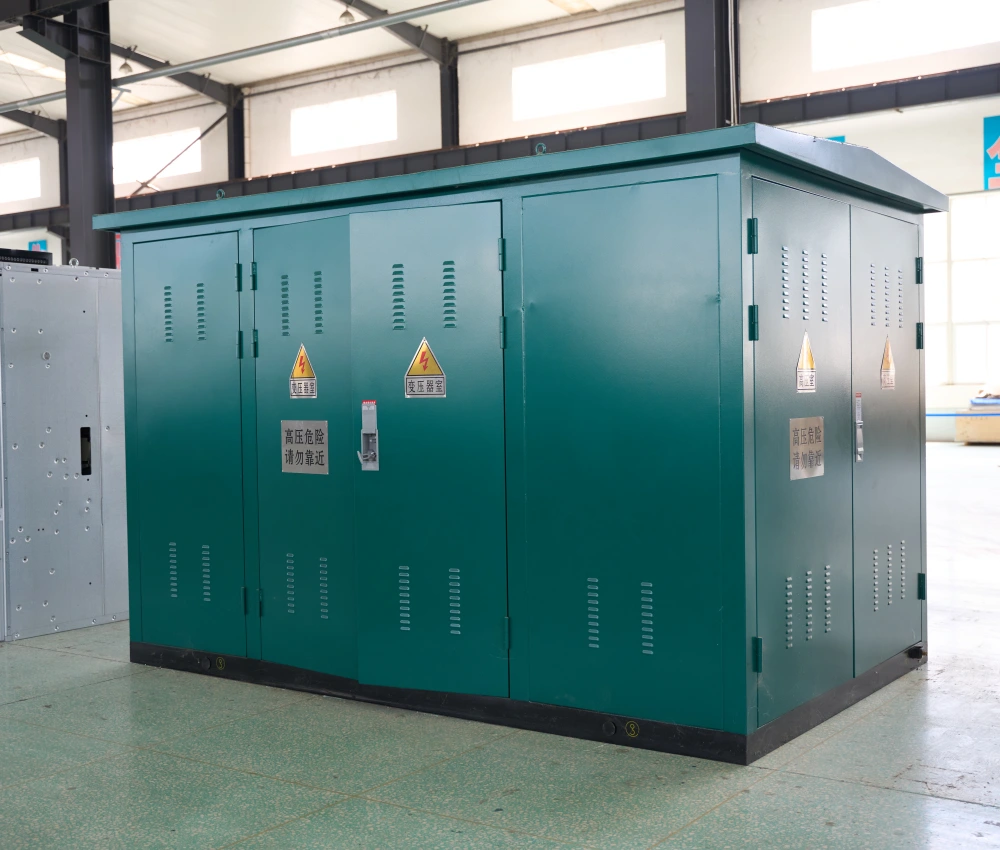
11kV 800kVA Prefabricated Compact Substation
The 11kV 800kVA Prefabricated Compact Substation is an advanced integrated power distribution system designed to provide safe, efficient, and reliable medium-voltage to low-voltage energy transformation for industrial, commercial, and infrastructure applications. The substation integrates 11kV medium-voltage switchgear, an 800kVA distribution transformer, low-voltage distribution equipment, and intelligent protection systems into a compact outdoor enclosure, significantly reducing installation space and on-site construction requirements. Built for continuous operation in demanding environments, the compact substation features a durable weather-resistant enclosure, optimized thermal ventilation structure, high-performance insulation system, and reinforced electrical safety protection. Its modular architecture simplifies transportation, accelerates installation, and minimizes maintenance complexity while ensuring stable long-term operational performance. The 11kV 800kVA compact transformer substation is suitable for utility distribution systems, renewable energy integration, manufacturing facilities, commercial complexes, and urban electrical infrastructure projects. With optional intelligent monitoring and remote communication functions, the substation supports modern smart-grid applications and improves operational efficiency across distributed power networks.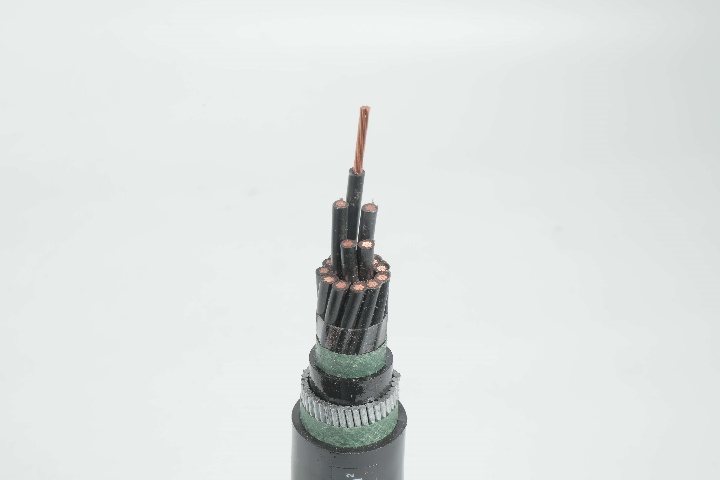
YY Control Cable (YSLY / HSLH) - 300/500V PVC & LSZH Flexible Control Cable
The YY Control Cable (YSLY / HSLH) is a highly flexible multi-core control cable designed for industrial automation, machinery, and building management systems. It features finely stranded copper conductors with PVC or halogen-free (LSZH) insulation, twisted cores, and a durable PVC or low-smoke zero-halogen outer sheath. Available in both standard PVC (YSLY) and flame-retardant low-smoke (HSLH) versions, this cable offers excellent flexibility, oil resistance, and reliable signal transmission. Rated 300/500V, it is suitable for indoor and protected outdoor installations. The YY Control Cable (YSLY / HSLH) undergoes strict quality testing from raw materials to finished product, ensuring consistent electrical performance, mechanical strength, and safety compliance with IEC 60227 and related standards.
Prefabricated Switchgear Substation
The Prefabricated Switchgear Substation is an integrated medium-voltage power distribution system designed to provide safe, efficient, and intelligent electrical control for utility networks, industrial facilities, renewable energy projects, and commercial infrastructure. The system combines medium-voltage switchgear, transformer equipment, low-voltage distribution units, and advanced protection systems within a compact prefabricated enclosure, significantly reducing installation time and civil construction requirements. Manufactured using high-strength corrosion-resistant materials and advanced insulation technology, the switchgear substation delivers stable outdoor operation under harsh environmental conditions including high humidity, dust exposure, temperature fluctuations, and coastal environments. Its modular architecture improves operational flexibility, maintenance accessibility, and transportation efficiency while supporting scalable electrical distribution requirements. The Prefabricated Switchgear Substation supports multiple voltage classes, intelligent monitoring functions, and customized protection configurations for modern smart-grid applications. The compact design optimizes installation space while ensuring reliable medium-voltage switching, power distribution stability, and enhanced operational safety for industrial, utility, and infrastructure projects.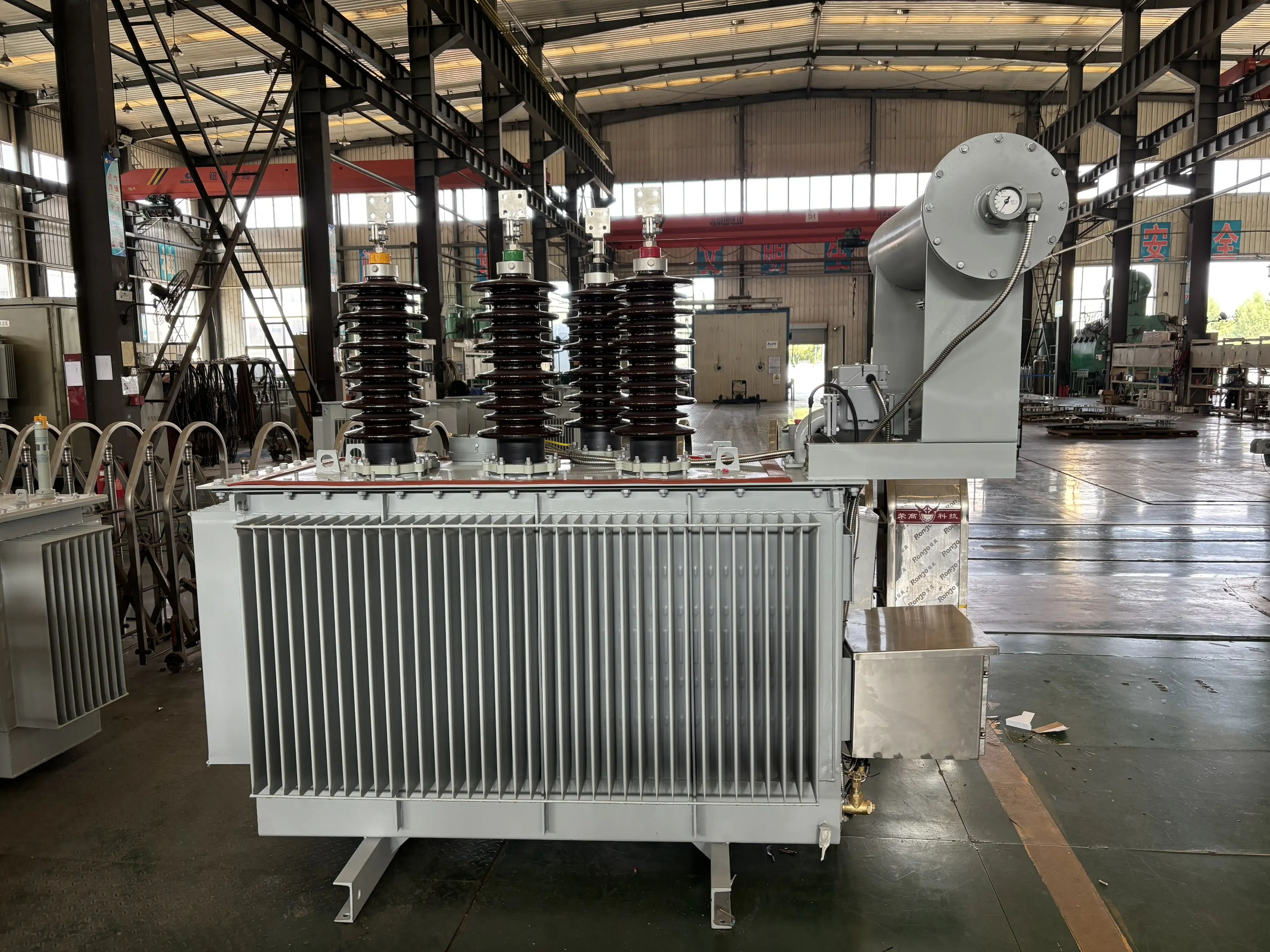
11kV 1500kVA Zigzag Wiring Earthing Transformer with NGR High Impedance
11kV 1500kVA Zigzag Wiring Earthing Transformer with NGR (High Impedance) is designed to provide a reliable artificial neutral point for medium-voltage power systems where controlled earth fault current is required. Utilizing a zigzag winding configuration, the transformer offers low zero-sequence impedance while maintaining balanced operation during normal conditions. The integrated high-impedance Neutral Grounding Resistor (NGR) effectively limits ground fault current, reducing thermal and mechanical stress on network equipment. This transformer is engineered for stable performance, high fault withstand capability, and long operational life. The robust insulation system and reinforced windings ensure safe operation under fault conditions, while the optimized core design minimizes losses.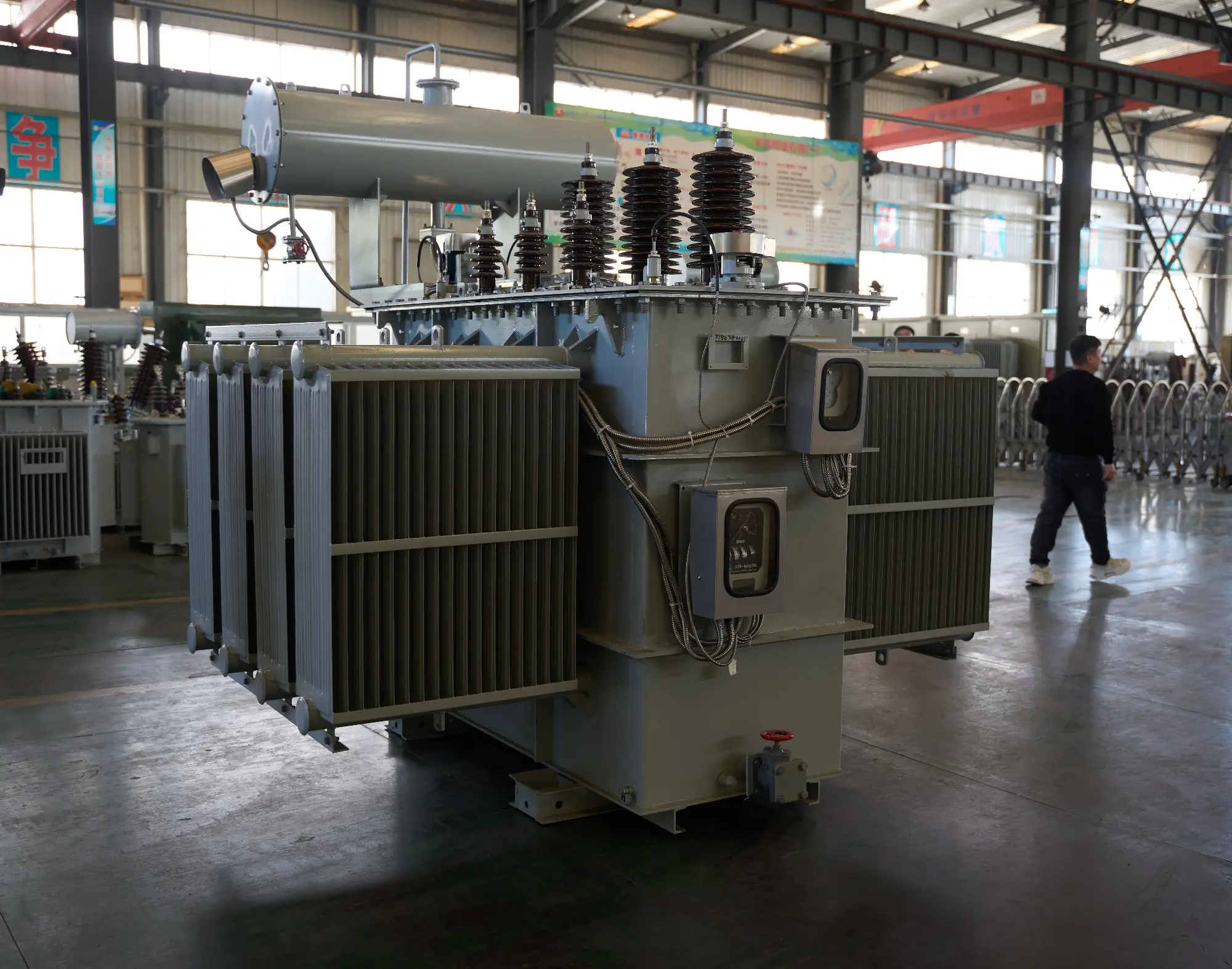
35kV 46kV Power Transformer
NPC ELECTRIC's 35kV and 46kV power(electrical) transformer complies with international standards such as IEC and ANSI, and features high efficiency, low loss, and strong insulation. This product is widely used in power grid main transformers, power plants, industrial and mining enterprises, and large infrastructure projects. Key features include mineral oil or FR3 natural ester insulation (ONAN/ONAF/ODAF cooling options), copper or aluminum windings, primary voltages 35kV or 46kV (grounded wye or delta, with dual-voltage configurations), secondary voltages 6.6kV, 11kV, 13.8kV, 33kV, or custom (e.g., 13.8kV/480V or 35kV/11kV), BIL ratings 200–650kV depending on voltage class, impedance typically 8–12%, ±2×2.5% or ±5% off-load tap changer (OLTC optional), conservator tank or sealed tank design, Buchholz relay, pressure relief device, oil temperature gauges, winding temperature indicators, and ANSI 61 gray or custom tank finish.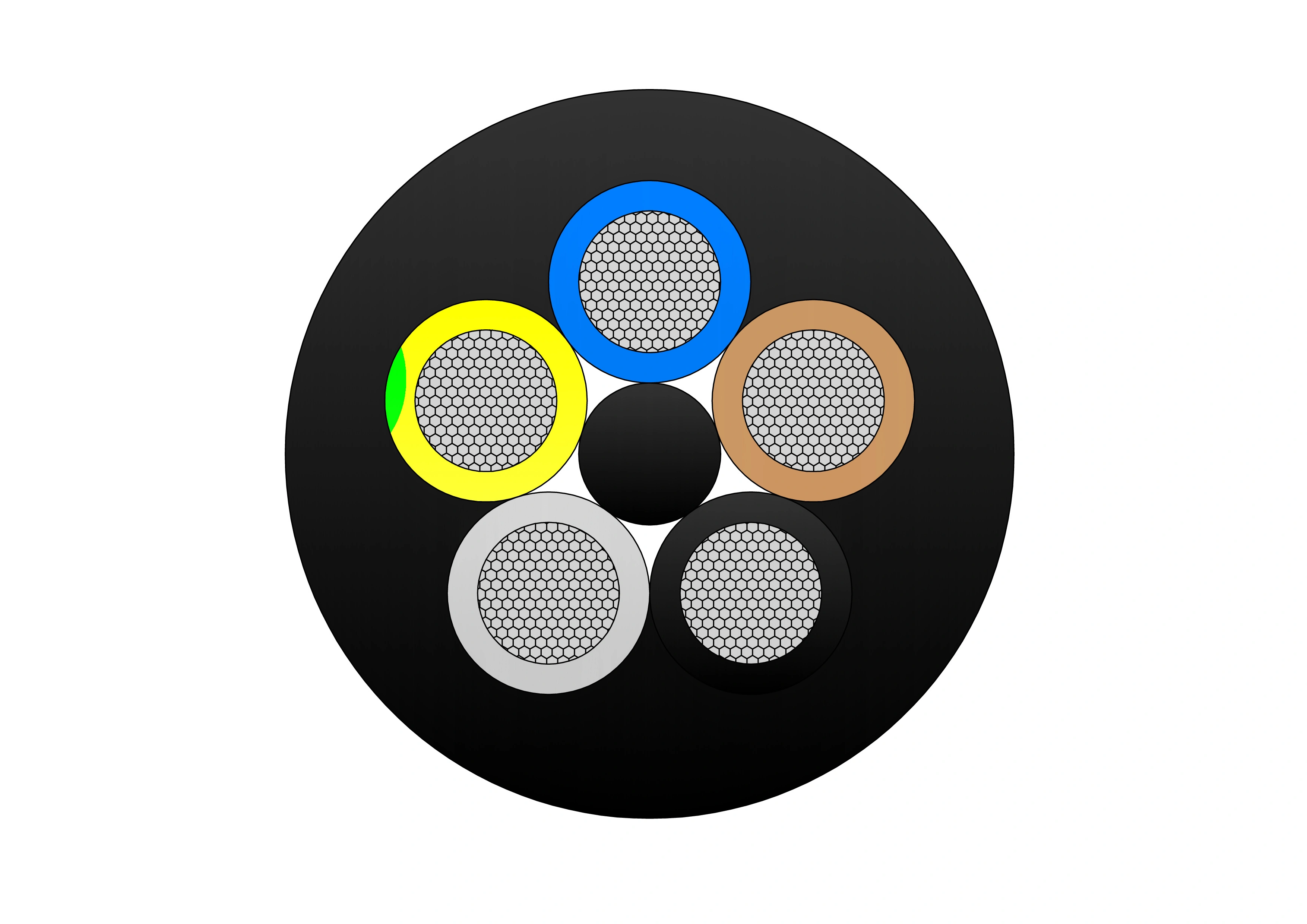
(N)TSCGECECWOU 3.6/6kV and 6/10kV ZH Cable
The (N)TSCGECECWOU is a flexible medium voltage reeling and trailing cable manufactured in compliance with DIN VDE 0250 standards. Designed for demanding mining, tunneling, and heavy industrial applications, it offers exceptional mechanical strength, flexibility, fire safety, and electromagnetic compatibility (EMC). The cable features EPR insulation, low smoke zero halogen (LSZH) inner sheath, halogen-free polyurethane (PUR) outer sheath, and a copper wire braid with concentric conductor for enhanced shielding and durability. Its design ensures reliable performance in environments requiring fire safety, oil resistance, and high torsional strength.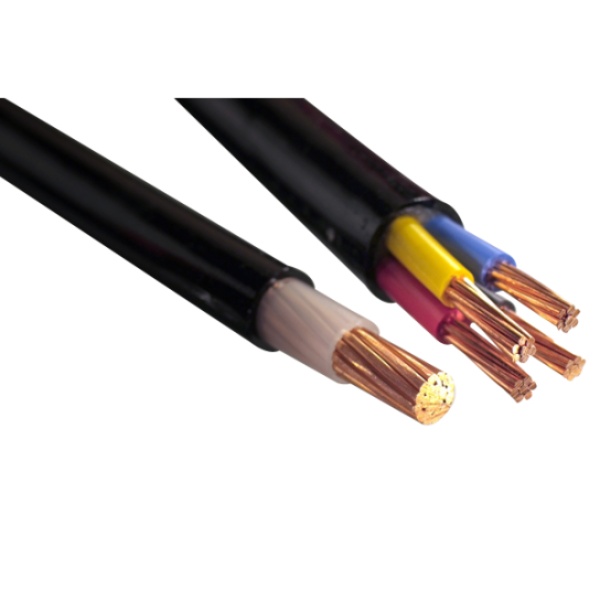
600/1000V XLPE Insulated Low Voltage Power Cable to IEC 60502-1 Standard
The 600/1000V XLPE Insulated Low Voltage Power Cable manufactured to IEC 60502-1 is engineered to provide dependable power transmission in demanding electrical installations. High-purity conductors combined with XLPE insulation deliver excellent electrical stability, high current capacity, and resistance to thermal aging. XLPE insulation allows higher operating temperatures and improved mechanical strength, ensuring long-term performance under continuous service conditions. Rated for 600/1000V systems, this cable supports safe and efficient power distribution in fixed installations. Compliance with IEC 60502-1 ensures the cable meets international standards for design, testing, and operational safety. Its robust construction makes it suitable for indoor, outdoor, and underground applications where durability and reliability are essential.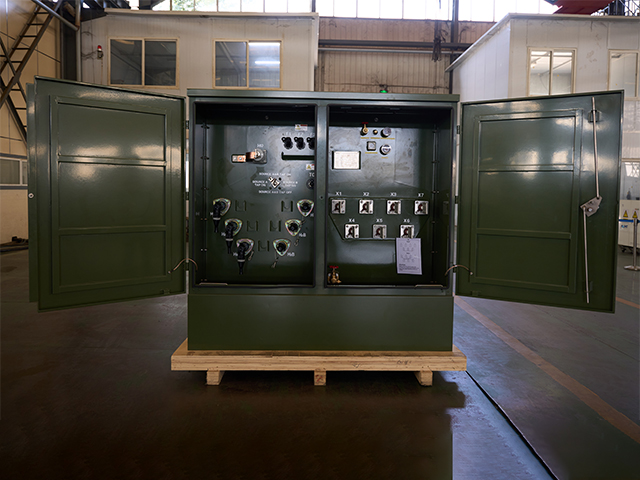
1500kVA Three Phase Pad Mounted Transformer
NPC ELECTRIC's 1500kVA Three Phase Pad Mounted transformer is designed with high-quality silicon steel sheets and insulating oil, in compliance with international standards such as IEC and ANSI, ensuring efficient and stable operation. It is suitable for a variety of scenarios such as urban power distribution, residential areas, commercial parks and industrial facilities. Whether it is ring network power supply or radial power supply, it can be flexibly applied to help achieve efficient and intelligent power transmission and distribution solutions.
Variable Frequency Drive (VFD) EMC 2YSL(st)CY Cable
The Variable Frequency Drive (VFD) EMC 2YSL(st)CY Cable is a flexible, low-voltage power and control cable designed for use with frequency-controlled drives. Built to DIN VDE 0250 standards, it features low capacitance, enhanced EMC shielding with aluminium-foil and tinned copper braid, and PVC outer sheath for durability. It provides excellent electromagnetic compatibility, oil and grease resistance, and reliable performance under medium mechanical stress. Ideal for connecting motors to inverters, this cable supports fixed and temporary installations in both indoor and outdoor environments (excluding direct burial).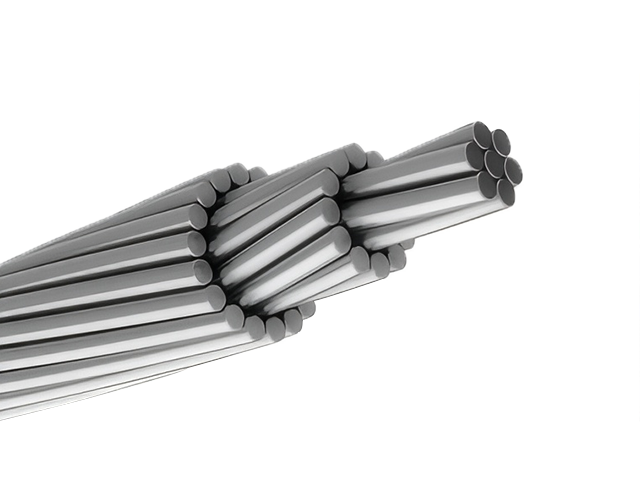
266.8 MCM Waxwing ACSR Conductor Cable
The Waxwing ACSR Conductor Cable is engineered for demanding overhead transmission, with 266.8 MCM size and 18/1 stranding configuration. High-purity aluminum (1350-H19) surrounds a galvanized steel core, offering a DC resistance of 0.0643 Ω/MFT and ampacity up to 340A. Adhering to ASTM B230 for aluminum and B232 for assembly, it provides excellent corrosion resistance and mechanical integrity for spans up to 300m. The steel core minimizes sag under heavy loads, while aluminum ensures high conductivity (61.5% IACS) and lightweight design for easier installation. Suitable for distribution voltages up to 138kV, the Waxwing ACSR Conductor Cable reduces line losses and withstands extreme weather, including ice loads up to 1/2 inch. Its economical profile makes it a staple for utility expansions, renewable connections, and grid modernization, delivering consistent power with high weather tolerance and minimal maintenance in global overhead networks.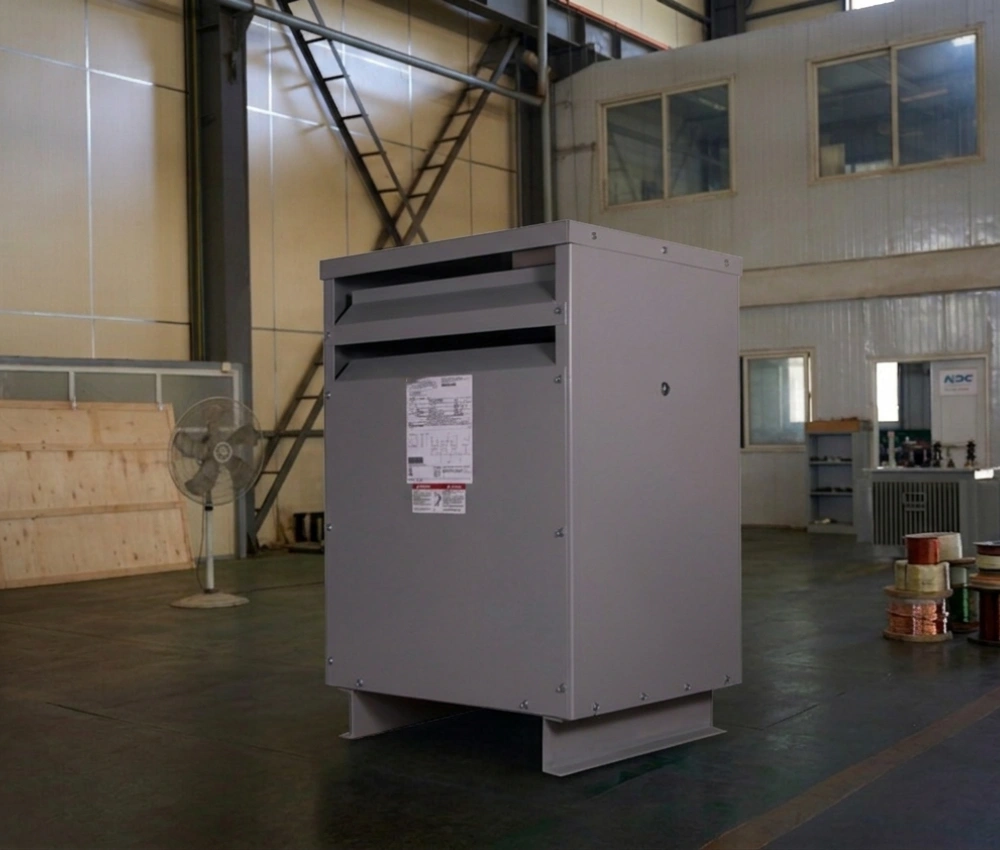
Drive Isolation Transformer
The Drive Isolation Transformer is a specialized transformer engineered to provide electrical isolation, voltage transformation, harmonic mitigation, and enhanced power quality for variable frequency drives (VFDs), motor control systems, and industrial automation applications. Installed between the utility power source and drive equipment, the transformer protects sensitive drive electronics from electrical disturbances while reducing the impact of harmonics generated by inverter-based systems. This improves system reliability, extends equipment lifespan, and enhances operational stability in demanding industrial environments. Manufactured using premium-grade silicon steel cores, high-conductivity windings, and advanced insulation systems, the drive isolation transformer delivers exceptional efficiency, thermal performance, and voltage regulation. The transformer effectively isolates common-mode noise, suppresses transient voltage spikes, reduces grounding issues, and minimizes electromagnetic interference within industrial electrical networks. The Drive Isolation Transformer supports both low-voltage and medium-voltage drive systems and can be customized for harmonic reduction, phase shifting, multi-pulse drive configurations, and renewable energy applications. Its rugged construction and intelligent monitoring capabilities make it an ideal solution for modern industrial power systems requiring reliable motor control and superior electrical protection.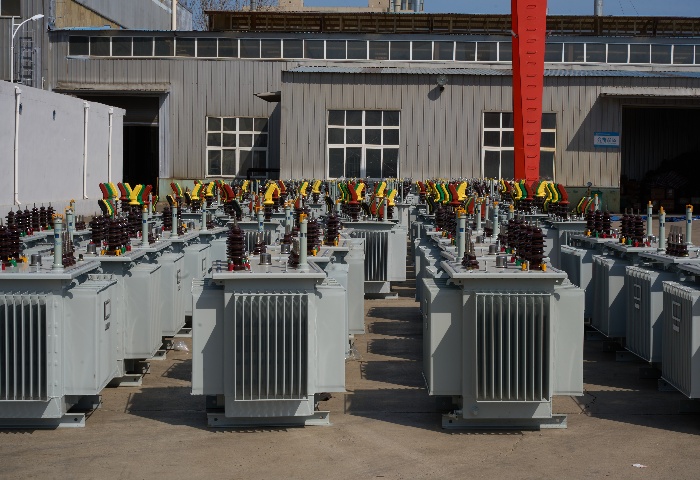
75kVA Oil Immersed Transformer
75kVA oil-immersed transformer is an efficient and reliable power conversion device, which is widely used in power distribution systems in industrial, commercial, and construction sites. The transformer adopts oil-immersed cooling technology, has good heat dissipation performance, and can work continuously and stably under high load conditions. The 75kVA oil-immersed transformer also has complete protection functions, including overload protection, short-circuit protection, and temperature monitoring, to ensure the safety and stability of the equipment during operation.
630kVA Oil Immersed Transformer
NPC ELECTRIC’S 630kVA oil-immersed transformer adopts a high-efficiency and energy-saving design, complies with the IEC 60076 international standard, and ensures stable operation and long life. Its high-quality silicon steel core and high-performance insulating oil provide excellent electrical performance and heat dissipation capabilities. ONAN cooling, aluminum or copper windings, high-voltage 34.5kV / 24.94kV / 13.8kV / 12.47kV / 4.16kV (delta or wye), low-voltage 480Y/277V, 208Y/120V, 600Y/347V or custom, ±2×2.5% HV taps.Welcome your inquiry
Honesty, Integrity, Frugality, Activeness and Passion