
Galvanized Steel Wire (GSW) Cable: Applications, Benefits, and Key Features Explained
2025-12-03
Galvanized Steel Wire (GSW) Cable is an essential component used in various electrical and telecommunication applications. It consists of a steel core that is coated with a layer of zinc to enhance its corrosion resistance and provide long-lasting durability. The zinc-coated steel wire, in particular, offers significant improvements in both the strength and longevity of electrical transmission and distribution systems.
GSW cables are commonly used in overhead lines, ground wires, stay wires, and guy wires. These wires are particularly vital in overhead ground systems, transmission lines, and steel core cables for power and communication. As wire and cable manufacturers continue to innovate in materials, GSW cable offers a cost-effective and reliable solution for modern electrical grids and infrastructure.
1. Key Features and Benefits of GSW Cable
a. High Strength and Durability
One of the most significant advantages of GSW galvanized steel wire is its high strength. The steel core provides the necessary tensile strength required for overhead line applications, including transmission lines and high-voltage systems. This makes GSW cable ideal for long-distance power transmission and supporting heavy electrical loads.
The zinc coating also helps prevent corrosion, which can significantly reduce the lifespan of wires in outdoor environments. The galvanized steel wire strand is known for its robustness against environmental factors such as UV radiation, wind, and rain, ensuring that the cables last longer with minimal maintenance.
b. Corrosion Resistance
The corrosion resistance of GSW cables is a key feature that makes them stand out in industries where exposure to moisture, chemicals, or pollutants is common. Galvanized steel wire strands are coated with zinc, which forms a protective barrier against rust and corrosion. This makes them particularly suitable for outdoor applications, where environmental exposure is inevitable.
GSW cables are compliant with IEC 61089 standards, which ensures that these cables maintain their durability and performance even in the harshest environments. The corrosion-resistant properties of these cables make them a preferred choice for use in overhead ground and transmission lines, where longevity is a key factor.
c. Compliance with Industry Standards
GSW cables are designed to meet various industry standards, such as BS 183 and IEC 61089, which regulate the mechanical properties, corrosion resistance, and insulation characteristics of wires and cables used in electrical systems. These standards ensure that GSW cables perform reliably and efficiently under different conditions.
The zinc-coated wires used in GSW cables also adhere to BS 183 standards, ensuring that the diameter and strength of the wire meet the necessary requirements for heavy-duty applications like overhead lines and transmission lines.
2. Applications of GSW Cable
a. Overhead Ground and Stay Wires
GSW cables are widely used as overhead ground wires and stay wires in transmission line installations. These cables provide grounding for electrical systems and ensure the safety of both the infrastructure and the environment. In case of a fault in the system, the ground wire directs excess electrical current to the ground, preventing damage to equipment and reducing the risk of fires.
Stay wires are used to support transmission towers, providing additional strength to the structural framework of the power grid. The high strength of GSW cables makes them an ideal choice for these critical applications.
b. Transmission Lines and Guy Wires
GSW galvanized steel wire is also a key component in transmission lines, where it acts as a guy wire to stabilize transmission towers and ensure the proper tension and alignment of the power lines. Guy wires are essential for maintaining the structural integrity of transmission towers, especially in areas prone to high winds or heavy snow.
By using galvanized steel wire strands, these guy wires are resistant to corrosion, ensuring they perform effectively in demanding conditions. They can withstand high tensile stress without breaking, making them an integral part of high-voltage power transmission lines.
c. Grounding Systems for Power Distribution
GSW cables play a crucial role in the grounding systems of power distribution lines. These cables provide a reliable pathway for electrical currents to flow safely to the ground in the event of an overload or fault in the system. Grounding is a critical safety measure that protects both equipment and individuals working with electrical systems.
The steel core provides the necessary tensile strength to maintain the stability of grounding systems over time, while the zinc coating helps prevent corrosion, ensuring the long-term effectiveness of the grounding system.
3. Advantages of GSW Cables Over Other Types of Cables
a. Cost-Effectiveness
While GSW cables are more expensive than some alternatives, they offer a significant return on investment over time. Their high strength and corrosion resistance reduce the need for frequent maintenance and replacement, making them more cost-effective in the long run. This is especially true for outdoor applications where exposure to the elements is a concern.
b. Eco-Friendly and Sustainable
GSW cables are considered environmentally friendly due to their corrosion-resistant zinc coating. Unlike other types of cables that may require chemical treatments or additional coatings, zinc-coated cables are durable, sustainable, and require less frequent replacements. This contributes to the environmentally friendly nature of GSW cables, making them an excellent choice for eco-conscious projects.
c. Better Performance in Harsh Environments
Oil-immersed transformers and other cables may suffer from degradation over time in harsh environments, but GSW cables excel in extreme weather conditions. Whether in coastal areas exposed to saltwater, high altitudes, or regions with fluctuating temperatures, the corrosion resistance and high tensile strength of GSW cables make them ideal for use in these conditions.
4. Conclusion
Galvanized Steel Wire (GSW) Cables are a critical component in the design and construction of modern electrical power systems. Their high strength, corrosion resistance, and compliance with industry standards make them a reliable and cost-effective choice for a wide range of electrical transmission lines, distribution lines, and grounding systems.
From overhead ground wires to guy wires and stay wires, GSW cables provide the structural support and safety necessary for power systems to operate efficiently and safely. Their environmentally friendly properties and long-term durability make them an essential part of any modern electrical grid.
By choosing GSW cables for your power systems, you're investing in a solution that offers reliability, longevity, and cost-effectiveness for years to come.
5. FAQ
1. What is Galvanized Steel Wire (GSW) Cable?
Answer:
Galvanized Steel Wire (GSW) Cable is a type of wire made from steel coated with a layer of zinc. This coating provides excellent corrosion resistance, making it ideal for overhead lines, transmission lines, and ground wires in outdoor applications. GSW cables are often used in power systems for high strength and durability.
2. What are the primary applications of GSW cables?
Answer:
GSW cables are commonly used in overhead power lines, stay wires, guy wires, and grounding systems for both transmission lines and distribution networks. Their corrosion resistance and high tensile strength make them suitable for outdoor applications in harsh environments, such as coastal areas or regions with extreme weather conditions.
3. How does the zinc coating on GSW cables protect them?
Answer:
The zinc coating on GSW cables acts as a protective barrier that prevents rust and corrosion from damaging the steel wire. This makes them highly suitable for outdoor installations, as the coating helps extend the lifespan of the cables, even when exposed to moisture, salt, and other corrosive environmental factors.
4. What is the difference between GSW cables and traditional copper wires?
Answer:
Unlike traditional copper wires, GSW cables use steel as the core material, which gives them higher tensile strength. The zinc coating on the steel wire provides superior corrosion resistance compared to copper, making GSW cables a more cost-effective solution for overhead lines and grounding systems. Additionally, GSW cables are less prone to damage under mechanical stress.
5. What are the benefits of using GSW cables in overhead ground systems?
Answer:
GSW cables offer several key benefits in overhead ground systems, including:
-
High strength to support high-voltage transmission lines and distribution networks.
-
Corrosion resistance, making them ideal for outdoor installations where environmental exposure is high.
-
Durability with minimal maintenance requirements, reducing operational costs over time.
These attributes make GSW cables the preferred choice for stay wires, guy wires, and ground wires in power systems.
6. Are GSW cables suitable for indoor applications?
Answer:
While GSW cables are primarily designed for outdoor use due to their corrosion resistance and strength, they can also be used in indoor applications where high tensile strength and mechanical support are required, such as in building grounding systems. However, for strictly indoor uses, dry-type cables or other cable types with better insulation might be preferred.
7. How does the cost of GSW cables compare to other types of cables?
Answer:
While GSW cables may have a higher initial cost compared to some non-galvanized wires, their long lifespan, low maintenance requirements, and superior corrosion resistance make them a cost-effective choice over time. They are ideal for high-strength applications in environments where corrosion could significantly reduce the lifespan of standard wires.

Related Articles

Related Products
Step Down Dry Type Transformer
The Step Down Dry Type Transformer is a safe, efficient, oil-free electrical device designed to reduce (step down) higher incoming voltages to lower levels suitable for end-use equipment in indoor power distribution systems. This three-phase or single-phase transformer uses air (natural or forced) for cooling instead of insulating liquids, with windings typically encapsulated in epoxy resin (cast resin) or vacuum pressure impregnated for superior insulation. It features premium low-loss grain-oriented silicon steel cores and high-conductivity copper (or aluminum) windings, delivering excellent energy efficiency (often 98%+ per DOE/IEC standards), minimal no-load/load losses, low partial discharge (<10pC), and robust short-circuit withstand. Compliant with IEC 60076-11, IEEE/ANSI, and DOE efficiency requirements, step-down dry type transformers commonly handle primary voltages from 480V to 35kV+ stepping down to 208Y/120V, 400V, 0.4kV, or custom secondaries, making them ideal for modern, sustainable indoor applications.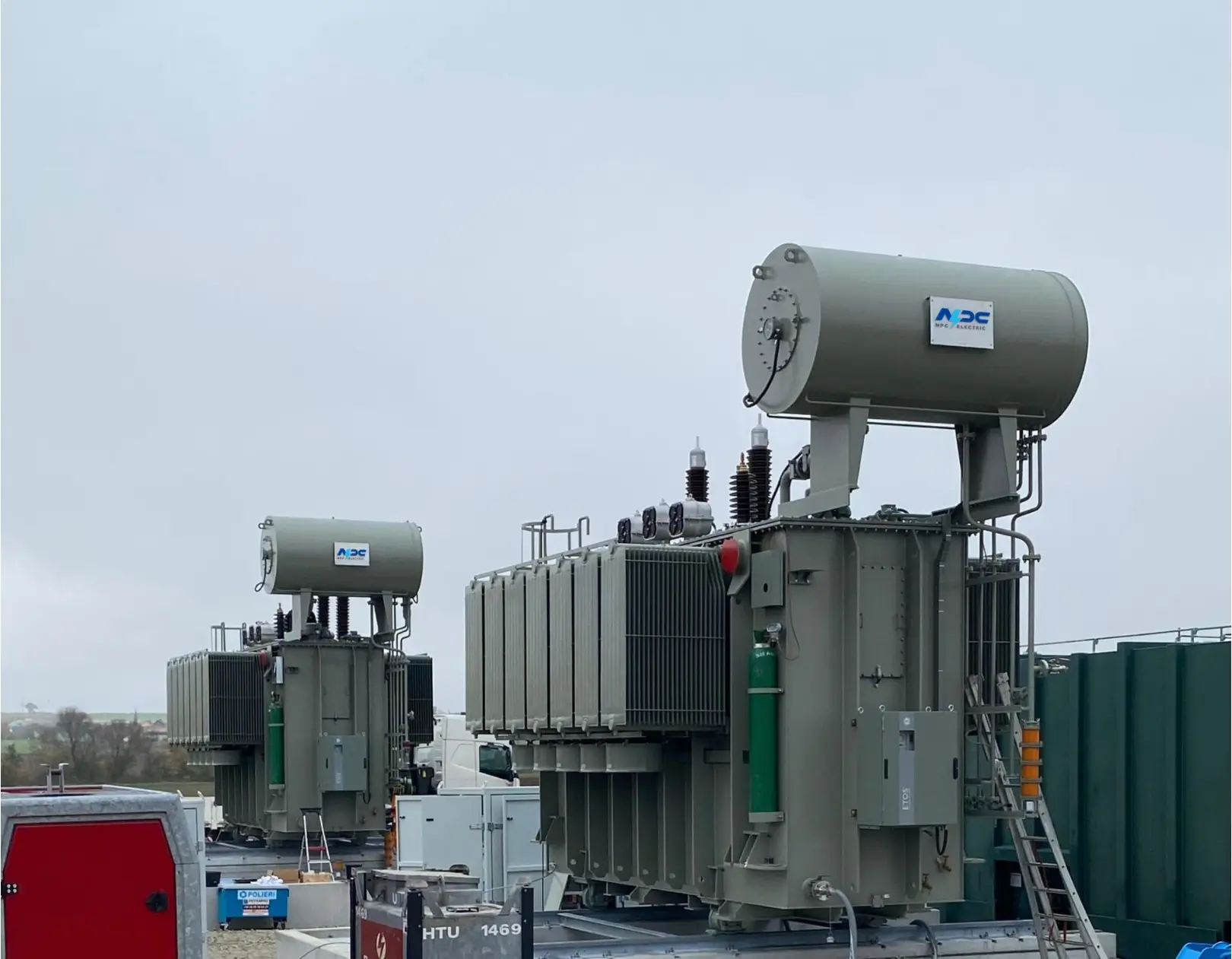
90kV Three-Phase Oil-Immersed Power Transformer
The 90kV Three-Phase Oil-Immersed Power Transformer for High-Voltage Distribution is engineered to deliver reliable and efficient performance across utility grids, industrial substations, and high-voltage transmission systems. Designed with high-grade silicon steel cores and 100% copper windings, the transformer ensures low losses, strong short-circuit resistance, and stable thermal performance. Its oil-immersed cooling structure provides superior heat dissipation, supporting continuous and heavy-duty operation. The robust tank, high-performance insulation system, and outdoor-ready protection structure enable safe operation in harsh climate conditions. Compliant with IEC, IEEE, and GB standards, the transformer offers excellent voltage stability, long service life, and high operational reliability. It is widely used in power utilities, infrastructure projects, renewable energy integration, and industrial distribution networks requiring dependable high-voltage transformation.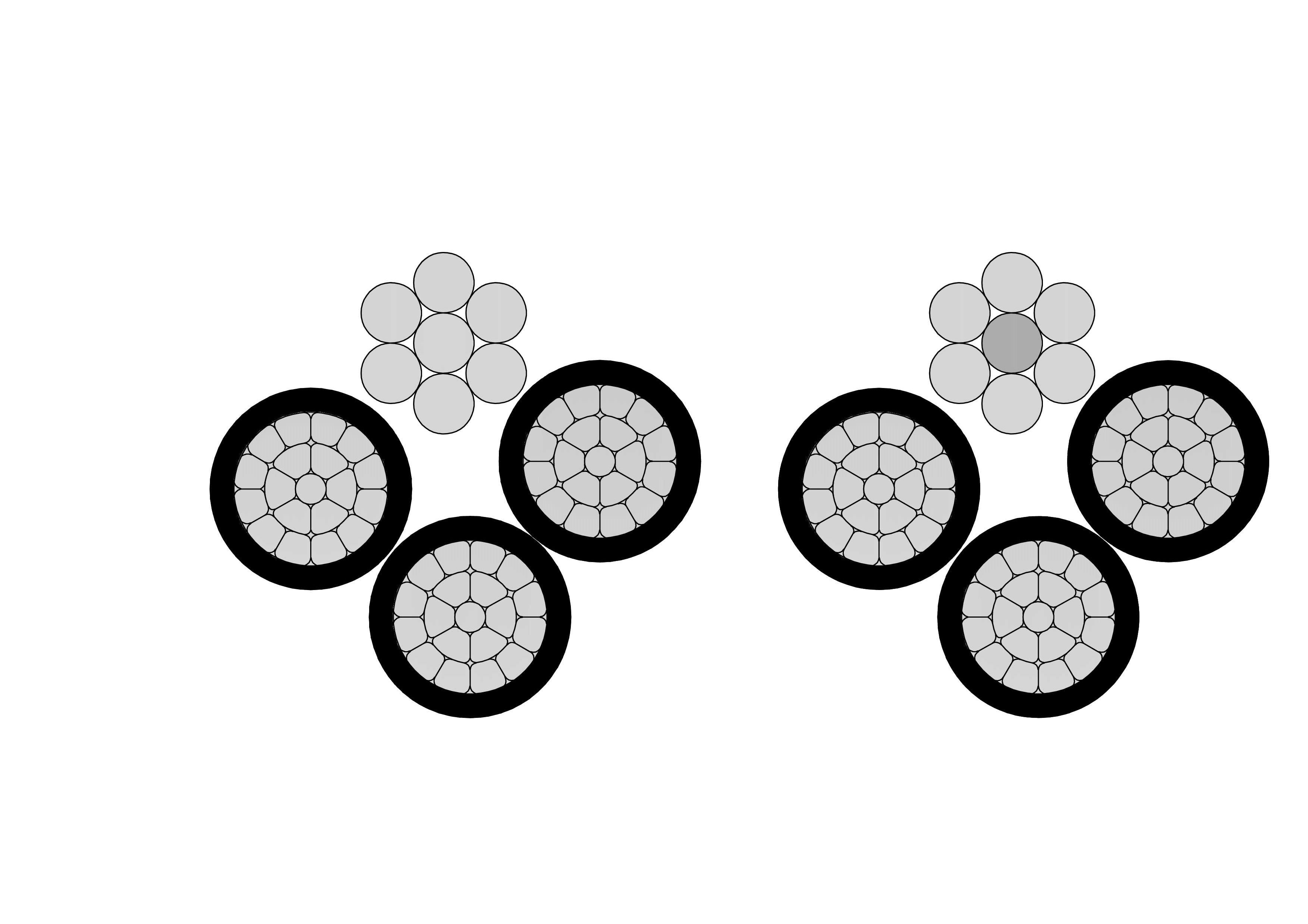
Quadruplex Cable Aluminum Conductor Overhead Service Drop Cable 600V
The Quadruplex Aluminum Overhead Service Drop Cable 600V is a reliable aerial cable for three-phase secondary power distribution with neutral. Featuring three insulated aluminum phase conductors and one neutral messenger (stranded aluminum or ACSR) with XLPE or PE insulation in quadruplex assembly, it offers excellent mechanical strength and weather resistance. Compliant with ASTM B-230, B-231, ICEA S-76-474, and ANSI/ICEA standards, this cable supports 600V applications with superior UV, moisture, and abrasion protection. The self-supporting messenger reduces sag and simplifies installation over medium spans. The Quadruplex Aluminum Overhead Service Drop Cable 600V ensures low power losses, high current capacity, and long service life in harsh outdoor conditions. Lightweight and flexible, it is widely used for three-phase service drops in residential subdivisions, commercial buildings, and rural areas requiring safe, cost-effective overhead connections from utility poles to service entrances worldwide.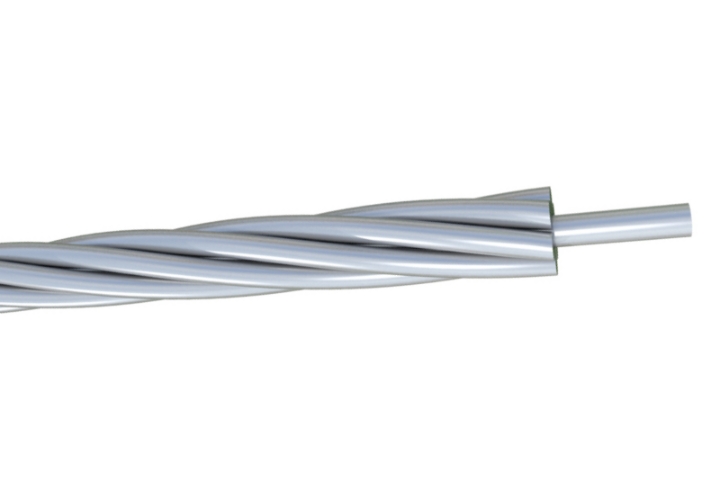
14 Gauge Galvanized Steel Conductor Wire for Power & Grounding Use
14 Gauge Galvanized Steel Conductor Wire is engineered for superior strength, durability, and corrosion resistance in demanding environments. Manufactured using premium-grade carbon steel and processed through advanced hot-dip galvanizing technology, this wire provides a uniform zinc coating that protects against rust, oxidation, and harsh weather conditions. With a precise 14 gauge diameter, the wire offers an optimal balance between flexibility and tensile strength, making it suitable for a wide range of electrical and structural applications. It is widely used in overhead power transmission, grounding systems, agricultural fencing, and industrial binding purposes. The smooth surface finish ensures easy installation while minimizing wear during handling. Designed to meet international standards such as ASTM and IEC, this conductor wire guarantees consistent performance and long service life. Customization options are available in terms of coating thickness, tensile strength, and packaging, allowing it to meet specific project requirements across various industries.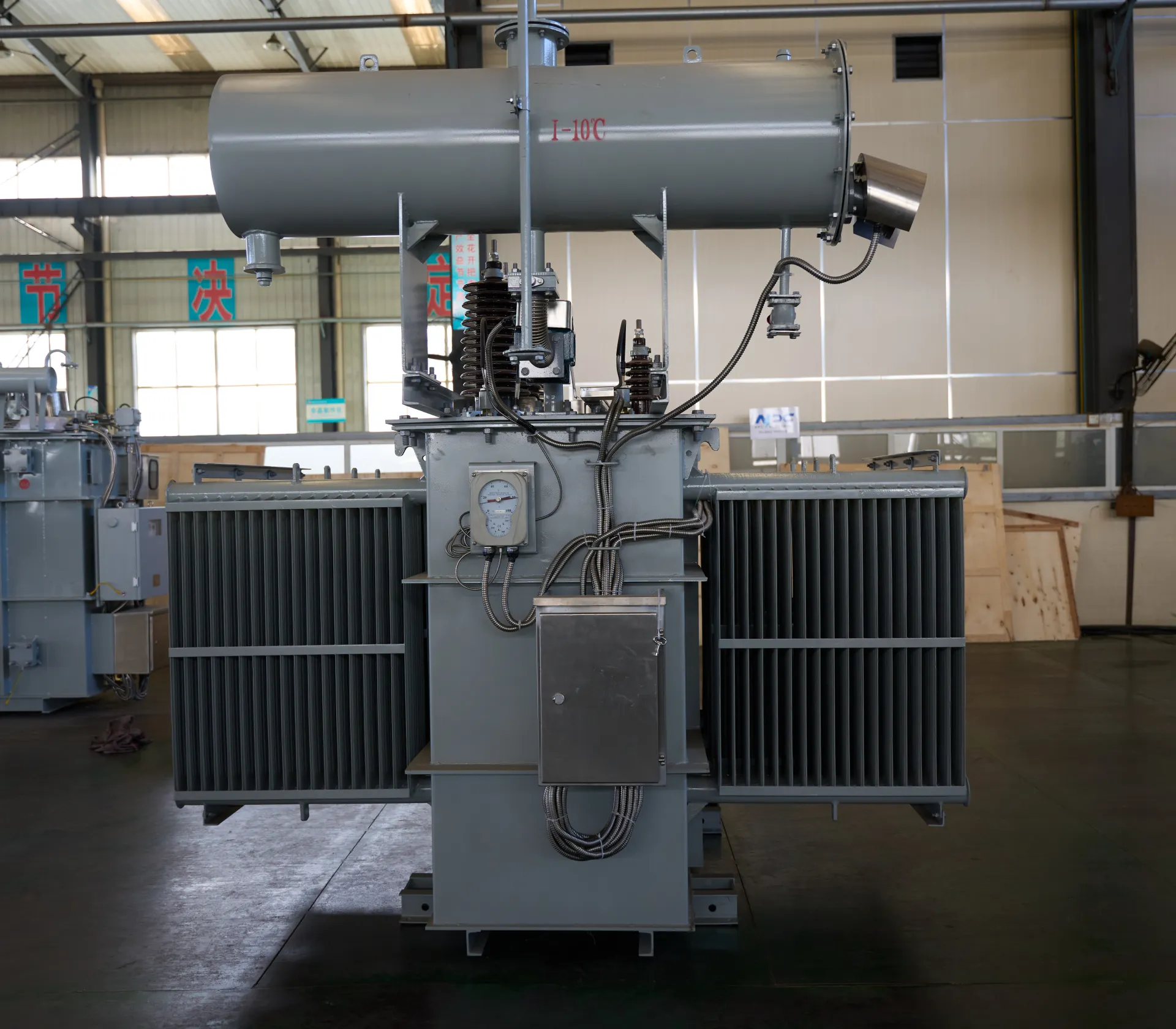
11/0.4kV 630kVA Oil-Immersed Power Transformer Distribution Type
Discover our premium 11/0.4kV 630kVA Oil-Immersed Power Transformer, engineered for superior high-efficiency distribution in modern electrical grids. This robust transformer features advanced silicon steel cores that minimize energy losses, ensuring up to 98% efficiency under full load. Ideal for urban and rural power networks, it incorporates eco-friendly insulating oil with high dielectric strength, providing reliable voltage step-down from 11kV to 0.4kV while handling demanding loads up to 630kVA. Built with corrosion-resistant tanks and precision-wound copper coils, this distribution transformer guarantees long-term durability, reduced maintenance, and compliance with international standards like IEC 60076. Whether for residential complexes, commercial facilities, or industrial applications, it optimizes power delivery, lowers operational costs, and supports sustainable energy practices. Experience unmatched performance with this high-efficiency oil-immersed transformer designed for seamless integration into your power system.2Y-high-voltage-power-cable-2.webp)
A2XS(FL)2Y HDPE High Voltage 36/60 (72.5) kV Power Cable
The A2XS(FL)2Y HDPE 36/60 (72.5) kV Power Cable is a cost-effective high-voltage cable with longitudinal water-blocking for reliable transmission and distribution at 36/60 kV rated / 72.5 kV maximum operating voltage. It includes stranded aluminium conductors for high current capacity and reduced weight, semi-conductive conductor screen, premium XLPE insulation for low dielectric losses and 90°C continuous rating (250°C short-circuit), semi-conductive insulation screen, concentric copper wire screen combined with aluminium laminated foil for longitudinal water-blocking, electromagnetic shielding, and grounding, and a high-density polyethylene (HDPE) outer sheath providing superior mechanical protection, moisture resistance, chemical stability, and UV resistance. Compliant with IEC 60840, VDE 0276-620, or equivalent standards, it offers excellent water tree resistance, high ampacity, and long service life even in wet, direct-buried, or flooded conditions. The A2XS(FL)2Y HDPE is ideal for underground HV lines, river crossings, industrial feeders, substations, and renewable energy connections where water ingress protection, efficiency, and durability are essential.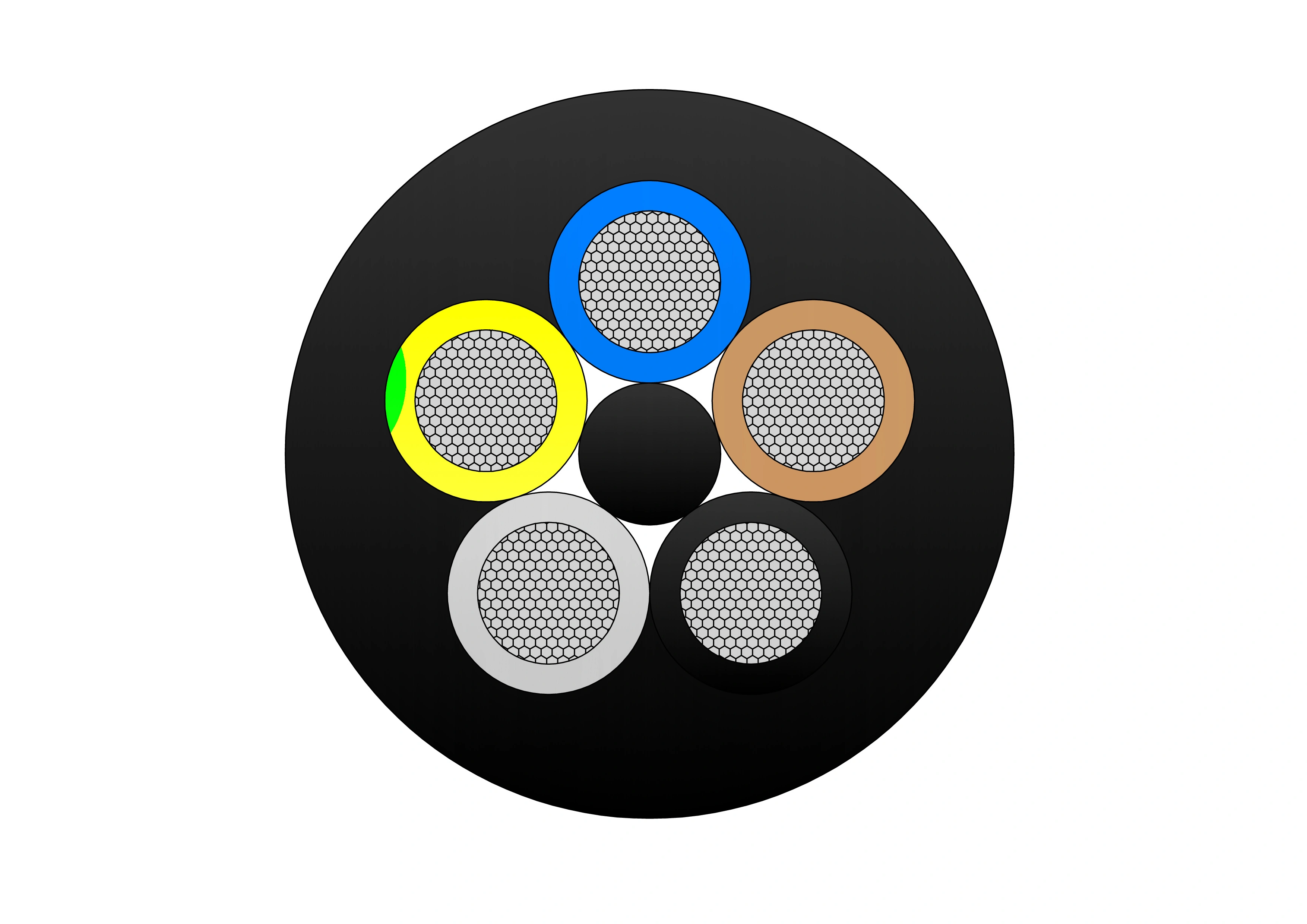
(N)TSCGEWOU 3.6/6kV, 6/10kV, 8.7/15kV and 12/20kV FO Cable
The (N)TSCGEWOU 3.6/6kV, 6/10kV, 8.7/15kV and 12/20kV FO Cable is a flexible, heavy-duty medium-voltage trailing/reeling cable with integrated fiber optic (FO) elements for combined power and high-speed data transmission in mining and tunneling. It features class 5 finely stranded tinned copper phase conductors for flexibility and corrosion resistance, semi-conductive screens, EPR insulation for superior dielectric strength and 90°C rating, copper braid screen for EMI protection and grounding, control conductors, monitoring conductor (ÜL), central or distributed multimode/single-mode fiber optic cores (protected in gel-filled tubes for water resistance and mechanical protection), and a tough rubber outer sheath resistant to oil, flame, abrasion, and mechanical stress. Compliant with DIN VDE 0250 and relevant IEC standards, it supports high tensile loads, fast reeling speeds, and tight bending radii while enabling real-time monitoring and communication. The (N)TSCGEWOU FO ensures safe, reliable MV power and data delivery to mobile equipment like shearers, tunnel boring machines, and smart conveyors in harsh underground environments.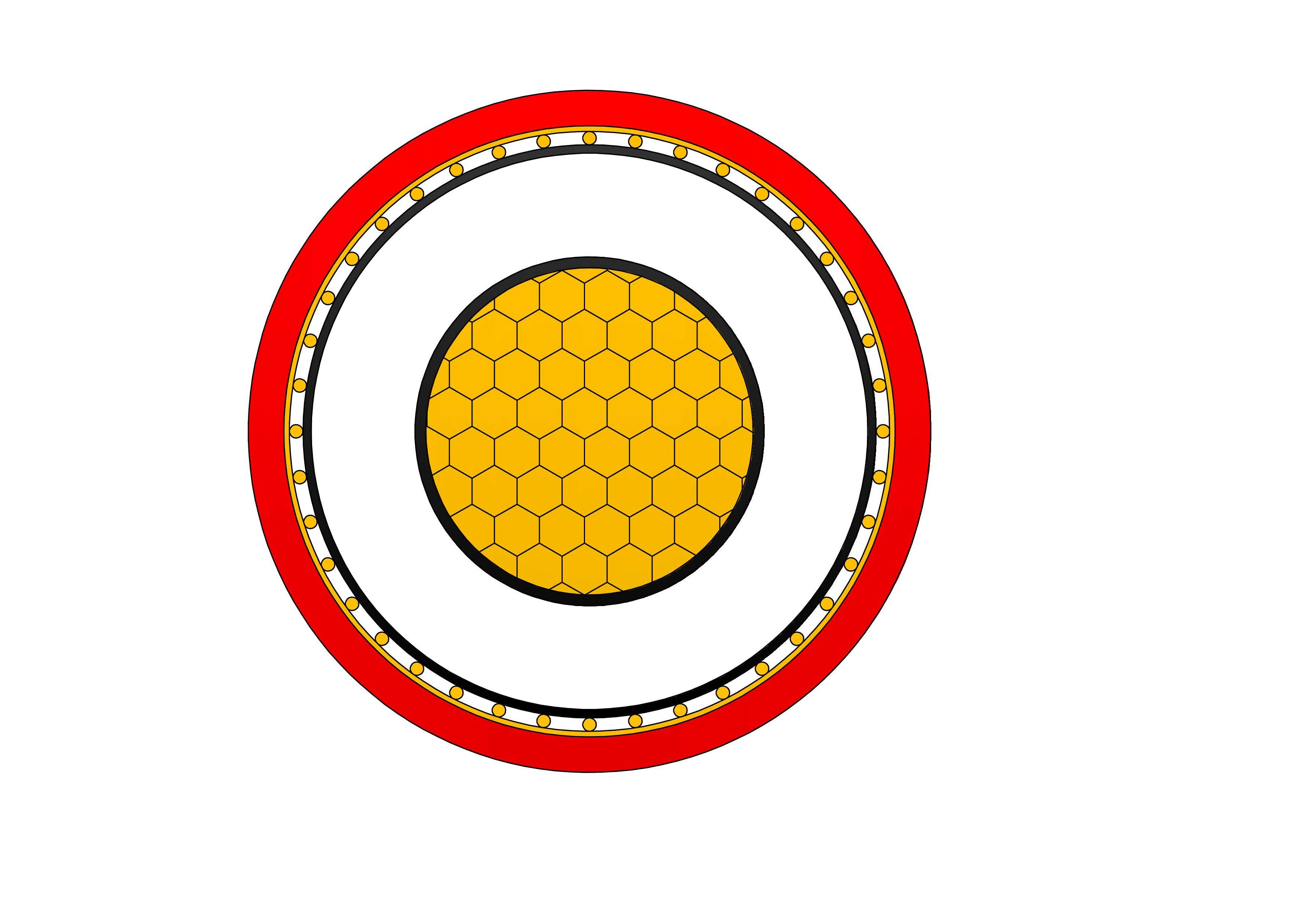
N2XSEY Medium Voltage Power Cable(6/10kV, 8.7/15KV,12/20kV, 18/30kV)
N2XSEY are medium voltage power cables with copper conductors, XLPE insulation, and PVC outer sheath, designed in accordance with VDE 0276-620 standards. Built with copper conductors, thermosetting XLPE insulation, individual metallic screens (copper tape/wire) per core, filler, and tough PVC outer sheath, it meets IEC 60502-2 requirements. Per-core screening minimizes interference and provides fault protection. Low tan delta, high breakdown strength, and excellent thermal endurance ensure efficient operation with reduced losses. PVC sheath delivers good mechanical and moisture protection for fixed installations. Optional longitudinal water-blocking enhances performance in wet conditions. Flame-retardant and durable, the N2XSEY Medium Voltage Power Cable is favored for power grids, industrial sites, renewable installations, and urban infrastructure demanding reliable three-core medium voltage cabling with superior shielding and long-term stability in buried or ducted systems.SHOUOJ-mining-cable-2.webp)
(N)SHOU O/J - 0.6/1kV Mining Cable
The (N)SHOU O/J - 0.6/1kV flexible rubber-insulated cable is engineered according to VDE 0250 standards for reliable power supply in harsh environments such as underground mining, tunneling, and heavy-duty industrial sites. Its robust construction features Class 5 flexible copper conductors, durable rubber insulation, and a heavy-duty rubber outer sheath, delivering excellent mechanical strength, oil resistance, and flame retardancy. Designed for both fixed and flexible installations, the cable operates within a wide temperature range (-40°C to +80°C fixed) and withstands short-circuit temperatures up to +250°C. It is ideal for powering mobile equipment, submersible pumps, and industrial machinery in mining operations, particularly where abrasion resistance and safety are essential.
3000kVA Three Phase Pad Mounted Transformer
NPC ELECTRIC's 3000kVA Three Phase Pad Mounted transformer complies with international standards such as IEC and IEEE. It adopts a fully sealed and fully insulated design and has excellent overload capacity and safety performance. It is widely used in industrial parks, commercial complexes, new energy power stations and other scenarios, and is suitable for outdoor ground installation. The product has a compact structure, reliable operation, and easy maintenance, making it an ideal choice for modern power distribution systems.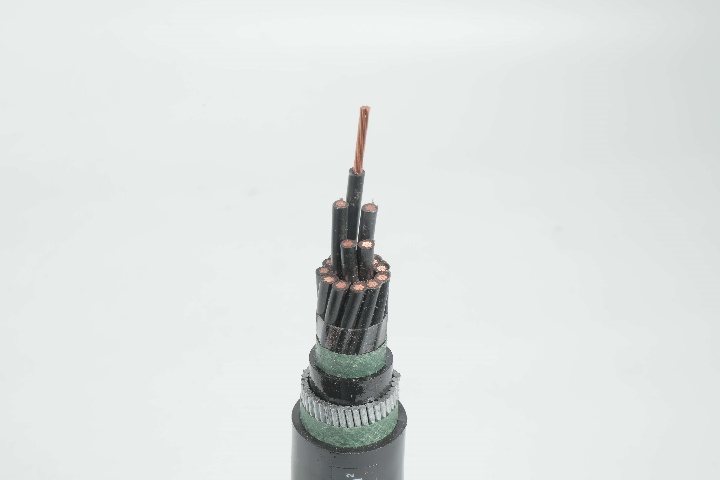
LiYCY Control Cable - Screened Flexible PVC Control Cable
The LiYCY Control Cable is a high-quality screened flexible control cable widely used in industrial automation and machinery applications. It features finely stranded copper conductors with PVC insulation, twisted cores, a tinned copper braid screen for superior electromagnetic interference (EMI) protection, and a durable PVC outer sheath. This construction provides excellent flexibility, reliable signal transmission, and effective shielding against electrical noise. Rated 300/500V, the LiYCY Control Cable is ideal for dynamic installations and environments requiring both mechanical flexibility and EMI protection. Manufactured to international standards such as VDE 0812 and IEC 60227, it undergoes rigorous quality testing from raw materials to finished product, ensuring consistent electrical performance, mechanical strength, and long-term reliability in demanding industrial control applications.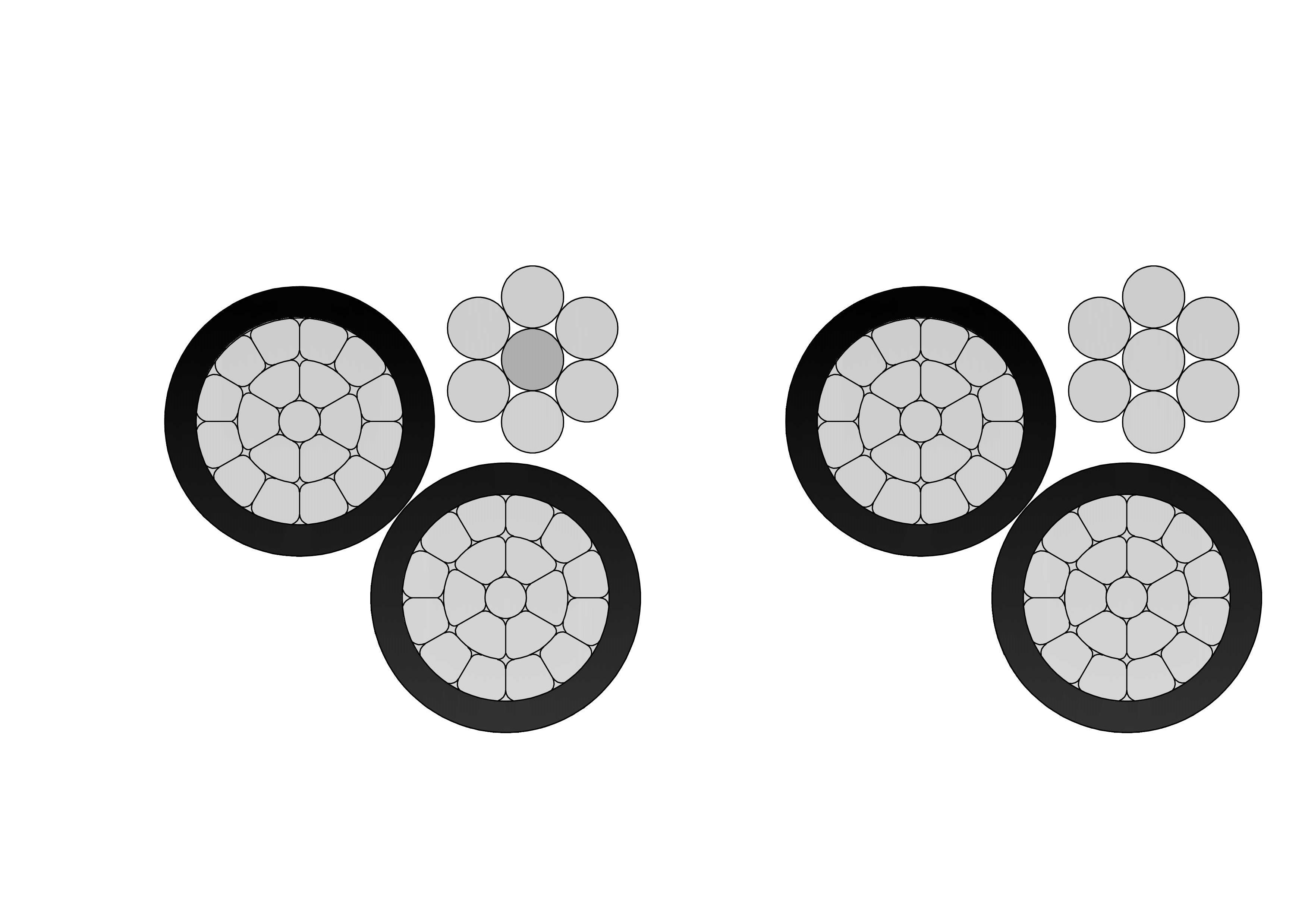
2/0 Dungeness Aluminum Conductor Triplex Overhead Service Drop Cable
The 2/0 Dungeness Aluminum Conductor Triplex Overhead Service Drop Cable is engineered to provide safe and efficient overhead power distribution. Featuring two insulated aluminum conductors and a bare aluminum neutral messenger, this cable delivers strong mechanical support and stable electrical transmission. The 2/0 Dungeness Aluminum Conductor Triplex Overhead Service Drop Cable is manufactured using premium aluminum materials and weather-resistant insulation to ensure long service life in outdoor environments. Its optimized design allows for easy installation while maintaining compliance with utility and industry standards. The cable performs reliably under mechanical stress, temperature changes, and prolonged UV exposure. Strict quality control and systematic testing procedures are applied throughout production to ensure consistent performance and dependable field operation.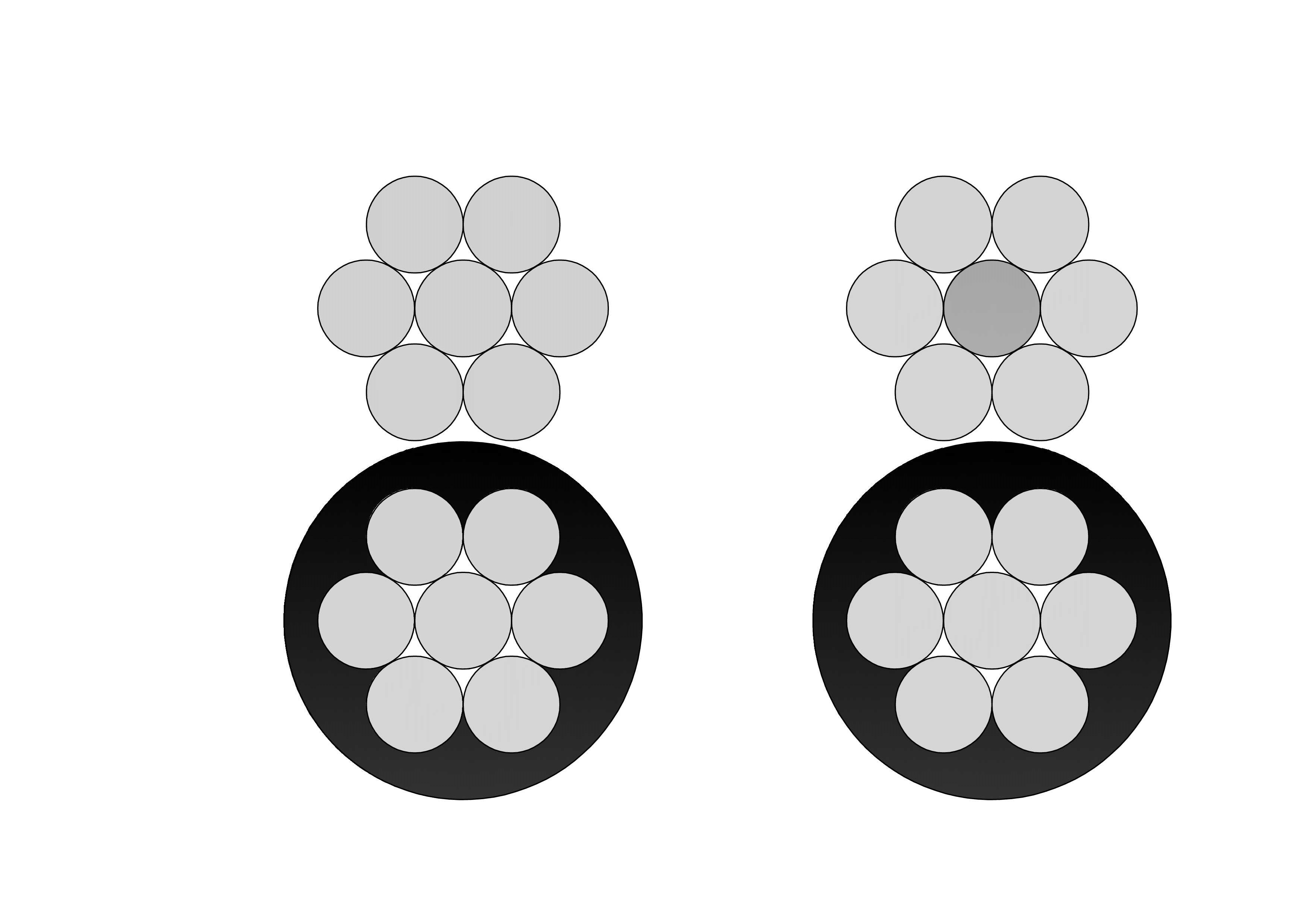
6 Collie Aluminum Conductor Duplex Overhead Service Drop Cable
The 6 Collie Aluminum Conductor Duplex Overhead Service Drop Cable is engineered for efficient and dependable power delivery in overhead secondary distribution systems. Featuring stranded aluminum conductors, the duplex configuration provides both electrical conductivity and mechanical support for service drop installations. The No. 6 Collie size is ideal for short-span service drops, delivering stable load capacity with controlled sag under varying environmental conditions. Aluminum construction reduces cable weight, simplifies handling, and enhances corrosion resistance for long-term outdoor use. Produced under strict quality management systems, the 6 Collie Aluminum Conductor Duplex Overhead Service Drop Cable meets ASTM and utility requirements, making it a trusted solution for modern overhead service connections requiring safety, durability, and consistent electrical performance.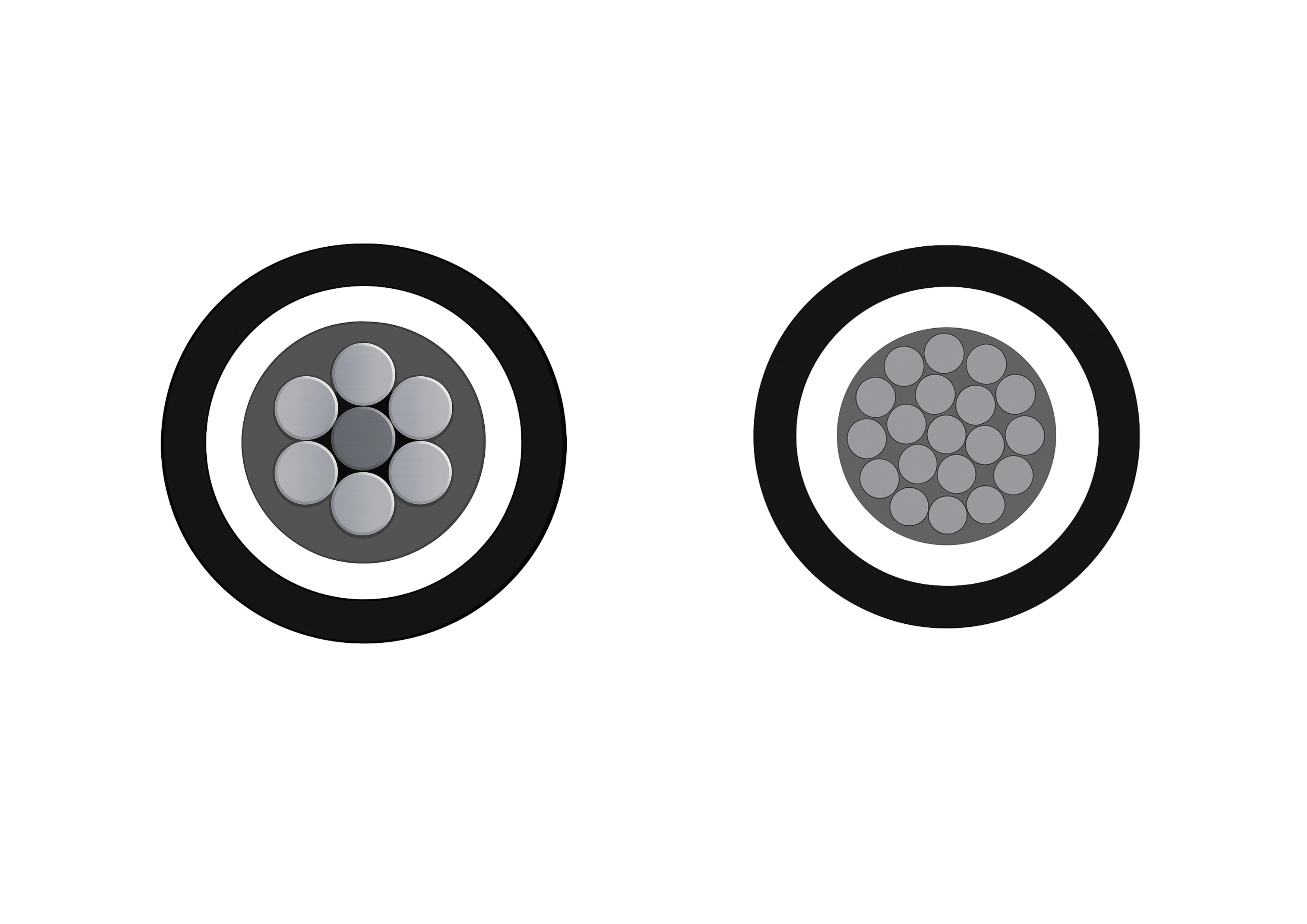
XLPE-HDPE Tree Cable Aluminum 25kV 1x70mm²
The XLPE-HDPE Tree Cable Aluminum 25kV 1x70mm² is specially designed for medium-voltage overhead distribution systems that demand higher load capacity. Its robust construction ensures outstanding performance and reliability even in harsh outdoor conditions, making it ideal for wooded areas, semi-urban environments, and locations where maintenance and tree-trimming need to be minimized. The conductor is made from high-conductivity aluminum alloy 1350 wires, round compacted with class 2 stranding, achieving a minimum conductivity of 61% IACS and a tensile strength of at least 130 MPa. Optional conductor shielding with an extruded semiconductor thermosetting compound is available for 15kV and 25kV applications, providing enhanced electrical performance. This 25kV XLPE-HDPE tree cable delivers reliable, eco-friendly power distribution with reduced maintenance needs. Its combination of high current capacity, environmental resilience, and long service life makes it a perfect solution for medium-voltage overhead networks in challenging outdoor settings.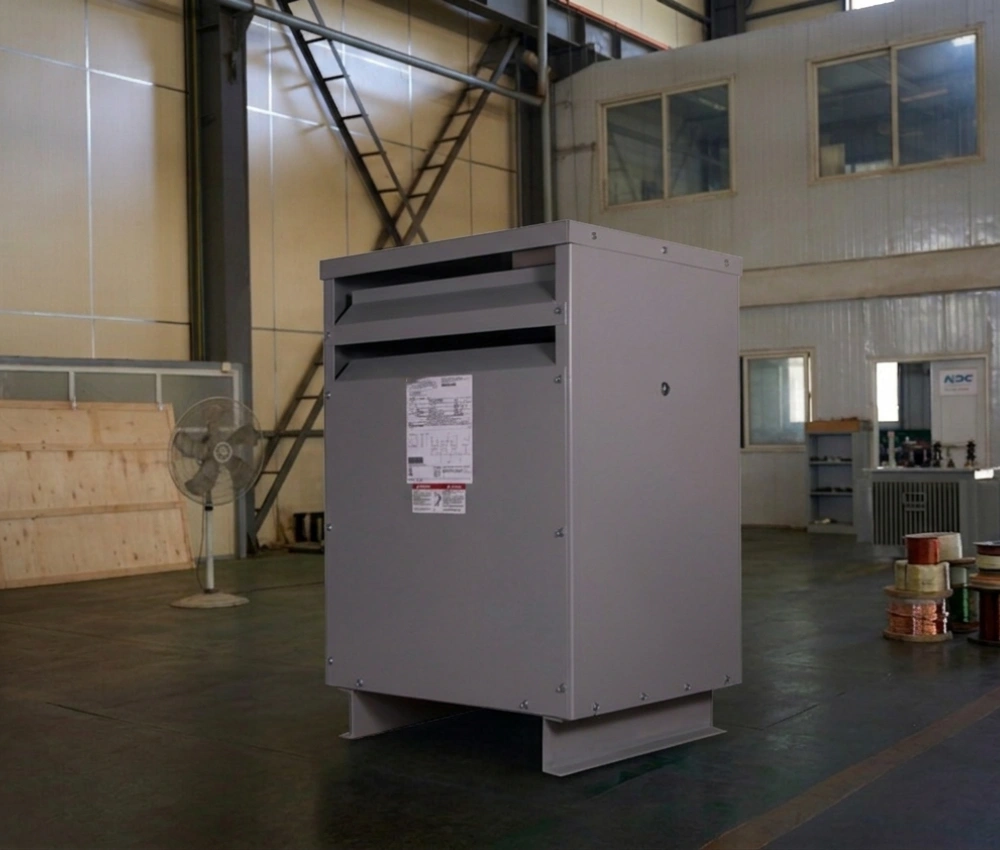
3kVA Isolation Transformer
The 3kVA Isolation Transformer is a compact and highly efficient power isolation solution engineered to provide safe and stable electrical power for sensitive equipment and critical electrical systems. By creating complete galvanic separation between the incoming and outgoing circuits, the transformer effectively eliminates electrical interference, suppresses common-mode noise, reduces transient voltage spikes, and improves overall power quality. This protective design helps prevent equipment damage caused by grounding issues, electrical disturbances, and power fluctuations. Built with premium silicon steel cores and high-conductivity copper windings, the 3kVA Isolation Transformer offers excellent voltage regulation, low operating losses, and long-term reliability. Its compact footprint makes it suitable for installations where space is limited while maintaining superior electrical performance. The transformer is widely used in industrial control panels, laboratory instruments, medical devices, testing equipment, telecommunications systems, security systems, and commercial electrical installations requiring enhanced electrical safety and power conditioning. The transformer can be supplied with customized voltage combinations, enclosure designs, monitoring functions, and protection features to satisfy a wide range of application requirements. With its robust construction and maintenance-friendly design, the 3kVA Isolation Transformer provides dependable performance for demanding power distribution and equipment protection applications.Welcome your inquiry
Honesty, Integrity, Frugality, Activeness and Passion