
How Solar Energy is Converted into Electricity: Step-by-Step Guide
2026-05-28
Solar energy has become one of the fastest-growing renewable energy sources in the global power industry. As countries seek cleaner and more sustainable energy systems, solar power plants are playing an increasingly important role in electricity generation, industrial power supply, and utility-scale grid infrastructure.
Modern solar energy systems are no longer limited to rooftop panels. Today’s solar projects involve:
- Utility-scale solar farms
- High-efficiency photovoltaic modules
- Solar transformer substations
- Smart inverters
- Battery energy storage systems
- Digital energy management platforms
Understanding how solar energy is converted into electricity is essential for engineers, project developers, industrial users, and energy investors. The conversion process involves sophisticated electrical engineering principles, semiconductor physics, power electronics, and grid integration technologies.
1. What Is Solar Energy?
Solar energy is radiant energy produced by the sun through nuclear fusion reactions. The sun continuously emits electromagnetic radiation that reaches Earth in the form of sunlight.
This sunlight contains energy that can be converted into usable electrical power through photovoltaic technology.
Solar Radiation and Energy Transfer
Solar radiation includes:
- Visible light
- Infrared radiation
- Ultraviolet radiation
Photovoltaic systems primarily utilize visible and infrared light for electricity generation.
Renewable Nature of Solar Energy
Unlike fossil fuels, solar energy is renewable because sunlight is naturally replenished every day.
Solar power systems produce electricity without:
- Fuel combustion
- Carbon emissions
- Air pollution
This makes solar energy one of the most environmentally sustainable power generation technologies.
Growth of Global Solar Infrastructure
The expansion of utility-scale solar power plants continues to accelerate worldwide due to:
- Lower photovoltaic panel costs
- Government renewable incentives
- Energy security goals
- Carbon reduction targets
- Technological improvements
Many of the world’s largest solar projects now generate gigawatts of electrical power.
2. How Does Solar Energy Work?
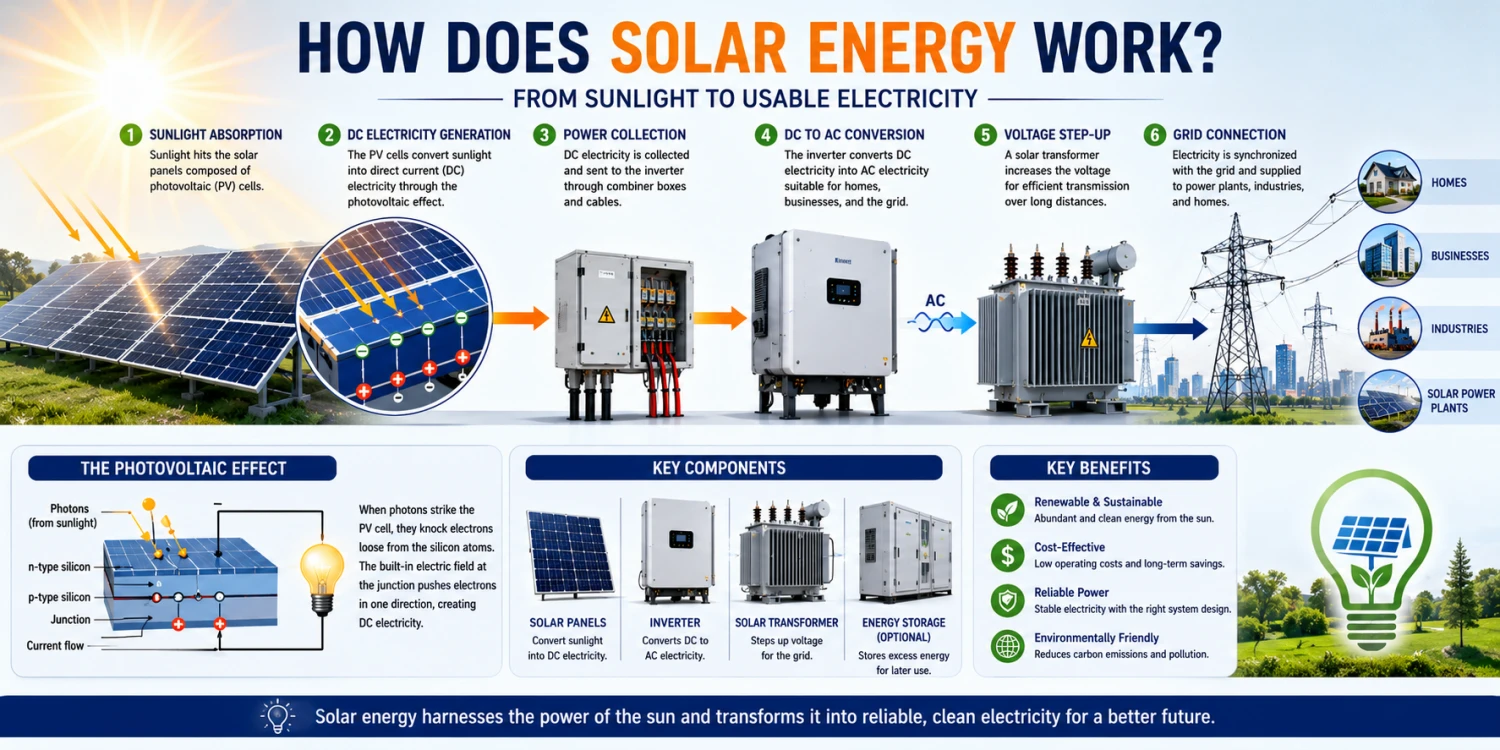
The core principle behind solar electricity generation is the photovoltaic effect.
Photovoltaic cells convert sunlight directly into electrical energy using semiconductor materials.
The Photovoltaic Effect
Solar panels contain photovoltaic cells made primarily from silicon semiconductor materials.
When sunlight strikes the solar cell:
- Photons transfer energy to electrons
- Electrons become energized
- Electron movement creates an electrical current
- Direct current (DC) electricity is generated
This process occurs instantly when sunlight reaches the panel surface.
Silicon Semiconductor Technology
Modern photovoltaic cells typically use:
- Monocrystalline silicon
- Polycrystalline silicon
- Thin-film semiconductor materials
Monocrystalline panels generally offer higher efficiency and longer operational lifespan.
Direct Current Electricity Generation
Solar panels naturally produce DC electricity.
However, electrical grids and industrial systems typically operate using alternating current (AC) electricity.
This requires additional conversion equipment.
Environmental Factors Affecting Solar Performance
Solar generation output depends heavily on:
- Solar irradiation
- Ambient temperature
- Panel orientation
- Dust accumulation
- Weather conditions
High temperatures may reduce photovoltaic efficiency despite strong sunlight availability.
3. Step-by-Step Solar Energy Conversion Process
The conversion of solar energy into electricity involves several integrated electrical systems working together.
Table: Step-by-Step Solar Energy Conversion Process
|
Step |
Process Description |
Main Equipment Involved |
Engineering Purpose |
|
1 |
Sunlight reaches photovoltaic panels |
Solar PV modules |
Capture solar radiation |
|
2 |
The photovoltaic effect generates DC electricity |
Silicon solar cells |
Convert light into electrical energy |
|
3 |
DC power collection |
DC combiner boxes and cables |
Transfer generated power |
|
4 |
DC to AC conversion |
Solar inverter |
Produce grid-compatible AC power |
|
5 |
Voltage transformation |
Solar transformer |
Increase the voltage for transmission |
|
6 |
Grid synchronization |
Switchgear and protection systems |
Maintain grid stability |
|
7 |
Energy storage integration |
Battery energy storage system |
Store excess renewable energy |
|
8 |
Electricity transmission |
Substation and transmission lines |
Deliver power to end users |
Step 1: Sunlight Reaches the Solar Panels
Photovoltaic modules absorb sunlight through semiconductor cells mounted inside protective glass panels.
Modern utility-scale solar power plants may contain millions of interconnected solar cells.
Step 2: DC Electricity Is Generated
The photovoltaic effect creates direct current electricity inside the solar cells.
This DC electricity flows through internal conductors and collection circuits.
Step 3: Inverters Convert DC to AC Power
Solar inverters convert DC electricity into AC electricity suitable for:
- Industrial equipment
- Commercial buildings
- Residential power systems
- Utility grid transmission
Inverters are among the most critical components in solar energy systems.
Step 4: Voltage Is Increased by Solar Transformers
After inversion, solar transformer systems increase voltage to distribution or transmission levels.
Solar transformers support:
- Grid synchronization
- Voltage stabilization
- Efficient long-distance transmission
- Electrical isolation
Without transformers, large-scale solar power transmission would be inefficient.
Step 5: Electricity Is Delivered to the Grid
Electricity enters substations and transmission systems before distribution to end users.
Utility operators continuously monitor:
- Frequency stability
- Voltage regulation
- Reactive power
- Grid balancing
to ensure reliable operation.
4. The Role of Solar Energy Storage Systems
Solar energy generation is intermittent because sunlight availability changes throughout the day.
Solar energy storage systems solve this problem by storing excess electricity for later use.
Why Solar Energy Storage Is Necessary
Solar power generation peaks during daylight hours, while electricity demand often increases during evenings.
Energy storage systems help:
- Balance supply and demand
- Improve grid reliability
- Reduce renewable curtailment
- Stabilize the electrical frequency
Battery Energy Storage Systems
Lithium-ion battery systems dominate modern solar energy storage applications due to:
- High efficiency
- Fast response speed
- Modular scalability
- Declining cost
Large utility-scale battery installations can store hundreds of megawatt-hours of electricity.
Table: Comparison of Solar Energy Storage Technologies
|
Storage Technology |
Storage Duration |
Response Speed |
Main Applications |
Key Advantages |
|
Lithium-Ion Battery |
Short to medium |
Very fast |
Solar farms and utility grids |
High efficiency |
|
Flow Battery |
Medium to long |
Fast |
Renewable energy balancing |
Long cycle life |
|
Thermal Energy Storage |
Medium |
Moderate |
Solar thermal systems |
Stores energy as heat |
|
Hydrogen Energy Storage |
Long duration |
Slow |
Seasonal renewable storage |
Large-scale energy capacity |
|
Pumped Hydro Storage |
Very long |
Moderate |
Utility-scale power systems |
Massive storage capability |
|
Hybrid Energy Storage System |
Flexible |
Optimized |
Smart renewable infrastructure |
Improved grid stability |
Hybrid Solar Energy Systems
Modern solar energy solutions increasingly combine:
- Solar generation
- Battery storage
- Smart inverters
- Digital energy management
- Backup generation systems
These hybrid systems optimize performance and operational flexibility.
Long-Duration Storage Technologies
Future renewable infrastructure may increasingly use:
- Flow batteries
- Hydrogen storage
- Thermal energy storage
- Pumped hydro systems
for long-duration renewable energy balancing.
5. Solar Power Plants and Utility-Scale Infrastructure
Modern solar power plants are highly sophisticated electrical facilities.
Utility-Scale Solar Farms
A utility-scale solar farm may contain:
- Hundreds of thousands of solar modules
- Inverter stations
- Solar transformers
- Medium-voltage collection systems
- Transmission substations
Some of the largest solar facilities now exceed several gigawatts in installed capacity.
Solar Transformer Infrastructure
Solar transformer systems are essential for:
- Voltage step-up operations
- Grid integration
- Electrical protection
- Power quality management
These transformers are engineered for continuous outdoor operation under demanding environmental conditions.
Smart Grid Integration
Modern solar projects increasingly integrate with smart grid systems capable of:
- Real-time monitoring
- Remote diagnostics
- Predictive maintenance
- Automated power balancing
Digitalization improves operational reliability and energy efficiency.
High Voltage Transmission
Large solar farms are often located far from urban demand centers.
This requires high-voltage transmission infrastructure for efficient long-distance electricity delivery.
6. Solar Energy Installation Considerations
Proper solar energy installation directly affects long-term performance and operational reliability.
Table: Key Engineering Factors for Solar Energy Installation
|
Engineering Factor |
Design Consideration |
Recommended Evaluation |
|
Solar Irradiation |
Annual sunlight availability |
Solar resource assessment |
|
Panel Orientation |
Maximum sunlight exposure |
Tilt angle optimization |
|
Inverter Capacity |
DC to AC conversion efficiency |
Load and system sizing |
|
Solar Transformer Selection |
Voltage transformation requirement |
Grid voltage compatibility |
|
Energy Storage Integration |
Renewable intermittency management |
Battery sizing analysis |
|
Environmental Conditions |
Temperature, dust, humidity |
Environmental protection design |
|
Structural Design |
Wind and snow loading |
Mechanical stress calculation |
|
Grid Connection |
Utility synchronization standards |
Grid code compliance |
|
Electrical Protection |
Surge and fault protection |
Safety system verification |
|
Maintenance Accessibility |
Long-term operational service |
Site layout optimization |
Site Selection and Solar Irradiation
Successful solar projects require detailed evaluation of:
- Sunlight availability
- Seasonal weather patterns
- Shading conditions
- Land topography
Poor site selection can significantly reduce system efficiency.
Structural and Mechanical Design
Solar mounting systems must withstand:
- Wind loading
- Snow accumulation
- Corrosion exposure
- Thermal expansion
Engineering design varies depending on regional environmental conditions.
Electrical Protection Systems
Solar installations require protection systems, including:
- Grounding systems
- Surge protection
- Circuit breakers
- Fault monitoring
- Arc fault detection
These systems improve safety and operational reliability.
Regulatory Compliance
Solar energy systems must comply with:
- IEC standards
- UL standards
- Utility grid codes
- Local electrical regulations
International certification is particularly important for export-oriented solar infrastructure projects.
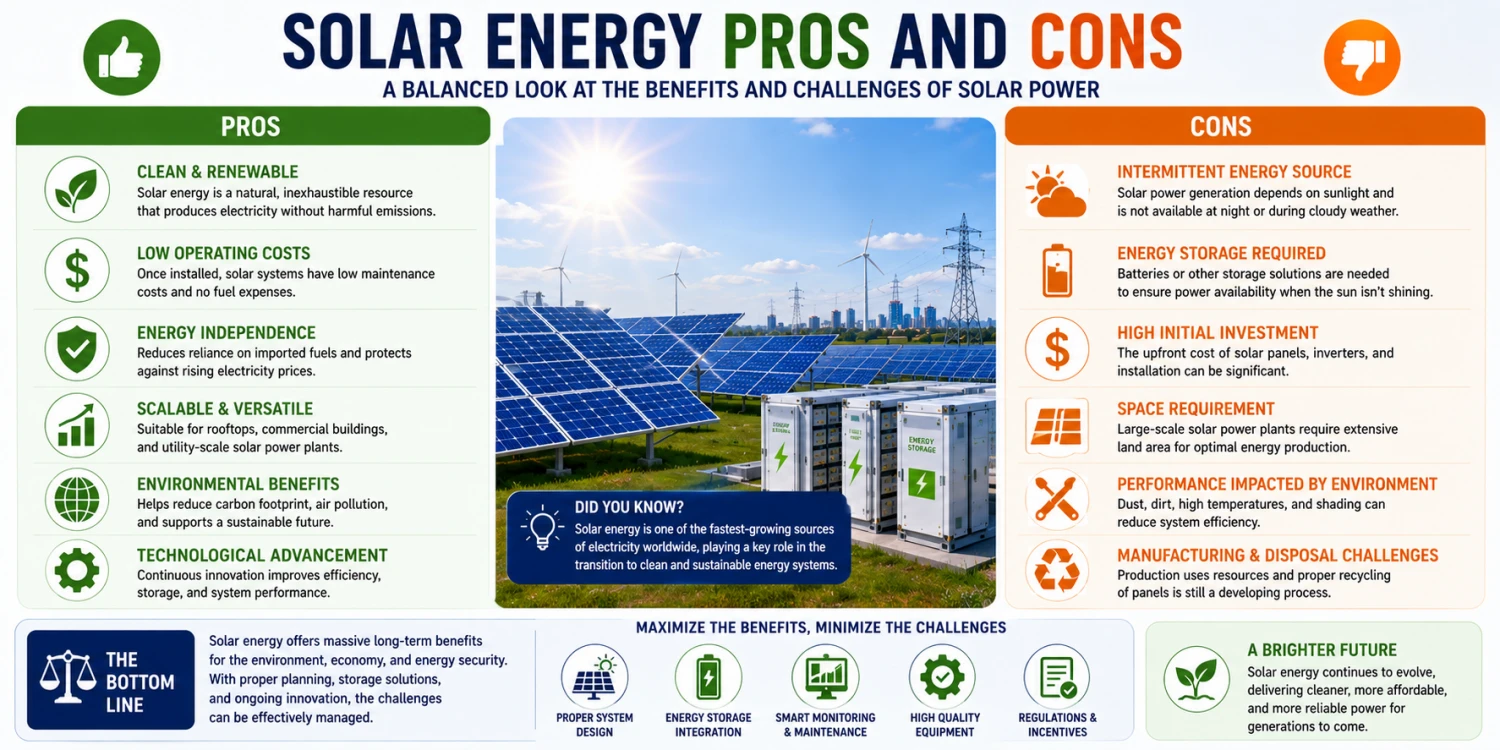
7. Solar Energy Pros and Cons
Although solar energy offers major environmental and economic benefits, it also presents operational challenges.
Solar Energy Benefits
Clean Renewable Power
Solar systems generate electricity without direct greenhouse gas emissions.
Low Operating Costs
Once installed, solar facilities typically require relatively low operational expenditure.
Energy Independence
Solar projects reduce dependence on imported fossil fuels.
Scalability
Solar systems can range from small rooftop installations to utility-scale power plants.
Solar Energy Pros and Cons
Advantages
- Renewable energy source
- Low carbon emissions
- Reduced fuel costs
- Long equipment lifespan
- Expanding global infrastructure
Limitations
- Intermittent power generation
- Weather dependence
- Land usage requirements
- Initial investment cost
- Storage system requirements
|
Category |
Advantages |
Limitations |
|
Environmental Impact |
Low carbon emissions |
Land usage concerns |
|
Operating Cost |
Low maintenance cost |
Initial investment cost |
|
Energy Source |
Renewable and sustainable |
Weather dependent |
|
Scalability |
Suitable for small and utility-scale systems |
Storage may be required |
|
Grid Integration |
Smart grid compatible |
Intermittent power generation |
|
Equipment Lifespan |
Long operational life |
Performance degradation over time |
8. Future Trends in Solar Energy Technology
Solar technology continues to advance rapidly across multiple engineering fields.
Higher Efficiency Solar Panels
Next-generation photovoltaic cells aim to improve:
- Energy conversion efficiency
- Thermal performance
- Low-light operation
- Long-term durability
AI-Based Energy Management
Artificial intelligence increasingly supports:
- Solar forecasting
- Predictive maintenance
- Automated energy balancing
- Grid optimization
Integrated Renewable Energy Systems
Future solar infrastructure will increasingly combine:
- Solar generation
- Wind energy
- Battery storage
- Smart substations
- Digital transformers
Expansion of Utility-Scale Solar Farms
Many countries continue investing heavily in:
- Large solar parks
- Desert solar infrastructure
- Floating solar systems
- Distributed renewable networks
Conclusion
Solar energy conversion is a highly advanced engineering process that transforms sunlight into usable electrical power through photovoltaic systems, inverters, solar transformers, and grid infrastructure. Modern solar power plants combine renewable energy generation with energy storage solutions, digital monitoring, and smart grid integration to deliver reliable and sustainable electricity production.
As renewable infrastructure expands globally, solar energy systems will continue playing a central role in decarbonization, energy security, and long-term sustainable power development. Advances in solar energy storage, photovoltaic efficiency, smart energy management, and hybrid renewable systems will further improve performance, reliability, and grid integration capabilities for future solar power generation.

Related Articles



Related Products
NA2XRY 0.6/1kV Low Voltage Power Cable
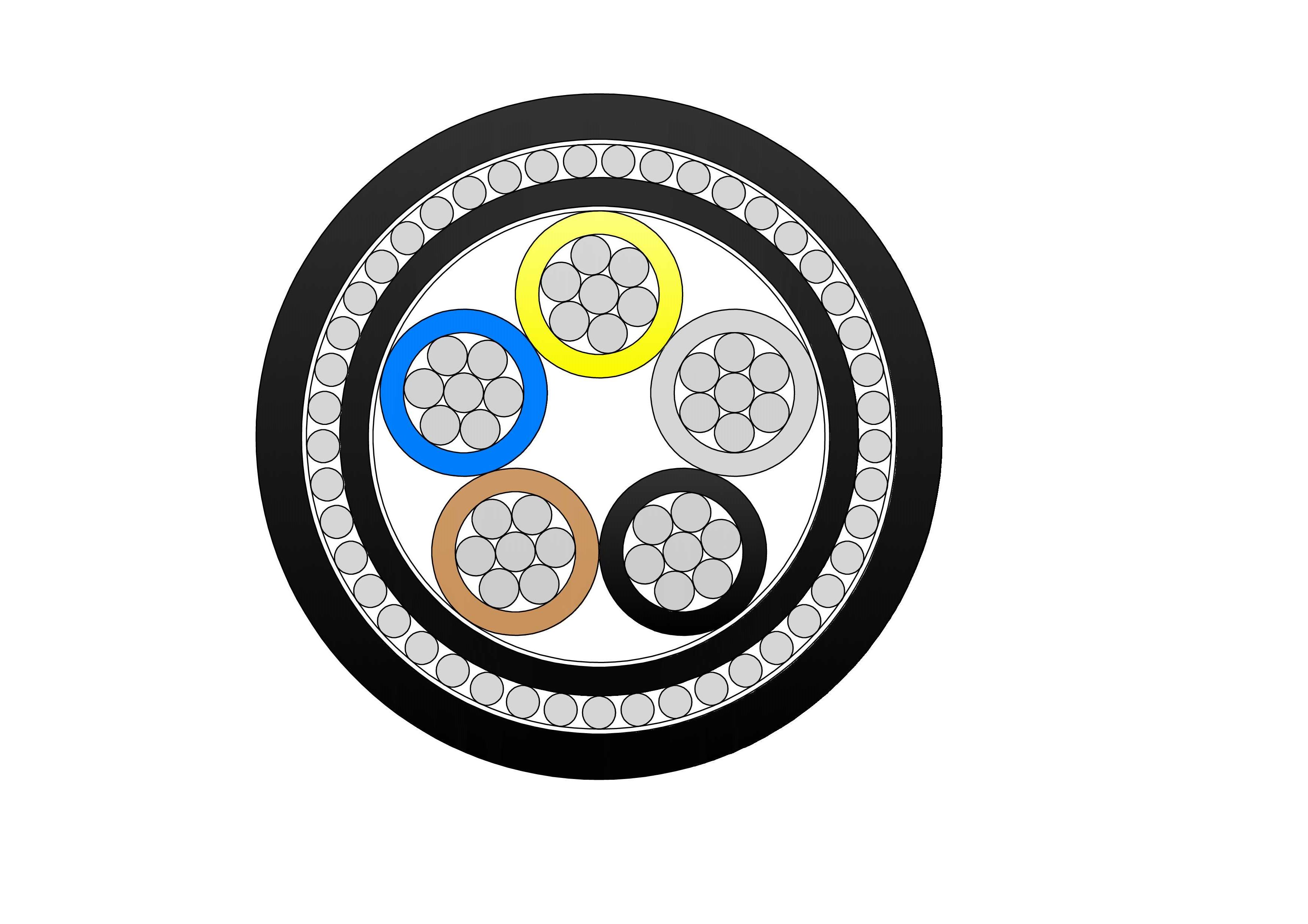
NA2XRY 0.6/1kV are low voltage power cables designed according to BS 5467 standard, suitable for fixed installation in indoor, outdoor, underground, or concrete (Can withstand certain mechanical forces) environments. Constructed with aluminium conductors, thermosetting XLPE insulation, PVC inner bedding, double galvanised steel tape armour, and tough PVC outer sheath, it meets IEC 60502-1 requirements. The STA armour offers outstanding resistance to compression and external forces, enabling direct burial. Lightweight aluminium lowers installation costs while ensuring good current rating and low losses. Flame-retardant and stable in harsh conditions, the NA2XRY 0.6/1kV Low Voltage Power Cable is favoured for manufacturing plants, renewable sites, commercial complexes, and infrastructure demanding reliable, low-maintenance low-voltage cabling with enhanced mechanical safeguarding.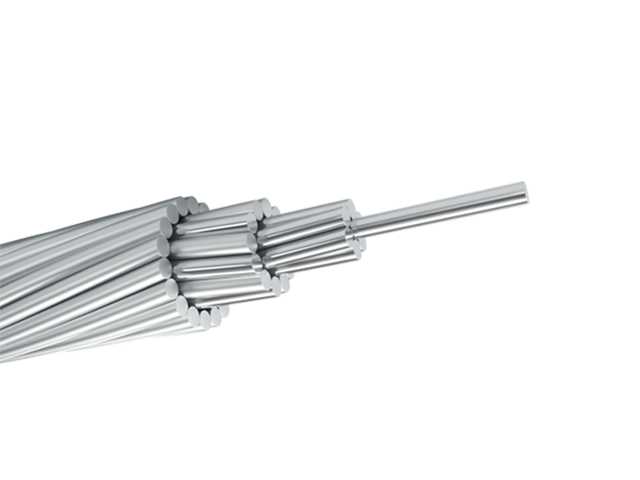
ALUMINUM CONDUCTOR ALLOY REINFORCED(ACAR)
Aluminum Conductor Alloy Reinforced (ACAR) is a high-performance overhead conductor featuring concentrically stranded 1350-H19 aluminum wires around a core of 6201 aluminum-magnesium-silicon alloy strands. This design optimizes the balance between electrical conductivity and mechanical strength, offering higher ampacity than equivalent AAAC and better strength-to-weight ratio than AAC. ACAR excels in applications requiring reduced sag and enhanced durability, with excellent corrosion resistance suitable for coastal or industrial settings. Compliant with ASTM B524, B231, and B398 standards, it supports various stranding configurations for flexibility in line design. The alloy reinforcement provides superior tensile strength (up to 30% more than pure aluminum), minimizing support structures and installation costs. Ideal for primary and secondary distribution, ACAR reduces energy losses while maintaining reliability under heavy loads or extreme weather. Its lightweight nature facilitates easier handling, and full aluminum construction ensures recyclability, aligning with sustainable power infrastructure goals. ACAR is a versatile choice for modern grids seeking efficiency and longevity.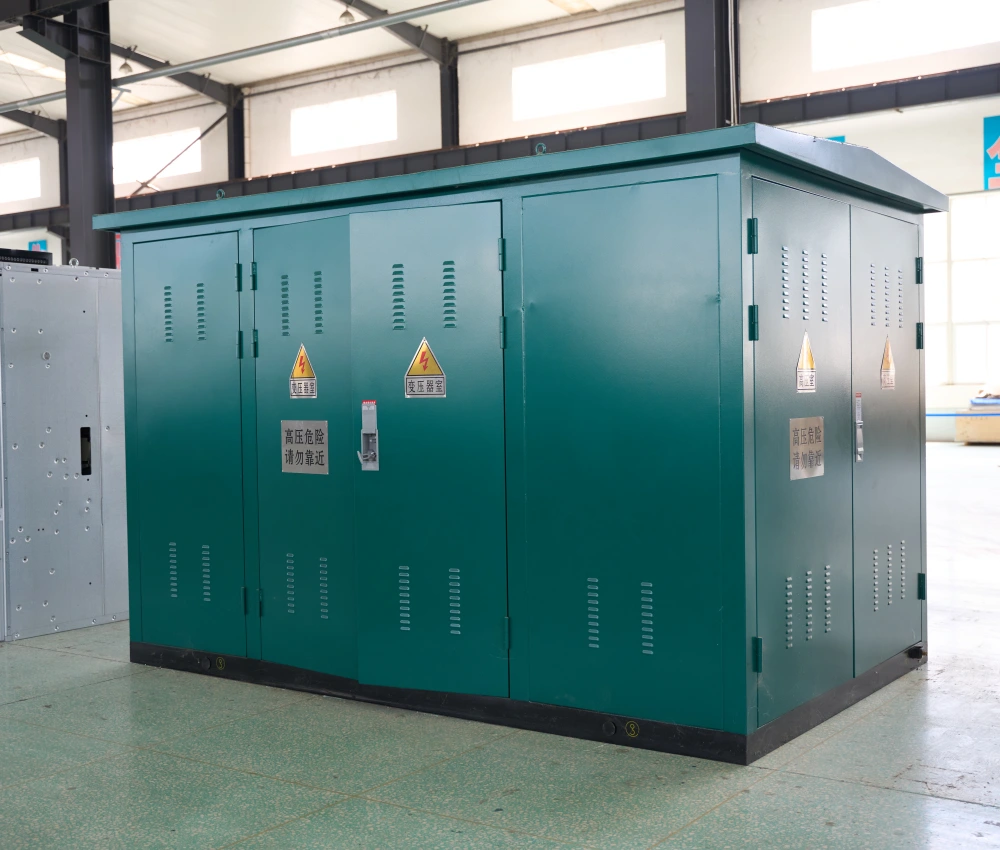
Prefabricated Switchgear Substation
The Prefabricated Switchgear Substation is an integrated medium-voltage power distribution system designed to provide safe, efficient, and intelligent electrical control for utility networks, industrial facilities, renewable energy projects, and commercial infrastructure. The system combines medium-voltage switchgear, transformer equipment, low-voltage distribution units, and advanced protection systems within a compact prefabricated enclosure, significantly reducing installation time and civil construction requirements. Manufactured using high-strength corrosion-resistant materials and advanced insulation technology, the switchgear substation delivers stable outdoor operation under harsh environmental conditions including high humidity, dust exposure, temperature fluctuations, and coastal environments. Its modular architecture improves operational flexibility, maintenance accessibility, and transportation efficiency while supporting scalable electrical distribution requirements. The Prefabricated Switchgear Substation supports multiple voltage classes, intelligent monitoring functions, and customized protection configurations for modern smart-grid applications. The compact design optimizes installation space while ensuring reliable medium-voltage switching, power distribution stability, and enhanced operational safety for industrial, utility, and infrastructure projects.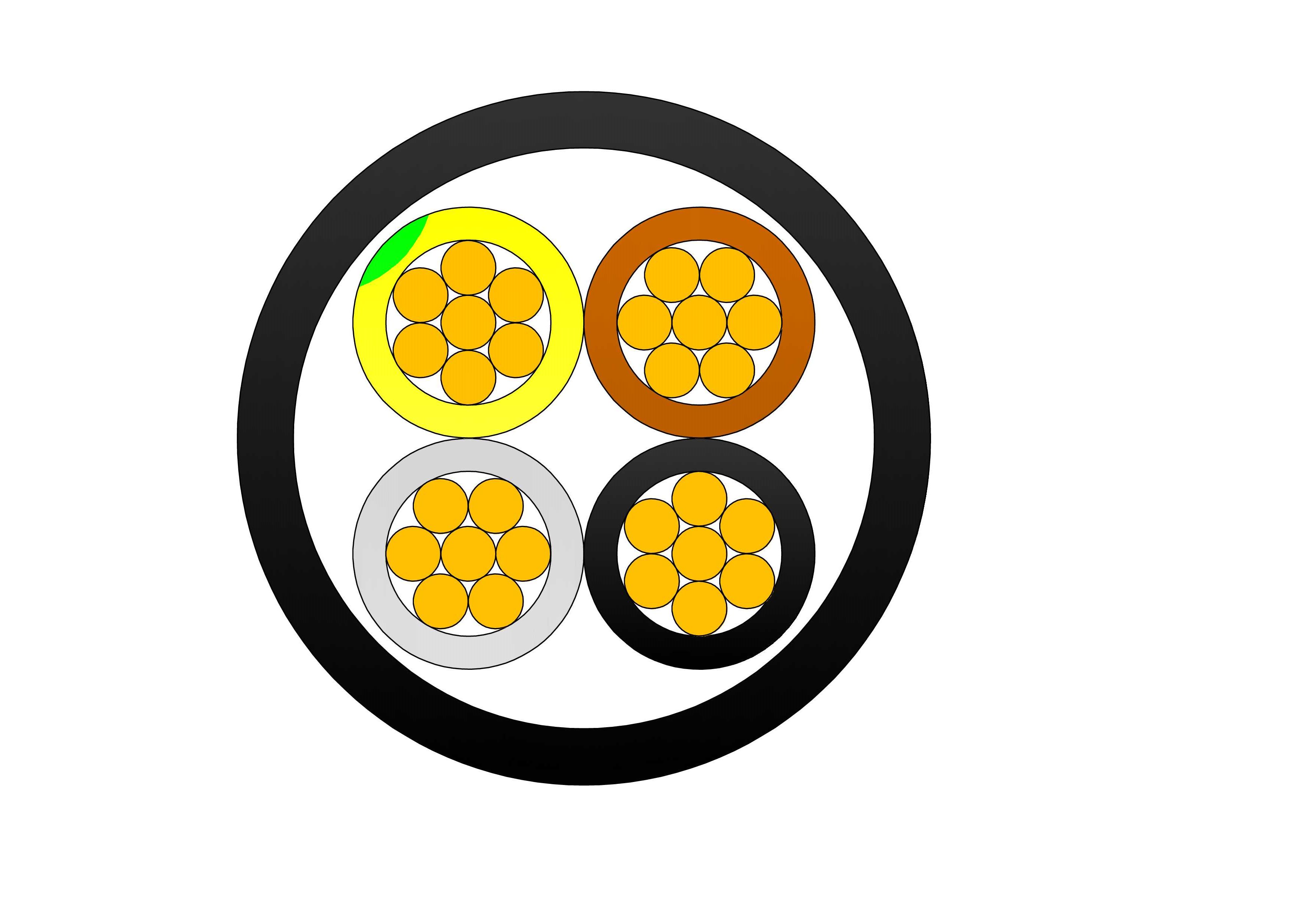
GYTA Fiber Optic Cable
The GYTA Fiber Optic Cable is a high-performance outdoor optical communication cable designed for long-distance transmission and backbone network applications. Featuring a stranded loose tube structure, central strength member, water-blocking compound, aluminum tape armor, and durable PE outer sheath, the cable provides outstanding mechanical protection and environmental resistance. Optical fibers are housed in gel-filled loose tubes that protect against moisture ingress and mechanical stress. The aluminum tape armoring enhances crush resistance and rodent protection, making the cable suitable for direct burial, duct, and aerial installations. The PE outer sheath offers excellent UV resistance, weather resistance, and long-term durability in harsh outdoor environments. Manufactured according to IEC, ITU-T, and international telecommunications standards, the GYTA Fiber Optic Cable supports stable, low-loss signal transmission over extended distances. It is widely used in telecommunications networks, metropolitan area networks, broadband infrastructure, data centers, and utility communication systems. The GYTA Fiber Optic Cable combines reliability, durability, and superior transmission performance for modern fiber optic communication networks.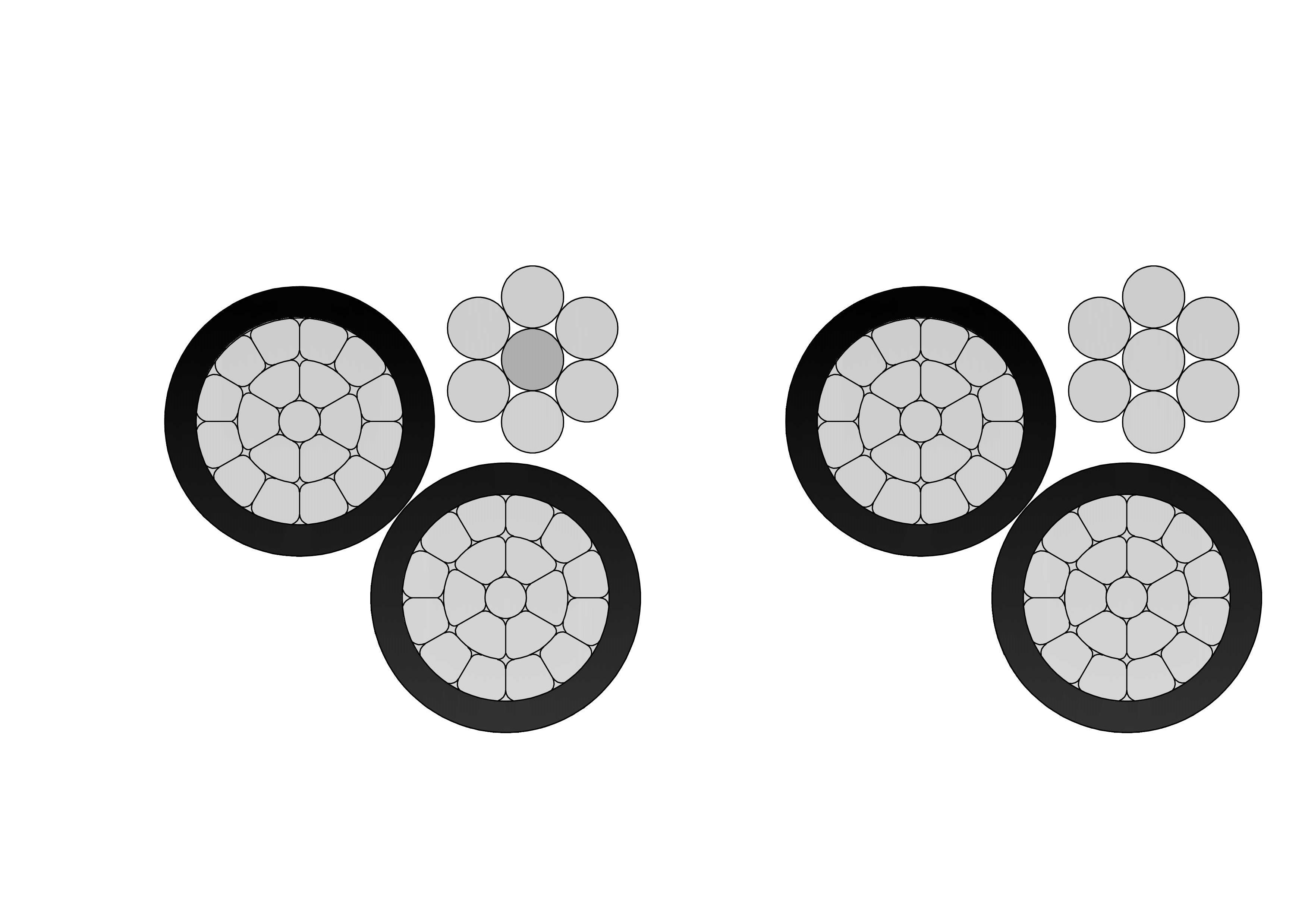
4/0 Lepas Aluminum Conductor Triplex Overhead Service Drop Cable
The 4/0-4/0-4/0 Lepas Aluminum Conductor Triplex Overhead Service Drop Cable is engineered for high-performance overhead power distribution from utility poles to residential, commercial, or light industrial weatherheads. It features concentric-lay-stranded 1350-H19 aluminum conductors (#4/0 AWG, 19-strand), black cross-linked polyethylene (XLPE) insulation for superior weather, UV, and thermal resistance, and a bare neutral messenger (#4/0 AWG, typically ACSR or AAAC 6201 alloy) for mechanical support and conductivity. Rated for 600 volts phase-to-phase at conductor temperatures up to 90°C (XLPE) or 75°C (Poly), it delivers an allowable ampacity of approximately 315 amps (XLP). Compliant with ASTM B-230, B-231, B-232, B-399, and ICEA S-76-474 standards, this robust, lightweight cable ensures easy installation, excellent electrical efficiency, and long-term durability in harsh outdoor environments, including wind, ice, moisture, and temperature extremes.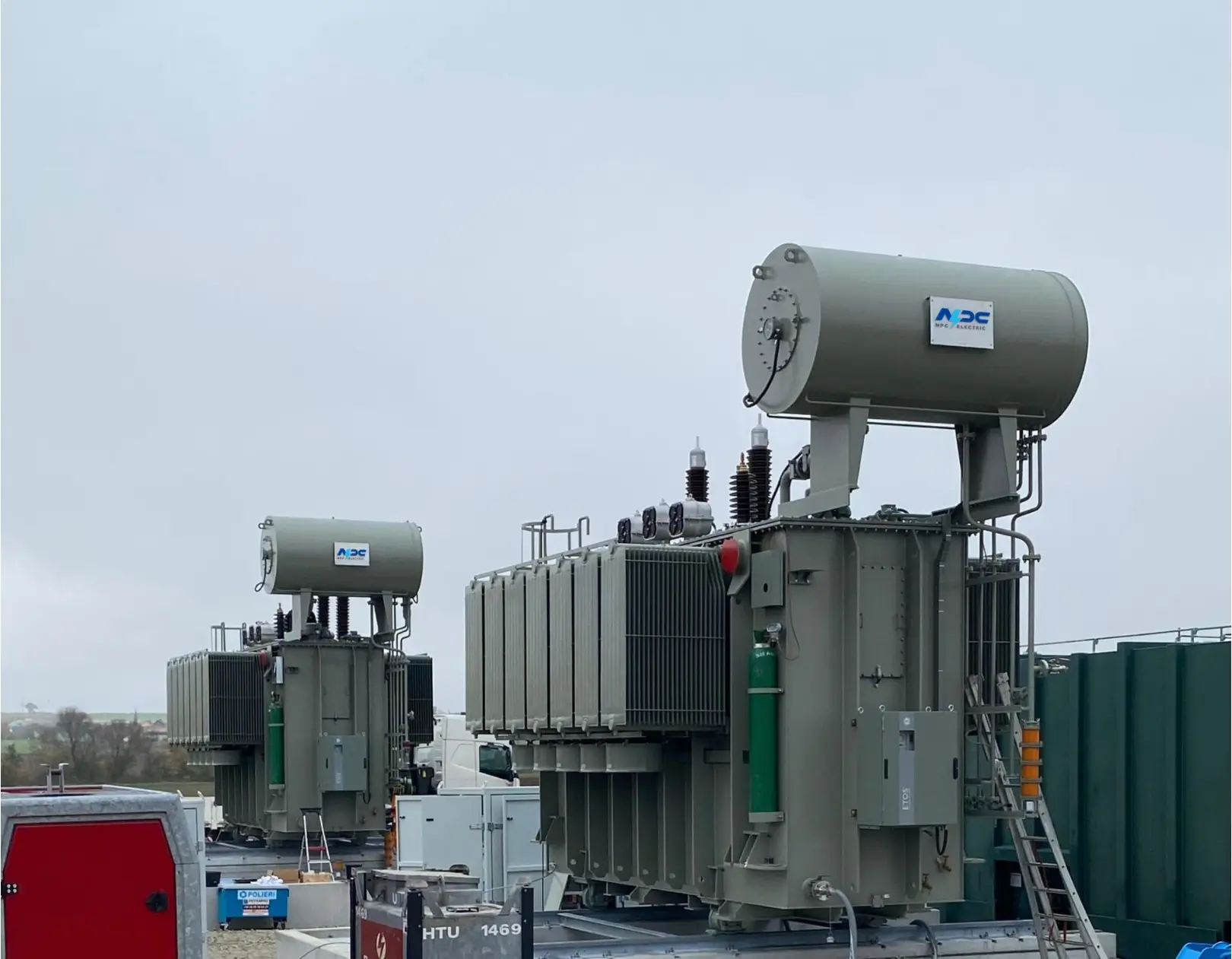
400kV Power Transformer: High-Voltage Substation Solutions
NPC Electric 400kV Power Transformer represents the pinnacle of Extra-High Voltage (EHV) engineering, specifically designed to handle the massive energy loads of modern national grids and renewable energy hubs. This unit utilizes a sophisticated cooling architecture and a low-flux density core design to ensure maximum efficiency and minimal noise pollution. Each transformer is built with a high-strength, vacuum-proof tank and premium-grade insulation materials that have undergone rigorous moisture extraction. With its advanced electromagnetic shielding, the 400kV model minimizes eddy current heating, ensuring a stable service life exceeding 30 years. It serves as a vital link in stepping down bulk power from 400kV transmission lines to regional distribution levels, offering unmatched short-circuit withstand capabilities and thermal stability for critical infrastructure projects worldwide.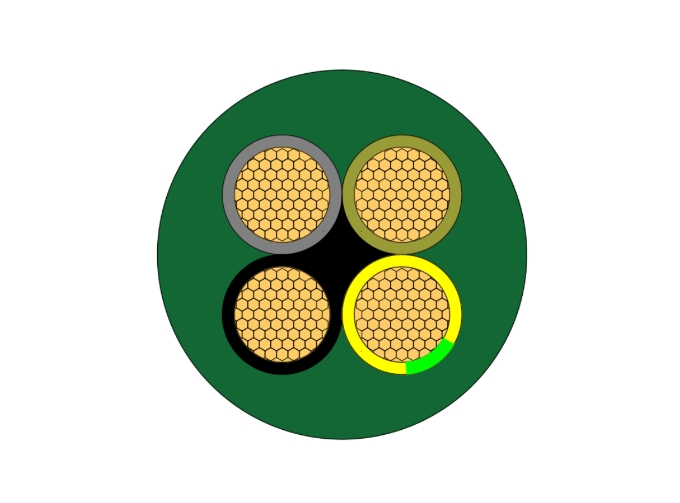
RZ1-K(AS) XLPE LSZH Flexible Cable
RZ1-K(AS) XLPE LSZH Flexible Cable is a single Core flame retardant LSZH flexible power cable suitable for instllation outdoor and indoor. The "(AS)" suffix denotes advanced fire-retardant properties, minimizing smoke and toxic gases during fires. Excellent bend radius and resistance to mechanical stress, oils, and chemicals ensure easy routing and durability.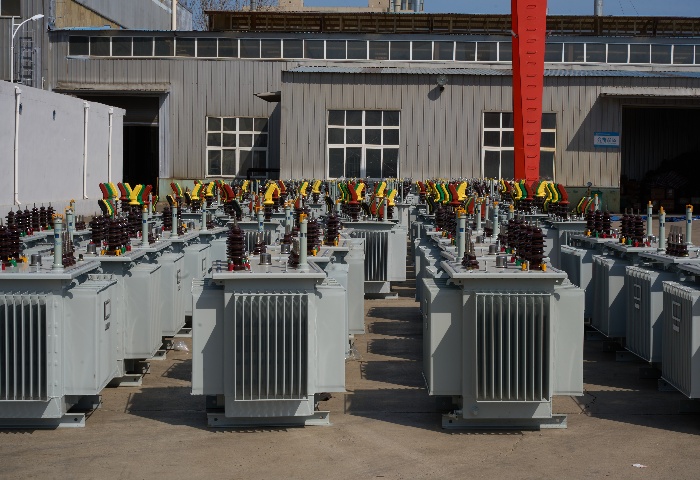
4000kVA Oil Immersed Transformer
4000kVA Oil Immersed Transformer is designed for medium and large-scale power distribution systems that require high reliability, strong overload capacity, and long-term stable operation. The transformer adopts a fully sealed oil-immersed structure, effectively preventing moisture ingress and oil oxidation, thereby extending service life and reducing maintenance frequency. The transformer features excellent thermal performance and robust insulation strength, ensuring stable operation under continuous load or fluctuating grid conditions. Advanced oil circulation and cooling structure enhance heat dissipation, while precise manufacturing processes guarantee low noise and high mechanical strength.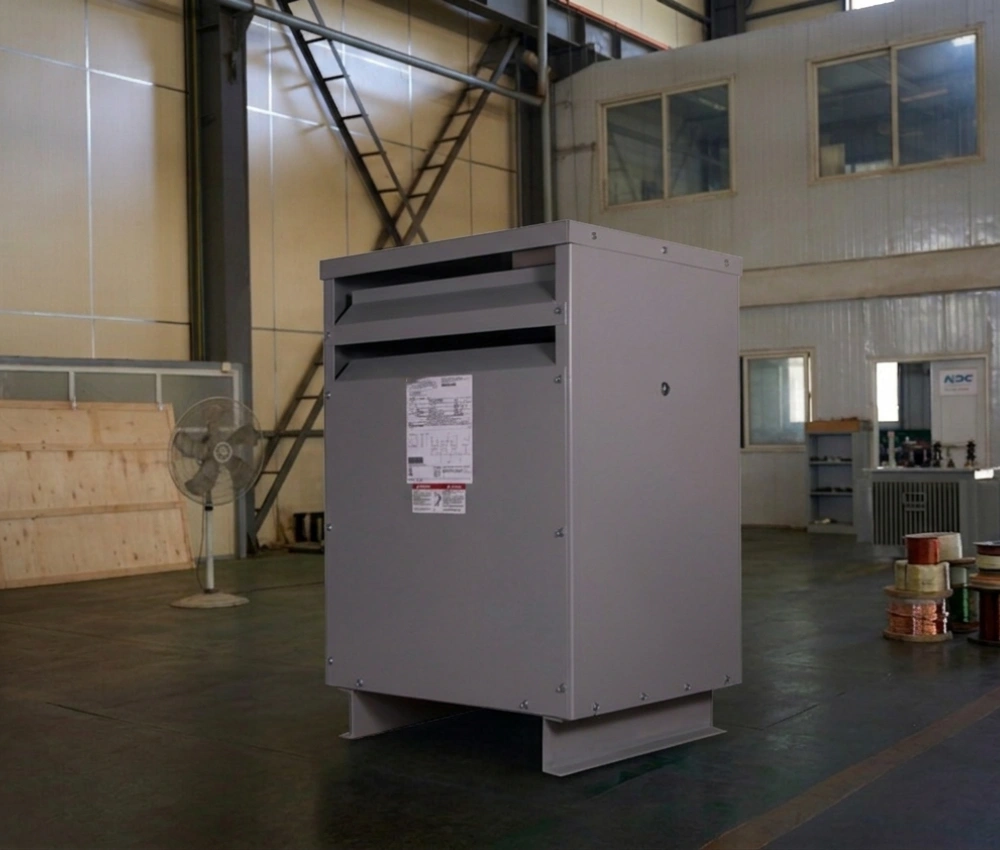
Isolation Transformer
The Isolation Transformer is a specialized power transformer designed to electrically separate the primary and secondary circuits while maintaining efficient power transfer. By eliminating direct electrical connections between input and output systems, the transformer effectively reduces electrical noise, suppresses common-mode interference, improves power quality, and enhances operational safety for critical equipment and sensitive electronic systems. It is widely utilized in industrial automation, healthcare facilities, data centers, telecommunications infrastructure, laboratory environments, and renewable energy systems where stable and clean power supply is essential. Available in single-phase and three-phase configurations, the transformer supports various voltage conversion requirements while delivering long-term reliability under continuous operating conditions. The Isolation Transformer can be integrated into modern power distribution networks, automation systems, and mission-critical electrical installations. With customizable winding configurations, enclosure options, and intelligent monitoring capabilities, the transformer offers flexible solutions for demanding industrial and commercial power applications while ensuring compliance with international electrical safety standards.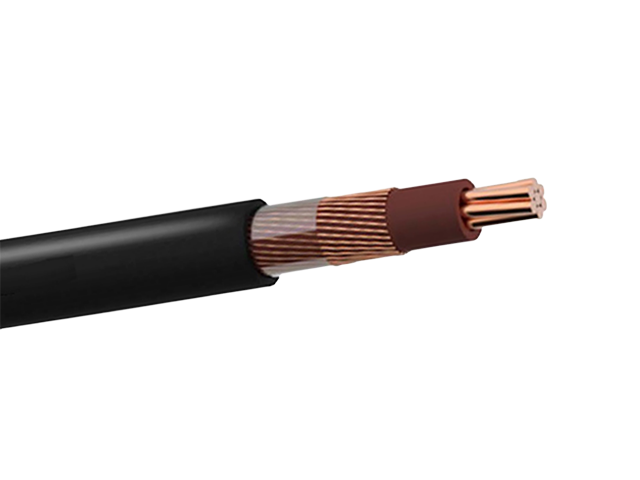
15kV Concentric Neutral Power Cable
The 15kV Concentric Neutral Power Cable is a premium medium-voltage underground distribution cable designed for reliable primary power delivery in distribution networks. It features a stranded copper or aluminum conductor, extruded semi-conducting conductor shield, TR-XLPE or EPR insulation, semi-conducting insulation shield, and helically applied bare copper concentric neutral wires, all protected by a tough sunlight-resistant LLDPE jacket. Available in 100% or 133% insulation levels with full or reduced neutral, this cable provides excellent electrical performance, moisture resistance, and mechanical protection. Suitable for direct burial or duct installations, the 15 kV Concentric Neutral Power Cable meets ICEA S-94-649, AEIC CS8, and related standards. It undergoes rigorous quality testing from raw materials to finished product, ensuring long-term reliability, low dielectric loss, and high resistance to water treeing in demanding underground environments.
10kV Cast Resin Dry Type Transformer Copper Winding
The 10kV Cast Resin Dry Type Transformer Copper Winding, a high-reliability, oil-free power solution engineered for safe and efficient indoor medium-voltage distribution. This three-phase dry-type transformer features fully vacuum-cast epoxy resin encapsulation around high-purity copper windings, combined with premium low-loss grain-oriented silicon steel cores to deliver exceptional energy efficiency (typically 98%+), significantly reduced no-load and load losses, and outstanding partial discharge performance (<10pC). The cast resin design ensures superior moisture resistance, self-extinguishing fire safety (F1 class), robust short-circuit withstand, and maintenance-free operation. Natural air (AN) cooling with optional forced air (AF) upgrades supports high overload capacity while maintaining low acoustic emissions through advanced vibration isolation and optimized core/winding geometry. Compliant with IEC 60076-11 and equivalent standards, this transformer steps down 10kV primary (with ±2×2.5% or wider off-circuit taps) to 0.4kV secondary (Dyn11 vector group standard), making it the ideal choice for modern commercial, industrial, and utility indoor installations prioritizing safety, sustainability, and long-term performance.
Drive Isolation Transformer
The Drive Isolation Transformer is a specialized transformer engineered to provide electrical isolation, voltage transformation, harmonic mitigation, and enhanced power quality for variable frequency drives (VFDs), motor control systems, and industrial automation applications. Installed between the utility power source and drive equipment, the transformer protects sensitive drive electronics from electrical disturbances while reducing the impact of harmonics generated by inverter-based systems. This improves system reliability, extends equipment lifespan, and enhances operational stability in demanding industrial environments. Manufactured using premium-grade silicon steel cores, high-conductivity windings, and advanced insulation systems, the drive isolation transformer delivers exceptional efficiency, thermal performance, and voltage regulation. The transformer effectively isolates common-mode noise, suppresses transient voltage spikes, reduces grounding issues, and minimizes electromagnetic interference within industrial electrical networks. The Drive Isolation Transformer supports both low-voltage and medium-voltage drive systems and can be customized for harmonic reduction, phase shifting, multi-pulse drive configurations, and renewable energy applications. Its rugged construction and intelligent monitoring capabilities make it an ideal solution for modern industrial power systems requiring reliable motor control and superior electrical protection.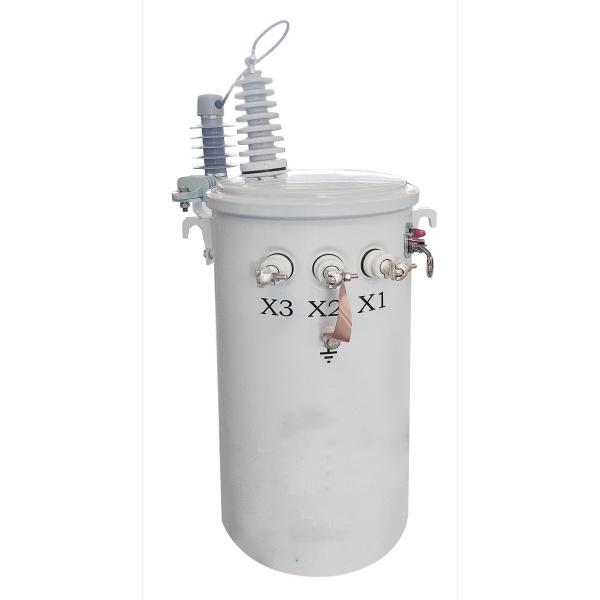
15kVA Completely self-protected(CSP) Single Phase Pole Mounted Transformer
NPC ELECTRIC the production of 15 kVA single-phase overhead transformers, meticulously engineered to meet international standards such as IEEE C57.12.00, IEEE C57.12.20, DOE-2016 Efficiency, CSA C2.1, and CSA C2.2. These certifications underscore to delivery products that are both safe and reliable. NPC electric transformers are designed to comply with the DOE 2016 efficiency standards, ensuring optimal energy efficiency and reduced operational costs. Understanding the diverse needs of our clients, NPC Electric offers a wide range of customizable voltage levels to suit various applications. Perfect manufacturing processes enable us to maintain short production cycles, ensuring timely delivery.
50kVA Completely self-protected(CSP) Single Phase Pole Mounted Transformer
50kVA Completely self-protected(CSP) Single Phase pole Mounted transformer is a robust, high-efficiency solution designed for reliable single-phase power distribution in residential, commercial, and small industrial applications. This transformer features built-in protection mechanisms, including overload, short-circuit, and over-voltage safeguards, ensuring automatic disconnection during fault conditions to protect both the transformer and the electrical system. With its pole-mounted design, it is space-efficient and ideal for installations in urban, rural, and remote areas. The transformer operates with low losses, ensuring high energy efficiency and long-term performance. Built with durable materials, it offers exceptional resilience against harsh weather conditions, ensuring reliability and longevity. This transformer is an ideal choice for any application requiring consistent, stable single-phase power.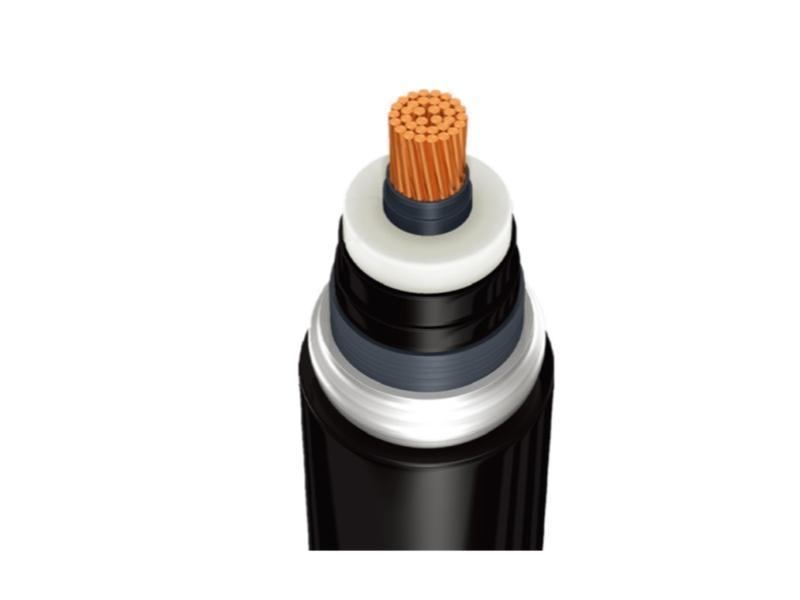
High Voltage Power Cable
NPC Electric High Voltage Power Cable is engineered for reliable transmission of electricity at voltages from 35kV to 500kV. Featuring copper or aluminum conductors, cross-linked polyethylene (XLPE) insulation, metallic screening, and a robust outer sheath, this cable minimizes losses and ensures long-term performance in demanding environments. Designed to meet international standards like IEC 60840 and IEC 62067, it offers excellent electrical properties, mechanical strength, and resistance to moisture, chemicals, and thermal stress. Whether for underground burial, submarine applications, or overhead lines, our High Voltage Power Cable delivers superior efficiency and safety. With low dielectric losses and high breakdown strength, it supports modern power grids, renewable energy integration, and industrial power distribution. Choose our cables for minimal maintenance, extended service life, and compliance with global safety norms.Welcome your inquiry
Honesty, Integrity, Frugality, Activeness and Passion