2Y-high-voltage-power-cable-2.webp)
2Y-high-voltage-power-cable-2-small.webp)
2XS(FL)2Y HDPE High Voltage 76/132 (145)kV Power Cable
The 2XS(FL)2Y HDPE High Voltage 76/132 (145) kV Power Cable is a single-core copper conductor cable with XLPE insulation and HDPE sheath, engineered for reliable high-voltage power transmission in demanding environments. Manufactured according to IEC 60840 standards, it delivers outstanding electrical performance, water resistance, and mechanical protection. Suitable for installation underground, underwater, outdoors, indoors, and in cable ducts, making it ideal for power stations, industrial sites, and distribution networks. It features stranded copper conductors for optimal conductivity, semi-conductive conductor screen, premium-grade XLPE insulation for exceptional dielectric performance and 90°C continuous rating (250°C short-circuit), semi-conductive insulation screen, concentric copper wire screen combined with aluminium laminated foil for longitudinal water-blocking, electromagnetic shielding, and grounding, and a high-density polyethylene (HDPE) outer sheath delivering superior mechanical protection, moisture resistance, chemical stability, and UV resistance.
- Voltage Rating(Uo/U)(Um) 76/132kV (145kV)
Construction
Technical Specifications
Quality Control
Application
Construction
2XS(FL)2Y HDPE High Voltage 76/132 (145)kV Power Cable Constrution
Conductor
Copper conductor (optional watertightness – WTC)
Conductor Screen
Semi-conductive screen extruded on the phase conductor
Insulation
XLPE (Cross-Linked Polyethylene)
Insulation Screen
Semi-conductive screen extruded on insulation
Wrapping
Semi-conductive water swelling tape
Metallic Screen
Copper wires and equalising tape
Sheath
HDPE (High-Density Polyethylene)Optional —semi-conductive layer
Sheath Colour
Black
Manufacturer Standard
IEC 60840
Tape
Longitudinally applied aluminium tape coated with PE copolymer
Application
2XS(FL)2Y HDPE High Voltage 76/132(145) kV Power Cable is designed for use in distribution networks, connection to generation units, and industrial plant applications, suitable for installation underground, underwater, outdoors, indoors, and in cable ducts. The cable features water-blocking tape to prevent water propagation inside, ensuring reliable performance in diverse environments.
Technical Specifications
2XS(FL)2Y HDPE High Voltage 76/132 (145)kV Power Cable
2XS(FL)2Y HDPE High Voltage 76/132 (145)kV Power Cable
| No. Of Cores |
NOMINAL CROSS SECTIONAL AREA mm² |
INSULATION mm |
METALLIC SCREEN |
NOMINAL WEIGHT kg/km |
MAXIMUM PULLING FORCE kN |
||
| Nominal Thickness |
Nominal Diameter Over |
Nominal Cross Section mm² |
Nominal Diameter Over mm |
||||
| 1 | 185RM | 18.0 | 54.8 | 95 | 60.6 | 5730 | 9.3 |
| 1 | 240RM | 17.0 | 55.5 | 95 | 61.3 | 6220 | 12.0 |
| 1 | 300RM | 16.5 | 55.9 | 95 | 61.7 | 6770 | 15.0 |
| 1 | 400RM | 16.0 | 57.6 | 95 | 63.4 | 7620 | 20.0 |
| 1 | 500RM | 16.0 | 60.4 | 95 | 66.2 | 8800 | 25.0 |
| 1 | 630RM | 16.0 | 64.9 | 95 | 70.7 | 10380 | 31.5 |
| 1 | 800RM | 16.0 | 69.3 | 95 | 75.1 | 12250 | 40.0 |
| 1 | 1000RM | 16.0 | 72.9 | 95 | 78.7 | 14390 | 50.0 |
| 1 | 1200RMS | 16.0 | 77.8 | 95 | 83.6 | 16670 | 60.0 |
| 1 | 1400RMS | 16.0 | 82.0 | 95 | 87.8 | 18620 | 70.0 |
| 1 | 1600RMS | 16.0 | 85.8 | 95 | 91.6 | 20910 | 80.0 |
| 1 | 1800RMS | 16.0 | 89.4 | 95 | 95.2 | 23350 | 90.0 |
| 1 | 2000RMS | 16.0 | 90.8 | 95 | 96.6 | 24900 | 100.0 |
| 1 | 2500RMS | 16.0 | 97.2 | 95 | 103.4 | 30050 | 100.0 |
| 1 | 3000RMS | 16.0 | 105.6 | 95 | 111.8 | 36520 | 100.0 |
Quality Control
2XS(FL)2Y HDPE High Voltage 76/132 (145)kV Power Cable
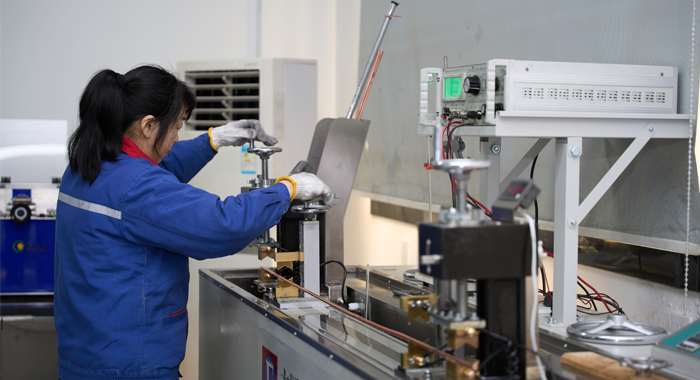
Raw Material Test
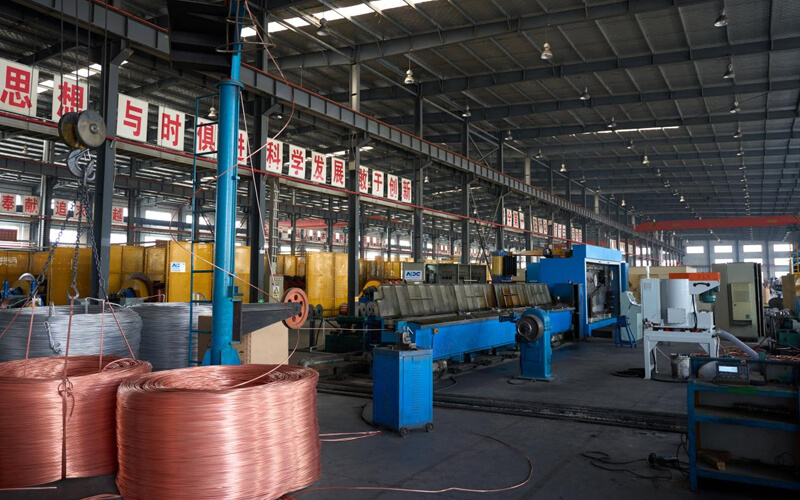
Raw Material Test for 2XS(FL)2Y HDPE 76/132 (145) kV Power Cable ensures ultra-high-voltage quality and longitudinal water-blocking performance. The detailed process includes: Semi-Conductive Compound Testing: Semi-conductive conductor and insulation screens evaluated for resistivity (≤1000 Ω·m), adhesion, thermal stability, and compatibility to ensure uniform electric field distribution at 132 kV level. XLPE Insulation Evaluation: XLPE compound tested for tensile strength (>12.5 MPa), elongation (>200%), dielectric strength (>20 kV/mm), water tree resistance, thermal aging (135°C/168h), and hot set test (≤175% elongation after 200°C/15 min). Water-Blocking & Shielding Check: Aluminium laminated foil tested for thickness, adhesion, and longitudinal water-blocking efficiency; copper wire screen verified for conductivity and coverage; swellable water-blocking elements tested for swelling capacity and sealing performance under high pressure.
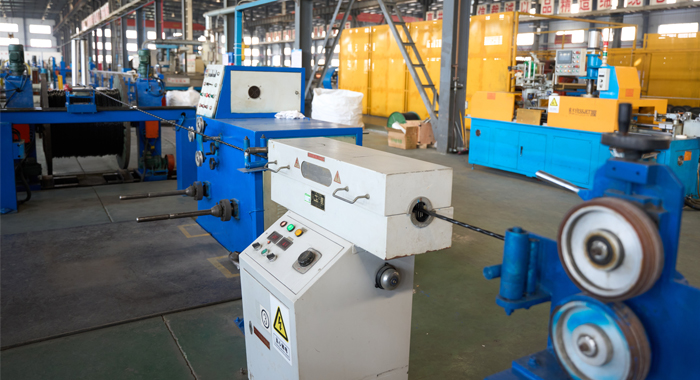
Process inspection
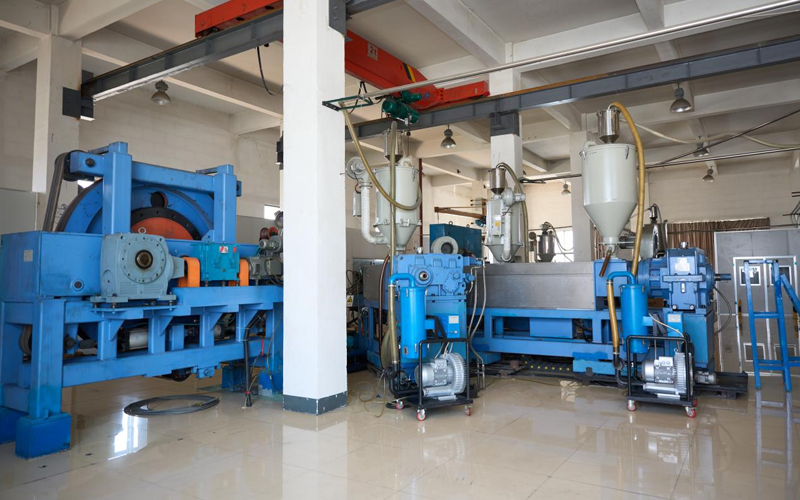
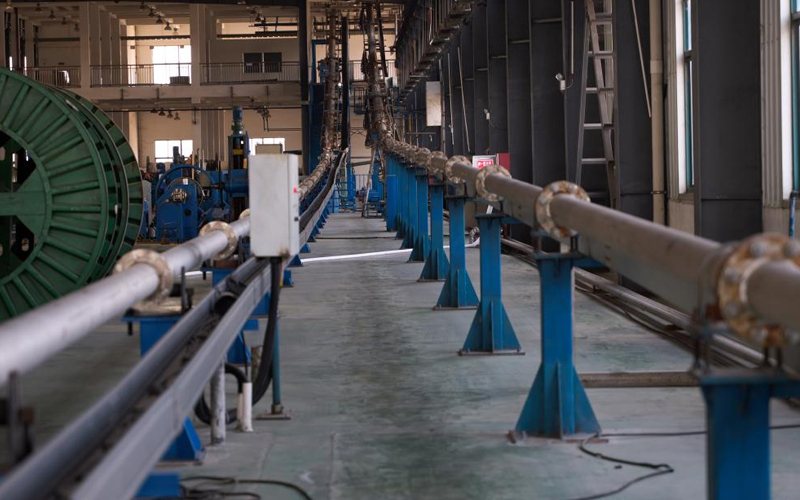
Process Inspection during manufacturing of 2XS(FL)2Y HDPE 76/132 (145) kV Power Cable maintains ultra-HV integrity and water-blocking effectiveness. Steps include: Water-Blocking Application: Insert longitudinal water-blocking tapes/powders around core assembly to prevent axial water migration. Screening Application: Apply concentric copper wire screen and aluminium laminated foil with precise overlap/coverage for effective shielding and longitudinal sealing. Outer Sheath Extrusion: Extrude HDPE sheath; real-time checks on thickness, surface finish, adhesion, and sheath integrity. Parameter Adjustment & Sampling: Optimize extrusion temperature/speed; frequent samples tested for partial discharge, water penetration, and mechanical properties, deviations corrected immediately.
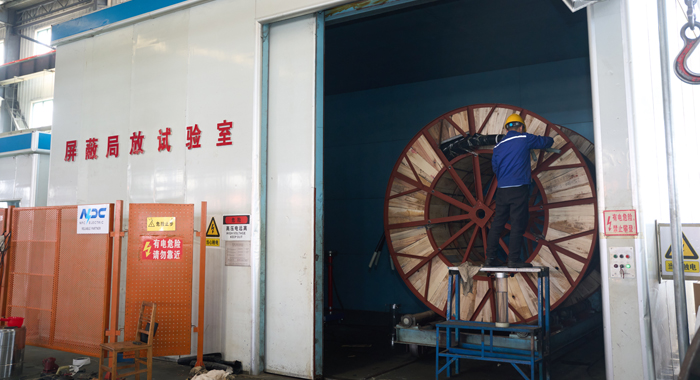
Finished Product
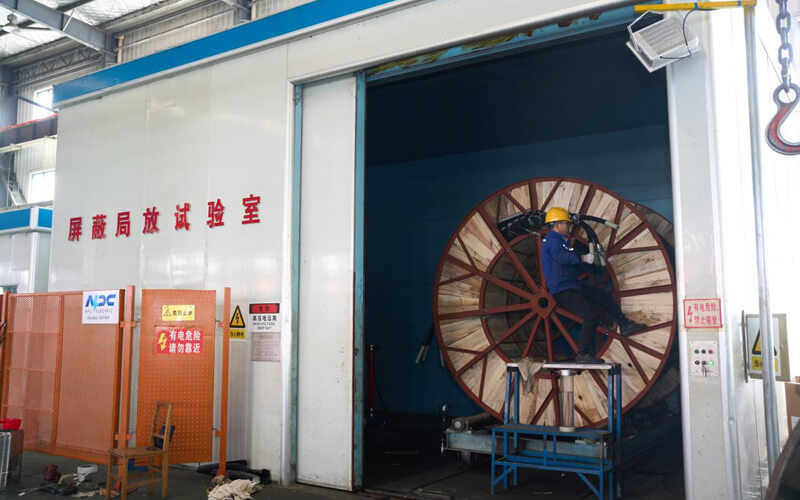
Finished Product Test confirms the 2XS(FL)2Y HDPE 76/132 (145) kV Power Cable meets ultra-high-voltage standards before shipment. The procedure includes: Visual & Dimensional Inspection: Examine full length for defects, uniformity, markings, and measure outer diameter/weight per meter. Water-Blocking Performance: Longitudinal water penetration test (IEC 60840 or equivalent, 1 bar/14 days or higher pressure simulation) to verify no axial water migration.Mechanical Evaluation: Bending radius (15–20× OD), tensile strength, crush resistance, and impact tests. Sheath & Insulation Performance: Thermal aging (135°C/168h), hot set test, environmental stress cracking resistance (ESCR), UV aging, and moisture resistance verified. Final Approval & Documentation: Generate traceable reports.
Application
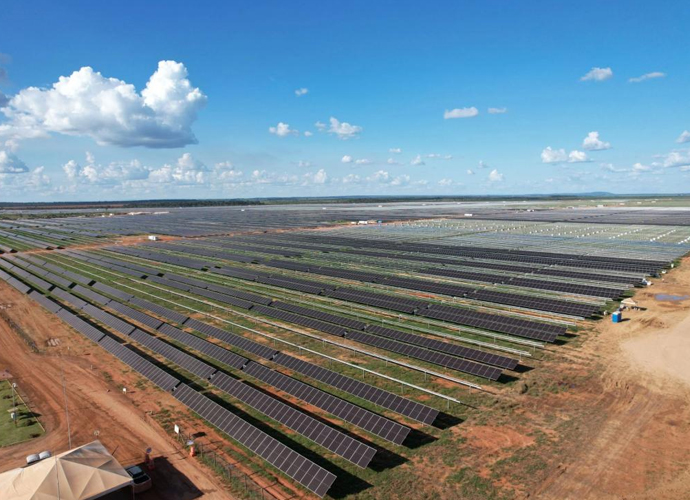
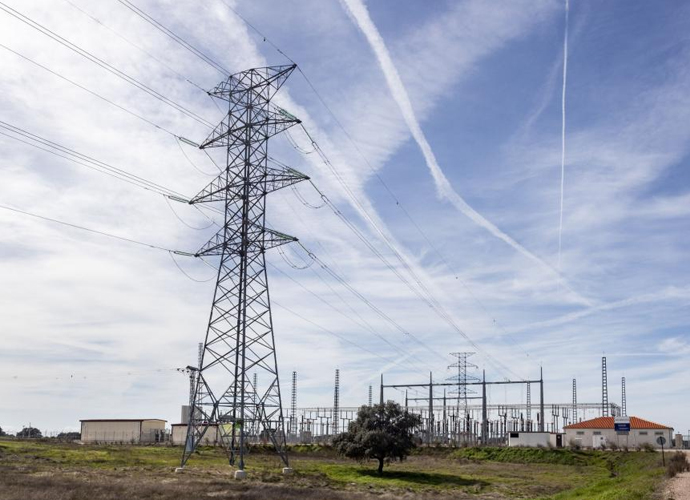
The 2XS(FL)2Y HDPE 76/132 (145) kV Power Cable is perfect for 76/132 kV ultra-high-voltage transmission lines, underground/submarine UHV networks, river/lake crossings, offshore wind farm connections, substation interconnections, and wet environment UHV installations requiring XLPE-insulated, longitudinally water-blocked cable with outstanding electrical and mechanical performance.
Technical Advantages
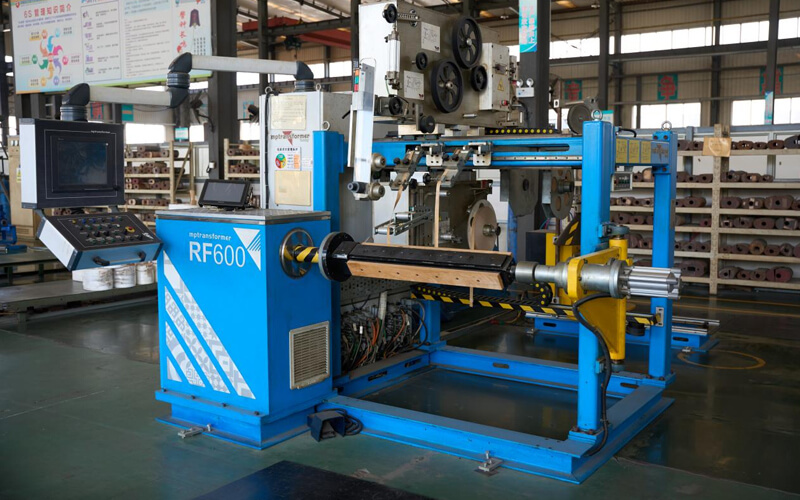
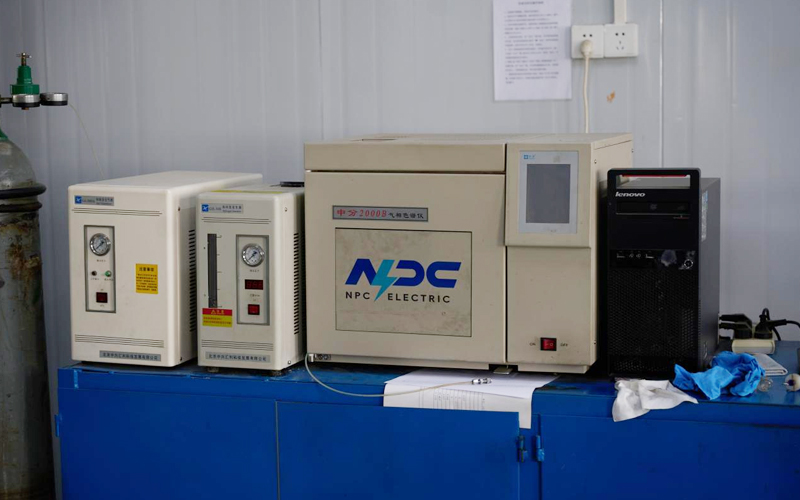
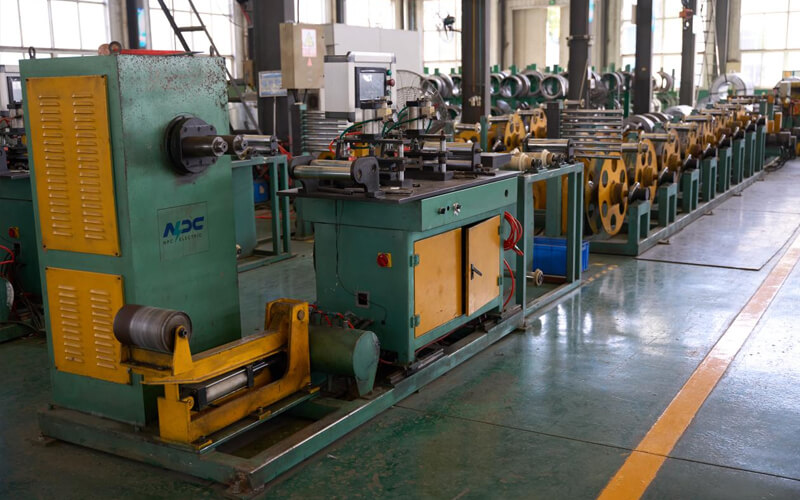
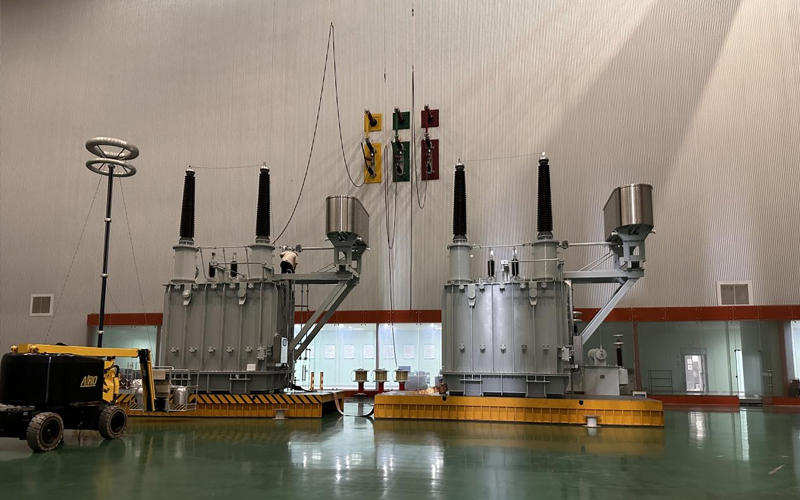
● 30+ years of manufacturing experience
● ISO and UL certified production
● Customized cable and transformer solutions
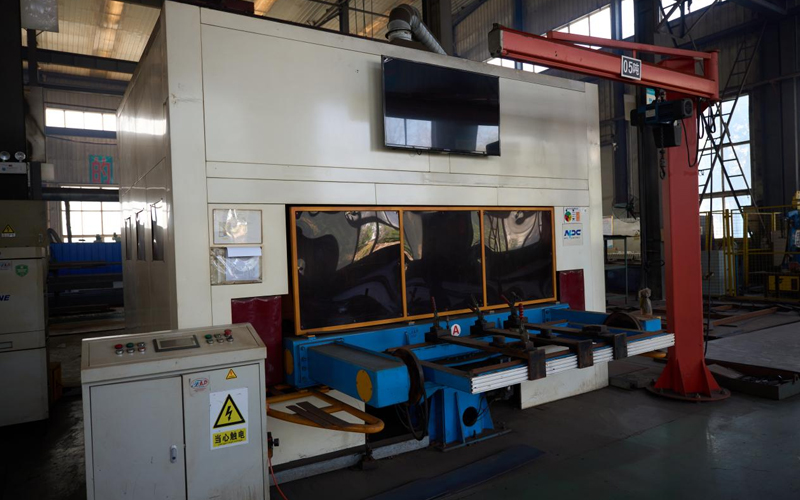
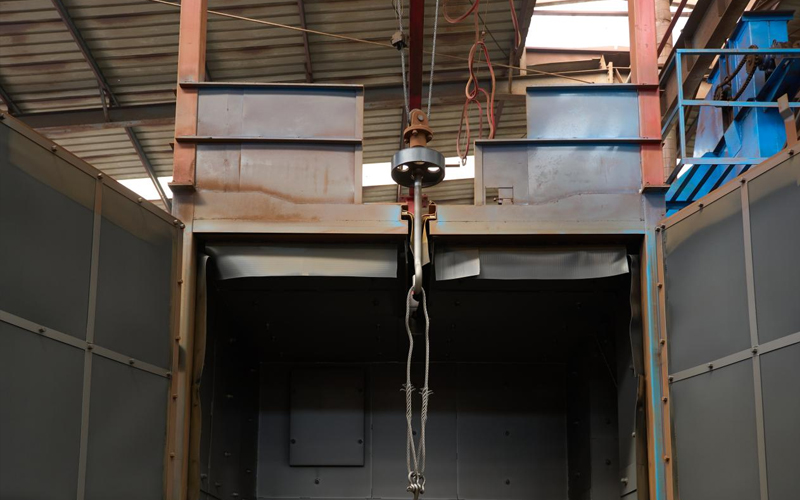
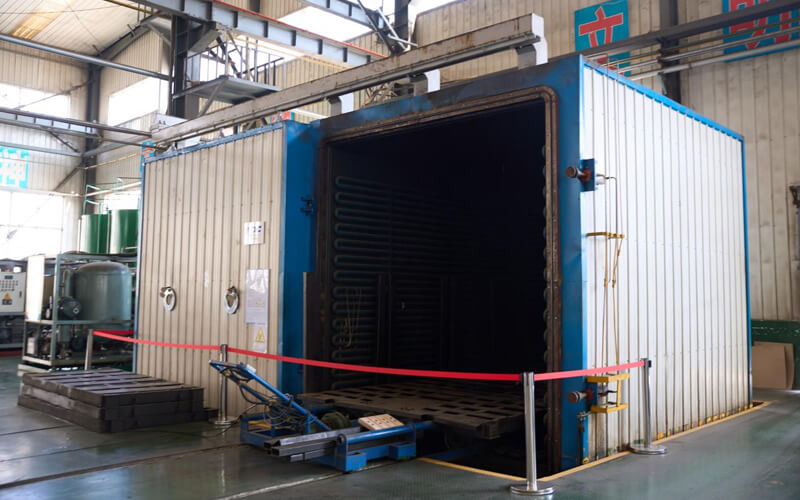
Product Packaging
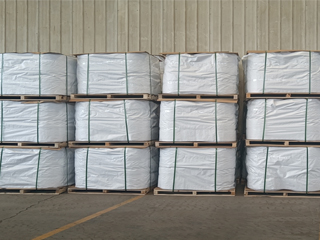
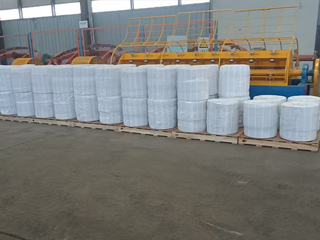
Wires and Cables packaging (1)
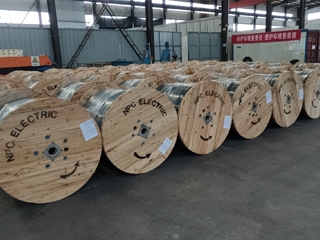
Wires and Cables packaging (2)
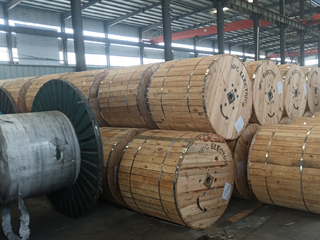
Wires and Cables packaging (3)
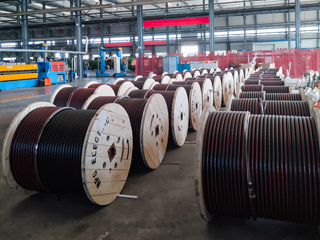
Wires and Cables packaging (4)
Wires and Cables packaging (5)
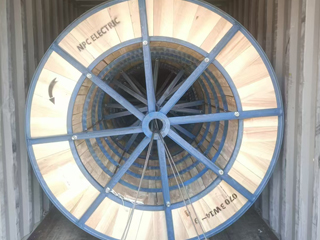
Wires and Cables packaging (6)
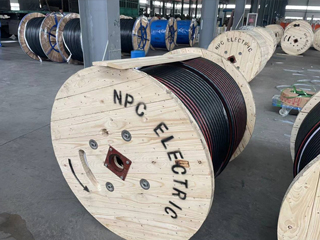
Wires and Cables packaging (7)
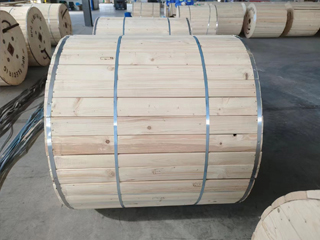
Wires and Cables packaging (8)
Related Products
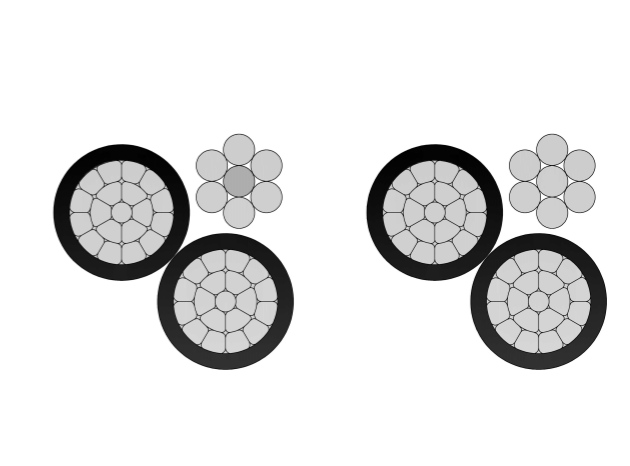
2/0 Cyclops Aluminum Conductor Triplex Overhead Service Drop Cable
The 2/0 Cyclops Aluminum Conductor Triplex Overhead Service Drop Cable is engineered for reliable overhead electrical service from utility lines to residential and commercial buildings. This cable consists of two insulated phase conductors helically wrapped around a bare aluminum neutral messenger, ensuring mechanical strength and electrical stability. Manufactured using high-purity aluminum and weather-resistant insulation, the 2/0 Cyclops Aluminum Conductor Triplex Overhead Service Drop Cable delivers excellent conductivity, corrosion resistance, and long service life. Its lightweight construction simplifies installation while maintaining strong tensile performance for aerial applications. The cable is designed to meet utility standards and perform consistently under varying environmental conditions such as UV exposure, wind, and temperature fluctuations. Each production batch undergoes comprehensive testing to guarantee compliance, safety, and performance, making this cable a dependable solution for modern power distribution systems.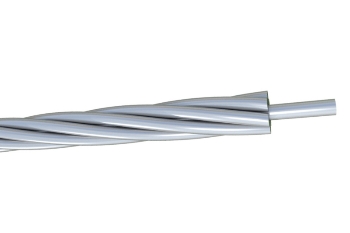
12 Gauge Galvanized Steel Conductor Wire
The 12 Gauge Galvanized Steel Conductor Wire is engineered for demanding utility applications, delivering reliable high-strength performance with outstanding corrosion resistance. Produced with heavy hot-dip galvanizing, this 12 AWG wire features a uniform zinc coating that effectively protects against rust in challenging environments. It performs exceptionally well as overhead ground wire, static wire, or guy wire for pole guying in power transmission and distribution systems. Meeting ASTM A475 requirements, the 12 Gauge Galvanized Steel Conductor Wire provides excellent tensile strength and long service life with minimal maintenance. Rigorous quality testing throughout production ensures consistent mechanical properties and coating integrity, making it a cost-effective and dependable solution for shielding and structural support in overhead lines.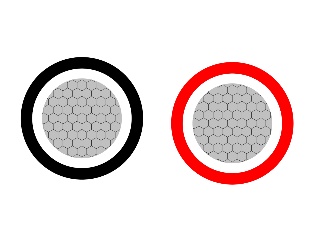
Photovoltaic Solar H1Z2Z2-K Cable
H1Z2Z2-K is a single-core DC 1500V cable specially designed for photovoltaic systems. It is widely used for connections between solar panels and inverters in solar power installations. Compliant with EN 50618 and IEC 62930 standards, it is suitable for indoor and outdoor use, both in fixed and mobile installations, and can withstand harsh environmental conditions. For installations where fire, smoke emissions, and toxic fumes create a potential risk to life and equipment, Water resistant to AD8.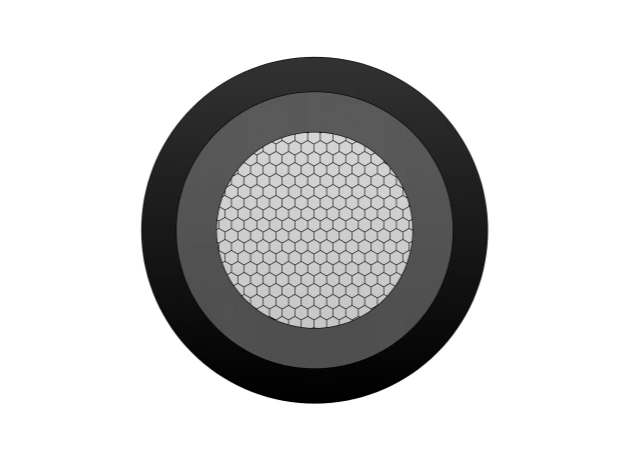
NSGAFÖU 1.8/3kV Rubber Cable
NSGAFÖU 1.8/3kV Rubber Cable is a robust, single-core flexible power cable engineered for extreme mechanical and environmental stresses in mining, tunneling, cranes, and mobile machinery. It features finely stranded tinned copper conductors (class 5) for superior flexibility and corrosion resistance, EPR (ethylene propylene rubber) insulation for excellent dielectric strength and 90°C continuous rating (250°C short-circuit), and a tough CPE (chlorinated polyethylene) or neoprene outer sheath providing outstanding oil resistance, flame retardancy (IEC 60332-1), abrasion/tear resistance, and weatherproofing. Compliant with DIN VDE 0250-813 / HD 22.16 S2 standards, it offers high mechanical strength, tight bending radii, and reliable performance in wet, oily, or abrasive conditions. The NSGAFÖU 1.8/3kV is ideal for trailing cables, reeling systems, and power connections where flexibility, durability, and safety are essential.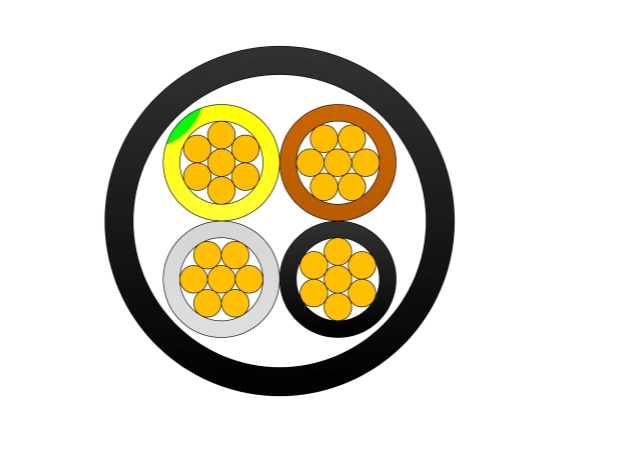
Single Core Aluminum Cable AL/XLPE/PVC Low Voltage Power Cable
The Single Core Aluminum Cable AL/XLPE/PVC is a high-performance low-voltage power cable designed for efficient electrical power transmission and distribution. Manufactured with a high-conductivity aluminum conductor, premium XLPE insulation, and a durable PVC outer sheath, the cable provides an economical and lightweight alternative to copper cables while maintaining excellent electrical performance. The XLPE insulation offers superior dielectric strength, low insulation loss, and excellent thermal stability, allowing continuous conductor operation at temperatures up to 90°C. The PVC sheath protects the cable from moisture, abrasion, chemicals, UV exposure, and mechanical damage, ensuring reliable performance in various installation environments. Its lightweight aluminum conductor reduces installation costs and simplifies handling during construction projects. Manufactured according to IEC 60502-1 and other international standards, the cable is suitable for power stations, industrial facilities, commercial buildings, renewable energy systems, and utility distribution networks. The Single Core Aluminum Cable AL/XLPE/PVC combines cost efficiency, reliability, durability, and safety, making it an ideal choice for modern electrical infrastructure projects worldwide.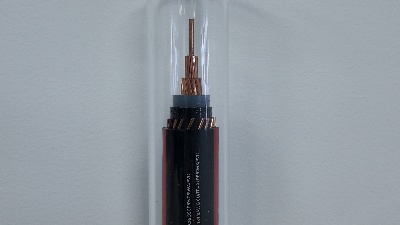
5-46kV TR-XLPE URD Medium Voltage Utility Cables
5–46kV TR-XLPE URD Medium Voltage Utility Power Cables are specifically designed for underground residential distribution and utility power networks. Manufactured with high-quality copper or aluminum conductors and tree-retardant cross-linked polyethylene (TR-XLPE) insulation, these cables provide superior resistance to electrical treeing, moisture ingress, and long-term aging. The TR-XLPE insulation system significantly extends service life in underground installations where environmental stress and moisture exposure are common. Rated for voltage levels from 5kV to 46kV, the cable ensures stable and efficient power transmission under continuous operating conditions. Its robust construction supports direct burial or duct installation, meeting the reliability requirements of modern utility infrastructure. Designed to meet utility and industry performance expectations, TR-XLPE URD cables offer consistent electrical performance, enhanced durability, and reduced maintenance over their operational lifespan.FAQ From Customers
-
What are the advantages of power cables and overhead lines?(1) Reliable operation, because it is installed in a hidden place such as underground, it is less damaged by external forces, has less chance of failure, and the power supply is safe, and it will not cause harm to people; (2) The maintenance workload is small and frequent inspections are not required; (3) No need to erect towers; (4) Help improve power factor.
-
Which aspects should be considered when choosing the cross section of a power cable?(1) The long-term allowable working current of the cable; (2) Thermal stability once short circuited; (3) The voltage drop on the line cannot exceed the allowable working range.
-
What are the measures for cable fire prevention?(1) Use flame-retardant cables; (2) Use fireproof cable tray; (3) Use fireproof paint; (4) Fire partition walls and fire baffles are installed at cable tunnels, mezzanine exits, etc.; (5) Overhead cables should avoid oil pipelines and explosion-proof doors, otherwise local pipes or heat insulation and fire prevention measures should be taken.
-
What should be paid attention to during the transportation and handling of cables?(1) During transportation, loading and unloading, cables and cable reels should not be damaged. It is strictly forbidden to push the cable reels directly from the vehicle. Generally, cables should not be transported and stored flat. (2) Before transporting or rolling the cable reel, ensure that the cable reel is firm, the cable is wound tightly, the oil pipe between the oil-filled cable and the pressure oil tank should be fixed without damage, the pressure oil tank should be firm, and the pressure indication should meet the requirements.
-
What inspections should be carried out for the acceptance of cable lines?(1) The cable specifications should meet the regulations, the arrangement should be neat, no damage, and the signs should be complete, correct and clear; (2) The fixed bending radius of the cable, the related distance and the wiring of the metal sheath of the single-core power cable should meet the requirements; (3) The cable terminal and the middle head should not leak oil, and the installation should be firm. The oil pressure of the oil-filled cable and the meter setting should meet the requirements; (4) Good grounding; (5) The color of the cable terminal is correct, and the metal parts such as the bracket are completely painted; (6) There should be no debris in the cable trench, tunnel, and bridge, and the cover should be complete.
Welcome your inquiry
Honesty, Integrity, Frugality, Activeness and Passion