
Power Transformers: The Hidden Bottleneck in AI Compute Expansion and Data Center Power Demand
2026-03-31
The rapid expansion of AI Compute infrastructure is fundamentally reshaping global energy demand. As hyperscale AI data centers scale to support large language models, autonomous systems, and high-performance computing (HPC), their electricity consumption is increasing at an unprecedented rate. However, a critical constraint is often overlooked: the power transformer.
From grid interconnection to voltage regulation and load balancing, transformers serve as the backbone of data center power systems. Yet, their production lead times, design limitations, and deployment challenges are emerging as a hidden bottleneck in AI infrastructure growth. This article provides a technical and commercial analysis of transformer constraints and explores practical solutions for global buyers, engineers, and energy planners.
1. The Explosive Growth of AI Data Center Power Demand
The artificial intelligence revolution is fueling an unprecedented surge in data center electricity consumption. Global data center power demand is projected to double from around 415 TWh in 2024 to approximately 945 TWh by 2030, according to the International Energy Agency, growing at roughly 15% annually—more than four times faster than the rest of the economy. In the United States alone, data centers consumed about 4.4% of total electricity in 2023 and could reach 6.7–12% by 2028, with hyperscale facilities driving demand from roughly 50 GW to over 134 GW by 2030.
This explosive growth is largely powered by AI-optimized servers and high-density GPU clusters required for training and inference of large language models. Unlike traditional servers, AI workloads demand massive parallel computing power, pushing individual racks from 5–15 kW to over 100 kW and entire campuses toward gigawatt-scale loads. As a result, power infrastructure—including generation, transmission, and critical equipment like power transformers—has become the primary bottleneck, with lead times stretching to 2–4 years and utilities struggling to keep pace.
AI-driven workloads are significantly more power-intensive than traditional computing.
Table: Power Consumption Comparison
|
Workload Type |
Average Power Density (kW/rack) |
Growth Trend |
|
Traditional IT |
5–10 kW |
Stable |
|
Cloud Computing |
10–20 kW |
Moderate |
|
AI Training (GPU/ASIC) |
30–100+ kW |
Rapid |
Technical Insight:
Modern AI data center power consumption can exceed 100 MW per facility, with some hyperscale campuses targeting 1 GW clusters. This exponential growth places immense pressure on substation transformers and upstream grid infrastructure.
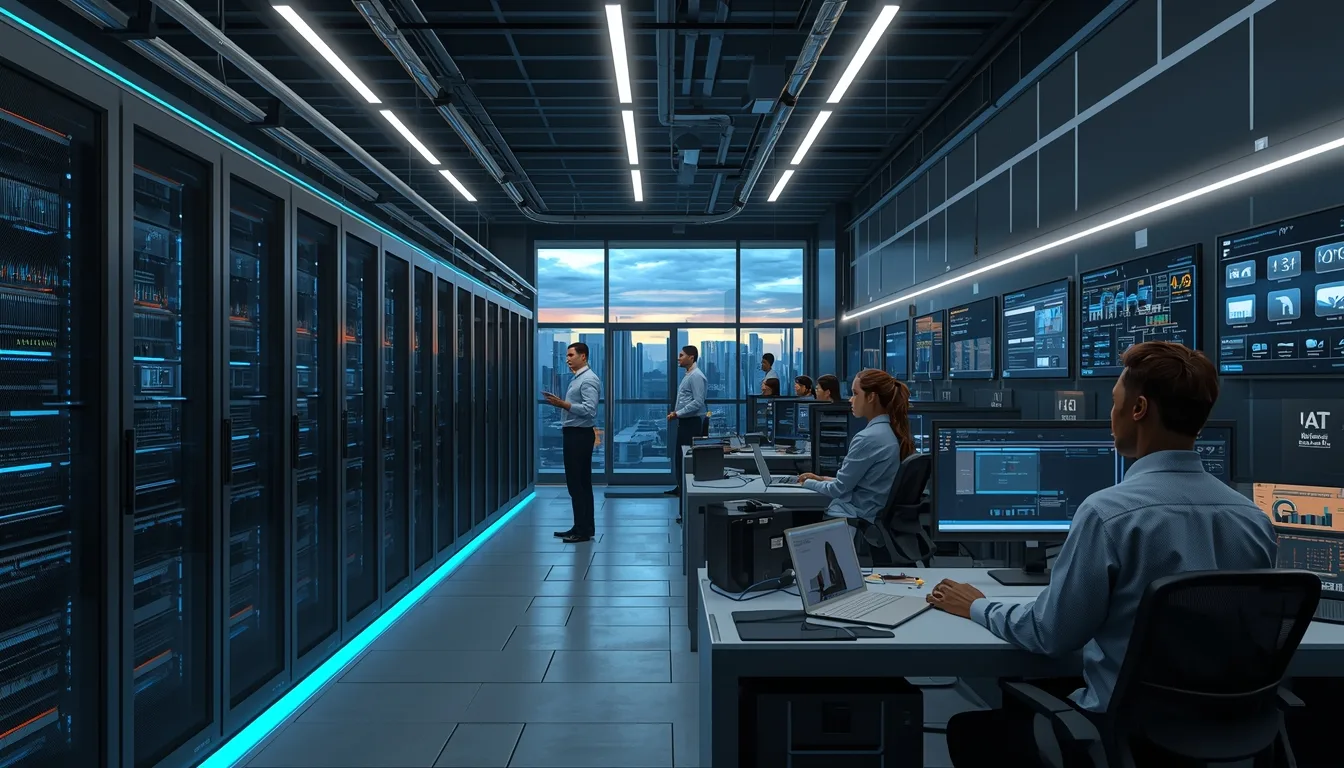
2. Role of Power Transformers in AI Infrastructure
A power transformer is responsible for stepping the voltage up or down between generation, transmission, and end-use systems.
Core Functions:
- Voltage transformation (e.g., 220kV → 33kV → 11kV)
- Load isolation and protection
- Power quality stabilization
- Grid-to-data center interfacing
Practical Engineering Context:
In AI data centers, transformers must handle:
- High load variability (due to fluctuating AI workloads)
- Harmonic distortion (caused by power electronics)
- Continuous 24/7 operation under peak load
This creates stringent design requirements beyond conventional industrial applications.
3. Why Transformers Are Becoming a Bottleneck
3.1 Manufacturing Lead Times
Large-scale power transformers (≥100 MVA) often require:
- 6–18 months production time
- Specialized materials (e.g., grain-oriented silicon steel)
- Complex logistics and testing
Table: Transformer Supply Constraints
|
Factor |
Impact on AI Expansion |
|
Long production cycles |
Delays data center commissioning |
|
Limited global suppliers |
Price escalation |
|
Material shortages |
Capacity bottlenecks |
|
Custom design requirements |
Increased engineering complexity |
3.2 Grid Infrastructure Limitations
Existing grid systems were not designed for concentrated AI loads.
- Power grids lack capacity for hyperscale facilities
- Urban substations face space constraints
- Transmission upgrades lag behind demand
Engineering Challenge:
Upgrading grid infrastructure requires new substation transformer installations, often involving regulatory approvals and long construction cycles.
3.3 Thermal and Efficiency Constraints
Transformers in AI environments operate near full load continuously.
- Increased thermal stress
- Higher insulation aging rates
- Reduced operational lifespan if poorly designed
Solution Direction:
Use energy-efficient transformers with:
- Advanced cooling systems (ONAN, ONAF, OFAF)
- Low-loss core materials
- Digital monitoring systems
4. Transformer Design Requirements for AI Data Centers
As artificial intelligence drives hyperscale data centers toward gigawatt-scale power demands, power transformers have become a critical bottleneck in modern electrical infrastructure. Traditional designs struggle to support the extreme power densities of AI workloads, where GPU clusters push rack loads from 15 kW to over 100–240 kW and entire facilities routinely exceed 100 MW.
Key transformer design requirements for AI data centers now include high-efficiency operation under continuous near-full load, superior harmonic handling to manage non-linear GPU power supplies, exceptional voltage regulation with fast response to sudden load spikes, and enhanced thermal management for sustained high-density operation. Operators increasingly demand dry-type or advanced liquid-immersed transformers with low losses, high short-circuit withstand capability, and compatibility with emerging 800V DC architectures and solid-state transformer (SST) technologies.
Table: Key Design Requirements
|
Parameter |
Requirement for AI Data Centers |
|
Load Capacity |
High continuous load (>90%) |
|
Efficiency |
≥99% to reduce energy loss |
|
Harmonic Tolerance |
Enhanced winding design |
|
Cooling System |
Forced oil/air cooling |
|
Redundancy |
N+1 or 2N configurations |
Practical Insight:
Transformers must be designed for non-linear loads, which differ significantly from traditional industrial loads.
5. Integration with Renewable Energy Systems
The explosive growth of AI data centers is creating unprecedented electricity demand, projected to push global data center consumption toward 945 TWh by 2030, with AI workloads as the primary driver. To meet this surge sustainably, AI integration with renewable energy systems has become essential for hyperscale operators seeking reliable, low-carbon power.
Advanced AI algorithms now optimize renewable integration by forecasting solar and wind generation, dynamically balancing intermittent supply with battery storage, and enabling intelligent demand response that shifts AI workloads to periods of peak renewable availability. AI-powered microgrids, predictive maintenance, and real-time energy management systems improve efficiency by over 15%, reduce curtailment, and enhance grid stability while supporting 24/7 high-density GPU operations.
Role of Solar Transformer:
- Connect solar farms to the grid
- Stabilize intermittent energy input
- Enable hybrid energy systems
Integration Challenge:
Renewables introduce:
- Voltage fluctuations
- Frequency instability
- Reverse power flow scenarios
Engineering Solution:
Deploy smart transformers with real-time monitoring and adaptive control.
6. China Transformer Manufacturer: Global Supply Perspective
China plays a critical role in the global transformer supply chain.
In 2026, as the AI data center boom and global energy transition drive unprecedented electricity demand, China transformer manufacturers have emerged as the backbone of the worldwide power infrastructure supply chain. Controlling approximately 60% of global production capacity, Chinese companies are the dominant force in power transformers, with exports surging 36% year-on-year to a record 64.6 billion yuan ($9.3 billion) in 2025.
While Western markets face severe shortages—up to 30% supply gaps and lead times stretching 2–4 years—China transformer manufacturers offer significantly shorter delivery cycles, competitive pricing, and advanced designs tailored for high-density AI loads, renewable integration, and grid modernization. Major players like TBEA, China XD Group, and others have order books filled through 2027, supplying hyperscale data centers, utilities, and renewable projects across the US, Europe, Middle East, and Asia.
Advantages:
- Large-scale production capacity
- Competitive pricing
- Increasing technological sophistication
Buyer Considerations:
- Compliance with IEC/IEEE standards
- Quality control and testing capability
- Export experience and logistics
Strategic Insight:
Partnering with a reliable China transformer manufacturer can reduce lead times and cost, but requires strict vendor qualification.
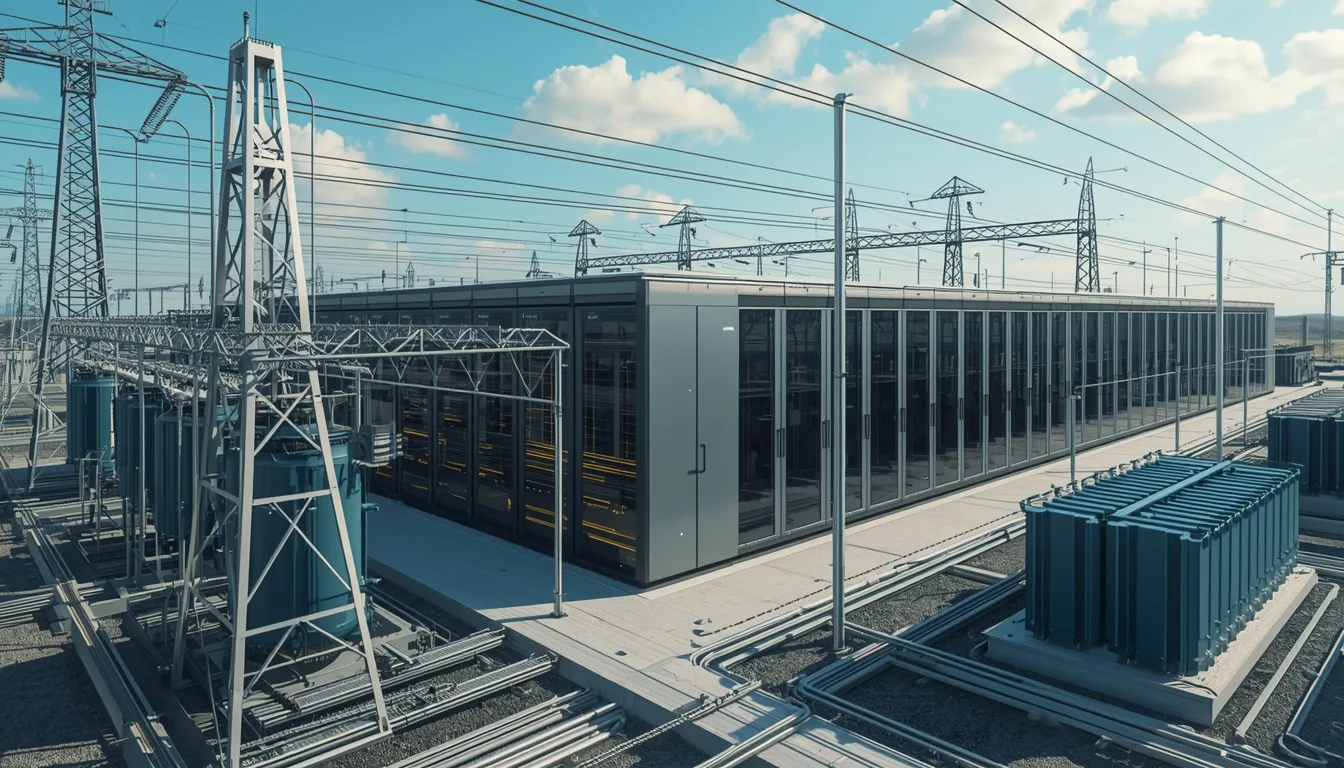
7. Cost Analysis: Transformer Impact on Data Center CAPEX
Transformers represent a significant portion of the electrical infrastructure cost.
Table: Cost Contribution
|
Component |
% of Electrical CAPEX |
|
Power Transformers |
20–30% |
|
Switchgear |
15–25% |
|
Cabling & Distribution |
10–20% |
|
Backup Systems (UPS, Gen) |
20–30% |
Insight:
Delays or cost increases in power transformers can directly impact project ROI and deployment timelines.
8. Emerging Solutions to the Transformer Bottleneck
8.1 Modular Transformer Systems
- Faster deployment
- Scalable architecture
8.2 Digital Transformers
- Real-time monitoring
- Predictive maintenance
- Reduced downtime
8.3 High-Efficiency Core Materials
- Amorphous metal cores
- Loss designs
9. Practical Procurement Strategy for Global Buyers
Step-by-Step Approach:
- Forecast power demand accurately
- Select an appropriate transformer capacity
- Ensure compliance with local standards
- Evaluate supplier production capability
- Plan logistics and installation timeline
Table: Supplier Evaluation Criteria
|
Criteria |
Importance Level |
|
Technical capability |
High |
|
Certification |
High |
|
Delivery time |
Critical |
|
Cost competitiveness |
Medium |
|
After-sales support |
High |
10. FAQ Section
Why are power transformers critical for AI data centers?
They enable voltage regulation and stable power delivery, which is essential for high-density computing.
What is the biggest challenge in transformer supply?
Long manufacturing lead times and limited global production capacity.
How does AI affect power consumption?
AI workloads significantly increase AI data center power consumption, often exceeding traditional infrastructure limits.
Can renewable energy fully power AI data centers?
Partially, but requires integration with solar transformers and grid stabilization systems.
Conclusion
As AI continues to drive exponential growth in computing demand, the role of the power transformer becomes increasingly strategic. No longer just a passive component, it is now a **critical enabler—and potential bottleneck—**in global AI infrastructure expansion.
From manufacturing constraints to grid limitations and advanced design requirements, the challenges are complex but solvable. By adopting modern engineering practices, leveraging global supply chains (including China transformer manufacturers), and investing in next-generation technologies, stakeholders can overcome these bottlenecks.
For engineers, developers, and procurement professionals, understanding transformer dynamics is no longer optional—it is essential for staying competitive in the age of AI.

Related Articles
Related Products

500kVA Three Phase Pad Mounted Transformer
The 500kVA three-phase pad transformer is an efficient and sturdy power equipment designed for commercial, industrial and distribution systems. It has a compact design and a protective casing that meets NEMA 3R or higher standards. It is suitable for various outdoor environments and can effectively resist external factors such as weather, dust and moisture. It can meet the power needs of different regions and has a variety of optional functions, such as load regulation and temperature control systems, to further improve its operating efficiency and safety. The built-in protection device can effectively prevent overload, short circuit and other faults to ensure the safe and reliable operation of the power system.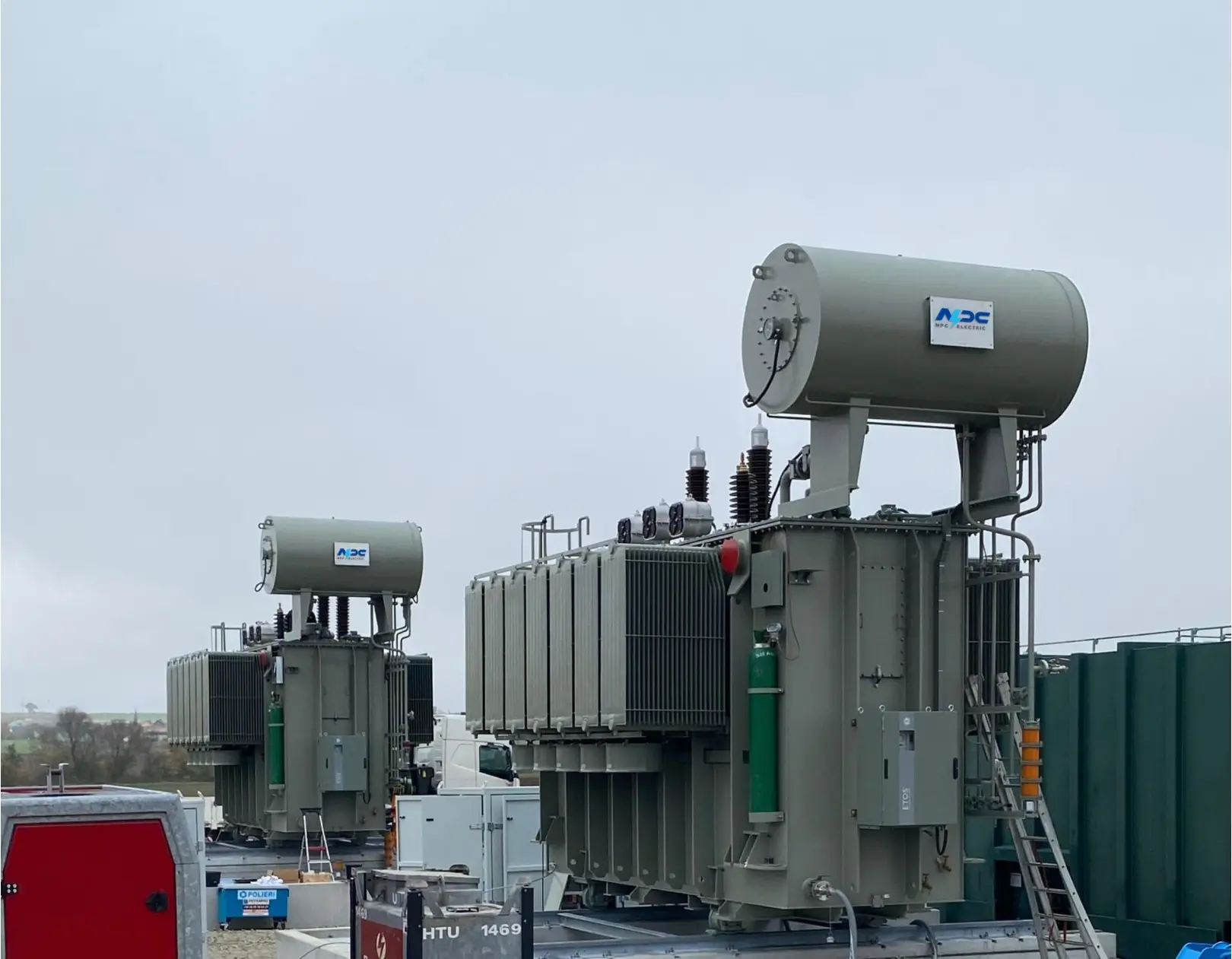
138kV / 140kV / 150kV Three-Phase Oil-Immersed Power Transformer
The 138kV / 140kV / 150kV Three-Phase Oil-Immersed Power Transformer is designed to serve high-voltage transmission and substation applications requiring dependable energy transfer and long-term operational stability. Its design emphasizes electrical reliability, structural strength, and efficient thermal management to support continuous service under varying grid loads. The transformer employs a refined magnetic circuit and carefully engineered winding structure to maintain voltage accuracy while minimizing operational stress. An oil-immersed insulation and cooling system ensures effective heat dissipation and insulation integrity throughout extended operating cycles. Built for outdoor installation, the transformer is capable of withstanding environmental exposure, electrical fluctuations, and mechanical demands associated with modern high-voltage networks. It is suitable for utility-scale projects where safety, efficiency, and durability are essential performance criteria.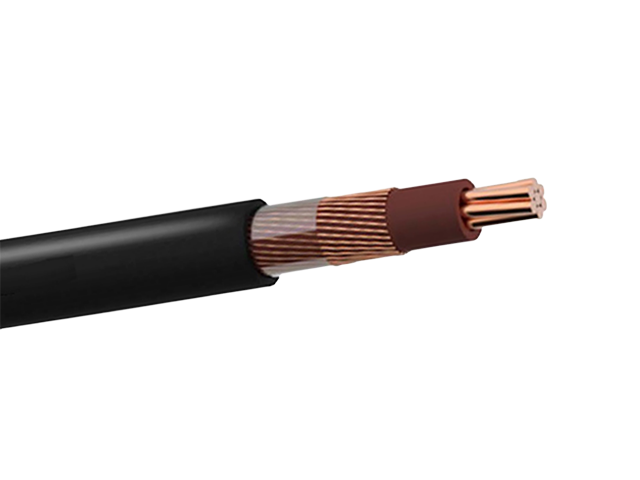
15kV Concentric Neutral Power Cable
The 15kV Concentric Neutral Power Cable is a premium medium-voltage underground distribution cable designed for reliable primary power delivery in distribution networks. It features a stranded copper or aluminum conductor, extruded semi-conducting conductor shield, TR-XLPE or EPR insulation, semi-conducting insulation shield, and helically applied bare copper concentric neutral wires, all protected by a tough sunlight-resistant LLDPE jacket. Available in 100% or 133% insulation levels with full or reduced neutral, this cable provides excellent electrical performance, moisture resistance, and mechanical protection. Suitable for direct burial or duct installations, the 15 kV Concentric Neutral Power Cable meets ICEA S-94-649, AEIC CS8, and related standards. It undergoes rigorous quality testing from raw materials to finished product, ensuring long-term reliability, low dielectric loss, and high resistance to water treeing in demanding underground environments.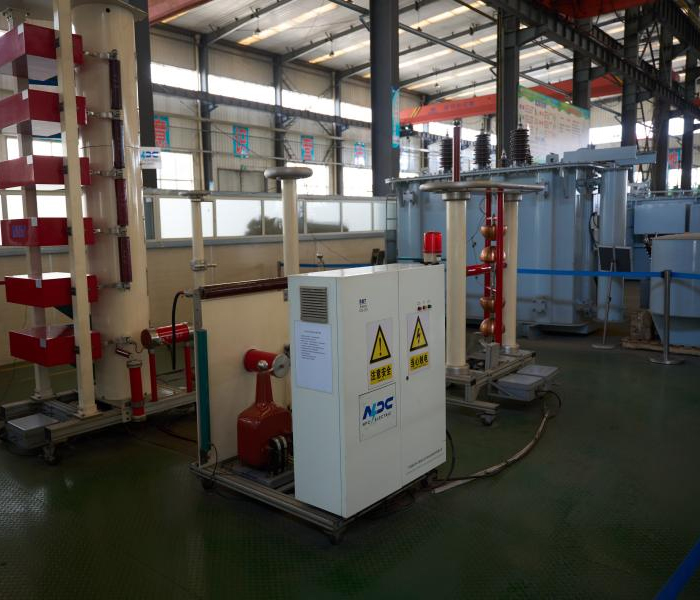
6300kVA Dry Type Transformer
The NPC ELECTRIC 6300kVA Dry Type Transformer is a high-performance, heavy-duty power solution designed for large industrial and commercial applications. With a capacity of 6300kVA, it features cutting-edge dry-type insulation technology, offering superior safety, low maintenance, and extended reliability. Built to withstand demanding operating conditions, this transformer provides stable, efficient, and noise-free performance while minimizing environmental impact. Its dry-type ventilated or encapsulated construction provides zero fluid maintenance, no spill/leak risks, and suitability for extreme high-density loads, space-limited, or environmentally restricted high-power applications.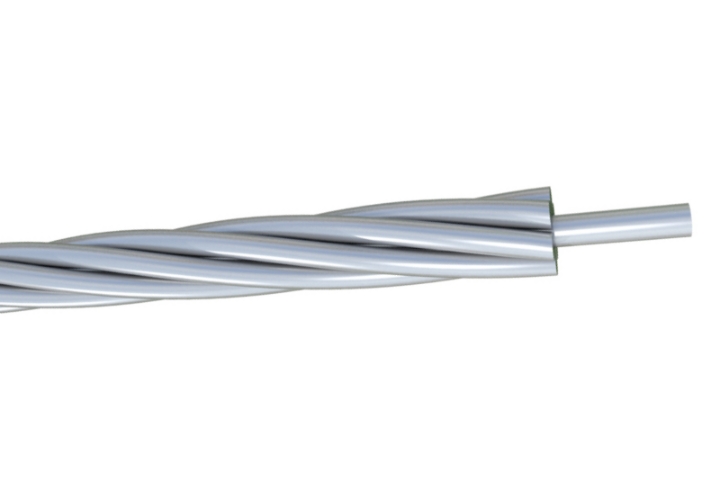
10 Gauge Galvanized Steel Conductor Wire
The 10 Gauge Galvanized Steel Conductor Wire is a premium high-strength bare steel wire designed for reliable overhead power line applications. Manufactured with heavy hot-dip zinc coating, this 10 AWG galvanized conductor delivers superior corrosion resistance and long service life in harsh outdoor environments. It offers excellent tensile strength and mechanical performance, making it ideal for use as overhead ground wire (static wire), guy wire, or messenger wire. Fully compliant with ASTM A475 and related utility standards, the 10 Gauge Galvanized Steel Conductor Wire undergoes rigorous testing from raw materials to finished product to ensure uniform zinc adhesion, consistent diameter, and high breaking strength. Its durable construction minimizes maintenance while providing dependable shielding and structural support for transmission and distribution systems.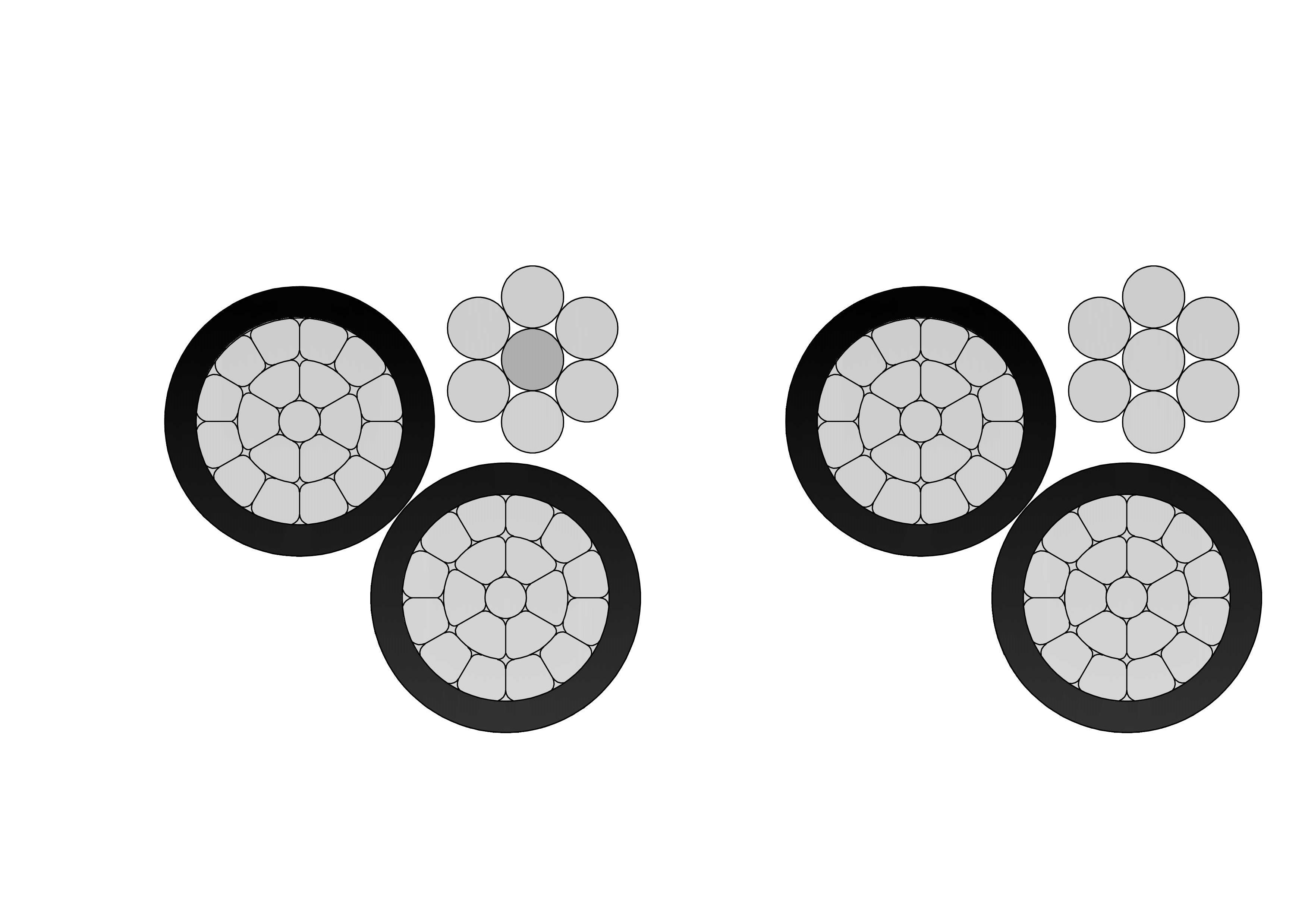
1/0 Neritina Aluminum Conductor Triplex Overhead Service Drop Cable
1/0 Neritina Aluminum Conductor Triplex Overhead Service Drop Cable is designed for reliable secondary overhead power distribution from utility poles to residential and light commercial service entrances. The triplex structure consists of two insulated aluminum phase conductors helically wrapped around a bare aluminum neutral messenger, which provides both electrical grounding and mechanical support. The 1/0 Neritina conductor size offers enhanced current-carrying capacity, strong tensile performance, and controlled sag characteristics, making it suitable for longer spans and higher service loads. Aluminum conductors reduce overall cable weight while delivering excellent corrosion resistance and ease of installation in outdoor environments. Manufactured in compliance with ASTM and utility specifications, the 1/0 Neritina Aluminum Conductor Triplex Overhead Service Drop Cable ensures stable electrical performance, long service life, and dependable mechanical integrity. It is widely adopted by utilities and contractors seeking a cost-efficient and durable overhead service drop solution.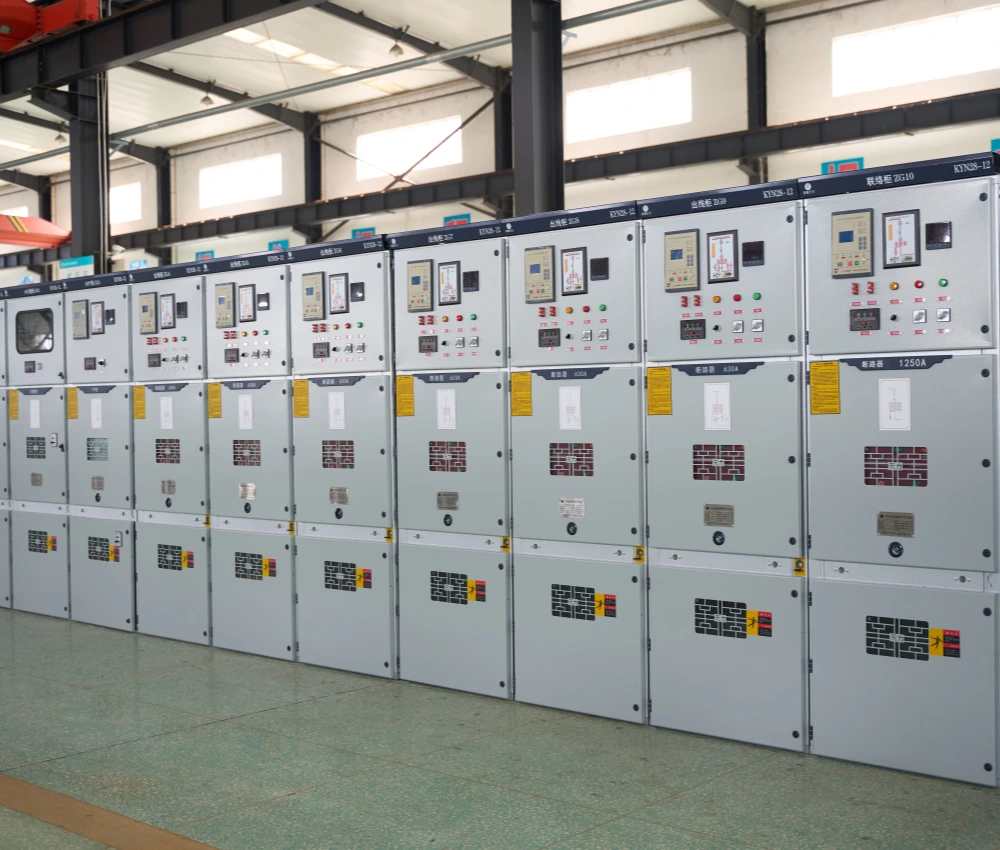
Armored Removable AC Switchgear
The Armored Removable AC Switchgear is a high-performance medium-voltage electrical distribution system specifically engineered for industrial power networks, utility substations, commercial infrastructure, and smart-grid applications. The switchgear adopts a metal-clad armored structure combined with a removable withdrawable unit design, integrating vacuum circuit breakers, protection relays, busbar systems, metering devices, and intelligent control components into a compact modular cabinet configuration. This advanced structure significantly improves operational safety, maintenance efficiency, and system reliability for modern electrical distribution environments. Designed according to international medium-voltage distribution standards, the armored removable AC switchgear provides excellent insulation performance, internal arc resistance, and mechanical durability under demanding operating conditions. The withdrawable breaker mechanism allows convenient maintenance and rapid replacement while reducing operational downtime and improving personnel safety during inspection procedures. The compartmentalized enclosure design effectively isolates busbar sections, cable chambers, breaker compartments, and control circuits to minimize fault propagation risks and enhance overall system protection. The Armored Removable AC Switchgear supports intelligent monitoring systems, remote communication protocols, and automated protection functions for modern digital substations and smart-grid infrastructure. With flexible configuration capabilities and scalable electrical distribution architecture, the system delivers dependable medium-voltage switching and protection performance for industrial automation systems, renewable energy projects, utility power networks, transportation infrastructure, and mission-critical electrical facilities.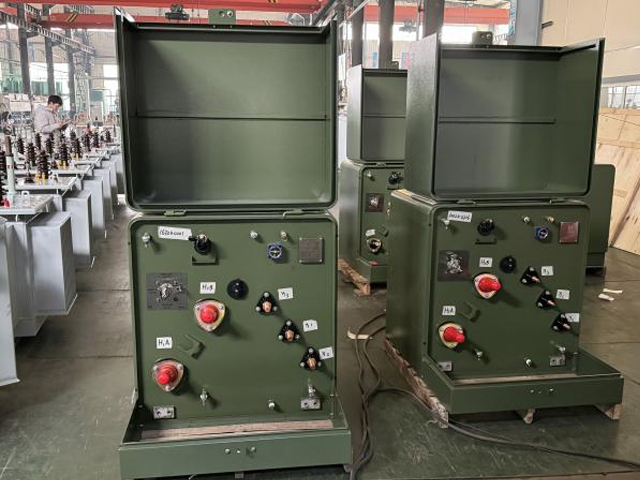
100kVA Conventional Type Single Phase Pole Mounted Transformer
NPC ELECTRIC has been specialized in manufacturing 100kVA Single Phase pole Mounted transformer for more than 20 years, which complies with international standards such as ANSI/IEEE C57, IEC60076 and other standards. Its main function is to convert high voltage electricity (such as 11kV, 13.8kV, etc.) into low voltage electricity (such as 120V/240V), providing stable and reliable power supply to end users. It is suitable for residential, commercial, agricultural and small industrial loads. Standard features include mineral oil insulation (ONAN cooling), aluminum or copper windings, primary voltages 2.4kV–34.5kV grounded wye or delta (common: 7200/12470GrdY, 7620/13200GrdY, 12470GrdY/7200, 24940GrdY/14400, 34500GrdY/19920), secondary 120/240V or 240/120V split-phase (options for 277V or custom), BIL ratings 95–150kV HV / 30kV LV, impedance typically 2.0–4.5%, ±2×2.5% or 5-position tap changer, conventional or CSP (completely self-protected) configurations with internal fuses, lightning arresters, weak-link protection, pressure relief valve, oil sight gauge, and ANSI 70 gray tank finish. Efficiency typically reaches 99.25–99.29% at 50% load per DOE levels (with 2029 amendments targeting further reductions in losses for units >100 kVA), with low sound levels and corrosion-resistant hardware for extended outdoor service.
336.4 Nannynose Aluminum Conductor Triplex Overhead Service Drop Cable
Built for high-demand overhead applications, the 336.4 Nannynose Aluminum Conductor Triplex Overhead Service Drop Cable provides robust power transmission. It features three 336.4 MCM (19/w) 1350-H19 aluminum conductors: two black XLPE-insulated phases for superior dielectric and environmental protection, cabled around a bare 336.4 MCM (19/w) AAC neutral messenger for excellent tensile strength and sag control. Rated 600V with 90°C conductor temperature and ampacity up to 420A (XLPE), this cable complies with ASTM B-230/B-231 and ICEA S-76-474. Lightweight, corrosion-resistant, and cost-effective, the 336.4 Nannynose ensures dependable performance in large secondary distribution and service drop installations.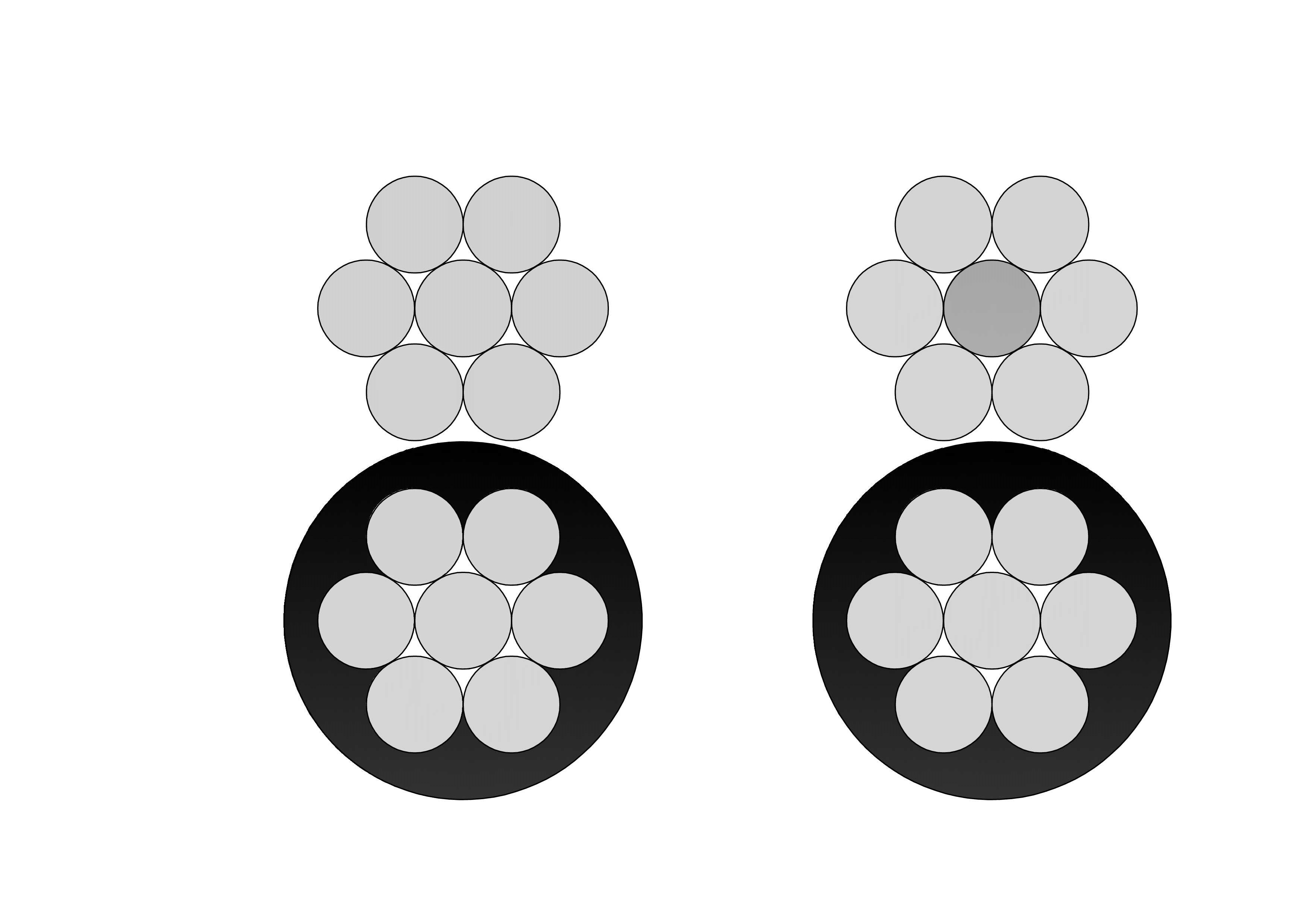
Duplex Overhead Service Drop Cable
Duplex Overhead Service Drop Cable is a reliable aerial cable for secondary power distribution from utility poles to service entrances. Available with aluminum or copper conductors (phase and neutral, stranded) insulated with XLPE or PE and assembled in duplex configuration, it offers excellent mechanical strength and weather resistance. Compliant with ASTM B-230, B-231, ICEA S-76-474, and ANSI/ICEA standards, this cable supports 600V applications with superior UV, moisture, and abrasion protection. The self-supporting design ensures reduced sag and easy installation over medium spans. The Duplex Overhead Service Drop Cable delivers low power losses, high current capacity, and long service life in harsh outdoor conditions. Lightweight and flexible, it is widely used for single-phase service drops in residential, commercial, and rural electrification projects requiring safe, cost-effective overhead connections worldwide.SSCHOU-mining-cable-2.webp)
(N)SSCHOU-J 0.6/1kV Mining Cable
The (N)SSCHOU-J 0.6/1kV cable is a flexible, rubber-insulated low voltage power cable designed in accordance with VDE 0250 standards. It is engineered for underground mining, tunneling, and heavy-duty industrial applications where flame retardancy, oil resistance, EMC protection, and mechanical durability are critical. With tinned copper conductors, robust rubber insulation, and a tinned copper wire braid (TCWB) screen for electromagnetic compatibility, this cable offers high electrical safety and mechanical reliability. It is suitable for dry, damp, wet, and hazardous environments, both indoors and outdoors, and can be permanently submerged in water up to 100 meters. Ideal for frequency converter drives and installations requiring superior shielding and long service life.
1600kVA Dry Type Transformer
1600kVA dry-type transformer is an efficient and reliable power equipment designed to provide a stable power supply. Its rated capacity is 1600kVA, which is suitable for the power needs of various industrial and commercial sites. The transformer adopts advanced dry insulation technology, which has higher safety and durability, and avoids the fire hazards that may be caused by oil-immersed transformers. In addition, the low-noise operation and environmentally friendly design of the equipment can effectively reduce operating costs and reduce environmental impact.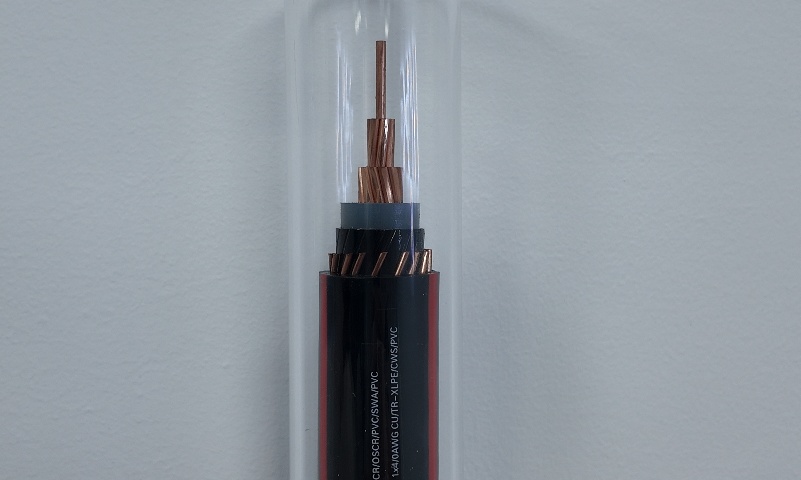
Triplex URD Cable
The Triplex URD Cable is a cost-effective and reliable 600V underground residential distribution cable engineered for service entrance and secondary power delivery. It consists of three insulated AA8000 aluminum alloy phase conductors and a concentric neutral, all encased in a durable black polyethylene sheath. The triplex design offers a compact footprint, excellent flexibility, and easy handling during direct burial installation. With XLPE insulation, this cable provides superior electrical performance and moisture resistance. Lightweight and corrosion-resistant, the Triplex URD Cable is an economical alternative to copper while maintaining high conductivity and mechanical strength. Manufactured to UL 854 and ICEA standards, it undergoes extensive quality testing to ensure consistent performance and long service life in underground environments.
0.6/1kV Aluminum LV Concentric Service Cable with Pilot Communication Cores
The 0.6/1kV Aluminum LV Concentric Service Cable with Pilot Communication Cores is a smart-ready low-voltage cable designed for modern house service connections and secondary distribution. It features compact stranded AA8000 aluminum alloy phase conductors, XLPE insulation, a concentrically arranged aluminum alloy neutral, and two insulated pilot communication cores for remote metering, load management, or fault signaling. The entire assembly is protected by a durable black polyethylene sheath. This design combines excellent electrical performance, high mechanical strength, and communication functionality in one cable, reducing installation costs and enabling smart grid applications. Rated 0.6/1kV, the cable offers superior flexibility and corrosion resistance. It undergoes rigorous quality testing from raw materials to finished product, ensuring consistent conductivity, reliable pilot signal transmission, and long-term durability in aerial or underground environments.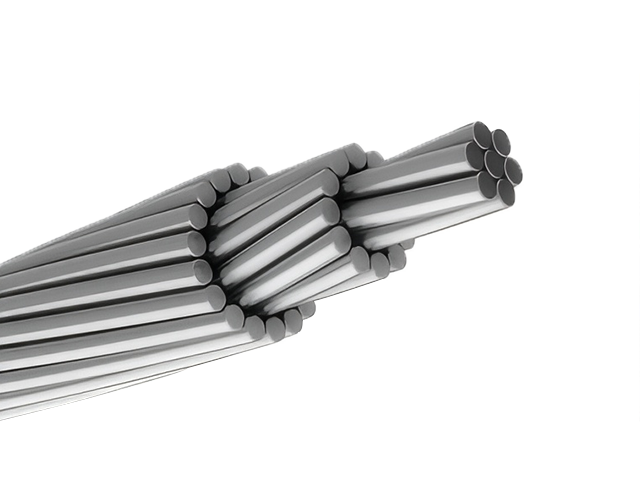
Raven ACSR Conductor Cable
The Raven ACSR Conductor Cable is a reliable overhead conductor designed for efficient power distribution. Named "Raven" for its 1/0 AWG size with 6/1 stranding (6 aluminum wires around 1 steel core), it combines lightweight aluminum for high conductivity with a galvanized steel core for tensile strength. Compliant with ASTM B230, B232, and ICEA standards, this cable offers a breaking load of approximately 3,550 lbs and a current rating up to 242 amps at 75°C in overhead applications. The aluminum 1350-H19 provides excellent corrosion resistance and low electrical resistance (0.1662 Ω/1000ft at 20°C), while the steel enhances sag control over spans up to 250m. Suitable for voltages up to 138kV in distribution lines, the Raven ACSR Conductor Cable minimizes line losses and withstands moderate weather loads, including wind and ice. Its economical design is ideal for utility upgrades, rural electrification, and grid extensions, ensuring dependable power delivery with minimal maintenance in overhead transmission and distribution systems worldwide.Welcome your inquiry
Honesty, Integrity, Frugality, Activeness and Passion