
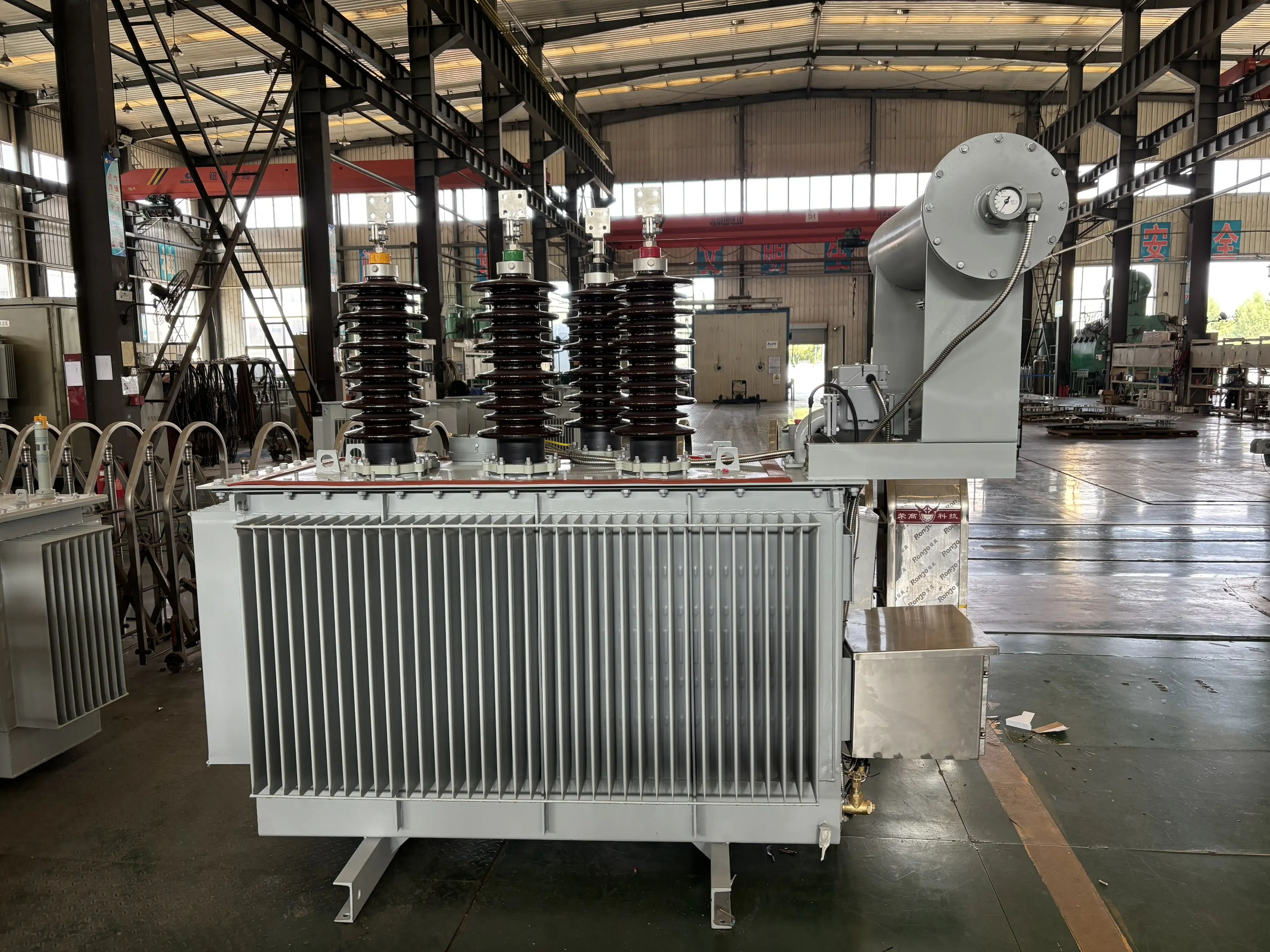
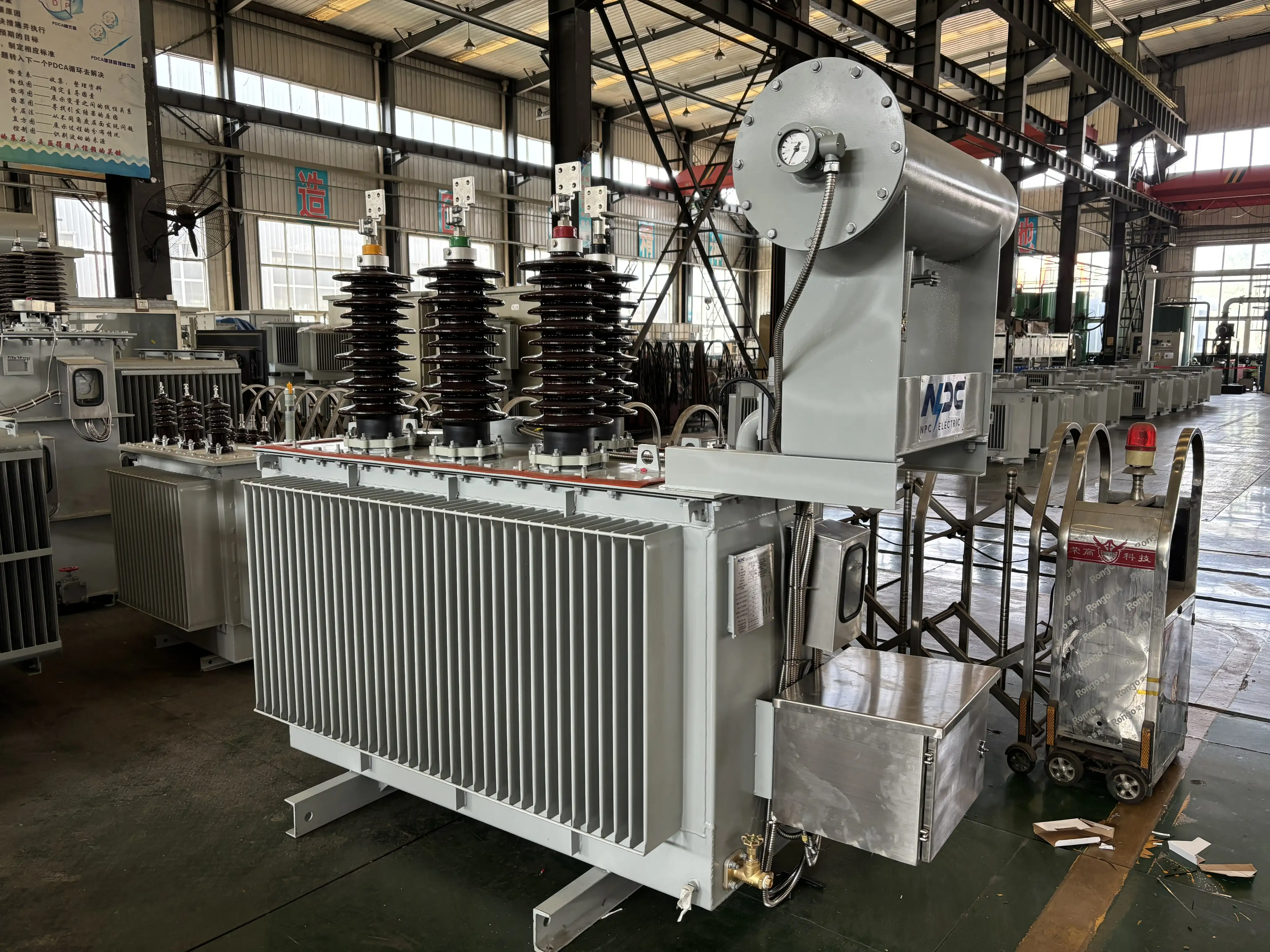


Earthing Transformer
The Earthing Transformer (also known as Grounding Transformer or Neutral Grounding Transformer) is a specialized auxiliary transformer used in three-phase power systems to provide a neutral grounding point and a low-impedance path for zero-sequence currents during ground faults. It is essential in ungrounded delta or ungrounded wye systems (common in industrial, utility, and renewable energy applications) where no natural neutral exists, enabling safe fault current flow to ground, stabilizing voltages, limiting overvoltages on unfaulted phases, and supporting protective relaying. Typical features include three-phase construction, rated voltage matching system line-to-line (e.g., 11kV, 33kV, 35kV, up to 220kV+), short-time rating for fault current (e.g., 10–30 seconds at 100–1000A or more), neutral bushing for grounding connection.
- Primary Voltage Ratings 34.5/33/24/12kV or others
- Secondary Voltage Ratings 480/277V, 400/230V, 380/220V, customized
- H.V. Tap Range ± 2×2.5% HV taps or others
- Type Earth transformer
- BIL 30/200kV 30/170kV or others
- Standards IEEE, ANSI, NEMA, IEC, GB
- Application Solar Farm, Substation, Grid-connected System
- Power Rating Customized
- Certificate UL ,CESI
- Cooling Method ONAN, KNAN
- Oil Mineral Oil or FR3
- Opeartion Grounding
Technical Specifications
Customization Optional
Packing and Shipping
Manufacturer Test
Routine Testing
Application
Technical Specifications
Earthing Transformer
Technical Specifications
Accessories
| Rated Power | Customized | |
| Rating Primary Voltage | 2.4-34.5kV | |
| Secondary Voltage | 480/277V 400/230V 380/220V Customized |
|
| Frequency | 50/60Hz | |
| Vector Group | ZNd, ZN | |
| Winding Material | Aluminum/Copper | |
| Zero-Sequence Impedance | Customized | |
| Altitude | ≤1,000m or Customized | |
| Color | ANSI 70 Light gray/Munsell 7GY3.29/1.5 or customized etc | |
| Tank material | Mild Steel, 304 Stainless Steel | |
| Insulating Oil Weight | 1000 kg | |
| Total Weight | 4200 kg | |
| Outline Dimensions(L×W×H)in. | 2500×1100×2500(mm) | |
| HV Bushing |
| LV Bushing |
| Tap changer |
| Oil level gauge |
| Oil temperature indicator |
| Pressure relief device |
| CT |
| Lifting hook for complete transformer |
| Name plate |
| Radiators |
| Oil upper filtering valve |
| Oil drain valve with 3/8" sampler |
| Terminal box |
Customization Optional
Earthing Transformer
Grounding transformers are essential for providing a ground reference point in ungrounded or delta-connected power systems, and they often serve to manage unbalanced loads and fault currents. To accommodate various installation environments and operational requirements, grounding transformers can be equipped with several optional features. An optional low-voltage winding can be added to supply auxiliary loads, enabling the transformer to function not only for grounding but also as a station service power source. For system protection and current monitoring, bushing-type current transformers (CTs) can be integrated into the high-voltage bushings to detect fault currents and support relay coordination. A winding temperature indicator (WTI)—mechanical or electronic—may be included to monitor the winding temperature, with options for alarm or remote signaling. To support underground or indoor cable connections, a cable box or terminal box can be provided, with configurations available for single-core or three-core cable entry, ensuring secure and sealed terminations.
High-voltage bushings are also customizable, with options including porcelain or composite (silicone rubber) bushings, selected based on environmental exposure and user preference. Additionally, the orientation of the bushings (top-mounted, side-mounted, or angled) can be adjusted to suit the installation site layout, facilitating easier cable connections and minimizing bending stress. Insulating fluid includes conventional mineral oil or FR3®/ester for fire safety (>300°C flash point), biodegradability, and suitability in urban/solar farms. Cooling is ONAN (standard) or ONAF for continuous duty or high ambient. Accessories encompass conservator with bladder, Buchholz/sudden pressure relays, oil/winding temperature indicators, partial discharge sensors, SCADA/DGA monitoring, electrostatic shields for noise reduction, and K-factor for harmonic tolerance in inverter-based systems (solar PV, wind).
Packing and Shipping
Earthing Transformer
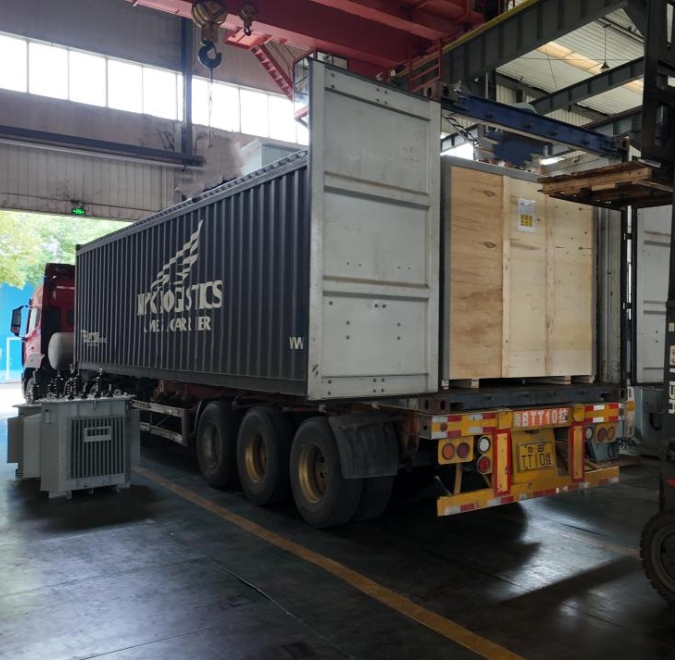
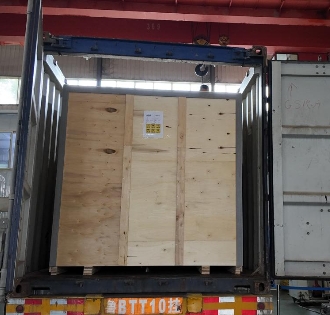
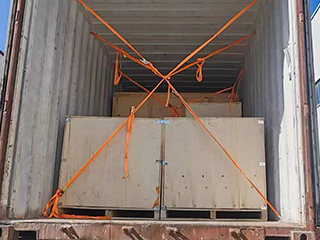
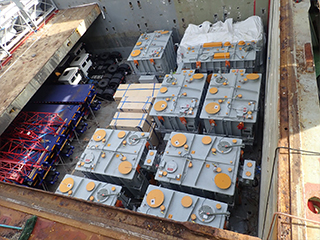
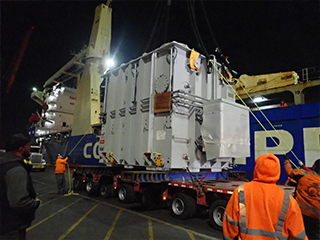
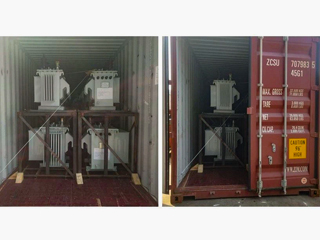
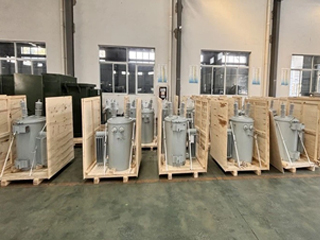
The earthing transformer is packaged rigorously to protect core, windings, enclosure, and accessories during global transport, leveraging its robust design for safer logistics. After final testing, terminals insulate, taps align, enclosure secures, and unit cleans before protective wrapping.
The transformer anchors to a heavy-duty reinforced wooden pallet or skid for forklift/crane handling, enveloped in multi-layer stretch film, VCI paper for corrosion inhibition, and foam/corner guards shielding bushings, terminals, lifting eyes, and protrusions. Oil-immersed models maintain positive nitrogen pressure or partial fill with sealed drums; accessories (relays, gauges) ship attached or in labeled crates with cushioning.
Export packaging follows ISPM-15 heat-treated lumber standards, reinforced with steel strapping, edge protectors, and high-visibility markings for weight (typically 3000–12000 kg / 6600–26500 lbs depending on rating), center of gravity, lift points (eyebolts/brackets), dimensions (approx. 2.5–4.5m H x 2.0–3.5m W x 2.0–3.0m D), and handling cautions ("Fragile Electrical Equipment - Vertical Lift Preferred"). Tamper-evident seals lock doors; weatherproof barriers shield terminations.
Domestic transport uses enclosed trailers or flatbeds with secure strapping/blocking to minimize vibration/impact. International shipments feature 20ft/40ft containers (palletized, shrink-wrapped), flat-rack, or Ro-Ro for larger units, with certified lashing to withstand dynamic forces. GPS tracking ensures real-time monitoring; full-value cargo insurance covers risks end-to-end.
Arrival includes comprehensive installation guides covering safe lifting (designated points), foundation placement with ventilation clearances, grounding, connection torque specs, neutral/resistor installation, and pre-energization checks (insulation resistance, turns ratio, oil quality). Customs facilitation provides commercial invoices, packing lists, origin certificates, efficiency certifications, and test reports for efficient clearance. Optional pre-shipment third-party or customer witness inspections verify integrity. Logistics coordination prioritizes regulatory compliance, damage prevention, and delivery of a transformer in prime condition ready for swift, dependable commissioning.
The transformer anchors to a heavy-duty reinforced wooden pallet or skid for forklift/crane handling, enveloped in multi-layer stretch film, VCI paper for corrosion inhibition, and foam/corner guards shielding bushings, terminals, lifting eyes, and protrusions. Oil-immersed models maintain positive nitrogen pressure or partial fill with sealed drums; accessories (relays, gauges) ship attached or in labeled crates with cushioning.
Export packaging follows ISPM-15 heat-treated lumber standards, reinforced with steel strapping, edge protectors, and high-visibility markings for weight (typically 3000–12000 kg / 6600–26500 lbs depending on rating), center of gravity, lift points (eyebolts/brackets), dimensions (approx. 2.5–4.5m H x 2.0–3.5m W x 2.0–3.0m D), and handling cautions ("Fragile Electrical Equipment - Vertical Lift Preferred"). Tamper-evident seals lock doors; weatherproof barriers shield terminations.
Domestic transport uses enclosed trailers or flatbeds with secure strapping/blocking to minimize vibration/impact. International shipments feature 20ft/40ft containers (palletized, shrink-wrapped), flat-rack, or Ro-Ro for larger units, with certified lashing to withstand dynamic forces. GPS tracking ensures real-time monitoring; full-value cargo insurance covers risks end-to-end.
Arrival includes comprehensive installation guides covering safe lifting (designated points), foundation placement with ventilation clearances, grounding, connection torque specs, neutral/resistor installation, and pre-energization checks (insulation resistance, turns ratio, oil quality). Customs facilitation provides commercial invoices, packing lists, origin certificates, efficiency certifications, and test reports for efficient clearance. Optional pre-shipment third-party or customer witness inspections verify integrity. Logistics coordination prioritizes regulatory compliance, damage prevention, and delivery of a transformer in prime condition ready for swift, dependable commissioning.
32
32 years of industry experience
Manufacturer Test
Earthing Transformer
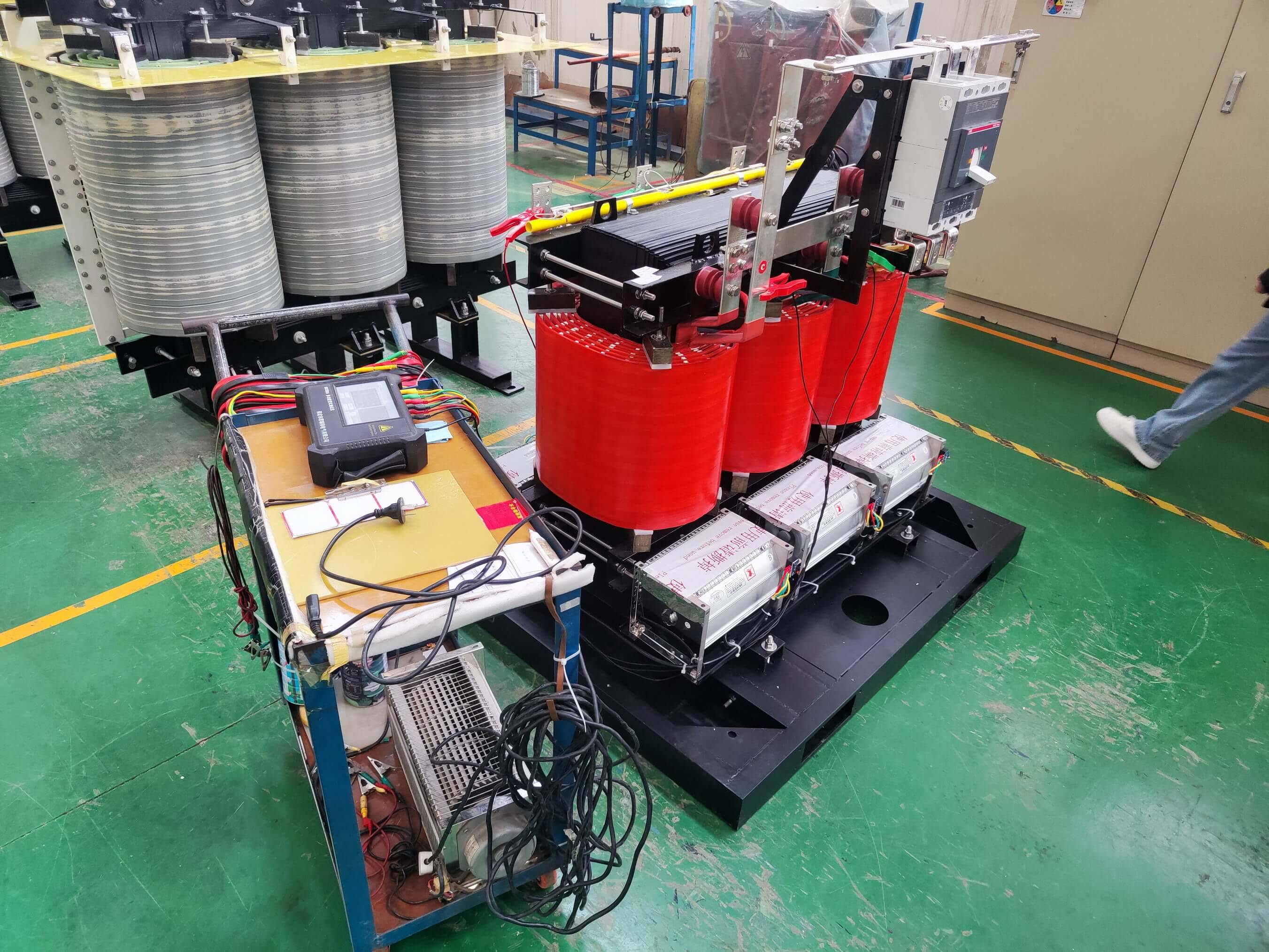
Progress Test
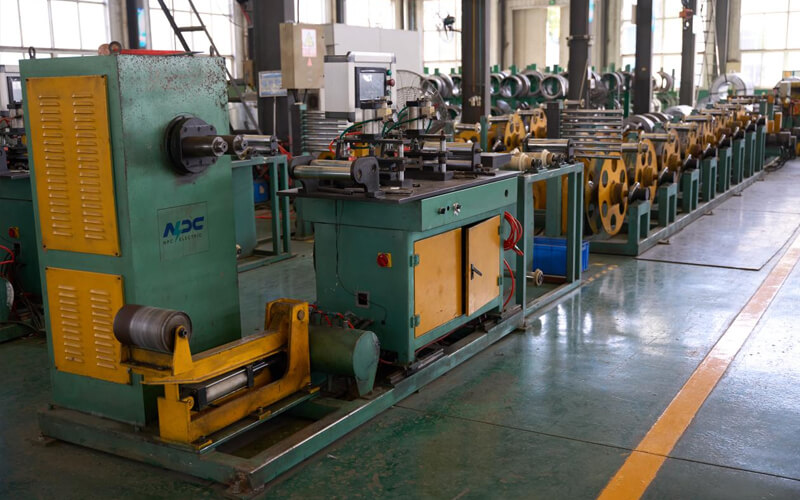
NPC Electirc manufacture Grounding transformers have the strict quality control,The Progress Test for Grounding transformers is carried out during the manufacturing process to ensure that the transformer meets all design and quality requirements. These tests include verification of the core insulation, winding resistance, and dielectric strength of the transformer. Additionally, electrical components such as bushings, tap changers, and protection devices are tested for proper functionality. The progress test also checks the transformer’s ability to handle operational loads and voltage fluctuations. Any issues identified during these tests are addressed before moving on to the final testing stages, ensuring that the transformer is reliable, safe, and ready for commissioning. These tests are essential to confirm the transformer’s performance under real-world conditions and compliance with industry standards. Accessory mounting (bushings, relays, gauges) verifies secure torque and continuity. These incremental validations promote proactive defect identification, aligning cumulative quality with IEEE/IEC standards, impedance tolerances, and insulation class benchmarks.
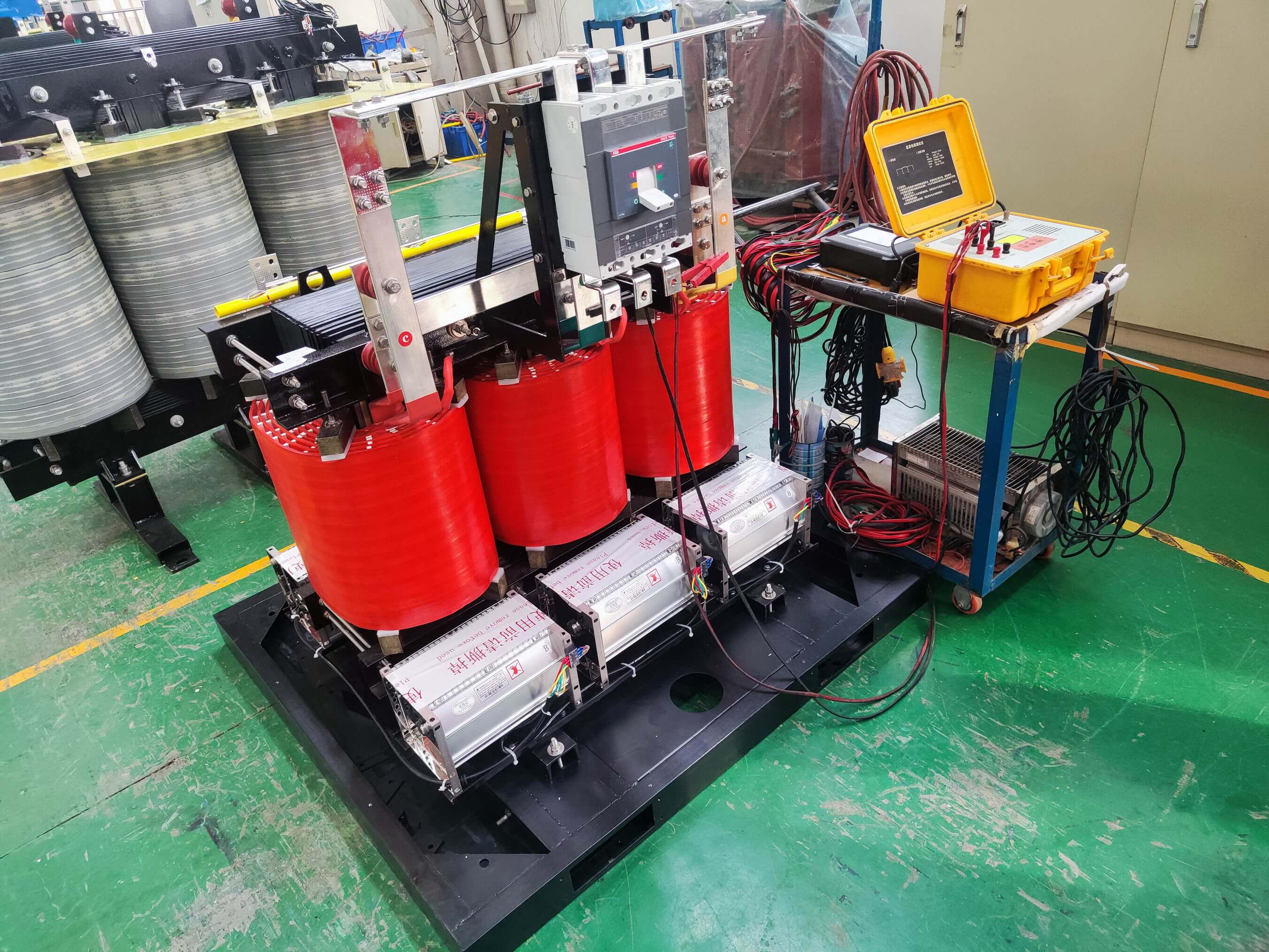
Design Tests
All transformers will be tested after finishing the production, test items as follows:
♦ Insulation Power Factor
♦ Winding Resistance
♦ Impulse Tests
♦ On load Loss Test
♦ No Load Loss Test
♦ Leak Test
♦ DC Insulation Resistance Test
♦ Transformer Turns Ratio/TTR (All Tap Voltages)
♦ Applied Voltage
♦ Induced Voltage
♦ Lightning Impulse
♦ Insulation Resistance (Rated Voltage)
♦ Temperature Rise
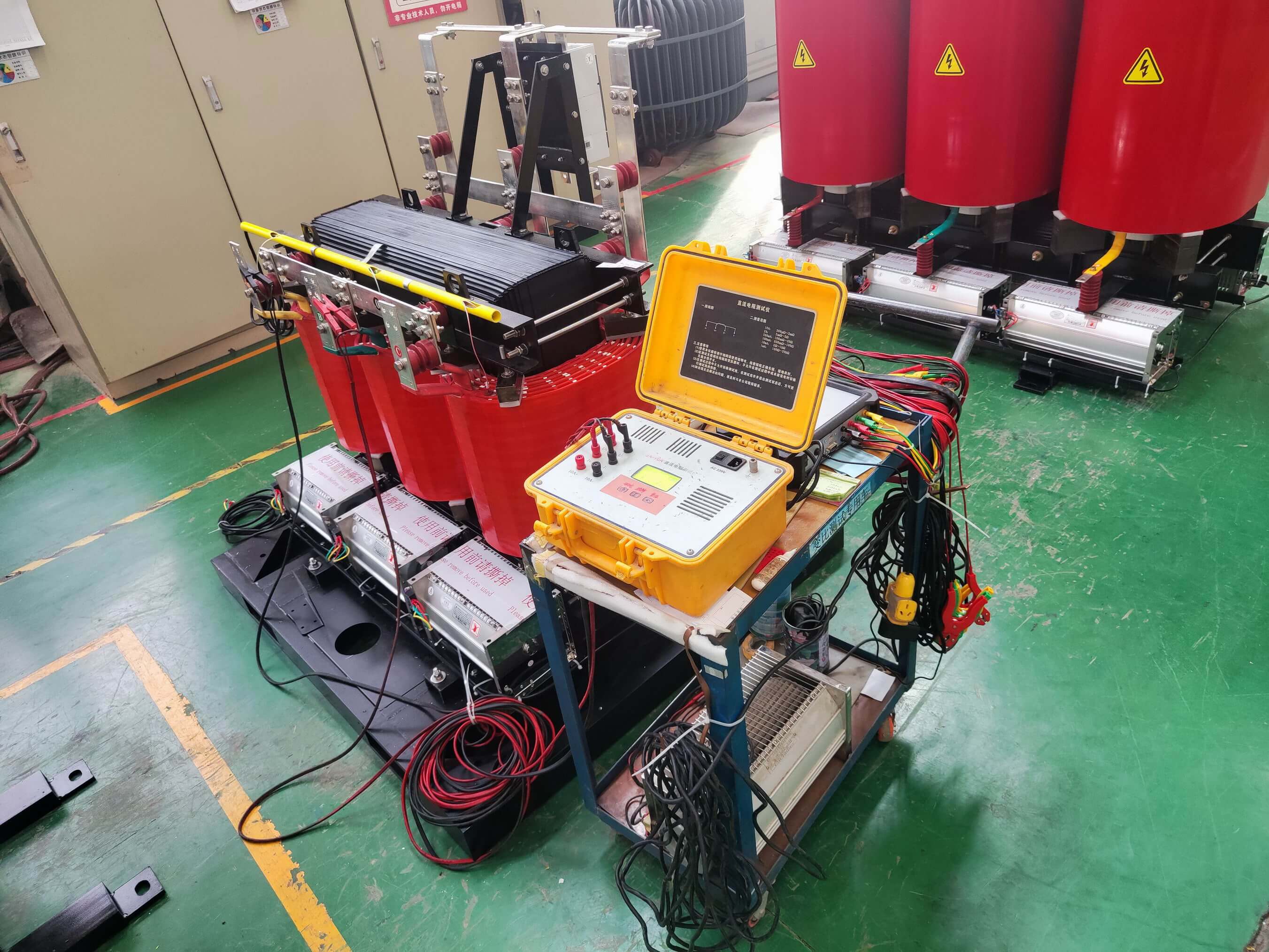
Transformer Factory Acceptance Test
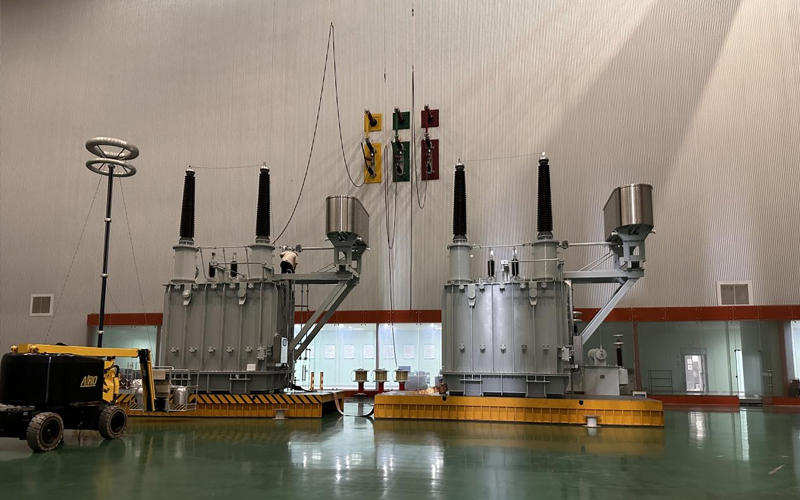
NPC Electric will tests made for quality control by the manufacturer on every device or representative samples, or on parts or materials as required, to verify during production that the product meets the design specifications. The Transformer Factory Acceptance Test (FAT) for Grounding transformers is an essential procedure conducted before shipment to ensure the transformer meets all required standards and performs optimally. During the FAT, several critical tests are carried out: Visual Inspection: Ensuring the transformer’s physical appearance, including the enclosure, bushings, and labeling, meets design specifications. Electrical Testing: This includes measuring winding resistance, insulation resistance, and verifying the turns ratio to confirm proper electrical functionality. Protection Device Testing: Confirming that safety features such as surge arresters, tap changers, and other protective components function properly. The FAT ensures the 30kVA three-phase Oil immersed transformers is reliable, safe, and ready for installation, guaranteeing compliance with industry standards before being dispatched to the customer.
Routine Test - On load Loss Test
Purpose of Testing
The purpose of On-load Loss Test is to measure the active power loss of the transformer under rated voltage and rated load, evaluate its energy efficiency level and design compliance, and provide a basis for energy consumption calculation and performance optimization during operation.
Testing Equipment
Power transformer test system (e.g. OMICRON, ISA, Tettex, Vanguard, etc.)
Voltage source and current source (usually rated voltage, or adjusted according to the test standard, such as 10 KV, 20 KV, 35 KV, etc.)
Temperature and humidity meter (used to record ambient temperature and humidity for correction of test data)
Voltage source and current source (usually rated voltage, or adjusted according to the test standard, such as 10 KV, 20 KV, 35 KV, etc.)
Temperature and humidity meter (used to record ambient temperature and humidity for correction of test data)
Pre-Test Preparation
Disconnect the transformer high voltage, low voltage and neutral power supply to ensure that the equipment is properly grounded and safely discharged.
The test environment should be dry and rainless, with a relative humidity of less than 75% and a recommended temperature range of 20–30°C.
The test environment should be dry and rainless, with a relative humidity of less than 75% and a recommended temperature range of 20–30°C.
Test Progress
Connect the Test Instrument:
Connect the test equipment to the appropriate terminals of the device under test and ensure that all wiring is correct and the device is well grounded.
Apply Test Voltage:
Apply the specified test voltage at the rated frequency and adjust the low voltage side to maintain the rated current (or specified current).
Connect the test equipment to the appropriate terminals of the device under test and ensure that all wiring is correct and the device is well grounded.
Apply Test Voltage:
Apply the specified test voltage at the rated frequency and adjust the low voltage side to maintain the rated current (or specified current).
Measure and Record
Start the test and record the following parameters:
On-Load Loss Power
Input Power and Output Power
Current
Voltage
Temperature (temperature rise or winding temperature)
Ambient temperature and humidity during the test
On-Load Loss Power
Input Power and Output Power
Current
Voltage
Temperature (temperature rise or winding temperature)
Ambient temperature and humidity during the test
Temperature Correction
The measured loss data is corrected based on a reference temperature (usually 20°C) to ensure the accuracy of the results.
Repeat Testing (if necessary)
Test different tap positions (Tap Changer) and record and compare the load loss data of each tap point.
Evaluation Criteria (Reference)
Evaluate the test results based on the equipment type and manufacturer requirements. If the load losses are low and the efficiency is high, it is considered "normal".
Test standard
IEEE C57.12.01 & IEEE C57.12.91 (Dry-Type)
*These comprehensive tests ensure that each transformer meets performance standards and operates
reliably under various conditions.
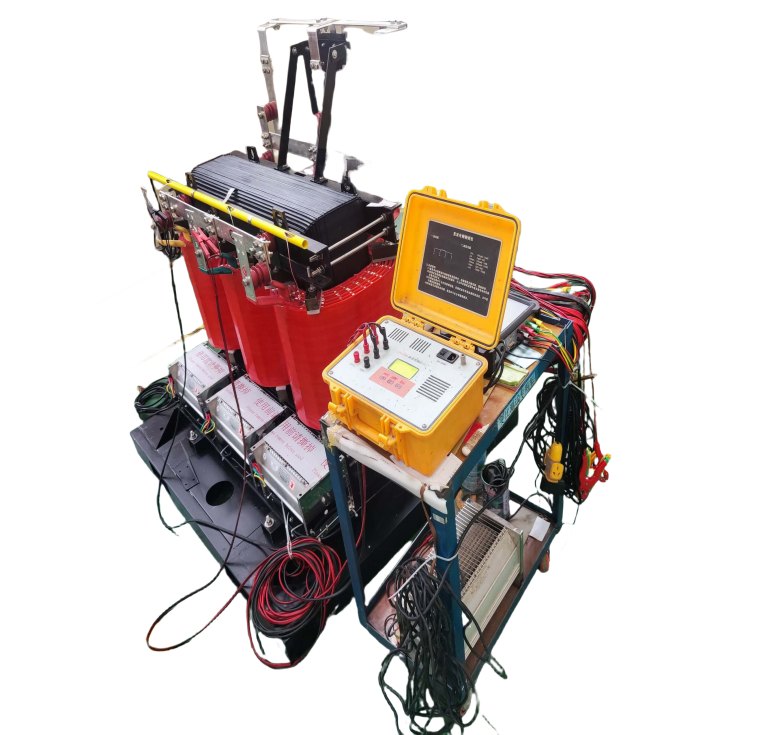
Application
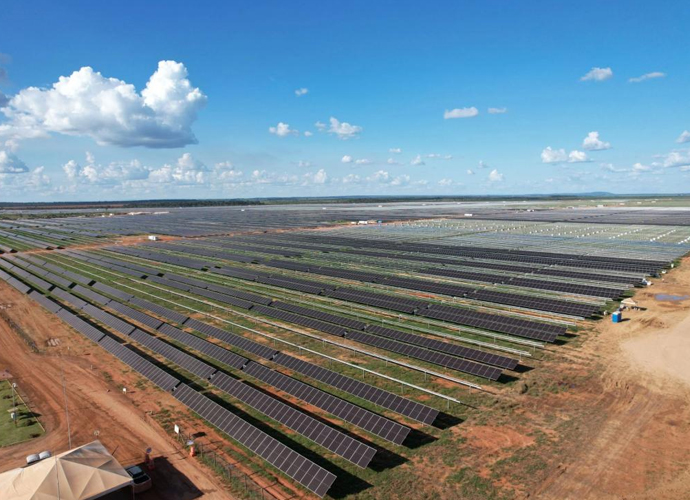
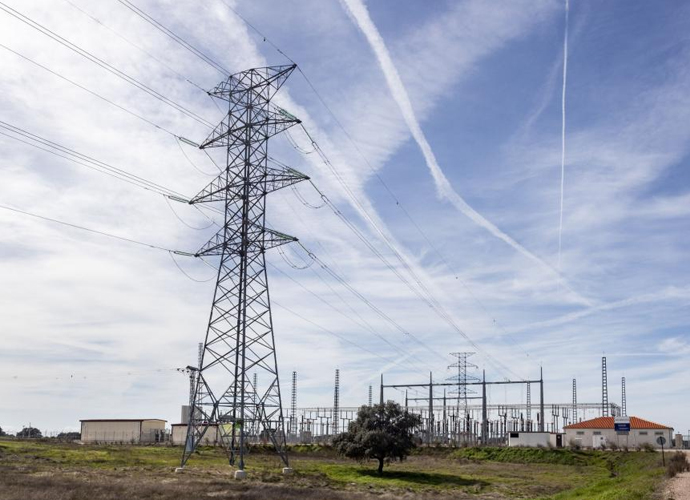
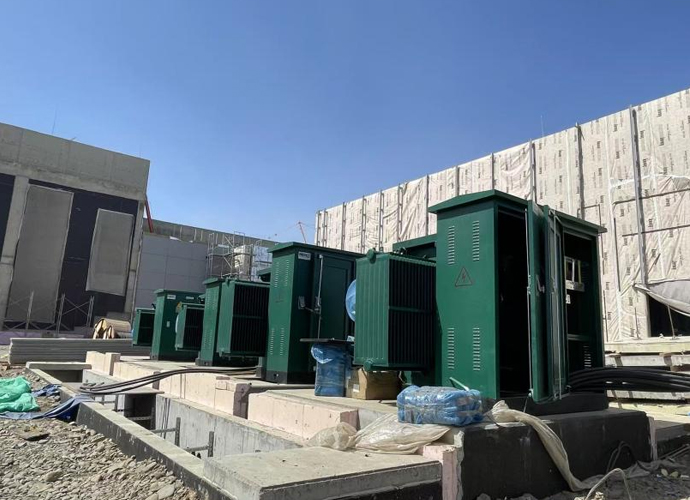
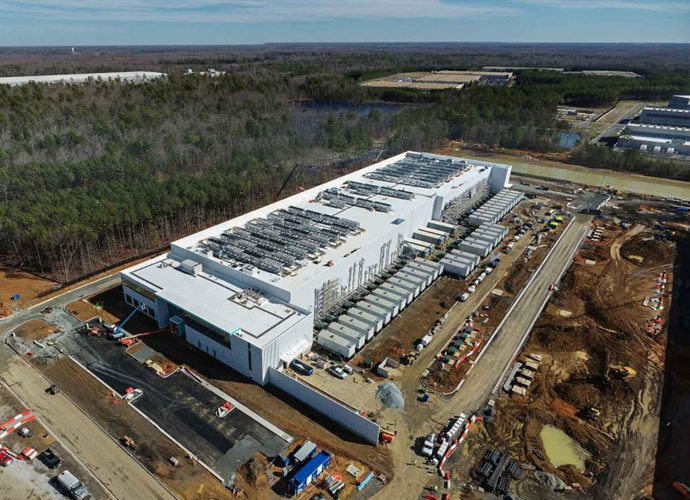
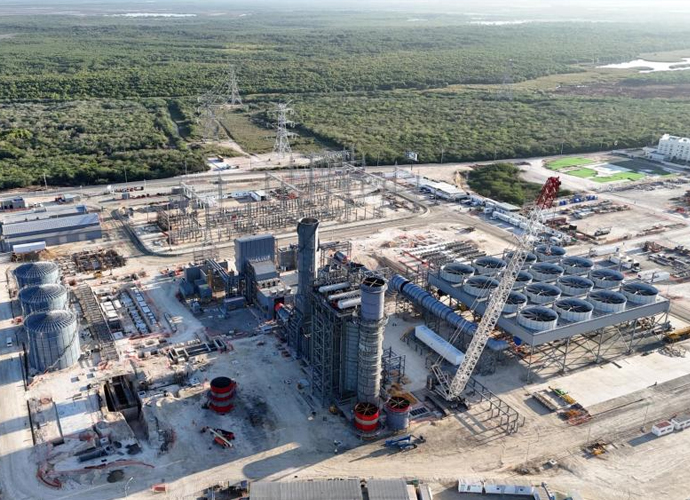
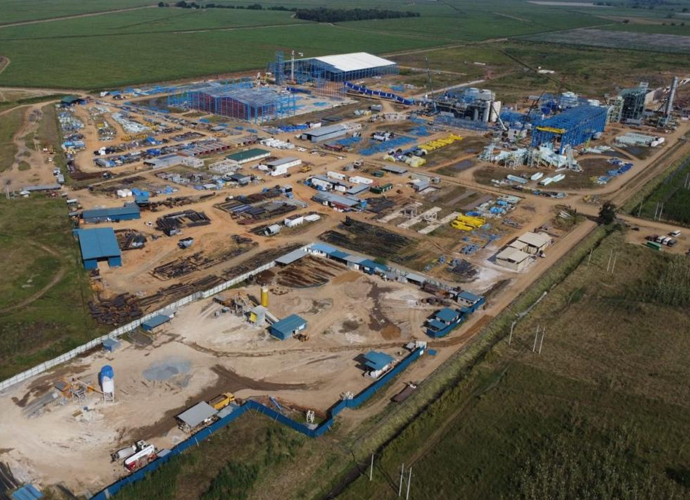
Essential for ungrounded delta or wye systems in industrial plants, substations, and renewable energy farms (solar PV, wind) to create a grounded neutral, limit fault currents, and prevent overvoltages during single-phase-to-ground faults. Also suits generator step-up/step-down applications requiring stable grounding and relay protection.


Technical Advantages
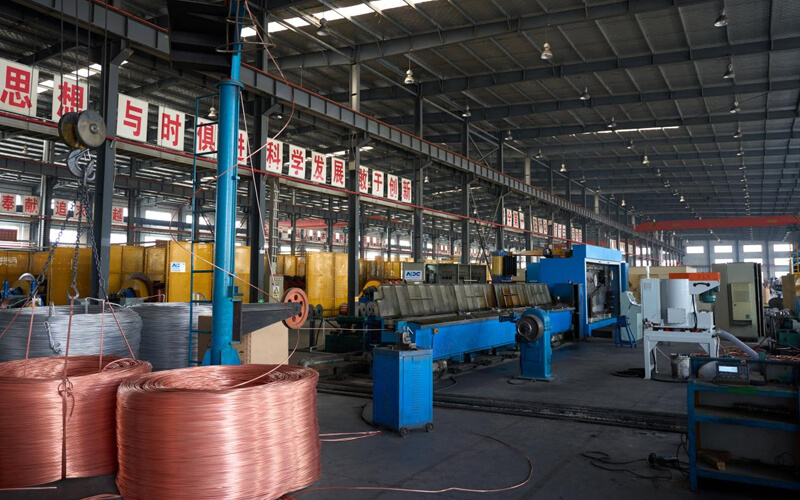
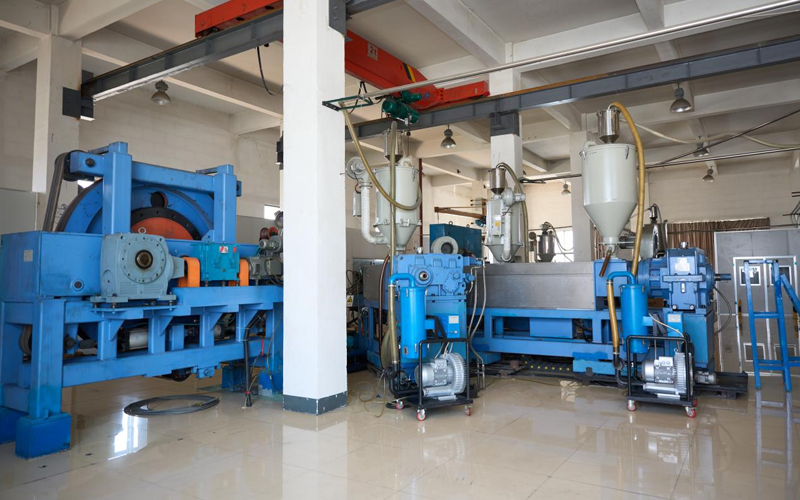
● 30+ years of manufacturing experience
● ISO and UL certified production
● Customized cable and transformer solutions
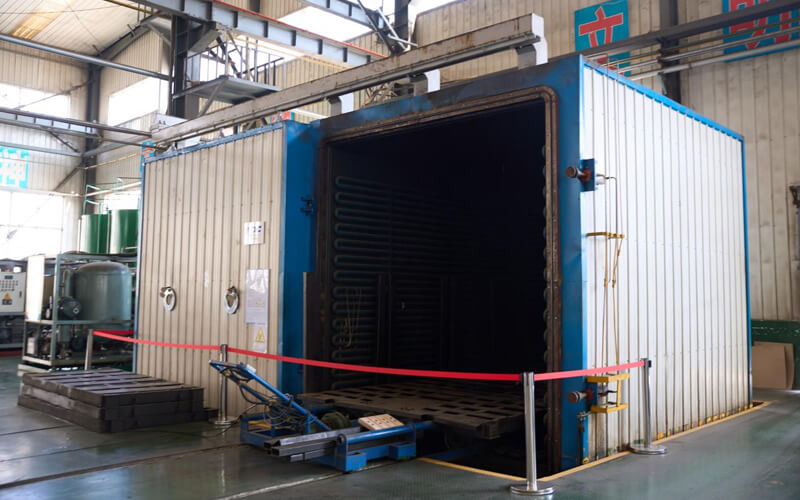
Product Packaging
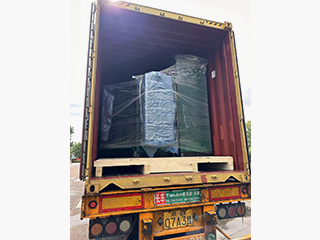
Transformers Packaging (1)
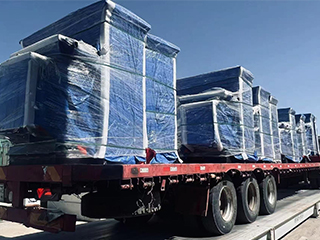
Transformers Packaging (2)
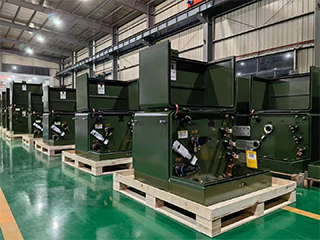
Transformers Packaging (3)
Transformers Packaging (4)
Transformers Packaging (5)
Transformers Packaging (6)
Transformers Packaging (7)
Transformers Packaging (8)
Related Products
315kVA Oil Immersed Transformer
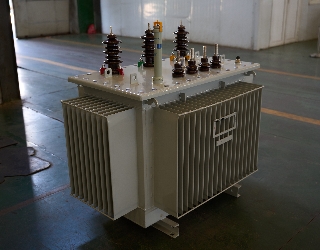
The 315kVA Oil Immersed Transformers are essential devices that convert electrical energy from one voltage level to another, enabling the efficient transmission and distribution of power across various systems. Oil-immersed transformers, in particular, have become industry favorites due to their superior cooling and insulation capabilities, which extend their lifespan and reduce maintenance requirements. The integration of renewable energy sources, such as wind and solar, requires transformers that can handle the variable output of these sources.
1500kVA Oil Immersed Transformer
NPC ELECTRIC's 1500kVA oil-immersed transformer adopts advanced technology, complies with international IEC, ANSI, and other standards, and has efficient and stable power conversion capabilities. It uses oil-immersed cooling technology, has excellent heat dissipation performance and durability, and ensures long-term stable operation of the equipment in harsh environments. Primary voltages range from 2.4kV to 34.5kV (common: 34.5kV, 24.94kV, 13.8kV, 13.2kV, 12.47kV, 4.16kV) in delta or grounded wye configurations with BIL up to 200kV.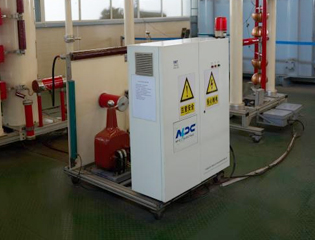
13.8kV 1600kVA Cast Resin Dry Type Transformer
Introducing the robust 13.8kV 1600kVA Cast Resin Dry Type Transformer, a high-capacity, oil-free power solution engineered for safe, reliable indoor medium-voltage distribution in industrial and utility applications. This three-phase cast resin transformer utilizes premium low-loss grain-oriented silicon steel cores and high-conductivity copper (or optional aluminum) windings fully encapsulated in epoxy resin under vacuum pressure, delivering exceptional energy efficiency (often exceeding 98-99% per DOE/IEEE standards), significantly reduced no-load and load losses, and superior partial discharge performance (<10pC). Compliant with IEC 60076-11, IEEE/ANSI, and DOE efficiency requirements, this transformer steps down 13.8kV primary (with ±2×2.5% off-circuit taps standard) to common secondary voltages like 0.4kV, 0.48kV, or 0.66kV (Dyn11 vector group typical), making it ideal for sustainable, high-power indoor substations and facilities.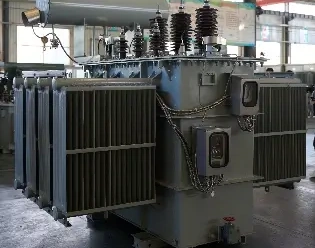
35kV 46kV Power Transformer
NPC ELECTRIC's 35kV and 46kV power(electrical) transformer complies with international standards such as IEC and ANSI, and features high efficiency, low loss, and strong insulation. This product is widely used in power grid main transformers, power plants, industrial and mining enterprises, and large infrastructure projects. Key features include mineral oil or FR3 natural ester insulation (ONAN/ONAF/ODAF cooling options), copper or aluminum windings, primary voltages 35kV or 46kV (grounded wye or delta, with dual-voltage configurations), secondary voltages 6.6kV, 11kV, 13.8kV, 33kV, or custom (e.g., 13.8kV/480V or 35kV/11kV), BIL ratings 200–650kV depending on voltage class, impedance typically 8–12%, ±2×2.5% or ±5% off-load tap changer (OLTC optional), conservator tank or sealed tank design, Buchholz relay, pressure relief device, oil temperature gauges, winding temperature indicators, and ANSI 61 gray or custom tank finish.
100kVA Completely self-protected(CSP) Single Phase Pole Mounted Transformer
100kVA CSP Single Phase Pole Mounted Transformer is a highly efficient and reliable solution designed for single-phase power distribution in residential, commercial, and light industrial applications. It features integrated self-protection systems, including overload, short-circuit, and over-voltage protection, ensuring automatic disconnection in the event of faults to safeguard both the transformer and connected equipment. With its pole-mounted design, it offers space-saving installation and is suitable for both urban and rural environments. This transformer delivers high operational efficiency with minimal energy loss and is built to withstand harsh weather conditions, ensuring long-lasting and reliable performance. It is the ideal choice for providing safe and stable single-phase power in diverse applications.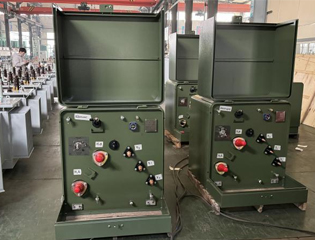
100kVA Conventional Type Single Phase Pole Mounted Transformer
NPC ELECTRIC has been specialized in manufacturing 100kVA Single Phase pole Mounted transformer for more than 20 years, which complies with international standards such as ANSI/IEEE C57, IEC60076 and other standards. Its main function is to convert high voltage electricity (such as 11kV, 13.8kV, etc.) into low voltage electricity (such as 120V/240V), providing stable and reliable power supply to end users. It is suitable for residential, commercial, agricultural and small industrial loads. Standard features include mineral oil insulation (ONAN cooling), aluminum or copper windings, primary voltages 2.4kV–34.5kV grounded wye or delta (common: 7200/12470GrdY, 7620/13200GrdY, 12470GrdY/7200, 24940GrdY/14400, 34500GrdY/19920), secondary 120/240V or 240/120V split-phase (options for 277V or custom), BIL ratings 95–150kV HV / 30kV LV, impedance typically 2.0–4.5%, ±2×2.5% or 5-position tap changer, conventional or CSP (completely self-protected) configurations with internal fuses, lightning arresters, weak-link protection, pressure relief valve, oil sight gauge, and ANSI 70 gray tank finish. Efficiency typically reaches 99.25–99.29% at 50% load per DOE levels (with 2029 amendments targeting further reductions in losses for units >100 kVA), with low sound levels and corrosion-resistant hardware for extended outdoor service.FAQ From Customers
-
What is a Transformer?A transformer is an electrical device used to change the voltage of alternating current (AC). It works on the principle of electromagnetic induction, converting high-voltage current into low-voltage current or low-voltage current into high-voltage current. Transformers are widely used in power transmission, distribution systems, and various electronic devices.
-
What are the main uses of a transformer?The main use of a transformer is voltage conversion. Transformers are used in power transmission systems to help transfer electricity from power plants to consumers. In addition, transformers are also used in electronic devices such as chargers, televisions, power adapters, etc., to adjust the voltage to meet the requirements of different devices.
-
Do you have UL listed?Yes, our transformer has UL listed. We have exported to America many pad mounted transformer,substation transformer and HV.
Welcome your inquiry
Honesty, Integrity, Frugality, Activeness and Passion