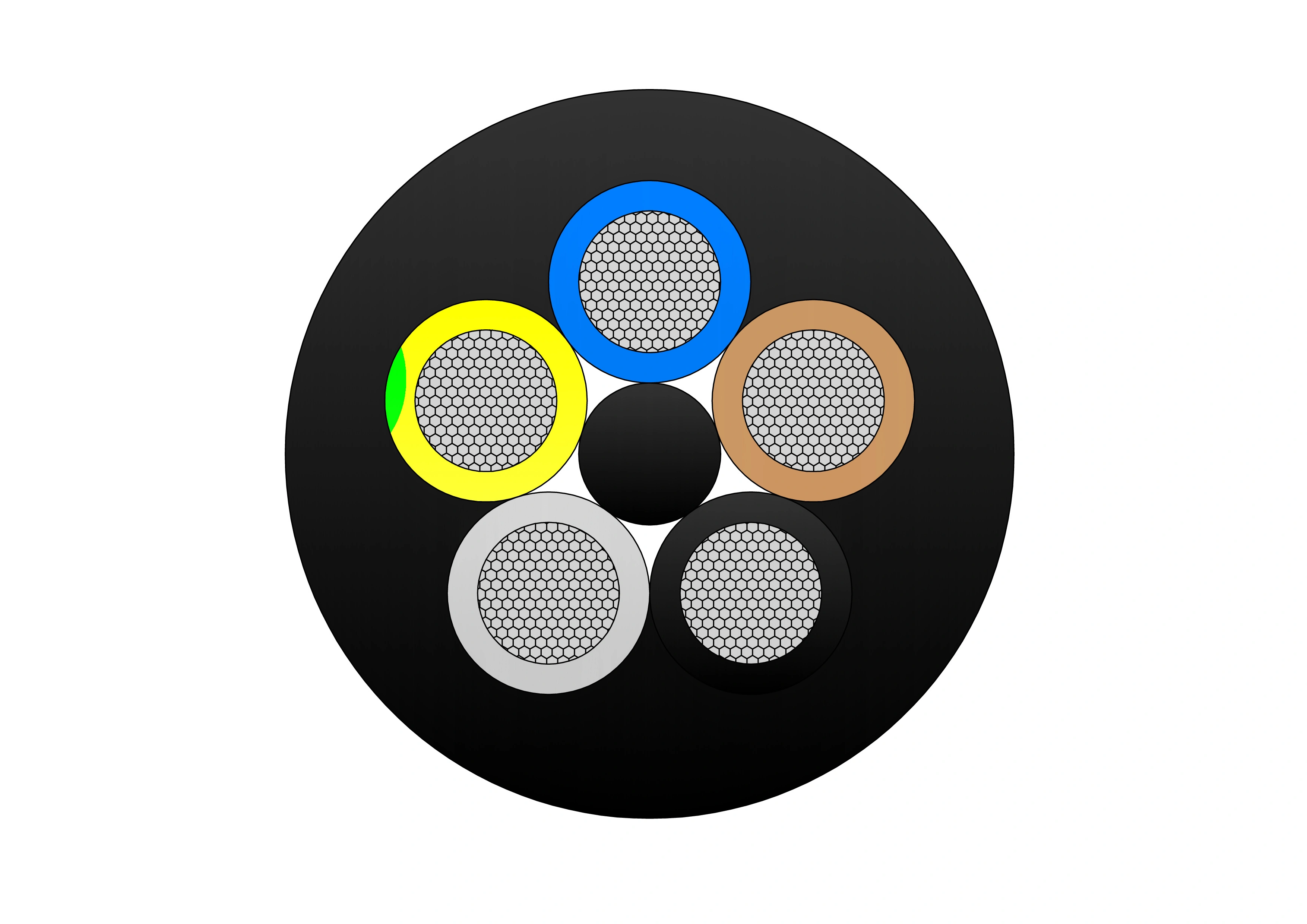

Type 275 Flexible Overall Semi-conductive Rubber Screened Mining Cable
The Type 275 Flexible Overall Semi-conductive Rubber Screened Mining Cable is a 1.1kV, medium-voltage cable designed for coal mining and heavy-duty industrial applications. It features tinned annealed copper conductors, EPR insulation, and a semi-conductive thermosetting compound screen for enhanced electrical performance. The cable is reinforced with polyamide yarn braid and protected by a heavy-duty CSP sheath, offering oil resistance, flame retardancy, and mechanical durability. Its robust construction ensures reliable power delivery to shuttle cars, electric pumps, and other mining equipment. Compliant with AS/NZS 2802 and stringent mining standards, it supports very high tensile loads, frequent flexing, tight bending radii, and reliable operation in wet, dusty, and hazardous mine environments.
- Voltage Rating 1.1kV
- Temperature Rating -25oC to +90oC
Construction
Technical Specifications
Quality Control
Application
Construction
Type 275 Flexible Overall Semi-conductive Rubber Screened Mining Cable Constrution
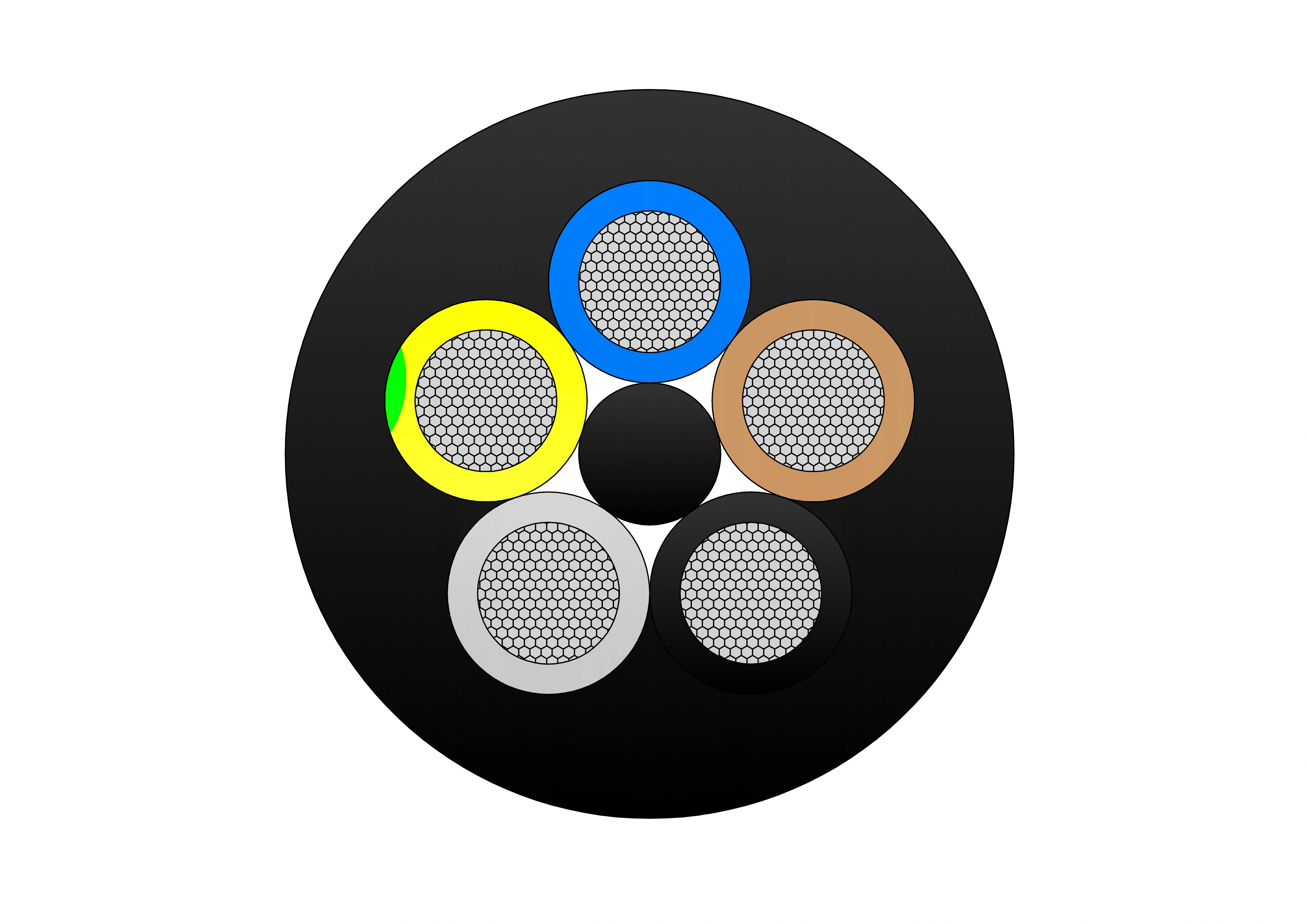
Conductor
Tinned annealed copper wires
Insulation
EPR (Ethylene Propylene Rubber ) compound type R-EP-90
Separator
Synthetic tape under insulation
Insulation Screen
Semi-conductive thermosetting compound
Cable Assembly
Three screened power and three pilot cores laid up with right hand direction on cradle separator with central pilot core
Cradle Separator
Semi-conductive thermosetting compound
Inner Sheath
Semi-conductive thermosetting compound
Sheath Colour
Black
Manufacturer Standard
AS/NZS 1802:2003, AS/NZS 1125:2001
Earth Covering
Semi-conductive thermosetting compound
Reinforcing Braid
Polyamide Yarns
Sheath
HD-CSP (Heavy Duty Chlorosulphonated Polyethylene) - extra heavy duty, oil resistance and flame retardant
Application
Type 275 cables are suitable for general and underground coal mining applications and are commonly used in shuttle cars, electric pumps, and other industrial applications.
Technical Specifications
Type 275 Flexible Overall Semi-conductive Rubber Screened Mining Cable
Type 275 Flexible Overall Semi-conductive Rubber Screened Mining Cable
| No. Of Cores | POWER CORES | PILOT CONDUCTOR |
NOMINAL DIAMETER mm |
NOMINAL WEIGHT kg/km |
|||
|
NOMINAL AREA SIZE mm² |
NOMINAL THICKNESS INSULATION mm |
NUMBER AND NOMINAL DIAMETER OF WIRES n x mm |
NUMBER / NOMINAL DIAMETER WIRES n x mm |
THICKNESS COVERING mm |
|||
| 3+3 | 16 | 1.6 | 126x0.4 | 24/0.20 | 0.8 | 30.2 | 1450 |
| 3+3 | 25 | 1.6 | 209x0.4 | 24/0.20 | 0.8 | 33.9 | 2040 |
| 3+3 | 35 | 1.6 | 285x0.4 | 24/0.20 | 0.8 | 38.5 | 2701 |
| 3+3 | 50 | 1.7 | 380x0.4 | 40/0.20 | 0.8 | 43.1 | 3334 |
Quality Control
Type 275 Flexible Overall Semi-conductive Rubber Screened Mining Cable
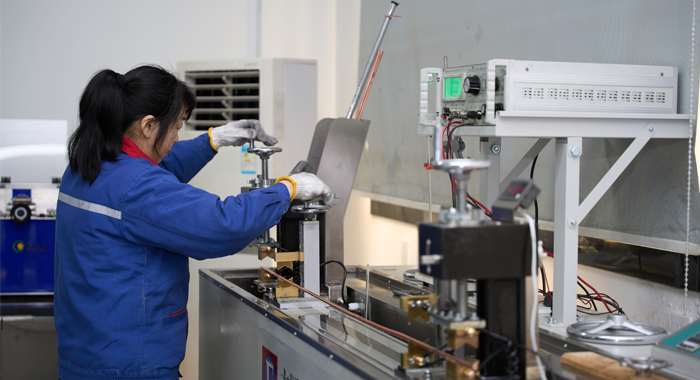
Raw Material Test
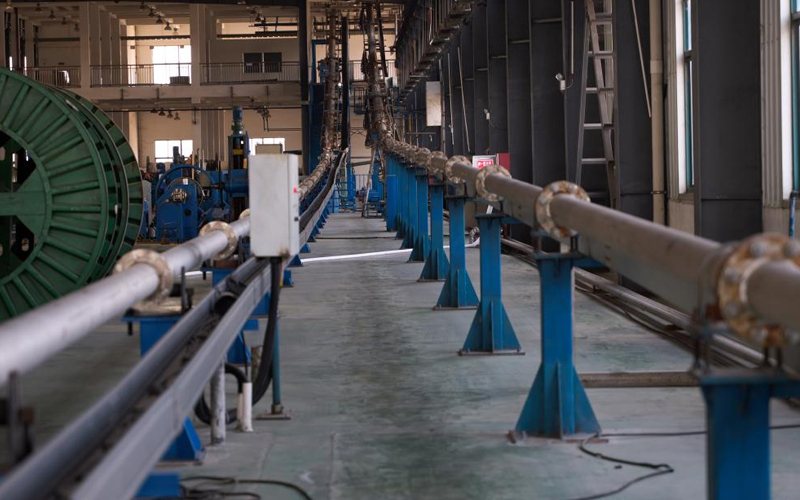
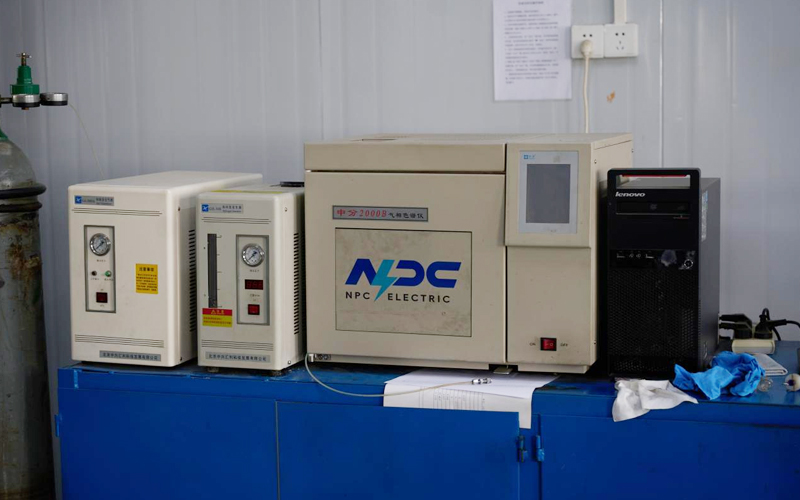
Raw Material Test for Type 275 Flexible Overall Semi-conductive Rubber Screened Mining Cable ensures extreme mining-grade durability and electrical safety. The detailed process includes: Supplier Certification Review: Verify class 5 tinned copper conductors meet AS/NZS 1125 or IEC 60228 for purity (>99.9% Cu), stranding, and tin coating; EPR insulation, semi-conductive rubber screen, and extra-heavy-duty rubber sheath compounds certified to AS/NZS 2802 for flame retardancy, abrasion, and semi-conductive properties. Conductor Analysis: Test tinned copper for tensile strength (>200 MPa), elongation (>20%), conductivity (≥97% IACS), and tin layer uniformity to ensure corrosion resistance under prolonged wet/high-stress exposure.
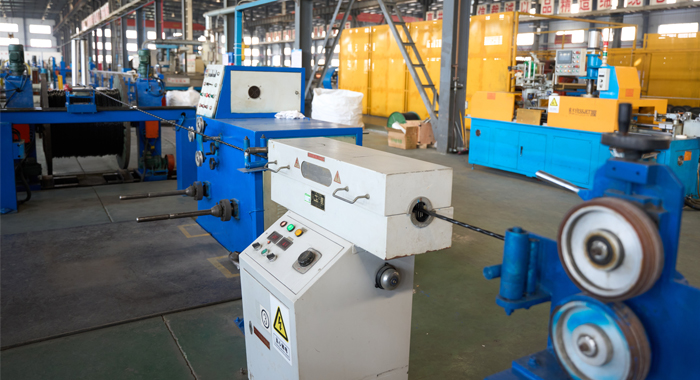
Process inspection
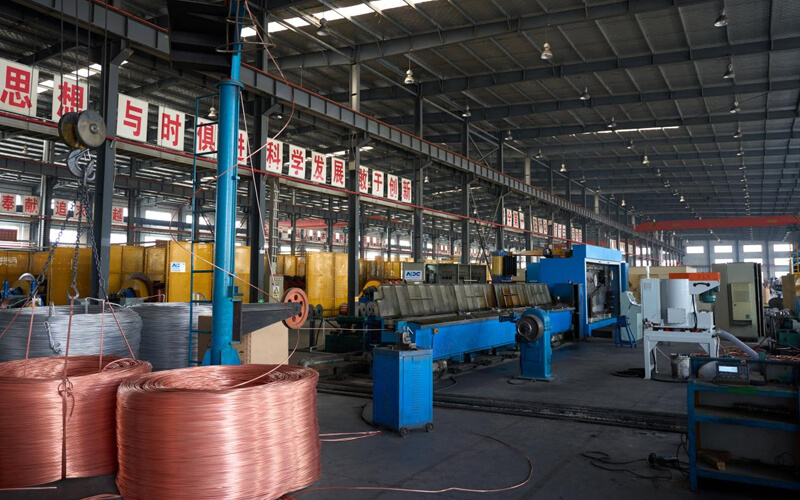
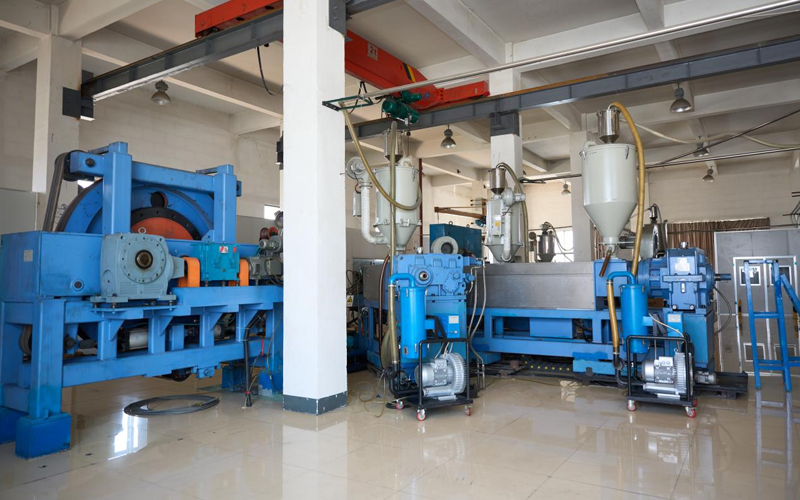
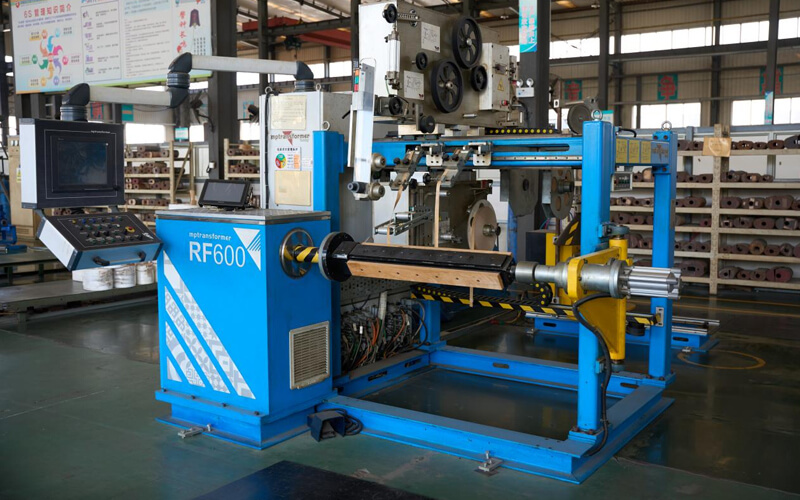
Process Inspection during manufacturing of Type 275 Flexible Overall Semi-conductive Rubber Screened Mining Cable maintains mining safety and extra-heavy-duty consistency. Steps include: Conductor Stranding: Monitor class 5 stranding for uniform lay length, compactness, and no loose strands using online gauges. Insulation Extrusion: Apply EPR insulation at controlled thickness; inline diameter scanners, eccentricity monitors, and spark testers detect voids or defects. Semi-conductive Screen Application: Extrude overall semi-conductive rubber screen with precise thickness, uniformity, and adhesion; monitor resistivity and field distribution. Outer Sheath Extrusion: Extrude extra-heavy-duty rubber sheath; continuous checks on thickness, surface finish, adhesion, and enhanced mechanical properties.
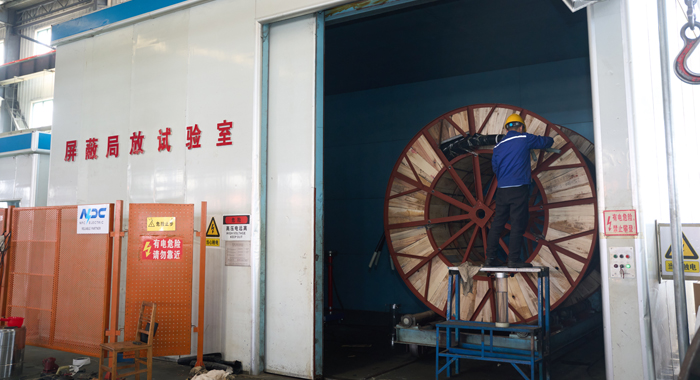
Finished Product
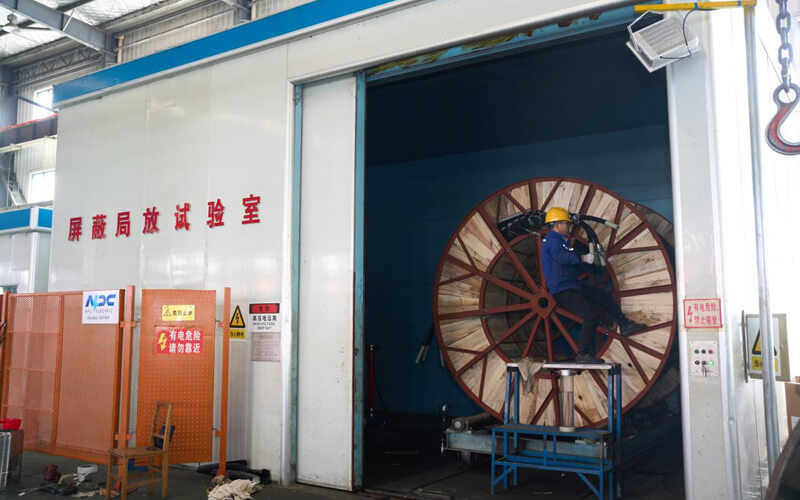
Finished Product Test confirms the Type 275 Flexible Overall Semi-conductive Rubber Screened Mining Cable meets stringent mining standards before shipment. The procedure includes: Visual & Dimensional Inspection: Examine full length for defects, uniformity, markings, and measure outer diameter/weight per meter. Electrical Tests: Conductor DC resistance, insulation resistance (>1000 MΩ·km), high-voltage withstand (e.g., 11kV for 3.6/6kV class/5 min), partial discharge, and semi-conductive screen resistivity/continuity per AS/NZS 2802/IEC. Mechanical Evaluation: Bending radius (6–8× OD), tensile strength, extreme crush resistance, superior abrasion/tear tests, impact resistance, and dynamic flexing to simulate mining reeling. Sheath & Insulation Performance: Oil immersion, enhanced flame retardancy (AS/NZS 1660.5.1 or IEC 60332), thermal aging, impact resistance, and moisture resistance verified.
Application
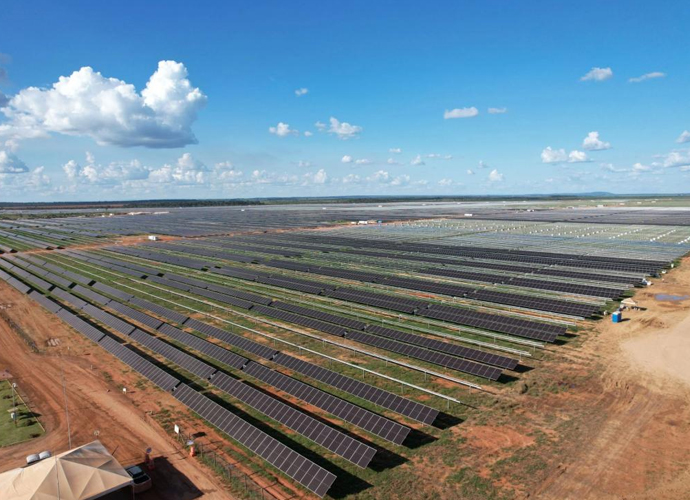
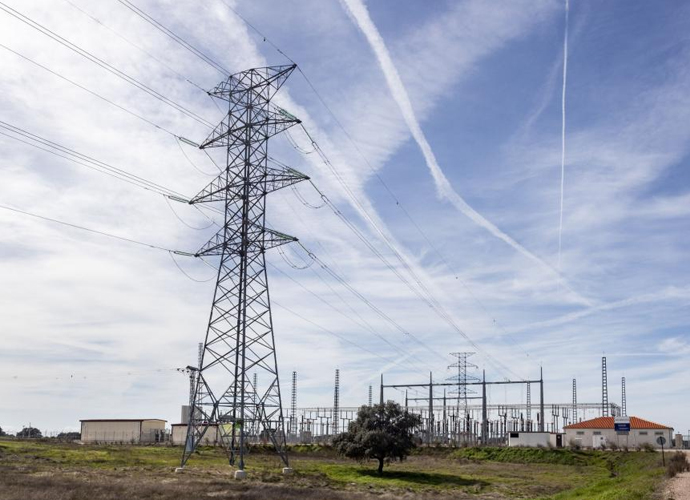
The Type 275 Flexible Overall Semi-conductive Rubber Screened Mining Cable excels in severe underground coal and metalliferous mining for high-voltage trailing/reeling power to longwall shearers, continuous miners, face conveyors, shuttle cars, and heavy face equipment requiring extra-heavy-duty, semi-conductive screened, flame-retardant cable with superior mechanical protection and electrical safety.
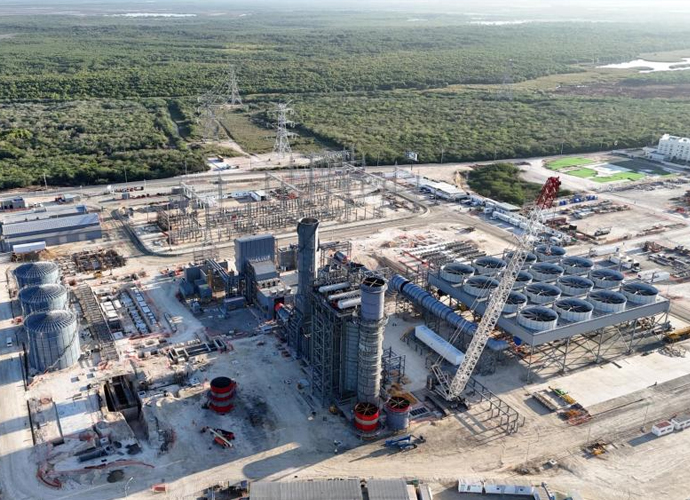
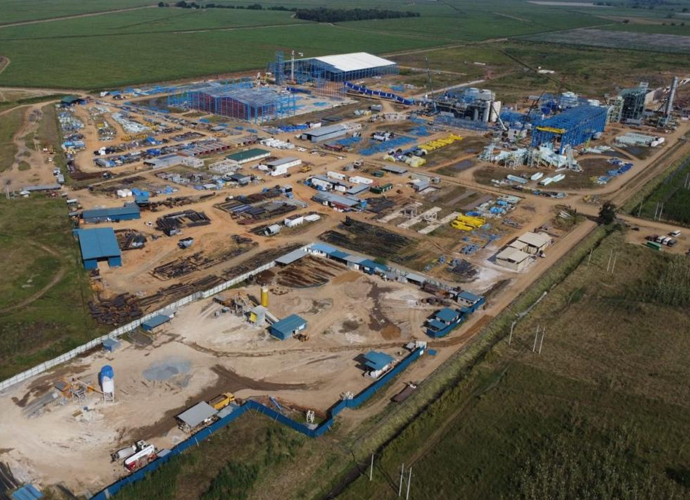
Technical Advantages
● 30+ years of manufacturing experience
● ISO and UL certified production
● Customized cable and transformer solutions
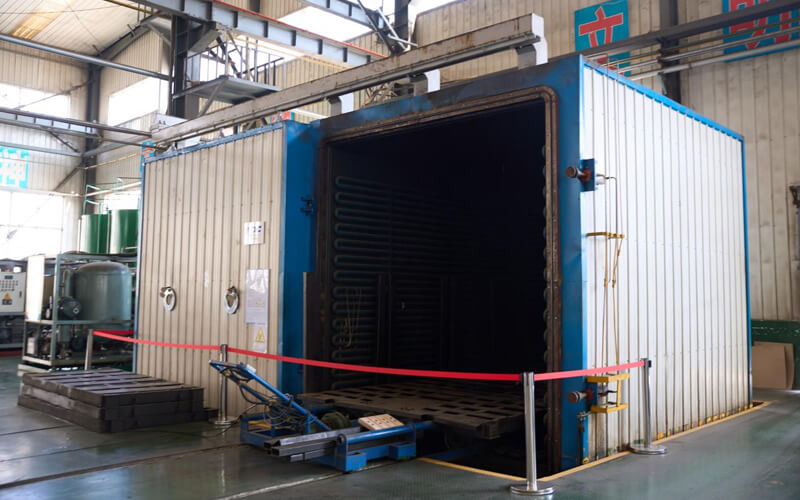
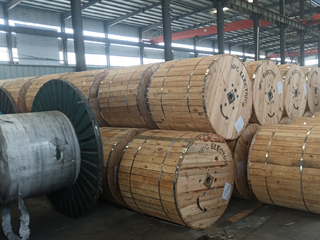
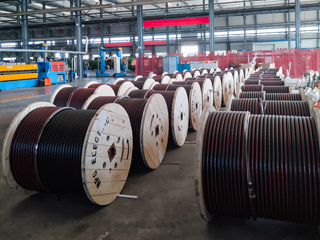
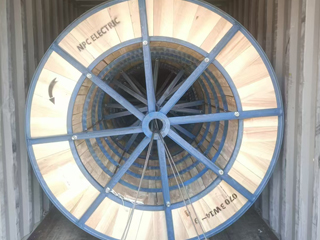
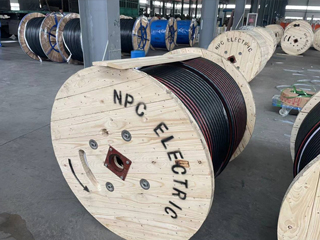
Product Packaging
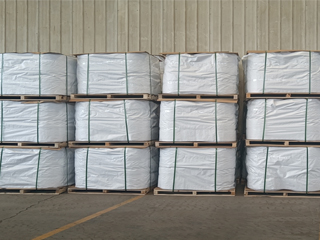
Wires and Cables packaging (1)
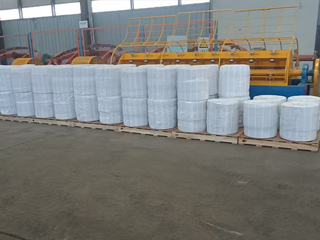
Wires and Cables packaging (2)
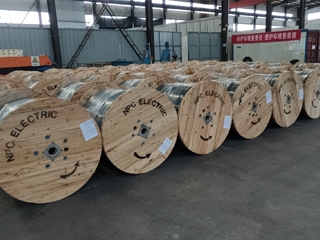
Wires and Cables packaging (3)
Wires and Cables packaging (4)
Wires and Cables packaging (5)
Wires and Cables packaging (6)
Wires and Cables packaging (7)
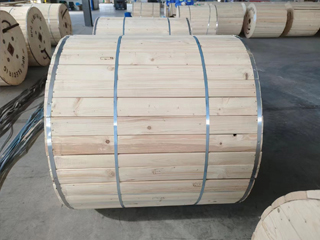
Wires and Cables packaging (8)
Related Products
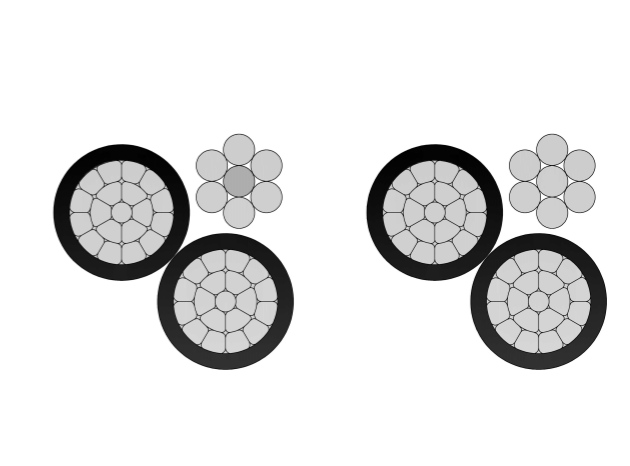
1/0 Purpura Aluminum Conductor Triplex Overhead Service Drop Cable
The 1/0 Purpura Aluminum Conductor Triplex Overhead Service Drop Cable is engineered for dependable secondary overhead power distribution from utility poles to residential and light commercial service entrances. The triplex configuration consists of two insulated aluminum phase conductors helically stranded around a bare aluminum neutral messenger, which provides both mechanical support and grounding functionality. With a 1/0 Purpura conductor size, this cable delivers enhanced current-carrying capacity, improved tensile strength, and controlled sag performance, making it suitable for longer spans and higher service loads. Aluminum conductors offer excellent corrosion resistance, reduced overall weight, and ease of handling during installation. Manufactured to meet ASTM and utility specifications, the 1/0 Purpura Aluminum Conductor Triplex Overhead Service Drop Cable ensures stable electrical performance, long service life, and consistent mechanical reliability in outdoor environments.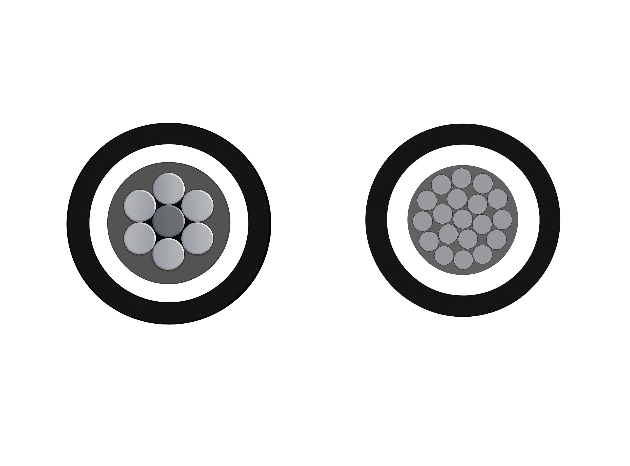
15kV 3-Layer AAAC/ACSR/AAC Tree Wire - Triple Layer Covered Conductor
The 3-Layer 15kV AAAC/ACSR/AAC Tree Wire is a specialized covered overhead conductor developed for distribution lines in areas with dense vegetation. It uses concentrically stranded AAAC, ACSR, or AAC conductors protected by a triple-layer system of track-resistant HDPE or XLPE. The multi-layer covering delivers exceptional tracking resistance, abrasion protection, and weatherability while greatly reducing the risk of electrical faults from tree limb contact and helping minimize wildfire ignition potential. This advanced design allows closer spacing to vegetation and lowers vegetation management costs. Suitable for conventional overhead or spacer cable systems, the 3-Layer 15kV AAAC/ACSR/AAC Tree Wire offers a cost-effective solution for improving line reliability. It complies with ICEA and ASTM standards and undergoes extensive quality testing to ensure long-term performance and safety.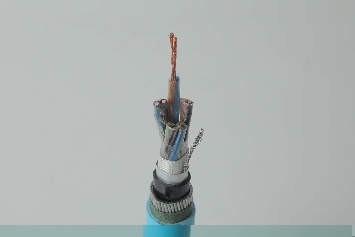
Instrumentation Cables—Mica Tapped, XLPE Insulated, Overall Screened, Wire Armoured LSZH Sheathed Fire-Resistant Cables(CU/GMT/XLPE/OSCR/SWA/LSZH)
Instrumentation Cables with Mica Taped, XLPE Insulated, Overall Screened, Wire Armoured and LSZH Sheathed construction (CU/GMT/XLPE/OSCR/SWA/LSZH) are designed for critical signal transmission in fire-risk and safety-sensitive environments. The copper conductor is wrapped with mica tape to maintain circuit integrity under fire conditions, while XLPE insulation ensures stable electrical performance and thermal resistance. The overall screen reduces electromagnetic interference, enabling accurate signal transmission in industrial systems. Steel wire armouring provides mechanical protection against impact and external stress, making the cable suitable for harsh installation conditions. The LSZH outer sheath limits smoke emission and toxic gases during fire, enhancing personnel safety. These fire-resistant instrumentation cables are widely used where continuous operation and reliable signal control are essential, even in extreme conditions.2Y-high-voltage-power-cable.webp)
A2XS(FL)2Y HDPE High Voltage 64/110 (123) kV Power Cable
The A2XS(FL)2Y HDPE High Voltage 64/110 (123) kV Power Cable is a single-core aluminium conductor cable with XLPE insulation and HDPE sheath, designed in compliance with IEC 60840 standards. It offers excellent electrical performance, water resistance, and mechanical protection for high-voltage power transmission. Suitable for installation underground, underwater, outdoors, indoors, and in cable ducts, it ensures long-term reliability in power stations, industrial facilities, and distribution networks. The A2XS(FL)2Y HDPE is ideal for major HV transmission grids, underground/submarine lines, river crossings, offshore wind connections, and large-scale renewable energy projects where water ingress protection, efficiency, and long-term reliability are critical.
4/0 Portunus Aluminum Conductor Triplex Overhead Service Drop Cable
The 4/0 Portunus Aluminum Conductor Triplex Overhead Service Drop Cable is engineered for high-load overhead electrical service connections in utility distribution systems. The cable structure consists of two insulated aluminum phase conductors twisted around a bare aluminum neutral messenger, providing stable electrical transmission and superior mechanical strength. Manufactured using high-purity aluminum and weather-resistant insulation compounds, the 4/0 Portunus Aluminum Conductor Triplex Overhead Service Drop Cable delivers low electrical resistance, excellent corrosion resistance, and long-term durability in outdoor environments. Its optimized conductor design supports efficient installation while maintaining the tensile strength required for aerial service applications. The cable is designed to withstand UV exposure, wind loading, and wide temperature variations. Comprehensive quality management systems and systematic testing procedures are applied throughout production to ensure compliance with industry and utility standards and to guarantee reliable field performance.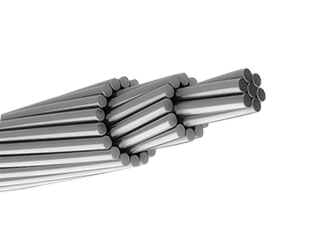
Pigeon ACSR Conductor Cable
The ACSR Pigeon is an Aluminium Conductor Steel Reinforced (ACSR) featuring a durable galvanised steel core encased in concentrically stranded hard-drawn 1350-H19 aluminium wire layers, compliant with ASTM B232 standards. Compliant with ASTM B230, B232, and ICEA standards, this cable offers a breaking load of approximately 6,650 lbs and a current rating up to 340 amps in overhead applications. The aluminum 1350-H19 provides excellent corrosion resistance and low electrical resistance, while the steel enhances sag control over long spans. Suitable for voltages up to 230kV in distribution lines, the Pigeon ACSR Conductor Cable minimizes line losses and withstands harsh weather, including wind and ice loading. Its cost-effective design makes it popular for utility upgrades and rural electrification, ensuring reliable power delivery with minimal maintenance in overhead transmission and distribution systems worldwide.FAQ From Customers
-
What are the advantages of power cables and overhead lines?(1) Reliable operation, because it is installed in a hidden place such as underground, it is less damaged by external forces, has less chance of failure, and the power supply is safe, and it will not cause harm to people; (2) The maintenance workload is small and frequent inspections are not required; (3) No need to erect towers; (4) Help improve power factor.
-
Which aspects should be considered when choosing the cross section of a power cable?(1) The long-term allowable working current of the cable; (2) Thermal stability once short circuited; (3) The voltage drop on the line cannot exceed the allowable working range.
-
What are the measures for cable fire prevention?(1) Use flame-retardant cables; (2) Use fireproof cable tray; (3) Use fireproof paint; (4) Fire partition walls and fire baffles are installed at cable tunnels, mezzanine exits, etc.; (5) Overhead cables should avoid oil pipelines and explosion-proof doors, otherwise local pipes or heat insulation and fire prevention measures should be taken.
-
What should be paid attention to during the transportation and handling of cables?(1) During transportation, loading and unloading, cables and cable reels should not be damaged. It is strictly forbidden to push the cable reels directly from the vehicle. Generally, cables should not be transported and stored flat. (2) Before transporting or rolling the cable reel, ensure that the cable reel is firm, the cable is wound tightly, the oil pipe between the oil-filled cable and the pressure oil tank should be fixed without damage, the pressure oil tank should be firm, and the pressure indication should meet the requirements.
-
What inspections should be carried out for the acceptance of cable lines?(1) The cable specifications should meet the regulations, the arrangement should be neat, no damage, and the signs should be complete, correct and clear; (2) The fixed bending radius of the cable, the related distance and the wiring of the metal sheath of the single-core power cable should meet the requirements; (3) The cable terminal and the middle head should not leak oil, and the installation should be firm. The oil pressure of the oil-filled cable and the meter setting should meet the requirements; (4) Good grounding; (5) The color of the cable terminal is correct, and the metal parts such as the bracket are completely painted; (6) There should be no debris in the cable trench, tunnel, and bridge, and the cover should be complete.
Welcome your inquiry
Honesty, Integrity, Frugality, Activeness and Passion