
LV MV HV Switchgear Guide: Types, Applications & How to Choose
2026-04-30
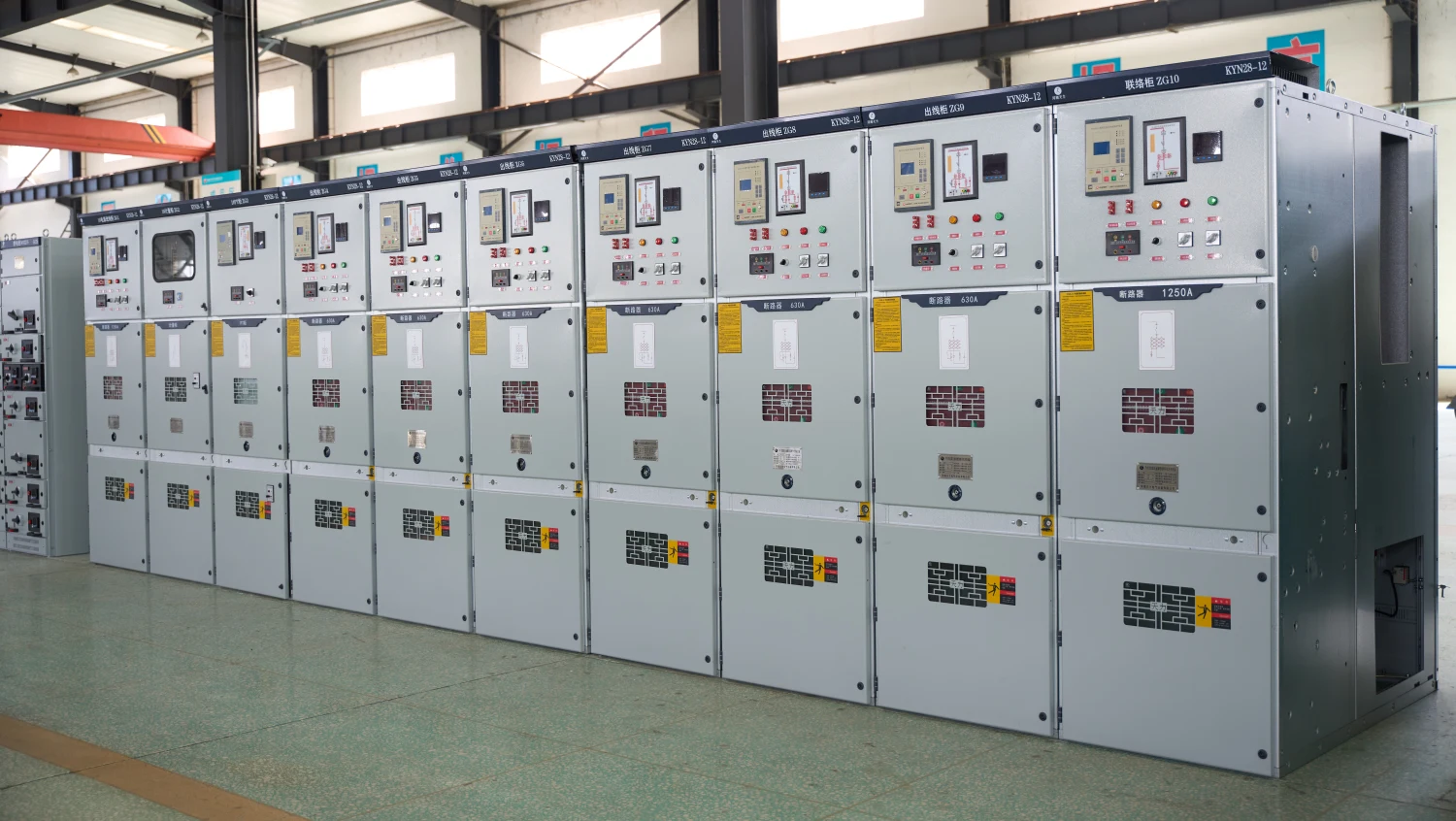
Modern electrical infrastructure depends heavily on reliable switchgear systems to ensure safe power distribution, equipment protection, operational continuity, and fault isolation. Whether in industrial manufacturing plants, renewable energy facilities, utility substations, commercial buildings, or long-distance power transmission networks, switchgear serves as one of the most critical components of any electrical distribution system.
From low-voltage motor control centers to high-voltage HV switchgear used in transmission substations, modern switchgear technology has evolved significantly in terms of automation, arc protection, compactness, and digital monitoring capabilities.
Today, engineers must understand the differences between LV switchgear, MV switchgear, and HV switchgear to properly design safe and efficient electrical systems. Selecting the wrong voltage class or protection configuration can result in operational failures, equipment damage, arc flash incidents, and costly downtime.
1. What Is Switchgear and How Does Switchgear Work?
Switchgear is a combination of electrical disconnect switches, circuit breakers, fuses, protective relays, control systems, and monitoring equipment used to control, isolate, and protect electrical power systems.
The primary purpose of switchgear is to:
- Protect electrical equipment from faults
- Isolate defective circuits
- Enable safe maintenance
- Control power flow
- Improve operational reliability
- Prevent catastrophic system failures
How Switchgear Works
Switchgear works by continuously monitoring electrical conditions within the power network. When abnormal conditions such as short circuits, overloads, insulation failures, or ground faults occur, the protective relay detects the fault and signals the circuit breaker to interrupt current flow.
This rapid interruption prevents:
- Equipment damage
- Fire hazards
- Arc flash incidents
- System instability
- Cascading outages
Modern LV MV electrical switchgear systems increasingly integrate:
- Digital relays
- SCADA communication
- IoT monitoring
- Arc flash protection
- Remote operation capability
The complexity and insulation requirements of switchgear increase substantially with higher voltage levels.
2. Understanding LV, MV, and HV Switchgear
Switchgear classifications are generally based on operating voltage levels.
LV Switchgear
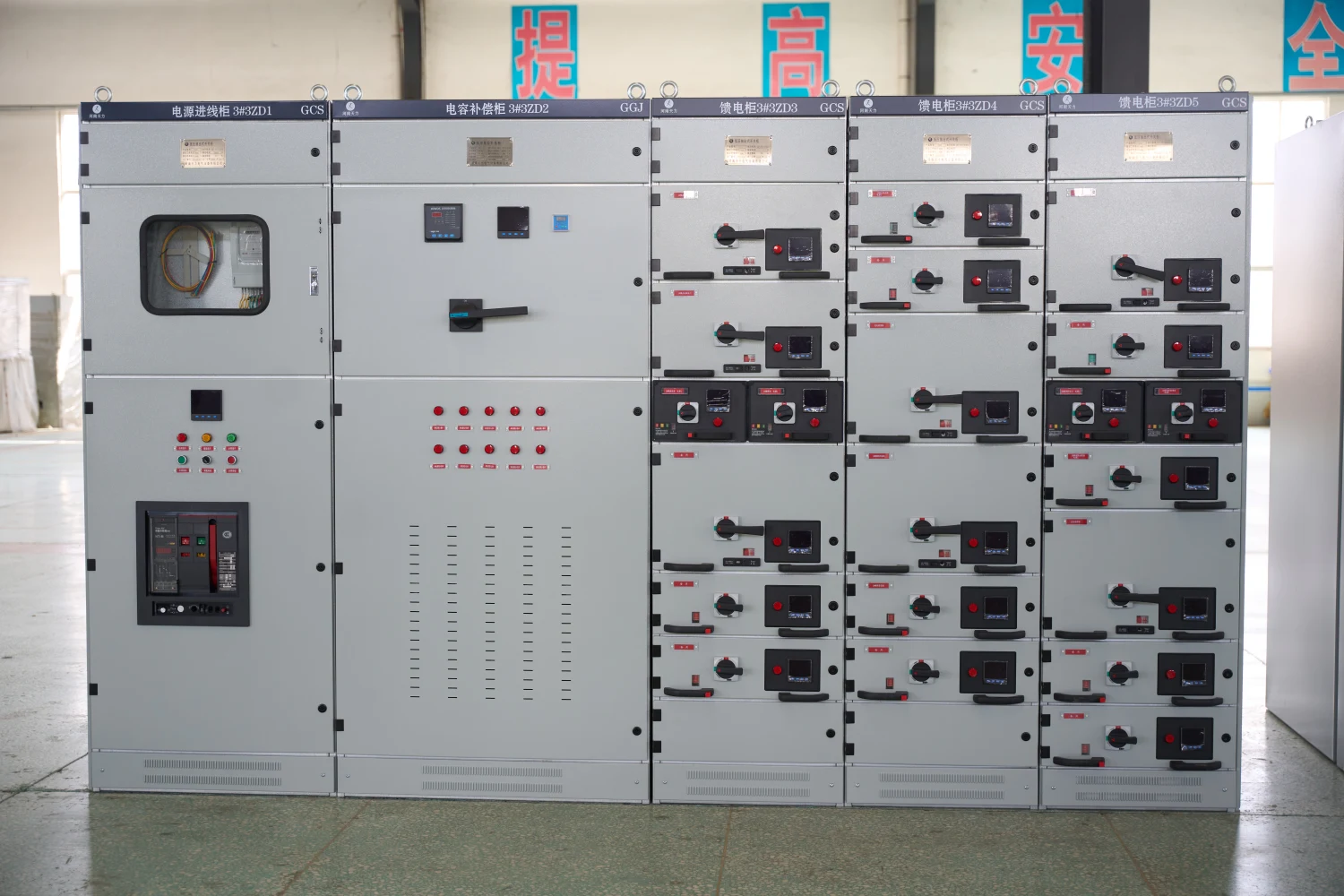
LV switchgear refers to low-voltage electrical switchgear typically operating below 1kV.
Common Voltage Levels
- 230V
- 400V
- 480V
- 690V
Applications
LV switchgear is widely used in:
- Commercial buildings
- Manufacturing facilities
- Data centers
- Motor control centers
- Residential distribution systems
Key Components
Typical voltage LV switchgear systems include:
- Molded case circuit breakers
- Air circuit breakers
- Busbars
- Protection relays
- Metering systems
Manufacturers such as Eaton LV switchgear suppliers provide modular low-voltage systems optimized for industrial automation and smart power distribution.
MV Switchgear
Medium voltage MV switchgear generally operates between 1kV and 52kV.
Typical Voltage Levels
- 3.3kV
- 6.6kV
- 11kV
- 13.8kV
- 33kV
Applications
Medium voltage MV switchgear is commonly used in:
- Utility substations
- Renewable energy plants
- Mining operations
- Industrial power distribution
- Water treatment plants
Protection Technologies
Modern ABB MV switchgear and other industrial systems frequently use:
- Vacuum circuit breakers
- SF6 insulation
- Arc-resistant designs
- Intelligent relay protection
MV and HV switchgear systems must manage higher fault currents and insulation stresses than low-voltage systems.
HV Switchgear
HV switchgear refers to high voltage electrical switchgear operating above 52kV.
Typical Voltage Levels
- 66kV
- 110kV
- 132kV
- 220kV
- 400kV
Applications
High voltage HV switchgear is essential in:
- Power transmission networks
- Utility substations
- Grid interconnection systems
- Long-distance electricity transmission
HV switchgear enables utilities to transform high-voltage electricity efficiently while minimizing transmission losses.
Comparison of LV, MV, and HV Switchgear Systems
|
Parameter |
LV Switchgear |
MV Switchgear |
HV Switchgear |
|
Voltage Range |
Below 1kV |
1kV – 52kV |
Above 52kV |
|
Typical Applications |
Commercial buildings, factories |
Industrial plants, utilities, renewables |
Power transmission substations |
|
Common Voltage Levels |
230V, 400V, 690V |
3.3kV, 11kV, 33kV |
66kV, 132kV, 220kV |
|
Main Protection Device |
Air circuit breaker |
Vacuum circuit breaker |
SF6 circuit breaker |
|
Insulation Method |
Air insulation |
Vacuum / SF6 |
SF6 / GIS |
|
Installation Size |
Compact |
Medium |
Large |
|
Fault Current Capacity |
Low to Medium |
Medium to High |
Very High |
|
Typical End Users |
Commercial & industrial |
Utilities & heavy industry |
Transmission operators |
|
Maintenance Complexity |
Low |
Medium |
High |
|
Smart Grid Compatibility |
Increasing |
High |
Very High |
3. Main Types of Switchgear
Different switchgear technologies are selected according to voltage levels, environmental conditions, safety requirements, and installation constraints.
Air Insulated Switchgear (AIS)
AIS uses atmospheric air as the primary insulation medium.
Advantages
- Lower cost
- Easier maintenance
- Simpler installation
Limitations
- Larger footprint
- Higher environmental exposure
AIS is commonly used in outdoor substations and industrial facilities.
Gas Insulated Switchgear (GIS)
GIS uses SF6 gas for insulation and arc interruption.
Advantages
- Extremely compact design
- High reliability
- Excellent environmental resistance
- Reduced maintenance
Limitations
- Higher initial cost
- Environmental concerns regarding SF6 gas
GIS is widely used in urban substations where installation space is limited.
Vacuum Switchgear
Vacuum circuit breakers are increasingly dominant in medium voltage MV switchgear applications.
Advantages
- Long mechanical life
- Minimal maintenance
- Excellent arc interruption
- Environmentally friendly
Vacuum technology is now standard in many industrial switchgear solutions.
Comparison of Common Switchgear Insulation Technologies
|
Switchgear Type |
Insulation Medium |
Main Advantages |
Main Limitations |
Typical Applications |
|
Air Insulated Switchgear (AIS) |
Atmospheric Air |
Lower cost, easy maintenance |
Larger footprint |
Industrial substations |
|
Gas Insulated Switchgear (GIS) |
SF6 Gas |
Compact size, high reliability |
Higher cost, SF6 environmental concerns |
Urban substations |
|
Vacuum Switchgear |
Vacuum Interrupter |
Long service life, eco-friendly |
Mainly MV applications |
Industrial MV systems |
|
Hybrid Switchgear |
Mixed insulation technologies |
Space optimization |
Higher engineering complexity |
Smart grid projects |
|
Solid Insulated Switchgear (SIS) |
Solid dielectric materials |
SF6-free, compact |
Emerging technology |
Green energy pro |
4. Applications of LV MV HV Switchgear
Switchgear applications vary significantly depending on industry and voltage class.
Industrial Manufacturing
Factories rely heavily on LV and MV switchgear for:
- Motor control
- Process automation
- Load distribution
- Fault protection
Reliable switchgear minimizes costly production downtime.
Renewable Energy Systems
Solar and wind farms require MV and HV switchgear for:
- Grid synchronization
- Inverter protection
- Collector system management
- Power export control
Modern renewable projects increasingly use intelligent switchgear systems integrated with SCADA platforms.
Utility Power Transmission
Power transmission networks depend on high-voltage HV switchgear to safely manage massive electrical loads over long-distance transmission lines.
These systems must withstand:
- Extreme fault currents
- Switching surges
- Lightning impulses
- Environmental contamination
Commercial Infrastructure
Commercial buildings and data centers primarily use LV switchgear for stable and redundant power distribution.
Critical applications include:
- UPS integration
- Backup power switching
- Fire protection systems
- HVAC distribution
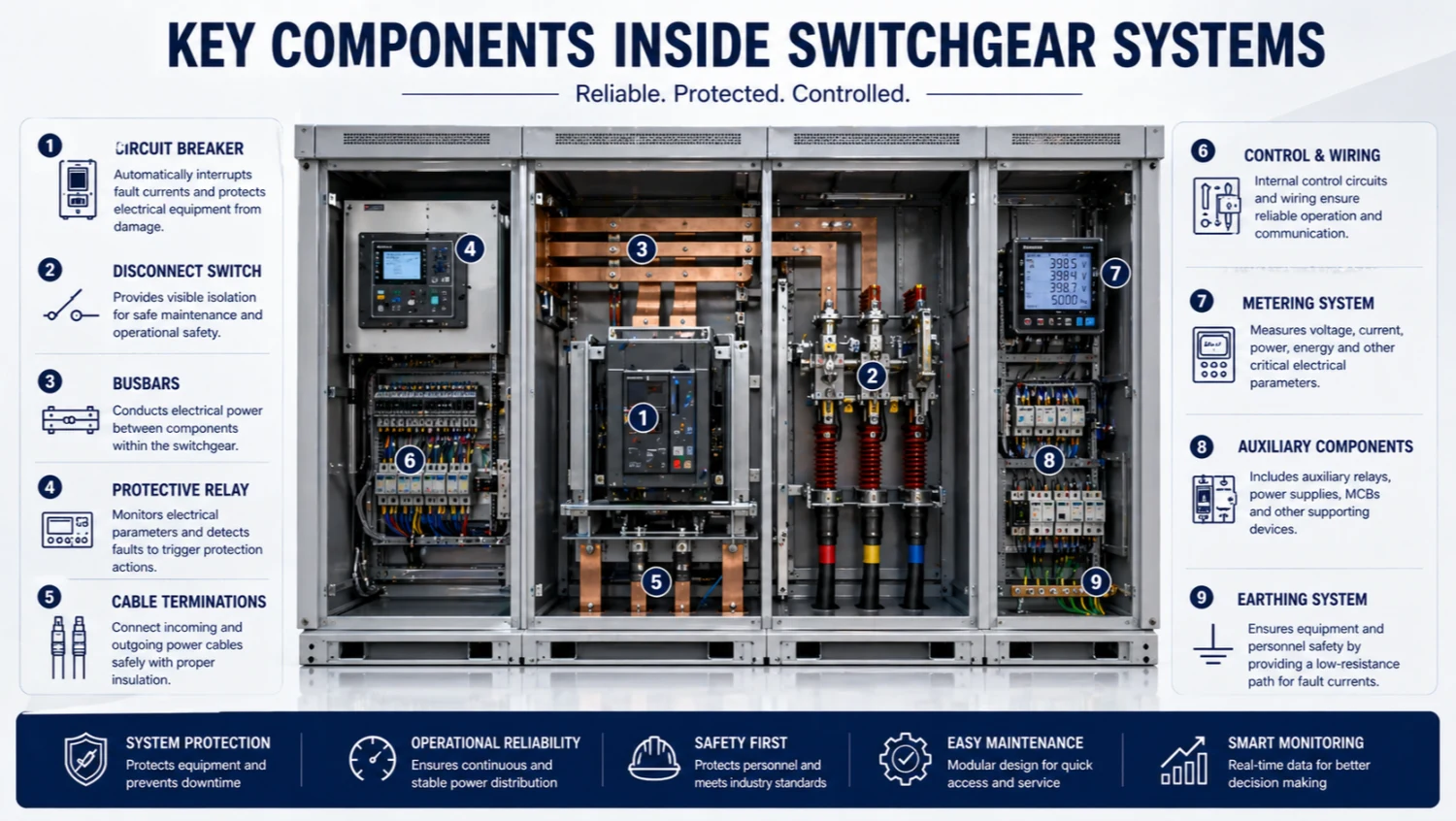
5. Key Components Inside Switchgear Systems
Understanding internal switchgear components is critical for proper system design and maintenance.
Circuit Breakers
Circuit breakers interrupt fault currents automatically.
Common types include:
- Air circuit breakers
- Vacuum circuit breakers
- SF6 circuit breakers
Protective Relays
Protective relay systems continuously monitor:
- Current
- Voltage
- Frequency
- Ground faults
- Differential protection
Digital relays significantly improve fault detection speed and selectivity.
Busbars
Busbars distribute electrical power between circuits inside the switchgear assembly.
Materials commonly include:
- Copper
- Aluminum
Metering and Monitoring Systems
Modern switchgear solutions increasingly incorporate:
- Energy monitoring
- Predictive diagnostics
- Thermal monitoring
- Remote communication
Smart monitoring improves maintenance planning and operational reliability.
6. How to Choose the Right Switchgear Solution
Selecting the correct switchgear requires careful engineering evaluation.
Voltage Level
The first consideration is system voltage classification:
- LV switchgear for low-voltage distribution
- Medium voltage MV switchgear for industrial systems
- HV switchgear for transmission applications
Fault Current Rating
The switchgear must withstand expected short-circuit current levels.
Improper fault rating selection may lead to catastrophic failure.
Installation Environment
Environmental conditions strongly influence insulation and enclosure design.
Important factors include:
- Temperature
- Humidity
- Altitude
- Dust
- Corrosion
- Seismic conditions
Space Availability
Compact GIS systems are often preferred in urban environments where installation space is limited.
AIS remains economical where space is available.
Maintenance Requirements
Vacuum circuit breakers require significantly less maintenance than older oil-based technologies.
Maintenance accessibility should always be considered during switchgear layout design.
Smart Grid Compatibility
Modern digital substations increasingly require:
- SCADA integration
- IEC 61850 communication
- Remote diagnostics
- Predictive maintenance capability
Future-ready switchgear solutions should support digital power management.
Key Factors for Selecting LV, MV, and HV Switchgear
|
Selection Factor |
Engineering Consideration |
Recommended Switchgear Type |
|
Voltage Level |
Defines insulation and breaker requirements |
LV / MV / HV |
|
Fault Current Rating |
Determines short-circuit withstand capability |
MV or HV switchgear |
|
Installation Space |
Compact sites require GIS systems |
GIS switchgear |
|
Maintenance Requirements |
Low-maintenance preference |
Vacuum switchgear |
|
Environmental Conditions |
Dust, humidity, corrosion exposure |
GIS or enclosed switchgear |
|
Renewable Energy Integration |
Fast switching and smart monitoring |
Intelligent MV switchgear |
|
Budget Constraints |
Lower upfront investment |
AIS switchgear |
|
Smart Grid Compatibility |
Remote monitoring and IEC 61850 |
Digital switchgear systems |
|
Arc Flash Safety |
Personnel protection requirements |
Arc-resistant switchgear |
|
Long Distance Power Transmission |
High insulation and fault tolerance |
HV switchgear |
7. Common Failures and Maintenance Challenges
Even advanced switchgear systems require regular inspection and preventive maintenance.
Insulation Failure
Causes include:
- Moisture ingress
- Aging
- Contamination
- Overheating
Common Switchgear Failures and Solutions
|
Failure Type |
Primary Cause |
Operational Risk |
Recommended Solution |
|
Insulation Breakdown |
Moisture and contamination |
Equipment failure |
Regular insulation testing |
|
Arc Flash Incident |
Internal short circuit |
Personnel injury |
Arc-resistant switchgear |
|
Breaker Contact Wear |
Frequent switching operation |
Switching failure |
Preventive maintenance |
|
Busbar Overheating |
Loose connections |
Fire hazard |
Thermal imaging inspection |
|
Relay Malfunction |
Incorrect settings |
Protection failure |
Routine relay testing |
Arc Flash Events
Arc flash incidents remain one of the most dangerous switchgear failures.
Arc-resistant switchgear designs significantly improve personnel safety.
Breaker Wear
Mechanical operation gradually degrades breaker components over time.
Routine testing is essential for reliability.
Thermal Hotspots
Loose busbar connections can create overheating and insulation damage.
Thermal imaging inspections help detect early warning signs.
8. Future Trends in Switchgear Technology
The switchgear industry is rapidly evolving due to digitalization, sustainability goals, and renewable energy expansion.
Smart Switchgear Systems
Intelligent monitoring enables:
- Real-time diagnostics
- Predictive maintenance
- Remote operation
- Fault analytics
Eco-Friendly Insulation
Manufacturers are developing SF6-free technologies to reduce environmental impact.
Vacuum and clean-air insulation systems are becoming increasingly popular.
Modular Designs
Modern switchgear manufacturers increasingly provide modular systems that simplify expansion and reduce installation complexity.
Renewable Energy Integration
Renewable energy growth continues to increase demand for long-distance
- Compact switchgear
- Smart grid automation
- Fast switching capability
- Advanced protection systems
9. FAQ: LV MV HV Switchgear
Below are the most frequently asked questions about LV, MV, and HV switchgear systems used in modern electrical distribution and power transmission networks.
1. What is the difference between LV, MV, and HV switchgear?
The main difference between LV, MV, and HV switchgear is the operating voltage range. LV switchgear operates below 1kV and is commonly used in buildings and industrial facilities. MV switchgear typically operates between 1kV and 52kV for industrial distribution and utility systems. HV switchgear is designed for voltages above 52kV and is mainly used in power transmission networks and utility substations.
2. What is HV switchgear used for?
High-voltage HV switchgear is used to control, isolate, and protect electrical systems operating at transmission-level voltages. It plays a critical role in power transmission networks, utility substations, renewable energy grid connections, and long distance electricity distribution systems.
3. Why are vacuum circuit breakers widely used in MV switchgear?
Vacuum circuit breakers are widely used in medium voltage MV switchgear because they provide excellent arc interruption performance, long mechanical life, low maintenance requirements, and environmentally friendly operation compared with oil or SF6-based technologies.
4. How does switchgear protect electrical systems?
Switchgear works by detecting abnormal electrical conditions such as overloads, short circuits, and ground faults through protective relay systems. When faults occur, the switchgear automatically disconnects the affected circuit using circuit breakers to prevent equipment damage and maintain system stability.
5. How do engineers choose the right switchgear solution?
Engineers select switchgear solutions based on voltage levels, fault current ratings, installation environment, available space, maintenance requirements, smart grid compatibility, and operational safety requirements. The selection process also considers future scalability and energy efficiency goals.
6. What is the difference between AIS and GIS switchgear?
Air Insulated Switchgear (AIS) uses atmospheric air for insulation and generally requires larger installation space. Gas Insulated Switchgear (GIS) uses SF6 gas for insulation, allowing much more compact designs with higher reliability, making GIS ideal for urban substations and limited-space installations.
Conclusion
LV, MV, and HV switchgear systems form the backbone of modern electrical infrastructure by enabling safe power distribution, equipment protection, and operational continuity across industrial, commercial, and utility applications.
From voltage LV switchgear used in buildings to high voltage HV switchgear supporting long-distance power transmission networks, selecting the correct switchgear solution requires careful evaluation of voltage levels, fault current ratings, protection systems, environmental conditions, and future scalability.
As digital substations, renewable energy systems, and smart grids continue evolving, modern switchgear technologies will play an increasingly important role in building safer, more intelligent, and more efficient electrical networks worldwide.

Related Articles
Related Products
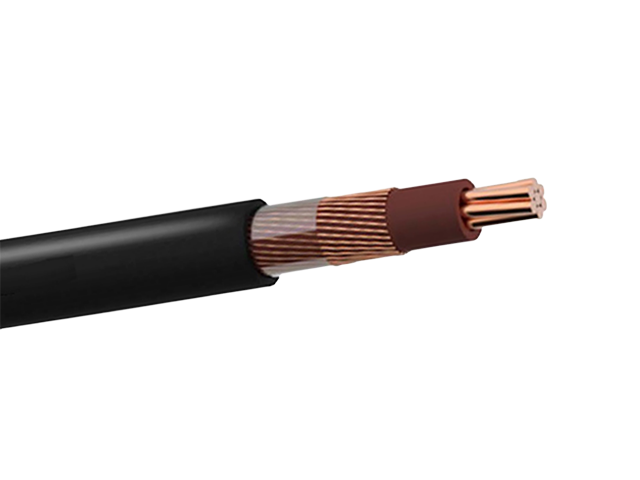
15kV Concentric Neutral Power Cable
The 15kV Concentric Neutral Power Cable is a premium medium-voltage underground distribution cable designed for reliable primary power delivery in distribution networks. It features a stranded copper or aluminum conductor, extruded semi-conducting conductor shield, TR-XLPE or EPR insulation, semi-conducting insulation shield, and helically applied bare copper concentric neutral wires, all protected by a tough sunlight-resistant LLDPE jacket. Available in 100% or 133% insulation levels with full or reduced neutral, this cable provides excellent electrical performance, moisture resistance, and mechanical protection. Suitable for direct burial or duct installations, the 15 kV Concentric Neutral Power Cable meets ICEA S-94-649, AEIC CS8, and related standards. It undergoes rigorous quality testing from raw materials to finished product, ensuring long-term reliability, low dielectric loss, and high resistance to water treeing in demanding underground environments.H-medium-voltage-power-cable-2.jpg)
N2XS(FL)H Medium Voltage Power Cable(6/10kV, 12/20kV, 18/30kV)
The N2XS(FL)H Medium Voltage Power Cable is designed for reliable and fire-safe power transmission in medium voltage systems rated at 6/10kV, 12/20kV, and 18/30kV. The cable features a copper conductor insulated with XLPE and is equipped with a flame-retardant laminated aluminum foil screen, which provides effective electromagnetic shielding and moisture protection. An LSZH outer sheath is applied to minimize smoke emission and eliminate halogen gases in the event of fire, enhancing safety in confined or populated installations. Manufactured in accordance with IEC standards, the N2XS(FL)H cable offers low dielectric loss, high thermal stability, and long service life. Its optimized construction ensures dependable electrical performance while meeting stringent fire safety and environmental requirements.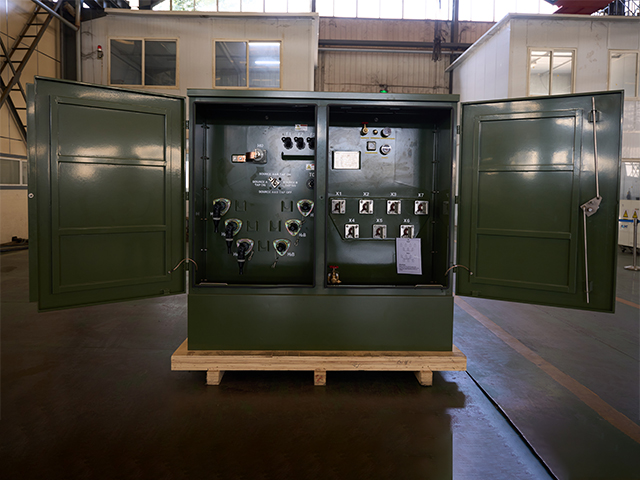
630kVA Three Phase Pad Mounted Transformer
NPC ELECTRIC's 630kVA three phase pad mounted transformer is engineered for demanding medium-voltage distribution needs, delivering superior efficiency and durability in outdoor installations. Compliant with the latest DOE efficiency standards, ANSI C57.12.34, IEEE requirements, and UL listings, this compartmentalized unit features a robust steel enclosure with corrosion-resistant coating, high-voltage dead-front or live-front bushings, radial or loop feed setups, and a standard 65°C winding rise for excellent thermal management. Primary voltages span from 4160V to 34500V (including popular grounded wye options like 12470GrdY/7200V or 13800GrdY/7970V), while secondary voltages cover 208Y/120V, 480Y/277V, or custom low-voltage configurations up to 600V.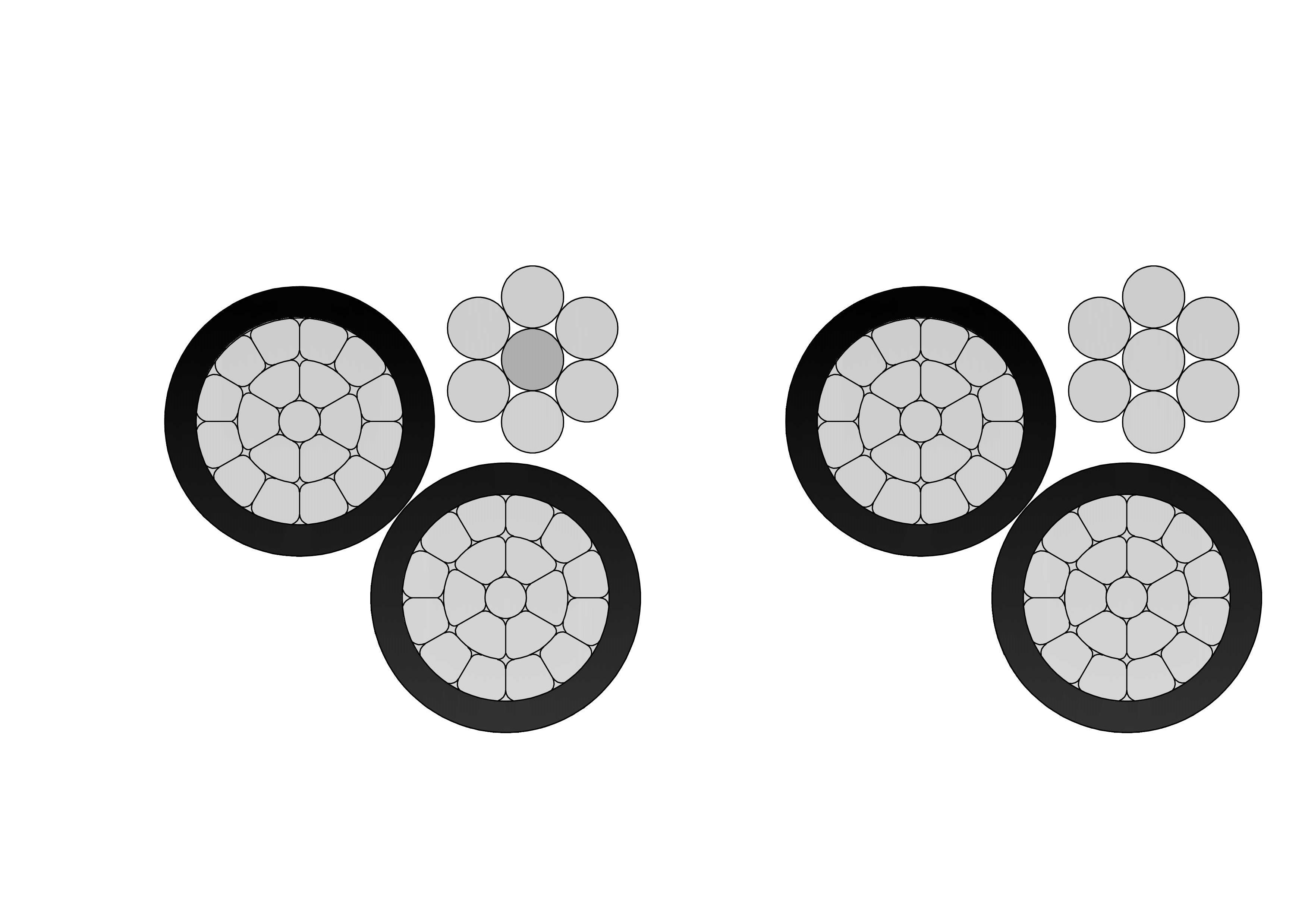
4 Oyster Aluminum Conductor Triplex Overhead Service Drop Cable
4-4-4 Oyster Aluminum Conductor Triplex Overhead Service Drop Cable provides high-quality overhead power transmission for utility-to-consumer connections. Constructed with compressed 1350-H19 aluminum phase conductors (#4 AWG), robust XLPE black insulation for enhanced thermal and environmental protection, and an AAC bare neutral (#4 AWG), it offers outstanding electrical efficiency, corrosion resistance, and durability in extreme weather. Designed for 600V applications (phase-to-phase) with conductor temps up to 90°C, it supports ~115A ampacity. Meets key standards including ASTM B-230/B-231/B-232 and ICEA S-76-474. Lightweight yet strong, this cable simplifies installation while ensuring long-term performance for service entrances.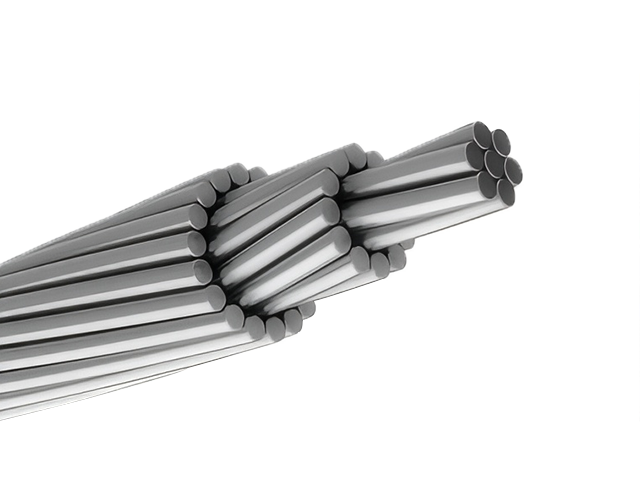
2 AWG SPARROW ACSR Conductor Cable
The 2 AWG SPARROW ACSR (Aluminum Conductor Steel Reinforced) cable, compliant with ASTM B232, ABNT NBR 7270/88, and IEC 61089 standards, is engineered for dependable performance in overhead transmission and distribution systems. Featuring a stranded 1350-H19 aluminum conductor for excellent electrical conductivity and a single galvanized steel core for enhanced mechanical strength, this cable is ideal for medium to long-span installations in suburban, agricultural, and utility networks. With a voltage rating of up to 25 kV, an operating temperature range of -10°C to +75°C, and a short-circuit tolerance of up to 150°C (5s), the SPARROW ACSR ensures reliable conductivity, corrosion resistance, and durability under wind and ice loading. Its lightweight, bare aluminum design with a corrosion-resistant steel core simplifies installation and ensures a long service life in diverse outdoor environments. Ampacity is calculated under standard conditions (conductor temperature: 75°C; ambient temperature: 25°C; wind speed: 1 m/s; full sun exposure).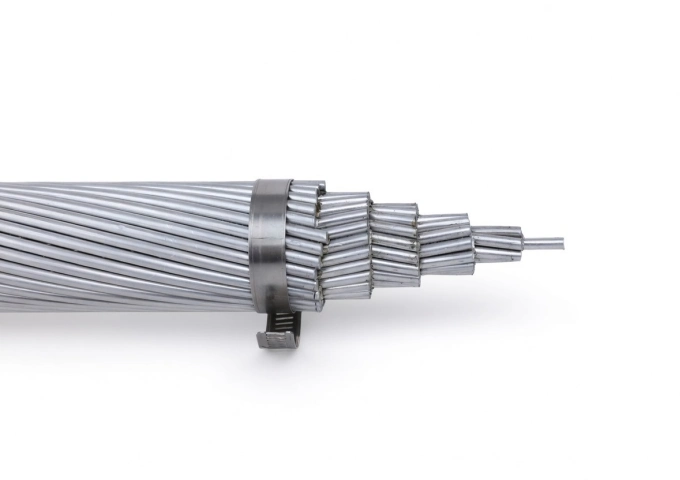
795 MCM Arbutus AAC Cable
The 795 MCM Arbutus AAC Cable represents premium All Aluminum Conductor technology for overhead power applications. Built with 37 strands of high-conductivity 1350-H19 aluminum, this bare conductor delivers an optimal balance of electrical efficiency and mechanical robustness. With a 1.026-inch diameter, 14,200 lbs breaking strength, and 880 amps ampacity, the Arbutus AAC offers low DC resistance of 0.0217 ohms per 1000 ft at 20°C and a weight of 746.7 lbs per 1000 ft. This design minimizes sag while providing excellent corrosion resistance for extended outdoor service. Manufactured to meet ASTM B-230 and B-231 standards, the 795 MCM Arbutus AAC Cable undergoes extensive quality testing from raw materials through finished product. It is the ideal solution for new installations and upgrades in transmission and distribution systems that demand lightweight, high-conductivity bare aluminum conductors.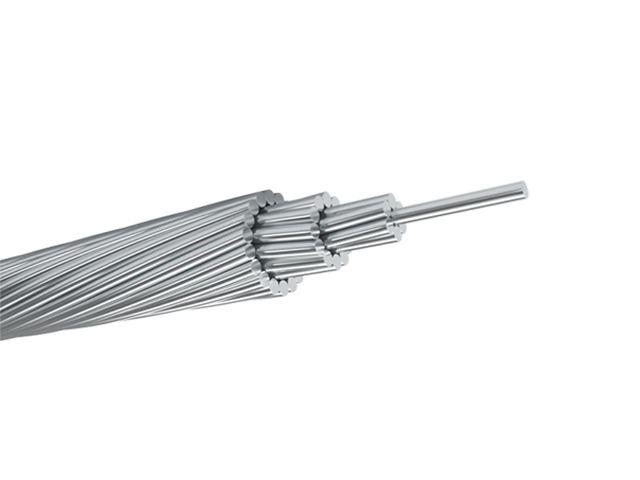
AMHERST AAAC Conductor Cable
AMHERST AAAC (All Aluminum Alloy Conductor) cables comply with ASTM B399 standards and offer high strength, good conductivity, and excellent corrosion resistance. With 300 mm² nominal area and 37-strand design, it uses heat-treated aluminum-magnesium-silicon alloy (6201-T81) for enhanced strength (295 MPa min) and conductivity (53% IACS min). Meeting ASTM B398, B399, IEC 61089, and BS EN 50182 standards, this cable handles ampacity up to 700A at 75°C and voltages up to 33kV. The all-alloy construction avoids bimetallic corrosion, providing better resistance in harsh conditions than ACSR. Reduced weight minimizes sag and installation expenses, supporting longer spans. The Amherst AAAC Conductor Cable delivers low electrical losses, high mechanical endurance, and excellent weather tolerance. Flame-retardant variants available. Perfect for urban grids, renewable projects, and coastal setups, it provides cost-effective, low-maintenance power delivery in overhead applications globally, excelling in reliability and lifespan over conventional conductors.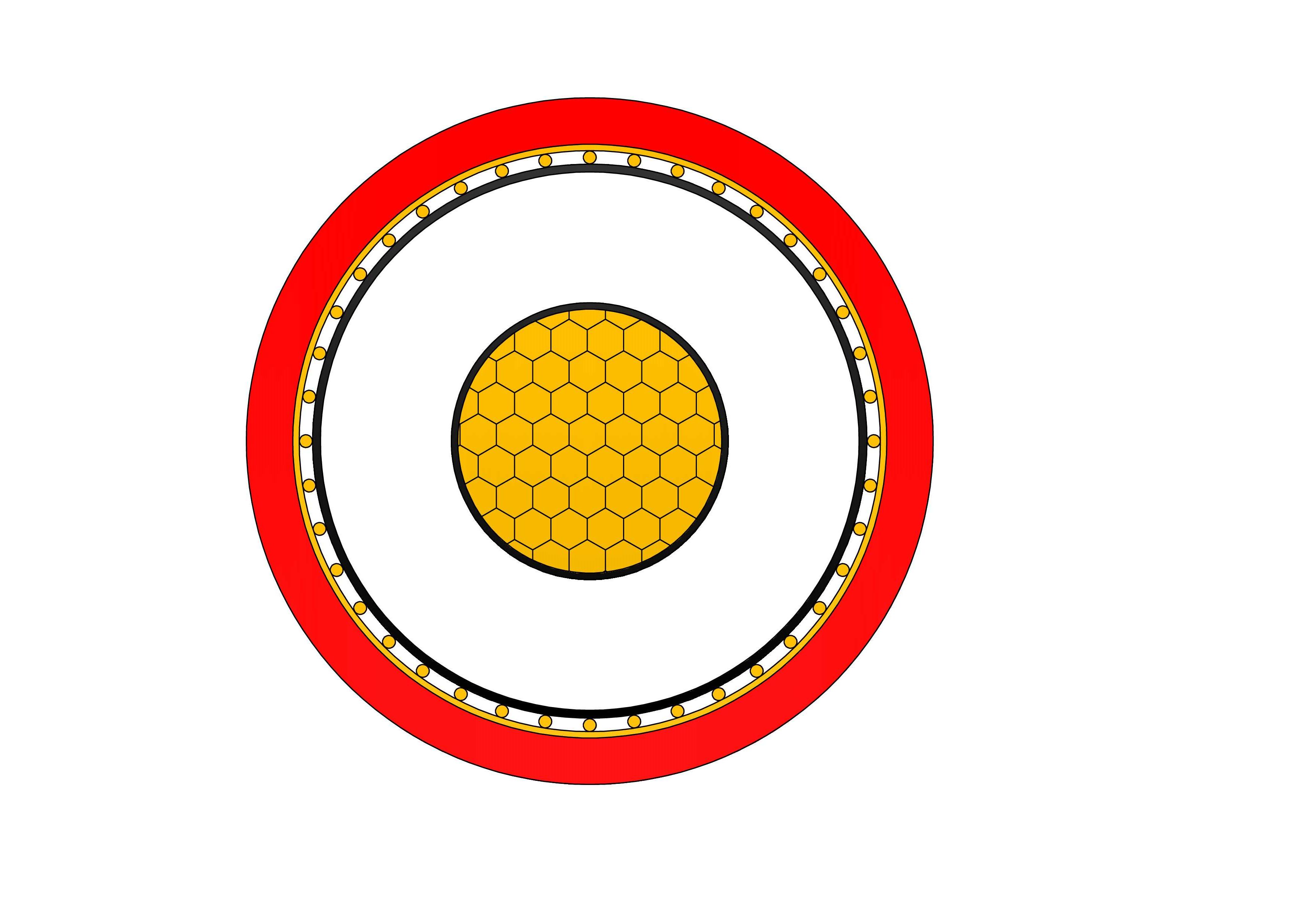
N2XSY Medium Voltage Power Cable(6/10kV, 12/20kV, 18/30kV)
N2XSY are medium voltage power cables with copper conductors and cross-linked polyethylene (XLPE) insulation, designed according to DIN VDE 0276-620 standards. Constructed with high-purity copper conductors, thermosetting XLPE insulation, metallic screen (copper tape or wires), and tough PVC outer sheath, it meets IEC 60502-2 requirements. The screen ensures electromagnetic compatibility and fault protection. Low tan delta, high breakdown strength, and excellent thermal endurance minimize losses and support overloads. PVC sheath provides solid mechanical and moisture protection for fixed installations. Optional longitudinal water-blocking improves performance in damp areas. Flame-retardant and easy to handle, the N2XSY Medium Voltage Power Cable is favored for power grids, manufacturing plants, commercial developments, and renewable energy sites demanding robust single-core medium voltage cabling with proven durability and cost efficiency in buried or tray installations worldwide.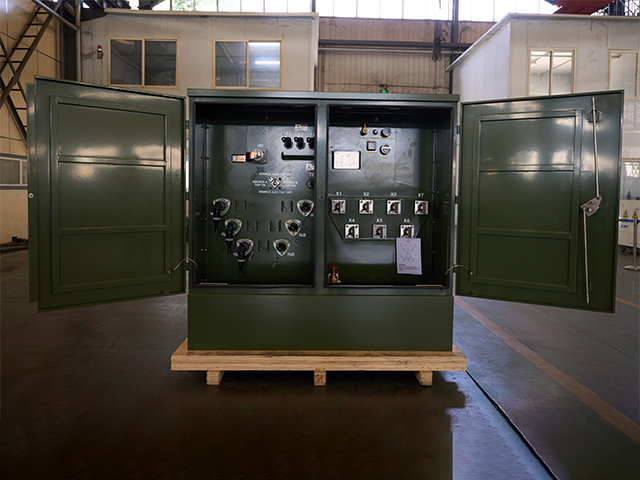
300kVA Three Phase Pad Mounted Transformer
The 300kVA three-phase pad transformer is an efficient and reliable power device designed for commercial, industrial and distribution systems. The transformer provides a high power capacity of 300kVA, which can provide a stable three-phase power supply for high-load equipment, ensuring efficient and smooth operation of the power system. Its sturdy housing adopts a protective design that meets the NEMA 3R standard, which can effectively resist the invasion of the external environment and is suitable for outdoor installation.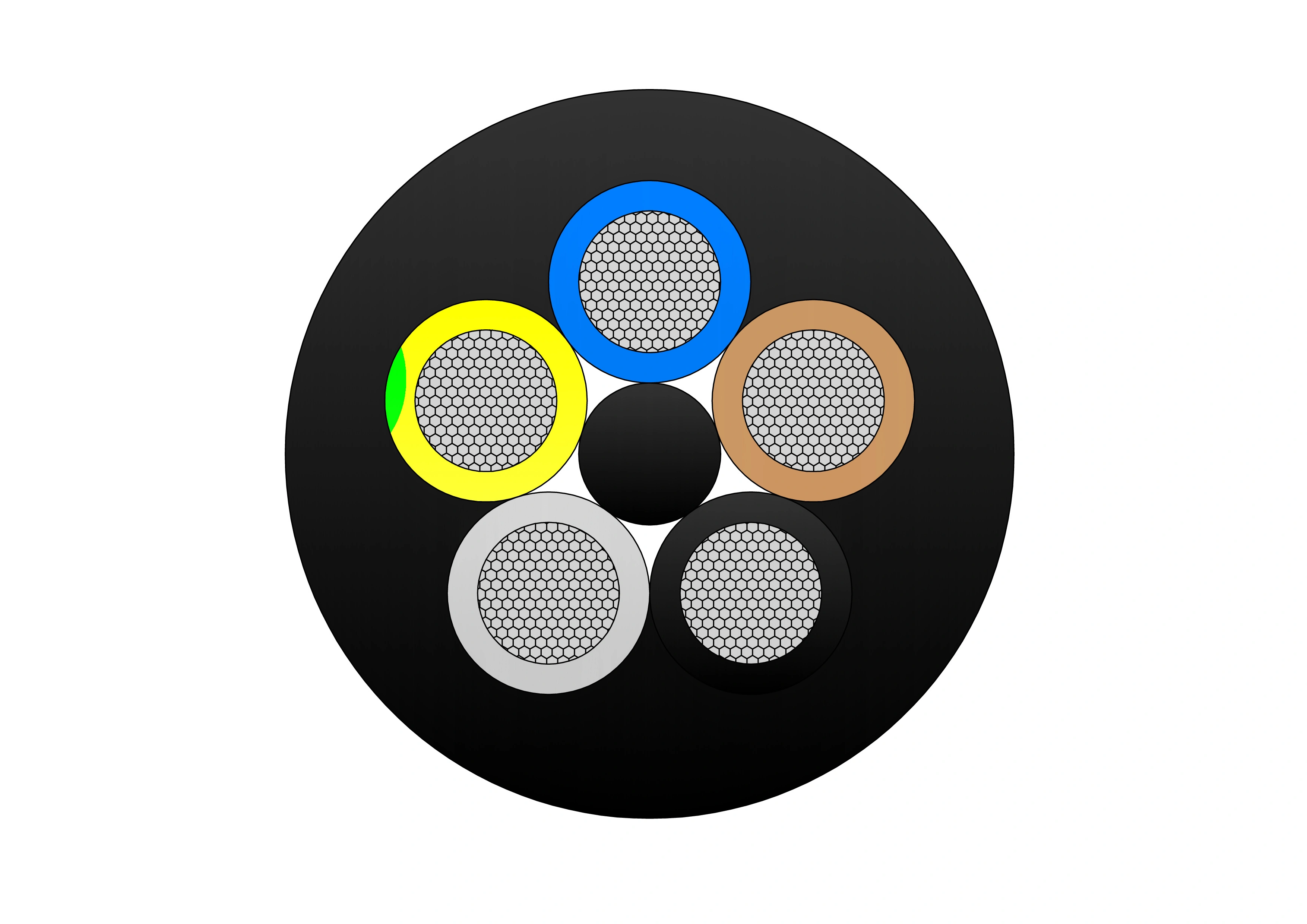
Type 275 Flexible Overall Semi-conductive Rubber Screened Mining Cable
The Type 275 Flexible Overall Semi-conductive Rubber Screened Mining Cable is a 1.1kV, medium-voltage cable designed for coal mining and heavy-duty industrial applications. It features tinned annealed copper conductors, EPR insulation, and a semi-conductive thermosetting compound screen for enhanced electrical performance. The cable is reinforced with polyamide yarn braid and protected by a heavy-duty CSP sheath, offering oil resistance, flame retardancy, and mechanical durability. Its robust construction ensures reliable power delivery to shuttle cars, electric pumps, and other mining equipment. Compliant with AS/NZS 2802 and stringent mining standards, it supports very high tensile loads, frequent flexing, tight bending radii, and reliable operation in wet, dusty, and hazardous mine environments.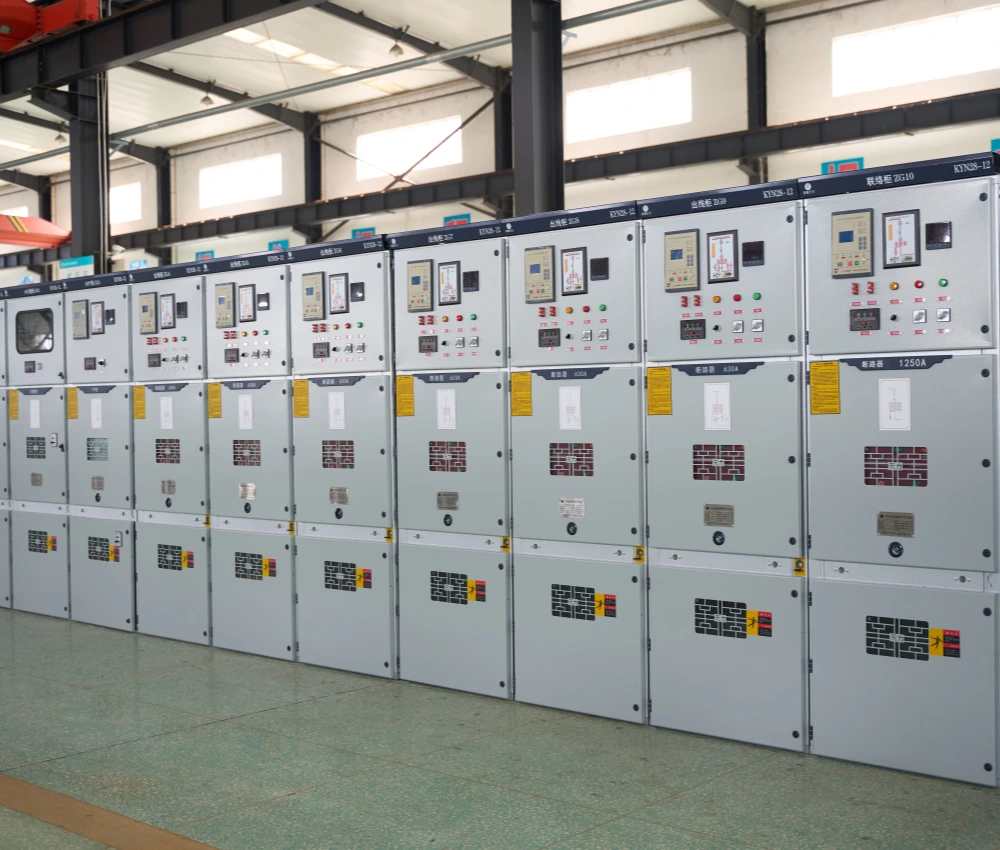
Armored Removable AC Switchgear
The Armored Removable AC Switchgear is a high-performance medium-voltage electrical distribution system specifically engineered for industrial power networks, utility substations, commercial infrastructure, and smart-grid applications. The switchgear adopts a metal-clad armored structure combined with a removable withdrawable unit design, integrating vacuum circuit breakers, protection relays, busbar systems, metering devices, and intelligent control components into a compact modular cabinet configuration. This advanced structure significantly improves operational safety, maintenance efficiency, and system reliability for modern electrical distribution environments. Designed according to international medium-voltage distribution standards, the armored removable AC switchgear provides excellent insulation performance, internal arc resistance, and mechanical durability under demanding operating conditions. The withdrawable breaker mechanism allows convenient maintenance and rapid replacement while reducing operational downtime and improving personnel safety during inspection procedures. The compartmentalized enclosure design effectively isolates busbar sections, cable chambers, breaker compartments, and control circuits to minimize fault propagation risks and enhance overall system protection. The Armored Removable AC Switchgear supports intelligent monitoring systems, remote communication protocols, and automated protection functions for modern digital substations and smart-grid infrastructure. With flexible configuration capabilities and scalable electrical distribution architecture, the system delivers dependable medium-voltage switching and protection performance for industrial automation systems, renewable energy projects, utility power networks, transportation infrastructure, and mission-critical electrical facilities.H-medium-voltage-power-cable-2.jpg)
N2XS(F)H Medium Voltage Power Cable (6/10kV, 12/20kV, 18/30kV)
The N2XS(F)H Medium Voltage Power Cable is engineered for medium voltage power distribution systems operating at 6/10kV, 12/20kV, and 18/30kV, where electrical reliability and fire safety are essential. The cable combines a copper conductor with XLPE insulation and a longitudinally corrugated aluminum sheath that delivers excellent moisture protection and mechanical strength. The LSZH outer sheath minimizes toxic gas release and smoke generation during fire exposure, supporting safer evacuation and equipment protection. Designed and manufactured in compliance with IEC standards, N2XS(F)H cables provide low dielectric losses, high thermal stability, and dependable long-term operation. The metallic sheath enhances grounding and fault current performance, making the cable suitable for critical infrastructure and underground installations.
4 AWG SWANATE ACSR Conductor Cable
4 AWG SWANATE ACSR Conductor Cable is designed for overhead power distribution systems requiring dependable electrical performance and enhanced mechanical strength. It is manufactured using concentrically stranded aluminum wires reinforced with a galvanized steel core, ensuring an effective balance between conductivity and tensile durability. The aluminum strands provide low electrical resistance and efficient current transfer, while the steel core improves load-bearing capacity, controls sag, and increases resistance to mechanical stress during installation and operation. This construction allows the 4 AWG SWANATE ACSR conductor to perform reliably under wind load, temperature variation, and outdoor environmental conditions. Produced in accordance with ASTM and IEC standards, the 4 AWG SWANATE ACSR Conductor Cable offers consistent quality, easy handling, and long service life. It is widely applied in utility distribution lines, rural electrification projects, and overhead network upgrades where stable performance and cost efficiency are required.
160 kVA Three Phase Cast Resin Dry Type Transformer Low Loss Energy Efficient
The 160 kVA Three Phase Cast Resin Dry Type Transformer Low Loss Energy Efficient is a state-of-the-art, maintenance-free power solution engineered for indoor installations where safety, reliability, and sustainability are paramount. Encased in high-quality epoxy resin under vacuum pressure, its windings deliver outstanding moisture resistance, superior partial discharge performance, and fire-retardant self-extinguishing properties without flammable liquids. Utilizing premium grain-oriented silicon steel cores and optimized conductor designs, this transformer achieves significantly reduced no-load and load losses, attaining high efficiency levels often exceeding 98.5% and complying with stringent energy regulations. With natural air (AN) cooling, low acoustic emissions below typical 58-62 dB, and Class F or H insulation, it ensures stable operation in harsh indoor environments. Fully compliant with IEC 60076-11, this compact, eco-conscious dry-type unit supports primary voltages like 10kV/11kV/20kV/35kV stepping down to 0.4kV or custom secondaries, making it ideal for modern, green power distribution networks.
6 Collie Aluminum Conductor Duplex Overhead Service Drop Cable
The 6 Collie Aluminum Conductor Duplex Overhead Service Drop Cable is engineered for efficient and dependable power delivery in overhead secondary distribution systems. Featuring stranded aluminum conductors, the duplex configuration provides both electrical conductivity and mechanical support for service drop installations. The No. 6 Collie size is ideal for short-span service drops, delivering stable load capacity with controlled sag under varying environmental conditions. Aluminum construction reduces cable weight, simplifies handling, and enhances corrosion resistance for long-term outdoor use. Produced under strict quality management systems, the 6 Collie Aluminum Conductor Duplex Overhead Service Drop Cable meets ASTM and utility requirements, making it a trusted solution for modern overhead service connections requiring safety, durability, and consistent electrical performance.Welcome your inquiry
Honesty, Integrity, Frugality, Activeness and Passion