
Solar PV Power for Homes and Industries: Cost, Efficiency, and System Setup Guide
2026-01-30
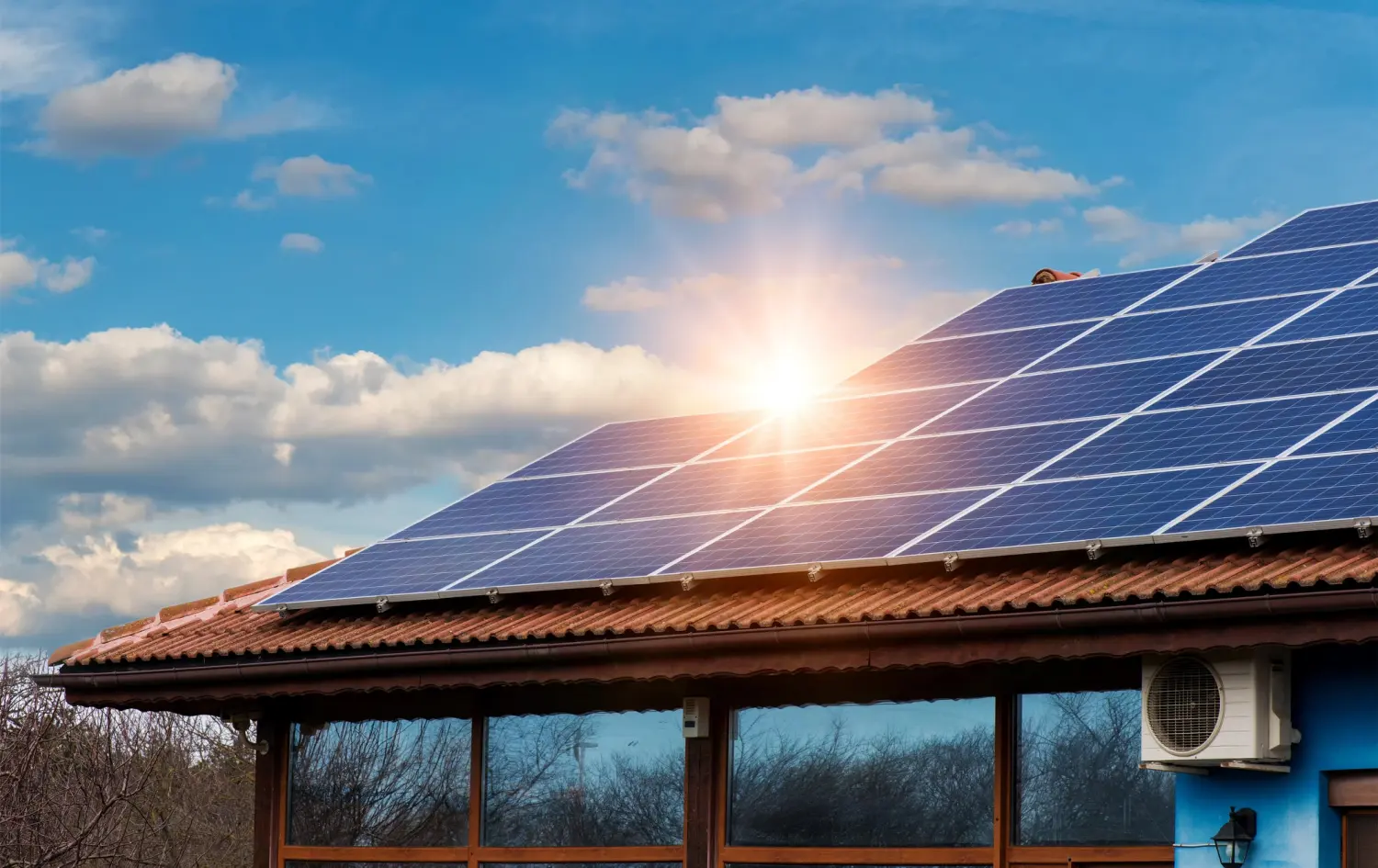
Solar photovoltaic (PV) power generation has become one of the most promising renewable energy technologies for both residential and industrial applications. PV systems directly convert solar radiation into electricity through photovoltaic (PV) cell modules, and "PV" refers to this process of generating electricity from sunlight. With the accelerating global energy transition, rising electricity prices, stricter carbon emission controls, and continued government subsidies, installing solar PV systems has become an important way to reduce energy costs and enhance energy independence. Whether it's a residential rooftop system or a large-scale industrial and commercial distributed power station, solar PV provides stable, clean, and sustainable electricity. At the same time, the efficiency of modern PV technology is constantly improving, and system installation costs are continuously decreasing, making it more economical in the long run. For users seeking green energy and reduced operating costs, solar PV power generation is gradually becoming one of the most worthwhile energy solutions to invest in.
1. What Is Solar PV Power and How Does It Work?
A solar PV power system consists of several key components:
- Solar panels (PV modules)
- Inverters for DC–AC conversion
- Mounting structures
- Cables and protection devices
- Energy meters
- Optional battery storage
Solar PV cells convert sunlight into DC electricity, which is then converted into AC power through inverters, enabling it to be used by household appliances, industrial machinery, and grid-connected systems.
According to the National Renewable Energy Laboratory (NREL), modern PV modules have significantly improved efficiency, offering longer service life and lower degradation rates, making them suitable for large solar PV power plant installations.
2. Solar PV Power for Homes: Reducing Electricity Bills
Homeowners choose PV solar power systems for one main reason—lowering electricity bills. When the system generates power during the day, household loads are supplied directly, reducing grid consumption. In many regions, excess energy can be exported to the grid through net metering programs, offsetting future bills.
Benefits for homeowners include:
- Long-term reduction in electricity costs
- Increased home value
- Low maintenance operation
- Quiet, safe, and non-polluting energy
- 25+ year expected lifespan
The Department of Energy notes that homes with solar power can save thousands of dollars over the system’s lifetime, depending on sunlight conditions and local electricity rates.
3. Solar PV Power for Industries: High Efficiency and Energy Stability
Industries with high energy demand—such as manufacturing, logistics centers, mining, textiles, and data centers—gain significant benefits from solar PV power generation:
- Reduced peak-hour demand charges
- Improved energy cost predictability
- Enhanced power reliability
- Lower carbon emissions for ESG compliance
- Opportunities for government incentives
Many factories install ground-mounted or rooftop PV solar power systems to offset large daytime loads. For even greater efficiency, solar systems may integrate with energy storage and smart energy management platforms.
4. Solar Panel Efficiency: What Impacts Actual Performance?
Solar panel efficiency is expressed as a percentage, showing how much sunlight is converted to usable electricity. Actual efficiency depends on:
- PV cell technology (mono, poly, thin-film)
- Temperature (hot surfaces reduce efficiency)
- Installation angle and orientation
- Shading from trees or buildings
- Maintenance and cleaning
- Inverter efficiency
Modern systems installed by professional solar installers often achieve real-world efficiencies between 18%–23% for monocrystalline modules.
5. Solar PV Power System Costs: What to Expect
The cost of a solar power system varies by region, installation size, and equipment. Homeowners typically evaluate:
- Solar panel cost
- Installation costs
- Inverter and mounting hardware
- Optional battery system
- Electrical upgrades
Industrial solar projects additionally consider:
- Transformer upgrades
- Medium-voltage interconnection
- Power quality systems
- Structural engineering for large rooftops
Below is a simplified comparison:
6. Cost & Performance Comparison Table
|
System Type |
Typical Capacity |
Estimated Cost Range |
Expected Annual Savings |
Best For |
|
Home Rooftop System |
3–10 kW |
$3,000 – $12,000 |
30–70% bill reduction |
Homes, small offices |
|
Commercial Rooftop System |
50–500 kW |
$40,000 – $400,000 |
20–50% load offset |
Office buildings, malls |
|
Industrial Ground-Mount PV Plant |
1–10 MW |
$900,000 – $8 million |
Significant peak demand reduction |
Factories, logistics parks |
|
Solar + Battery Storage System |
5 kW + 10 kWh |
$7,000 – $15,000 |
Backup power + peak shaving |
Homes & industries |
7. Steps for Installing a Solar PV Power System
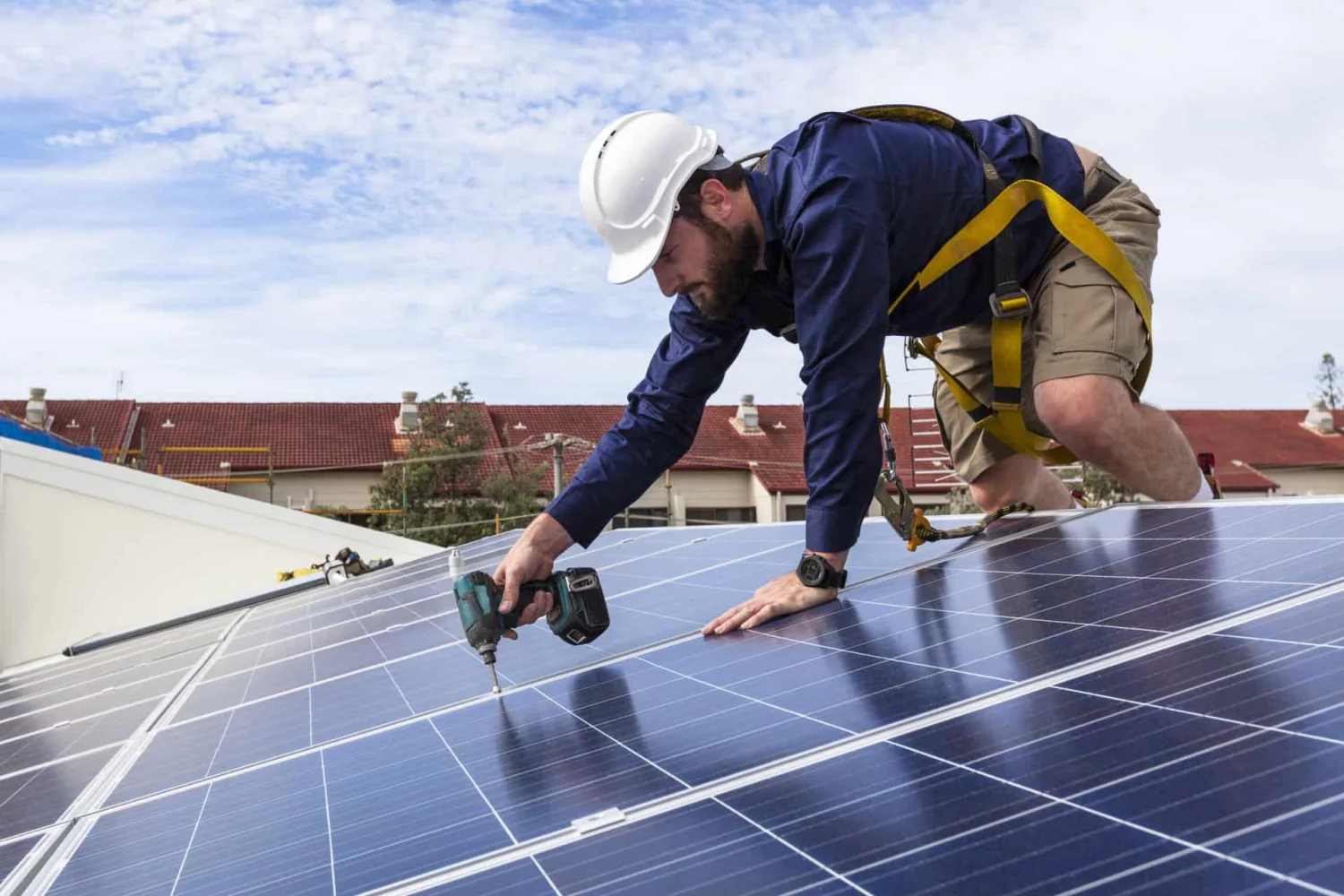
- Site assessment – Determine available sunlight, shading, roof structure, or land area.
- Load analysis – Evaluate electricity bills and usage patterns.
- System design – Select panel type, inverter size, and installation method.
- Quotation & permits – Solar installers prepare documents for approval.
- Installation – Mounting, cabling, inverter setup, and commissioning.
- Grid connection – Energy meter configuration and local utility approval.
- Monitoring & maintenance – Track performance and clean panels regularly.
Solar PV power systems are reshaping how homes and industries manage energy. Whether for reducing electricity bills, improving energy independence, or supporting sustainable development, PV solar power systems offer long-term, reliable, and cost-effective solutions. As technology continues to evolve, solar PV power generation will become even more efficient and accessible, driving the expansion of renewable energy worldwide.

Related Articles



Related Products
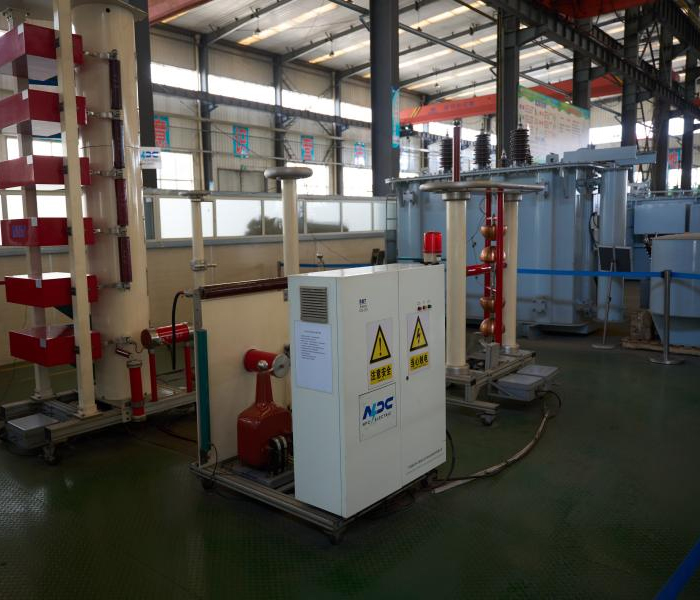
500kVA Dry Type Transformer
NPC ELECTRIC 500kVA Dry-Type Transformer offers reliable and efficient power distribution with a compact, oil-free design. It ensures safe, low-maintenance operation with advanced insulation and cooling systems, making it ideal for industrial and commercial use. With a capacity of 500kVA, it delivers stable performance while being environmentally friendly and cost-effective. Key characteristics feature three-phase design (single-phase adaptable), primary voltages 208V–600V (e.g., 480V Delta, 600V Delta), secondary voltages such as 208Y/120V, 480Y/277V, or custom, aluminum or copper windings, 150°C rise (standard) or 115°C/80°C with 220°C insulation class, ±2×2.5% primary taps, NEMA 1 ventilated enclosure (NEMA 3R/encapsulated options), natural convection cooling (AN), electrostatic shielding, and low sound levels per NEMA.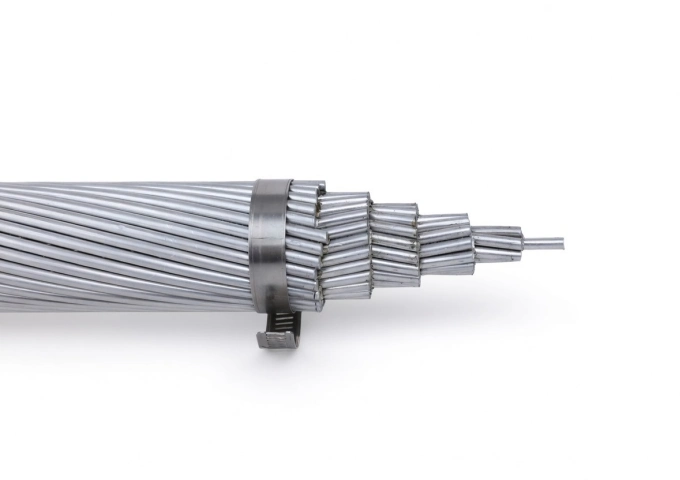
2000 MCM Cowslip AAC All Aluminum Bare Conductor Cable
The 2000 MCM Cowslip AAC Cable represents premium All Aluminum Conductor technology for overhead power applications. Built with 91 strands of high-conductivity 1350-H19 aluminum, this bare conductor delivers an optimal balance of electrical efficiency and mechanical robustness. With a 1.631-inch diameter, 32,200 lbs breaking strength, and 1518 amps ampacity, the Cowslip AAC offers low DC resistance of 0.00864 ohms per 1000 ft at 20°C and a weight of 1877 lbs per 1000 ft. This design minimizes sag while providing excellent corrosion resistance for extended outdoor service. Manufactured to meet ASTM B-230 and B-231 standards, the 2000 MCM Cowslip AAC Cable undergoes extensive quality testing from raw materials through finished product. It is the ideal solution for new installations and upgrades in transmission and distribution systems that demand lightweight, high-conductivity bare aluminum conductors.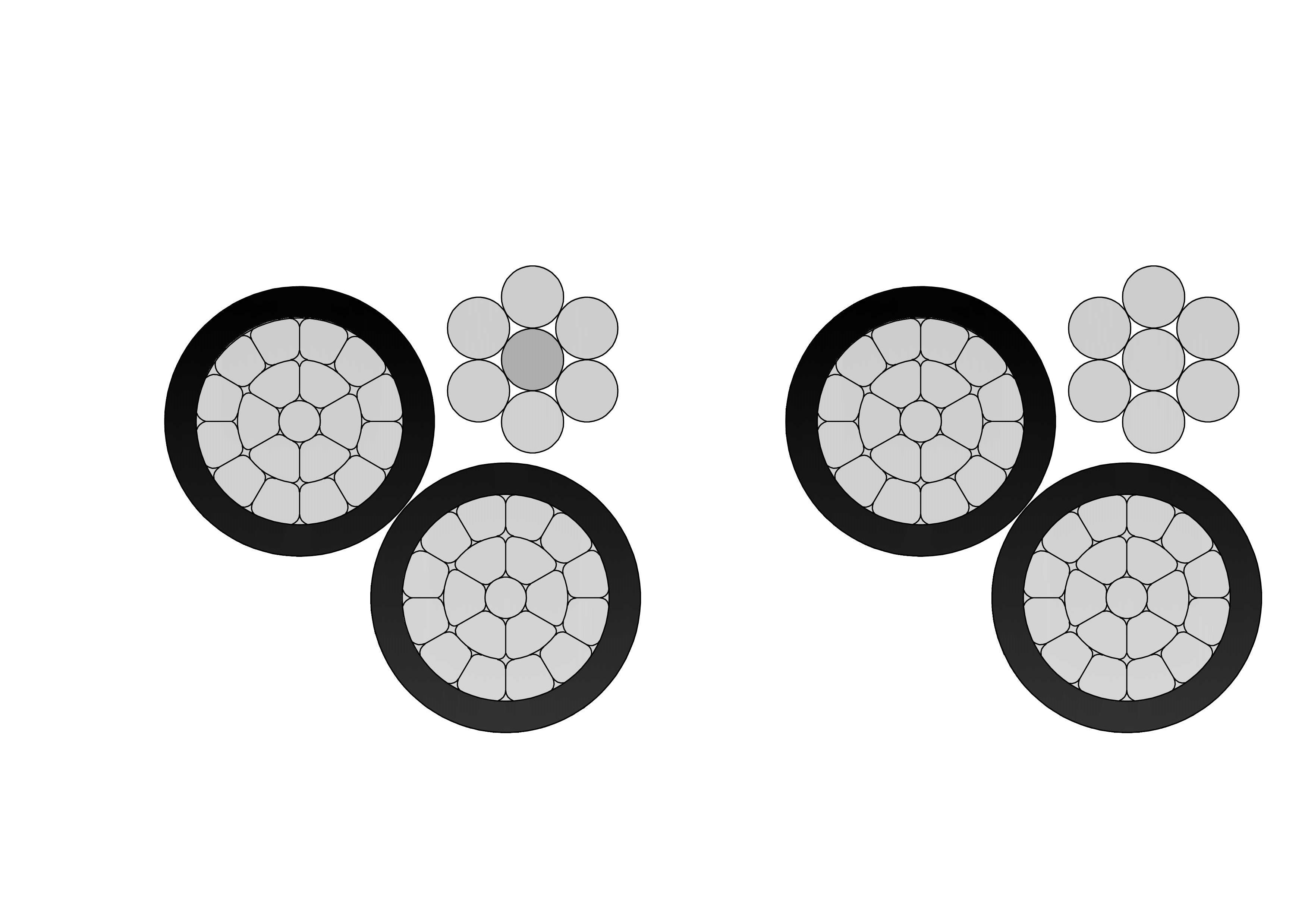
2 Conch Aluminum Conductor Triplex Overhead Service Drop Cable
The 2-2-2 Conch Aluminum Conductor Triplex Overhead Service Drop Cable is a trusted solution for overhead power distribution from utility poles to residential or commercial weatherheads. Featuring concentric-lay-stranded 1350-H19 aluminum phase conductors (#2 AWG, 7-strand), durable black cross-linked polyethylene (XLPE) insulation, and a bare ACSR neutral messenger (#2 AWG, 6/1), it provides excellent electrical conductivity, superior weather/UV resistance, and mechanical support. Rated for 600 volts phase-to-phase with conductor temperatures up to 90°C (XLPE), it delivers an allowable ampacity of approximately 150 amps. Compliant with ASTM B-230, B-231, B-232, B-399, and ICEA S-76-474 standards, this lightweight, flexible cable ensures easy installation and long-term reliability in harsh outdoor environments, including wind, ice loading, and temperature fluctuations.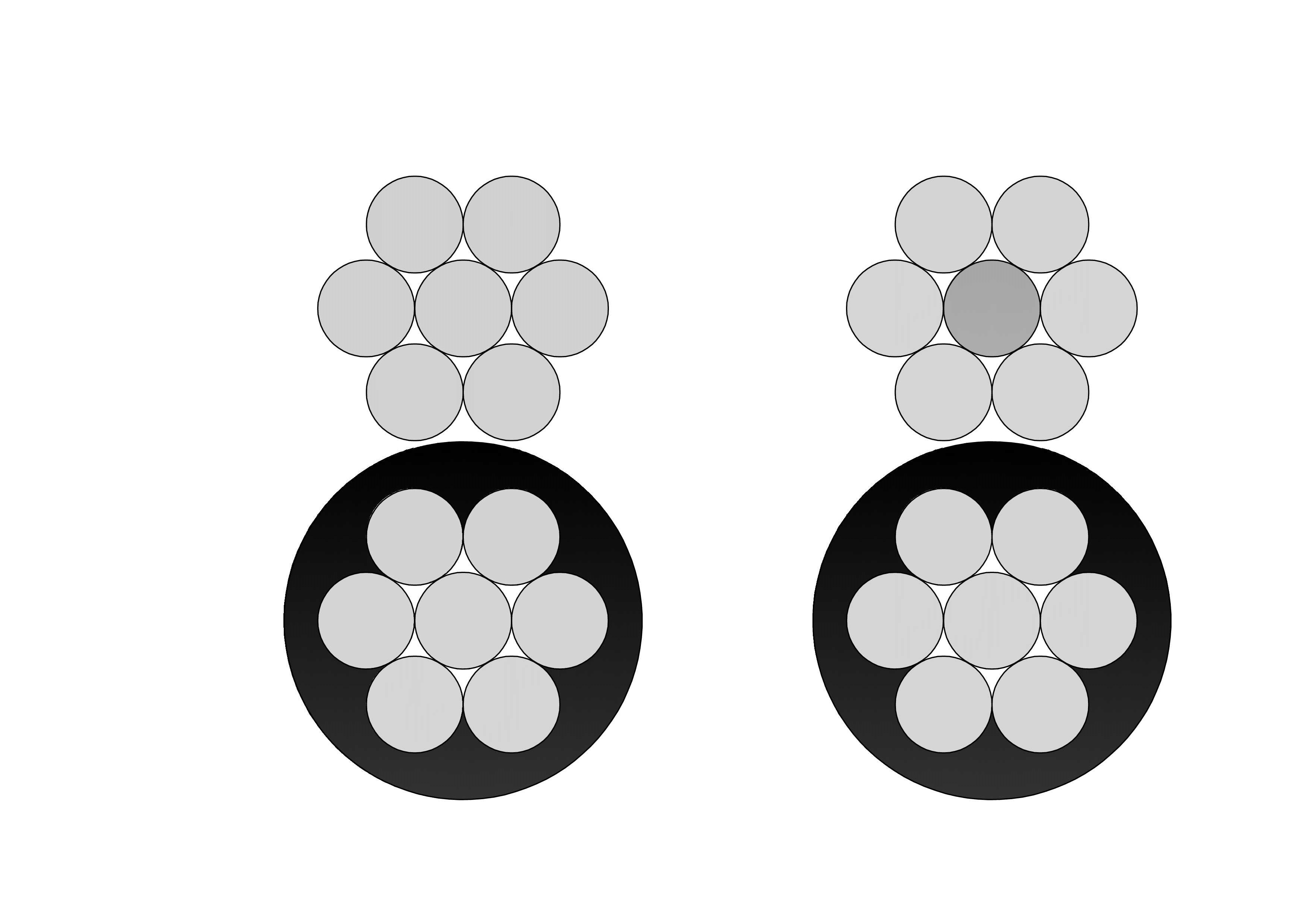
4 Dachshund Aluminum Conductor Duplex Overhead Service Drop Cable
4 Dachshund Duplex Service Drop Cable is a durable overhead cable for secondary power distribution to residential service entrances. Featuring two 4 AWG aluminum conductors (phase and neutral, 7-strand) insulated with XLPE or PE and assembled in duplex configuration, it provides excellent weather resistance and mechanical strength. Compliant with ASTM B-230, B-231, ICEA S-76-474, and ANSI/ICEA standards, this cable supports 600V applications with high UV, moisture, and abrasion protection. The self-supporting design simplifies installation with reduced sag over spans up to 100 feet. The 4 Dachshund Duplex Service Drop Cable ensures low power losses, reliable performance in harsh outdoor conditions, and long service life. Lightweight and flexible, it is widely used for single-phase service drops in urban, suburban, and rural areas requiring safe, cost-effective aerial connections from utility poles to homes.
11/0.4kV Dry Type Transformer | Indoor Power Transformer
Discover the reliable 11/0.4kV Dry Type Transformer | Indoor Power Transformer, a safe, oil-free solution designed for efficient medium-to-low voltage conversion in indoor electrical installations. This three-phase dry-type transformer (typically cast resin or vacuum pressure impregnated) features premium low-loss silicon steel cores and high-conductivity copper windings, achieving superior energy efficiency often exceeding 98% and complying with IEC 60076-11 standards. The epoxy resin encapsulation provides excellent moisture resistance, fire self-extinguishing properties (F1 class), minimal partial discharge (<10pC), and robust short-circuit withstand capability. With natural air (AN) cooling and optional forced air (AF) upgrades, it offers low noise operation, Class F/H insulation, and maintenance-free performance in demanding environments. Ideal for step-down from 11kV primary (with ±2×2.5% or wider off-circuit taps) to 0.4kV secondary (Dyn11 vector group standard), this indoor power transformer supports capacities from 100kVA to several MVA, delivering stable, eco-friendly power distribution without oil-related risks.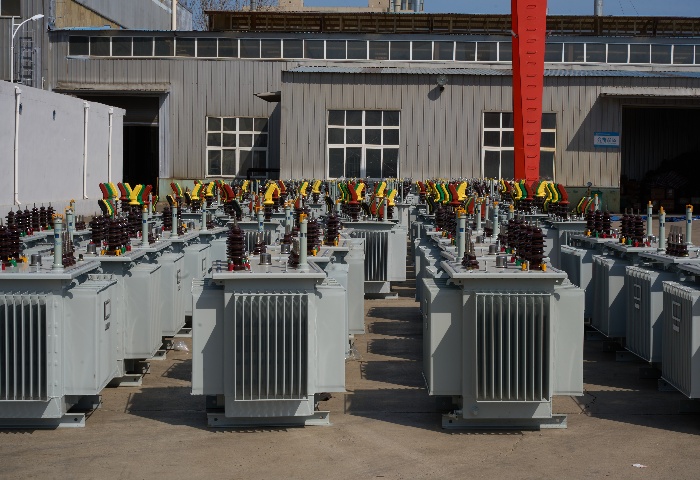
30kVA Oil Immersed Transformer
30kVA Oil Immersed Transformer, produced by a reputable manufacturer and supplier in China, represents the pinnacle of electrical engineering excellence. These transformers are engineered with precision and cutting-edge technology to provide robust, efficient, and long-lasting power solutions.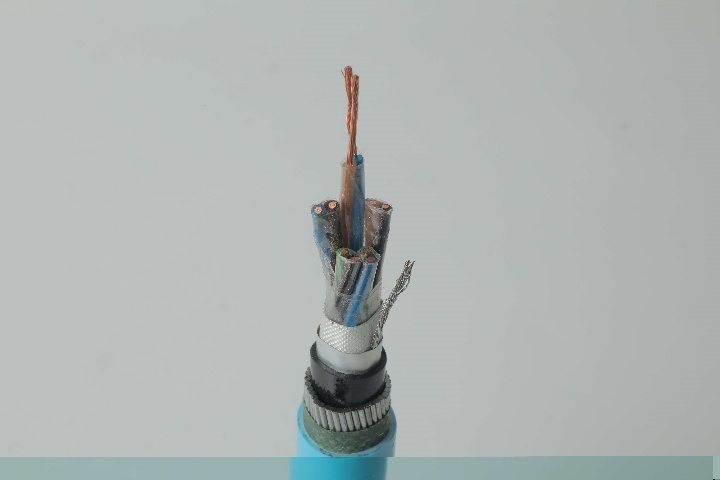
Instrumentation Cables—Mica Tapped, XLPE Insulated, Overall Screened, Wire Armoured LSZH Sheathed Fire-Resistant Cables(CU/GMT/XLPE/OSCR/SWA/LSZH)
Instrumentation Cables with Mica Taped, XLPE Insulated, Overall Screened, Wire Armoured and LSZH Sheathed construction (CU/GMT/XLPE/OSCR/SWA/LSZH) are designed for critical signal transmission in fire-risk and safety-sensitive environments. The copper conductor is wrapped with mica tape to maintain circuit integrity under fire conditions, while XLPE insulation ensures stable electrical performance and thermal resistance. The overall screen reduces electromagnetic interference, enabling accurate signal transmission in industrial systems. Steel wire armouring provides mechanical protection against impact and external stress, making the cable suitable for harsh installation conditions. The LSZH outer sheath limits smoke emission and toxic gases during fire, enhancing personnel safety. These fire-resistant instrumentation cables are widely used where continuous operation and reliable signal control are essential, even in extreme conditions.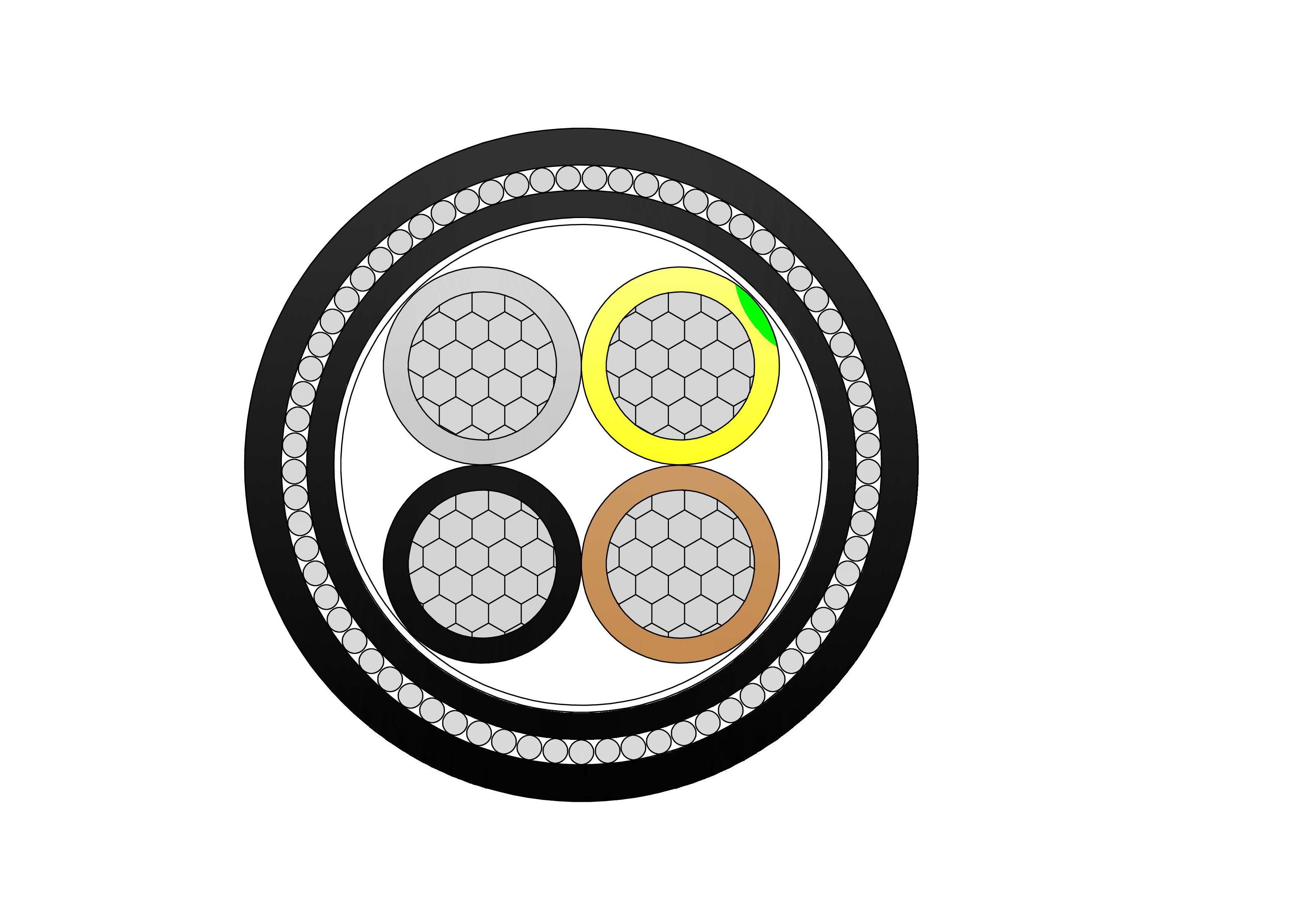
NAYRY 0.6/1kV Low Voltage Power Cable
NAYRY are low voltage power cables designed according to DIN VDE 0276-603 standard, suitable for fixed installation in indoor, outdoor, underground, or concrete (not subject to vibration and long-term underwater) environments. Constructed with aluminium conductors, PVC core insulation, filling, galvanized steel wire armour, and tough PVC outer sheath, it meets VDE 0276 and IEC requirements. The SWA layer delivers outstanding resistance to mechanical damage, enabling direct burial without conduits. Aluminium design lowers weight and costs while providing adequate current rating. Flame-retardant and stable in moist conditions, the NAYRY 0.6/1kV Low Voltage Power Cable is popular for factories, renewable energy projects, commercial sites, and infrastructure needing reliable, low-maintenance low-voltage cabling with enhanced safeguarding in aggressive soils.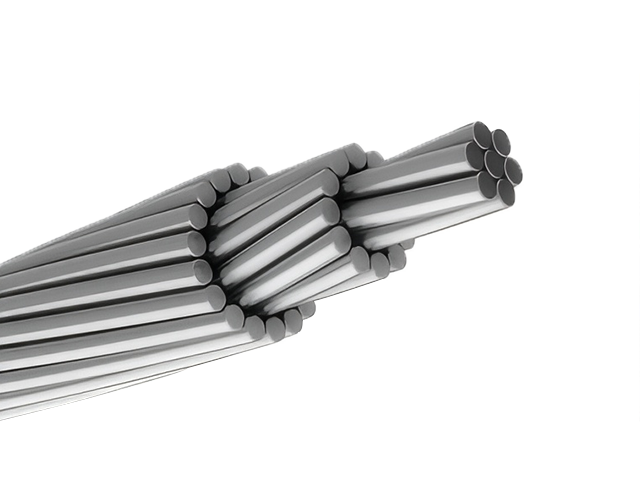
Quail ACSR Conductor Cable
Introducing the Quail ACSR Conductor Cable, a versatile 2/0 AWG overhead conductor with 6/1 stranding configuration. Composed of EC grade aluminum wires surrounding a galvanized steel core, it achieves a rated strength of 4,030 lbs and ampacity up to 250A at 75°C. Adhering to ASTM B230 for aluminum and B232 for assembly, this cable excels in corrosion resistance and mechanical endurance for spans up to 250m. The steel core enhances tensile strength to control sag under loads, while aluminum provides high conductivity (61.5% IACS) and a lightweight design for easier installation. Suitable for distribution voltages up to 138kV, the Quail ACSR Conductor Cable reduces line losses and withstands extreme weather, including ice loads up to 1/2 inch. Its economic profile makes it a staple for utility expansions, renewable integrations, and grid modernization, delivering consistent power with high weather tolerance and minimal maintenance in global overhead networks.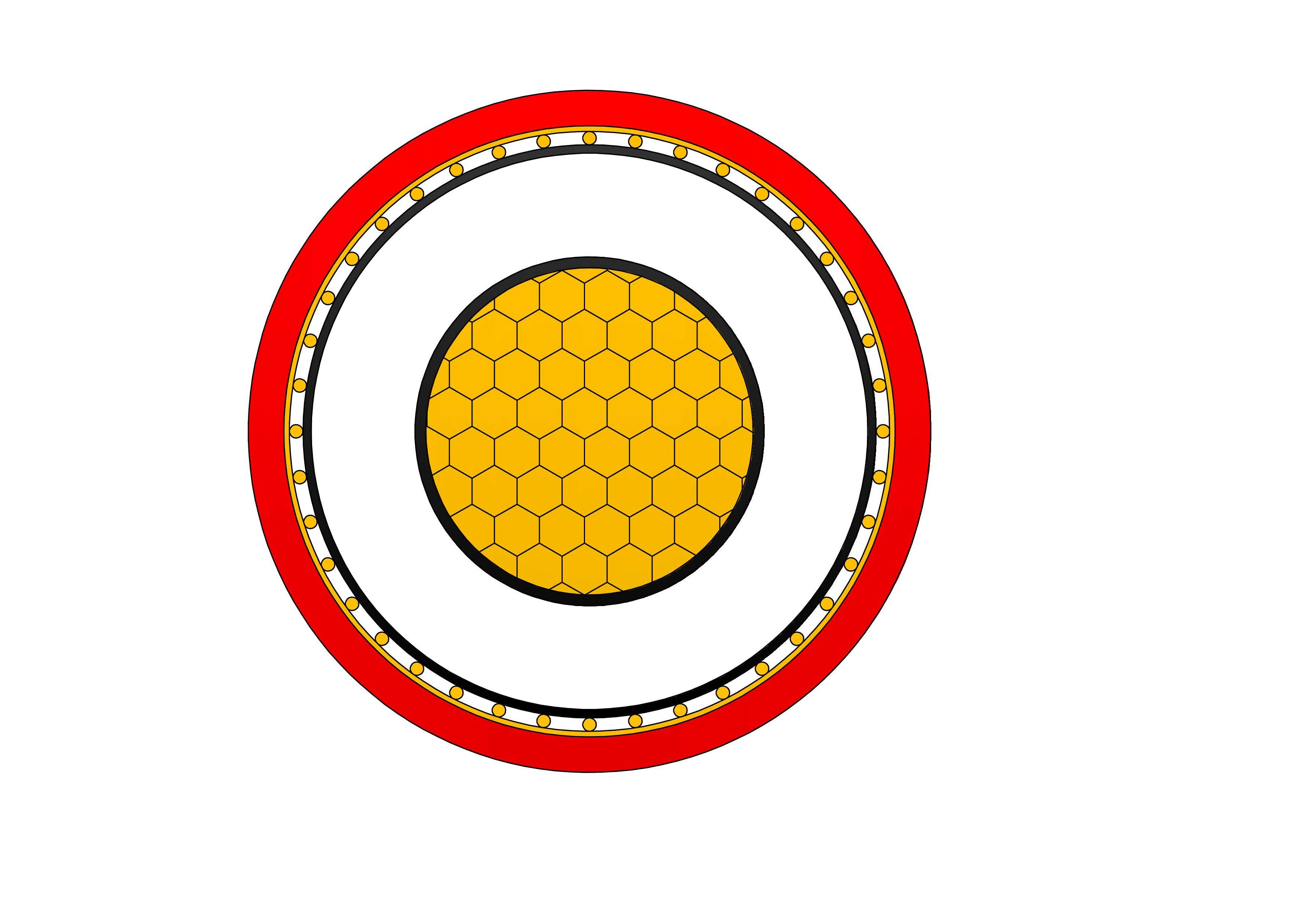
N2XSEY Medium Voltage Power Cable(6/10kV, 8.7/15KV,12/20kV, 18/30kV)
N2XSEY are medium voltage power cables with copper conductors, XLPE insulation, and PVC outer sheath, designed in accordance with VDE 0276-620 standards. Built with copper conductors, thermosetting XLPE insulation, individual metallic screens (copper tape/wire) per core, filler, and tough PVC outer sheath, it meets IEC 60502-2 requirements. Per-core screening minimizes interference and provides fault protection. Low tan delta, high breakdown strength, and excellent thermal endurance ensure efficient operation with reduced losses. PVC sheath delivers good mechanical and moisture protection for fixed installations. Optional longitudinal water-blocking enhances performance in wet conditions. Flame-retardant and durable, the N2XSEY Medium Voltage Power Cable is favored for power grids, industrial sites, renewable installations, and urban infrastructure demanding reliable three-core medium voltage cabling with superior shielding and long-term stability in buried or ducted systems.2Y-high-voltage-power-cable-2.webp)
2XS(FL)2Y HDPE High Voltage 36/60 (72.5) kV Power Cable
The 2XS(FL)2Y HDPE High Voltage 36/60 (72.5) kV Power Cable is a high-performance single-core copper conductor cable designed for medium-to-high voltage power transmission. It features XLPE insulation, extruded semi-conductive conductor and insulation screens, and semi-conductive water-swellable tapes for longitudinal water blocking. A longitudinally applied aluminium tape moisture barrier coated with PE copolymer ensures superior moisture resistance and mechanical protection. The HDPE oversheath provides outstanding abrasion, chemical, and environmental resistance, making it suitable for direct burial, underwater, outdoor, indoor, and duct installations. Manufactured in compliance with IEC 60840, this cable guarantees reliable long-term electrical performance in demanding environments such as power stations, industrial plants, and distribution networks.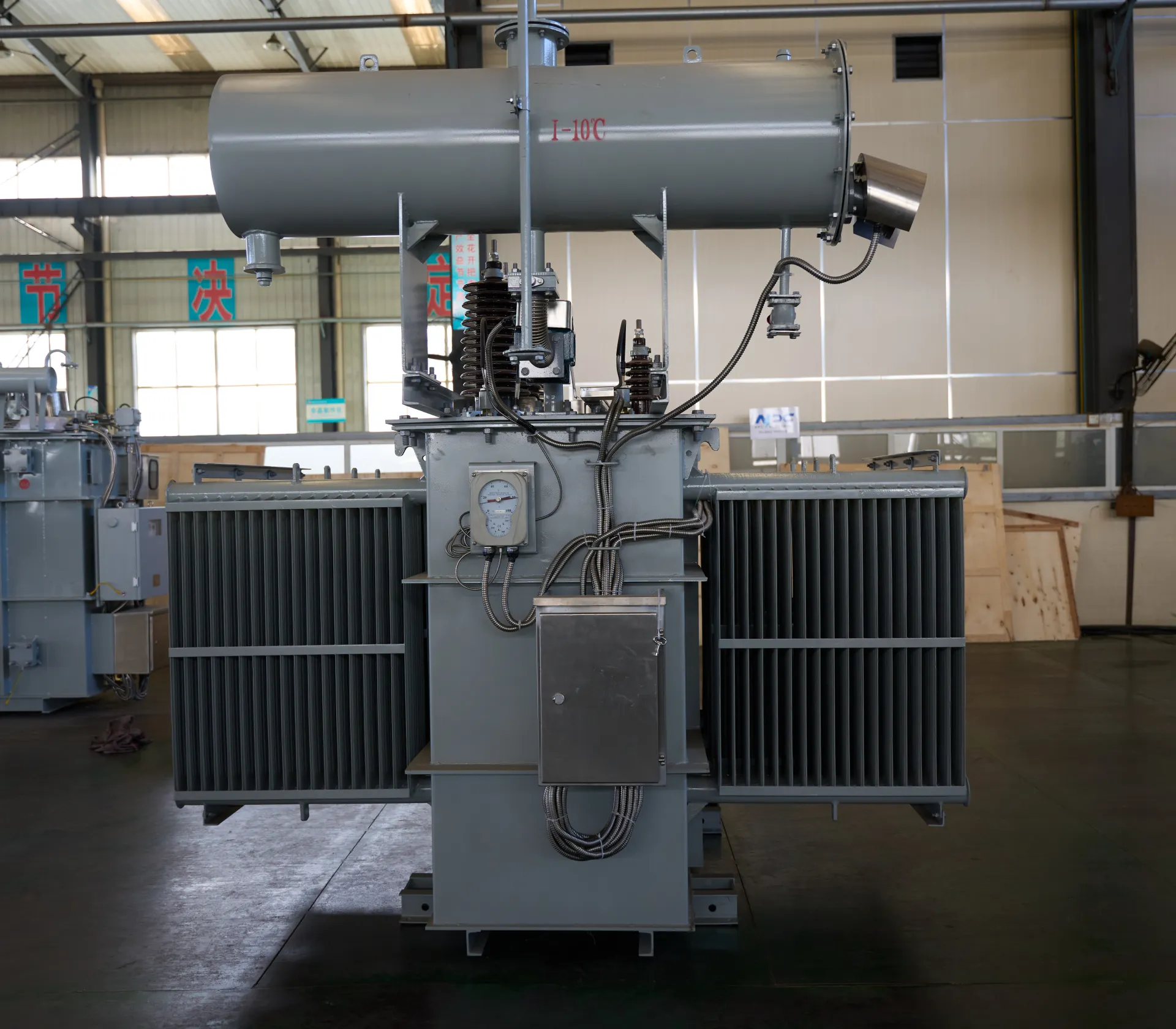
7MVA 22kV to 6.6kV Power Transformer ONAN Cooling Low Loss
The 6kV Three-Phase Oil-Immersed Power Transformer is designed for stable and efficient voltage conversion in industrial and commercial power distribution systems. With a durable oil-immersed insulation structure and high-quality copper windings, it offers excellent thermal performance, strong dielectric strength, and reliable operation under varying load conditions. Its compact design, robust core materials, and advanced cooling system ensure low losses, reduced noise, and long service life. This 6kV transformer is suitable for factories, mining sites, distribution stations, and utility networks requiring consistent and safe electrical power supply. Engineered to meet international standards, it provides dependable performance and high efficiency across diverse low-to-medium voltage applications.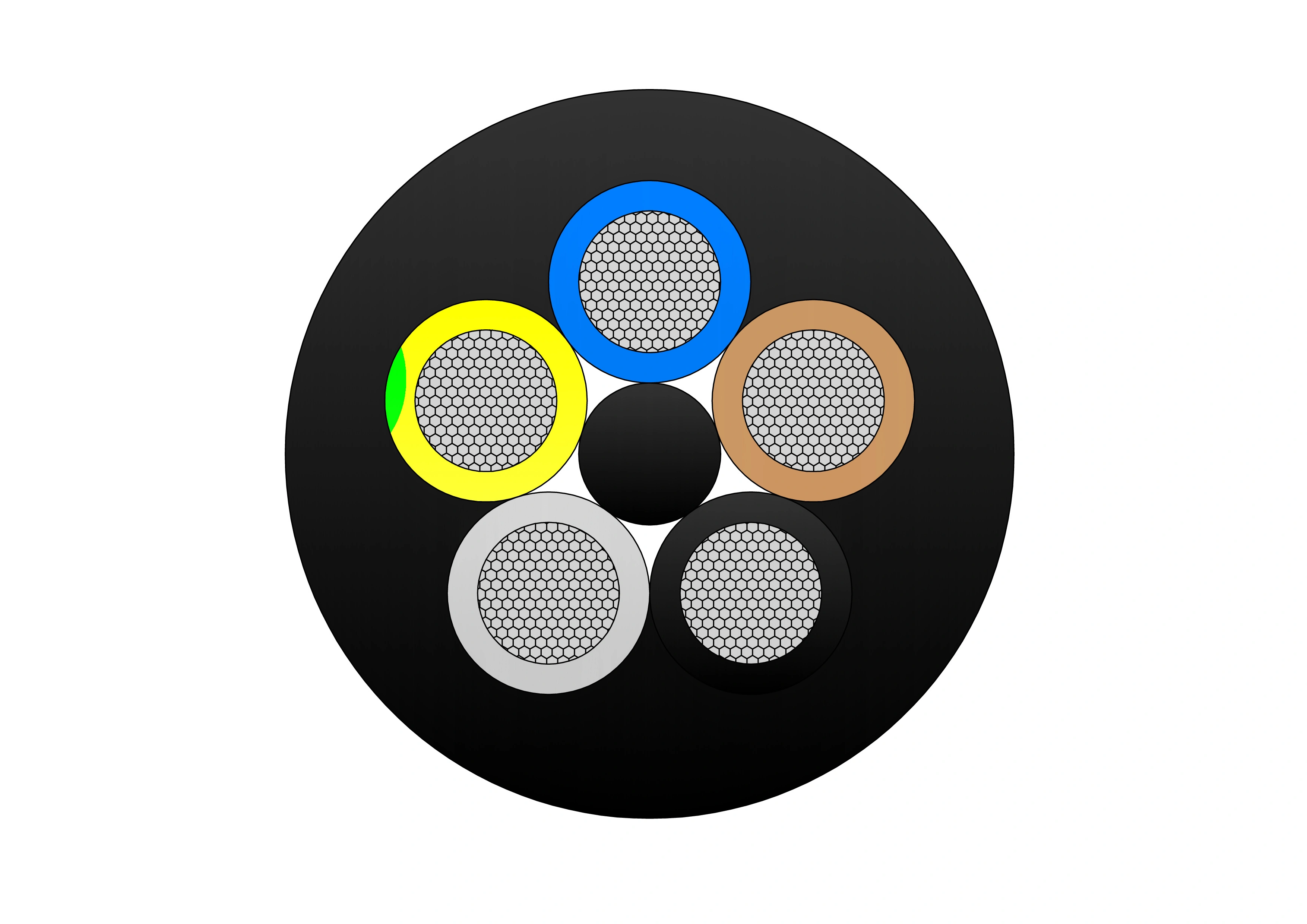
FG7H1OAR - 3.6/6kV, 6/10kV, 8.7/15kV and 12/20kV Cable
The FG7H1OAR - 3.6/6kV, 6/10kV, 8.7/15kV and 12/20kV Cable is a high-quality medium-voltage power cable designed for reliable fixed installations in demanding environments. It features stranded copper or aluminum conductors (class 2), semi-conductive conductor screen, XLPE (cross-linked polyethylene) insulation for excellent dielectric strength and thermal stability (90°C continuous, 250°C short-circuit), semi-conductive insulation screen, copper tape or wire screen for grounding and protection, optional armor (steel tape/wire), and a robust PVC or PE outer sheath resistant to mechanical stress, oils, chemicals, and UV. Compliant with IEC 60502-2 and equivalent standards (e.g., VDE, national codes), it offers low capacitance, high current-carrying capacity, and long service life. Available in single-core or multi-core configurations, the FG7H1OAR is ideal for power distribution in industrial plants, mining facilities, substations, and underground networks where safety, durability, and performance are critical.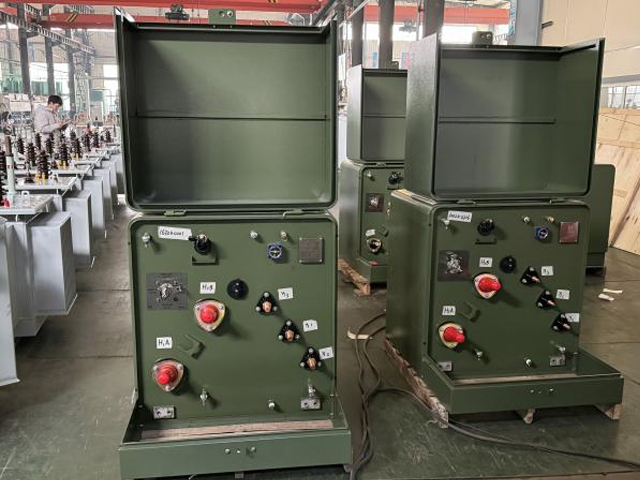
10kVA Conventional Type Single Phase Pole Mounted Transformer
NPC ELECTRIC specializes in designing and manufacturing 10 kVA single-phase pole-mounted transformers that comply with international standards, including IEEE C57.12.00, IEEE C57.12.20, DOE-2016 Efficiency, CSA C2.1 & C2.2, and CSA C802.1. Our unwavering commitment to excellence drives us to provide tailored solutions, ensuring that each transformer aligns precisely with your unique technical requirements. Regardless of the voltage level or operating environment, you can trust NPC ELECTRIC to deliver the ideal solution to meet your specific needs. Your satisfaction and the reliability of our transformers remain central to our dedication to quality. The 10kVA conventional single phase pole mounted transformer serves as an economical, reliable option for low-capacity overhead power distribution, converting primary voltages ranging from 2.4kV to 34.5kV (including common grounded wye configurations like 12470GrdY/7200, 24940GrdY/14400, or 13200Y/7620) to secondary levels such as 120/240V split-phase or 240V.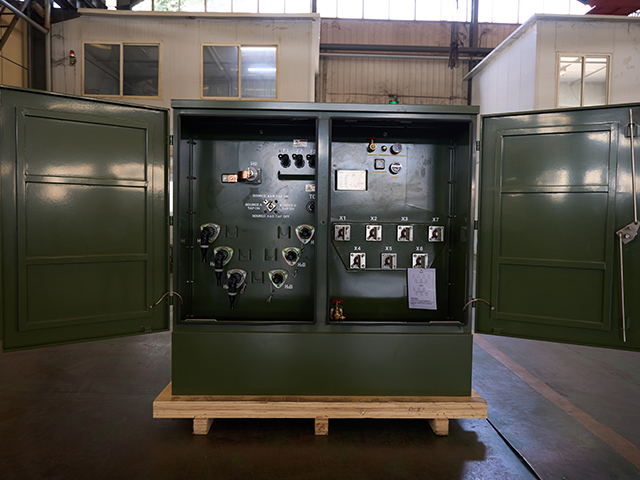
45kVA Three Phase Pad Mounted Transformer
The 45 kVA pad-mounted transformer meets ANSI, CSA, NEMA, IEEE, and DOE standards. The compartmental dead-front enclosure features tamper-resistant doors, mineral oil or ester fluid insulation, and ONAN cooling for a 65°C temperature rise, enabling quiet, overload-capable operation in outdoor pad installations.Welcome your inquiry
Honesty, Integrity, Frugality, Activeness and Passion