


11/0.4kV Dry Type Transformer | Indoor Power Transformer
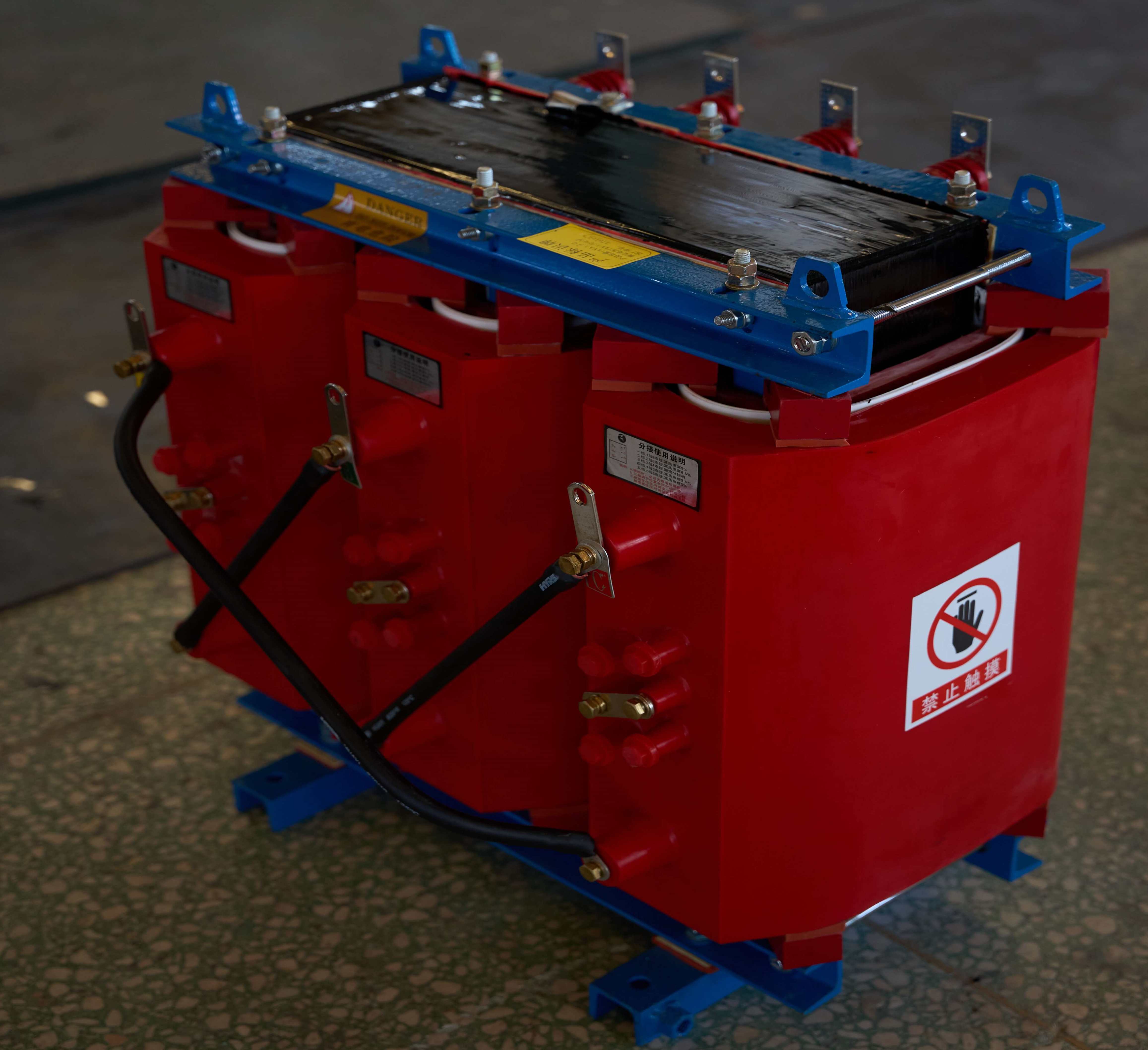
Discover the reliable 11/0.4kV Dry Type Transformer | Indoor Power Transformer, a safe, oil-free solution designed for efficient medium-to-low voltage conversion in indoor electrical installations. This three-phase dry-type transformer (typically cast resin or vacuum pressure impregnated) features premium low-loss silicon steel cores and high-conductivity copper windings, achieving superior energy efficiency often exceeding 98% and complying with IEC 60076-11 standards. The epoxy resin encapsulation provides excellent moisture resistance, fire self-extinguishing properties (F1 class), minimal partial discharge (<10pC), and robust short-circuit withstand capability. With natural air (AN) cooling and optional forced air (AF) upgrades, it offers low noise operation, Class F/H insulation, and maintenance-free performance in demanding environments. Ideal for step-down from 11kV primary (with ±2×2.5% or wider off-circuit taps) to 0.4kV secondary (Dyn11 vector group standard), this indoor power transformer supports capacities from 100kVA to several MVA, delivering stable, eco-friendly power distribution without oil-related risks.
- Primary Voltage Ratings 11 kV (11000 V) delta or grounded wye
- Secondary Voltage Ratings 0.4 kV (400/230 V) wye
- H.V. Tap Range ± 2×2.5% HV taps or others
- Type Dry type transformer
- BIL 30/95kV
- Standards IEEE, ANSI, NEMA,IEC,GB
- Application commercial buildings, offices, shopping centers
- Power Rating 50kVA - 7500kVA
- Certificate IEC 60076-11, IEC 60076-1, IEC 60076-3, UL 1561
- Cooling Method OA/OF
- Opeartion Step Down & Step Up
Technical Specifications
Customization Optional
Packing and Shipping
Manufacturer Test
Routine Testing
Application
Technical Specifications
11/0.4kV Dry Type Transformer | Indoor Power Transformer
Technical Specifications
Accessories
| Rated Power | 50kVA- 7500 kVA | |
| Rating Primary Voltage | 11kV | |
| Secondary Voltage | 480/277V 400/230V 380/220V Customized |
|
| Frequency | 50/60Hz | |
| Vector Group | Dyn11,Yyn0,Dyn5 | |
| Winding Material | Aluminum/Copper | |
| Efficiency | As IEEE,Doe 2016,CAS Std or Customized | |
| Impedance Voltage | Nominal 2% or Customized 1.1-5.75% | |
| Altitude | ≤1,000m or Customized | |
| Enclosure material | 304 Stainless Steel | |
|
Cooling |
Natural air (AN); forced air (AF) optional for overload |
|
|
Impedance |
4.0–6.0% (±7.5%) |
|
| HV Bushing |
| LV Bushing |
| Tap changer connector |
| Lifting hook for complete transformer |
| Name plate |
Customization Optional
11/0.4kV Dry Type Transformer | Indoor Power Transformer
The 11/0.4kV Dry Type Transformer offers extensive customization to meet diverse indoor application needs, from commercial facilities to industrial substations. Primary voltage remains standard at 11kV (or 10.5kV variants), with flexible secondary 0.4kV (400V/415V options) and vector groups like Dyn11 for harmonic mitigation or Yyn0 for specific grounding. Capacities range widely (100kVA to 5000kVA+), with copper windings standard for optimal conductivity or aluminum for cost/weight savings. Tap changers include off-circuit ±2×2.5% to ±10% or on-load (OLTC) for automatic voltage regulation under load variations. Insulation upgrades to Class H (180°C) support elevated ambients or overloads, while partial discharge can be limited below 5pC for sensitive environments. Cooling enhancements feature forced air (AF) fans for 40-50% capacity boost, with enclosure protection from IP00 open to IP54/IP55 dust/water-resistant designs including filters or louvers.
Further options encompass integrated temperature sensors (PT100/thermocouples) with digital relays for alarms/trips, anti-vibration mounts reducing noise below 55-65dB, electrostatic shielding for EMI protection, smart monitoring via Modbus/Ethernet for predictive maintenance, and special resin formulations for enhanced fire resistance or chemical/corrosion protection. Seismic bracing, marine-grade finishes, and oversized terminals accommodate high-current or custom installations. These factory-tailored features ensure seamless integration, boosting visibility for "custom 11/0.4kV indoor dry type transformers."
Packing and Shipping
11/0.4kV Dry Type Transformer | Indoor Power Transformer
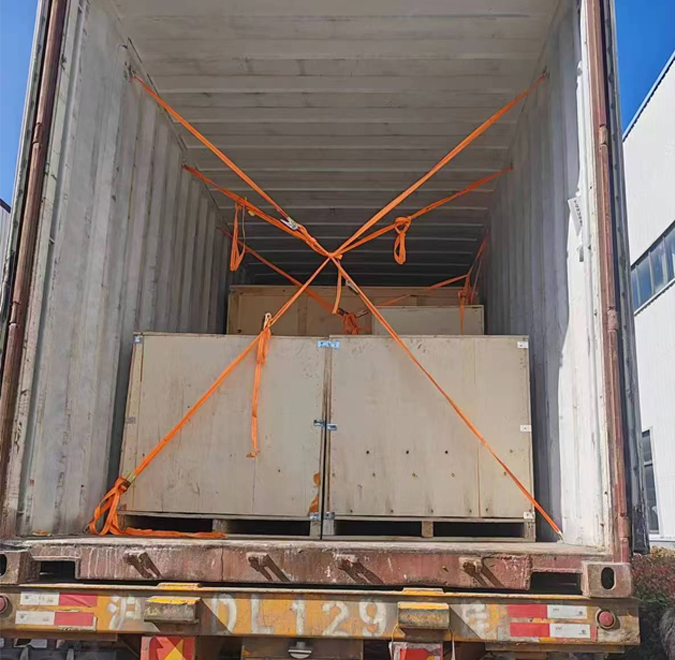
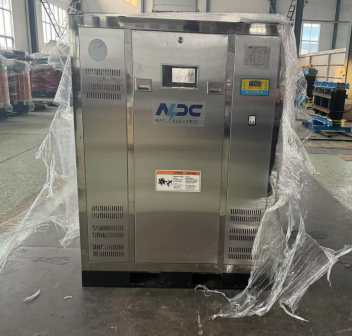
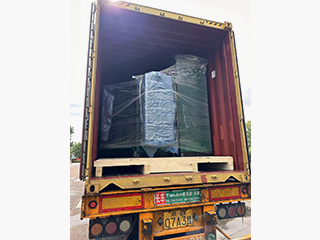
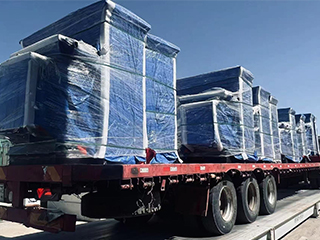
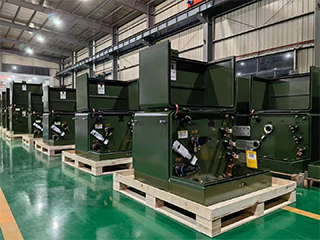
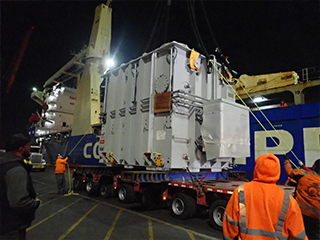
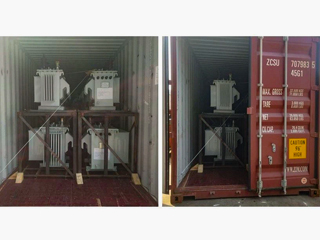
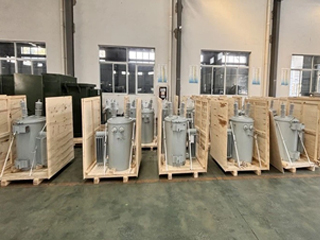
Packaging the 11/0.4kV Dry Type Indoor Power Transformer prioritizes safeguarding resin windings, core, and accessories during transit. The unit is bolted to a reinforced wooden pallet with anti-vibration isolators, corner braces, and lifting provisions for crane/forklift handling. Terminals, bushings, and sensors receive foam padding and rigid protective caps, while the assembly is wrapped in multi-layer moisture-barrier film and breathable covers. A sturdy, ISPM 15-compliant wooden crate fully encloses it, reinforced with internal supports, desiccant packs, humidity indicators, and shock/tilt recorders to monitor conditions and ensure dry-type integrity upon arrival.
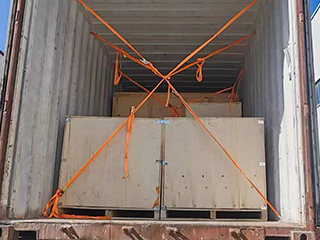
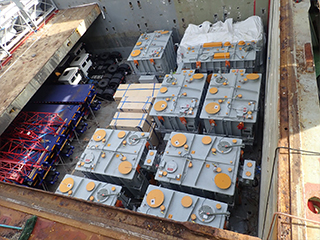
Shipping solutions provide secure, flexible delivery for this indoor transformer worldwide. Ocean freight in 20ft/40ft containers offers economical transport with secure bracing, typically 20-50 days to ports. Air freight expedites urgent needs in 5-12 days. Domestic/regional trucking uses enclosed trailers with weather protection and tie-downs for safe movement. Full-value insurance covers risks end-to-end.
Export documentation includes invoices, packing lists, origin certificates, test reports, and IEC compliance declarations for efficient customs. Sustainable practices feature recyclable crates and optimized routing to reduce emissions. Clients access real-time GPS tracking with alerts and dedicated support.
Arrival assistance offers optional unpacking supervision, insulation checks, and packaging recycling to speed commissioning. Bulk orders benefit from consolidated shipments and phased delivery. This process guarantees flawless arrival, enhancing SEO for "reliable 11/0.4kV dry type transformer logistics."
The transformer is mounted on a reinforced wooden pallet or steel skid designed for forklift and crane handling, wrapped in multi-layer stretch film and moisture-barrier material. Desiccant packs are included to control humidity, critical for cast-resin units that must remain dry before energization. The entire unit is then placed in a sturdy export-grade wooden crate (ISPM-15 heat-treated) with foam corner protectors, wooden bracing, and steel strapping for stability. Clear markings include gross/net weight, center of gravity, lift points, dimensions (approx. 2.0–2.6 m L × 1.4–1.8 m W × 2.0–2.4 m H), and handling instructions (“Fragile – Electrical Equipment – No Tipping”).
Shipping solutions provide secure, flexible delivery for this indoor transformer worldwide. Ocean freight in 20ft/40ft containers offers economical transport with secure bracing, typically 20-50 days to ports. Air freight expedites urgent needs in 5-12 days. Domestic/regional trucking uses enclosed trailers with weather protection and tie-downs for safe movement. Full-value insurance covers risks end-to-end.
Export documentation includes invoices, packing lists, origin certificates, test reports, and IEC compliance declarations for efficient customs. Sustainable practices feature recyclable crates and optimized routing to reduce emissions. Clients access real-time GPS tracking with alerts and dedicated support.
Arrival assistance offers optional unpacking supervision, insulation checks, and packaging recycling to speed commissioning. Bulk orders benefit from consolidated shipments and phased delivery. This process guarantees flawless arrival, enhancing SEO for "reliable 11/0.4kV dry type transformer logistics."
The transformer is mounted on a reinforced wooden pallet or steel skid designed for forklift and crane handling, wrapped in multi-layer stretch film and moisture-barrier material. Desiccant packs are included to control humidity, critical for cast-resin units that must remain dry before energization. The entire unit is then placed in a sturdy export-grade wooden crate (ISPM-15 heat-treated) with foam corner protectors, wooden bracing, and steel strapping for stability. Clear markings include gross/net weight, center of gravity, lift points, dimensions (approx. 2.0–2.6 m L × 1.4–1.8 m W × 2.0–2.4 m H), and handling instructions (“Fragile – Electrical Equipment – No Tipping”).
32
32 years of industry experience
Manufacturer Test
11/0.4kV Dry Type Transformer | Indoor Power Transformer
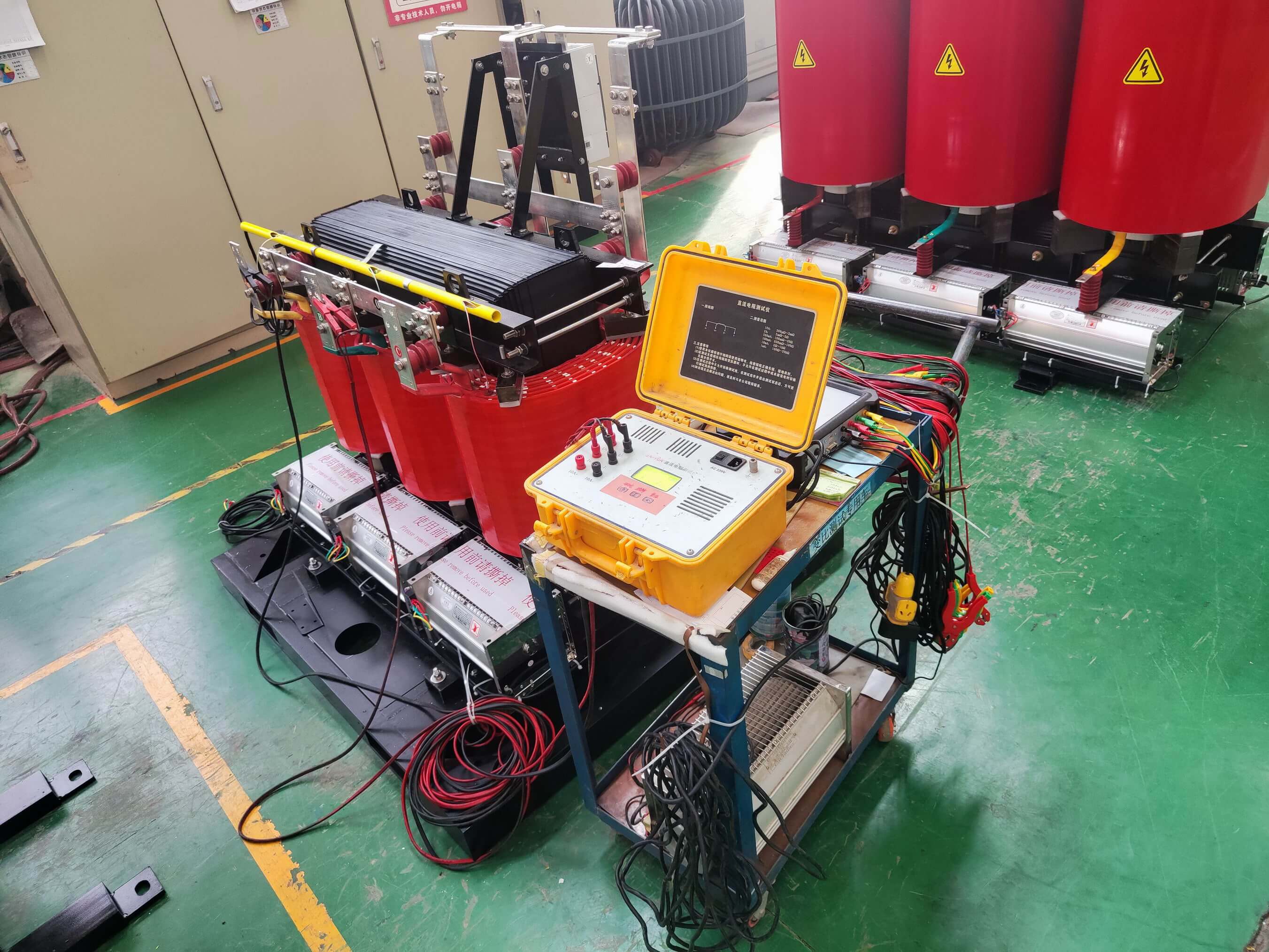
Progress Test
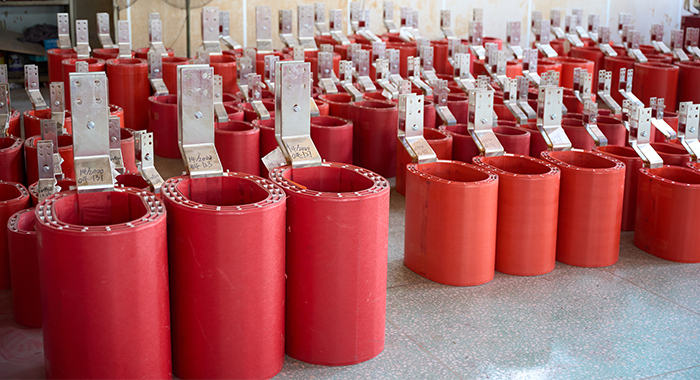
During core-coil encapsulation progress of the 11/0.4kV dry type transformer, resin penetration and void detection are validated through multiple vacuum cycles and partial discharge measurements to guarantee superior dielectric strength. Post-encapsulation high-voltage leads routing, bracing, and clearance distances are verified to withstand impulse and power-frequency withstand requirements. After enclosure assembly, preliminary insulation resistance and dielectric withstand tests prove overall system robustness. Temperature sensor, fan (if AF), and alarm circuit progress includes repeated functional cycling for operational reliability. Paint dry film thickness and adhesion are measured for long-term environmental protection. Final pre-acceptance inspections cover nameplate engraving accuracy, labeling compliance, enclosure grounding, and overall cosmetic/structural quality. Cumulative progress testing facilitates real-time corrective actions, building confidence for smooth factory acceptance and dependable long-term indoor operation.
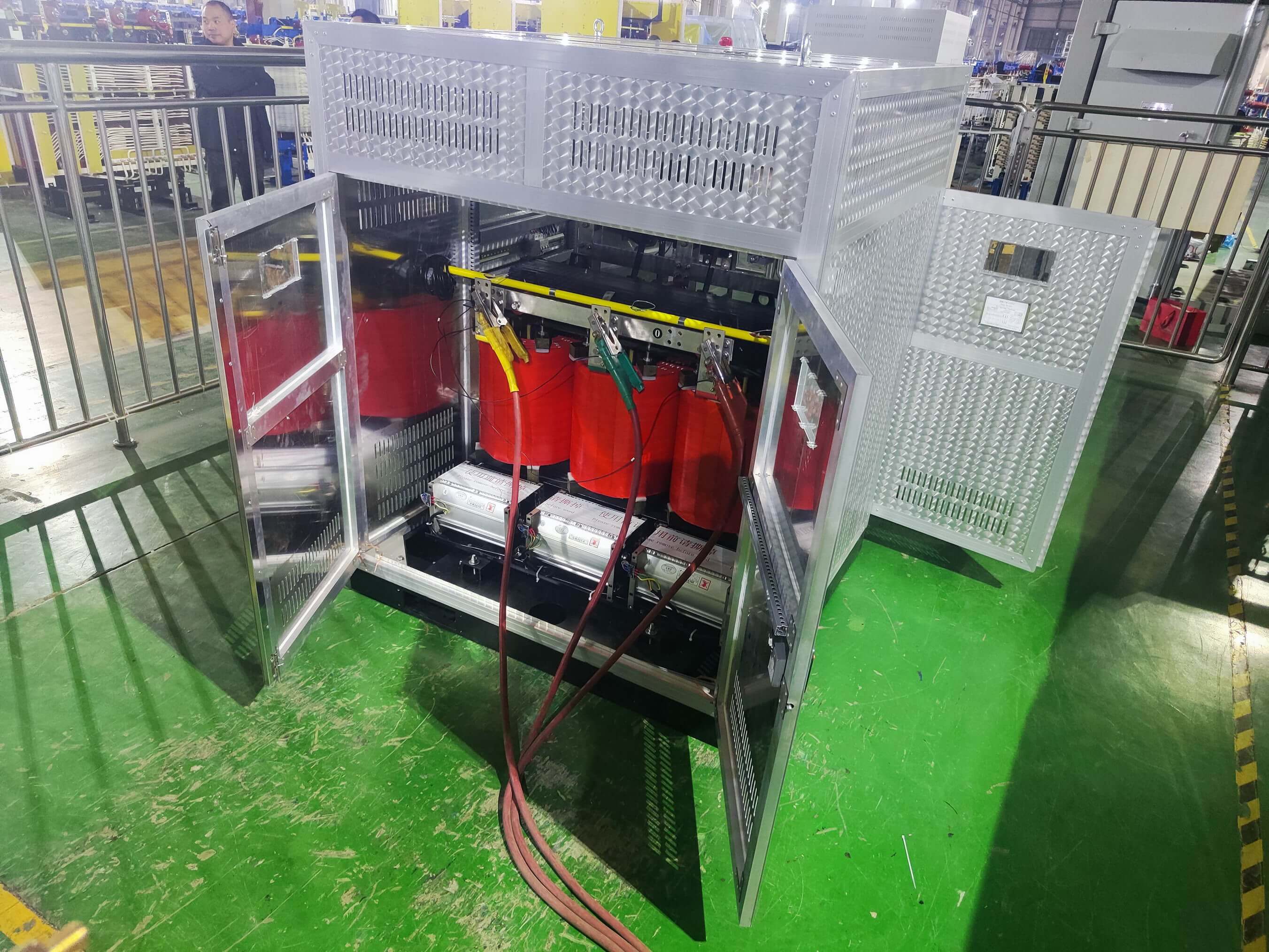
Design Tests
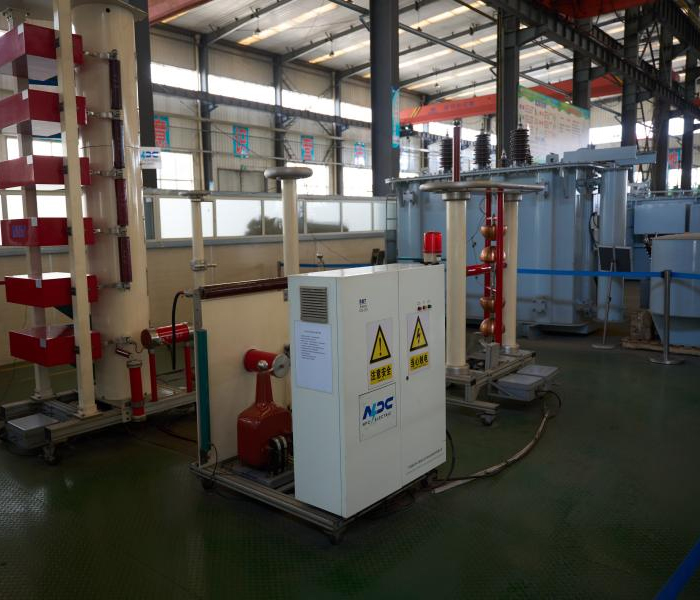
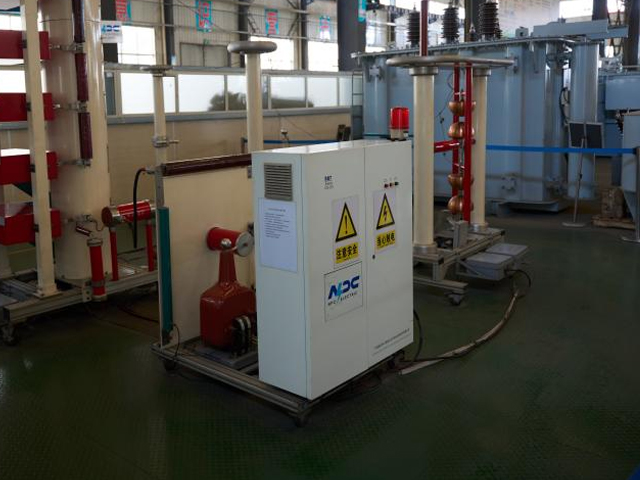
All transformer will be test after finished the production, test items as below:
♦ Insulation Power Factor
♦ Winding Resistance
♦ Impulse Tests
♦ On load Loss Test
♦ No Load Loss Test
♦ Leak Test
♦ DC Insulation Resistance Test
♦ Transformer Turns Ratio/TTR (All Tap Voltages)
♦ Impedance Voltage & Load Loss (Rated Voltage)
♦ Excitation & No-Load Loss (Rated Voltage)
♦ Applied Voltage
♦ Insulation Resistance (Rated Voltage)
♦ Temperature Rise
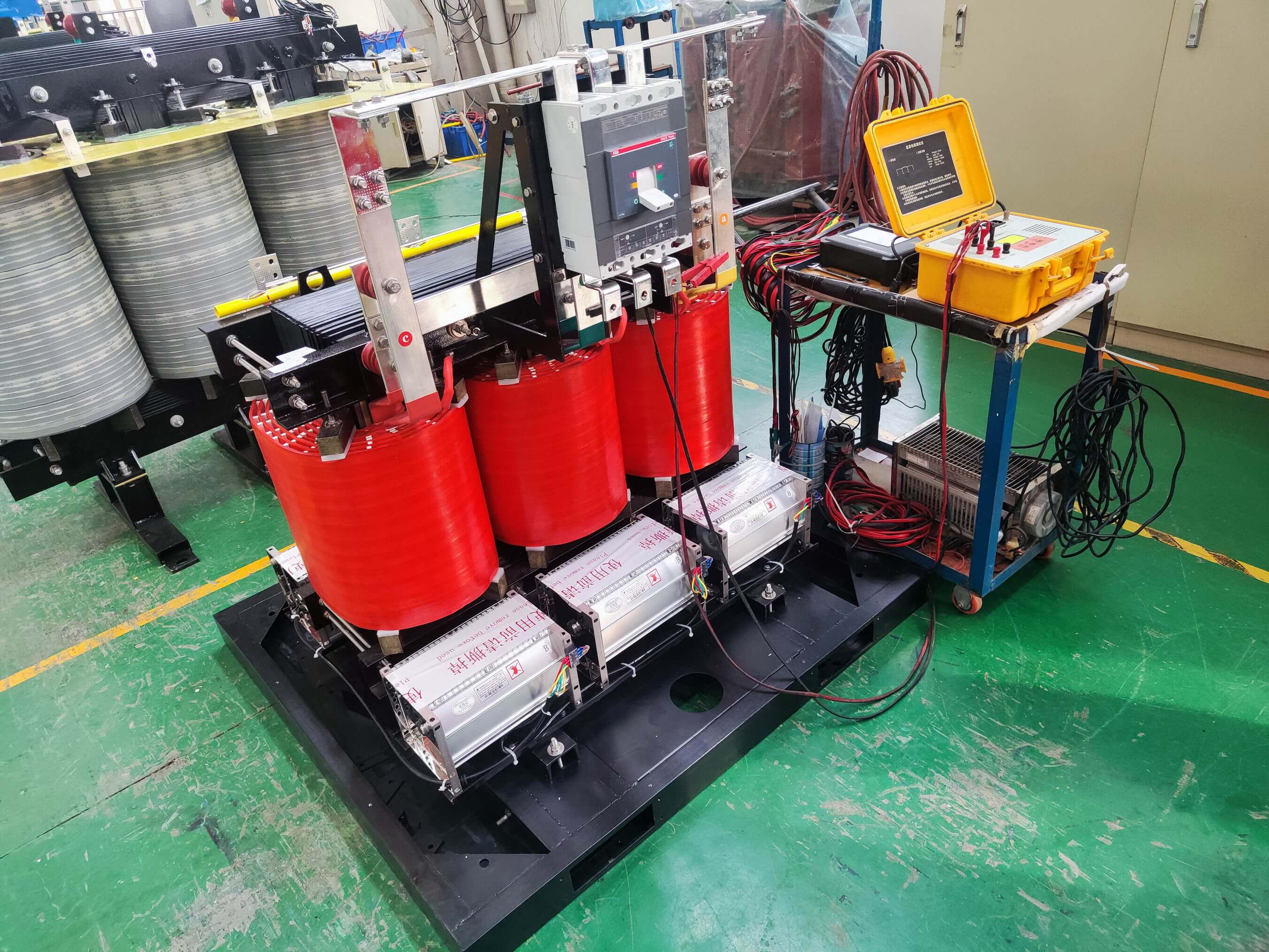
Transformer Factory Acceptance Test
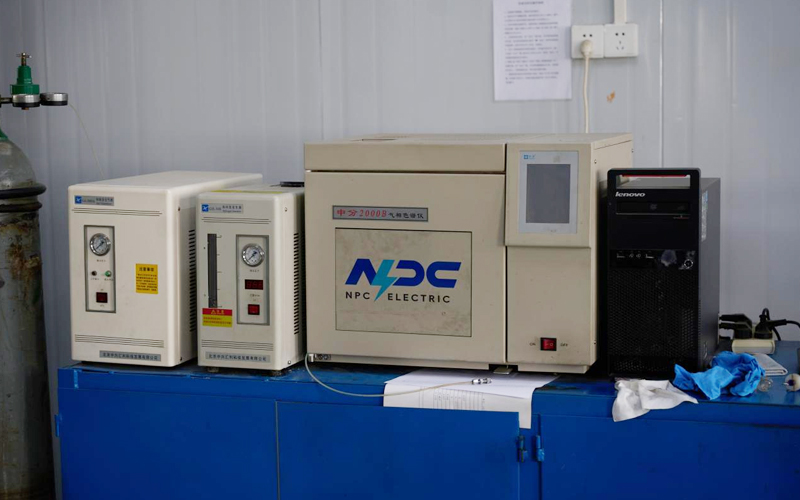
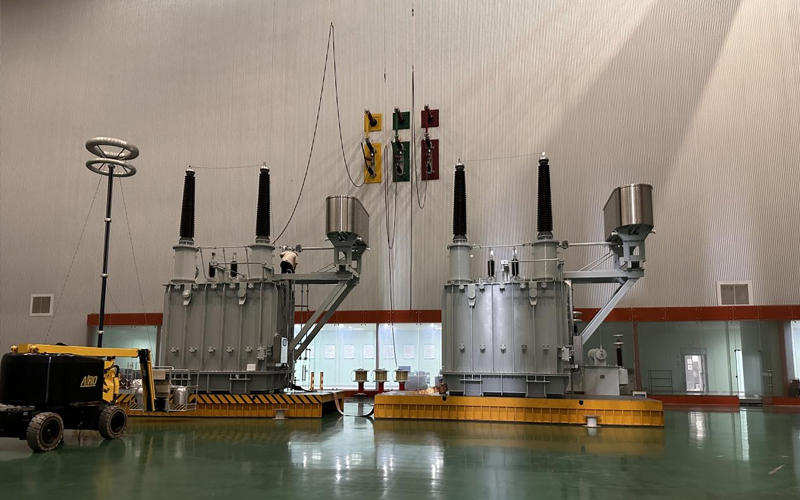
Induced voltage test at double frequency stresses inter-turn and layer insulation with sensitive partial discharge monitoring to confirm corona-free operation. No-load loss and excitation current are measured at rated voltage to validate core performance against efficiency targets. Impedance/load loss at rated current is determined to verify percentage impedance, copper losses, and regulation characteristics. Temperature rise test (optional witnessed heat run) confirms compliance with class rise limits under rated load. Sound level measurement verifies compliance with specified dB limits. Functional verification operates tap changer through all positions, checks temperature sensors, fan controls (if AF), and alarms. Certified test reports with traceable calibration data and customer witness provisions (if requested) document all results, confirming the transformer exceeds efficiency, dielectric strength, safety, and performance requirements for reliable dry-type service.
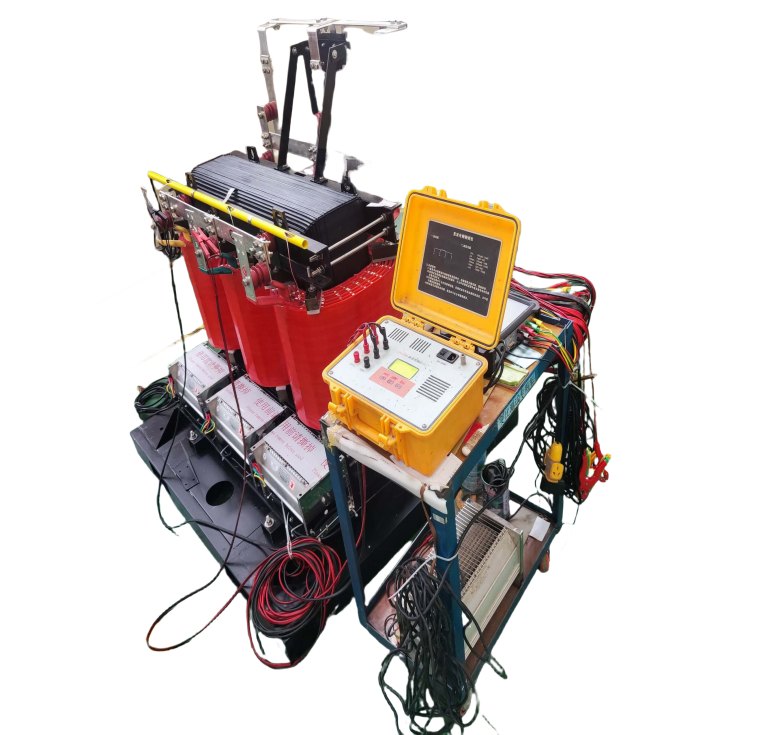
Routine Test - DC Insulation Resistance Test
Purpose of Testing
The purpose of DC insulation resistance testing is to measure the insulation resistance of a device by applying a DC voltage, thereby evaluating the health of the insulation material and the voltage withstand capability of the electrical device. This test helps detect potential insulation aging, moisture or damage, preventing electrical failures in the device.
Testing Equipment
Insulation resistance tester (e.g. Megger, Fluke, Hioki, Klein Tools, etc.)
Voltage source (usually 500V, 1000V, 2500V, or customized according to customer requirements)
Temperature and humidity meter (used to record the ambient temperature and humidity during the test to ensure that the test conditions meet the standard requirements.)
Voltage source (usually 500V, 1000V, 2500V, or customized according to customer requirements)
Temperature and humidity meter (used to record the ambient temperature and humidity during the test to ensure that the test conditions meet the standard requirements.)
Pre-Test Preparation
Make sure the device is properly grounded and fully discharged to prevent residual charge in the device from affecting the test results.
Perform the test under suitable environmental conditions. It is recommended to have a relative humidity below 75%, no rain, and a temperature range of 20-30°C to avoid moisture or temperature fluctuations affecting the test results.
Perform the test under suitable environmental conditions. It is recommended to have a relative humidity below 75%, no rain, and a temperature range of 20-30°C to avoid moisture or temperature fluctuations affecting the test results.
Test Progress
Connect the Test Instrument:
Connect an insulation resistance tester to the high voltage terminal of the device under test and to ground.
Apply Test Voltage:
Select an appropriate test voltage based on the rated voltage of the equipment .
Connect an insulation resistance tester to the high voltage terminal of the device under test and to ground.
Apply Test Voltage:
Select an appropriate test voltage based on the rated voltage of the equipment .
Measure and Record
Start the test and record the following parameters:
Insulation resistance value (MΩ)
Applied voltage
Ambient temperature and humidity during testing
Insulation resistance value (MΩ)
Applied voltage
Ambient temperature and humidity during testing
Temperature Correction
The measured insulation resistance values are corrected to a reference temperature (usually 20°C) for accurate evaluation.
Repeat Testing (if necessary)
Measure different windings (high voltage, medium voltage, low voltage) or each bushing separately, and conduct comparative analysis to ensure the insulation status of all parts.
Evaluation Criteria (Reference)
nsulation resistance ≥ 1000 MΩ (excellent)
500 MΩ ≤ Insulation resistance < 1000 MΩ (good)
100 MΩ ≤ Insulation resistance < 500 MΩ
Insulation resistance < 100 MΩ
500 MΩ ≤ Insulation resistance < 1000 MΩ (good)
100 MΩ ≤ Insulation resistance < 500 MΩ
Insulation resistance < 100 MΩ
Test standard
IEEE C57.12.01 & IEEE C57.12.91 (Dry-Type)
*These comprehensive tests ensure that each transformer meets performance standards and operates
reliably under various conditions.
Application
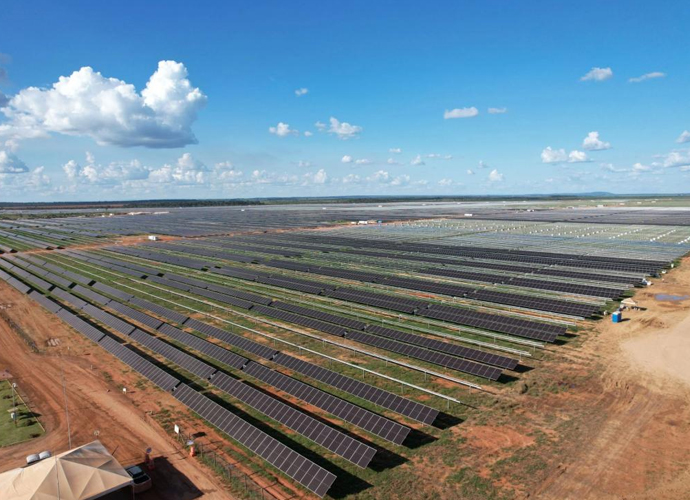
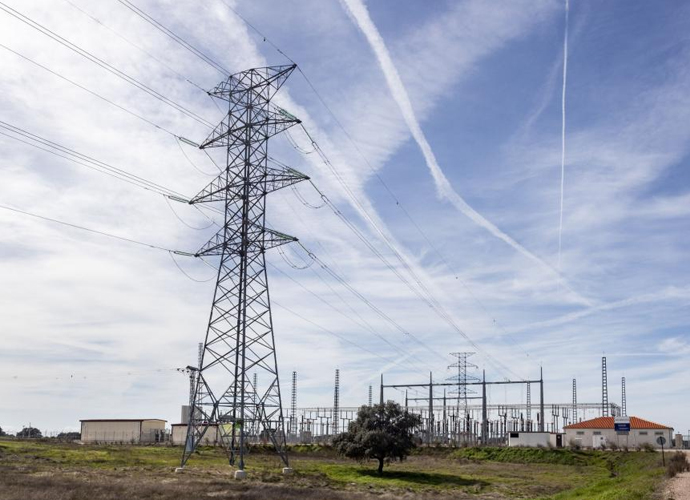
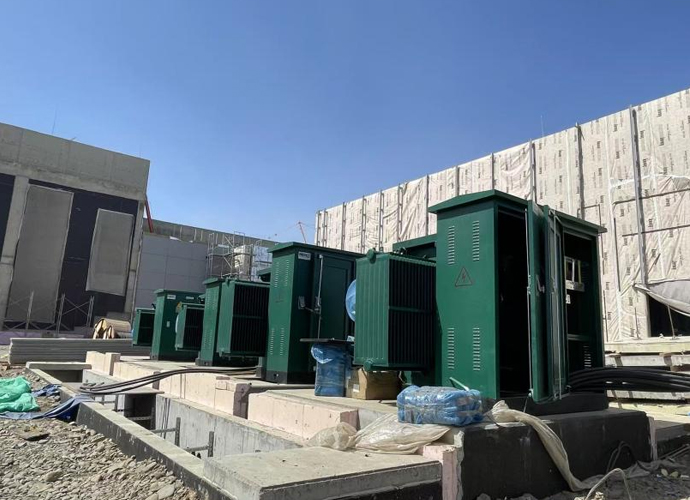
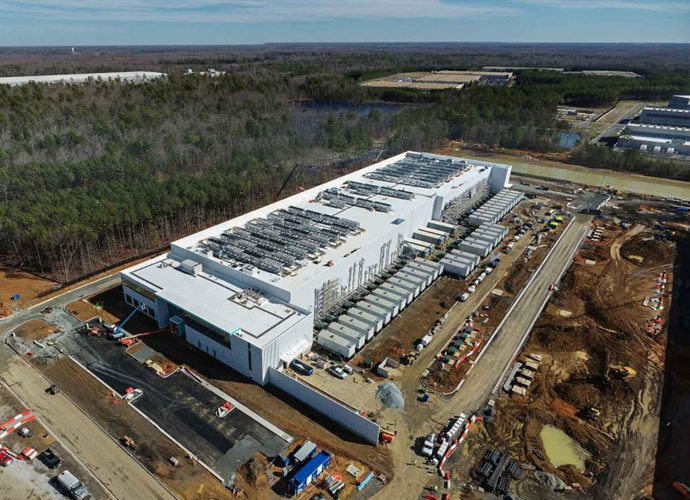
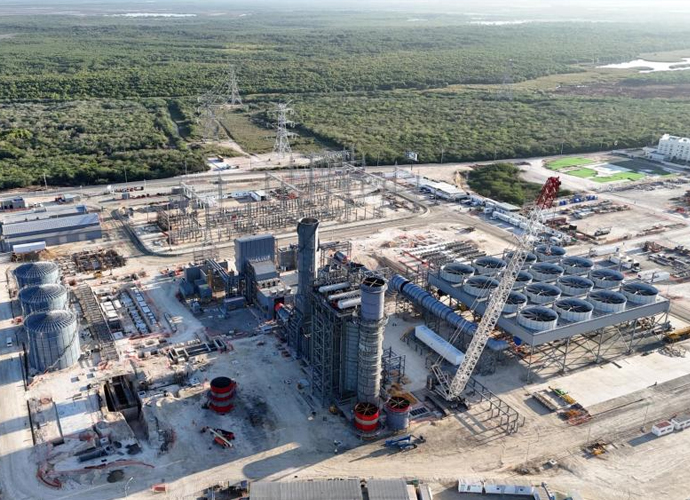
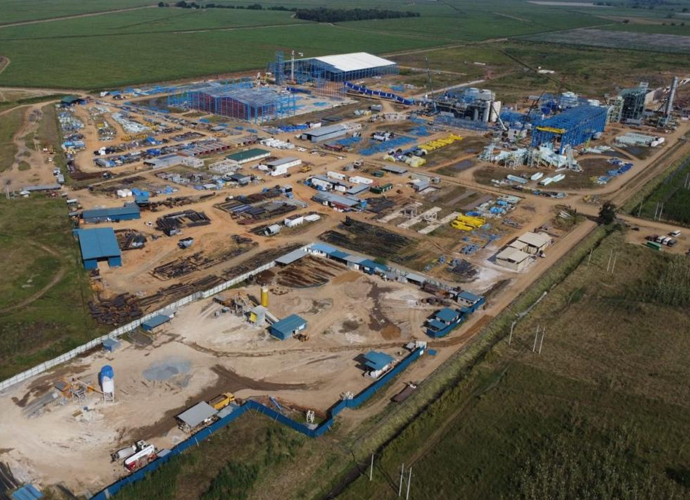
Widely deployed in commercial office buildings, retail malls, hotels, schools, hospitals, and high-rise residential towers for safe indoor step-down from 11 kV medium-voltage to 400/230 V low-voltage distribution. Ideal for fire-sensitive, noise-restricted, or space-constrained locations where oil-filled transformers are prohibited by building codes, insurance requirements, or environmental regulations.


Technical Advantages
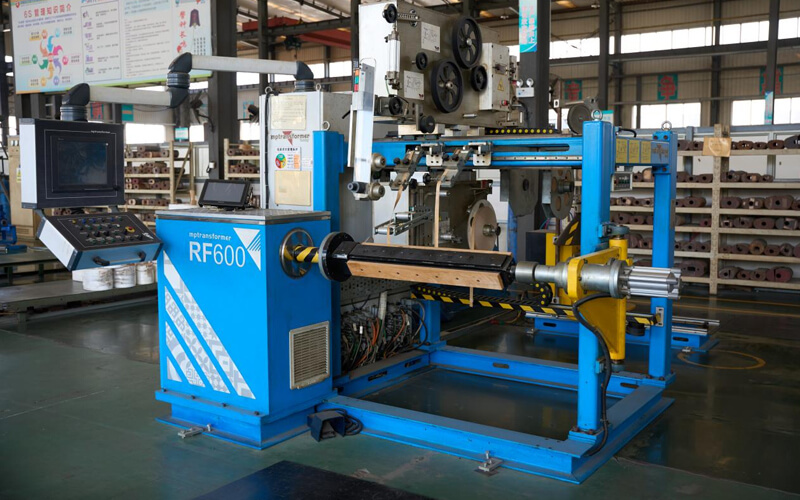
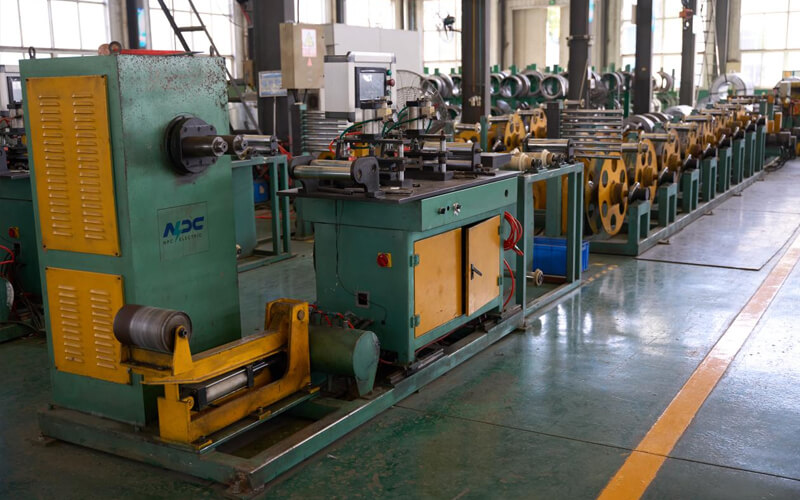
● 30+ years of manufacturing experience
● ISO and UL certified production
● Customized cable and transformer solutions
Product Packaging
Transformers Packaging (1)
Transformers Packaging (2)
Transformers Packaging (3)
Transformers Packaging (4)
Transformers Packaging (5)
Transformers Packaging (6)
Transformers Packaging (7)
Transformers Packaging (8)
Related Products
10kVA Single Phase Pad Mounted Transformer
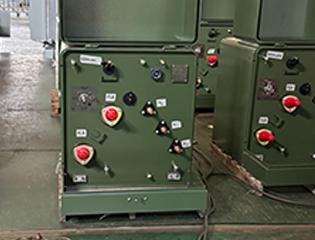
The 10 kVA pad-mounted transformer meets ANSI, CSA, NEMA, IEEE, and DOE standards. NPC Electric's 10 kVA pad-mounted transformers comply with DOE efficiency values and are UL listed. Based on specific technical requirements, the incoming line can be designed as either a loop feed or radial feed, and it also supports customized dual voltage.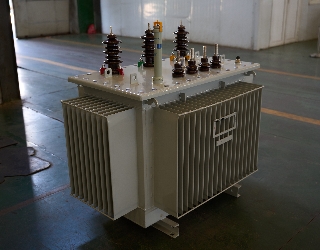
2000kVA Oil Immersed Transformer
The 2000kVA Oil Immersed Transformer is a high-capacity, three-phase, liquid-filled distribution transformer engineered for reliable outdoor pad-mounted or substation installations in utility networks, large commercial/industrial complexes, data centers, heavy manufacturing plants, and high-demand power distribution systems. Standard configuration includes mineral oil or FR3 natural ester fluid, ONAN cooling, aluminum or copper windings, high-voltage 34.5kV / 24.94kV / 13.8kV / 12.47kV / 4.16kV (delta or wye), low-voltage 480Y/277V, 208Y/120V, 600Y/347V or custom, ±2×2.5% HV taps, radial or loop-feed dead-front design, bayonet fuses + partial-range current-limiting fuses (optional), load-break switch.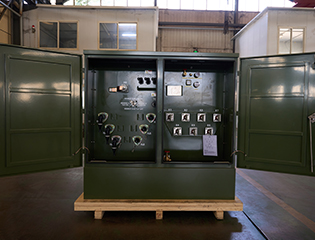
750kVA Three Phase Pad Mounted Transformer
The 750kVA three-phase pad transformer is an efficient and durable power equipment designed for commercial, industrial and distribution system applications. The transformer supports a variety of voltage configurations to meet the power needs of different regions, and is equipped with advanced protection systems such as overload protection, short-circuit protection and temperature control devices to ensure the safe operation of the equipment under high load and extreme environments.
1000kVA Oil Immersed Transformer
NPC ELECTRIC's 1000kVA oil-immersed transformer is made of high-quality silicon steel sheets and high-quality insulation materials, with high efficiency, low loss, and long life. The product complies with international standards such as IEC 60076 and GB 1094, and has passed strict type tests and factory tests to ensure safety and reliability. High-quality windings and robust mechanical design provide strong short-circuit withstand capability and thermal stability. With low operating noise and reduced maintenance requirements, the transformer is well suited for industrial, commercial, and utility distribution networks.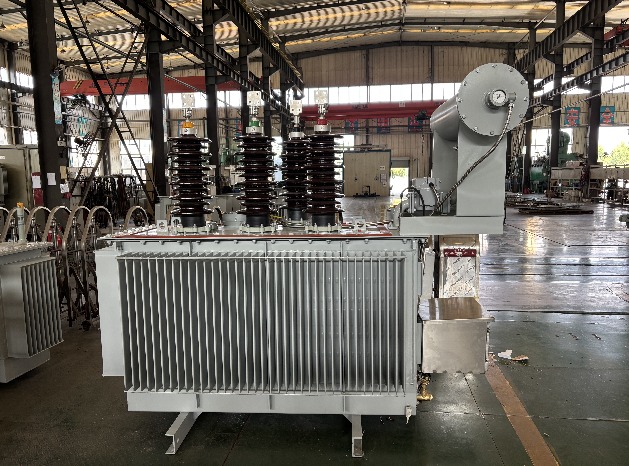
500kVA 11kV Dry-Type Zigzag Grounding Transformer
The Dry-Type Zigzag Earthing/Grounding Transformer 500kVA 11kV is designed to provide an effective neutral grounding solution for medium-voltage power systems. By creating an artificial neutral point, the zigzag transformer limits earth fault currents, stabilizes system voltage, and enhances overall grid safety. Its zigzag winding configuration ensures balanced performance under normal operation while offering low zero-sequence impedance during ground faults. Featuring a dry-type insulation system, this transformer eliminates the risk of oil leakage and fire hazards, making it ideal for indoor substations and environmentally sensitive installations. The low-loss core design minimizes energy consumption and heat generation, ensuring high efficiency and long service life.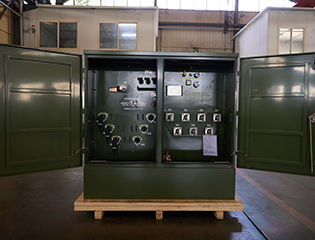
1500kVA Three Phase Pad Mounted Transformer
NPC ELECTRIC's 1500kVA Three Phase Pad Mounted transformer is designed with high-quality silicon steel sheets and insulating oil, in compliance with international standards such as IEC and ANSI, ensuring efficient and stable operation. It is suitable for a variety of scenarios such as urban power distribution, residential areas, commercial parks and industrial facilities. Whether it is ring network power supply or radial power supply, it can be flexibly applied to help achieve efficient and intelligent power transmission and distribution solutions.FAQ From Customers
-
What is a Transformer?A transformer is an electrical device used to change the voltage of alternating current (AC). It works on the principle of electromagnetic induction, converting high-voltage current into low-voltage current or low-voltage current into high-voltage current. Transformers are widely used in power transmission, distribution systems, and various electronic devices.
-
What are the main uses of a transformer?The main use of a transformer is voltage conversion. Transformers are used in power transmission systems to help transfer electricity from power plants to consumers. In addition, transformers are also used in electronic devices such as chargers, televisions, power adapters, etc., to adjust the voltage to meet the requirements of different devices.
-
Do you have UL listed?Yes, our transformer has UL listed. We have exported to America many pad mounted transformer,substation transformer and HV.
Welcome your inquiry
Honesty, Integrity, Frugality, Activeness and Passion