


2MVA Solar Step-Up Pad Mounted Transformer for Solar PV
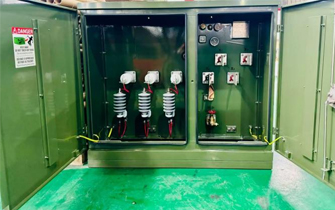
The 2MVA Solar Step-Up Pad Mounted Transformer is a purpose-built, three-phase, oil-immersed (ONAN) inverter step-up (ISU) transformer designed specifically for utility-scale solar PV farms, boosting low-voltage inverter AC outputs (typically 600V, 690V, 800V, or 480V) to medium-voltage collection levels (e.g., 12.47kV, 13.8kV, 22kV, 24.94kV, 33kV, or 34.5kV) for efficient grid tie-in. Engineered to IEEE C57.159 (DPV guide), IEEE C57.12.34 (pad-mounted compartmental-type), IEEE C57.12.00, DOE 2016 efficiency, and ANSI standards, this UL-listed unit features electrostatic shielding between windings to mitigate inverter harmonics and DC bias, K-factor up to K-19 for nonlinear loads, and reduced flux density to prevent core saturation from potential DC components.
- Primary Voltage Ratings 34.5-19.92/13.8-7.957/13.2-7.62/12.47-7.2 or others
- Secondary Voltage Ratings 208GrdY/120;416GrdY/240 or Customized
- H.V. Tap Range ± 2×2.5% HV taps or others
- Type Loop Feed or Radial Feed
- BIL 30/95kV
- Standards IEEE, ANSI, NEMA, ASTM
- Application commercial/industrial solar, rooftop-to-ground PV
- Power Rating 2MVA
- Certificate UL
- Cooling Method ONAN, ONAN/ONAF, KNAN, KNAN/KNAF
- Oil Mineral Oil or FR3
- Opeartion Step Down & Step Up
Technical Specifications
Customization Optional
Packing and Shipping
Manufacturer Test
Routine Testing
Application
Technical Specifications
2MVA Solar Step-Up Pad Mounted Transformer for Solar PV
Technical Specifications
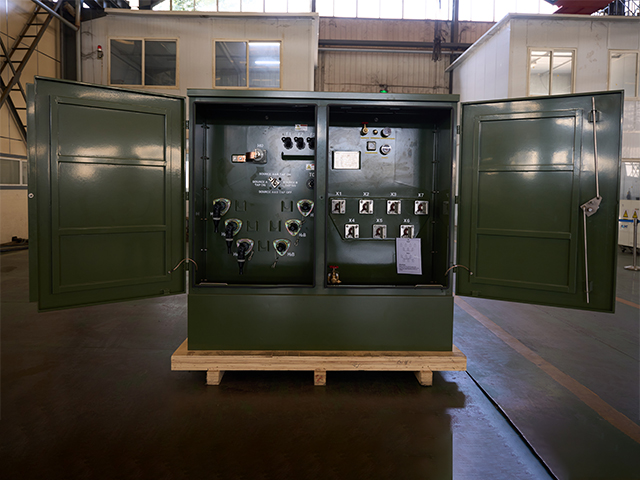
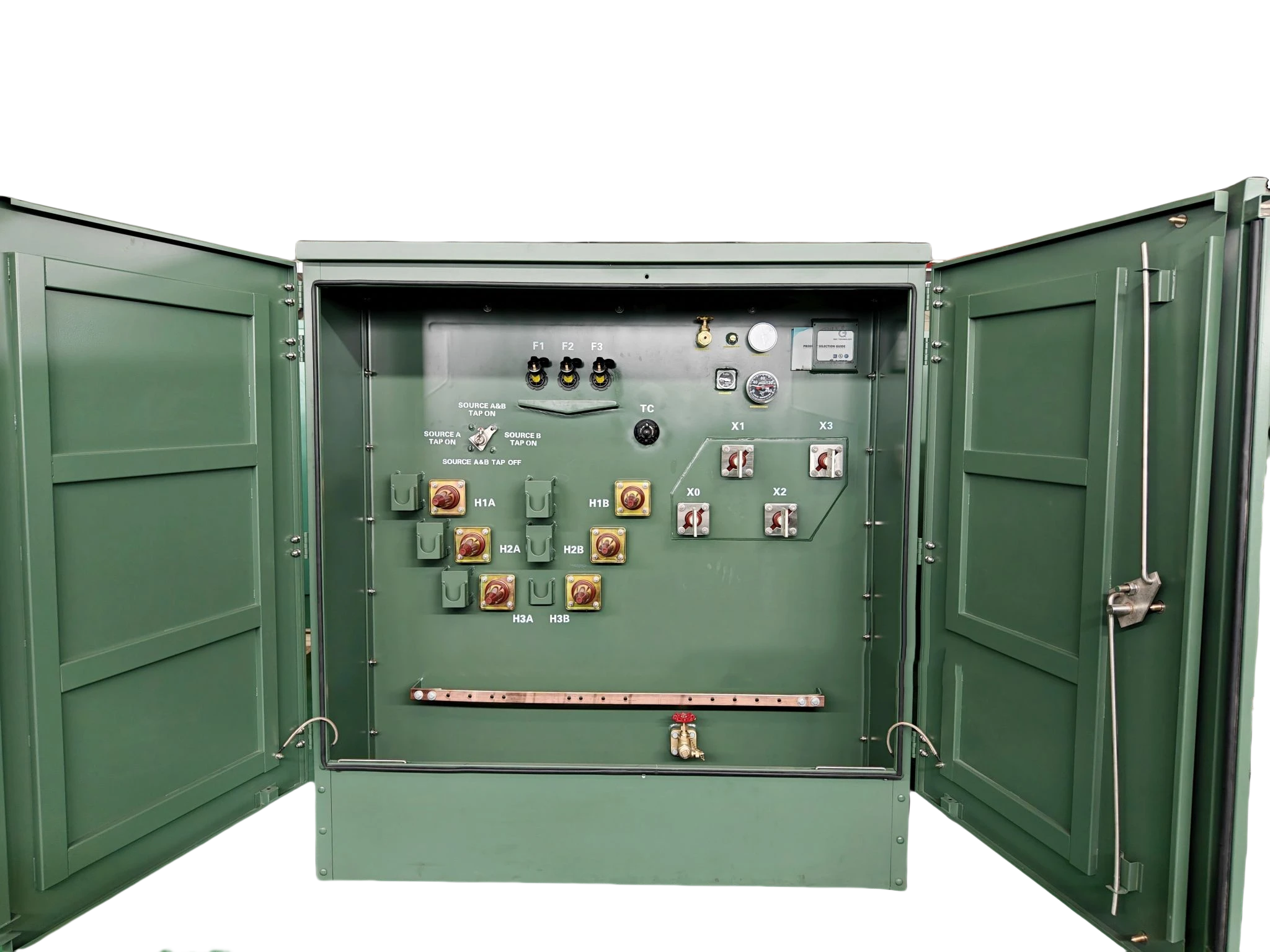
Accessories
| Rated Power | 2MVA |
| Rating Primary Voltage | 4.16-34.5kV or customized |
| Secondary Voltage | 480GrdY/277 208GrdY/120 400GrdY/230 Customized(208Y/120 V to 4,160 V) |
| Frequency | 50/60Hz |
| Vector Group | Dyn1/Yyn0/Dyn11/Dyn5 |
| Winding Material | Aluminum/Copper |
| Efficiency | As IEEE,Doe 2016,CAS Std or Customized |
| Impedance Voltage | Nominal 3.5% or Customized 1.1-5.75% |
| Altitude | ≤1,000m or Customized |
| Color | ANSI 70 Light gray/Munsell 7GY3.29/1.5 or customized etc |
| Tank material | Mild Steel, 304 Stainless Steel |
| Insulating Oil Weight | 3500 kg |
| Total Weight | 9700 kg |
| Outline Dimensions(L×W×H)in. | 2880×2200×2100(mm) |
| Lifting Lug | ELSP Fuse |
| Hinged Door | BAY-O-NET Fuse |
| Parking Bracket | Tap Changer |
| Tank Cover | Oil Level Gauge |
| L.V Bushing (4-Hole ) | Pressure Relief Valve |
| Two/Four Position Load break Switch | Vacuum Pressure Gauge |
| HV Grounding Copper Bar | Terminal Block |
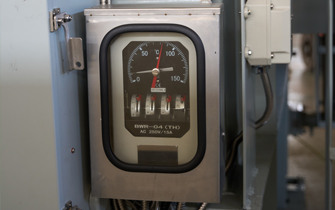
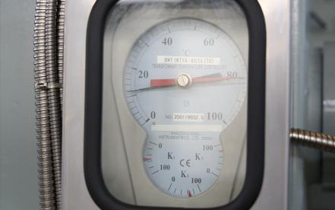
| Temperature Indicator | Door Handle |
| H.V Bushing Well(15kV) | Ground Strap |
| Grounding Copper Bar | Nameplate |
| 1"'Drain Valve With 3/8" Sampler | IR Window |
| 1" Upper Fill Valve Filter Press Connection | Terminal Box |
| Non-PCB decal | High Voltage Warning Signs |
Customization Optional
2MVA Solar Step-Up Pad Mounted Transformer for Solar PV
The 2MVA solar step-up pad mounted transformer offers extensive customisation to match specific inverter models, PV array layouts, site conditions, and grid interconnection needs while adhering to IEEE C57.159, C57.12.34, and DOE standards. Low-voltage (LV) inputs accommodate common inverter outputs like 480V, 600V, 690V, 800V, or custom (e.g., 380V–1000V), often with dual-split LV windings (double secondary) for parallel inverter connections, optimising resource use and efficiency in large arrays. High-voltage (HV) outputs range from 12.47kV to 34.5kV (grounded wye/delta), with vector groups such as Dyn11, YNyn0, or Dy11y11 for harmonic cancellation and system compatibility. Winding materials include aluminum for cost-effective designs or copper for superior thermal performance under cyclic solar loads. Specialized solar features include electrostatic shields to block high-frequency inverter disturbances and DC bias, K-factor ratings (K-13 to K-19) for handling up to 3% THD and higher harmonics, reduced flux density to avoid core saturation from inverter DC components or voltage imbalance, and overload profiles tailored to solar irradiance patterns (e.g., +12–22% capacity at 55/75°C rise).
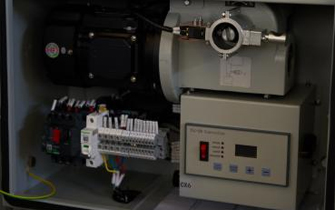
Fluid options feature FR3 ester for fire safety, extended insulation life, and environmental compliance, or mineral oil with nitrogen blanket systems. Enclosure upgrades encompass stainless steel for desert/coastal corrosion resistance, seismic bracing (IBC/OSHPD), close-coupled throat connections for direct inverter bus duct integration, or modular designs for easier transport. Accessories include bayonet/current-limiting fuses, vacuum fault interrupters (VFI), differential relays, CT/PT metering, SCADA interfaces, surge protection, and external visible break switches. All customizations ensure optimized impedance (typically 5–7%), BIL levels (95–150kV HV), efficiency verification, and compact footprint for solar collector substations, enabling tailored solutions that maximize yield, grid stability, and longevity in utility-scale PV installations.
Packing and Shipping
2MVA Solar Step-Up Pad Mounted Transformer for Solar PV
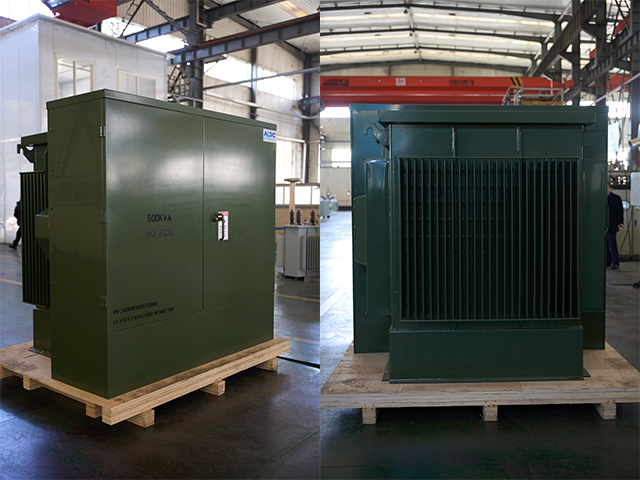
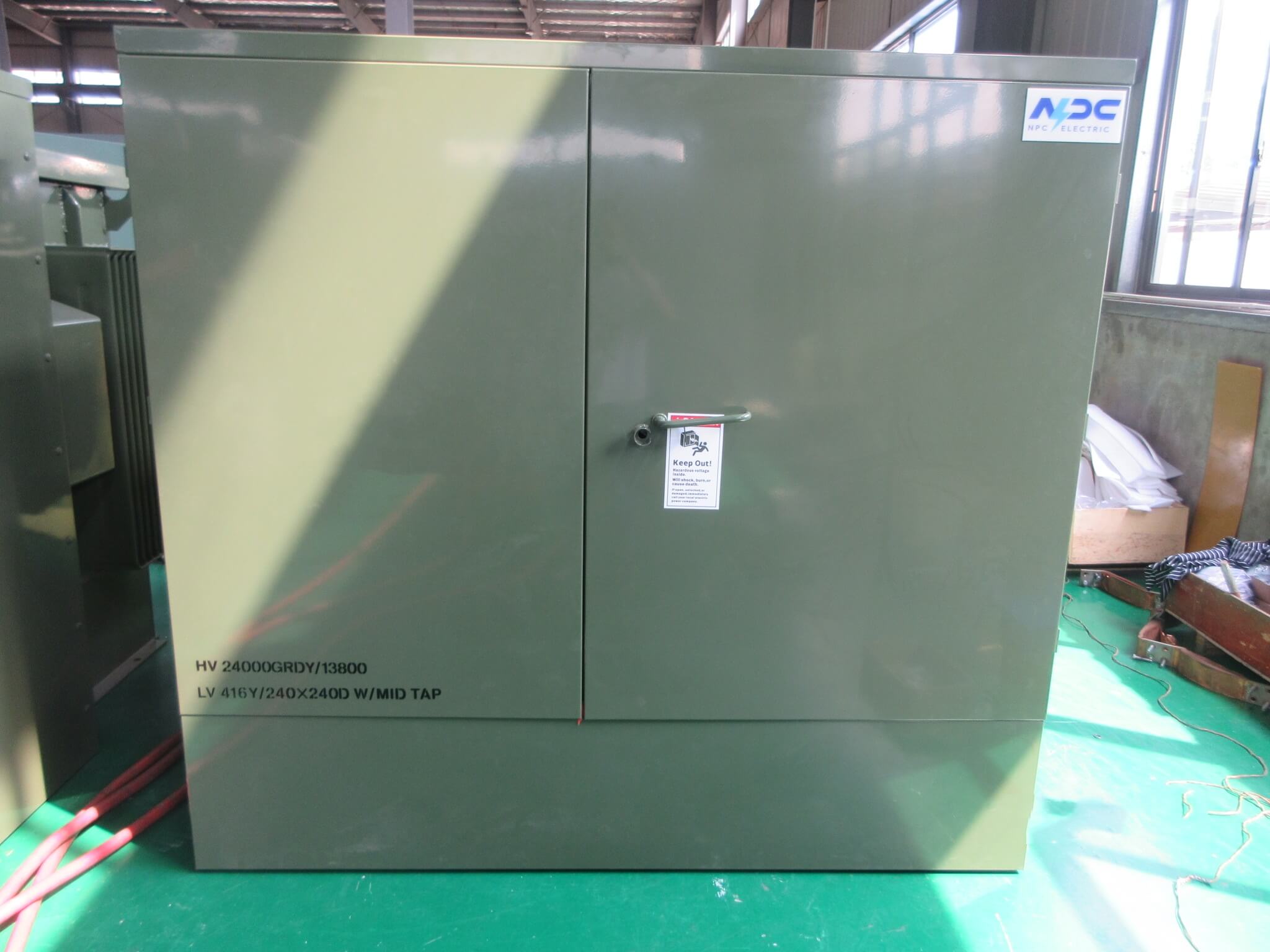
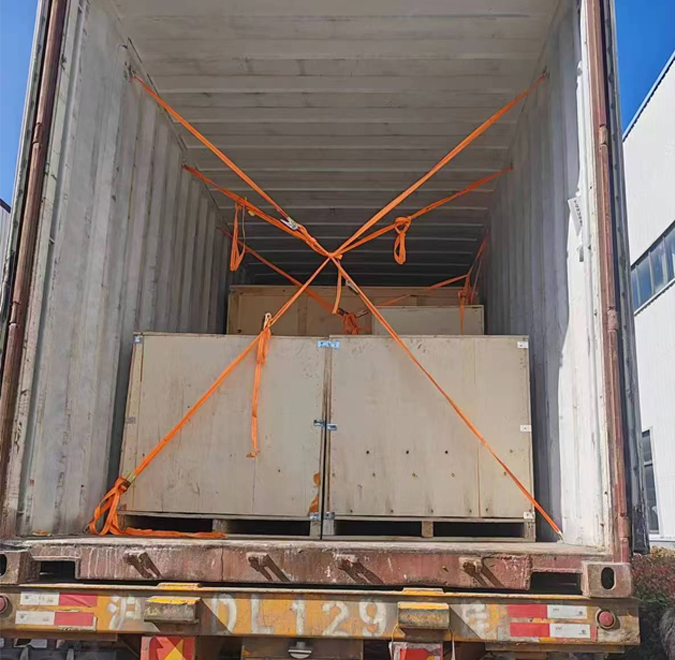
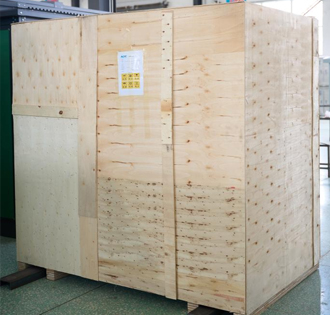
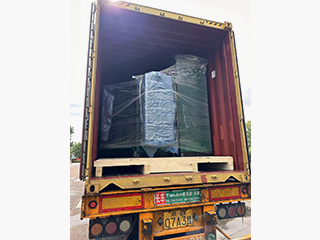
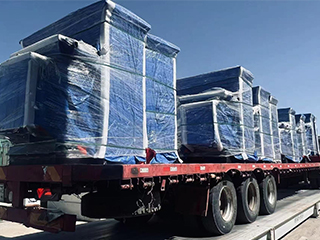
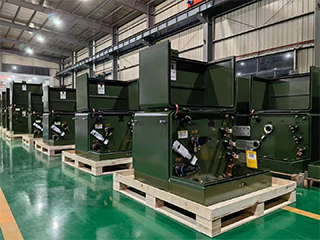
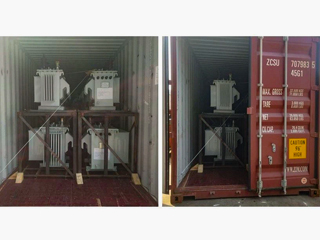
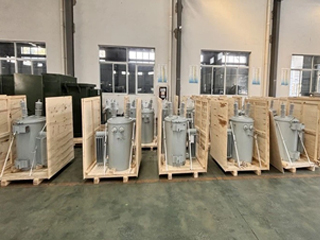
The 2MVA solar step-up pad mounted transformer is expertly packaged to safeguard its specialised components during global transport, given its substantial size and weight (typically 10,000–14,000kg). The fully assembled unit—tank, compartmental cabinet, bushings, electrostatic shield internals, gauges, and solar-specific accessories—is mounted on a reinforced, ISPM-15 heat-treated wooden skid or pallet base for secure forklift, crane, or roller handling. External surfaces receive protective plastic wrapping against dust, humidity, and abrasions, with HV/LV bushings, tap changer, and sensitive fittings (e.g., pressure relief, temperature sensors) capped, padded, and braced to prevent vibration or impact damage.
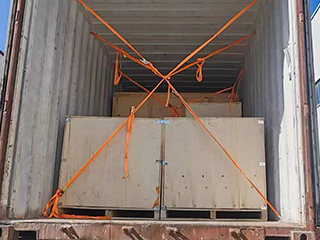
For export or extended haul, the transformer is enclosed in heavy-duty wooden crates or open-top cases featuring internal cross-bracing, foam/vibration-dampening inserts, and anti-tilt restraints to withstand sea, rail, or road forces. Oil-filled units (mineral or FR3) ship under a vacuum or nitrogen blanket to preserve dielectric integrity and prevent oxidation/moisture ingress; supplementary fluid travels in sealed, absorbent-lined drums within separate crates. All packaging complies with phytosanitary regulations and includes moisture-sensitive labels.
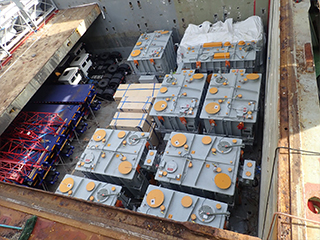
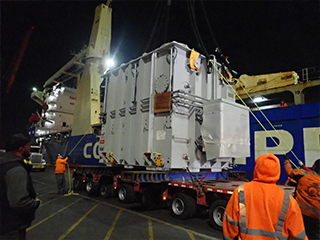
Domestic North American shipments employ specialised heavy-haul flatbed or lowboy trailers with multi-point chains, load spreaders, and DOT-compliant blocking; approximate dimensions (~3m L × 2.5m W × 2.5m H) often necessitate oversize permits and pilot vehicles. International ocean freight uses 40ft+ flat-rack or open-top containers on RoRo vessels, secured with IMO lashings, chocks, and weatherdeck protection. Inland legs utilize air-ride trailers to minimise shocks. Shipments include comprehensive insurance, GPS real-time tracking, and full documentation (packing lists, bills of lading, certified FAT reports, customs declarations).
Site arrival involves immediate visual/mechanical inspection for transit issues, with prompt warranty claims if needed. These meticulous packing and shipping protocols protect against mechanical stress, contamination, or environmental factors, ensuring the transformer arrives in pristine condition for rapid installation and optimal performance in solar PV farms.
For export or extended haul, the transformer is enclosed in heavy-duty wooden crates or open-top cases featuring internal cross-bracing, foam/vibration-dampening inserts, and anti-tilt restraints to withstand sea, rail, or road forces. Oil-filled units (mineral or FR3) ship under a vacuum or nitrogen blanket to preserve dielectric integrity and prevent oxidation/moisture ingress; supplementary fluid travels in sealed, absorbent-lined drums within separate crates. All packaging complies with phytosanitary regulations and includes moisture-sensitive labels.
Domestic North American shipments employ specialised heavy-haul flatbed or lowboy trailers with multi-point chains, load spreaders, and DOT-compliant blocking; approximate dimensions (~3m L × 2.5m W × 2.5m H) often necessitate oversize permits and pilot vehicles. International ocean freight uses 40ft+ flat-rack or open-top containers on RoRo vessels, secured with IMO lashings, chocks, and weatherdeck protection. Inland legs utilize air-ride trailers to minimise shocks. Shipments include comprehensive insurance, GPS real-time tracking, and full documentation (packing lists, bills of lading, certified FAT reports, customs declarations).
Site arrival involves immediate visual/mechanical inspection for transit issues, with prompt warranty claims if needed. These meticulous packing and shipping protocols protect against mechanical stress, contamination, or environmental factors, ensuring the transformer arrives in pristine condition for rapid installation and optimal performance in solar PV farms.
32
32 years of industry experience
Manufacturer Test
2MVA Solar Step-Up Pad Mounted Transformer for Solar PV

Progress test
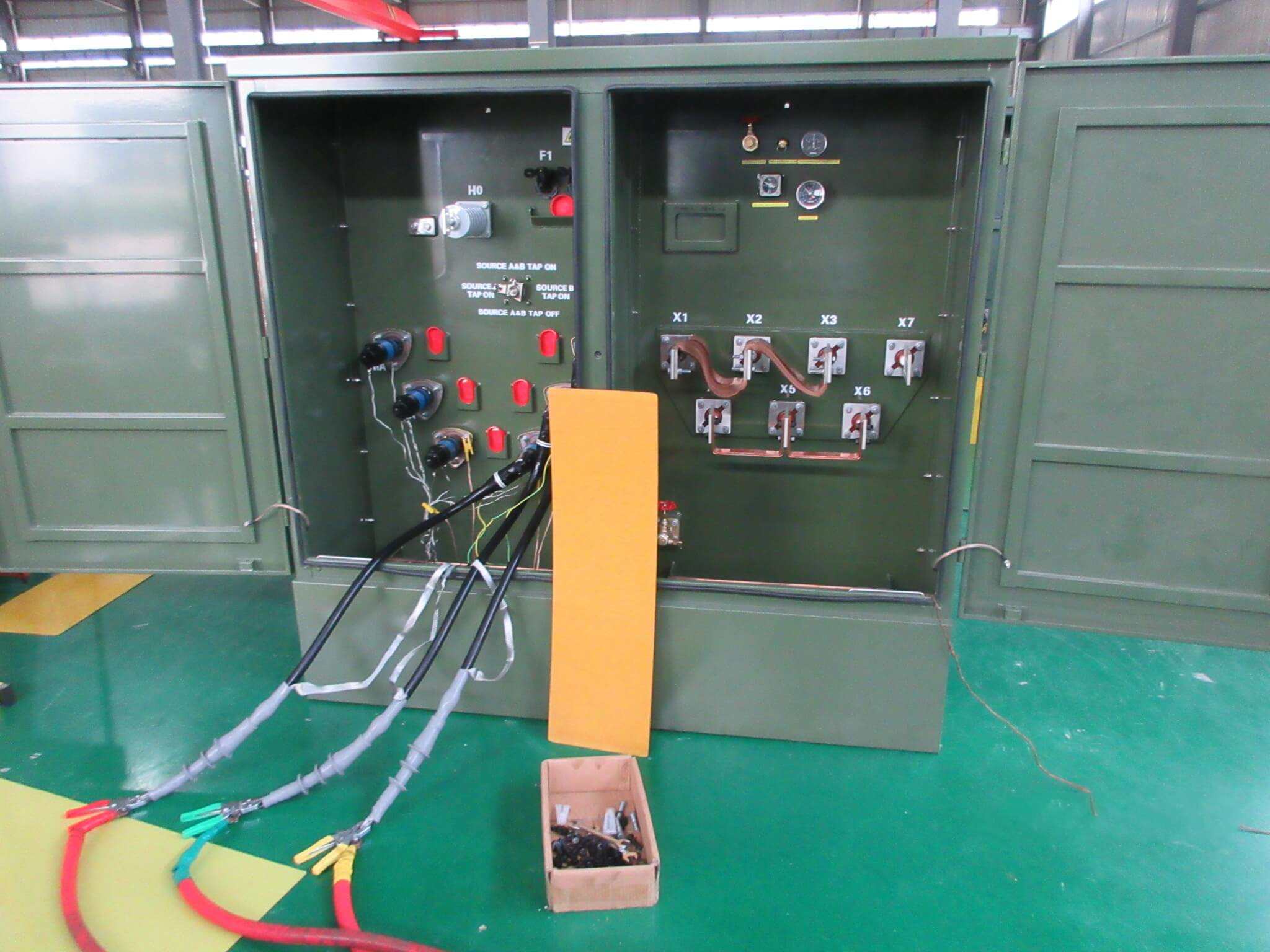
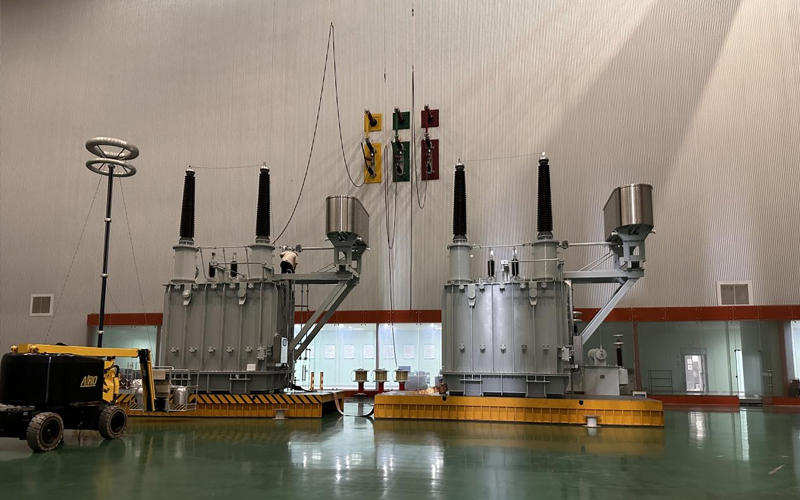
The 2MVA solar step-up pad mounted transformer before shipment. Load loss/impedance short-circuit test at rated current measures copper losses (temperature-corrected) and percent impedance (5–7% nominal, ±7.5% tolerance), confirming efficiency and fault limits under harmonic conditions. Applied voltage withstand applies power-frequency potential, verifying insulation strength without breakdown. Routine impulse test (reduced/full wave) confirms BIL withstand (95–150kV) through waveform analysis. Zero-sequence impedance is measured for grounding studies if applicable. Functional tests validate pressure relief activation, temperature/liquid level gauges, tap changer reliability, and electrostatic shield effectiveness. Final visual/mechanical inspection checks ANSI C57.12.28 tamper resistance, coating quality (corrosion-resistant for solar sites), bushing alignment, grounding, and labeling.
Design Tests
All transformers will be tested after finishing the production, test items as follows:
♦ Insulation Power Factor
♦ Ratio, Polarity, and Phase Relation
♦ Winding Resistance
♦ Impulse Tests
♦ On load Loss Test
♦ No Load Loss Test
♦ Leak Test
♦ DC Insulation Resistance Test
♦ Transformer Turns Ratio/TTR (All Tap Voltages)
♦ Impedance Voltage & Load Loss (Rated Voltage)
♦ Polarity, 1-Ph / Phase Relation, 3-Ph (Rated Voltage)
♦ Excitation & No-Load Loss (Rated Voltage)
♦ Insulation Resistance (Rated Voltage)
♦ Temperature Rise
♦ Dielectric Withstand (Hipot)
Transformer Factory Acceptance Test
Extended FAT routines emphasize load, dielectric, and solar compatibility for the 2MVA pad mounted step-up transformer. Load loss/impedance short-circuit quantifies copper losses (reference-corrected) and percent impedance (5–7%), ensuring efficiency/fault control under harmonics. Applied voltage withstand confirms the main insulation strength without flashover. Routine impulse test (reduced/full waves) validates BIL (95–150kV) with waveform integrity. Zero-sequence impedance supports protection coordination. Control functions test gauges, the relief device, and the tap changer response. Final visual/mechanical inspection verifies ANSI C57.12.28 tamper-proof enclosure, paint/coating for environmental exposure, bushing setup, grounding, and nameplate. Total losses/efficiency cross-check against guarantees with K-factor validation.
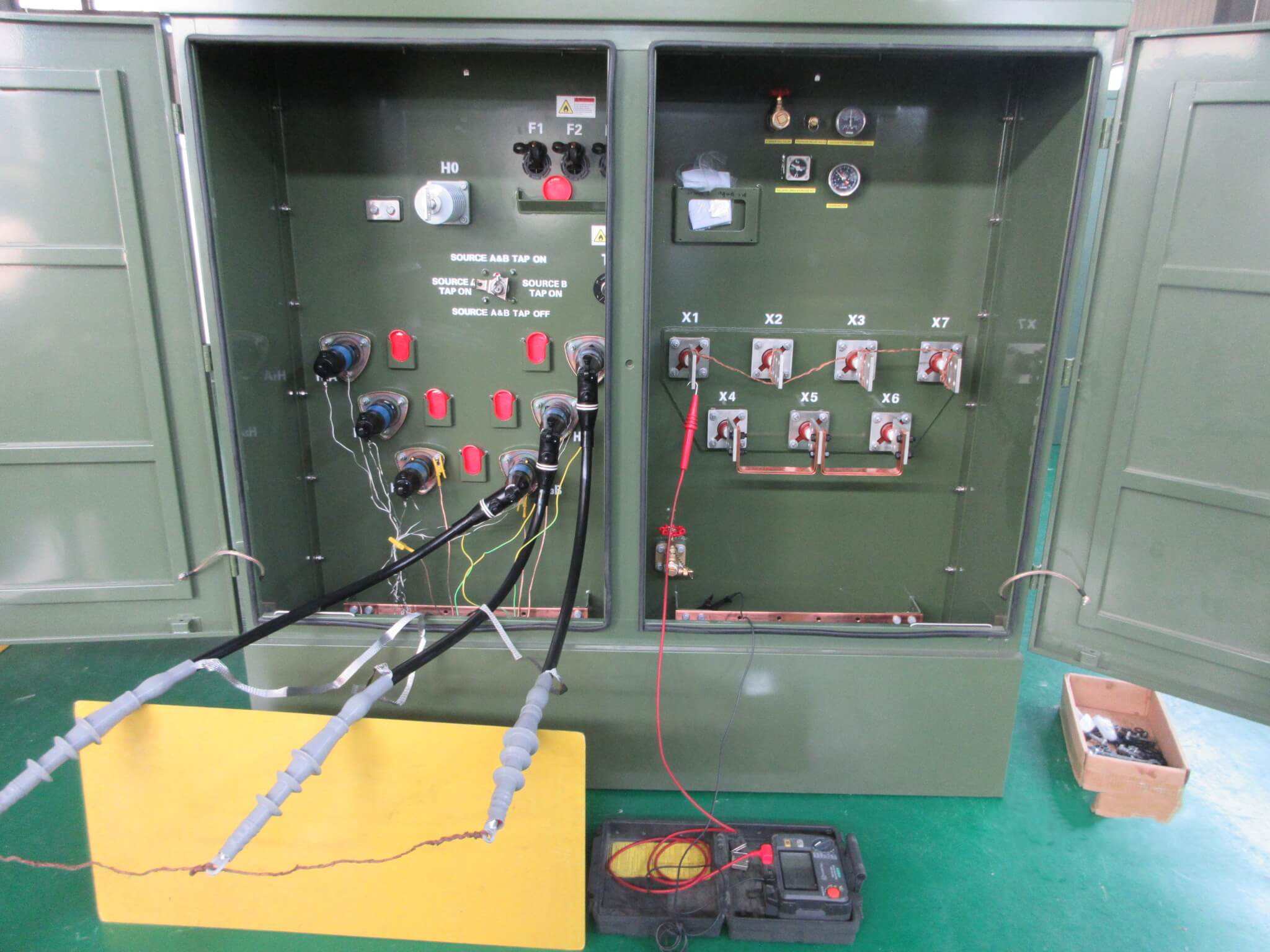
Routine Test - DC Insulation Resistance Test
Purpose of Testing
The purpose of DC insulation resistance testing is to measure the insulation resistance of a device by applying a DC voltage, thereby evaluating the health of the insulation material and the voltage withstand capability of the electrical device. This test helps detect potential insulation aging, moisture or damage, preventing electrical failures in the device.
Testing Equipment
Insulation resistance tester (e.g. Megger, Fluke, Hioki, Klein Tools, etc.)
Voltage source (usually 500V, 1000V, 2500V, or customized according to customer requirements)
Temperature and humidity meter (used to record the ambient temperature and humidity during the test to ensure that the test conditions meet the standard requirements.)
Voltage source (usually 500V, 1000V, 2500V, or customized according to customer requirements)
Temperature and humidity meter (used to record the ambient temperature and humidity during the test to ensure that the test conditions meet the standard requirements.)
Pre-Test Preparation
Make sure the device is properly grounded and fully discharged to prevent residual charge in the device from affecting the test results.
Perform the test under suitable environmental conditions. It is recommended to have a relative humidity below 75%, no rain, and a temperature range of 20-30°C to avoid moisture or temperature fluctuations affecting the test results.
Perform the test under suitable environmental conditions. It is recommended to have a relative humidity below 75%, no rain, and a temperature range of 20-30°C to avoid moisture or temperature fluctuations affecting the test results.
Test Progress
Connect the Test Instrument:
Connect an insulation resistance tester to the high voltage terminal of the device under test and to ground.
Apply Test Voltage:
Select an appropriate test voltage based on the rated voltage of the equipment .
Connect an insulation resistance tester to the high voltage terminal of the device under test and to ground.
Apply Test Voltage:
Select an appropriate test voltage based on the rated voltage of the equipment .
Measure and Record
Start the test and record the following parameters:
Insulation resistance value (MΩ)
Applied voltage
Ambient temperature and humidity during testing
Insulation resistance value (MΩ)
Applied voltage
Ambient temperature and humidity during testing
Temperature Correction
The measured insulation resistance values are corrected to a reference temperature (usually 20°C) for accurate evaluation.
Repeat Testing (if necessary)
Measure different windings (high voltage, medium voltage, low voltage) or each bushing separately, and conduct comparative analysis to ensure the insulation status of all parts.
Evaluation Criteria (Reference)
nsulation resistance ≥ 1000 MΩ (excellent)
500 MΩ ≤ Insulation resistance < 1000 MΩ (good)
100 MΩ ≤ Insulation resistance < 500 MΩ
Insulation resistance < 100 MΩ
500 MΩ ≤ Insulation resistance < 1000 MΩ (good)
100 MΩ ≤ Insulation resistance < 500 MΩ
Insulation resistance < 100 MΩ
*These comprehensive tests ensure that each transformer meets performance standards and operates
reliably under various conditions.
Application
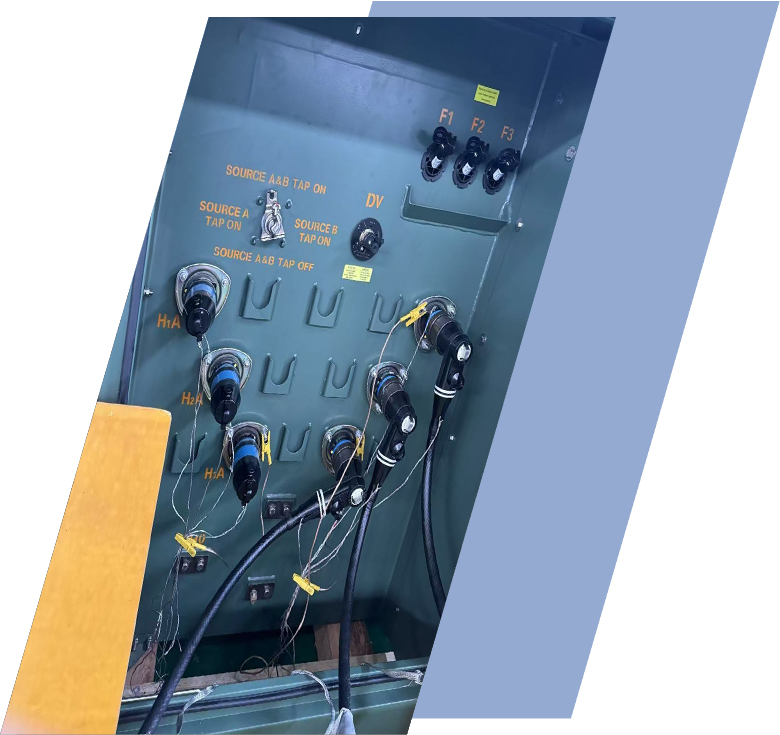
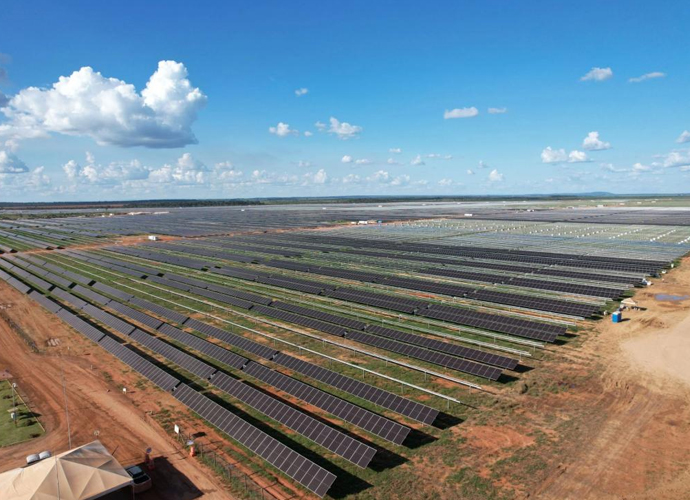
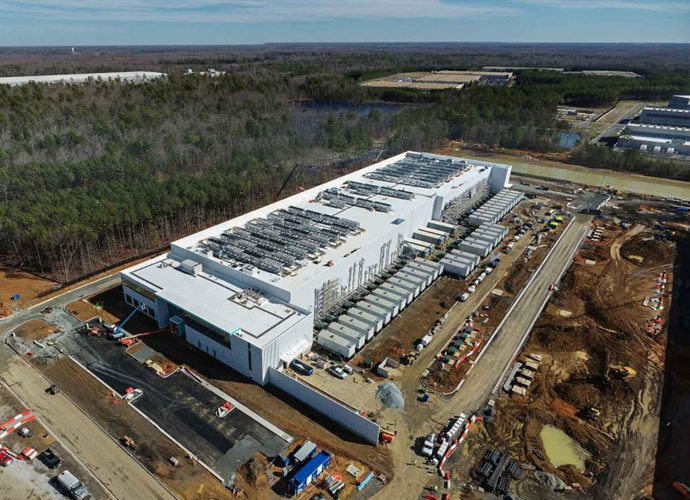
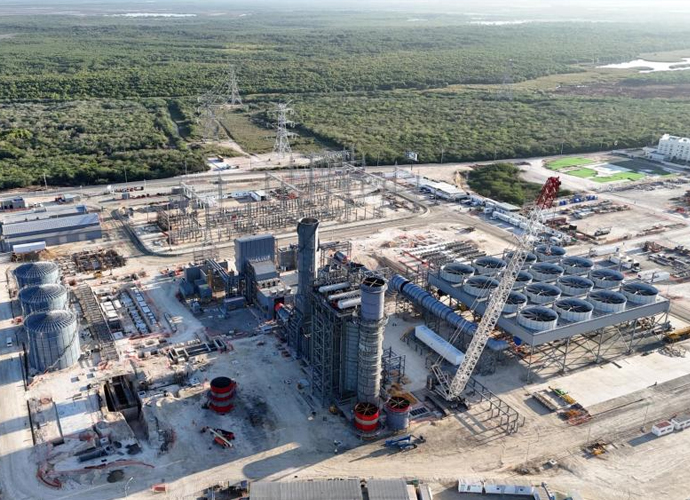
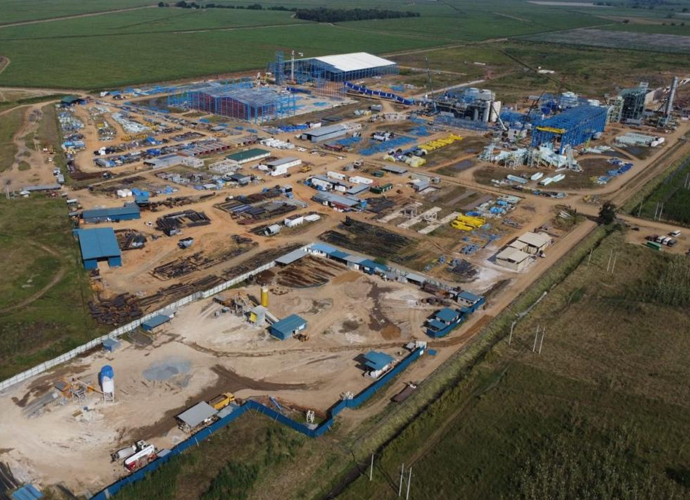
Suited for commercial/industrial solar installations, rooftop-to-ground PV expansions, or hybrid renewable projects with wind/BESS. It integrates in scenarios like desert solar farms with inverter clusters, coastal arrays requiring corrosion resistance, or grid-supportive setups with bidirectional flow, delivering robust, eco-friendly step-up performance for reliable renewable energy integration and overload resilience.


Technical Advantages
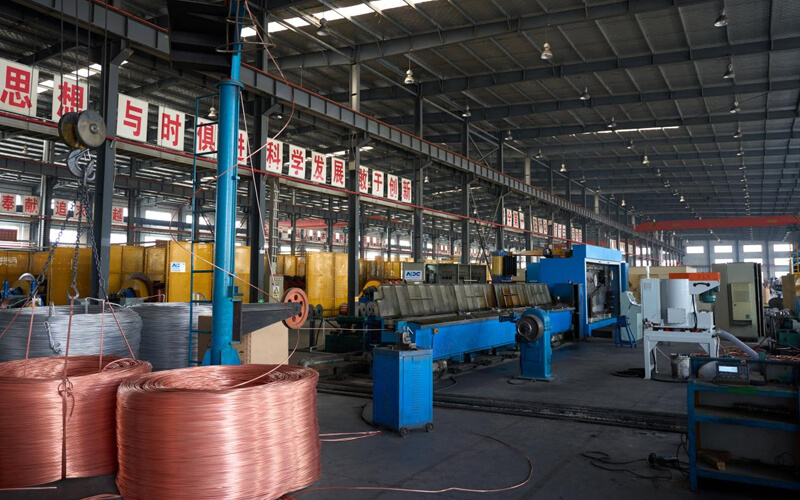
● 30+ years of manufacturing experience
● ISO and UL certified production
● Customized cable and transformer solutions
Product Packaging
Transformers Packaging (1)
Transformers Packaging (2)
Transformers Packaging (3)
Transformers Packaging (4)
Transformers Packaging (5)
Transformers Packaging (6)
Transformers Packaging (7)
Transformers Packaging (8)
Related Products
500kVA Dry Type Transformer
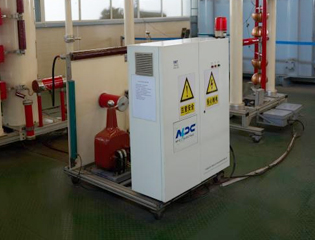
NPC ELECTRIC 500kVA Dry-Type Transformer offers reliable and efficient power distribution with a compact, oil-free design. It ensures safe, low-maintenance operation with advanced insulation and cooling systems, making it ideal for industrial and commercial use. With a capacity of 500kVA, it delivers stable performance while being environmentally friendly and cost-effective. Key characteristics feature three-phase design (single-phase adaptable), primary voltages 208V–600V (e.g., 480V Delta, 600V Delta), secondary voltages such as 208Y/120V, 480Y/277V, or custom, aluminum or copper windings, 150°C rise (standard) or 115°C/80°C with 220°C insulation class, ±2×2.5% primary taps, NEMA 1 ventilated enclosure (NEMA 3R/encapsulated options), natural convection cooling (AN), electrostatic shielding, and low sound levels per NEMA.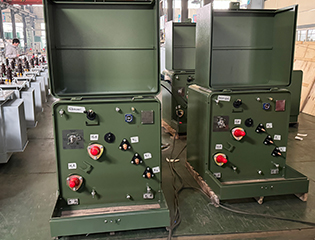
1000kVA Single Phase Pad Mounted Transformer
1000kVA Single Phase Pad Mounted Transformer, a high-capacity powerhouse optimized for extensive underground residential and commercial power distribution systems. This advanced oil-immersed transformer boasts ultra-efficient wound cores and premium windings to drastically cut operational losses while maintaining cool, stable performance even at peak demands. Fully aligned with ANSI C57.12.38, IEEE C57.12.00, and DOE efficiency requirements, this 1000kVA padmount delivers seamless step-down from primary voltages up to 34.5kV to versatile secondary outputs, empowering large-scale loop-feed or radial-feed networks with superior overload handling and minimal acoustic footprint.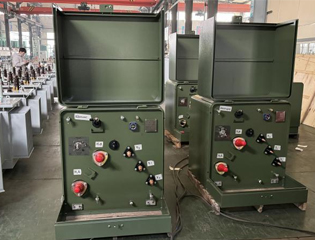
Three Phase Pole Mounted Transformer
The three phase pole mounted transformer delivers balanced, high-capacity power transformation for overhead distribution lines, stepping down medium voltages such as 11kV, 22kV, or 33kV to low voltages like 400V/415V or 480V in Y or Delta configurations. Engineered with a five-legged core/coil assembly and premium grain-oriented silicon steel, it reduces magnetic losses and harmonics while achieving high efficiency levels per DOE and IEC standards. The oil-immersed tank with ONAN cooling ensures effective heat dissipation and a 65°C rise rating for continuous operation under demanding loads. Robust features include porcelain HV bushings, polymer LV bushings, tin-plated terminals for copper/aluminum connections, pressure relief devices, and lightning arrester provisions, offering excellent weather resistance and protection in exposed installations. This design provides cleaner aesthetics, lower installation costs compared to single-phase banks, and reliable service for motor starts and variable loads, making it a top choice for utilities modernizing grids.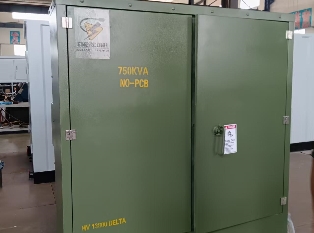
750kVA Radial Feed Pad Mounted transformer To Honduras
The 750kVA Radial Feed Pad Mounted Transformer is a high-capacity, three-phase, oil-immersed distribution transformer specifically configured for radial feed (single-source primary supply) applications. It is ideal for utility substations, commercial complexes, industrial sites, and large residential developments requiring dependable step-down from medium-voltage primary lines to low-voltage secondary service. Fully compliant with ANSI C57.12.00, IEEE C57.12.90, IEEE C57.12.34 (for pad-mounted compartmental-type transformers), IEC 60076, and DOE 2016 efficiency standards (aligned with 2029 amendments for reduced losses), this 750 kVA unit provides excellent energy efficiency (>99.2% typical), low no-load/load losses, robust overload capability, and long-term reliability in outdoor environments. Typical specifications include mineral oil or FR3 natural ester fluid (ONAN cooling), aluminum or copper windings, primary voltage 13.8kV (13800V Delta or 12470GrdY/7200 common for Latin America/Honduras compatibility), secondary 480Y/277V (or 208Y/120V, custom options), BIL 95kV HV / 30kV LV, impedance 5.75–7.0% (±7.5%), ±2×2.5% taps, radial-feed dead-front design with three high-voltage bushings (H1, H2, H3), bayonet fuses + partial-range current-limiting fuses, load-break switch (optional), lightning arresters, pressure relief valve, oil level/temperature gauges, and ANSI 70 gray (or Munsell green) finish. Low sound level (<60 dB), strong short-circuit withstand, and radial-feed configuration suit single-source underground or overhead feeds.
75kVA Completely self-protected(CSP) Single Phase Pole Mounted Transformer
NPC ELECTRIC, the production of a 75kVA Completely Self-Protected (CSP) Single Phase Pole Mounted Transformer is a high-efficiency, reliable solution for single-phase power distribution in residential, commercial, and small industrial applications. Equipped with built-in protection features such as overload, short-circuit, and over-voltage protection, it ensures automatic disconnection during fault conditions to prevent damage to the system. Its pole-mounted design saves space and is ideal for installation in both urban and rural environments. The transformer operates with minimal energy loss, ensuring high efficiency and long-term performance, while its durable construction makes it resistant to harsh weather conditions, ensuring a reliable and safe power supply over time.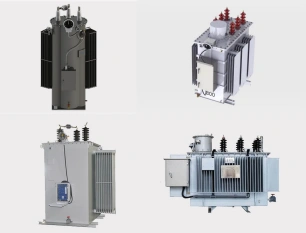
Single Phase Automatic Step Voltage Regulator
The Single-phase Automatic Step Voltage Regulator is an advanced, intelligent voltage stabilization device designed to automatically correct voltage fluctuations and deliver stable output for sensitive electrical equipment. Utilizing a high-efficiency toroidal or laminated core with premium copper windings and multiple tap positions, this regulator provides fast, precise step-type voltage correction (±10% to ±30% input range) with response times under 1 second. It features a microprocessor-based digital controller with LCD display, multiple protection functions (over-voltage, under-voltage, overload, short-circuit, and surge), and automatic bypass capability. Built with robust construction and high overload capacity (up to 200% for short durations), it ensures reliable performance in varying load conditions while maintaining low waveform distortion and high efficiency (>98%). Ideal for single-phase 220V/230V/240V systems, this voltage regulator is widely used in residential, commercial, and light industrial applications to protect equipment from unstable grid voltage and extend service life.FAQ From Customers
-
What is a Transformer?A transformer is an electrical device used to change the voltage of alternating current (AC). It works on the principle of electromagnetic induction, converting high-voltage current into low-voltage current or low-voltage current into high-voltage current. Transformers are widely used in power transmission, distribution systems, and various electronic devices.
-
What are the main uses of a transformer?The main use of a transformer is voltage conversion. Transformers are used in power transmission systems to help transfer electricity from power plants to consumers. In addition, transformers are also used in electronic devices such as chargers, televisions, power adapters, etc., to adjust the voltage to meet the requirements of different devices.
-
Do you have UL listed?Yes, our transformer has UL listed. We have exported to America many pad mounted transformer,substation transformer and HV.
Welcome your inquiry
Honesty, Integrity, Frugality, Activeness and Passion