What is Rubber Cable? Benefits, Specifications & Top Manufacturers
2026-07-27
Rubber Cable is one of the most durable and flexible cable types used in modern industrial electrical systems. Unlike conventional PVC cables, rubber-insulated cables are specifically engineered to operate under continuous mechanical stress, harsh environmental exposure, and extreme temperatures. These characteristics make rubber cable systems essential in demanding industries such as mining, construction, marine engineering, renewable energy, manufacturing, and heavy equipment operations.
Modern industrial operations increasingly require cables capable of withstanding:
- Abrasion
- Oil exposure
- UV radiation
- Moisture
- Mechanical bending
- Dynamic movement
- Extreme temperature fluctuations
As a result, rubber-insulated cables remain one of the preferred solutions for mobile electrical equipment, power tools, portable machinery, and temporary power distribution systems.
Today’s global Rubber cable manufacturers continuously invest in:
- Advanced elastomer compounds
- Fire-resistant materials
- Oil-resistant insulation systems
- Flexible conductor technologies
- International certification systems
to meet growing demand for safer and more reliable electrical infrastructure.
1. What is a rubber cable?
Rubber Cable is an electrical cable that uses rubber-based insulation or sheathing materials instead of rigid thermoplastic insulation systems.
These cables are designed to provide:
- High flexibility
- Mechanical durability
- Electrical insulation
- Environmental resistance
under difficult operating conditions.
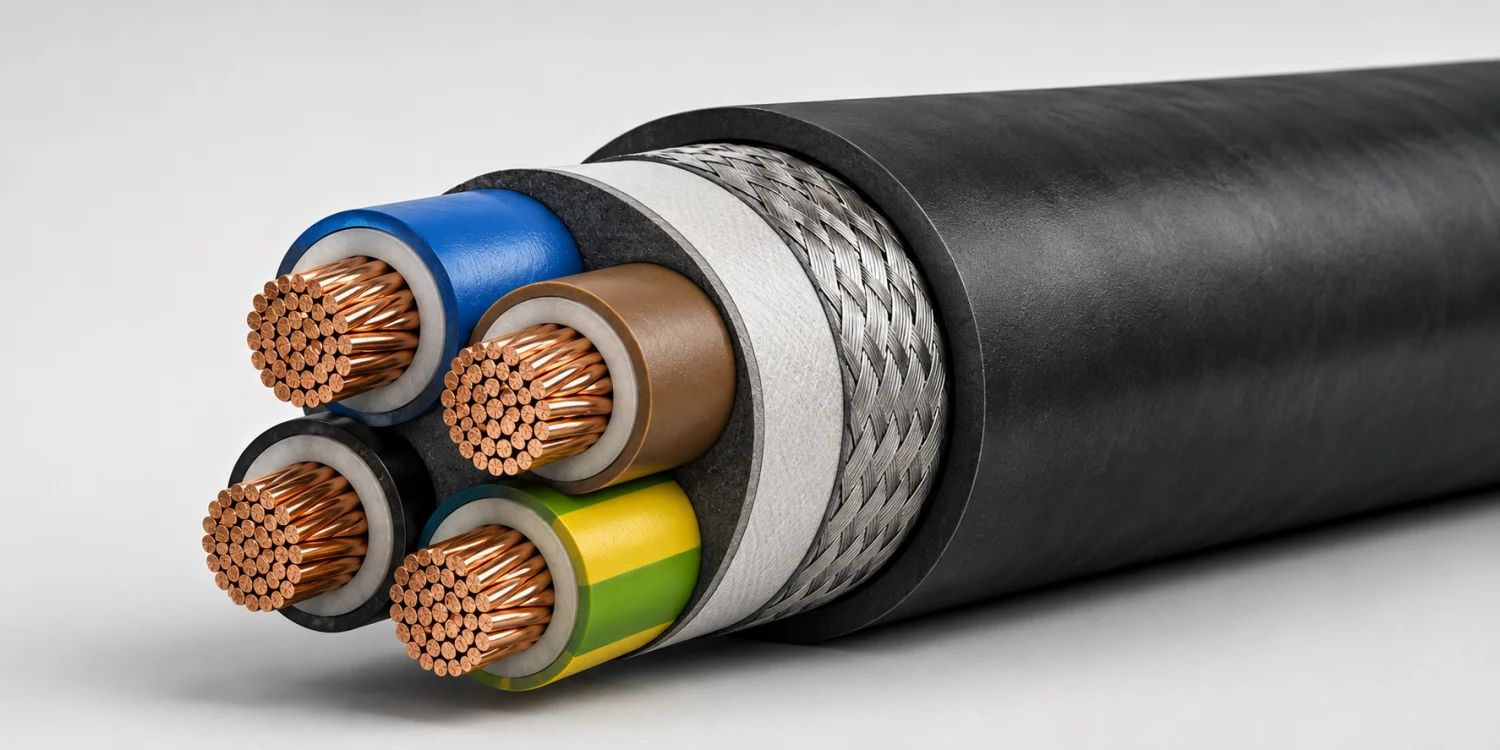
Structure of Rubber Insulated Cables
A typical rubber-insulated cable includes:
- Copper or aluminum conductor
- Rubber insulation layer
- Protective rubber sheath
- Reinforcement materials
- Optional shielding systems
The rubber sheath protects the internal conductors against external damage and environmental exposure.
Common Rubber Materials Used
Different rubber compounds are selected depending on application requirements.
Common materials include:
|
Rubber Material |
Main Characteristics |
|
Natural Rubbers |
Excellent flexibility |
|
EPR (Ethylene Propylene Rubber) |
High thermal resistance |
|
Neoprene |
Oil and weather resistance |
|
Silicone Rubber |
Extreme temperature performance |
|
CPE Rubber |
Chemical resistance |
These materials allow rubber cables to operate reliably in harsh environments.
Table: Comparison of Main Rubber Cable Types
|
Rubber Cable Type |
Insulation Material |
Main Characteristics |
Typical Applications |
Temperature Range |
|
EPR Rubber Cable |
Ethylene Propylene Rubber |
High thermal stability |
Industrial power systems |
-40°C to +90°C |
|
Neoprene Rubber Cable |
Chloroprene Rubber |
Oil and weather resistance |
Construction sites and marine equipment |
-25°C to +85°C |
|
Silicone Rubber Cable |
Silicone elastomer |
Extreme heat resistance |
High-temperature industrial equipment |
-60°C to +180°C |
|
Mining Rubber Cable |
Heavy-duty rubber compound |
Abrasion and impact resistance |
Underground mining systems |
-40°C to +90°C |
|
Welding Cable |
Flexible rubber sheath |
Excellent flexibility |
Welding equipment and portable power tools |
-30°C to +80°C |
|
Rubber Sheathed Flexible Cable |
Multi-layer rubber insulation |
Mechanical durability |
Mobile industrial machinery |
-25°C to +90°C |
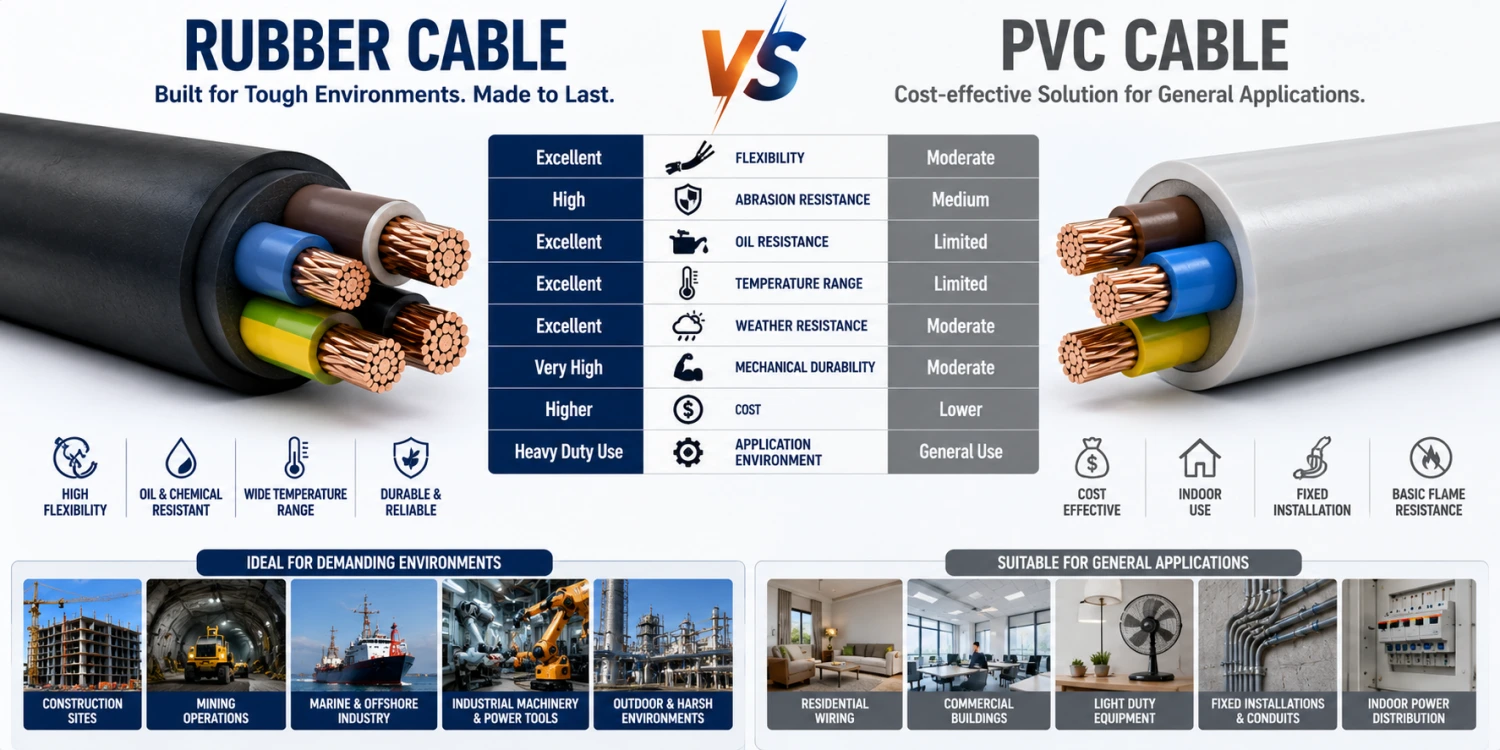
Difference Between Rubber Cable and PVC Cables
PVC cables are commonly used for standard indoor electrical applications, while rubber cable systems are designed for dynamic industrial environments.
Rubber-insulated cables generally offer:
- Better flexibility
- Higher abrasion resistance
- Improved oil resistance
- Wider temperature range
- Superior weather performance
PVC cables typically provide lower cost but reduced mechanical durability.
Table: Rubber Cable vs PVC Cable
|
Parameter |
Rubber Cable |
PVC Cable |
|
Flexibility |
Excellent |
Moderate |
|
Abrasion Resistance |
High |
Medium |
|
Oil Resistance |
Excellent |
Limited |
|
Weather Resistance |
Excellent |
Moderate |
|
Extreme Temperature Performance |
Wide temperature range |
Limited high-temperature performance |
|
Mechanical Durability |
Very high |
Moderate |
|
Indoor Applications |
Good |
Excellent |
|
Outdoor Applications |
Excellent |
Moderate |
|
Cost |
Higher |
Lower |
|
Typical Applications |
Construction, mining, heavy industry |
Residential and commercial wiring |
2. Main Benefits of Rubber Cable
Rubber cables are widely used because of their excellent mechanical and environmental performance.
High Flexibility
One of the biggest advantages of cable rubber systems is flexibility.
Rubber insulation allows repeated bending, twisting, and movement without cracking or insulation failure.
This is essential for:
- Portable equipment
- Construction machinery
- Power tools
- Moving industrial systems
Excellent Resistance to Harsh Environments
Rubber cables perform reliably in:
- Wet environments
- Muddy construction sites
- Offshore facilities
- Mining operations
- High-vibration machinery
Many rubber cable systems are specifically designed for harsh environments where standard cables fail prematurely.
Wide Temperature Range
Modern rubber-insulated cables can operate across wide temperature ranges.
Typical operating ranges include:
- -40°C to +90°C
- High-temperature silicone systems up to +180°C
This makes them ideal for extreme temperatures and outdoor installations.
Oil and Chemical Resistance
Many industrial applications require cables capable of resisting oil, fuel, solvents, and chemicals.
Neoprene and CPE-based rubber sheaths offer excellent resistance to industrial contaminants.
Improved Safety
Rubber cables often provide:
- Better insulation integrity
- Flame retardant performance
- Reduced cracking risk
- Higher impact resistance
These characteristics improve electrical safety in industrial facilities.
3. Technical Specifications of Rubber Cables
Rubber cable selection requires understanding multiple engineering parameters.
Voltage Rating
Typical voltage ratings include:
|
Application |
Voltage Range |
|
Portable equipment |
300/500 V |
|
Industrial machinery |
450/750 V |
|
Heavy-duty mining systems |
1 kV – 35 kV |
Voltage rating must match operational requirements.
Conductor Construction
Flexible conductors usually use fine-stranded copper wires.
Advantages include:
- Improved flexibility
- Better fatigue resistance
- Easier installation
Insulation Thickness
Insulation thickness depends on:
- Voltage level
- Environmental exposure
- Mechanical stress
- Regulatory compliance
Mechanical Performance
Rubber cables are evaluated for:
- Tensile strength
- Impact resistance
- Abrasion resistance
- Flexural endurance
Fire and Safety Standards
Many industries require compliance with international standards, such as:
- IEC standards
- UL standards
- VDE certification
- RoHS compliance
Regulatory compliance is critical for export-oriented industrial projects.
4. Industrial Applications of Rubber Cable
Rubber-insulated cables are widely used in industries requiring flexible and durable power transmission systems.
Table: Rubber Cable Applications by Industry
|
Industry |
Typical Rubber Cable Application |
Main Environmental Challenge |
|
Construction Sites |
Temporary power distribution |
Mechanical impact and moisture |
|
Mining Industry |
Mobile mining equipment |
Abrasion and vibration |
|
Marine & Offshore |
Shipboard electrical systems |
Saltwater corrosion |
|
Manufacturing Plants |
Welding and automation systems |
Oil and continuous movement |
|
Renewable Energy |
Wind turbine flexible cable |
UV and outdoor exposure |
|
Events & Entertainment |
Portable power systems |
Frequent cable movement |
Construction Sites
Construction sites use rubber cables for:
- Temporary power systems
- Portable generators
- Heavy equipment
- Mobile lighting systems
Frequent cable movement requires high mechanical durability.
Mining Industry
Mining cable systems operate under:
- Mechanical stress
- Water exposure
- Abrasive environments
- Heavy equipment movement
Rubber cables are essential for mining safety and operational reliability.
Marine and Offshore Applications
Marine environments expose cables to:
- Saltwater
- UV radiation
- Moisture
- Mechanical vibration
Rubber insulated cables offer excellent corrosion resistance and flexibility.
Manufacturing Facilities
Factories use rubber cables for:
- Welding equipment
- Conveyor systems
- Robotic machinery
- Industrial automation
Renewable Energy Systems
Renewable energy projects increasingly use flexible rubber cable systems for:
- Wind turbines
- Mobile energy storage
- Temporary power infrastructure
5. Rubber Cable Accessories and Protection Systems
Cable accessories play a major role in improving cable safety and operational lifespan.
Rubber Cable Grommet
A rubber cable grommet protects cables where they pass through metal panels or equipment housings.
Benefits include:
- Abrasion protection
- Waterproof sealing
- Mechanical strain reduction
Rubber Cable Protector
Rubber cable protector systems shield cables from:
- Vehicle traffic
- Foot traffic
- Crushing damage
They are widely used at events, factories, and construction sites.
Rubber Cable Ties
Rubber cable ties help organize flexible cables while reducing insulation damage caused by rigid fastening systems.
Rubber Grommet Cable Systems
Industrial equipment often integrates rubber grommet cable entry systems for vibration-resistant cable routing.
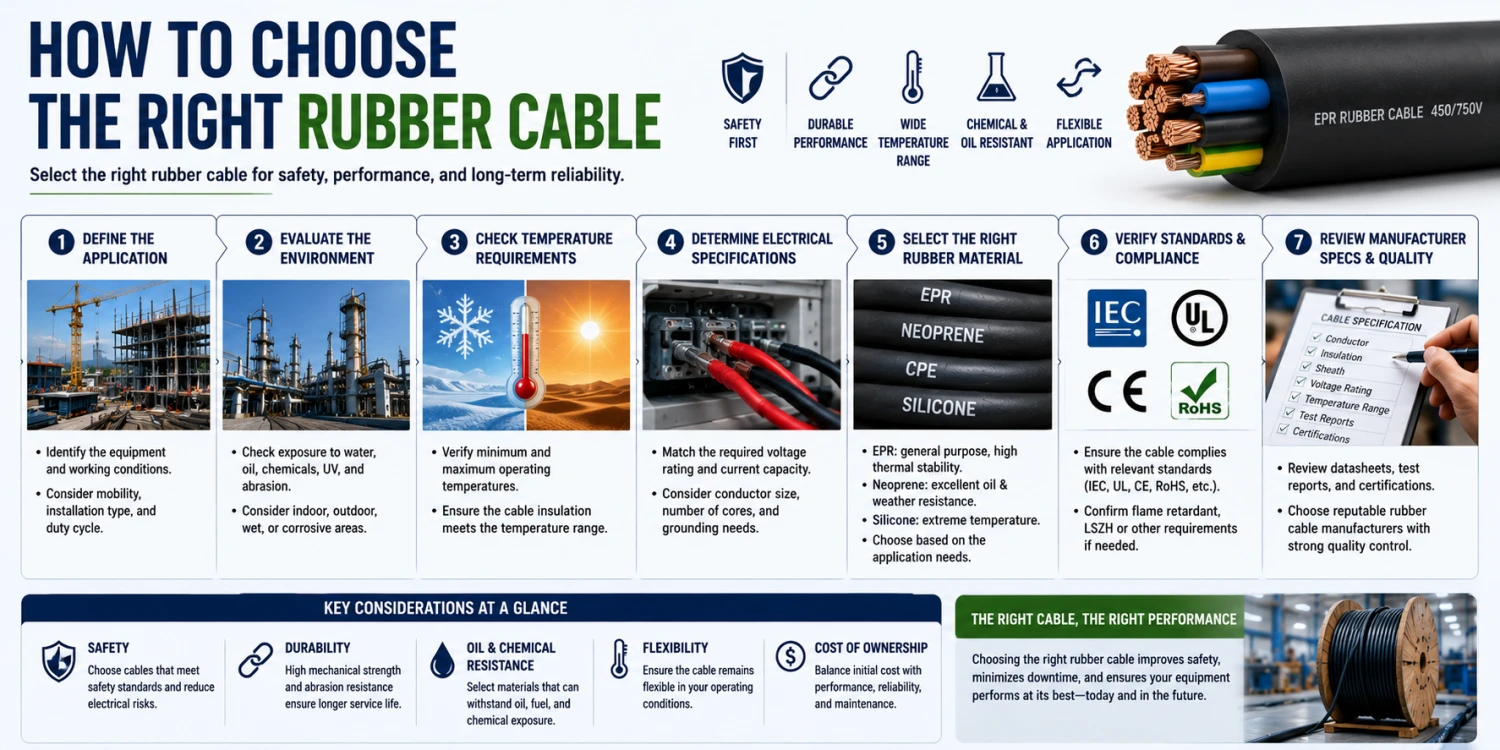
6. How to Choose the Right Rubber Cable
Choosing rubber cable requires balancing electrical, mechanical, and environmental requirements.
Table: Key Selection Factors for Rubber Cables
|
Selection Factor |
Engineering Consideration |
Recommended Evaluation |
|
Operating Environment |
Exposure to oil, water, chemicals, and UV |
Select a suitable rubber compound |
|
Mechanical Stress |
Repeated bending and vibration |
Use highly flexible stranded conductors |
|
Temperature Range |
Ambient and operating temperature |
Verify insulation temperature rating |
|
Voltage Rating |
Equipment operating voltage |
Match IEC or UL standards |
|
Abrasion Resistance |
Surface wear conditions |
Choose a reinforced rubber sheath |
|
Regulatory Compliance |
Export certification requirements |
IEC, UL, CE, RoHS approval |
|
Fire Performance |
Flame-retardant or LSZH requirements |
Select compliant insulation materials |
|
Manufacturer Specs |
Technical documentation quality |
Review testing and certification reports |
Evaluate the Operating Environment
Consider exposure to:
- Water
- Oil
- UV radiation
- Chemicals
- Mechanical stress
Harsh environments require specialized rubber compounds.
Verify Temperature Range
Always confirm the cable operating temperature range matches environmental conditions.
Extreme temperatures may require silicone or EPR insulation systems.
Check Flexibility Requirements
Dynamic applications require highly flexible conductor structures and durable sheathing materials.
Review Manufacturer Specs
Manufacturer specs should include:
- Voltage rating
- Current capacity
- Bend radius
- Temperature limits
- Certification standards
Confirm Regulatory Compliance
Export projects often require:
- IEC certification
- UL approval
- CE marking
- RoHS compliance
Regulatory compliance ensures global market acceptance.
7. Top Trends and Future Development in Rubber Cable Technology
The global rubber cable industry continues evolving rapidly.
Advanced Elastomer Materials
Manufacturers are developing:
- Low smoke compounds
- Halogen-free rubber materials
- Fire-resistant elastomers
to improve safety and environmental performance.
Smart Cable Monitoring
Modern cable systems increasingly integrate:
- Thermal sensors
- Fault detection systems
- Predictive maintenance technology
Improved Sustainability
Rubber cable manufacturers are investing in:
- Recyclable materials
- Low-emission production
- Sustainable elastomer compounds
Higher Performance Industrial Cables
Future industrial systems require cables capable of supporting:
- Automation
- Robotics
- Renewable energy infrastructure
- Electrified transportation
This drives demand for higher-performance flexible cable systems.
Conclusion
Rubber Cable systems remain essential components of modern industrial electrical infrastructure. Their superior flexibility, mechanical durability, oil resistance, and environmental protection capabilities make them ideal for harsh environments where traditional PVC cables may fail prematurely.
From mining operations and construction sites to offshore engineering and renewable energy systems, rubber-insulated cables continue providing reliable power transmission under extreme operating conditions. Accessories such as rubber cable grommet systems, rubber cable protector products, and flexible routing components further enhance cable safety and longevity.
As global industries continue modernizing and electrification expands across industrial sectors, demand for high-performance rubber cable solutions will continue growing. Advances in elastomer materials, smart monitoring systems, and environmentally sustainable cable technologies will further strengthen the role of rubber-insulated cables in future electrical infrastructure systems.

Related Articles
Related Products
250 MCM Sneezewort AAC Cable
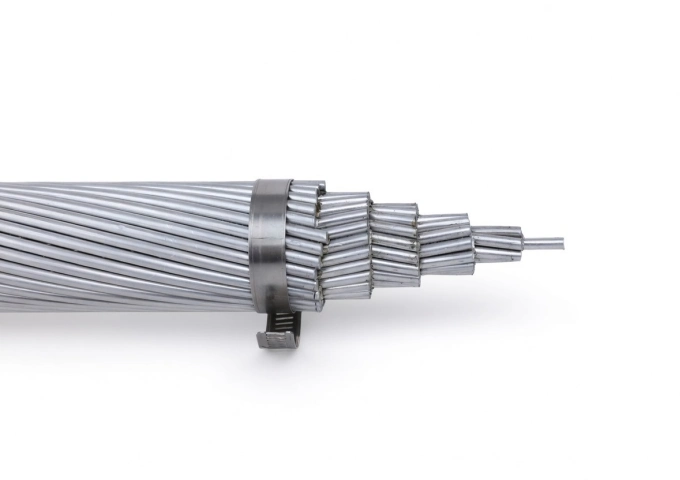
The 250 MCM Sneezewort AAC Cable represents premium All Aluminum Conductor technology for overhead power applications. Built with seven strands of high-conductivity 1350-H19 aluminum, this bare conductor delivers an optimal balance of electrical efficiency and mechanical robustness. With a 0.567-inch diameter, 4,520 lbs breaking strength, and 425 amps ampacity, the Sneezewort AAC offers low DC resistance of 0.0691 ohms per 1000 ft at 20°C and a weight of 234.7 lbs per 1000 ft. This design minimizes sag while providing excellent corrosion resistance for extended outdoor service. Manufactured to meet ASTM B-230 and B-231 standards, the 250 MCM Sneezewort AAC Cable undergoes extensive quality testing from raw materials through finished product. It is the perfect solution for new installations and upgrades in transmission and distribution systems that demand lightweight, high-conductivity bare aluminum conductors.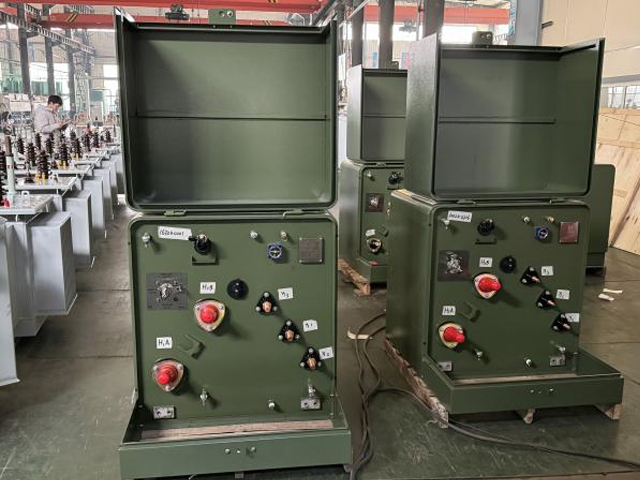
Three Phase Pole Mounted Transformer
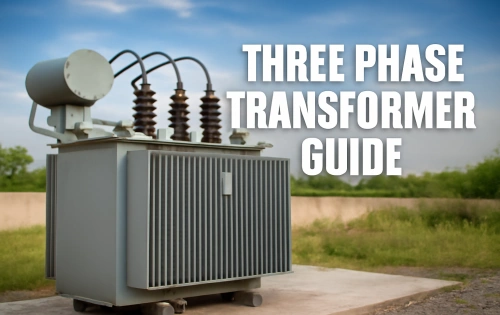
The three phase pole mounted transformer delivers balanced, high-capacity power transformation for overhead distribution lines, stepping down medium voltages such as 11kV, 22kV, or 33kV to low voltages like 400V/415V or 480V in Y or Delta configurations. Engineered with a five-legged core/coil assembly and premium grain-oriented silicon steel, it reduces magnetic losses and harmonics while achieving high efficiency levels per DOE and IEC standards. The oil-immersed tank with ONAN cooling ensures effective heat dissipation and a 65°C rise rating for continuous operation under demanding loads. Robust features include porcelain HV bushings, polymer LV bushings, tin-plated terminals for copper/aluminum connections, pressure relief devices, and lightning arrester provisions, offering excellent weather resistance and protection in exposed installations. This design provides cleaner aesthetics, lower installation costs compared to single-phase banks, and reliable service for motor starts and variable loads, making it a top choice for utilities modernizing grids.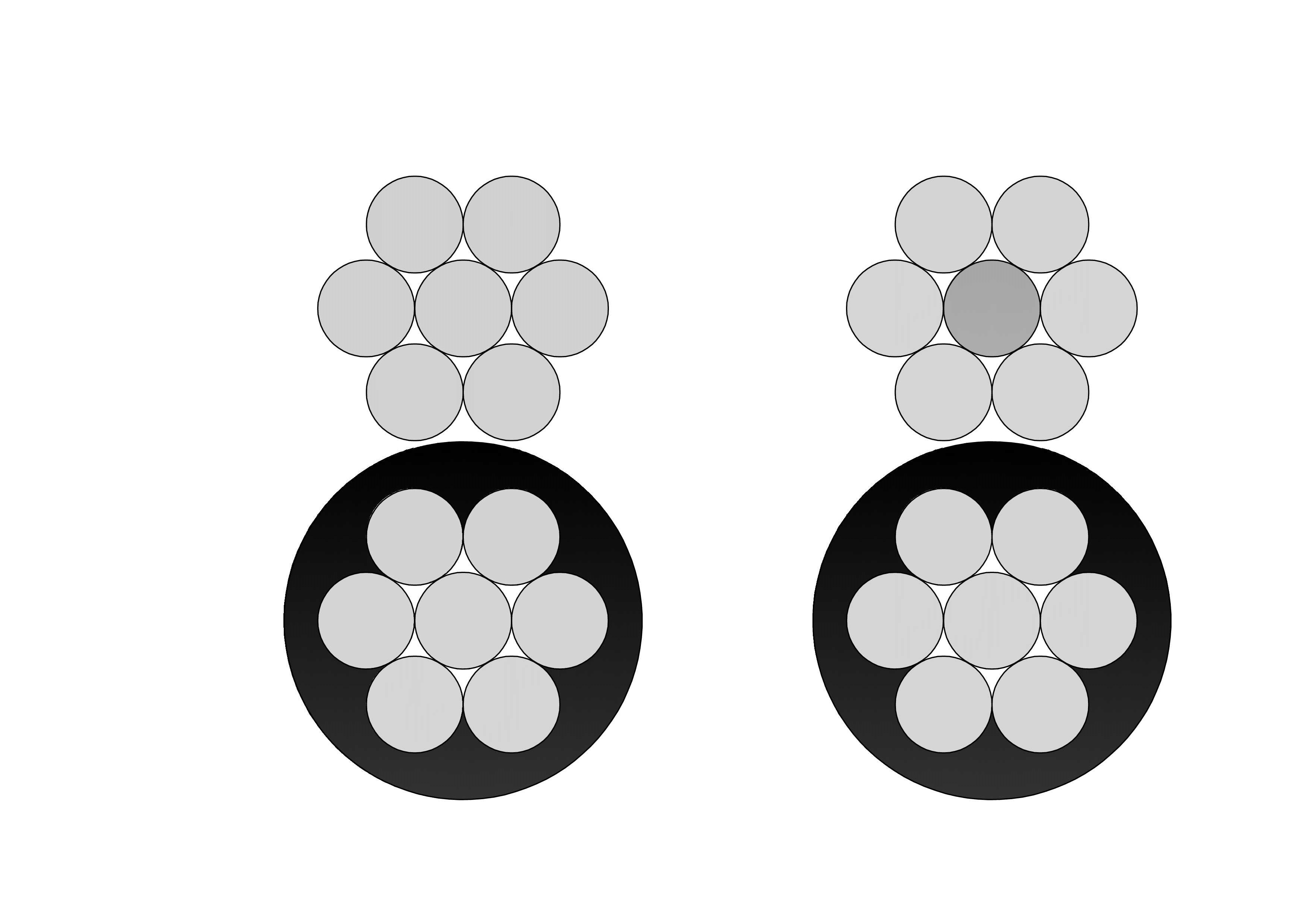
1/0 Bull Aluminum Conductor Duplex Overhead Service Drop Cable
1/0 Bull Aluminum Conductor Duplex Overhead Service Drop Cable is designed for reliable secondary overhead power distribution from utility lines to residential and commercial service entrances. The cable consists of two aluminum conductors, typically one phase conductor and one neutral messenger, stranded concentrically to provide flexibility, strength, and stable electrical performance. The 1/0 Bull size offers a balanced combination of current-carrying capacity and mechanical durability, making it suitable for short- to medium-span service drop installations. Aluminum conductors ensure lightweight handling, reduced installation effort, and excellent corrosion resistance in outdoor environments. Manufactured in accordance with relevant ASTM and utility standards, the 1/0 Bull Aluminum Conductor Duplex Overhead Service Drop Cable delivers consistent conductivity, controlled sag, and dependable long-term operation. It is widely used by utilities and contractors seeking a cost-effective, easy-to-install solution for overhead service connections.-AL-medium-voltage-power-cable-2.jpg)
RHZ1-2OL(S)-AL Medium Voltage Power Cable(8.7/15kV, 12/20kV, 18/30kV Specifications)
NPC Electric RHZ1-2OL(S)-AL Medium Voltage Power Cable (8.7/15kV, 12/20kV, 18/30kV) combines economy with special fire safety for demanding medium voltage networks. Built with aluminium conductors, thermosetting XLPE insulation, metallic screen, and specially formulated LSZH sheath with superior fire-retardant characteristics (S), it meets UNE 21123-4 and higher CPR classifications. The special LSZH sheath drastically reduces smoke and eliminates corrosive gases in fires. Lightweight aluminium minimizes costs and installation effort. Excellent partial discharge resistance, low tan delta, and thermal endurance ensure efficiency and longevity. Suitable for direct burial, ducts, or indoor use in high-risk areas, the RHZ1-2OL(S)-AL Medium Voltage Power Cable is favored for metro systems, data centers, public venues, and infrastructure demanding reliable medium voltage cabling with advanced fire protection, environmental compliance, and enhanced life-safety in populated or confined spaces.
1113 MCM Marigold AAC Cable
The 1113 MCM Marigold AAC Cable is a high-performance All Aluminum Conductor designed for demanding overhead power transmission and distribution lines. Manufactured with 37 strands of premium 1350-H19 aluminum wire in a concentric lay configuration, this bare conductor provides excellent electrical conductivity with a low DC resistance of 0.0155 ohms per 1000 ft at 20°C. Featuring an overall diameter of 1.216 inches and a rated breaking strength of 19,300 lbs, the Marigold AAC delivers a robust ampacity of 1083 amps while weighing only 1045.4 lbs per 1000 ft. Its optimized strength-to-weight ratio minimizes sag and structural loading. Fully compliant with ASTM B-230 and B-231 standards, the 1113 MCM Marigold AAC Cable offers outstanding corrosion resistance for long-term durability in harsh outdoor environments, making it the preferred choice for utility networks requiring cost-effective, high-reliability bare aluminum conductors.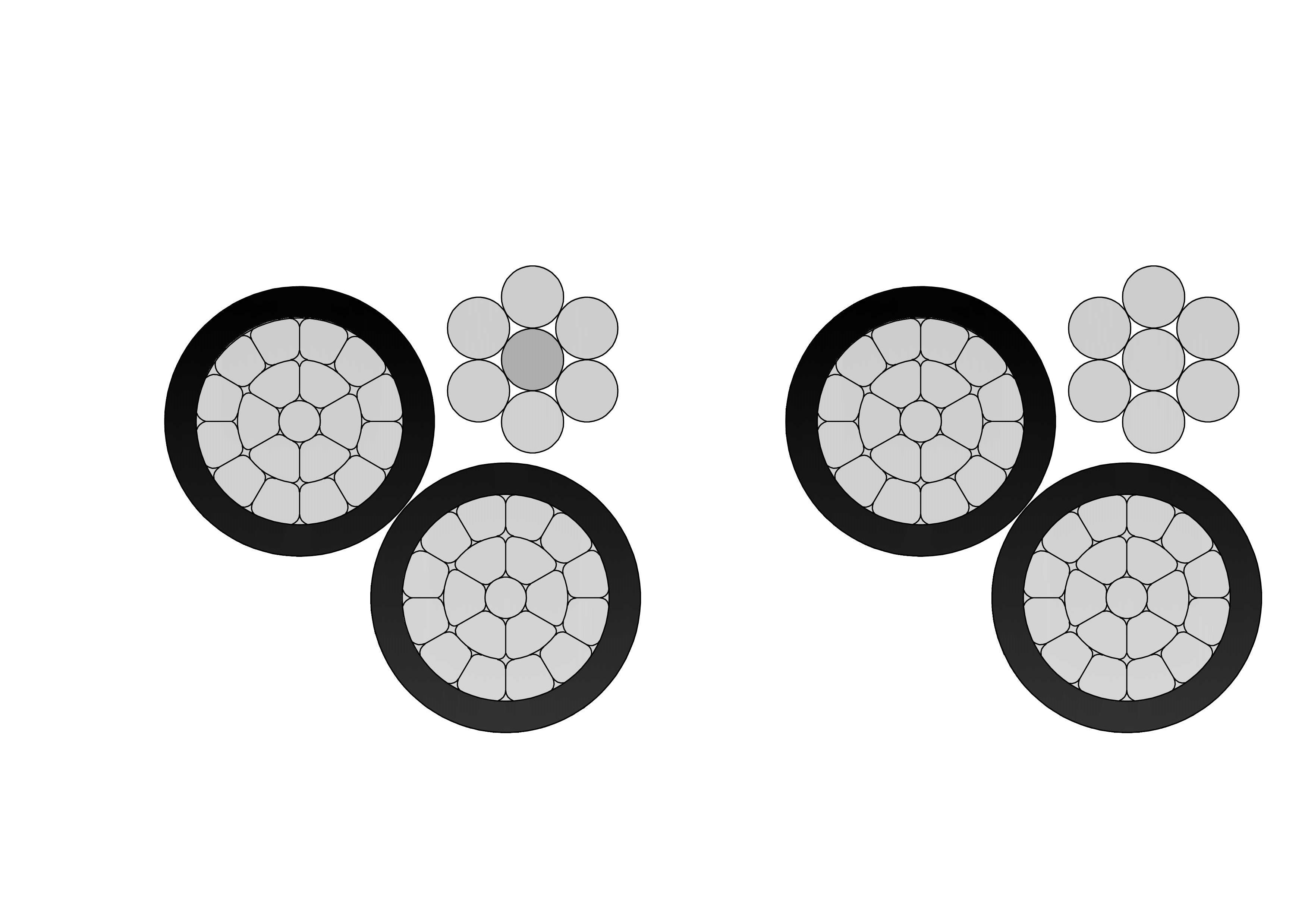
Triplex Service Drop Cable
The Triplex Service Drop Cable is designed for overhead power distribution from utility lines to residential and commercial service entrances. It typically consists of two insulated phase conductors and one bare or insulated neutral messenger conductor, twisted together to provide mechanical support and electrical reliability. The phase conductors are insulated with weather-resistant materials such as XLPE or PE, offering excellent resistance to UV radiation, moisture, and environmental aging. Engineered for dependable performance, the Triplex Service Drop Cable ensures stable power delivery while minimizing line losses and installation complexity. Its lightweight yet robust construction allows for easy stringing across poles and buildings, while maintaining adequate tensile strength for long-span applications. Manufactured in accordance with applicable utility and industry standards, this cable is widely used in low-voltage overhead distribution networks where safety, durability, and long service life are essential.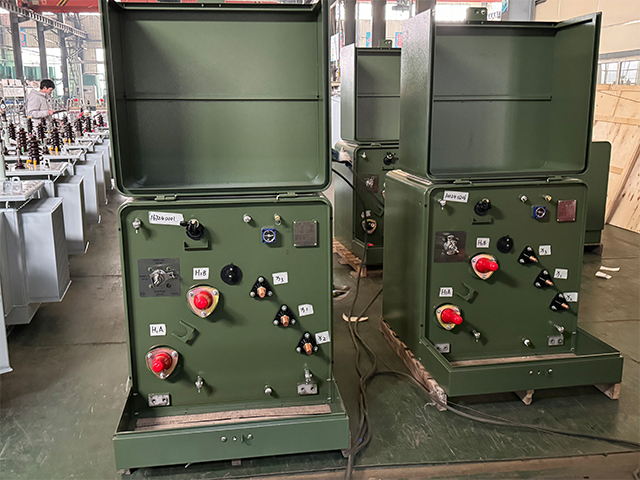
5kVA Single Phase Pad Mounted Transformer
The 5kVA Single Phase Pad Mounted Transformer is designed for reliable and efficient power distribution in residential, commercial, and light industrial applications. Ideal for medium-density areas, this transformer steps down high-voltage electricity to a usable lower voltage for safe distribution to homes and businesses.
37.5kVA Conventional Type Single Phase Pole Mounted Transformer
37.5kVA Conventional Type Single Phase pole Mounted transformer has a rated capacity range from 10 kVA to 333 kVA, and complies with ANSI, IEEE, CSA, IEC60076 and other standards, ensuring safety, stability, and efficiency, allowing you to reduce operating costs. Our products have been widely exported to markets such as North America, Central and South America, and Southeast Asia. With rich experience, we provide comprehensive technical support and services. Key specifications include mineral oil insulation (ONAN cooling), aluminum or copper windings, primary voltages 2.4kV–34.5kV grounded wye or delta (common: 7200/12470GrdY, 7620/13200GrdY, 12470GrdY/7200, 24940GrdY/14400, 34500GrdY/19920), secondary 120/240V or 240/120V split-phase, BIL ratings 95–150kV HV / 30kV LV, impedance typically 2.0–4.0%, ±2×2.5% or 5-position tap changer, conventional or CSP (completely self-protected) configurations with internal fuses, lightning arresters, weak-link protection, pressure relief valve, oil sight gauge, and standard ANSI 70 gray tank finish. Efficiency typically reaches 99.01–99.05%+, with low sound levels and corrosion-resistant features for long-term outdoor durability.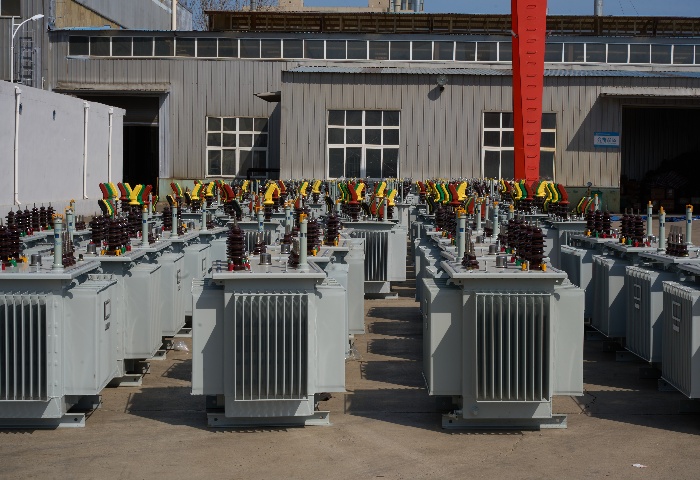
3150kVA Oil Immersed Transformer
3150kVA Oil Immersed Transformer is a high-capacity three-phase power transformer optimized for efficient voltage transformation in 50/60Hz AC medium-voltage networks, with primary ratings commonly at 11kV, 22kV, 33kV, or 35kV (adaptable to 10–38.5kV) and secondary at 0.4kV, 0.69kV, 6.3kV, 10kV, or 11kV. Employing advanced high-permeability grain-oriented silicon steel core (S13/S20 series compliant) for dramatically reduced no-load losses (typically 3200–5400W), high-purity copper windings, and premium insulating oil (IEC 60296 compliant, dielectric >60kV/2.5mm), it achieves low load losses (around 18–22kW at 75°C), strong overload capability (up to 150–180% short-duration), noise below 65dB, and efficiency exceeding 99%.This transformer minimizes operational expenses, transmission losses, and environmental impact in large-scale industrial, utility, and renewable setups.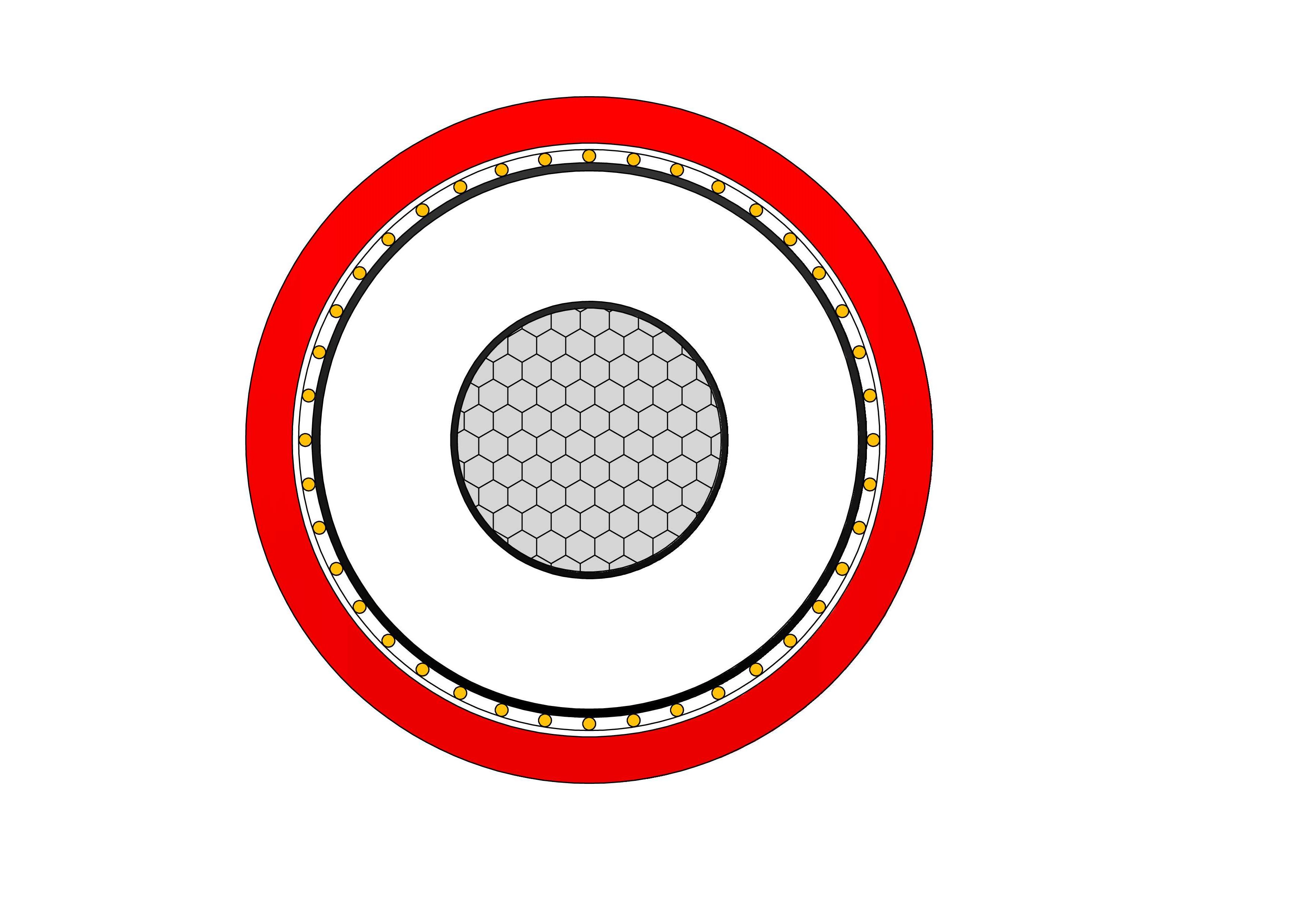
RHZ1-OL-AL Medium Voltage Power Cable(8.7/15kV, 12/20kV, 18/30kV)
Our RHZ1-OL-AL Medium Voltage Power Cable (8.7/15kV, 12/20kV, 18/30kV) provides economical fire safety for medium voltage networks. Built with aluminium conductors, thermosetting XLPE insulation, metallic screen, and advanced low smoke zero halogen (LSZH) sheath, it meets UNE 21123-4 and CPR requirements. During fires, it emits very low smoke and no corrosive gases, facilitating evacuation. Lightweight aluminium reduces costs and installation effort while delivering reliable current capacity. Superior partial discharge resistance, low tan delta, and thermal endurance ensure efficiency and longevity. Suitable for direct burial, ducts, or indoor use in sensitive areas, the RHZ1-OL-AL Medium Voltage Power Cable is widely used in transportation hubs, data centers, public facilities, and infrastructure demanding reliable medium voltage cabling with enhanced fire protection, environmental compliance, and life-safety features in populated or confined spaces.
336.4 MCM Tulip AAC Cable
The 336.4 MCM Tulip AAC Cable is a high-performance All Aluminum Conductor designed for demanding overhead power transmission and distribution lines. Manufactured with 19 strands of premium 1350-H19 aluminum wire in a concentric lay configuration, this bare conductor provides excellent electrical conductivity with a low DC resistance of 0.0514 ohms per 1000 ft at 20°C. Featuring an overall diameter of 0.666 inches and a rated breaking strength of 6,150 lbs, the Tulip AAC delivers a robust ampacity of 513 amps while weighing only 315.8 lbs per 1000 ft. Its optimized strength-to-weight ratio minimizes sag and structural loading. Fully compliant with ASTM B-230 and B-231 standards, the 336.4 MCM Tulip AAC Cable offers outstanding corrosion resistance for long-term durability in harsh outdoor environments, making it the preferred choice for utility networks requiring cost-effective, high-reliability bare aluminum conductors.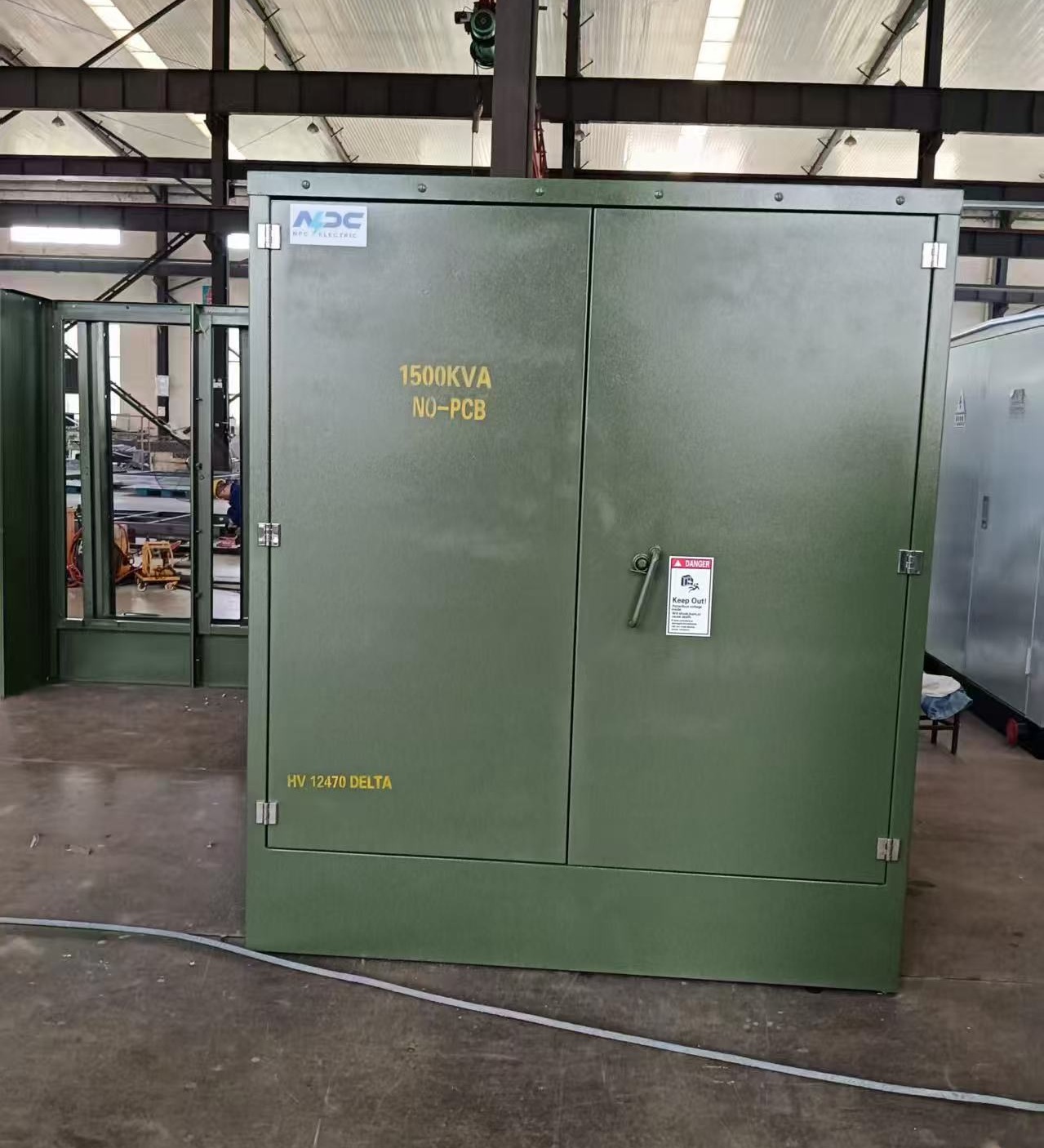
1500kVA Radial Feed Pad Mounted transformer DOE 2016
The 1500kVA Radial Feed Pad-Mounted Transformer is designed for reliable medium-voltage power distribution in utility, commercial, and renewable energy (solar) applications. Engineered to comply with IEEE C57.12.34, C57.12.24, C57.12.00, and DOE 2016 efficiency standards, this pad-mounted transformer is ideal for step-down applications from 12.47kV to 480/277V. Standard features include mineral oil or FR3 natural ester fluid (ONAN cooling), aluminum or copper windings, primary voltage 13.8kV (13800V Delta or 12470GrdY/7200 common), secondary 480Y/277V (or 208Y/120V, custom options), BIL 95kV HV / 30kV LV, impedance 5.75–7.0% (±7.5%), ±2×2.5% taps, radial-feed dead-front design with three high-voltage bushings (H1, H2, H3), bayonet fuses + partial-range current-limiting fuses, load-break switch (optional), lightning arresters, pressure relief valve, oil level/temperature gauges, and ANSI 70 gray (or Munsell green) finish.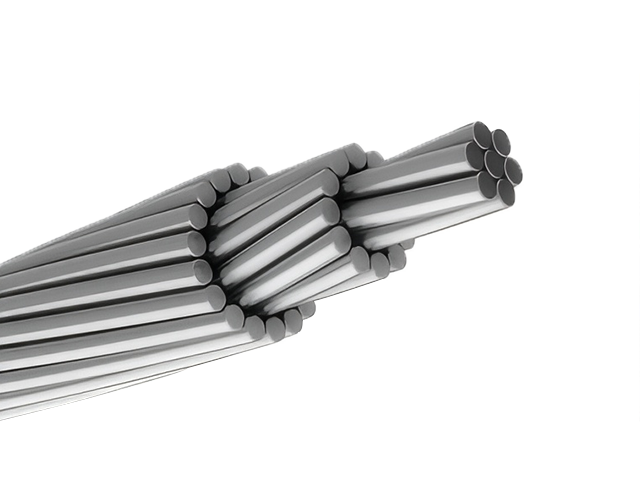
2 AWG SPARROW ACSR Conductor Cable
The 2 AWG SPARROW ACSR (Aluminum Conductor Steel Reinforced) cable, compliant with ASTM B232, ABNT NBR 7270/88, and IEC 61089 standards, is engineered for dependable performance in overhead transmission and distribution systems. Featuring a stranded 1350-H19 aluminum conductor for excellent electrical conductivity and a single galvanized steel core for enhanced mechanical strength, this cable is ideal for medium to long-span installations in suburban, agricultural, and utility networks. With a voltage rating of up to 25 kV, an operating temperature range of -10°C to +75°C, and a short-circuit tolerance of up to 150°C (5s), the SPARROW ACSR ensures reliable conductivity, corrosion resistance, and durability under wind and ice loading. Its lightweight, bare aluminum design with a corrosion-resistant steel core simplifies installation and ensures a long service life in diverse outdoor environments. Ampacity is calculated under standard conditions (conductor temperature: 75°C; ambient temperature: 25°C; wind speed: 1 m/s; full sun exposure).
630kVA Oil Immersed Transformer
NPC ELECTRIC’S 630kVA oil-immersed transformer adopts a high-efficiency and energy-saving design, complies with the IEC 60076 international standard, and ensures stable operation and long life. Its high-quality silicon steel core and high-performance insulating oil provide excellent electrical performance and heat dissipation capabilities. ONAN cooling, aluminum or copper windings, high-voltage 34.5kV / 24.94kV / 13.8kV / 12.47kV / 4.16kV (delta or wye), low-voltage 480Y/277V, 208Y/120V, 600Y/347V or custom, ±2×2.5% HV taps.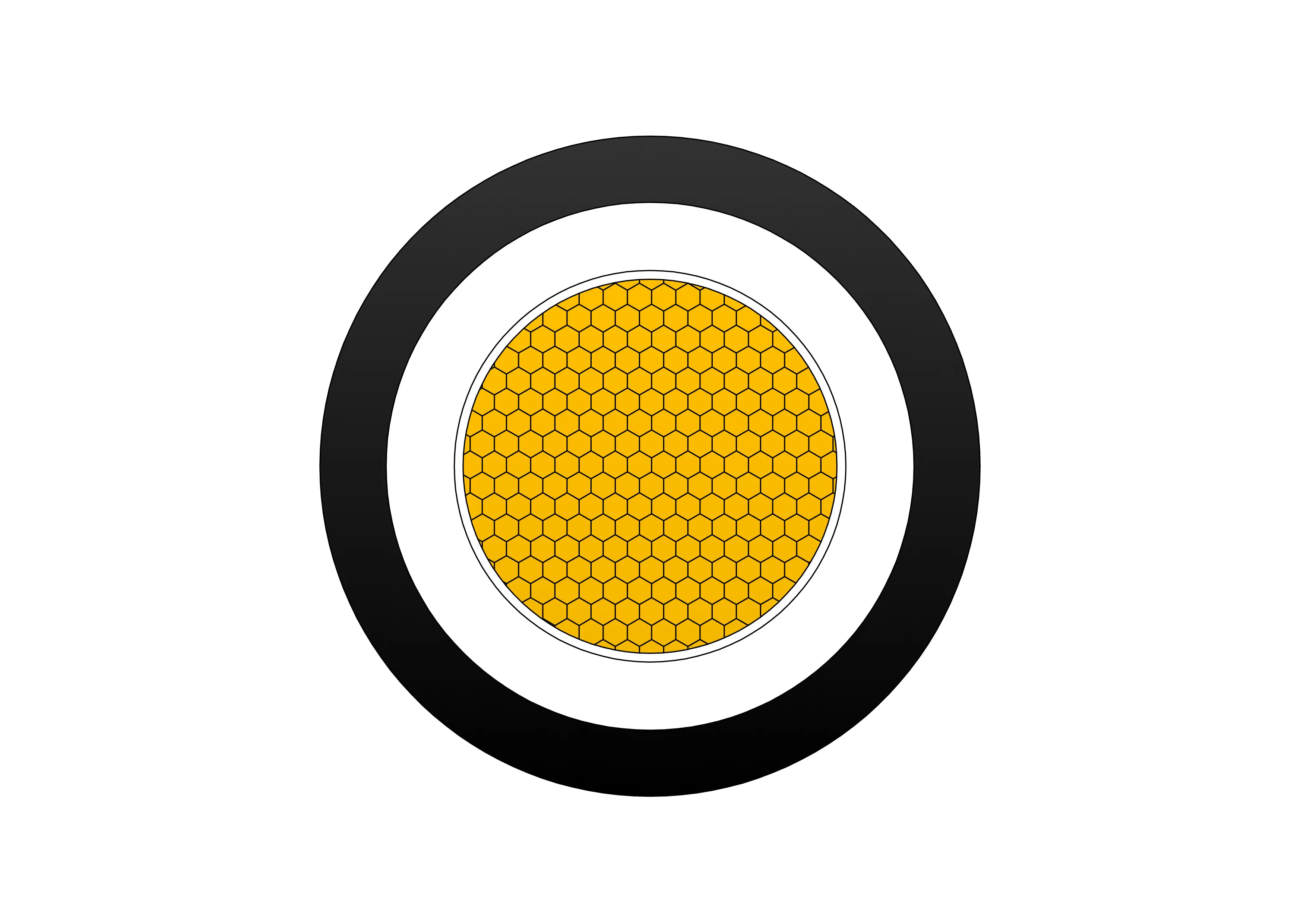
H01N2-D EN 50525-2-81 Welding Cable
The H01N2-D EN 50525-2-81 Welding Cable is an ultra-flexible, heavy-duty single-core cable specifically developed for professional welding applications. It features extremely fine-stranded class 5 copper conductors for maximum flexibility and high current-carrying capacity, heat-resistant rubber insulation and outer sheath providing excellent thermal stability (up to 85–90°C continuous, 200°C short-term), superior oil resistance, flame retardancy (IEC 60332-1), abrasion/tear resistance, and weatherproofing. Compliant with EN 50525-2-81 (HD 22.6 S2) standard and rated 100 V, it supports very tight bending radii, frequent reeling, and reliable performance even under intense mechanical stress and welding heat. The H01N2-D is the industry standard choice for electrode holders, earth returns, welding machines, and portable high-current connections in workshops, shipbuilding, construction, and industrial environments where extreme flexibility and durability are required.Welcome your inquiry
Honesty, Integrity, Frugality, Activeness and Passion