
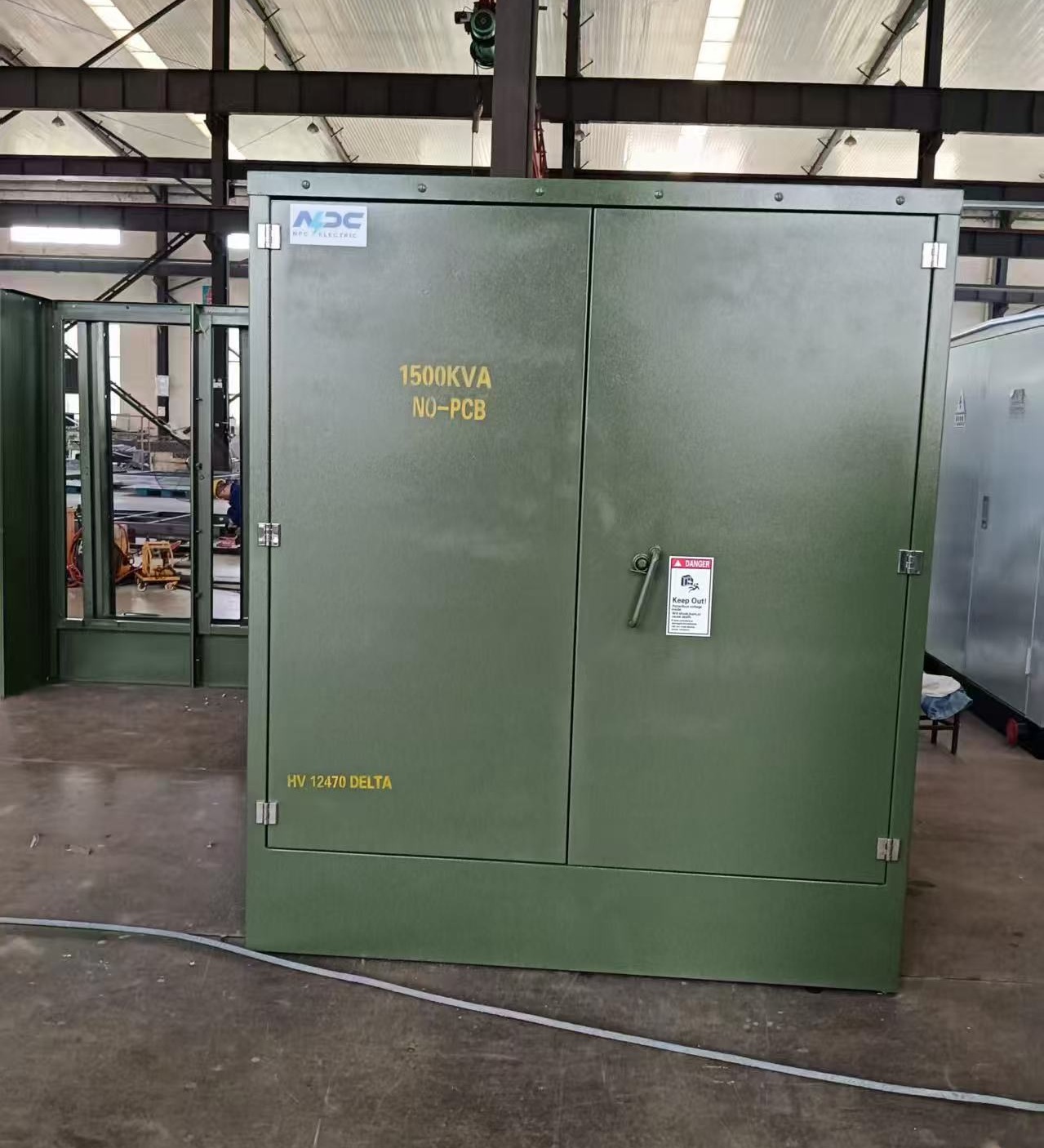
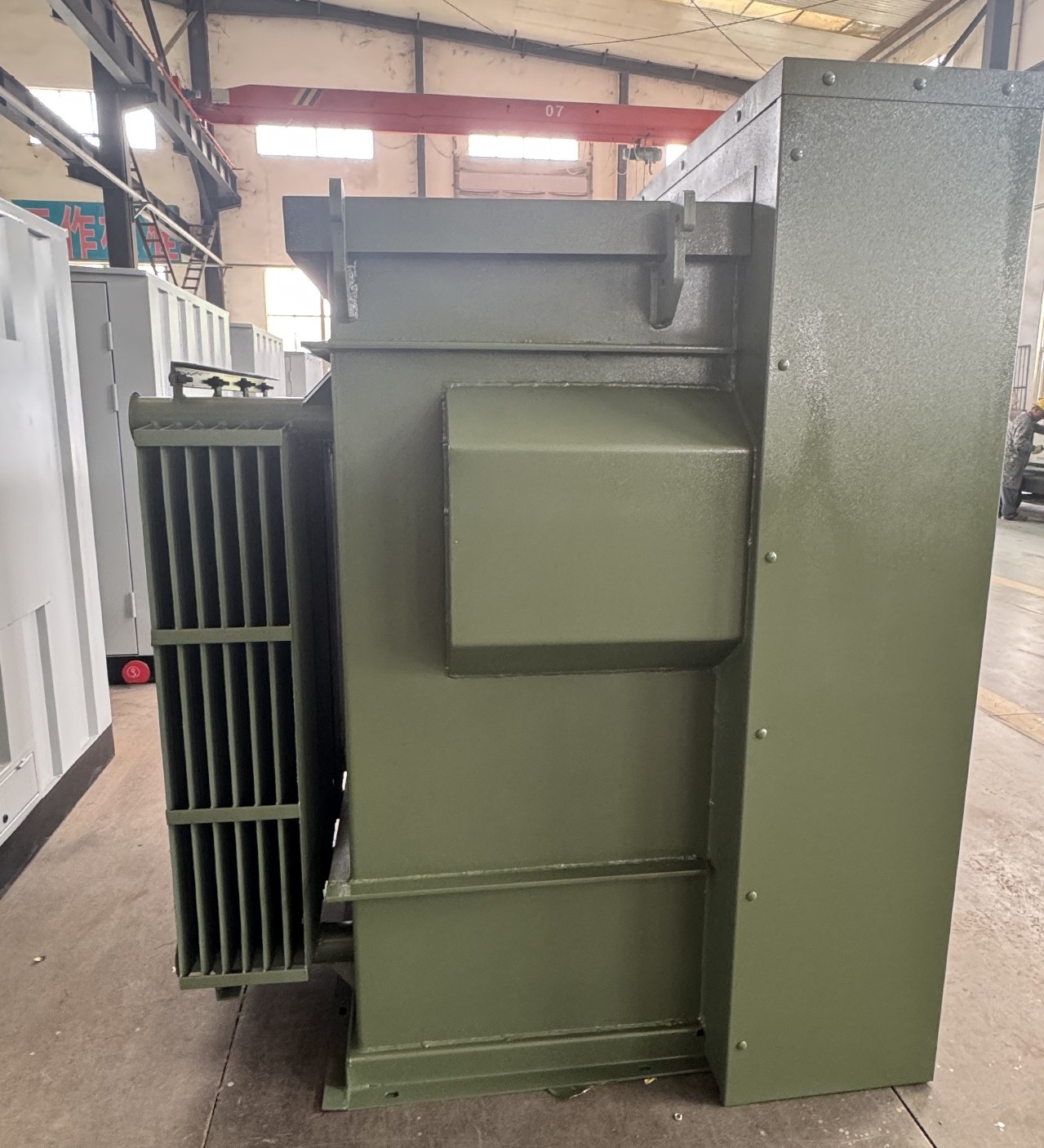
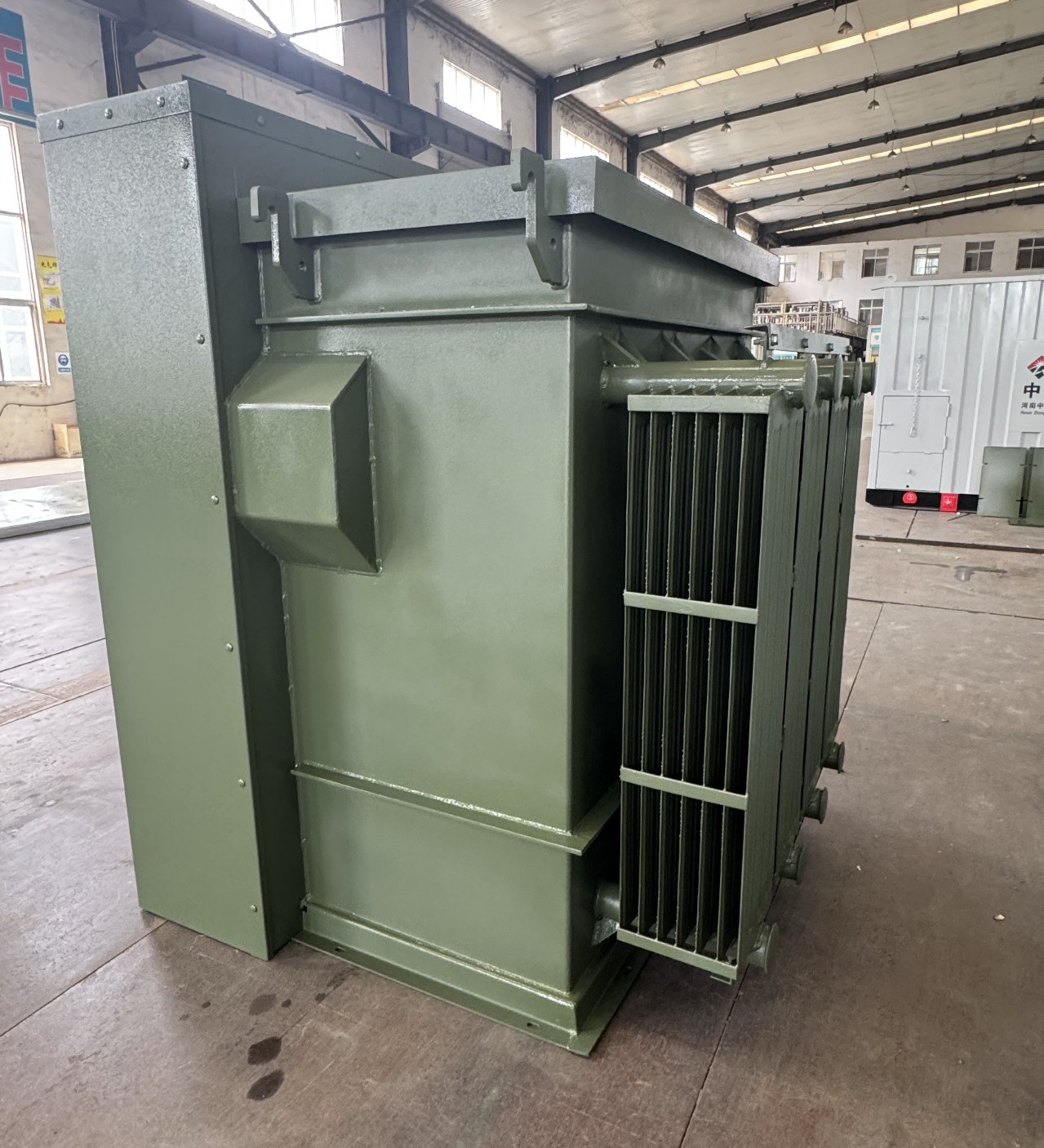


1500kVA Radial Feed Pad Mounted transformer DOE 2016
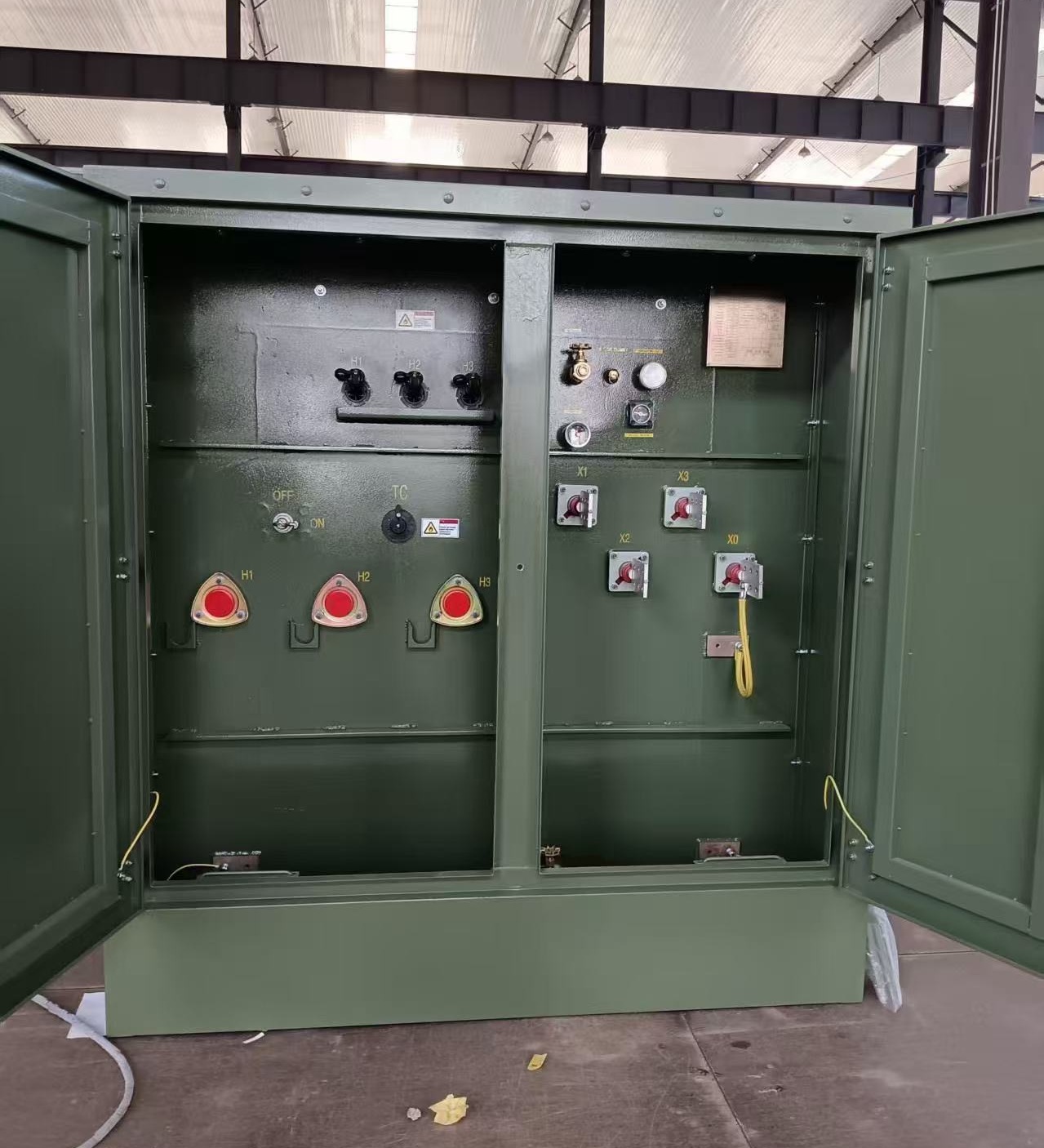
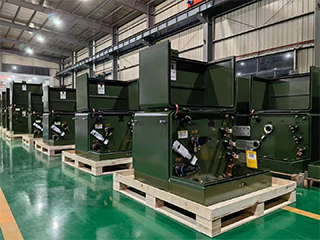
The 1500kVA Radial Feed Pad-Mounted Transformer is designed for reliable medium-voltage power distribution in utility, commercial, and renewable energy (solar) applications. Engineered to comply with IEEE C57.12.34, C57.12.24, C57.12.00, and DOE 2016 efficiency standards, this pad-mounted transformer is ideal for step-down applications from 12.47kV to 480/277V. Standard features include mineral oil or FR3 natural ester fluid (ONAN cooling), aluminum or copper windings, primary voltage 13.8kV (13800V Delta or 12470GrdY/7200 common), secondary 480Y/277V (or 208Y/120V, custom options), BIL 95kV HV / 30kV LV, impedance 5.75–7.0% (±7.5%), ±2×2.5% taps, radial-feed dead-front design with three high-voltage bushings (H1, H2, H3), bayonet fuses + partial-range current-limiting fuses, load-break switch (optional), lightning arresters, pressure relief valve, oil level/temperature gauges, and ANSI 70 gray (or Munsell green) finish.
- Primary Voltage Ratings 12470 V
- Secondary Voltage Ratings 480/277 V
- H.V. Tap Range ± 2×2.5% HV taps or others
- Type Radial Feed
- BIL 95/30 kV
- Standards IEEE C57.12.34/C57.12.24/C57.12.0
- Application Solar Project
- Power Rating 1500kVA
- Certificate UL
- Cooling Method ONAN
- Oil Mineral Oil
- Opeartion Step Down
Technical Specifications
Customization Optional
Packing and Shipping
Manufacturer Test
Routine Testing
Application
Technical Specifications
1500kVA Radial Feed Pad Mounted transformer DOE 2016
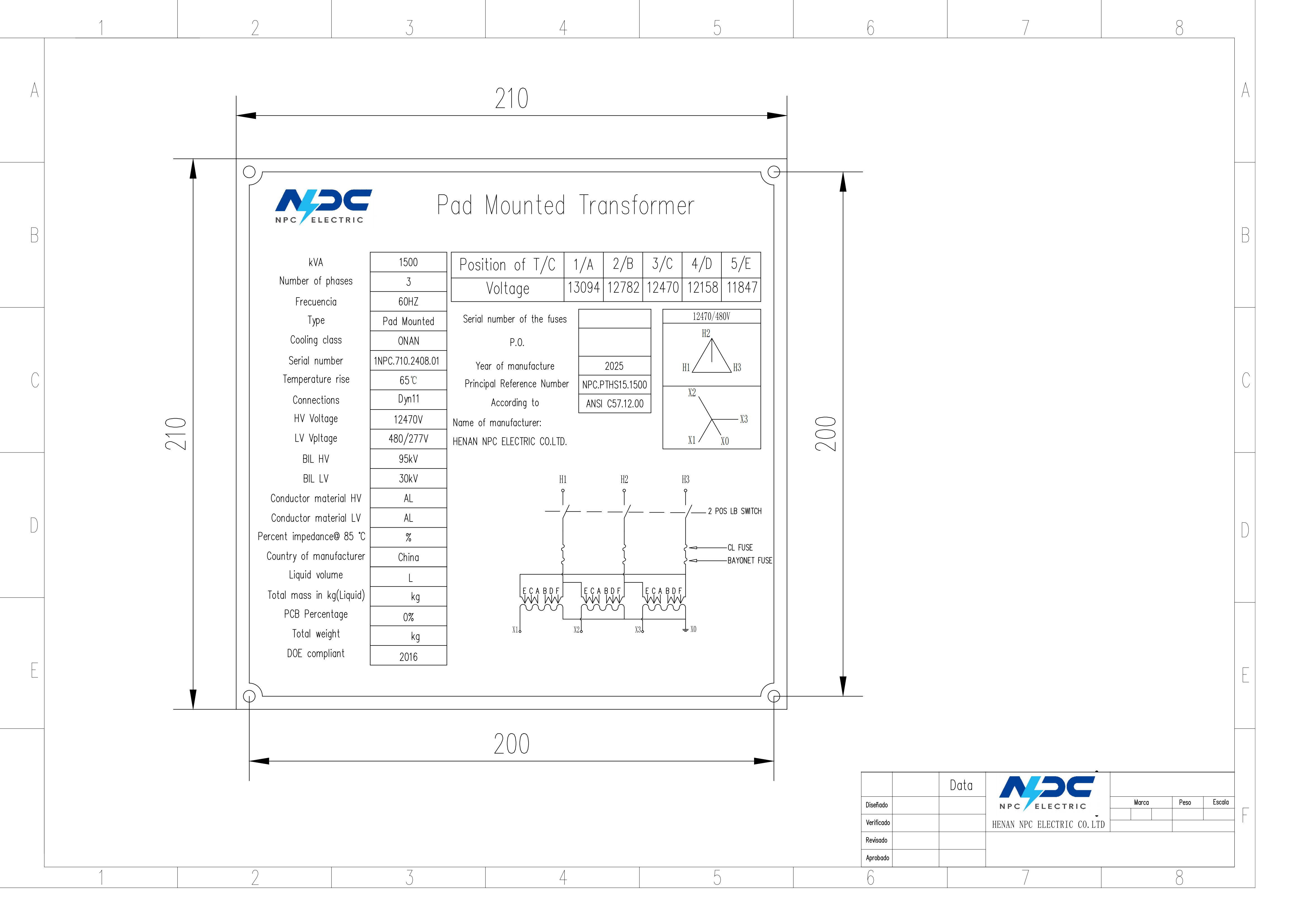
1500kVA Radial Feed Pad Mounted Transformer Nameplate
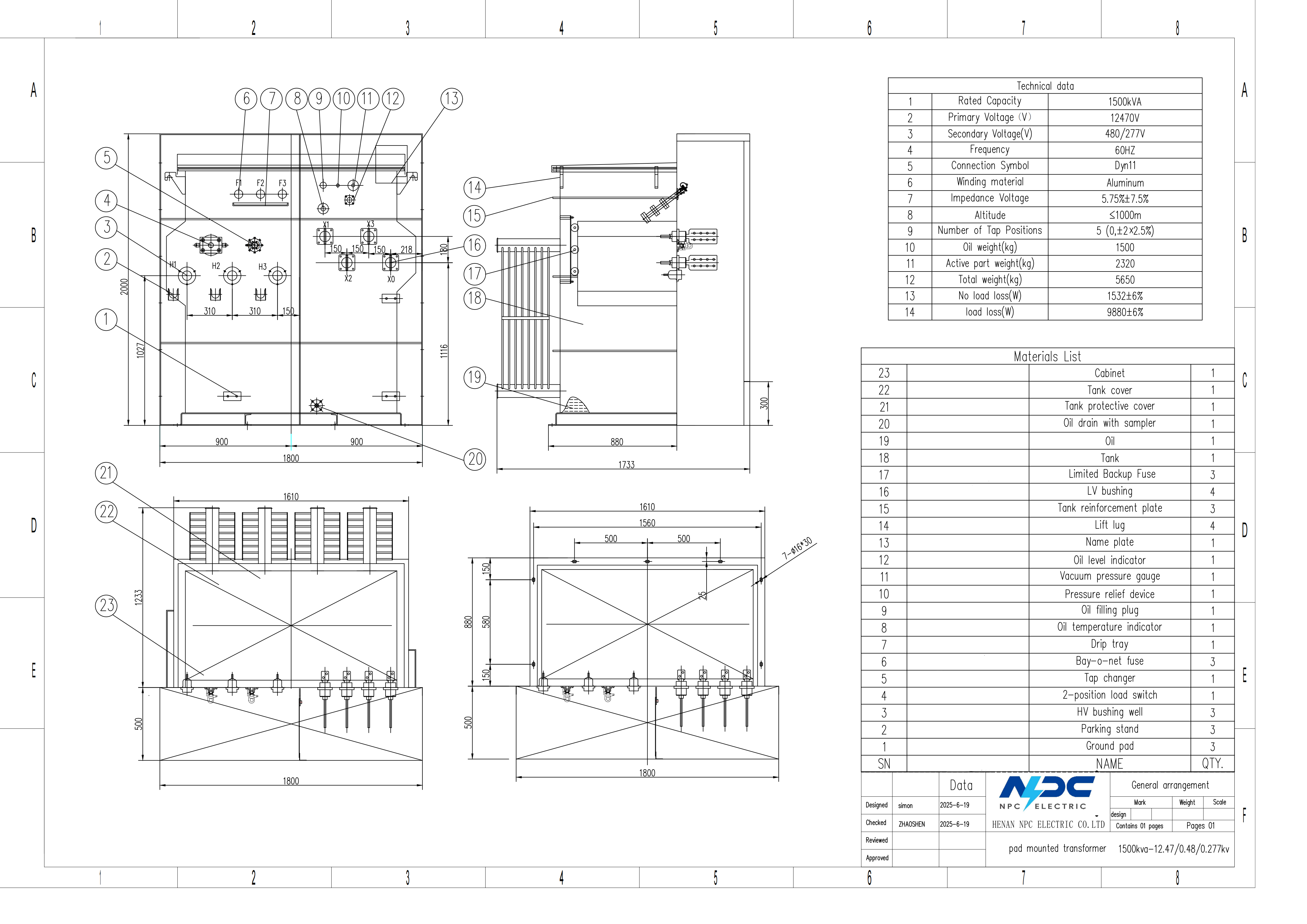
1500kVA Radial Feed Pad Mounted Transformer Outline Drawing
Technical Specifications
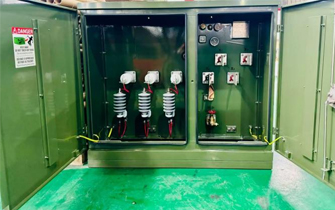
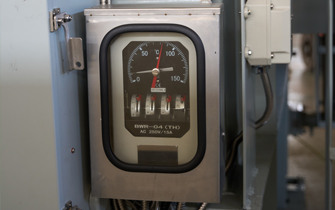
Accessories
| Rated Power | 1500 kVA |
| Rating Primary Voltage | 12470V Delta |
| Secondary Voltage | 480GrdY/277 |
| Frequency | 60Hz |
| Vector Group | Dyn11 |
| Winding Material | Aluminum |
| Efficiency | Doe 2016 |
| Impedance Voltage | 5.75% |
| Altitude | 1200 m |
| Color | Munsell 7GY3.29 |
| Tank material | Mild Steel |
| Insulating Oil Weight | 1500 kg |
| Total Weight | 5650 kg |
| Outline Dimensions(L×W×H)in. | 1733×1800×2000(mm) |
| Lifting Lug | ELSP Fuse |
| Hinged Door | BAY-O-NET Fuse |
| Parking Bracket | Tap Changer |
| Tank Cover | Oil Level Gauge |
| L.V Bushing (4-Hole ) | Pressure Relief Valve |
| Two/Four Position Load break Switch | Vacuum Pressure Gauge |
| HV Grounding Copper Bar | Terminal Block |
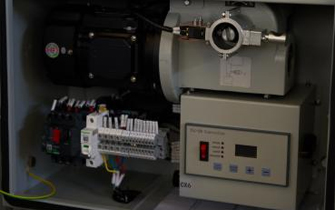
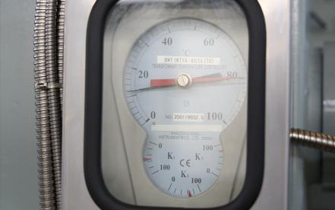
| Temperature Indicator | Door Handle |
| H.V Bushing Well(15kV) | Ground Strap |
| Grounding Copper Bar | Nameplate |
| 1"'Drain Valve With 3/8" Sampler | IR Window |
| 1" Upper Fill Valve Filter Press Connection | - |
| Non-PCB decal | - |
Customization Optional
1500kVA Radial Feed Pad Mounted transformer DOE 2016
NPC ELECTRIC’s transformers offer Three Phase Pad Mounted transformer a wide range of optional features to meet the diverse needs of electrical systems. The optional voltage range on the high-voltage side includes 12.47kV, 13.8kV, 24kV, 34.5kV, etc. The low-voltage side supports a variety of standard output voltages such as 480V, 600V, 4160V, etc. Users can also customize Delta or Wye wiring methods to match the on-site power grid system.
The transformer supports two cooling methods: ONAN (natural oil cooling) and ONAF (forced air cooling). Users can choose according to load continuity and ambient temperature requirements. For high temperature or continuous heavy load scenarios, it is recommended to select ONAF to improve cooling efficiency.
The high and low voltage sides support elbow joints (200A/600A), bolted connections and busbar interfaces. Withdrawable fuses and cable branch boxes are also available for easy installation and maintenance. All interfaces comply with ANSI/IEEE standards to ensure compatibility and reliability.
The transformer supports two cooling methods: ONAN (natural oil cooling) and ONAF (forced air cooling). Users can choose according to load continuity and ambient temperature requirements. For high temperature or continuous heavy load scenarios, it is recommended to select ONAF to improve cooling efficiency.
The high and low voltage sides support elbow joints (200A/600A), bolted connections and busbar interfaces. Withdrawable fuses and cable branch boxes are also available for easy installation and maintenance. All interfaces comply with ANSI/IEEE standards to ensure compatibility and reliability.
The transformer can be equipped with protection devices such as pressure relief valve, oil level gauge, thermostat and gas relay. The intelligent monitoring module can upload operating data such as temperature, load and voltage in real time. It can also be equipped with SCADA communication interface for remote centralized management.
The standard housing is made of hot-dip galvanized steel, and stainless steel can also be used to adapt to humid or corrosive environments. The protection level is NEMA 3R by default, and customers can upgrade to NEMA 4 or IP54 protection levels. The surface color of the housing can also be customized according to customer requirements.
With these flexible options, we ensure that our transformers can be customized for specific applications, environments, and safety standards, offering long-term reliability and performance.
The standard housing is made of hot-dip galvanized steel, and stainless steel can also be used to adapt to humid or corrosive environments. The protection level is NEMA 3R by default, and customers can upgrade to NEMA 4 or IP54 protection levels. The surface color of the housing can also be customized according to customer requirements.
With these flexible options, we ensure that our transformers can be customized for specific applications, environments, and safety standards, offering long-term reliability and performance.
Packing and Shipping
1500kVA Radial Feed Pad Mounted transformer DOE 2016
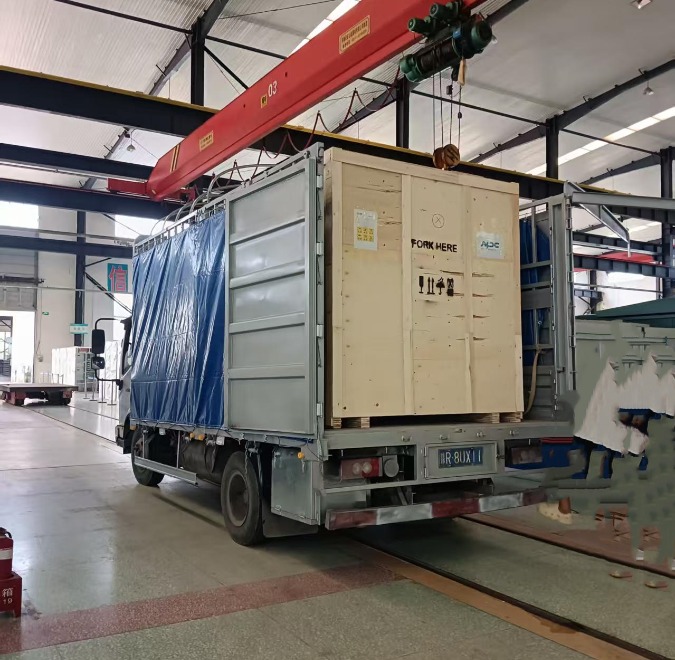
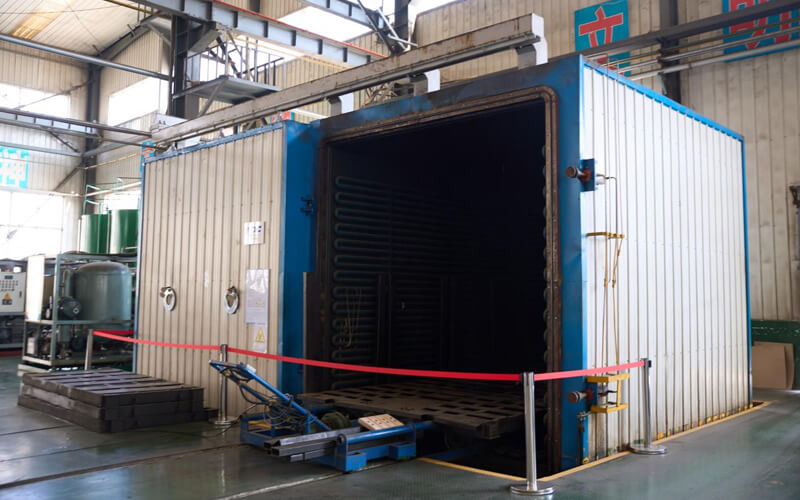
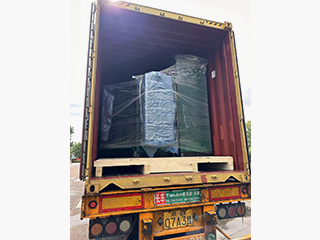
The 1500kVA radial feed pad mounted transformer is meticulously prepared for safe global shipment. The core-coil assembly is vacuum-dried and oil-impregnated under controlled conditions before tank sealing to preserve dielectric integrity. Bushings, arresters, fuses, gauges, and accessories are factory-mounted where feasible or crated separately with protective padding.
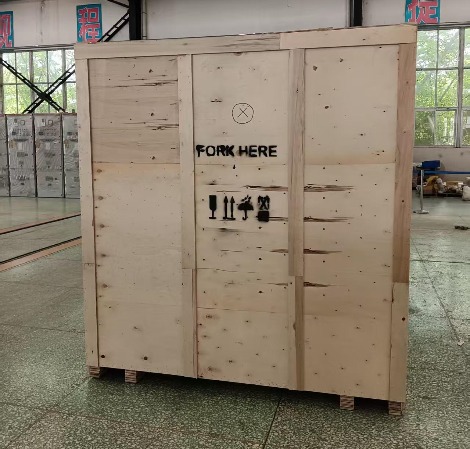
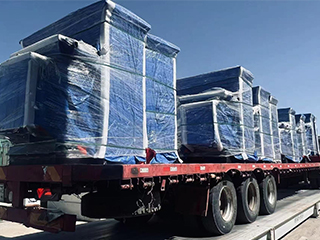
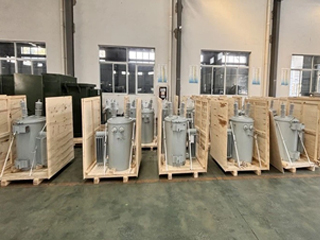
The unit is secured on a reinforced wooden pallet or skid base for forklift/crane handling, wrapped in volatile corrosion inhibitor (VCI) paper, heavy polyethylene sheeting, and fastened with steel banding. Desiccant bags control humidity. Oil ships fully filled with nitrogen blanketing for positive pressure or partially filled with separate sealed drums to meet hazmat rules and reduce weight (typical filled weight 8000–11000 kg / 17600–24200 lbs).
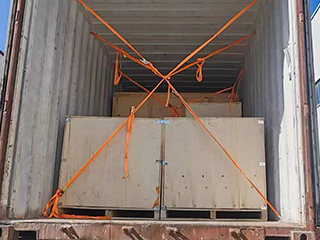
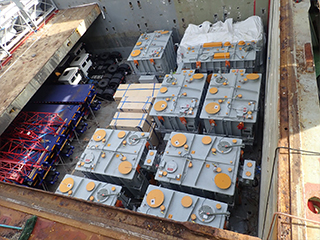
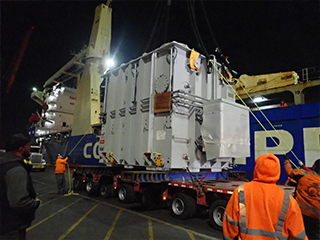
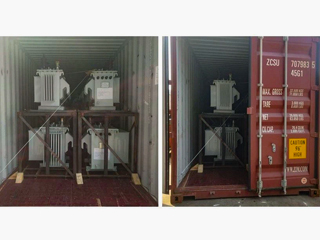
Export crating complies with ISPM-15 heat-treated lumber standards, reinforced with steel strapping, corner protectors, and clear markings for weight, center of gravity, lift points (tank lugs), dimensions (approx. 3.6–4.2m L × 3.3–3.7m W × 3.4–4.0m H), and handling instructions ("High Voltage Equipment – Handle with Care"). Tamper-evident seals secure access; weatherproof covers protect HV/LV bushings and compartments. Domestic transport uses flatbed/lowboy trailers with secure blocking/strapping; oversize permits arranged if needed. International shipments (including to Honduras or Latin America) feature 40ft open-top containers or flat-rack loading, with professional lashing using chains, binders, and timber dunnage for sea/road stability. Real-time GPS tracking and full-value cargo insurance provide protection.
Delivery includes handling/installation instructions: safe lifting via tank lugs, foundation alignment, oil level check/top-off (if partial), grounding, bushing connections, and initial energization procedures. Customs documentation (commercial invoice, packing list, certificate of origin, test reports, efficiency certifications) expedites clearance. Optional origin witness inspections or third-party surveys available. Logistics team coordinates for minimal delays, full regulatory compliance, and transformer arrival in optimal condition for quick installation.
The unit is secured on a reinforced wooden pallet or skid base for forklift/crane handling, wrapped in volatile corrosion inhibitor (VCI) paper, heavy polyethylene sheeting, and fastened with steel banding. Desiccant bags control humidity. Oil ships fully filled with nitrogen blanketing for positive pressure or partially filled with separate sealed drums to meet hazmat rules and reduce weight (typical filled weight 8000–11000 kg / 17600–24200 lbs).
Export crating complies with ISPM-15 heat-treated lumber standards, reinforced with steel strapping, corner protectors, and clear markings for weight, center of gravity, lift points (tank lugs), dimensions (approx. 3.6–4.2m L × 3.3–3.7m W × 3.4–4.0m H), and handling instructions ("High Voltage Equipment – Handle with Care"). Tamper-evident seals secure access; weatherproof covers protect HV/LV bushings and compartments. Domestic transport uses flatbed/lowboy trailers with secure blocking/strapping; oversize permits arranged if needed. International shipments (including to Honduras or Latin America) feature 40ft open-top containers or flat-rack loading, with professional lashing using chains, binders, and timber dunnage for sea/road stability. Real-time GPS tracking and full-value cargo insurance provide protection.
Delivery includes handling/installation instructions: safe lifting via tank lugs, foundation alignment, oil level check/top-off (if partial), grounding, bushing connections, and initial energization procedures. Customs documentation (commercial invoice, packing list, certificate of origin, test reports, efficiency certifications) expedites clearance. Optional origin witness inspections or third-party surveys available. Logistics team coordinates for minimal delays, full regulatory compliance, and transformer arrival in optimal condition for quick installation.
32
32 years of industry experience
Manufacturer Test
1500kVA Radial Feed Pad Mounted transformer DOE 2016
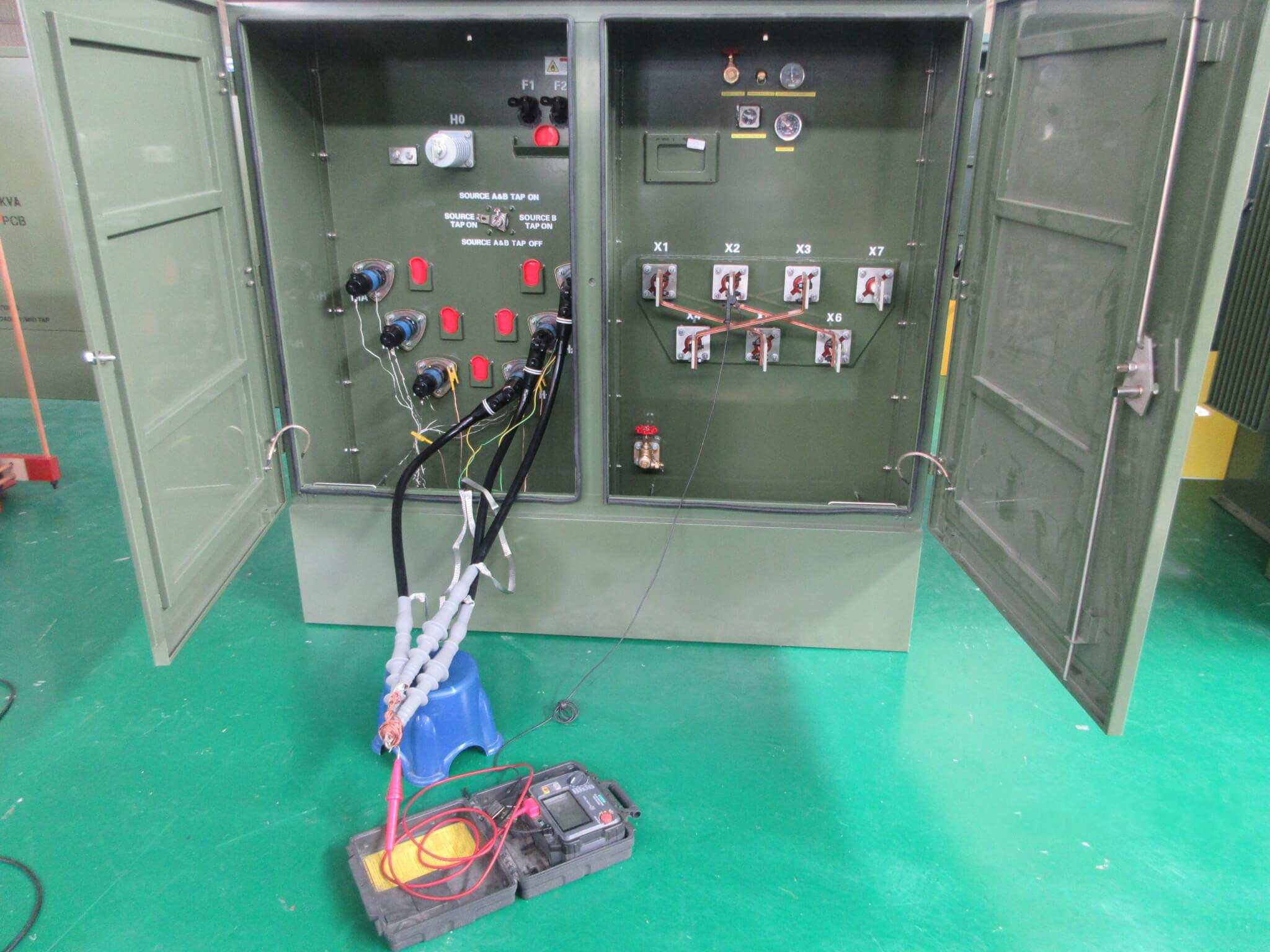
Progress test
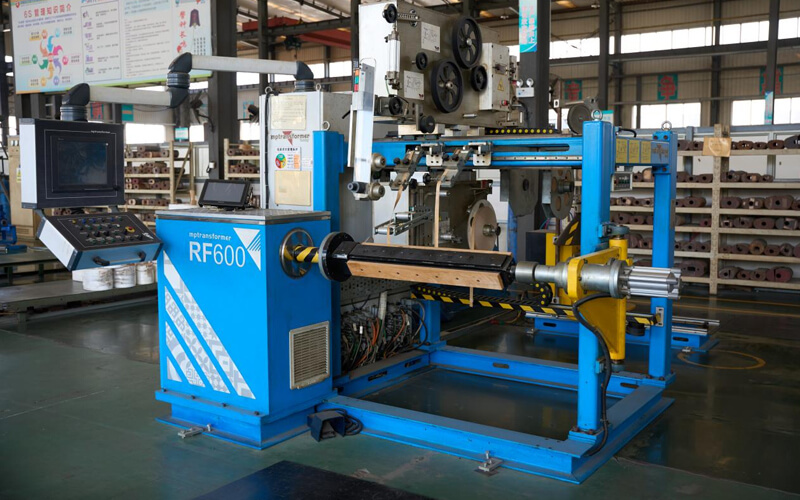
Progress tests for the 1500kVA radial feed pad mounted transformer are conducted at critical manufacturing stages to ensure material quality, dimensional accuracy, and electrical performance early. Core lamination stacking is inspected for precise alignment, clamp torque, and inter-lamination insulation to achieve low no-load losses and minimal hum. Winding checks confirm turn counts via automated systems, conductor tension uniformity, insulation layering, and transposition for balanced impedance/thermal profile. Post-core-coil assembly, preliminary resistance, turns ratio, polarity, and inductance tests validate symmetry, correct phasing, and defect-free windings. Enclosure progress includes weld nondestructive testing, dimensional conformance, and surface preparation for coating adhesion. Ventilation/encapsulation assesses flow consistency or potting quality.These sequential validations enable prompt corrections, aligning with DOE 2016 efficiency goals, impedance specs, and insulation class standards.
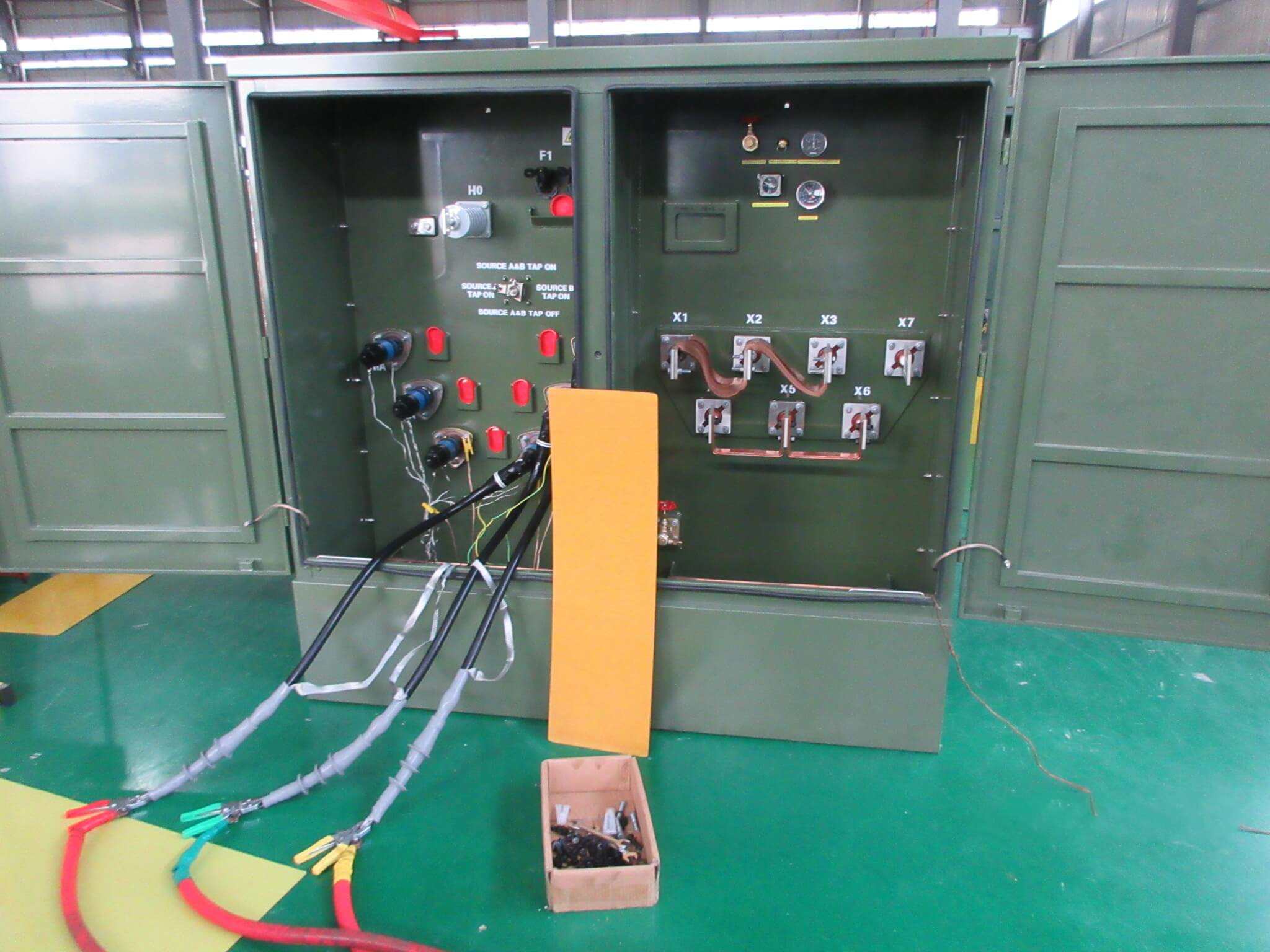
Design Tests
All transformers will be tested after finishing the production, test items as follows:
♦ Insulation Power Factor
♦ Ratio, Polarity, and Phase Relation
♦ Winding Resistance
♦ Impulse Tests
♦ On load Loss Test
♦ No Load Loss Test
♦ Leak Test
♦ DC Insulation Resistance Test
♦ Applied Voltage
♦ Induced Voltage
♦ Lightning Impulse
♦ Insulation Resistance (Rated Voltage)
♦ Temperature Rise
♦ Dielectric Withstand (Hipot)

Transformer Factory Acceptance Test
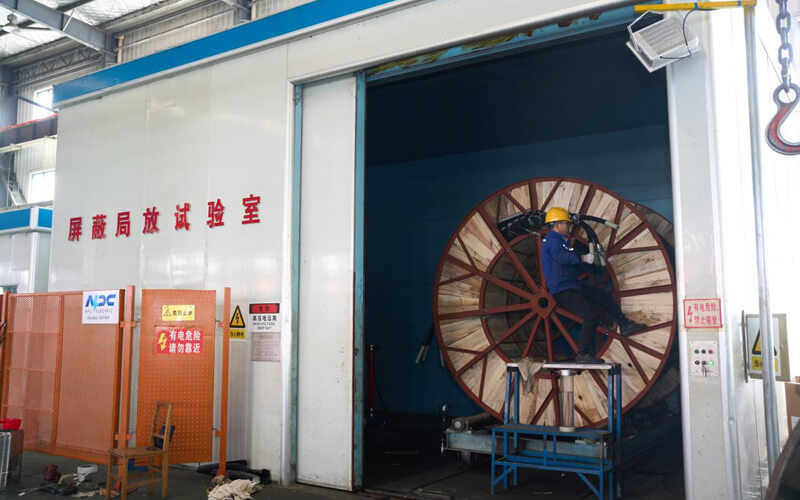
The factory acceptance test (FAT) of the 1500kVA Radial Feed Pad Mounted transformer DOE 2016 is a series of tests conducted before the transformer leaves the factory to ensure that the product meets the design and quality requirements. Factory acceptance tests (FAT) for the 1500kVA radial feed pad mounted transformer adhere to IEEE C57.12.01, C57.12.90, and DOE protocols to confirm performance pre-shipment. Routine visual/mechanical inspections examine enclosure finish, welds, nameplate data, connections, taps, and grounding. Winding resistance across taps at temperature-corrected values verifies uniformity and design match. Turns ratio (TTR) on all positions ensures accuracy within 0.5% and proper vector group. Polarity checks align with specifications. Insulation resistance (megger at 1000–2500V) assesses winding-to-winding/ground for high megohm integrity. Applied potential withstand applies one-minute power-frequency voltage per class without breakdown/corona.
Routine Test - Winding Resistance
Purpose of Testing
The purpose of winding resistance testing is to detect the continuity and connection quality of the internal conductors of the motor or transformer windings, and to promptly detect potential faults such as open circuits, poor contact or local heating.
Testing Equipment
Winding resistance tester (e.g. OMICRON, DV Power, Raytech, Megger, ISA, etc.)
Test voltage source (commonly used are 6V, 10V, 20V, 40V or 100V, depending on the equipment model or customer requirements)
Temperature and humidity meter (used to record the ambient temperature and humidity during the test)
Test voltage source (commonly used are 6V, 10V, 20V, 40V or 100V, depending on the equipment model or customer requirements)
Temperature and humidity meter (used to record the ambient temperature and humidity during the test)
Pre-Test Preparation
Check if the instrument has been calibrated to ensure the test accuracy.
Disconnect the electrical connection between the test cable and the equipment to ensure that there is no external current or voltage interference.
Select a suitable voltage range for testing and set the test voltage according to the equipment requirements.
Disconnect the electrical connection between the test cable and the equipment to ensure that there is no external current or voltage interference.
Select a suitable voltage range for testing and set the test voltage according to the equipment requirements.
Test Progress
Connect the Test Instrument:
Connect the test equipment to the winding terminals of the device under test, making sure the connections are secure and properly grounded to avoid measurement errors.
Apply Test Voltage:
Select the appropriate test current according to the equipment specifications (such as test current for low-voltage windings, single-phase or three-phase windings).
Connect the test equipment to the winding terminals of the device under test, making sure the connections are secure and properly grounded to avoid measurement errors.
Apply Test Voltage:
Select the appropriate test current according to the equipment specifications (such as test current for low-voltage windings, single-phase or three-phase windings).
Measure and Record
Start the test and record the following parameters:
Winding resistance (usually expressed in units of "Ω")
Test current (A)
Test voltage (V)
Temperature (record the winding temperature before and after the test)
Winding resistance (usually expressed in units of "Ω")
Test current (A)
Test voltage (V)
Temperature (record the winding temperature before and after the test)
Temperature Correction
The measured winding resistance values are converted to a reference temperature (usually 20°C) based on a temperature correction formula to allow accurate evaluation and comparison.
Repeat Testing (if necessary)
Test the different windings (high voltage, medium voltage, low voltage) separately and make sure to record the resistance value of each winding.
Evaluation Criteria (Reference)
Resistance deviation is less than 5% (normal)
Resistance deviation is between 5% and 10% (warning)
Resistance deviation exceeds 10% (further inspection or corrective action is required)
Resistance deviation is between 5% and 10% (warning)
Resistance deviation exceeds 10% (further inspection or corrective action is required)
*These comprehensive tests ensure that each transformer meets performance standards and operates
reliably under various conditions.
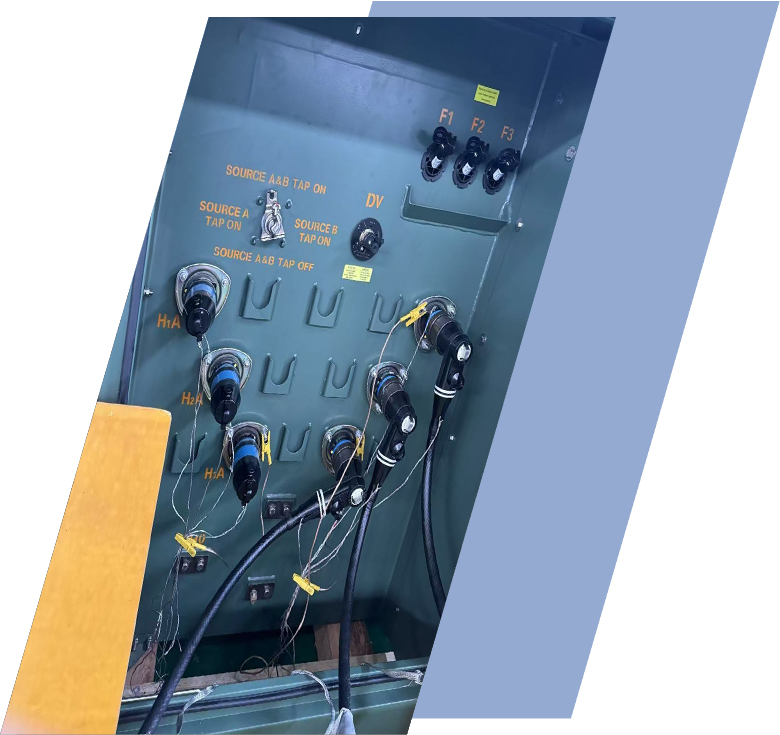
Application
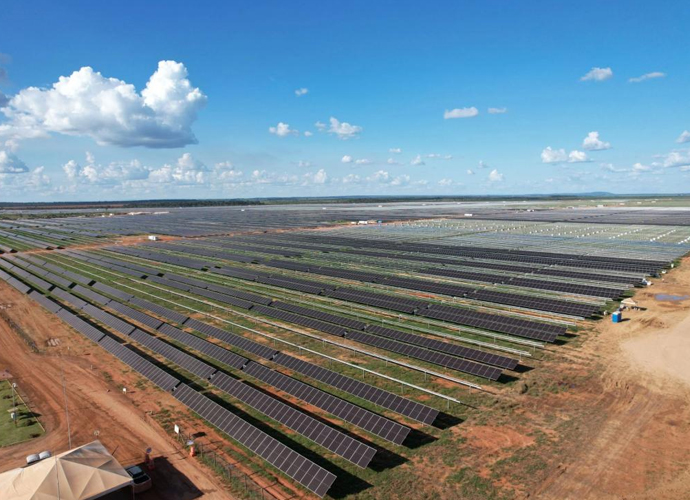
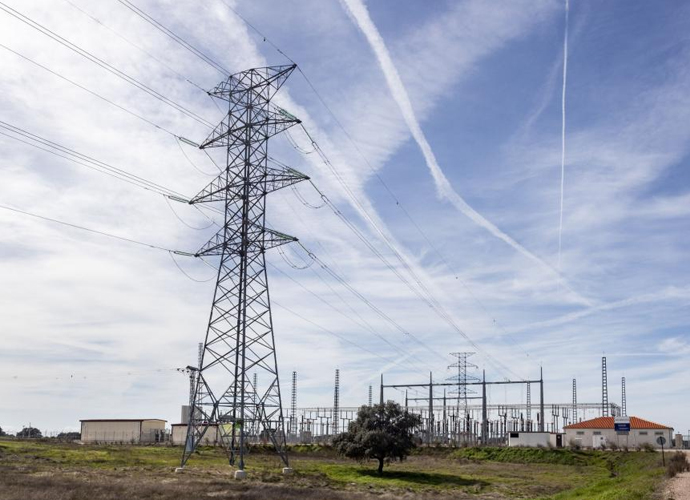
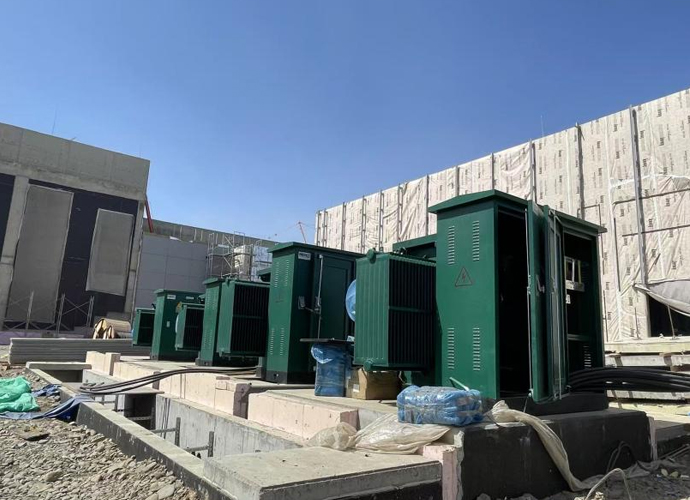
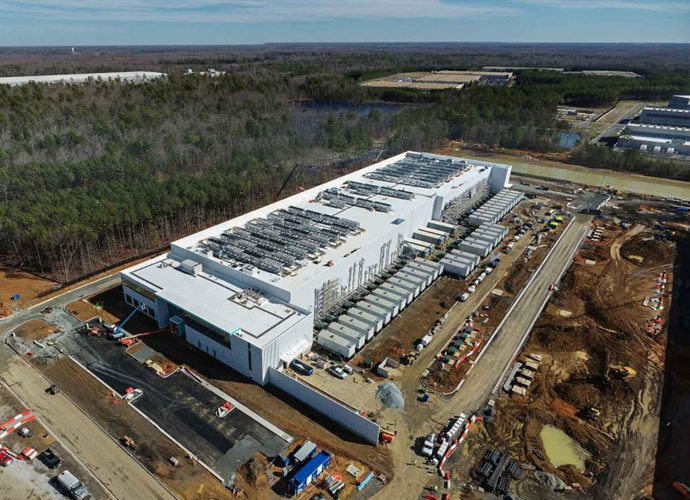
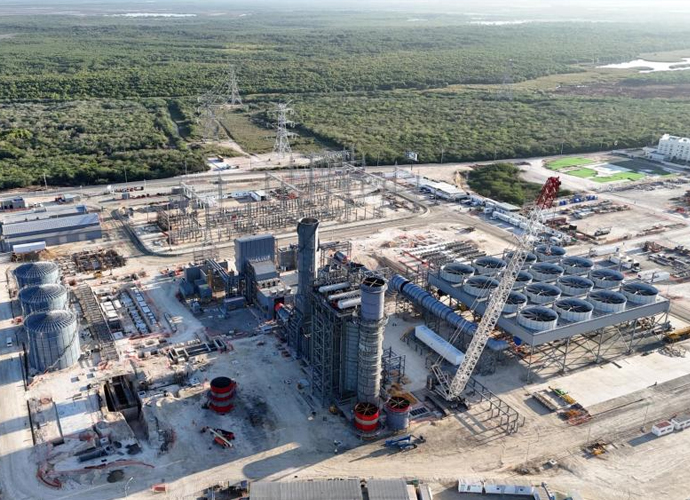
Ideal for large commercial buildings, office towers, retail malls, hospitals, schools, and medium-to-heavy manufacturing facilities requiring reliable step-down from medium-voltage utility feed to 480V or 208V. Also suits suburban/urban distribution networks with underground or overhead feeds, delivering safe, low-maintenance power in high-traffic or high-load locations.


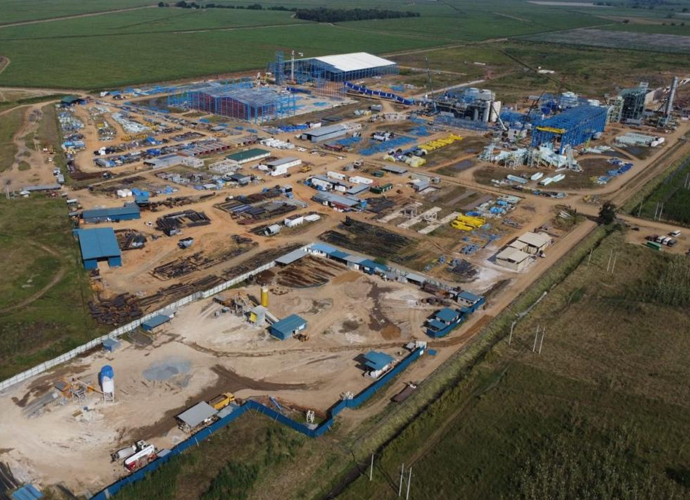
Technical Advantages
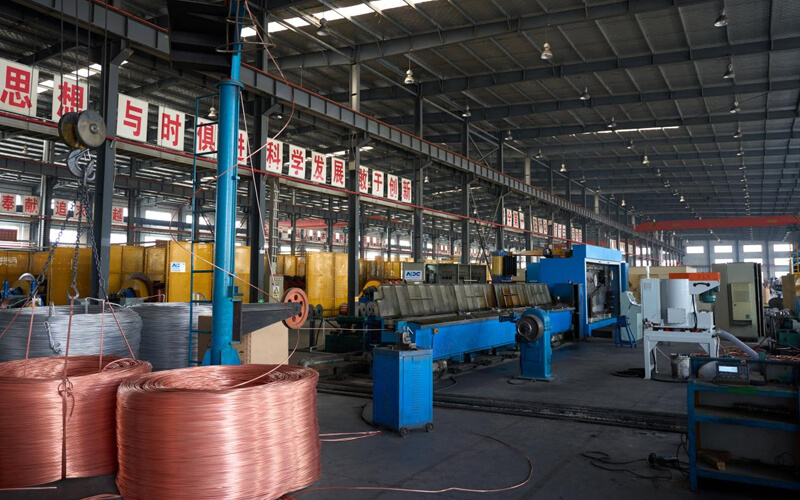
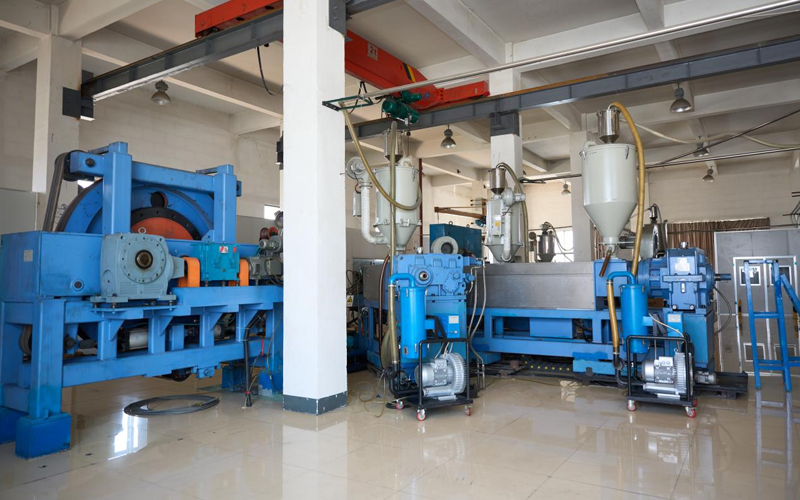
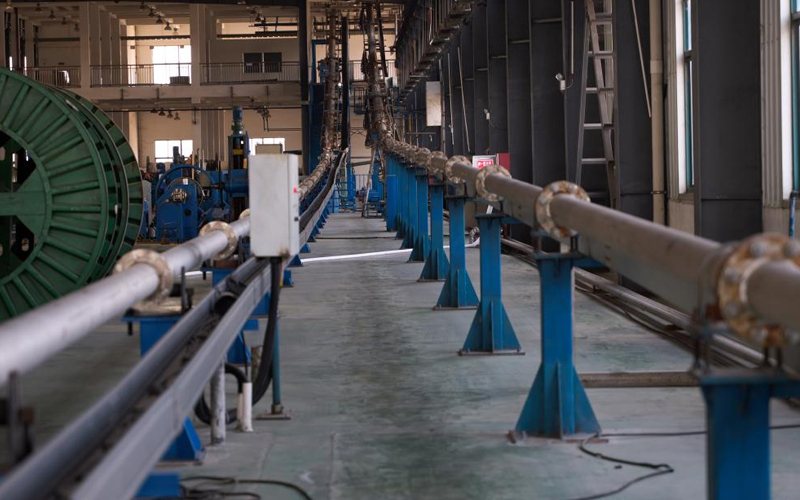
● 30+ years of manufacturing experience
● ISO and UL certified production
● Customized cable and transformer solutions
Product Packaging
Transformers Packaging (1)
Transformers Packaging (2)
Transformers Packaging (3)
Transformers Packaging (4)
Transformers Packaging (5)
Transformers Packaging (6)
Transformers Packaging (7)
Transformers Packaging (8)
Related Products
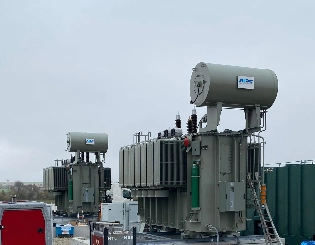
100kV 200kVA 250kVA 315kVA Three-Phase Oil-Immersed Substation Power Transformer
This 100kV three-phase oil-immersed substation power transformer is engineered for stable voltage transformation across 200kVA, 250kVA, and 315kVA capacity ranges. Designed for medium to high-voltage distribution networks, it delivers exceptional reliability, thermal endurance, and operational efficiency in substations, industrial plants, and utility distribution grids. The transformer utilizes high-grade insulation, precision-wound copper conductors, and robust core materials to ensure low losses, long service life, and consistent performance under demanding electrical and environmental conditions. Its sealed oil-immersed structure enhances insulation strength and optimizes heat dissipation for safe and continuous operation.
300 kV 31.5MVA 40 MVA High Voltage Power Transformer
Unlock superior grid performance with the state-of-the-art 300 kV 31.5/40 MVA high voltage electrical power transformer, tailored for efficient voltage conversion in expansive transmission networks. This robust, three-phase design operates with ONAN cooling at 31.5 MVA and escalates to ONAF at 40 MVA, incorporating cutting-edge biodegradable ester insulation fluids for enhanced fire safety and environmental sustainability as per 2025 regulations. Built with high-grade grain-oriented silicon steel cores to achieve efficiency rates exceeding 98%, it reduces no-load losses and supports seamless integration with HVDC systems and renewable energy hubs. Advanced features include IoT-enabled Sensformer-like monitoring for real-time diagnostics, predictive analytics to prevent downtime, and compliance with updated IEC 60076-2025 and IEEE C57.12.00 standards for superior dielectric strength and thermal resilience. Ideal for harsh operational settings, its modular construction allows for quick field repairs, while anti-vibration mountings ensure low noise levels under 55 dB, making it perfect for proximity to populated areas.
50kV 1000kVA Outdoor Three-Phase Oil-Immersed Power Transformer for Distribution
The 50kV 1000kVA Outdoor Three-Phase Oil-Immersed Power Transformer for Distribution is engineered to deliver high efficiency, stable voltage regulation, and long-term service reliability in medium-voltage distribution networks. Designed for outdoor installation, the transformer features a robust oil-immersed cooling system, high-grade silicon steel core, and pure copper windings to ensure excellent thermal performance and low-loss characteristics. Its rugged, weatherproof construction withstands harsh climates, ensuring continuous operation in industrial plants, utility grids, mining sites, and renewable energy distribution stations. With optimized insulation, superior dielectric strength, and advanced protection configurations, the transformer offers enhanced safety and reduced maintenance. This unit is ideal for step-down power distribution scenarios requiring consistent performance and dependable energy delivery.
5kVA Completely self-protected(CSP) Single Phase Pole Mounted Transformer
NPC ELECTRIC the production of the 5kVA Completely self-protected(CSP) Single Phase pole Mounted transformer is designed for reliable and efficient distribution of electrical power in residential and light commercial applications. Built to withstand harsh outdoor conditions, this transformer is equipped with a self-protection system that eliminates the need for external protection devices, offering enhanced safety and durability. The CSP feature ensures that the transformer can handle internal faults such as short circuits or overloads without causing damage to the system. This compact, oil-immersed transformer is easy to install on poles, making it ideal for overhead distribution in areas with limited space. It is designed to meet international standards, including ANSI, IEEE, and CSA, ensuring high-quality performance and long-lasting operation. The 5kVA CSP transformer is energy-efficient, providing stable voltage regulation and minimizing maintenance requirements, making it an excellent choice for both utility and commercial applications.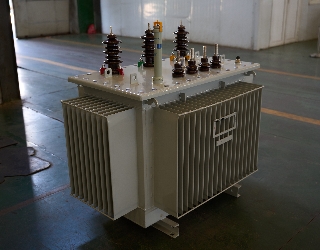
400kVA Oil Immersed Transformer
The 400kVA Oil Immersed Transformer produced by our company adopts a new insulation structure to improve the short-circuit resistance; the iron core is made of high-quality cold-rolled silicon steel sheet; the high-voltage winding is made of high-quality oxygen-free copper wire and adopts a multi-layer cylindrical structure; all fasteners are treated with special anti-loosening treatment. ONAN cooling, aluminum or copper windings, high-voltage 34.5kV / 24.94kV / 13.8kV / 12.47kV / 4.16kV (delta or wye), low-voltage 480Y/277V, 208Y/120V, 600Y/347V or custom, ±2×2.5% HV taps.
160kVA Oil Immersed Transformer
The 160kVA Oil-Immersed Transformer is characterized by its high efficiency and low loss, significantly reducing power consumption and operational costs. This transformer offers notable social benefits and is a high-tech product actively promoted by the government. Produced by a leading Chinese manufacturer, the NPC ELECTRIC 160kVA Oil-Immersed Transformer represents a pinnacle of electrical engineering, designed to meet the stringent demands of contemporary power distribution systems. These transformers are crafted with precision and incorporate cutting-edge technology, renowned for their exceptional durability, efficiency, and reliability.FAQ From Customers
-
What is a Transformer?A transformer is an electrical device used to change the voltage of alternating current (AC). It works on the principle of electromagnetic induction, converting high-voltage current into low-voltage current or low-voltage current into high-voltage current. Transformers are widely used in power transmission, distribution systems, and various electronic devices.
-
What are the main uses of a transformer?The main use of a transformer is voltage conversion. Transformers are used in power transmission systems to help transfer electricity from power plants to consumers. In addition, transformers are also used in electronic devices such as chargers, televisions, power adapters, etc., to adjust the voltage to meet the requirements of different devices.
-
Do you have UL listed?Yes, our transformer has UL listed. We have exported to America many pad mounted transformer,substation transformer and HV.
Welcome your inquiry
Honesty, Integrity, Frugality, Activeness and Passion