
Rectifier Transformer vs. Standard Transformer: Key Differences and Design Considerations
2026-03-06
Transformers are foundational components in modern electrical systems, enabling efficient voltage conversion, power transmission, and equipment protection. Among the many types of transformers, two commonly compared but fundamentally different devices are the rectifier transformer and the standard (power) transformer. While both operate on electromagnetic induction principles, their design objectives, electrical behavior, and real-world applications differ significantly.
1. What Is a Standard Transformer?
A standard transformer, often referred to as a power transformer, is designed to transfer alternating current (AC voltage) between circuits at different voltage levels without changing frequency.
Core Characteristics
- Operates exclusively with alternating current (AC)
- Used to step up or step down high voltage
- No conversion to DC voltage
- High efficiency under sinusoidal load conditions
- Widely used in transmission lines, substations, and distribution networks
Typical Applications
- Power generation and transmission
- Distribution substations
- Industrial electrical systems
- Renewable energy grid interconnection
In these systems, the transformer’s role is voltage adaptation, not rectification.
2. What Is a Rectifier Transformer?
A rectifier transformer is a specialized transformer designed to work with rectifier circuits to convert AC voltage into DC voltage. It is an essential component in systems that require a DC supply at medium or high power levels.
Core Characteristics
- Feeds transformer rectifier systems
- Supplies power to rectifier circuits
- Designed for non-sinusoidal currents
- Supports DC output after rectification
- Engineered to withstand high harmonic content
Rectifier transformers are commonly referred to as transformer rectifier units (TRUs) in industrial practice.
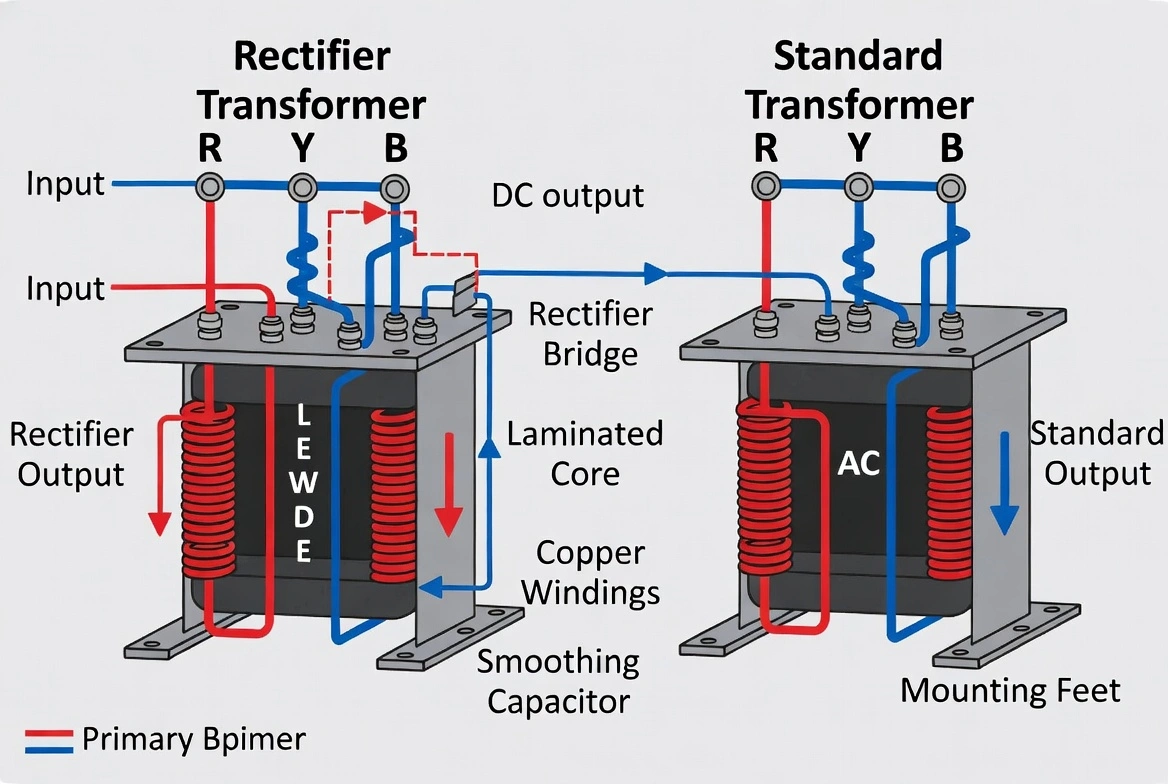
3. Key Electrical Differences: AC vs DC Behavior
|
Parameter |
Standard Transformer |
Rectifier Transformer |
|
Input |
Alternating current (AC) |
Alternating current (AC) |
|
Output |
AC voltage |
DC voltage (after rectifier) |
|
Current waveform |
Sinusoidal |
Highly distorted |
|
DC power support |
No |
Yes |
|
Secondary windings |
Single or multiple |
Phase-shifted, multiple |
|
Harmonics handling |
Limited |
Designed for high harmonics |
This distinction is critical when designing DC power systems for industrial use.
4. Secondary Windings and Output Voltage Design
Standard Transformer
- Typically features single secondary windings
- Output voltage remains AC
- Designed for linear electrical loads
Rectifier Transformer
- Often includes multiple secondary windings
- Phase-shifted configurations (e.g., 12-pulse, 24-pulse)
- Optimized to reduce harmonic distortion
- Provides a stable DC output voltage after rectification
The secondary windings of rectifier transformers are specifically engineered to support rectifier circuits efficiently.
5. Design Considerations for Rectifier Transformers
From a practical engineering standpoint, rectifier transformer design must address challenges not present in standard transformers:
Harmonics and Heating
- Rectifier loads introduce strong harmonics
- Increased copper and core losses
- Requires reinforced thermal design
Insulation Stress
- Higher peak voltages due to rectification
- Enhanced insulation systems
- Dry-type transformer or oil-immersed options, depending on the environment
Short-Circuit Strength
- High DC load currents
- Robust mechanical design of windings
- Reinforced clamping structures
6. Typical Applications Compared
Rectifier Transformers
- Electrolysis plants
- DC traction systems
- Data centers with DC buses
- HVDC converter stations
- Industrial DC supply systems
Standard Power Transformers
- Transmission and distribution grids
- Renewable energy substations
- Commercial and industrial power systems
- Wind and solar integration transformers
Both transformer types are essential but serve fundamentally different power system roles.
7. Dry Type Transformer in Rectifier Applications
In indoor or environmentally sensitive installations, a dry-type transformer is often selected for rectifier applications:
Advantages
- Fire-safe operation
- Lower maintenance
- Suitable for data centers and industrial buildings
However, dry-type rectifier transformers require careful thermal management due to increased energy losses from harmonics.
8. Efficiency, Losses, and Power Quality
|
Aspect |
Standard Transformer |
Rectifier Transformer |
|
Load losses |
Lower |
Higher |
|
Energy losses |
Minimal |
Increased due to harmonics |
|
Power factor |
High |
Reduced |
|
Power quality impact |
Low |
Significant |
Engineers must account for additional losses and derating when specifying rectifier transformers.
9. Selection Guidance: Which Transformer Do You Need?
Choose a standard power transformer if:
- Your system operates entirely on AC
- You require a voltage transformation only
- Harmonic distortion is minimal
Choose a rectifier transformer if:
- You need a DC power output
- Your system includes rectifier circuits
- Stable DC voltage is critical
- High-voltage AC must be converted to a DC supply
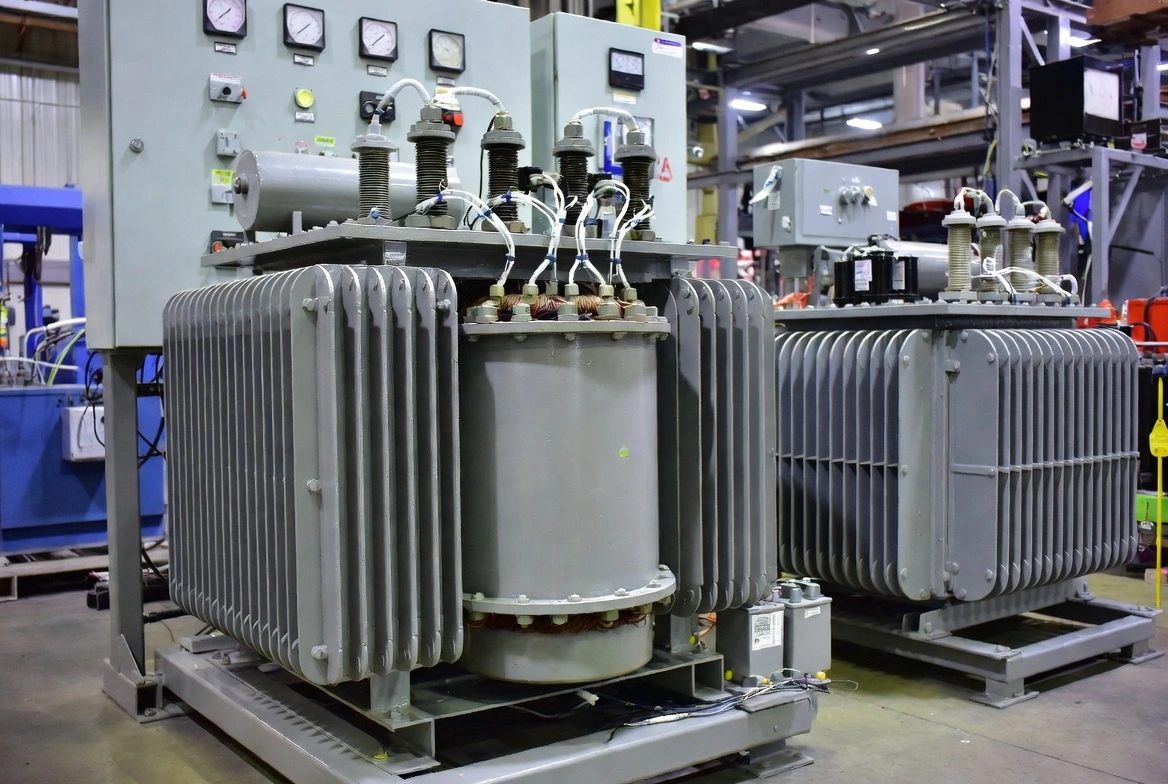
10. Market Perspective and Industry Context
The growing demand for DC power, renewable energy integration, and electrified industrial processes has increased the adoption of rectifier transformers. This trend is reflected in the performance of transformer and rectifier share prices across global markets, highlighting sustained investment in DC-based infrastructure.
While rectifier transformers and standard transformers share the same electromagnetic foundation, their electrical behavior, design complexity, and applications are fundamentally different. Rectifier transformers play a critical role in AC to DC conversion, supporting modern industrial processes and power electronics, while standard transformers remain indispensable for AC power transmission and distribution.
Understanding these differences ensures correct transformer selection, improved system reliability, and optimized long-term operational performance.

Related Articles





Related Products
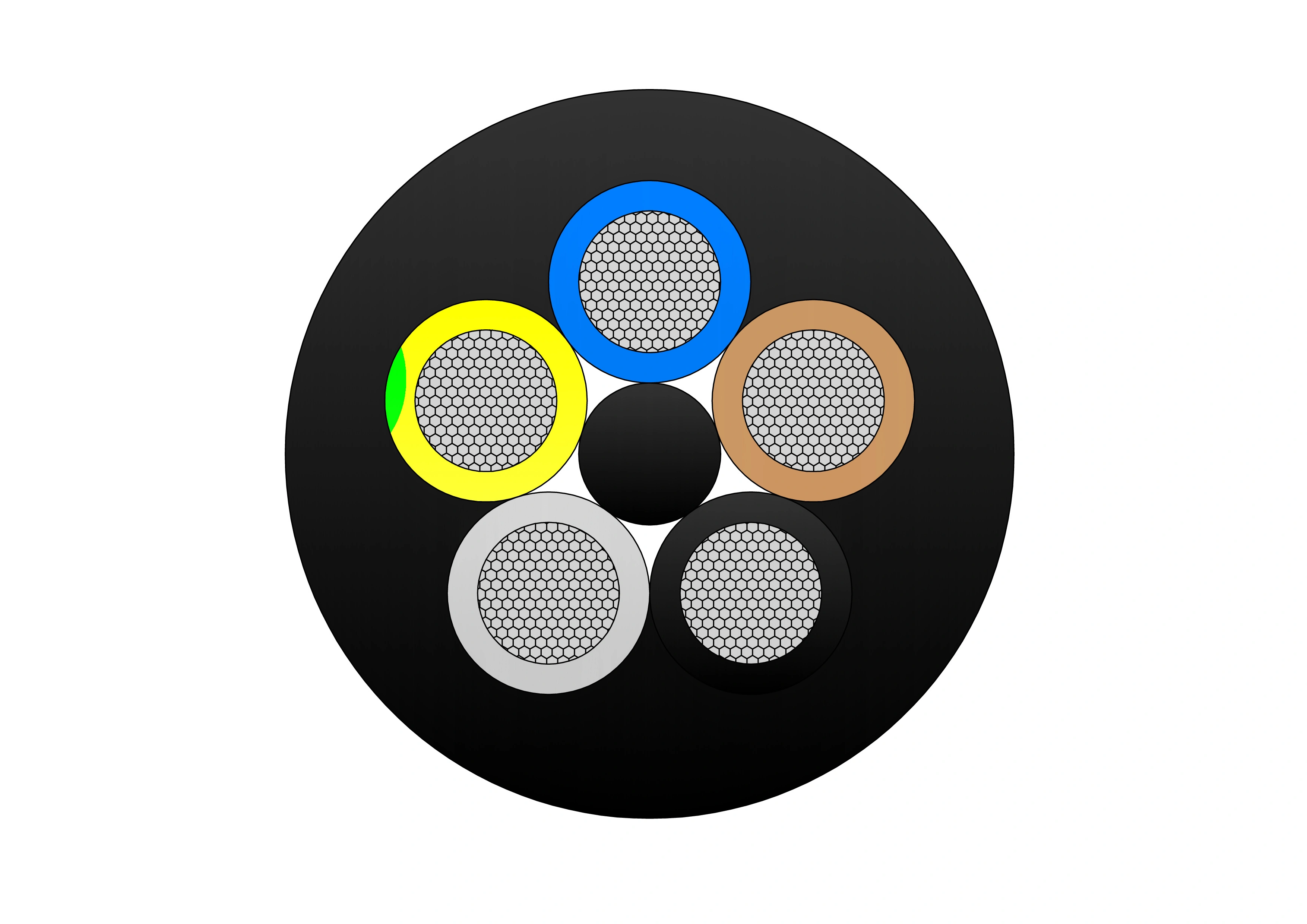
FG7H1OAR - 3.6/6kV, 6/10kV, 8.7/15kV and 12/20kV Cable
The FG7H1OAR - 3.6/6kV, 6/10kV, 8.7/15kV and 12/20kV Cable is a high-quality medium-voltage power cable designed for reliable fixed installations in demanding environments. It features stranded copper or aluminum conductors (class 2), semi-conductive conductor screen, XLPE (cross-linked polyethylene) insulation for excellent dielectric strength and thermal stability (90°C continuous, 250°C short-circuit), semi-conductive insulation screen, copper tape or wire screen for grounding and protection, optional armor (steel tape/wire), and a robust PVC or PE outer sheath resistant to mechanical stress, oils, chemicals, and UV. Compliant with IEC 60502-2 and equivalent standards (e.g., VDE, national codes), it offers low capacitance, high current-carrying capacity, and long service life. Available in single-core or multi-core configurations, the FG7H1OAR is ideal for power distribution in industrial plants, mining facilities, substations, and underground networks where safety, durability, and performance are critical.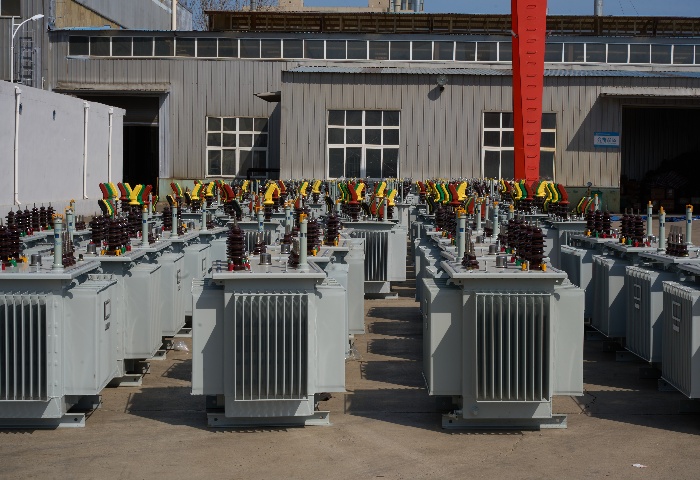
600kVA Oil Immersed Transformer
The 600kVA Oil Immersed Transformer is a robust three-phase distribution transformer designed for reliable medium-voltage power step-down in 50/60Hz AC networks, commonly with primary voltages of 11kV or 33kV. Utilizing premium grain-oriented silicon steel core (S11/S13 series) to achieve reduced no-load losses, copper or aluminum windings, and high-quality mineral oil , it minimizes load losses while providing ONAN cooling for substantial overload tolerance (up to 140% short-term). Compact design with Dyn11 vector group, BIL ratings, and pole/ground-mount flexibility ensures dependable performance, minimal energy dissipation, and seamless integration in modern distribution systems.
Type 209 Flexible Copper Screened Mining Cable
The Type 209 Flexible Copper Screened Mining Cable is a medium-voltage rubber-insulated cable designed for heavy-duty mining operations. It features tinned annealed copper conductors, EPR insulation, and a flexible copper wire/polyamide braid screen for superior electrical shielding. The extra heavy-duty PCP sheath provides oil resistance, flame retardancy, and high mechanical strength, making it ideal for trailing, feeder, and drilling applications in mining. Available in 1.1kV, 3.3kV, 6.6kV, and 11kV ratings, this cable complies with AS/NZS 2802 and ensures long service life under extreme conditions.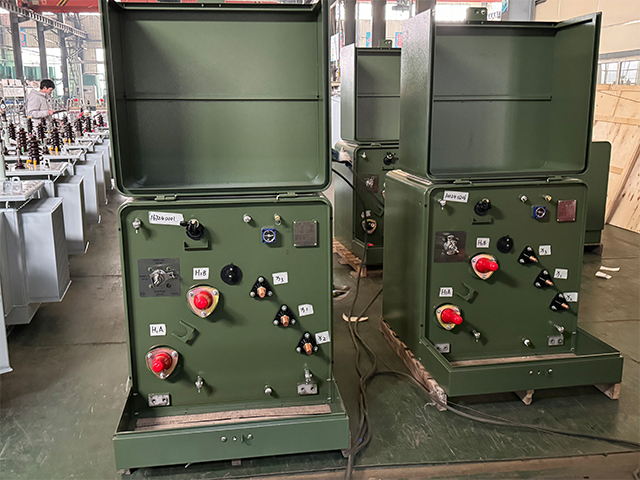
5kVA Single Phase Pad Mounted Transformer
The 5kVA Single Phase Pad Mounted Transformer is designed for reliable and efficient power distribution in residential, commercial, and light industrial applications. Ideal for medium-density areas, this transformer steps down high-voltage electricity to a usable lower voltage for safe distribution to homes and businesses.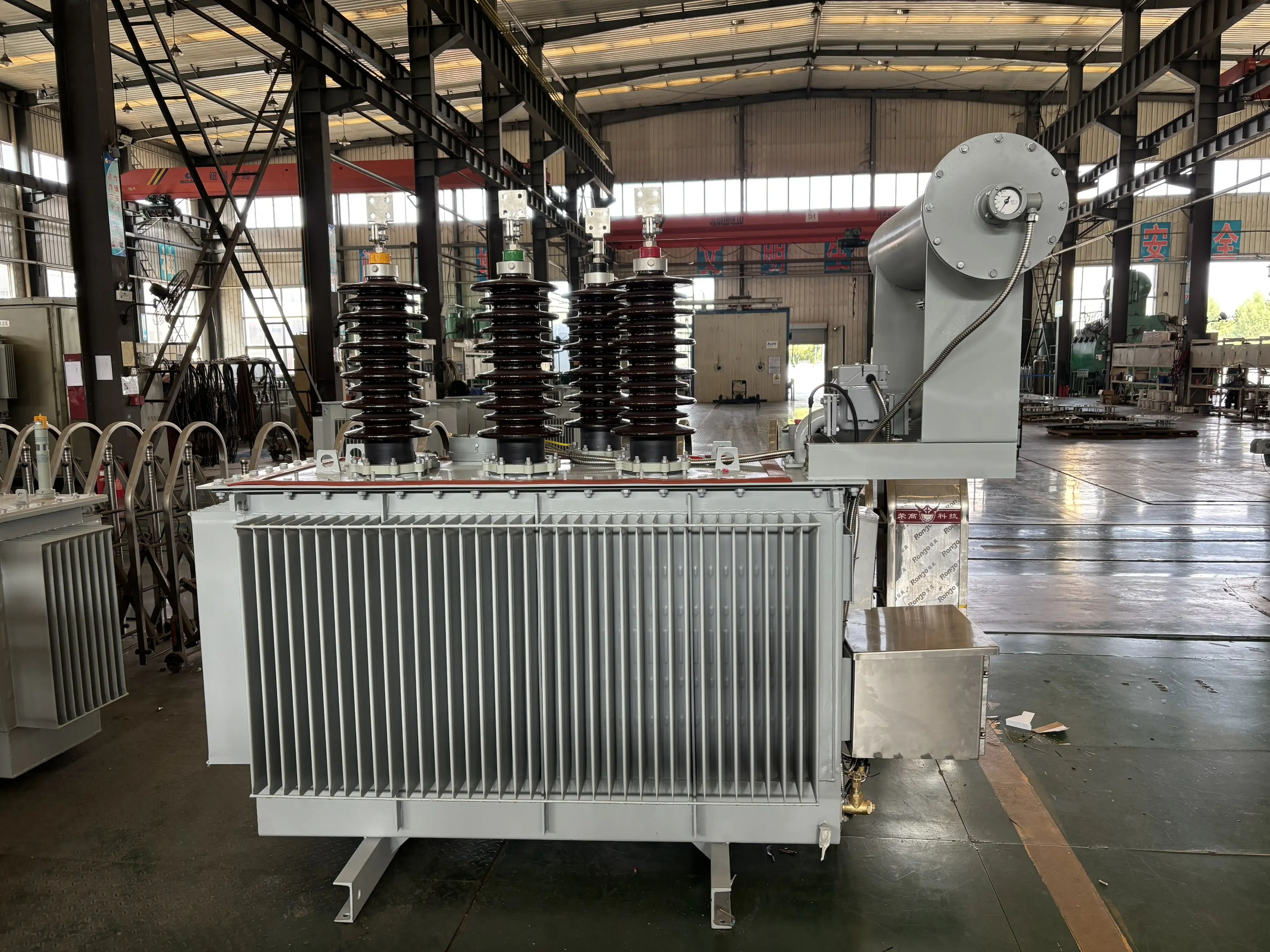
Earthing Transformer
The Earthing Transformer (also known as Grounding Transformer or Neutral Grounding Transformer) is a specialized auxiliary transformer used in three-phase power systems to provide a neutral grounding point and a low-impedance path for zero-sequence currents during ground faults. It is essential in ungrounded delta or ungrounded wye systems (common in industrial, utility, and renewable energy applications) where no natural neutral exists, enabling safe fault current flow to ground, stabilizing voltages, limiting overvoltages on unfaulted phases, and supporting protective relaying. Typical features include three-phase construction, rated voltage matching system line-to-line (e.g., 11kV, 33kV, 35kV, up to 220kV+), short-time rating for fault current (e.g., 10–30 seconds at 100–1000A or more), neutral bushing for grounding connection.
50kVA Oil Immersed Transformer
50kVA Oil Immersed Transformer is usually pole mounted or installed in a distribution station for daily lighting and factory power, whose an LV output up to 0.4kV. The corrugated tank has thermal expansion and contraction components that enable the transformer oil to be completely isolated from the atmosphere. A distribution transformer can be manufactured according to the requirements of the client. This transformer is optimally designed by patented technology and software.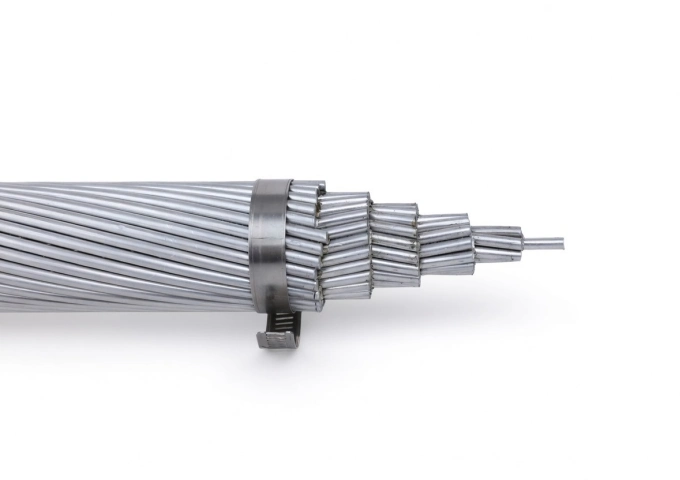
715.5 MCM Violet AAC Cable
The 715.5 MCM Violet AAC Cable is a high-performance All Aluminum Conductor designed for demanding overhead power transmission and distribution lines. Manufactured with 37 strands of premium 1350-H19 aluminum wire in a concentric lay configuration, this bare conductor provides excellent electrical conductivity with a low DC resistance of 0.024 ohms per 1000 ft at 20°C. Featuring an overall diameter of 0.974 inches and a rated breaking strength of 12,800 lbs, the Violet AAC delivers a robust ampacity of 823 amps while weighing only 671.7 lbs per 1000 ft. Its optimized strength-to-weight ratio minimizes sag and structural loading. Fully compliant with ASTM B-230 and B-231 standards, the 715.5 MCM Violet AAC Cable offers outstanding corrosion resistance for long-term durability in harsh outdoor environments, making it the preferred choice for utility networks requiring cost-effective, high-reliability bare aluminum conductors.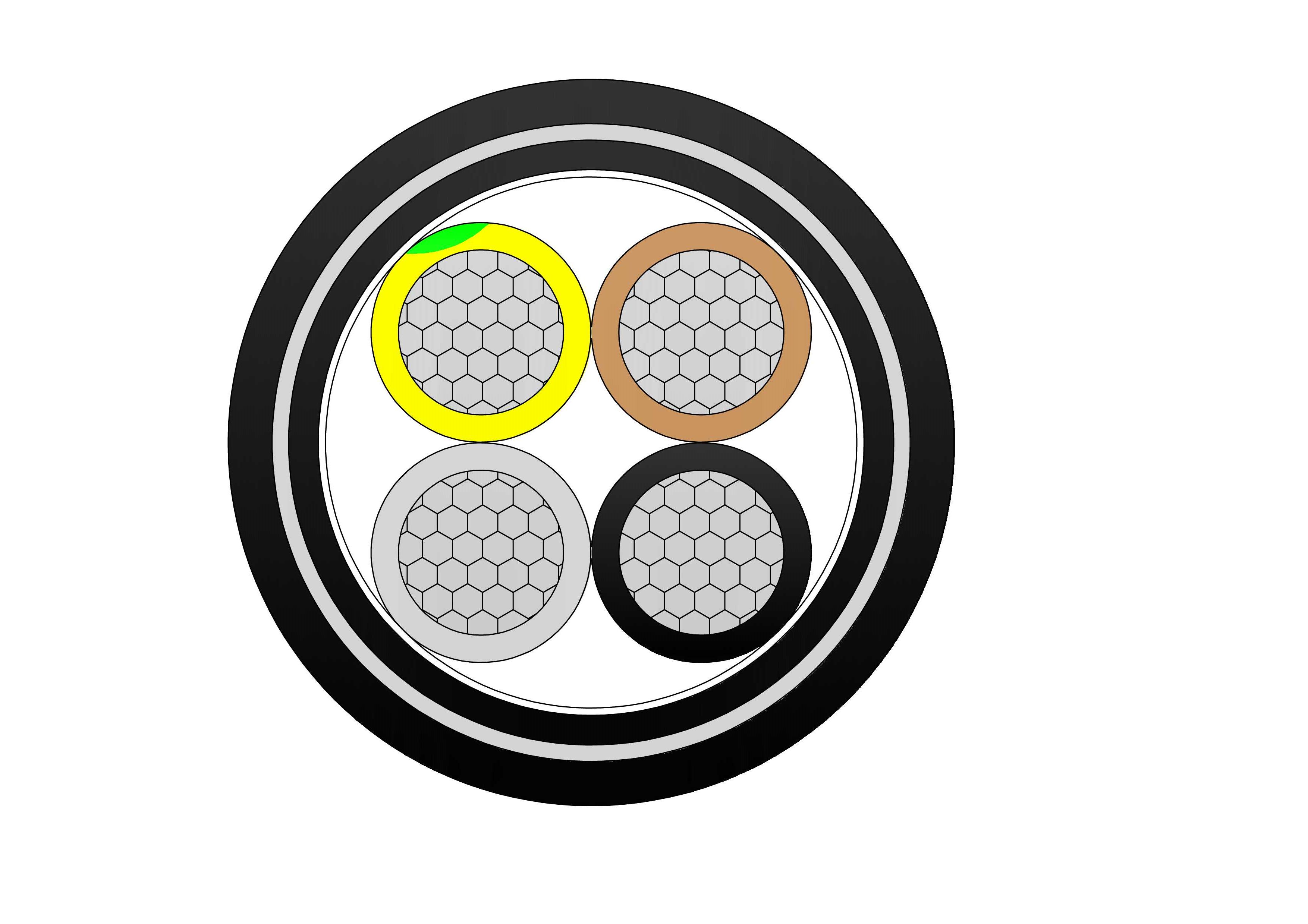
NA2XBY 0.6/1kV Low Voltage Power Cable
NA2XBY 0.6/1kV are low voltage power cables designed according to EN 60228 standard, suitable for fixed installation in indoor, outdoor, underground, Cable ducts, conduits, or concrete (not subject to vibration) environments. Featuring stranded aluminium conductors, cross-linked polyethylene (XLPE) insulation, PVC bedding, galvanized steel wire armour (SWA), and PVC outer sheath, it complies with IEC 60502-1 standards. The lightweight aluminium reduces material and installation costs while the SWA provides robust mechanical protection against impacts and rodents, ideal for direct burial. With low dielectric losses, high thermal stability, and good moisture resistance, it ensures efficient transmission in demanding environments. Flame-retardant and durable, the NA2XBY 0.6/1kV Low Voltage Power Cable offers long service life with minimal maintenance. Perfect for industrial sites, infrastructure projects, commercial developments, and utility networks requiring reliable, protected low-voltage underground power supply.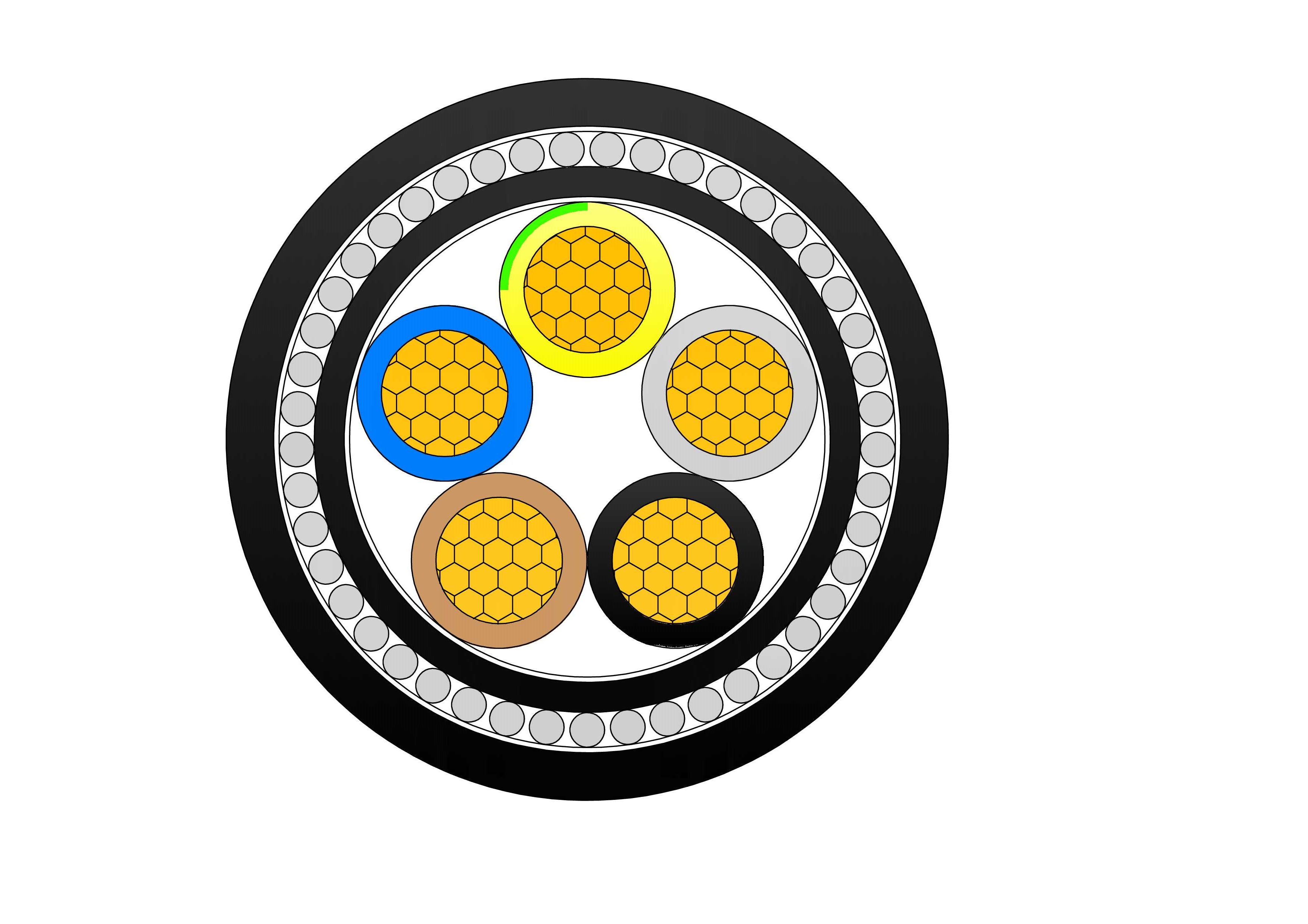
N2XRY 0.6/1kV Low Voltage Power Cable
N2XRY 0.6/1kV are low voltage power cables designed according to BS 5467 standard, suitable for fixed installation in indoor, outdoor, underground, Cable ducts ,conduits or concrete (not subject to vibration) environments,with additional mechanical protection due to steel wire armouring. Constructed with high-purity copper conductors, thermosetting XLPE insulation, PVC inner bedding, double galvanized steel tape armour, and tough PVC outer sheath, it meets IEC 60502-1 requirements. The STA armour delivers superior resistance to compression, impacts, and penetration, suitable for direct burial without conduits. Excellent electrical properties, reduced losses, and high overload capacity ensure optimal performance. Flame-retardant and environmentally stable, the N2XRY 0.6/1kV Low Voltage Power Cable is favored for factories, commercial developments, renewable energy sites, and infrastructure needing reliable, maintenance-free low-voltage cabling in challenging terrains.
2000kVA Oil Immersed Transformer
The 2000kVA Oil Immersed Transformer is a high-capacity, three-phase, liquid-filled distribution transformer engineered for reliable outdoor pad-mounted or substation installations in utility networks, large commercial/industrial complexes, data centers, heavy manufacturing plants, and high-demand power distribution systems. Standard configuration includes mineral oil or FR3 natural ester fluid, ONAN cooling, aluminum or copper windings, high-voltage 34.5kV / 24.94kV / 13.8kV / 12.47kV / 4.16kV (delta or wye), low-voltage 480Y/277V, 208Y/120V, 600Y/347V or custom, ±2×2.5% HV taps, radial or loop-feed dead-front design, bayonet fuses + partial-range current-limiting fuses (optional), load-break switch.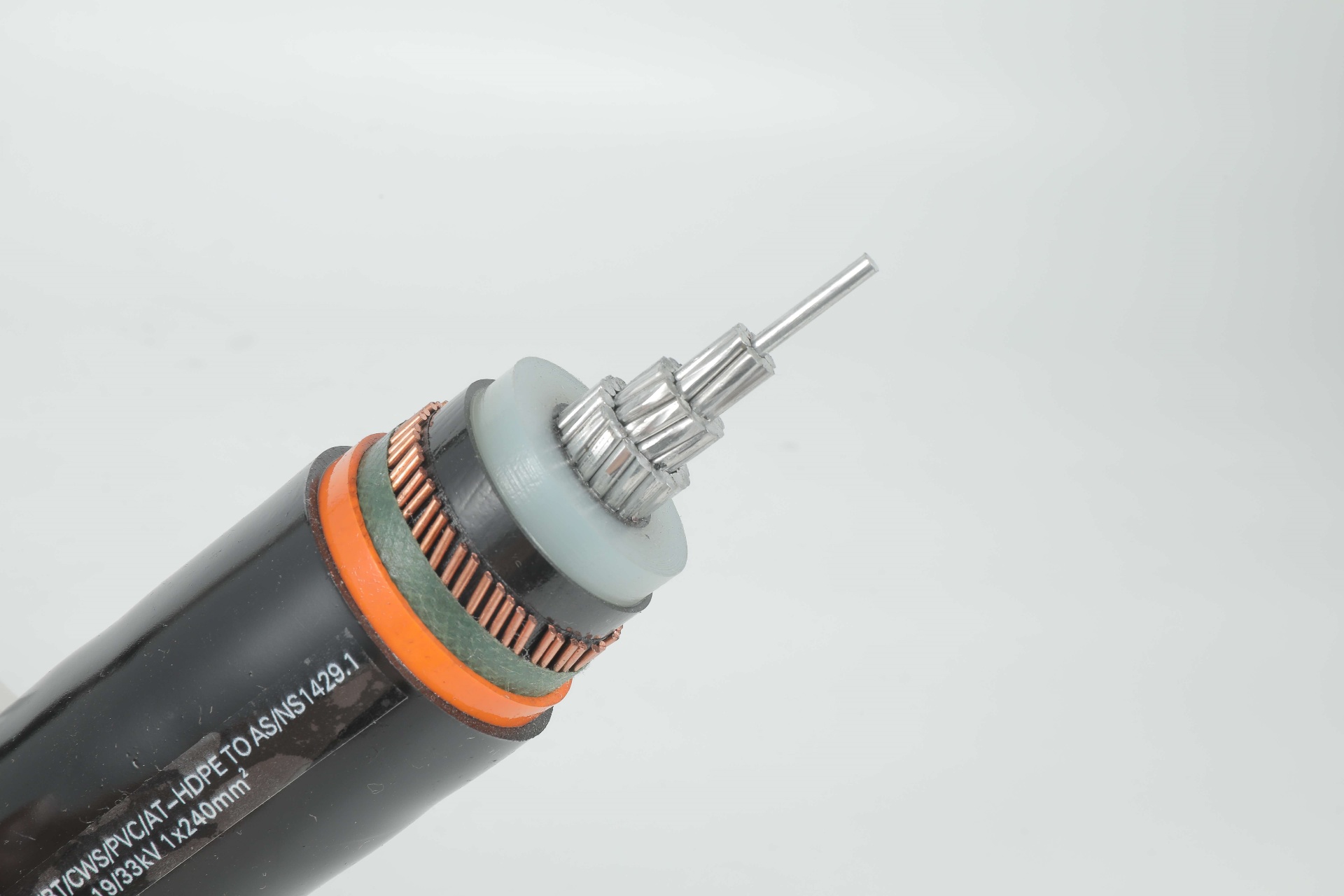
Single Core Medium Voltage Power Cable to IEC 60502
The Single Core Medium Voltage Power Cable to IEC 60502 is designed for efficient and reliable power transmission in medium voltage electrical networks. Manufactured with high-purity copper or aluminum conductors, this cable ensures low electrical losses and stable current flow. The insulation system, typically based on XLPE, provides excellent dielectric strength, thermal stability, and resistance to electrical stress. Single core construction allows flexible system design and efficient heat dissipation, making the cable suitable for substations, power plants, and industrial installations. The cable is engineered to withstand mechanical loads and operational stresses encountered in medium voltage applications. Compliance with IEC 60502 ensures the cable meets international requirements for safety, electrical performance, and durability. This medium voltage power cable is a dependable solution for modern power distribution systems requiring long service life and consistent performance.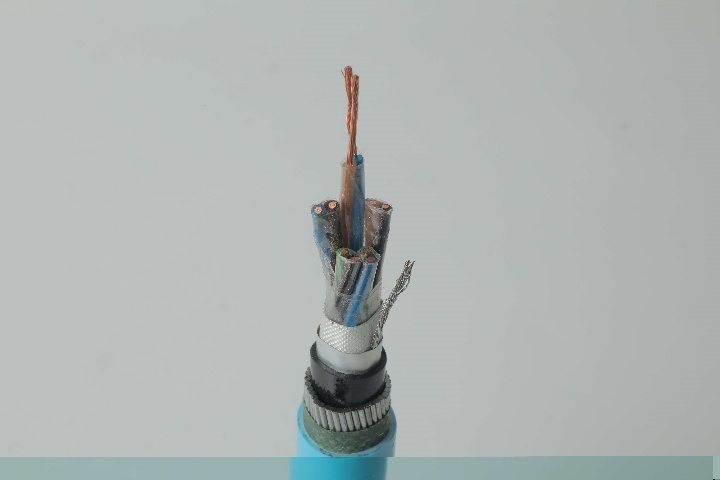
Instrumentation Cables—XLPE Insulated, Overall Screened, DRYLAM Layered, Wire Armoured PVC Sheathed Cables(CU/XLPE/OSCR/DRYLAM/SWA/PVC)
CU/XLPE/OSCR/DRYLAM/SWA/PVC instrumentation cables are engineered to deliver stable signal transmission under harsh environmental and mechanical conditions. XLPE insulated copper conductors provide excellent dielectric performance and resistance to thermal aging. The overall screen minimizes electromagnetic interference, ensuring precise signal transmission in sensitive instrumentation circuits. The DRYLAM water-blocking layer offers effective protection against moisture ingress, enhancing cable reliability in humid or buried installations. Steel wire armour improves resistance to mechanical stress and external damage, while the PVC sheath protects against abrasion, oils, and chemicals. This balanced construction combines electrical performance, water resistance, and mechanical durability for long-term industrial use.
70kV 8000kVA Copper-Wound Oil-Immersed Power Transformer for High-Voltage Distribution
The 70kV 8000kVA Copper-Wound Oil-Immersed Power Transformer for High-Voltage Distribution is designed to deliver robust performance in demanding grid environments. Featuring 100% oxygen-free copper windings, the transformer ensures superior electrical conductivity, reduced losses, and enhanced overload capability. Its oil-immersed cooling system provides excellent heat dissipation, maintaining long-term stability under high-load and continuous operation conditions. The high-grade silicon steel core minimizes noise and magnetic losses, improving overall efficiency. The transformer’s reinforced tank, durable insulation system, and outdoor-ready structure enable reliable operation in harsh climates, industrial zones, and high-temperature regions. Compliant with IEC, IEEE, and GB standards, this transformer supports utility substations, industrial power networks, renewable energy integration, and high-voltage distribution systems, ensuring safe, efficient, and uninterrupted power delivery.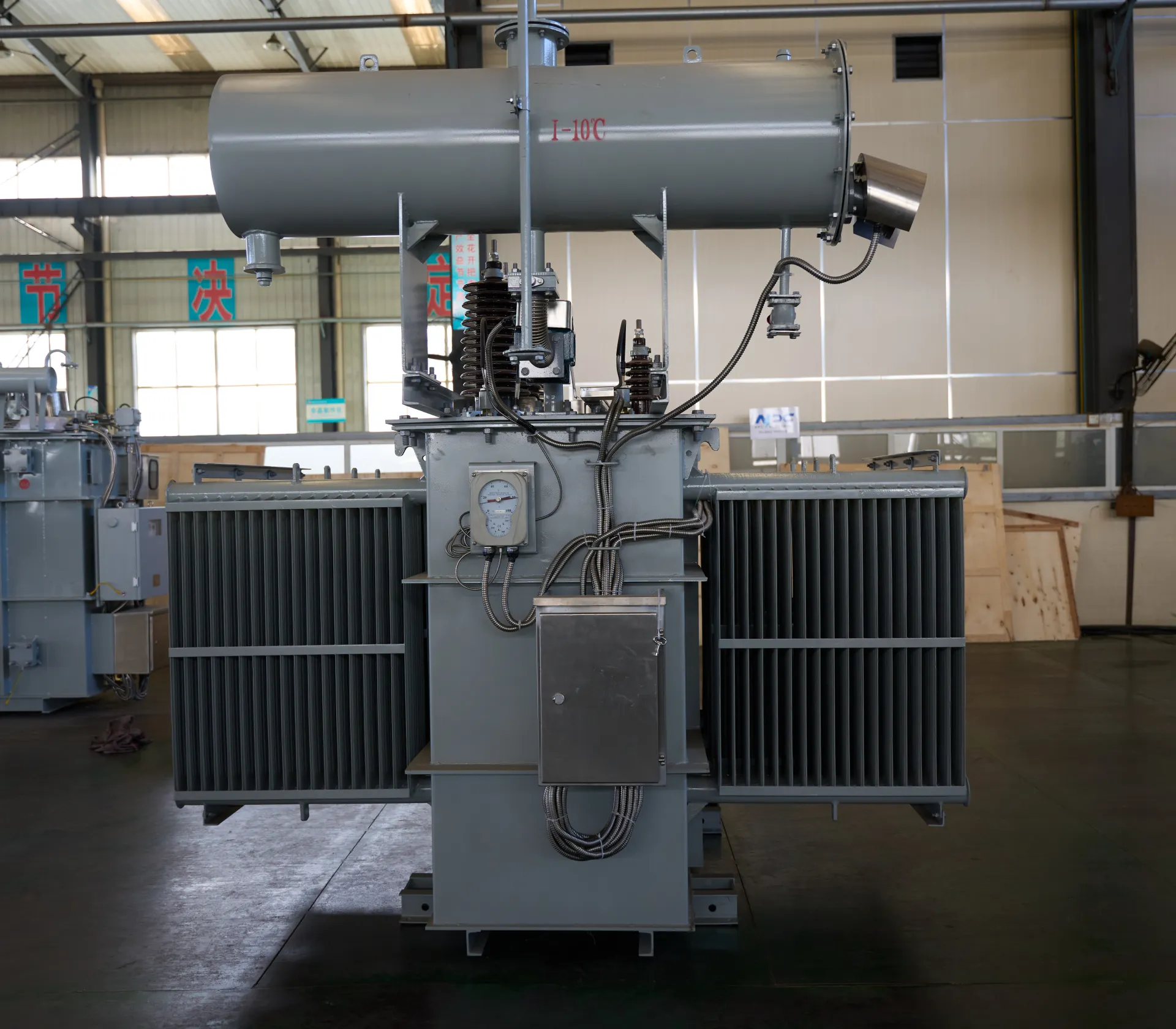
25000kVA Oil-Immersed Copper Transformer For Substation
The 25,000kVA oil-immersed copper transformer is engineered for high-standard power distribution in large industrial facilities, utility networks, and high-voltage substations. Built with premium pure copper windings, it delivers exceptional electrical conductivity, reduced losses, and long-term operational stability. The oil-immersed cooling system ensures efficient heat dissipation, allowing the transformer to perform reliably under continuous heavy load conditions.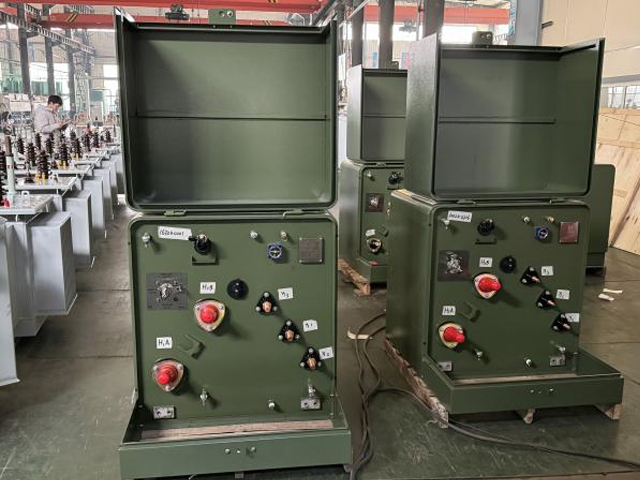
37.5kVA Conventional Type Single Phase Pole Mounted Transformer
37.5kVA Conventional Type Single Phase pole Mounted transformer has a rated capacity range from 10 kVA to 333 kVA, and complies with ANSI, IEEE, CSA, IEC60076 and other standards, ensuring safety, stability, and efficiency, allowing you to reduce operating costs. Our products have been widely exported to markets such as North America, Central and South America, and Southeast Asia. With rich experience, we provide comprehensive technical support and services. Key specifications include mineral oil insulation (ONAN cooling), aluminum or copper windings, primary voltages 2.4kV–34.5kV grounded wye or delta (common: 7200/12470GrdY, 7620/13200GrdY, 12470GrdY/7200, 24940GrdY/14400, 34500GrdY/19920), secondary 120/240V or 240/120V split-phase, BIL ratings 95–150kV HV / 30kV LV, impedance typically 2.0–4.0%, ±2×2.5% or 5-position tap changer, conventional or CSP (completely self-protected) configurations with internal fuses, lightning arresters, weak-link protection, pressure relief valve, oil sight gauge, and standard ANSI 70 gray tank finish. Efficiency typically reaches 99.01–99.05%+, with low sound levels and corrosion-resistant features for long-term outdoor durability.Welcome your inquiry
Honesty, Integrity, Frugality, Activeness and Passion