
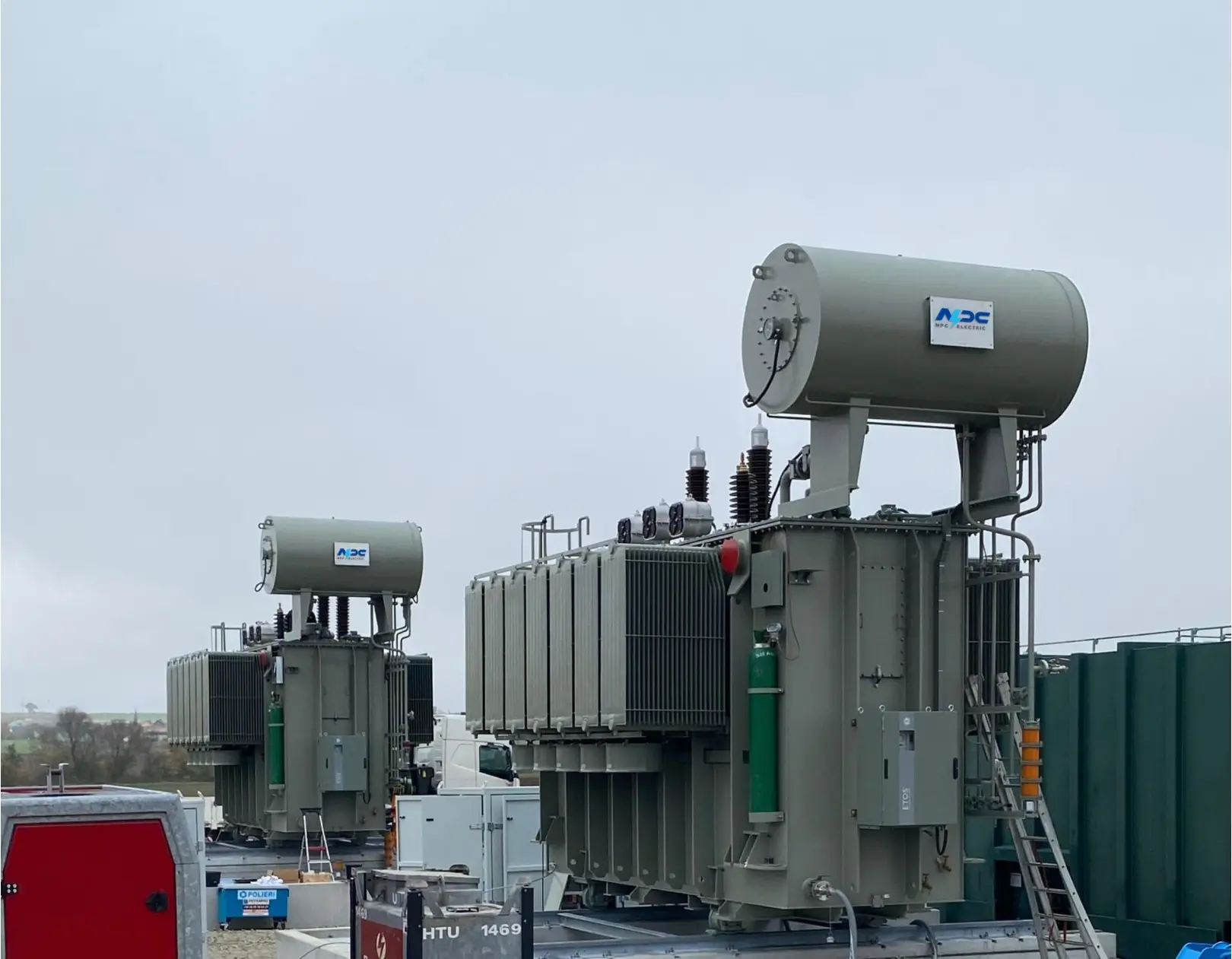
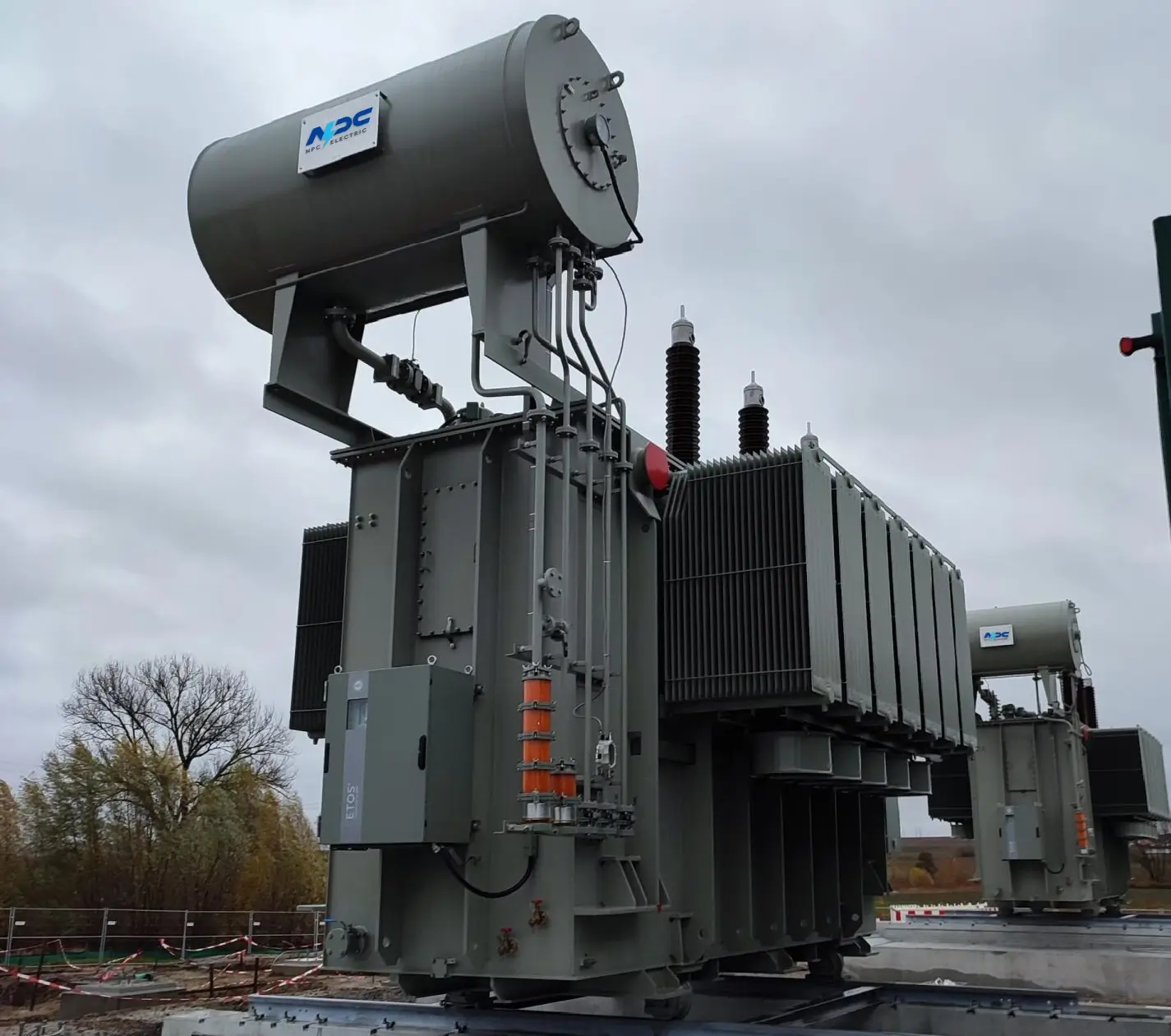
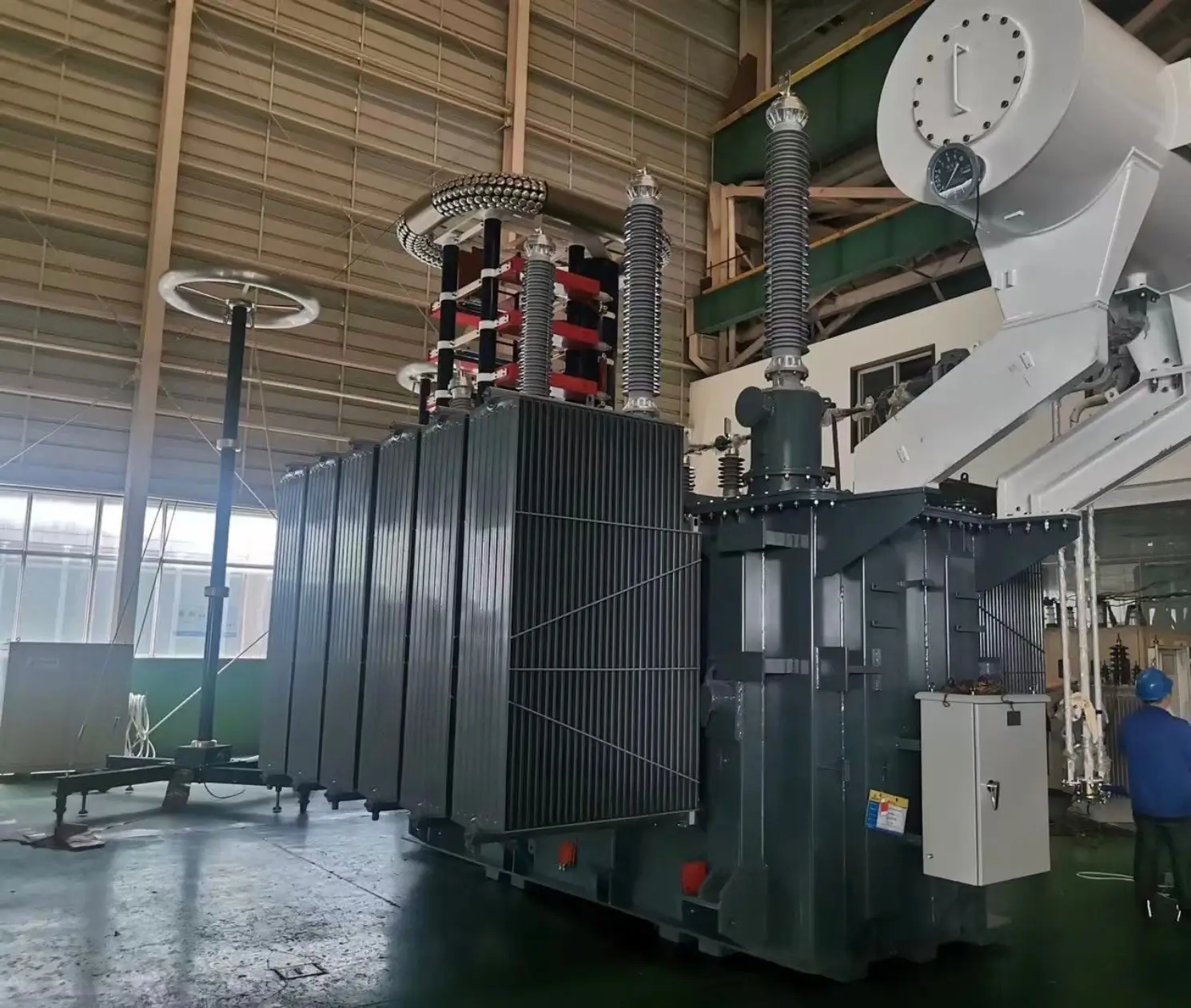
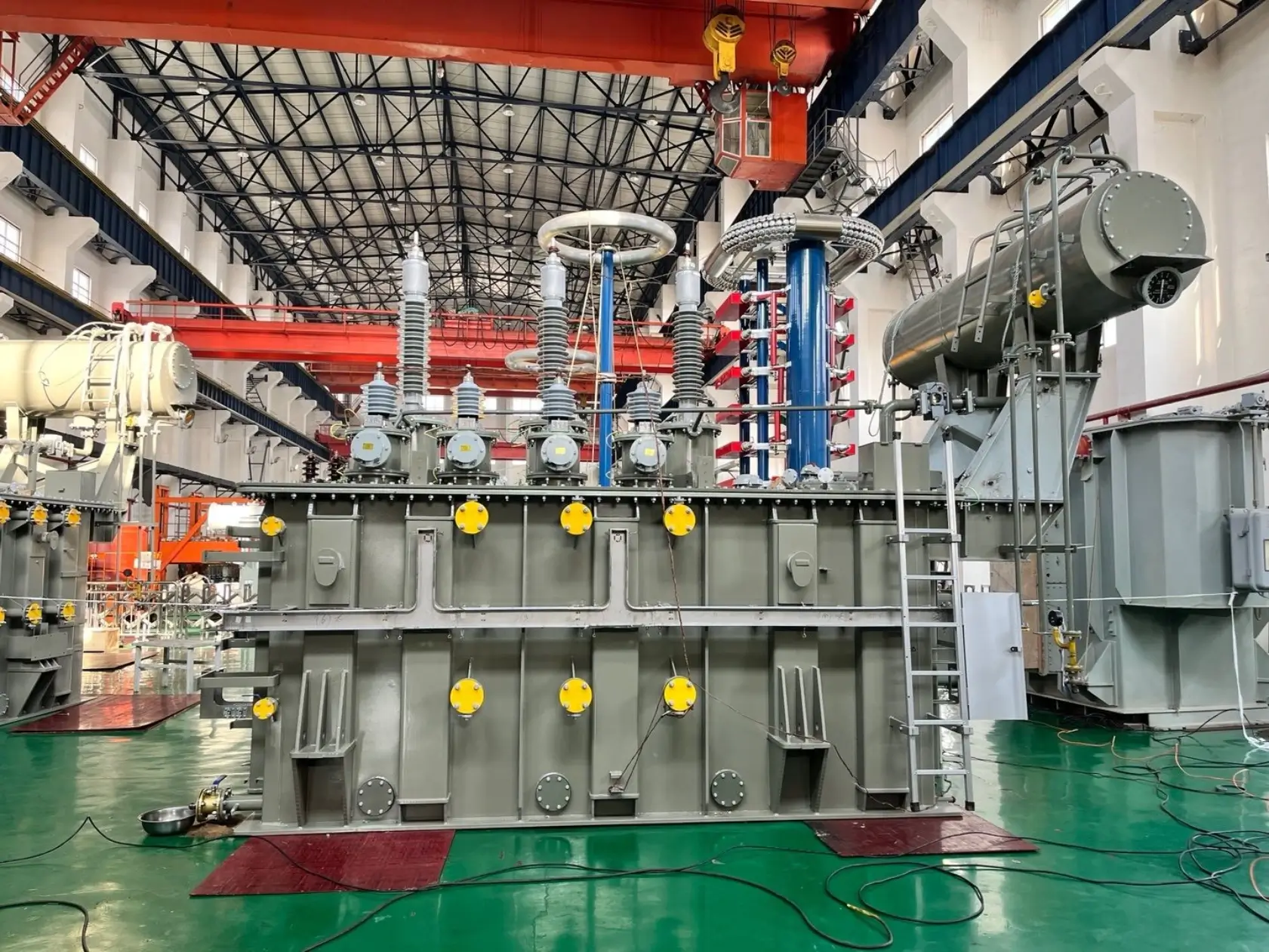


158kV 250MVA Power Transformer – High-Voltage Substation Autotransformer
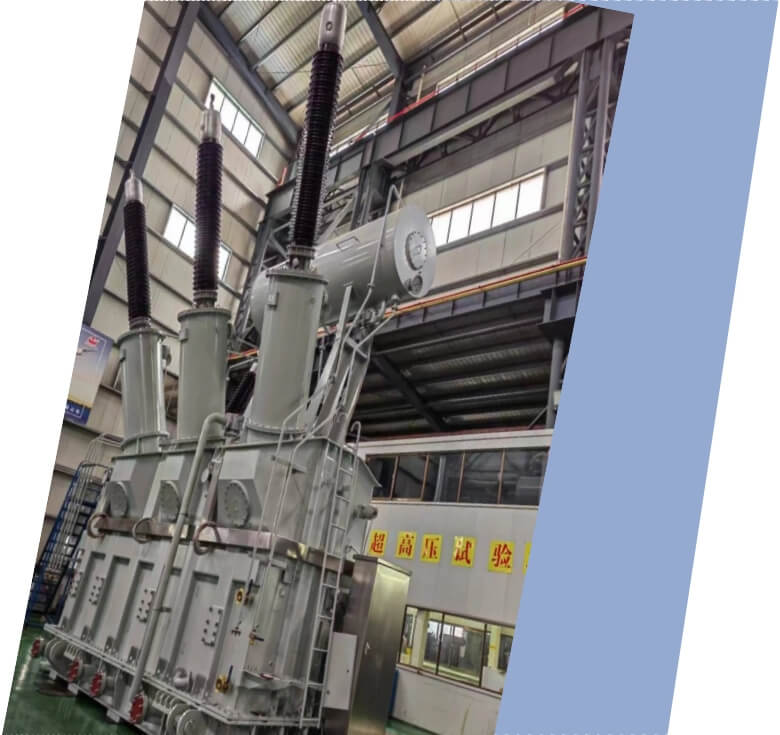
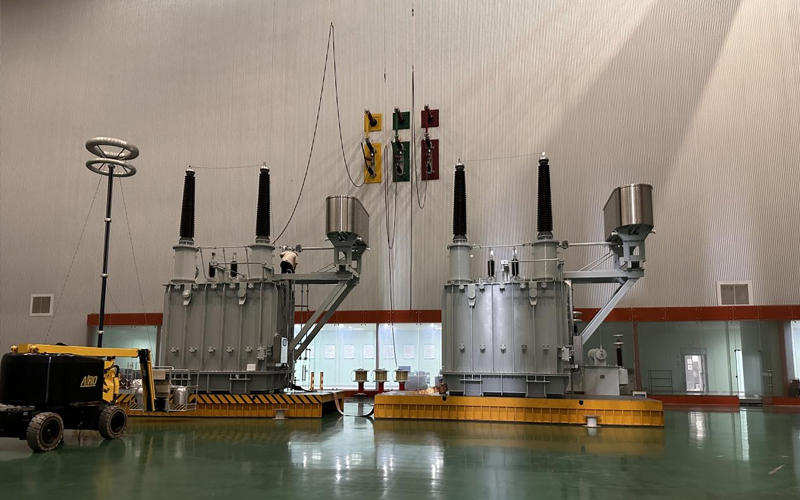
The 158kV 250MVA High-Voltage Substation Autotransformer is designed for large-capacity power transmission systems where efficiency, voltage stability, and reduced losses are critical. As an autotransformer, it enables optimized power transfer between closely related voltage levels while minimizing material usage and operational losses. The unit features a robust electromagnetic design, reinforced insulation structure, and an oil-immersed cooling system that ensures effective heat dissipation under heavy continuous load. Its mechanical framework is engineered to withstand high electrical stress, short-circuit forces, and long-term outdoor exposure. Intended for backbone substations and grid interconnection points, this autotransformer supports reliable energy exchange in high-voltage networks and contributes to improved system efficiency and reduced lifecycle operating costs.
- Primary Voltage Ratings 132kV, 138kV, 158kV or others
- Secondary Voltage Ratings 32.4/13.8/11/10.5/6.6/6.3kV or customized
- H.V. Tap Range ± 8×2.5% HV taps or others
- Type Oil-immersed power transformer
- BIL up to 350kV
- Standards IEEE, ANSI, IEC
- Application grid interconnection points, regional power hubs, and backbone utility networks
- Power Rating 250MVA
- Certificate UL, CESI, ISO, KEMA
- Cooling Method ONAN/ ONAF
- Opeartion Step Down & Step Up
Technical Specifications
Customization Optional
Packing and Shipping
Manufacturer Test
Routine Testing
Application
Technical Specifications
158kV 250MVA Power Transformer – High-Voltage Substation Autotransformer
Technical Specifications
Accessories
| Rated Power | 250MVA |
| Rating Primary Voltage | 132kV, 138kV, 158kV |
| Secondary Voltage |
32.4/13.8/11/10.5/6.6/6.3 kV Customized |
| Frequency | 50/60Hz |
| Vector Group | Dyn11, YD11, YNd11 |
| Winding Material | Aluminum/Copper |
| Efficiency | As IEEE, CAS Std or Customized |
| Impedance Voltage | As IEC |
| Altitude | ≤1,000m or Customized |
| Enclosure material | Mid Steel |
| HV Bushing |
| LV Bushing |
| OLTC/NLTC |
| Lifting hook for complete transformer |
| Name plate |
| Oil temperature |
| Winding temperature |
| Radiators |
| Oil level |
| Pressure relief valve |
| CT |
Customization Optional
158kV 250MVA Power Transformer – High-Voltage Substation Autotransformer
The 158kV 250MVA High-Voltage Substation Autotransformer can be customized to meet the technical and operational requirements of diverse transmission networks. Electrical customization includes flexible voltage ratio design tailored to interconnected grid levels, optimized impedance settings, and frequency adaptation according to regional standards. The autotransformer configuration itself can be engineered to prioritize efficiency, short-circuit strength, or operational redundancy depending on system philosophy. Insulation systems may be designed for enhanced thermal endurance, elevated altitude operation, or increased dielectric margins for demanding grid environments. Tap changer arrangements can be configured to provide precise voltage control during varying load conditions or seasonal demand shifts. Mechanical and system-level customization ensures reliable performance across a wide range of installation conditions.
Tank structures may be reinforced to withstand seismic activity, transportation constraints, or high fault forces. Surface protection systems can be upgraded for corrosive environments such as coastal, desert, or industrial regions. Cooling solutions are adaptable to operational duty cycles and ambient temperature ranges, supporting stable thermal behavior under high load. Optional monitoring and protection features include gas accumulation detection, multi-point temperature sensing, pressure management devices, oil quality monitoring, and digital interfaces for integration with substation automation systems. Additional options such as low-noise structural designs, fire-resistant insulating fluids, customized paint finishes, and project-specific labeling further enhance adaptability. Each customized autotransformer undergoes detailed engineering analysis to ensure compliance with applicable standards and long-term operational reliability.
Packing and Shipping
158kV 250MVA Power Transformer – High-Voltage Substation Autotransformer
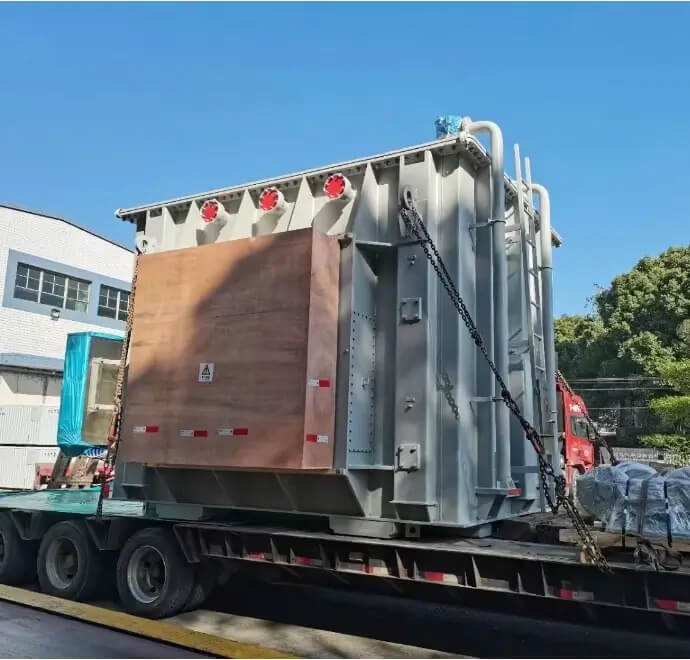
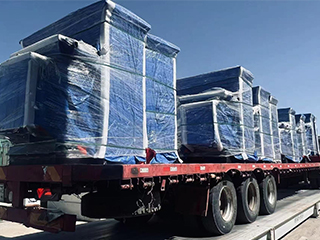
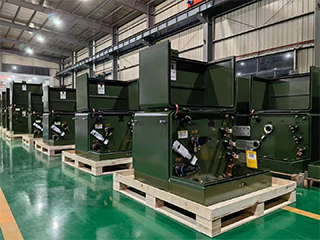
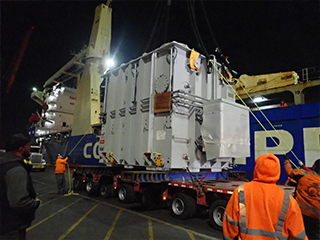
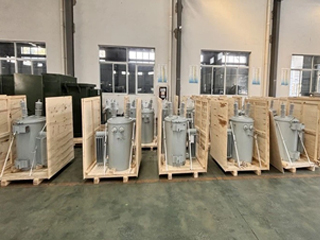
The packing and shipping process for the 158kV 250MVA Substation Autotransformer is designed to safeguard the equipment throughout handling, transportation, and storage. Prior to packing, the unit undergoes final inspection, surface preparation, and preservation treatment. All exposed interfaces are sealed, and sensitive internal components are secured to prevent contamination or displacement. Accessories such as bushings, cooling equipment, conservators, and control cabinets are removed when required and packed separately in reinforced crates with internal cushioning and moisture-resistant barriers.
The autotransformer main body is mounted on a heavy-duty transport frame engineered to distribute weight evenly and minimize mechanical stress. Stabilizing supports, shock-absorbing materials, and reinforced bracing are applied at critical structural points to reduce vibration and impact during transit. Protective wrapping systems, combined with desiccants and moisture barriers, are used to maintain insulation integrity. For long-distance or overseas shipments, additional preservation measures such as inert gas filling or controlled vacuum sealing may be applied.
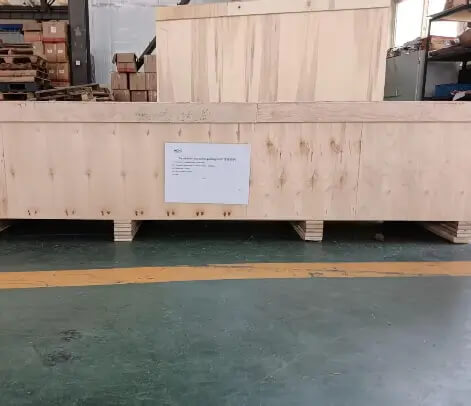
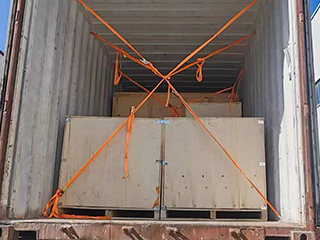
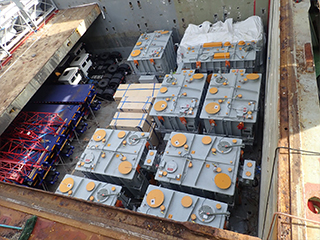
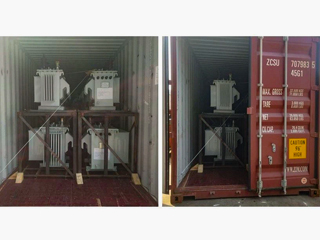
Transportation methods are selected based on transformer dimensions, route conditions, and logistical constraints. Depending on project requirements, shipment may be arranged using flat-rack containers, open-top containers, or break-bulk cargo. All packing materials comply with international export regulations, including ISPM-15 standards for wooden components. Clear markings identify lifting points, center of gravity, orientation limits, and safety instructions to ensure correct handling during loading, unloading, and site transfer.
Each shipment includes a complete documentation package containing packing lists, inspection records, quality certificates, test reports, technical drawings, and operation manuals. Upon arrival at the site, customers receive detailed instructions for unloading, storage, and installation. Optional on-site services such as technical supervision, oil processing, component installation, and commissioning support are available to ensure safe installation and reliable commissioning.
The autotransformer main body is mounted on a heavy-duty transport frame engineered to distribute weight evenly and minimize mechanical stress. Stabilizing supports, shock-absorbing materials, and reinforced bracing are applied at critical structural points to reduce vibration and impact during transit. Protective wrapping systems, combined with desiccants and moisture barriers, are used to maintain insulation integrity. For long-distance or overseas shipments, additional preservation measures such as inert gas filling or controlled vacuum sealing may be applied.
Transportation methods are selected based on transformer dimensions, route conditions, and logistical constraints. Depending on project requirements, shipment may be arranged using flat-rack containers, open-top containers, or break-bulk cargo. All packing materials comply with international export regulations, including ISPM-15 standards for wooden components. Clear markings identify lifting points, center of gravity, orientation limits, and safety instructions to ensure correct handling during loading, unloading, and site transfer.
Each shipment includes a complete documentation package containing packing lists, inspection records, quality certificates, test reports, technical drawings, and operation manuals. Upon arrival at the site, customers receive detailed instructions for unloading, storage, and installation. Optional on-site services such as technical supervision, oil processing, component installation, and commissioning support are available to ensure safe installation and reliable commissioning.
32
32 years of industry experience
Manufacturer Test
158kV 250MVA Power Transformer – High-Voltage Substation Autotransformer
Progress test
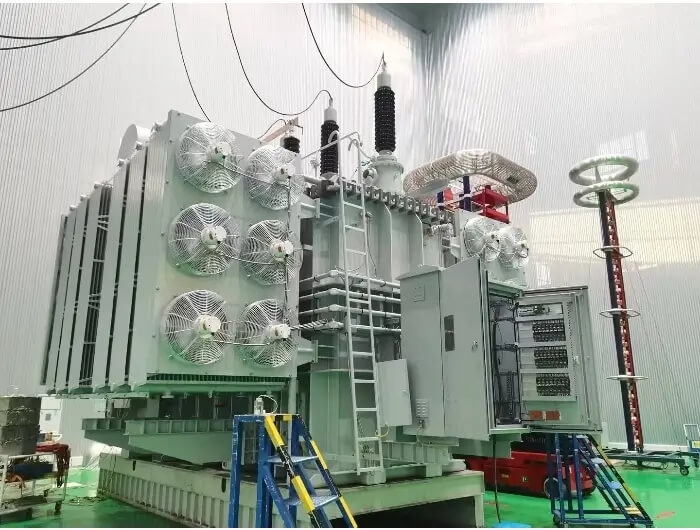
Progress testing for the 158kV 250MVA High-Voltage Substation Autotransformer is conducted as a structured quality control program throughout manufacturing. Incoming materials, including magnetic steel, conductors, insulation components, and insulating oil, are inspected for compliance with approved specifications. During core assembly and winding fabrication, inspections verify dimensional accuracy, mechanical stability, and insulation placement. The active assembly undergoes controlled drying and vacuum processing, with continuous monitoring of temperature and moisture parameters.
Intermediate checks include electrical continuity verification, winding resistance measurement, and preliminary ratio confirmation prior to final assembly. Tank fabrication is inspected for weld quality, structural accuracy, and coating performance. Pressure and sealing tests are performed to confirm oil tightness before oil filling. All progress test results are documented and reviewed to ensure traceability, early deviation detection, and consistent manufacturing quality before final acceptance testing.
Design Tests
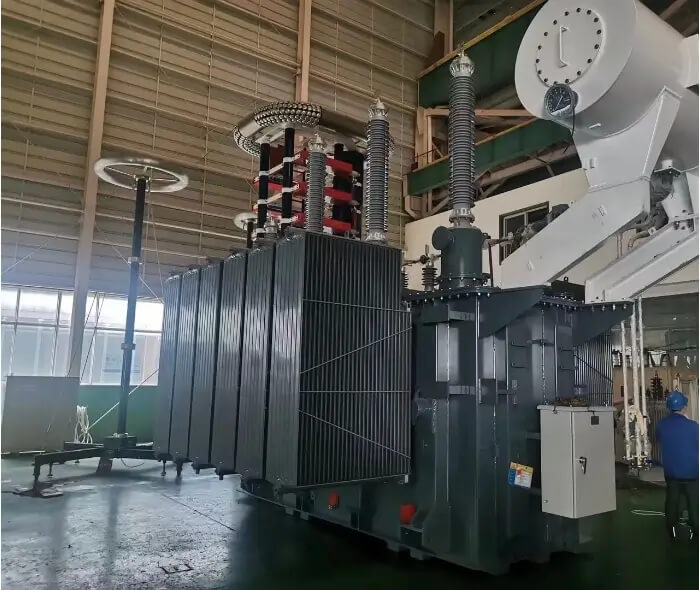
All transformers will be tested after finishing the production test items as follows:
♦ Leak testing with pressure for liquid-immersed transformers
♦ Test of transformer oil
♦ Measurement of voltage ratio and check of phase displacement
♦ Measurement of winding DC resistance
♦ Measurement of d. c. Insulation resistance between each winding to earth, and check of the core and frame insulation
♦ Capacitive bushing test
♦ Measurement of dissipation factor (tan δ) of the insulation system capacitances, and determination of capacitances windings-to-earth
♦ Measurement of no-load loss and current at 90%,100%,110% of rated voltage
♦ Operation test on on-load tap-changer
♦ Measurement of short-circuit impedance and load loss
♦ Lightning impulse test
♦ Induced-voltage test with partial discharge measurement
♦ Auxiliary wiring check
♦ Current transformer test
♦ Frequency response analysis test
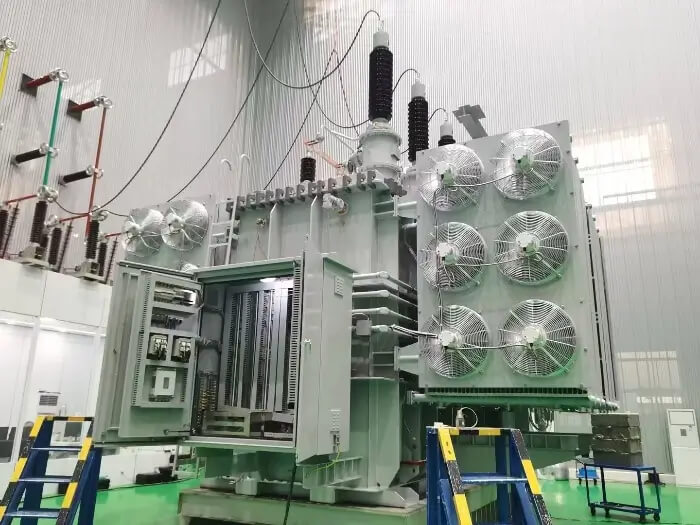
Transformer Factory Acceptance Test
The Factory Acceptance Test (FAT) for the 158kV 250MVA Substation Autotransformer is carried out after complete assembly to verify compliance with contractual requirements and applicable standards. Routine electrical tests include winding resistance measurement, voltage ratio accuracy verification, polarity checks, and insulation resistance evaluation. Dielectric testing involves applied voltage and induced overvoltage withstand tests to confirm insulation robustness.
Performance tests assess no-load losses, load losses, impedance characteristics, and temperature rise to validate efficiency and thermal stability. Partial discharge testing evaluates insulation condition, while impulse testing verifies resistance to transient overvoltage events. Mechanical inspections include tank pressure testing, oil leakage inspection, cooling system operation checks, and tap changer functionality verification. Oil samples are analyzed to confirm dielectric strength and cleanliness. FAT results are documented in a comprehensive report and approved prior to shipment.
Routine Test - Leak Test
Purpose of Testing
The purpose of water leakage test is to check whether there is leakage in the equipment or system, to ensure that it has good sealing and safety during use. The integrity of the equipment can be verified by simulating the pressure or load conditions in the working environment.
Testing Equipment
Leakage current tester (e.g. Fluke, Hioki, Megger, etc.)
Voltage source (usually 500V, 1 KV or 2.5 KV, customized according to test requirements)
Temperature and humidity meter
Ground electrode
Voltage source (usually 500V, 1 KV or 2.5 KV, customized according to test requirements)
Temperature and humidity meter
Ground electrode
Pre-Test Preparation
Ensure that the test environment conditions are suitable for leak testing. Test between 20°C and 30°C. Relative humidity should be less than 75% to avoid moisture affecting the test equipment and results.
Test Progress
Connect the Test Instrument:
Properly connect the test equipment (such as a leak detector) to the pipe, container or sealing structure of the device under test.
Apply Test Voltage:
Apply the appropriate test pressure (e.g. 10 bar, 15 bar, etc.) depending on the equipment's operating pressure or test standard.
Properly connect the test equipment (such as a leak detector) to the pipe, container or sealing structure of the device under test.
Apply Test Voltage:
Apply the appropriate test pressure (e.g. 10 bar, 15 bar, etc.) depending on the equipment's operating pressure or test standard.
Test Standard
IEC 60076 Oil-immersed power transformers
Measure and Record
Start the test and record the following parameters:
Applied test pressure
Leakage (can be monitored by flow meter or other equipment)
Time record (to ensure that the test time meets the standard requirements)
Initial pressure and final pressure (if any changes)
Applied test pressure
Leakage (can be monitored by flow meter or other equipment)
Time record (to ensure that the test time meets the standard requirements)
Initial pressure and final pressure (if any changes)
Check for leaks
Check for leaks on equipment surfaces and joints by using a foam detector, gas leak detector, or other suitable method.
Repeat Testing (if necessary)
If the test finds leakage or there is any doubt, repeat the test as necessary to verify the sealing of different locations or different equipment parts.
Evaluation Criteria (Reference)
No leakage (excellent): No leakage during the test, the equipment is completely sealed.
Minor leakage (good): Very small leakage is allowed, and it is necessary to judge whether it is qualified according to industry standards.
Minor leakage (good): Very small leakage is allowed, and it is necessary to judge whether it is qualified according to industry standards.
*These comprehensive tests ensure that each transformer meets performance standards and operates
reliably under various conditions.
Application
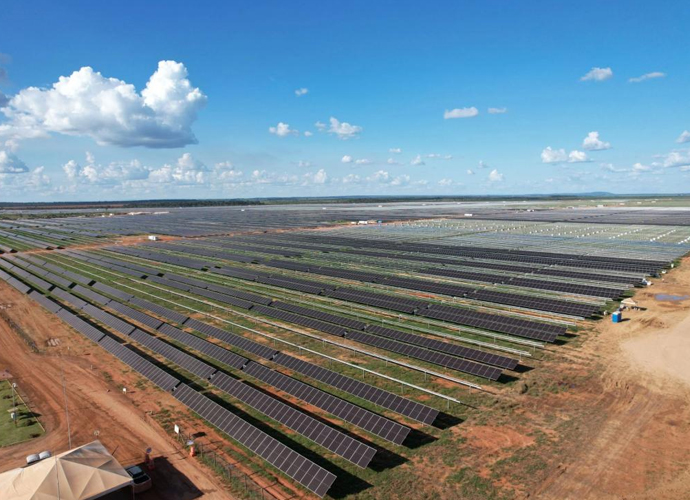
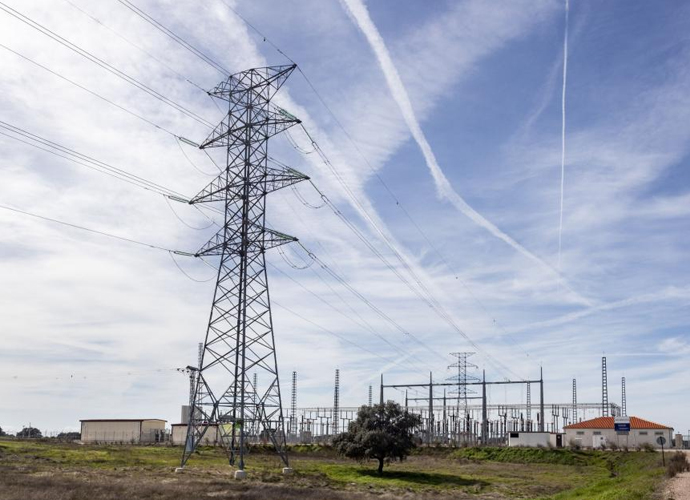
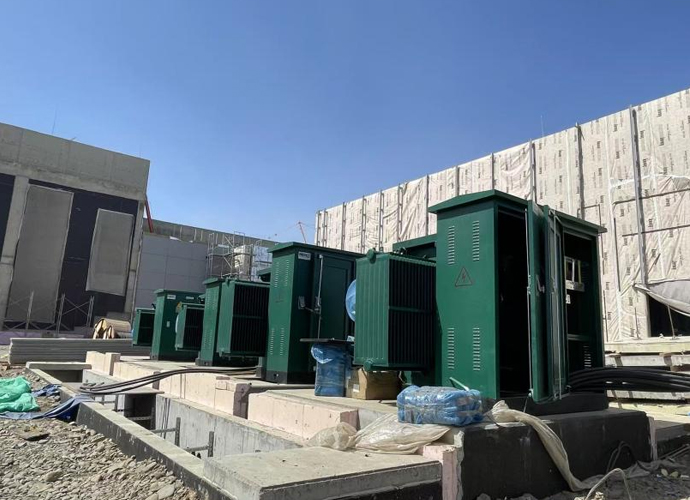
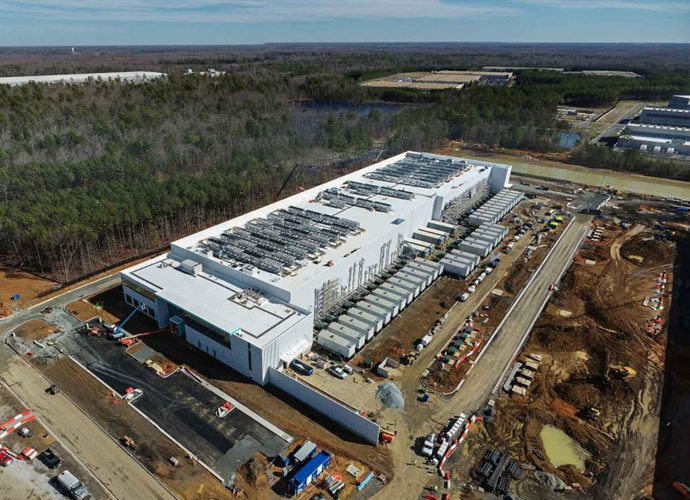
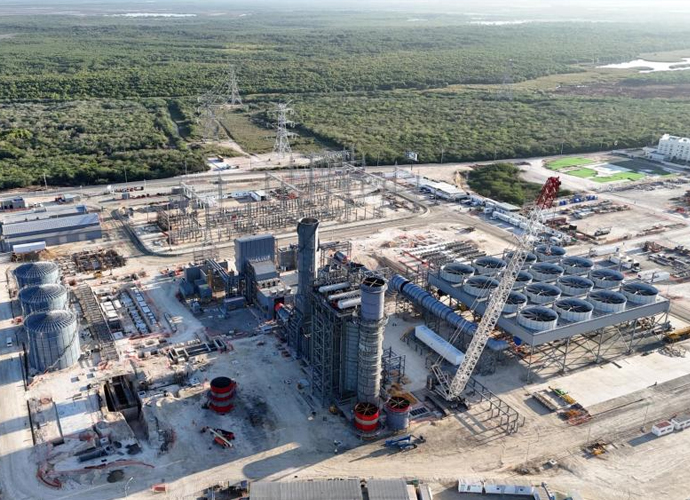
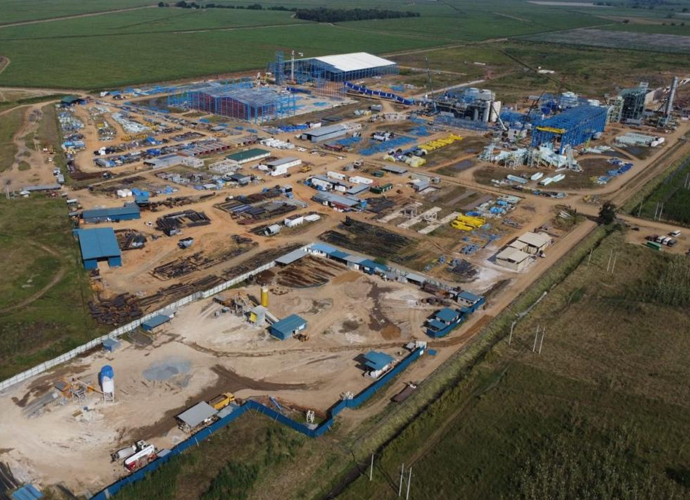
This autotransformer is used in high-capacity transmission substations, grid interconnection points, regional power hubs, and backbone utility networks requiring efficient voltage transformation, reduced losses, and reliable long-term operation in high-voltage power systems.


Technical Advantages
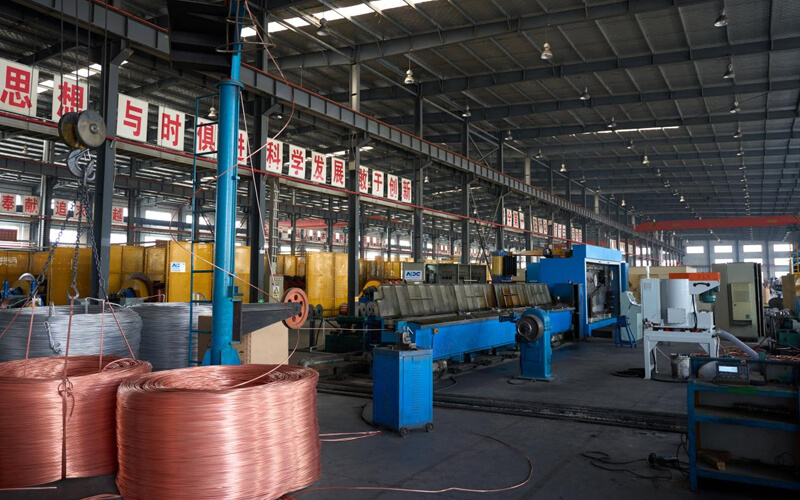
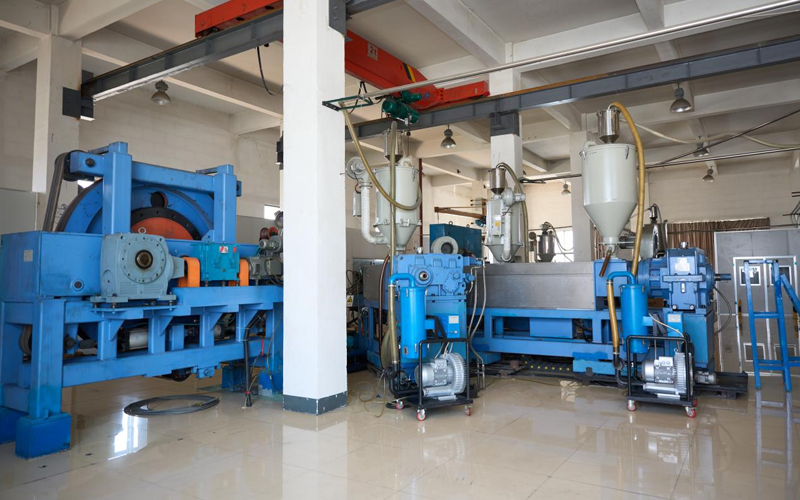
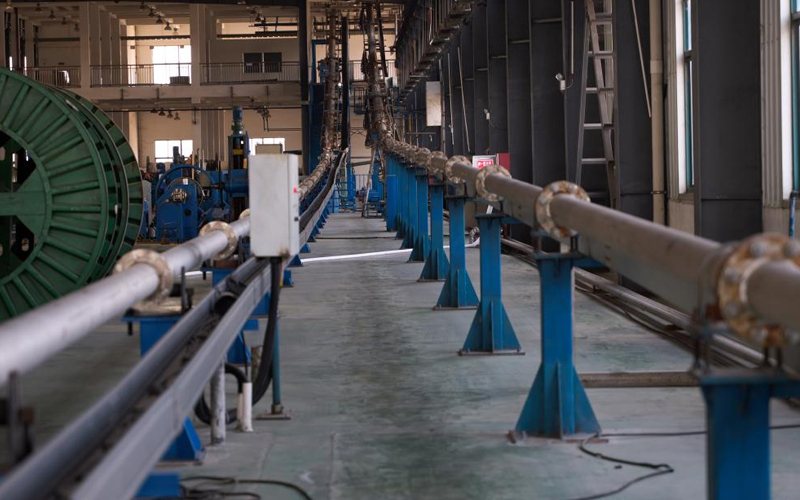
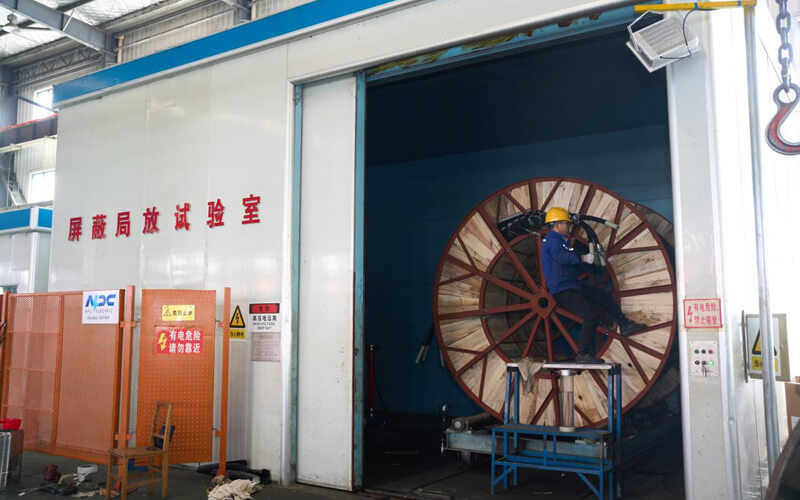
● 30+ years of manufacturing experience
● ISO and UL certified production
● Customized cable and transformer solutions
Product Packaging
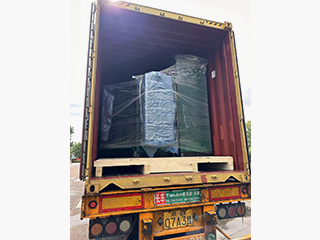
Transformers Packaging (1)
Transformers Packaging (2)
Transformers Packaging (3)
Transformers Packaging (4)
Transformers Packaging (5)
Transformers Packaging (6)
Transformers Packaging (7)
Transformers Packaging (8)
Related Products
33/0.4kv 2000kVA Power Distribution Transformer
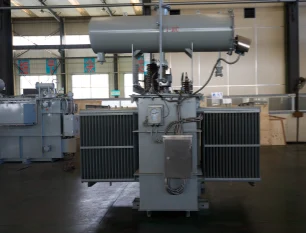
Experience superior power reliability with our 33/0.4kV 2000kVA Power Distribution Transformer, a cutting-edge solution designed for efficient medium-to-low voltage conversion in extensive electrical networks. This oil-immersed transformer incorporates high-permeability grain-oriented steel cores and optimized copper windings to deliver exceptional efficiency, low noise operation, and minimal energy losses even under full load conditions. The robust conservator-type tank filled with premium inhibited mineral oil ensures excellent cooling, high breakdown voltage, and protection against environmental factors. Engineered for long-term performance in challenging climates, it features anti-corrosion coatings, sealed bushings, and overload tolerance up to 150% for short durations. Fully compliant with IEC 60076, GB/T 1094, and other global standards, this 2000kVA distribution transformer supports sustainable energy infrastructure by reducing carbon footprint through enhanced efficiency and reliable power delivery to end users.
5MVA / 6.3MVA 35kV Three-Phase Oil-Immersed Step-Down Power Transformer
The 5MVA / 6.3MVA 35kV Three-Phase Oil-Immersed Step-Down Power Transformer is designed for reliable voltage reduction in medium-voltage power distribution systems. Built with high-grade silicon-steel cores, premium copper windings, and advanced oil-immersed cooling, it delivers low losses, strong short-circuit resistance, and stable thermal performance. The transformer features robust insulation, durable tank construction, and precision-engineered components to ensure long operational life. Suitable for industrial plants, utility substations, renewable energy facilities, and commercial power distribution, it supports both on-load and off-load tap changers for accurate voltage regulation. Engineered in compliance with IEC standards, this 35kV step-down transformer ensures high efficiency, dependable performance, and safe power delivery under various environmental and load conditions.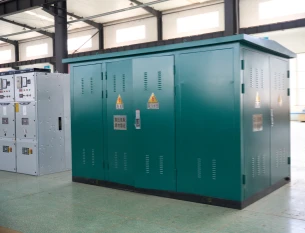
Prefabricated Box Type Transformer Substation
The Prefabricated Box Type Transformer Substation is a fully integrated power distribution system combining medium-voltage switchgear, distribution transformer, low-voltage distribution equipment, and intelligent control systems within a compact outdoor enclosure. Engineered for modern electrical infrastructure, the substation delivers efficient, safe, and stable power transformation and distribution for industrial facilities, renewable energy projects, urban developments, and utility networks. Its modular structural design significantly reduces installation time, civil construction requirements, and overall project costs while enhancing operational reliability and maintenance efficiency. The enclosure is manufactured using corrosion-resistant materials and advanced environmental protection technologies to ensure dependable performance under harsh outdoor conditions including high humidity, dust, salt spray, and temperature fluctuations. The substation supports multiple transformer capacities, flexible voltage ratings, intelligent monitoring functions, and customizable switchgear configurations to meet different regional standards and project specifications. With compact footprint advantages and scalable integration capability, the Prefabricated Box Type Transformer Substation is an ideal solution for modern smart grid systems and distributed energy applications.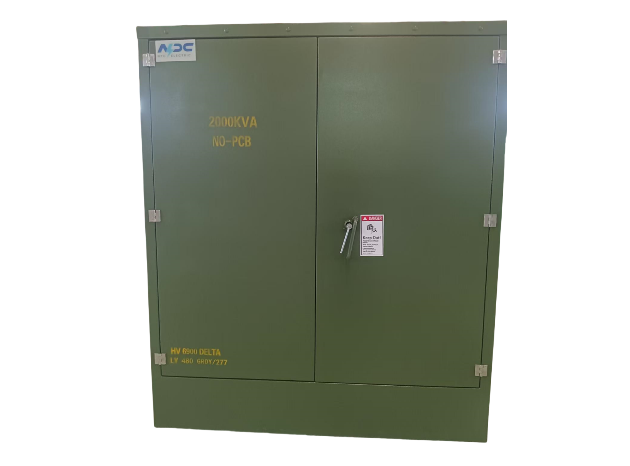
2000kVA Loop Feed 6.9kV Pad Mounted transformer
The 2000kVA Loop Feed 6.9kV Pad-Mounted Transformer is designed and manufactured to meet IEEE C57.12.34, IEEE C57.12.24, and IEEE C57.12.00 standards, as well as ASTM D6871 oil test requirements. It features a dead-front loop-feed design, aluminum windings, primary voltage of 6.9kV, and secondary voltage of 480/277V with ±2×2.5% HV taps for voltage adjustment. This transformer uses NEMA-standard spade-type low-voltage terminals with 12 holes, offers ONAN cooling, and is filled with mineral oil for reliable insulation and thermal performance. Ideal for substation projects in demanding environments, it is UL certified and built for step-down operation with a 95/30kV BIL rating. Standard configuration includes mineral oil or FR3 natural ester fluid (ONAN cooling), aluminum or copper windings, primary voltage 6.9kV (6900V Delta or 6900GrdY/3985 common for loop-feed systems), secondary 480Y/277V (or 208Y/120V, 600Y/347V, custom), BIL 75kV HV / 30kV LV, impedance 5.75–7.5% (±7.5%), ±2×2.5% taps, loop-feed dead-front design with six high-voltage bushings (three per source: H1A/H2A/H3A and H1B/H2B/H3B), dual load-break switches (one per feed), bayonet fuses + partial-range current-limiting fuses (dual sets), lightning arresters, pressure relief valve, oil level/temperature gauges, and ANSI 70 gray (or Munsell green) finish.
25000kVA Oil-Immersed Copper Transformer For Substation
The 25,000kVA oil-immersed copper transformer is engineered for high-standard power distribution in large industrial facilities, utility networks, and high-voltage substations. Built with premium pure copper windings, it delivers exceptional electrical conductivity, reduced losses, and long-term operational stability. The oil-immersed cooling system ensures efficient heat dissipation, allowing the transformer to perform reliably under continuous heavy load conditions.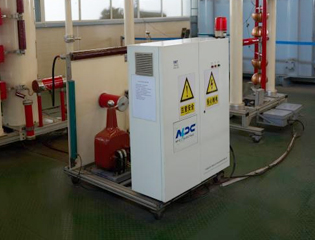
500kVA Dry Type Transformer
NPC ELECTRIC 500kVA Dry-Type Transformer offers reliable and efficient power distribution with a compact, oil-free design. It ensures safe, low-maintenance operation with advanced insulation and cooling systems, making it ideal for industrial and commercial use. With a capacity of 500kVA, it delivers stable performance while being environmentally friendly and cost-effective. Key characteristics feature three-phase design (single-phase adaptable), primary voltages 208V–600V (e.g., 480V Delta, 600V Delta), secondary voltages such as 208Y/120V, 480Y/277V, or custom, aluminum or copper windings, 150°C rise (standard) or 115°C/80°C with 220°C insulation class, ±2×2.5% primary taps, NEMA 1 ventilated enclosure (NEMA 3R/encapsulated options), natural convection cooling (AN), electrostatic shielding, and low sound levels per NEMA.FAQ From Customers
-
What is a Transformer?A transformer is an electrical device used to change the voltage of alternating current (AC). It works on the principle of electromagnetic induction, converting high-voltage current into low-voltage current or low-voltage current into high-voltage current. Transformers are widely used in power transmission, distribution systems, and various electronic devices.
-
What are the main uses of a transformer?The main use of a transformer is voltage conversion. Transformers are used in power transmission systems to help transfer electricity from power plants to consumers. In addition, transformers are also used in electronic devices such as chargers, televisions, power adapters, etc., to adjust the voltage to meet the requirements of different devices.
-
Do you have UL listed?Yes, our transformer has UL listed. We have exported to America many pad mounted transformer,substation transformer and HV.
Welcome your inquiry
Honesty, Integrity, Frugality, Activeness and Passion