Steel Cable vs Wire Rope Cable: Key Differences Explained
2026-05-14
Steel cables and wire rope cables are critical components in modern industrial infrastructure. They are widely used in lifting systems, mining operations, marine engineering, transportation systems, construction equipment, suspension structures, and mechanical transmission applications. Although the terms are often used interchangeably, steel cable and steel wire rope differ significantly in construction, flexibility, load handling capability, and application suitability.
Understanding these differences is essential for engineers, procurement specialists, industrial contractors, and maintenance professionals. Improper cable selection can lead to accelerated wear, structural failure, safety hazards, and increased operational costs.
Modern wire rope construction technology has evolved considerably to improve wear resistance, corrosion resistance, tensile strength, and operational lifespan. Different combinations of individual wires, strands, and wire patterns, steel grades, and protective coatings allow wire rope systems to operate in highly demanding environments, including offshore platforms, cranes, elevators, mining equipment, and zip line steel cable systems
1. What Is Steel Cable?
Steel cable generally refers to a mechanical cable assembly made from steel wires twisted or braided together to transmit tensile loads.
Steel cables are commonly used in:
- Suspension systems
- Structural support
- Pulling systems
- Safety restraints
- Mechanical control systems
Unlike electrical cables, steel cables are designed primarily for mechanical force transmission rather than electrical conductivity.
Basic Steel Cable Structure
A standard steel cable may contain:
- Individual wires
- Twisted strands
- Protective coatings
- Core reinforcement
The overall strength and flexibility depend on:
- Number of wires
- Strand arrangement
- Material grade
- Cable diameter
Common Steel Cable Materials
Modern steel cable systems typically use:
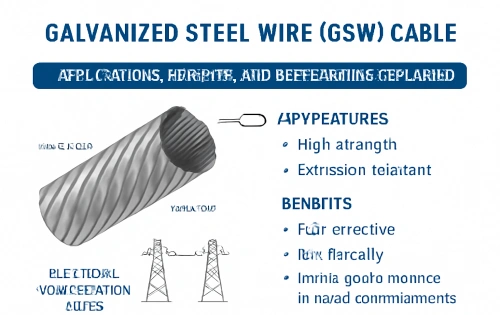
Galvanized Steel
Galvanized steel cables include zinc coating for improved corrosion resistance.
These are widely used in outdoor and industrial environments.
Stainless Steel
Stainless steel cable offers superior corrosion resistance in:
- Marine applications
- Chemical plants
- Coastal environments
- Food processing facilities
However, stainless steel cables are usually more expensive.
2. What Is Wire Rope Cable?
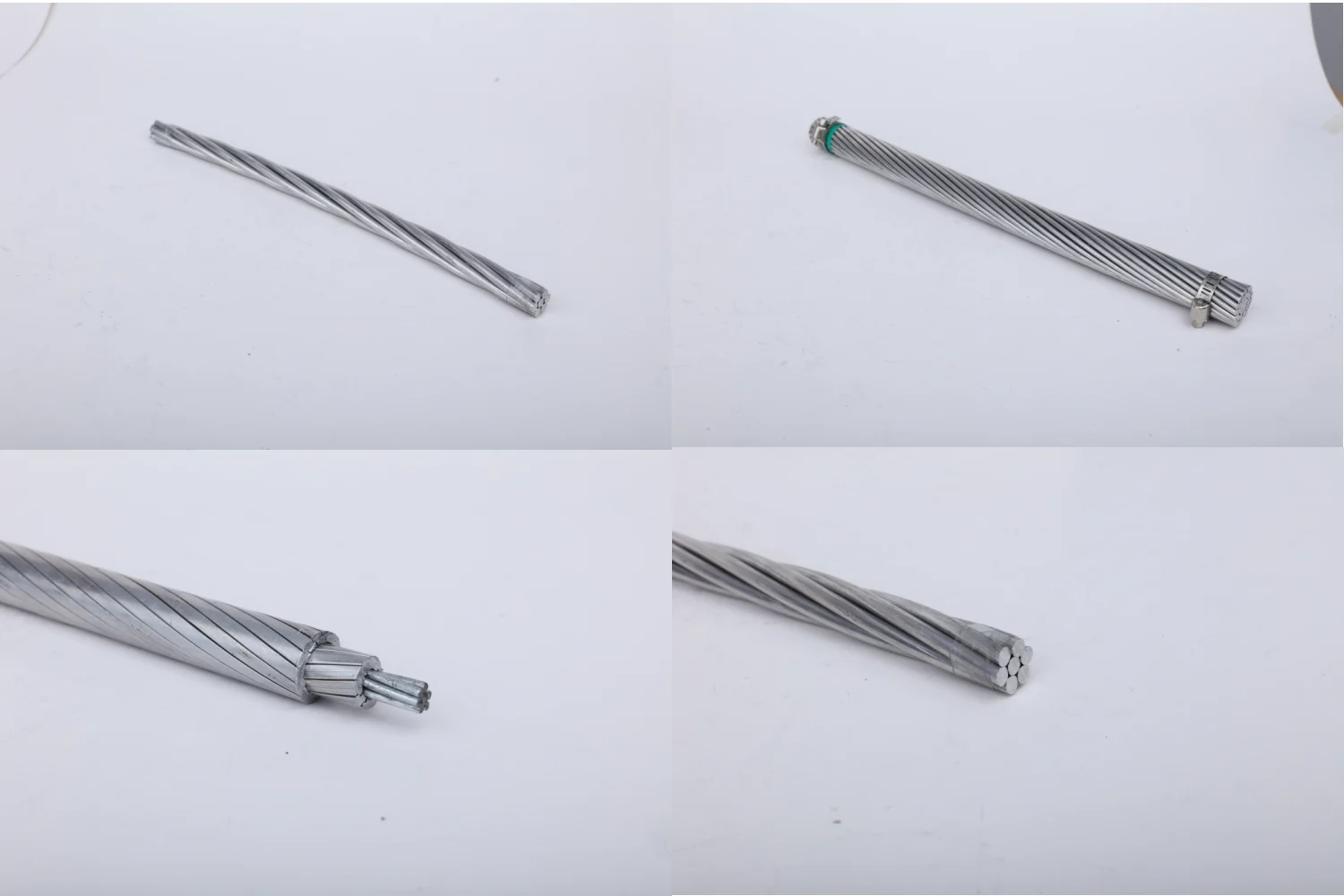
Wire rope cable is a highly engineered mechanical cable system consisting of multiple strands twisted around a central core.
Each strand itself contains multiple individual wires.
This layered design significantly improves:
- Flexibility
- Load distribution
- Fatigue resistance
- Wear resistance
Wire Rope Construction
Typical wire rope construction includes:
- Core
- Multiple strands
- Individual steel wires
Common constructions include:
- 6×19
- 6×37
- 8×19
For example:
6×19 means:
- 6 strands
- 19 wires per strand
The number of wires directly affects flexibility and abrasion resistance.
Common Steel Wire Rope Construction Types and Applications
|
Wire Rope Construction |
Structure Description |
Flexibility |
Abrasion Resistance |
Typical Applications |
|
6×19 |
6 strands with 19 wires each |
Moderate |
High |
Cranes and industrial lifting |
|
6×37 |
6 strands with 37 wires each |
Excellent |
Moderate |
Hoisting systems and elevators |
|
8×19 |
8 strands with 19 wires each |
High |
Good |
Marine and offshore systems |
|
7×7 |
Compact small-diameter rope |
Moderate |
Moderate |
Control cables and aircraft systems |
|
7×19 |
Flexible multi-wire construction |
Very high |
Moderate |
Zip line steel cable and winches |
|
IWRC Rope |
Steel core reinforced rope |
Moderate |
Excellent |
Heavy-duty industrial applications |
Core Types in Steel Wire Rope
Wire rope cores may include:
Fiber Core (FC)
Provides:
- Higher flexibility
- Better lubrication retention
Independent Wire Rope Core (IWRC)
Provides:
- Higher strength
- Improved crush resistance
IWRC designs are common in heavy industrial applications.
3. Main Differences Between Steel Cable and Wire Rope Cable
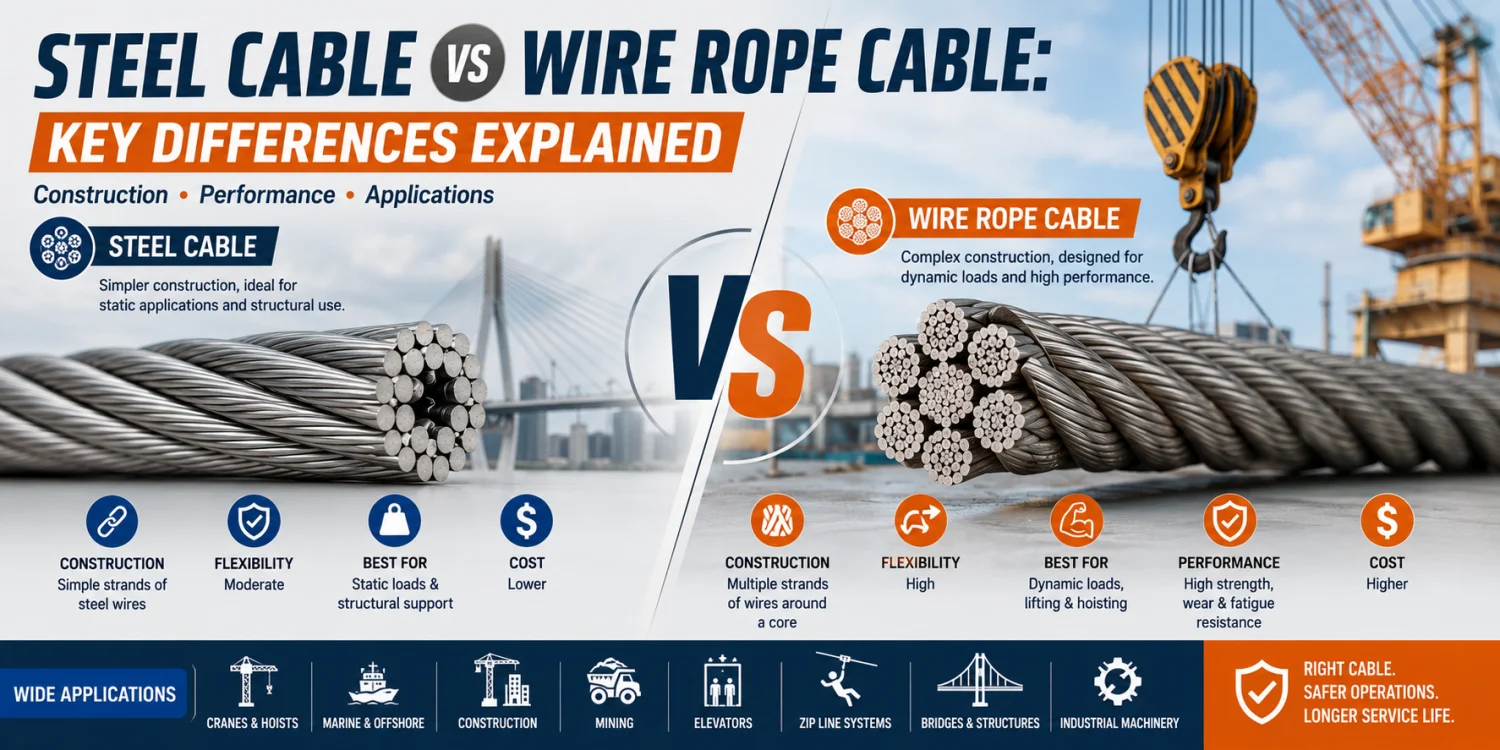
Although steel cable and wire rope are related products, they differ in engineering performance and application suitability.
|
Parameter |
Steel Cable |
Wire Rope Cable |
|
Construction Type |
Simple twisted cable |
Multi-strand engineered rope |
|
Flexibility |
Moderate |
High |
|
Tensile Strength |
High |
Very high |
|
Fatigue Resistance |
Moderate |
Excellent |
|
Wear Resistance |
Moderate |
Excellent |
|
Bending Performance |
Limited |
Superior |
|
Dynamic Load Suitability |
Moderate |
Excellent |
|
Corrosion Resistance |
Depends on the coating |
Depends on the material and lubrication |
|
Maintenance Requirement |
Lower |
Moderate |
|
Typical Applications |
Structural support |
Cranes, hoists, elevators |
|
Cost |
Lower |
Higher |
Wire rope cable is generally preferred for dynamic, heavy-duty industrial operations.
4. Corrosion Resistance and Material Selection
Environmental conditions strongly affect cable lifespan.
Recommended Steel Cable Materials by Environment
|
Environment |
Recommended Material |
Main Advantage |
|
Indoor industrial facilities |
Galvanized steel cable |
Cost-effective durability |
|
Marine environments |
Stainless steel wire rope |
Superior corrosion resistance |
|
Chemical plants |
Stainless steel cable |
Chemical resistance |
|
Construction sites |
Galvanized steel rope |
Weather protection |
|
Offshore platforms |
Marine-grade stainless steel |
Saltwater resistance |
|
Mining operations |
IWRC steel wire rope |
High crush resistance |
|
Zip line systems |
Flexible galvanized wire rope |
Fatigue resistance |
|
Architectural structures |
Stainless steel cable |
Aesthetic appearance |
|
Heavy lifting cranes |
High-strength steel wire rope |
Load-bearing capability |
|
Utility infrastructure |
Galvanized steel cable |
Long-term outdoor reliability |
Galvanized Steel Cable
Galvanized steel provides a protective zinc coating that improves corrosion resistance.
Advantages include:
- Lower cost
- Outdoor durability
- Good weather protection
These cables are common in construction and utility industries.
Stainless Steel Wire Rope
Stainless steel wire rope offers superior resistance to:
- Saltwater corrosion
- Chemical exposure
- Humidity
- Oxidation
Applications include:
- Marine systems
- Offshore platforms
- Architectural structures
Why Corrosion Resistance Matters
Corrosion weakens individual wires and reduces cable strength.
Over time, corrosion may cause:
- Wire breakage
- Reduced fatigue life
- Structural failure
Routine inspection is critical in corrosive environments.
5. Industrial Applications of Steel Cable and Wire Rope
Different industries require different cable designs.
Cranes and Hoisting Systems
Wire rope cable is widely used in:
- Tower cranes
- Elevators
- Mining hoists
- Port equipment
These applications require:
- High tensile strength
- Fatigue resistance
- Dynamic load capability
Zip Line Steel Cable Systems
Zip line steel cable applications require:
- High flexibility
- Smooth surface finish
- Strong wear resistance
- Weather protection
Safety certification is especially important.
Marine and Offshore Applications
Marine wire rope systems operate in highly corrosive environments.
Stainless steel and specialized galvanized steel ropes are commonly used.
Structural Suspension Systems
Steel cable systems are widely used in:
- Suspension bridges
- Architectural facades
- Stadium roofs
- Tension structures
These applications prioritize long-term tensile stability.
6. Maintenance and Inspection of Steel Wire Rope
Regular inspection is essential for safe operation.
Common Failure Mechanisms
Wire rope deterioration may result from:
- Abrasion
- Corrosion
- Fatigue
- Crushing
- Overloading
Broken Wire Inspection
One of the most important inspection criteria is the number of broken wires.
Excessive broken wires indicate dangerous fatigue conditions.
Wire Rope Inspection and Replacement Guide
|
Inspection Item |
Warning Sign |
Recommended Action |
|
Broken wires |
Multiple visible fractures |
Replace rope |
|
Corrosion |
Rust and surface pitting |
Clean or replace |
|
Diameter reduction |
More than 10% reduction |
Remove from service |
|
Lubrication condition |
Dry surface appearance |
Re-lubricate |
|
Strand deformation |
Bird-caging or kinking |
Replace immediately |
|
Core damage |
Internal collapse |
Remove from operation |
Lubrication Importance
Proper lubrication reduces:
- Internal friction
- Corrosion
- Wear between strands
Lubrication significantly extends service life.
Replacement Standards
Wire rope should be replaced when:
- Excessive wear appears
- Diameter reduction exceeds limits
- Core damage occurs
- Broken wire count exceeds standards
7. How to Choose Between Steel Cable and Wire Rope Cable
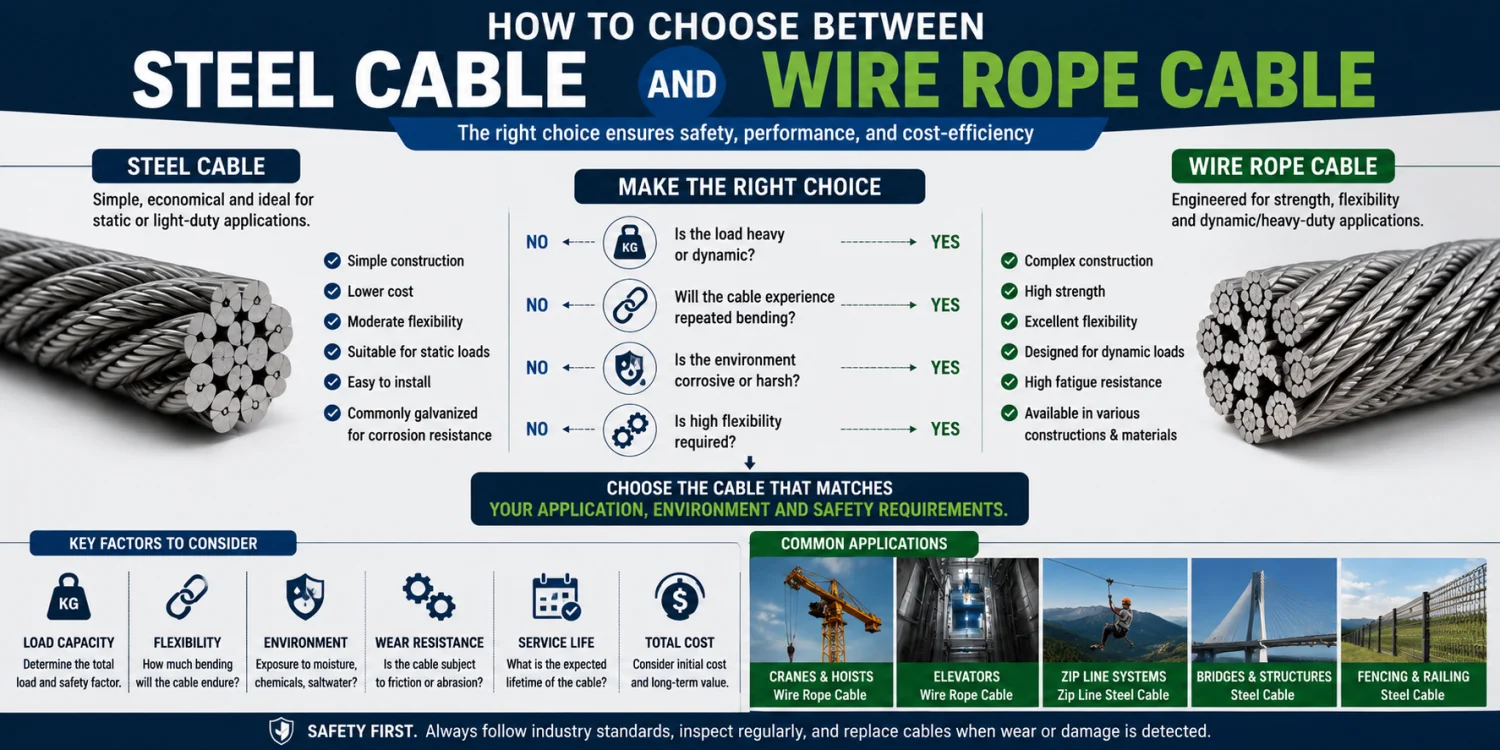
Correct cable selection depends on operational conditions.
Choose Steel Cable If:
- Static support is required
- Lower cost is important
- Simpler applications are involved
- Minimal bending cycles occur
Choose Wire Rope Cable If:
- Dynamic loads are present
- Repeated bending occurs
- High flexibility is needed
- Heavy industrial lifting is required
Engineering Selection Factors
Engineers should evaluate:
- Load capacity
- Environmental exposure
- Corrosion risk
- Bending cycles
- Abrasion conditions
- Safety factors
- Maintenance accessibility
before selecting a cable and wire rope system.
Conclusion
Steel cables and wire rope cables are both essential mechanical transmission products, but they are engineered for different operational requirements. Steel cable is often suitable for simpler structural support applications, while steel wire rope provides superior flexibility, fatigue resistance, load distribution, and durability for dynamic industrial systems.
Modern wire rope construction technology allows engineers to optimize performance based on strength requirements, environmental conditions, and operational stress factors. Factors such as galvanized steel coatings, stainless steel materials, strand and wire configuration, and the number of wires all significantly influence long-term performance and safety.
As industrial systems continue evolving toward higher loads, harsher environments, and stricter safety standards, properly engineered steel cable and wire rope solutions will remain fundamental components of modern infrastructure and mechanical systems.

Related Articles

Related Products
XLPE-HDPE Tree Cable Aluminum 25kV 1x35mm²
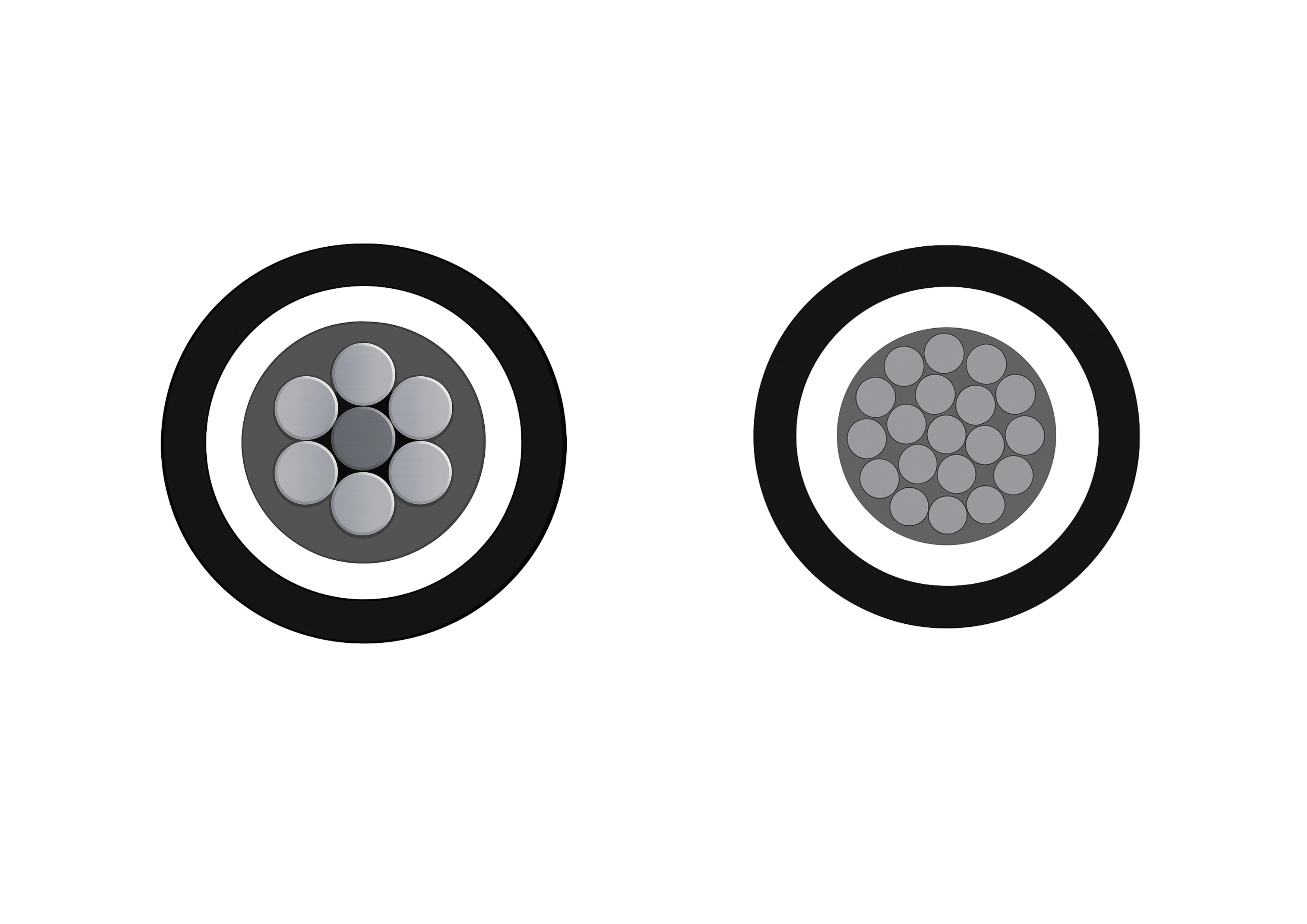
The XLPE-HDPE Tree Cable Aluminum 25kV 1x35mm² is specifically engineered for medium-voltage overhead distribution systems, particularly in densely wooded areas or locations with limited installation space. Manufactured in compliance with ASTM B230, ASTM B232, and ICEA S-121-733 standards, this cable features an aluminum alloy conductor, cross-linked polyethylene (XLPE) insulation, and a high-density polyethylene (HDPE) outer sheath, ensuring outstanding electrical performance, mechanical durability, and environmental resistance. The HDPE outer sheath provides strong protection against UV radiation, weathering, and mechanical abrasion, while significantly reducing the risk of power outages caused by tree branch contact and electrical sparking. The XLPE insulation layer guarantees stable dielectric performance at continuous operation temperatures up to 90°C, and the 1350 aluminum alloy compact conductor offers a lightweight yet high-conductivity solution, meeting the reliability requirements of medium-voltage power distribution.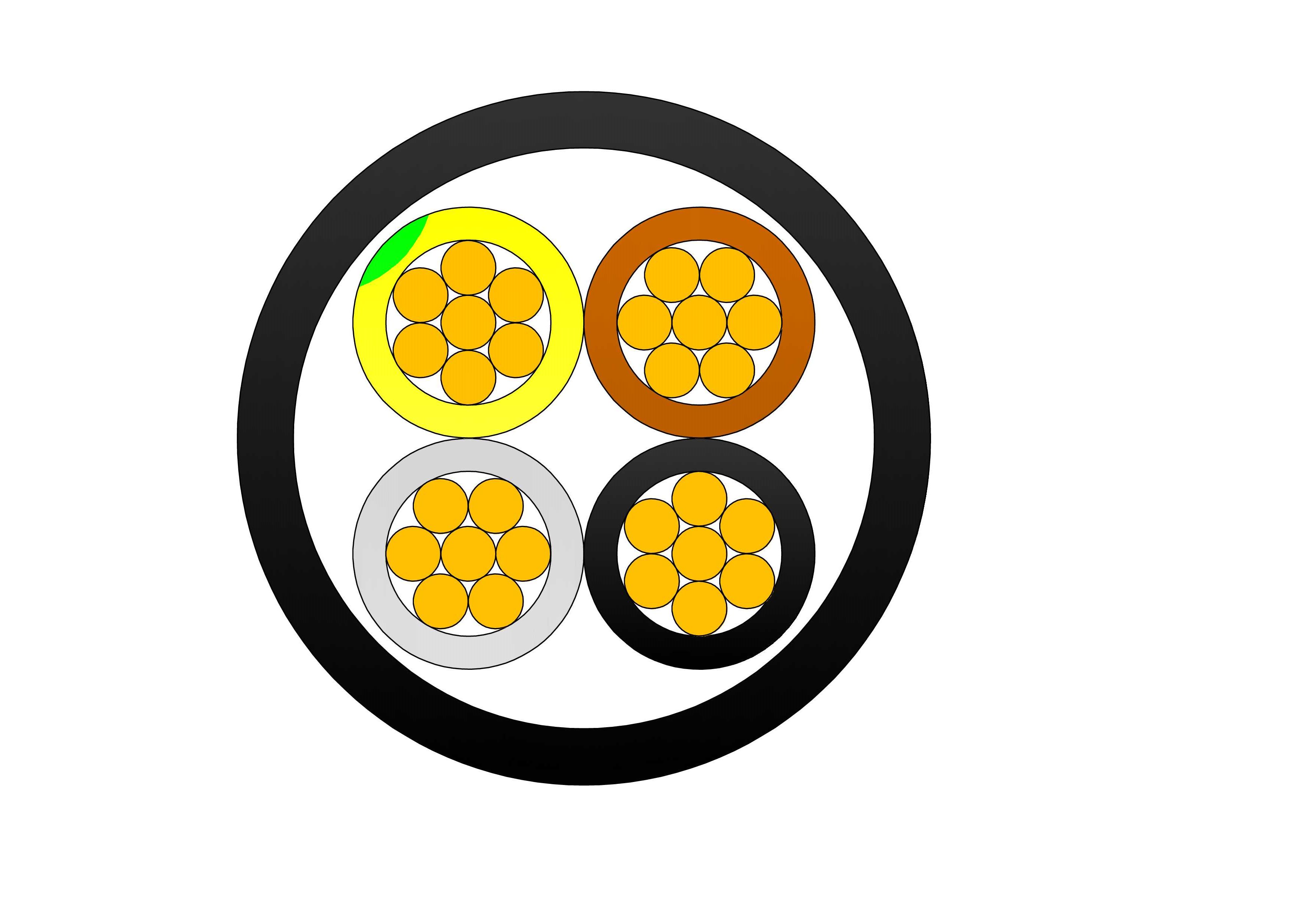
Solar Cable H1Z2Z2-K Tinned Stranded Copper
The H1Z2Z2-K Solar Cable Tinned Stranded Copper is a high-performance photovoltaic cable designed for solar power generation systems. It features tinned stranded copper conductors for superior conductivity, corrosion resistance, and flexibility, with cross-linked polyolefin (XLPO) insulation and sheath providing excellent thermal, UV, ozone, and weather resistance. Rated for 1.8 kV DC, this cable meets TÜV 2PfG 1169 and EN 50618 standards, ensuring safety and durability in harsh outdoor environments. The H1Z2Z2-K Solar Cable Tinned Stranded Copper offers low voltage drop, high current-carrying capacity, and long service life. Its halogen-free, low-smoke, and flame-retardant properties enhance safety in solar farms, rooftop PV systems, and ground-mounted installations. Lightweight and flexible, it simplifies installation while maintaining reliable performance in extreme temperatures and weather conditions.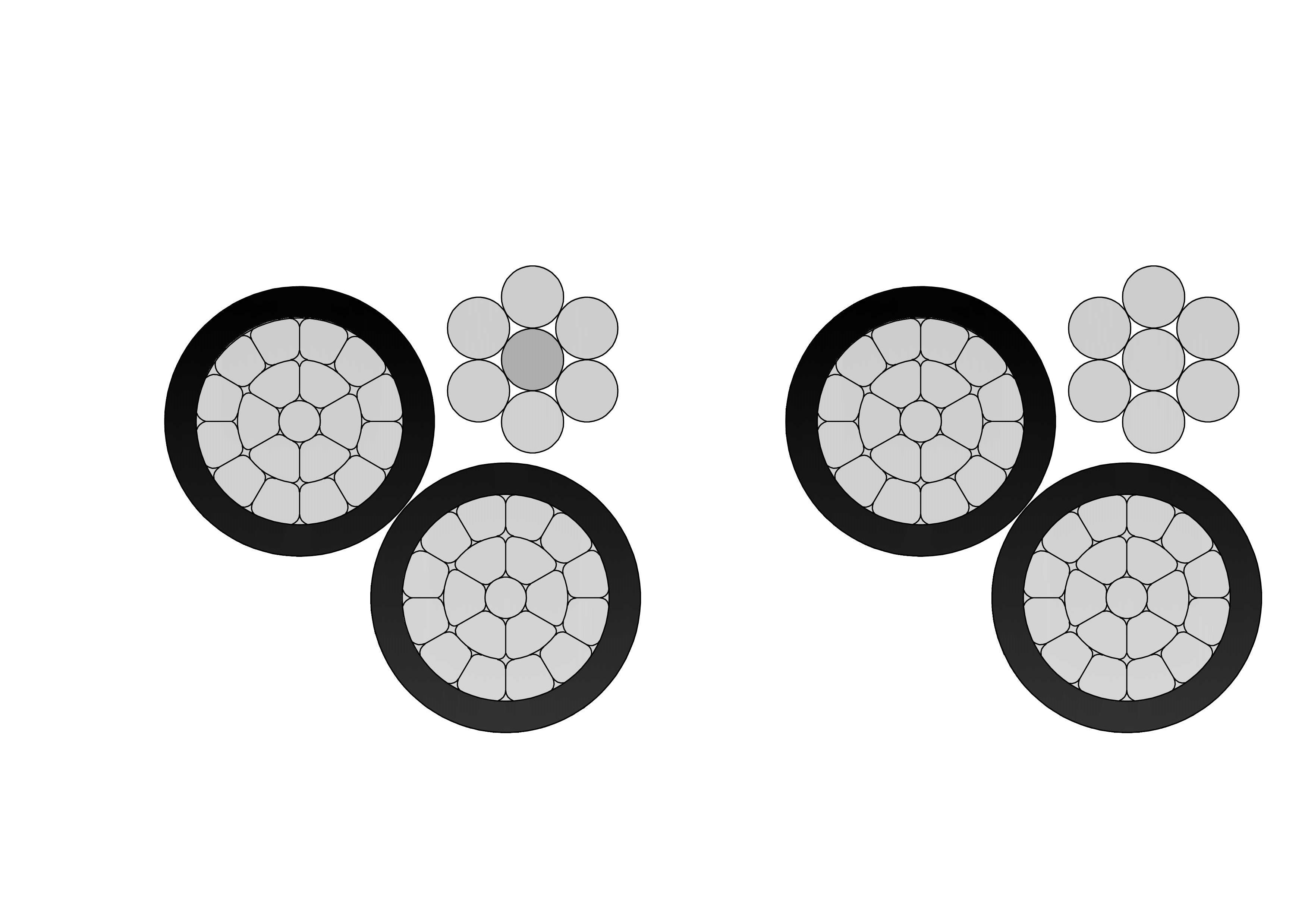
Copper Conductor Triplex Service Drop Cable 600V
The Copper Conductor Triplex Service Drop Cable 600V delivers exceptional performance for overhead power distribution from utility poles to service entrances. It features three stranded soft copper conductors: two phase conductors (common sizes 8 AWG to 2 AWG or larger) insulated with black cross-linked polyethylene (XLPE) for outstanding weather, UV, and moisture resistance, twisted around a bare copper neutral messenger for mechanical support and reduced sag. Rated 600V phase-to-phase with conductor temperatures up to 90°C (XLPE), it provides higher ampacity than aluminum equivalents (e.g., ~85–180A depending on size) due to superior conductivity. Compliant with ASTM B-1, B-3, B-8, and ICEA S-76-474 standards, the Copper Conductor Triplex Service Drop Cable offers excellent corrosion resistance, lower voltage drop, and long-term reliability in demanding aerial installations where premium conductivity is essential.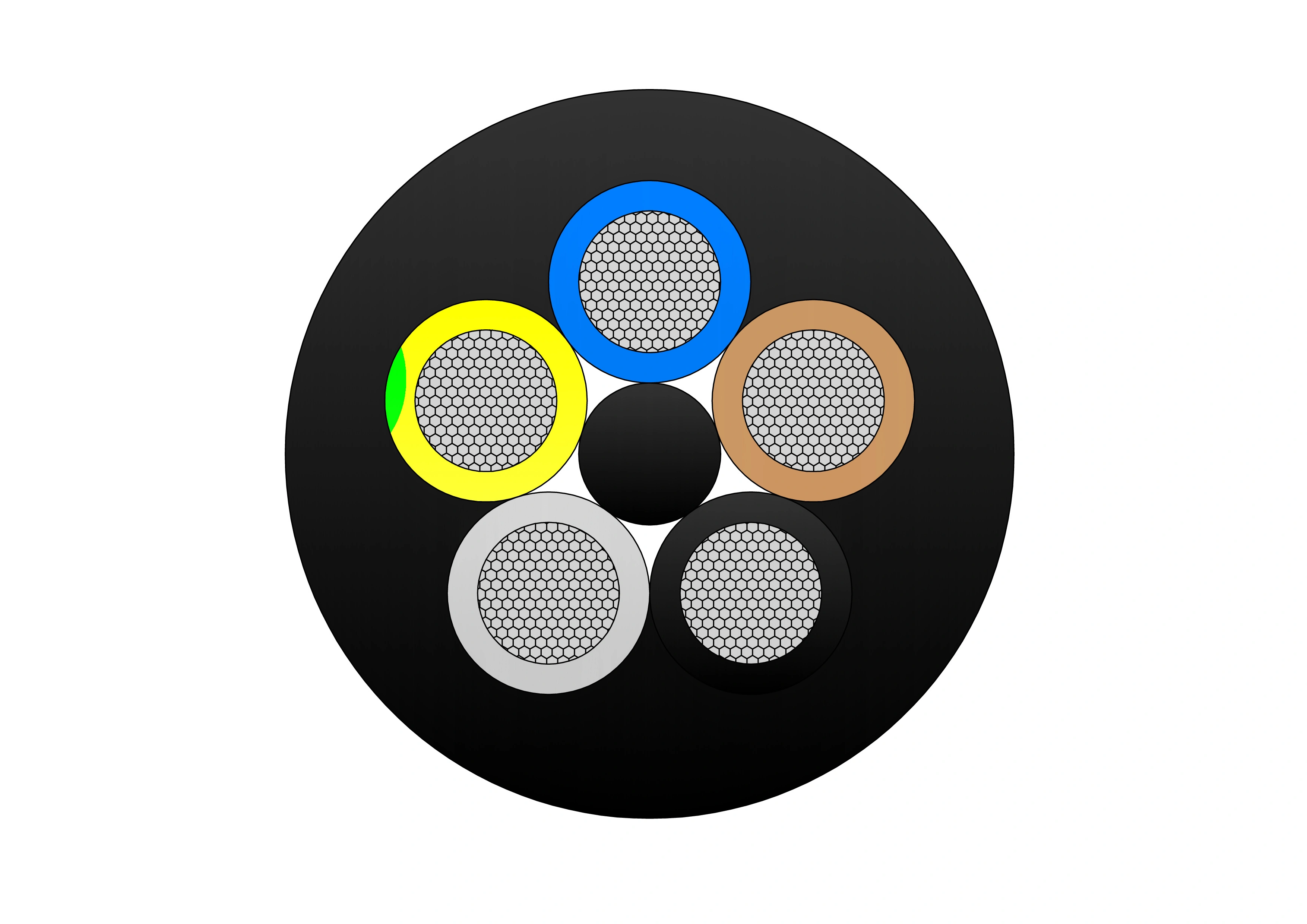
Type 245 Flexible Rubber Mining Cable
The Type 245 Flexible Rubber Mining Cable is an extra-heavy-duty flexible cable purpose-built for the most severe high-voltage underground mining environments. It features finely stranded tinned copper conductors (class 5) for exceptional flexibility and corrosion resistance, EPR (ethylene propylene rubber) insulation for outstanding dielectric strength, thermal stability (90°C continuous rating), and resistance to moisture/heat, an overall tinned copper braid screen providing superior EMI protection and grounding, and an extra-heavy-duty flame-retardant rubber outer sheath engineered to endure extreme abrasion, crushing, impact, cutting, tearing, oils, chemicals, and repeated high-tension reeling/drag. Compliant with AS/NZS 2802 and rigorous mining safety standards, it supports very high tensile loads, frequent flexing, tight bending radii, and reliable operation in wet, dusty, and hazardous mine conditions. The Type 245 is specifically suited for high-power trailing applications in coal and metalliferous mines, powering longwall shearers, continuous miners, face conveyors, shuttle cars, and other critical high-capacity mobile equipment, delivering maximum safety, durability, and uptime.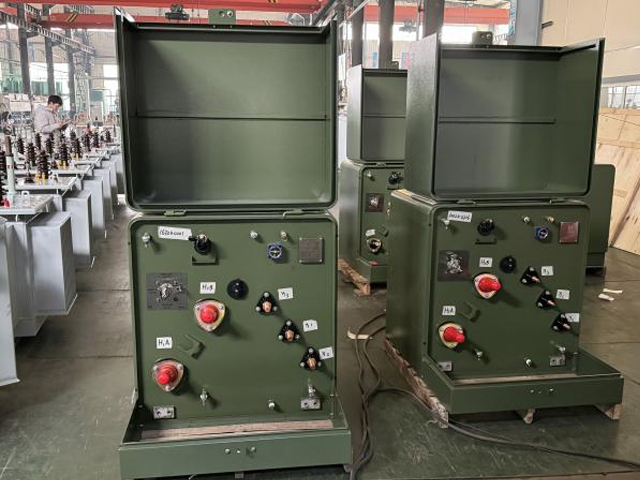
11kV Single Phase Pole Mounted Transformer
The 11kV single phase pole mounted transformer is a compact, high-performance solution for overhead distribution systems, stepping down 11kV primary voltage to standard secondary levels like 230V, 240V, or 415V for safe end-user supply. Built with high-grade silicon steel cores and copper or aluminum windings, it minimizes core and copper losses while meeting IEC 60076 and relevant IEEE/ANSI standards for energy efficiency. The oil-immersed tank with ONAN natural cooling supports a 55-65°C temperature rise, ensuring reliable operation under varying loads. Features include robust bushings, pressure relief mechanisms, and optional surge protection, making it weather-resistant and low-maintenance for exposed pole installations. This transformer excels in providing stable, low-distortion power with excellent overload tolerance, perfect for utilities expanding access in diverse terrains.
Type 241 Flexible Rubber Screened Mining Cable
The Type 241 Flexible Rubber Screened Mining Cable is a medium-voltage, rubber-insulated cable engineered for underground coal mining and general mining applications. It features tinned annealed copper conductors, EPR insulation, and a semi-conductive thermosetting screen for excellent electrical performance. The cable’s three screened power cores and three earth cores are arranged with a central pilot core for enhanced safety and control. With an HD-85-PCP extra heavy-duty outer sheath, it delivers oil resistance, flame retardancy, and superior mechanical durability. Compliant with AS/NZS 1802 and related standards, it ensures reliable operation under harsh mining conditions. The Type 241 is specifically suited for high-power trailing applications in coal and metalliferous mines, powering longwall shearers, continuous miners, shuttle cars, loaders, and face equipment with maximum safety and uptime.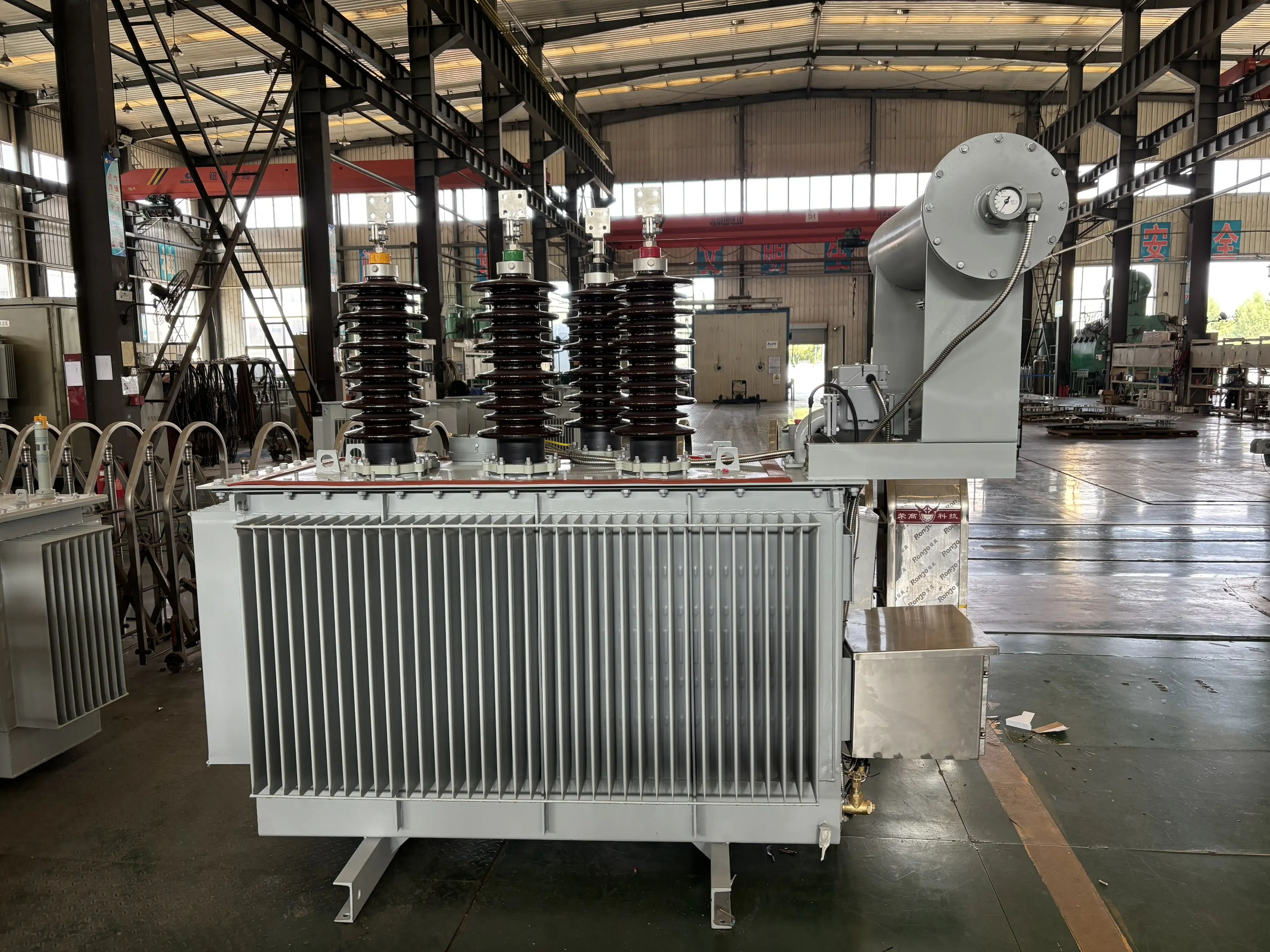
500kVA 11kV Dry-Type Zigzag Grounding Transformer
The Dry-Type Zigzag Earthing/Grounding Transformer 500kVA 11kV is designed to provide an effective neutral grounding solution for medium-voltage power systems. By creating an artificial neutral point, the zigzag transformer limits earth fault currents, stabilizes system voltage, and enhances overall grid safety. Its zigzag winding configuration ensures balanced performance under normal operation while offering low zero-sequence impedance during ground faults. Featuring a dry-type insulation system, this transformer eliminates the risk of oil leakage and fire hazards, making it ideal for indoor substations and environmentally sensitive installations. The low-loss core design minimizes energy consumption and heat generation, ensuring high efficiency and long service life.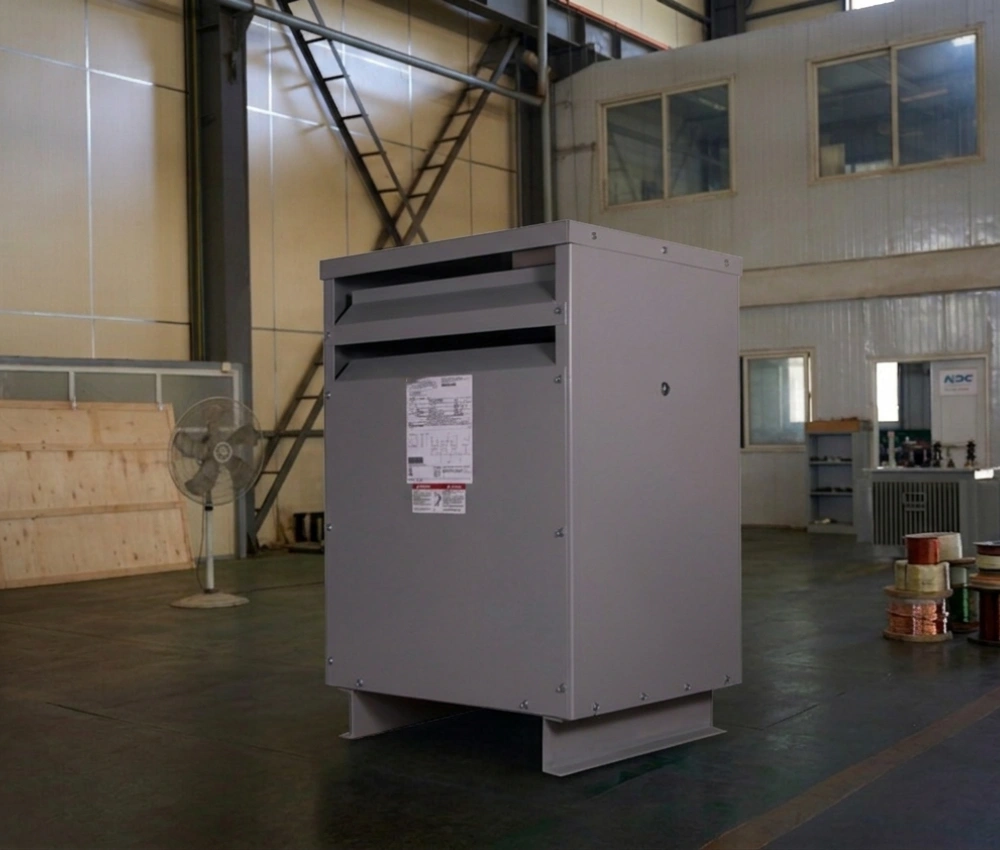
Dry Type Isolation Transformer
The Dry Type Isolation Transformer is a highly reliable power conditioning and electrical isolation solution designed to provide complete galvanic separation between input and output circuits. By eliminating direct electrical connections between the primary and secondary windings, the transformer effectively reduces electrical noise, suppresses transient disturbances, minimizes ground loop currents, and enhances system safety. Its oil-free design makes it particularly suitable for indoor installations where environmental protection, fire safety, and operational reliability are critical requirements. Manufactured using high-grade silicon steel cores, advanced vacuum pressure impregnated (VPI) insulation technology, and precision-wound copper or aluminum conductors, the Dry Type Isolation Transformer delivers superior voltage regulation, thermal stability, and dielectric performance. The transformer is widely utilized in industrial automation systems, medical facilities, commercial buildings, telecommunications infrastructure, data centers, renewable energy installations, and sensitive electronic equipment applications. Its maintenance-friendly design and robust construction ensure long service life and dependable performance under demanding operating conditions.
Type 260 Armoured Mining Cable with Pilot Core
The Type 260 Armoured Mining Cable with Pilot Core is a medium-voltage, rubber-insulated cable designed for heavy-duty mining applications requiring high mechanical strength and electrical reliability. It features flexible stranded tinned copper conductors, EPR insulation, and tinned copper braiding for excellent screening. The pliable galvanised steel wire armour (SWA) provides superior mechanical protection, making it suitable for harsh mining environments. The interstitial pilot core allows enhanced control and monitoring functions. With a PCP heavy-duty sheath, it offers flame retardancy, oil resistance, and durability. Compliant with AS/NZS 1802 and related standards, it is ideal for feeder cables, mining machinery power supply, and transportable substations. The Type 245 is ideal for high-power trailing in coal and metalliferous mines, powering longwall shearers, continuous miners, face conveyors, and critical equipment with enhanced safety via pilot core and armour.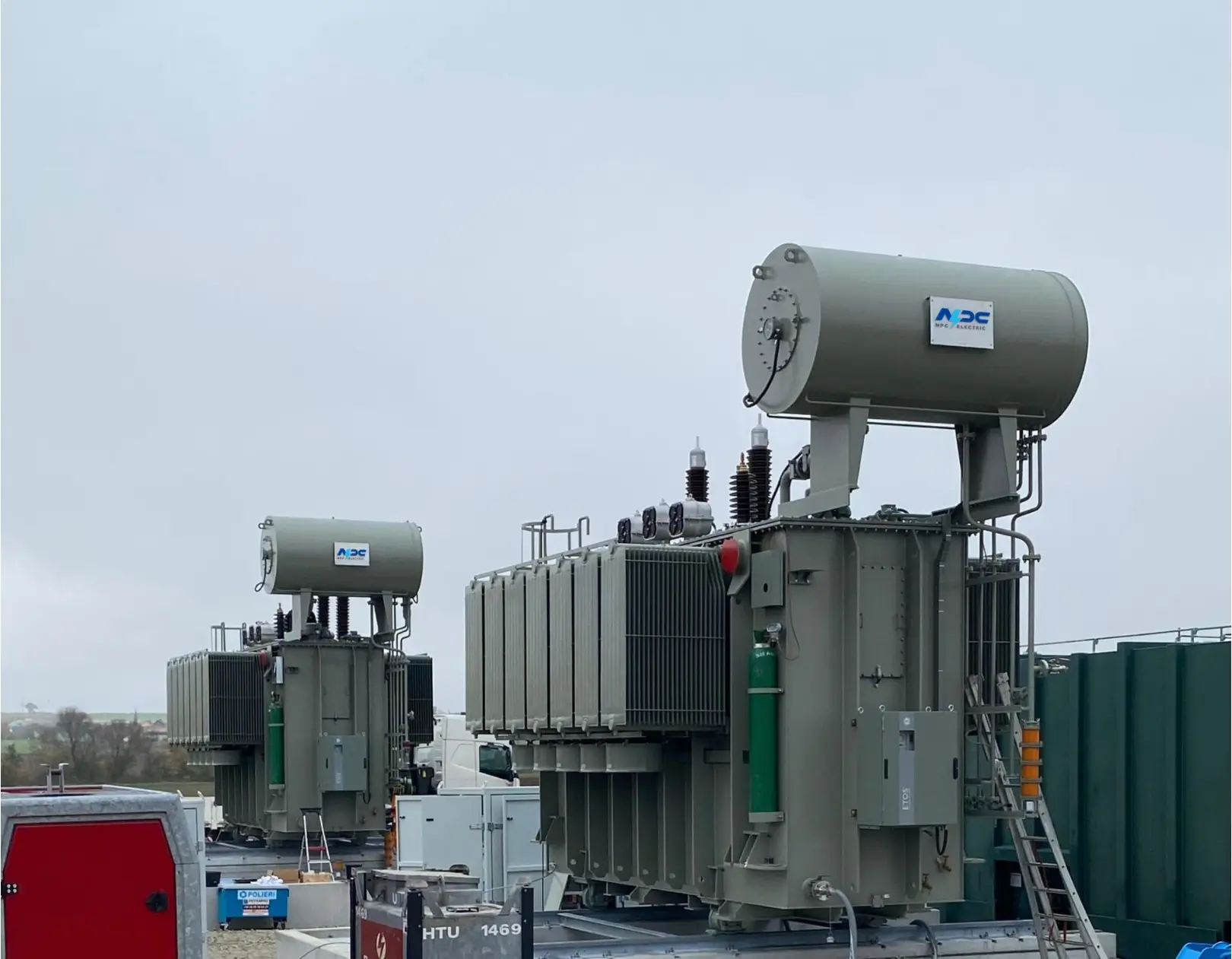
120kV High-Voltage Three-Phase Oil-Immersed Power Transformer
The 120kV High-Voltage Three-Phase Oil-Immersed Power Transformer is engineered for reliable and efficient operation in transmission networks and high-voltage substations. Designed with high-permeability silicon steel cores and precision-wound copper conductors, it delivers low losses, excellent thermal performance, and strong short-circuit withstand capability. The oil-immersed cooling system ensures effective heat dissipation, supporting continuous operation under heavy-load and fluctuating grid conditions. A robust tank structure, advanced insulation system, and outdoor-rated protection allow stable operation in harsh climates and demanding environments. Manufactured in accordance with IEC, IEEE, and ANSI standards, this transformer is widely applied in utility grids, industrial power systems, and large-scale infrastructure projects where high reliability, long service life, and stable voltage transformation are essential.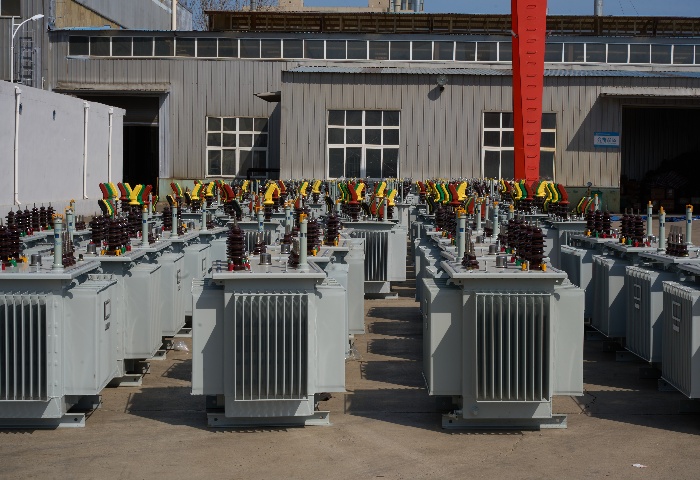
500kVA Oil Immersed Transformer
The 500kVA Oil Immersed Transformer is a heavy-duty, three-phase, liquid-filled distribution transformer engineered for reliable outdoor pole or pad-mounted installations in utility substations, large commercial complexes, medium to heavy industrial facilities, data centers, and suburban/rural power distribution systems. Standard configuration includes mineral oil or FR3 natural ester fluid, ONAN cooling, aluminum or copper windings, high-voltage 34.5kV / 24.94kV / 13.8kV / 12.47kV / 4.16kV (delta or wye), low-voltage 480Y/277V, 208Y/120V, 600Y/347V or custom, ±2×2.5% HV taps, radial or loop-feed dead-front design.
NTSCGECEWOU 3.6/6kV, 6/10kV, 8.7/15kV and 12/20kV Cable
The NTSCGECEWOU 3.6/6kV, 6/10kV, 8.7/15kV and 12/20kV Cable is a flexible, heavy-duty medium-voltage trailing/reeling cable designed for demanding mining and tunnelling operations. It features class 5 finely stranded tinned copper phase conductors for superior flexibility and corrosion resistance, semi-conductive conductor and insulation screens for field control, EPR (ethylene propylene rubber) insulation providing high dielectric strength and 90°C continuous operation, individual copper wire screens serving as earth conductors, control conductors, a monitoring conductor (ÜL), and a robust rubber outer sheath resistant to oil, flame, abrasion, tearing, and mechanical stress. Compliant with DIN VDE 0250, it supports high tensile loads, fast reeling speeds, tight bending radii, and effective EMC shielding across voltage ranges. The NTSCGECEWOU ensures safe, reliable MV power supply to mobile equipment such as shearers, tunnel boring machines, and conveyors in harsh underground and opencast environments, minimising downtime and enhancing operational efficiency.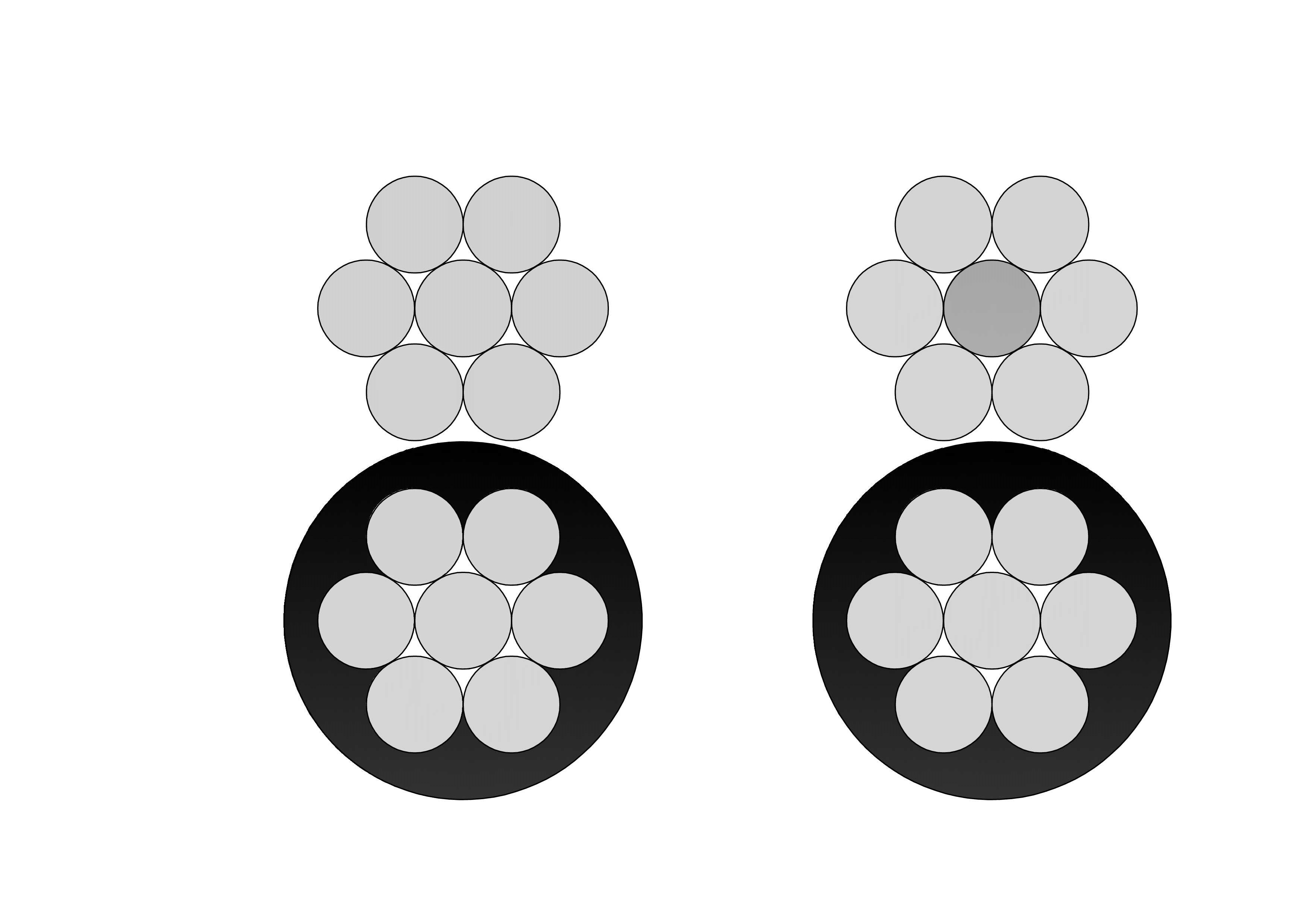
Duplex Overhead Service Drop Cable
Duplex Overhead Service Drop Cable is a reliable aerial cable for secondary power distribution from utility poles to service entrances. Available with aluminum or copper conductors (phase and neutral, stranded) insulated with XLPE or PE and assembled in duplex configuration, it offers excellent mechanical strength and weather resistance. Compliant with ASTM B-230, B-231, ICEA S-76-474, and ANSI/ICEA standards, this cable supports 600V applications with superior UV, moisture, and abrasion protection. The self-supporting design ensures reduced sag and easy installation over medium spans. The Duplex Overhead Service Drop Cable delivers low power losses, high current capacity, and long service life in harsh outdoor conditions. Lightweight and flexible, it is widely used for single-phase service drops in residential, commercial, and rural electrification projects requiring safe, cost-effective overhead connections worldwide.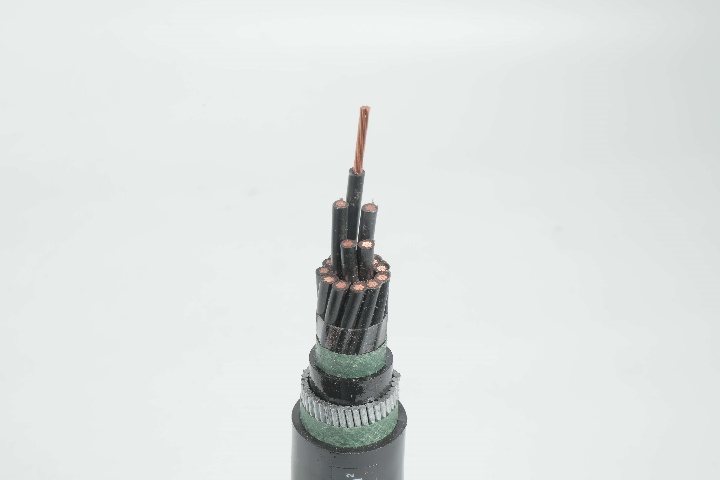
LiYCY Control Cable - Screened Flexible PVC Control Cable
The LiYCY Control Cable is a high-quality screened flexible control cable widely used in industrial automation and machinery applications. It features finely stranded copper conductors with PVC insulation, twisted cores, a tinned copper braid screen for superior electromagnetic interference (EMI) protection, and a durable PVC outer sheath. This construction provides excellent flexibility, reliable signal transmission, and effective shielding against electrical noise. Rated 300/500V, the LiYCY Control Cable is ideal for dynamic installations and environments requiring both mechanical flexibility and EMI protection. Manufactured to international standards such as VDE 0812 and IEC 60227, it undergoes rigorous quality testing from raw materials to finished product, ensuring consistent electrical performance, mechanical strength, and long-term reliability in demanding industrial control applications.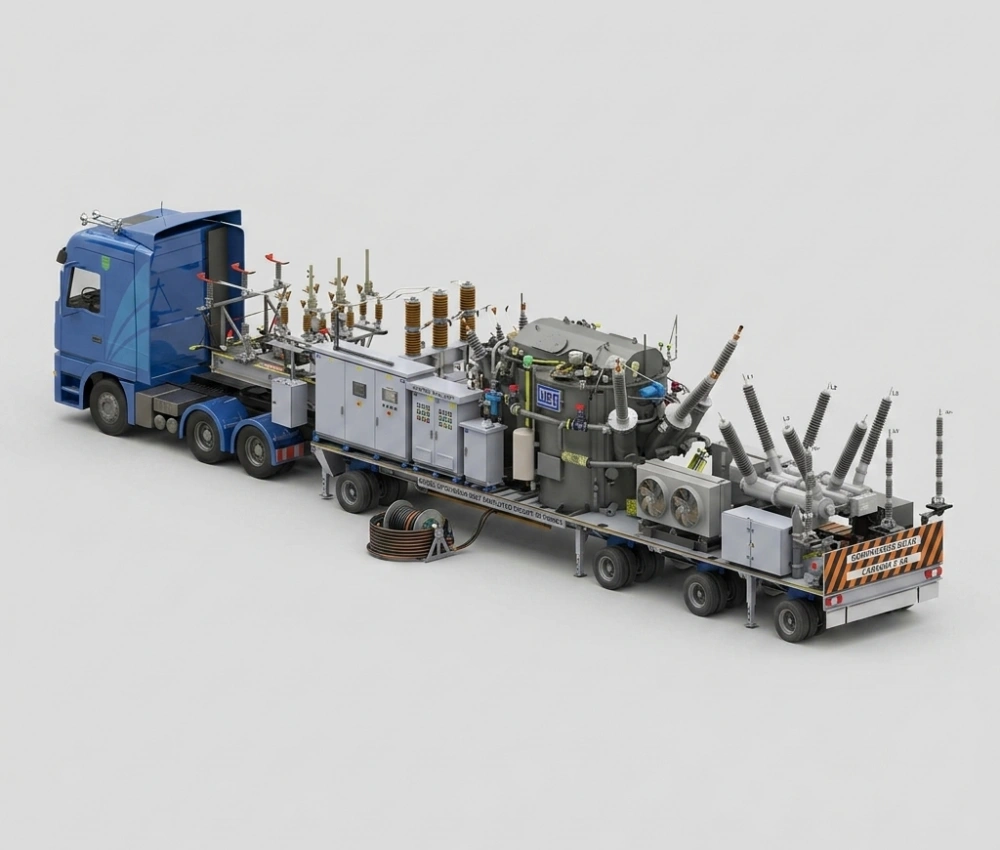
Mobile Prefabricated Substation
The Mobile Prefabricated Substation is a fully integrated, factory-assembled power solution designed for rapid deployment in emergency, temporary, or permanent power distribution applications. Built on a robust skid or trailer-mounted platform, it combines high-voltage switchgear, cast resin or oil-immersed transformer, low-voltage switchgear, protection relays, metering, and auxiliary systems into a compact, weatherproof enclosure. This plug-and-play design enables fast installation and commissioning, significantly reducing on-site construction time. With advanced safety features, intelligent monitoring, and high reliability, the mobile substation delivers stable power supply while offering excellent flexibility for load changes and network expansions. It is ideal for utilities, industrial projects, mining operations, and events requiring quick and dependable power infrastructure.Welcome your inquiry
Honesty, Integrity, Frugality, Activeness and Passion