
AI, Cloud Computing, and Big Data in Manufacturing for 2025
2026-01-20
Key Insights on AI, Cloud Computing, and Big Data in Manufacturing for 2025
- Rapid Adoption Driven by Efficiency Gains: Research indicates that in 2025, AI integration in manufacturing reached adoption rates of around 60-70% in advanced economies, primarily enhancing predictive maintenance and quality control, though challenges like data privacy persisted.
- Cloud Computing as a Backbone: It seems likely that cloud platforms facilitated scalable data processing, with hybrid models becoming standard to balance security and flexibility, contributing to a projected market growth of over 20% annually.
- Big Data's Role in Smart Factories: Evidence leans toward big data analytics enabling real-time decision-making, with IoT integration in factories boosting productivity by 15-25%, but interoperability issues highlighted ongoing debates among industry stakeholders.
- Trends Toward Sustainability and Resilience: Discussions suggest a focus on AI-driven sustainability, such as optimizing energy use, amid global supply chain disruptions, fostering innovation while raising ethical concerns over job displacement.
Overview of Applications
In 2025, AI technologies like machine learning algorithms were widely applied in predictive maintenance, reducing downtime by analyzing sensor data from machinery. Cloud computing supported this by providing on-demand computing resources, allowing manufacturers to store and process vast datasets without heavy upfront investments. Big data, often powered by tools like Hadoop or Spark, enabled pattern recognition in production lines, improving yield rates. For instance, automotive giants like Tesla and Ford leveraged these for autonomous assembly lines.
Development Trends
Trends pointed to increased use of edge computing combined with cloud for faster response times in smart factories. AI ethics gained traction, with regulations like the EU AI Act influencing global standards. Big data's evolution included advanced analytics for supply chain forecasting, amid concerns over data silos.
Challenges and Opportunities
While these technologies promised cost savings of up to 30%, issues like cybersecurity vulnerabilities and skill gaps tempered enthusiasm. Opportunities arose in emerging markets, where affordable cloud solutions democratized access.
Integration of AI, Cloud Computing, and Big Data in Global Manufacturing: Focus on Smart Factories in 2025
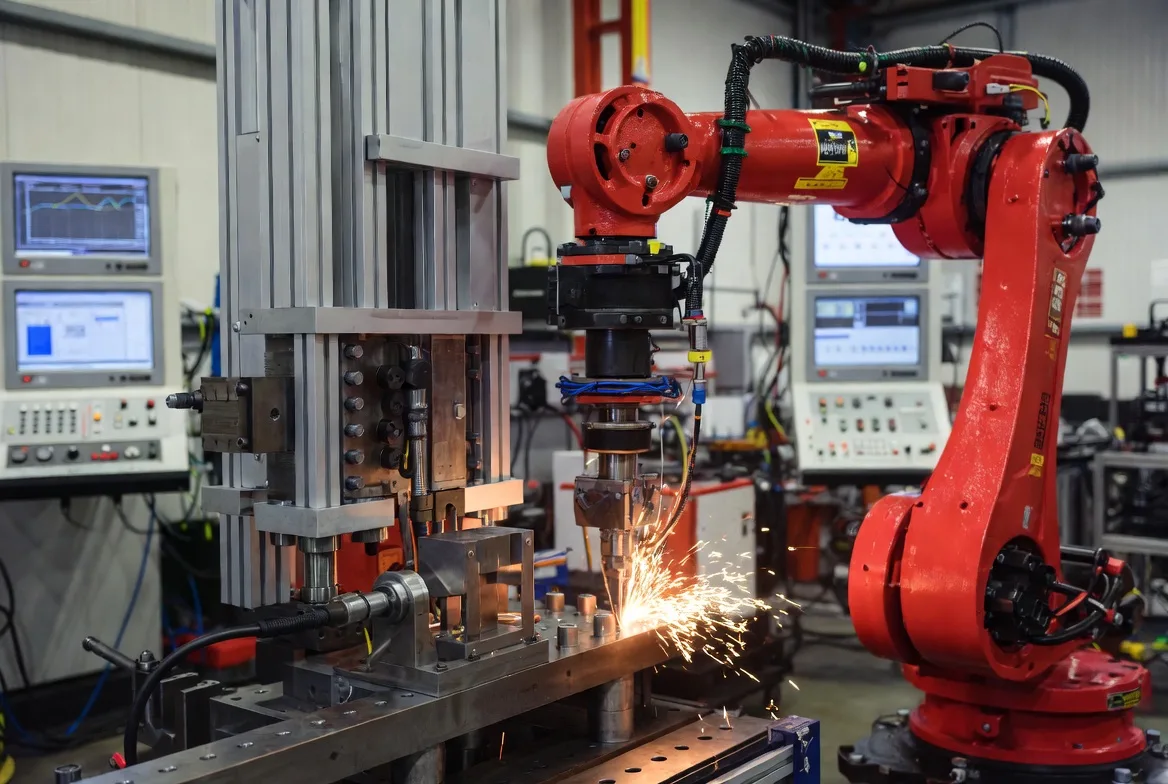
The year 2025 marked a pivotal moment in the evolution of manufacturing, where the convergence of artificial intelligence (AI), cloud computing, and big data technologies transformed traditional factories into intelligent, interconnected ecosystems. This report delves into their applications, emerging trends, and implications, drawing from industry analyses, case studies, and statistical data. With global manufacturing output valued at approximately $45 trillion in 2025, these technologies played a crucial role in driving efficiency, sustainability, and resilience amid economic uncertainties post-pandemic recovery.
Introduction to the Technological Triad in Manufacturing
AI, cloud computing, and big data form a synergistic triad that underpins the Fourth Industrial Revolution (Industry 4.0). AI encompasses machine learning, computer vision, and natural language processing, enabling machines to learn from data and make decisions. Cloud computing provides scalable, remote infrastructure for storage and computation, while big data involves handling vast volumes of structured and unstructured information from sensors, machines, and supply chains.
In 2025, the global market for AI in manufacturing was estimated at $15.7 billion, growing at a compound annual growth rate (CAGR) of 38.5% from 2020 levels. Cloud computing in industrial applications reached $200 billion, and big data analytics in manufacturing hit $50 billion. These figures reflect accelerated adoption, particularly in smart factories—facilities equipped with IoT devices, robotics, and real-time analytics to optimize operations.
Key drivers included cost reduction, with AI and big data reducing unplanned downtime by 50% in some sectors, and regulatory pressures for sustainability, where cloud-based simulations helped minimize waste.
Applications in Manufacturing
AI in Predictive Maintenance and Quality Control
AI's primary application in 2025 was predictive maintenance, where algorithms analyzed historical and real-time data to forecast equipment failures. For example, General Electric's Predix platform, integrated with AI, reportedly saved manufacturers millions by predicting turbine issues in advance. In smart factories, AI-powered computer vision systems inspect products on assembly lines, achieving defect detection rates of 99%—far surpassing human capabilities.
In the automotive sector, companies like BMW use AI to optimize robotic arms, integrating with big data from vehicle sensors to refine production processes. A study from McKinsey highlighted that AI could add $3.7 trillion to global manufacturing value by 2030, with 2025 serving as an inflection point.
Cloud Computing for Scalable Infrastructure
Cloud platforms like AWS, Microsoft Azure, and Google Cloud dominate, offering PaaS (Platform as a Service) for manufacturing. Hybrid cloud models—combining on-premises and public clouds—addressed data sovereignty concerns, especially in Europe under GDPR. In 2025, 75% of manufacturers adopted cloud for ERP systems, enabling seamless collaboration across global supply chains.
A notable application was in simulation and digital twins: virtual replicas of physical factories. Siemens' MindSphere platform used cloud to run simulations, reducing prototyping costs by 30%. During supply chain disruptions from geopolitical tensions, cloud agility allowed rerouting of logistics in real-time.
Big Data Analytics for Operational Insights
Big data tools processed petabytes of information from IoT sensors embedded in machinery. In smart factories, this enabled anomaly detection and process optimization. For instance, Foxconn's facilities in China utilized big data to analyze worker-machine interactions, boosting efficiency by 20%.
Integration with AI amplified big data's impact; machine learning models trained on big datasets predicted demand fluctuations, minimizing inventory waste. In pharmaceuticals, big data ensured compliance by tracking batch data across clouds.
Trends in Factory Intelligence
Edge Computing and AI at the Edge
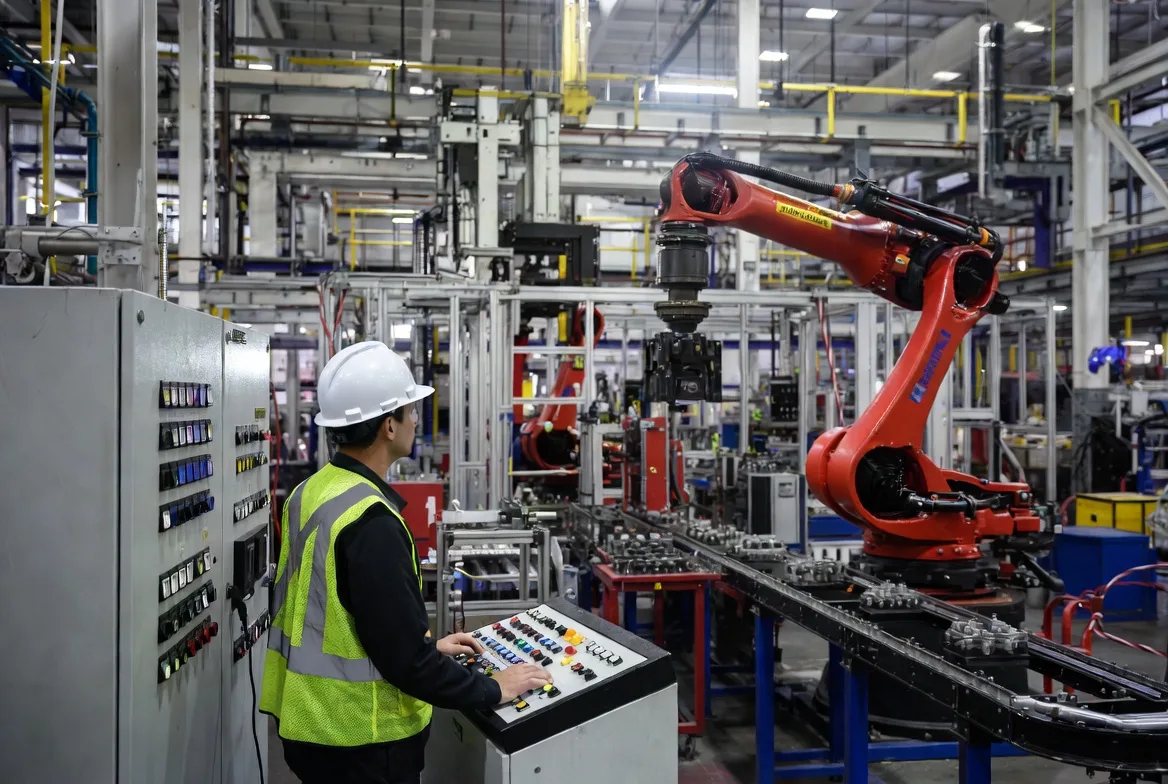
A key trend in 2025 was the shift toward edge computing, where data processing occurs closer to the source rather than centralized clouds. This reduced latency in smart factories, critical for applications like autonomous robots. Gartner predicted that by 2025, 75% of enterprise-generated data would be processed at the edge, up from 10% in 2018.
Combined with AI, edge devices enable on-site decision-making, such as adjusting conveyor speeds based on real-time quality scans. In oil and gas manufacturing, edge AI monitors pipelines, preventing leaks through predictive analytics.
Sustainability and Green Manufacturing
Sustainability emerged as a core trend, with AI and big data optimizing energy use. Cloud-based platforms simulate eco-friendly processes, reducing carbon emissions by 15-20% in heavy industries. For example, Unilever's factories used AI to minimize water usage, aligning with the UN Sustainable Development Goals.
Big data analyzed supply chain footprints, promoting circular economies where waste from one process fed another. Reports from the World Economic Forum noted that AI could cut global emissions by 4% by 2030, with 2025 advancements in manufacturing contributing significantly.
Human-AI Collaboration and Workforce Transformation
Trends also addressed the human element. Cobots (collaborative robots) powered by AI worked alongside humans, with cloud platforms providing training simulations. However, job displacement concerns led to upskilling initiatives; Deloitte's surveys showed 40% of manufacturers investing in AI literacy programs.
Big data helped in workforce analytics, predicting skill gaps, and optimizing shifts. Inthe Asia-Pacific regions, where manufacturing hubs like Vietnam grew rapidly, these technologies bridged labor shortages.
Case Studies from Global Regions
North America: Innovation Hubs
In the US, factories like those of Procter & Gamble integrated AI with cloud for consumer goods production. Big data from customer feedback loops informed design, shortening time-to-market by 25%. Challenges included cybersecurity, with ransomware attacks rising 20% in 2025.
Europe: Regulatory-Driven Adoption
European manufacturers, influenced by the EU AI Act effective from 2024, focused on ethical AI. Volkswagen's smart factories used cloud-big data hybrids for electric vehicle assembly, achieving 30% energy savings. Trends emphasized data privacy, with blockchain integrated for secure big data sharing.
Asia: Scale and Speed
China led in scale, with Huawei's cloud supporting massive IoT networks in factories. AI in Alibaba's ecosystem optimized e-commerce-linked manufacturing. India's Make in India initiative saw big data driving SME growth, though infrastructure gaps hindered full potential.
Challenges and Mitigation Strategies
Despite progress, challenges persisted. Data silos between AI, cloud, and big data systems caused inefficiencies; interoperability standards like OPC UA gained traction. Cybersecurity threats, with 2025 seeing a 15% increase in industrial attacks, prompted zero-trust models.
Skill shortages affected 60% of manufacturers, per PwC. Mitigation involved partnerships with tech firms for training. Economic volatility, including trade tensions, underscored the need for resilient, AI-optimized supply chains.
Future Outlook Beyond 2025
Looking ahead, quantum computing could enhance big data processing, while 6G networks might supercharge cloud connectivity. AI ethics will evolve, with global standards addressing bias. Smart factories could achieve full autonomy, but equitable access remains key to avoiding divides.
Statistical Overview and Projections
|
Category |
2025 Market Size (USD Billion) |
CAGR (2020-2025) |
Key Application Areas |
Projected Impact by 2030 |
|
AI in Manufacturing |
15.7 |
38.5% |
Predictive Maintenance, Quality Control |
+$3.7 Trillion Value Added |
|
Cloud Computing in Industry |
200 |
21% |
Digital Twins, ERP Systems |
80% Adoption Rate |
|
Big Data in Manufacturing |
50 |
25% |
Analytics, IoT Integration |
25% Productivity Boost |
|
Overall Smart Factory Market |
500 |
15% |
Automation, Sustainability |
$1 Trillion Global Output |
This table synthesizes data from sources like Gartner, McKinsey, and Deloitte, illustrating growth trajectories.
Comparative Analysis of Technologies
|
Technology |
Strengths |
Weaknesses |
Integration Example in Smart Factories |
|
AI |
Autonomous decision-making, pattern recognition |
High computational needs, potential biases |
Predictive algorithms with IoT sensors for real-time adjustments |
|
Cloud Computing |
Scalability, cost-efficiency |
Dependency on the internet, security risks |
Hosting digital twins for virtual testing |
|
Big Data |
Volume handling, insights from unstructured data |
Privacy concerns, processing complexity |
Analytics dashboards for supply chain optimization |
In conclusion, 2025 solidified AI, cloud, and big data as cornerstones of smart manufacturing, fostering innovation while navigating hurdles. Continued investment and collaboration will shape a more intelligent industrial future.

Related Articles
Related Products
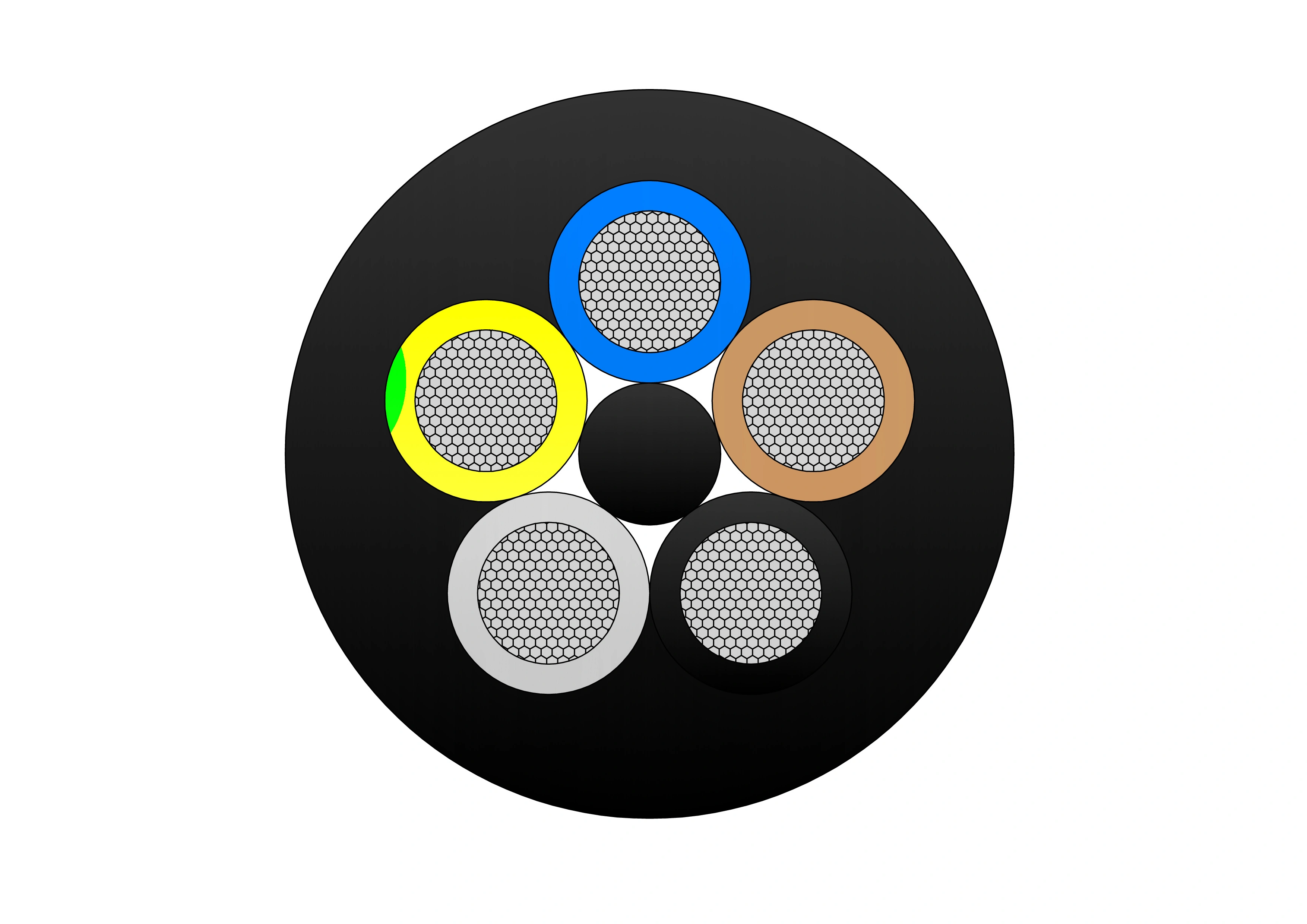
(N)TSCGECECWOU 3.6/6kV and 6/10kV ZH Cable
The (N)TSCGECECWOU is a flexible medium voltage reeling and trailing cable manufactured in compliance with DIN VDE 0250 standards. Designed for demanding mining, tunneling, and heavy industrial applications, it offers exceptional mechanical strength, flexibility, fire safety, and electromagnetic compatibility (EMC). The cable features EPR insulation, low smoke zero halogen (LSZH) inner sheath, halogen-free polyurethane (PUR) outer sheath, and a copper wire braid with concentric conductor for enhanced shielding and durability. Its design ensures reliable performance in environments requiring fire safety, oil resistance, and high torsional strength.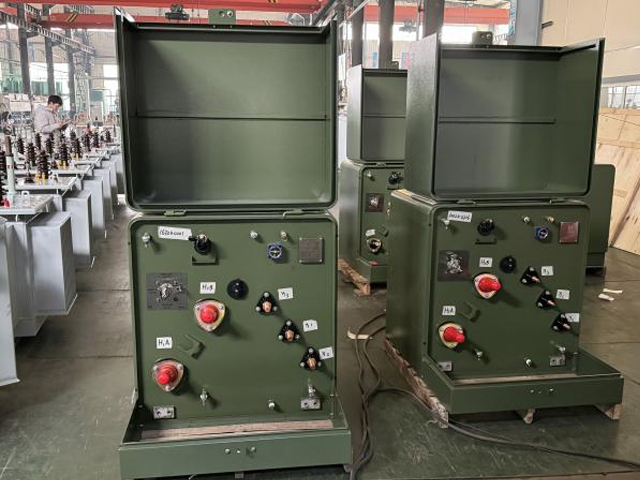
50kVA Conventional Type Single Phase Pole Mounted Transformer
The 50kVA Conventional Type Single Phase pole Mounted transformer produced by NPC ELECTRIC has a rated capacity ranging from 10kVA to 333kVA, meeting the standards of ANSI/IEEE C57, IEC60076, etc. Its main function is to convert high-voltage power (such as 10kV, 11kV, etc.) into low-voltage power (such as 220V, 240V) through the transformer for use in homes, shops, industrial equipment, etc. It is suitable for residential areas, commercial areas, rural power grids, agricultural facilities and small industrial power supply. Standard features encompass mineral oil insulation (ONAN cooling), aluminum or copper windings, primary voltages 2.4kV–34.5kV grounded wye or delta (common: 7200/12470GrdY, 7620/13200GrdY, 12470GrdY/7200, 24940GrdY/14400, 34500GrdY/19920), secondary 120/240V or 240/120V split-phase, BIL ratings 95–150kV HV / 30kV LV, impedance typically 2.0–4.0%, ±2×2.5% or 5-position tap changer, conventional or CSP (completely self-protected) configurations with internal fuses, lightning arresters, weak-link protection, pressure relief valve, oil sight gauge, and ANSI 70 gray tank finish. Efficiency typically reaches 99.11%+, with low sound levels and corrosion-resistant hardware for extended outdoor service.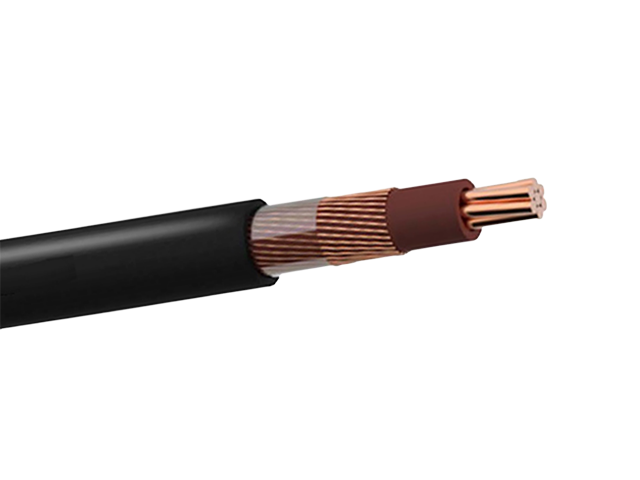
Copper Concentric Flat LV Cable 600/1000V
The Copper Concentric Flat LV Cable is engineered for safe and efficient low-voltage power delivery in residential and commercial applications. It consists of a stranded hard-drawn copper phase conductor with XLPE insulation, concentrically arranged copper neutral conductors, and a durable black polyethylene outer sheath. The flat design offers superior flexibility for easy installation in limited spaces while maintaining excellent electrical balance and mechanical protection. With high conductivity and UV-stabilized materials, this cable performs reliably in both overhead aerial and underground environments. The Copper Concentric Flat LV Cable meets international performance standards and undergoes extensive quality testing to ensure consistent performance, safety, and long service life for modern LV networks.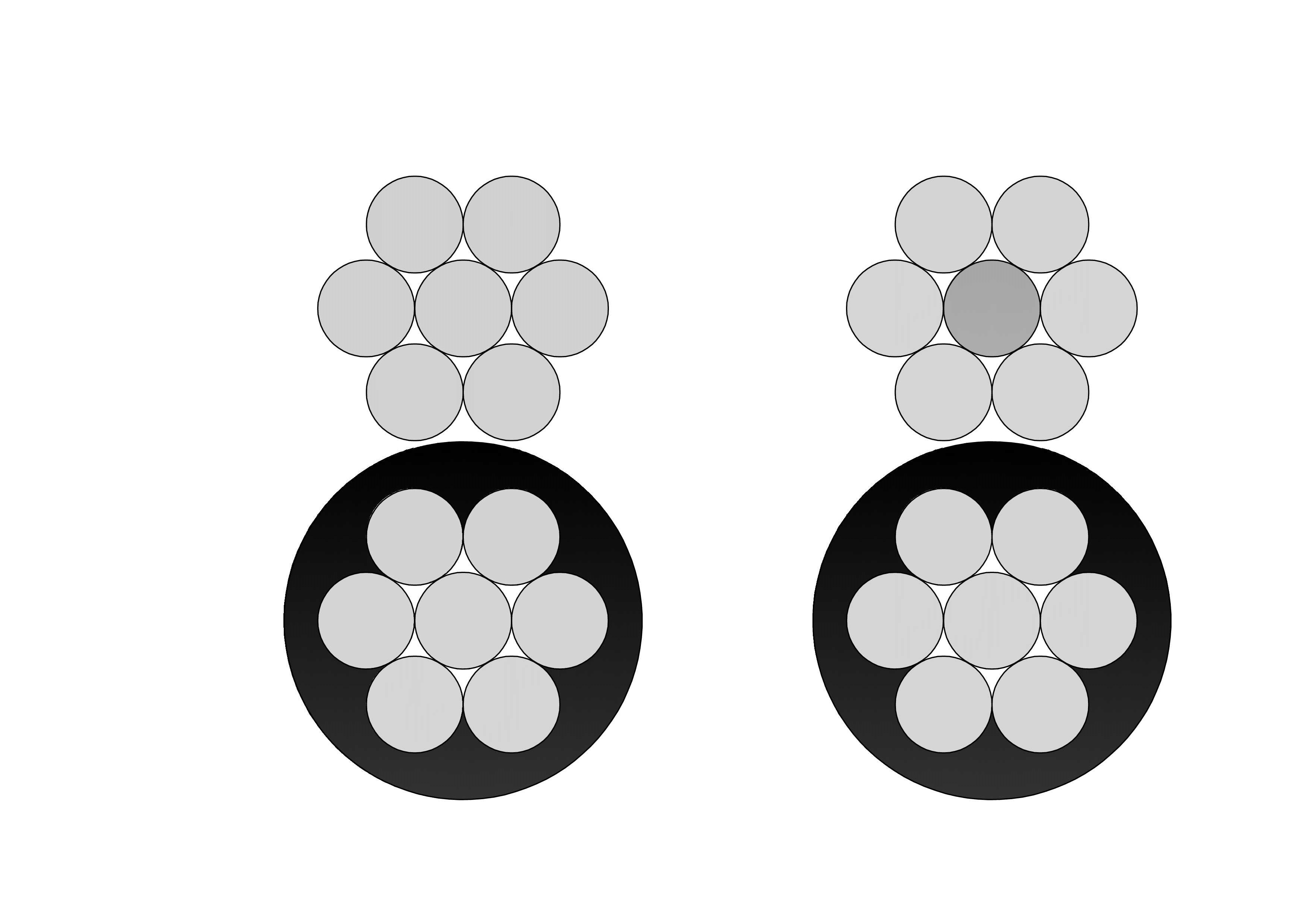
1/0 Malemute Aluminum Conductor Duplex Overhead Service Drop Cable
1/0 Malamute Aluminum Conductor Duplex Overhead Service Drop Cable is designed to deliver efficient and reliable power in overhead secondary distribution networks. Constructed with stranded aluminum conductors, the duplex configuration provides a combination of electrical conductivity, mechanical strength, and installation flexibility. The 1/0 Malamute size is suitable for typical service drop spans, offering dependable load capacity with controlled sag under varying weather conditions. Aluminum construction reduces overall cable weight, simplifies handling, and enhances corrosion resistance for long-term outdoor use. Produced under strict quality management systems, the 1/0 Malamute Aluminum Conductor Duplex Overhead Service Drop Cable meets utility and ASTM standards, making it a trusted solution for modern overhead service installations requiring safety, durability, and consistent performance.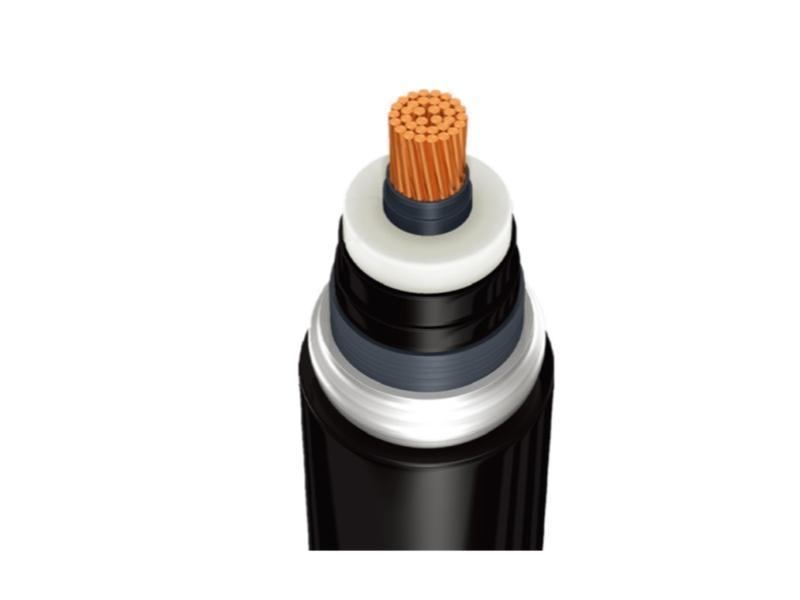
High Voltage Power Cable
NPC Electric High Voltage Power Cable is engineered for reliable transmission of electricity at voltages from 35kV to 500kV. Featuring copper or aluminum conductors, cross-linked polyethylene (XLPE) insulation, metallic screening, and a robust outer sheath, this cable minimizes losses and ensures long-term performance in demanding environments. Designed to meet international standards like IEC 60840 and IEC 62067, it offers excellent electrical properties, mechanical strength, and resistance to moisture, chemicals, and thermal stress. Whether for underground burial, submarine applications, or overhead lines, our High Voltage Power Cable delivers superior efficiency and safety. With low dielectric losses and high breakdown strength, it supports modern power grids, renewable energy integration, and industrial power distribution. Choose our cables for minimal maintenance, extended service life, and compliance with global safety norms.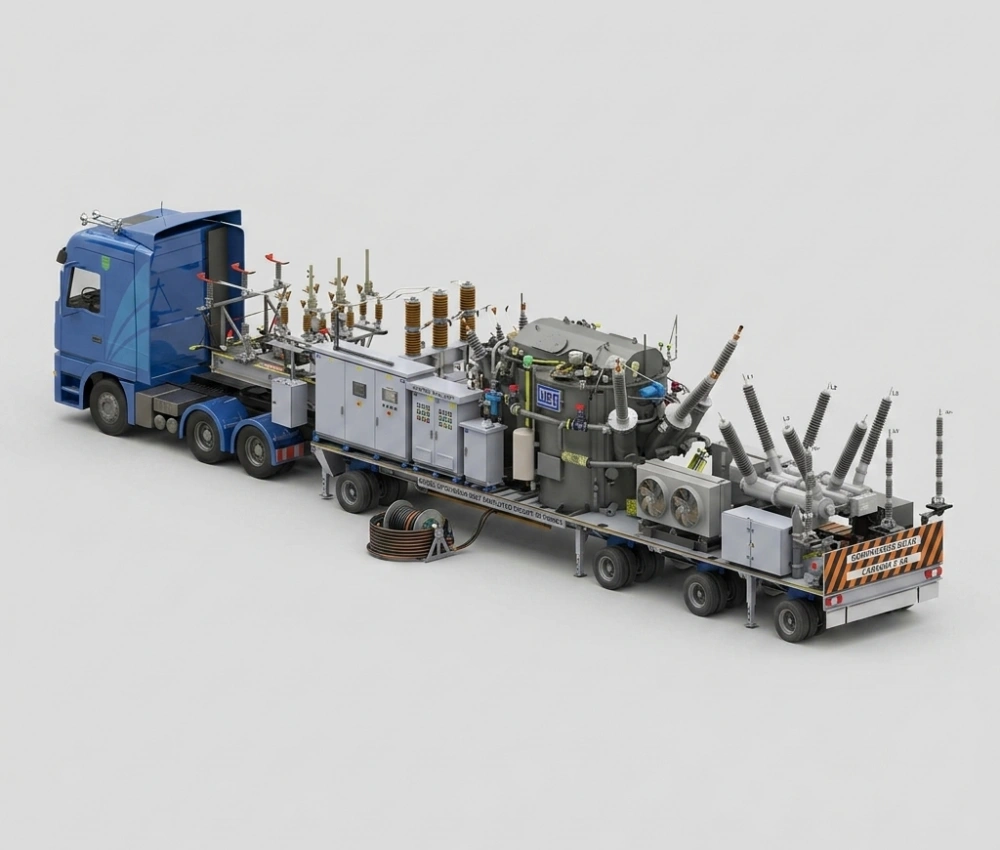
Mobile Prefabricated Substation
The Mobile Prefabricated Substation is a fully integrated, factory-assembled power solution designed for rapid deployment in emergency, temporary, or permanent power distribution applications. Built on a robust skid or trailer-mounted platform, it combines high-voltage switchgear, cast resin or oil-immersed transformer, low-voltage switchgear, protection relays, metering, and auxiliary systems into a compact, weatherproof enclosure. This plug-and-play design enables fast installation and commissioning, significantly reducing on-site construction time. With advanced safety features, intelligent monitoring, and high reliability, the mobile substation delivers stable power supply while offering excellent flexibility for load changes and network expansions. It is ideal for utilities, industrial projects, mining operations, and events requiring quick and dependable power infrastructure.
15kVA Conventional Type Single Phase Pole Mounted Transformer
NPC ELECTRIC has been focusing on the production of 15kVA Conventional Type Single Phase pole Mounted transformer for more than 20 years, which complies with IEC 60076, ANSI C57.12.20, EN 50464-1, ISO 9001 standards. NPC ELECTRIC'S transformer adopts oil-immersed self-cooling design, which can efficiently and stably convert high-voltage electricity into low-voltage electricity suitable for users. It is mainly used for power supply needs of rural areas, end of the power grid and small industrial users. Typical features include mineral oil insulation (ONAN cooling), aluminum or copper windings, primary voltages from 2.4kV to 34.5kV (e.g., 7200/12470GrdY, 7620/13200GrdY, 12470GrdY/7200, 24900GrdY/14400), secondary voltages 120/240V or 240/120V split-phase, BIL ratings 60-150kV on HV and 30kV on LV, impedance around 2-3.5%, ±2×2.5% taps, conventional or CSP (completely self-protected) configurations with internal fuses, arresters, and weak-link protection, pressure relief valve, oil sight gauge, and ANSI 70 gray tank finish.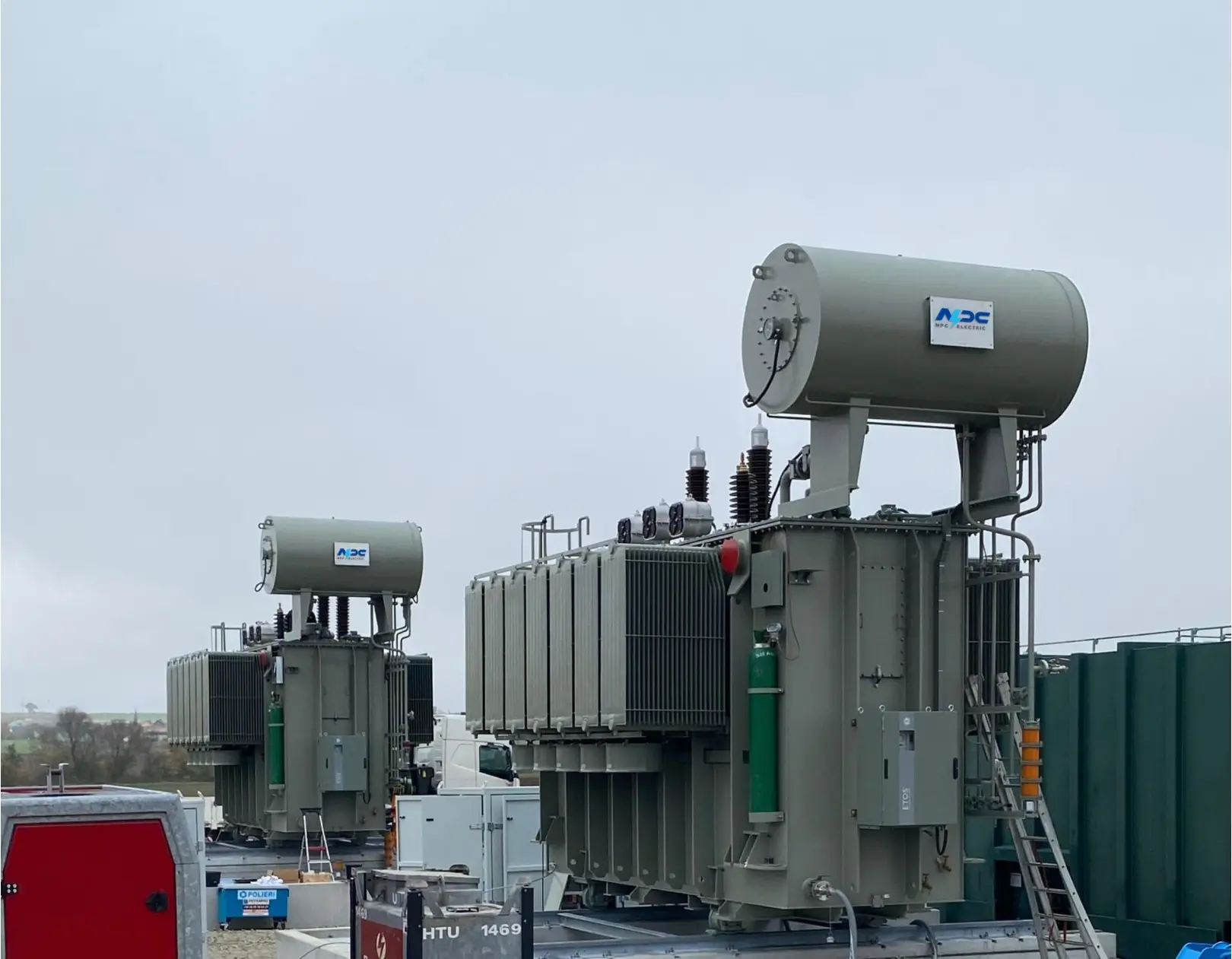
115kV 35MVA Three-Phase Oil-Immersed Power Transformer
The 115kV 35MVA Three-Phase Oil-Immersed Power Transformer is designed for reliable and efficient operation in high-voltage transmission and substation applications. Built with high-permeability silicon steel cores and precision-wound copper conductors, it delivers low losses, strong short-circuit withstand capability, and excellent thermal stability. The oil-immersed cooling system ensures effective heat dissipation, enabling continuous operation under heavy-load conditions. A robust tank structure, advanced insulation system, and outdoor-rated protection make the transformer suitable for harsh environmental conditions. Manufactured in accordance with IEC, IEEE, and ANSI standards, this transformer is widely used in utility substations, industrial power systems, and regional transmission networks where long service life, stable voltage regulation, and high operational reliability are critical.
FR-N30XA8E-AR Triplex 18/30kV Cable Gen to NF C 33-226 - AL/XLPE/MDPE
The FR-N30XA8E-AR Triplex 18/30kV Cable is a high-performance triplex medium-voltage cable manufactured to NF C 33-226 standard for reliable power distribution. It features three stranded aluminium conductors (AL), semi-conductive conductor screens, high-quality XLPE (cross-linked polyethylene) insulation for excellent dielectric strength and thermal stability (90°C continuous, 250°C short-circuit), semi-conductive insulation screens, copper wire screens for grounding and protection, and a robust medium-density polyethylene (MDPE) outer sheath providing superior mechanical protection, moisture resistance, UV stability, and chemical resistance. The triplex configuration (three cores twisted together) facilitates easy installation in overhead aerial bundled systems or underground ducts. Compliant with French NF C 33-226 and relevant IEC standards, it offers low dielectric losses, high current-carrying capacity, and long service life in demanding environments. The FR-N30XA8E-AR is ideal for MV overhead lines, underground distribution, rural electrification, and urban networks requiring durable, weather-resistant triplex cable.
Duplex Service Drop Cable
The Duplex Service Drop Cable is a reliable overhead cable for secondary power distribution from the utility pole to the service entrance. Featuring two insulated phase conductors (aluminum or ACSR) twisted around a bare or covered neutral messenger wire, it offers excellent mechanical strength and weather resistance. Insulation options include XLPE, PE, or PVC for superior UV, moisture, and abrasion protection. Compliant with ASTM B-230, B-231, ICEA S-76-474, and ANSI/ICEA standards, this cable supports low-voltage applications up to 600V. Lightweight design facilitates easy installation with reduced sag and long spans. The Duplex Service Drop Cable ensures minimal power losses, high tensile strength from the messenger, and long service life in harsh outdoor conditions. Ideal for residential, commercial, and rural electrification projects requiring safe, cost-effective aerial service connections worldwide.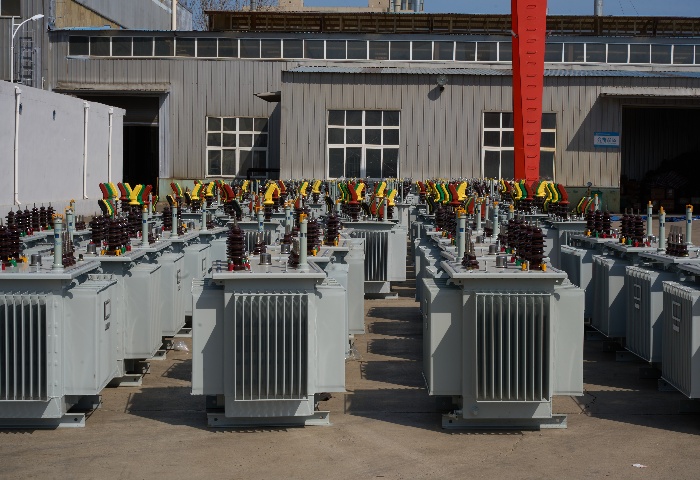
200kVA Oil Immersed Transformer
The 200kVA oil-immersed transformer produced by our company adopts a new insulation structure to improve the short-circuit resistance; the iron core is made of high-quality cold-rolled silicon steel sheet; the high-voltage winding is made of high-quality oxygen-free copper wire and adopts a multi-layer cylindrical structure; all fasteners are treated with special anti-loosening treatment. Standard configuration includes mineral oil or FR3 natural ester fluid, ONAN cooling, aluminum or copper windings, high-voltage 34.5kV / 24.94kV / 13.8kV / 12.47kV / 4.16kV.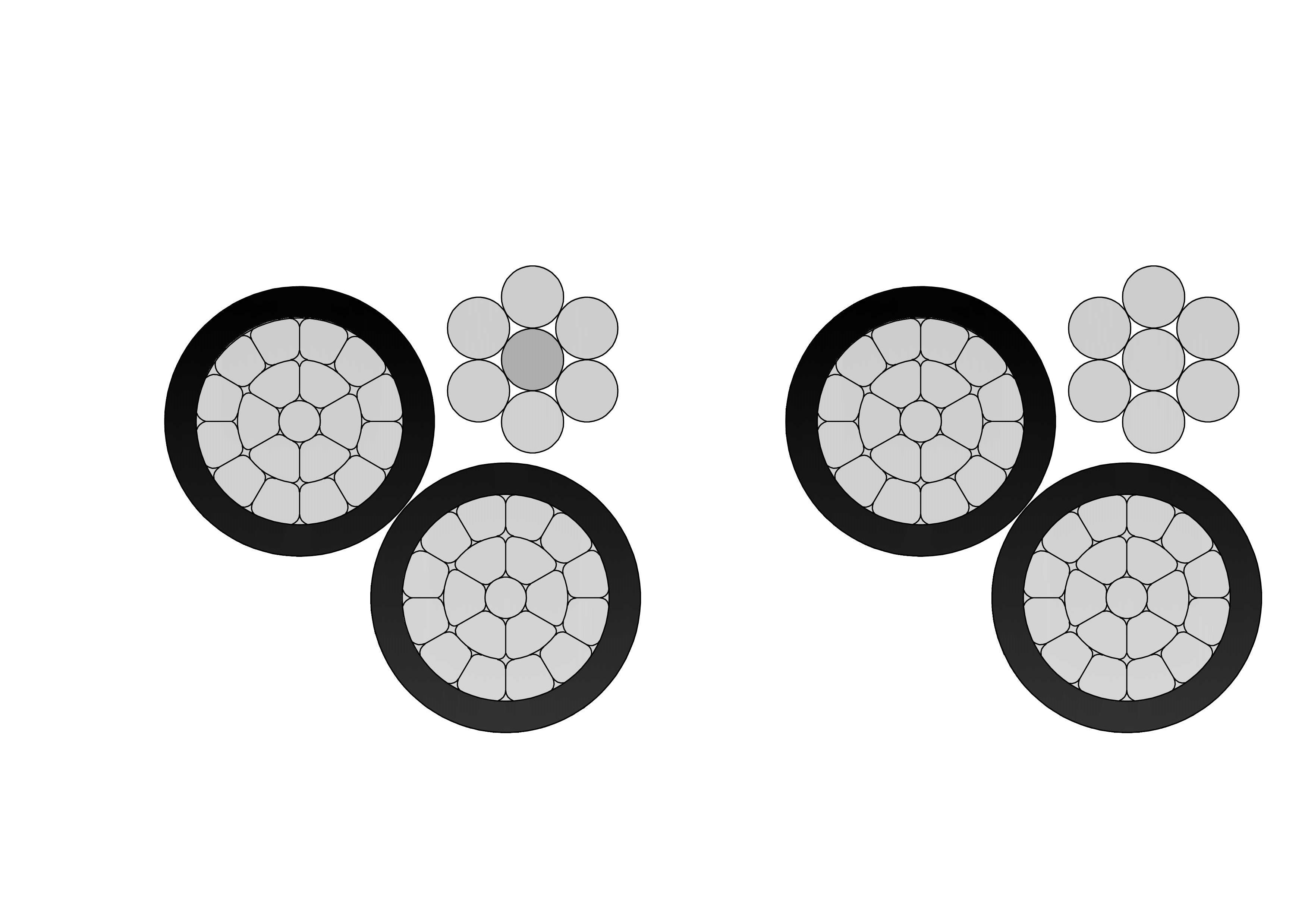
4/0 Portunus Aluminum Conductor Triplex Overhead Service Drop Cable
The 4/0 Portunus Aluminum Conductor Triplex Overhead Service Drop Cable is engineered for high-load overhead electrical service connections in utility distribution systems. The cable structure consists of two insulated aluminum phase conductors twisted around a bare aluminum neutral messenger, providing stable electrical transmission and superior mechanical strength. Manufactured using high-purity aluminum and weather-resistant insulation compounds, the 4/0 Portunus Aluminum Conductor Triplex Overhead Service Drop Cable delivers low electrical resistance, excellent corrosion resistance, and long-term durability in outdoor environments. Its optimized conductor design supports efficient installation while maintaining the tensile strength required for aerial service applications. The cable is designed to withstand UV exposure, wind loading, and wide temperature variations. Comprehensive quality management systems and systematic testing procedures are applied throughout production to ensure compliance with industry and utility standards and to guarantee reliable field performance.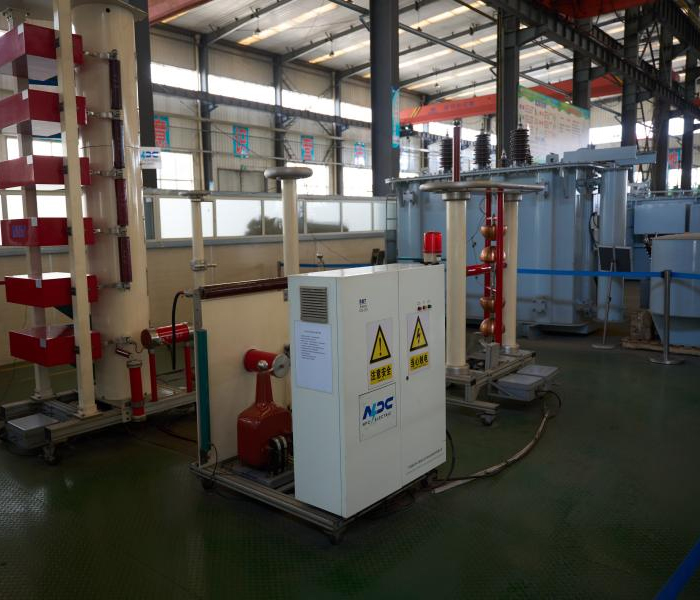
Step Down Dry Type Transformer
The Step Down Dry Type Transformer is a safe, efficient, oil-free electrical device designed to reduce (step down) higher incoming voltages to lower levels suitable for end-use equipment in indoor power distribution systems. This three-phase or single-phase transformer uses air (natural or forced) for cooling instead of insulating liquids, with windings typically encapsulated in epoxy resin (cast resin) or vacuum pressure impregnated for superior insulation. It features premium low-loss grain-oriented silicon steel cores and high-conductivity copper (or aluminum) windings, delivering excellent energy efficiency (often 98%+ per DOE/IEC standards), minimal no-load/load losses, low partial discharge (<10pC), and robust short-circuit withstand. Compliant with IEC 60076-11, IEEE/ANSI, and DOE efficiency requirements, step-down dry type transformers commonly handle primary voltages from 480V to 35kV+ stepping down to 208Y/120V, 400V, 0.4kV, or custom secondaries, making them ideal for modern, sustainable indoor applications.
10.5KV Oil Immersed Substation Transformer
The 10.5kV Oil Immersed Substation Transformer is specifically designed for medium-voltage power substations requiring stable voltage conversion and reliable long-term operation. Utilizing a proven oil-immersed insulation system, the transformer provides excellent dielectric strength and efficient heat dissipation, ensuring dependable performance under continuous load conditions. High-quality winding materials and precise manufacturing processes enhance mechanical strength and short-circuit resistance. With low operating noise and strong thermal stability, the transformer is well-suited for modern substations serving industrial, commercial, and infrastructure power distribution systems.
80kVA Dry Type Transformer
80kVA dry-type transformer launched by NPC ELECTRIC adopts advanced dry insulation technology, has the advantages of high efficiency, environmental protection, and safety, and is widely used in industrial, commercial, and residential power systems. The transformer has a compact design, strong load-bearing capacity, stable operation, and effectively reduces energy loss. The oil-free structure reduces the risk of fire, meets modern green environmental standards, and is suitable for use in environments with high requirements for power stability and low noise.Welcome your inquiry
Honesty, Integrity, Frugality, Activeness and Passion