
How to Choose the Right High Voltage Switchgear for Your Power System
2026-02-05
High voltage switchgear plays a critical role in protecting, controlling, and isolating electrical equipment in modern power systems. As grids become more complex—integrating renewable energy, data centers, and long-distance power transmission—choosing the right HV switchgear is no longer just a compliance issue, but a strategic engineering decision.
1. What Is High Voltage Switchgear?
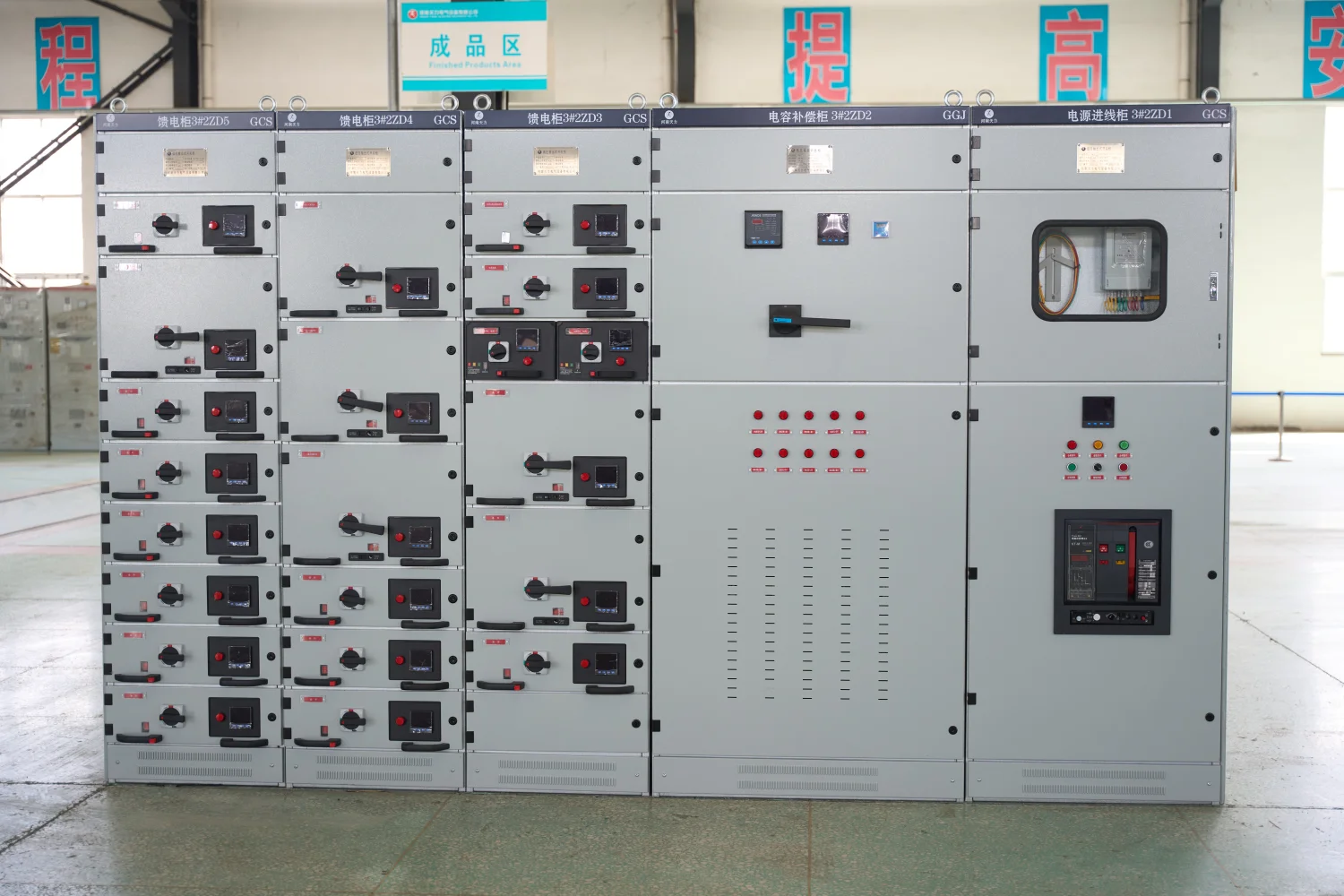
High voltage switchgear refers to a combination of electrical equipment, including circuit breakers, disconnect switches, protection relays, and control devices, designed to operate typically above 35 kV.
Its core functions include:
- Switching power transmission circuits
- Protecting electrical systems from short circuits and overloads
- Isolating faulty sections safely
- Ensuring the reliability of power distribution networks
In ANSI/IEEE systems, HV switchgear is widely used in substations, power plants, renewable energy integration points, and data centers.
2. Typical Voltage Levels and Standards (ANSI/IEEE)
Different voltage levels require different switchgear designs and insulation strategies.
Table 1: Common Voltage Levels for HV Switchgear
|
Voltage Class |
Nominal Voltage |
Typical Applications |
|
Medium Voltage |
5–35 kV |
Industrial plants, data centers |
|
High Voltage |
69–230 kV |
Transmission substations |
|
Extra High Voltage |
345–800 kV |
Long-distance power transmission |
Key ANSI/IEEE Standards include:
- IEEE C37 series (switchgear & breakers)
- ANSI C84.1 (voltage ratings)
- IEEE C37.04 / C37.06 (HV circuit breaker ratings)
3. Main Types of High Voltage Switchgear
Selecting the correct type of switchgear depends on space, safety, maintenance philosophy, and environmental constraints.
Table 2: Types of High Voltage Switchgear Comparison
|
Type |
Insulation Medium |
Key Advantages |
Typical Use |
|
Air-Insulated Switchgear (AIS) |
Air |
Lower cost, simple design |
Outdoor substations |
|
Gas-Insulated Switchgear (GIS) |
SF₆ / eco-gas |
Compact, high reliability |
Urban & data centers |
|
High Voltage Hybrid Switchgear |
Air + Gas |
Balance of cost & footprint |
Modern substations |
|
Modular Switchgear |
Varies |
Flexible expansion |
Renewable & smart grids |
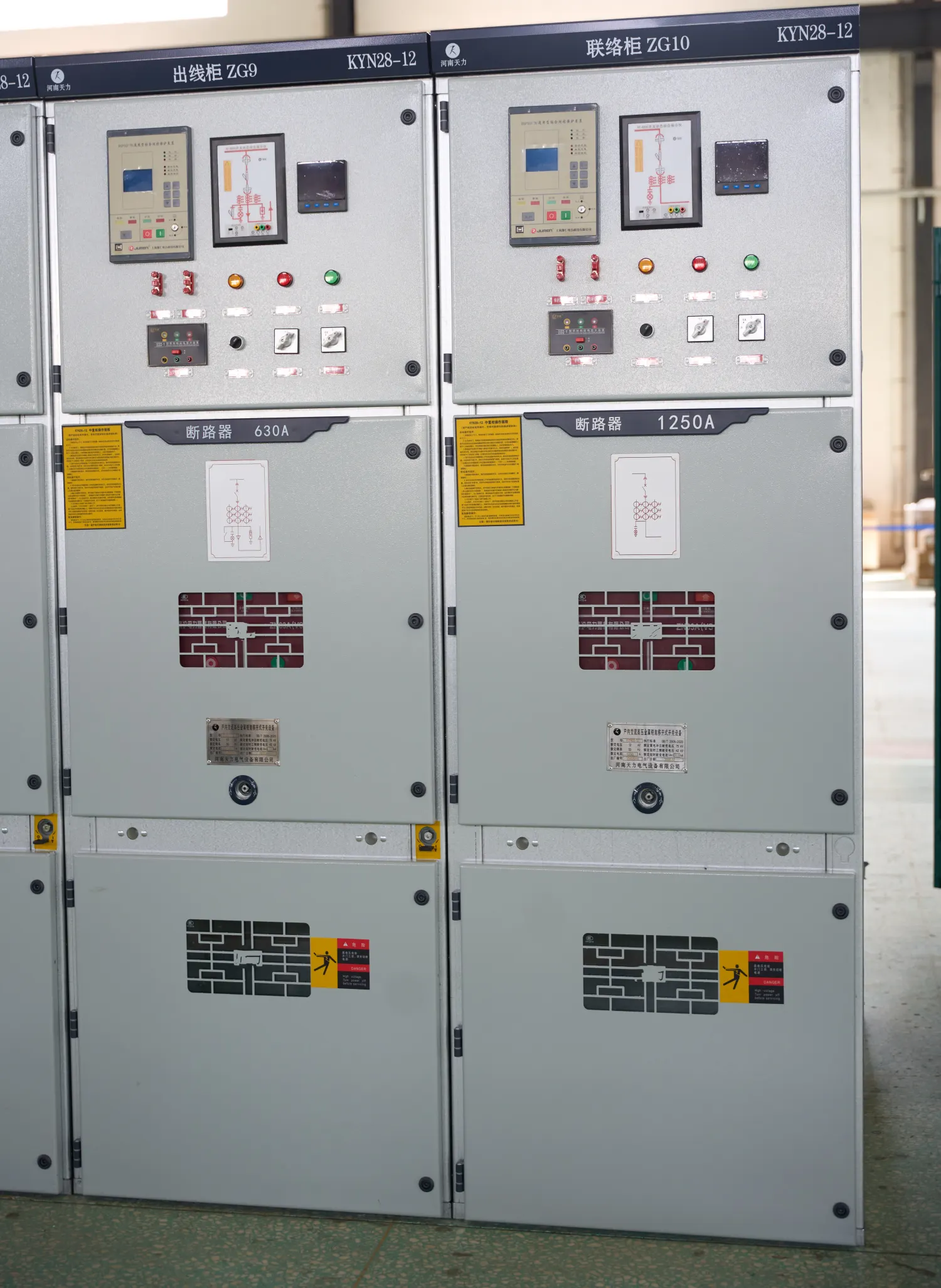
High voltage hybrid switchgear is increasingly popular due to its reduced footprint and improved safety without the full cost of GIS.
4. Role of HV Circuit Breakers
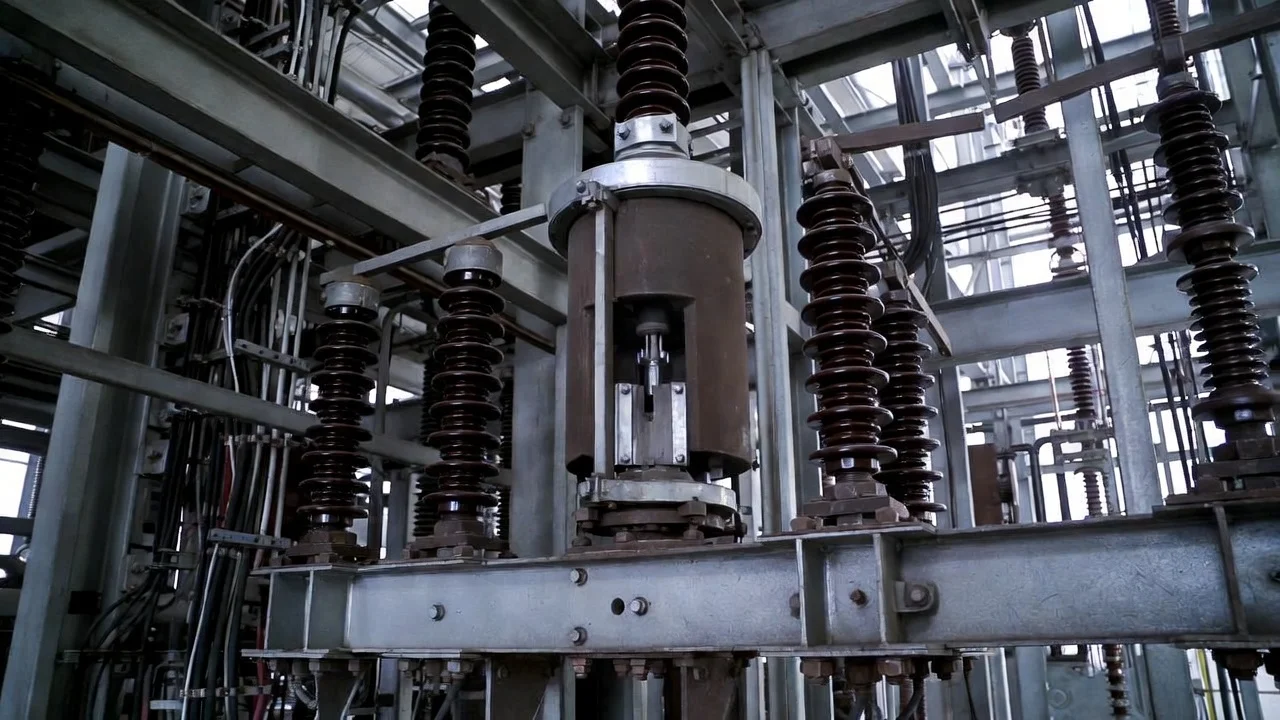
At the heart of every HV switchgear lineup is the HV circuit breaker, which interrupts fault currents and protects the power system.
Common HV Circuit Breaker Types
- SF₆ Circuit Breakers – High dielectric strength, compact
- Vacuum Circuit Breakers – Mostly MV but expanding upward
- Oil Circuit Breakers – Largely phased out due to maintenance
- Hybrid Breakers – Used in HVDC and advanced grids
Table 3: HV Circuit Breaker Selection Factors
|
Parameter |
Importance |
|
Short-circuit rating |
Must exceed system fault level |
|
Operating duty cycle |
Frequent vs infrequent switching |
|
Insulation coordination |
Based on voltage level |
|
Maintenance interval |
Critical for remote substations |
5. MV and HV Breaker Coordination in Power Systems
Modern electrical systems often include both medium voltage and high voltage breakers working together.
- MV breakers protect feeders and loads
- HV breakers isolate transmission-level faults
- Coordination ensures selective tripping, minimizing outages
This coordination is essential in data centers, where uptime is mission-critical.
6. Application-Specific Switchgear Selection
Power Transmission & Distribution
- Requires high short-circuit withstand capability
- AIS or hybrid switchgear commonly used
- Designed for outdoor, harsh environments
Data Centers
- Preference for GIS or compact modular designs
- High reliability and low maintenance
- Enhanced arc-flash protection
Renewable Energy Integration
- Rapid switching and grid protection
- Modular and expandable switchgear
- Compatibility with fluctuating generation sources
7、HV Switchgear Selection Flowchart for Engineers
Choosing the right high voltage switchgear requires a structured decision process that balances voltage level, application environment, protection requirements, and lifecycle cost.
The following HV switchgear selection flowchart provides a practical step-by-step guide used by power system engineers.
HV Switchgear Selection Flowchart (Text-Based)
START
  │
  ├─► Step 1: Determine System Voltage Level
  │        ├─ 5–35 kV  → Medium Voltage Switchgear
  │        └─ > 35 kV  → High Voltage Switchgear
  │
  ├─► Step 2: Identify Application Scenario
  │        ├─ Power Transmission Substation
  │        ├─ Power Distribution Network
  │        ├─ Data Center / Critical Load
  │        └─ Renewable Energy Integration
  │
  ├─► Step 3: Assess Installation Environment
  │        ├─ Outdoor, Space Available → AIS
  │        ├─ Indoor / Urban, Limited Space → GIS
  │        └─ Mixed Conditions → Hybrid Switchgear
  │
  ├─► Step 4: Evaluate Short Circuit & Fault Level
  │        ├─ High Fault Current → High-rated HV Circuit Breaker
  │        └─ Moderate Fault Current → Standard HV Breaker
  │
  ├─► Step 5: Select Circuit Breaker Technology
  │        ├─ SF₆ Circuit Breaker
  │        ├─ Vacuum (mainly MV, limited HV)
  │        └─ Hybrid / Eco-Gas Breaker
  │
  ├─► Step 6: Consider Operation & Maintenance Strategy
  │        ├─ Low Maintenance Priority → GIS / Hybrid
  │        └─ Cost-Sensitive → AIS
  │
  ├─► Step 7: Future Expansion & Modular Needs?
  │        ├─ Yes → Modular / Hybrid Switchgear
  │        └─ No  → Conventional Configuration
  │
  └─► FINAL SELECTION: Optimized HV Switchgear Solution
8.How to Use This HV Switchgear Selection Flowchart
Step 1: Voltage Level Defines the Foundation
The voltage level immediately determines whether the system falls under medium voltage or high voltage switchgear, influencing insulation design, breaker type, and standard compliance (ANSI/IEEE).
Step 2: Application Drives Reliability Requirements
Different applications demand different priorities:
- Power transmission → high short-circuit withstand, outdoor durability
- Power distribution → operational flexibility
- Data centers → compact design, high reliability, low downtime
- Renewable energy → modular design, fast switching, grid compatibility
Step 3: Installation Environment Determines Switchgear Type
- AIS (Air-Insulated Switchgear)
Best for outdoor substations with ample space and cost sensitivity. - GIS (Gas-Insulated Switchgear)
Ideal for urban areas and data centers where space is limited. - High voltage hybrid switchgear
A balanced solution combining footprint reduction with cost efficiency.
Step 4: Short Circuit Level Is a Critical Safety Factor
HV switchgear must protect electrical systems from short circuit events.
The circuit breaker’s interrupting rating must always exceed the system’s calculated fault current.
Step 5: Circuit Breaker Technology Selection
Modern HV circuit breakers are chosen based on:
- Interrupting capacity
- Environmental considerations
- Maintenance cycles
SF₆ breakers remain common, while eco-gas and hybrid breakers are gaining adoption under sustainability goals.
Step 6: Maintenance Philosophy Impacts Lifecycle Cost
- GIS and hybrid switchgear reduce maintenance frequency
- AIS offers easier inspection but higher long-term labor costs
This step is critical for remote substations and power transmission lines.
Step 7: Future-Proofing Through Modular Designs
If system expansion is expected:
- Choose modular switchgear
- Enable digital monitoring and protection upgrades
This is especially important in energy transition projects and smart grids
9. Why This Flowchart Matters in Modern Power Systems
Using a structured HV switchgear selection flowchart helps engineers:
- Reduce design errors
- Improve system reliability
- Optimize capital and operating cost
- Ensure compliance with ANSI/IEEE standards
In today’s evolving power transmission and power distribution networks, systematic selection is no longer optional—it is essential.
10. How to Choose the Right Switchgear: Decision Matrix
Table 4: HV Switchgear Selection Matrix
|
Criteria |
AIS |
GIS |
Hybrid |
|
Space availability |
High |
Low |
Medium |
|
Initial cost |
Low |
High |
Medium |
|
Maintenance |
Medium |
Low |
Low |
|
Environmental sensitivity |
Low |
High |
Medium |
|
Future expansion |
Limited |
Moderate |
High |
This matrix helps engineers choose the right switchgear based on technical and economic priorities.
11. Short Circuit and Protection Considerations
HV switchgear protects electrical systems against:
- Short circuit faults
- Ground faults
- Switching surges
Proper protection design includes:
- Correct breaker interrupting capacity
- Relay coordination
- Insulation coordination
Failing to size switchgear correctly can lead to catastrophic equipment damage.
12. Modular Designs and Future-Proof Power Systems
Modern power systems demand flexibility. Modular switchgear designs allow:
- Faster installation
- Easier upgrades
- Integration with digital monitoring
This is particularly important for:
- Energy transition projects
- Smart grids
- Expanding industrial facilities
13. Building a Safe and Efficient Power System
Choosing the right high voltage switchgear is a balance between:
- Voltage levels
- System fault requirements
- Application environment
- Long-term operational cost
By understanding types of switchgear, HV circuit breakers, modular designs, and ANSI/IEEE standards, engineers can design reliable, safe, and future-ready power systems.
As power transmission networks expand and data centers and renewables grow, well-selected HV switchgear remains the backbone of modern electrical infrastructure

Related Articles

Related Products
10.5KV Oil Immersed Substation Transformer
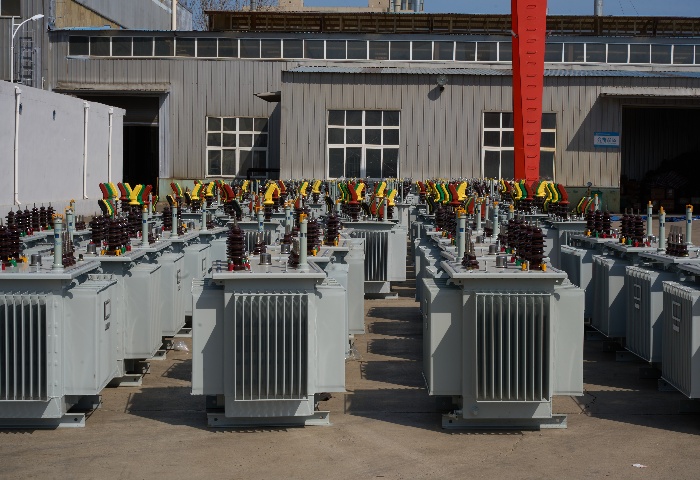
The 10.5kV Oil Immersed Substation Transformer is specifically designed for medium-voltage power substations requiring stable voltage conversion and reliable long-term operation. Utilizing a proven oil-immersed insulation system, the transformer provides excellent dielectric strength and efficient heat dissipation, ensuring dependable performance under continuous load conditions. High-quality winding materials and precise manufacturing processes enhance mechanical strength and short-circuit resistance. With low operating noise and strong thermal stability, the transformer is well-suited for modern substations serving industrial, commercial, and infrastructure power distribution systems.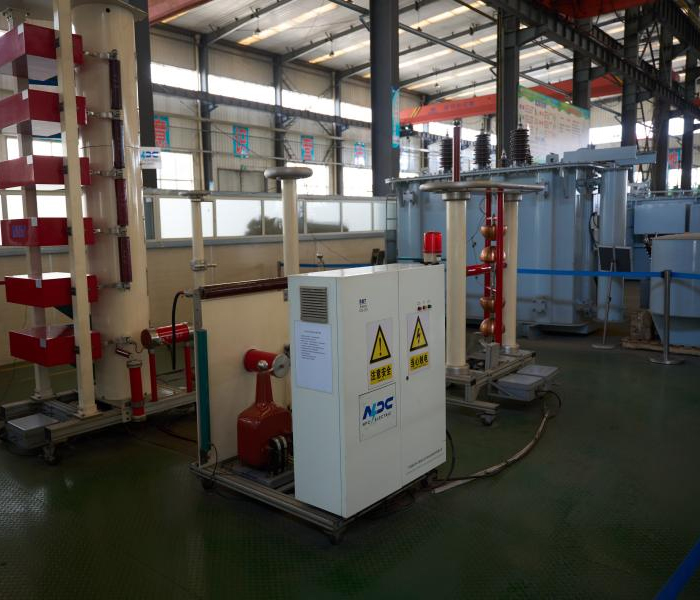
80kVA Dry Type Transformer
80kVA dry-type transformer launched by NPC ELECTRIC adopts advanced dry insulation technology, has the advantages of high efficiency, environmental protection, and safety, and is widely used in industrial, commercial, and residential power systems. The transformer has a compact design, strong load-bearing capacity, stable operation, and effectively reduces energy loss. The oil-free structure reduces the risk of fire, meets modern green environmental standards, and is suitable for use in environments with high requirements for power stability and low noise.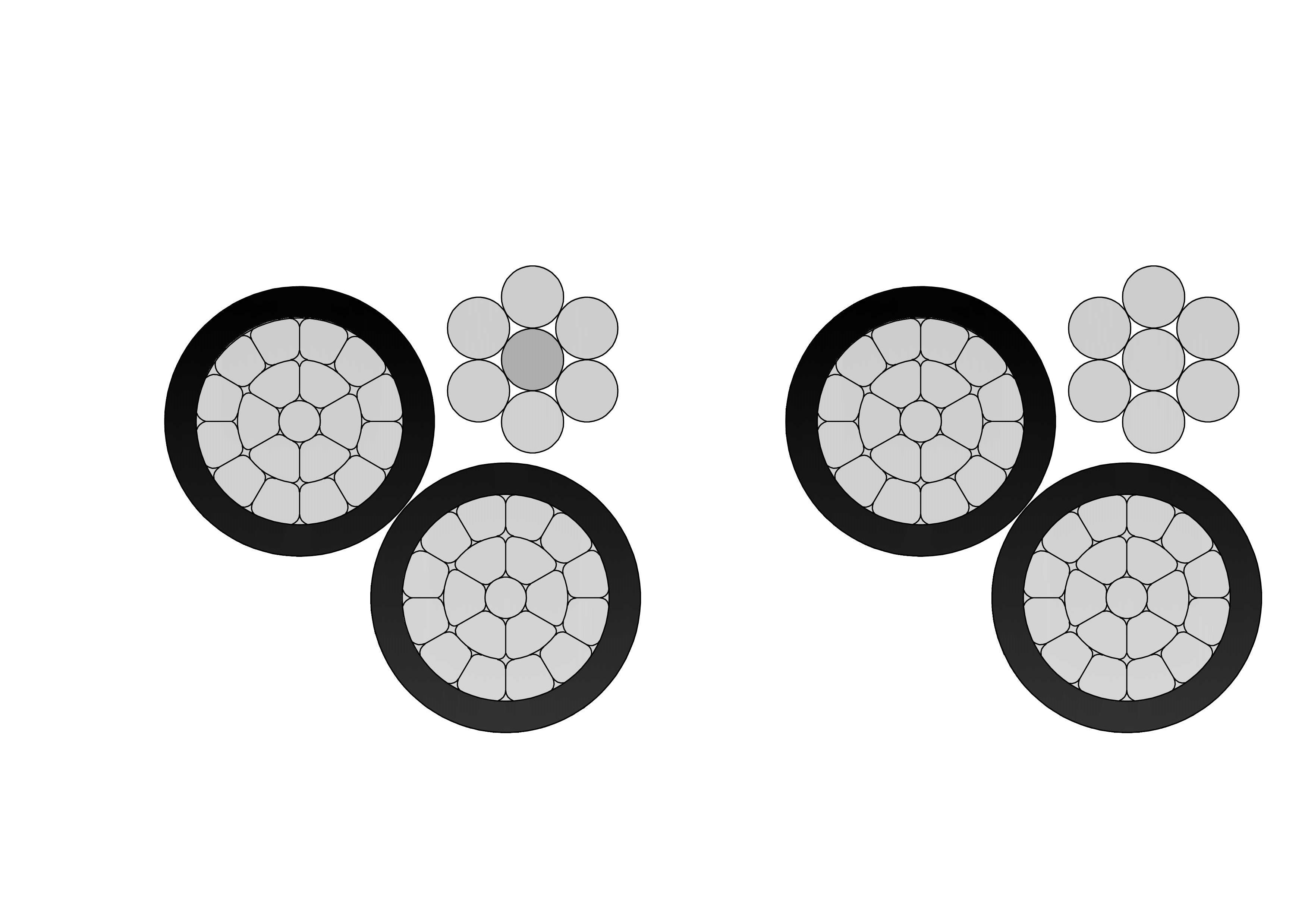
1/0 Sandcrab Aluminum Conductor Triplex Overhead Service Drop Cable
NPC Electric 1/0 Sandcrab Triplex Service Drop Cable provides reliable overhead secondary distribution for residential applications. Consisting of two 1/0 AWG aluminum phase conductors and one neutral messenger (7-strand) insulated with cross-linked polyethylene (XLPE) and twisted in triplex form, it meets ASTM, ICEA, and international standards. The robust insulation resists sunlight, moisture, and mechanical damage for decades of outdoor service. Lightweight design simplifies installation with low sag and easy handling. The 1/0 Sandcrab Triplex Service Drop Cable ensures minimal losses, high current capacity, and excellent weather performance up to 600V. Self-supporting messenger reduces pole loading. Flame-retardant options enhance safety. Commonly chosen for two-phase power delivery with neutral in subdivisions, rural homes, and temporary connections requiring safe, economical aerial bundled solutions with proven durability.
Triplex Aluminum Conductor Overhead Service Drop Cable 600V
The Triplex Aluminum Conductor Overhead Service Drop Cable 600V is designed for reliable overhead electrical connections between utility distribution lines and service entrances. The cable consists of two insulated aluminum phase conductors helically twisted around a bare or insulated neutral messenger, providing balanced electrical performance and mechanical strength. Manufactured with high-purity aluminum conductors, this Triplex Aluminum Conductor Overhead Service Drop Cable 600V offers excellent conductivity,a lightweight structure, and ease of installation. The insulation material is engineered to resist UV radiation, moisture, heat, and environmental aging, ensuring long-term outdoor service under various climate conditions. A comprehensive quality assurance system is applied throughout production. From raw material verification to in-process control and final inspection, every Triplex Aluminum Conductor Overhead Service Drop Cable 600V is manufactured in accordance with international standards and utility specifications. This cable is widely used in residential, commercial, and light industrial power distribution systems where safety, durability, and stable electrical performance are required.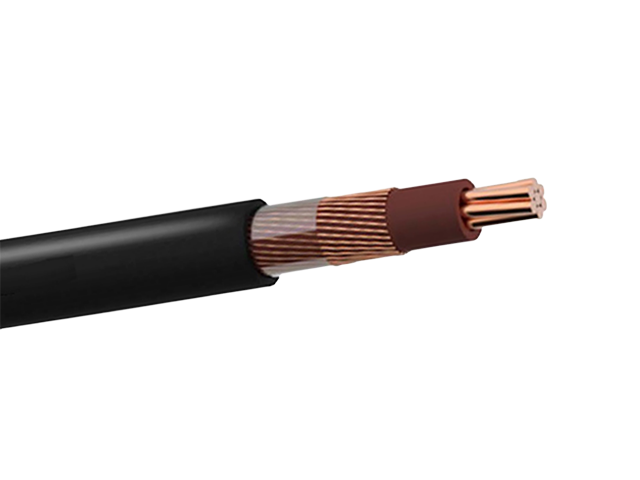
Copper Concentric Round LV Cable
The Copper Concentric Round LV Cable is a high-performance low-voltage cable designed for reliable power delivery in residential and commercial service entrance applications. It features a stranded hard-drawn copper phase conductor with XLPE insulation, surrounded by concentrically arranged copper neutral conductors, and protected by a durable black polyethylene sheath. The round configuration ensures excellent flexibility, easy pulling through conduits, and balanced electrical performance. With superior conductivity, mechanical strength, and weather resistance, this cable is suitable for both aerial and underground installations. Manufactured to international standards, the Copper Concentric Round LV Cable undergoes rigorous quality testing from raw materials to finished product, guaranteeing consistent electrical performance, high safety, and long-term durability for modern LV networks.
2500kVA Oil Immersed Transformer
NPC ELECTRIC's 2500kVA oil-immersed transformer is designed with international advanced technology and complies with international standards such as IEC, ANSI, and ISO. It has high efficiency, low noise, and excellent thermal stability. This transformer is widely used in power transmission and distribution systems to ensure a stable and reliable power supply. High-strength windings and robust mechanical construction enhance short-circuit withstand capability and thermal endurance. With reliable voltage regulation and low operational noise, this transformer is well-suited for industrial plants, infrastructure projects, and utility substations requiring a dependable high-capacity power supply.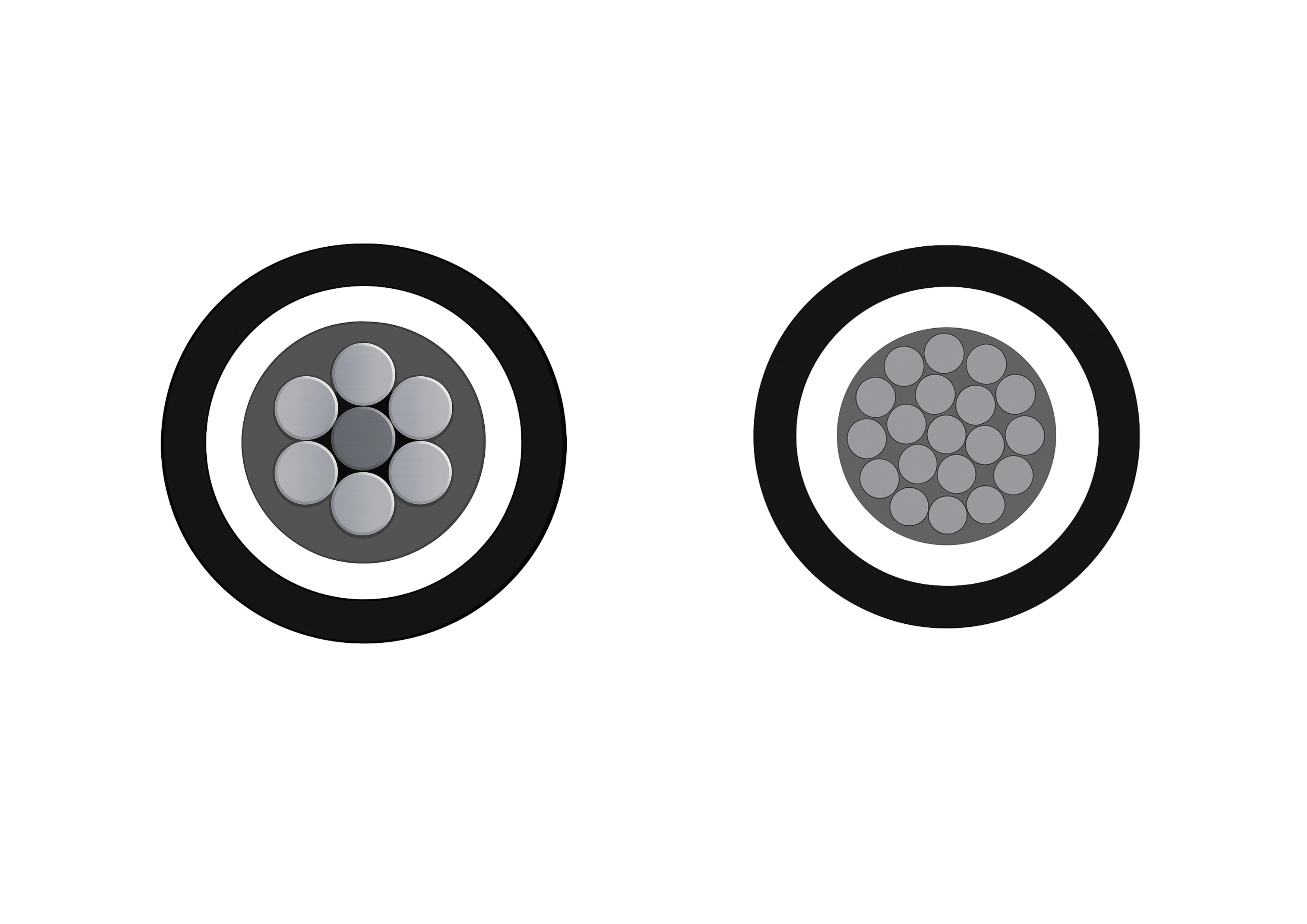
XLPE-HDPE Tree Cable Aluminum 25kV 1x185mm²
Power your network with confidence using the XLPE-HDPE Tree Cable Aluminum 25kV 1x185mm² – a high-performance medium-voltage cable engineered for demanding overhead distribution systems. Whether it’s industrial zones, main feeder lines, or expansive urban and rural networks, this cable delivers reliable, efficient, and uninterrupted power where you need it most. Built with high-conductivity aluminum alloy 1350 wires and compact class 2 stranding, it guarantees optimal current flow and mechanical strength. Optional semiconductor shielding enhances electrical stability for 15kV and 25kV networks, making it a dependable choice for modern power infrastructure. The XLPE inner insulation withstands 90°C continuous operation, while the robust HDPE outer jacket offers exceptional resistance to weather, UV exposure, mechanical abrasion, and electrical sparking. Available in gray with ASTM B230 markings and sequential metering, or blue for extra spark resistance in harsher environments, this cable is designed to perform under pressure.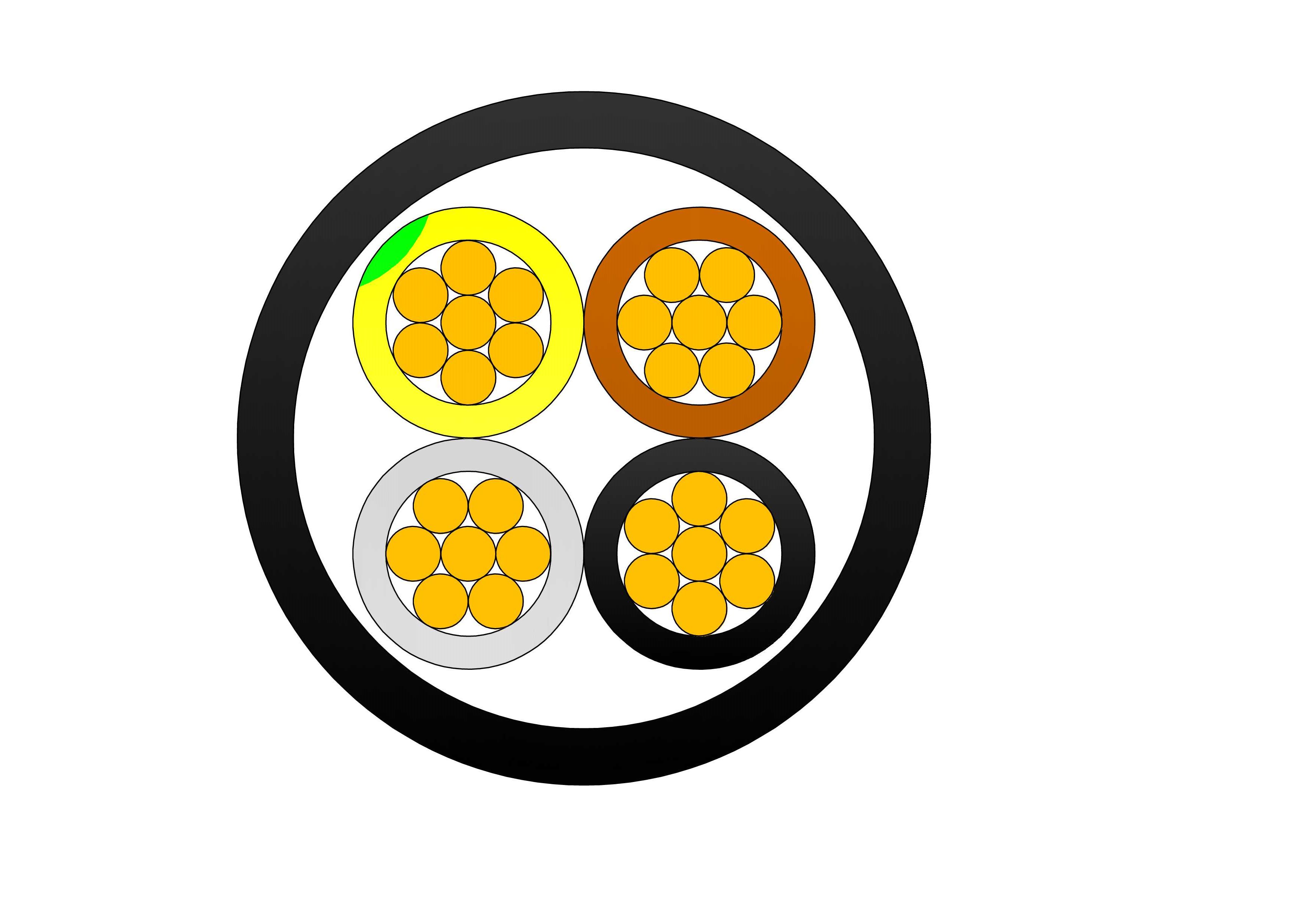
Armoured Cable 0.6/1kV
The Armoured Cable 0.6/1kV CU/XLPE/SWA/PVC is a heavy-duty low voltage power cable designed for demanding installations requiring mechanical protection. It features stranded copper conductors, cross-linked polyethylene (XLPE) insulation, galvanized steel wire armour (SWA) for superior crush and impact resistance, and a durable PVC outer sheath. Rated for 0.6/1kV, this cable provides high current-carrying capacity, excellent electrical performance, and long-term reliability in harsh environments. Manufactured according to IEC 60502-1, the Armoured Cable 0.6/1kV CU/XLPE/SWA/PVC is ideal for direct burial, underground ducts, and exposed installations. Its robust steel armour protects against rodents, mechanical damage, and external forces, making it the preferred choice for industrial plants, substations, commercial buildings, and infrastructure projects where safety and durability are critical.
2/0 Dungeness Aluminum Conductor Triplex Overhead Service Drop Cable
The 2/0 Dungeness Aluminum Conductor Triplex Overhead Service Drop Cable is engineered to provide safe and efficient overhead power distribution. Featuring two insulated aluminum conductors and a bare aluminum neutral messenger, this cable delivers strong mechanical support and stable electrical transmission. The 2/0 Dungeness Aluminum Conductor Triplex Overhead Service Drop Cable is manufactured using premium aluminum materials and weather-resistant insulation to ensure long service life in outdoor environments. Its optimized design allows for easy installation while maintaining compliance with utility and industry standards. The cable performs reliably under mechanical stress, temperature changes, and prolonged UV exposure. Strict quality control and systematic testing procedures are applied throughout production to ensure consistent performance and dependable field operation.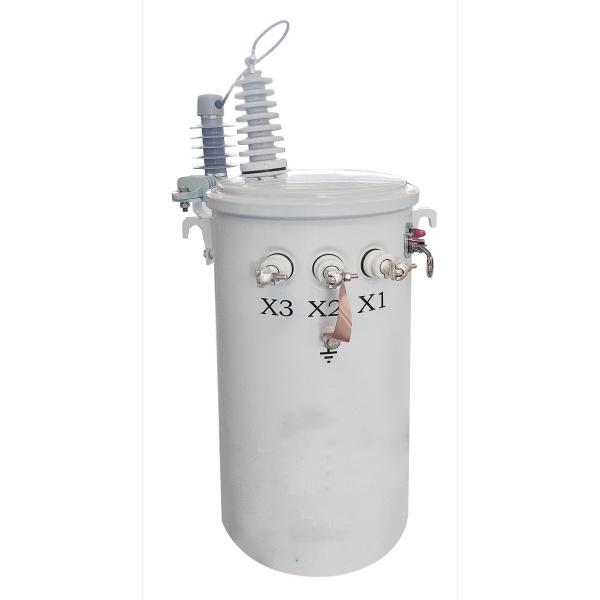
10kVA Completely Self-protected(CSP) Single Phase Pole Mounted Transformer
NPC ELECTRIC the production of 10 kVA Completely Self-Protected (CSP) single-phase overhead transformers, meticulously engineered to meet international standards such as IEEE C57.12.00, IEEE C57.12.20, DOE-2016 Efficiency, CSA C2.1, and CSA C2.2. The 10kVA fully self-protected (CSP) single-phase pole-mounted transformer is an efficient and reliable power equipment designed for small and medium-sized power needs. The transformer adopts advanced fully self-protection technology and has built-in overload, short-circuit and overvoltage protection functions to ensure that the transformer can automatically cut off power under abnormal conditions, avoid equipment damage and improve system safety. It has a simple design, is easy to install, saves space, and is suitable for all types of power distribution systems. This transformer is suitable for residential, commercial areas and small industrial places, providing stable single-phase power output.
XLPE-HDPE Tree Cable Aluminum 25kV 1x240mm²
Deliver uninterrupted power with the XLPE-HDPE Tree Cable Aluminum 25kV 1x240mm² – a premium medium-voltage cable designed for high-demand overhead distribution networks. Perfect for industrial areas, large urban grids, and major interconnection lines, this cable supports very high current capacity while maintaining reliable performance over long distances. Constructed with high-conductivity aluminum alloy 1350 wires in round compacted class 2 stranding, it ensures exceptional current-carrying efficiency and mechanical durability. Optional extruded semiconductor shielding enhances electrical stability in 15kV and 25kV applications. Choose the XLPE-HDPE 25kV Tree Cable 1x240mm² for a long-lasting, low-maintenance, and high-performance power solution that ensures safe, stable, and efficient electricity transmission across your network.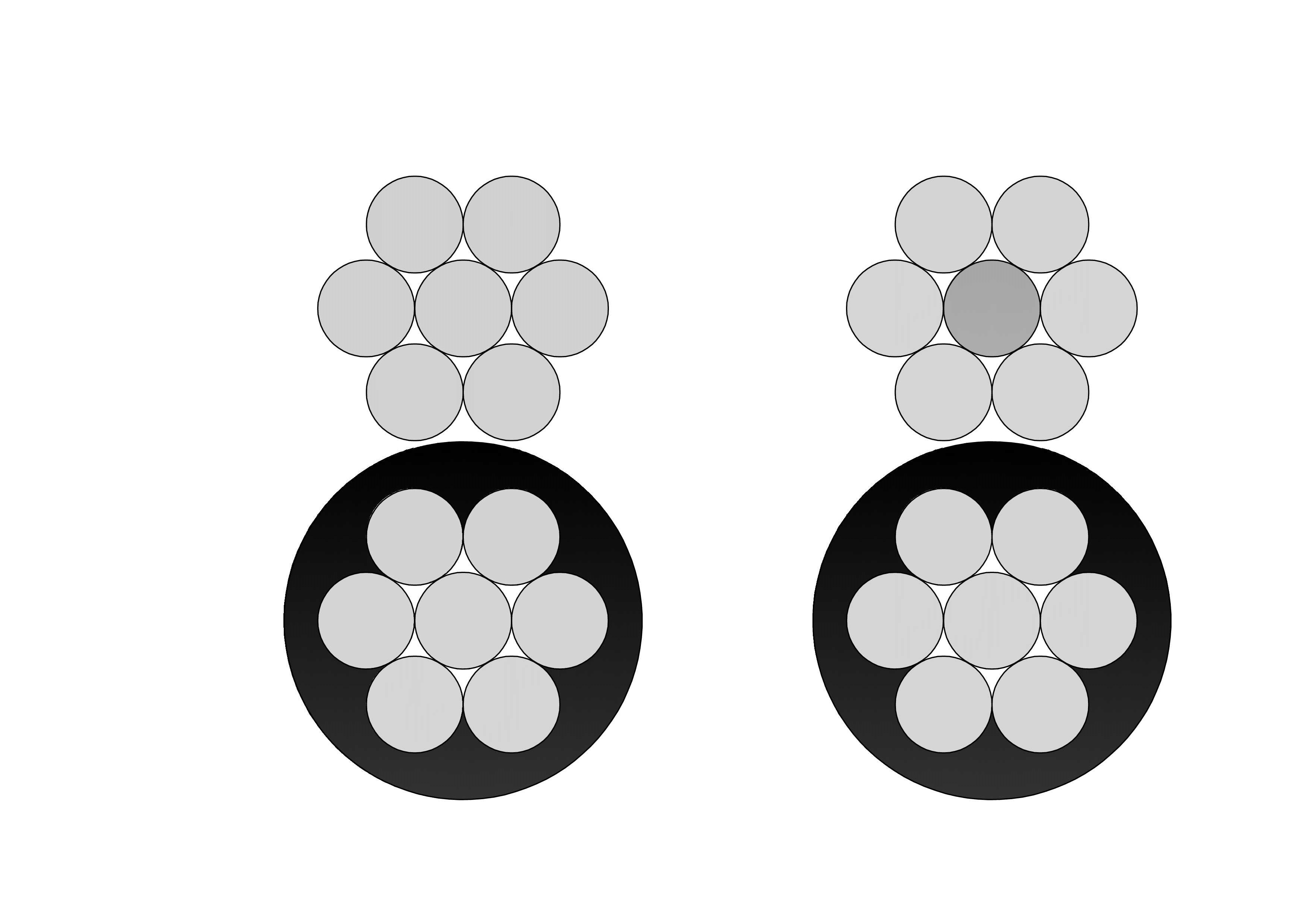
Copper Conductor Duplex Service Drop Cable 600V
The Copper Conductor Duplex Service Drop Cable 600V is a high-performance overhead cable for secondary power distribution from utility poles to service entrances. Featuring two insulated copper conductors (phase and neutral) twisted around a bare or insulated neutral messenger, it offers superior conductivity and mechanical strength. Insulation options include XLPE or PE for excellent UV, moisture, and abrasion resistance. Compliant with ASTM B-1, B-2, B-3, B-8, ICEA S-76-474, and ANSI/ICEA standards, this cable supports 600V applications with low voltage drop and high current capacity. The robust design ensures reduced sag, easy installation, and long service life in harsh weather conditions. The Copper Conductor Duplex Service Drop Cable 600V delivers minimal power losses and reliable performance for single-phase service drops. Widely used in urban, suburban, and rural electrification projects requiring premium copper overhead connections with enhanced durability and safety.
0.6/1kV Aluminum LV Concentric Service Cable with Pilot Communication Cores
The 0.6/1kV Aluminum LV Concentric Service Cable with Pilot Communication Cores is a smart-ready low-voltage cable designed for modern house service connections and secondary distribution. It features compact stranded AA8000 aluminum alloy phase conductors, XLPE insulation, a concentrically arranged aluminum alloy neutral, and two insulated pilot communication cores for remote metering, load management, or fault signaling. The entire assembly is protected by a durable black polyethylene sheath. This design combines excellent electrical performance, high mechanical strength, and communication functionality in one cable, reducing installation costs and enabling smart grid applications. Rated 0.6/1kV, the cable offers superior flexibility and corrosion resistance. It undergoes rigorous quality testing from raw materials to finished product, ensuring consistent conductivity, reliable pilot signal transmission, and long-term durability in aerial or underground environments.
6 Minex Aluminum Conductor Triplex Overhead Service Drop Cable
The 6 Minex Aluminum Conductor Triplex Overhead Service Drop Cable is engineered for reliable overhead power distribution from utility lines to service entrances. The cable structure consists of two insulated aluminum phase conductors twisted around a reinforced neutral messenger, delivering stable electrical performance and strong mechanical support. Manufactured from high-purity aluminum and weather-resistant insulation materials, the 6 Minex Aluminum Conductor Triplex Overhead Service Drop Cable offers excellent conductivity, low weight, and ease of installation. The insulation system is designed to withstand UV radiation, moisture, temperature fluctuations, and environmental aging, ensuring dependable long-term outdoor performance. A comprehensive quality control system is applied throughout production. The 6 Minex Aluminum Conductor Triplex Overhead Service Drop Cable undergoes systematic raw material testing, continuous process inspection, and rigorous finished product testing. Each stage follows standardized procedures to ensure compliance with international standards and utility specifications. This cable is an ideal solution for residential, commercial, and light industrial overhead service drop applications requiring safety, durability, and consistent quality.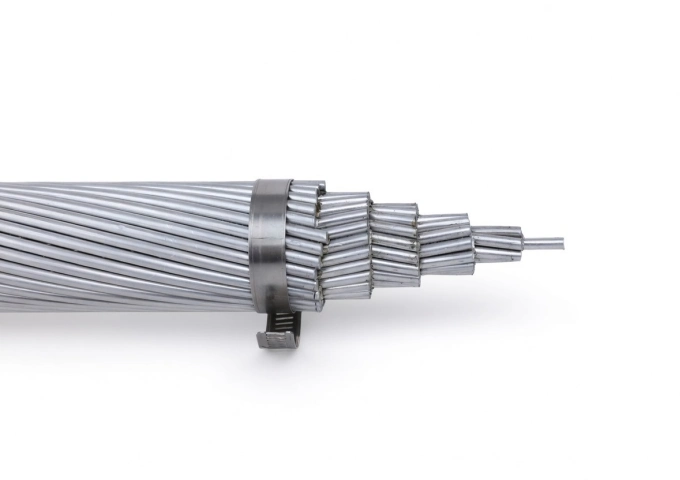
2000 MCM Cowslip AAC All Aluminum Bare Conductor Cable
The 2000 MCM Cowslip AAC Cable represents premium All Aluminum Conductor technology for overhead power applications. Built with 91 strands of high-conductivity 1350-H19 aluminum, this bare conductor delivers an optimal balance of electrical efficiency and mechanical robustness. With a 1.631-inch diameter, 32,200 lbs breaking strength, and 1518 amps ampacity, the Cowslip AAC offers low DC resistance of 0.00864 ohms per 1000 ft at 20°C and a weight of 1877 lbs per 1000 ft. This design minimizes sag while providing excellent corrosion resistance for extended outdoor service. Manufactured to meet ASTM B-230 and B-231 standards, the 2000 MCM Cowslip AAC Cable undergoes extensive quality testing from raw materials through finished product. It is the ideal solution for new installations and upgrades in transmission and distribution systems that demand lightweight, high-conductivity bare aluminum conductors.Welcome your inquiry
Honesty, Integrity, Frugality, Activeness and Passion