
Renewable Energy Systems 2026: The Ultimate Guide to Going Green
2026-01-27
As we step into 2026, the world stands at a pivotal moment in the shift toward sustainable energy. Renewable energy systems—encompassing solar PV, wind, hydropower, geothermal, and emerging hybrid setups—are no longer niche alternatives but the dominant force reshaping global power generation. According to recent projections from the IEA and industry outlooks, renewables are on track to surpass coal as the largest source of electricity worldwide by mid-2026 at the latest, with their share in global electricity rising toward 43% by 2030.
This acceleration is fueled by plummeting costs in solar and battery storage, rapid deployment driven by corporate demand (especially from AI-powered data centers), and policy incentives still pushing deployment despite evolving geopolitical and regulatory landscapes. Key trends defining 2026 include explosive growth in battery energy storage systems (BESS) to handle variable output, AI-optimized smart grids for better integration and predictive maintenance, long-duration storage innovations, and a focus on resilient, decentralized systems like rooftop solar, microgrids, and hybrid renewable solutions.
Yet challenges remain: grid constraints, supply chain adjustments amid sourcing rules, and balancing speed with long-term resilience. This ultimate guide explores the core technologies, design principles, real-world applications for homes and businesses, cost-benefit breakdowns, and forward-looking innovations that make going green not just environmentally essential—but economically smart and technically achievable in 2026 and beyond.
1. Why Renewable Energy Systems Matter in 2026
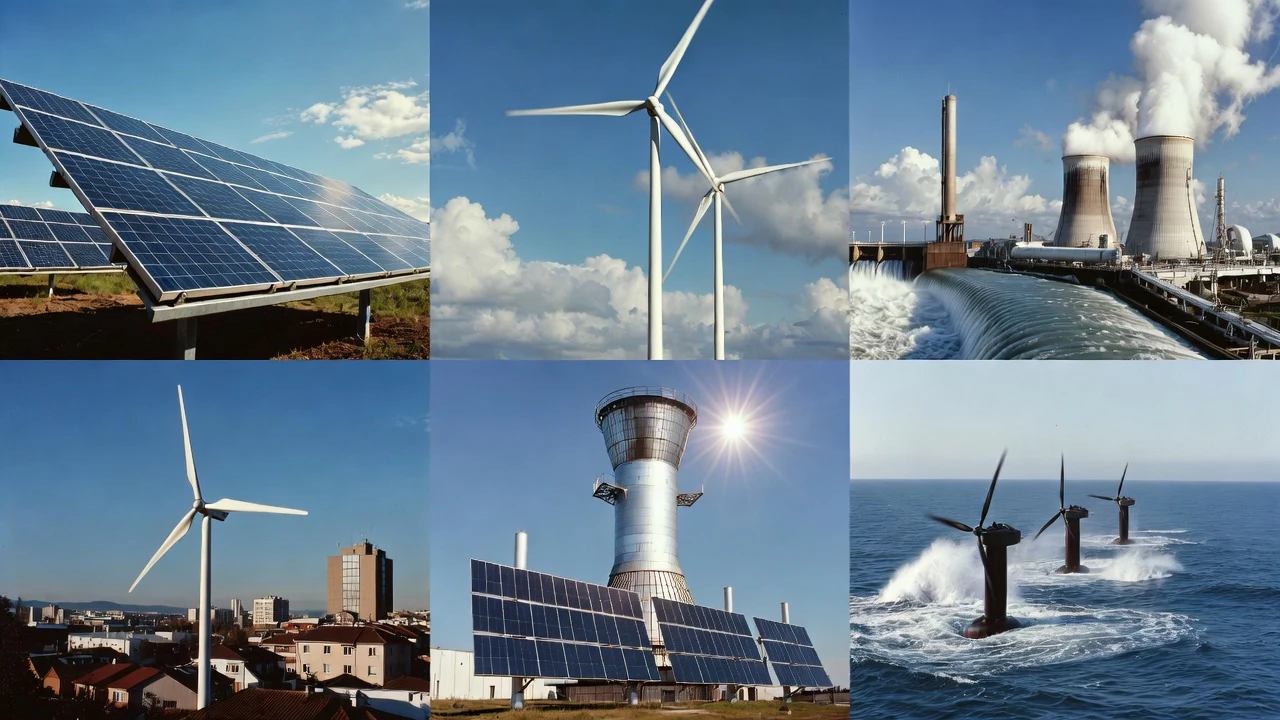
Renewable energy systems have moved from niche applications to the core of global energy strategy. By 2026, renewable energy will play an important role in addressing climate change, energy security, and rising electricity demand. Governments, utilities, and private enterprises are accelerating investments in solar energy, wind power, and renewable energy storage systems to achieve long-term sustainability goals.
In the United States and other major economies, the energy transition is driven not only by environmental policies but also by economic competitiveness, grid resilience, and lifecycle cost optimization. Modern renewable energy systems are no longer standalone installations; they are integrated energy systems combining generation, transmission, storage, and digital control.
2. What Is a Renewable Energy System?
A renewable energy system is an energy system that generates electricity from naturally replenished sources such as sunlight and wind, while minimizing carbon emissions and environmental impact.
Core Components of a Renewable Energy System
- Power generation units (solar panels, wind turbines)
- Electrical infrastructure (solar cables, transformers, switchgear)
- Energy storage systems (batteries, hybrid storage)
- Power conversion & control (inverters, protection devices)
- Energy installation & EPC solutions
These components work together to deliver clean power reliably to residential, commercial, and utility-scale users.
3. Solar Energy Systems: Backbone of Clean Power
3.1 How Solar Energy Works in Modern Systems
Solar energy systems convert sunlight into electricity using photovoltaic (PV) cells. The generated DC power is converted to AC power through inverters and delivered to the grid or local loads.
Key supporting equipment includes:
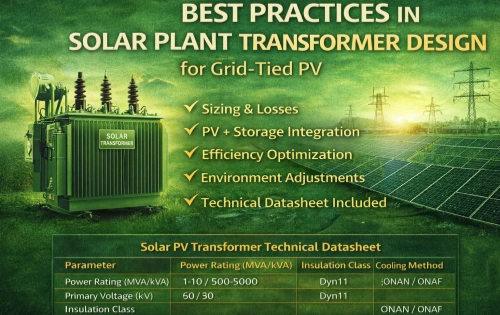
- Solar transformer for voltage step-up and grid interconnection
- Solar cable designed for UV resistance, thermal stability, and long service life
- Protection and monitoring systems to ensure safety and efficiency
3.2 Solar Power Applications in 2026
- Residential rooftop systems
- Commercial and industrial facilities
- Utility-scale solar farms
- Hybrid solar + storage installations
Solar power continues to be the lowest-cost source of new electricity in many regions, accelerating adoption worldwide.
4. Wind Energy and Solar-Wind Hybrid Systems
Wind power complements solar energy by generating electricity during different weather and time conditions. In 2026, solar and wind hybrid systems are increasingly deployed to stabilize output and reduce intermittency.
Benefits of Solar and Wind Integration
- Improved capacity utilization
- Reduced reliance on fossil fuels
- Lower energy storage requirements
- Enhanced grid stability
Wind turbines connect to the energy system through step-up transformers and medium- to high-voltage infrastructure, making transformer selection critical for reliability.
5. Renewable Energy Storage Systems: Enabling Reliability
Renewable energy storage systems are essential for balancing supply and demand. They store excess generation and release power during peak demand or grid outages.
Common Storage Technologies
- Lithium-ion battery systems
- LFP and emerging solid-state batteries
- Hybrid storage with thermal or mechanical components
Storage systems transform renewable energy into dispatchable clean power, supporting grid resilience and microgrid applications.
6. EPC Solutions and Energy Installation Practices
EPC solutions (Engineering, Procurement, and Construction) play a central role in delivering renewable energy projects on time and within budget.
EPC Scope in Renewable Energy Systems
- System design and feasibility analysis
- Equipment procurement (solar transformer, solar cable, inverters)
- Energy installation and commissioning
- Grid compliance and performance testing
Experienced EPC contractors ensure that renewable energy systems meet technical standards, safety codes, and long-term performance requirements.
7. Data Table: Key Renewable Energy System Components (2026)
|
Component |
Function |
Typical Application |
Key Design Considerations |
|
Solar Panels |
Convert sunlight to DC power |
Rooftop & solar farms |
Efficiency, degradation rate |
|
Solar Transformer |
Voltage step-up & isolation |
Grid connection |
Losses, insulation class |
|
Solar Cable |
Power transmission |
PV arrays |
UV resistance, ampacity |
|
Wind Turbine |
Generate AC power |
Wind farms |
Capacity factor, location |
|
Energy Storage System |
Energy balancing |
Hybrid systems |
Cycle life, safety |
|
EPC Solutions |
Project delivery |
Utility & C&I |
Cost control, compliance |
8. Renewable Energy in the United States: Market Perspective
The United States continues to lead renewable energy deployment through policy support, tax incentives, and private investment. Federal and state-level programs promote:
- Clean energy adoption
- Carbon-free energy targets
- Grid modernization initiatives
Renewable energy systems are now standard in commercial real estate, manufacturing, and data center developments, reflecting their economic and operational advantages.
9. Cost, Performance, and Lifecycle Value
While upfront investment remains a consideration, renewable energy systems offer lower operating costs and predictable energy pricing over their lifetime.
Key Economic Drivers
- Declining solar and storage costs
- Reduced fuel and maintenance expenses
- Long asset lifespans (20–30 years)
- Stable energy production costs
From an engineering and financial perspective, renewable energy systems deliver superior lifecycle value compared to conventional energy sources.
10. Future Trends in Renewable Energy Systems (2026+)
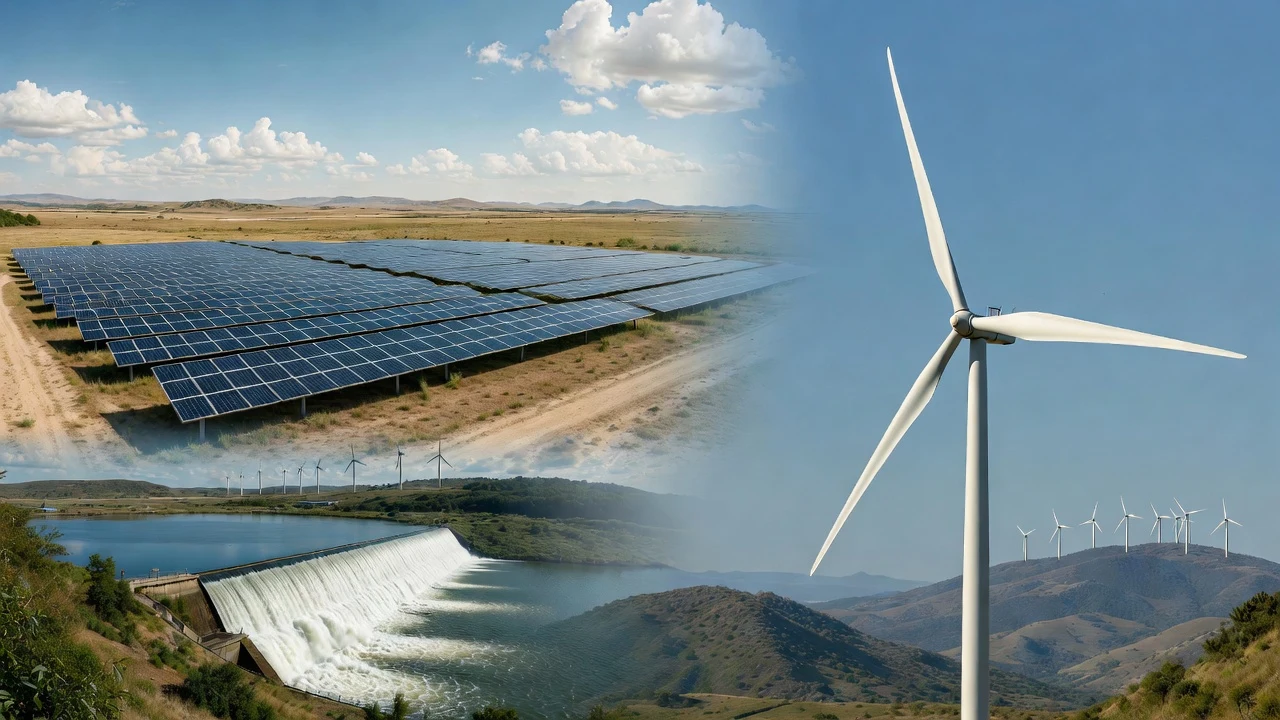
Looking ahead, renewable energy systems will continue evolving through:
- Higher-efficiency solar modules
- Smarter energy management systems
- Advanced grid-forming inverters
- AI-driven monitoring and predictive maintenance
- Expanded renewable energy storage systems
These innovations will accelerate the global energy transition and strengthen the role of renewable energy as the foundation of modern energy systems.
11. Going Green with Confidence
Renewable Energy Systems in 2026 represent a mature, scalable, and economically sound pathway to achieving clean power and carbon-free energy goals. By integrating solar energy, wind power, energy storage, and EPC solutions, organizations can build resilient energy systems that meet modern demands.
For utilities, EPC contractors, and energy investors, renewable energy is no longer an alternative—it is the core of future energy infrastructure.

Related Articles


Related Products
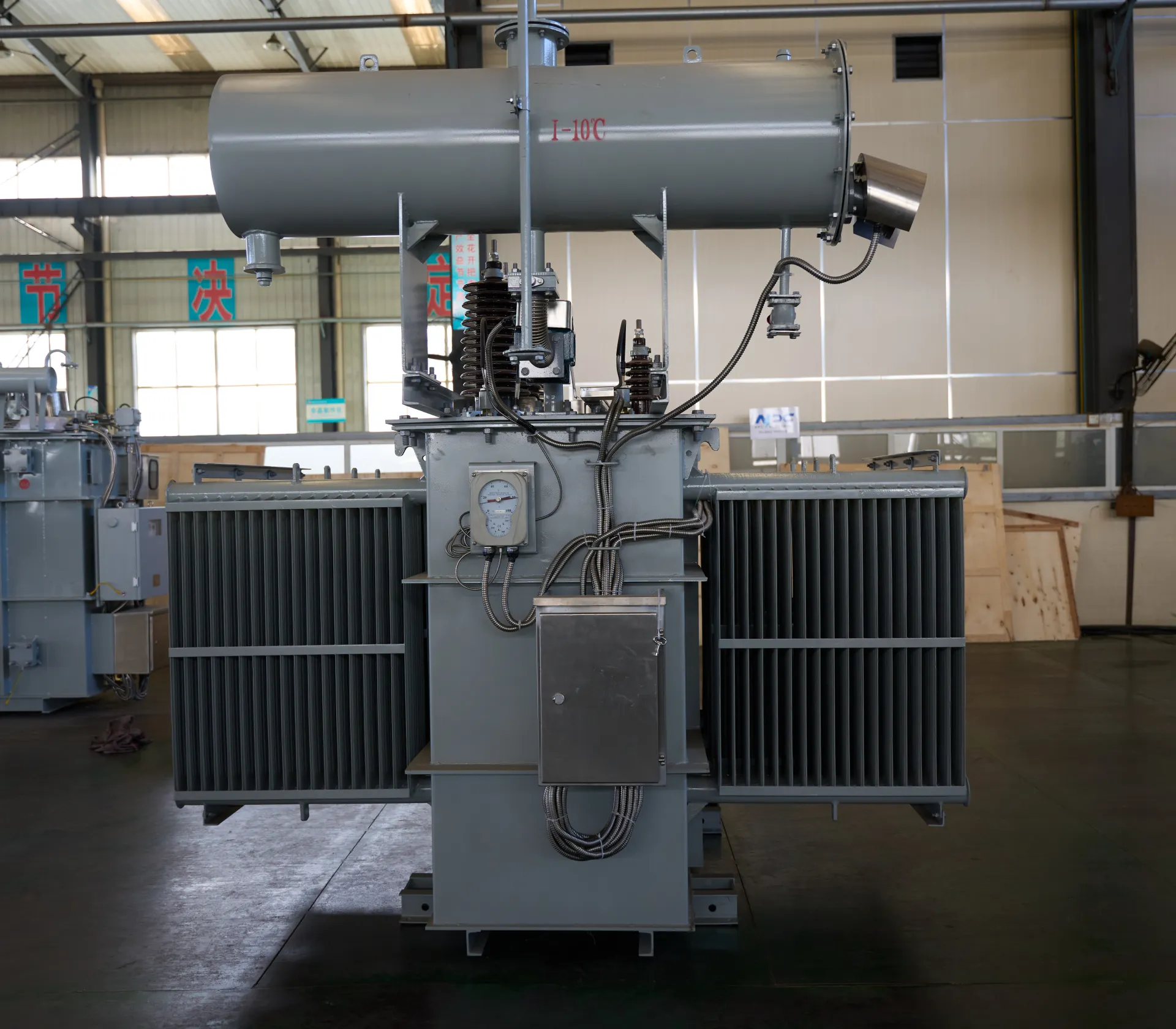
31500kVA 35kV Oil-Immersed Copper Transformer For Substation
The 31500kVA 35kV Oil-Immersed Copper Transformer is engineered for high-capacity, stable, and efficient power distribution across industrial plants, substations, and utility networks. Built with a high-purity copper winding structure, the transformer ensures superior conductivity, reduced losses, and long-term reliability under continuous heavy-load operation. Its oil-immersed insulation system provides excellent thermal performance, enabling stable operation even in demanding outdoor environments. The robust 35kV design enhances voltage regulation, short-circuit resistance, and overall safety. Advanced manufacturing standards, precision coil winding, and strict quality control ensure exceptional dielectric strength and mechanical durability.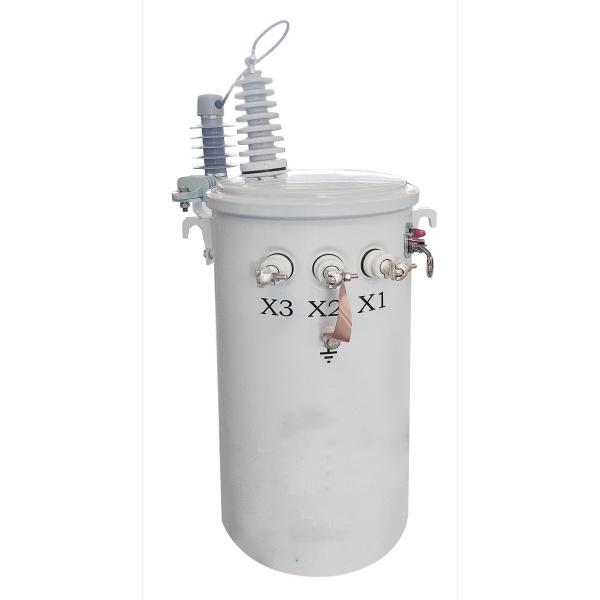
25kVA Completely self-protected(CSP) Single Phase Pole Mounted Transformer
The 25kVA Completely Self-Protected (CSP) Single Phase Pole Mounted Transformer is a compact, oil-immersed overhead distribution transformer with integrated self-protection for enhanced safety and reduced external equipment needs in residential, rural, small commercial, and light agricultural power supply. Compliant with ANSI C57.12.20, IEEE C57.12.00 / C57.12.90, DOE efficiency standards (meeting or exceeding DOE 2016 levels, aligned with 2029 amended requirements for reduced losses in single-phase units), and applicable CSA/IEC guidelines, this CSP unit delivers efficient step-down from medium-voltage primary lines to low-voltage secondary service, with built-in protection against overloads, faults, and surges, low no-load/load losses, and long service life in pole-mounted utility applications.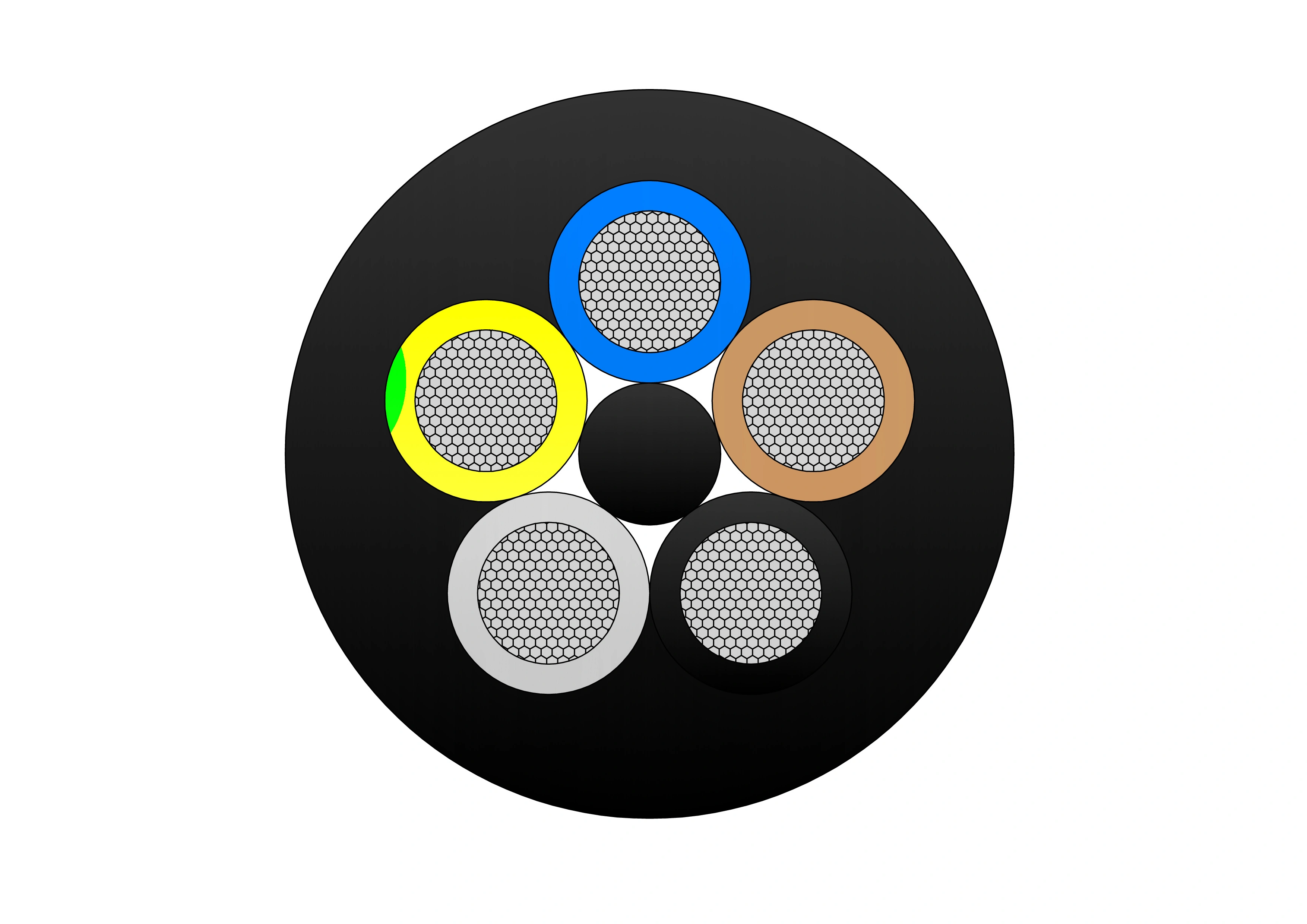
NTSCGECECWOU 3.6/6kV and 6/10kV Cable
The NTSCGECECWOU 3.6/6kV and 6/10kV cable is a flexible medium voltage power cable manufactured to VDE 0250 Part 813 standards, designed for reeling and trailing applications in mining, tunneling, and other demanding industrial environments. Constructed with Class 5 tinned copper conductors, EPR insulation, and a robust halogen-free sheath, it delivers exceptional mechanical strength, flame retardancy, oil resistance, and flexibility. Its copper wire screen ensures EMC protection, while the rugged sheath withstands extreme temperatures, making it suitable for both indoor and outdoor installations in harsh conditions.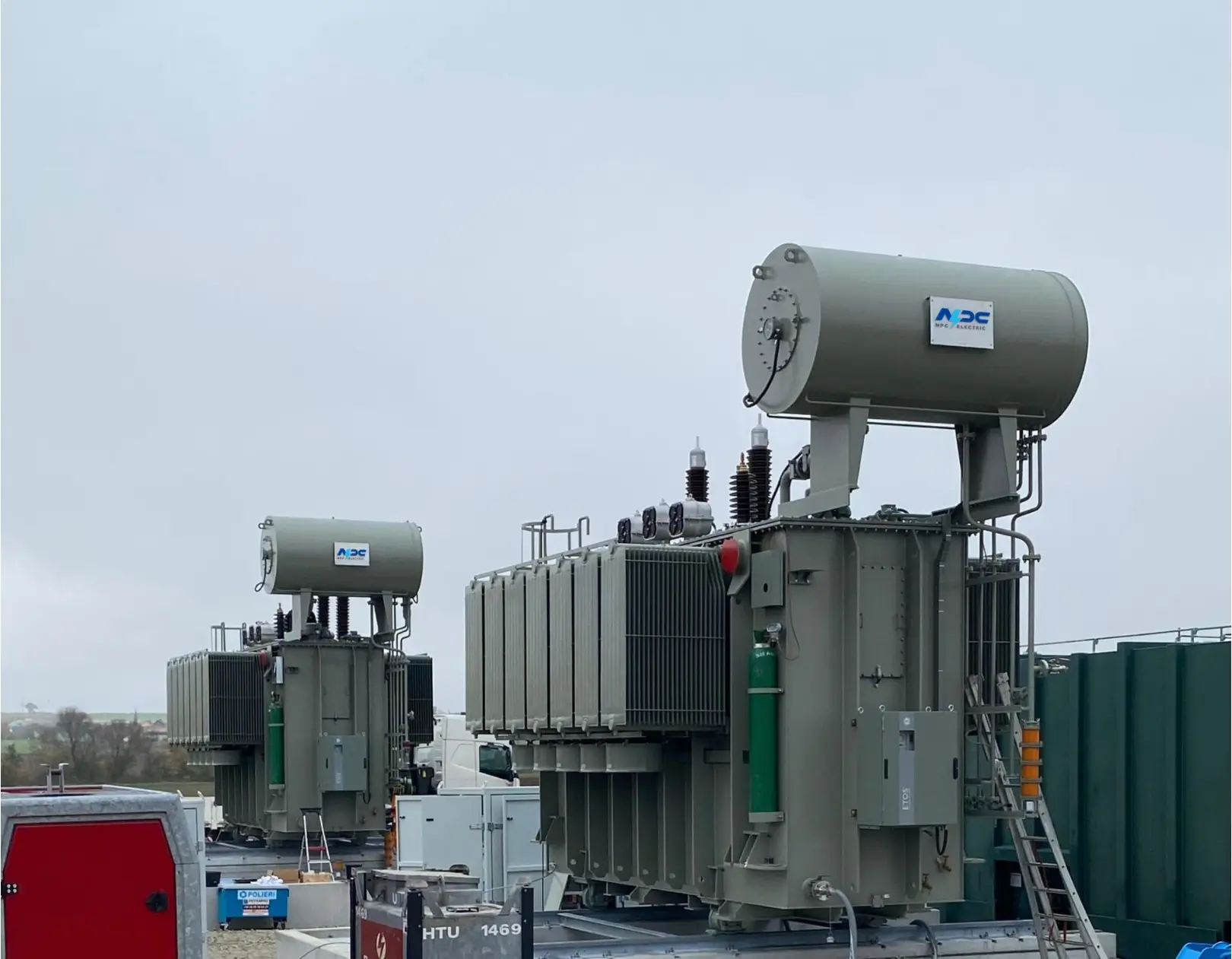
300 kV 31.5MVA 40 MVA High Voltage Power Transformer
Unlock superior grid performance with the state-of-the-art 300 kV 31.5/40 MVA high voltage electrical power transformer, tailored for efficient voltage conversion in expansive transmission networks. This robust, three-phase design operates with ONAN cooling at 31.5 MVA and escalates to ONAF at 40 MVA, incorporating cutting-edge biodegradable ester insulation fluids for enhanced fire safety and environmental sustainability as per 2025 regulations. Built with high-grade grain-oriented silicon steel cores to achieve efficiency rates exceeding 98%, it reduces no-load losses and supports seamless integration with HVDC systems and renewable energy hubs. Advanced features include IoT-enabled Sensformer-like monitoring for real-time diagnostics, predictive analytics to prevent downtime, and compliance with updated IEC 60076-2025 and IEEE C57.12.00 standards for superior dielectric strength and thermal resilience. Ideal for harsh operational settings, its modular construction allows for quick field repairs, while anti-vibration mountings ensure low noise levels under 55 dB, making it perfect for proximity to populated areas.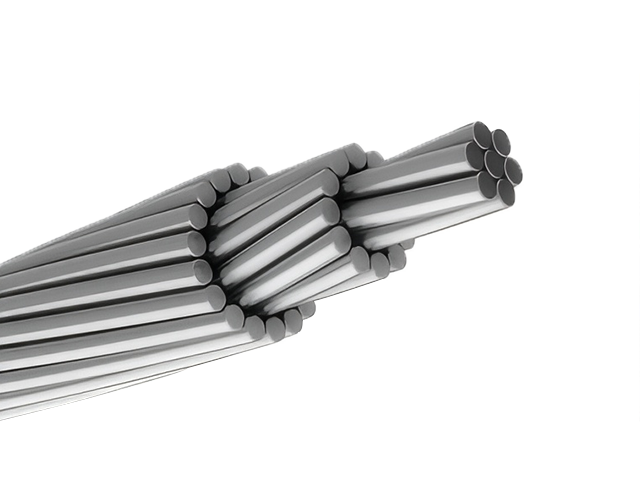
266.8 MCM Waxwing ACSR Conductor Cable
The Waxwing ACSR Conductor Cable is engineered for demanding overhead transmission, with 266.8 MCM size and 18/1 stranding configuration. High-purity aluminum (1350-H19) surrounds a galvanized steel core, offering a DC resistance of 0.0643 Ω/MFT and ampacity up to 340A. Adhering to ASTM B230 for aluminum and B232 for assembly, it provides excellent corrosion resistance and mechanical integrity for spans up to 300m. The steel core minimizes sag under heavy loads, while aluminum ensures high conductivity (61.5% IACS) and lightweight design for easier installation. Suitable for distribution voltages up to 138kV, the Waxwing ACSR Conductor Cable reduces line losses and withstands extreme weather, including ice loads up to 1/2 inch. Its economical profile makes it a staple for utility expansions, renewable connections, and grid modernization, delivering consistent power with high weather tolerance and minimal maintenance in global overhead networks.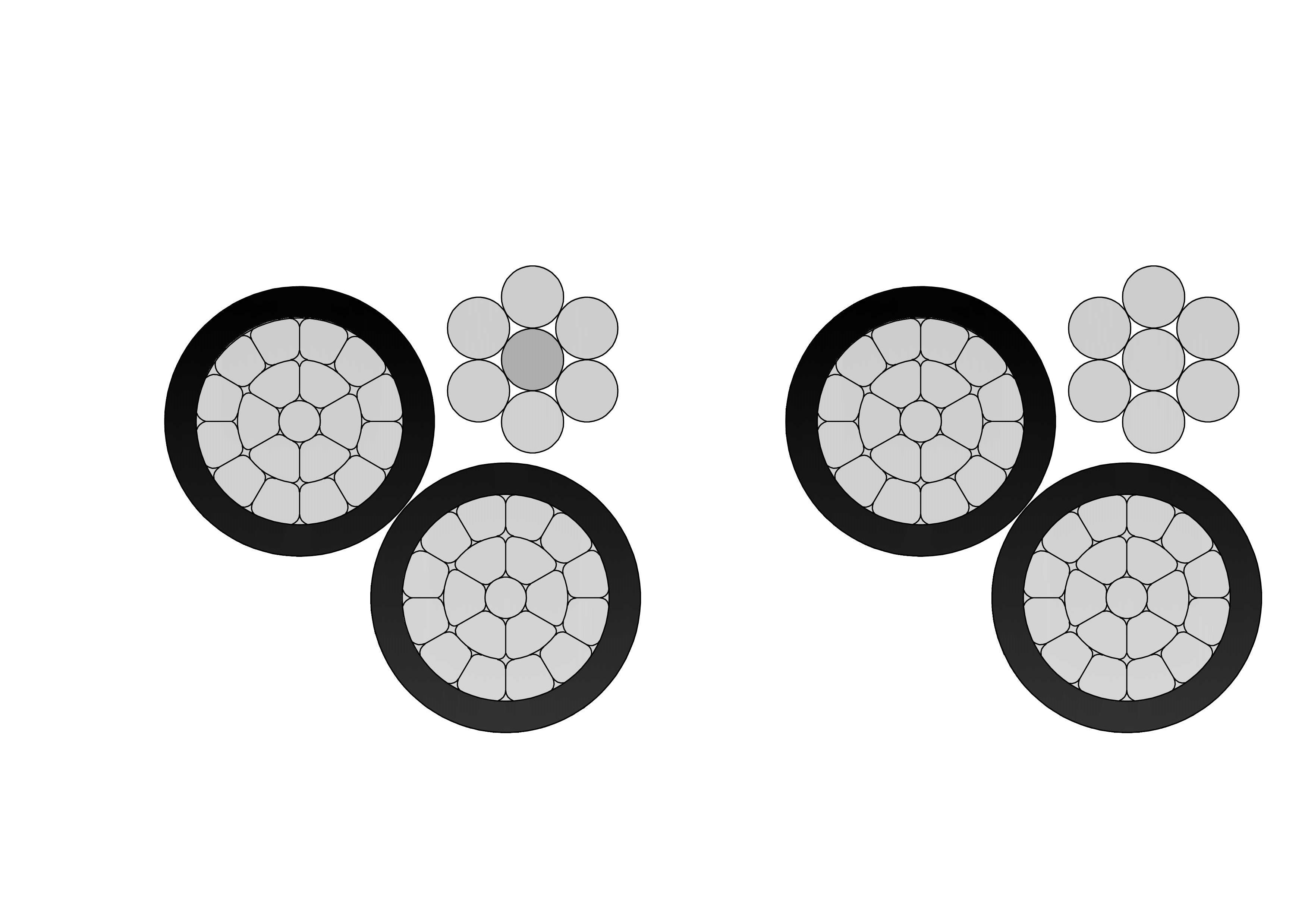
2/0 Trophon Aluminum Conductor Triplex Overhead Service Drop Cable
The 2/0 Trophon Aluminum Conductor Triplex Overhead Service Drop Cable delivers superior performance for overhead power distribution. Engineered with high-quality 1350-H19 aluminum conductors, black cross-linked polyethylene (XLPE) insulation, and a bare ACSR neutral messenger, this triplex cable ensures excellent conductivity, weather resistance, and mechanical strength. Rated for 600V phase-to-phase at up to 90°C conductor temperature (XLP), it offers approx. 230A ampacity, making it ideal for residential and light commercial service entrances. Compliant with ASTM B-230, B-231, B-232, and ICEA S-76-474 standards, the cable withstands harsh outdoor conditions while maintaining flexibility and reliability.3GHSSYCY-mining-cable-2.webp)
(N)3GHSSYCY Mining Cable
The (N)3GHSSYCY medium voltage flexible cable is manufactured according to VDE 0250 standards, designed to deliver reliable power in demanding environments such as underground mining, tunneling, and heavy-duty industrial sites. Featuring EPR rubber insulation, a robust PVC outer sheath, and a copper wire braid with concentric conductors, it provides exceptional mechanical durability, flame retardancy, and electromagnetic compatibility (EMC). Its flexible construction and high thermal performance (up to +90°C continuous and +250°C short circuit) ensure dependable operation in both fixed and mobile applications. With a wide temperature range (-40°C to +80°C fixed) and compliance with VDE, EN, and IEC standards, this cable is the ideal choice for medium voltage power distribution in harsh conditions where flexibility, safety, and durability are critical.
75kVA Completely self-protected(CSP) Single Phase Pole Mounted Transformer
NPC ELECTRIC, the production of a 75kVA Completely Self-Protected (CSP) Single Phase Pole Mounted Transformer is a high-efficiency, reliable solution for single-phase power distribution in residential, commercial, and small industrial applications. Equipped with built-in protection features such as overload, short-circuit, and over-voltage protection, it ensures automatic disconnection during fault conditions to prevent damage to the system. Its pole-mounted design saves space and is ideal for installation in both urban and rural environments. The transformer operates with minimal energy loss, ensuring high efficiency and long-term performance, while its durable construction makes it resistant to harsh weather conditions, ensuring a reliable and safe power supply over time.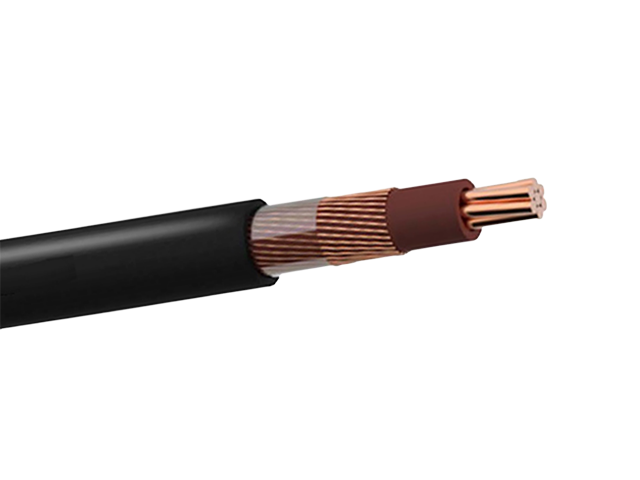
Aerial Concentric Service Cable 600/1000V - Copper & Aluminum LV Overhead Cable
The Aerial Concentric Service Cable is specially designed for overhead low-voltage service connections. It consists of stranded copper or AA8000 aluminum alloy phase conductors with XLPE insulation, concentrically arranged neutral conductors, and a durable UV-stabilized black polyethylene sheath. The concentric round construction offers balanced electrical performance, high mechanical strength, and easy handling during installation. With excellent conductivity and weather resistance, this cable is suitable for long-term aerial exposure in residential, rural, and light commercial networks. The Aerial Concentric Service Cable meets international performance standards and undergoes extensive quality testing to ensure consistent performance, safety, and long service life for overhead LV applications.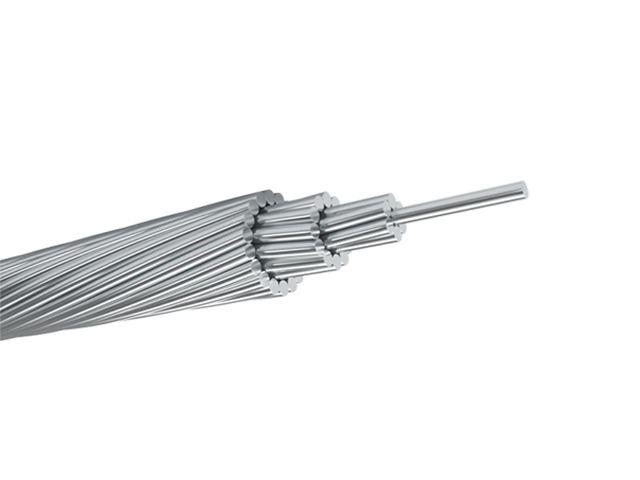
ELGIN AAAC Conductor Cable
ELGIN AAAC (All Aluminum Alloy Conductor) cables comply with ASTM B399 and IEC 61089 standards, offering high tensile strength, excellent conductivity, and strong corrosion resistance. Named "Elgin" for its 900 mm² nominal area with 61-strand configuration, it offers superior conductivity (53% IACS) and tensile strength (295 MPa min) compared to ACSR. Made from heat-treated aluminum-magnesium-silicon alloy (6201-T81), this cable provides excellent corrosion resistance, low weight, and reduced sag for longer spans. Compliant with ASTM B398, B399, IEC 61089, and BS EN 50182 standards, it supports voltages up to 33kV with ampacity up to 1300A at 75°C. The homogeneous alloy construction eliminates bimetallic corrosion and ensures uniform mechanical properties. The Elgin AAAC Conductor Cable minimizes line losses, withstands harsh weather, and requires minimal maintenance. Ideal for rural electrification, urban upgrades, and renewable energy integrations, it delivers reliable, cost-effective power in overhead lines worldwide, outperforming traditional conductors in corrosive or coastal environments.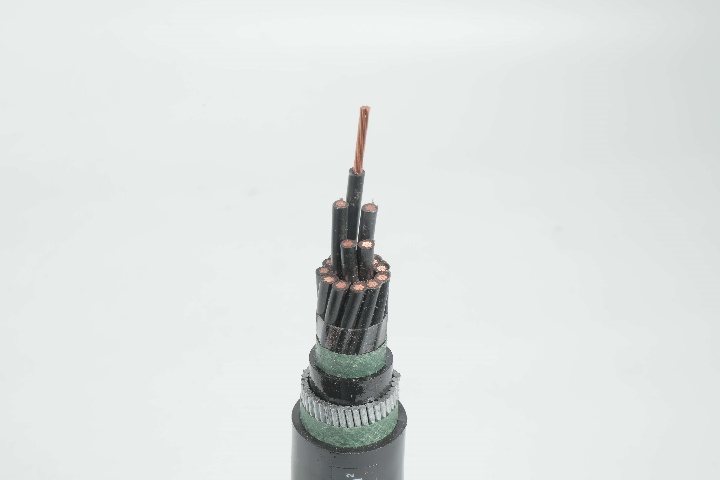
Control Cable 0.6/1 kV CVV to IEC 60502 Standard (2-30 core)
NPC Electric Control Cable 0.6/1 kV CVV to IEC 60502 Standard (2-30 core) is engineered for superior performance in demanding electrical control applications. Featuring concentric stranded copper conductors for excellent conductivity and flexibility, this cable is insulated with high-quality PVC in black, ensuring robust protection against environmental factors. Cores are identified with printed white numbers on black insulation for easy installation and maintenance. A PVC inner sheath and outer jacket provide additional mechanical strength and flame retardancy, making it suitable for indoor, outdoor, duct, and underground setups. Compliant with IEC 60502, it supports voltages up to 1 kV and operates in temperatures from -15°C to 70°C. This cable excels in control circuits, instrumentation, and auxiliary power systems, minimizing signal interference and ensuring data integrity. Available in 2 to 30 cores, it offers customization for specific project needs. Manufactured with precision, it reduces downtime and enhances system efficiency in industrial environments. Choose this CVV cable for long-lasting reliability, backed by rigorous quality testing and international standards.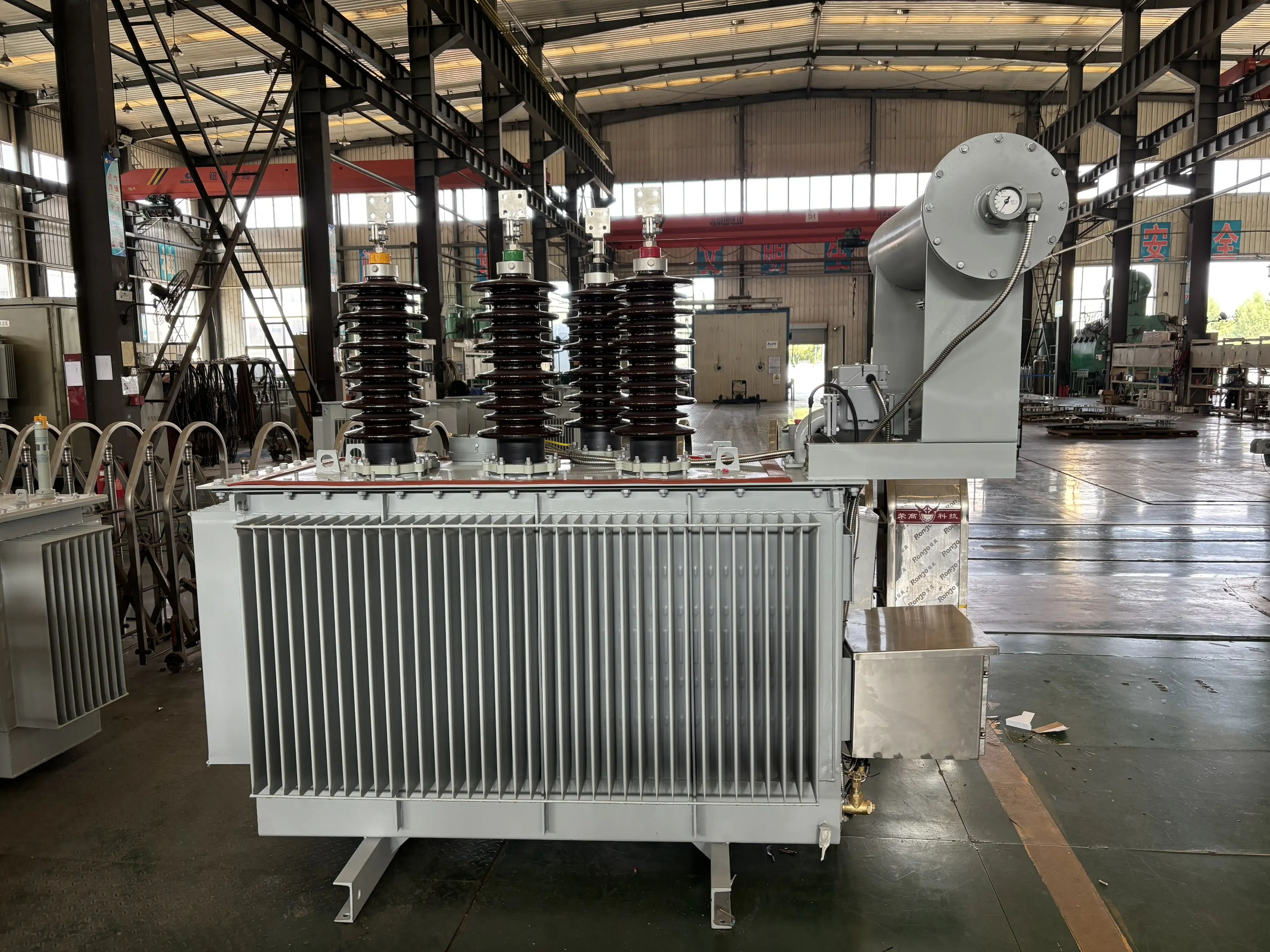
500kVA 11kV Dry-Type Zigzag Grounding Transformer
The Dry-Type Zigzag Earthing/Grounding Transformer 500kVA 11kV is designed to provide an effective neutral grounding solution for medium-voltage power systems. By creating an artificial neutral point, the zigzag transformer limits earth fault currents, stabilizes system voltage, and enhances overall grid safety. Its zigzag winding configuration ensures balanced performance under normal operation while offering low zero-sequence impedance during ground faults. Featuring a dry-type insulation system, this transformer eliminates the risk of oil leakage and fire hazards, making it ideal for indoor substations and environmentally sensitive installations. The low-loss core design minimizes energy consumption and heat generation, ensuring high efficiency and long service life.
954 MCM RAIL ACSR Conductor Cable
The ACSR CAA 954 MCM 45/7F RAIL is a robust Aluminium Conductor Steel Reinforced (ACSR) cable designed to meet the demanding requirements of modern overhead transmission and distribution systems. It consists of 45 hard-drawn 1350-H19 aluminium strands concentrically wound around 7 galvanized steel strands, forming a high-capacity conductor with a reliable strength-to-conductivity ratio. Manufactured in accordance with ASTM B232, the RAIL configuration is ideal for long-span installations where increased tensile strength and environmental durability are essential. The galvanized steel core, coated to Class A or B standards, provides corrosion resistance and mechanical reinforcement against environmental stressors like wind, ice loading, and mechanical tension. This ACSR design supports efficient power delivery across overhead transmission networks, while also serving as a dependable solution for primary and secondary distribution lines. Suitable for voltages up to 230kV in distribution lines, the Rail ACSR Conductor Cable minimizes line losses and withstands harsh weather, including wind and ice loading.
1033.5 MCM CURLEW ACSR Conductor Cable
The ACSR 1033.5 MCM Curlew 54/7 is a high-performance, bare concentric-lay-stranded conductor designed for overhead power transmission and distribution lines. Complying with ASTM B232 standards, this conductor features a robust galvanized steel core (Class A or B) for enhanced mechanical strength, surrounded by multiple layers of hard-drawn 1350-H19 aluminum wire for superior electrical conductivity. The Curlew configuration, with 54 aluminum strands and 7 steel strands, ensures an optimal balance of durability and efficiency, making it ideal for long-span transmission lines and primary/secondary distribution networks. Engineered for reliability, ACSR Curlew offers excellent corrosion resistance and customizable aluminum-to-steel ratios to meet specific electrical and mechanical requirements.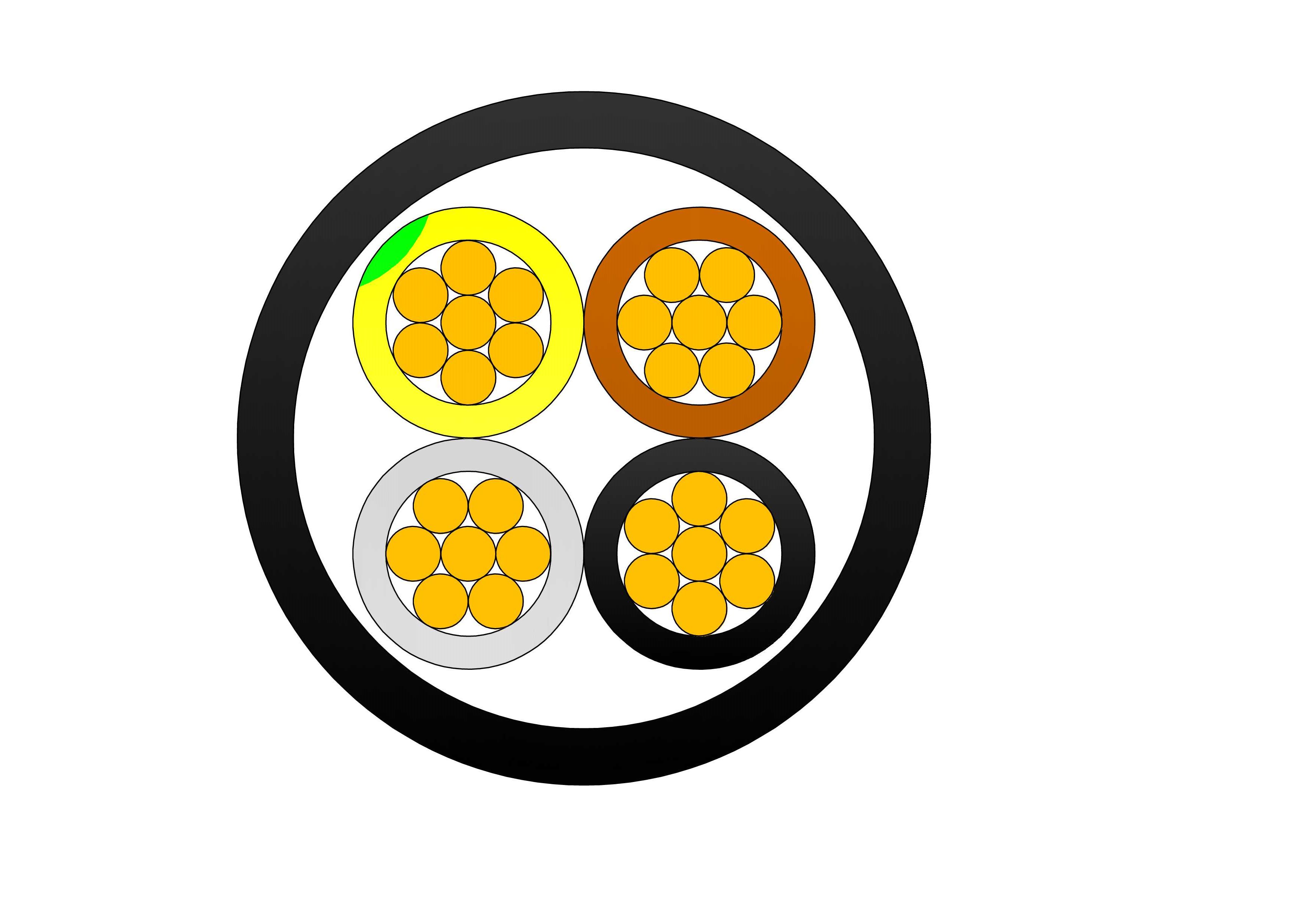
3+1 Cores Copper Cable CU/XLPE/PVC 0.6/1kV
The 3+1 Cores Copper Cable CU/XLPE/PVC 0.6/1kV is a high-performance low-voltage power cable designed for reliable electrical power transmission and distribution systems. Featuring three phase conductors and one neutral conductor, this cable is manufactured with high-purity copper conductors, cross-linked polyethylene (XLPE) insulation, and a durable PVC outer sheath. The combination of premium materials ensures excellent electrical conductivity, thermal stability, and mechanical protection. XLPE insulation provides superior dielectric properties, higher operating temperatures, and enhanced resistance to moisture, chemicals, and aging compared with conventional PVC-insulated cables. The PVC outer sheath offers excellent protection against abrasion, impact, and environmental conditions, making the cable suitable for indoor, outdoor, duct, tray, and underground installations. Designed to operate at rated voltages up to 0.6/1kV, this cable is widely used in industrial plants, commercial buildings, renewable energy projects, utility substations, and infrastructure developments. Manufactured according to international standards, the cable delivers long service life, reliable performance, and enhanced safety in demanding electrical distribution applications.Welcome your inquiry
Honesty, Integrity, Frugality, Activeness and Passion