Global Wire and Cable Industry Review 2025 and Market Outlook 2026
2026-01-13
The global wire and cable industry represents a fundamental pillar of modern economic systems, serving as the physical backbone for power transmission, electrification, digital communication, industrial automation, and transportation. In 2025, the industry continued to demonstrate resilient growth despite macroeconomic uncertainty, driven primarily by energy transition, grid modernization, rapid expansion of data centers, and accelerating electric vehicle (EV) adoption.
This report provides a comprehensive review of the global wire and cable market in 2025 and delivers an expanded 2026 outlook with a specific focus on export markets and investment implications for manufacturers, traders, and capital stakeholders.
1. Industry Overview and Development Background
Wire and cable products are often described as the “arteries and nervous system” of the economy, enabling the transmission of electricity, signals, and data across virtually all sectors. Core downstream applications include power generation and transmission, construction and infrastructure, industrial manufacturing, telecommunications, transportation, oil and gas, and automotive industries.
By 2025, global structural trends have fundamentally reshaped demand patterns:
- Energy transition toward renewable power sources such as wind and solar has increased the need for high-voltage, extra-high-voltage, and submarine cables.
- Digitalization and AI-driven computing have fueled massive investments in data centers, fiber-optic networks, and high-performance data cables.
- Urbanization and infrastructure renewal in emerging economies continue to support stable demand for low- and medium-voltage cables.
- Electrification of transportation, particularly EVs and charging infrastructure, has created a fast-growing segment for specialized automotive and charging cables.
For export-oriented manufacturers, these trends translate into long-cycle, policy-supported demand with relatively high entry barriers, especially in high-voltage and specialty cable segments.
Table: Global Wire and Cable Market Size and Growth (2023–2026)
Purpose: Industry overview + First impression for investors to assess industry potential
Suggested placement: Executive Summary or Market Overview
|
Year |
Market Size (USD Billion) |
YoY Growth |
|
2023 |
240 |
– |
|
2024 |
268 |
11.7% |
|
2025 |
233 – 270 |
6.0 – 7.0% |
|
2026 |
245 – 255 |
6.0% |
Key Analysis Points
● The industry belongs to the "medium-to-high speed, long cycle, infrastructure-type" growth category.
● Investment attributes: Strong counter-cyclical capability, stable cash flow.
2. Global Market Size and Structure in 2025
2.1 Market Size
In 2025, the global wire and cable market maintained steady expansion, with an estimated market size ranging between USD 230–270 billion depending on the statistical scope. The medium-term compound annual growth rate (CAGR) remains approximately 6–7%.
From an export perspective, cross-border trade in wire and cable products continued to rise, particularly in:
- High-voltage power cables for international grid interconnection projects
- Submarine cables for offshore wind farms
- Optical fiber cables for telecom and hyperscale data centers
2.2 Regional Market Distribution
- Asia-Pacific: The largest and most competitive production and consumption hub, accounting for over 40% of global demand. China dominates both output and exports, while Southeast Asia and India show strong import growth.
- Europe: Demand driven by renewable energy integration, offshore wind, and grid decarbonization. High technical standards create opportunities for premium exporters.
- North America: Stable demand supported by infrastructure renewal, EV charging deployment, and reshoring of manufacturing.
- Middle East & Africa: Rapidly growing import markets due to energy, industrial, and urban development projects.
For exporters, Europe and the Middle East remain high-value destinations, while Southeast Asia and Africa represent volume-driven growth markets.
Table: Global Wire and Cable Market Regional Structure, 2025–2026
Purpose: To highlight key export markets
Location Recommendation: Regional Analysis
|
Region |
Market Share 2025 |
Growth Outlook 2026 |
Export Attractiveness |
|
Asia-Pacific |
42% |
High |
★★★★☆ |
|
Europe |
23% |
Medium–High |
★★★★★ |
|
North America |
18% |
Medium |
★★★★☆ |
|
Middle East & Africa |
10% |
High |
★★★★★ |
|
Latin America |
7% |
Medium |
★★★☆☆ |
Export Analysis
● Europe / Middle East and Africa = High Value-Added Export Markets
● Southeast Asia / India = Large-Scale Export Markets
3. Competitive Landscape and Key Players
The global wire and cable industry remains moderately concentrated. Multinational leaders such as Prysmian Group, Nexans, Sumitomo Electric, NKT, and Fujikura dominate high-end segments, including HVDC and submarine cables.
At the same time, export-oriented manufacturers from Asia have strengthened their global presence through:
- Cost-efficient manufacturing
- Rapid capacity expansion
- Localization strategies and overseas factories
From an investment standpoint, industry consolidation continues through mergers, acquisitions, and strategic partnerships, particularly targeting high-margin specialty cable businesses.
Table: Market Structure by Product Type (Investment Value Oriented)
Purpose: To help investors and companies determine "which products are most profitable."
Suggested Location: Product & Technology Section
|
Product Segment |
Market Share 2025 |
CAGR 2025–2028 |
Margin Profile |
|
45% |
4–5% |
Low–Medium |
|
|
High Voltage & HVDC Cables |
22% |
8–10% |
High |
|
Optical Fiber Cables |
15% |
7–9% |
Medium–High |
|
EV & Charging Cables |
10% |
12%+ |
High |
|
Specialty Industrial Cables |
8% |
9–11% |
High |
Capital Conclusion: HVDC, EV, and cable + fiber optic are the priority areas for capital investment.
4. Technology Trends and Product Innovation
Key technological directions shaping export competitiveness include:
- HVDC and EHV cables for long-distance and cross-border power transmission
- Environmentally friendly materials, including halogen-free and recyclable insulation systems
- Smart and monitored cables integrated with sensors for predictive maintenance
- High-density optical fiber cables for 5G, AI, and data center interconnection
Capital expenditure is increasingly directed toward advanced production lines, quality control systems, and compliance with international standards (IEC, UL, CPR).
5. Policy Environment and Sustainability Requirements
Governments worldwide continue to tighten regulations related to fire safety, environmental impact, and carbon emissions. For exporters, compliance with EU CPR, RoHS, and REACH regulations is no longer optional but a prerequisite for market access.
Sustainability has also become an investment screening criterion. Financial institutions increasingly favor manufacturers with:
- Transparent ESG reporting
- Energy-efficient production processes
- Circular economy initiatives, such as cable recycling
6. Risks and Challenges
Despite positive fundamentals, the industry faces notable risks:
- Volatility in copper and aluminum prices
- Geopolitical and trade-related uncertainties
- Increasing technical and certification barriers in developed markets
- Margin pressure in low-end commodity cable segments
Export-focused companies must balance scale expansion with margin protection through product differentiation.
Table: Major Export Destinations and Demand Drivers
Purpose: Foreign Trade and Market Expansion Decisions
Location Recommendation: Export Market Outlook
|
Export Region |
Core Demand Drivers |
Typical Products |
Entry Barriers |
|
Europe |
Offshore wind, grid upgrade |
HVDC, fire-resistant |
Very High |
|
Middle East |
Energy & infrastructure |
Power cables |
Medium |
|
Africa |
Urbanization, utilities |
MV/LV cables |
Low–Medium |
|
Southeast Asia |
Industrialization |
MV/LV, optical fiber |
Medium |
|
North America |
EV & data centers |
Specialty cables |
High |
7. Expanded Market Outlook 2026: Export and Investment Analysis
7.1 Global Market Forecast
In 2026, the global wire and cable market is expected to reach approximately USD 245–255 billion, maintaining a CAGR of around 6%. Growth will be uneven across segments, with high-voltage power cables, optical fiber cables, and EV-related cables outperforming the industry average.
7.2 Export Market Outlook
From an export perspective, three major growth corridors will dominate:
Europe: Strong demand for HVDC, submarine, and fire-resistant building cables driven by offshore wind expansion and grid interconnection projects. Exporters with proven project execution capability and certifications will benefit most.
Middle East & Africa: Large-scale energy, oil & gas, and urban infrastructure projects will continue to rely heavily on imported cables. Price competitiveness combined with engineering support will be key success factors.
Southeast Asia & India: Rapid electrification and industrialization create sustained demand for medium- and low-voltage cables. This region favors scalable production and flexible logistics.
7.3 Investment Implications
For investors, the wire and cable industry in 2026 presents a combination of stability and structural growth:
- High-voltage and submarine cable projects offer long-term contracts, high entry barriers, and predictable cash flows.
- Specialty cables (EV, data centers, industrial automation) deliver higher margins and faster growth.
- Export-oriented manufacturers with diversified regional exposure are better positioned to manage geopolitical risks.
Capital allocation is expected to focus on capacity expansion, overseas localization, digital manufacturing, and strategic acquisitions.
7.4 Strategic Recommendations
- Manufacturers should prioritize export markets with policy-driven demand and high technical thresholds.
- Investors should favor companies with strong order backlogs, certification portfolios, and international project experience.
- Long-term value creation will increasingly depend on technology leadership and ESG compliance rather than pure volume growth.
The global wire and cable industry entered 2026 with solid fundamentals, supported by irreversible trends such as energy transition, electrification, and digital infrastructure expansion. For export-driven enterprises and investors, opportunities are concentrated in high-end, policy-supported segments and fast-growing emerging markets. Strategic positioning, technological capability, and global market access will define competitive success in the next phase of industry evolution.

Related Articles

Related Products
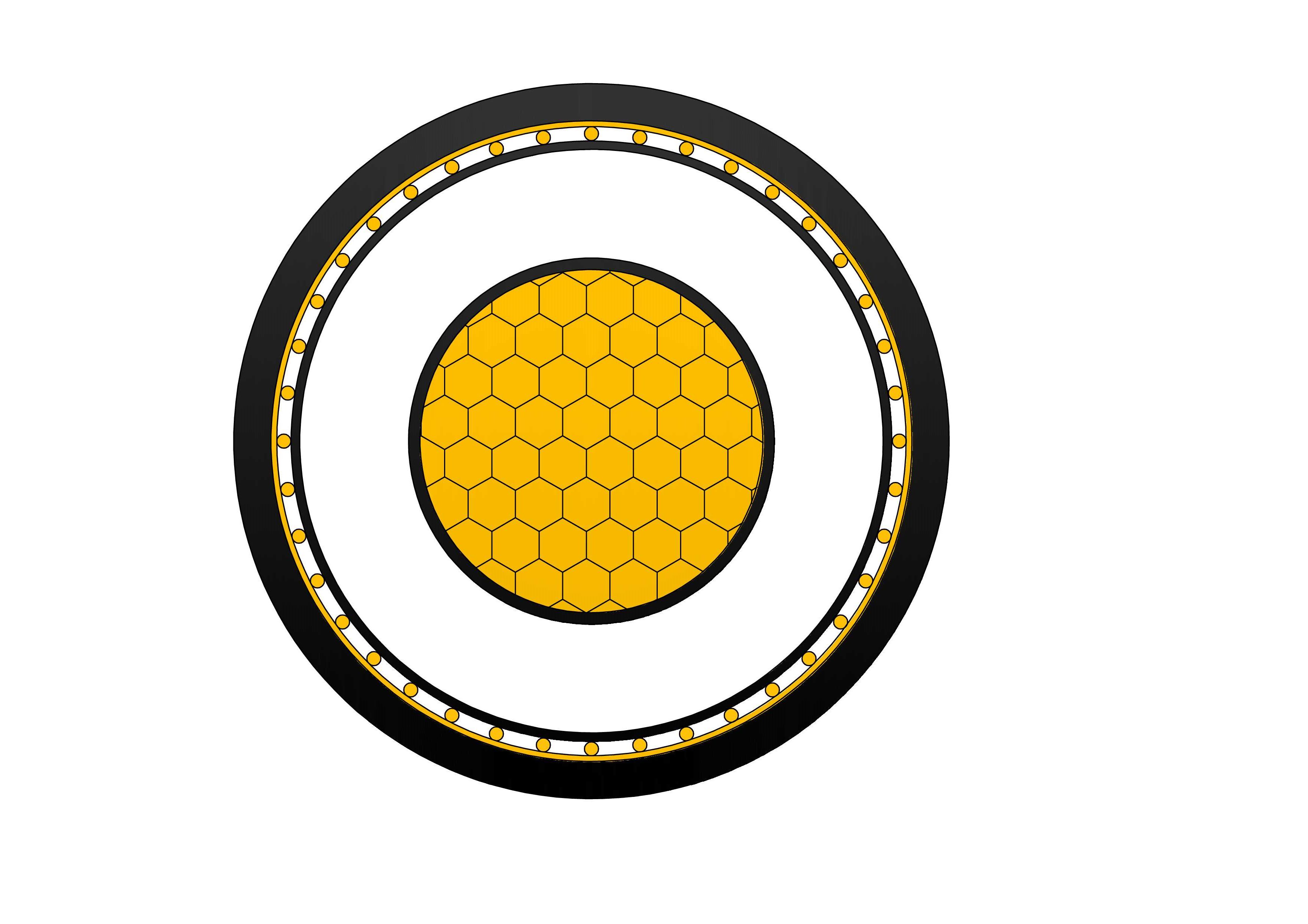
N2XS2Y Medium Voltage Power Cable(6/10kV, 12/20kV, 18/30kV)
N2XS2Y Medium Voltage Power Cable (6/10kV, 12/20kV, 18/30kV) is engineered for reliable medium voltage power transmission and distribution. Featuring stranded copper conductors, cross-linked polyethylene (XLPE) insulation, copper tape or wire screen, and robust polyethylene (PE) outer sheath, it fully complies with IEC 60502-2 standards. The PE sheath provides excellent resistance to moisture, UV, chemicals, and mechanical stress, ideal for direct burial. With low dielectric losses, high thermal stability, and superior partial discharge performance, it ensures efficient operation and long service life. Longitudinal and radial water blocking options available for enhanced protection. Flame-retardant and environmentally durable, the N2XS2Y Medium Voltage Power Cable is the preferred choice for utilities, industrial plants, renewable energy projects, and infrastructure networks requiring safe, high-performance medium voltage cabling in harsh underground or outdoor conditions worldwide.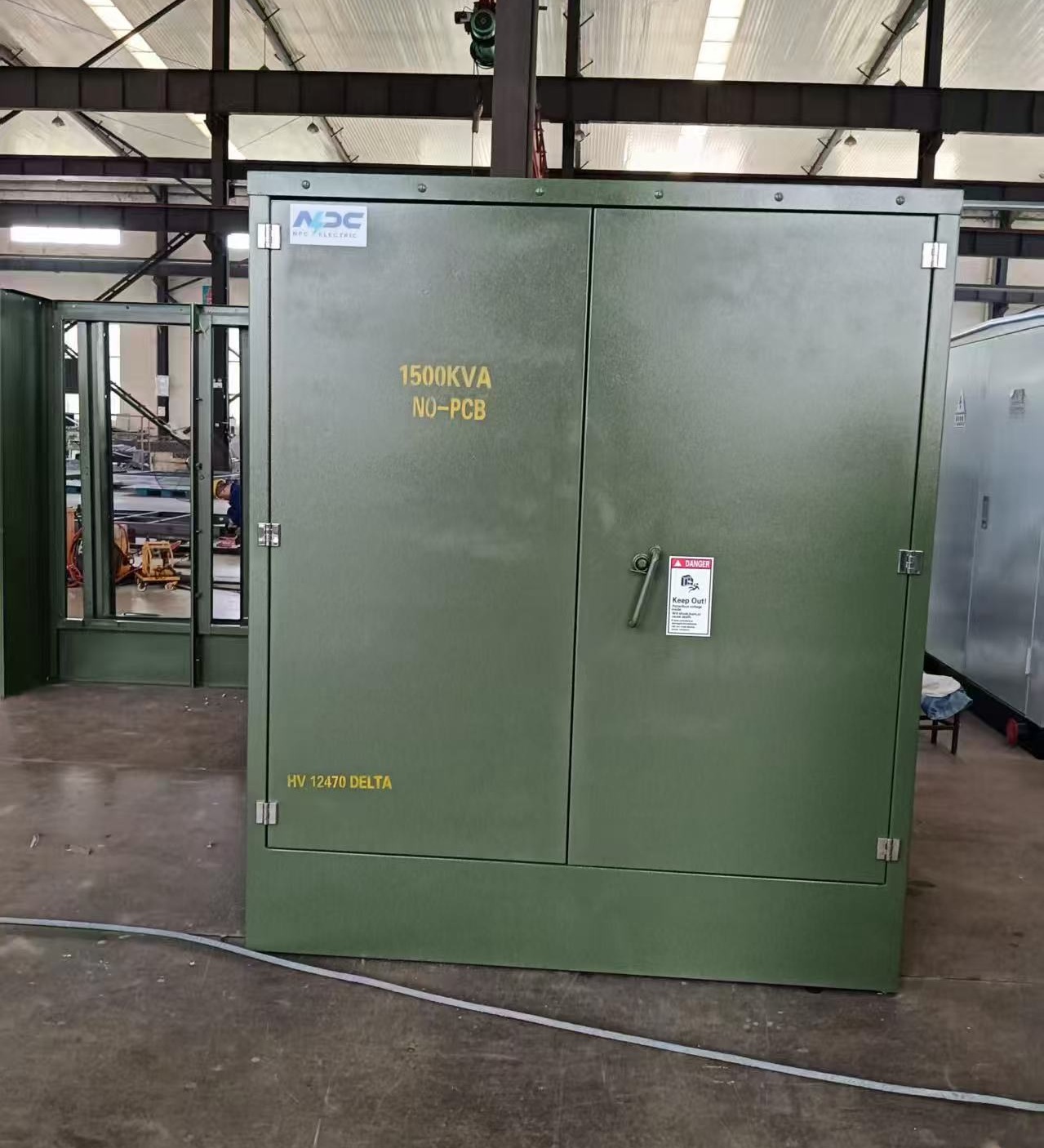
1500kVA Radial Feed Pad Mounted transformer DOE 2016
The 1500kVA Radial Feed Pad-Mounted Transformer is designed for reliable medium-voltage power distribution in utility, commercial, and renewable energy (solar) applications. Engineered to comply with IEEE C57.12.34, C57.12.24, C57.12.00, and DOE 2016 efficiency standards, this pad-mounted transformer is ideal for step-down applications from 12.47kV to 480/277V. Standard features include mineral oil or FR3 natural ester fluid (ONAN cooling), aluminum or copper windings, primary voltage 13.8kV (13800V Delta or 12470GrdY/7200 common), secondary 480Y/277V (or 208Y/120V, custom options), BIL 95kV HV / 30kV LV, impedance 5.75–7.0% (±7.5%), ±2×2.5% taps, radial-feed dead-front design with three high-voltage bushings (H1, H2, H3), bayonet fuses + partial-range current-limiting fuses, load-break switch (optional), lightning arresters, pressure relief valve, oil level/temperature gauges, and ANSI 70 gray (or Munsell green) finish.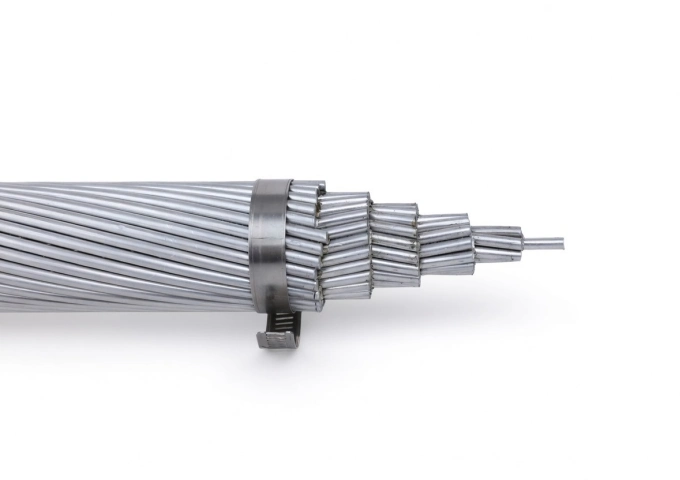
1272 MCM Narcissus AAC All Aluminum Bare Conductor Cable
The 1272 MCM Narcissus AAC Cable represents premium All Aluminum Conductor technology for overhead power applications. Built with 61 strands of high-conductivity 1350-H19 aluminum, this bare conductor delivers an optimal balance of electrical efficiency and mechanical robustness. With a 1.300-inch diameter, 22,300 lbs breaking strength, and 1140 amps ampacity, the Narcissus AAC offers low DC resistance of 0.0135 ohms per 1000 ft at 20°C and a weight of 1194.8 lbs per 1000 ft. This design minimizes sag while providing excellent corrosion resistance for extended outdoor service. Manufactured to meet ASTM B-230 and B-231 standards, the 1272 MCM Narcissus AAC Cable undergoes extensive quality testing from raw materials through finished product. It is the ideal solution for new installations and upgrades in transmission and distribution systems that demand lightweight, high-conductivity bare aluminum conductors.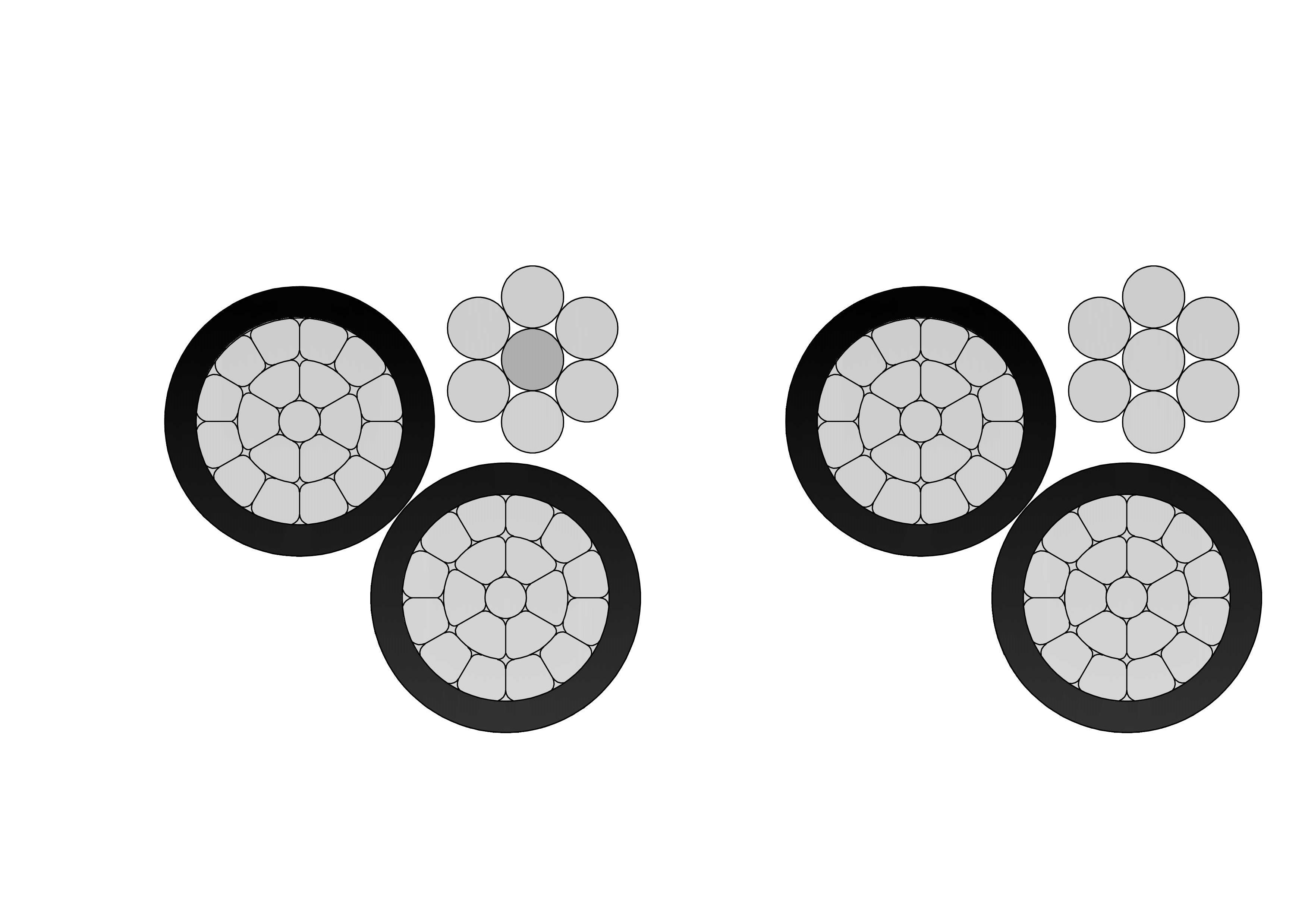
3/0 Fulgar Aluminum Conductor Triplex Overhead Service Drop Cable
3/0 Fulgar Aluminum Conductor Triplex Overhead Service Drop Cable is engineered for high-capacity overhead electrical service connections in utility distribution systems. The cable consists of two insulated aluminum phase conductors twisted around a bare aluminum neutral messenger, ensuring stable electrical transmission and strong mechanical support. Manufactured using high-purity aluminum and weather-resistant insulation compounds, the 3/0 Fulgar Aluminum Conductor Triplex Overhead Service Drop Cable delivers low electrical resistance, excellent corrosion resistance, and reliable long-term performance in outdoor environments. Its optimized conductor design allows efficient installation while maintaining the tensile strength required for aerial service applications. The cable is designed to withstand UV exposure, wind loading, and temperature fluctuations. Comprehensive quality control procedures and systematic testing are applied throughout the manufacturing process to ensure compliance with industry and utility standards and dependable field operation.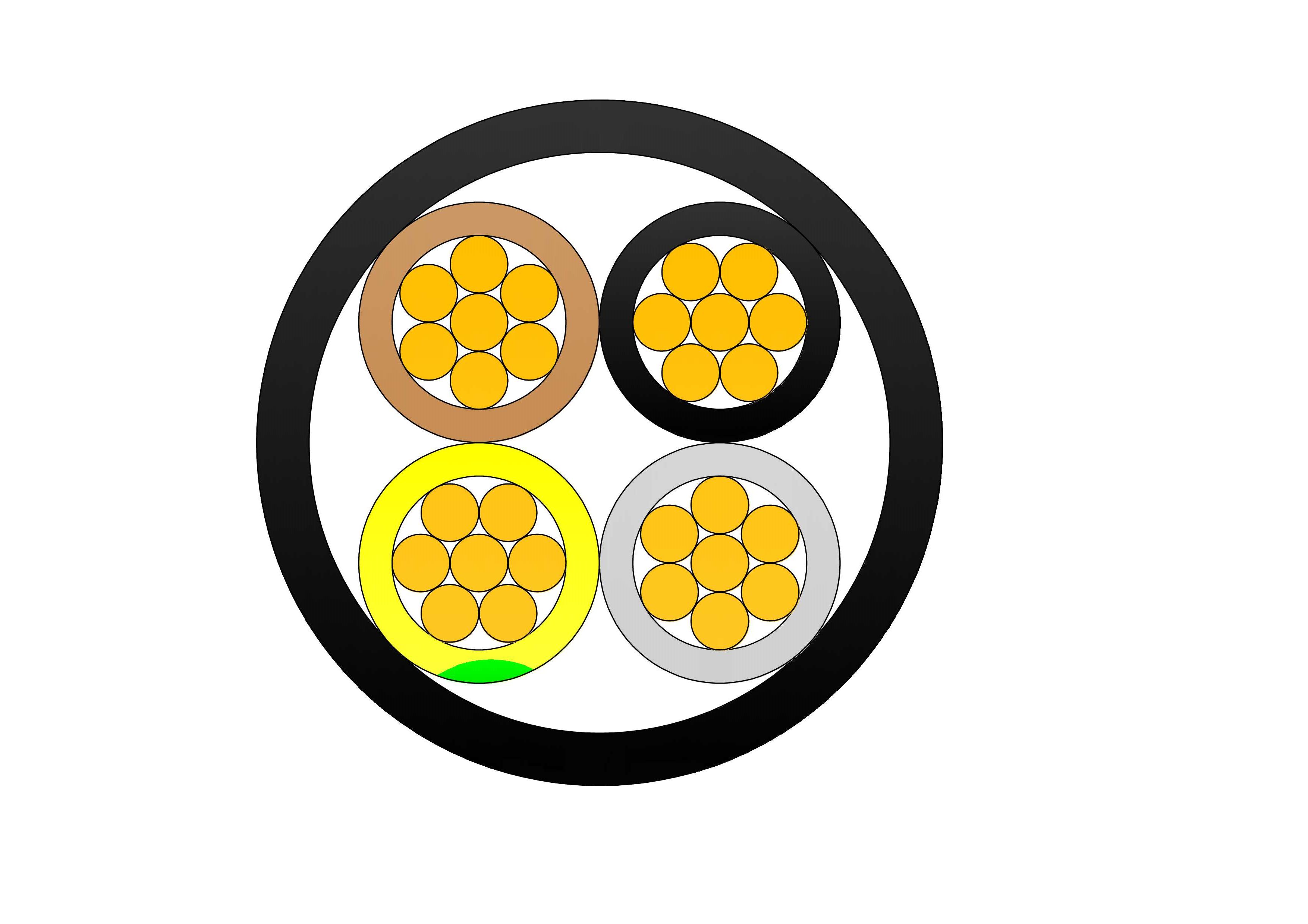
N2XY 0.6/1kV Low Voltage Power Cable
N2XY 0.6/1kV is a low-voltage power cable built to IEC/EN 60228 standards, ideal for fixed installations in dry or damp environments, including indoors, outdoors, and in concrete (excluding vibration zones), without the need for additional mechanical protection. Constructed with high-purity copper conductors, thermosetting XLPE insulation, and tough PVC jacket, it meets stringent IEC 60502-1 requirements. This cable provides low dielectric losses, excellent short-circuit tolerance, and strong resistance to environmental factors like water and abrasion. Perfect for fixed installations in wet or dry locations, including direct burial without armour when mechanical protection is not critical. Enhanced bending radius and flame-retardant properties facilitate safe, easy handling.2Y-high-voltage-power-cable-2.webp)
2XS(FL)2Y MDPE High Voltage 76/132 (145)kV Power Cable
The 2XS(FL)2Y MDPE High Voltage Power Cable is a single-core aluminum conductor cable with XLPE insulation and an MDPE sheath, rated 76/132 (145) kV. Designed for extra-high voltage power transmission, it meets IEC 60840 standards, offering excellent electrical performance, mechanical protection, and water resistance for demanding environments. Its construction includes a copper conductor, semi-conductive conductor screen, XLPE insulation, semi-conductive insulation screen, semi-conductive water swelling tape, copper wire metallic screen, longitudinal aluminum tape with PE copolymer coating, and an MDPE sheath. Water-blocking tape prevents water propagation, ensuring reliable operation in power stations, industrial plants, and distribution systems. Suitable for underground, underwater, outdoor, indoor, and duct installations, this cable is ideal for distribution networks and connections to generation units, industrial plants, and processes.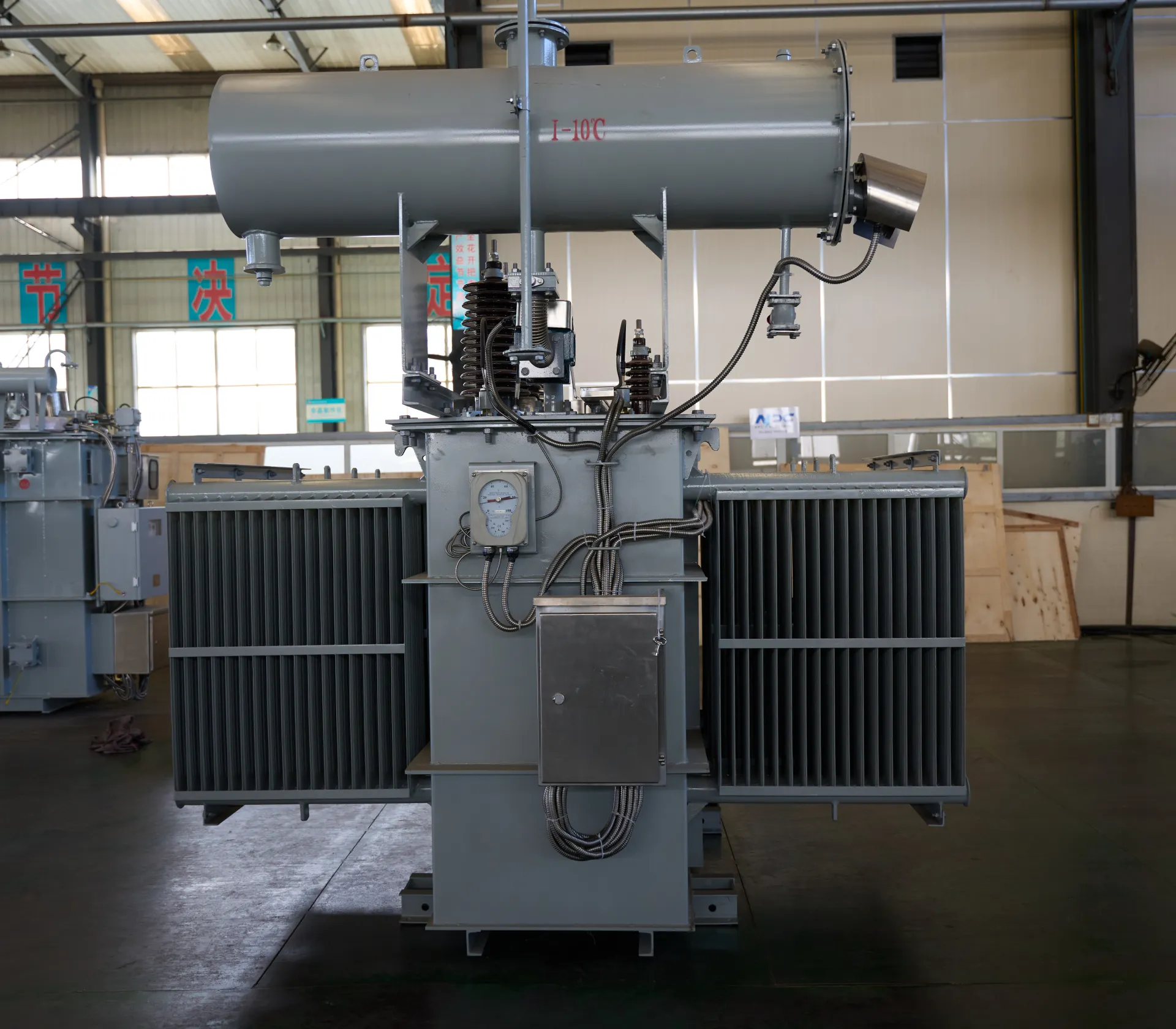
630kVA Three-Phase Oil-Immersed Outdoor Substation Transformer | 220V to 380V Step-Up Transformer
This 630kVA three-phase oil-immersed transformer is designed for outdoor substations, providing reliable voltage conversion from 220V to 380V. With a robust oil-immersed cooling system, it ensures excellent heat dissipation, stable performance, and long service life. Ideal for industrial facilities, commercial power distribution, and utility applications, this step-up transformer delivers consistent efficiency even under heavy load conditions.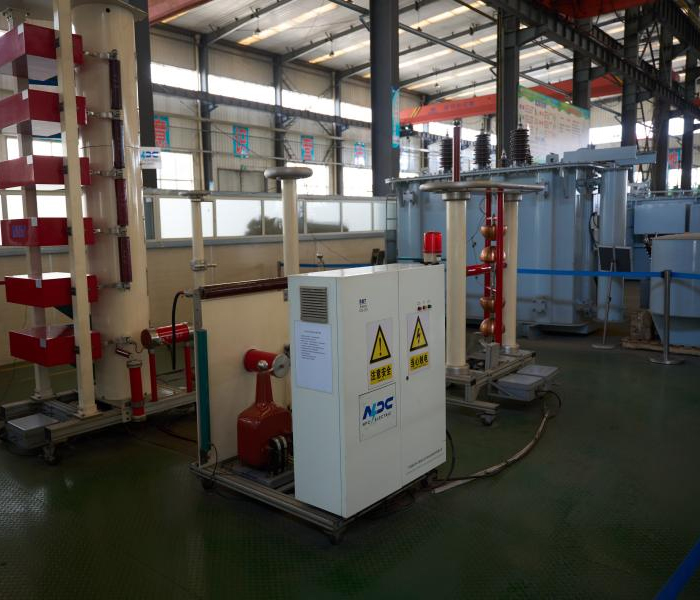
1000kVA Dry Type Transformer
NPC ELECTRIC 1000kVA Dry-Type Transformer offers efficient, oil-free power distribution with a compact design. Equipped with advanced insulation and cooling systems, it ensures safe and reliable operation with minimal maintenance. Ideal for industrial and commercial applications, it provides environmentally friendly and cost-effective performance. Standard features include three-phase configuration, primary voltages 208V–600V (e.g., 480V Delta, 600V Delta), secondary voltages such as 208Y/120V, 480Y/277V, or custom, aluminum or copper windings, 150°C rise (standard) or 115°C/80°C with 220°C insulation class, ±2×2.5% primary taps, NEMA 1 ventilated enclosure (NEMA 3R/encapsulated options), natural convection cooling (AN), electrostatic shielding, and NEMA-compliant low sound levels.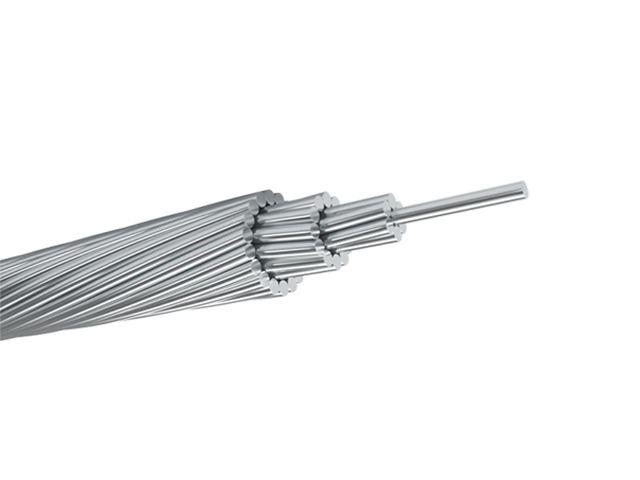
ALL ALUMINUM ALLOY CONDUCTORS(AAAC)
All Aluminum alloy (ALMELEC) electrical wire conductors are made from high-strength Aluminum-Magnesium-Silicon alloy. These conductors boast a superior strength-to-weight ratio compared to standard AAC, allowing for longer spans and reduced support structures in challenging terrains. Their improved sag characteristics minimize clearance issues, while excellent corrosion resistance extends service life in aggressive environments like marine or polluted zones. Electrically, AAAC offers lower power losses and better conductivity, optimizing energy efficiency in distribution networks. Manufactured to standards such as IEC 61089 and ASTM B399, they feature concentric stranding for mechanical stability and ease of installation with simpler fittings than ACSR. Versatile in size from small distribution lines to high-voltage transmission, AAAC supports applications on poles, towers, and substations. By reducing maintenance and enhancing reliability, these conductors provide a sustainable, cost-efficient alternative for modern power infrastructure, contributing to greener energy systems worldwide. Their lightweight design also facilitates easier handling during setup.
3/0 Mursia Aluminum Conductor Triplex Overhead Service Drop Cable
The 3/0 Mursia Triplex Aluminum Overhead Service Drop Cable is a premium-grade aerial electrical cable engineered for utility-to-premises power distribution. Designed with two insulated phase conductors and one bare ACSR (Aluminum Conductor Steel Reinforced) neutral messenger, the Mursia cable ensures strength, conductivity, and stability during aerial installation. Constructed with concentric or compressed 1350-H19 aluminum phase conductors (#3/0 AWG), black XLPE insulation for enhanced thermal, abrasion, and environmental resistance, plus a bare ACSR neutral messenger (#3/0 AWG), it ensures efficient conductivity, corrosion resistance, and structural integrity. Rated 600V phase-to-phase up to 90°C (XLPE), with ≈275A ampacity, it meets ASTM B-230/B-231/B-232/B-399 and ICEA S-76-474. The balanced, lightweight design facilitates easy installation while offering robust protection against extreme outdoor conditions such as temperature swings, moisture, UV exposure, and mechanical stress in residential, commercial, and light industrial applications.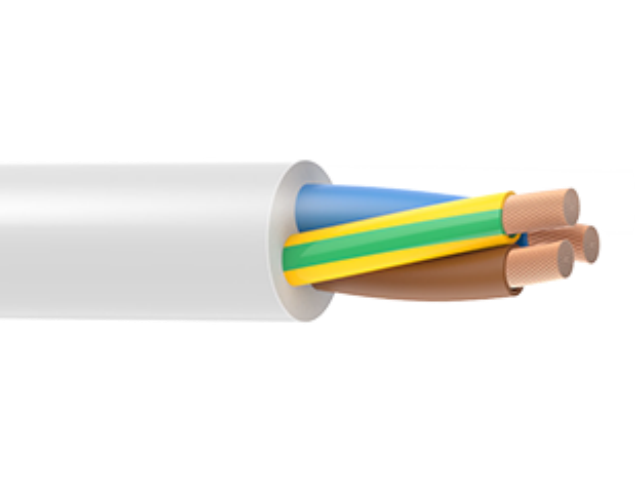
H05VV-F
H05VV-F wires from NPC Electric are flexible PVC insulated and sheathed cables designed for light-duty power connections in household and commercial electrical equipment. Featuring finely stranded copper conductors, these wires provide excellent flexibility, making them easy to install and suitable for applications involving frequent movement. The double PVC insulation structure offers reliable electrical protection, good mechanical strength, and resistance to abrasion, ensuring safe operation under normal indoor conditions. Manufactured in accordance with harmonized standards, NPC Electric H05VV-F wires deliver stable conductivity, consistent insulation thickness, and dependable performance. They are widely used where flexibility, safety, and ease of handling are essential, making them a practical choice for appliances, extension cords, and portable equipment.-AL-medium-voltage-power-cable-2.jpg)
RHZ1-OL(AS)-AL Medium Voltage Power Cable(8.7/15kV, 12/20kV, 18/30kV)
RHZ1-OL(AS)-AL Medium Voltage Power Cable (8.7/15kV, 12/20kV, 18/30kV) is a lightweight cable with enhanced fire retardancy for critical medium voltage applications. Featuring stranded aluminium conductors, cross-linked polyethylene (XLPE) insulation, metallic screen, and low smoke zero halogen (LSZH) outer sheath with advanced fire behavior (AS designation), it complies with UNE 21123-4 and higher CPR classifications. In fire scenarios, it produces very low smoke and no toxic gases. Aluminium construction reduces weight and costs while ensuring reliable current capacity. Superior partial discharge resistance, low dielectric losses, and high thermal stability provide efficient, long-lasting performance. Suitable for direct burial, ducts, or indoor use in high-safety areas. The RHZ1-OL(AS)-AL Medium Voltage Power Cable is perfect for utilities, hospitals, schools, tunnels, and infrastructure projects requiring economical, advanced fire-safe medium voltage cabling with exceptional life-safety features and durability worldwide.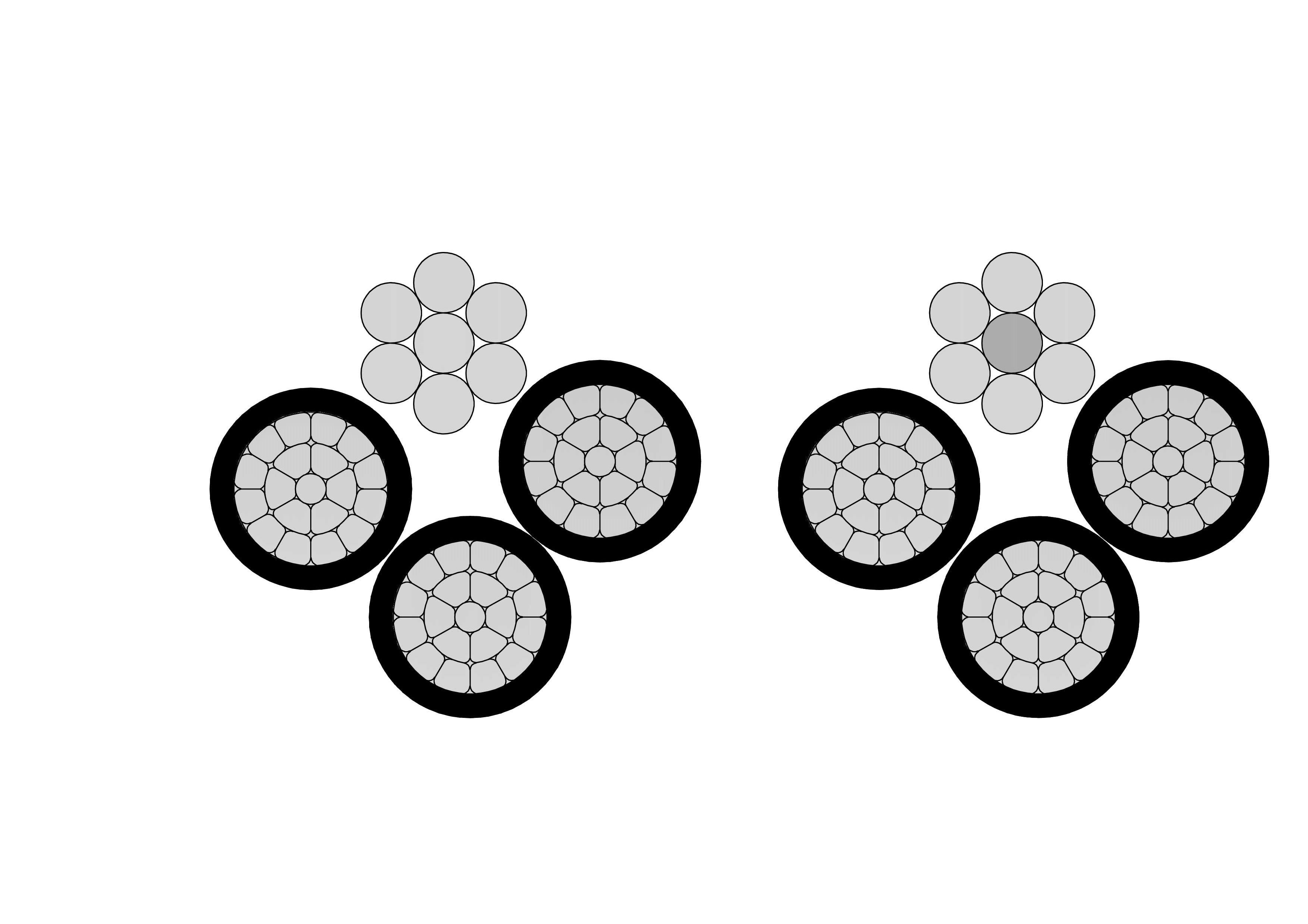
4/0 Appaloosa Aluminum Conductor Quadruplex Overhead Service Drop Cable
Our 4/0 Appaloosa Quadruplex Service Drop Cable delivers efficient overhead three-phase service with neutral support. Comprising three 4/0 AWG aluminum phase conductors (7-strand) insulated with XLPE or PE and helically twisted around a strong neutral messenger (ACSR or aluminum), it meets ASTM, ICEA, and international standards. The messenger provides full self-support, allowing longer spans and reduced infrastructure costs. Premium insulation resists sunlight, moisture, and mechanical abrasion for decades of outdoor service. Lightweight and flexible, it simplifies installation with low sag. The 4/0 Appaloosa Quadruplex Service Drop Cable ensures minimal losses, high mechanical endurance, and excellent weather performance up to 600V. Flame-retardant options enhance safety. Perfect for reliable power delivery in urban developments, commercial areas, street lighting, and temporary sites requiring safe, cost-effective aerial bundled quadruplex solutions.
2XS(FL)2Y MDPE High Voltage 64/110 (123)kV Power Cable
The 2XS(FL)2Y MDPE High Voltage Power Cable is a single-core aluminum conductor cable with XLPE insulation and an MDPE sheath, rated 64/110 (123) kV. Designed for extra-high voltage power transmission, it complies with IEC 60840 standards, providing excellent electrical performance, mechanical protection, and water resistance for demanding installations. Its construction includes a copper conductor, semi-conductive conductor screen, XLPE insulation, semi-conductive insulation screen, semi-conductive water swelling tape, copper wire metallic screen, longitudinal aluminum tape with PE copolymer coating, and an MDPE sheath. Water-blocking tape prevents water propagation, ensuring reliable operation in power stations, industrial plants, and distribution networks. The cable supports installation underground, underwater, outdoor, indoor, and in cable ducts, making it suitable for distribution networks and connections to generation units, plants, and industrial processes.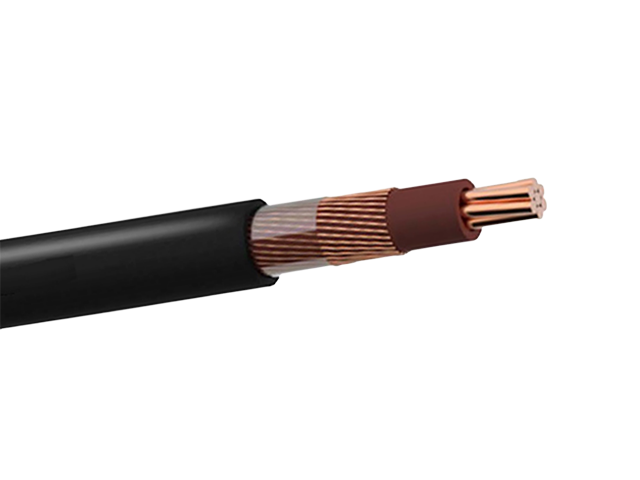
USEB-90 AA8000 Concentric Underground Service Cable 600/1000V
The USEB-90 Underground Concentric Service Cable is an advanced low-voltage cable engineered for underground service entrance and secondary distribution systems. It utilizes compact AA8000 aluminum alloy phase conductors with XLPE insulation and a concentrically arranged neutral layer, protected by a durable polyethylene sheath. This design offers superior flexibility, high current-carrying capacity, excellent mechanical protection, and outstanding resistance to moisture and corrosion. Suitable for direct burial without additional conduit, the USEB-90 Underground Concentric Service Cable simplifies installation while ensuring long-term reliability. It meets international performance requirements and undergoes extensive quality testing to deliver consistent electrical performance and durability in demanding underground environments.Welcome your inquiry
Honesty, Integrity, Frugality, Activeness and Passion