
Best Solar Power Systems for Home: Reviews and Buying Guide
2026-03-16
Why Home Solar Power Systems Matter Today
Residential solar power systems have become one of the most practical clean energy solutions for homeowners seeking long-term cost savings, energy independence, and environmental responsibility. With electricity prices rising globally and grid reliability under pressure, a home solar power system allows households to generate their own electricity, reduce monthly utility bills, and stabilize long-term energy costs.
How a Home Solar Power System Works (Practical Overview)
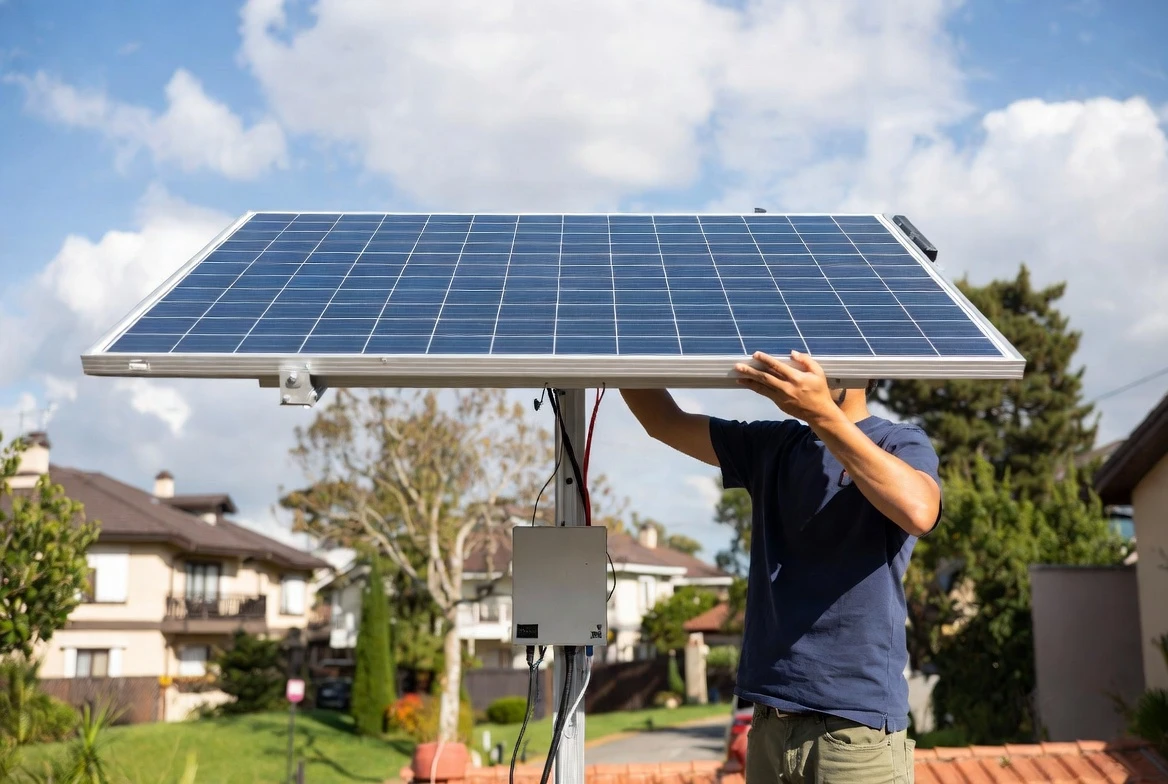
A typical solar power system for home applications includes:
- Solar panels – convert sunlight into DC electricity
- Inverter – converts DC into usable AC power
- Mounting system – roof or ground-mounted structures
- Electrical balance of the system – wiring, breakers, protections
- Optional battery storage – stores excess power for later use
In real-world operation, solar panels generate power during daylight hours. This electricity is first consumed by household loads. Excess power can be:
- Exported to the grid (net metering)
- Stored in battery storage systems for nighttime or outages
Types of Solar Power Systems for Home Use
1. Grid-Tied Solar Power Systems
- Most common residential solution
- No battery required
- Lowest upfront solar power system cost
- Depends on utility grid availability
2. Hybrid Solar Power Systems
- Combines grid connection with battery storage
- Offers backup power during outages
- Higher initial cost but greater energy security
3. Off-Grid Solar Systems
- Fully independent from the utility grid
- Requires larger battery banks
- Used in remote or rural locations
From an engineering and cost-efficiency standpoint, grid-tied or hybrid systems dominate residential installations worldwide.
Home Solar Power System Cost Breakdown (Realistic View)
Key Cost Drivers:
- System size (kW capacity)
- Solar panel brands and efficiency
- Inverter type
- Battery storage capacity
- Installation labor and permitting
Typical Cost Ranges (Before Incentives)
|
System Size |
Estimated Cost (USD) |
Typical Use |
|
3–5 kW |
$7,000 – $12,000 |
Small homes |
|
6–8 kW |
$13,000 – $18,000 |
Average households |
|
10+ kW |
$20,000+ |
Large homes, EV charging |
Home solar power system cost can be reduced significantly through:
- Federal solar investment tax credits (ITC)
- State and local incentives
- Utility rebates
Solar Panel Brands and Performance Considerations
When evaluating solar panel brands, experienced installers focus on:
- Module efficiency (%)
- Degradation rate
- Warranty (25–30 years)
- Proven field performance
Top-tier panels typically offer:
- Higher energy yield per square meter
- Better temperature coefficient
- Long-term reliability
Lower-cost panels may reduce upfront investment but often generate less power over the system's lifespan.
Battery Storage: Is It Worth It?
Battery storage is increasingly popular due to grid instability and rising peak electricity prices.
Practical Benefits:
- Backup power during outages
- Peak shaving and self-consumption
- Reduced grid dependency
Common Technologies:
- Lithium-ion (most common)
- LFP (Lithium Iron Phosphate) for enhanced safety
From a cost-benefit perspective, batteries increase upfront cost but improve resilience and long-term flexibility.
Installation Process: What Homeowners Should Expect
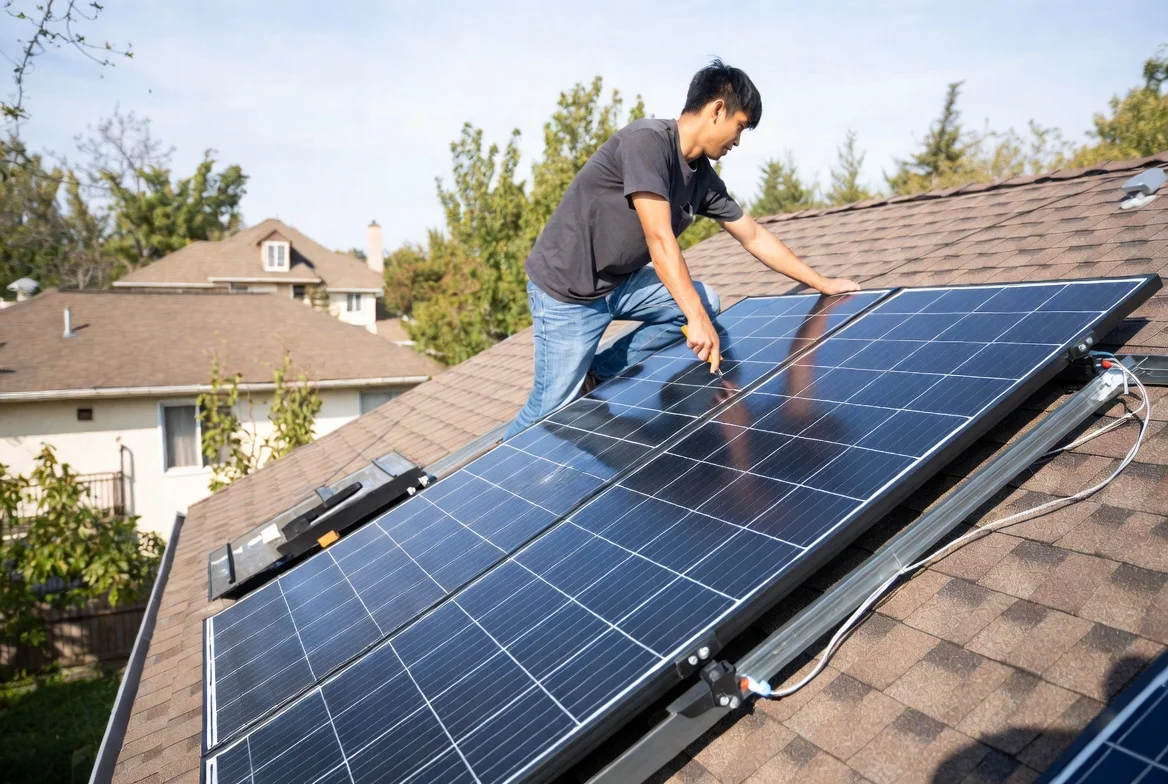
To install a solar power system successfully, professional solar installers follow these steps:
- Site assessment and load analysis
- System design and permitting
- Roof or ground mounting installation
- Electrical wiring and inverter integration
- Utility interconnection and commissioning
A typical residential installation takes 1–3 days, excluding permitting timelines.
Choosing Reliable Solar Installers and Solar Companies
Experienced solar installers are critical to long-term system performance. Key evaluation criteria include:
- Licensing and certifications
- Project portfolio
- Warranty and service support
- Knowledge of local regulations
Reputable solar companies provide transparent system design, realistic energy yield estimates, and post-installation monitoring.
Solar System Sizing Calculator (Practical Method)
This calculator estimates the required solar PV system size (kW) based on energy consumption, site conditions, and system losses.
Step 1: Determine Daily Energy Consumption
If you have a utility bill:
Daily Energy Use (kWh/day)
Monthly kWh÷30
Example:
- Monthly electricity bill: 900 kWh
- Daily consumption:
900÷30=30 kWh/day
Step 2: Identify Average Peak Sun Hours (PSH)
Peak Sun Hours depend on geographic location.
|
Region |
Typical PSH (hours/day) |
|
Northern Europe |
2.5 – 3.5 |
|
Central Europe |
3.5 – 4.0 |
|
Southern Europe |
4.5 – 5.5 |
|
USA (average) |
4.0 – 5.5 |
|
Middle East |
5.5 – 6.5 |
|
Southeast Asia |
4.5 – 5.0 |
Example:
- Location PSH: 4.5 hours/day
Step 3: Apply System Loss Factor
Real-world systems are not 100% efficient due to:
- Inverter losses
- Temperature effects
- Dust and shading
- Cable losses
Standard design loss factor:
- Residential systems: 75–80%
- We will use 0.75 (conservative engineering value)
Step 4: Solar System Size Formula
System Size (kW)=Daily Energy (kWh) / (PSH×System EfficiencyDaily Energy (kWh))
Example Calculation:
30 / (4.5 * 0.75) = 8.9 kW
Recommended system size: 9 kW
Quick Solar System Sizing Table (Reference)
|
Monthly Usage (kWh) |
Daily kWh |
PSH |
Estimated System Size (kW) |
|
600 |
20 |
4.5 |
6.0 |
|
900 |
30 |
4.5 |
9.0 |
|
1200 |
40 |
5.0 |
10.7 |
|
1500 |
50 |
5.0 |
13.3 |
|
2000 |
67 |
5.5 |
16.2 |
Step 5: Number of Solar Panels Required
Number of Panels = System Size (W) / Panel Power (W)
Example:
- System size: 9,000 W
- Panel rating: 550 W
9000÷550≈16.4
Required panels: 17 modules
Clean Energy Benefits and Long-Term Value
From a systems engineering and financial standpoint, home solar delivers:
- Reduced electricity bills
- Protection against energy price inflation
- Lower carbon footprint
- Increased property value
Solar power systems typically achieve ROI within 6–10 years, while system lifespans exceed 25 years.
Final Buying Advice: Practical and Technical Perspective
For most homeowners, the best solar power system is one that balances:
- Reliable components
- Proper system sizing
- High-quality installation
- Access to incentives
Avoid oversizing systems without a realistic load analysis. Focus on energy efficiency improvements first, then size solar accordingly.
The best solar power systems for home applications are no longer niche technologies—they are proven, cost-effective energy solutions. With proper planning, quality components, and professional installation, a home solar power system delivers long-term savings, energy security, and sustainable power generation.
For homeowners seeking stable energy costs and clean energy independence, solar remains one of the most reliable investments available today.

Related Articles


Related Products
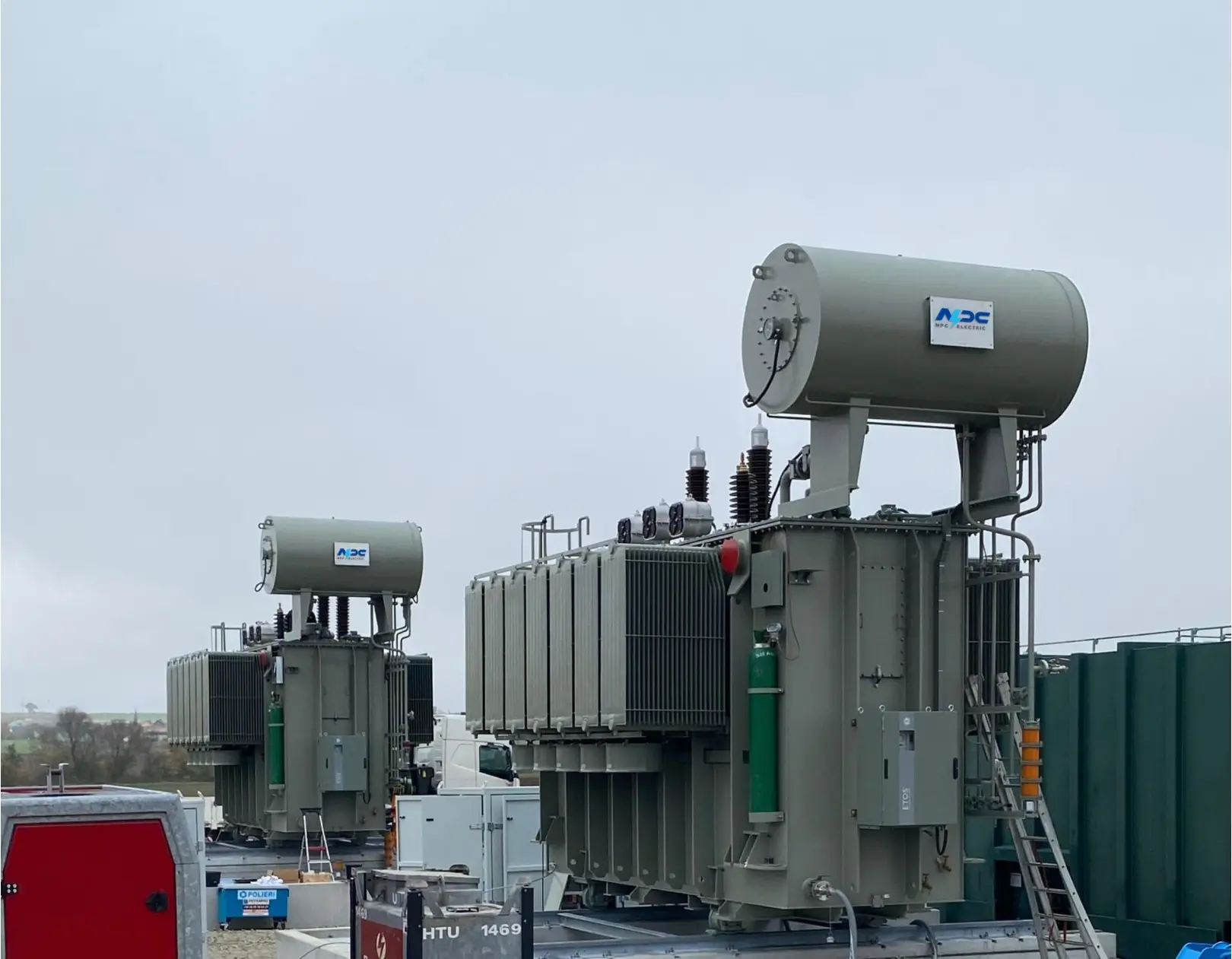
110kV Customized 12500kVA 20000kVA High-Voltage Electric Power Transformer
The Customized 12500kVA and 20000kVA High-Voltage Electric Power Transformer is engineered to meet the demanding requirements of grid transmission, industrial distribution, and large-scale power infrastructure. Designed with fully customized voltage configurations, high-grade copper windings, advanced insulation systems, and optimized oil-immersed cooling structures, it ensures exceptional efficiency, stable voltage regulation, and long-term operational reliability. This transformer supports heavy-load operation, complex grid environments, and diverse installation conditions, making it suitable for substations, industrial plants, renewable energy integration, and major commercial facilities. With flexible design options, strict quality control, and compliance with international standards such as IEC, IEEE, and ANSI, it delivers robust performance and extended lifecycle.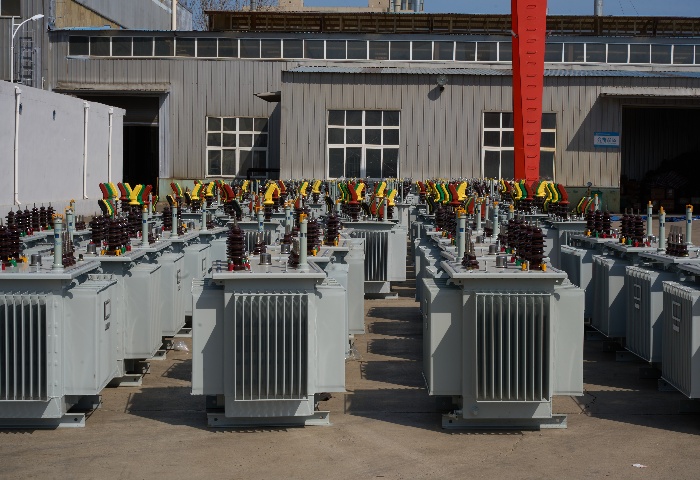
35kV Oil Immersed Transformer
NPC ELECTRIC's 35kV Oil Immersed Transformer is a premium three-phase power transformer optimized for high-voltage step-down in 50/60Hz AC systems with primary ratings of 35kV (or 33-38.5kV range). It incorporates a robust conservator or fully sealed tank design with efficient radiator cooling (ONAN standard, ONAF optional), ensuring exceptional thermal dissipation, moisture exclusion. Outdoor-rated with pollution-resistant bushings (BIL 170-200kV), Dyn11/Ynd1 vector groups, and low noise (<62dB), it provides stable 35kV to secondary voltages (e.g., 10kV/6.3kV/0.4kV) conversion, enhancing grid stability, minimizing transmission losses, and supporting demanding applications in harsh or high-altitude conditions.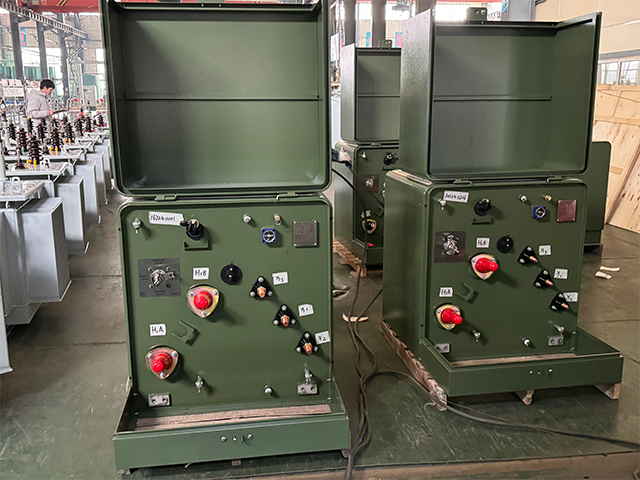
167kVA Single Phase Pad Mounted Transformer
The 167kVA single phase pad mounted transformer is engineered for higher-capacity underground residential and light commercial distribution, efficiently transforming primary voltages such as 12470GrdY/7200, 24940GrdY/14400, 34500GrdY/19920, or dual-voltage configurations to secondary 120/240V split-phase or 240V outputs. Constructed with premium grain-oriented silicon steel cores and aluminum or copper windings, it delivers exceptional energy efficiency and minimal losses while fully complying with DOE 2016 standards and IEEE/ANSI C57.12.34 specifications.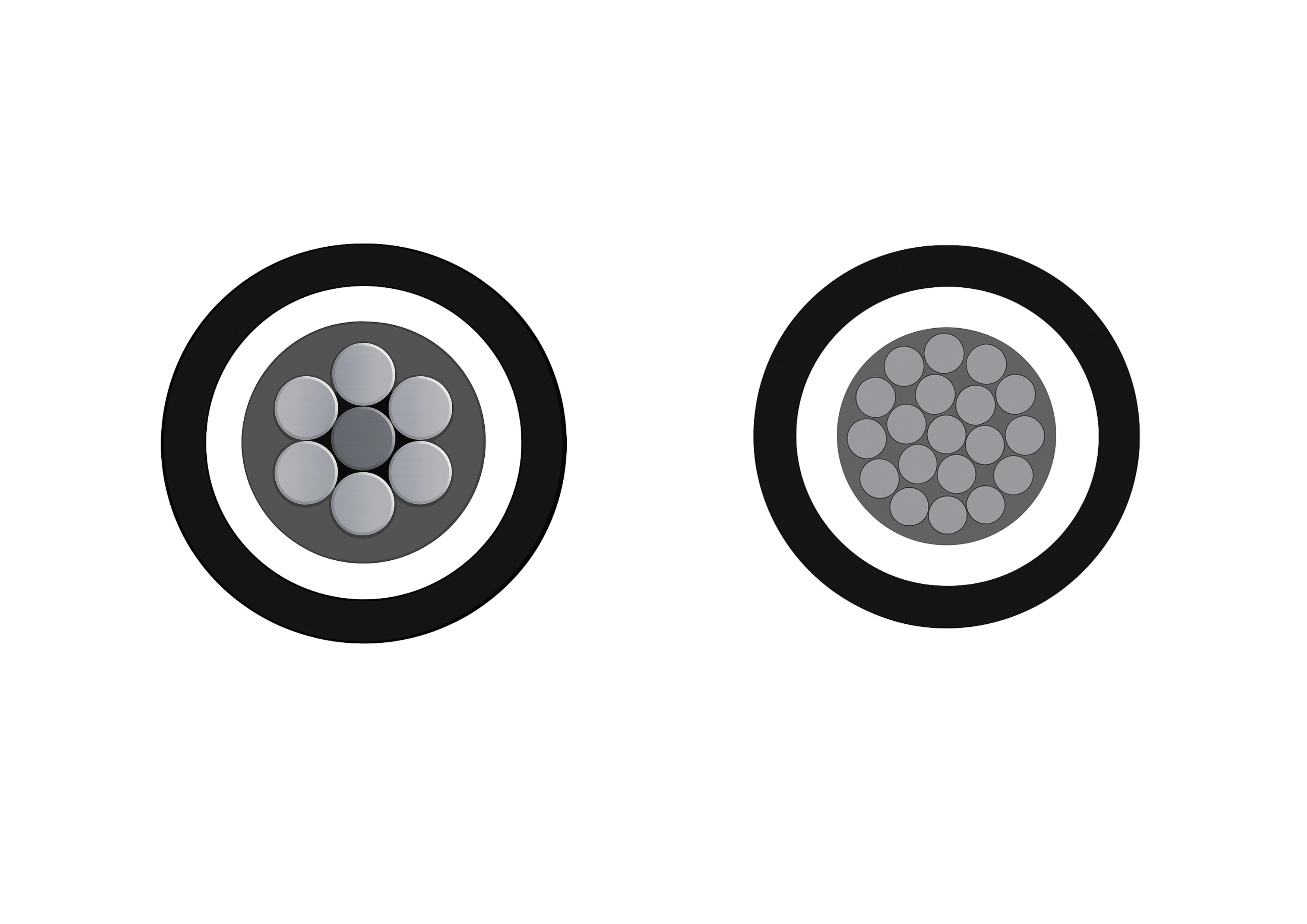
XLPE-HDPE Tree Cable Aluminum 25kV 1x300mm²
Ensure uninterrupted power delivery with the XLPE-HDPE Tree Cable Aluminum 25kV 1x300mm² – engineered for medium-voltage overhead distribution systems requiring very high current capacity. Perfect for main feeder lines, long-distance rural transmission, industrial zones, and densely populated urban areas, this cable guarantees dependable performance under the most demanding conditions. Featuring high-conductivity aluminum alloy 1350 wires in round compacted class 2 stranding, it offers superior current flow and mechanical strength. Optional extruded semiconductor shielding enhances electrical stability for 15kV and 25kV networks, making it an excellent choice for modern power infrastructure. Select XLPE-HDPE 25kV Tree Cable 1x300mm² for a long-lasting, low-maintenance, and highly reliable power solution that ensures safe, efficient, and stable electricity transmission across your network.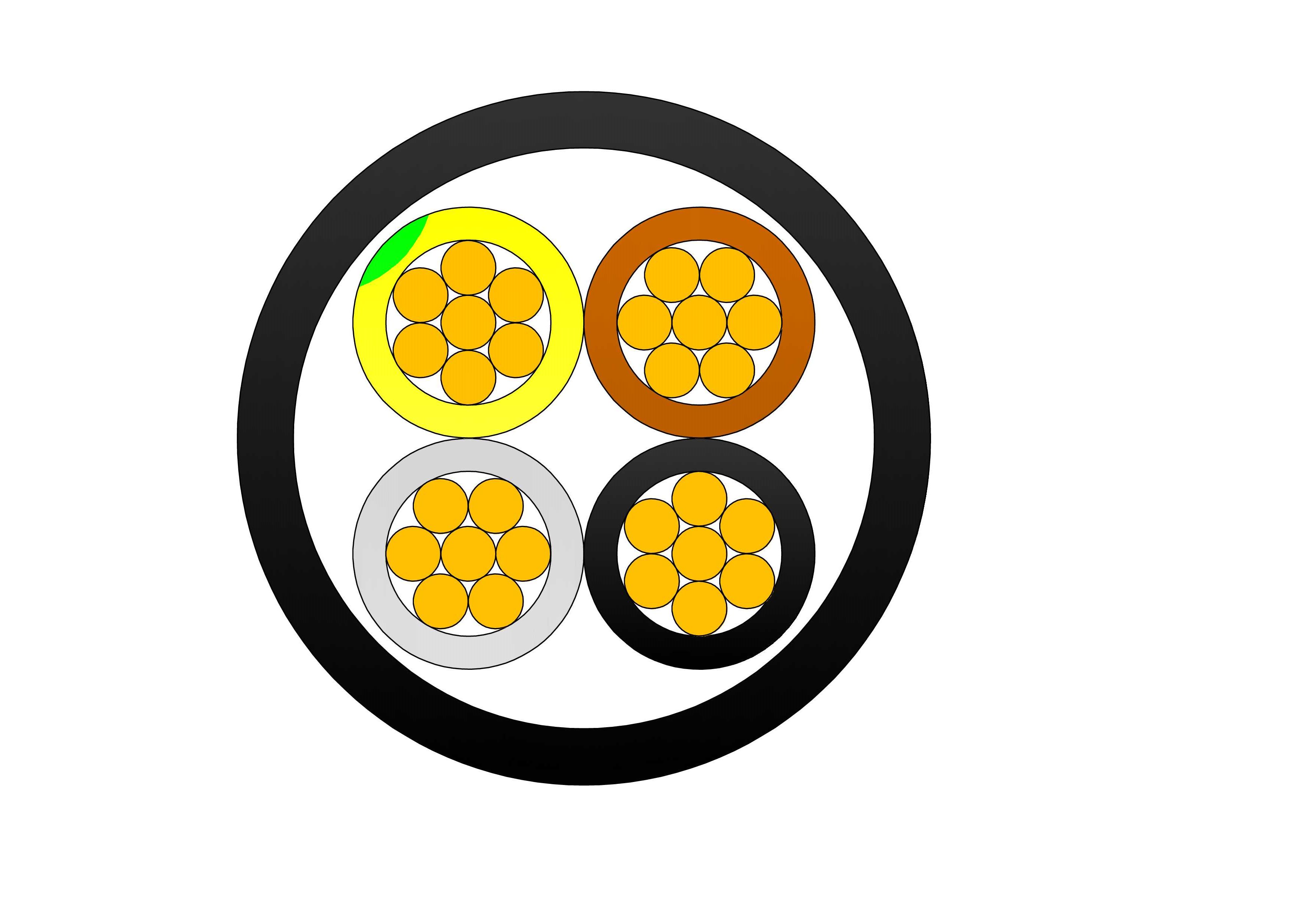
Single Core SWA Armoured Cable XLPE Insulated Power Cable
The Single Core SWA Armoured Cable is designed for reliable power transmission in installations requiring high mechanical protection and long-term durability. Manufactured with high-conductivity copper or aluminum conductors, premium XLPE insulation, galvanized steel wire armour, and a robust PVC outer sheath, the cable provides excellent electrical performance and superior mechanical strength. The XLPE insulation offers outstanding dielectric properties, low power losses, and thermal stability, allowing continuous conductor operation at temperatures up to 90°C. The galvanized steel wire armour enhances tensile strength and resistance to impact, compression, and external mechanical damage, making the cable ideal for underground and direct burial applications. The durable PVC sheath protects against moisture, chemicals, abrasion, UV exposure, and environmental conditions. Manufactured according to IEC 60502 standards, the cable is widely used in utility substations, renewable energy projects, industrial plants, commercial facilities, and power distribution networks. The Single Core SWA Armoured Cable combines electrical efficiency, safety, and mechanical reliability, making it a preferred solution for demanding power infrastructure projects worldwide.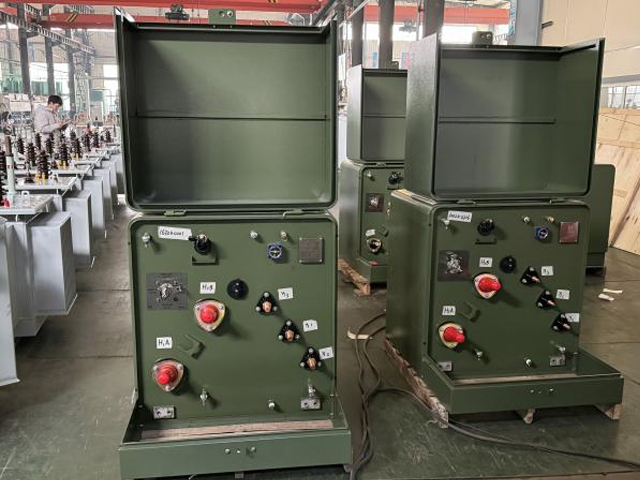
167kVA Conventional Type Single Phase Pole Mounted Transformer
NPC ELECTRIC'S 167kVA Single Phase pole Mounted transformer is a high capacity single phase distribution transformer designed for medium to high load distribution systems. It is mainly used in residential, commercial, agricultural and light industrial applications to provide stable single phase power to ensure reliable operation of user-side equipment. It complies with international standards such as ANSI/IEEE C57, IEC60076 and other standards to ensure its high quality and stability. Standard features include mineral oil insulation (ONAN cooling), aluminum or copper windings, primary voltages 2.4kV–34.5kV grounded wye or delta (common: 7200/12470GrdY, 7620/13200GrdY, 12470GrdY/7200, 24940GrdY/14400, 34500GrdY/19920), secondary 120/240V or 240/120V split-phase (options for 277V/480V or custom), BIL ratings 95–150kV HV / 30kV LV, impedance typically 1.5–4.5%, ±2×2.5% or 5-position tap changer, conventional or CSP (completely self-protected) configurations with internal fuses, lightning arresters, weak-link protection, pressure relief valve, oil sight gauge, and ANSI 70 gray tank finish. Efficiency typically reaches 99.33% at 50% load per DOE levels (with 2029 amendments targeting further reductions for units ≥100 kVA), with low sound levels and corrosion-resistant hardware for extended outdoor service.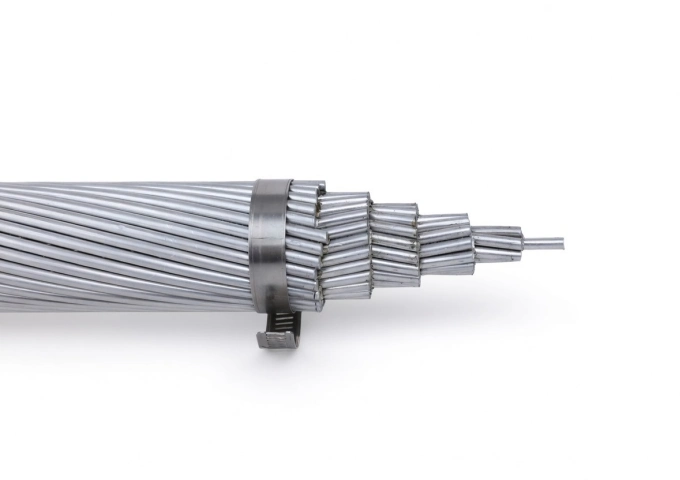
250 MCM Sneezewort AAC Cable
The 250 MCM Sneezewort AAC Cable represents premium All Aluminum Conductor technology for overhead power applications. Built with seven strands of high-conductivity 1350-H19 aluminum, this bare conductor delivers an optimal balance of electrical efficiency and mechanical robustness. With a 0.567-inch diameter, 4,520 lbs breaking strength, and 425 amps ampacity, the Sneezewort AAC offers low DC resistance of 0.0691 ohms per 1000 ft at 20°C and a weight of 234.7 lbs per 1000 ft. This design minimizes sag while providing excellent corrosion resistance for extended outdoor service. Manufactured to meet ASTM B-230 and B-231 standards, the 250 MCM Sneezewort AAC Cable undergoes extensive quality testing from raw materials through finished product. It is the perfect solution for new installations and upgrades in transmission and distribution systems that demand lightweight, high-conductivity bare aluminum conductors.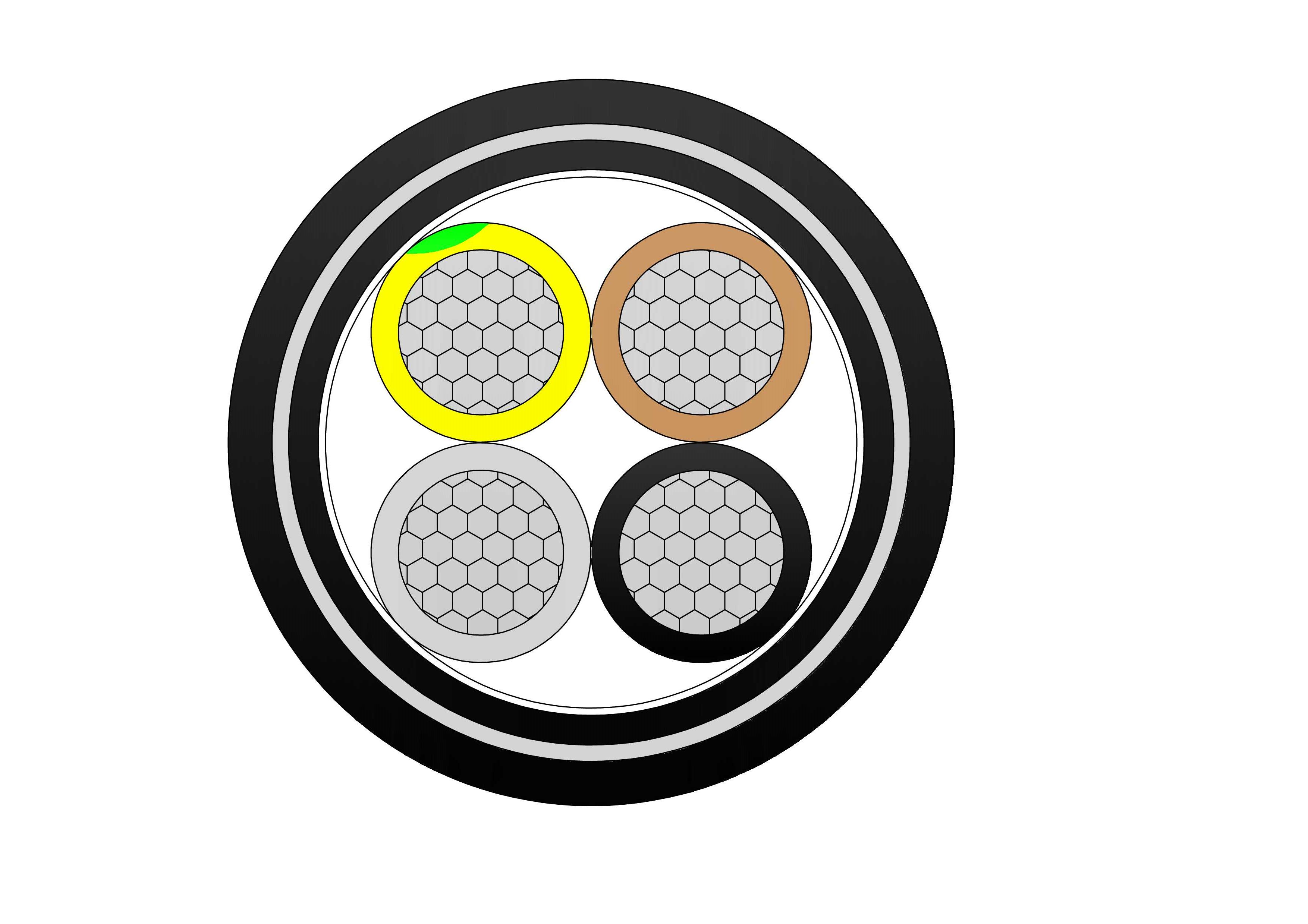
NA2XBY 0.6/1kV Low Voltage Power Cable
NA2XBY 0.6/1kV are low voltage power cables designed according to EN 60228 standard, suitable for fixed installation in indoor, outdoor, underground, Cable ducts, conduits, or concrete (not subject to vibration) environments. Featuring stranded aluminium conductors, cross-linked polyethylene (XLPE) insulation, PVC bedding, galvanized steel wire armour (SWA), and PVC outer sheath, it complies with IEC 60502-1 standards. The lightweight aluminium reduces material and installation costs while the SWA provides robust mechanical protection against impacts and rodents, ideal for direct burial. With low dielectric losses, high thermal stability, and good moisture resistance, it ensures efficient transmission in demanding environments. Flame-retardant and durable, the NA2XBY 0.6/1kV Low Voltage Power Cable offers long service life with minimal maintenance. Perfect for industrial sites, infrastructure projects, commercial developments, and utility networks requiring reliable, protected low-voltage underground power supply.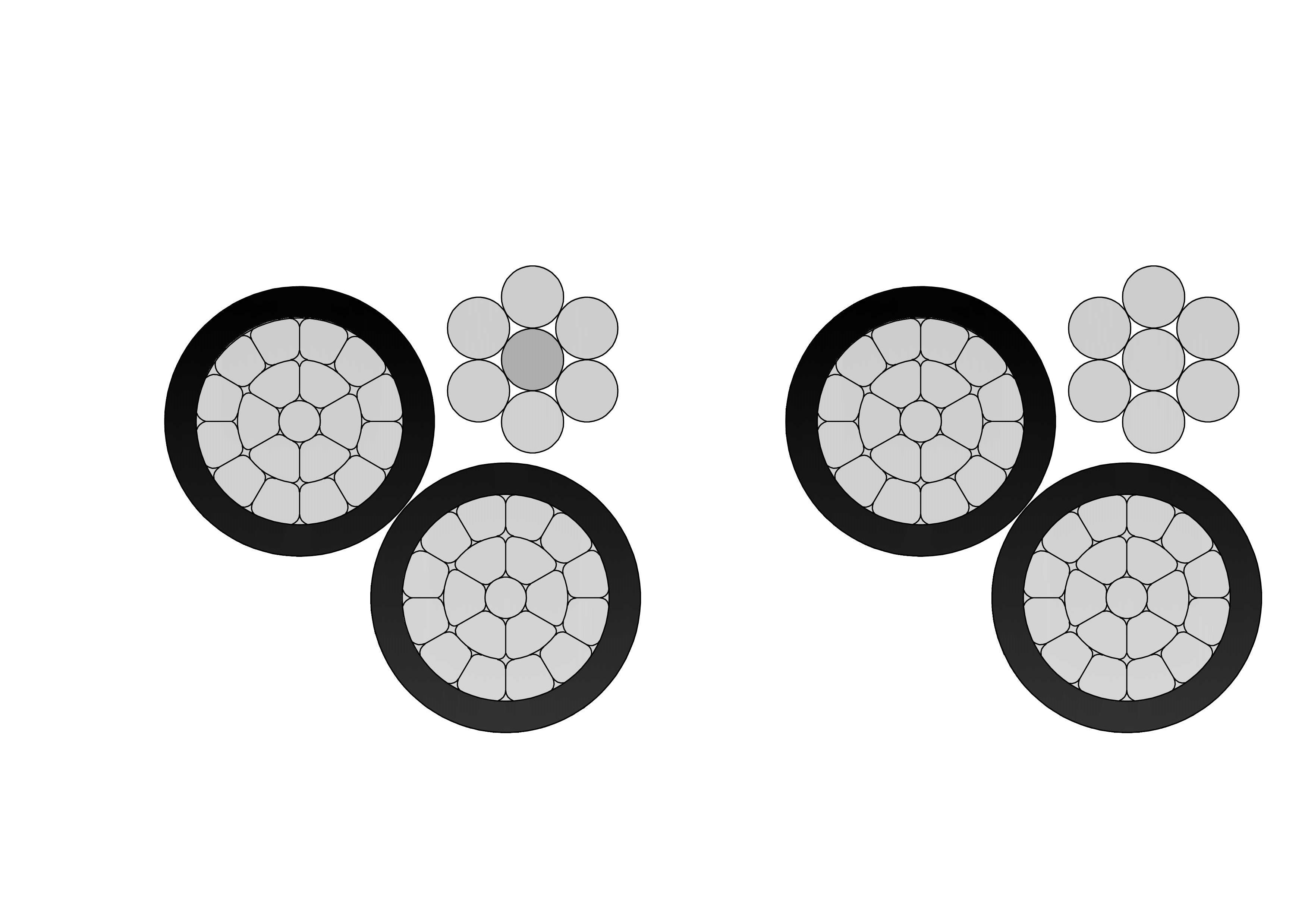
1/0 Ranella Aluminum Conductor Triplex Overhead Service Drop Cable
1/0 Ranella Triplex Service Drop Cable is a reliable overhead cable for secondary power distribution to residential service entrances. Featuring two 1/0 AWG aluminum phase conductors and one neutral messenger (7-strand) insulated with XLPE or PE and assembled in triplex configuration, it provides excellent mechanical strength and weather resistance. Compliant with ASTM B-230, B-231, ICEA S-76-474, and ANSI/ICEA standards, this cable supports 600V applications with high UV, moisture, and abrasion protection. The self-supporting messenger reduces sag and simplifies installation over medium spans. The 1/0 Ranella Triplex Service Drop Cable ensures low power losses, high current capacity, and long service life in harsh outdoor conditions. Lightweight and flexible, it is widely used for two-phase service drops with neutral in urban, suburban, and rural areas requiring safe, cost-effective aerial connections from utility poles to homes.
4/0 Lepas Aluminum Conductor Triplex Overhead Service Drop Cable
The 4/0-4/0-4/0 Lepas Aluminum Conductor Triplex Overhead Service Drop Cable is engineered for high-performance overhead power distribution from utility poles to residential, commercial, or light industrial weatherheads. It features concentric-lay-stranded 1350-H19 aluminum conductors (#4/0 AWG, 19-strand), black cross-linked polyethylene (XLPE) insulation for superior weather, UV, and thermal resistance, and a bare neutral messenger (#4/0 AWG, typically ACSR or AAAC 6201 alloy) for mechanical support and conductivity. Rated for 600 volts phase-to-phase at conductor temperatures up to 90°C (XLPE) or 75°C (Poly), it delivers an allowable ampacity of approximately 315 amps (XLP). Compliant with ASTM B-230, B-231, B-232, B-399, and ICEA S-76-474 standards, this robust, lightweight cable ensures easy installation, excellent electrical efficiency, and long-term durability in harsh outdoor environments, including wind, ice, moisture, and temperature extremes.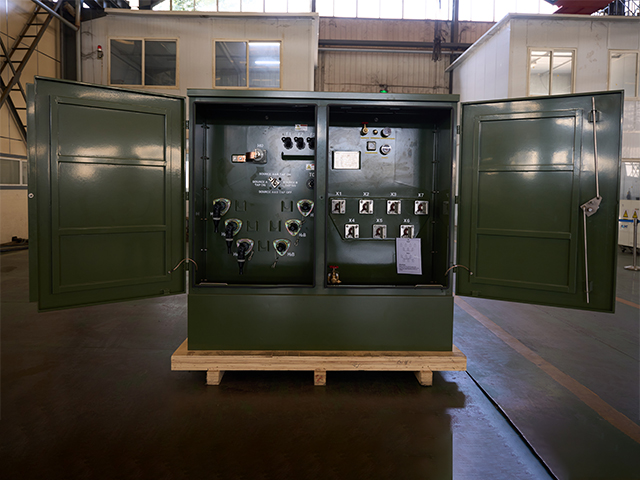
2MVA Solar Step-Up Pad Mounted Transformer for Solar PV
The 2MVA Solar Step-Up Pad Mounted Transformer is a purpose-built, three-phase, oil-immersed (ONAN) inverter step-up (ISU) transformer designed specifically for utility-scale solar PV farms, boosting low-voltage inverter AC outputs (typically 600V, 690V, 800V, or 480V) to medium-voltage collection levels (e.g., 12.47kV, 13.8kV, 22kV, 24.94kV, 33kV, or 34.5kV) for efficient grid tie-in. Engineered to IEEE C57.159 (DPV guide), IEEE C57.12.34 (pad-mounted compartmental-type), IEEE C57.12.00, DOE 2016 efficiency, and ANSI standards, this UL-listed unit features electrostatic shielding between windings to mitigate inverter harmonics and DC bias, K-factor up to K-19 for nonlinear loads, and reduced flux density to prevent core saturation from potential DC components.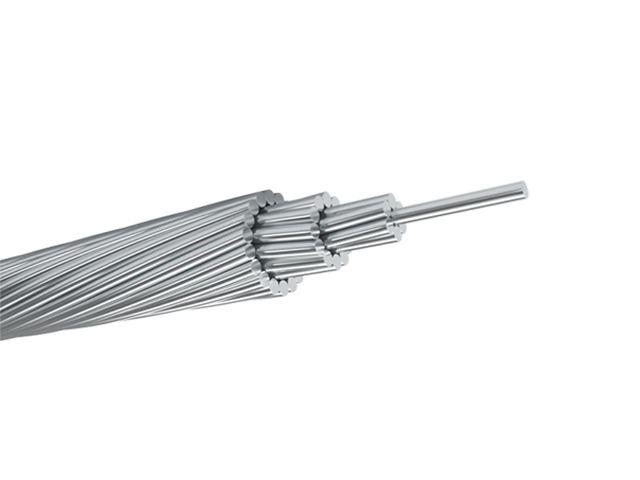
AAAC Rabbit Conductor Cable
AAAC RABBIT conductor is a compact, high-performance All Aluminum Alloy Conductor manufactured using 6201-T81 aluminum alloy, in compliance with ASTM B399, IEC 61089, and BS EN 50182 standards. Named "Rabbit" for its 50 mm² nominal area with 7-strand configuration, it offers superior conductivity (61% IACS) and tensile strength (295 MPa min) compared to ACSR. Made from heat-treated aluminum-magnesium-silicon alloy (6201-T81), this cable provides excellent corrosion resistance, low weight, and reduced sag for longer spans. Compliant with ASTM B398, B399, IEC 61089, and BS EN 50182 standards, it supports voltages up to 33kV with ampacity up to 250A at 75°C. The homogeneous alloy construction eliminates bimetallic corrosion and ensures uniform mechanical properties. The AAAC Rabbit Conductor Cable minimizes line losses, withstands harsh weather, and requires minimal maintenance. Ideal for rural electrification, urban upgrades, and renewable energy integrations, it delivers reliable, cost-effective power delivery in overhead lines worldwide, outperforming traditional conductors in corrosive or coastal environments.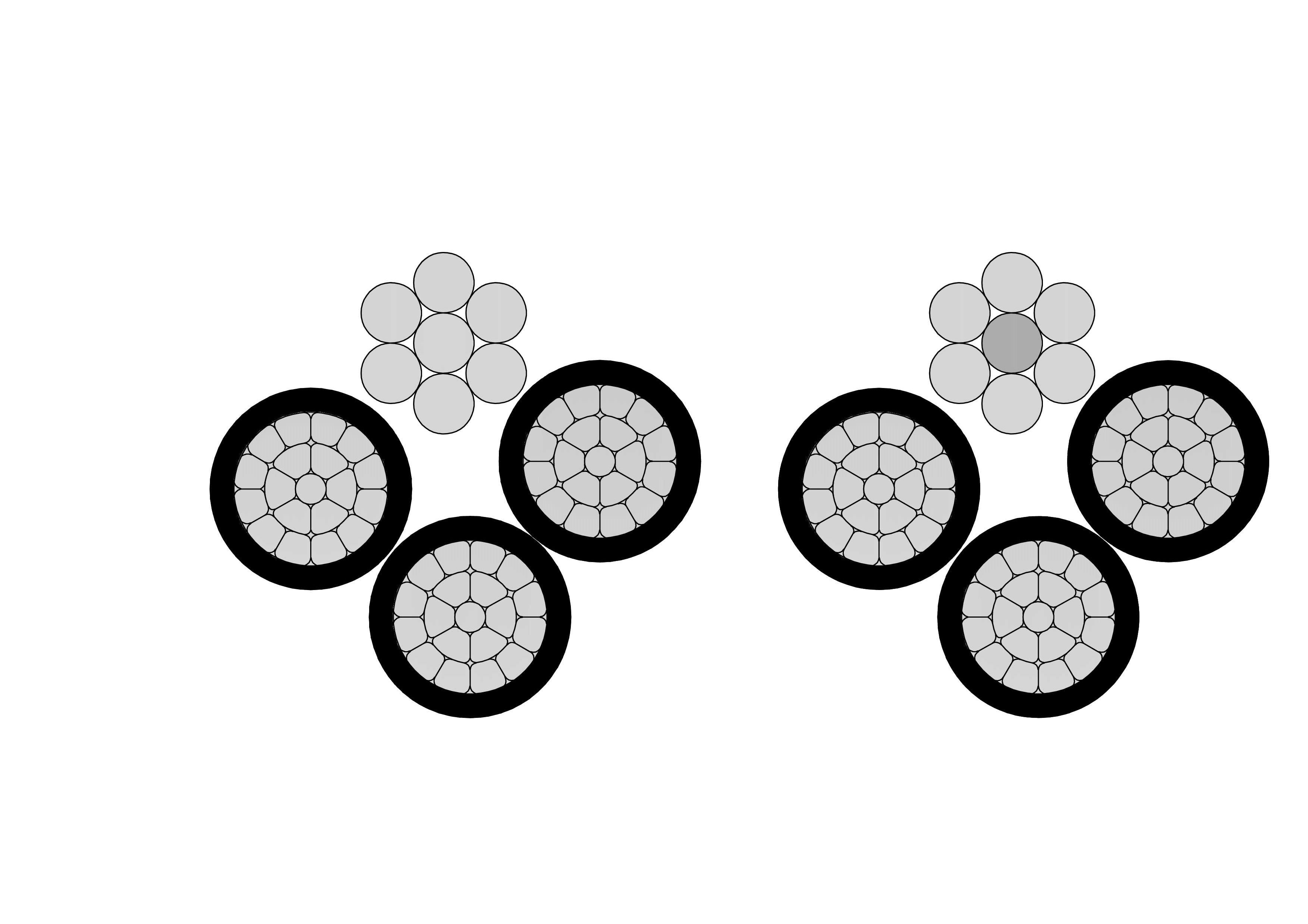
Quadruplex Service Drop Cable
NPC Electric Quadruplex Service Drop Cable offers efficient overhead three-phase service with neutral support. Comprising three-phase conductors (aluminum) insulated with XLPE or PE and helically twisted around a strong neutral messenger (ACSR, AAC, or covered aluminum), it meets ASTM, ICEA, and international standards. The messenger provides full self-support, allowing longer spans and reduced infrastructure costs. Premium insulation resists sunlight, moisture, and mechanical abrasion for decades of outdoor service. Lightweight and flexible, it simplifies installation with low sag. The Quadruplex Service Drop Cable ensures minimal losses, high mechanical endurance, and excellent weather performance up to 600V. Flame-retardant options enhance safety. Perfect for reliable power delivery in urban developments, commercial areas, street lighting, and temporary sites requiring safe, cost-effective aerial bundled solutions.
150kVA Single Phase Pole Mounted Transformer
NPC ELECTRIC'S 150kVA single phase pole mounted transformer is engineered for superior performance in overhead electrical distribution networks. This robust unit efficiently steps down high-voltage primary inputs, such as 13.8kV or 24.94kV, to secondary voltages like 120/240V or 277V, ensuring safe and reliable power delivery. Built with high-permeability toroidal cores and precision-wound copper conductors, it minimizes energy losses and enhances durability. Compliant with DOE-2016 efficiency standards and featuring a NEMA 3R-rated enclosure, this transformer withstands harsh environmental conditions while providing quiet operation. Ideal for utilities seeking long-term reliability, it includes protective features like surge arrestors and pressure relief valves to safeguard against overloads and faults. With a 65°C temperature rise rating and ONAN cooling, it handles diverse loads without compromising efficiency.
XLPE-HDPE Tree Cable Aluminum 25kV 1x70mm²
The XLPE-HDPE Tree Cable Aluminum 25kV 1x70mm² is specially designed for medium-voltage overhead distribution systems that demand higher load capacity. Its robust construction ensures outstanding performance and reliability even in harsh outdoor conditions, making it ideal for wooded areas, semi-urban environments, and locations where maintenance and tree-trimming need to be minimized. The conductor is made from high-conductivity aluminum alloy 1350 wires, round compacted with class 2 stranding, achieving a minimum conductivity of 61% IACS and a tensile strength of at least 130 MPa. Optional conductor shielding with an extruded semiconductor thermosetting compound is available for 15kV and 25kV applications, providing enhanced electrical performance. This 25kV XLPE-HDPE tree cable delivers reliable, eco-friendly power distribution with reduced maintenance needs. Its combination of high current capacity, environmental resilience, and long service life makes it a perfect solution for medium-voltage overhead networks in challenging outdoor settings.Welcome your inquiry
Honesty, Integrity, Frugality, Activeness and Passion